
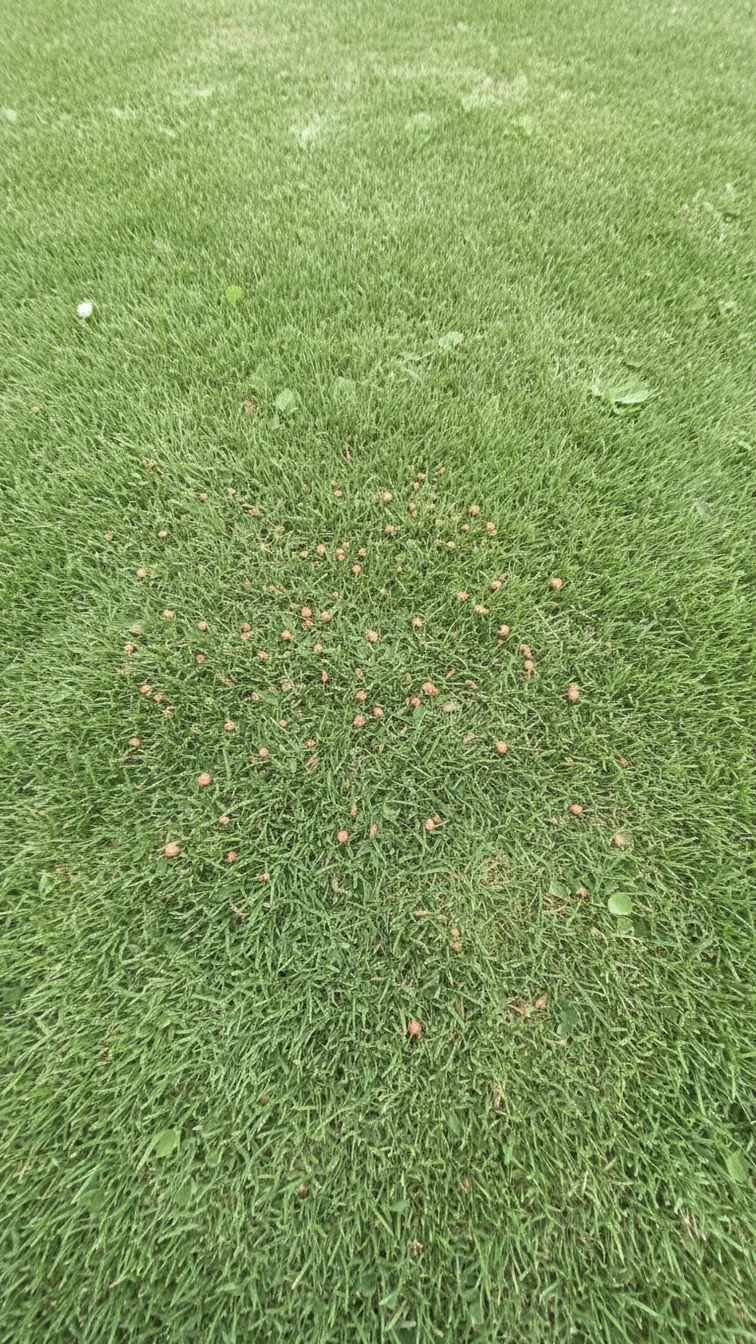

Copper spot is a summer turfgrass disease that covers susceptible grass with small, circular, copper-colored patches, most noticeable right after a fresh cut. If copper spot shows up on your lawn, understanding what makes it worse will help more than reaching for a fungicide as a first step. See our spring lawn care guide for the seasonal basics that keep turf resilient overall.
What Copper Spot Is
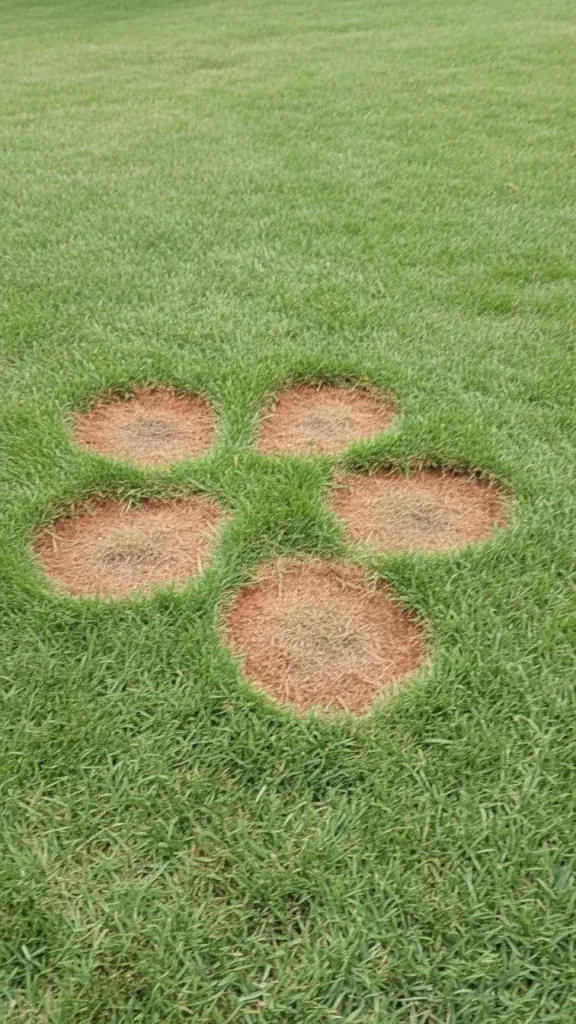
Copper spot is caused by the fungus Gloeocercospora sorghi. It is a foliar disease that primarily affects bentgrass, with the most severe outbreaks typically occurring on velvet bentgrass, though creeping bentgrass is also a common host.
The disease produces small, rapidly multiplying, copper-colored patches on closely mowed turf. Outbreaks can develop overnight when conditions are right, which surprises a lot of gardeners who checked their lawn just a day earlier and saw nothing unusual.
How to Identify Copper Spot on Turf
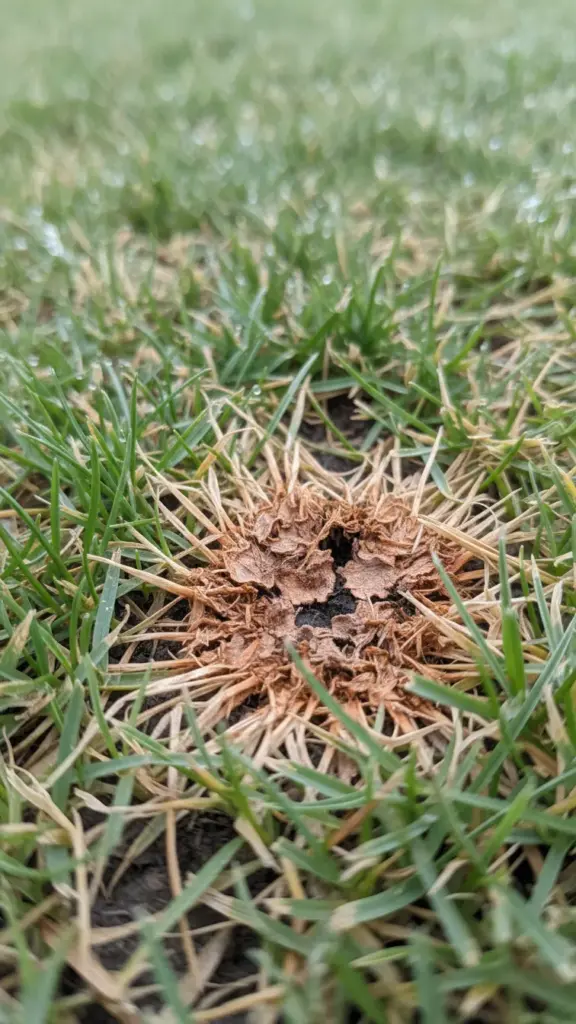
Symptoms appear as small reddish-brown or copper-colored spots on the leaf blades, roughly the same size as dollar spot lesions, according to Penn State’s Turf Pest Diagnostic Lab. Under severe disease pressure, these individual spots coalesce into larger patches with irregular margins.
The patches are most conspicuous right after mowing, since freshly cut grass shows the discolored tissue more clearly than grass that has grown out a bit. In warm, wet conditions, visible fungal signs may develop within the spots, giving them a slightly fuzzy or coated look up close.
Which Grasses Are Most Susceptible to Copper Spot
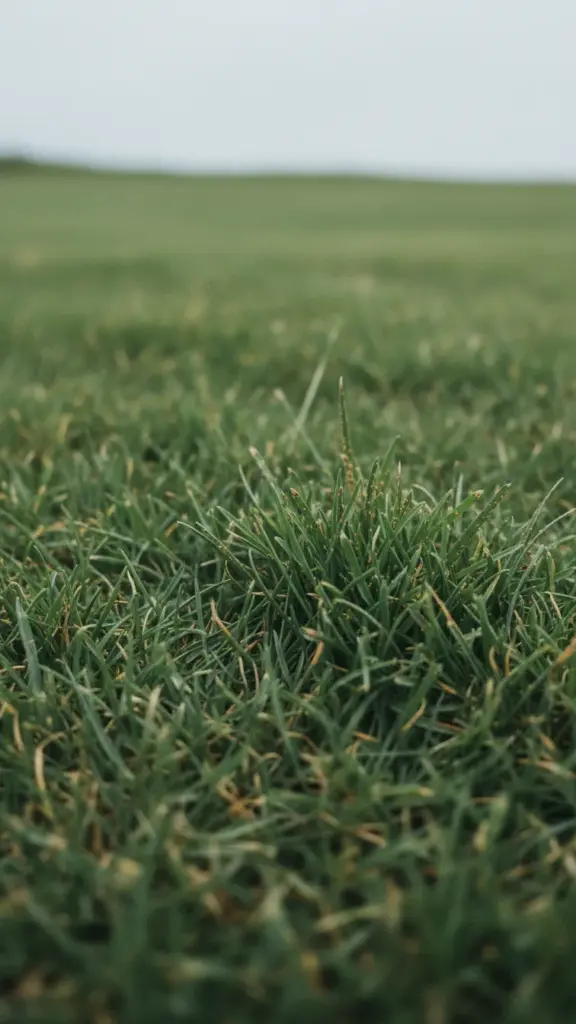
Bentgrass is by far the primary host, and velvet bentgrass shows the severest outbreaks among bentgrass types. Creeping bentgrass is also regularly affected, particularly on closely mowed turf such as golf course putting greens, though home lawns with bentgrass can see it too.
Copper spot is a fairly minor issue on most home lawns simply because bentgrass is less commonly used in home lawn seed mixes than in golf course turf, but any bentgrass-heavy lawn should be monitored during the warmest months.
How Copper Spot Spreads and Survives
The fungus overwinters in the soil, giving it a reliable source of inoculum to start new infections each year once conditions turn favorable again. Humid, mild-temperature weather during summer allows the fungus to spread quickly across susceptible turf.
Because outbreaks can appear and expand within just a day or two under the right conditions, copper spot can look alarming even though the underlying spread mechanism between seasons is fairly slow-moving.
Copper Spot vs Other Turf Diseases
Several turf diseases produce small, discolored patches that can be confused with copper spot early on.
| Disease | Typical Host | Key Feature | Season |
| Copper Spot | Bentgrasses, especially velvet bentgrass | Small copper or reddish-brown spots, most visible after mowing | June to September |
| Dollar Spot | Most turfgrasses | Similar spot size, but bleached straw-colored lesions with hourglass-shaped leaf bands | Spring through fall |
| Bentgrass Dead Spot | Young creeping bentgrass on sand-based greens | Circular dead patches with reddish-brown border, does not fade on its own | June to September |
| Brown Ring Patch | Annual bluegrass, creeping bentgrass | Yellow to golden rings, 3 to 12 inches across | December to July |
The clearest way to separate copper spot from dollar spot is the color: copper spot lesions have a distinctly copper or bronze cast, while dollar spot lesions look more bleached or straw-colored.
Conditions That Favor Copper Spot
Humid but mild temperatures during summer create the ideal environment for copper spot to develop and spread. Extended leaf wetness from dew, irrigation, or rain gives the fungus the moisture it needs to infect new leaf tissue.
Acidic soil is also a contributing factor, since soil pH below 6.0 favors disease development, particularly where creeping bentgrass is grown. Excess nitrogen fertilization in summer likewise makes turf more susceptible, since lush, fast-growing leaf tissue produced under high nitrogen is generally more vulnerable to a range of foliar turf diseases, copper spot included.
Does Copper Spot Cause Lasting Damage to the Lawn
No, generally not. Copper spot causes little permanent injury to turf, according to the Connecticut Agricultural Experiment Station. When severe, the disease can make a lawn look unsightly for a stretch of time, but symptoms typically disappear again after a few weeks even without treatment.
That said, if copper spot recurs every summer on the same turf, it is worth addressing the underlying conditions rather than simply waiting it out each year.
Step 1: Reduce Nitrogen Fertilization in Summer
Avoid excessive nitrogen applications during the warmest months when copper spot is most active, since high nitrogen pushes lush growth that is more susceptible to infection. Shift heavier feeding to spring and fall when disease pressure is lower.
Maintain adequate overall fertility rather than cutting nitrogen out entirely, since underfed turf has its own set of problems; the goal is avoiding excess, not starving the lawn.
Step 2: Adjust Soil pH With Lime if Needed
Test your soil and apply lime if pH is below the optimal range, since soil pH below 6.0 favors copper spot development. Creeping bentgrass performs best between pH 5.5 and 6.5, but pH should be kept above 6.0 specifically where annual bluegrass is also present in the stand, according to NC State Extension.
Annual soil testing is the most reliable way to know whether lime applications are actually needed rather than guessing based on symptoms alone.
Step 3: Minimize Leaf Wetness and Improve Air Movement
Avoid watering practices that leave the canopy wet for long stretches, and improve air circulation wherever it is restricted. Installing fans in shaded, low-airflow areas can help speed up how quickly the canopy dries after rain or dew, a practice used on golf course turf that can apply to problem areas of a home lawn as well.
Thinning overhanging tree branches or shrubs near a bentgrass lawn can also improve airflow and speed up how quickly the canopy dries after rain or dew.
Step 4: Water Early in the Day, Not at Night
Water in the early morning rather than in the evening or overnight, so the leaf surface has time to dry out during daylight hours. Watering at night leaves grass wet for many additional hours, extending the window during which the fungus can infect new tissue.
If you rely on an automatic irrigation system, check that its schedule is not set for late evening or overnight hours, since this is one of the easiest and most overlooked contributors to turf disease pressure generally, not just copper spot.
Step 5: Apply Fungicide for Persistent Outbreaks
Fungicide performance specifically for copper spot control is not well studied, but where the disease has been a persistent problem, applying a labeled fungicide every 14 to 21 days during conducive conditions is the recommended approach. In other situations, the disease can often be controlled curatively if caught early.
Tank-mixtures of contact and systemic fungicides tend to be most effective once symptoms have already appeared, rather than relying on either type alone.
Can You Prevent Copper Spot With Resistant Grass
Yes, to some degree. Planting resistant cultivars is a recommended preventive measure, and choosing bentgrass varieties bred for lower disease susceptibility reduces how often you will need to manage outbreaks. If you are reseeding or renovating a bentgrass area, checking cultivar disease ratings before choosing seed is worth the extra research time.
Common Questions
Is Copper Spot the Same as Zonate Leaf Spot
Yes. Zonate leaf spot is an alternate name for the same disease caused by Gloeocercospora sorghi, referencing the concentric zoned pattern that can appear within individual lesions.
Can Copper Spot Appear on Home Lawns or Only Golf Courses
It can appear on home lawns, though it is far more commonly reported on golf course putting greens and other closely mowed bentgrass turf. Any home lawn with a significant bentgrass component during a humid summer is still at risk.
Why Does Copper Spot Show Up Right After Mowing
Mowing removes the upper portion of grown-out leaf blades, exposing the discolored, infected tissue more clearly than it would appear on longer, unmowed grass. This is why the patches often look more obvious and more numerous immediately after a cut, even though the underlying infection level has not actually changed.
How Long Do Copper Spot Symptoms Last
Even severe outbreaks typically fade within a few weeks, since the disease causes little permanent injury. Ongoing management is still worthwhile if the problem returns year after year on the same turf.
Should You Water Less to Control Copper Spot
Not necessarily less overall, but you should avoid excess watering and any practice that leaves the canopy wet for extended periods. Watering the right amount at the right time of day matters more than simply reducing total water volume.
Where to Go From Here
Copper spot is mostly a cosmetic summer problem on bentgrass turf, driven by humid weather, wet leaves, acidic soil, and excess nitrogen rather than any single cause you can fix with one treatment. Adjusting your mowing routine alongside soil pH, watering timing, and summer fertilization will reduce how often you see it, and if outbreaks are heavy enough to need professional help, a lawn care service experienced with turf diseases can manage a targeted fungicide program.








