
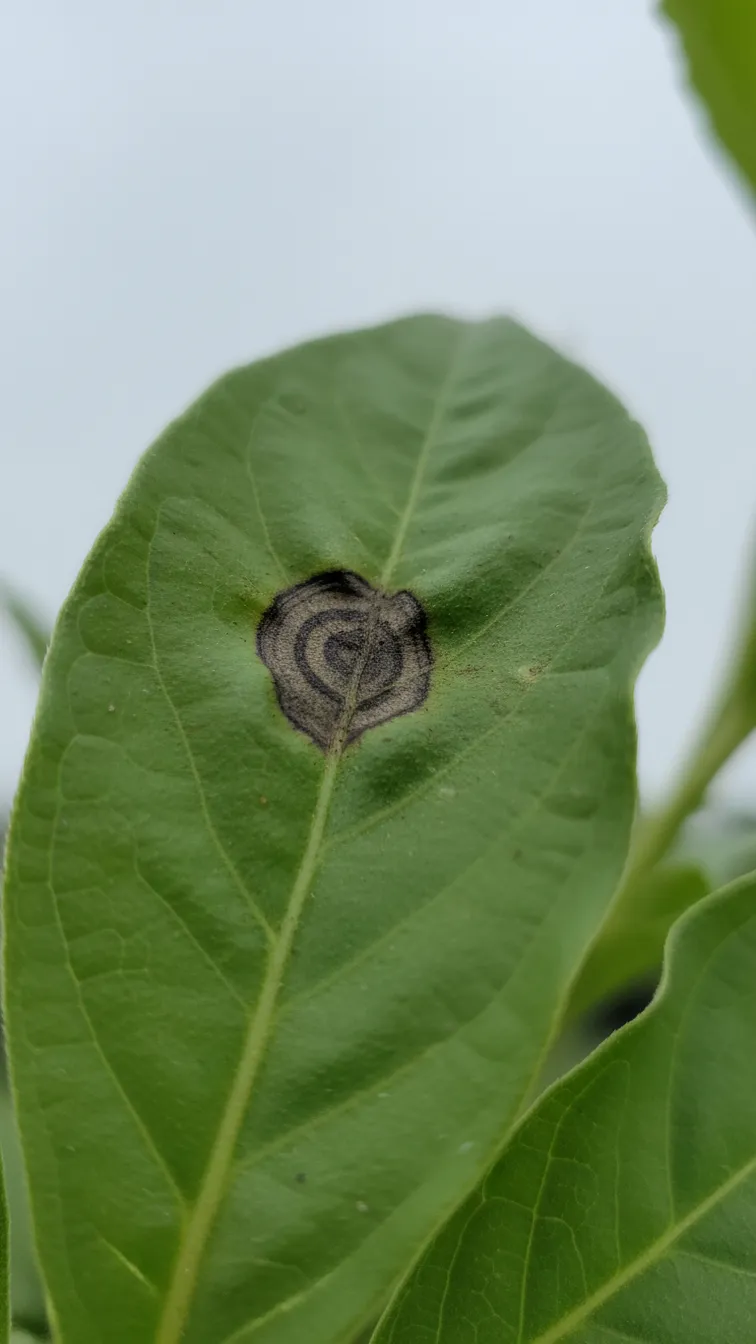

Colletotrichum leaf spot is a fungal disease caused by species in the genus Colletotrichum, the same group of fungi responsible for anthracnose on trees, shrubs, vegetables, and turf. It shows up as small, sunken spots with distinct borders, and on many hosts the spots eventually develop tiny orange or salmon-colored spore masses in their centers. Because the genus infects such a wide range of plants, from English ivy to watermelon to dogwood, gardeners often meet this disease under a different name each time and never realize it is the same fungal cause.
This guide covers how to identify Colletotrichum leaf spot on ordinary garden and landscape plants, what causes it to spread, how it compares to other common leaf spot diseases, and a five-step plan for managing an active infection.
What Colletotrichum Leaf Spot Is
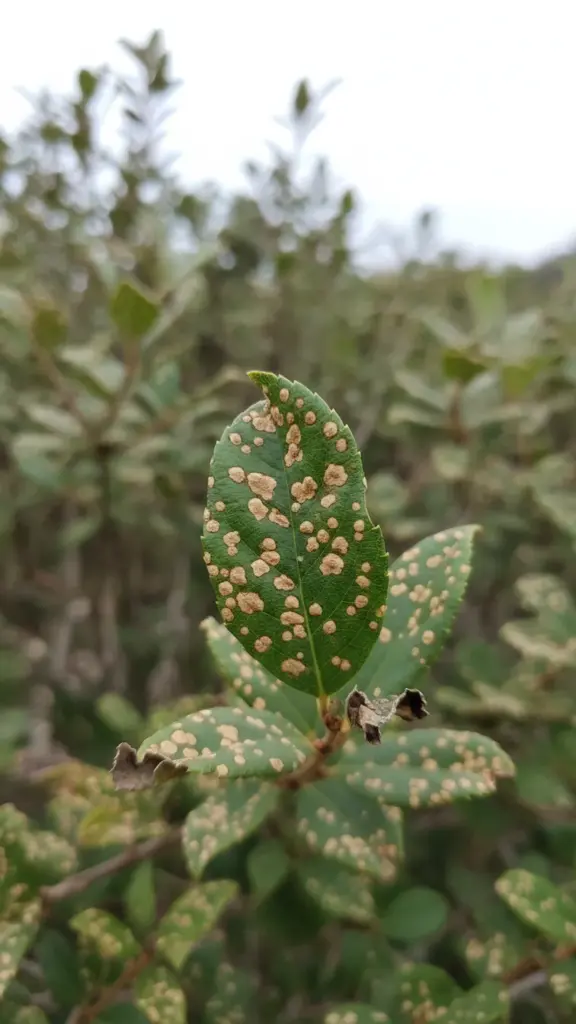
Colletotrichum is one of the most common and economically important fungal genera causing anthracnose worldwide. On leaves specifically, the infection is usually called leaf spot rather than anthracnose, though the two terms describe the same underlying fungus attacking different plant parts. Anthracnose more often refers to symptoms on stems, twigs, and fruit, while leaf spot describes the foliar lesions.
The fungus is not host-specific to a single plant. Different Colletotrichum species and strains have adapted to particular hosts such as strawberry, pepper, mango, and turfgrass, but the disease pattern they produce on leaves looks remarkably similar across all of them: small circular to irregular spots that expand, darken, and sometimes coalesce into larger dead patches.
How to Identify Colletotrichum Leaf Spot Symptoms
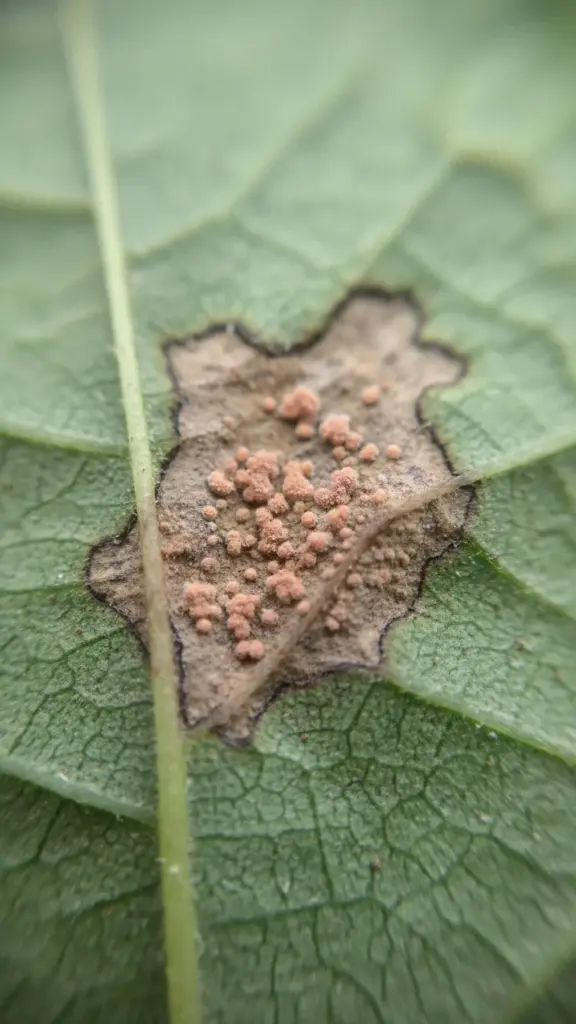
Early lesions start as small, water-soaked or yellowish spots, often less than a quarter inch across. As they mature, the centers dry out and turn tan, brown, or nearly black, usually with a darker, well-defined border separating dead tissue from healthy green leaf.
On many hosts, close inspection under good light or a hand lens reveals tiny raised structures called acervuli in the older spots. These can ooze orange to salmon-colored spore masses in humid weather, sometimes forming small tendrils that stick out from the lesion surface, a detail noted specifically in university extension guidance on landscape anthracnose. This orange spore mass is one of the more reliable field clues that separates Colletotrichum from bacterial leaf spots, which do not produce this feature.
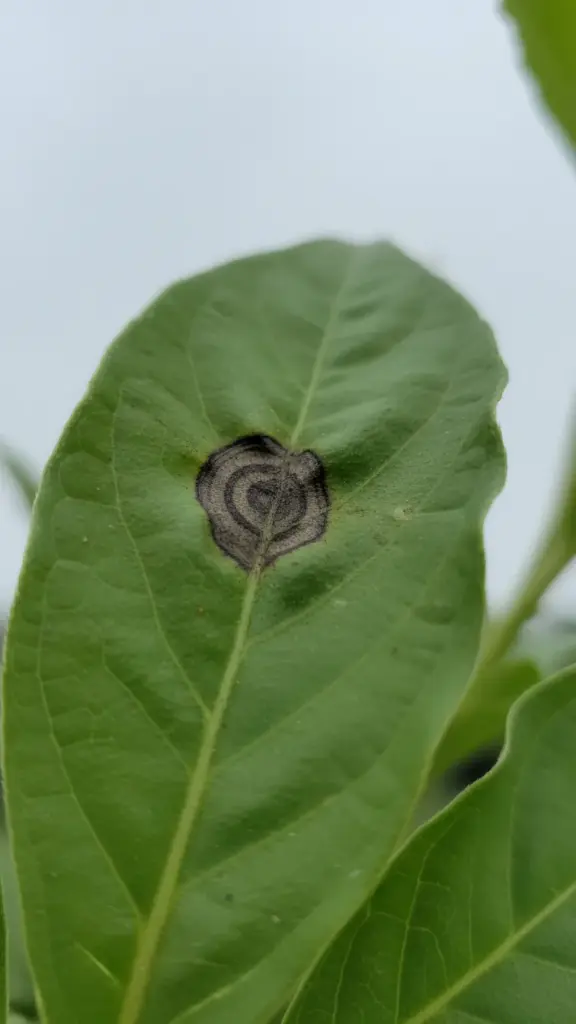
On some plants, particularly English ivy, the concentric ring pattern is pronounced enough that lesions look almost like a target, with alternating bands of light and dark tissue radiating outward from the original infection point.
Common Hosts Affected by Colletotrichum Leaf Spot
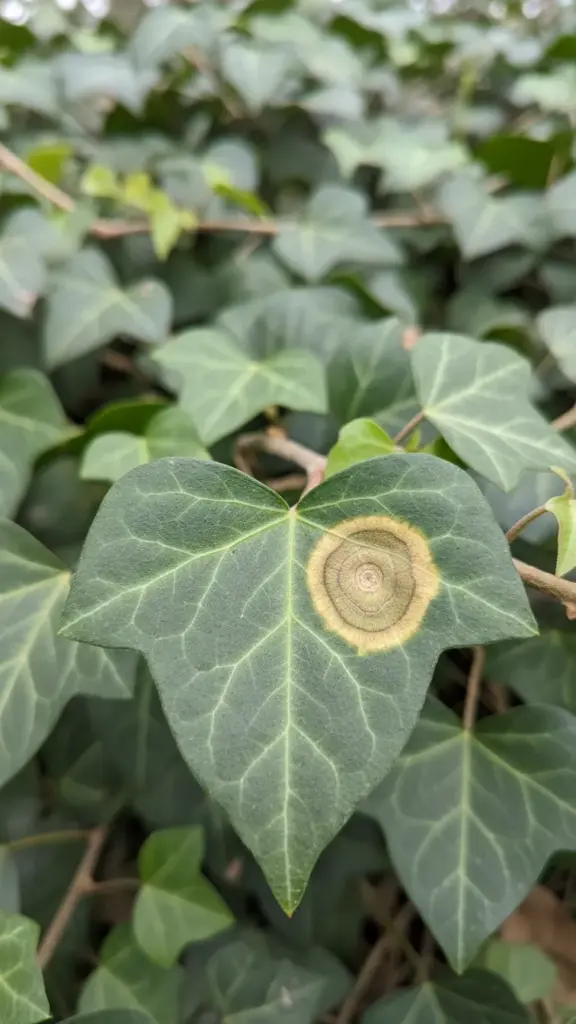
Because this is a genus rather than a single species, the list of susceptible plants is long. Woody ornamentals such as English ivy, hydrangea, and dogwood can develop it, and dogwood in particular has its own named variant called spot anthracnose. Vegetable crops including pepper, cucurbits such as watermelon and cucumber, and strawberry are frequent hosts, along with tropical fruit like mango. Turfgrass anthracnose, caused by a related Colletotrichum species, tends to show up as thinning and yellowing patches rather than distinct leaf spots.
A plant that has never shown this disease before can still develop it if conditions turn favorable, since spores travel easily on wind-blown rain, splashing irrigation water, and even on pruning tools moved from an infected plant to a healthy one.
What Causes Colletotrichum Leaf Spot to Spread
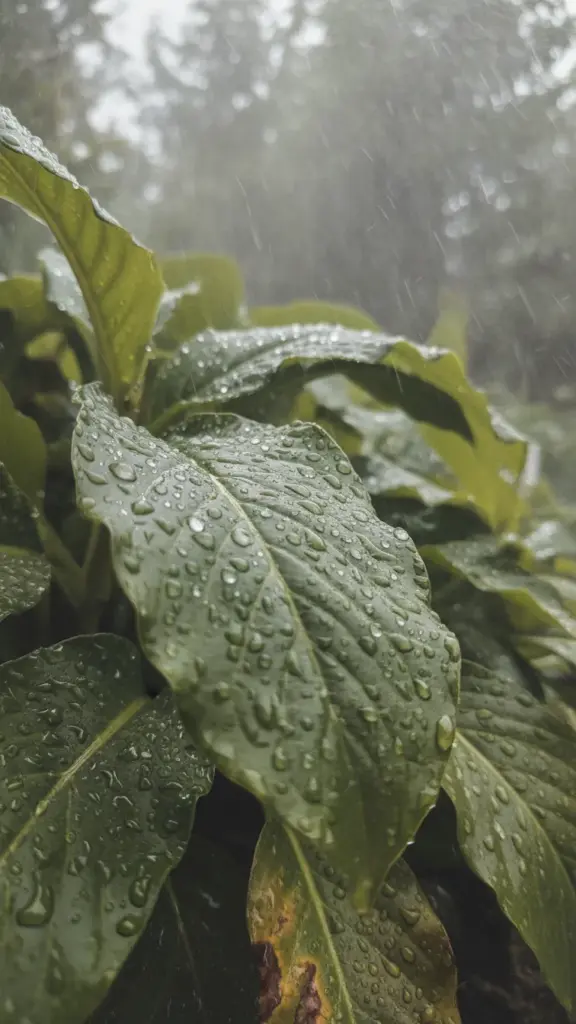
Spores need a film of moisture on the leaf surface to germinate and penetrate plant tissue, which is why outbreaks cluster around wet weather, overhead irrigation, and dense plantings with poor airflow. Once established, a single infected leaf can produce enough spores in a week of humid conditions to seed an entire bed or hedge row.
Stressed plants tend to suffer worse outbreaks than vigorous ones. Drought stress followed by sudden rain, nitrogen deficiency, and physical wounds from pruning, hail, or insect feeding all create easier entry points and slower recovery once infection takes hold.
Colletotrichum Leaf Spot vs Other Leaf Spot Diseases

Several unrelated fungi and bacteria produce leaf spots that look similar at a glance. The table below highlights the field differences that matter most for identification.
| Disease | Typical Spot Appearance | Distinguishing Clue |
| Colletotrichum leaf spot (anthracnose) | Sunken tan to dark brown spots, sometimes concentric rings | Orange to salmon spore masses (acervuli) in older lesions |
| Cercospora leaf spot | Small circular spots with gray or tan centers and a purple to reddish border | Distinct halo ring around each spot, rarely sunken |
| Alternaria leaf spot | Dark brown to black spots, often with visible concentric rings | Lesions expand quickly in warm wet weather, frequently on lower leaves first |
| Bacterial leaf spot | Angular, water-soaked spots bound by leaf veins | No fungal fruiting bodies visible even with magnification, spots often greasy-looking |
When the spots carry visible orange spore masses or the lesion is clearly sunken below the leaf surface, Colletotrichum is the more likely culprit. When spots stay angular and follow leaf veins with no fruiting structures at all, a bacterial cause such as bacterial leaf spot is more probable, since bacteria cannot cross the barrier of a leaf vein the way fungal hyphae often can.
Conditions That Favor Colletotrichum Leaf Spot
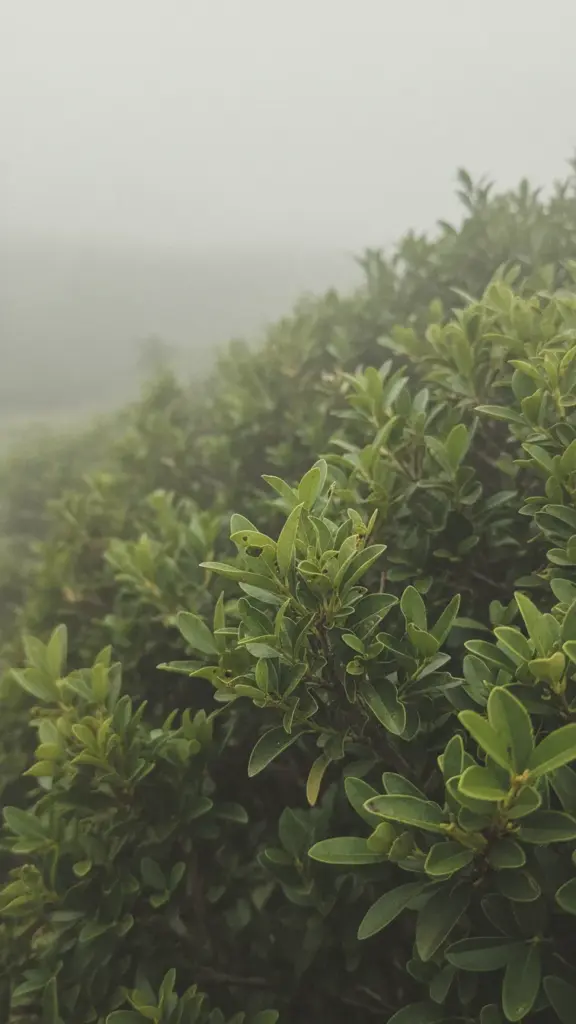
Extended leaf wetness is the single biggest driver. Morning dew that lingers into midday, overhead sprinklers running in the evening, and crowded plantings that trap humidity all extend the window spores have to germinate. Warm temperatures in the 75 to 85 degree Fahrenheit range accelerate the disease cycle, though many Colletotrichum species can still infect at cooler temperatures given enough moisture.
Overwintering is another piece of the puzzle. The fungus survives between seasons in fallen infected leaves, dead twigs, and plant debris left on the ground, then produces new spores the following spring as temperatures rise and rain returns.
Step 1: Remove and Destroy Infected Leaves
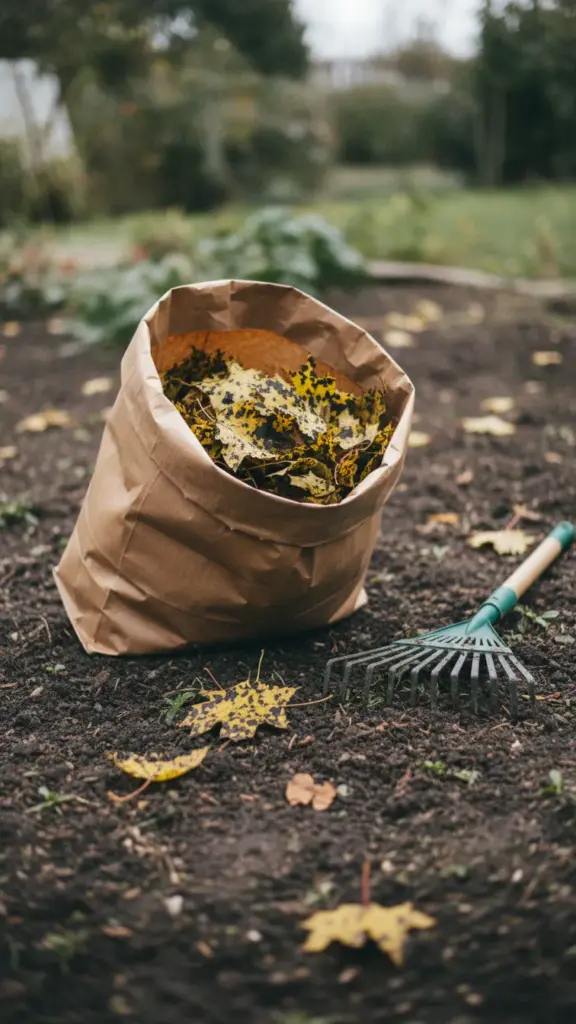
Start by picking off and bagging leaves with visible lesions rather than composting them, since home compost piles rarely reach temperatures high enough to kill fungal spores. For a hedge or groundcover with widespread infection, rake up fallen leaf litter underneath the plant as well, since old debris is where the fungus overwinters and reinfects new growth each spring.
Sanitize pruning shears between cuts with rubbing alcohol or a diluted bleach solution when removing infected material, especially if you are also cutting healthy stems on the same visit.
Step 2: Improve Air Circulation and Reduce Leaf Wetness
Thin out crowded stems and prune nearby plants back so air can move through the foliage and dry leaves faster after rain or dew. Space new plantings further apart than the tag suggests if the site has a history of leaf spot problems.
Switch overhead sprinklers to drip irrigation or a soaker hose where practical, and if overhead watering is unavoidable, run it early in the morning so leaves dry before evening rather than sitting wet overnight.
Step 3: Adjust Watering Practices
Water at the base of the plant and avoid wetting foliage altogether when possible. Deep, less frequent watering also encourages stronger roots and reduces the drought stress that can make plants more vulnerable to infection once wet weather returns.
Avoid working around wet plants, since brushing against infected wet foliage is an easy way to carry spores to healthy leaves on your hands, tools, or clothing.
Step 4: Apply Fungicide When Necessary
For high-value ornamentals or a valuable vegetable crop with a history of repeat infection, a fungicide labeled for anthracnose or Colletotrichum leaf spot can be applied preventively at the start of the wet season, then reapplied on the label’s schedule while conditions stay favorable for disease. Fungicides work best as a preventive layer rather than a cure, since they protect uninfected tissue rather than reversing damage already done to existing spots.
Rotate between fungicide classes with different modes of action if repeat applications are needed across a season, since relying on one product repeatedly encourages resistant fungal strains to build up over time.
Step 5: Choose Resistant Varieties for Replanting
When replacing a severely affected plant or choosing new cultivars for a bed with recurring problems, look for varieties bred with anthracnose resistance, which exist for crops such as strawberry, pepper, and several turfgrass species. Resistant varieties will not always stay completely free of symptoms in a bad year, but they typically show milder damage and recover faster than susceptible ones.
Can Colletotrichum Leaf Spot Kill a Plant
A mild case rarely kills an established woody plant outright, since most of the damage stays limited to leaf tissue that the plant can eventually replace. Repeated severe defoliation over several consecutive seasons is a different story, since it steadily drains the stored energy a plant needs to leaf out again each spring, weakening it enough that other stresses or secondary pests can finish the job.
Young plants, seedlings, and container-grown stock are at higher risk of serious harm, since they have far less stored reserve to draw on than a mature tree or shrub with years of root growth behind it.
Common Questions
Is Colletotrichum Leaf Spot the Same as Anthracnose
They come from the same fungal genus, but the terms describe different symptom locations. Anthracnose is the broader term typically applied to stem, twig, and fruit symptoms, while leaf spot describes the foliar lesions specifically. Many plant pathology sources use both terms almost interchangeably depending on which plant part is discussed.
Can Colletotrichum Leaf Spot Spread Between Different Plant Species
Most Colletotrichum species have a fairly narrow host range and will not jump from, for example, a strawberry patch to a nearby oak tree. Cross-infection is more of a concern between closely related plants, such as different cucurbit crops grown near each other.
Does Colletotrichum Leaf Spot Come Back Every Year
It often does on sites where infected debris is left in place and the same weather pattern of wet springs repeats. Removing fallen leaf litter each fall and improving drainage and airflow around the planting significantly reduces the odds of a repeat outbreak the following season.
Is Colletotrichum Leaf Spot Contagious to Other Garden Areas
Spores travel on wind-driven rain, splashing water, and tools, so an untreated infection can spread to nearby susceptible plants of the same or closely related species over a season. It generally will not jump to unrelated plant families growing further away.
What Is the Fastest Way to Slow Down an Active Outbreak
Removing visibly infected leaves and switching to base-level watering are the two fastest actions, since both immediately cut down on the spores available to spread and the moisture they need to germinate. A protective fungicide application can add a further layer while those cultural changes take effect.
Where to Go From Here
Colletotrichum leaf spot is easy to miss as a distinct disease because it hides under different regional names depending on the host plant. Once you recognize the sunken lesions and orange spore masses as a pattern, you can apply the same core management plan, sanitation, better airflow, careful watering, and resistant varieties, to almost any plant it shows up on. For related fungal issues on the same plants, see anthracnose fruit rot and general anthracnose plant disease management.








