
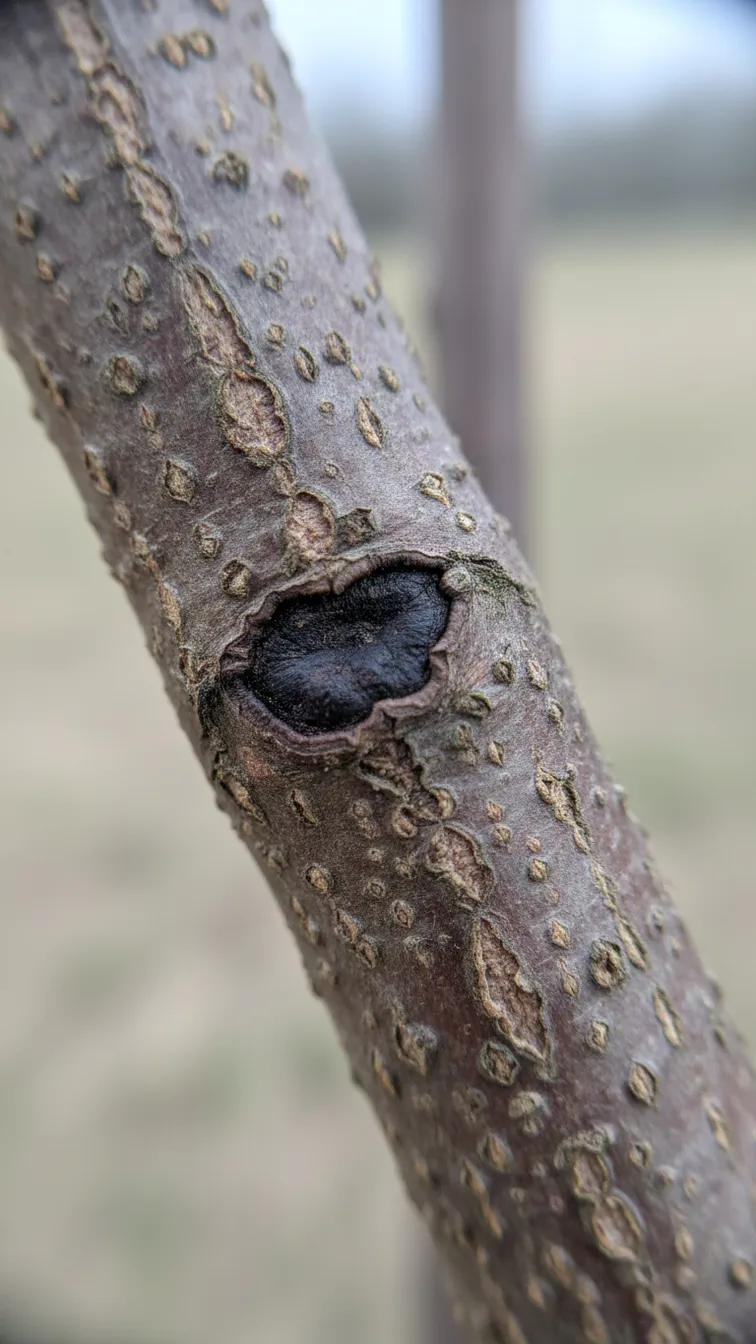

Colletotrichum is best known for the leaf spot form of anthracnose, but the same fungal genus can also attack stems, shoots, and crowns directly. This form shows up as sunken cankers, dieback of shoot tips, and internal browning at the base of the plant, and it behaves differently enough from leaf spot that it needs its own identification checklist and treatment plan.
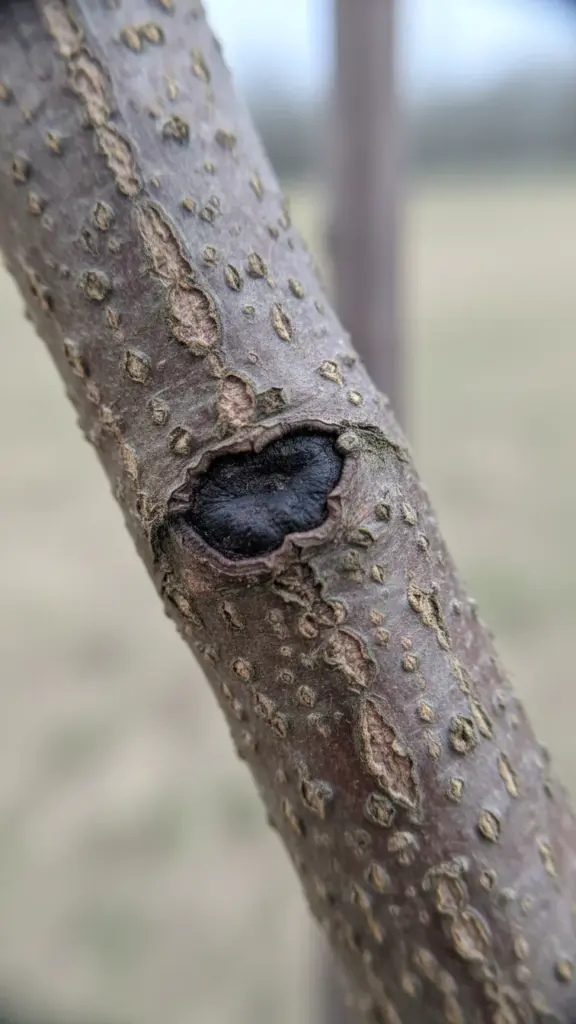
This guide covers how to recognize Colletotrichum stem decay, which plants are most often affected, how it compares to leaf-level infection and other canker diseases, and a five-step approach for pruning it out and preventing it from returning.
What Colletotrichum Stem Decay Is
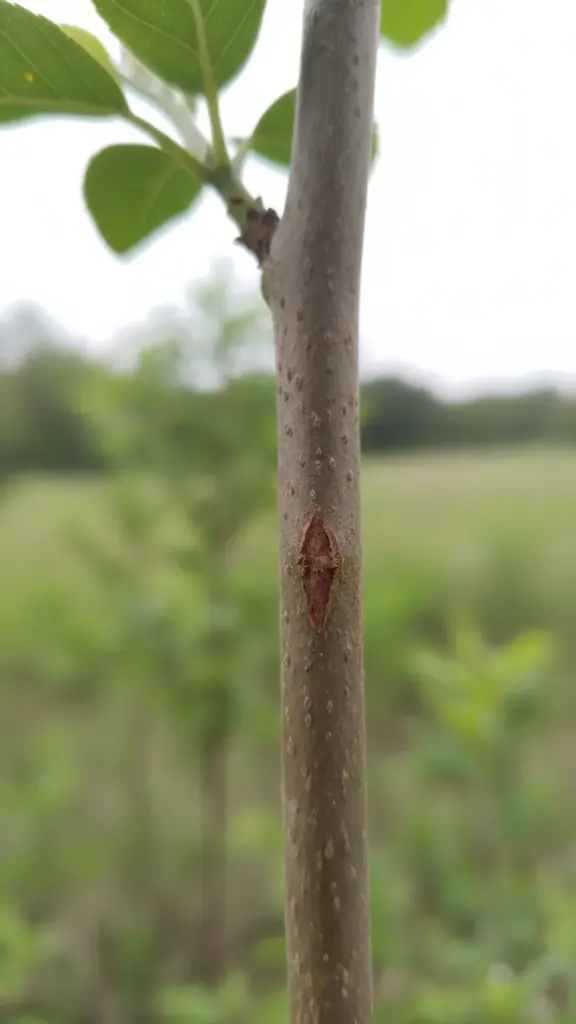
When a Colletotrichum species infects woody or herbaceous tissue below the leaf, the resulting disease is usually described as a stem canker, shoot dieback, or crown rot rather than a leaf spot, even though the same fungal genus is responsible. On willow, for example, Colletotrichum salicis causes a disease known specifically as black canker, which affects stems only rather than producing the leaf spotting seen with related willow diseases.
On strawberry, the crown-level form is called Colletotrichum crown rot, and it can sit inside a plant without visible external symptoms for some time before the crown collapses, since the fungus develops internally before the plant shows outward signs of stress. This latent behavior is one of the more frustrating traits of the stem and crown form compared to leaf spot, which tends to show visible lesions much sooner.
How to Identify Colletotrichum Stem Decay Symptoms
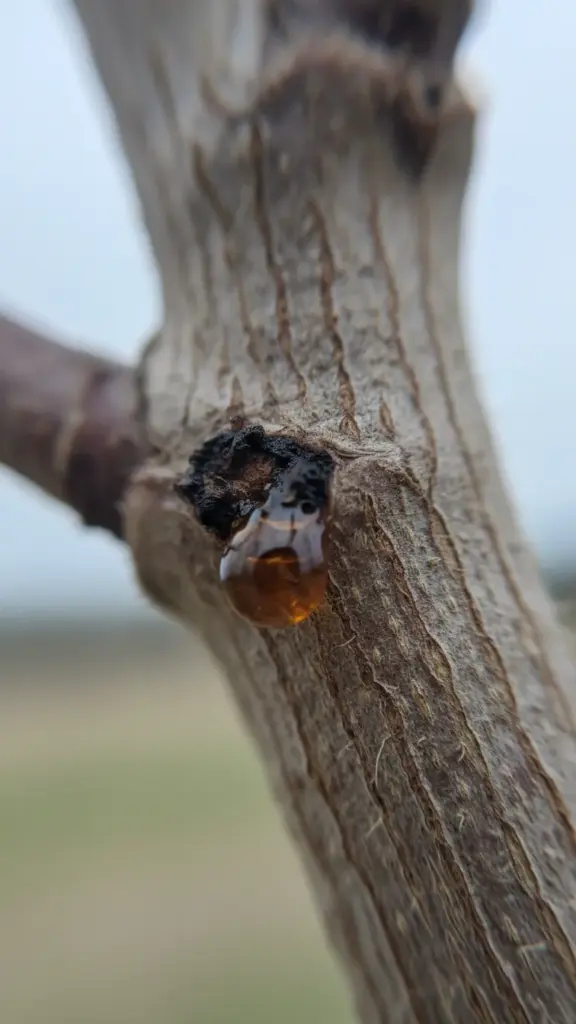
Externally, look for sunken, discolored patches on stems or canes, often with a slightly darker margin than the surrounding healthy tissue. On young shoots, gum or resin pockets can form at the infection site on some woody hosts, and the shoot tip beyond the canker often wilts and dies back while older growth further down the stem stays green.
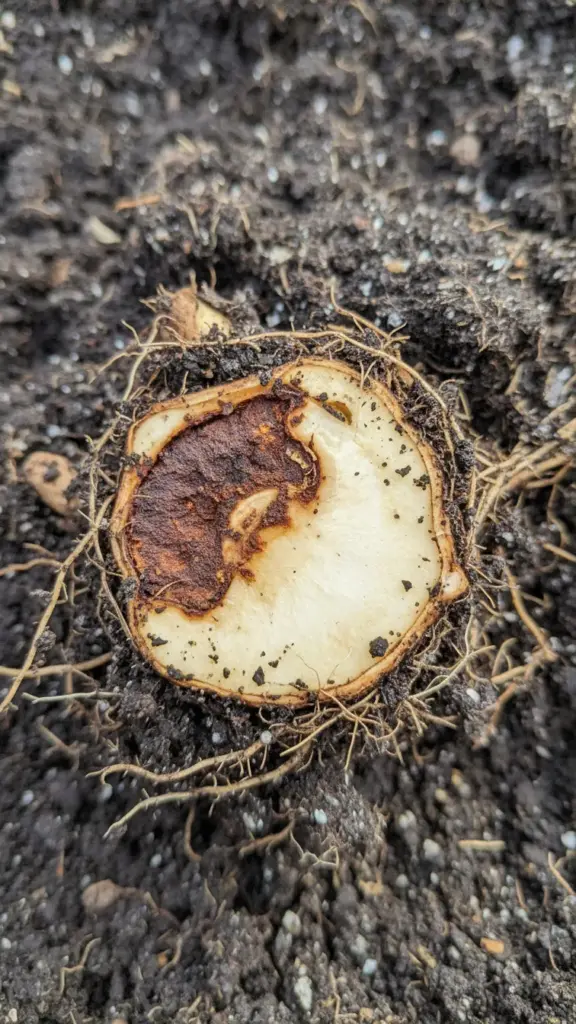
Cutting into a suspect stem or crown reveals the more reliable clue. Internal tissue near the canker is often streaked or fully browned compared to the clean white or pale internal tissue of a healthy crown, a pattern documented in extension diagnostic guidance on Colletotrichum crown rot of strawberry. A plant can look deceptively normal above ground while this internal decay is already well established.
Common Hosts Affected by Colletotrichum Stem Decay
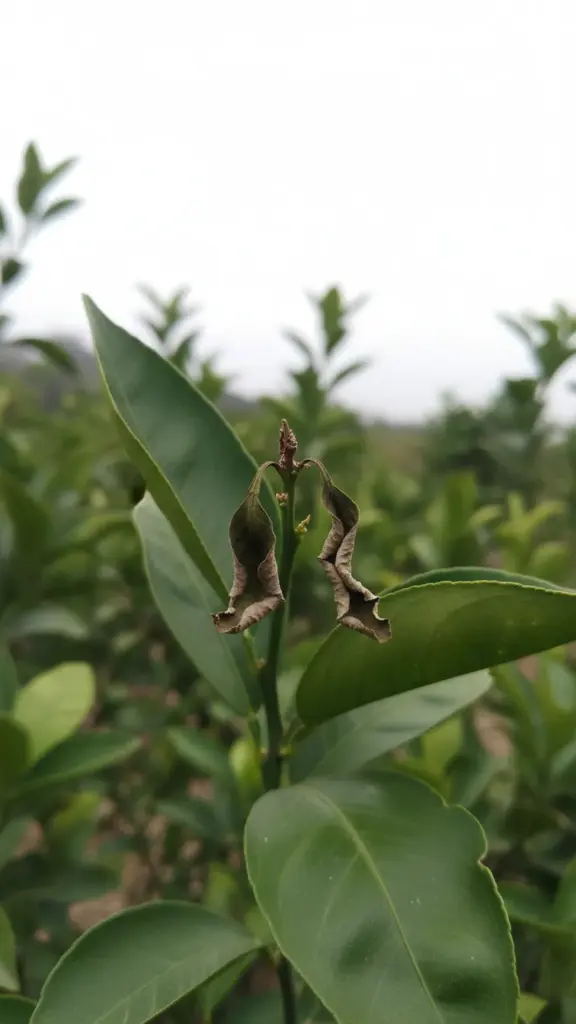
Willow develops the stem-specific black canker form, while citrus varieties including clementine, mandarin, and navel orange can develop Colletotrichum shoot dieback, marked by gum pockets and dying twig tips that can progress into cankers on larger branches over time. Strawberry crowns, pachysandra stems, and several houseplants including orchid and pepper have all been documented with crown or stem-level Colletotrichum infections in plant disease clinic records.
Because the same genus is behind so many of these unrelated diseases, a plant that already tested positive for Colletotrichum leaf spot is not automatically safe from developing the stem or crown form as well, since both can occur on the same host under the right conditions.
What Causes Colletotrichum Stem Decay
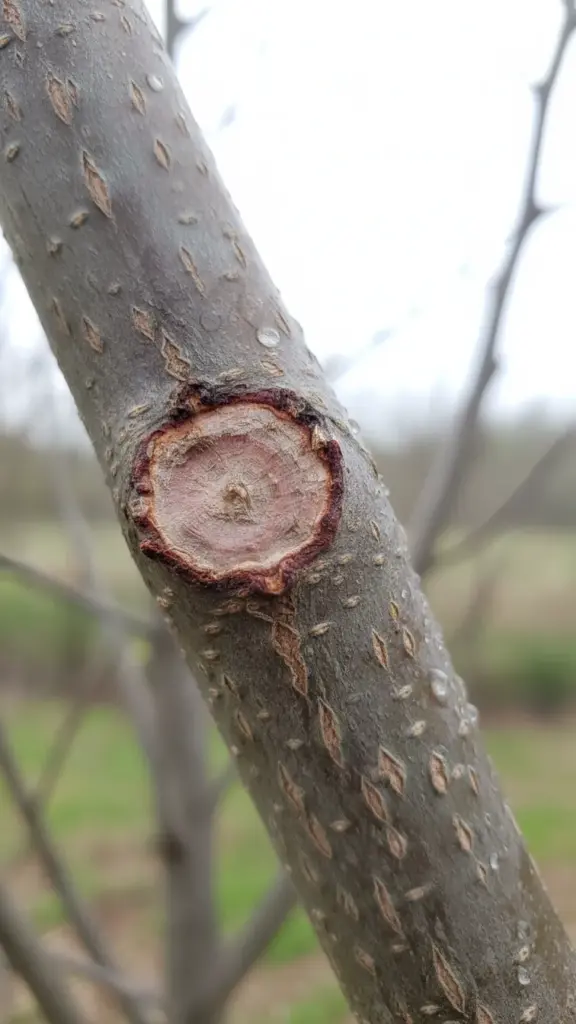
Wounds are the most common entry point for stem-level infection. Pruning cuts made with unsanitized tools, mechanical damage from equipment, insect feeding scars, and even natural leaf scars left after normal leaf drop all give the fungus a way into stem tissue that intact bark or cuticle would otherwise block.
Once inside, the fungus spreads through the vascular and cortical tissue, which is why symptoms often appear well above or below the original wound site rather than staying confined to one small spot. Wet, humid weather during the growing season speeds up both spore production and the rate at which the fungus colonizes new tissue.
Colletotrichum Stem Decay vs Leaf Spot and Other Cankers
| Disease | Primary Site | Distinguishing Clue |
| Colletotrichum stem decay | Stems, shoots, crowns | Sunken canker with internal tissue browning, shoot tip dieback beyond the lesion |
| Colletotrichum leaf spot | Leaves | Sunken spots with orange spore masses, rarely affects stem structure |
| Botryosphaeria dieback | Branches, twigs | Cankers often paired with dark streaking under bark and gradual branch death |
| Phytophthora crown rot | Crown, roots | Reddish brown crown tissue with a foul odor, usually tied to waterlogged soil |
When a canker sits at a pruning wound or old leaf scar with gum pockets nearby, Colletotrichum stem decay is a reasonable first suspicion, especially if nearby leaves on the same plant already show the classic leaf spot form. A related but separate diagnosis to rule out is Botryosphaeria dieback, which produces a similar canker and branch death pattern but comes from a different fungal genus entirely.
Conditions That Favor Colletotrichum Stem Decay

Extended leaf and stem wetness from rain, overhead irrigation, or heavy dew gives spores the moisture window they need to germinate on wound sites and bark surfaces. Warm weather during active spring and summer growth accelerates the disease cycle, while dense plantings that trap humidity around stems make infection more likely across an entire row or hedge rather than a single plant.
Plants under drought stress, nutrient deficiency, or recent transplant shock are consistently more susceptible, since a stressed plant produces less of the natural chemical and physical defenses that would otherwise slow fungal colonization at a wound site.
Step 1: Prune Out Infected Stems and Cankers
Cut back infected stems well below the visible canker, into clean tissue that shows no internal browning when cut. On woody plants this often means removing several inches of stem beyond where the discoloration appears to end, since the fungus frequently extends further into the wood than the external symptoms suggest.
Remove and destroy pruned material rather than leaving it on site, since infected debris left near the base of the plant can reintroduce spores during the next wet period.
Step 2: Sanitize Tools Between Cuts
Wipe pruning shears and loppers with rubbing alcohol or a diluted bleach solution between cuts, especially when moving from a symptomatic stem to healthy growth on the same plant or to a neighboring plant. This single habit is one of the most effective ways to stop stem decay from spreading during a pruning session, since contaminated blades can carry spores directly into a fresh wound.
Step 3: Improve Drainage and Avoid Crown Burial
Check that the crown or graft union sits at or slightly above the surrounding soil level rather than buried under mulch or soil that has built up over time. Correct drainage around the base of the plant so water does not pool against the stem after rain or irrigation, since standing moisture at the crown is one of the conditions most closely tied to crown-level Colletotrichum infection.
Step 4: Reduce Wounding and Plant Stress
Avoid unnecessary mechanical damage from string trimmers, mowers, and foot traffic near the base of susceptible plants, since these everyday wounds are common infection sites that gardeners rarely think to protect. Keep plants on a consistent watering and fertilizing schedule appropriate to the species, since steady growth without drought or nutrient stress makes a plant meaningfully more resistant to stem-level infection after an unavoidable wound occurs.
Step 5: Apply Fungicide to Protect Healthy Growth
For high-value woody plants or a crop with a history of repeat canker problems, a fungicide labeled for anthracnose or Colletotrichum can be applied to protect fresh pruning wounds and new growth during wet, humid weather. As with the leaf spot form, fungicide works as a preventive shield on healthy tissue rather than a way to reverse existing canker damage, so timing applications around pruning and rainy stretches matters more than spraying after symptoms already appear.
Can a Plant Recover From Colletotrichum Stem Decay
A plant with one or two isolated stem cankers, caught early and pruned back into clean wood, usually recovers well and continues normal growth from healthy buds further down the stem. Crown-level infections are more serious, since damage to the crown affects the plant’s entire vascular connection between roots and top growth, and a plant with an advanced, girdled crown often cannot be saved regardless of how the surrounding canker tissue is treated.
Catching the disease at the shoot dieback stage, before it reaches larger branches or the main crown, gives by far the best odds of a full recovery.
Common Questions
Is Colletotrichum Stem Decay Contagious to Nearby Plants
Yes, spores spread through splashing water, wind-driven rain, and contaminated tools, so an untreated canker can infect nearby susceptible plants of the same or closely related species over the course of a wet season.
Can a Plant Have Both Leaf Spot and Stem Decay at the Same Time
Yes, both forms come from the same fungal genus and can occur together on one plant, particularly when humid conditions persist long enough for spores from leaf lesions to also infect nearby wounds on stems.
How Long Does It Take for a Canker to Show Symptoms After Infection
It varies by host and weather, but many infections stay latent for weeks before visible sunken tissue or dieback appears, which is why strawberry crown rot in particular can hide inside an apparently healthy plant for some time.
Does Removing the Canker Guarantee the Plant Is Cured
Not entirely, since the fungus can extend further into the wood than what is visible from the outside. Pruning well below the visible lesion into clean tissue significantly improves the odds, but monitoring the plant afterward for new symptoms is still worthwhile.
What Is the Single Most Effective Prevention Step
Sanitizing pruning tools between cuts prevents more new infections than any other single practice, since most stem decay starts at a wound and contaminated blades are one of the most direct ways spores reach fresh cuts.
Where to Go From Here
Colletotrichum stem decay is easy to overlook as a separate problem from leaf spot, but recognizing the sunken canker, internal browning, and shoot dieback pattern lets you catch it earlier and prune it out before it reaches the crown. For related canker and dieback problems that can look similar at first glance, see Botryodiploidia dieback and stem rot and general Botryosphaeria dieback control.








