Count back 8 weeks from one autumn date and your whole fall planting calendar falls into place. That date is your first frost date, the average day the first frost of autumn arrives.
A first frost date is an average, not a forecast. It comes from decades of past weather, and in about half of years the first frost arrives before the date, and in about half it arrives after. Treat it as a planning line, not a promise about any single October night.
The spring twin of this date is a different job, and it lives in last frost date. This page stays on the autumn line, the end of the tender season, and the work that date starts.
| Detail | What It Means |
|---|---|
| First frost date | Average date of the first 32°F night in fall |
| Frost line | 32°F, or 0°C, when ice forms on surfaces |
| Hard freeze | 28°F or lower, kills most tender plants |
| Based on | 30 years of records, 1991 to 2020 |
| Use it for | Ending tender crops, starting fall protection |
What Is First Frost Date?
A first frost date is the average date of the first fall occurrence of 32 degrees Fahrenheit, with a hard freeze at 28 degrees, and the maps behind it come from the 1991 to 2020 climate normals, according to South Dakota State University Extension. The date marks the end of the tender growing season in most years, and it is the line fall planting counts back from.
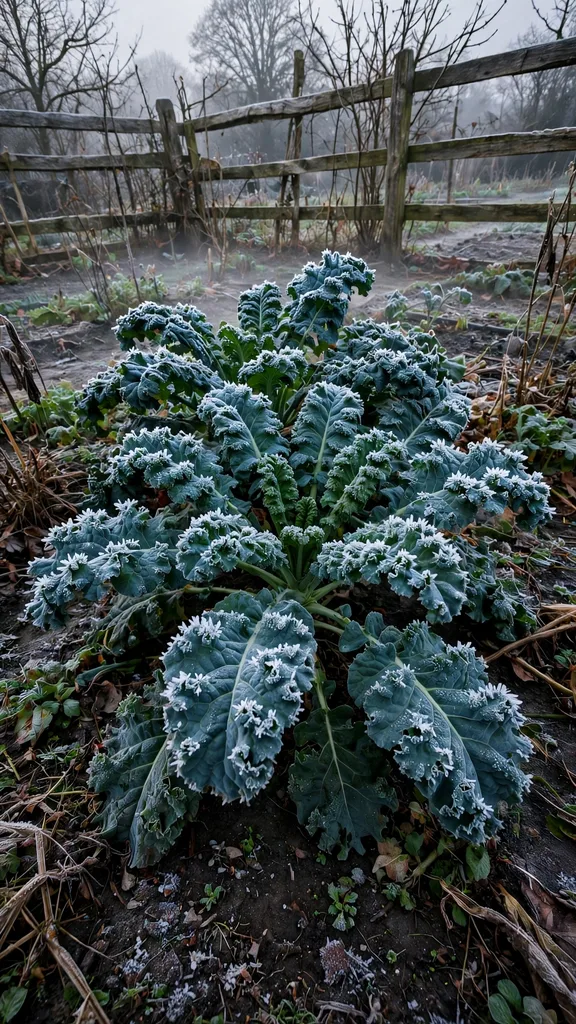
Frost and freeze are different events on the same thermometer. Frost forms when ice coats surfaces at or below 32 degrees, a freeze holds 32 degrees or below for at least an hour, and a hard freeze drops to 28 degrees or lower for an hour or more, according to the University of Arizona Extension planting guide. A light frost nips exposed leaves. A hard freeze kills tender plants to the roots.
The date is local. Two towns in one county can sit weeks apart on the first frost calendar, because elevation, water, and city heat shift the night temperature. Use the date for your own station, not the date for a town an hour away.
How First Frost Dates Work
First frost dates come from probability, not from a calendar. Weather stations record the first freezing night each year across decades of past weather, and the published date is a point on that spread. The middle date is the median, and half of the years saw frost before it and half saw frost after it. An earlier date on the same table gives tender plants a safer margin, because frost arrives after it in most years. The gardening glossary lists first frost date beside last frost date and frost hardy, so the cold terms stay straight.
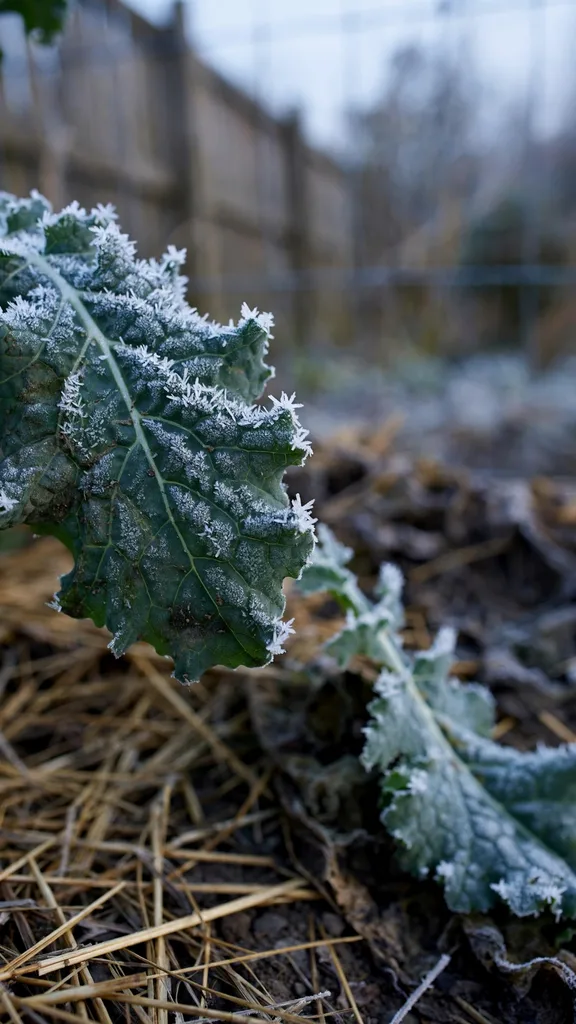
The date is a median, so it will be wrong in any single year. A warm autumn can push the first frost weeks past the date, and a cold snap can bring it weeks early. The date tells you the odds. The forecast tells you the week.
Your yard adds its own shift. Cold air sinks, so a low hollow can frost while a slope above it stays clear, and a wall that stores daytime heat can hold a tender plant past the first frost night. The station date is the starting point. Your yard writes the ending.
First Frost Date vs Last Frost Date
| Detail | First Frost Date | Last Frost Date |
|---|---|---|
| Season | Fall, the end of the season | Spring, the start of the season |
| Means | Average first 32°F night in fall | Average last 32°F night in spring |
| Marks | End of tender crops outdoors | Start of safe planting for tender crops |
| Planting use | Count back weeks for fall sowing | Count back weeks for indoor sowing |
| Risk after the date | Frost can still arrive early in some years | Frost can still arrive late in some years |
| Hard freeze line | 28°F, kills most tender plants | 28°F, kills tender transplants |
The two dates frame the frost-free season between them. The gap between the last spring frost and the first fall frost is the window tender plants can live outdoors, and every fall planting date counts back from the first frost while every spring planting date counts forward from the last frost.
Confusing the two dates costs a season. A gardener who plants fall lettuce by the last frost date sows in spring, and a gardener who sets out tomatoes by the first frost date plants into autumn cold. Keep the dates straight, and keep them on the calendar where you can see them.
How to Find Your First Frost Date
Look up the frost table for your own county from your state extension service. The table lists the first fall freezing night at three probability levels for the nearest stations, and the middle date is the one most gardeners quote. Pick the station nearest your yard, not the one in the biggest town.
Use the earliest date on the table for tender plants. That earlier date is the safer bet, because frost arrives after it in most years, and a tender crop planted to the middle date loses the gamble in half of years. Hardy crops can play closer to the median, because a light frost only slows them.
Count back from the date for fall sowing. A fall crop that needs 8 weeks to mature goes in 8 weeks before the first frost date, and the count starts from the sowing day, not from the day the seedling appears. The seed packet gives the days to maturity, and the frost date gives the deadline.
Common Mistakes With First Frost Date
Treating the average as a promise is the first mistake. The date is a median from decades of records, and frost will arrive early in about half of years. A gardener who plants to the median date and skips protection gambles the crop every other year.
Using another town’s date is the second. Elevation and water shift frost by days or weeks, and a station on a hill runs warmer than a station in a valley. Use the nearest station, and watch your own yard for the nights when the low hollow whites over first.
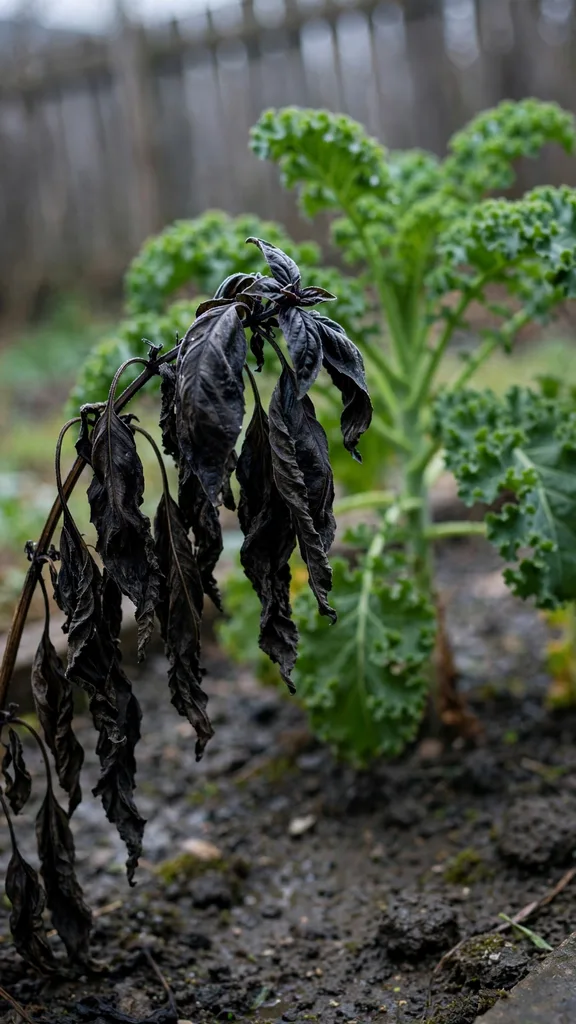
Confusing frost with a hard freeze is the third. A light frost at 32 degrees nips tender leaves, and a hard freeze at 28 degrees kills tender plants outright. Hardy crops shrug off the first and keep growing, and a gardener who pulls them at the first frost loses weeks of harvest.
Waiting for the frost to harvest is the fourth. Tender crops die at the first frost, and the fruit left on the vine turns soft and spoils. Harvest tender fruit before the date, and let the hardy crops run on past it.
When First Frost Date Matters in Your Garden
First frost date matters most when you plan fall planting. Every fall crop counts back from it, and a sowing that goes in a week late runs out of season before it matures. Write the date on the calendar, count back the weeks, and sow on the count, not on the feeling of the weather.
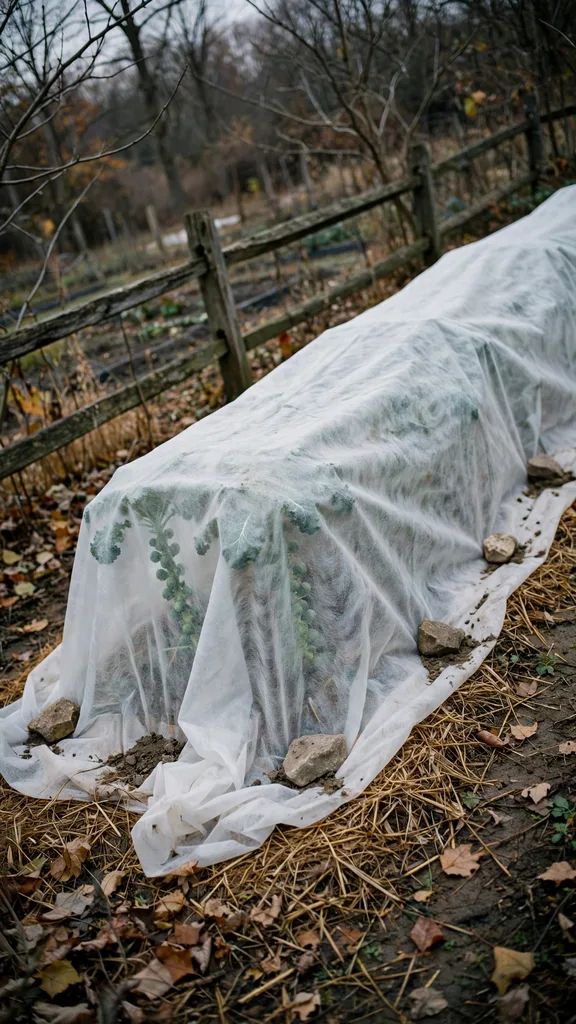
It matters when you harvest. Tender fruit, basil, and beans come in before the date, while kale, carrots, and Brussels sprouts stay out and sweeten in the cold. One date splits the garden into the crops that end and the crops that carry on.
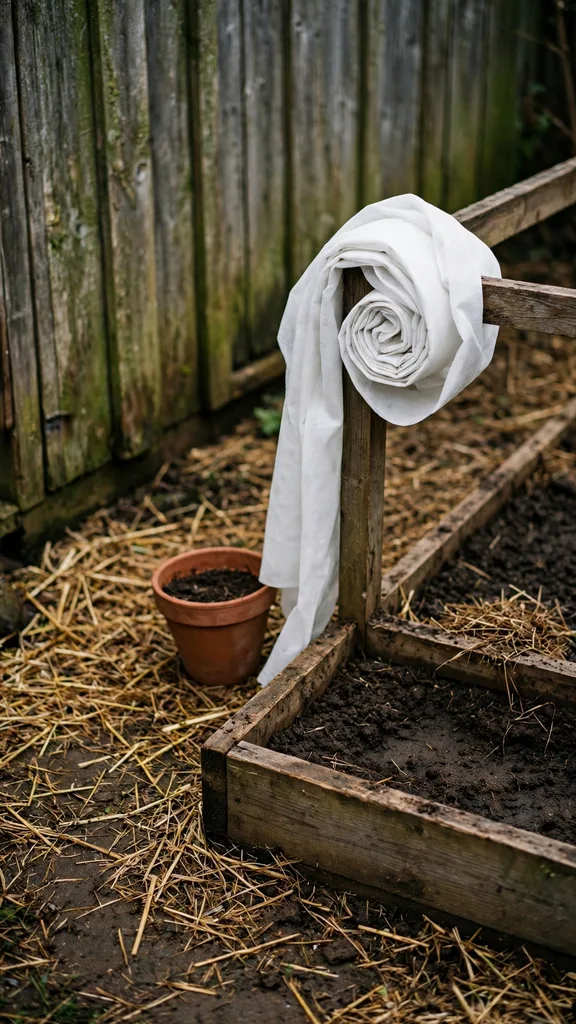
It matters when you protect. Row covers, cloches, and cold frames go up before the date, not after the first frost warning, because a cover put up on a freezing night saves nothing. A plant needs its blanket before the cold arrives, and the frost date tells you when to have it ready. Frost dates and hardiness zone answer different questions, and a plant needs both answers to be right.
FAQ
No. The first frost date is an average from decades of records, and the actual first frost lands before it in about half of years and after it in about half. A warm autumn can push it weeks late, and a cold snap can bring it weeks early. Use the date for planning, and watch the nightly forecast when autumn turns cold.
Frost forms when surfaces drop to 32 degrees Fahrenheit, or 0 degrees Celsius, and ice coats the leaves. A freeze holds 32 degrees or below for at least an hour, and a hard freeze drops to 28 degrees or lower for an hour or more. Light frost nips tender leaves, while a hard freeze kills tender plants to the roots.
Frost is ice forming on surfaces at or below 32 degrees, usually on a clear still night, and it damages exposed growth. A freeze means the air itself drops to 32 degrees or below, so ice forms inside plant cells and the damage runs deeper. A hard freeze at 28 degrees or lower kills most tender plants outright.
Yes, for tender crops. Tomatoes, peppers, beans, basil, and squash die at the first frost, and fruit left on the vine turns soft and spoils. Harvest them before the date, or cover them when a frost night is forecast. Hardy crops like kale, carrots, and Brussels sprouts stay out and often taste sweeter after a light frost.
Yes, for hardy crops and cover crops. Kale, spinach, garlic, and cover crops go in around or after the first frost, because they tolerate cold and use the cool soil to root. Tender plants cannot go in after the date, and a late sowing of a tender crop wastes the seed. Match the plant to the cold, not to the calendar alone.