Walk 10 steps from a south-facing wall to the bottom of a slope on a clear night, and your thermometer reads a different garden. A microclimate is a small pocket with its own temperature, wind, and frost.
Your yard is not one climate. It is a patchwork of warm walls, cold hollows, windy corners, and sheltered beds, and each pocket grows a different garden. A plant that dies in the open can thrive against a wall, and a plant that thrives on a slope can drown in the hollow below it.
A hardiness zone describes a whole region, and a microclimate describes one corner of your yard. This page stays on the corner, the pockets in it, and the plants each pocket suits.
| Detail | What It Means |
|---|---|
| Microclimate | Local conditions that differ from the surrounding area |
| Warm spots | South-facing walls, slopes, and pavement |
| Cold spots | Low hollows, north sides, and open windy ground |
| Zone 8b example | Average minimum winter temperature, 15 to 20°F |
| Use it for | Growing tender plants in warm pockets |
What Is a Microclimate?
A microclimate is a local set of atmospheric conditions that differ from those in the surrounding areas, and a warmer microclimate can shelter plants that would not survive elsewhere in your yard, while Zone 8b means an average minimum winter temperature of 15 to 20 degrees Fahrenheit, according to Washington State University Extension. South-facing aspects catch more direct sunlight than opposite slopes, so they stay warmer for longer, and that warmth is the microclimate at work.
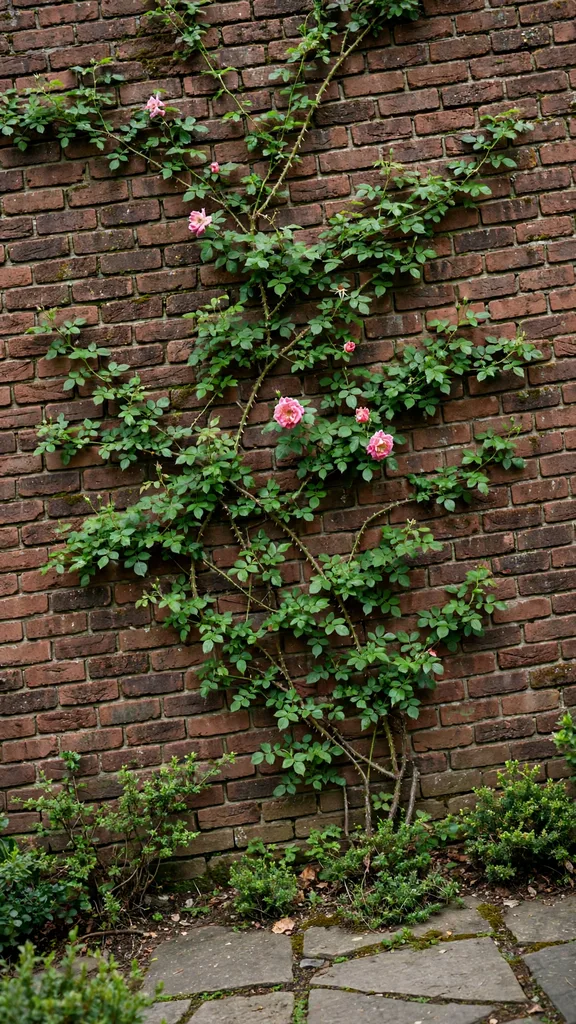
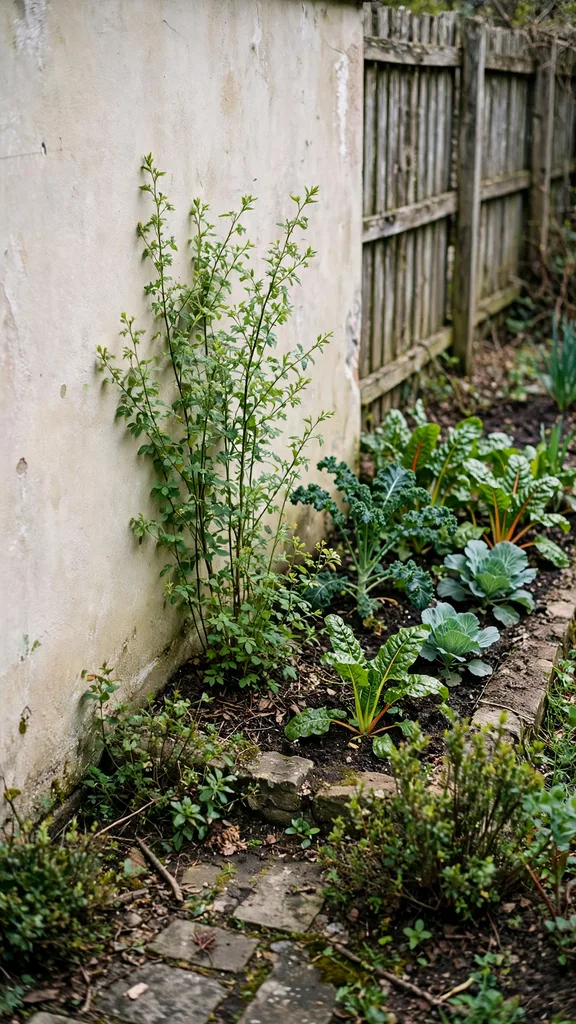
The pockets can sit a few feet apart. Microclimates can vary dramatically just a few feet away from each other in a garden, and an area along a sunny brick south-facing wall stays slightly warmer in winter than an area away from the wall, which lets you grow more cold-sensitive plants there, according to Mississippi State University Extension. The wall is the heater, and the few feet beside it are the warm room.
Microclimates are not only about warmth. A low hollow runs colder, a windy corner runs drier, and a bed under a tree runs shadier and cooler than the lawn beside it. Each pocket has its own temperature, wind, light, and moisture, and each one suits different plants.
How a Microclimate Works
Walls and pavement store heat. Brick, concrete, and stone soak up sun through the day and give the heat back at night, so the air beside a south-facing wall stays warmer after dark than the air in open ground. The wall is a slow heater, and the plants beside it sleep warmer.
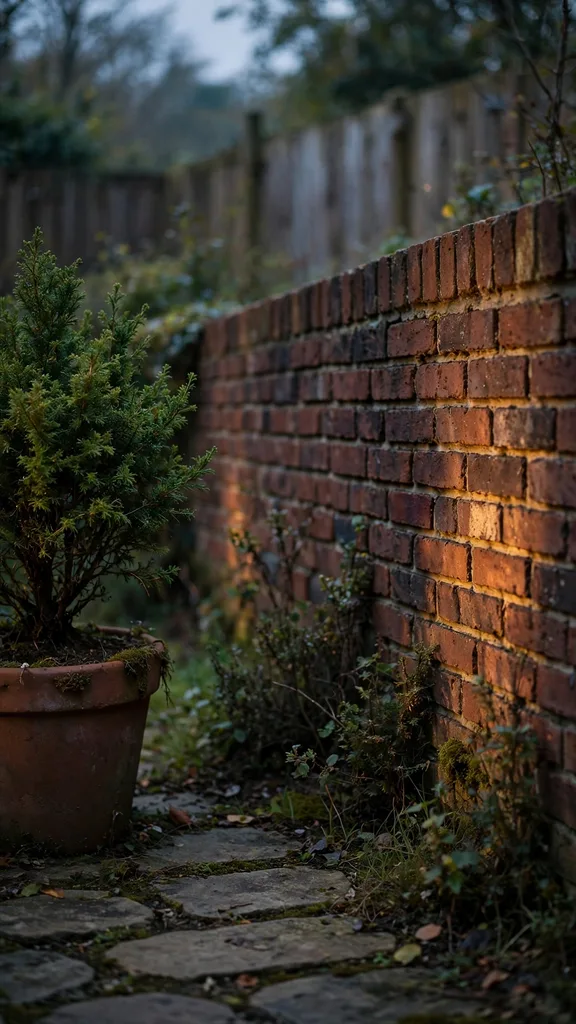
Cold air sinks. On a clear still night the coldest air slides downhill like water and pools in the lowest spot, so a hollow can frost while a slope above it stays clear. The hollow is a frost pocket, and tender plants set in it die on nights when the same plants on the slope survive.
Wind shapes the pocket too. A fence, a hedge, or a dense shrub breaks the wind, and the sheltered bed behind it stays warmer and drier than the exposed bed in front. A solid wall blocks wind outright, and the still air behind it holds its warmth longer into the night.
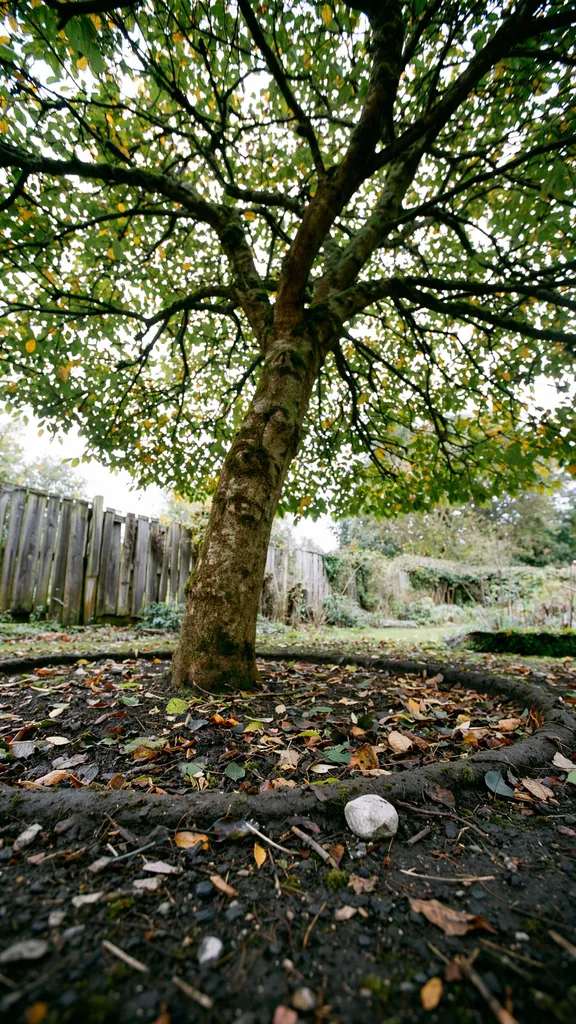
Trees and roofs hold heat from the sky. On a clear night the open sky draws warmth out of the ground, and a canopy or an overhang blocks that loss, so the ground beneath it stays warmer. A tender plant under a tree canopy can survive a frost night that kills the same plant in open ground.
Microclimate vs Hardiness Zone
| Detail | Microclimate | Hardiness Zone |
|---|---|---|
| Scale | One corner of a yard | A whole region |
| Based on | Walls, slopes, wind, water, pavement | Average annual minimum winter temperature |
| Changes across | A few feet | Miles |
| Warm pocket example | South-facing brick wall | A warmer zone to the south |
| Cold pocket example | Low hollow where frost pools | A colder zone to the north |
| Use it for | Placing each plant in its best pocket | Choosing plants that survive your winter |
A hardiness zone tells you which plants survive your winter in general, and a microclimate tells you where in your yard each plant survives best. A plant rated for your zone grows anywhere in the yard, and a plant rated for a warmer zone grows only in your warmest pocket. The zone sets the list. The microclimate sets the address.
Gardeners who read only the zone plant the whole yard the same, and they lose the tender plants that a warm wall would have saved. Gardeners who read the pockets plant the tender kinds at the wall, the hardy kinds in the hollow, and the thirsty kinds where the wind dries the soil least.
How to Find Microclimates in Your Garden
Take dawn readings with a thermometer in two spots. Read the air beside a south-facing wall and the air at the bottom of a slope on the same clear morning, and the difference is the microclimate in numbers. Two spots, one morning, and the yard stops being one climate.
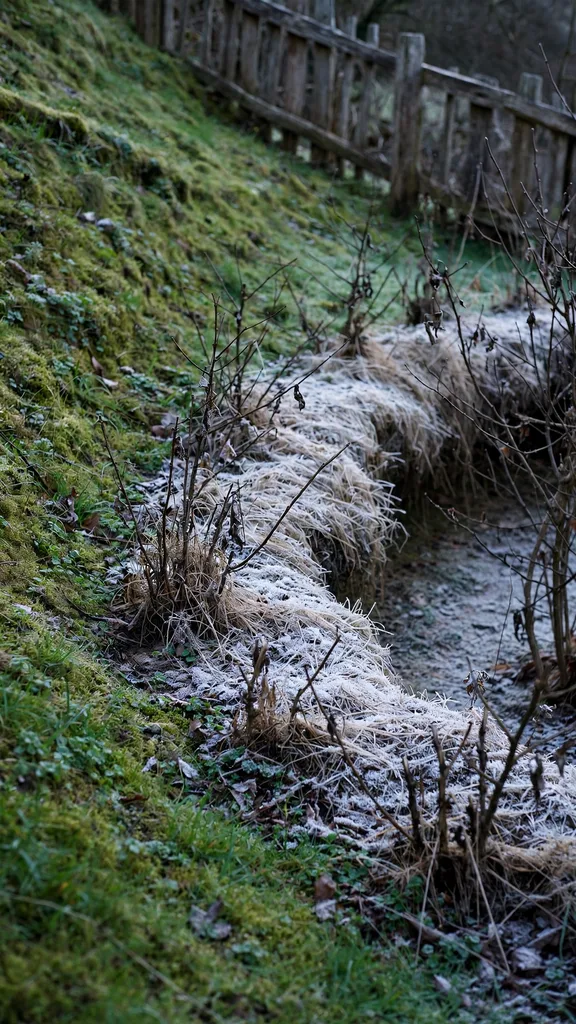
Watch where the frost lands first. A white hollow on a morning when the slope above it stays green marks a frost pocket, and a wall bed that stays green when the lawn whites over marks a warm pocket. Frost is the map, and it draws itself every cold morning.
Watch where the snow melts first. Snow lingers in cold pockets and melts early in warm ones, and the melt pattern on a sunny morning shows the warm walls and the cold hollows without a thermometer. Watch where the wind hits, too, because a corner that always dries first is a windy pocket, and thirsty plants suffer there.
Common Mistakes With Microclimate
Trusting the zone alone is the first mistake. A zone tells you the regional winter, and it says nothing about the wall, the hollow, or the wind in your yard. A plant that dies in the open can live against a wall in the same zone, and the zone never mentions the wall.
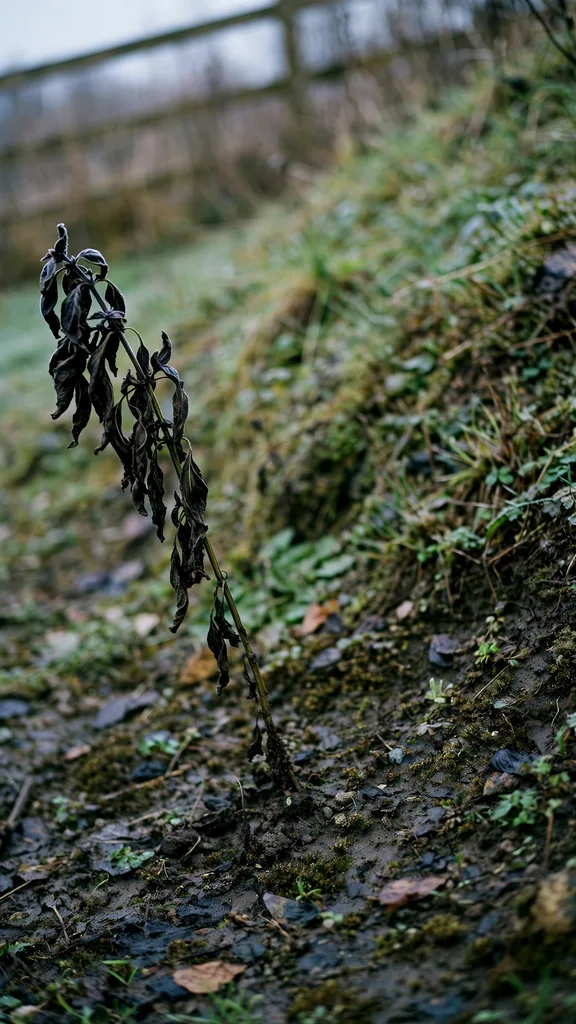
Planting tender kinds in a frost pocket is the second. A low hollow collects cold air on clear nights, and a tender plant set there dies on the first frost while the same plant on the slope above it survives. Walk the yard on a frosty morning before you plant the tender kinds, and keep them out of the white hollow.
Ignoring the wind is the third. A windy corner dries soil and chills leaves, and a plant that wants shelter wilts there no matter how much you water. A hedge or a fence on the windy side changes the pocket, and the same plant thrives behind it.
Forgetting that a warm wall bakes in summer is the fourth. A south-facing wall that saves a tender plant in winter can scorch it in summer, when the stored heat and the reflected sun push the bed past what the plant tolerates. Plant heat lovers at the summer wall, and give the tender kinds a wall that warms without baking.
When Microclimate Matters in Your Garden
Microclimate matters most when you push a zone. A tender plant rated for a warmer zone survives against a south-facing wall in your yard, and the wall becomes a small piece of the warmer zone brought home. The warm pocket is the tool, and the zone map is only the starting point.
It matters when frost threatens. A row cover over a warm pocket saves plants that a row cover over a frost pocket cannot, because the pocket starts the night warmer. Protection works best where the microclimate already helps, and it works worst where the pocket fights it.
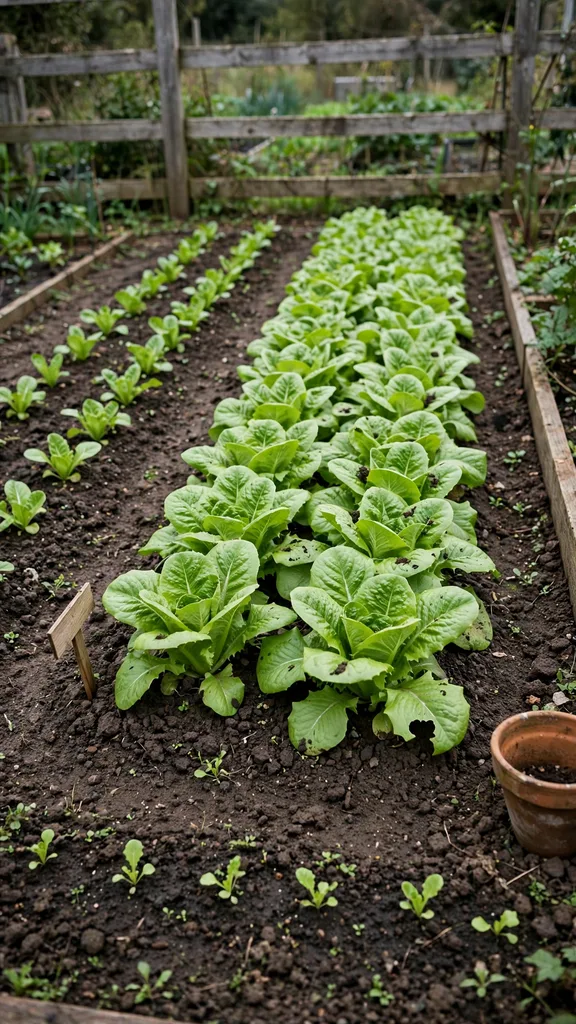
It matters when you place full sun plants. A south-facing slope gives fruiting plants the light and warmth they want, and a north-facing bed gives leafy greens the cool shade they prefer. The same sun falls on both, and the pocket decides what each bed grows. The gardening glossary lists microclimate beside hardiness zone and full sun, so the climate terms stay straight.
FAQ
Walk the yard on a frosty morning and watch where the frost lands first, because white hollows mark cold pockets and green wall beds mark warm ones. Take dawn thermometer readings in two spots on the same clear morning, and watch where snow melts first after a cold night. The frost, the thermometer, and the melt pattern together draw the map.
No, not on paper, and yes, in practice. Your zone stays the same, because it describes the regional winter, and a warm pocket lets you grow plants rated for a warmer zone in one corner of the yard. The pocket does not change the zone, and it changes what the zone means for that corner.
A frost pocket is a low spot where cold air pools on clear still nights, because cold air sinks like water and collects in hollows. The pocket frosts first and hardest, while slopes above it stay clear. Tender plants die in frost pockets on nights when the same plants survive on higher ground, so keep tender kinds out of the hollow.
Yes. Even a small yard holds warm walls, cold corners, windy edges, and sheltered beds, and the pockets can sit a few feet apart. A pot moved from open ground to a south-facing wall lives in a different microclimate, and a tender plant that dies in the open can thrive against the wall. Small yards reward pocket reading most.
Slightly warmer, and slightly is enough. A sunny brick south-facing wall stays warmer in winter than the ground away from it, because the brick stores daytime heat and gives it back at night. That small margin lets you grow more cold-sensitive plants there, and it can carry a tender plant past a light frost that kills the same plant in open ground.