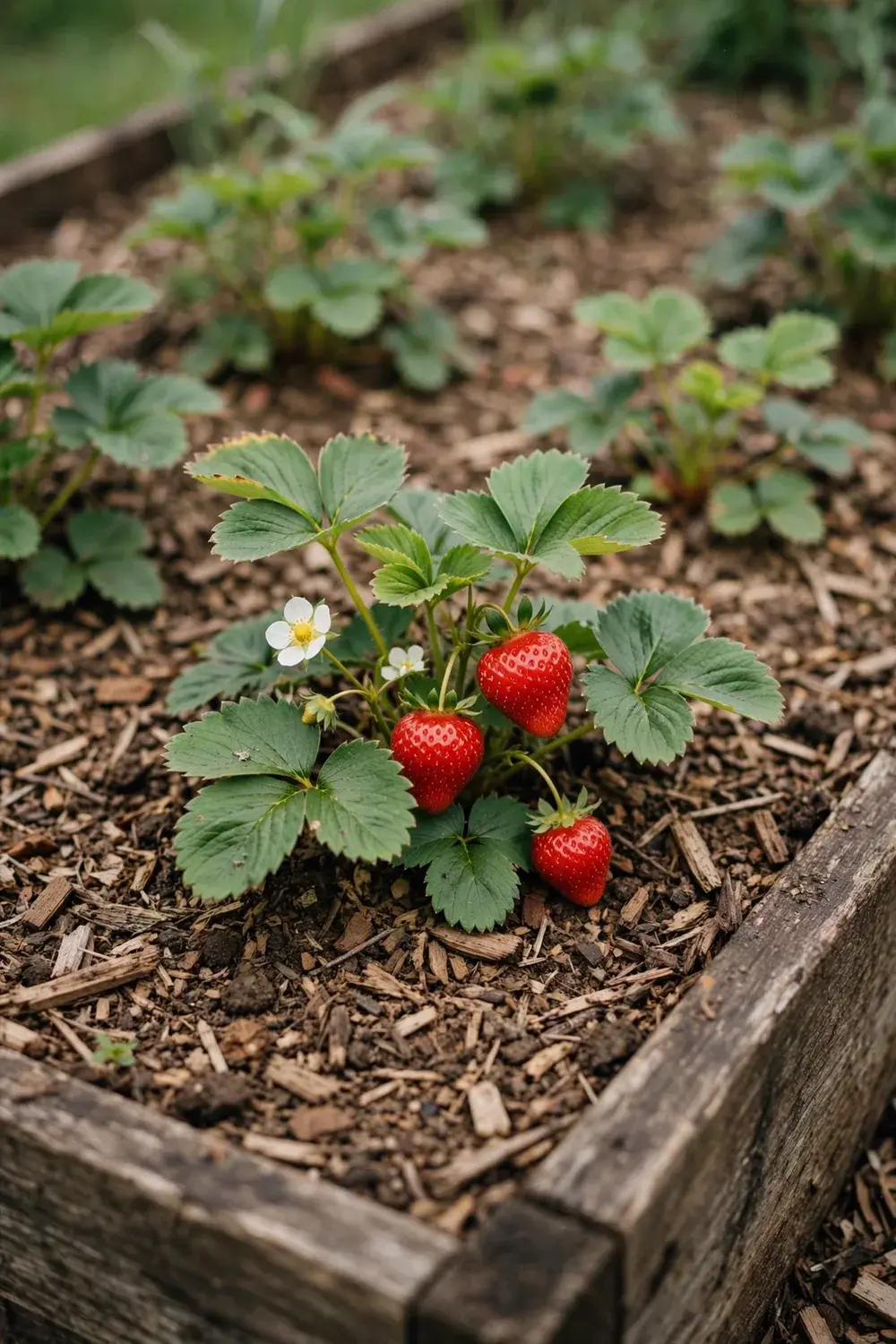

Strawberry Mild Yellow Edge Virus has no cure. A single infection usually shows no visible symptoms. This page gives 3 moves for a home strawberry patch, plus one warning about pulling plants.
I have learned to buy certified plants first and treat every yellowing leaf as a question, not a diagnosis. Strawberry Mild Yellow Edge Virus hides in plain sight. Lab testing settles identity when a call matters.
The rest of this page names the virus, explains why eyesight cannot diagnose it, and sets out the 3 moves. No spray in this list cures an infected plant.
What Strawberry Mild Yellow Edge Virus Actually Is
Strawberry Mild Yellow Edge Virus is a virus of strawberry plants. Its current name is Potexvirus fragariae, in the family Alphaflexiviridae. The NC State strawberry virus guide describes it as an aphid-borne potexvirus with flexuous particles measuring about 482 nm long and a single stranded RNA genome.
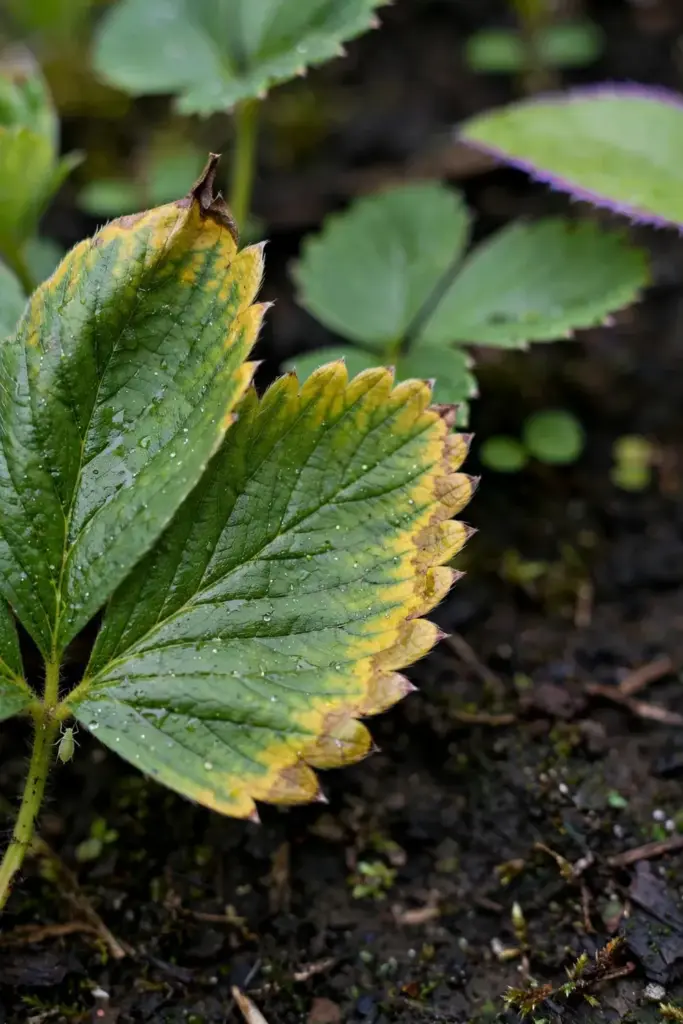
The virus infects Fragaria species. Natural hosts stay inside that genus. Infection is systemic. Every part of an infected plant carries the virus.
Spread runs through two routes. Infected planting material carries the virus into a new patch. Strawberry aphids of the genus Chaetosiphon move it between plants. The UMass strawberry virus fact sheet names Chaetosiphon fragaefolii as the major vector. Runners taken from an infected mother plant grow into infected daughters.
Why a Single Infection Usually Shows No Symptoms
A single infection usually shows no visible symptoms, and that fact drives every decision on this page. A plant can carry Strawberry Mild Yellow Edge Virus and look healthy.
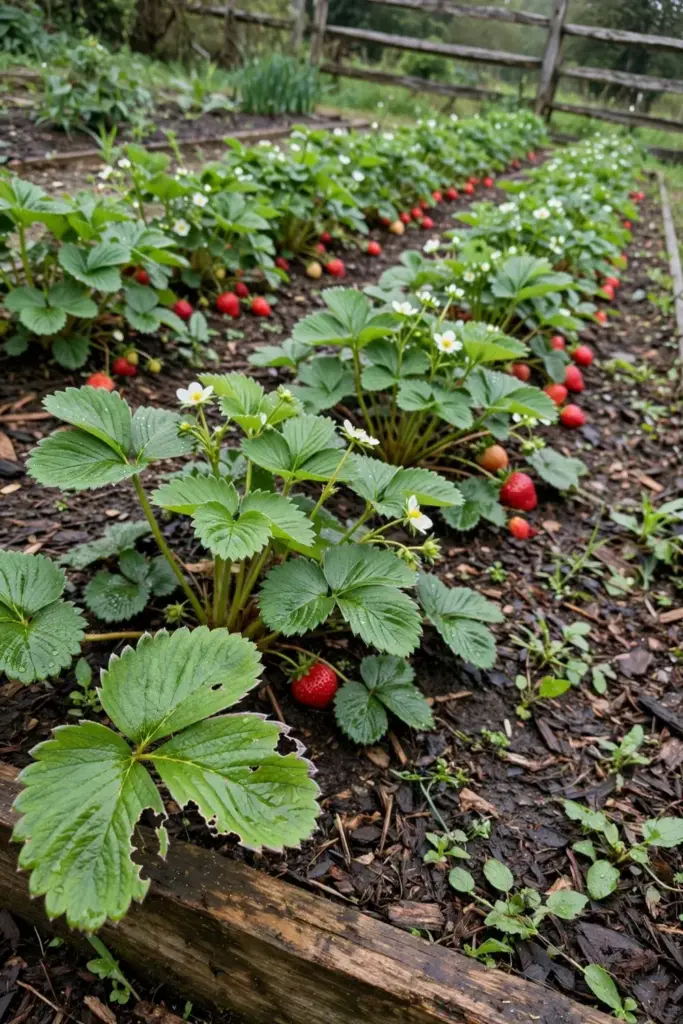
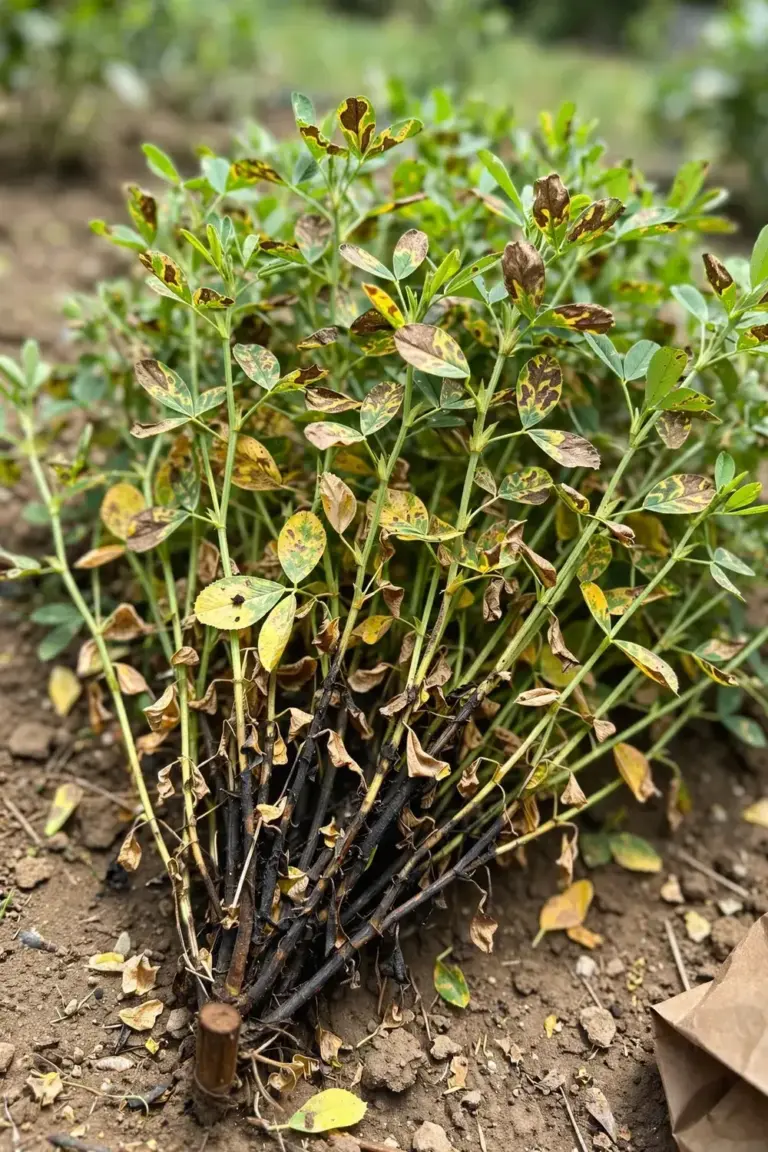
Visible symptoms appear mainly in mixed infections, when the plant carries this virus plus one or more other strawberry viruses. The mixed picture can include dwarfing, yellow leaf edges, leaf distortion, small fruit, and reduced vigor. Older leaves may redden. None of these signs prove this virus. Other causes produce the same look.
Lab testing settles identity. The NC State strawberry diagnostic key lists reverse transcription polymerase chain reaction and ELISA as detection methods for this virus. A diagnostic lab runs those tests. Home eyesight cannot replace them.
Fruit that rots soft and brown points elsewhere. The bitter rot guide covers that fruit rot. Treat rot and leaf yellowing as separate problems until a lab says otherwise.
What to Do When You Suspect Strawberry Mild Yellow Edge Virus
Suspect the virus when a patch shows dwarfing, yellow edges, and small fruit with no clear cause. Act on the suspicion with 3 moves. Weigh the pulling warning before you pull a plant.
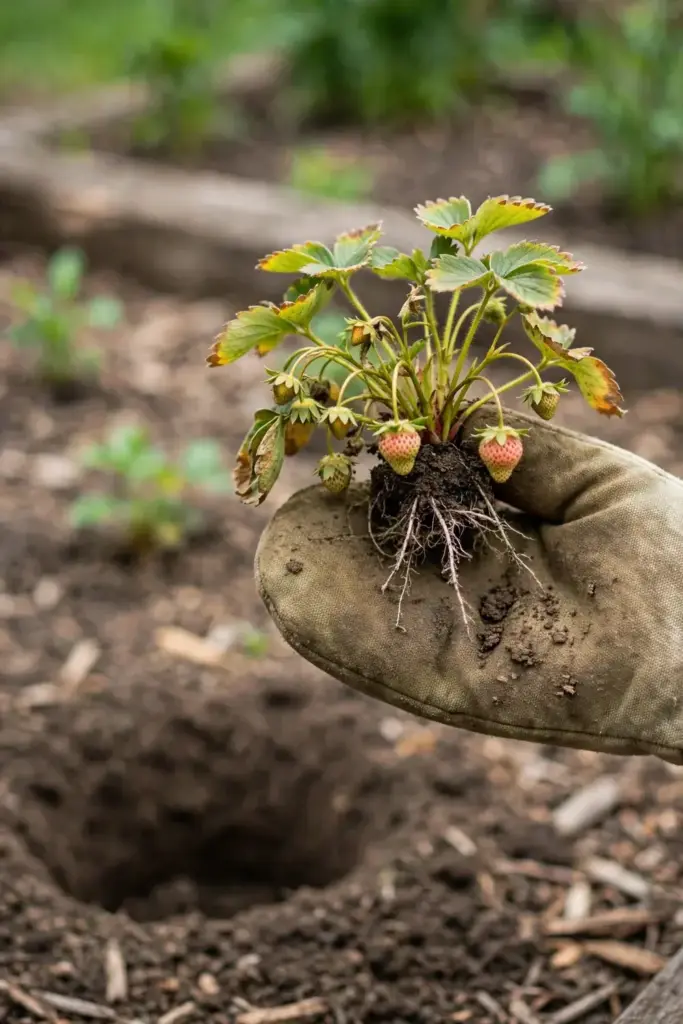
| Move | What It Does | Limit |
|---|---|---|
| Buy certified virus-free stock | Starts the next planting clean | Ask the seller for virus-tested stock |
| Pull and destroy suspect plants | Removes a possible source from the patch | NC State notes culling does not pay in a fruiting field, since the viruses are not known to spread there |
| Keep aphid pressure down | Slows aphid spread between plants | Aphid control cannot cure an infected plant |
Start with certified stock at the next planting. Certified virus-free plants come from nursery programs that use tissue culture and virus indexing. Saved runners from a suspect patch carry the risk forward. Buy fresh stock instead of propagating from plants you doubt.
Pull and destroy suspect plants with one caveat. Removal fits a nursery bed or a new planting, where stopping spread matters most. In an established fruiting field, NC State states that no action is needed in most cases, and that it does not pay to cull plants since the viruses are not known to spread in the fruiting field. A home patch that already fruits sits closer to that second case. Pull a plant when it stays weak and unproductive. Leave a plant that still fruits, and feed it well.
Keep aphid pressure down by checking leaf undersides. Aphids pick up the virus in about 2 hours and can transmit it after 8 hours, per the UMass strawberry virus fact sheet. A heavy aphid colony on a suspect plant is one more reason to remove that plant. Do not move runners or leaves from suspect plants into a clean bed.
A plant that wilts at the crown points to a different problem. The botrytis crown rot guide covers crown rot. Keep that problem on its own track.
Why Strawberry Mild Yellow Edge Virus Has No Cure
No spray cures Strawberry Mild Yellow Edge Virus. No home treatment removes it from an infected plant. An infected plant stays infected.
Nurseries produce virus-free plants through tissue culture methods and virus indexing. Those are nursery methods. They are not home treatments. Meristem-tip culture and heat treatment belong in a lab, not in a backyard.
Skip the spray aimed at the virus. A spray cannot reach a systemic virus inside the plant. Money spent on a virus cure buys nothing. Spend it on certified stock for the next planting instead.
Frequently Asked Questions

No. A single infection usually shows no visible symptoms, so a healthy-looking plant can still carry the virus. Visible symptoms appear mainly in mixed infections with other strawberry viruses. Those signs overlap with nutrient problems, mite damage, and other diseases. Lab testing through ELISA or RT-PCR settles identity. Send a sample to a diagnostic lab when the call matters.
Pull it when the plant stays weak and unproductive, or when you are clearing a nursery bed. Leave it when the patch already fruits and the plant still produces. NC State states that culling does not pay in a fruiting field, since the viruses are not known to spread there. Feed and water the remaining plants well. Start the next planting from certified virus-free stock instead of runners from a suspect patch.
No spray cures this virus. The infection is systemic, so every part of the plant carries it. Sprays aimed at the virus cannot remove it. Aphid control slows spread between plants, and it still leaves an infected plant infected. The honest moves are certified virus-free stock at planting, removal of weak suspect plants, and aphid checks. Save the spray budget for problems a spray can reach.
Buy certified virus-free stock from a nursery that tests its plants. Never propagate runners from a suspect patch. Check leaf undersides for aphids through the season, pull weak suspect plants from a nursery bed, and give the new plants water, feed, and sun. Clean stock plus steady care gives the next planting its best start.
Where to Go From Here
Strawberry Mild Yellow Edge Virus rewards prevention, not rescue. Buy certified stock. Pull weak suspect plants from a nursery bed. Leave fruiting plants alone when they still produce. Check for aphids.
Feed and water the plants that stay. The soil health guide covers building ground that supports steady growth. A well-fed patch will not cure a virus, and it gives every plant its best season.