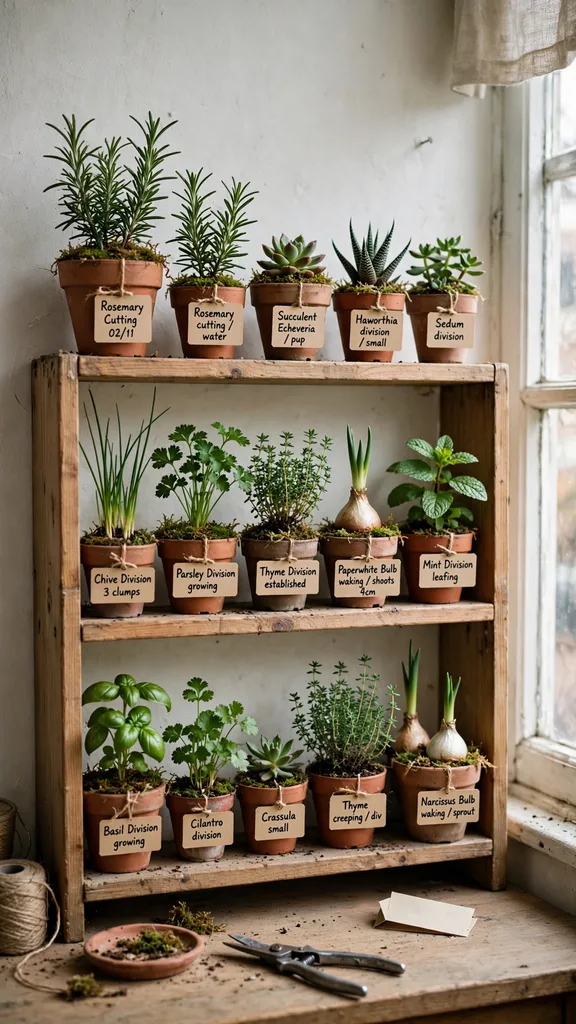
Every plant in this list is a gift you grew yourself: a cutting rooted on your sill, a division lifted from your own border, a bulb forced in your own cold frame. Potted plant gifts cost almost nothing but time, and time is exactly what they advertise. The 45 gifts run in five groups, cuttings, divisions, forced bulbs, houseplants and succulents, and special plants for particular people, and each entry names when the work happens, because a December gift plant is really a gift started in spring, summer, or autumn.
The calendar is the whole craft. Cuttings root in spring and summer and grow on into sturdy pots by December. Divisions are lifted in autumn when the plants are slowing down. Bulbs for forcing are potted in autumn and chilled for weeks before they are woken. I keep a gift shelf in the greenhouse where this year’s plants wait in rows, and December becomes a matter of adding labels, moss, and ribbon. Start with whatever your garden already multiplies; every garden has at least ten gifts hiding in it.
| Recipient | Pick | Why |
|---|---|---|
| A teacher | Item 44, The Teacher’s Desk Plant | Survives a classroom and the holidays |
| A neighbor | Item 1, Rosemary in Terracotta | Useful, handsome, hard to kill |
| A new gardener | Item 12, Strawberry Runner Pots | Fruit next summer, guaranteed encouragement |
| A cook | Item 13, Chive and Herb Divisions | Straight into the kitchen garden |
| A flower lover | Item 20, Amaryllis in a Pot | Blooms for Christmas from your forcing shelf |
1. Rosemary Cuttings in Terracotta
Root rosemary cuttings in spring, pot them on into terracotta by autumn, and by December each is a small, fragrant shrub in a pot that suits it. Rosemary is the most useful gift plant in this list: it seasons roasts all winter and lives for years on a sunny sill or in a sheltered garden spot.
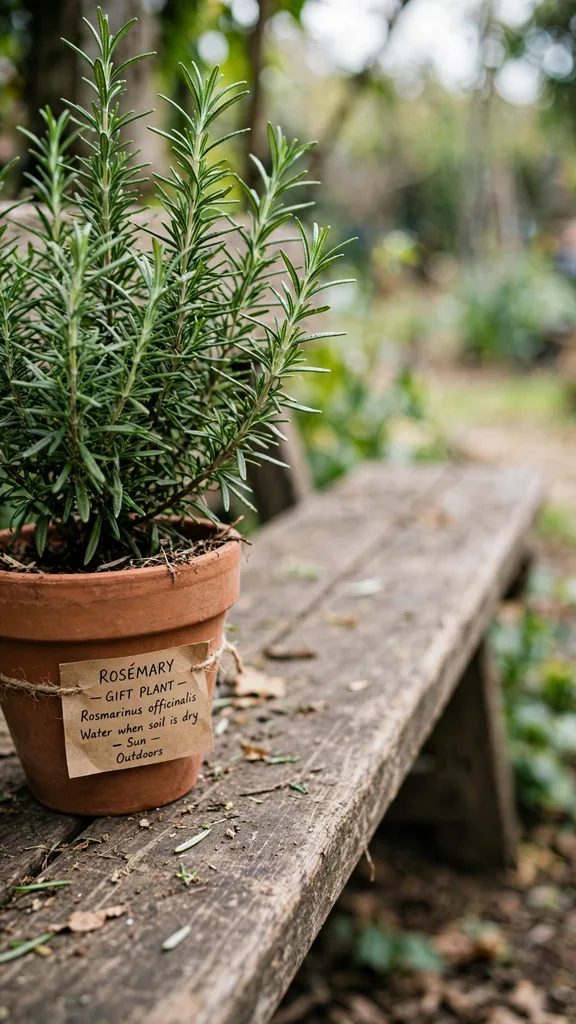
Take cuttings from soft new growth, root them in water or gritty compost, and grow them hard in full light so they stay compact. A rosemary that has been pinched twice branches into a miniature tree shape. Add a label with the variety name if you know it; cooks care, and it makes the gift feel chosen rather than spared.
2. Scented Geranium Cuttings
Scented geraniums root from cuttings in weeks and carry their perfume in the leaf: rose, lemon, nutmeg, and chocolate varieties all strike readily in summer and pot up into pretty plants by autumn. Brush a leaf and the gift demonstrates itself.
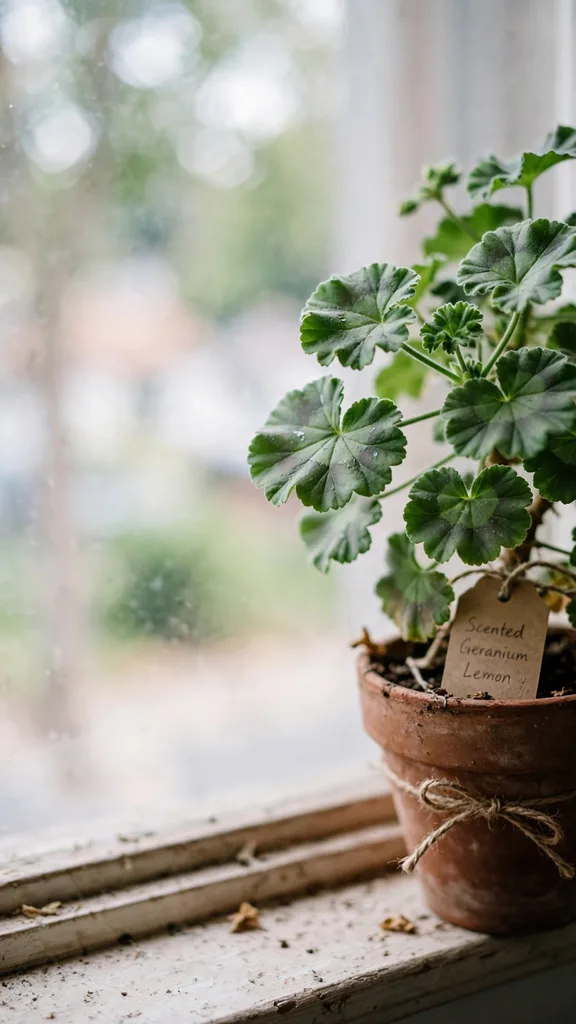
These are windowsill plants in cold zones and garden plants in mild ones, and the label should say which the recipient’s climate allows. Grow them in clay pots, which suit their dry-loving roots. A scented geranium is the cutting gift most often asked about by name the following year.
3. Mint in a Pot, With the Warning on the Label
Mint roots if you look at it: runners and cuttings fill a pot in a season. Give mint always in its pot, never as bare divisions for the open ground, and write the warning on the label as part of the gift’s humor and honesty: plant the pot, not the mint, or the mint owns the garden.
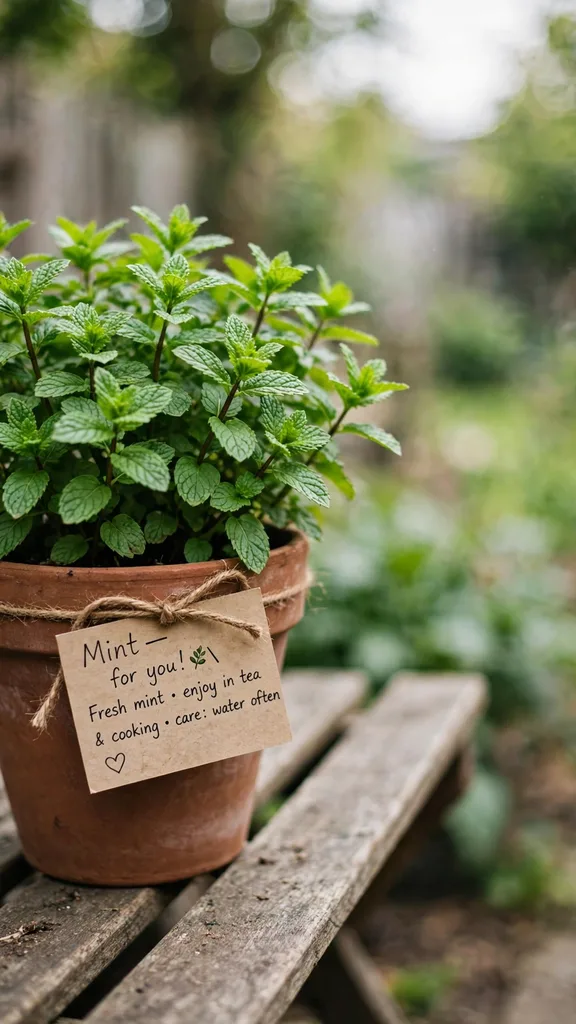
Chocolate mint, orange mint, and apple mint make the gift feel selected rather than weedy. Mint dies back in winter outdoors and shoots again in spring, so a December pot of dormant mint needs a label promising what is asleep inside. Pair the pot with a tea card and the gift completes itself.
4. Lavender Cuttings
Lavender cuttings taken in late summer root slowly but surely, and a small lavender in a pot is a gift with a decade of summers in it. Grow them lean and sunny so they stay compact and silver.
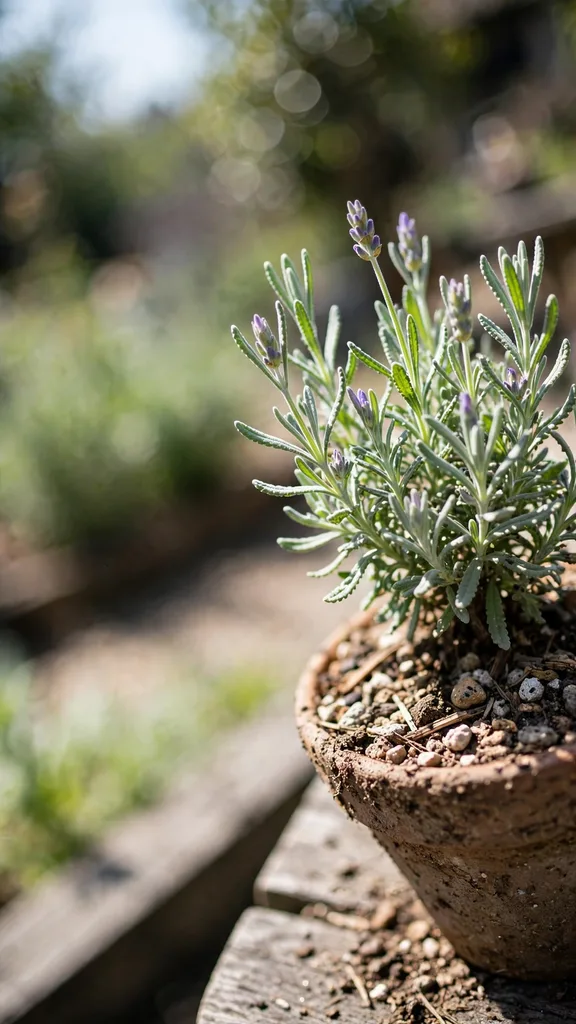
Lavender hates wet winter roots, so pot it in gritty compost in a clay pot and label it with the drainage talk: water little in winter, sun always. English lavender varieties are the hardiest gifts for cold-zone friends. A lavender gift given at Christmas flowers the following June, which the card should promise in writing.
5. Fig Cuttings
A fig cutting is a tree in a stick: hardwood cuttings taken in winter root in a pot of compost by spring, leaf out over summer, and by the following December stand a foot tall and full of promise. Figs fruit in pots in cold zones and in the ground in warm ones.
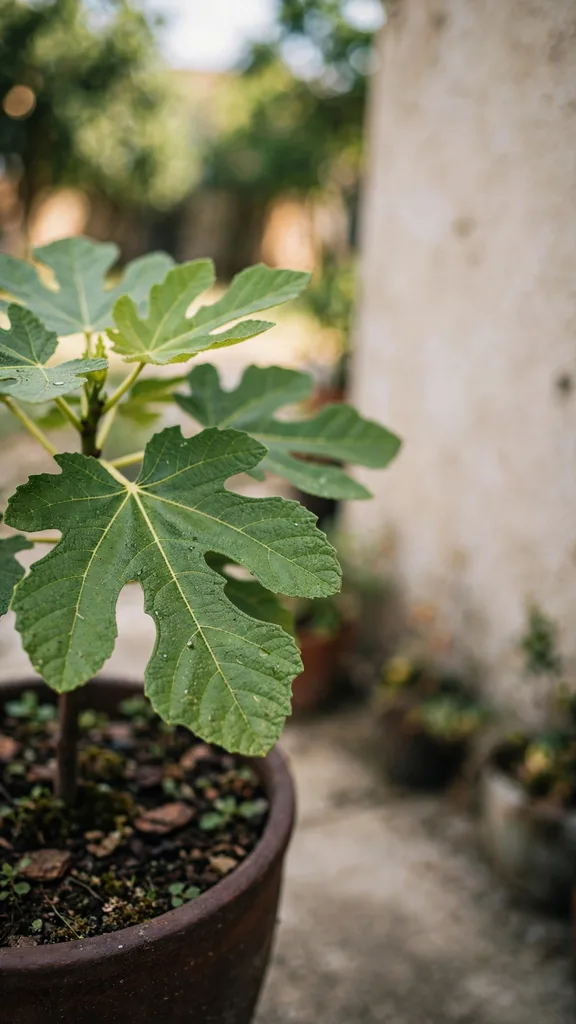
Label the variety honestly, since fig people care intensely, and note that the young plant needs frost protection its first winters. This is the gift for the patient gardener, the one who will still be picking figs from your cutting in twenty years. Few presents in this list have a longer shadow.
6. Hydrangea Cuttings
Hydrangea cuttings root in summer under a jar or in a propagator, pot on in autumn, and overwinter as small, leafless shrubs whose fat buds tell the story. Mophead and lacecap varieties from your own shrubs carry your garden’s exact blue or pink.
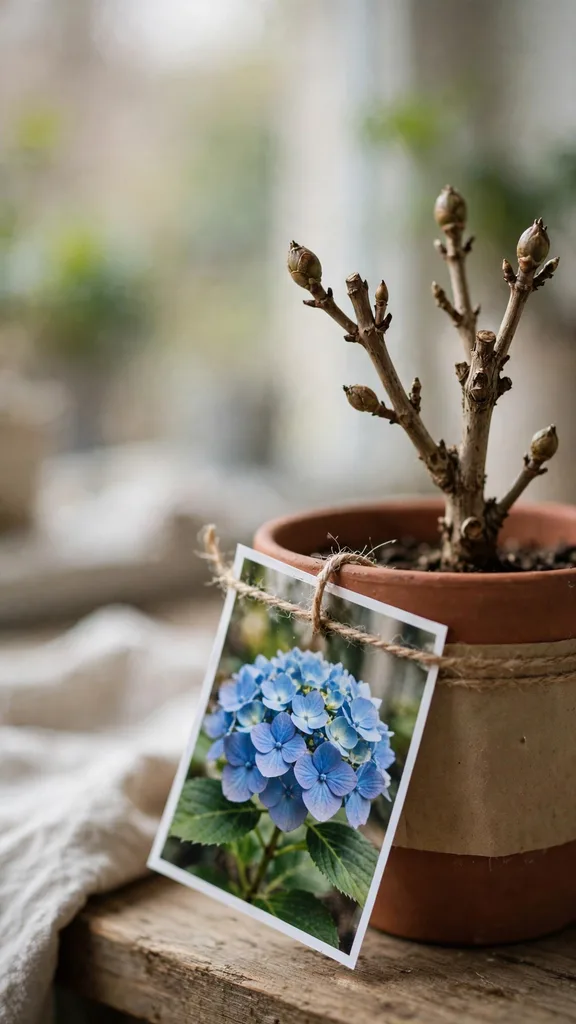
Soil decides hydrangea color more than variety in many gardens, so the card should say the color it flowers in yours and note that theirs may shift. A dormant December hydrangea looks like sticks; tie a photograph of the mother shrub in flower to the pot and the gift explains itself.
7. Christmas Cactus Cuttings
The Christmas cactus is the one gift plant that flowers on cue: rooted segments potted in spring grow into a plant that buds for December in a cool room. Root three segments per pot for a full plant, and keep the mother plant’s flowering photograph for the label.
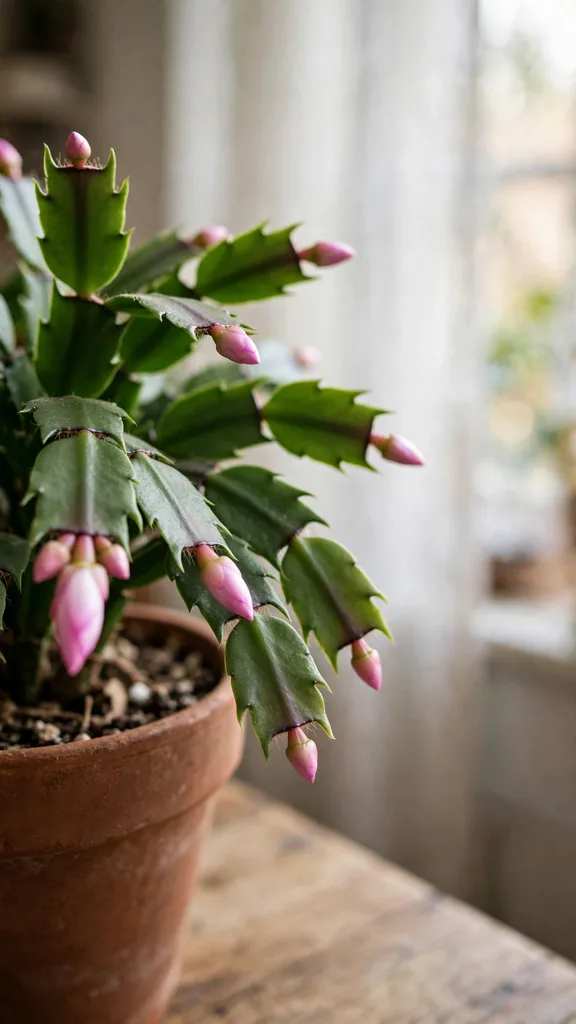
These plants live for decades and get handed down, so a Christmas cactus cutting is a genuinely long gift. It wants a cool, bright spot to set buds and hates being moved once budded; the label should say so, since most failures are kindness, too much warmth and water. Grandmothers approve of this gift, which is a review in itself.
8. Spider Plant Babies
A spider plant throws babies on long stems all year; pin them into small pots while still attached, cut them free once rooted, and you have the easiest gift plant in the world. Every baby is genetically the mother, so the gift is literally a piece of your plant.
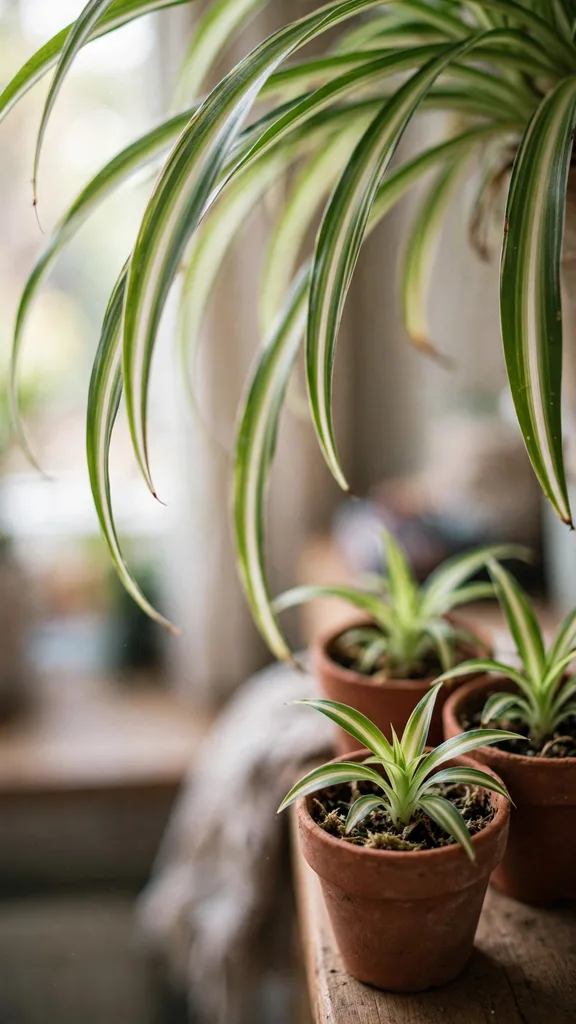
Spider plants forgive dark rooms, missed waterings, and student housing, which makes them the standard gift for first homes and dorm rooms. Pot babies in threes for a full look. The variegated forms brighten a winter sill, and a hanging pot shows the next generation already forming.
9. Herb Cutting Trio Pots
Three small pots, rosemary, thyme, and sage, rooted from your own herb beds and given as a set in a small crate or tray: the trio is the kitchen garden in miniature. All three root from cuttings in summer and hold well in pots through winter.
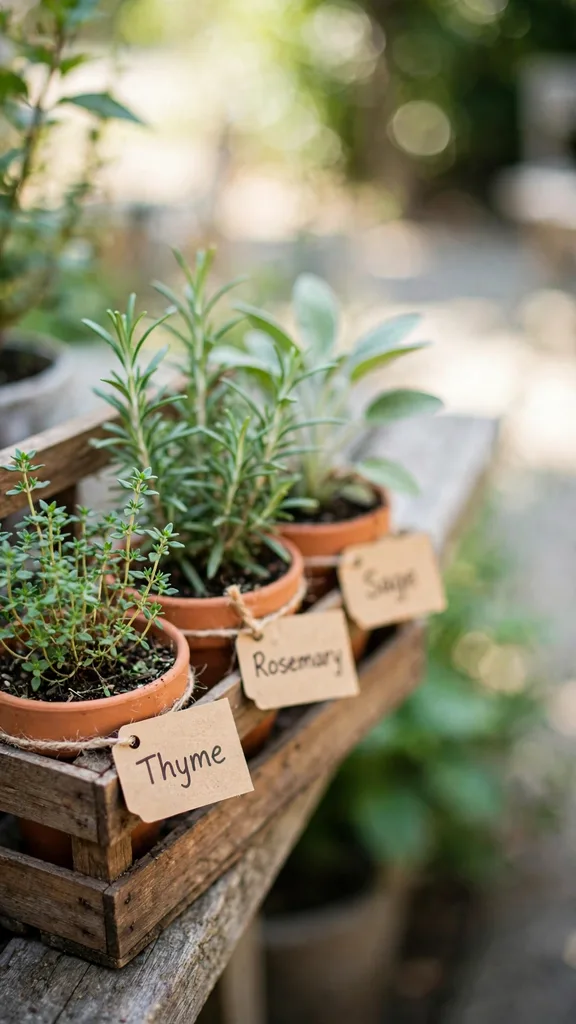
The trio suits cooks moving into new homes, where a herb bed is a year away but a sill is ready now. Label each pot and add the one dish each herb improves most. Grow the cuttings hard and compact; leggy herb gifts look like leftovers, and these are not.
Divisions are the autumn gifts: a border lifted and split in October becomes a row of potted plants by December, each one a piece of a plant that already proved itself in your soil.
10. Daylily Divisions
Daylilies divide in autumn without complaint: lift a clump, split it into fans, pot the best fans, and label them with the variety and flower color. A potted daylily division is dormant in December and unstoppable in May.
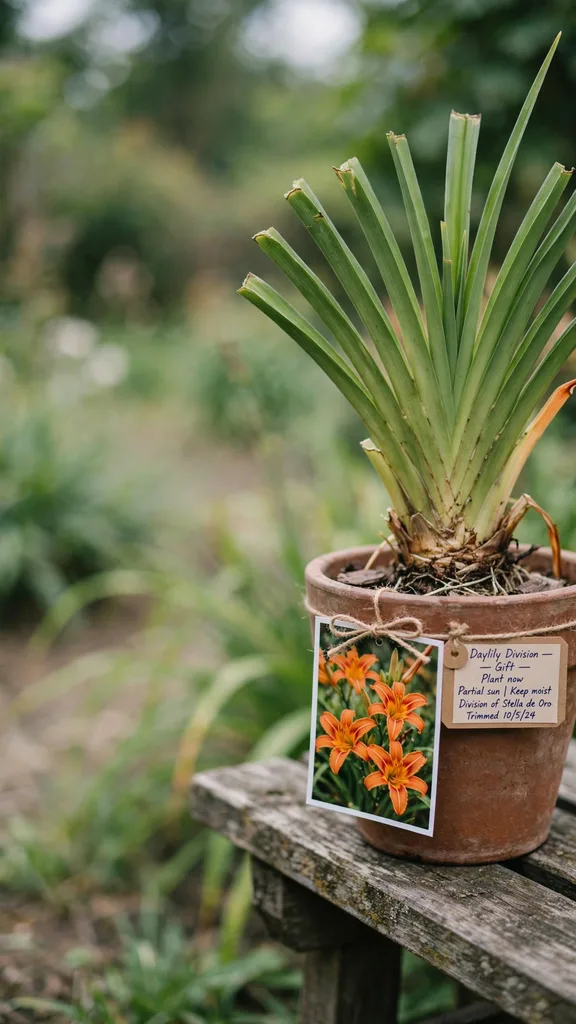
Daylilies forgive beginners everything, which makes them the safest border gift. Include a photograph of the clump in flower, since the pot holds only roots and promise. One mature clump yields six to ten gift fans, so a single generous plant stocks a whole street.
11. Iris Rhizome Pots
Bearded iris rhizomes divided in late summer pot up neatly, fans trimmed, and sit through winter as tidy, architectural pots. The rhizome should sit high in the compost, half exposed to the sun, and the label should repeat that, since buried rhizomes rot.
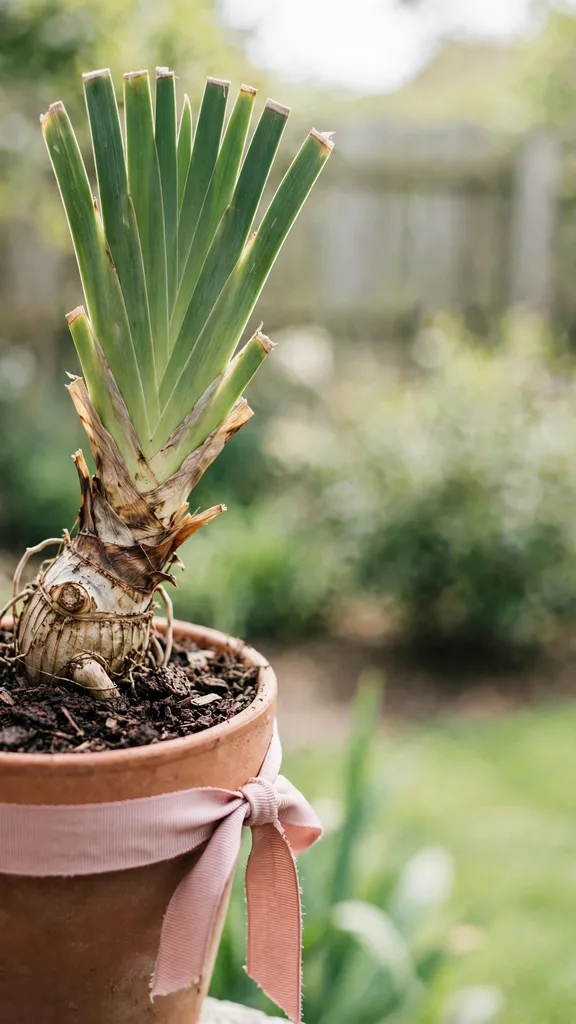
Iris gifts carry old-fashioned credibility. Many gardens still grow iris divided from a grandmother’s clump, passed hand to hand for fifty years, and your division joins that lineage. Name the variety if you can. If not, describe the flower honestly and let the photograph tied to the pot do the rest, because a December iris pot, all fan and rhizome, looks austere on its own.
12. Strawberry Runner Pots
Strawberry runners root where they touch soil all summer; pot the rooted runners in autumn and each is a fruiting plant for next June. A pot of three runners gives the recipient a small strawberry patch in one container.
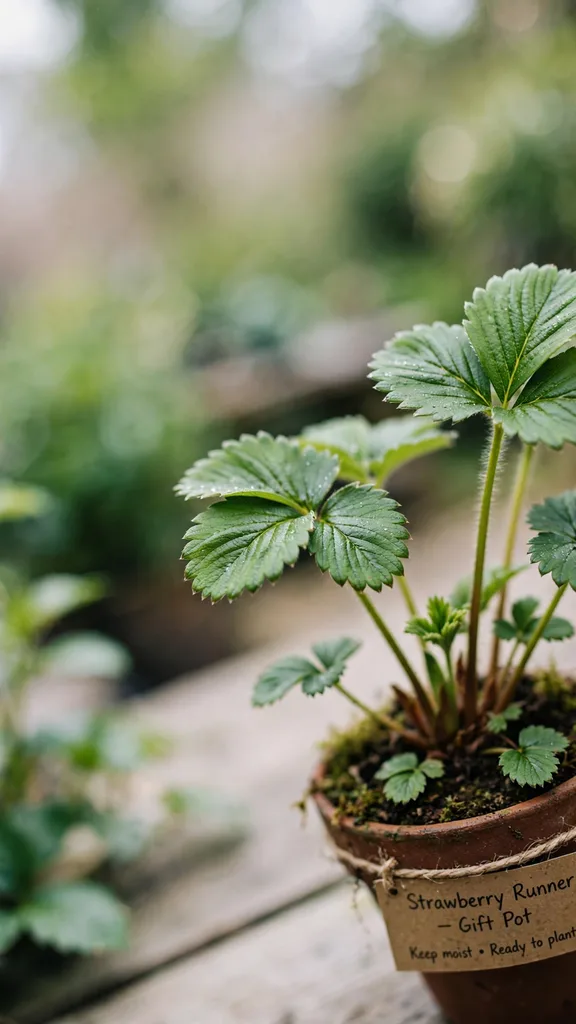
Label the variety and whether it fruits in June or through the season, since that decides how the recipient grows it. Strawberry pots suit children especially, being a gift that pays out in breakfasts. Use fresh compost, since strawberries sulk in tired soil and carry disease in old runners from a worn-out bed.
13. Chive and Herb Divisions
Chives, oregano, lemon balm, and tarragon all divide in autumn into instant clumps: pot them generously and they wake in spring ready to cut. Herb divisions are the working gifts of this group, straight into the recipient’s kitchen garden.
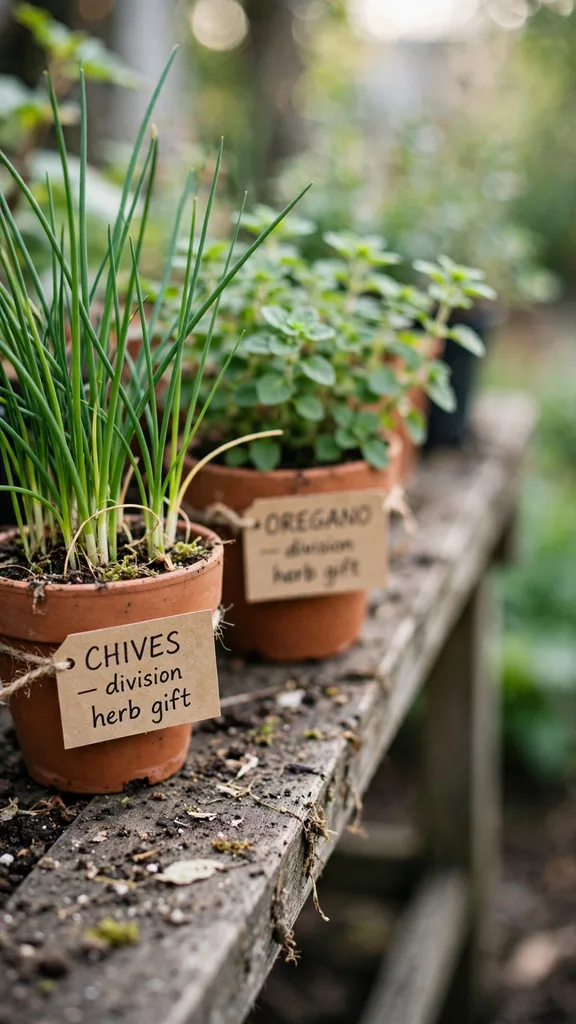
A chive clump potted in autumn can sit on a bright sill and give winter snippings if brought indoors early. Divide herbs you actually cook with and say so on the label; a division of the oregano in your tomato sauce is a recipe and a plant in one gift. Keep lemon balm’s enthusiasm on the label, as with mint.
14. Sedum and Sempervivum Pots
Sedums and houseleeks multiply as offsets and rosettes that pot up in minutes and ask for nothing all winter: a shallow bowl of sempervivum rosettes is the most sculptural gift in this list and the hardest to kill.
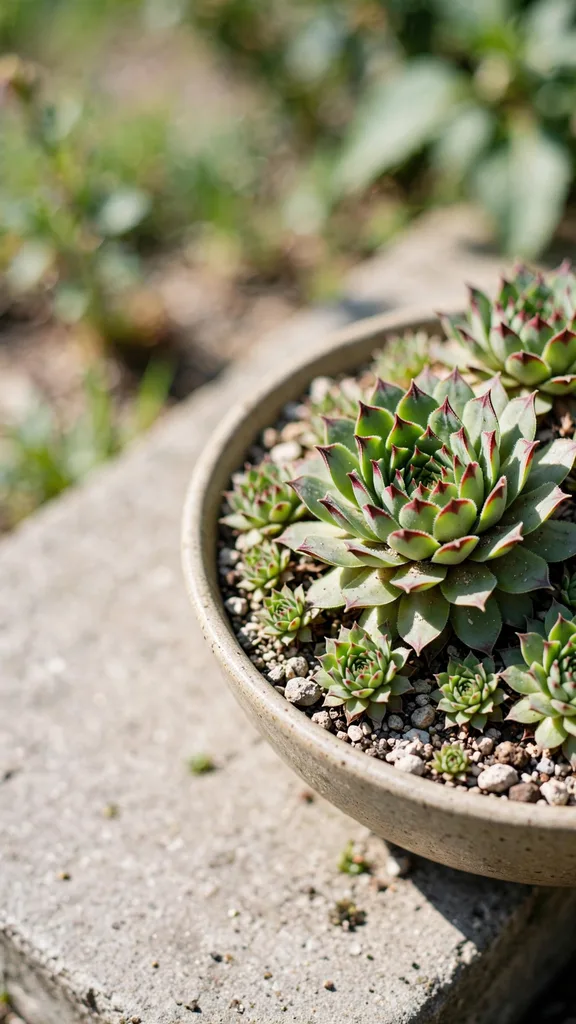
These are the gifts for recipients who claim black thumbs; the label can honestly promise survival through neglect, drought, and frost. Use gritty compost and shallow pots. A mixed bowl of rosettes in different sizes looks like a small rock garden and suits a sunny step.
15. Fern Divisions
Hardy ferns divide in autumn or early spring into crowns that pot up into generous gifts for shade, the corner of the garden most people cannot fill. A potted fern in December is a crown and a promise; the fronds arrive in April.
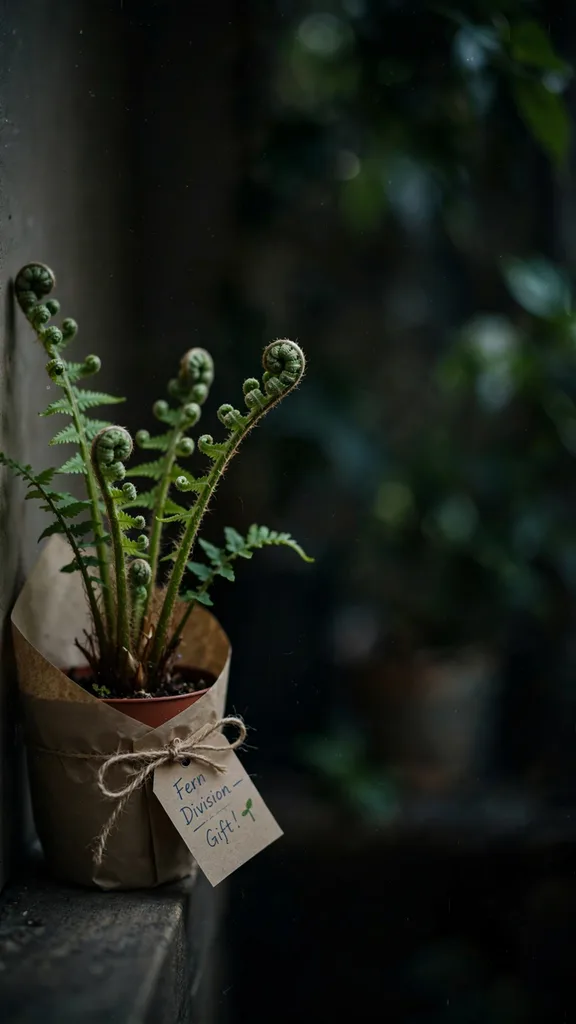
Label the fern’s name and its shade and moisture needs, since ferns fail in sun and drought, not from neglect. Ferns suit the gardener with a north wall and low light, a person other plant gifts ignore. Keep the pots frost-free and moist through winter, never wet.
16. Lily of the Valley Pips
Lily of the valley spreads into colonies that thin gladly in autumn: pot the pips, the pointed buds on their rhizomes, five to a pot, and the recipient gets May perfume in a container. The pots also force indoors if kept cold first, then brought into warmth.
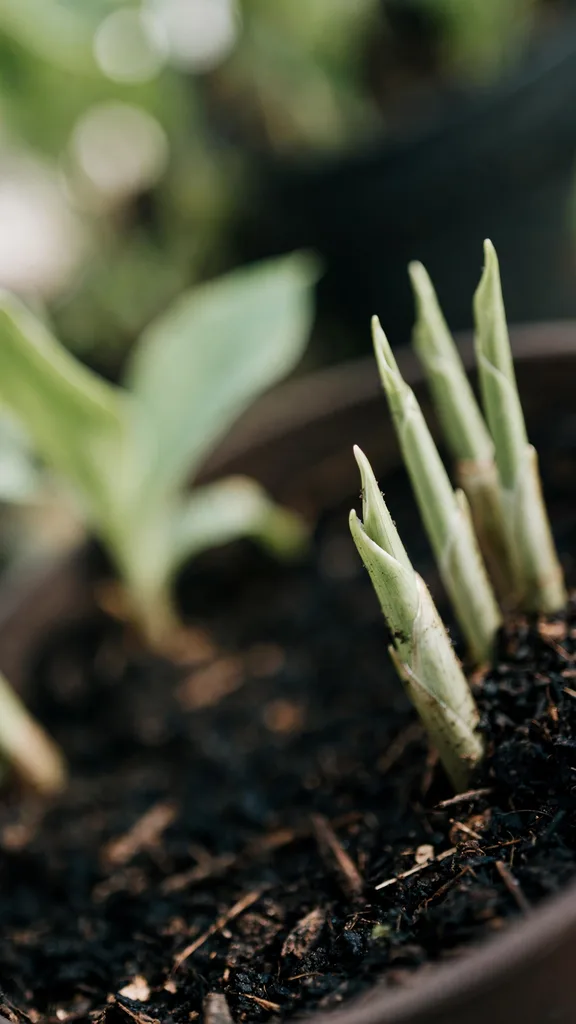
Warn on the label that the plant is vigorous and its berries are not food; honesty suits this old-fashioned gift. Pips are nearly indestructible in transit, making this the division to post. A pot of lily of the valley carries more nostalgia per square inch than anything else here.
17. Ornamental Grass Divisions
Small ornamental grasses divide in autumn into tufts that pot up as texture gifts: a pot of fine hakonechloa or blue fescue gives a patio instant movement. Grasses in December are straw-colored crowns; the photograph of the mother plant in summer does the persuading.
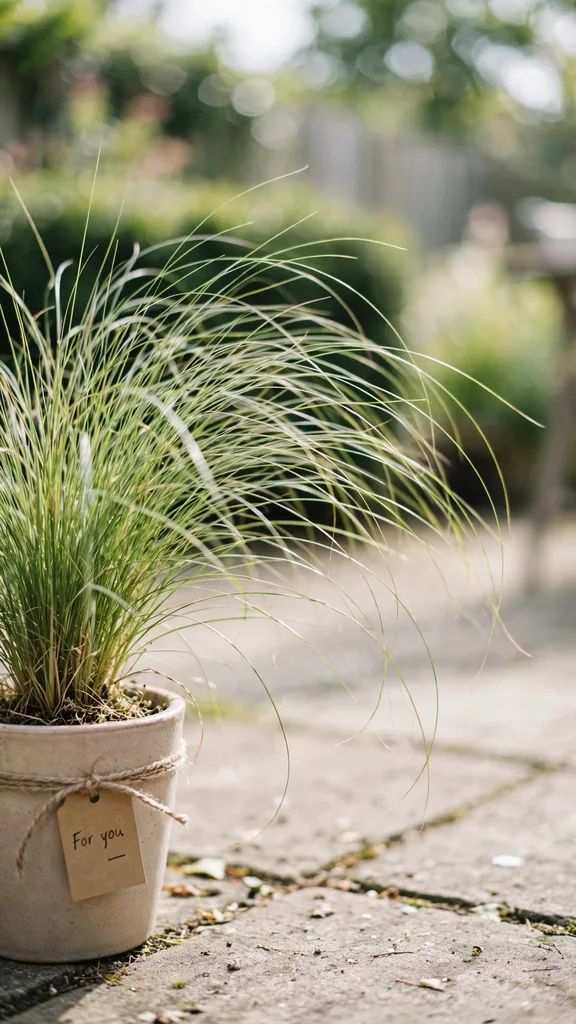
Divide grasses as they go dormant and keep the pots cold and just moist. Label the grass’s height honestly, since a gift grass that eats a border is remembered for the wrong reason. Grasses pair well given alongside a sedum bowl, the two textures setting each other off.
18. Rhubarb Crown Divisions
A rhubarb crown divided in late autumn, a chunk with two fat buds, pots into the heaviest gift in this list and the most productive: rhubarb gives for twenty years from one crown. Give it to gardeners with space and a crumble habit.
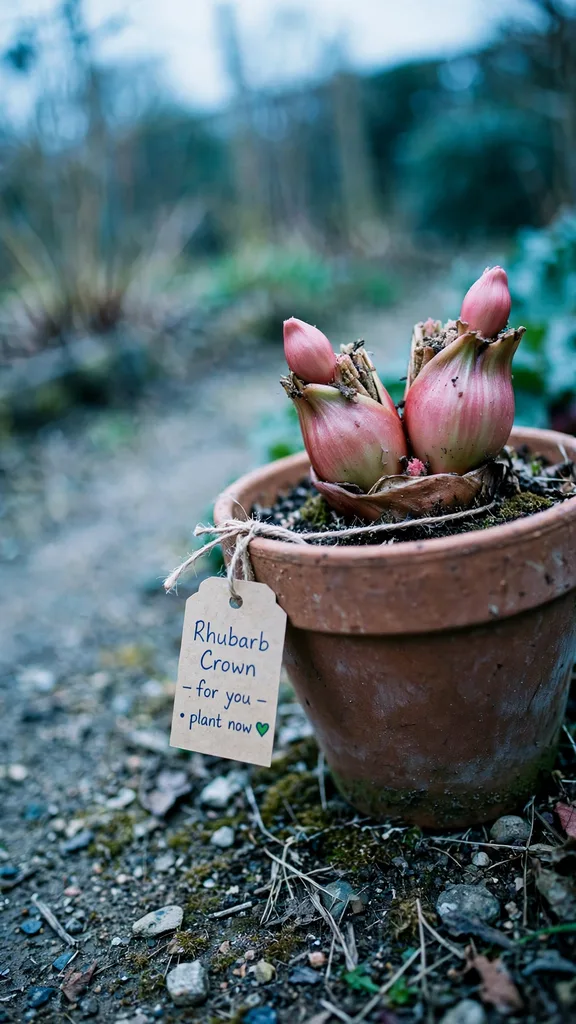
The crown needs a cold winter and rich soil; the label should promise the first light harvest the second spring, not the first, since rhubarb establishes before it crops. This is a gift between serious vegetable gardeners, and it is received that way. Wrap the pot against frost if it travels.
Forced bulbs are December’s own crop: potted in autumn, chilled in the dark, and given at the moment they wake, so the recipient gets the flowering, not the work.
19. Paperwhite Pots
Paperwhites are the fastest forced gift: bulbs potted on pebbles or compost in November flower three to five weeks later, so a pot given at Christmas is in bud or just opening. The full method is in the paperwhites for Christmas guide; the gift pot needs only a label saying water to the bulb base and keep it cool and bright.
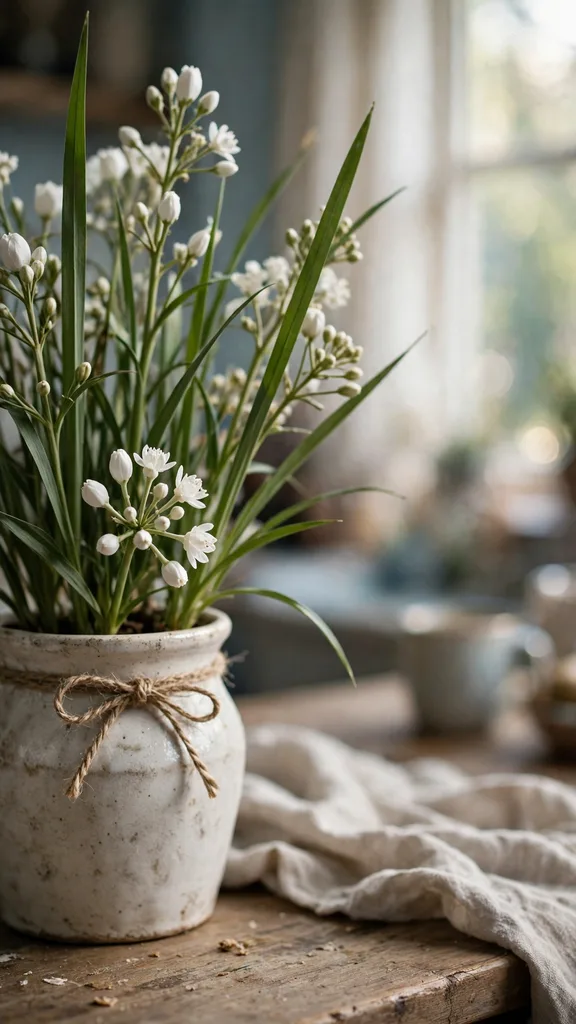
Give paperwhites to people without gardens, since the pot is the whole farm. Three bulbs to a small pot, five to a large one, tied with twine at the neck when they grow tall. The Cornell Flower Bulb Research Program’s paperwhite guide documents the alcohol treatment, a roughly 4 to 6 percent solution once shoots are a few inches tall, that keeps gift paperwhites a third to a half shorter and standing upright. Their scent fills a room, which the label can mention as either promise or warning, depending on the recipient.
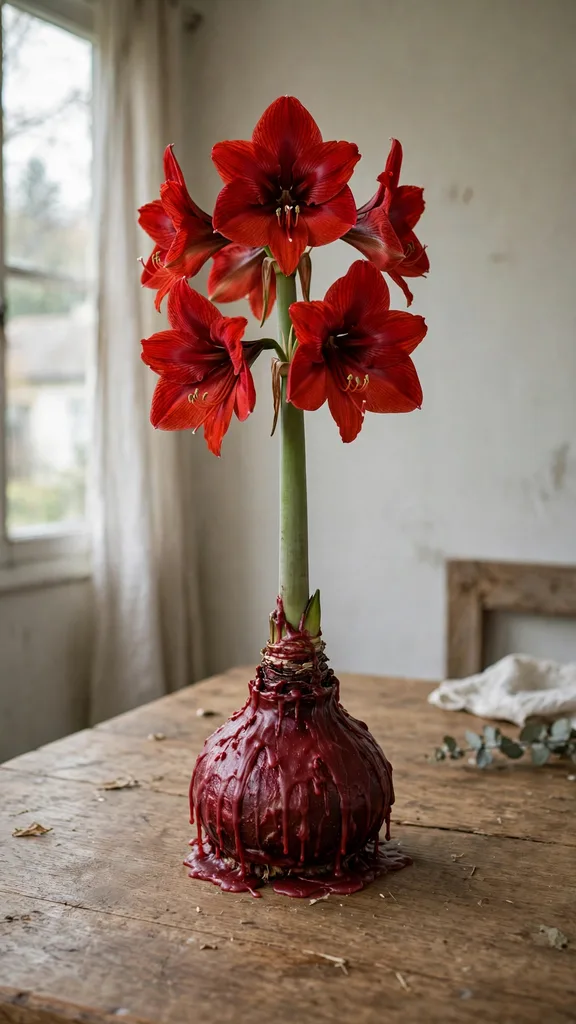
20. Amaryllis in a Pot
An amaryllis bulb potted in autumn and given just as the bud spear shows is the grandest bulb gift: two stems of trumpets follow for Christmas and after. The amaryllis care guide on this site covers the aftercare the recipient will need in January, and the gift label can point to the bulb’s second year rather than the compost heap.
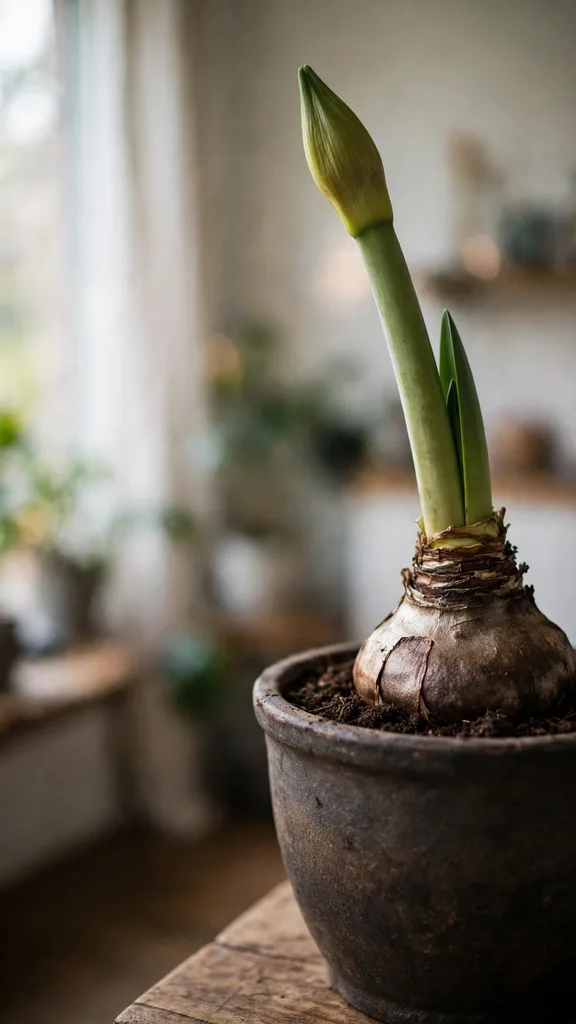
Pot the bulb with its shoulders above the compost in a heavy pot, since a flowering amaryllis is top-heavy. Give the biggest bulbs you can buy in autumn; bulb size decides stem count. This is the premium gift of the forced group and suits the person who hosts Christmas itself.
21. Hyacinth Pots, Prepared Bulbs
Prepared hyacinth bulbs, chilled by the grower, pot in autumn and flower for Christmas with the strongest scent of any forced bulb. The Wisconsin Horticulture guide to forcing bulbs sets out the chilling and timing that forcing depends on: bulbs need their weeks of cold, around 35 to 48°F, before warmth will bring them into flower rather than leaves.
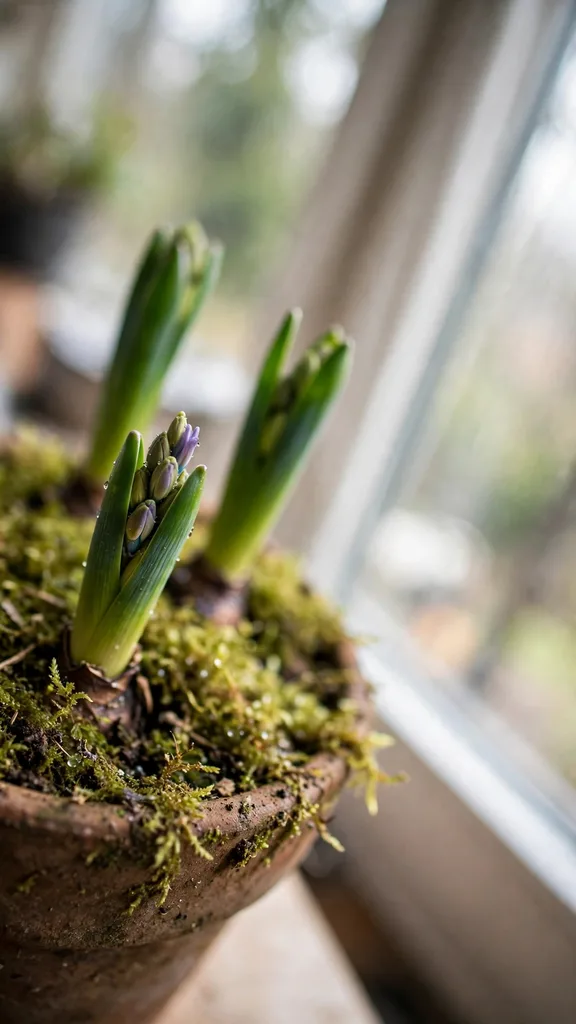
Three bulbs in a clay pot, moss on the surface, is the classic gift form. Hyacinth scent is powerful in a small room; give them to scent lovers and warn the rest kindly. Bulb dust irritates some skin, so pot them with gloves and say nothing more about it than the label needs.
22. Crocus Pots
Crocus bulbs chilled in a pot from autumn flower in late winter, so the gift given at Christmas is a pot of noses and a promise for February. A wide, shallow pot of twenty corms makes a lawn in miniature when it opens.
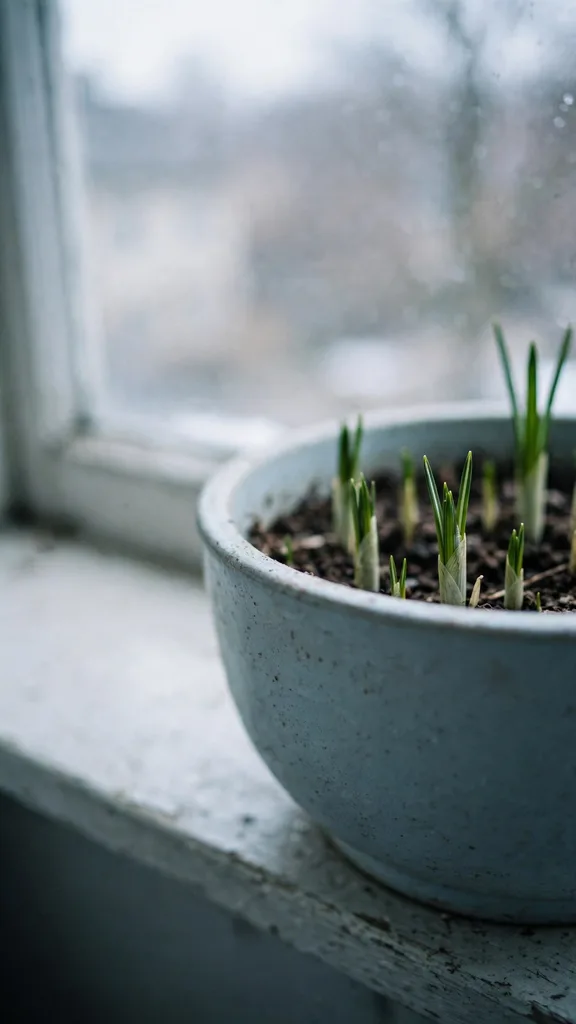
Crocus gifts suit the patient and the desk-bound; the pot sits on a cold sill and performs when the year turns. Label the colors if you mixed them. The pots are cheap to make in quantity, which makes crocus the staff-room and classroom gift of the bulb group.
23. Miniature Daffodil Pots
Miniature daffodils like Tête-à-Tête, potted in autumn and kept cold, flower in pots in late winter at a scale that suits a sill or a desk. Five to seven bulbs in a small pot give a crowd of small trumpets.
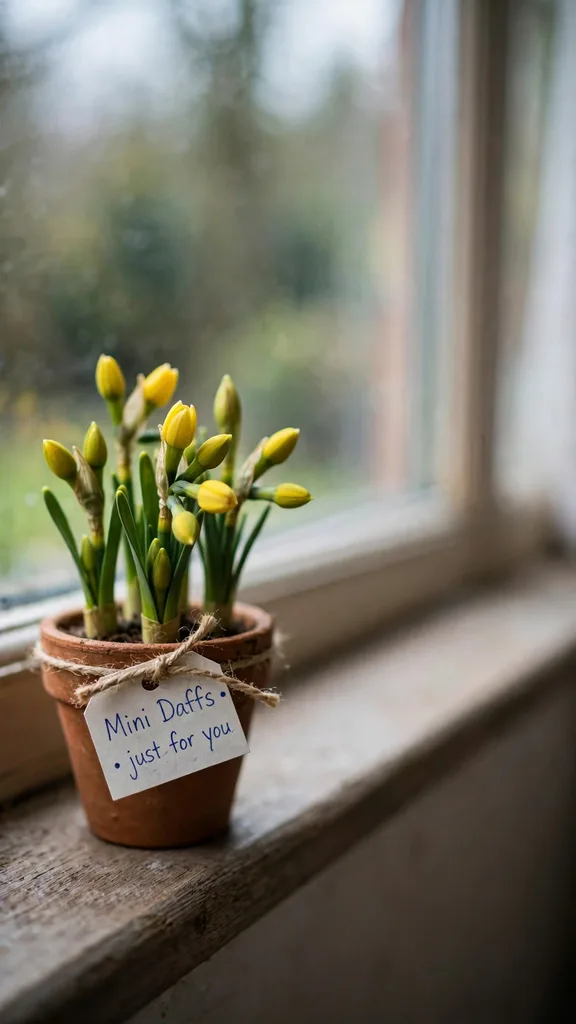
These are the cheerful gifts, given when the recipient needs February to arrive early. They harden off into the garden after flowering, unlike most forced bulbs, and the label should say to plant them out. A row of mini daffodil pots along a path in spring started, in many gardens, as one Christmas gift.
24. Grape Hyacinth Pots
Grape hyacinths force easily and flower in blue clusters that last for weeks in a cool room. Pot them thickly in autumn, a dozen bulbs to a pot, since their charm is in numbers.
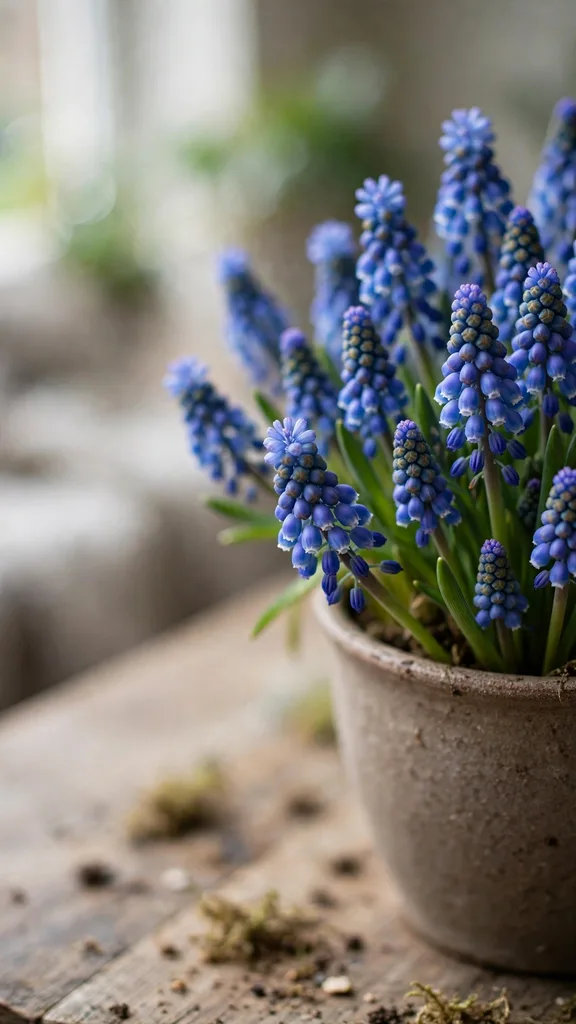
The blue is the true mid-blue few winter flowers offer, and the pots suit the recipient whose house runs to white and gray. After flowering they plant out and naturalize, spreading gently for years. Small pots of grape hyacinths make the best table-place gifts in this list.
25. Tulip Pots, Potted and Chilled by You
Tulips force only after a long cold spell, so this gift is a pot you chilled yourself: bulbs potted in autumn, kept at fridge or cold-frame cold for twelve to fourteen weeks, and given in December still cold with a card telling the recipient when to bring it into the light. The flowering happens in February, and the card carries the date.
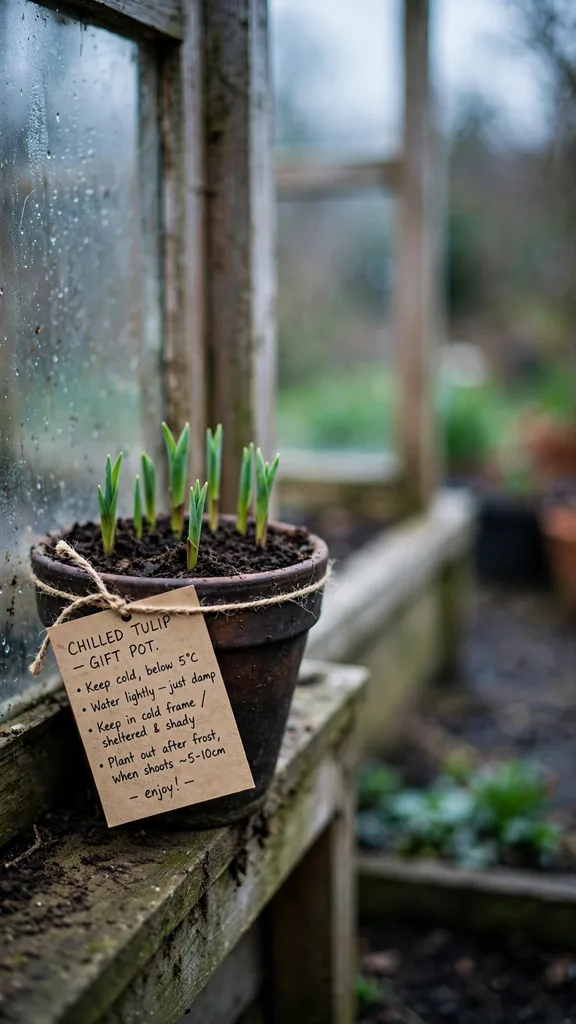
This is the expert’s gift, and its honesty is the point: the pot arrives as soil and instructions, and the trust between giver and grower does the rest. Choose short forcing varieties. Label the variety and the exact week to bring it in, since a forgotten tulip pot is just expensive compost.
26. Snowdrop Pots
Snowdrops move best in the green, but a pot of bulbs lifted from an overgrown clump in autumn, potted and kept cold, flowers in January and February as the earliest gift of the year. Snowdrops in a pot on a doorstep in January are a small event.
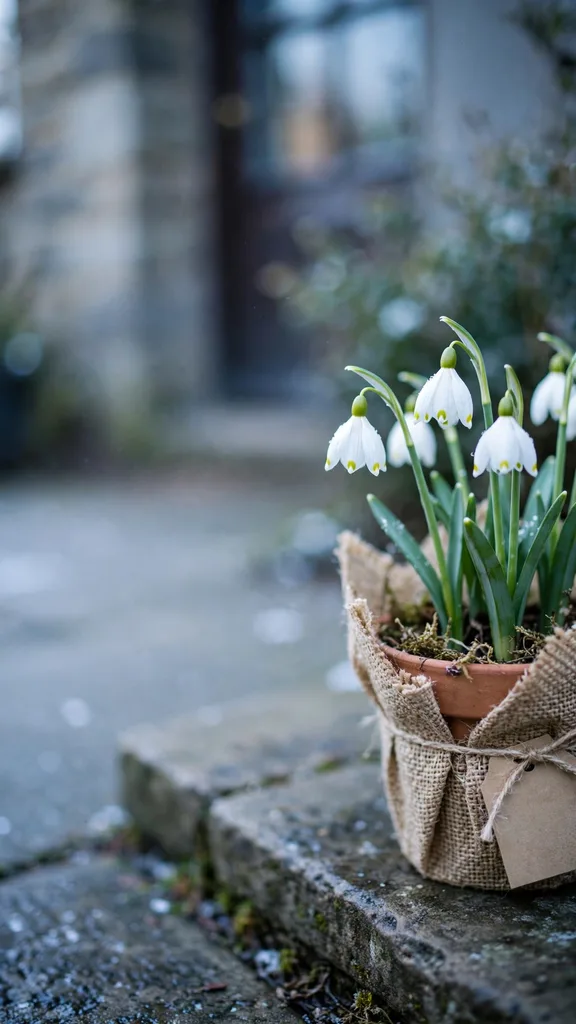
Divide only clumps that need it, and replant the rest; snowdrop colonies build slowly and the gift should not cost the garden its display. The label can promise that the pot plants out after flowering and spreads. This gift suits the gardener who is outdoors in all weathers noticing first things.
27. Bulb Lasagna Pots
A lasagna pot layers bulbs at depths, tulips lowest, daffodils above, crocus and grape hyacinths at the top, so one pot flowers in succession for two months. Potted in autumn and chilled whole, it is given in December with a card listing the order of the show.
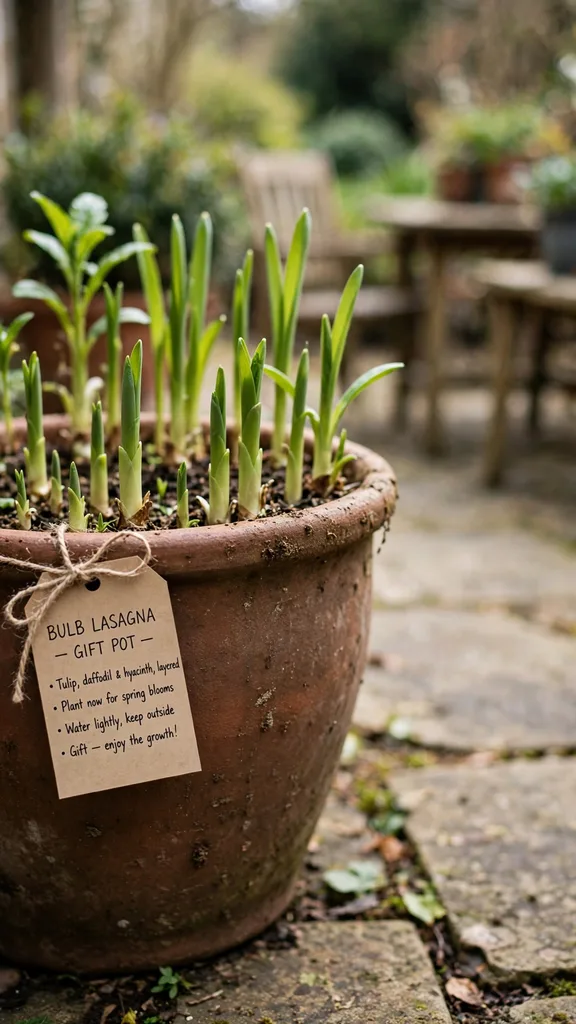
Lasagna pots are heavy and generous, the big gift of the bulb group, suited to a doorstep or patio. The layering is your autumn work; the recipient only waters and watches. Photograph a lasagna pot in flower from a previous year for the label, since the December pot is, again, soil and faith.
Houseplants and succulents are the year-round gifts, propagated on sills and shelves whenever the mother plants offer material.
28. Jade Plant Cuttings
A jade plant cutting calluses in days and roots in gritty compost without ceremony, growing into a small tree over years. Jades are the traditional good-luck gift, and a cutting from a plant that has thrived for a decade carries the luck credibly.
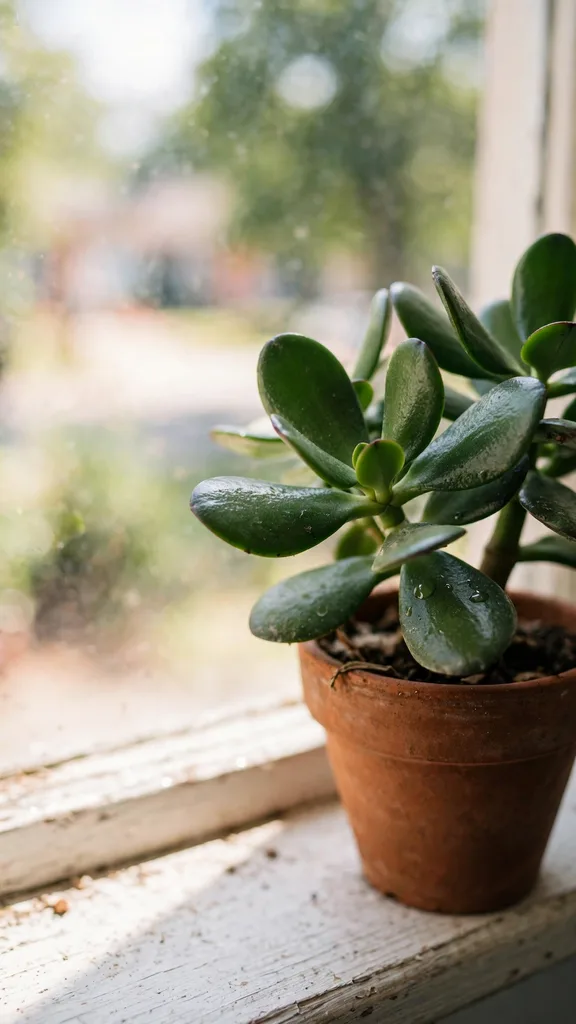
Pot jades in clay with very gritty compost and label them with the drought rule: water when dry, never on a schedule. A jade cutting is a slow gift; it will outlive the pot, the label, and possibly the giver, which is exactly its charm for weddings and new homes.
29. Aloe Pups
Aloes offset freely, and a pup potted on in summer is a sculptural rosette by December. The gift is handsome, drought-proof, and useful in the kitchen-garden tradition for minor skin scrapes, which the label can mention modestly or not at all.
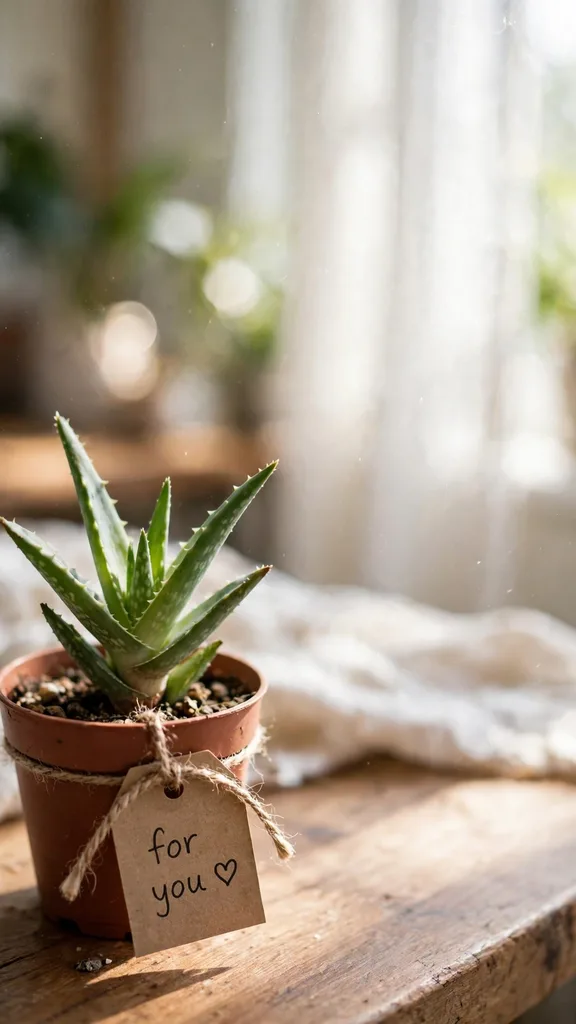
Pups should be a third of the mother’s size with their own roots before potting. Aloes hate wet cold, so the pot goes to a bright sill. This gift suits the minimalist recipient whose house has no room for fussy plants.
30. Snake Plant Divisions
Snake plants divide at the rhizome into fans that pot up into the most indestructible gift in this list: they tolerate low light, missed water, and office air. A tall fan in a plain pot is also the most modern-looking gift here.
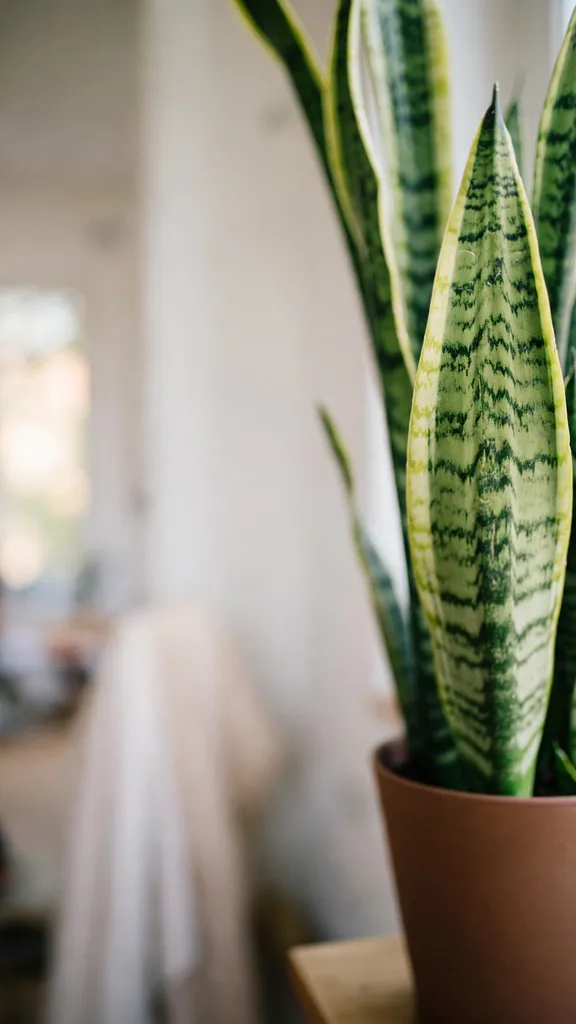
Divide in spring or summer so the fan roots before winter. The label’s care instructions fit in one line, which recipients with dead houseplants behind them find encouraging. Snake plants are the standard gift for offices and new flats, and a division from your own plant beats a shop one on story alone.
31. Pothos Cuttings
Pothos cuttings root in a jar of water on any sill, then pot into trailing plants that forgive everything except frost. A pot with five rooted cuttings trails within months.
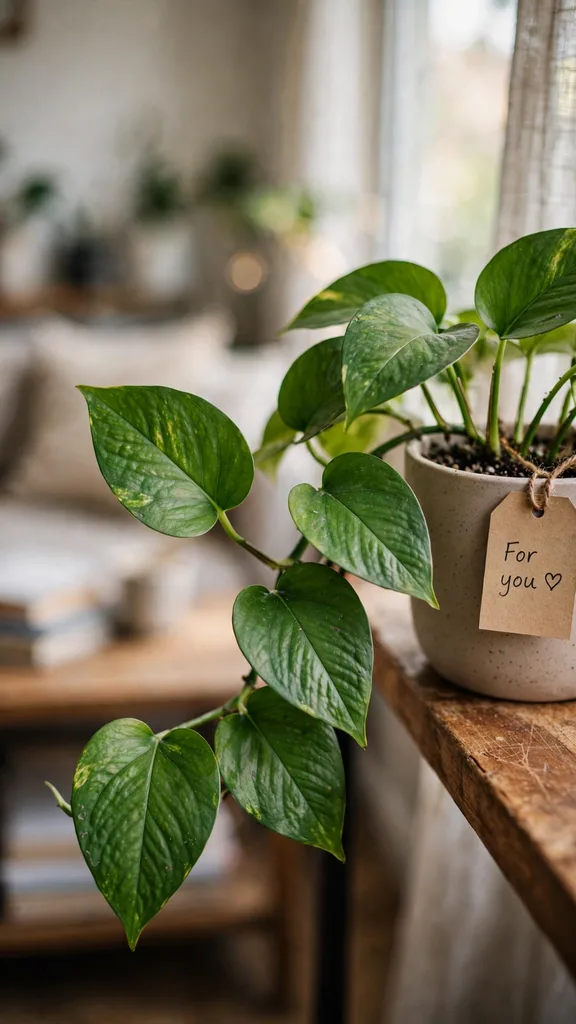
Give pothos to beginners and students; it is the plant that teaches watering by wilting visibly and recovering the same day. Variegated forms need light to keep their pattern, which the label should note. A pothos from your plant can colonize, by cuttings of cuttings, an entire family’s houses over a decade.
32. African Violet Leaf Cuttings
An African violet leaf, stalk in water or compost, grows a crown of plantlets at its base over months, each plantlet a true copy of a flower you chose. Pot the plantlets in autumn and they flower the following year in the mother’s exact color.
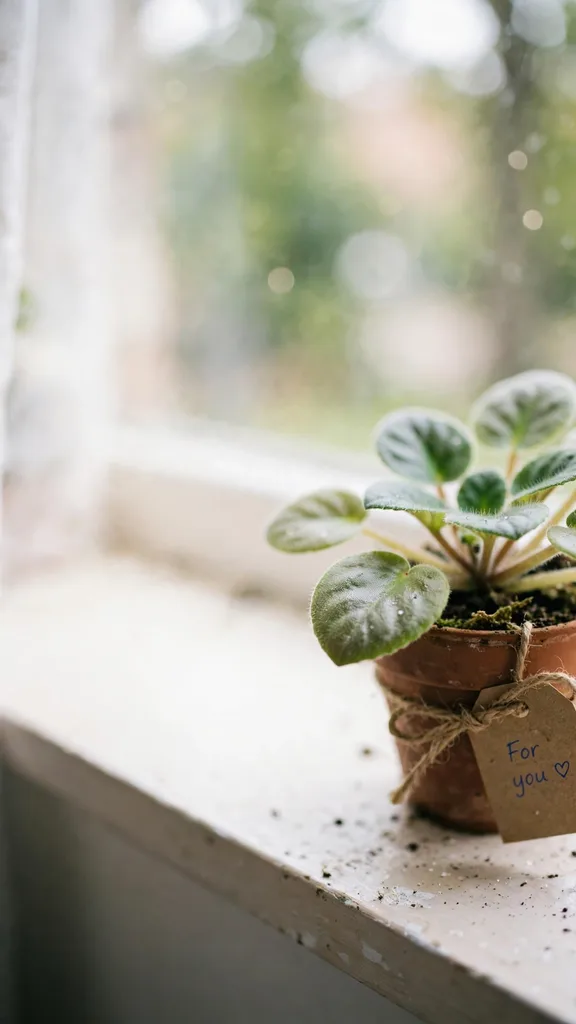
This is the patient propagator’s gift, started in spring for Christmas. Violets want bright light without direct sun and water from below; the label carries both rules. Older gardeners hold African violet lineages the way others hold family photographs, and a leaf from your plant joins the recipient to it.
33. Kalanchoe Cuttings
Kalanchoe cuttings root in days and the plants flower in winter from short days, giving red, pink, or orange clusters when little else performs. Pot cuttings in summer, pinch once, and keep them lean for compact flowering plants.
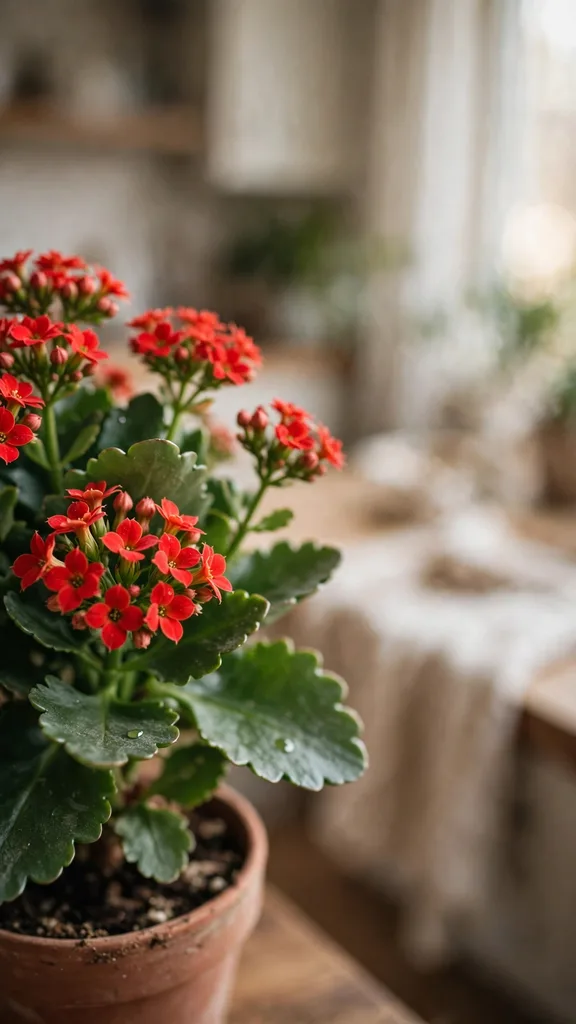
The label should explain the trick honestly: flower comes from long nights, so a plant that will not bud needs a darker room, not more food. Kalanchoes suit recipients who want flowers without a garden. They also propagate from a single leaf, which the recipient will discover and pass on.
34. Succulent Assortment Pots
A shallow bowl planted with assorted succulent cuttings and offsets, echeveria rosettes, sedum sprigs, and a haworthia, is a small landscape in a pot and the most decorative gift in this group. Assemble bowls in summer so they root and settle before December.
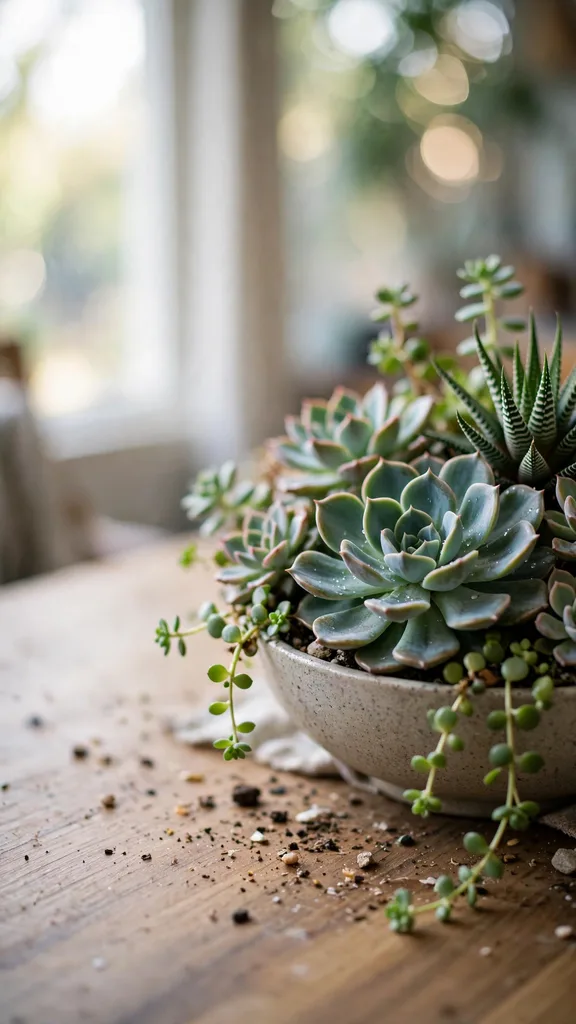
Succulent bowls want gritty compost, a bright sill, and almost no winter water; the label should say almost no, in those words, since kindness kills more succulents than neglect. Bowls suit desks and bathrooms with light. Every offset in the bowl came from a plant that was itself probably a gift, which is how these lineages travel.
35. Trailing Sedum Cuttings
Burrito sedum and other trailing sedums root from leaves and stem pieces scattered on gritty compost, growing into pots that spill over their rims. A trailing sedum in a hanging pot is the gift for the recipient with a bright shelf and no floor space.
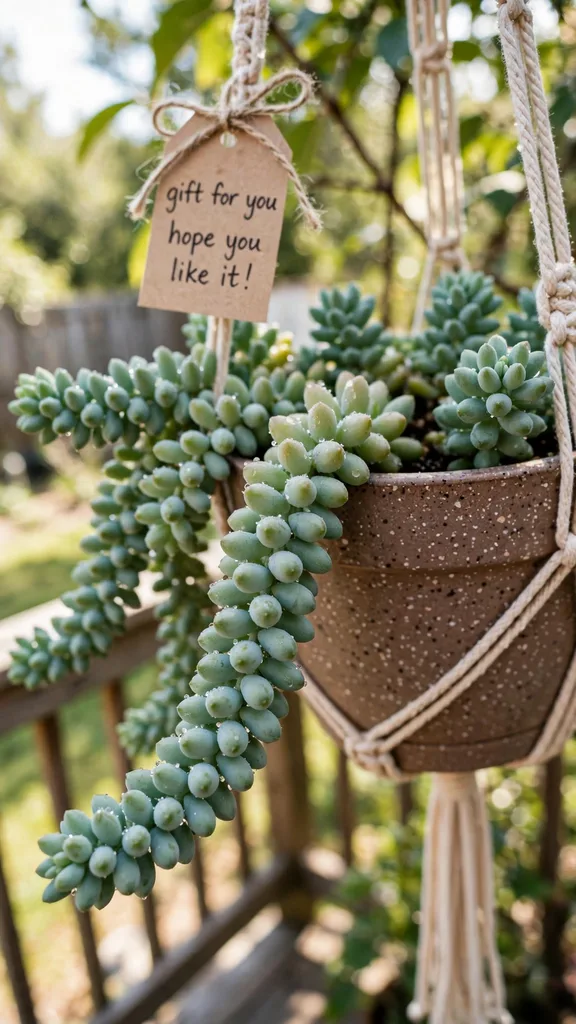
Leaves knock off at a touch, so transport these pots nested in a box and warn the recipient that fallen leaves are next year’s plants if laid on soil. The label can say that too, turning the plant’s fragility into its propagation lesson. These are slow, pretty gifts for patient people.
36. Bay Seedling Pots
A bay seedling, grown from your tree’s seed or a rooted layer, potted for a year, is a ten-year gift in a small pot: bay grows slowly into the most useful tree in the kitchen garden. In cold zones it lives in its pot permanently, moving out for summer.
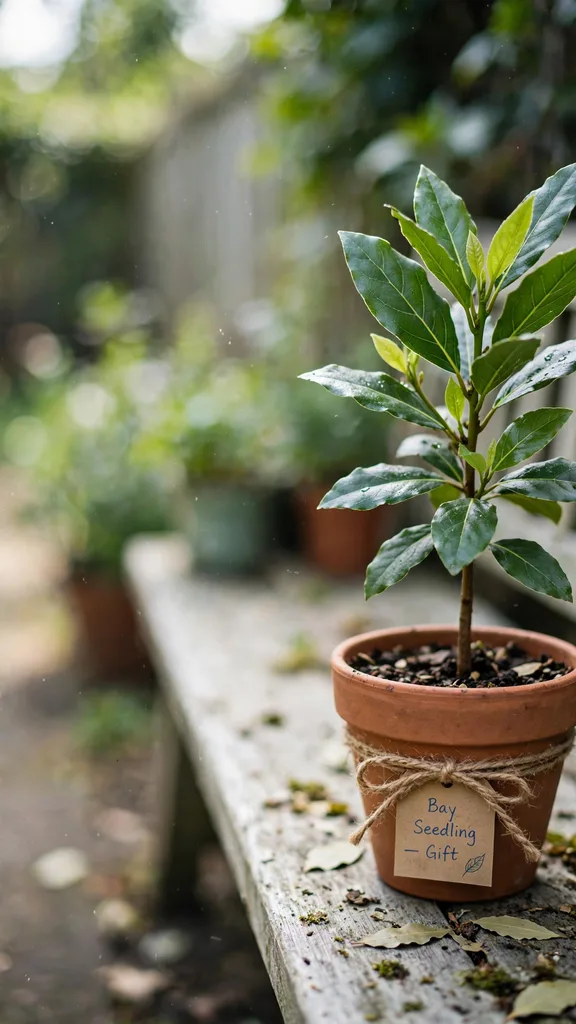
Label the winter rule: bay in a pot needs a sheltered spot or a cold greenhouse when frosts bite. Cooks value a bay of their own out of all proportion to its size, since fresh bay beats dried beyond argument. This is the gift for the serious cook who already has the herb bed.
The last group is special plants for particular people: trees, shrubs, and fruit, slower gifts with longer meanings.
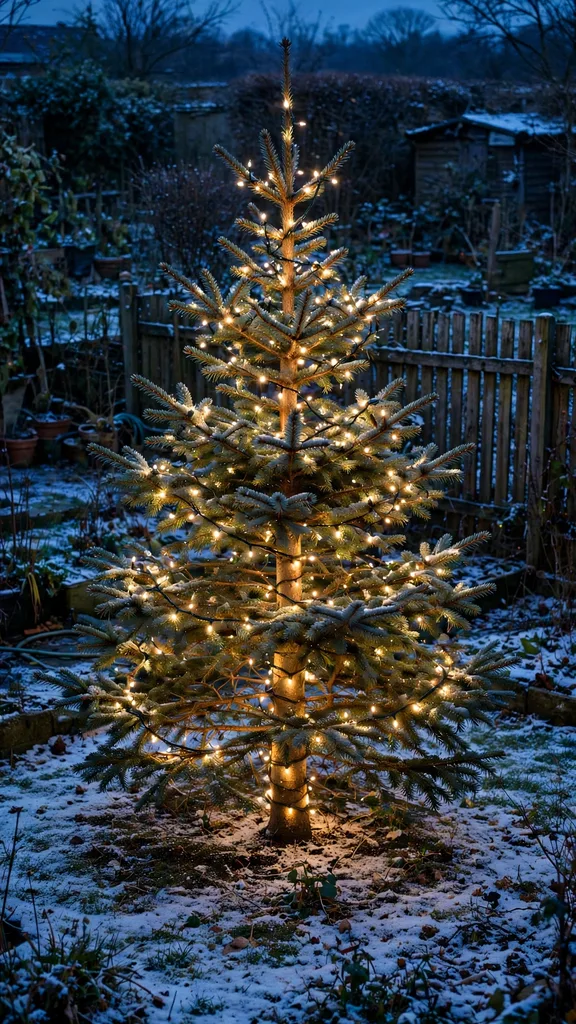
37. Seedling Christmas Tree in a Pot
A spruce or fir seedling, grown from cone seed or bought as a bare-root whip and potted by you for a year, given as a living Christmas tree in miniature: the seedling is the gift that is also next decade’s garden tree. Pot it sturdily and label its eventual height honestly, since a Norway spruce is a commitment.
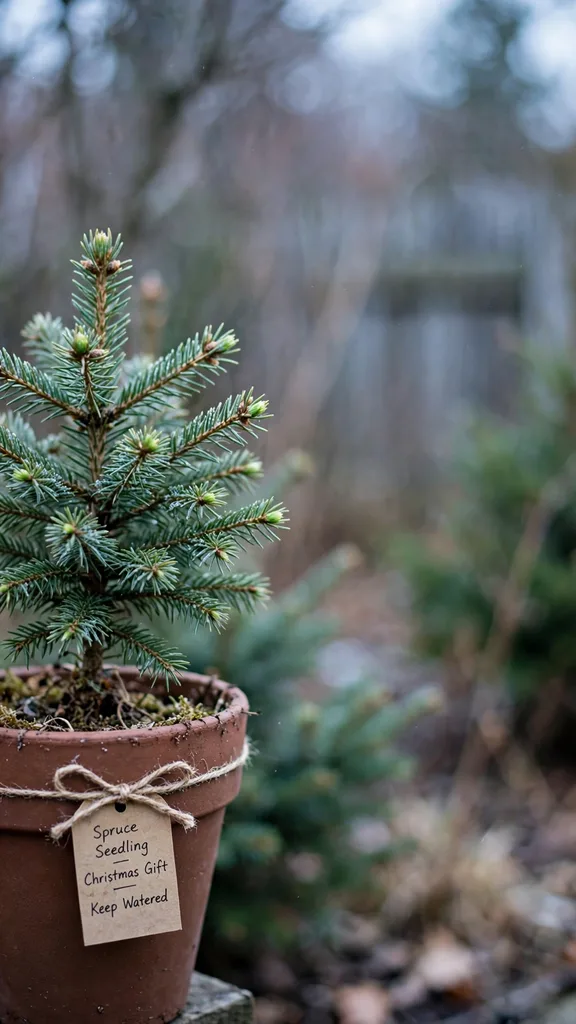
This gift suits a child with a garden to grow into, planted out together in spring. Keep the pot cold and outdoors through winter; a seedling cooked in a warm house over Christmas sulks. A photograph of the seedling each Christmas becomes the family’s growth chart.
38. Holly Seedling Pots
Holly seedlings appear under garden hollies where birds planted them; pot the best in autumn and by the following December they are glossy small shrubs with their first berries possible in a few years. Label whether the mother plant berries well, since seedlings vary and honesty is the house rule.
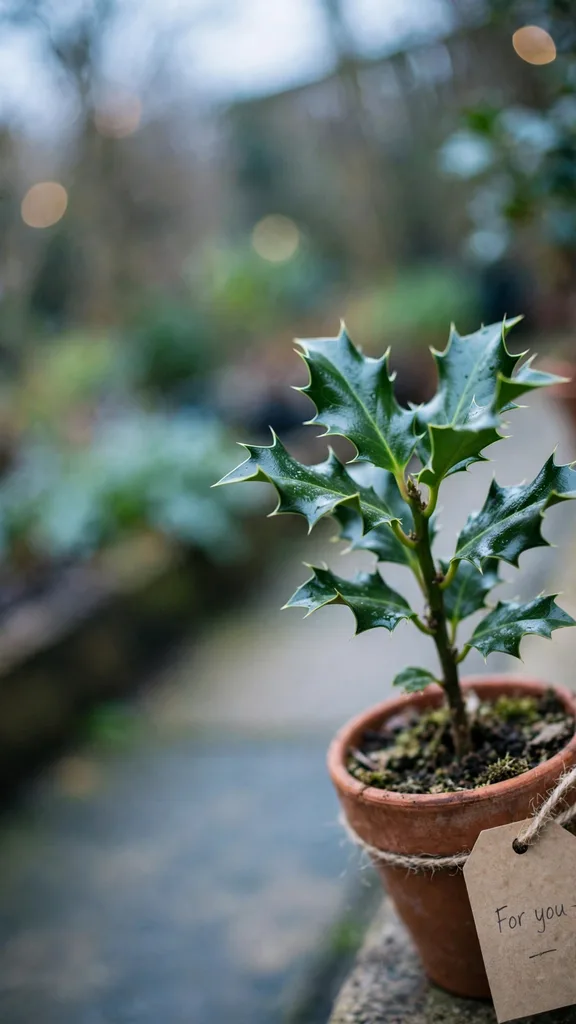
A holly seedling is a slow, traditional gift, suited to gardeners who plant for the garden’s future rather than next season. Keep the pot outdoors and cold. Give holly to the recipient who makes wreaths; in five years the gift supplies its own decorations.
39. Own-Root Rose Cuttings
A rose cutting rooted from your own shrub gives the recipient your exact rose, scent and all, on its own roots. Hardwood and semi-ripe cuttings taken in summer and autumn pot on into plants by the following December, leafless but budded.
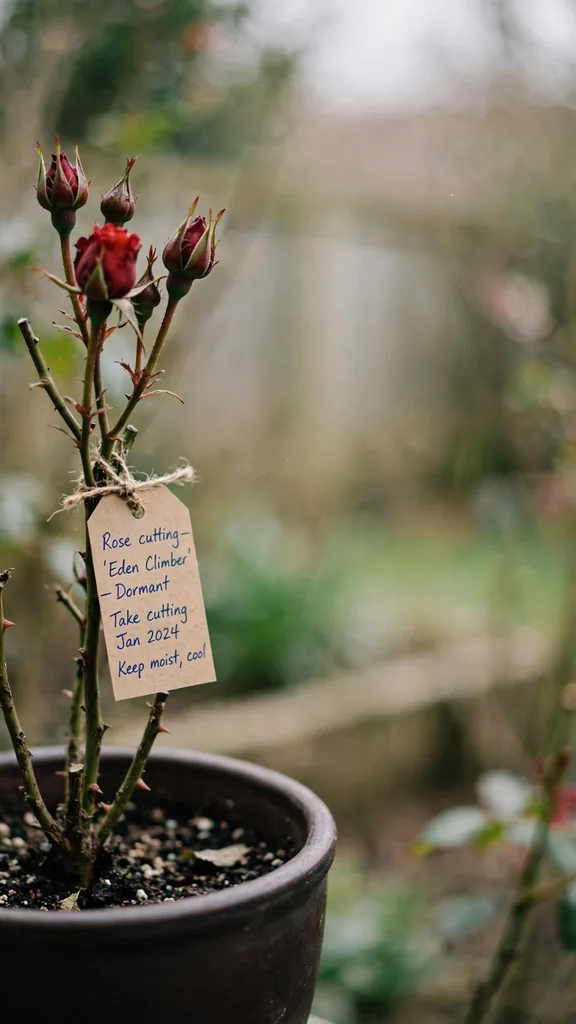
Name the rose if you can; if you cannot, describe its flower and scent on the label and call it by your garden’s name for it. Own-root roses sucker true, which old gardeners value. This is the romantic gift of the list and is received that way, especially when the mother rose is famous in the family.
40. Blackcurrant and Gooseberry Cuttings
Hardwood cuttings of currants and gooseberries are taken in December itself: a bundle of pencil-thick sticks pushed into a pot of compost roots by spring, and the gift is given as the pot with its card of instructions. Few gifts are more seasonal; the cutting and the giving share a week.
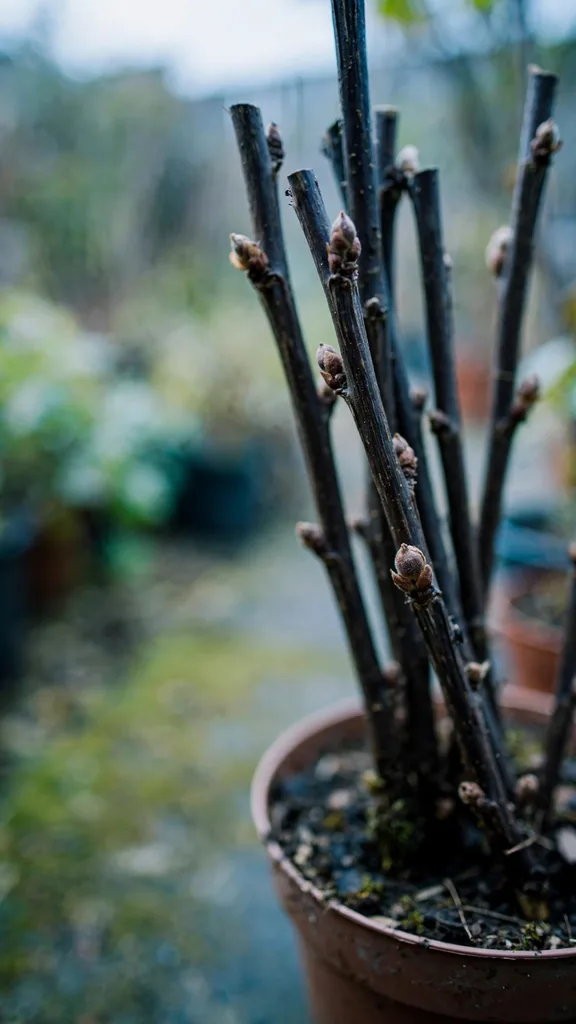
Label the variety and the fruit’s use, jam, puddings, or eating off the bush. These are gifts between fruit growers, who understand that a stick in a pot is a bush in waiting. Keep the pot outdoors in the cold, where the cuttings want to be.
41. Grape Vine Cuttings
A grape cutting, three buds of hardwood in a deep pot, roots over its first year into a vine for a wall or pergola. Vines are long gifts: the recipient eats grapes from your cutting for thirty years.
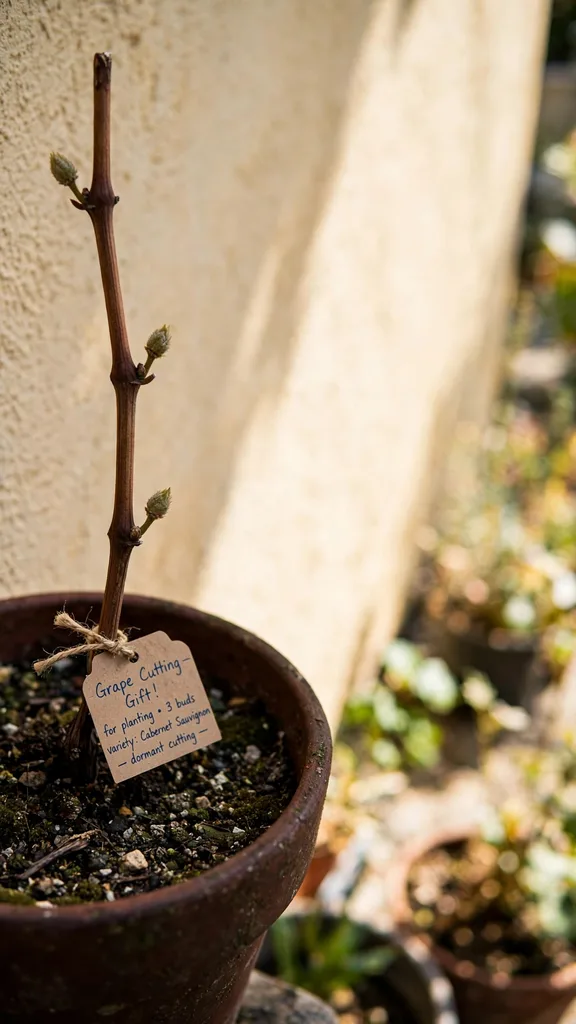
Label the variety and whether it fruits outdoors in your climate or needs glass, since a vine in the wrong place is a decade of disappointment. Give vines to gardeners with a sunny wall and patience. The cutting costs you a pruning you were making anyway, which makes it the most economical prestige gift here.
42. Citrus Seedling Pots for Warm Zones
In warm zones, a citrus seedling from your own tree’s fruit, potted for a year, gives a fragrant small tree that may fruit in time; in cold zones the same seedling is a houseplant with glossy leaves and scented blossom, given honestly as such. Label which future the recipient’s climate allows.
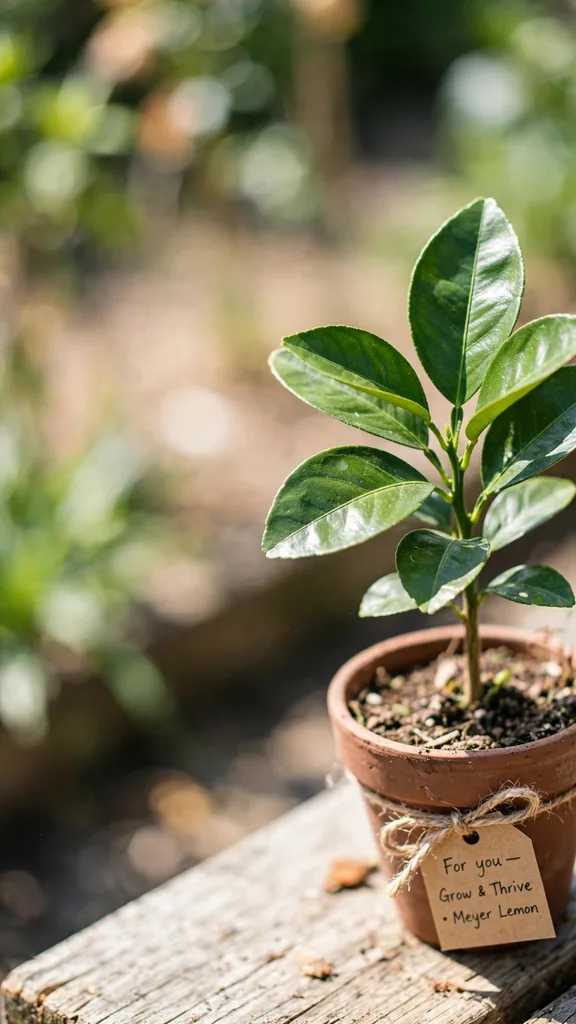
Seedling citrus varies from its parent, which the label should admit cheerfully; the gift is a small tree, not a guaranteed variety. The blossom scent alone justifies the pot on a sill. This gift belongs to the warm-zone exchange, where it becomes a tree, and to patient northerners, where it becomes a story.
43. Blueberry Cutting Pots
Blueberry hardwood and semi-ripe cuttings root slowly with bottom heat and patience, and a rooted cutting in acidic compost is a gift of future breakfasts. Give blueberries in pairs where cross-pollination helps, or note the variety so the recipient can add its partner.
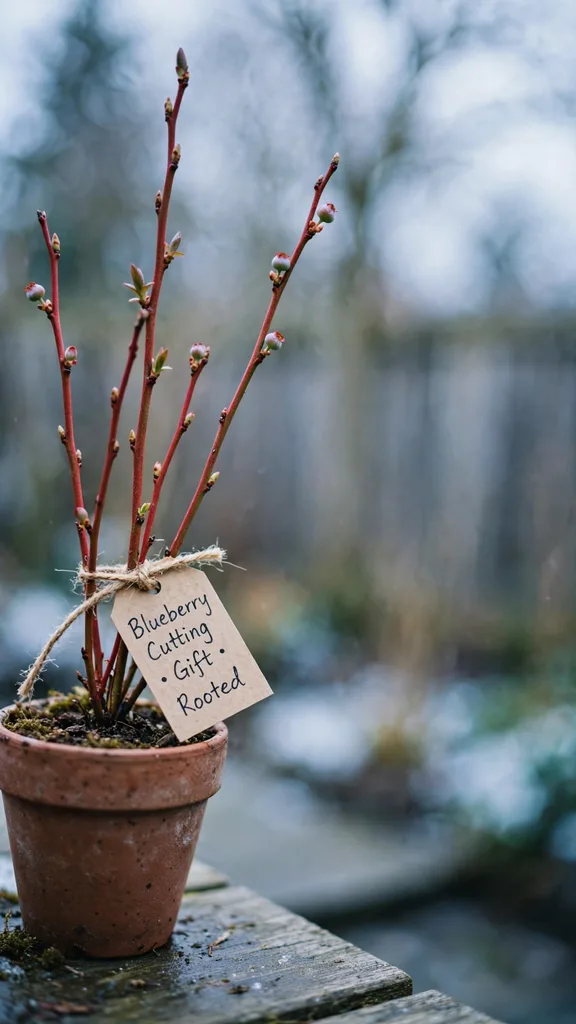
The label must carry the acid rule plainly: ericaceous compost, rainwater if the tap runs alkaline. Blueberries also give autumn color, which doubles the gift. This is a gift for the methodical gardener who will enjoy the plant’s requirements rather than resent them.
44. The Teacher’s Desk Plant
The desk plant is chosen for survival in a classroom: a small succulent bowl, a spider plant baby, or a pothos in a sturdy pot that tolerates a radiator, a dark corner, and a two-week holiday without water. Pot it in something unbreakable, label it with the class-friendly name of the plant, and add watering instructions a child can follow.
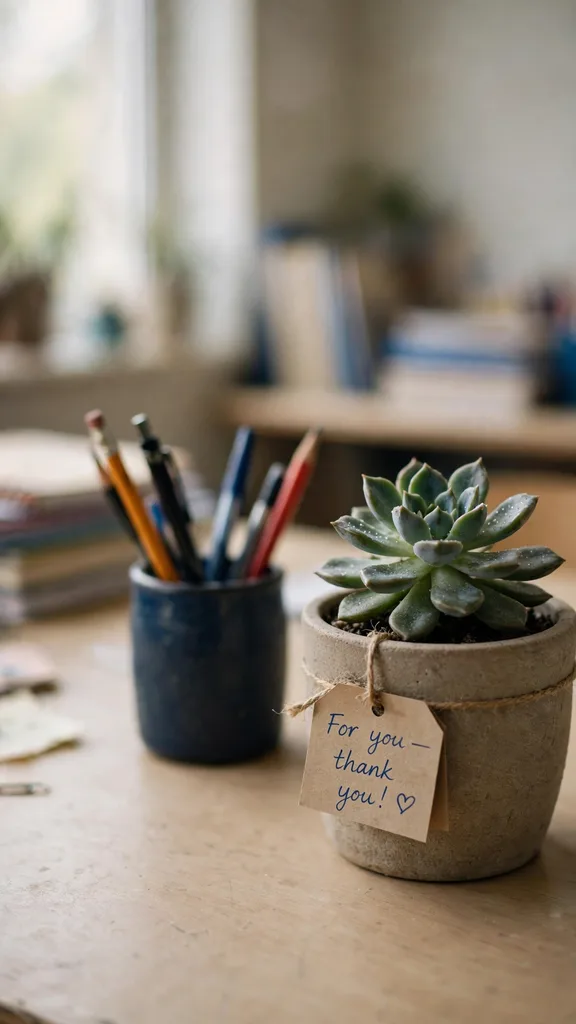
Teachers receive plants every year and watch most die by February; this one is selected to be the exception. A small card from the child completes it. Of all the gifts in this list, this is the one whose success is reported back most reliably, usually in June, with the plant still alive.
45. The Finished Gift Plant Shelf
The last gift is the shelf itself: stand back in December and look at the rows, cuttings rooted in spring, divisions from autumn, bulbs waking in their pots, and count how many people the garden is about to visit. A garden that multiplies gives its owner a gift economy that runs all year and costs almost nothing but attention.
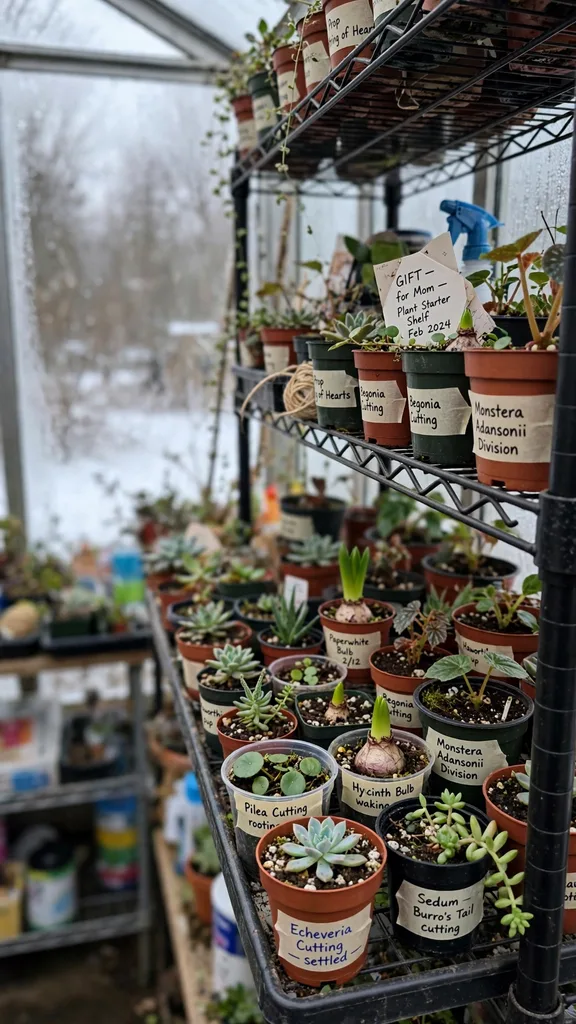
Photograph the shelf before the plants leave; next year’s shelf starts from that picture and from the notes on what rooted, what failed, and who asked for what again. The wider season’s projects, wreaths, garlands, and arrangements for the same giving round, gather in the Christmas garden ideas pillar on this site.
Frequently Asked Questions
Cuttings for Christmas are rooted in spring and summer and grown on for months; divisions are lifted and potted in autumn; forced bulbs are potted in autumn and chilled for six to fourteen weeks depending on the bulb. Almost nothing on this list starts in December except currant cuttings and final labeling. The working rule is a season ahead for cuttings, a month or two for divisions and bulbs, and a year for slow gifts like fig and bay.
Spider plant babies, pothos cuttings, jade cuttings, and sedum offsets root with almost no skill and forgive the learning curve. Paperwhites are the easiest forced bulb, needing no chilling at all. Strawberry runners and chive divisions are the easiest garden gifts. Start with these five and the shelf fills; move to lavender, roses, and blueberries once the easy wins have built your confidence and your stock of mother plants.
Write the plant’s name, one line on light, one line on water, and the one mistake that kills it: mint escapes, lavender drowns, amaryllis falls over. Add what it becomes, flowers in June, fruit in two years, so the recipient knows what they are keeping alive for. A label written by the grower beats any shop tag, because it carries your garden’s own experience of that exact plant.
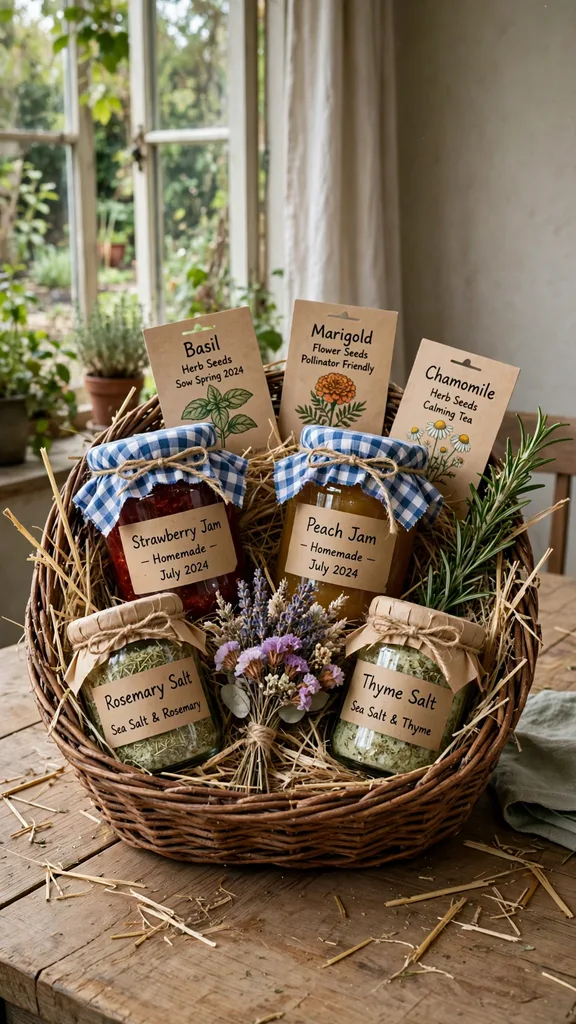
Small, sturdy plants post if they are packed bare-root or in barely damp compost inside a rigid box, sent early in the week in mild weather: succulent cuttings, sedum offsets, dormant divisions, and lily of the valley pips all travel well. Frost, weekends in a depot, and tall soft growth are the enemies. For far-away recipients, the seed and dried baskets elsewhere in this batch travel better than any living plant.
Forced bulbs, paperwhites first, then amaryllis and hyacinths, since the pot is the whole farm and the flowering is the gift. Houseplant cuttings like pothos, spider plants, and jade suit sills and desks. A bay in a pot serves a cook with only a doorstep. The rule is to give a plant whose whole life fits the space the recipient actually has, which the label should assume cheerfully rather than apologize for.