
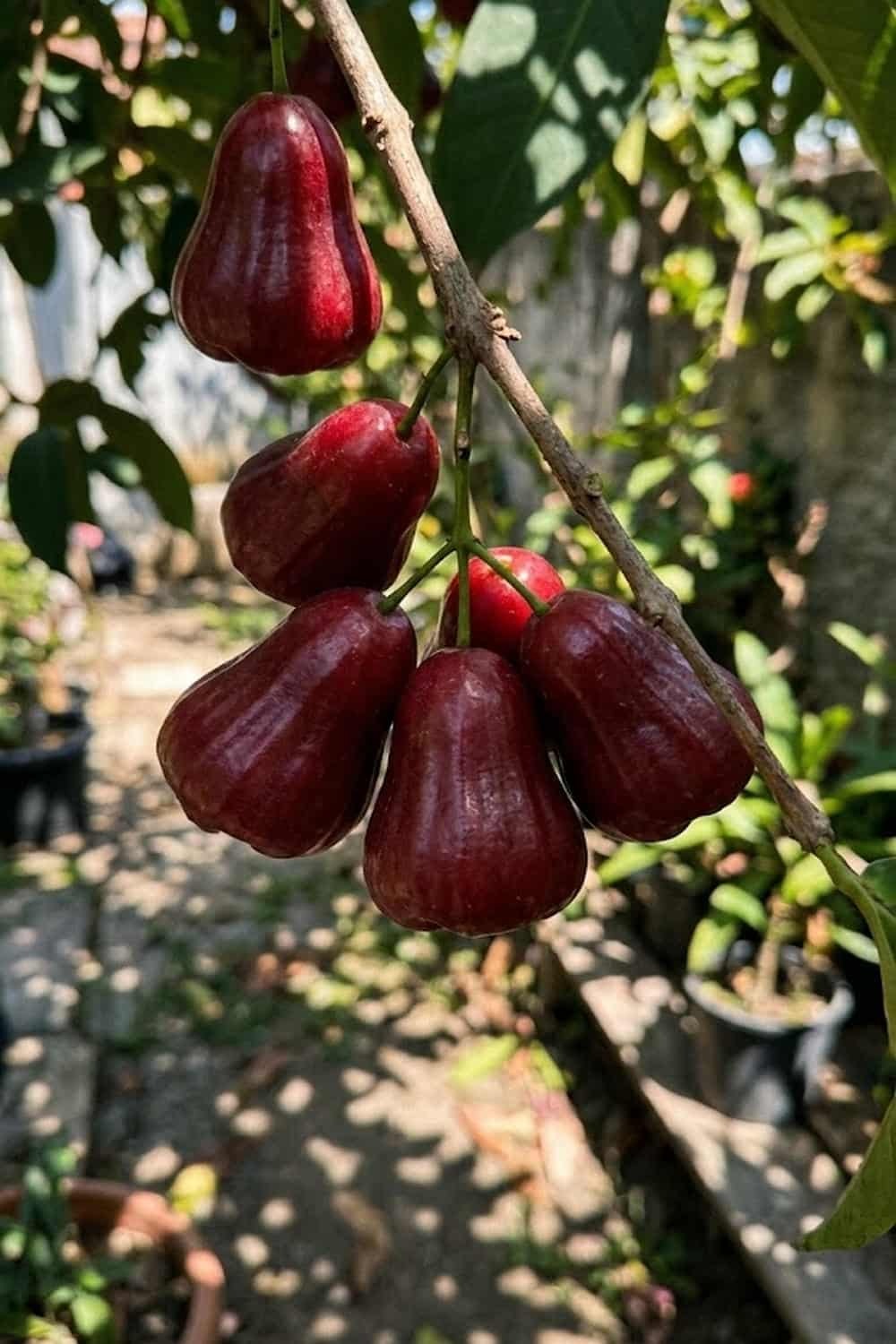

Do you scroll through social media, seeing vibrant photos of exotic tropical fruits, and wish you could pick something that unique from your own backyard? Maybe you’ve even tried planting a few things but end up frustrated with poor yields or, worse, a dead sapling. It’s disheartening to invest time and effort on Saturdays, only to have nothing to show for it when you want a refreshing snack. I have felt that frustration, especially balancing a full-time job with my passion for gardening. But let me reassure you: learning how to grow Macopa fruit is surprisingly straightforward, and I can help you achieve that abundant, juicy harvest you desire.
1. Select the Best Macopa Variety for Your Space
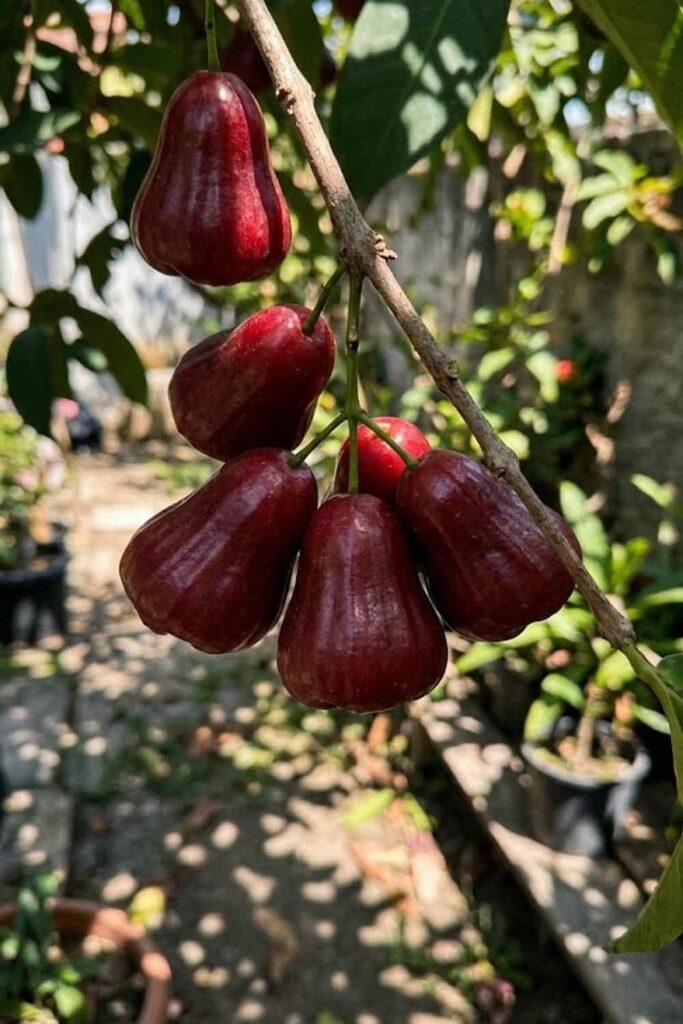
Grow a Macopa variety that actually fits your gardening reality and taste preferences. In my early days, I didn’t realize that Syzygium samarangense (the botanical entity we are dealing with) comes in several distinct types, ranging from deep crimson to vibrant green, and even pale pink. When deciding which Wax Apple to plant, you must consider its eventual size and fruit flavor profile. I recommend the ‘Thai Green’ if you love an incredibly sweet, crisp bite, or the common dark red types for that classic, juicy,bell-shaped delight. Your choice depends entirely on your climate limitations and space, especially if you plan to plant fruit trees in a small backyard. Choosing the right one initially prevents regret later when the tree matures. Note that variety selection directly impacts your eventual satisfaction.
2. Identify the Perfect Tropical Planting Site
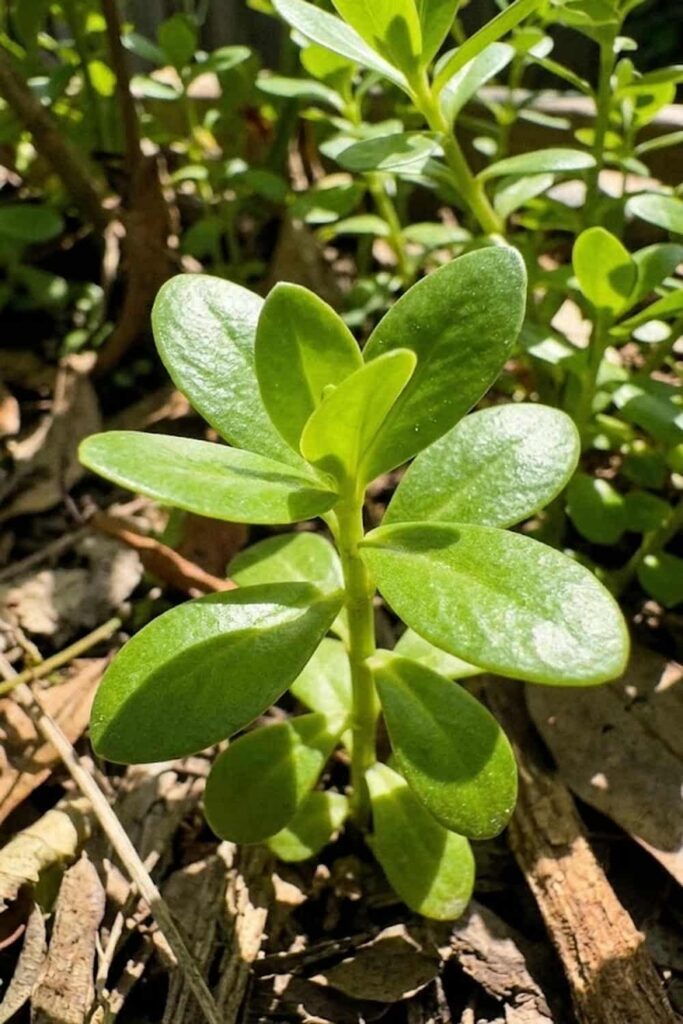
Light is absolutely the most critical macro context factor for your Wax Apple tree. I cannot stress this enough: you plant this tree in full sun, meaning it must receive at least 6 to 8 hours of direct, intense light every single day. If you try to grow it in the shade, you will get beautiful waxy leaves, but very few flowers and even fewer fruits. Find a spot in your natural garden setting that is open and airy. While these trees love tropical heat and are drought-sensitive when young, a mature tree requires strong sun exposure to trigger flowering. Remember to observe your yard’s sun patterns throughout the seasons before you dig that hole, ensuring long-term success.
3. Prepare the Ultimate Nutrient-Rich Soil Mix
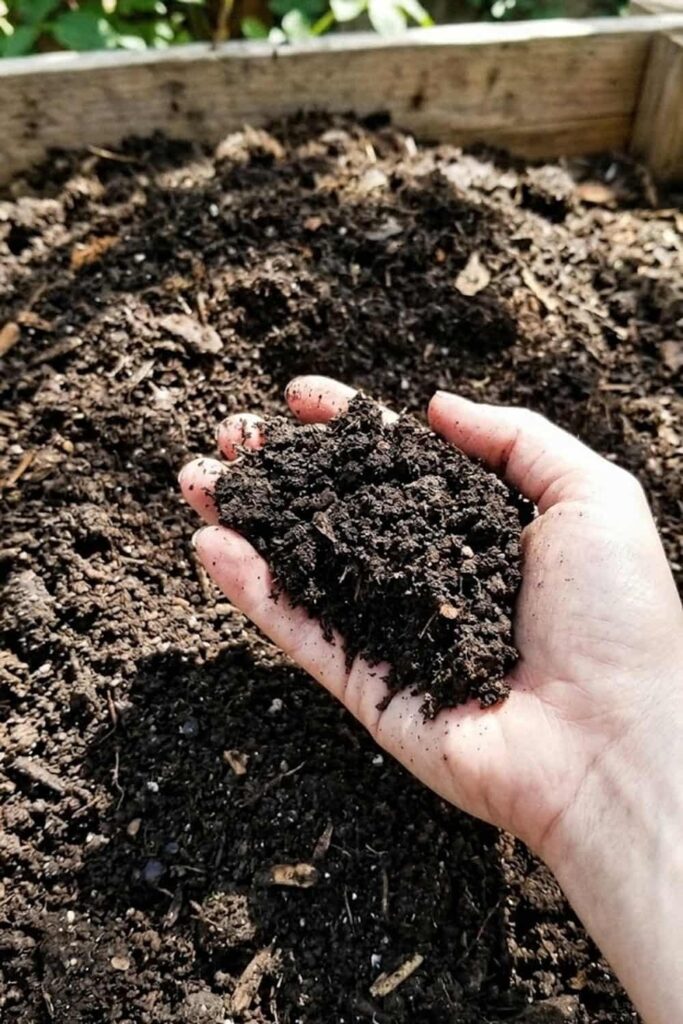
Soil Mix is your foundational element for a healthy, vigorous tree. You need a rich, friable medium that balances nutrient retention with aggressive drainage. When I set up my planting holes, I always grow the sapling in a mixture that is one-part existing garden soil, one-part high-quality organic compost, and one-part sharp river sand or perlite. This creates the ideal macro context for root expansion. Don’t simply dig a hole in hard clay and drop the plant in; you will suffocating the roots. This tailored mix ensures the young tree has immediate access to essential nutrients while guaranteeing that excess water can freely escape. Careful soil preparation prevents many growth issues later, if you want your tree to thrive.
4. Ensure Excellent Drainage to Prevent Root Rot
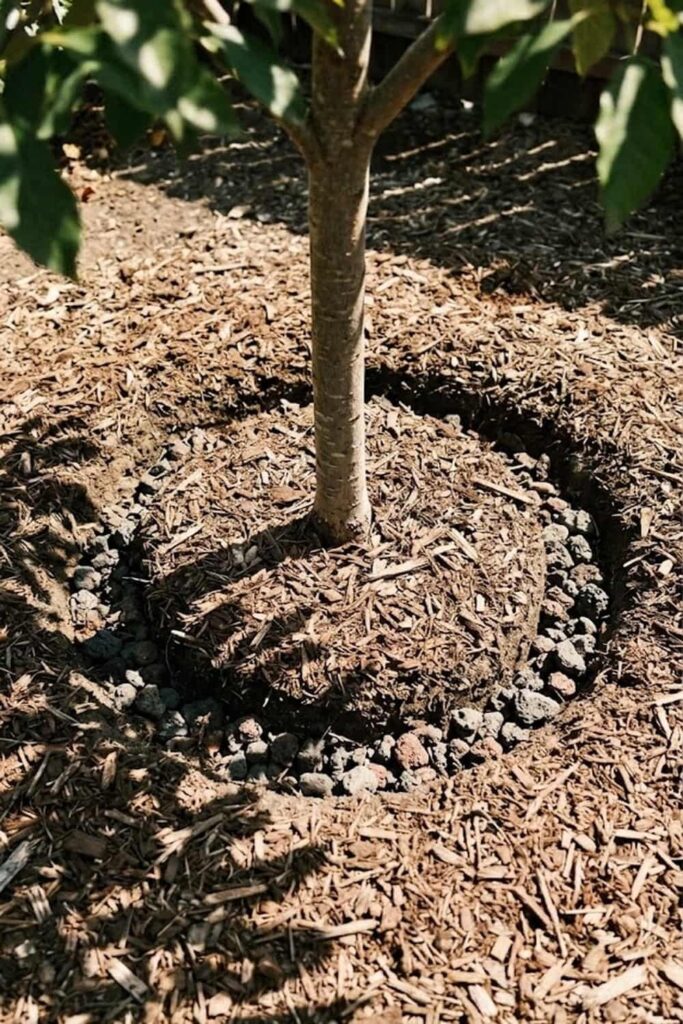
Drainage is the defining health factor for Syzygium samarangense—it cannot survive in standing water. When you plant a new tree, ensure water moves through the root zone efficiently. A simple test I use: dig your planting hole and fill it with water. If it hasn’t completely drained within an hour, your drainage is insufficient. To correct this without major excavation, you can grow the tree on a raised mound, about 1-2 feet high, composed of your nutrient-rich soil mix. This keeps the critical upper root system above the saturation zone during heavy tropical rains, providing protection against the dreaded root rot, which can kill even established trees. Proper water management ensures consistent fruit development.
5. Master the Art of Seed Propagation
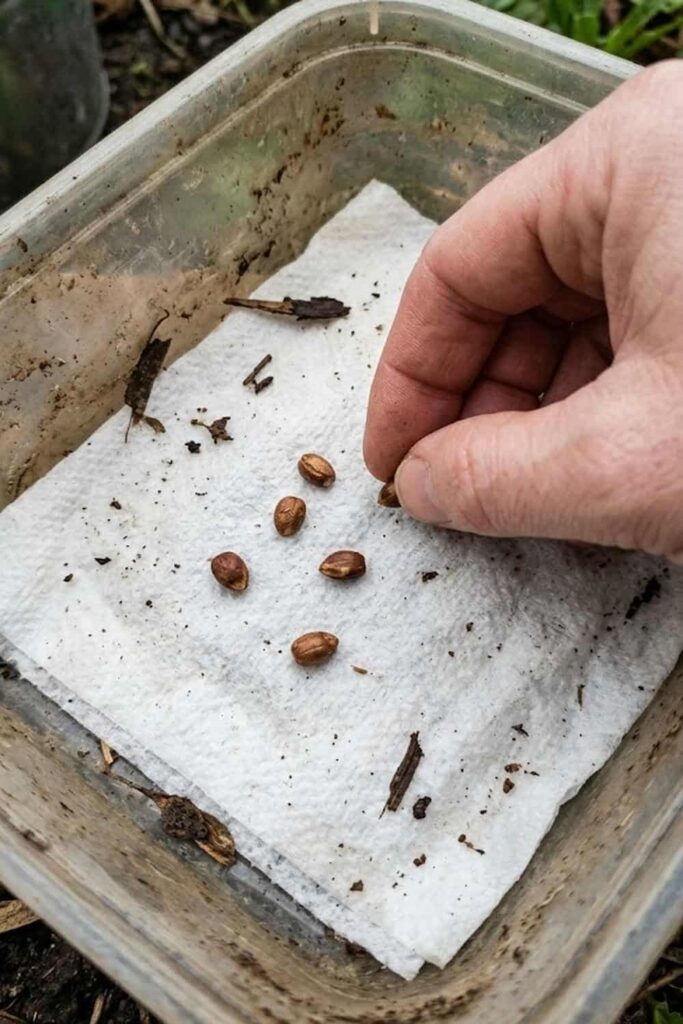
Propagation of the Syzygium samarangense via seeds is incredibly satisfying, but it requires specific timing. When I want to grow a new tree this way, I always collect fresh, healthy seeds immediately after eating a perfectly ripe fruit. The key is that Macopa seeds are “recalcitrant,” meaning they do not tolerate drying out and lose viability within days. I plant them directly into a moist, sterile soil mix without any storage period. This method will require extensive care, as the juvenile tree may not fruit for 5 to 7 years. Patience is essential, but watching a towering tree grow from a tiny seed you planted yourself provides deep gardening satisfaction.
6. Utilize Marcotting for Faster Fruiting
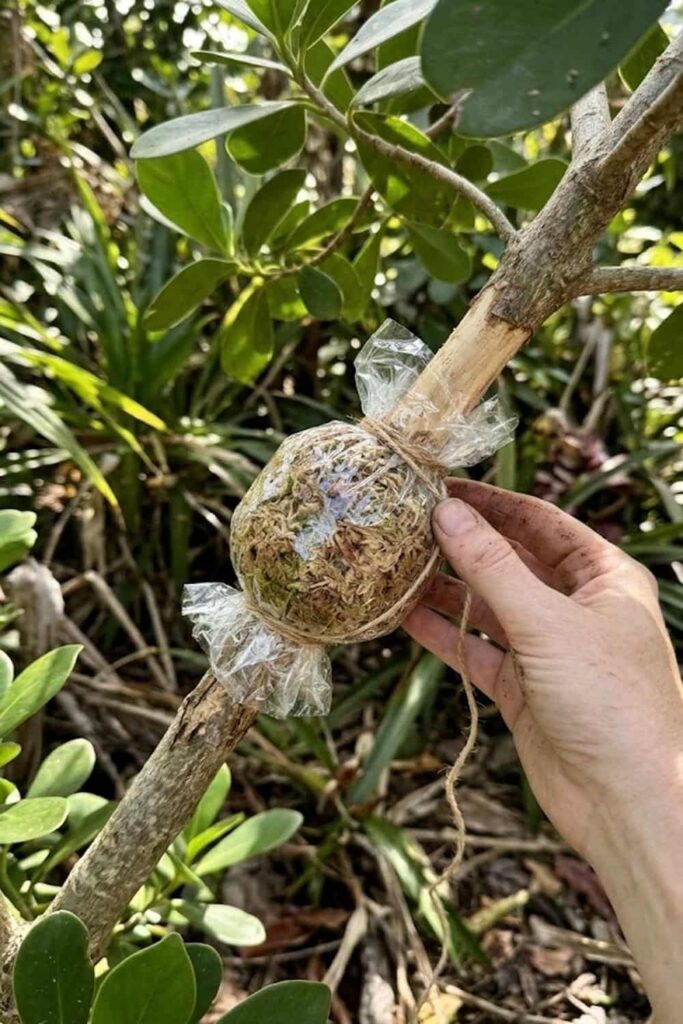
Propagation through air-layering, commonly known as marcotting, is my absolute favorite shortcut for tropical fruit trees. If you want to grow a Macopa tree that bears fruit quickly—often within just one or two years—this is the technique to master. It involves encouraging roots to form on a mature, healthy branch while it is still attached to the parent tree. I select a pencil-thick branch, remove a small ring of bark, apply rooting hormone, and wrap the area in damp sphagnum moss encased in plastic. Once a robust root ball develops inside the plastic, you simply saw off the branch and plant your new, clone tree. This method guarantees your new tree retains the exact fruit characteristics and high-yield potential of the high-quality mother plant.
7. Precise Watering Schedules for Young Saplings
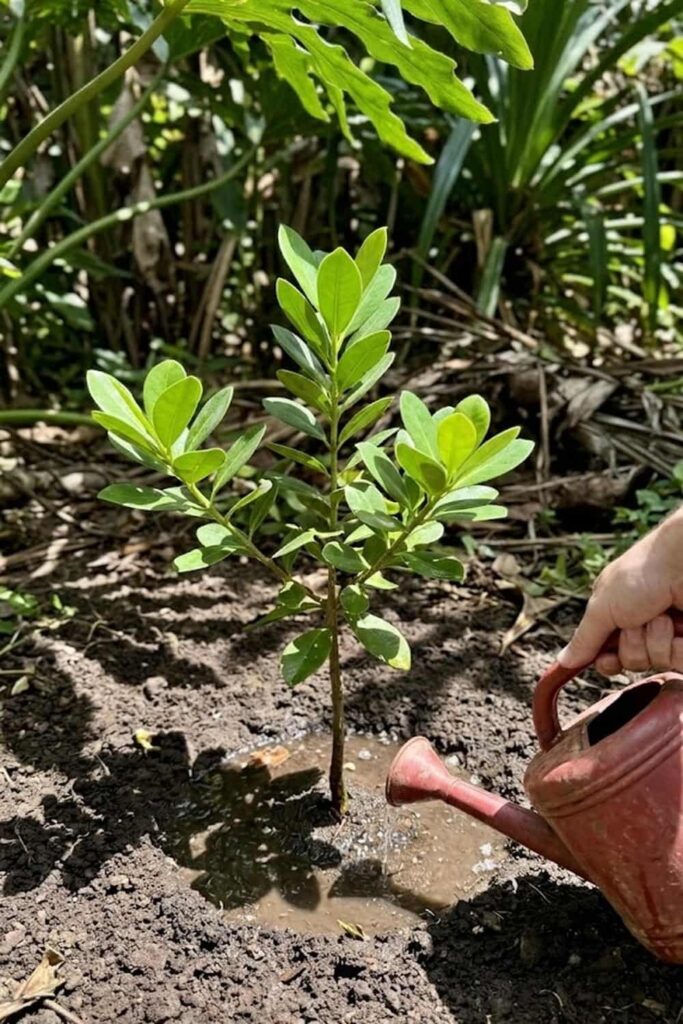
Watering is the area where most beginners fail when learning how to grow Macopa fruit. While these trees love moisture, they are highly susceptible to root rot if the soil remains waterlogged. For the first year after you plant a young sapling, you must provide consistent moisture to help it establish its root system. I recommend deep watering two to three times a week, rather than daily light sprinkles. Deep soaking encourages roots to grow downward, seeking moisture and making the tree more drought-resistant as it matures. Once established, the tree is surprisingly resilient, but you must continue consistent watering during the flowering and fruiting stages to prevent fruit drop and ensure juicy, full-sized Wax Apples.
8. Apply Organic Fertilizing Techniques
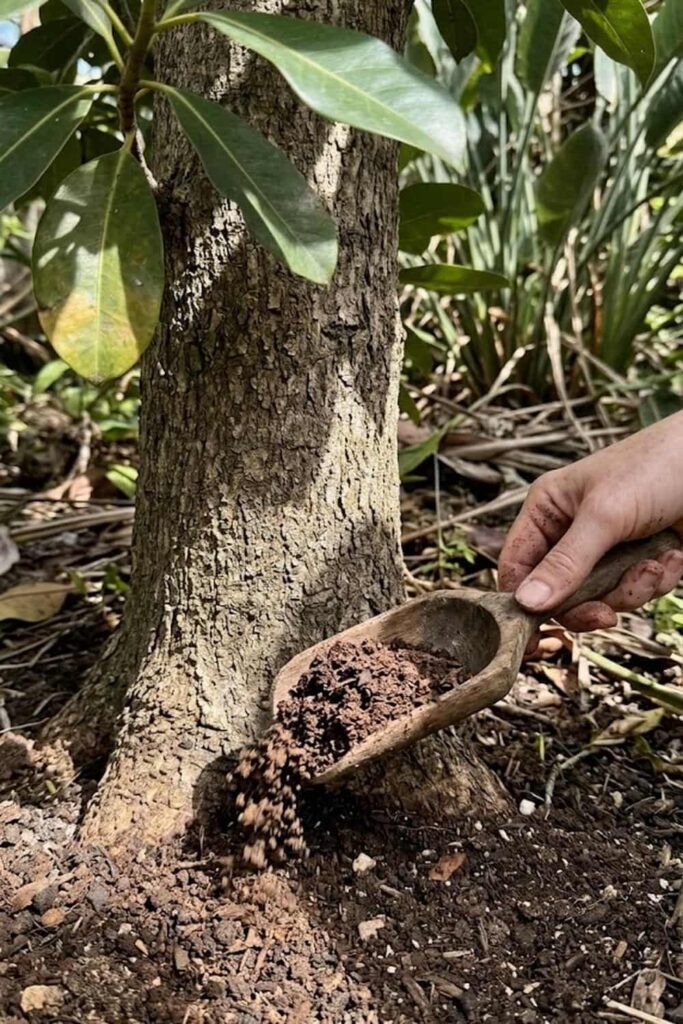
Fertilizing is essential to grow healthy fruit trees, especially for heavy feeders like the Macopa. For high-quality, abundant harvests, I rely on a robust organic regimen. When I plant the tree, I incorporate generous amounts of compost and aged manure into the soil. Once established, I feed the tree three times a year: early spring, mid-summer, and early autumn. A balanced organic fertilizer provides necessary nutrients, but as flowering approaches, I switch to a high-potassium blend (like fruit-specific organic fertilizer or wood ash) to promote abundant blooms and optimize fruit development. Avoid over-application of nitrogen, which yields lush leaves but few fruits. Proper nutrition ensures your tree has the energy required to support a massive harvest, if you care for it correctly.
9. Maintain Ideal Humidity and Temperature
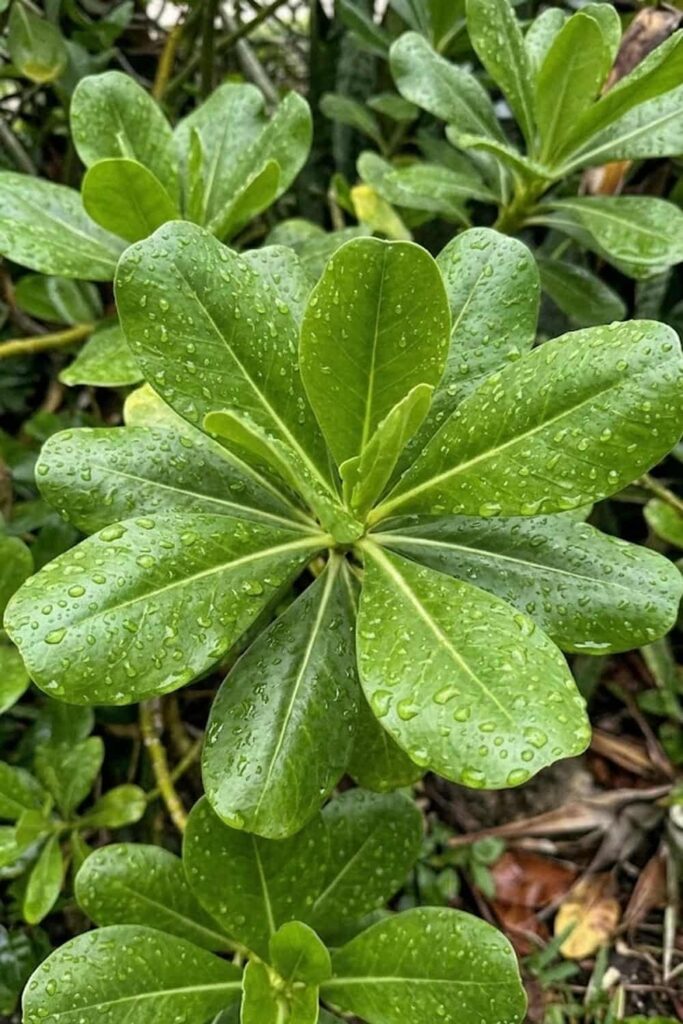
Temperature and humidity are crucial environmental factors derived from the Syzygium samarangense tropical origin. These trees thrive in consistent heat, preferably between 70°F and 90°F (21°C to 32°C). While mature trees can tolerate short dips, serious care must be taken to provide protection from frost, which will kill them. High atmospheric humidity is also essential, especially during flowering and fruit set. If you grow this tree in a drier environment, you can help by frequently misting the canopy or placing water trays nearby. Consistent humidity prevents flower drop, ensuring more of your blooms develop into luscious Wax Apples.
10. Pruning for Light Penetration and Structure
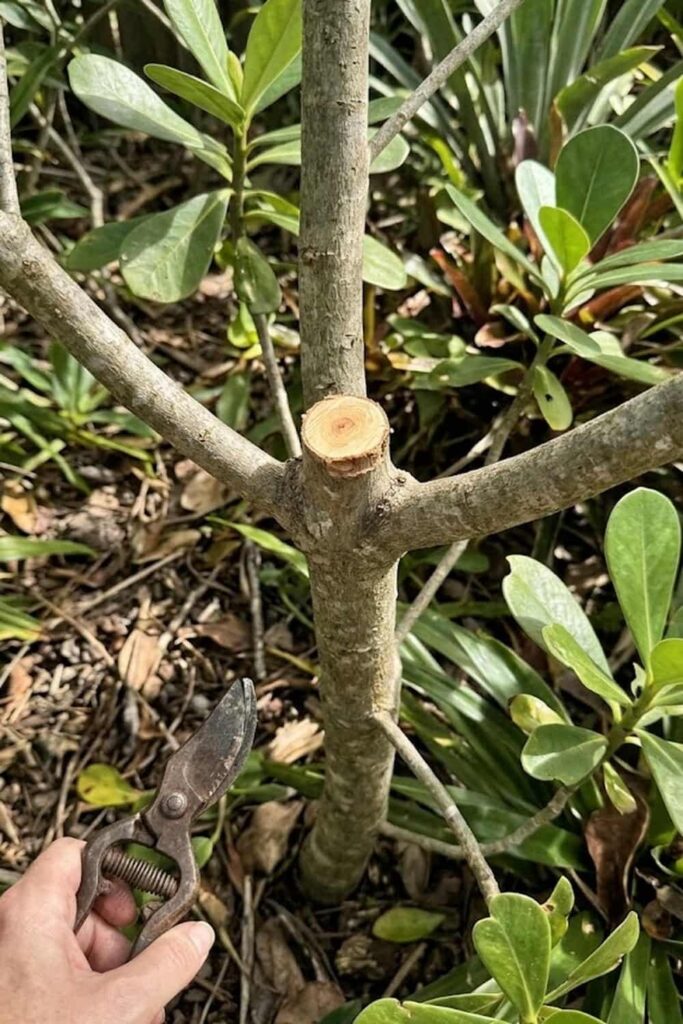
Pruning is a vital, yet often overlooked, aspect of learning how to grow Macopa fruit effectively. I observe that many home gardeners are afraid to prune, but for fruiting trees, it is essential. My strategy focuses on creating a strong structural framework when the tree is young. As it matures, pruning should be done annually—usually after harvest—to open up the center of the canopy. This allows for maximum light penetration and air ventilation, both of which stimulate flowering and optimize fruit production on the inner branches. Proper pruning also helps maintain the tree at a manageable height, making harvesting and pest control much easier.
11. Implement Mulching to Retain Moisture
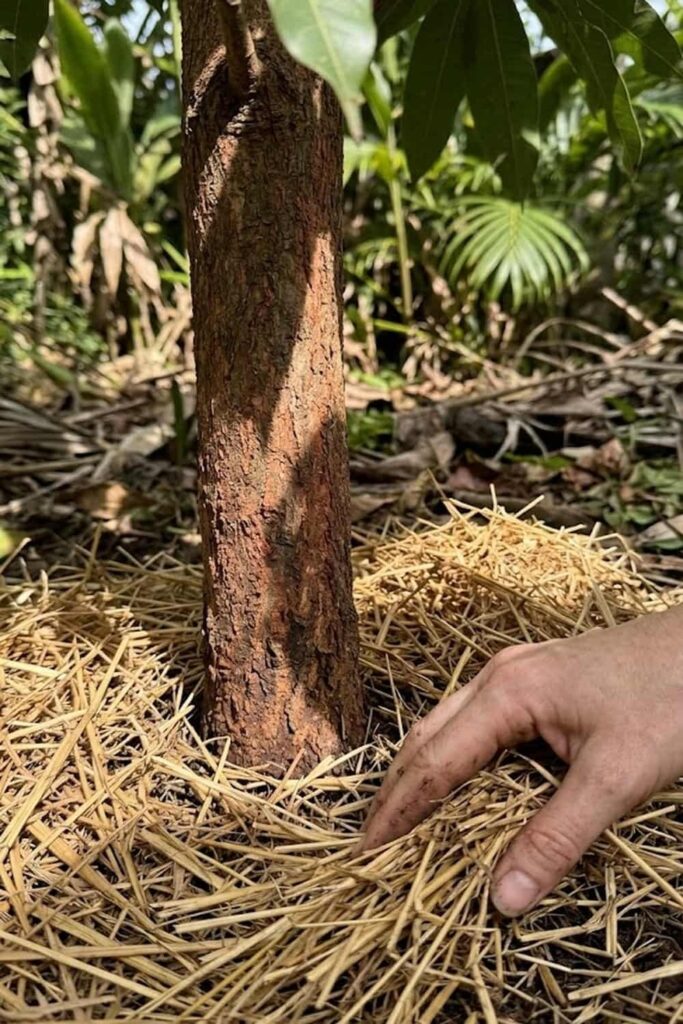
Mulching is an indispensable practice I use around my Macopa tree to manage soil health and water retention effectively. In tropical environments where these trees thrive, intense sun can quickly desiccate the soil surface, stressing the shallow root system. By applying a robust 3-4 inch layer of organic mulch—I prefer using aged wood chips or straw—I create a critical macro context that suppresses competitive weeds and keeps the root zone significantly cooler. Crucially, as this organic matter breaks down, it constantly improves the soil structure and adds nutrients, reducing your fertilizer needs over time. A good care tip: always leave a few inches of space between the mulch and the tree trunk to prevent moisture buildup, which can lead to collar rot.
12. Fruit Bagging for Pest Control
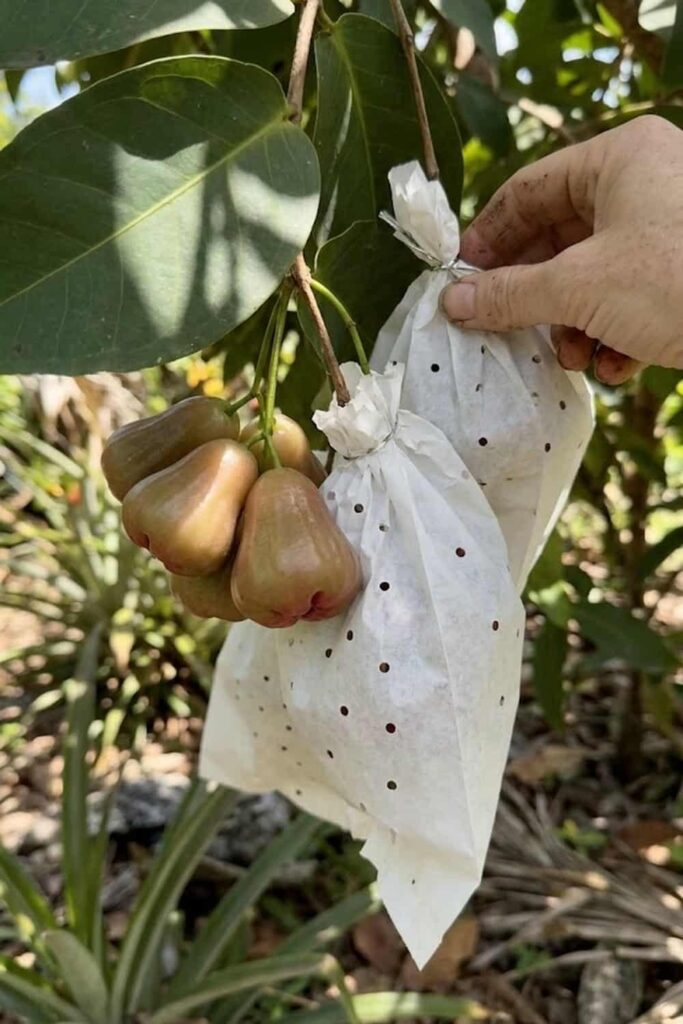
Protection of your developing Wax Apples is paramount because their thin, waxy skin makes them incredibly vulnerable to pests, especially fruit flies. Learning how to grow Macopa fruit also means learning how to safeguard it until harvest. I find that individual fruit bagging is the most reliable, chemical-free pest control method. I utilize perforated polyethylene bags or specialty paper bags to cover entire clusters once the fruits reach about the size of a marble. This physical barrier prevents fruit flies from depositing eggs. For effective monitoring, check bagged clusters periodically to ensure no moisture buildup is occurring, which could encourage fungal issues. Consistent bagging ensures pristine, unblemished fruits for your table.
13. Recognize and Control Common Diseases
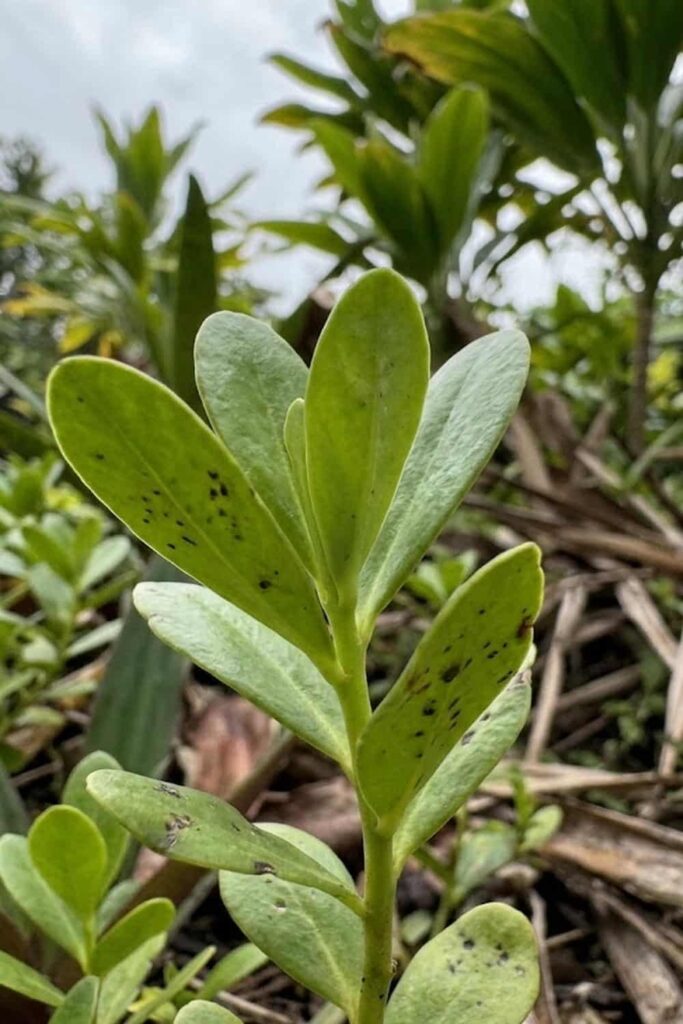
Disease Control is a proactive care task that centers on maintaining strong ventilation within the canopy. In humid tropical zones, fungal issues like anthracnose or sooty mold can quickly appear on your Macopa tree. Sooty mold, specifically, is a black fungal film that grows on the “honeydew” excreted by sucking pests like aphids or mealybugs. If you see this black mold, you must control the underlying pest problem first, often using organic neem oil sprays. Additionally, encourage robust tree health through proper watering and fertilizing routines, as stressed trees are much more susceptible. Regular monitoring prevents these minor fungal issues from escalating and impacting your eventual fruit yield.
14. Monitoring for Peak Ripeness
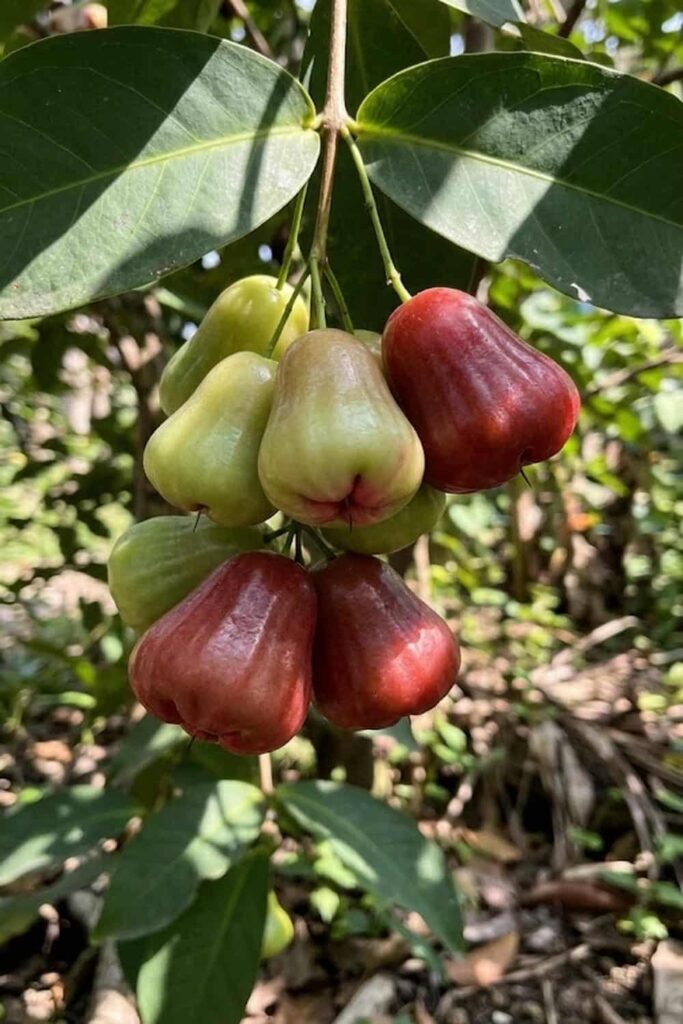
Monitoring the readiness of your Wax Apples requires observation of specific visual cues rather than just waiting for a calendar date. For maximum flavor and juice content, you must harvest Macopa fruit at its peak ripeness. Depending on the variety you chose to grow, the skin color will shift significantly, often changing from a pale pink to a deep, shiny, vibrant crimson or, for green varieties, to a bright, waxy lime green. Crucially, the blossom end (the bottom) of the bell-shaped fruit will also “puff” outward, indicating it is fully developed and sweet. Carefully observing these subtle changes ensuring you never pick a flavorless, immature fruit again.
15. Harvesting Techniques to Avoid Bruising
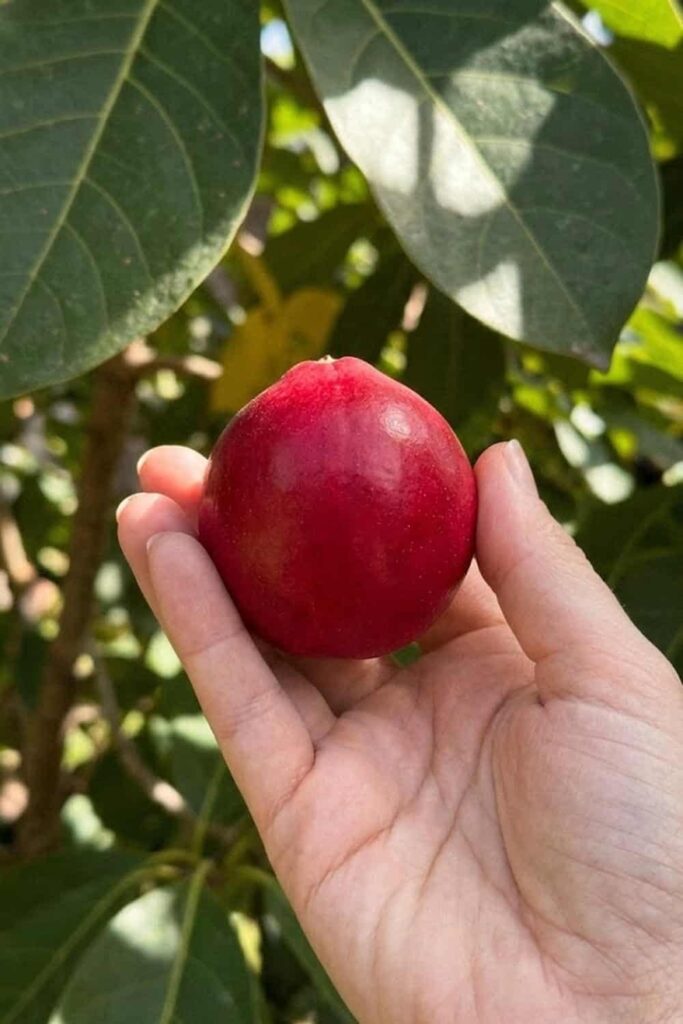
Harvesting the delicate Macopa fruit requires incredible gentleness because its thin, waxy skin offers almost zero protection against physical damage. Once you have used your monitoring skills to confirm ripeness, you must employ proper technique. Never shake the tree or pull violently on the fruit clusters. Instead, use sharp pruning shears to cut the main stem of the fruit cluster, or gently twist and lift individual ripe fruits. I always immediately place the harvested fruits into a padded container; even a minor drop of a few inches into a hard bucket will cause bruising, leading to rapid post-harvest decay. Treat every single fruit with care as if it were a fragile ornament.
16. Proper Storage for Post-Harvest Freshness
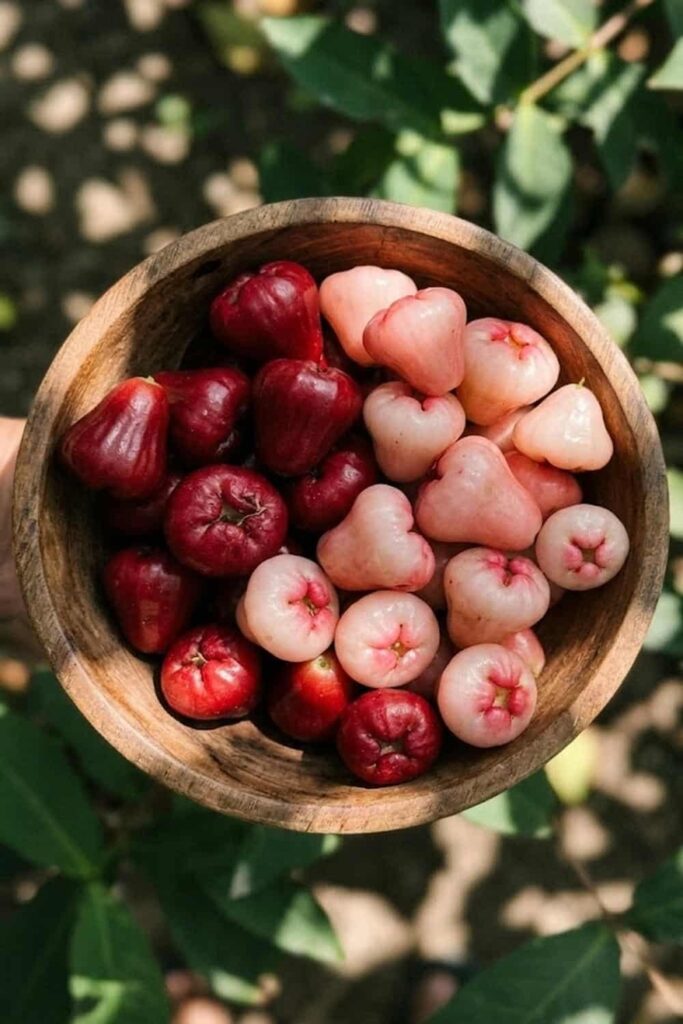
Storage is the final step in the care continuum, but realistically, Wax Apples are best consumed immediately after picking. Their incredibly high water content (derived from their Syzygium macro context) and thin skin mean they do not have a long shelf life. For the best quality, I eat them within hours of harvest. If you must use storage, place them gently in a single layer in the crisper drawer of your refrigerator, where they might maintain their crisp texture for up to 5 days. Do not wash them before storage, as moisture triggers rapid spoilage. Note that they do not sweeten significantly after being picked, so only harvest fruits that have achieved full ripeness.
17. Labeling and Record Keeping for Growth
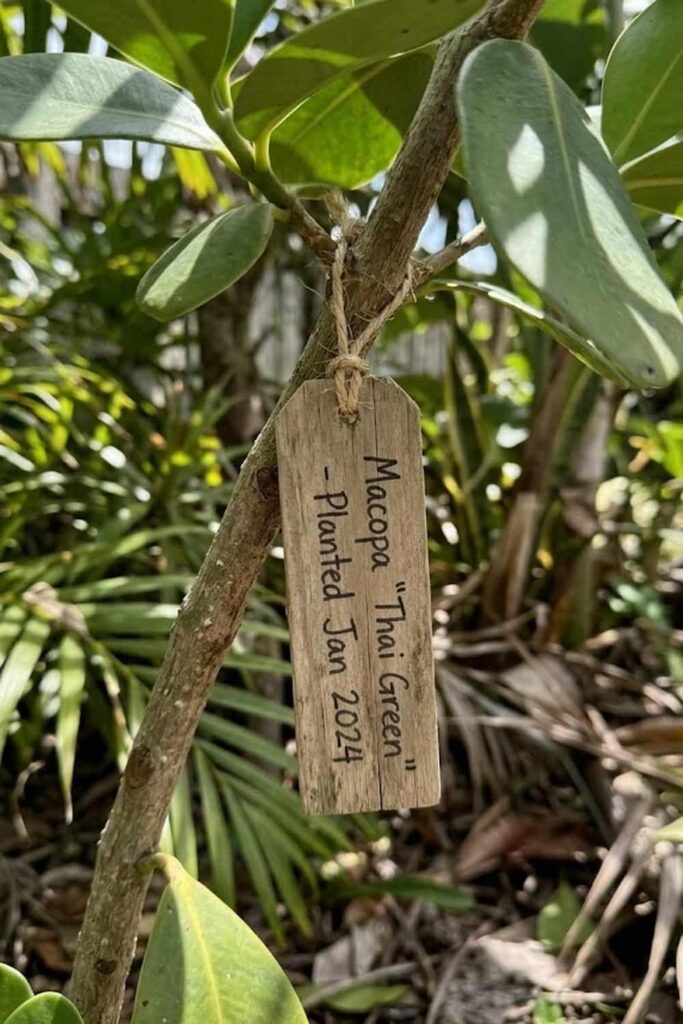
Labeling is the final, yet arguably the most critical habit for a serious gardener’s success. As you develop your skills on how to grow Macopa fruit, keep an accurate log. I find that memory is unreliable, especially when managing multiple trees. I use simple, weather-resistant plastic labeling tags attached to each tree that list the variety, the date I completed the plant task, and propagation method (seed, grafted, or marcotted). Crucially, maintain a separate notebook or digital log for your watering, fertilizing, and pruning dates, along with seasonal yield records. Consistently labeling and monitoring these variables creates a highly personalized dataset, helping you refine your care routine for an even more massive home harvest next year.
FAQ: Mastering the Macopa Growth Process
Question: How to grow Macopa fruit from seeds at home?
Answer: To grow Macopa fruit from seeds at home, clean the fresh recalcitrant seeds from a ripe fruit and plant them immediately in a moist, sterile soil mix without allowing them to dry.
Question: What is the best fertilizer for growing Macopa fruit trees in pots?
Answer: The best fertilizer for growing Macopa fruit trees in pots is a balanced organic liquid fertilizer high in potassium, applied every two weeks during the growing season.
Question: Can you grow Macopa fruit in small garden spaces?
Answer: You can grow Macopa fruit in small garden spaces by choosing a dwarf variety, utilizing container gardening, and performing aggressive annual pruning to maintain a manageable size.
Question: How to grow Macopa fruit and protect it from fruit flies?
Answer: Protect your Macopa fruit from fruit flies by bagging individual fruit clusters with perforated plastic or specialty paper bags as soon as the fruits set.
Question: How long does it take for a Macopa tree to bear fruit?
Answer: A Macopa tree typically takes 5 to 7 years to bear fruit from seed, while a marcotted (air-layered) or grafted tree can begin fruiting in just 1 to 2 years.
Question: Is Macopa fruit the same as a Malay apple?
Answer: Macopa is often confused with other Syzygium species, but it is technically Syzygium samarangense (Wax Apple), whereas the true Malay apple is Syzygium malaccense.
Macopa Growth Data Cheat Sheet
| Care Factor | Target Metric | Notes |
| Light | 6–8 hours direct sun | Crucial for fruiting |
| Soil Mix | One-part garden soil, one-part compost, one-part river sand | Ensures fast drainage |
| Water | 2–3 times per week (deep soak) | Increase during flowering/fruiting |
| Humidity | High (50%+) | Mist canopy in dry climates |
| Fertilizing | Balanced organic (pre-season) / High Potassium (fruiting) | Avoid excessive Nitrogen |
| Propagation | Marcotting / Air-layering | Fastest path to fruiting (1–2 yrs) |
| Harvest Time | Pale pink to shiny crimson skin | Fruit bottom “puffs” out |
| Storage | 3–5 days (refrigerator) | Best eaten fresh |
Conclusion: Your Roadmap to a Thriving Macopa Harvest
Mastering the steps on how to grow Macopa fruit guarantees not only a stunning ornamental evergreen tree in your garden but also a steady supply of this refreshing, hydrating tropical treat. Whether you are propagation from fresh, recalcitrant seed or taking the shortcut with a high-quality marcotted sapling, success is highly achievable if you prioritize careful soil mix creation, establish consistent watering habits, and enforce effective pest control measures like fruit bagging. I assure you that the personal experience you gain from this project, with your own specific micro-context variables, will refine your abilities as a fruit grower. Note that establishing a proper care routine early directly results in a healthier, more productive tree, if you apply these techniques consistently. Stay empathetic to your plants, reflect on their growth cycles, and you will eventually celebrate that sought-after massive home harvest. Happy planting, and may your Macopa tree thrive for decades!








