Plant one ixora in full sun and acidic soil, then leave it alone for 30 days while roots settle. That is how to grow ixora in a warm garden: one shrub, one sunny spot, and flower clusters that keep coming through the warm months. Work through 14 moves, from matching the shrub to your climate to fixing yellow leaves with iron.
Plant after the last frost. Water at the base in the morning. Feed in spring. Prune in late winter. Move pots indoors before cold nights arrive.
I have learned that ixora forgives a missed watering faster than it forgives alkaline soil. Alkaline soil locks iron away from the roots, and yellow leaves follow. Get the soil right first.
Match Ixora to Your Climate and Sun First
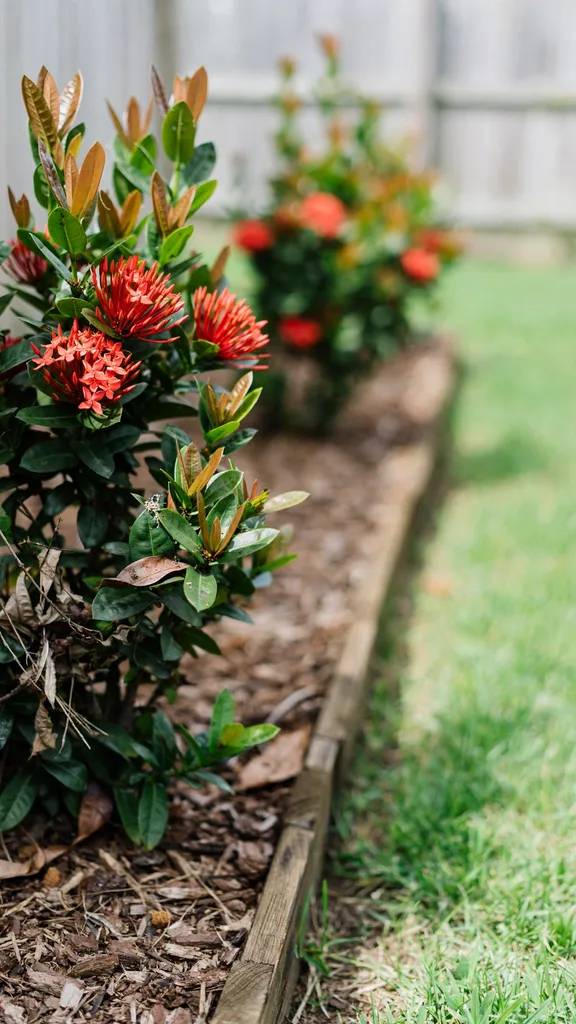
Match the shrub to your winter before you buy it. Ixora is a tropical evergreen, and cold decides where it lives outdoors. The North Carolina Extension plant profile lists Ixora coccinea as winter-hardy in zones 9 to 11, intolerant of temperatures below 10 degrees Celsius, and 1.2 to 1.8 m tall with a 0.9 to 1.5 m spread at maturity. A freeze kills the top growth, and the shrub may grow back from the roots in spring. A hard freeze kills the roots too.
| Spec | Ixora coccinea |
|---|---|
| USDA zones | 9 to 11 |
| Cold limit | Below 10 degrees Celsius |
| Mature size | 1.2 to 1.8 m tall, 0.9 to 1.5 m wide |
| Light | Full sun, light afternoon shade tolerated |
| Soil | Moist, well drained, acidic, organically rich |
| Flowering | Summer peak, clusters through the warm months |
| Growth habit | Rounded, compact, multi-stemmed evergreen |
Give ixora full sun for the heaviest flowering. A spot with morning sun and light afternoon shade still flowers, and the shade helps in the hottest gardens. Deep shade starves the shrub of blooms, and the stems stretch thin. Pick the sunniest bed you own, then plant the shrub where the morning sun hits first.
Ixora comes from southern Asia, where it grows as an understorey shrub along forest edges. The leaves start bronze when young and turn dark green and glossy with age. The shrub belongs to the coffee family, Rubiaceae, and its common names tell the story: flame of the woods, jungle geranium, jungle flame. Sun-loving beds suit it, and growing salvia fills the same hot border with a second flower color.
Pick a Variety That Fits the Space
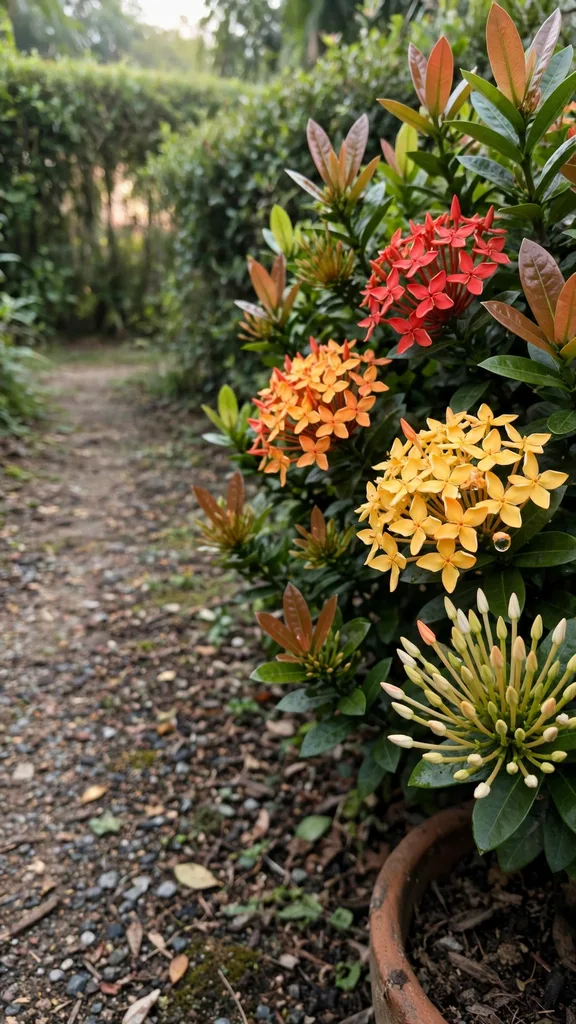
Pick the size first and the color second. A shrub that outgrows its bed needs shearing, and shearing cuts the flowers. Each flower cluster lasts 6 to 8 weeks, and colors run red, orange, yellow, pink, and white, according to the University of Florida Gardening Solutions ixora guide. Full-size forms reach 3.0 to 4.6 m tall when never pruned, while smaller forms stop at 1.2 to 1.8 m. Measure the bed before you shop.
| Variety | Flower Color | Size Class | Best Use |
|---|---|---|---|
| Nora Grant | Pinkish red | Compact | Hedge, border |
| Super King | Deep red | Compact | Specimen, large clusters |
| Maui | Orange | Compact | Cooler spots, border |
| Prince of Orange | Orange | Compact | Border, container |
| Fraseri | Orange rose | Compact | Border, accent |
| Angela Busman | Rose | Compact | Border, accent |
| Sunset | Yellow with orange red | Compact | Border, warm color |
| Singapore Yellow | Yellow | Compact | Hedge, border |
| Frances Perry | Yellow | Compact | Border, accent |
| Herrera’s White | White | Compact | Moon garden, accent |
| Compact Yellow Ixora | Yellow | Dwarf | Small bed, container |
| Dwarf Ixora | Red | Dwarf | Edging, container |
| Dwarf Yellow Ixora | Yellow | Dwarf | Edging, container |
| Flame Of The Woods Orange Ixora | Orange | Compact | Hedge, specimen |
| Golden Ixora | Yellow | Compact | Border, container |
Nora Grant earns its place as the default pick. The hybrid carries pinkish red flowers, holds a dense shape, and stands up to heat. Super King suits a specimen spot, with deep red flowers in large clusters. Maui takes cooler nights better than most orange forms, so it fits the northern edge of the range. Herrera’s White breaks the red and yellow pattern with clean white clusters that glow after dusk.
Dwarf forms suit pots and edging. A dwarf ixora stays petite beside a path, and a pair of them frames a doorway without blocking the walk. Standard forms suit hedges and screens, where their dense branching fills the gap between shrubs. Pair ixora with a lantana hedge for a second flower color in the same bed, and keep the two shrubs the same size class so one never swallows the other.
Buy a plant with a full shape and many branches. Count the branch tips, since each tip carries a flower cluster. A leggy plant with two stems gives two clusters. A bushy plant with twenty stems gives twenty. Check the leaves for yellow veins, which signal chlorosis before you even get the shrub home.
Set Acidic Soil Before the Shrub Goes In
Set the soil before the shrub goes in the ground. Ixora wants acidic soil, and alkaline soil starves it of iron and manganese even when those minerals sit in the ground. New leaves turn yellow between green veins, a pattern called interveinal chlorosis. The fix starts with the soil, and no fertilizer rescues a shrub planted in the wrong pH.
Test the soil before you plant. A soil test from your local extension office gives the pH number and the amendment rate for your exact bed. A home test kit gives a rough reading the same day. Aim for acidic ground, and keep the shrub away from concrete foundations, sidewalks, and driveways, where alkaline leachate creeps into the bed.
Dig the hole twice as wide as the pot and no deeper. Loosen the sides with a fork so roots push outward instead of circling. Mix the excavated soil with pine bark fines and compost in equal parts, then backfill around the root ball. Pine bark holds the mix acidic as it breaks down, and compost feeds the soil life that keeps iron available.
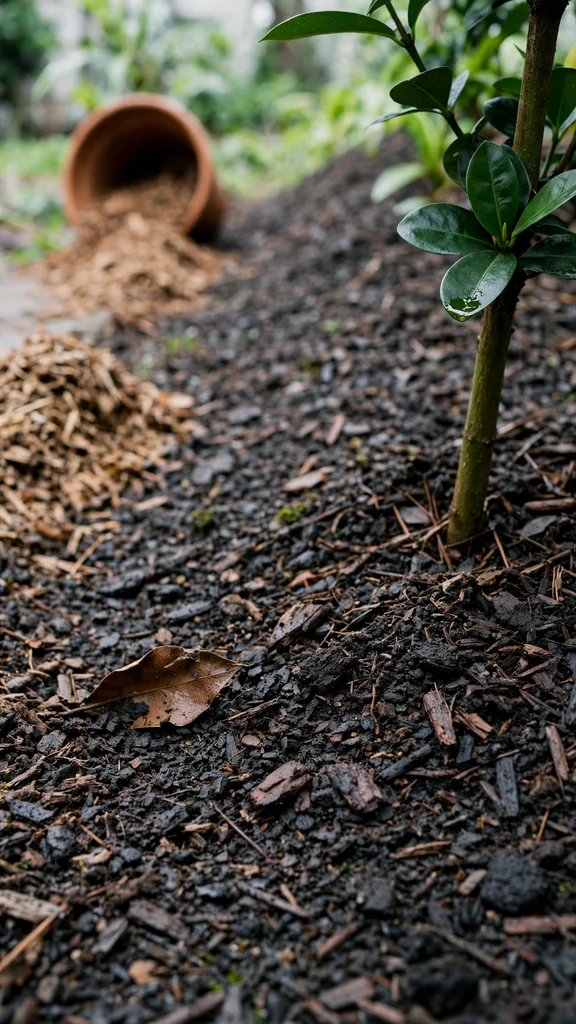
Spread 5.1 to 7.6 cm of pine bark mulch over the root zone, and keep the mulch 7.6 cm away from the stems. Mulch holds moisture, cools the roots, and adds acid as it decays. A mulch volcano piled against the stems rots the bark and invites pests, so pull it back and leave a clear ring.
Plant Ixora at the Right Spacing
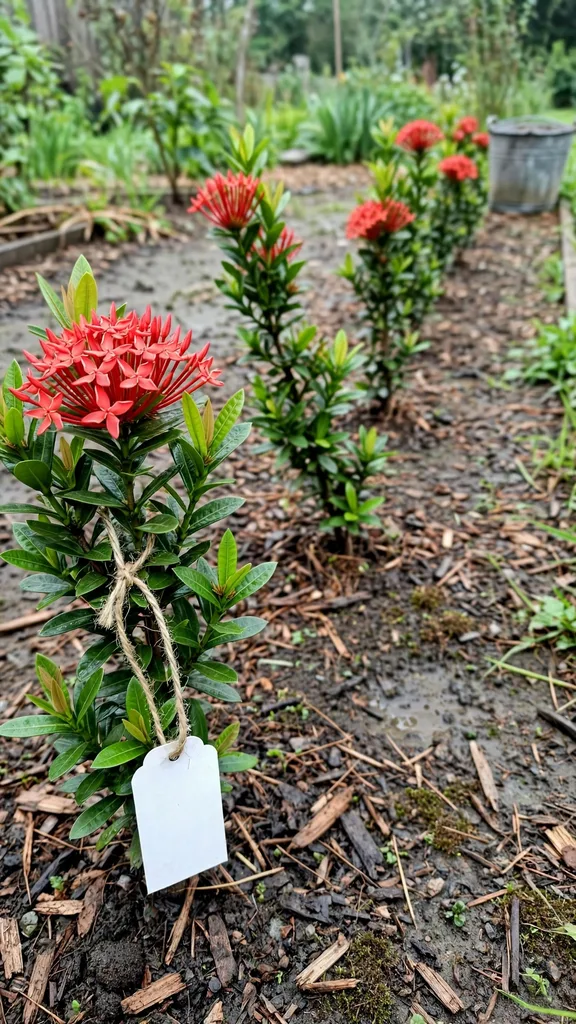
Plant ixora at the spacing the mature shrub needs, and the hedge fills in without crowding. Space garden forms 0.9 to 1.5 m apart for a hedge, and give a specimen shrub 1.5 m of clear air on all sides. Crowded shrubs shade each other, and shaded stems drop their lower leaves. A hedge planted too wide takes two extra seasons to close.
Plant at the same depth the shrub grew in the nursery pot. Set the root ball on firm soil in the hole, and check the top of the root ball sits level with the ground. A shrub planted deep rots at the crown. A shrub planted high dries out at the roots. Backfill in layers, and firm each layer with your hands so no air pockets sit against the roots.
Water the hole before you backfill the last layer. Pour a full watering can into the hole, let it drain, then finish backfilling. The water settles the soil against the roots and closes the gaps. Water again after planting, and soak the whole root zone, not a ring around the stem.
Plant in spring after the last frost, when the soil warms. Warm soil wakes the roots fast, and the shrub grows all season before winter. A shrub planted in the heat of midsummer needs daily water for the first month, and a shrub planted days before a frost has no time to root. Spring planting gives the longest runway.
Water Deep While Roots Establish
Water deep while roots establish, then ease off. Ixora wants moist soil that drains freely, and it hates wet feet. Soggy soil rots the roots, and a shrub with rotted roots drops leaves from the bottom up. Water at the base in the morning, and let the top 2.5 cm of soil dry between waterings.
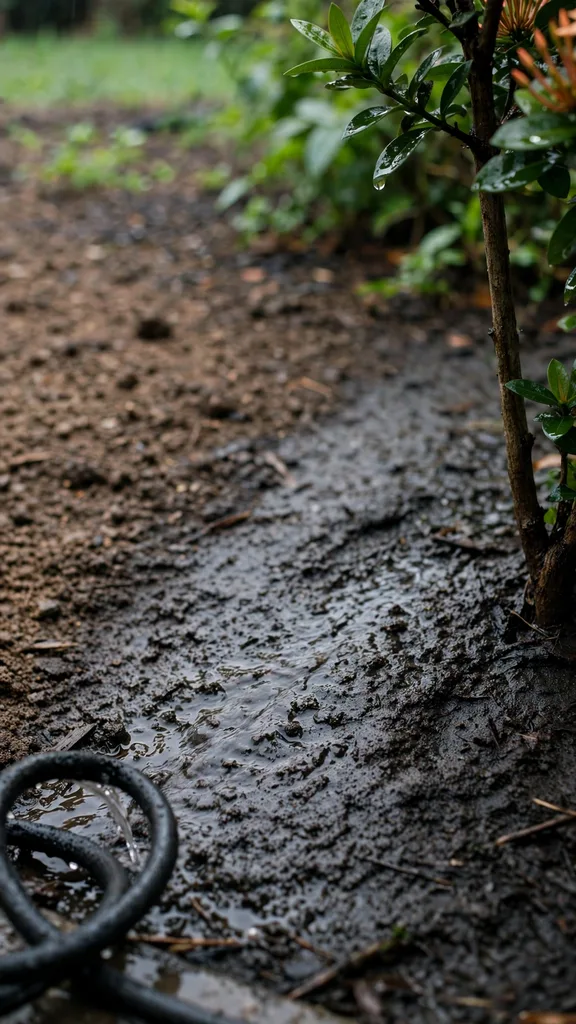
Water new shrubs 2 to 3 times a week for the first month. Soak the whole root zone each time, and check the soil with a finger before you water again. A shrub in sandy soil needs water more often than a shrub in loam, since sand drains in hours. A shrub in a pot dries faster than a shrub in the ground, so check pots daily in summer.
Cut back to once a week once the shrub roots in. Mature ixora tolerates dry spells, and the shrub grows slowly through a short drought without damage. A long drought drops the flower buds first, so water through dry spells if you want the clusters to keep coming. Rainwater beats tap water in hard water areas, since hard tap water pushes the soil pH up over time.
Skip the overhead sprinkler. Wet leaves invite sooty mold, and wet flowers rot in the cluster. A soaker hose or a slow watering can at the base puts the water where the roots live. Water in the morning so any splashed leaves dry before night.
Feed for Acid Soil and Green Leaves
Feed for acid soil and green leaves, and skip the general purpose fertilizer. Ixora feeds heavily on iron and manganese, and those minerals stay available only in acidic ground. A general fertilizer on alkaline soil greens nothing, since the iron locks up before the roots reach it. Fix the soil first, then feed.
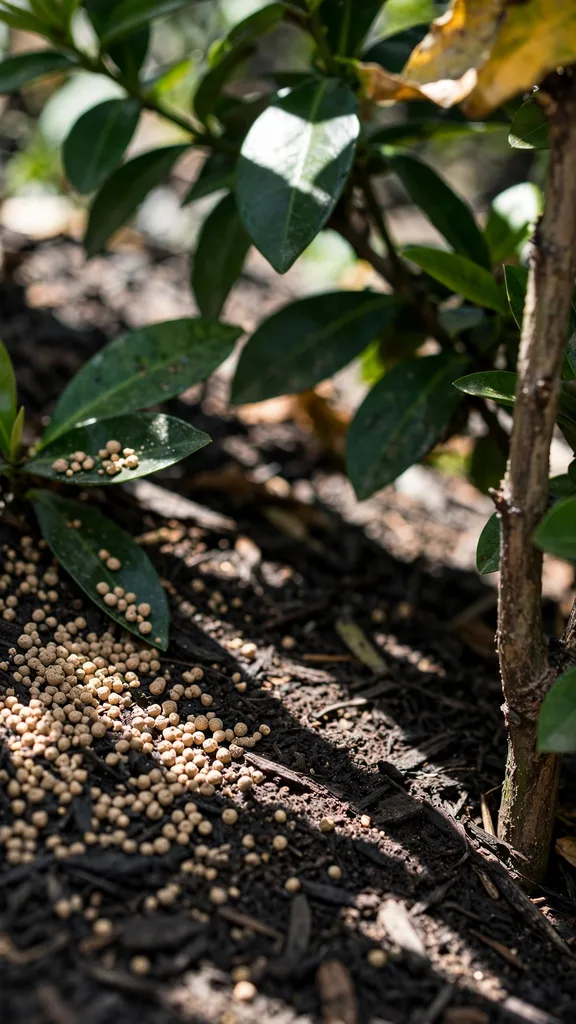
Feed 3 times a year: early spring, midsummer, and early fall. Use a slow release fertilizer made for acid loving plants, and spread it under the drip line, not against the stems. Water it in after spreading, and keep the granules off the leaves. A fertilizer made for azaleas, camellias, or gardenias suits ixora, since those shrubs share the same acid soil demand.
Watch the leaf color between feedings. Dark green leaves mean the program works. New leaves that open yellow with green veins mean the iron ran out, and the fix is chelated iron, not more fertilizer. A chelated iron spray greens new growth within weeks, and the old yellow leaves stay yellow, so judge the fix by the new flush.
Purplish red spots on older leaves point to a different shortage. The spots signal low potassium and phosphorus, and a balanced acid fertilizer at the next feeding covers it. Do not chase one spot with a new product each week. Feed on schedule, watch the new growth, and let the shrub answer.
Prune After Flowering and Keep the Buds
Prune after flowering and keep the buds. Ixora sets flower buds at the branch tips, and every cut removes a future cluster. Prune in late winter, before new growth starts, and shape the shrub once a year. A light shaping after a flowering flush also works, and the shrub regrows fast in warm weather.
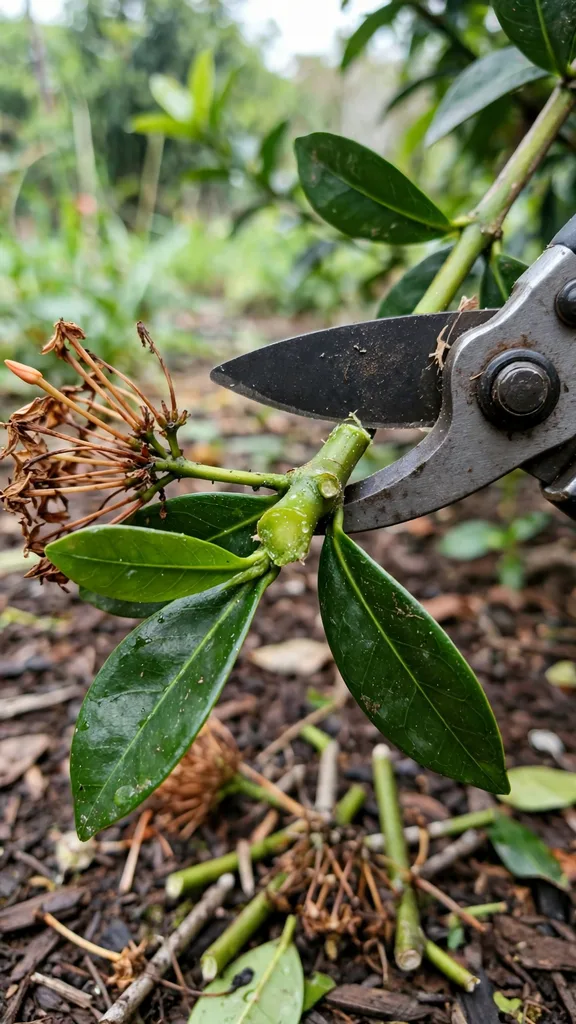
Cut with sharp shears, and cut just above an outward facing leaf node. A clean cut heals fast. A crushed cut from dull shears tears the bark and invites disease. Remove dead wood first, then crossing branches, then shape the outline. Take no more than a third of the shrub in one session, and let the shrub regrow before you cut again.
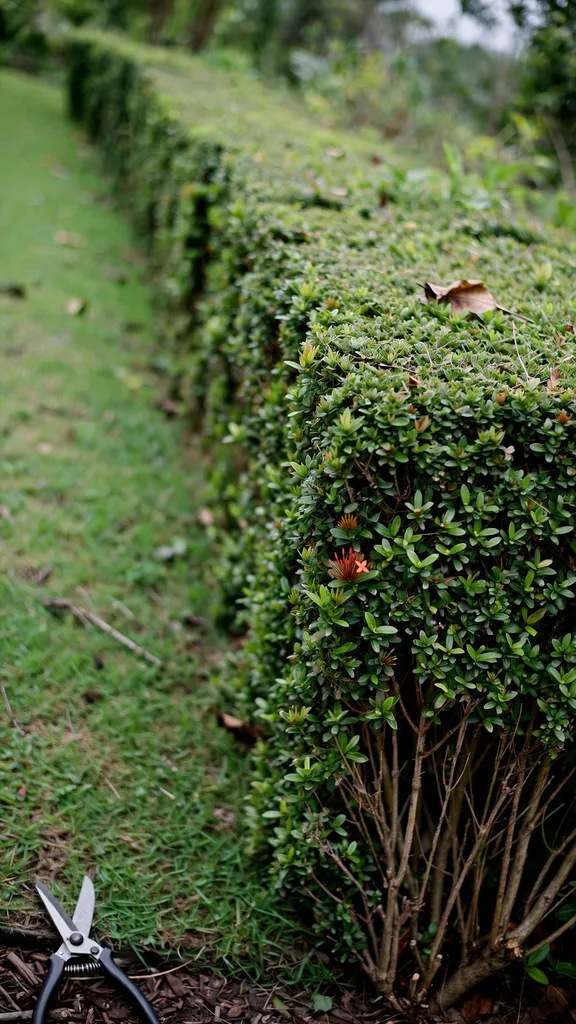
Skip the hedge shears for routine pruning. Repeated shearing slices off the branch tips, and the tips carry the flower buds. A sheared shrub grows a dense shell of leaves with few flowers inside, and the shell shades the lower branches bare. Hand prune branch by branch, and the shrub keeps its flowers.
Cut spent flower clusters off at the stem below the cluster head. The cut wakes a side bud, and the side bud grows into a new flowering branch. A shrub with spent clusters left on it still flowers, and the old heads fade to brown while new clusters open beside them. Snip the brown heads for a tidy shrub, and leave them alone if the shrub sits at the back of a bed.
Root Stem Cuttings for Free Ixora Plants
Root stem cuttings for free ixora plants, and skip the seed tray. Ixora grows from seed, and seed grown shrubs vary from the parent. A cutting keeps the variety true, so a Nora Grant cutting grows into Nora Grant. Take cuttings in late spring, when the stems feel firm and the shrub pushes new growth every day.
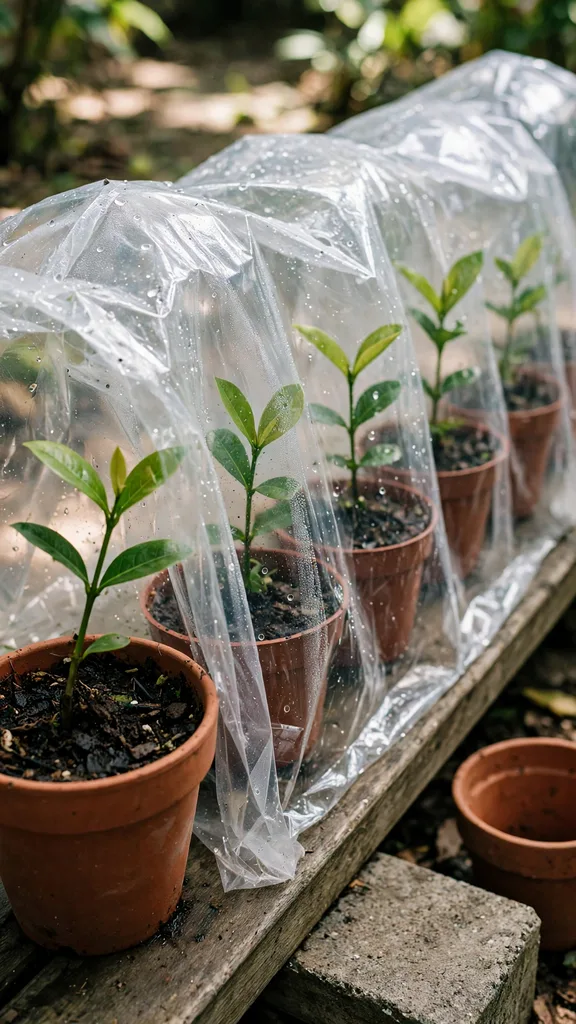
Cut a 10.2 to 15.2 cm stem tip with 3 to 4 leaf pairs. Strip the lower leaves, and leave 2 leaf pairs at the top. Dip the cut end in rooting hormone, and push the stem into a pot of damp perlite and peat in equal parts. Firm the mix around the stem, and water it in.
Cover the pot with a clear plastic bag, and set it in bright shade. The bag holds humidity, and the shade keeps the cutting cool. Open the bag each day for fresh air, and mist the leaves when they look dry. A cutting that wilts and stays wilted has failed, so pull it out and start another.
Tug gently after 4 weeks. Resistance means roots formed, and the cutting moves to its own pot of acidic potting mix. A cutting with no resistance needs 2 more weeks under the bag. Pot rooted cuttings in spring, and grow them on for a full season before they go in the ground.
Grow Ixora in a Pot North of Zone 9
Grow ixora in a pot north of zone 9, and move the pot with the seasons. Zone 9B marks the practical northern edge for ixora left outdoors in Florida, and frost injures the shrub beyond that line. A pot lets you grow ixora anywhere with a sunny window, since the shrub moves indoors before the cold arrives.
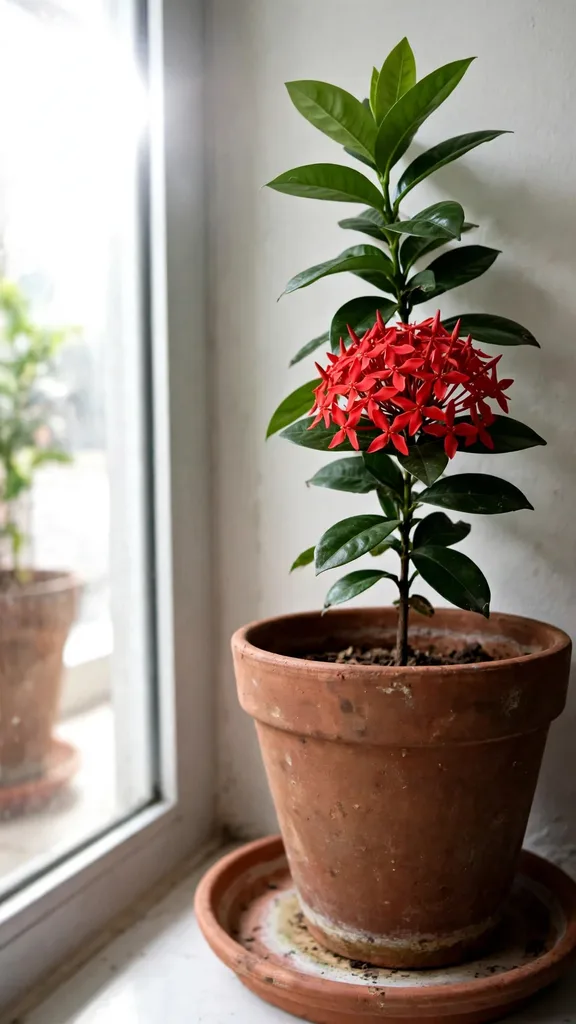
Pick a pot at least 30.5 cm across with drainage holes in the base. Fill it with acidic potting mix, and add pine bark fines for drainage. Set the shrub at the same depth it grew in the nursery pot, and water until it runs from the holes. A pot without drainage drowns the roots in a week, so drill holes before you plant.
Move the pot indoors before nights fall below 10 degrees Celsius. Set it in the brightest window you own, and keep it away from cold drafts and heating vents. Water when the top 2.5 cm of mix dries, and skip the fertilizer through winter. The shrub rests in winter, and feeding a resting shrub burns the roots.
Watch for indoor pests through winter. Scale, thrips, and mealybugs find ixora indoors, and the dry indoor air suits them. Wipe scale off with a damp cloth, and wash mealybugs off with a strong spray of water. Move the pot back outdoors after the last frost, and harden it off in shade for a week before it takes full sun again. A potted mango follows the same move indoors before cold nights, so the two pots travel together.
Stop Aphids, Scale, and Sooty Mold Early
Stop aphids, scale, and sooty mold early, while the colony is small. Aphids cluster on new growth and suck the sap, and the leaves curl and distort. Scale sits flat on stems and leaves, and the shrub weakens under a heavy load. Bagworms hang in small cases from the branches, and nematodes attack the roots where you never see them.
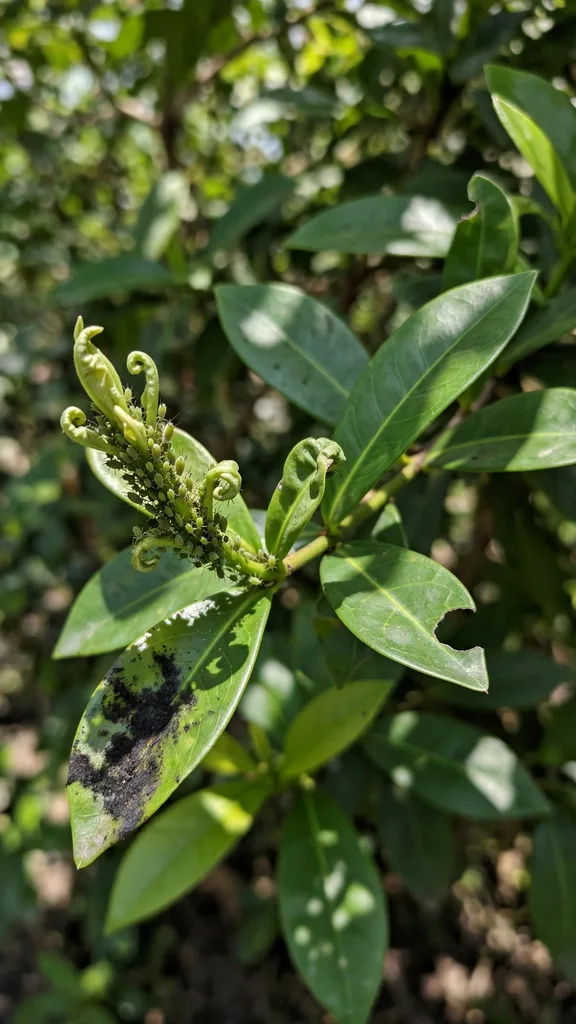
Check the undersides of leaves each week through the growing season. Aphids show as small green or black clusters on soft tips. Scale shows as small brown bumps that scrape off with a fingernail. Sooty mold shows as a black film on the leaves, and the film grows on the honeydew that aphids and scale leave behind. The mold blocks light, and the leaves beneath it yellow.
Wash aphids off with a strong spray of water, and repeat the wash every 3 days until the colony clears. Spray insecticidal soap on scale and mealybugs, and coat the undersides of the leaves where the insects hide. Beneficial insects clear light infestations on their own, so spray only when the colony grows. Pick bagworm cases off by hand, and drop them in a bucket of soapy water.
Keep the shrub healthy and the pests stay light. A stressed shrub in alkaline soil draws aphids, and a shrub in soggy soil draws root problems. Fix the soil, water at the base, and prune for air flow, and the pest pressure drops on its own.
Fix Yellow Leaves With Chelated Iron
Fix yellow leaves with chelated iron, and start by reading the pattern. New leaves that open yellow with green veins point to iron chlorosis from alkaline soil. Old leaves that yellow first point to a nitrogen shortage. Yellow leaves with purplish red spots point to low potassium and phosphorus. Each pattern has its own fix, and the wrong fix wastes a season.
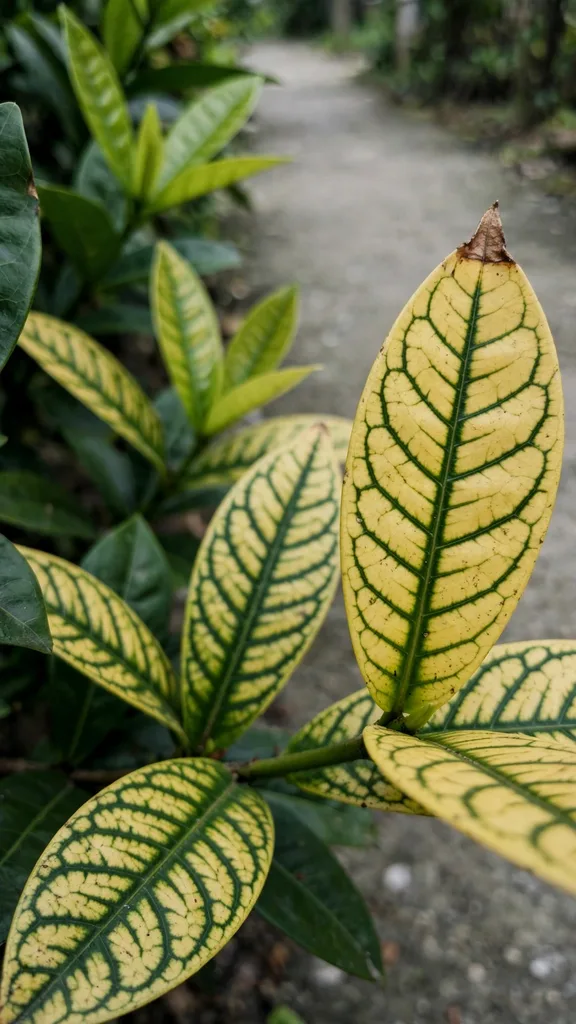
Test the soil pH first. A test tells you whether the ground turned alkaline, and the reading decides the fix. Move the shrub away from concrete if the bed sits against a foundation, and top dress with pine bark fines and compost to push the pH down. Elemental sulfur lowers pH in beds that test high, and the rate comes from the soil test, not from a guess.
Apply chelated iron to the soil or as a foliar spray, and follow the label rate. Chelated iron stays available in alkaline soil, and the new leaves green up within weeks. Plain iron sulfate washes out of alkaline soil before the roots reach it, so skip it. Judge the fix by the new flush, since old yellow leaves never green again.
Water with rainwater while the shrub recovers. Hard tap water pushes the soil pH up with every watering, and the chlorosis returns. Collect rainwater in a barrel, and use it for ixora through the growing season. A shrub that greens up and yellows again each year needs a soil fix, not another spray.
Time Ixora Care to the Seasons
Time ixora care to the seasons, and let the calendar carry the routine. Ixora grows through the warm months and rests through winter, and each season has one job. A shrub on a seasonal rhythm flowers hard and stays green, while a shrub fed and pruned at random times stalls.
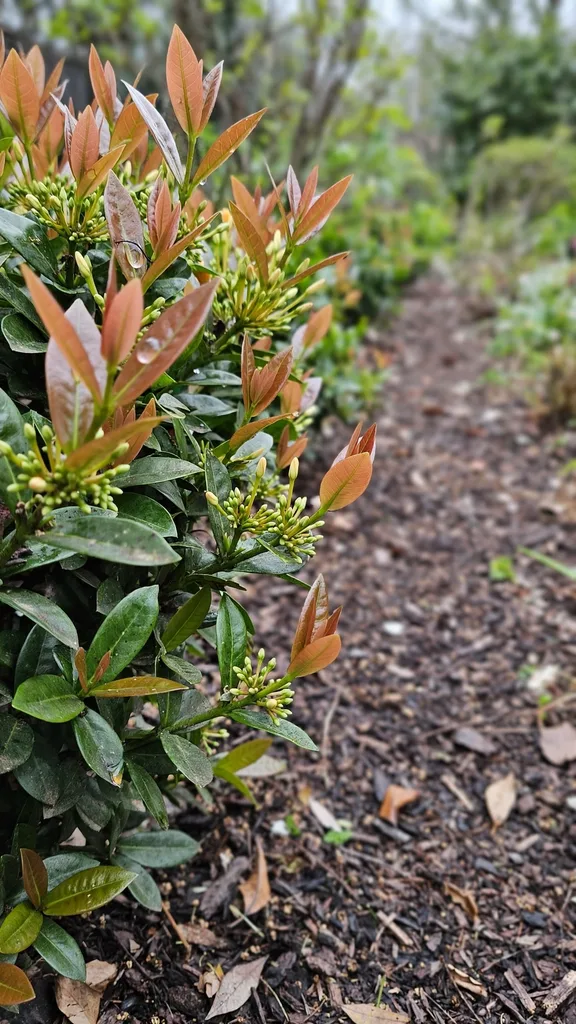
Plant and feed in spring. Set new shrubs out after the last frost, and feed established shrubs as growth starts. Prune in late winter before the spring flush, and shape the shrub once. Take cuttings in late spring, when the stems root fastest.
Water and watch through summer. Water new shrubs 2 to 3 times a week, and established shrubs once a week through dry spells. Check the leaf undersides for aphids each week, and wash off any colony you find. Snip spent flower clusters to keep the shrub tidy, and let the new clusters open beside them.
Stop feeding in fall, and let the shrub harden before winter. A late feeding pushes soft growth, and soft growth dies at the first frost. Move pots indoors before nights fall below 10 degrees Celsius, and cut water back for shrubs resting indoors. Winter is the rest season, and a rested shrub flowers harder in spring.
Skip Five Mistakes That Stall Ixora Blooms
Skip five mistakes that stall ixora blooms, and the shrub flowers on schedule. Each mistake has a plain fix, and most of them trace back to the soil or the shears.
Planting next to concrete tops the list. Concrete leaches alkaline minerals into the bed, and the shrub turns yellow within a season. Move the bed 60.9 cm away from foundations, sidewalks, and driveways, and test the soil before you plant. A shrub already planted against concrete needs chelated iron each year, so move it while it is young.
Shearing the tips with hedge shears comes second. The shears slice off the flower buds, and the shrub grows leaves with no flowers. Hand prune branch by branch, and cut just above an outward facing leaf node. The shrub keeps its buds, and the flowers follow.
Overwatering comes third. Soggy soil rots the roots, and a shrub with rotted roots drops leaves from the bottom up. Water at the base, let the top 2.5 cm of soil dry between waterings, and check drainage before you plant. A shrub in a pot without holes drowns in a week.
Deep shade comes fourth. Ixora in deep shade grows long thin stems with few flowers, and no fertilizer fixes a light shortage. Move the shrub to full sun, and the flowers return within a season. A shrub that never sees direct sun never flowers well.
Skipping the soil test comes fifth. A gardener who feeds without a test guesses at the problem, and the guess usually lands on fertilizer. Test the soil, fix the pH, then feed. The test costs less than one bag of the wrong fertilizer, and it answers the question in a day.
Frequently Asked Questions
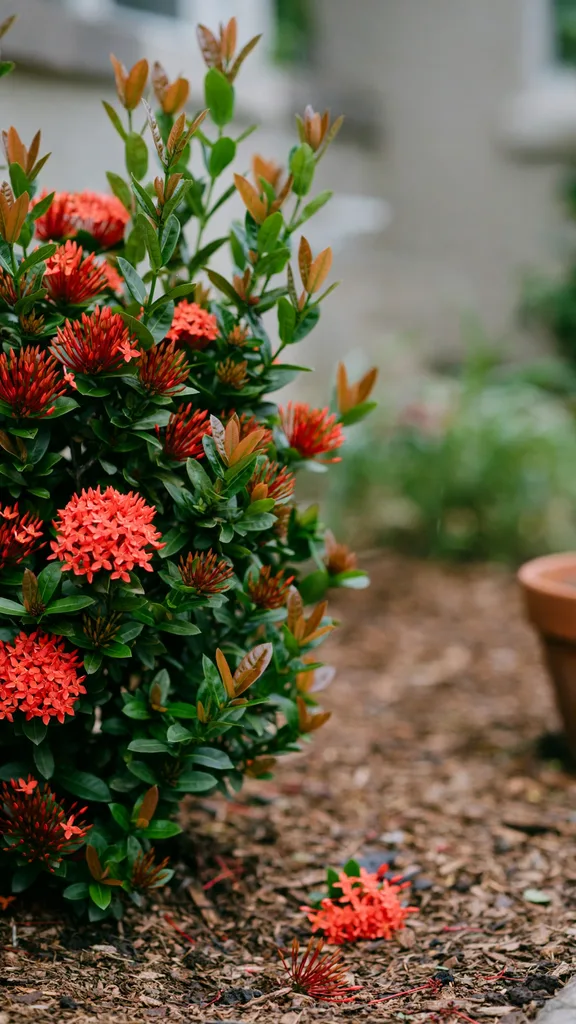
Garden forms of ixora grow 1.2 to 1.8 m tall with a 0.9 to 1.5 m spread, and full-size forms reach 3.0 to 4.6 m tall when never pruned. Dwarf forms stay petite beside paths and in pots. Prune in late winter to hold the size you want, and hand prune branch by branch so the shrub keeps its flower buds.
New leaves that open yellow with green veins point to iron chlorosis from alkaline soil. Test the soil pH, and move the shrub away from concrete foundations and sidewalks. Water with rainwater when tap water is hard, and apply chelated iron to green the new growth. Old yellow leaves never green again, so judge the fix by the new flush.
Ixora grows well in a pot with drainage holes and acidic potting mix, and the pot lets you grow it north of zone 9. Move the pot indoors before nights fall below 10 degrees Celsius, and set it in the brightest window you own. Watch for scale, thrips, and mealybugs indoors, and move the pot back out after the last frost.
Prune ixora in late winter, before new growth starts, and shape the shrub once a year. A light shaping after a flowering flush also works, and the shrub regrows fast in warm weather. Cut just above an outward facing leaf node, and skip the hedge shears, since shearing slices off the branch tips that carry the flower buds.
Ixora needs full sun for maximum flowering, and the heaviest bloom comes from a shrub in sun all day. Light afternoon shade still flowers, and the shade helps in the hottest gardens. Deep shade starves the shrub of blooms, and the stems stretch thin. Pick the sunniest bed you own, and the clusters keep coming through the warm months.