Sow snapdragon seed indoors 8 weeks before your last frost, on the surface of damp mix, and move the seedlings out 2 weeks before that frost date. That timing is the whole trick behind how to grow snapdragon from a dust-fine seed to a tall spike of two-lipped flowers. Seedlings emerge in 7 to 10 days at 18.3 to 21.1 degrees Celsius, and the plants bloom through spring, stall in summer heat, and often bloom again when fall cools.
Snapdragon is Antirrhinum majus, a short-lived tender perennial that most gardens grow as a cool-season annual. I have learned to trust the pinch: one pinched tip branches into several spikes, and the plant fills the gap by itself. The flowers open like a small mouth when you squeeze the sides, and bees land on the lower lip to push inside for nectar.
Work the steps in order: seed, spacing, types, timing, water, cutting, fixes, and pots. Each step names the tool and the failure it prevents, so a missed step shows up before the plant does.
| Snapdragon Spec | Number |
|---|---|
| Botanical name | Antirrhinum majus |
| Life cycle | Short-lived tender perennial, grown as an annual |
| Hardiness zones | 7 to 11 |
| Height | 15.2 to 91.4 cm, by cultivar |
| Spread | 15.2 to 91.4 cm, by cultivar |
| Sun | Full sun to partial shade |
| Soil | Moist, rich, well-drained |
| Spacing | 15.2 to 25.4 cm |
| Sow indoors | 8 weeks before last frost |
| Germination | 7 to 10 days at 18.3 to 21.1 degrees Celsius |
| Move outside | 2 weeks before last frost |
| Bloom | Spring and fall in the north, fall and winter in the south |
Start Snapdragon Seed 8 Weeks Before Last Frost
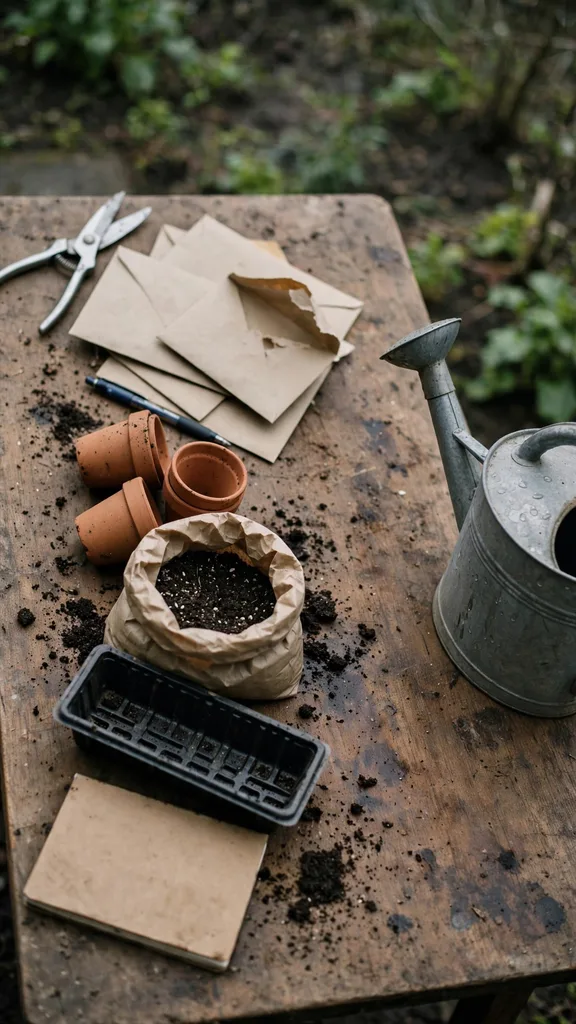
Sow indoors 8 weeks before your last frost, press the dust-fine seed onto damp mix without covering it, and hold the tray at 18.3 to 21.1 degrees Celsius until seedlings emerge in 7 to 10 days, per the North Dakota State University Extension seed-starting chart. A seed tray with a clear dome, a spray bottle, and a bright windowsill or a shop light covers the whole job.
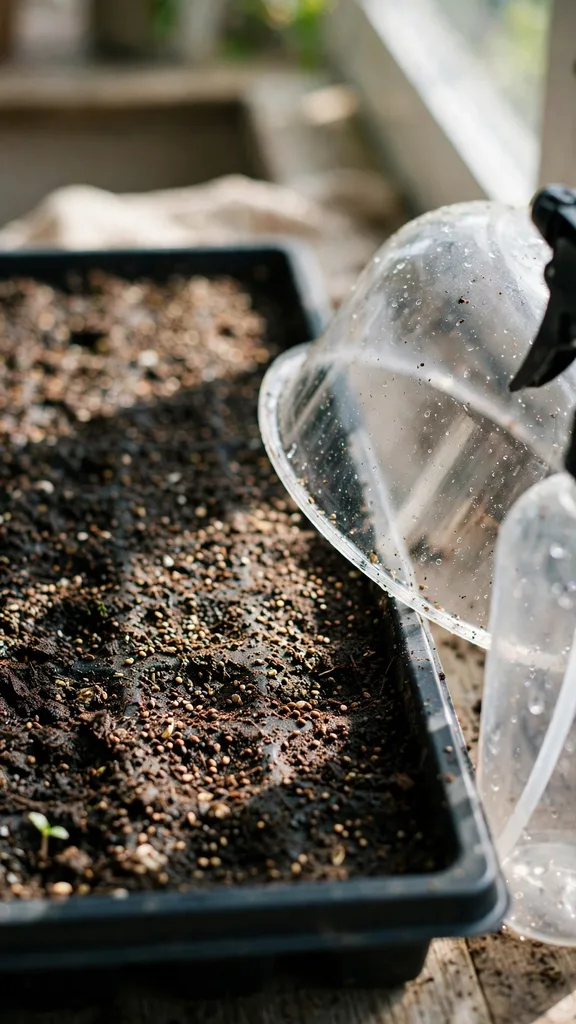
Fill the tray with fine seed mix and press it flat with a block of wood. Wet the mix from below until the surface darkens, then scatter the seed thinly across the top. Press each seed onto the surface with the flat of your palm and leave it uncovered. Light reaches the seed coat and triggers germination, and a buried seed stays dormant in the dark.
Mist the surface when it pales. Keep the dome on until the first green shows. A tray that dries out between mistings loses the whole sowing, since the seed coat is thin and the embryo has no reserve. Bottom watering beats a watering can here. Set the tray in a shallow pan of water for 10 minutes and let the mix drink from below, so the seed stays exactly where you pressed it.
Give the seedlings bright light the day they emerge. A windowsill that holds direct sun for half the day works, and a shop light hung 5.1 to 7.6 cm above the leaves works better, because weak light stretches the stems into pale threads that flop at transplant time. Grow the tray cool. A room near 15.6 degrees Celsius keeps the stems short and the leaves dark green, while a warm room grows soft growth that sheds its lower leaves.
Thin each cell to one seedling when the first pair of true leaves opens. Snip the extras at the soil line with small scissors instead of pulling them, since pulling disturbs the roots of the seedling you keep. Pot the survivors on into 7.6 cm pots when the roots show at the drainage holes. The seed starting steps in the seed starting guide cover trays, mix, and light in more detail, and the same routine fits every small flower seed you sow indoors.
Plant Snapdragon Seedlings 15.2 to 25.4 cm Apart
Set seedlings 15.2 to 25.4 cm apart after hardening them off, with the wider gap for tall types, as the University of Florida IFAS Extension snapdragon guide recommends. Close spacing looks full in May and turns into a rust nursery by June, because still air holds moisture on the leaves.
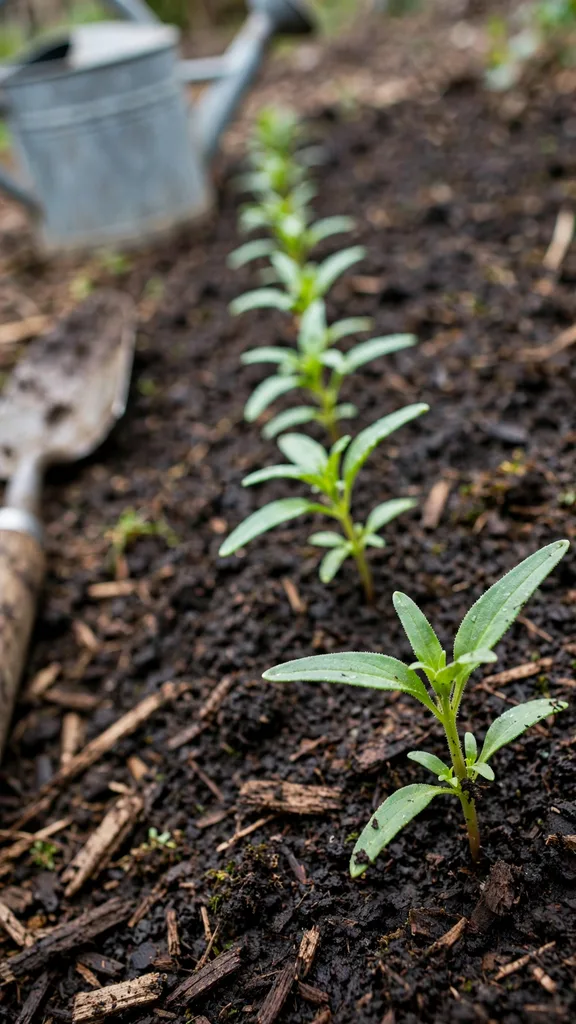
Harden the seedlings off over 7 days. Set the tray outside in shade for a few hours on day one, add an hour of morning sun each day, and leave the tray out overnight on the last two nights if no frost threatens. Seedlings that skip this step wilt in the first wind and sunburn on the top leaves, and the setback costs a week of growth.
Dig the bed 20.3 cm deep and work in 5.1 cm of finished compost. Snapdragon roots want moist, rich, well-drained soil, and compost opens heavy soil while it feeds light soil. Set each seedling at the same depth it grew in the pot. A buried stem rots at the soil line, and a high crown dries out before the roots take hold.
Water each plant in at the base with a slow soak. A watering can with the rose removed puts the water on the soil, not on the leaves, and wet leaves invite the rust that ends the season early. Spread a thin mulch layer around the plants and keep it clear of the stems. Mulch holds moisture through a dry spring week and keeps soil from splashing onto the lower leaves in rain.
Pinch the growing tip above the third pair of leaves once the seedling stands 7.6 to 10.2 cm tall. The pinch breaks the single-stem habit and pushes side shoots from the leaf joints below, and the plant grows into a branched clump with several spikes instead of one bare stem. Skip the pinch on a single-stem cutting type if you grow tall spikes for the vase, since one stem gives one long straight spike.
Pick the Right Snapdragon Type for Your Bed
Match the type to the spot: dwarf types edge a bed, intermediate types fill it, and tall types stand at the back or in the cutting row. The Florida guide puts height at 15.2 to 91.4 cm by cultivar, so read the packet before you buy, because a tall type at the front of a bed hides everything behind it.
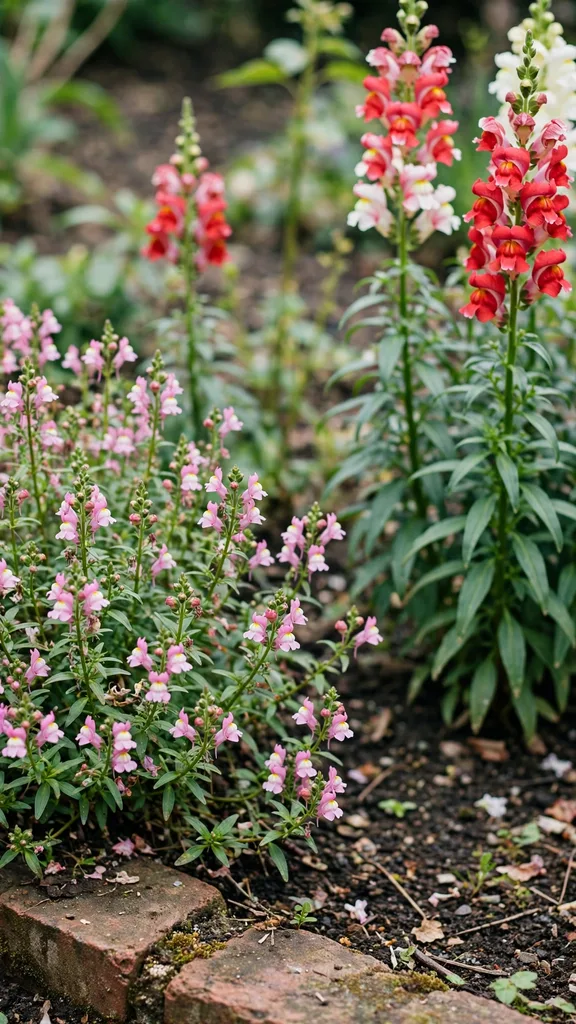
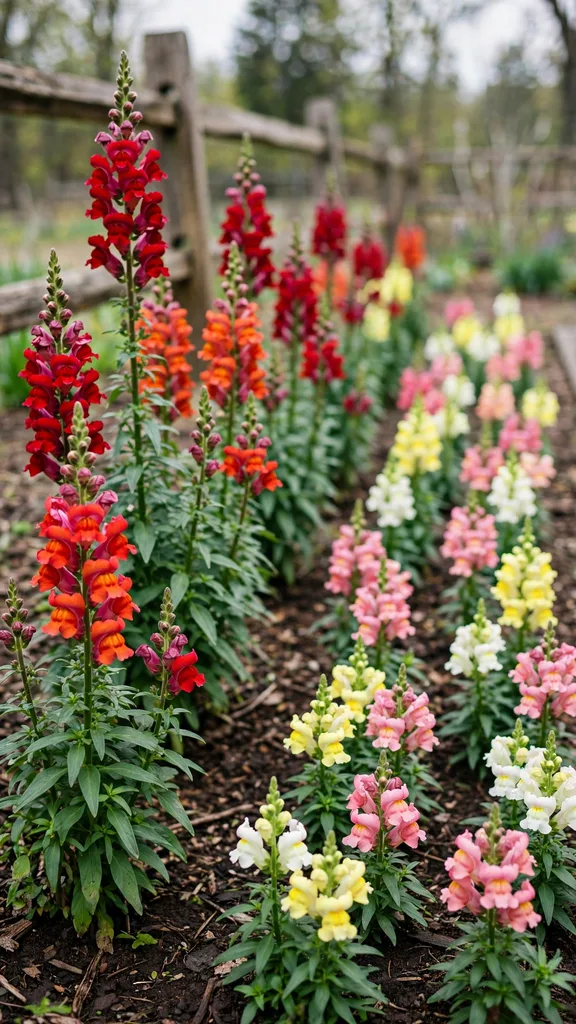
Flowers come in red, orange, yellow, maroon, pink, white, purple, and multicolored forms. Plants with dark colored flowers carry dark green or reddish stems, while pale flowers grow on pale green stems. The two-lipped flowers crowd along the top of the spike in a dense terminal raceme, and each flower measures about 2.5 to 3.8 cm long. Bees work the lower lip hard, and a bed in full bloom hums on a warm spring morning.
Cherry Twist Snapdragon grows tall, with cherry-red and white bicolor flowers on straight stems that cut well. Plant it at the back of the bed or in the cutting row, and give it a stake or a grow-through support once the spikes pass 30.5 cm, since a rain-soaked spike bends and never straightens. Red Snapdragon gives the same tall habit in a single bold color, and it reads from across the yard where a pale color would vanish.
Compact Snapdragon stays short and branched, and it suits pots, window boxes, and the front of a bed. Dwarf Snapdragon runs shorter still, and it edges a path without flopping onto the paving. Both types bloom sooner than tall types, because a short plant reaches flowering size weeks earlier. Sow the tall types first and the dwarf types 2 weeks later, and the bed peaks in one wave instead of in patches.
Climbing Snapdragon trails and twines instead of standing upright, so it suits a hanging basket or a low trellis where the stems can climb and spill. Give it a pot of its own, since its stems tangle with neighbors and pull them down. Choose a series bred for rust resistance where the catalog names it. Resistance never replaces air flow and dry leaves, and a resistant plant in a crowded wet bed still rusts.
Time Snapdragon Sowing to Your Frost Dates
Sow 8 weeks before your last frost, and set the plants out 2 weeks before that date in cold climates. Snapdragon tolerates a light frost once hardened off, and an early plant builds roots in cool soil while a late plant meets heat before it blooms.
Snapdragon is a short-lived perennial in USDA zones 7 to 11, and it dies back in winter outside that range, so most gardens replant it each year as an annual. The same Florida guide lists planting months by zone: zone 7 in April and September, zone 8 in January through March and October through December, zone 9 in January, February, and October through December, and zones 10 and 11 in January, February, November, and December. Find your zone first, then read the month off the list instead of guessing from a catalog that ships nationwide.
Mild-winter gardens plant in fall for winter and spring bloom. A fall plant grows through the cool months, flowers while the soil is still cool, and finishes before summer heat arrives. Cold-climate gardens plant in spring for early summer bloom. A spring plant that goes out 2 weeks before the last frost catches the whole cool season, while a plant set out after the frost date loses 2 weeks of bloom to heat.
Heat ends the show. In Florida, snapdragon grows as a cool-season annual and flowers until April or May, and the same stall hits every warm climate once days stay hot. Bloom runs spring and fall in northern planting zones and fall and winter in southern planting zones. Plan the bed around that window. Sow for spring, cut the plants back in midsummer, and let the fall cool bring a second crop of flowers from the same roots.
Water Snapdragon at the Base to Keep Rust Away
Water at the base, space for air, and strip any leaf that shows rust before the spores spread. Rust is the disease that ends most snapdragon seasons, and it starts on a single leaf in a damp crowded corner.
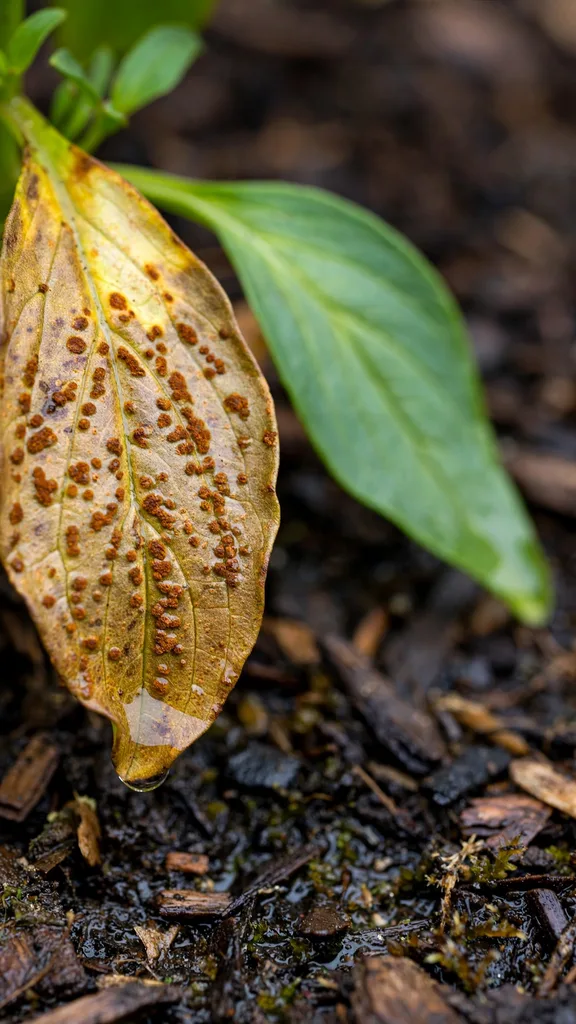
Rust shows as brown pustules on the undersides of leaves, with yellow leaf tissue above and small flowers on a weak plant. The Florida guide names rust first among the diseases, and the pustules break open to release orange-brown spores that drift to the next leaf. Pick the spotted leaves off and drop them in the trash, not on the compost pile. Home compost never heats enough to kill the spores.
Anthracnose shows as yellowish-green and gray spots along the stem, and it can girdle the stem until the top wilts. Gray mold wilts the flower spikes and snaps the stem at the infection point. Stem rot shows as cottony growth on the stems near the soil line. All four diseases spread in wet leaves and still air, and all four slow down when the leaves dry fast after rain.
Aphids feed on terminal growth and the undersides of leaves, and a heavy colony curls the new growth. Mites cause a bronze, stippled look on the leaves. A strong jet of water knocks aphids off the tips, and the same jet washes mites from the leaf undersides. Check the leaf undersides each week while you water, since both pests build numbers fast on the soft new growth that snapdragon keeps pushing.
Prevention beats cure here. Water at the base in the morning, so any splash dries before night. Keep the spacing from the planting step, and thin a crowded clump instead of letting it close up. Rotate the bed each year, and clear spent plants at the end of the season instead of leaving them to rot where the next sowing will stand.
Cut Snapdragon Spikes When the Lower Third Opens
Cut in the morning when the lowest third of the florets stands open, cut above a leaf node, and strip the leaves that would sit below the waterline. A spike cut at that stage opens upward in the vase over the next few days, while a spike cut fully open drops its lower flowers within a day.
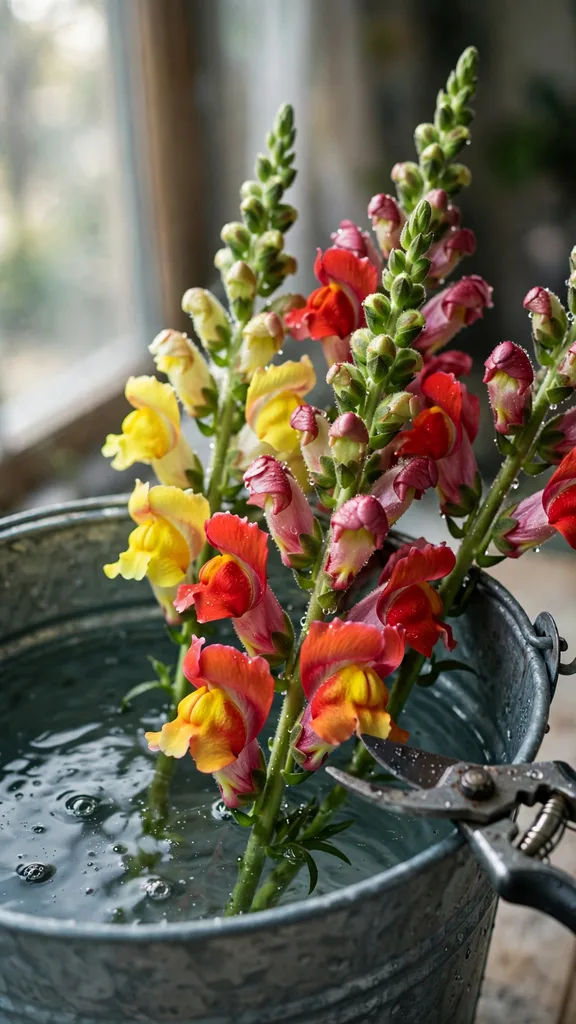
Use sharp shears and cut at an angle above a leaf node, so the stem below the cut pushes a side shoot. Hold the cut stems in a bucket of cool water while you finish the row, and keep the bucket in the shade. Change the vase water every few days, and recut the stem ends each time you change it. A clean cut drinks, and a crushed base drinks poorly.
Cut the whole plant back when the first flush finishes. The Florida guide advises cutting spent plants back to within 5 or 6 nodes of the ground, and the stumps push new side shoots that flower again in fall. Feed the cutback plants with a light balanced feed and water them well for a week, since the regrowth draws hard on the roots.
Tall types give the longest vase stems, and a cutting row of 10 plants supplies a bouquet each week through the cool season. When heat ends the snapdragon season, zinnias take the same bed and flower through summer. Pull the spent snapdragon, fork in compost, and set the new plants into the same rich soil.
Fix 5 Snapdragon Failures Before They Spread
Five failures cause most dead snapdragon: buried seed, late sowing, a skipped pinch, wet leaves, and summer planting. Each one shows a clear symptom, and each one has a fix that costs minutes.
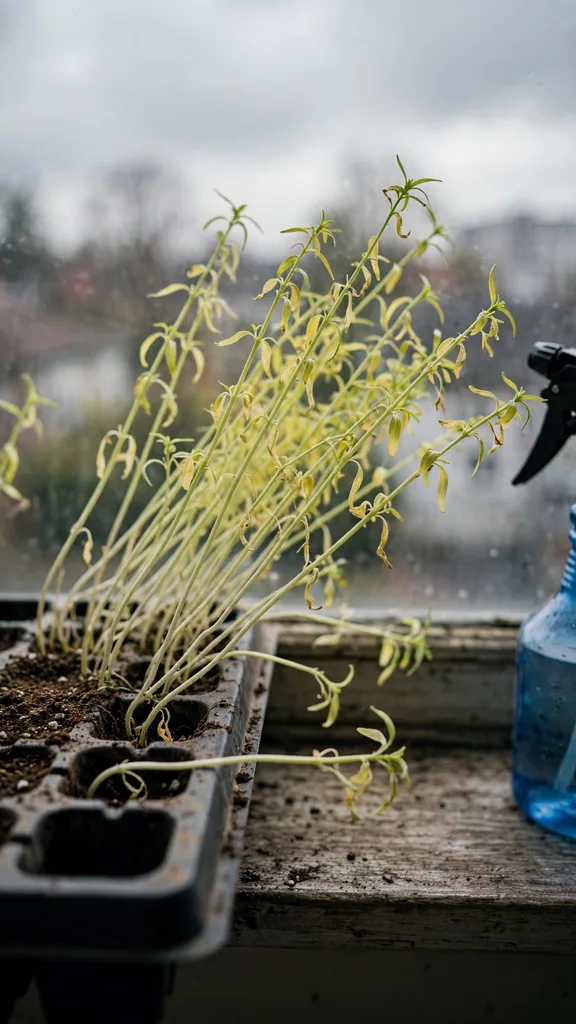
- Buried seed. Seed pressed under the mix never germinates, because the seed needs light to trigger sprouting. Sow on the surface and press the seed onto the mix with the flat of your palm, and mist instead of watering from above so the seed stays put.
- Late sowing. Seed sown after the frost window meets summer heat before the plants size up, and the plants stall at 15.2 cm with a few small flowers. Sow 8 weeks before the last frost, and plant out 2 weeks before it, so the plants build size in cool weather.
- Skipped pinch. A plant that never gets pinched grows one bare stem with one spike, and the bed looks thin all season. Pinch above the third pair of leaves when the seedling stands 7.6 to 10.2 cm tall, and the side shoots fill the gap within 2 weeks.
- Wet leaves. Overhead watering keeps the leaves wet overnight, and rust pustules follow within days. Water at the base in the morning, space the plants for air, and strip spotted leaves the day you see them.
- Summer planting. Snapdragon set out in hot soil sulks, drops buds, and stops flowering until fall cools the bed. Plant for spring and fall bloom, and use the hot months for a warm-season flower in the same bed.
Grow Snapdragon in Pots and Small Spaces
Choose a dwarf or compact type, a deep pot with drainage holes, and a spot in full sun. A pot gives you control over the soil, and a dwarf snapdragon in a pot blooms weeks before the same type in cold garden soil.
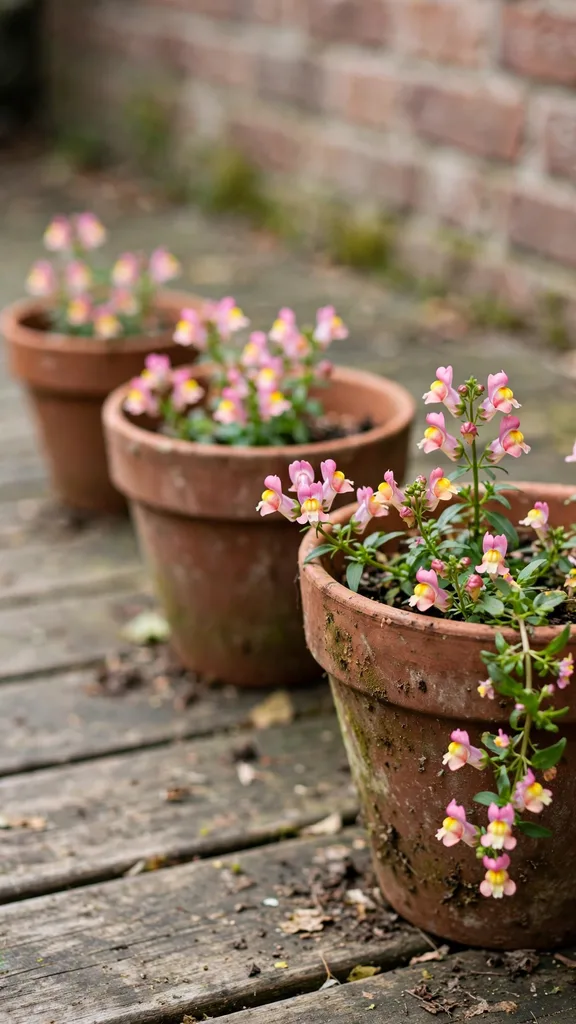
Fill the pot with a free-draining potting mix and set one dwarf plant per 20.3 cm pot, or two compact plants per 30.5 cm pot. A pot that holds water at the base rots the crown, so check that water runs from the drainage holes after each watering. Pots dry fast in wind and sun, and a pot in full sun needs water every day in a dry spring week, while the same plant in the ground drinks twice a week.
Feed lightly. A small dose of balanced liquid feed every 3 weeks keeps the spikes coming, and a heavy dose grows soft stems that flop in the first wind. Deadhead the spent spikes by cutting back to a leaf node, and the side shoots below the cut flower within 2 weeks.
Climbing Snapdragon earns a hanging basket, where the twining stems spill over the edge and climb the chains. Hang the basket where you can water it without a ladder, since a dry basket stops flowering fast. Pair dwarfs with petunias in the same pot for a second color that likes the same sun and water, and set the petunia at the edge so it trails while the snapdragon stands in the middle.
Frequently Asked Questions About Growing Snapdragon
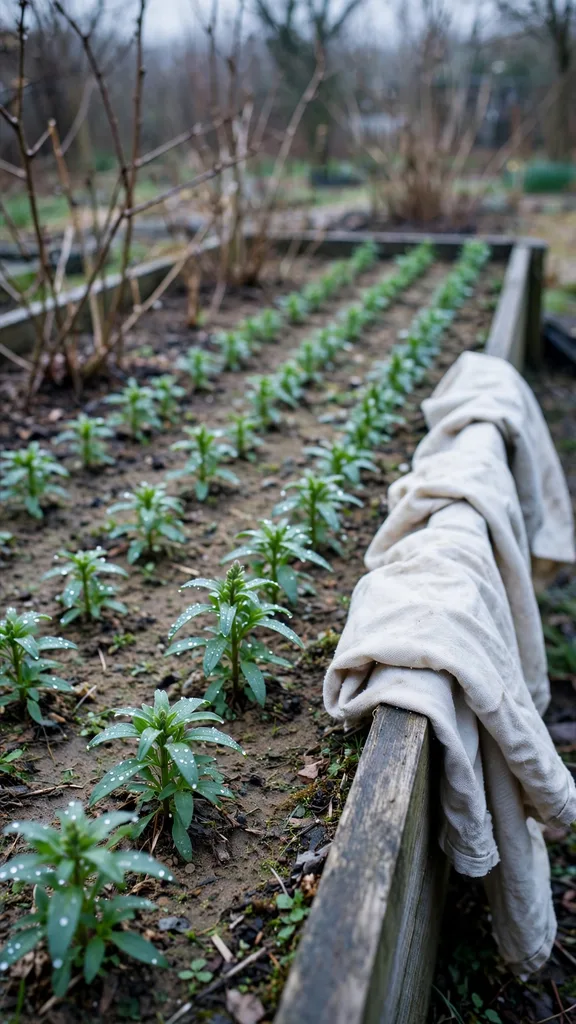
Yes, a hardened snapdragon tolerates a light frost without damage, and many gardens plant out 2 weeks before the last frost for that reason. A hard freeze kills the top growth, and a plant left in a frost pocket loses its flower buds first. Cover a young planting with a cloth on a night when the forecast drops below freezing, and remove the cover in the morning so the leaves dry.
Snapdragon is a short-lived perennial in USDA zones 7 to 11, where it can live through a mild winter and flower again. Outside that range, cold kills the plant, and the garden treats it as an annual that needs replanting each spring. Some plants self-seed where the soil stays open, and the seedlings appear near the parent plant the next spring.
Heat stops the bloom. Snapdragon flowers best in cool weather, and the plants stall once hot days arrive, dropping buds and growing leggy stems. Cut the plants back to within 5 or 6 nodes of the ground, water well, and wait for fall cool. The stumps push new side shoots, and the second flush flowers until the first hard frost.
Cut spikes hold well in a vase when you cut them at the right stage and change the water often. Cut in the morning when the lowest third of the florets stands open, strip the leaves below the waterline, and recut the stems each time you change the water. A spike cut too late drops its lower flowers within a day, while a spike cut on time opens upward for days.
Snapdragon needs full sun to partial shade, with full sun giving the sturdiest stems and the most flowers. Afternoon shade helps in hot climates, where it stretches the bloom season by a few weeks. Deep shade grows leggy stems with few flowers, and the plants flop in the first wind. Give the bed at least half a day of direct sun.