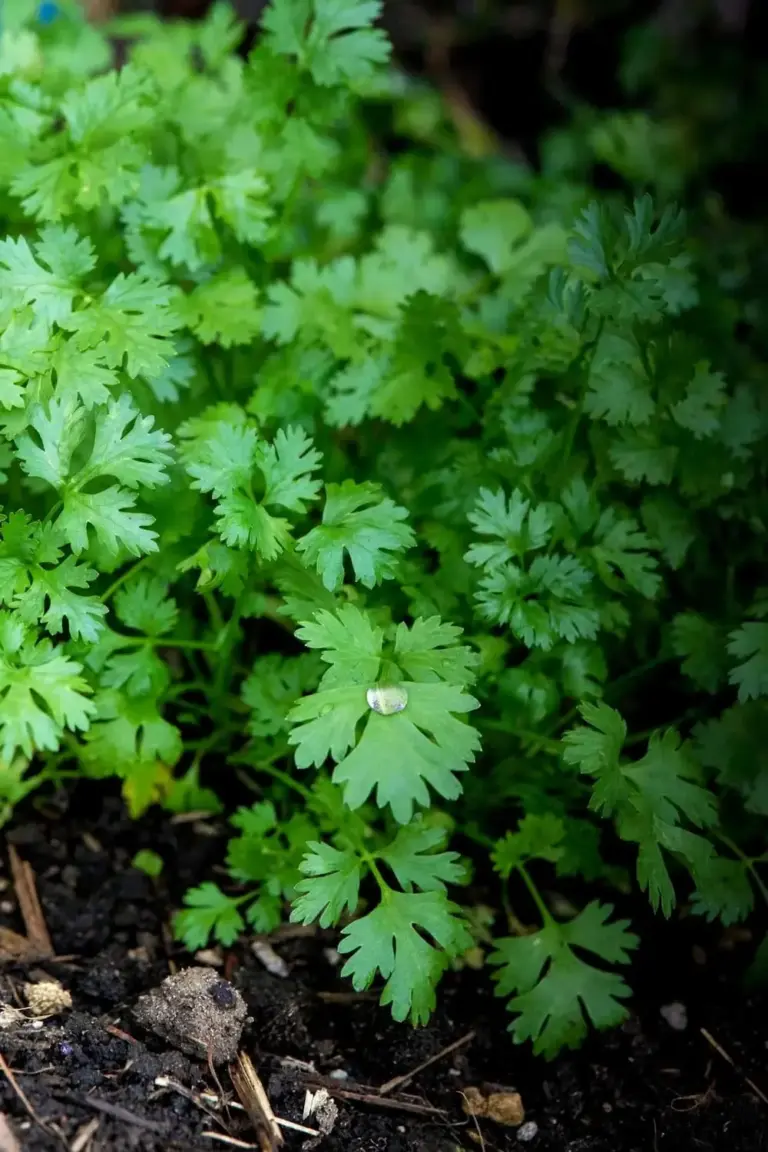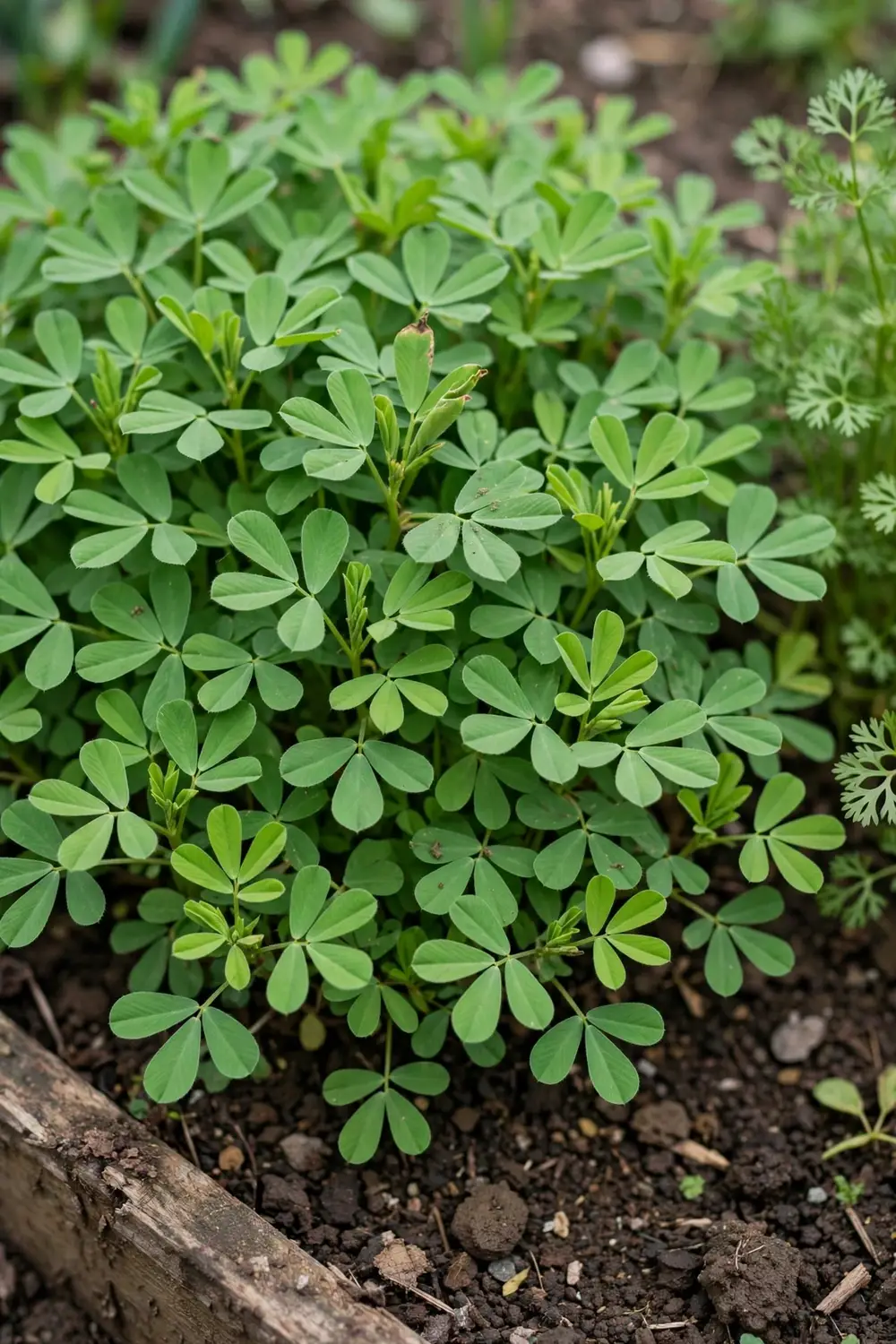

Methi is a cool-season annual that gives you two harvests from one sowing. Cut the leaves in 20 to 30 days, or let the plants run to seed in 3 to 5 months and collect methidana. The dried leaves, crumbled until they snap, become kasoori methi. In India, where fenugreek is a rabi-season crop sown after the monsoon, this rhythm is second nature. In a temperate backyard, you copy it by sowing in spring and again in late summer, when the air cools.
The plant is Trigonella foenum-graecum, a legume in the pea family with small three-leaflet leaves and pale yellow-white flowers. It reaches 12 to 24 inches in a season, then dies. That single-season life is the whole strategy. You never overwinter it, you never fight a perennial, and you never wait years for a return. Sow, cut, let some pods dry, and save seed for the next round.
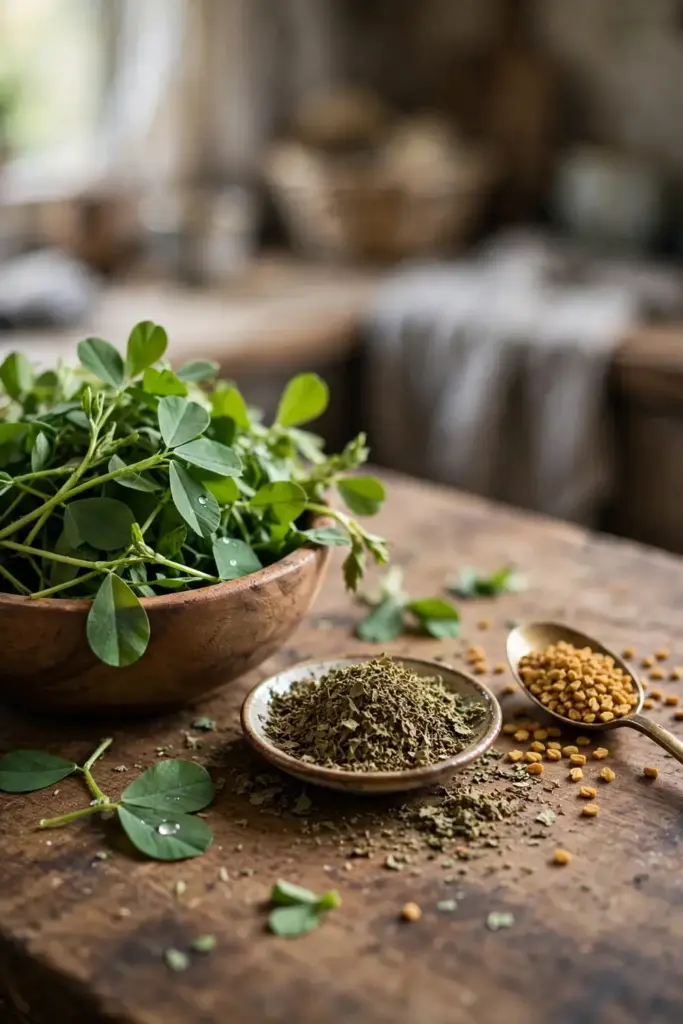
This guide is the Indian-methi method: how to grow fenugreek from India the way it is grown for the Indian kitchen, with the dual harvest of leaves and seed, Indian varieties, and timing that fits both the Indian rabi calendar and temperate fall and spring windows. If you are reading this in the US or Europe, the sowing math is simple: plant when daytime temperatures sit between 50 and 86 degrees Fahrenheit, the range that suits fenugreek through germination and leaf growth. [Image 1]
1. What Indian Methi Is: Methi, Methidana, and Kasoori Methi
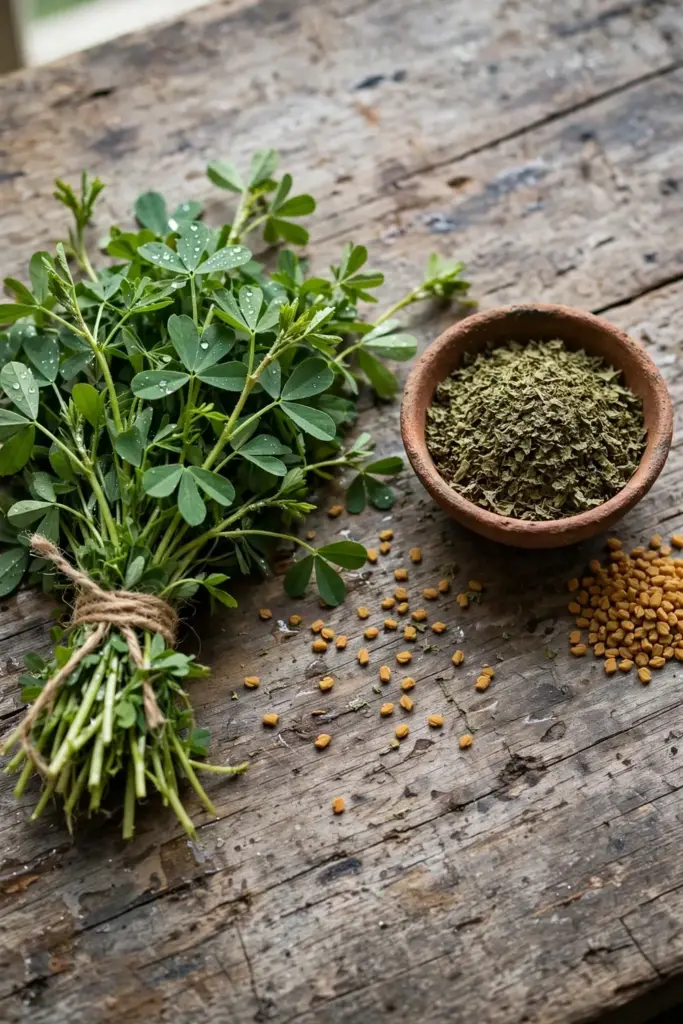
Three names, one plant, three different kitchen products. Botanically it is Trigonella foenum-graecum, a cool-season annual legume. Fresh methi is the green leaf, cut young and used in days. Methidana is the seed, small amber cubes that carry the deep maple-like aroma of the spice. Kasoori methi is the leaf dried and crumbled, used as a finishing herb, not a green vegetable.
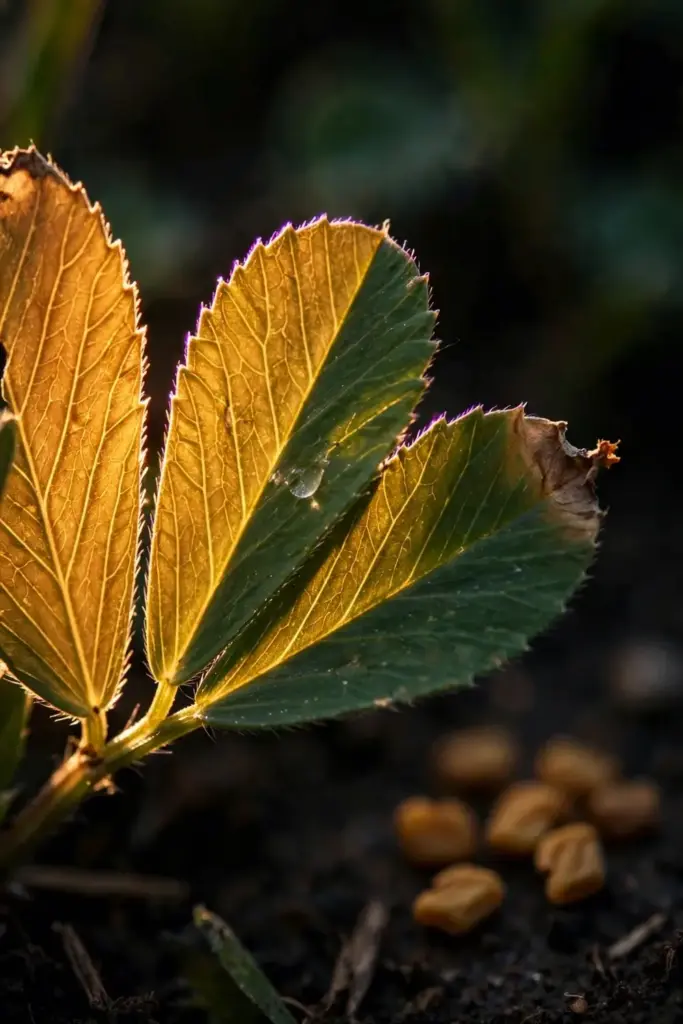
The distinction matters because each product demands a different harvest. Leaves are cut at 20 to 30 days while the plant is still leafy and short. Seed comes from plants you deliberately leave alone for 3 to 5 months until the pods turn brown and rattle. Kasoori methi is the middle path: mature leaves dried properly, crumbly and brittle, never chewy. Chewy dried leaves mean the drying was too slow or too humid, and they spoil instead of keeping.
Indian seed sellers sort fenugreek into leaf-type and seed-type varieties, and the names on the packet tell you the intent. Leaf-type varieties like Pusa Early Bunching are bred for fast, tender leaf production. Seed-type varieties like Rajasthan Methi are bred for heavy pod set. Either type gives you both harvests in a home garden, but matching the variety to your main goal raises the yield of that goal noticeably.
2. Choose Your Harvest Lane: The Dual-Harvest Table
Before you sow, decide what you want most. The same row of fenugreek cannot give you maximum leaves and maximum seed at once. Cutting leaves repeatedly delays flowering; letting pods ripen means the leaves are past their best. Most home growers run two batches: one for cutting, one for seed.
| Harvest Lane | When to Sow | What You Cut or Collect | Days to Harvest | Key Rule |
|---|---|---|---|---|
| Fresh methi leaves | Spring or late summer | Young leaves and stems, cut 4 inches above the soil | 20 to 30 days | Cut-and-come-again up to 3 times |
| Kasoori methi (dried leaves) | Spring | Mature leaves, washed and shade-dried until brittle | 40 to 60 days | Dry fast and dry; chewy means too humid |
| Methidana (seed) | Spring | Whole pods, left to dry on the plant until brown | 90 to 150 days | Do not cut leaves from seed plants after week 6 |
Run the leaf batch heavy and the seed batch light. A 4-by-4-foot bed of leaf methi feeds a family for weeks; a single 2-foot row of seed plants yields enough methidana for a year of cooking. Succession-sow the leaf batch every 2 to 3 weeks for a continuous supply, and sow the seed batch once in spring so the pods ripen in dry summer air.
3. Climate and Timing: The Indian Calendar in a Temperate Garden
In India, fenugreek is a rabi crop. Farmers sow in October and November, after the monsoon, and harvest through the cool dry winter. The plant wants exactly that: cool air, dry ripening weather, and moderate sun. It sulks in heat and drowns in wet soil, so the Indian calendar is really a climate recipe.
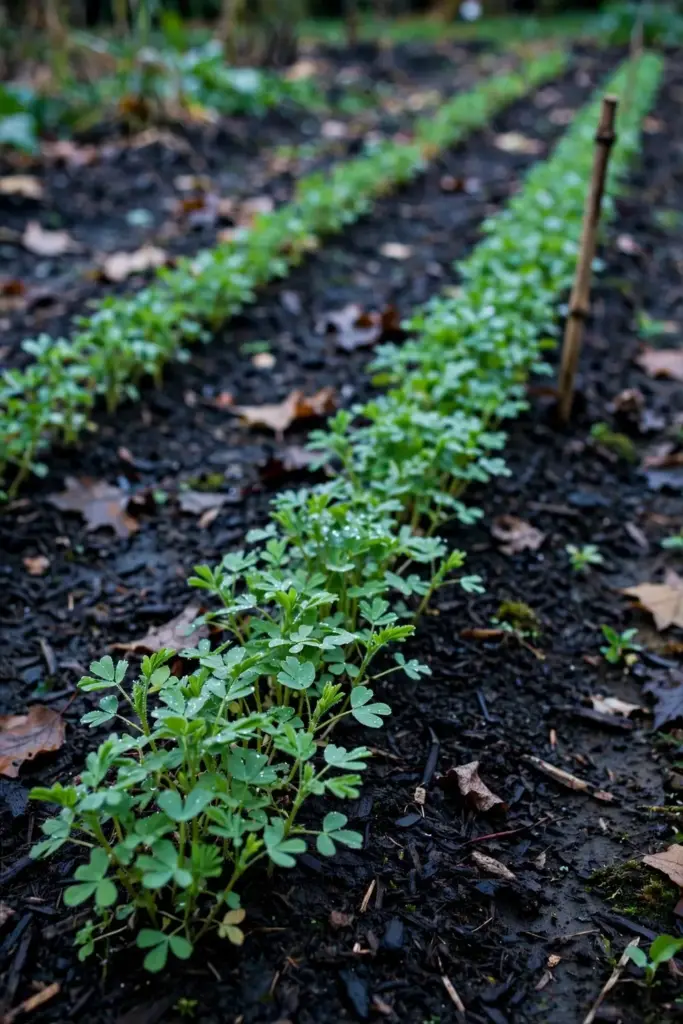
In temperate zones, you get two windows that match. Sow in early spring, as soon as the soil can be worked, for a leaf crop that finishes before summer heat. Then sow again in late summer, 6 to 8 weeks before your first fall frost, for the fall leaf crop. Fenugreek handles light frost on established plants, which makes the fall sowing the better leaf window in many regions. For methidana seed, sow only in spring, so the pods ripen during dry summer weather instead of wet autumn.
The temperature math is forgiving. Seeds germinate in soil from 50 to 86 degrees Fahrenheit, fastest around 65 to 75 degrees. Leaf growth is best in cool weather; prolonged heat above 86 degrees pushes the plant to bolt early, which ruins the leaf harvest but matters little if you are growing for seed. In USDA zones 4 to 10 it grows as a warm-season annual sown in the cool shoulders. Fall herbs to plant lists put fenugreek alongside coriander and dill for the same reason: all three are cool-season annuals that prefer autumn air. Learning how to grow fenugreek from India in a temperate climate starts with copying that cool shoulder, not the Indian winter itself.
4. Buying Seed: Spice-Aisle Methidana and Real Seed Stock
Fenugreek seed is sold in every Indian grocery as methidana, and those spice-aisle seeds usually germinate. They are the same species, sold fresh enough in high-turnover shops to stay viable for 2 to 3 years. That said, a seed packet bred for growing beats a spice jar on two counts: germination rate and variety identity. Spice jars are blends; packets name the variety.
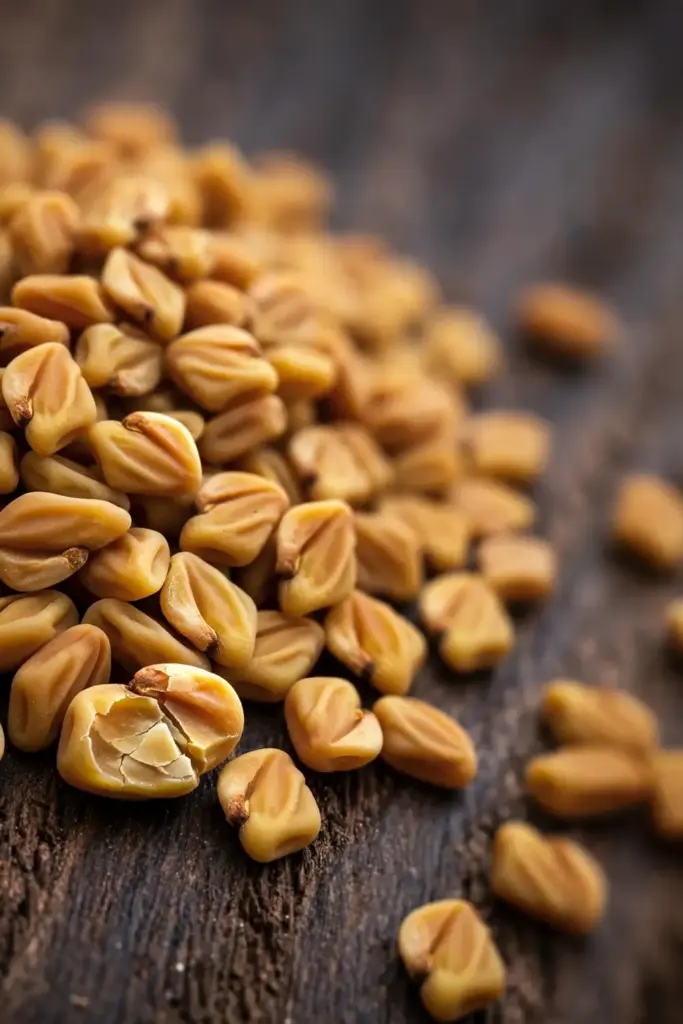
If you use spice-aisle seed, run a germination test first. Fold 20 seeds in a damp paper towel, seal it in a bag, and check in 7 days. Fifteen or more sprouts means the lot is worth sowing. Fewer than ten means buy fresh seed. This five-minute test saves you from a patchy stand and a wasted sowing window.
Buy leaf-type varieties when leaves are the goal. Pusa Early Bunching and the kasoori selections from Indian seed houses are bred for tender, fast leaves. Buy seed-type varieties when methidana is the goal. Rajasthan Methi and Gujarat Methi are the workhorse seed varieties of Indian production. In the US and Europe, standard fenugreek packets from seed companies are usually un-named landrace stock, which works fine for leaves and adequately for seed. Whole dried fenugreek seed keeps its viability in a cool, dry jar for 2 to 3 years; heat and humidity cut that in half.
5. Soil: Loose, Draining, and Not Too Rich
Fenugreek dies in waterlogged soil faster than from almost any other mistake. The roots are shallow and fine, and standing water rots them within days. Build the bed loose and draining: sandy loam is ideal, and heavy clay needs a raised bed or a generous mix of compost and coarse sand to open it up. A pH between 6.0 and 7.5 suits it; it tolerates slightly alkaline soil better than acidic.
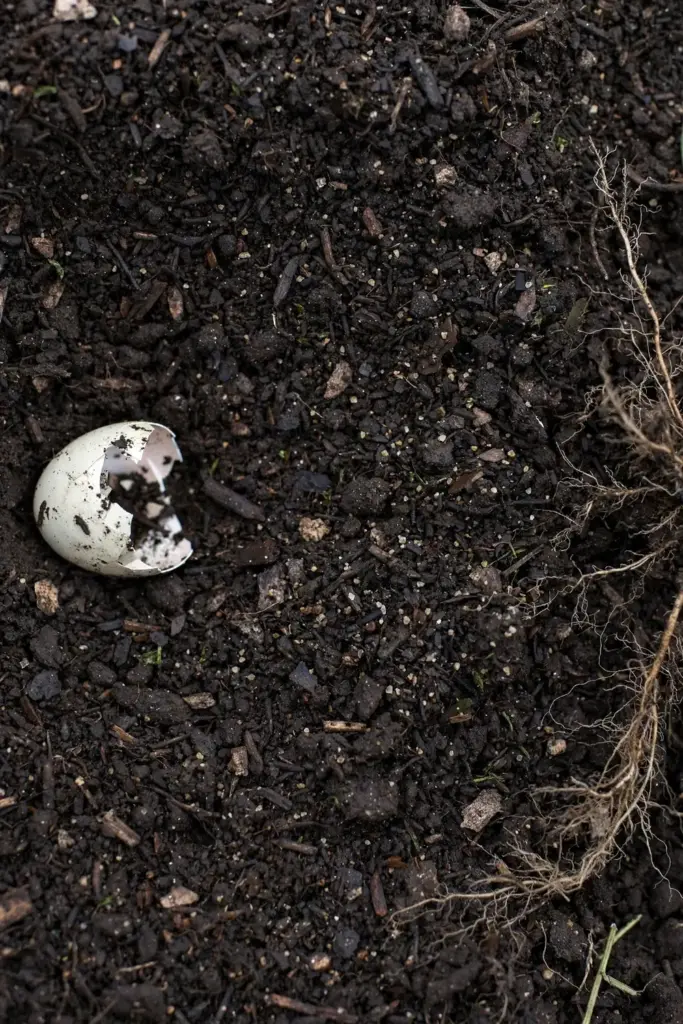
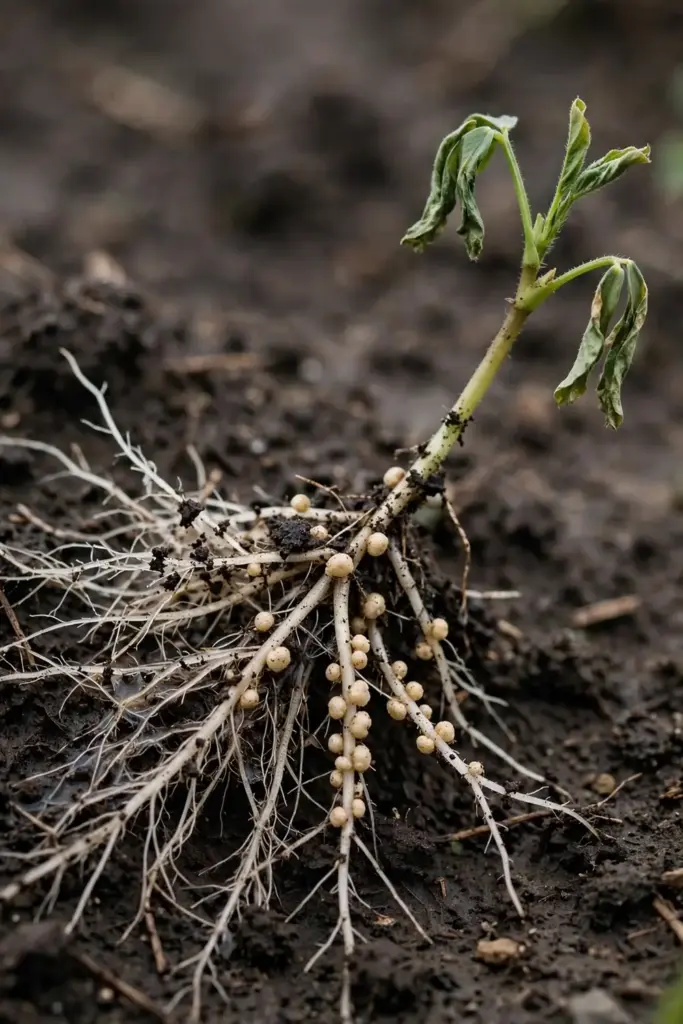
Here is the legume advantage. Fenugreek fixes its own nitrogen through root nodules, like peas and beans, so it needs far less feeding than leafy greens. Skip the nitrogen-heavy fertilizer. A modest dose of compost worked into the bed at planting is enough for the whole season. Overfeeding with nitrogen gives you soft, floppy, disease-prone growth and delays the seed set you want in the methidana batch.
Phosphorus matters more than nitrogen for pod set, so if your soil is poor, a light application of bone meal at sowing helps the seed batch. Good soil structure does more for fenugreek than any fertilizer program. The principles in the soil-health guide for building living, draining soil apply directly: compost for structure, mulch for moisture steadiness, and no compaction from walking on wet beds.
6. Soaking Seed the Night Before Sowing
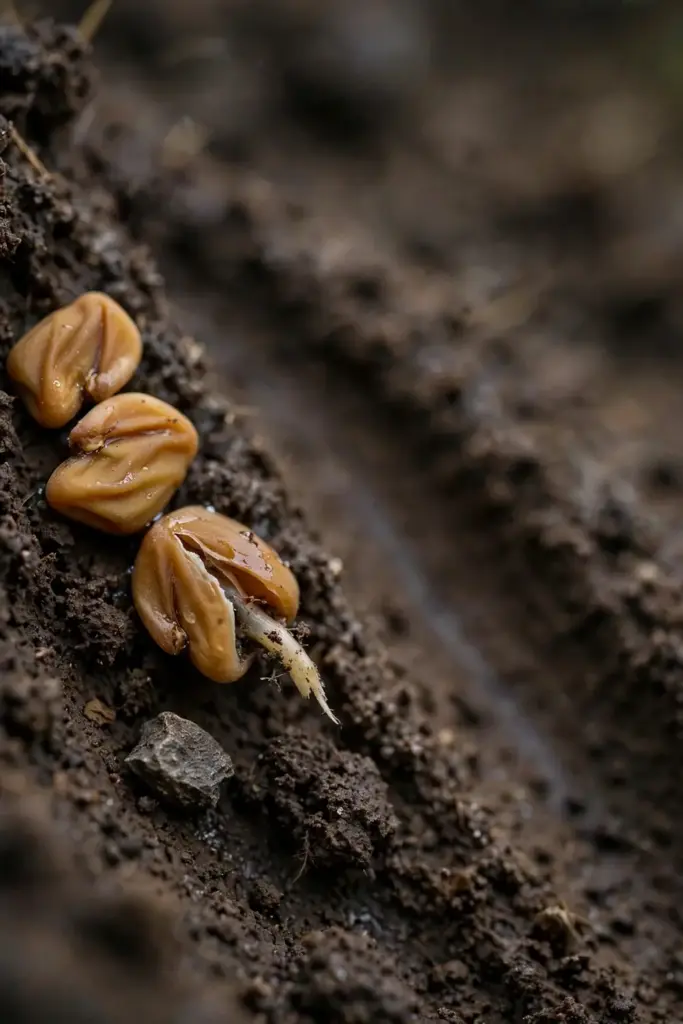
Soak fenugreek seed for 8 to 12 hours before sowing, overnight in room-temperature water. The hard seed coat softens, water gets in, and germination starts faster and more evenly. Expect sprouts in 3 to 5 days from soaked seed in warm soil, versus 7 to 10 days from dry seed.
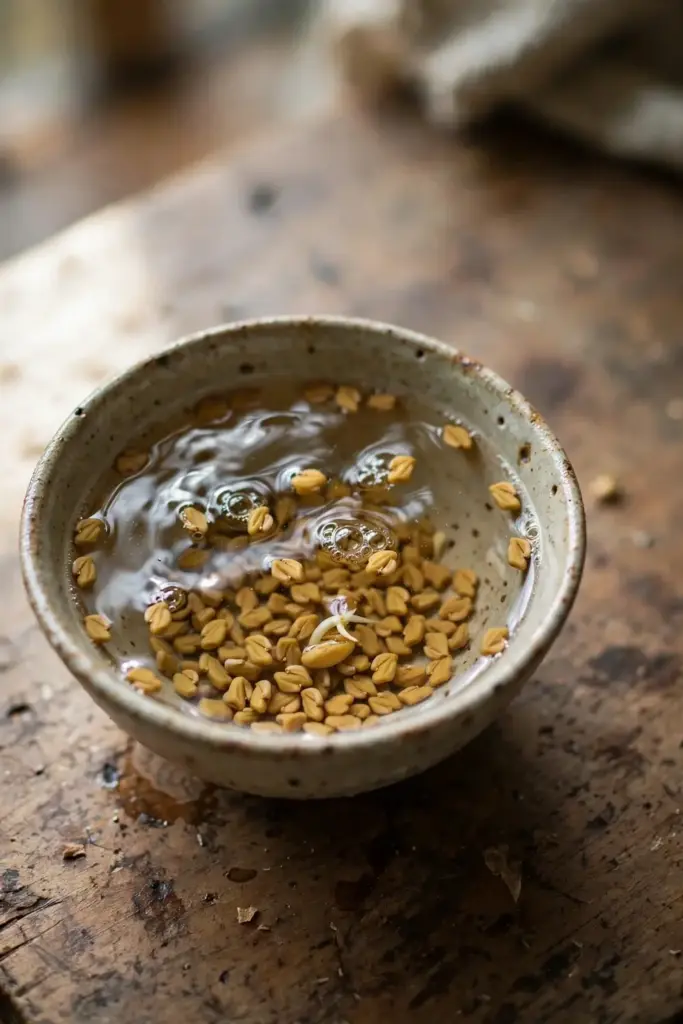
Drain the seeds and sow them damp, within a few hours of draining. Do not let soaked seed sit wet in a bowl for a day; it ferments and the seed dies. If you miss your sowing window, spread the soaked seed on a towel to surface-dry and sow the next morning. The soak is a head start, not a requirement. Dry-sown seed still germinates reliably in moist soil, just a few days later. In cool spring soil below 55 degrees, the soak matters more; in warm soil above 70, the difference shrinks to a day or two.
7. Sowing: Depth, Spacing, and the No-Transplant Rule
Direct-sow every fenugreek seed where it will grow. The taproot resents disturbance, and transplanted seedlings stall for a week or more while direct-sown neighbors race ahead. Sow 1/4 to 1/2 inch deep, no deeper. Deeper sowing in cool soil is the classic cause of a thin, patchy stand.
Spacing depends on the harvest lane. For leaves, sow thick: rows 6 inches apart with seeds 1 to 2 inches apart in the row, then thin to 3 to 4 inches once seedlings reach 2 inches tall. Dense leaf stands shade out weeds and give you more cutting per square foot. For seed, give each plant room: rows 12 inches apart, plants 4 to 6 inches apart, thinned to the strongest. Crowded seed plants produce thin pods with fewer seeds.
Cover the seed with fine soil or compost and water gently with a fine spray so the shallow seed does not wash out. Keep the top inch of soil evenly moist until germination, then back off. The seed-starting basics of fine covering, gentle watering, and steady moisture apply, with one change: no trays, no transplanting, straight into the bed or pot.
8. Watering: Moist, Never Soggy
Fenugreek wants steady, moderate moisture and punishes both extremes. Let the top inch of soil dry between waterings, then water deeply enough to moisten the root zone. In most climates that means watering 2 to 3 times a week in spring and fall, daily in hot spells, always in the morning so the leaves dry by evening.
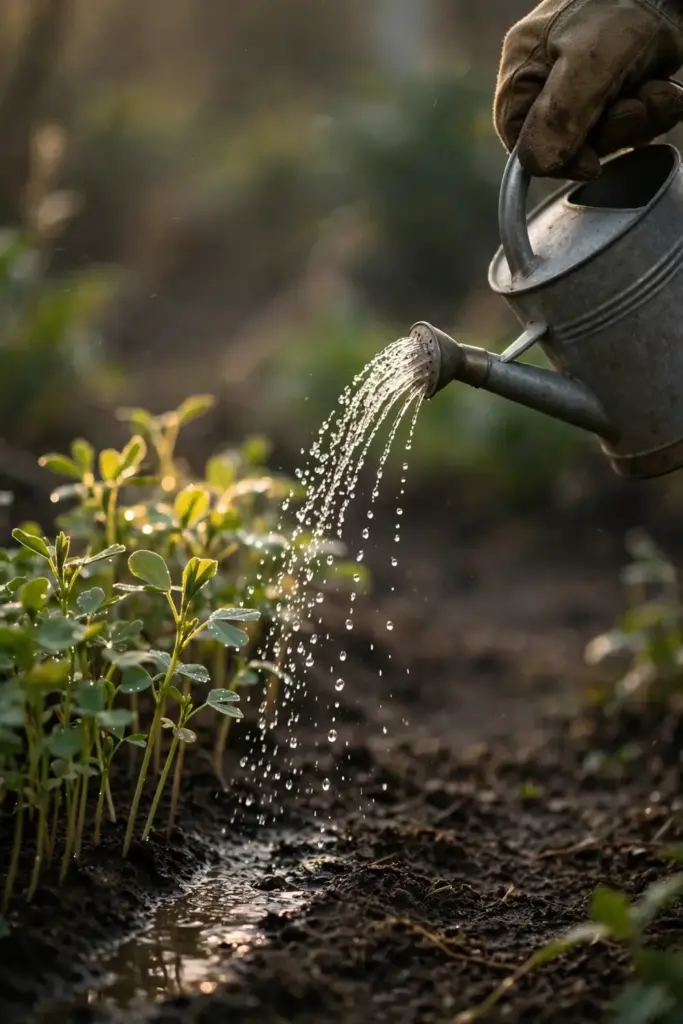
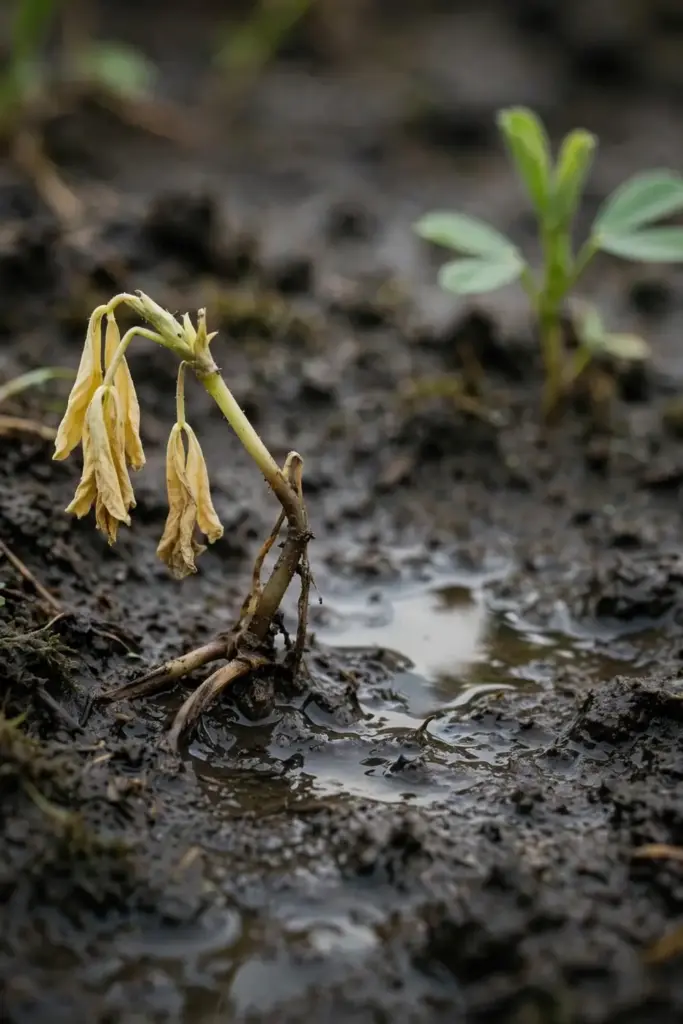
Overwatering is the number-one killer. Soggy soil breeds damping-off in seedlings and root rot in established plants, and a drowned fenugreek plant does not recover. If your bed puddles after rain, the drainage is wrong, not the watering schedule. Mulch with an inch of straw once seedlings are 4 inches tall to even out moisture swings and keep soil off the leaves.
For the methidana seed batch, taper water as the pods mature. Once pods start yellowing, cut watering back sharply. Dry ripening weather gives you clean, dry pods that thresh easily; wet ripening gives you moldy pods and sprouted seed. This is the rabi logic again: the Indian dry winter ripens the crop, and your dry late summer does the same.
9. Thinning and Succession: The Rhythm of Continuous Methi
Thin seedlings when they reach 2 inches tall. Pull the weakest, keep the strongest, and eat the thinnings as microgreens in salads. They are the first harvest, 10 to 14 days after sowing, with the same maple-scented flavor in miniature.
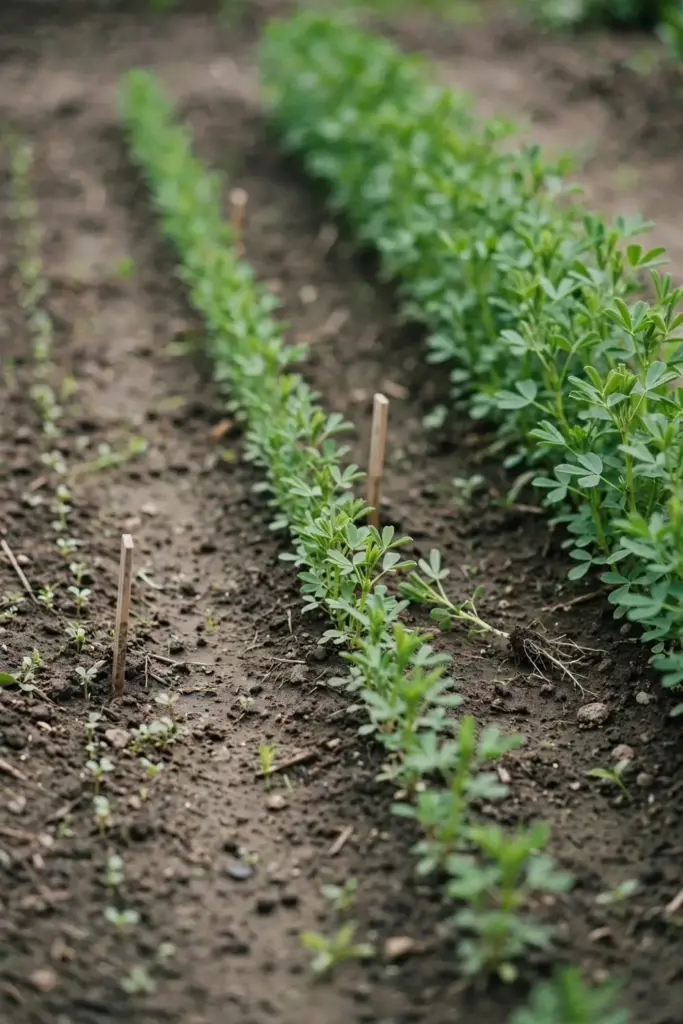
Sow a new leaf batch every 2 to 3 weeks through the cool windows. This is the succession rhythm that keeps fresh methi on the table from April through June and again from September into the frosts. Mark each sowing on a calendar or a plant label with the date; when the first batch starts flowering, the next batch should already be 3 inches tall.
Stop sowing leaf batches 4 weeks before your expected first hard frost in fall, or before sustained heat above 86 degrees in late spring. Late sowings bolt before they leaf out, which wastes seed. The seed batch is sown once, in spring, and left alone. Two rhythms, one plant: the cut-and-come-again sprint for leaves, the slow single run for seed.
10. Feeding: Legumes Make Their Own Nitrogen
Do not fertilize fenugreek the way you fertilize lettuce. The root nodules fix atmospheric nitrogen, and a healthy stand needs little beyond what compost provides at planting. A side-dressing of nitrogen in mid-season is not just unnecessary; it pushes soft, leafy growth that invites aphids and powdery mildew.
The one feeding worth doing is for the seed batch. At flowering, a light dose of a low-nitrogen, higher-phosphorus fertilizer supports pod set. Compost tea or a half-strength balanced liquid feed, applied once, is plenty. If the plants are deep green and growing steadily, skip it entirely. Pale, stunted plants in poor soil get one light feeding of balanced fertilizer, not a heavy one. More is not better here; restraint is the feeding program.
In containers, the rules tighten slightly because potting mix leaches faster. Mix a slow-release organic fertilizer into the pot at sowing at half the label rate, and do not feed again unless the leaves pale. Container fenugreek that gets fed like container tomatoes turns into a floppy aphid magnet.
11. Flowering and Pod Set: Reading the Plant
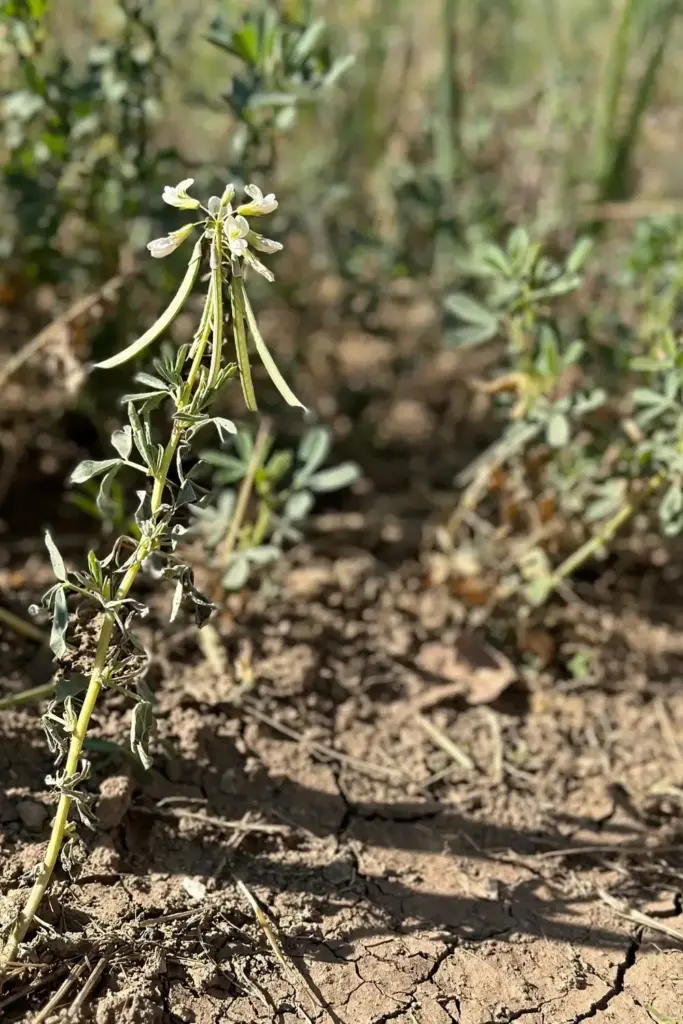
Fenugreek flowers 6 to 8 weeks after sowing, with small pale yellow-white pea flowers tucked in the leaf axils. Each flower becomes a slender curved pod 2 to 4 inches long, holding 10 to 20 seeds. The plant is self-fertile, so a single plant sets pods without a partner, and bees visit but are not required.
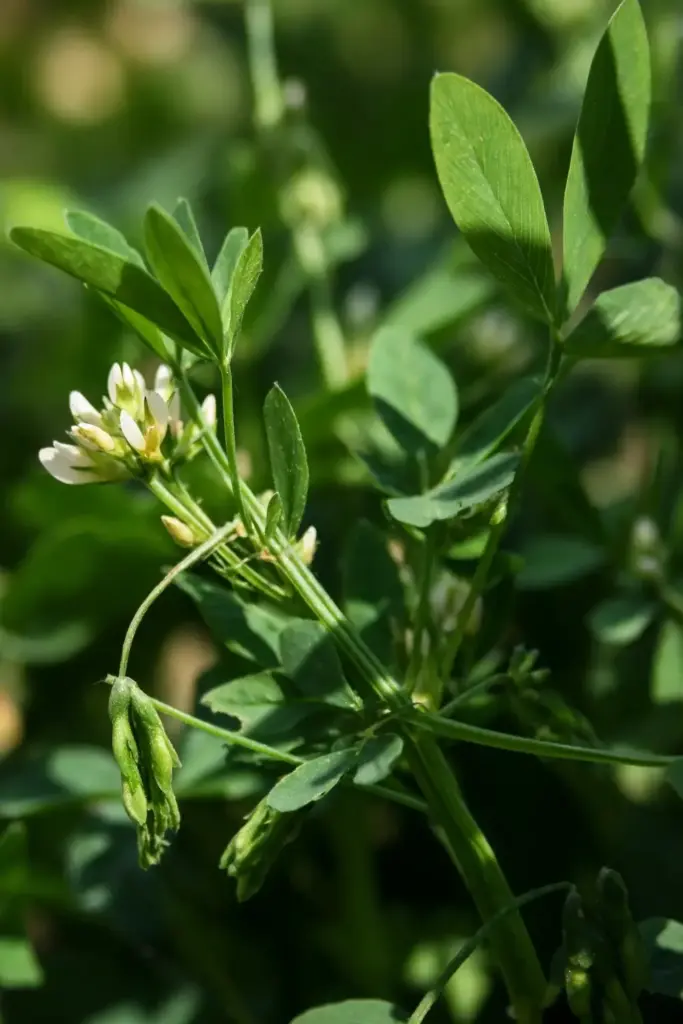
For the leaf batch, flowering is the end of the line. Once stems elongate and buds appear, leaf quality drops fast: the leaves turn bitter and tough. Pull the batch and compost it, or let a corner of it run to seed for next year. For the seed batch, flowering is the halfway mark. Protect the plants from stress now: steady water, no feeding changes, and stakes or string for tall varieties that flop in wind.
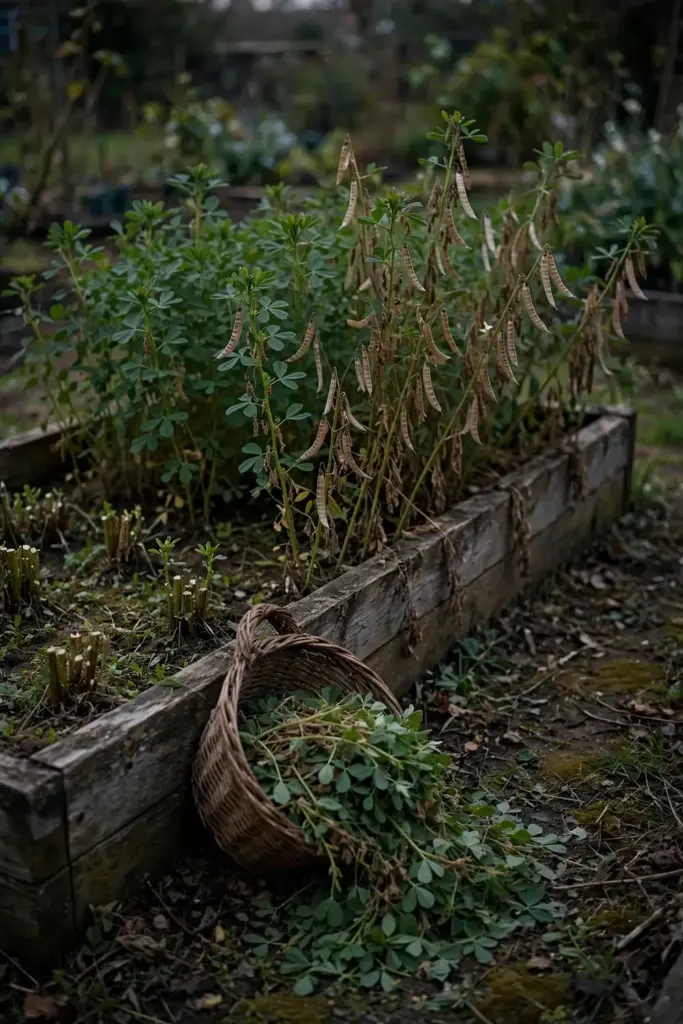
Count on 90 to 150 days from sowing to dry pods, depending on variety and weather. Seed-type varieties in warm, dry weather finish near 90 days; leaf-type varieties left for seed, or cool wet seasons, push toward 150. The pods tell you when they are ready: they turn straw-brown, feel papery, and rattle when shaken. Harvest before they split open and spill.
12. Harvesting Fresh Methi: Cut-and-Come-Again
Start cutting leaves when the plants reach 6 to 8 inches tall, usually 20 to 30 days after sowing. Cut the stems 3 to 4 inches above the soil with scissors or a sharp knife, taking the top two-thirds and leaving the crown. The plant regrows from the base, and you get 2 to 3 cuts from one sowing before quality drops.
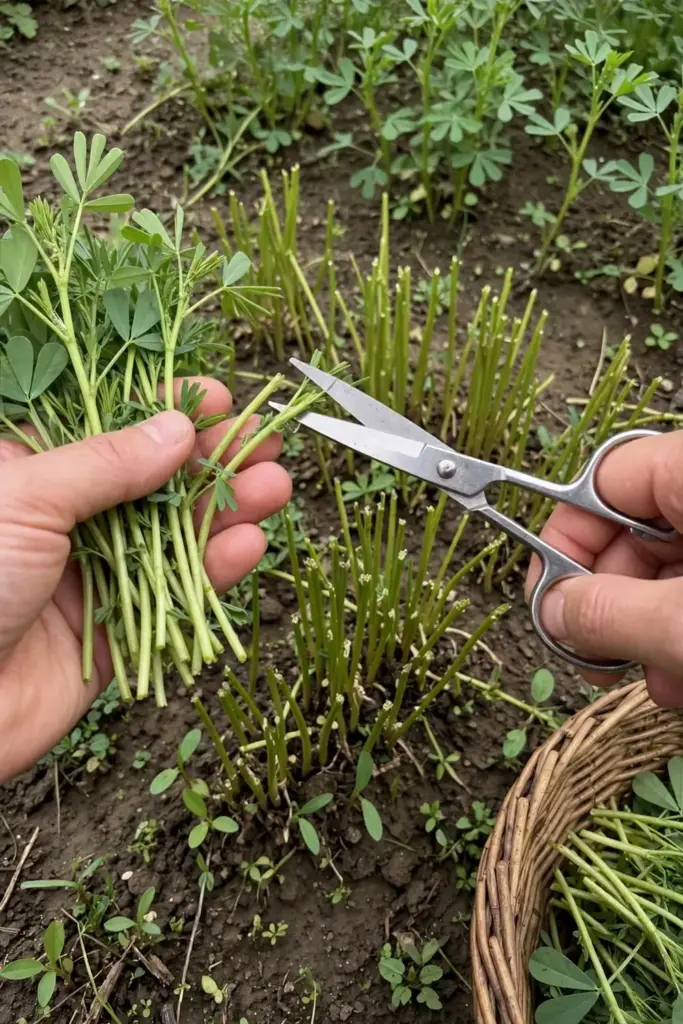
Harvest in the morning after the dew dries. Leaves cut in the heat of the afternoon wilt faster and lose aroma. Use the leaves the same day for the best flavor; they keep 2 to 3 days in a damp towel in the refrigerator, no longer. Methi is not a storing green. That short window is exactly why home growing beats buying: no store leaf is 20 minutes old.
Cut every 7 to 10 days to keep the plants vegetative. Neglected plants flower, and flowering ends the leaf harvest. If a batch bolts early in a heat wave, do not mourn it. Pull it, sow the next succession, and note the date so next year you sow that batch two weeks earlier. Coriander follows the same cool-season, cut-and-come-again logic, and the two crops share sowing windows and bed space well.
13. Drying Kasoori Methi: Crumbly, Never Chewy
Kasoori methi is dried fenugreek leaf, and the drying makes or breaks it. Harvest mature leaves on a dry morning, wash them gently, and shake off every drop of water you can. Spread the leaves in a thin single layer on a clean cloth or mesh tray in shade with good airflow. Direct sun bleaches the color and flattens the aroma; shade drying keeps the green and the scent.
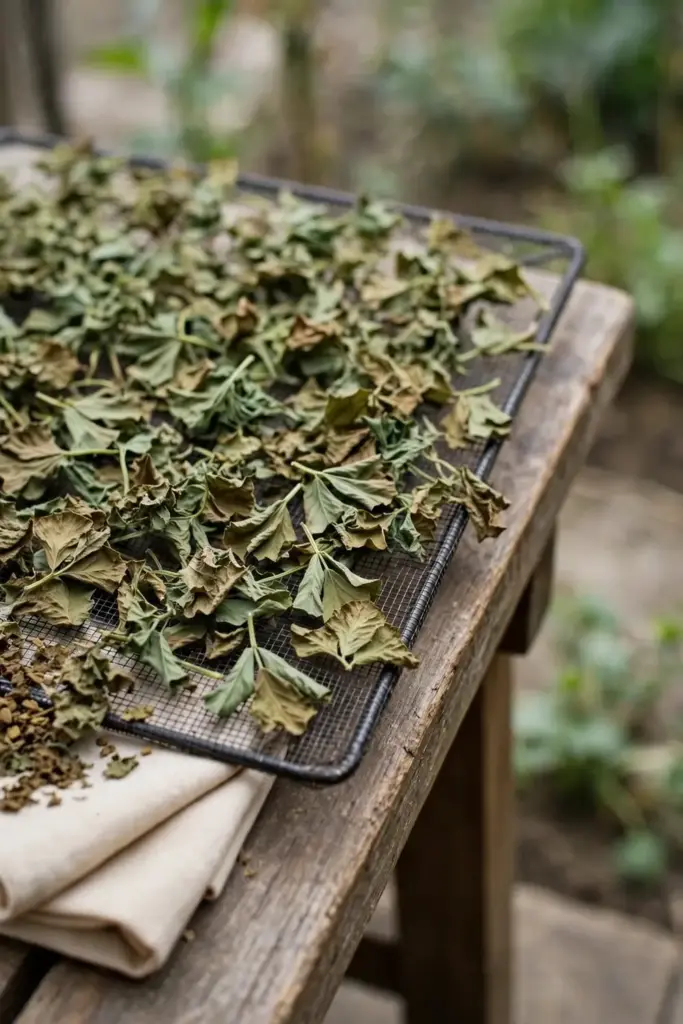
Turn the leaves once a day. In dry weather they crisp in 3 to 5 days. The test is the snap: a properly dried leaf crumbles to powder between your fingers. If it bends or feels leathery, it needs more time. Chewy dried methi is under-dried methi, and under-dried methi molds in the jar within weeks.
Do not oven-dry above 95 degrees Fahrenheit; heat drives off the volatile aroma that makes kasoori methi worth making. A food dehydrator on its lowest setting works if your climate is humid, but shade air-drying in dry weather gives the best result. Once brittle, crumble the leaves lightly, pack them in an airtight glass jar, and store in the dark. Home-dried kasoori methi keeps its aroma for 6 to 9 months; after a year it is still usable but noticeably flatter.
14. Harvesting Methidana: Pods, Threshing, and Winnowing
When the pods are brown and rattling, cut the whole plants at the base on a dry morning. Bundle 6 to 8 plants, tie with string, and hang them upside down in a dry, airy shed or garage for 1 to 2 weeks. The pods finish drying and the seeds loosen inside.
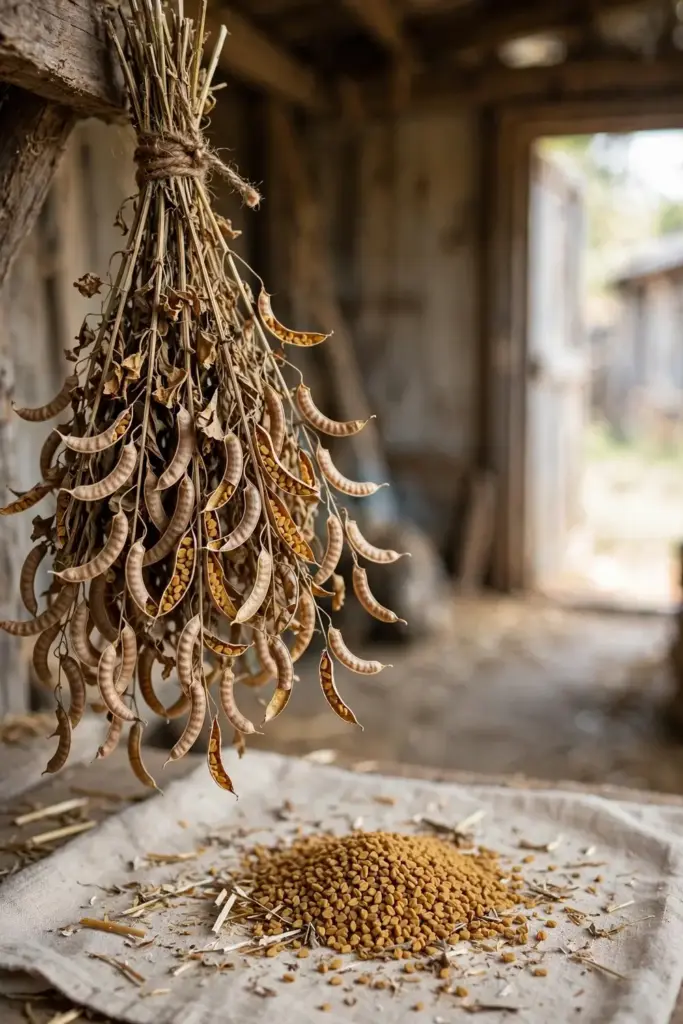
Thresh by spreading a clean sheet, laying the bundles on it, and beating gently with a stick or rubbing the pods between your hands. The pods split and the hard amber seeds fall out. Winnow by pouring the seed from one bucket to another in a light breeze; the chaff blows away and the heavy seed drops straight. A kitchen fan on low works indoors.
Expect roughly 1 to 2 ounces of clean seed per 2-foot row of seed-type plants in a home garden. It sounds small until you cook with it: a teaspoon of methidana flavors a whole pot of dal. Dry the seed one more day in the sun on a tray before jarring, then store in an airtight container in a cool, dark place. Properly dried methidana keeps for 2 to 3 years and doubles as next year’s sowing seed.
15. Containers and Indoor Methi: The Wide, Shallow Pot
Fenugreek is one of the easiest herbs to grow indoors because its roots are shallow and its life is short. Use a wide, shallow container 6 to 8 inches deep with drainage holes; a 12-inch window box sows a full batch. Fill with a loose potting mix, not garden soil, and sow thick for leaves exactly as outdoors.
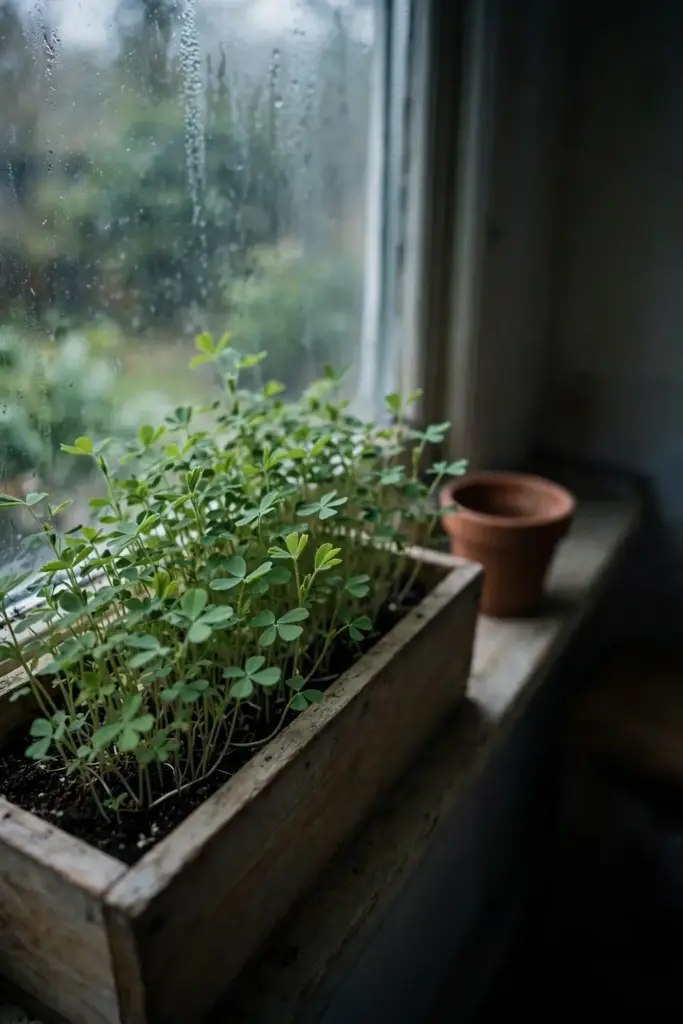
Give indoor methi 4 to 6 hours of direct sun on a bright windowsill, or 12 to 14 hours under a grow light 6 inches above the leaves. Keep the mix evenly moist but never soggy; indoor overwatering kills more methi than low light does. Expect leaves in 25 to 35 days indoors, a few days slower than outdoors in good weather.
Skip the seed batch indoors. Pods need months of strong light that a windowsill cannot provide, and the yield is not worth the space. Grow leaves indoors through winter and seed outdoors in summer. The indoor-herb principles for light, airflow, and watering discipline transfer directly; fenugreek just asks less of you than most herbs because it finishes so fast.
16. Pests and Diseases: Aphids, Mildew, and Rot
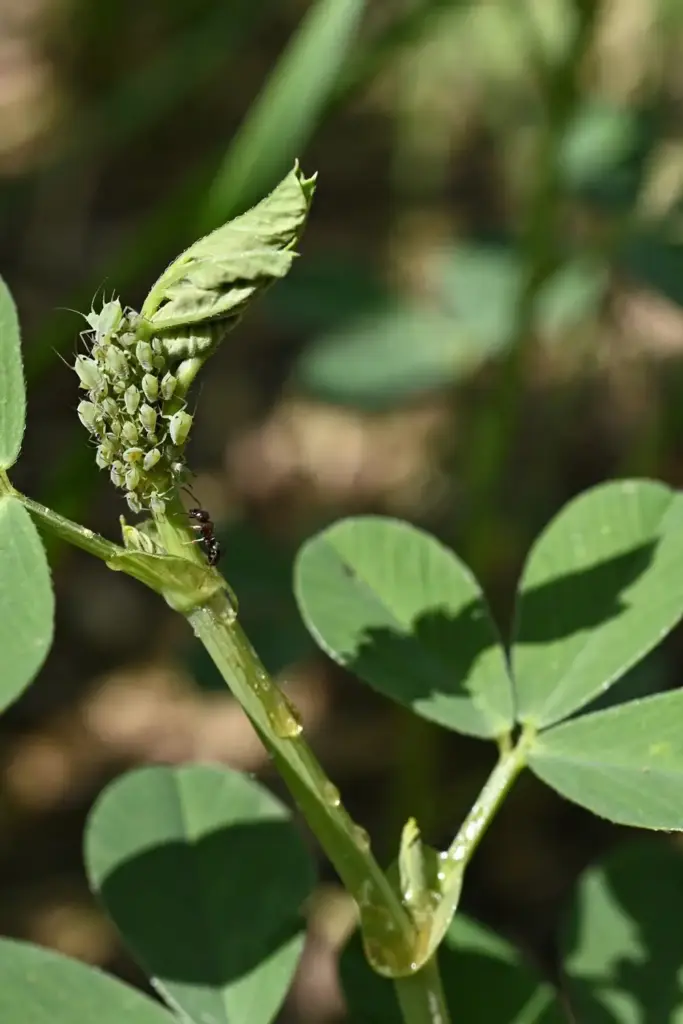
Fenugreek has few serious enemies, which is part of its charm. Aphids are the main pest, clustering on tender shoot tips in spring. Blast them off with a strong jet of water, repeat for 3 days, and the problem usually ends. Heavy, repeated infestations mean the plants are overfed or overcrowded; fix the cause, not just the aphids.
Powdery mildew appears as a white dusting on leaves in humid, still air. Improve airflow by thinning, water at the base instead of overhead, and remove the worst leaves. It rarely kills the plant, but mildewed leaves are not worth eating, so harvest around it and pull badly affected batches.
Damping-off kills seedlings at the soil line in cold, wet soil; the fix is prevention through warm soil and careful watering. Root rot from waterlogging is fatal and unfixable; the plant wilts, the base browns, and it is over. Pull and discard rot victims, do not compost them, and fix the drainage before replanting. Good airflow and dry-even watering prevent nearly everything on this list.
17. Common Mistakes and the Fix for Each
Sowing too deep. Seed buried an inch down in cool soil rots before it sprouts. Fix: 1/4 to 1/2 inch, pressed into moist soil, never deeper.
Transplanting seedlings. The taproot sulks for a week and the stand never catches up. Fix: direct-sow everything, every time.
Watering like lettuce. Daily soaking drowns the roots. Fix: let the top inch dry, then water deeply, 2 to 3 times a week in cool weather.
Feeding like a hungry green. Nitrogen pushes floppy, aphid-prone growth. Fix: compost at planting, then leave it alone.
Letting the leaf batch flower. Bolted leaves turn bitter and the cutting season ends. Fix: cut every 7 to 10 days and pull the batch at first buds.
Drying kasoori methi in sun or in a pile. Sun bleaches it, piles mold it. Fix: thin single layer, shade, airflow, snap test.
Saving wet seed. Methidana jarred before it is fully dry molds from the inside. Fix: sun-dry on a tray one extra day, then jar.
18. Troubleshooting: What the Plant Is Telling You
Seedlings emerge patchy. The usual causes are seed sown too deep, soil crusted over, or old seed. Scratch the surface gently, resow the gaps at the right depth, and run the paper-towel germination test on your seed lot before the next sowing.
Plants are tall and floppy with pale leaves. Too much nitrogen, too little light, or both. Stop feeding, thin for airflow, and move containers to full sun. Floppy plants rarely recover their shape; note the cause and sow the next batch leaner.
Leaves yellow from the bottom up. Overwatering is the first suspect, nitrogen deficiency the second. Check the soil: if it is soggy, back off water and improve drainage. If it is merely moist and the plants are pale all over, one light balanced feeding helps.
Flowers appear at 4 inches tall. Heat stress or drought triggered early bolting. The batch is finished for leaves; pull it and sow again when temperatures drop. Note the date and shift next year’s sowing two weeks earlier.
Pods mold on the plant. Wet weather during ripening. Harvest what is dry, hang the rest under cover immediately, and next year time the seed batch so pods ripen in your driest month.
White powder on leaves. Powdery mildew from humid, still air. Thin for airflow, water at the base, harvest the clean leaves, and pull the worst plants.
19. Frequently Asked Questions
Leaves are ready in 20 to 30 days from sowing in warm soil, with regrowth cuts every 7 to 10 days after that. Seed takes 90 to 150 days, depending on variety and weather, with pods harvested when brown and rattling. Soaked seed sprouts in 3 to 5 days; dry seed takes 7 to 10. The plant is an annual, so the whole cycle from sowing to seed harvest fits in one season.
Yes, usually. Spice-aisle methidana is the same species and often germinates well, especially from high-turnover Indian groceries. Test 20 seeds in a damp paper towel for 7 days first; 15 or more sprouts means the lot is worth sowing. Named seed varieties bred for leaves or seed give better results, but spice seed is a fine start for a first leaf batch.
No. Fenugreek is a true annual that dies after setting seed, and it does not reliably self-sow in cold climates. Save dry pods from your seed batch each year and resow in spring. In mild climates a few volunteers may appear, but treat them as a bonus, not a plan. Succession sowing every 2 to 3 weeks is the reliable way to keep leaves coming.
Methi is the fresh green leaf, used as a vegetable within days of cutting. Kasoori methi is the same leaf dried and crumbled, used as a finishing herb for aroma. The drying is the whole difference: shade-dried until brittle, never chewy. Under-dried leaves mold in storage. One sowing gives you both if you cut some plants young and dry leaves from the rest.
Damping-off, a fungal disease of cold wet soil, is the usual cause when seedlings collapse at the soil line. Sow in soil above 55 degrees, water gently, and give the surface airflow. Leggy seedlings that flop without browning at the base usually need more light. Thin crowded seedlings so air moves between them, and never let the bed stay soggy.
Fenugreek is a common food in Indian cooking, eaten as leaves and as seed spice in normal culinary amounts. Traditional use is long and broad, but concentrated forms like extracts and large medicinal doses are a different matter. Anyone pregnant, nursing, taking blood thinners or diabetes medication should talk to a clinician before using fenugreek beyond normal food amounts.
20. Where to Go From Here
You now own the Indian methi lane: the dual harvest, the rabi timing, the varieties, and the drying that turns leaves into kasoori methi. Sow the leaf batch thick and cut it hard. Let the seed batch stand through dry weather and thresh it on a sheet. Save a jar of methidana for next spring and a jar of crumbled kasoori methi for the winter curries.
For the general fenugreek basics beyond the Indian method, the companion growing guide covers fenugreek from a beginner’s angle, while this article is the Indian methi dual-harvest method. That is how to grow fenugreek from India at home without duplicating the basics: one guide for the plant, this one for the methi. Between the two, every fenugreek question a home gardener asks has an answer.