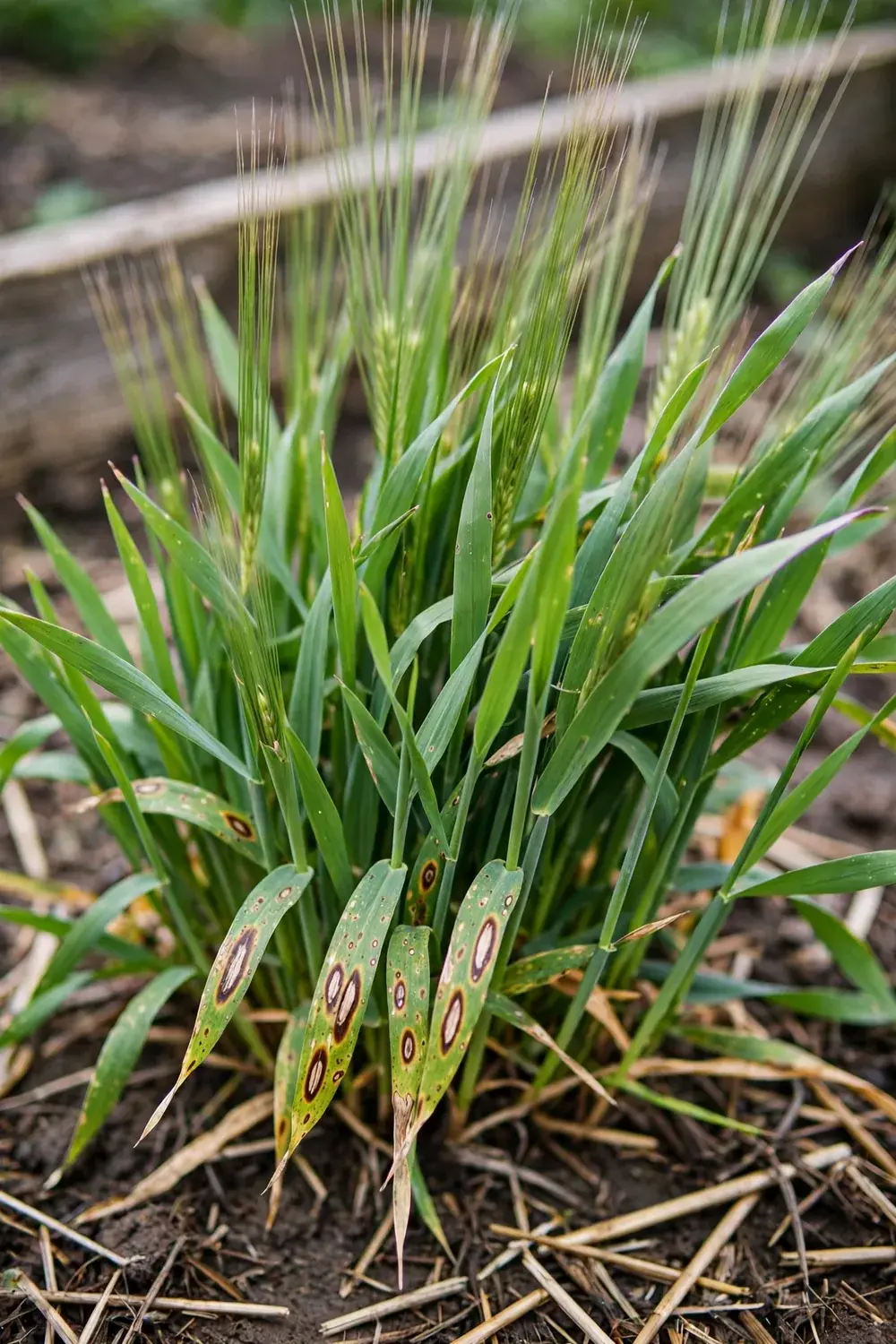

Spot blotch is a fungal disease of barley and ryegrass that starts on the lower leaves and moves upward after warm, moist weather. Lesions start as dark brown spots of 2 to 4 mm. The fungus is Bipolaris sorokiniana. Its sexual stage carries the name Cochliobolus sativus.
I have learned to check the lower leaves first when a grain patch looks blotchy. This page covers what spot blotch does to barley and ryegrass, how to recognize it, and 6 moves that fit a small home plot.
Spot blotch is a field-crop disease. It shows up in grain fields, not in most home gardens. The moves below are cultural. They suit a small patch, and they stop short of commercial spray programs.
What Spot Blotch Actually Is
Spot blotch is caused by Bipolaris sorokiniana. Cochliobolus sativus is the sexual stage of the same fungus. Older literature calls it Helminthosporium sativum. The sexual stage is rarely seen in nature. The asexual stage causes the infections.
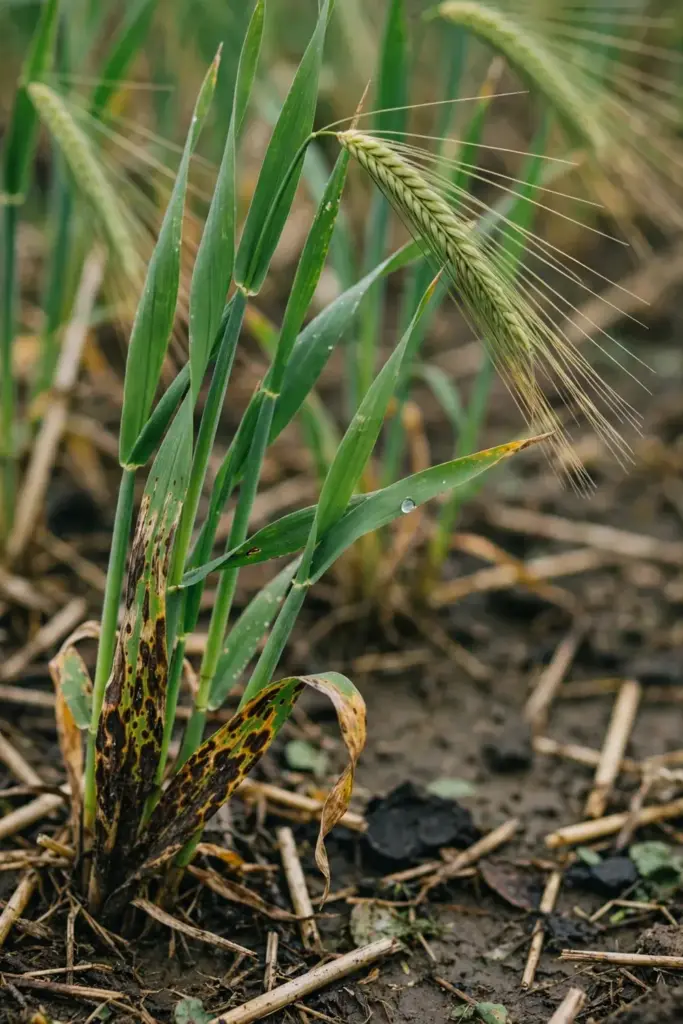
The Clemson index lists spot blotch on barley and ryegrass. The wider literature treats wheat and barley as the flagship hosts. One fungus drives four phases of damage, and the leaf blotches are only the most visible phase.
| Phase | Plant Part | What You See |
|---|---|---|
| Seedling blight | Seedling | Chocolate-brown spots near the soil line, yellowing, seedlings that die before or after emergence |
| Common root rot | Crown and roots | Dark brown, rotted crowns and roots, weak tillers, plants that ripen early |
| Spot blotch leaf phase | Leaves | Oblong dark brown lesions that merge into large blotches, leaves that dry out and die early |
| Black point | Kernels | Dark discoloration at the germ end of the kernel, grain that stays shriveled and light |
The same fungus attacks at least 28 species of cultivated and wild grasses, according to the Illinois bulletin on barley leaf diseases. Barley and ryegrass are the hosts this page follows. Wheat appears in the wider literature, and the same phases apply there.
What Spot Blotch Looks Like on Leaves
Spot blotch starts on the older, lower leaves. Lesions begin as small dark brown spots of 2 to 4 mm, according to the Saskatchewan guide to black point and leaf spotting of wheat. Warm, moist weather brings them out after heading time.
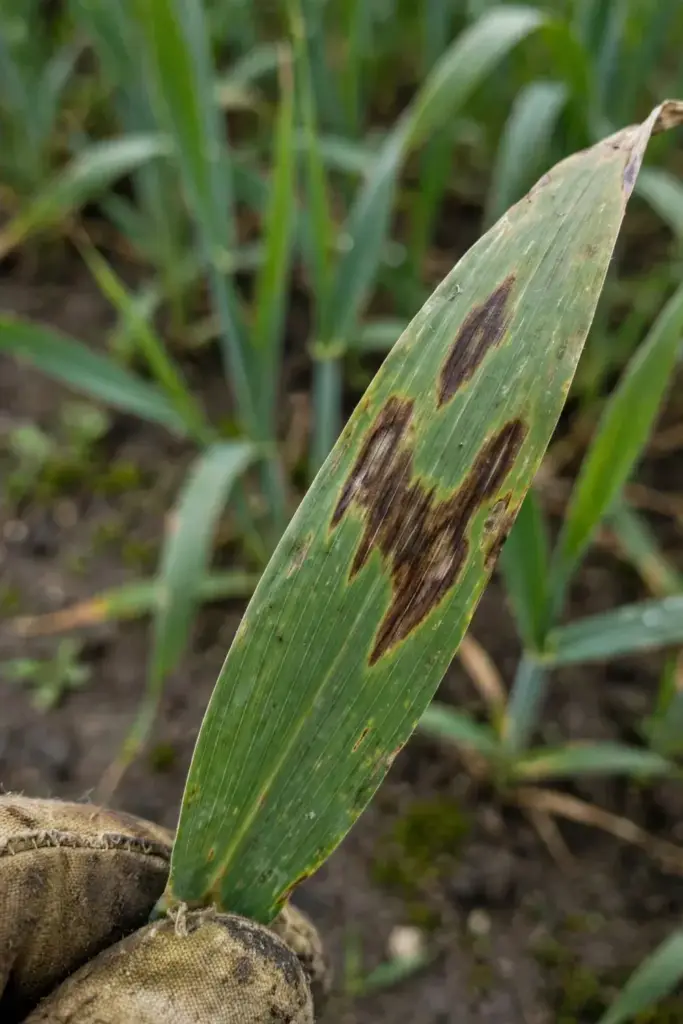
Each lesion grows oblong or lens-shaped. The center stays dark brown, and the color fades at the edge into the normal green of the leaf. The lesions never show the netted pattern of net blotch. Where lesions crowd together, they merge into large irregular blotches, and heavily infected leaves dry out and die early.
Seedlings show a different face of the same fungus. Chocolate-brown spots appear near the soil line or at the base of the sheaths. Infected seedlings turn yellow and die, or survive as dwarfed plants with dark brown, rotted crowns and roots. Heads may never emerge fully, and kernels stay poorly filled.
1. Start With Certified Clean Seed
Buy certified disease-free seed. The fungus travels on and inside seed, and seedborne infection causes seedling blight, crown rot, and root rot directly. Clean seed keeps the fungus out of a fresh bed, and a fresh bed is worth more than any rescue later.
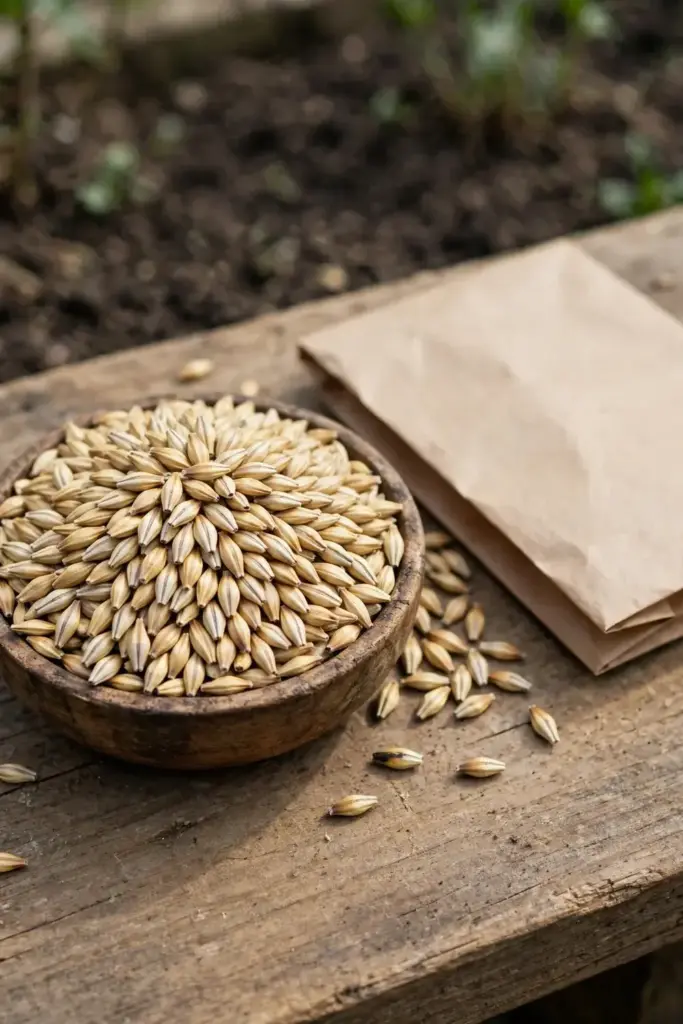
Inspect seed before sowing. Discard seed lots that look discolored or shriveled. The seed starting guide covers clean seed starting step by step.
Failure looks quiet. One infected lot carries the fungus into clean soil, and the first spots show weeks later on the lower leaves.
2. Rotate Grain Out of the Bed for 2 or More Years
Keep wheat, barley, and ryegrass out of a bed that showed spot blotch. The Pacific Northwest handbook on common root rot recommends rotating to crops other than wheat or barley for 2 or more years. The fungus overwinters in diseased crop refuse, so rotation starves it between grain crops.
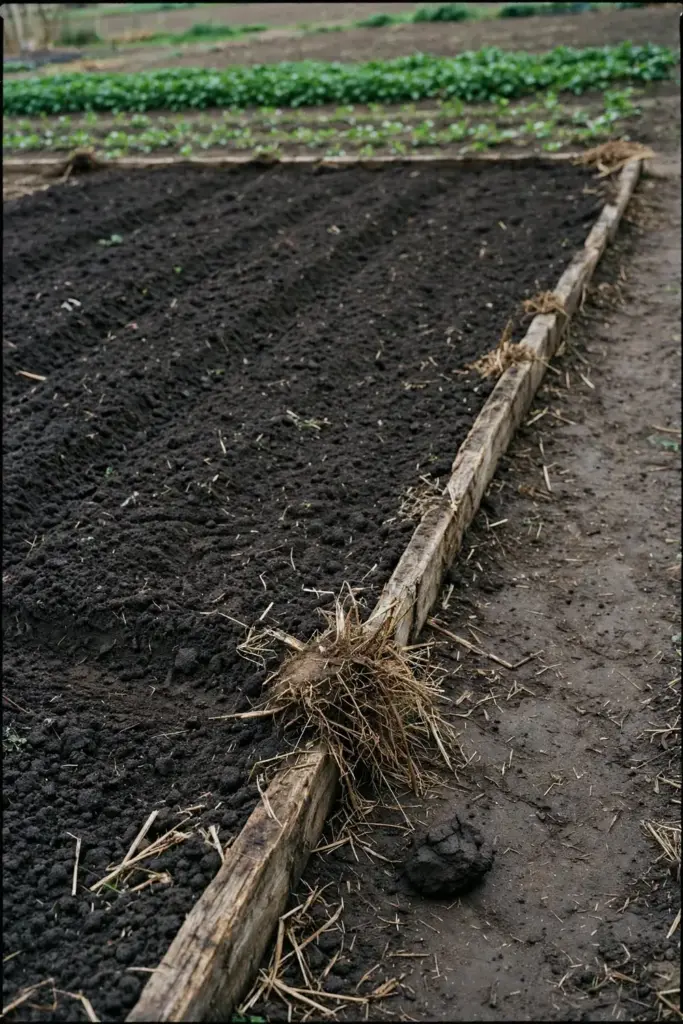
Clear all stubble and straw at season end. Bury residue deeply or bag it for the trash. Do not leave infected straw on the bed through winter.
Fold this cleanup into fall garden bed prep. A clean bed plus a real rotation breaks the cycle between seasons.
3. Space Plants and Water at the Soil Line
Give each plant room to dry. Airflow moves dew off the leaves. Water at the soil line with drip tubing or a soaker hose. Dry leaves starve the fungus of the wet surface it needs.
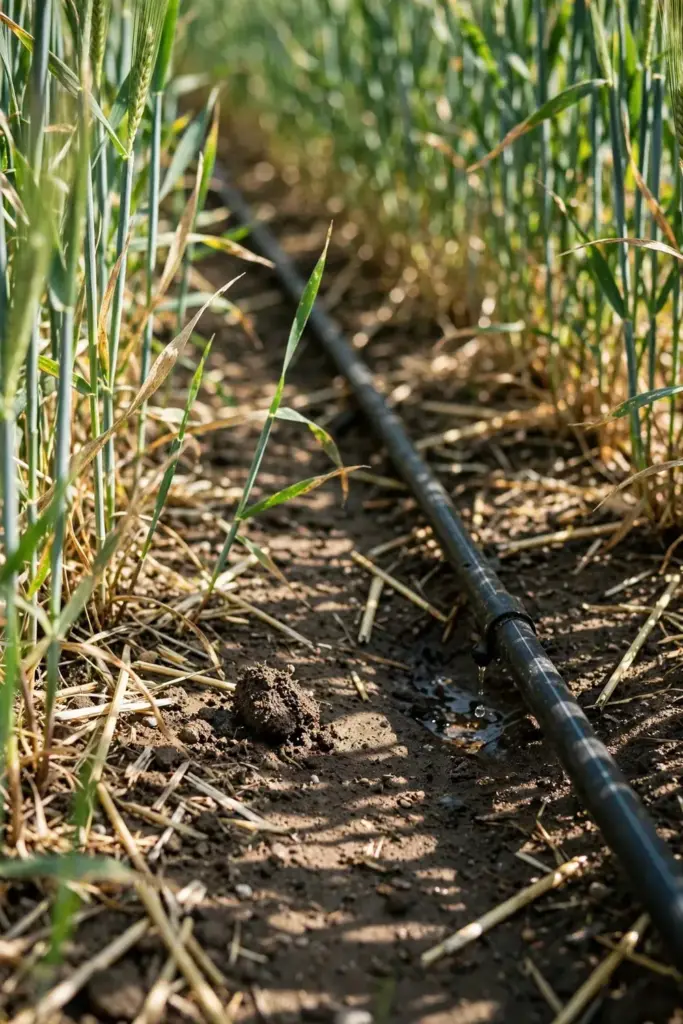
Overhead watering soaks the canopy and holds it wet for hours. A morning watering dries faster than an evening watering, because the sun has the whole day to dry the leaves. Water early.
Warm, moist weather favors the leaf phase. Spacing and soil-line watering do not cure spots that already show, and they do slow the next round of infection.
4. Scout Lower Leaves and Pull the Worst Ones
Check the lower leaves every week once heads start to form. Spot blotch starts on older leaves and sheaths, then spreads upward to younger leaves. A weekly look catches the first spots while they are still small.
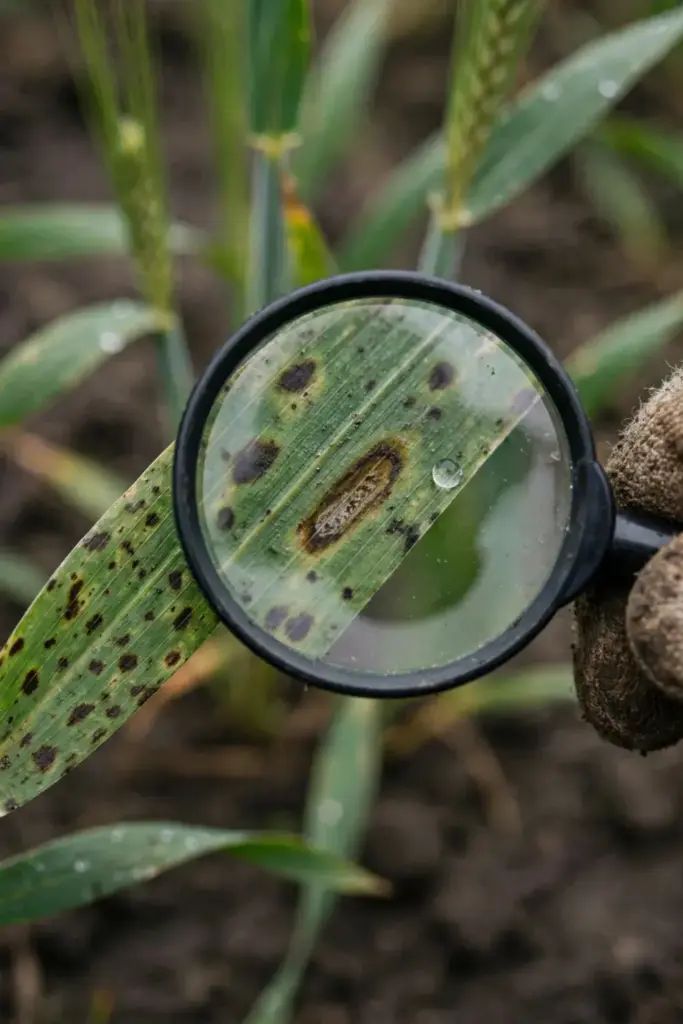
Pull the worst infected leaves and bag them for the trash. Do not compost infected leaves. Wash your hands and tools after handling infected plants.
Scouting is triage, not a cure. Pulled leaves slow the spread. They do not rescue leaves that already carry large blotches.
5. Treat Lawn Spots as a Lawn Problem
Spot blotch is the name for this disease on barley and ryegrass. Spots on lawn grass go by another name, leaf spot, and the fix is different. Do not carry grain advice onto a lawn.
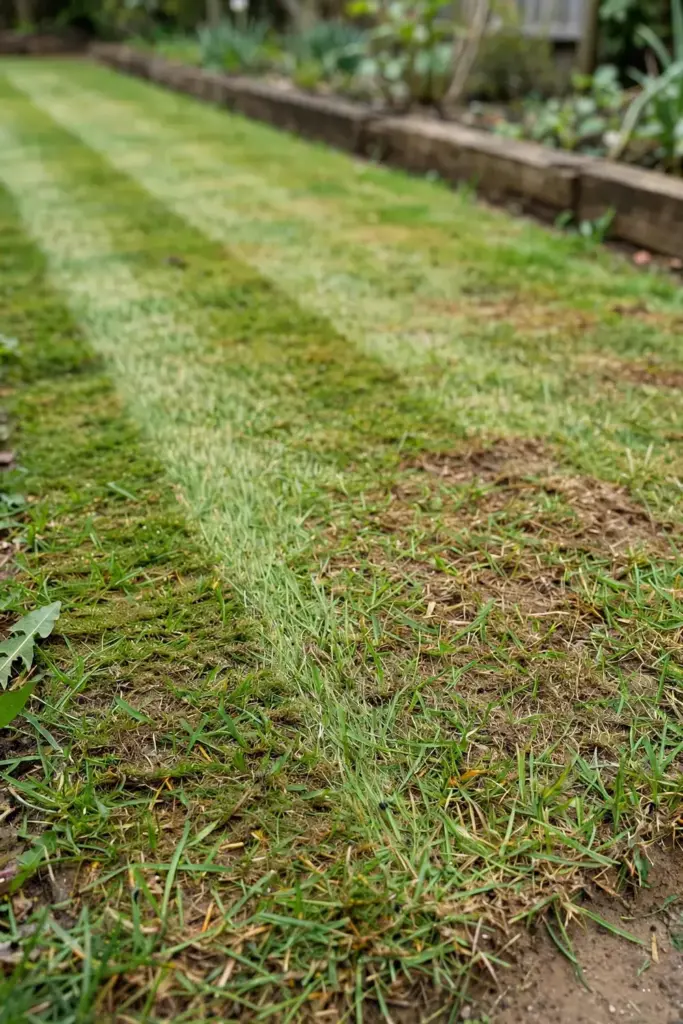
Lawn leaf spot and melting-out come from the same broad Bipolaris group, and they need their own playbook. The Helminthosporium leaf spot on lawns guide covers lawn identification and lawn treatment in full.
If the spots sit on turf, follow the lawn guide. If the spots sit on a grain patch, stay on this page.
6. Confirm With a Lab Before You Treat
Field ID sorts suspects. A lab names the agent. Spot blotch and spotted net blotch look close enough in the field that a laboratory test is typically needed to tell the two diseases apart, according to the Alberta guide to identifying cereal leaf diseases.
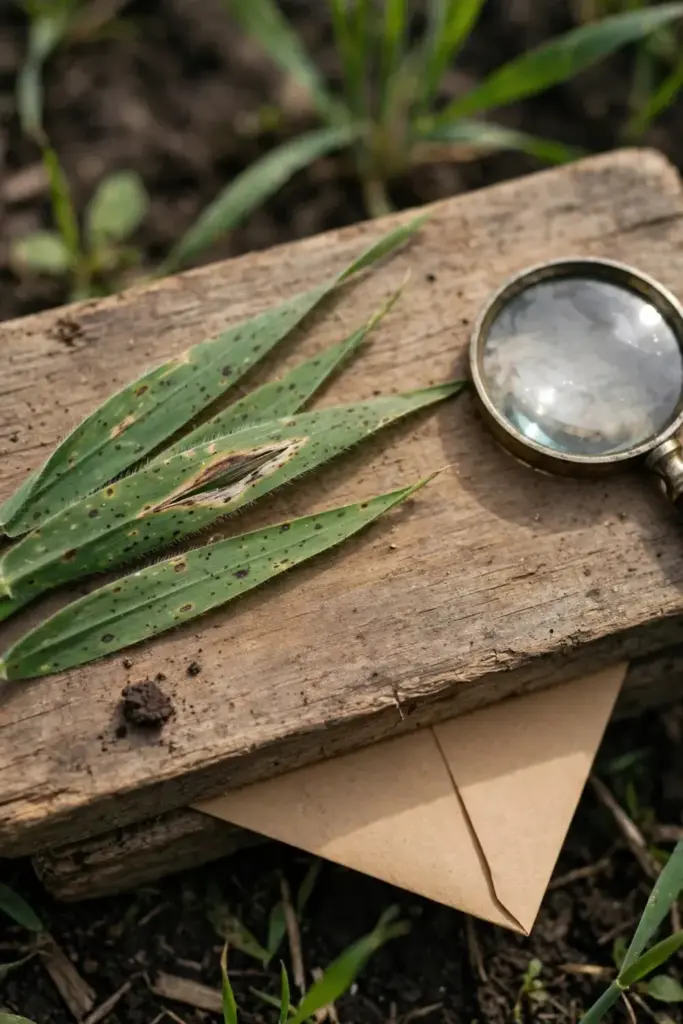
Send a sample to your local Extension office or diagnostic clinic. Include fresh leaves with early lesions, plus a note on the host and the planting date. A fresh sample beats a dried one.
A lab result changes the plan. It confirms which fungus you face, and it keeps you from treating the wrong disease all season.
Frequently Asked Questions
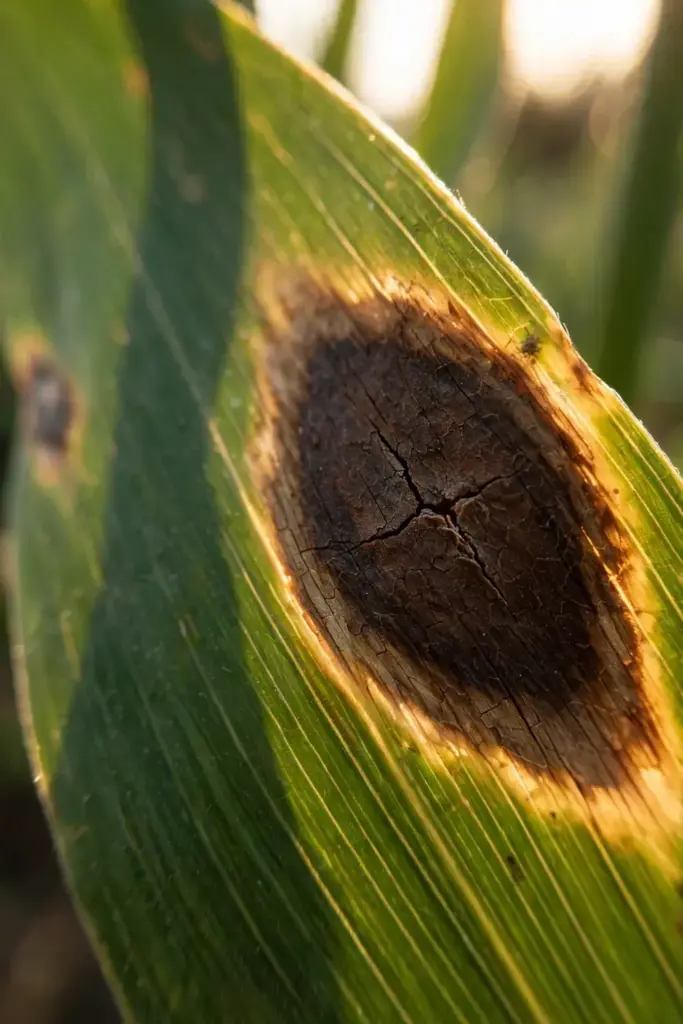
No. Spot blotch is caused by Bipolaris sorokiniana. Net blotch is caused by Pyrenophora teres. Spot blotch lesions are oblong and uniformly brown with no netted pattern. Net blotch lesions show a net-like pattern along the veins. Spotted net blotch can look close to spot blotch, so a lab test settles any case that stays unclear.
Spot blotch is a disease of barley, ryegrass, wheat, and other cereals. Lawn grasses can host leaf spot and melting-out from the same broad Bipolaris group, but turf guides call that disease leaf spot, not spot blotch. The lawn playbook differs from the grain playbook. Follow the Helminthosporium leaf spot on lawns guide for turf problems.
Severe seedling infection can kill young plants before or after emergence. Leaf-phase infection rarely kills a whole patch outright. It dries leaves early, weakens tillers, and leaves kernels shriveled and light. A small patch with clean seed, rotation, and dry leaves usually outgrows a light infection. Heavy seedling losses call for a fresh bed and clean seed.
Cultural control is the playbook in a home patch. Clean seed, rotation, debris cleanup, spacing, and soil-line watering cover the disease. Home fungicides are a last resort. They do not rescue leaves that already show large lesions. Check the label for grain use before you spray anything. Skip products that lack directions for your crop.
Where to Go From Here
Walk the patch this week. Check the lower leaves for small dark brown spots.
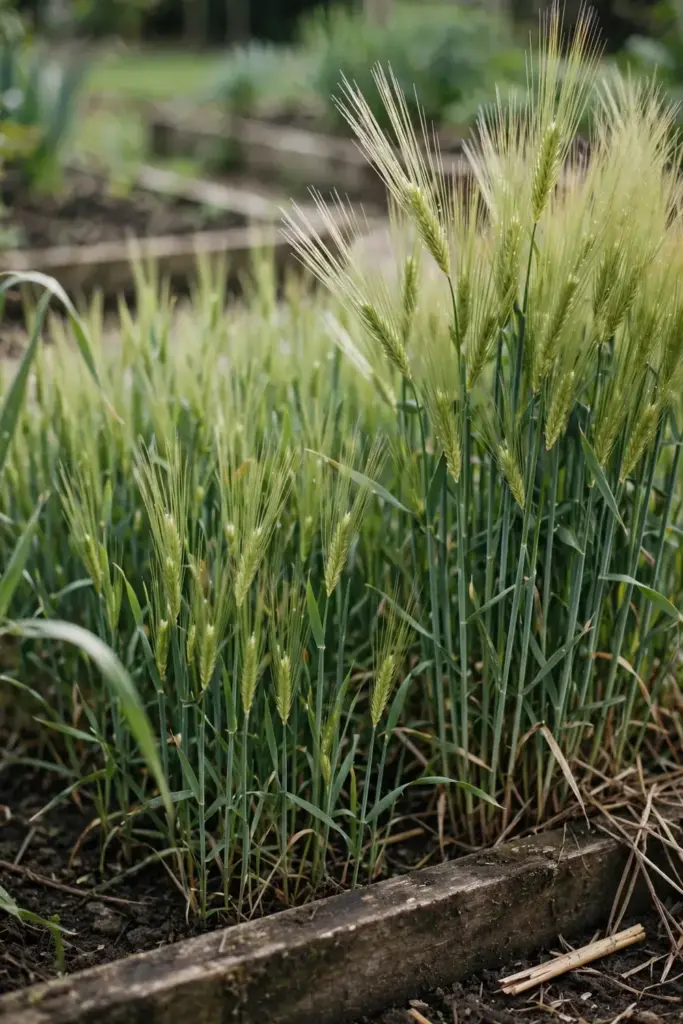
Plan next year now. A fresh bed, clean seed, and a rotation of 2 or more years beat any rescue spray. The fall garden bed prep guide helps you clear a grain bed for a clean start.
Spot blotch on barley and ryegrass is manageable with clean seed and dry leaves. Start with the lower leaves. End with a rotation plan.