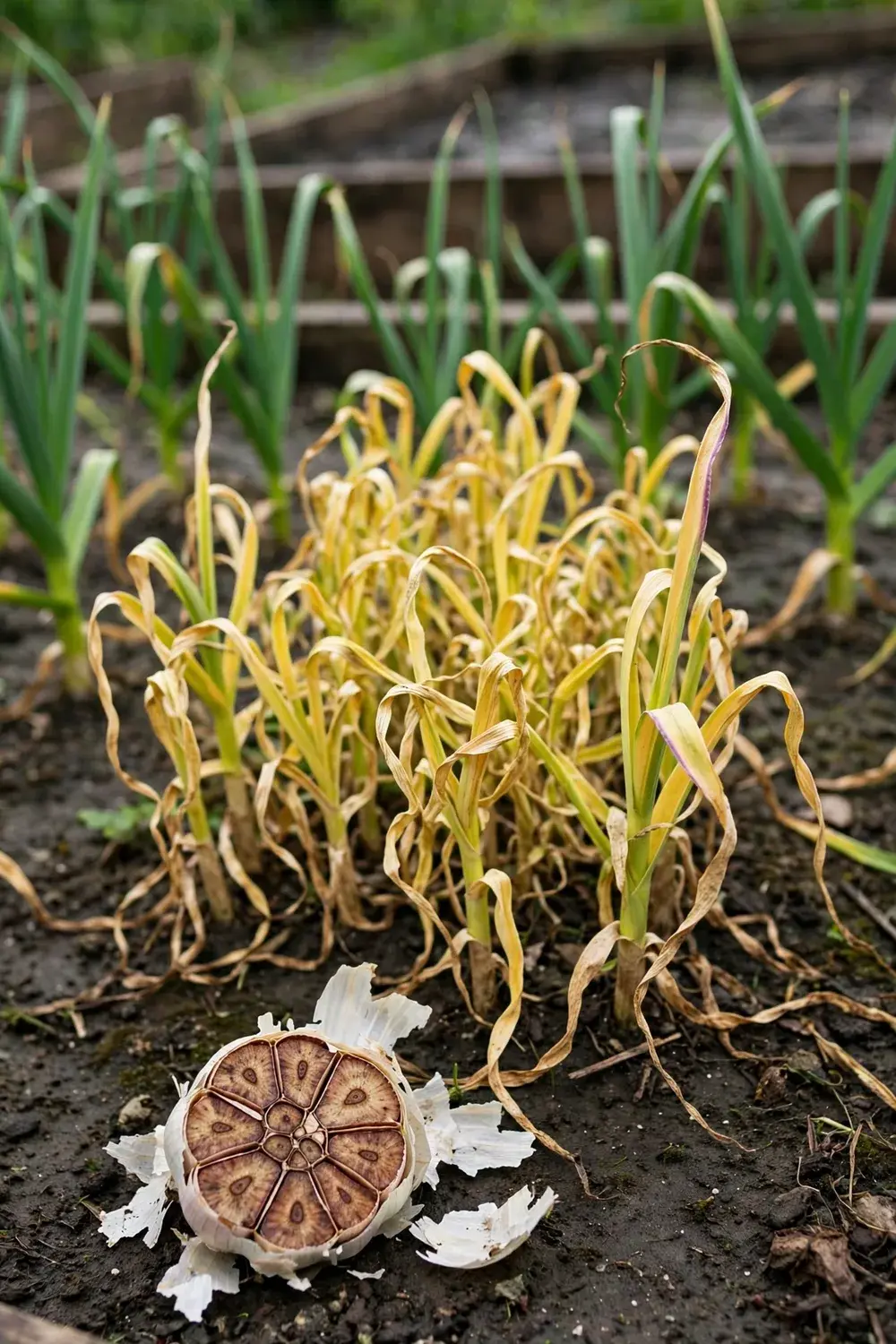

Dig up one suspect garlic bulb and slice it across the middle. Brown rings in the flesh and a soft neck point to stem and bulb nematode, a worm that feeds inside stems, leaves, and bulbs. That slice separates it from 1 lookalike, root-knot nematode, which galls the roots instead.
I have learned to slice the bulb first, because the bulb tells the story here. Stem and bulb nematode is Ditylenchus dipsaci, a migratory endoparasite that moves through plant tissue and feeds on cell contents. It attacks garlic, onions, and ornamental bulbs, and it hides inside the planting stock itself.
Root-knot nematode is the lookalike this page separates from this pest throughout, since the two pests demand different responses. Dagger nematode is a third soil nematode, and it spreads viruses rather than swelling bulbs. The rest of this page is 10 strategies, from the first slice to the lab test that settles the case.
What Stem and Bulb Nematode Actually Is
Stem and bulb nematode is Ditylenchus dipsaci, a microscopic worm that lives and feeds inside stems, leaves, and bulbs. Gardeners also call it the garlic bloat nematode, onion bloat, or stem and bulb eelworm.
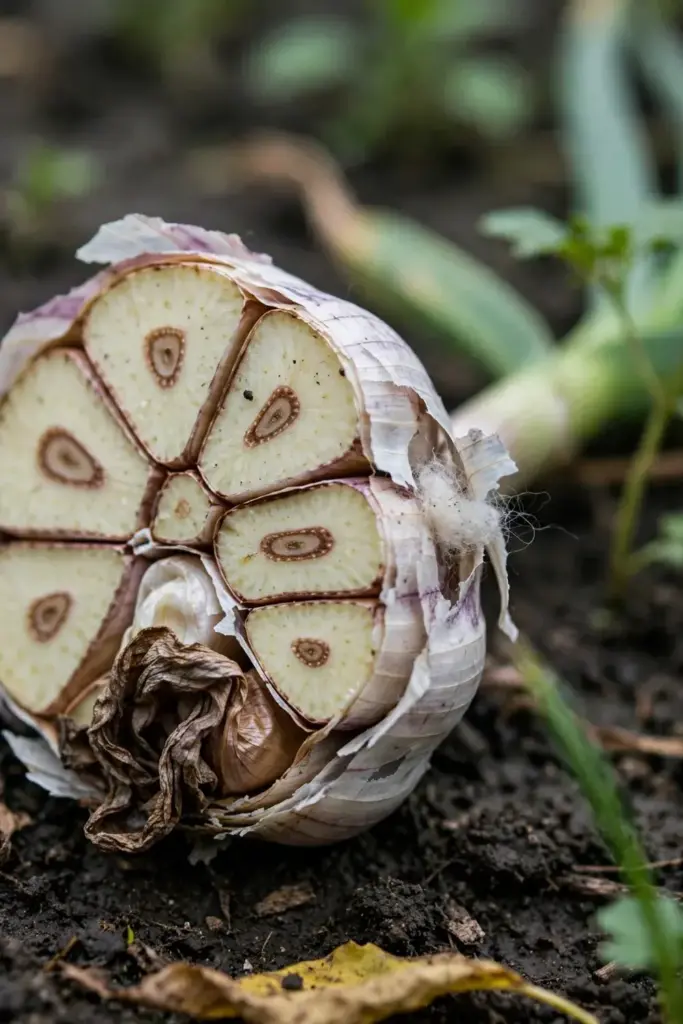
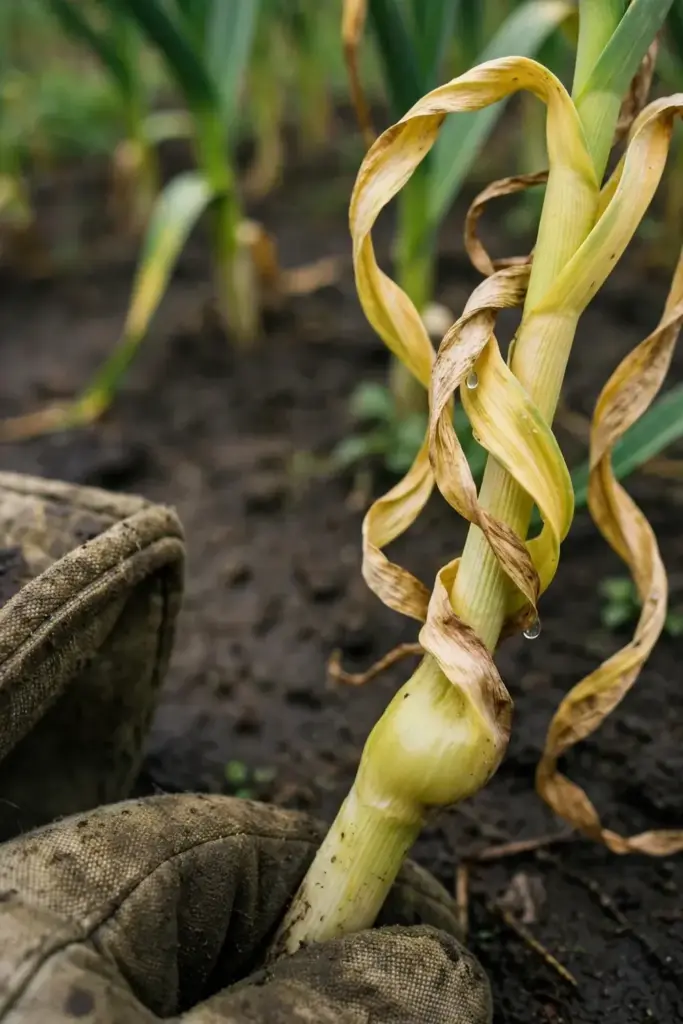
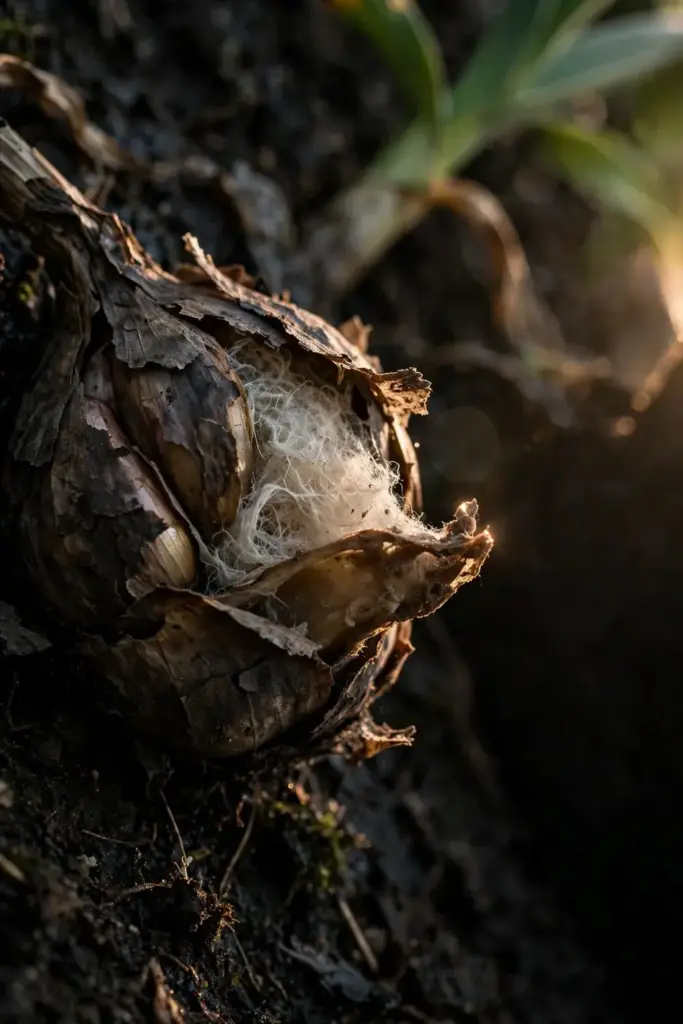
Infected plants stunt and twist. Leaves yellow, wilt, and die back early. Bulbs swell and distort, then turn light, shrunken, dark brown, and soft. Rot often advances fastest near the basal plate. Dead tissue opens the door to soft rot bacteria and saprophytic fungi, and roots may sit partly or fully missing from part of the basal plate. Massed nematodes can gather into visible wool between the scales of an infected bulb.
Ditylenchus dipsaci is not one uniform pest. It holds races that differ in host range, and the garlic and onion race, the narcissus race, the tulip race, and the alfalfa race each favor their own hosts. The races look alike under the microscope, so host behavior and lab tests separate them. Rotation advice must stay race-aware, since a rotation that starves one race can feed another.
The pest arrives in planting stock first. Infected seed garlic is the most common route in, and contaminated soil, water, and tools carry it next. The nematodes live and feed within plant leaves, stems, and bulbs, and they migrate to soil only when the plant degrades past feeding. That habit is why clean stock matters more than clean soil, and why a bed can test clean while the bulbs in the shed carry the pest.
The numbers explain why a slow response fails. The Massachusetts Extension fact sheet on garlic bloat nematode records a life cycle that can complete in as little as 3 weeks when conditions favor it, and a female that can produce 500 eggs. The same source sets the rotation at 4 years out of alliums and other known host crops, and puts the common garlic dip at 120°F for 20 minutes, with tissue damage above 122°F.
How to Identify Stem and Bulb Nematode on Garlic and Onions
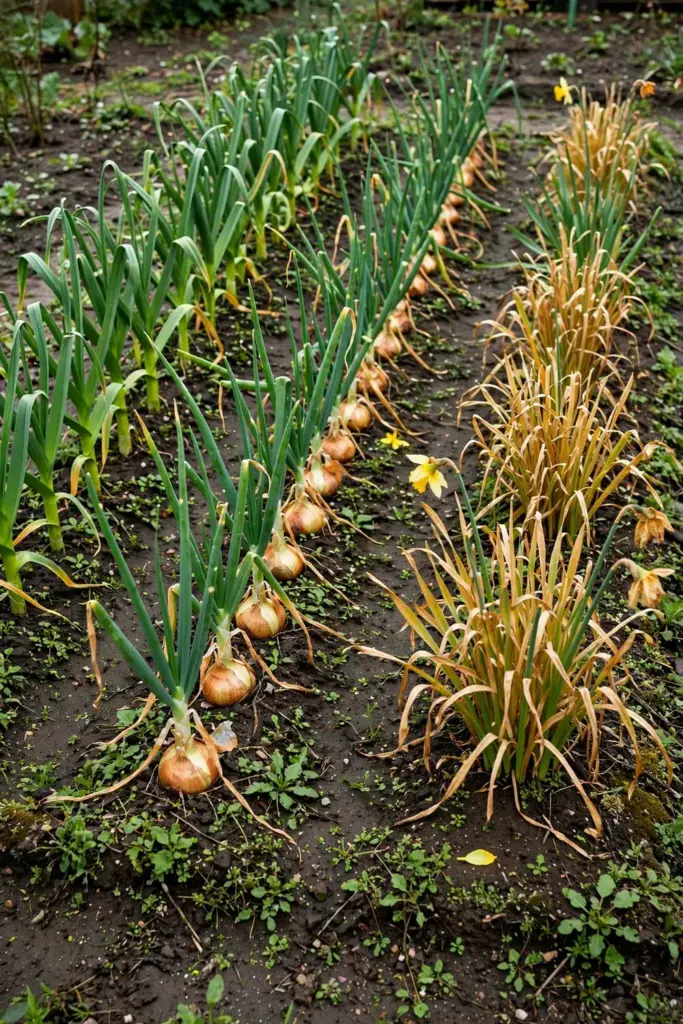
On garlic and onions, stem and bulb nematode shows first in the leaves, then in the bulb. Leaves stunt, twist, and yellow, and the bulb swells, softens, and separates at the basal plate.
Garlic bulbs turn brown, shrivel, and feel light in the hand. Wrapper layers crack and detach from the basal plate. Onion leaves show swollen, distorted, blister-like areas, and onion bulbs turn brown and soft on some layers when cut open.
Infected plants often cluster in patches of discolored plants, and the patches widen as the pest spreads from plant to plant. Bulb damage can progress in storage, so a bulb that looked sound at harvest can soften on the shelf. Squeeze the neck of a suspect bulb. A soft, swollen neck with a loose basal plate points to this pest. Slice the bulb across the middle and look for brown rings.
At harvest, sort bulbs before they go into storage. Keep firm bulbs with dry necks, and set aside any bulb that feels soft or shows discoloration. Check the stored lot through the season, since damage can progress in storage. Cull soft bulbs to the trash, never back into a planting hole.
White rot is a different disease of the same beds, caused by a fungus. Field ID sorts suspects. A lab test names the agent.
How to Identify Stem and Bulb Nematode on Daffodils, Tulips, and Other Bulbs
On daffodils and tulips, stem and bulb nematode distorts the foliage and hollows out the bloom. Leaves carry small, swollen, roughened patches, flowers delay or fail, and infected bulbs soften and rot in storage.
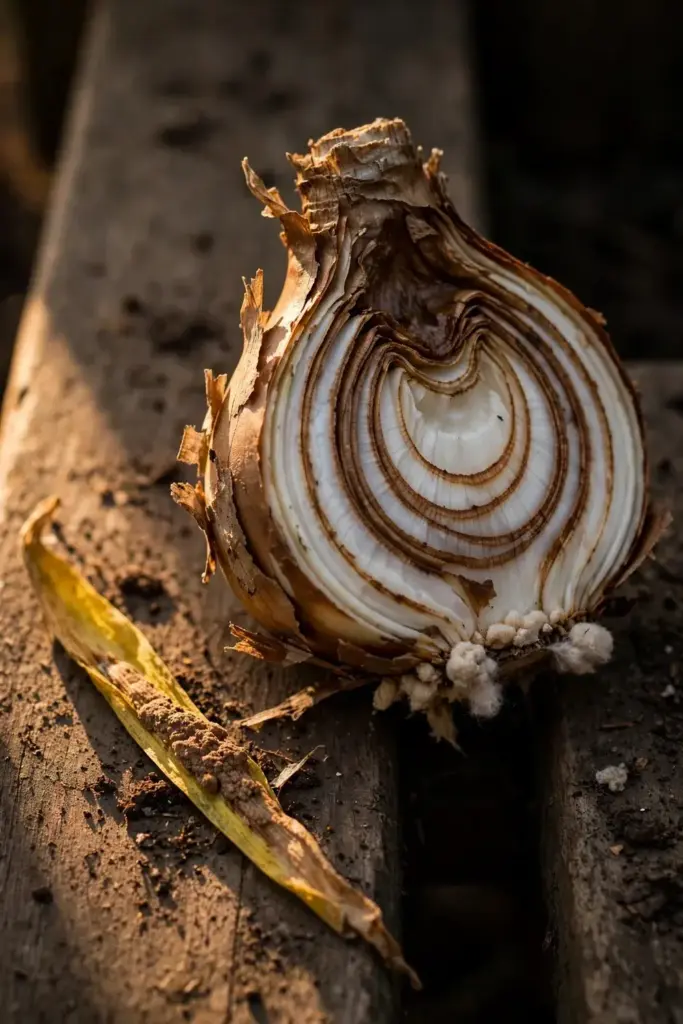
Leaves show localized thickened areas called spikels: small, broken, roughened, swollen, yellow patches along the leaf margin or the keel of the flower stalk. Foliage distorts and turns yellow to brown. Infected bulbs show poor root development, and cross-sections show brownish areas in the concentric rings of bulb tissue. Many infected bulbs soften, rot, and disintegrate in storage. Off-white wool-like blobs can exude from around the base plate, and they rehydrate with live nematodes when moisture returns.
The Pacific Northwest handbook page on daffodil stem and bulb nematode puts numbers on the bulb-side response. A bulb stock can collapse in as little as 3 years. Pull healthy-looking plants up to 3 feet around infected ones. Rotate 5 years out of bulbs. Disinfect work areas, trays, and tools with steam or hot water at 185°F. Soak lightly infected stocks 4 hours in water at 110 to 111°F, with a 2-hour presoak at 75°F for cured bulbs. The same page records 4 larval stages, with the fourth stage infective.
Stem and Bulb Nematode vs Root-Knot Nematode
Stem and bulb nematode and root-knot nematode both stunt plants and yellow leaves, and that shared look is where the confusion starts. The two pests feed in different places, leave different signatures, and answer to different first moves.
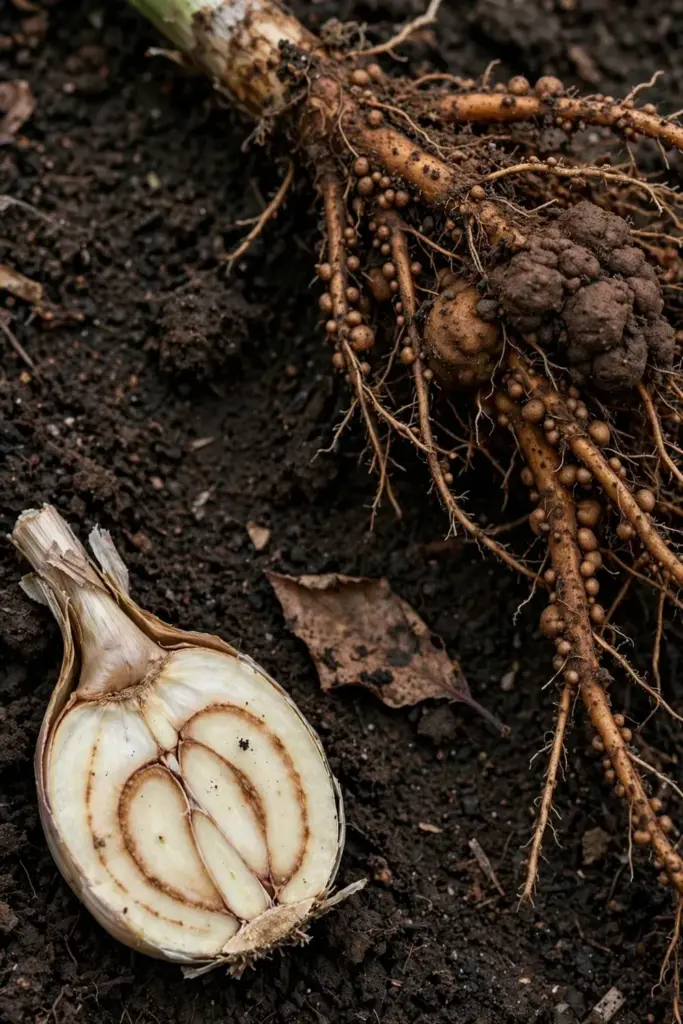
Utah State University describes root-knot nematodes as sedentary feeders: second-stage juveniles enter through root tips, settle at one feeding site, and trigger giant feeding cells that swell into galls. The female turns lemon-shaped and stays put, releasing egg masses into the soil. Fallow ground for 2 to 3 years and rototilling every 3 to 4 weeks during hot, dry months cut root-knot numbers. The stem and bulb pest keeps moving through tissue, which is why the two pests need different responses.
The table below lines up the two pests side by side. Read down the left column for the field check that fits your plant.
| Feature | Stem and Bulb Nematode | Root-Knot Nematode |
|---|---|---|
| Pathogen | Ditylenchus dipsaci | Meloidogyne species |
| Feeding style | Migratory endoparasite, moving through tissue | Sedentary endoparasite, settling at one feeding site |
| Where it feeds | Stems, leaves, bulbs | Roots |
| Signature sign | Swollen stems, twisted leaves, bloated bulbs, brown rings, nematode wool | Knots or galls on roots |
| Roots | Largely unaffected, sometimes partly missing at the basal plate | Galled, sometimes merged into tumor-like masses |
| Leaves and stems | Twisted, swollen, yellow, premature dieback | Yellow and stunted, resembling nutrient deficiency |
| Bulbs | Soft, shrunken, dark, basal plate separates | Bulbs not directly attacked |
| Field check | Slice the bulb, squeeze the neck, check the basal plate | Dig the roots and look for knots |
| Lab confirmation | Diagnostic clinic tests seed, plants, and field soil | Lab test on soil and roots settles it |
| First move | Rogue and destroy infected plants, then rotate | Fallow the ground and plant tolerant varieties |
When the table leaves doubt, the lab settles it. A diagnostic clinic can test seed, plants, and field soil for stem and bulb nematode.
Why the Fourth-Stage Juvenile Matters So Much
The fourth-stage juvenile drives this pest, because it is the stage that feeds hardest and survives drying. Kill the adults and the juveniles still wait in dried tissue.
Minnesota Extension tracks the engine in detail. Females lay 8 to 10 eggs a day for 25 to 50 days, 200 to 500 eggs in total. Egg to maturity takes 20 days at 60°F. Adults live 43 to 73 days. The same engine runs across more than 450 genera. Multiple generations live inside one plant, and nematodes migrate to soil only when the plant degrades past feeding.
The pest passes through 4 larval stages, and the fourth stage is the infective one. Juveniles in that stage can survive for very many years in dried plant tissue, then rehydrate and infect a new crop when moisture returns. That survival is why debris and wrappers matter as much as soil, and why a bed can look clean and still hold the pest.
Juveniles swim in films of moisture up plant stems and enter leaves through stomata or wounds. Roots generally sit outside the feeding path, which is why root checks miss this pest.
Which Hosts Get Hit Hardest
Garlic, onions, and ornamental bulbs take the hardest hits, and the garlic and onion race drives the allium damage. The same pest attacks chives and leeks, plus daffodils, tulips, hyacinths, iris, and hydrangea.
The host list runs wider than most garden pests. Minnesota Extension counts more than 450 genera, and the garlic race alone reaches onion, chives, leeks, celery, parsley, salsify, shasta pea, hairy nightshade, and miner’s lettuce. The narcissus race can breed slowly in onions, beans, peas, and strawberries, so a rotation that looks clean on paper can still carry a slow population.
Races differ by host preference, and that difference decides which rotation works. The tulip race hits tulips hard, while the hyacinth race causes only minor lesions. Two near names cause mix-ups: potato rot nematode is a separate species, and its advice does not apply here. The alfalfa race exists, and alfalfa management sits outside this page, which covers garlic, onions, and bulbs.
What Makes This Pest Worse in a Home Garden
Wet leaves and moved soil make this pest worse, because it travels in water films and in planting stock. A dry bed with clean stock starves it. A wet bed with shared tools feeds it.
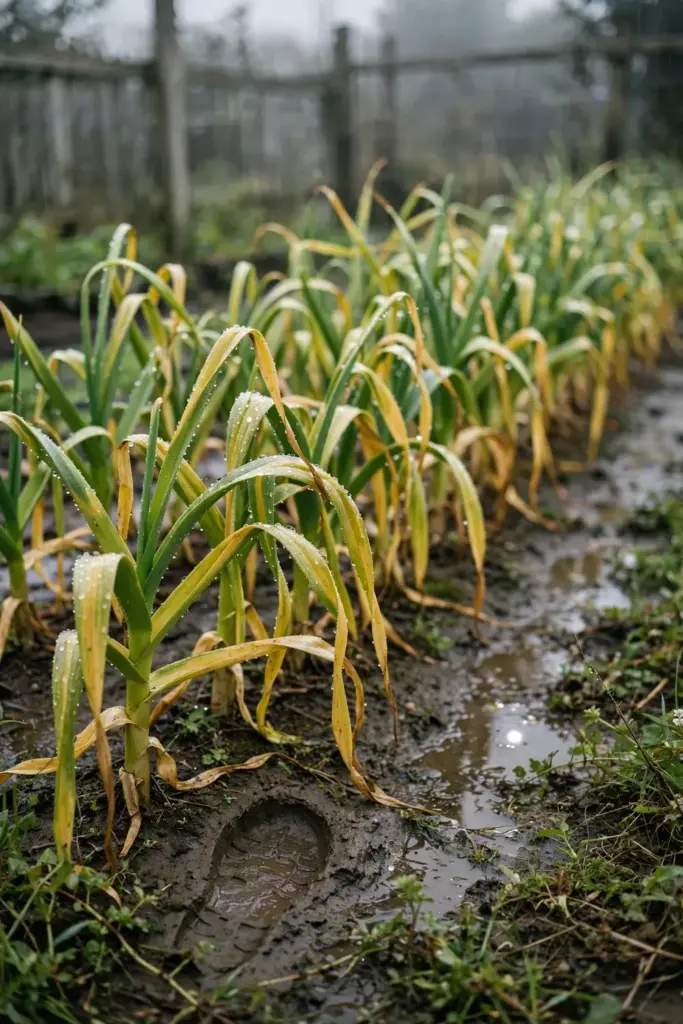
Overhead watering spreads the pest. Drip irrigation keeps water at the soil line and leaves the foliage dry, which slows the swim up the stem. The nematodes do not move far on their own, and contaminated soil on shoes, machinery, or equipment carries them to clean beds.
Infected seed is the main route in. Planting stock from an unknown source, volunteers left standing, and weed hosts along the bed edge all keep the population alive between crops. Bulb damage can progress in storage, so a stored lot can worsen without a single day in the ground.
Cultivation spreads it down rows. Soil moves in the direction of cultivation, and flood water or irrigation can carry nematodes to new ground. Work infested beds last, and clean up before you touch clean beds.
New ground deserves the same caution. Avoid planting alliums on sites with a history of this pest, and treat any bed with an unknown history as suspect until a test says otherwise. A bed with a history plus a bargain lot of untested bulbs is the fastest way to start an infestation, and the slowest way to end one.
1. Learn the Signs and Count the Cost Before You Plant
No cure rescues an infected bulb, so the first strategy is eyes, not spray. Learn the signs, then weigh the bed before you plant into it.
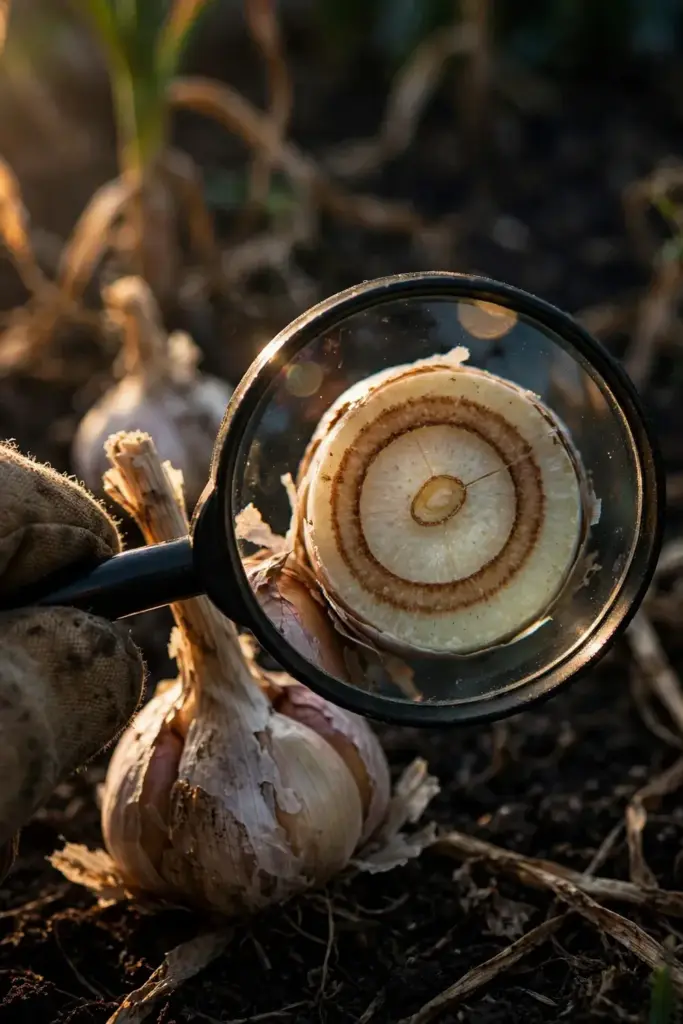
Twisted, yellow leaves on a stunted plant, a soft swollen neck, a basal plate that separates, brown rings in a sliced bulb, and wool between the scales all point to this pest. One suspect bulb sliced across the middle tells you more than a week of watching leaves.
A bulb stock can collapse in as little as 3 years once this pest takes hold. That number is the cost/benefit test. A bed with a few suspect plants is worth roguing and rotating. A bed where the whole stock shows damage is worth starting over with clean stock on fresh ground.
2. Buy Certified Clean Stock Only
Infected seed garlic is the most common way this pest arrives, so clean stock is the highest-value purchase in the whole list. Buy tested seed garlic, onion sets, and bulbs from suppliers who test their lots.
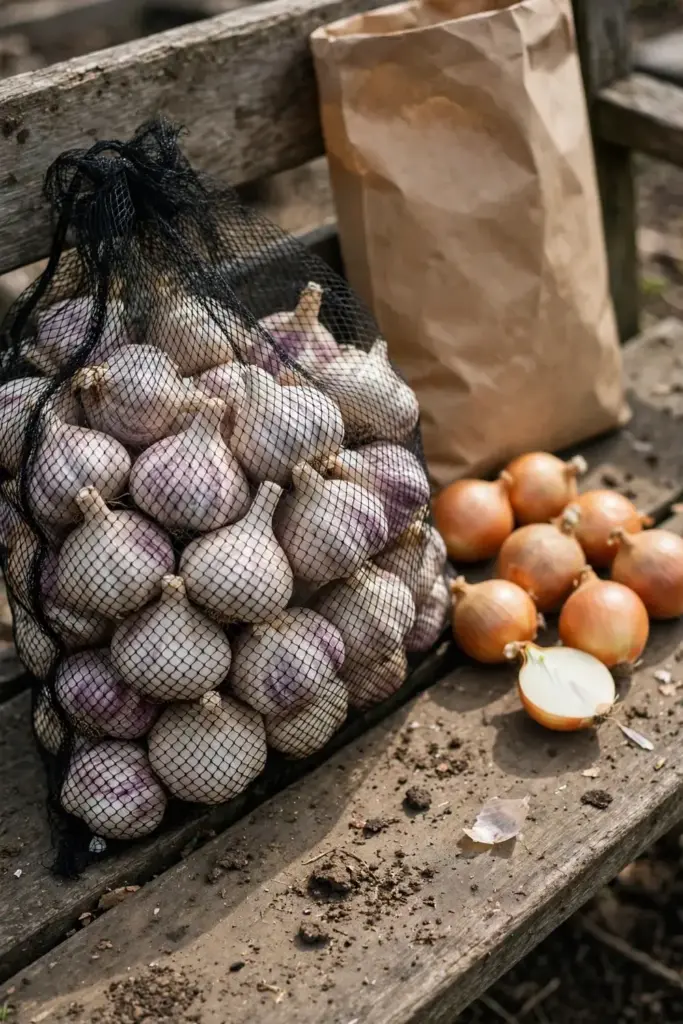
Ask the supplier how the lot was tested. A diagnostic clinic can test seed, plants, and field soil, and a tested lot beats a healthy-looking lot every time, since even healthy-looking bulbs can harbor a small number of nematodes.
Keep new stock separate until you have inspected it. Open the bag at the bench, work through every bulb, and hold the lot out of the ground until the inspection passes. A separate bench and a few minutes of handling cost little, and they keep one bad lot from meeting a clean bed.
Quarantine lists name this nematode in Europe, and that listing does not create a reporting duty for a US home gardener. Never sell or share seed from an infested bed, even when the bulbs look sound.
3. Inspect Every Bulb Before Planting
Inspect every bulb before it goes into the soil. Firm bulbs only. Reject any bulb that feels soft, shows discoloration, or carries a damaged basal plate.
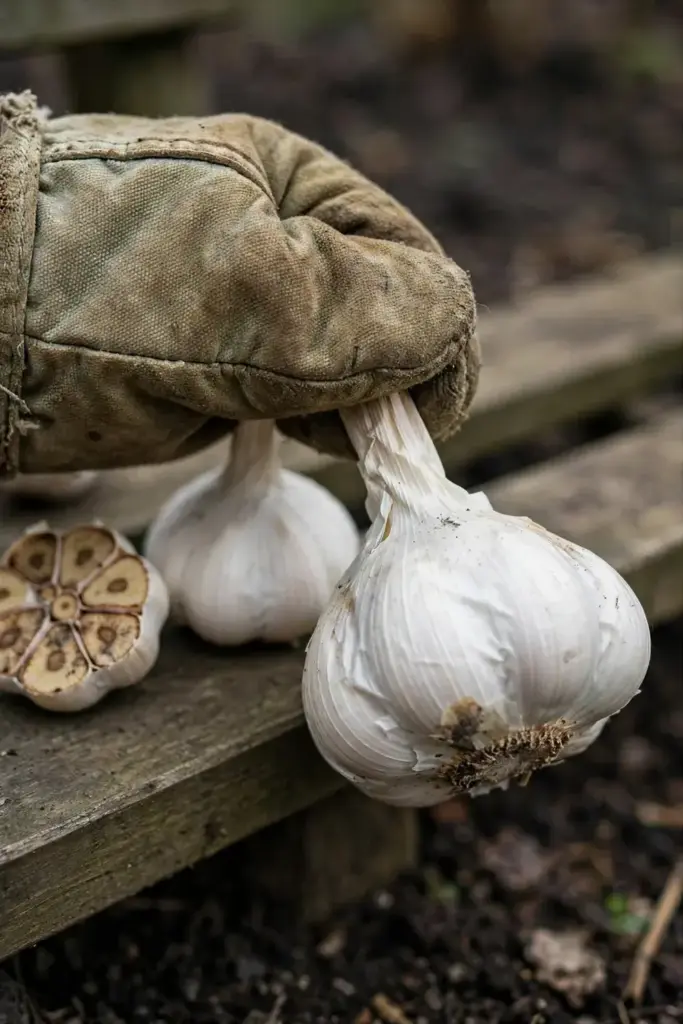
Work through the lot bulb by bulb. Squeeze the neck, check the basal plate, and slice any suspect bulb across the middle to look for brown rings. A sliced bulb costs little. A planted infection costs the bed.
Plant firm, healthy bulbs, and keep suspect stock out of the ground entirely. When you shop for bulbs to plant in fall, firm bulbs from a tested supplier beat a bargain lot from an unknown source. Suspect bulbs go to the trash or the kitchen when the damage is light, never back into a planting hole.
4. Rogue and Destroy Infected Plants at Once
Pull infected plants the day you spot them. Bag them for the trash or burn them where local rules allow. Never compost infected plants.
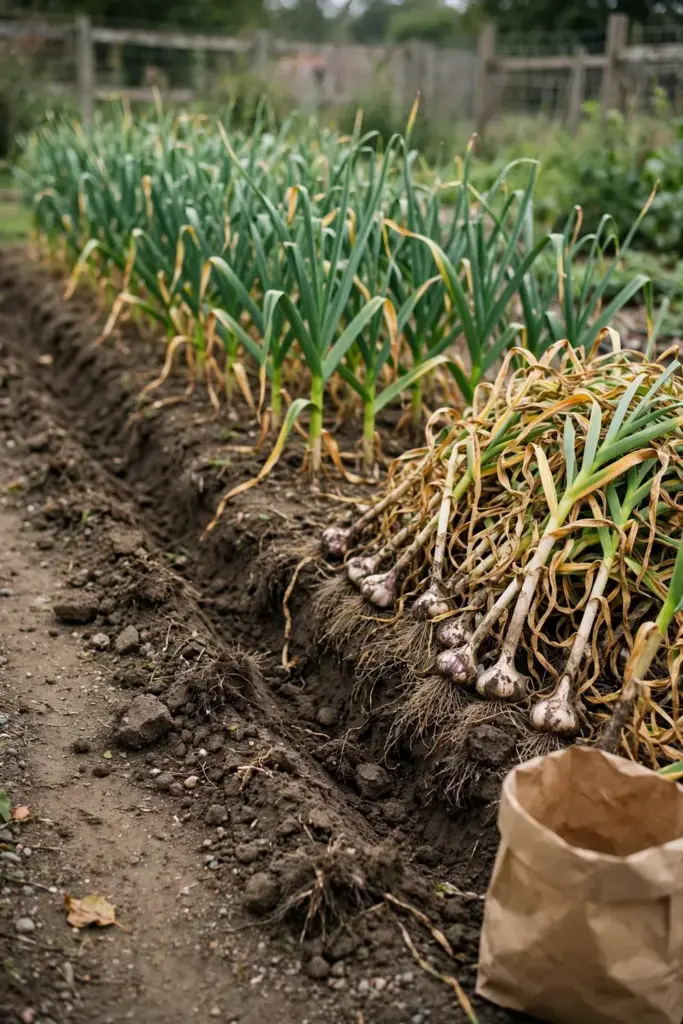
Dig the whole plant, roots and all, and pull the soil around it with the plant. Harvest infected stocks early, before the tops die completely, so the pest has less time to spread.
Do not bury culls in the field, and do not move culls or crop debris to a new area. Nematodes survive in infested bulbs and wrappers, so a buried cull is a planted infection.
5. Pull the Neighbors Within 3 Feet of Infected Plants
Pull healthy-looking plants up to 3 feet around each infected plant. The pest moves short distances on its own, and the neighbors may already carry it without showing signs.
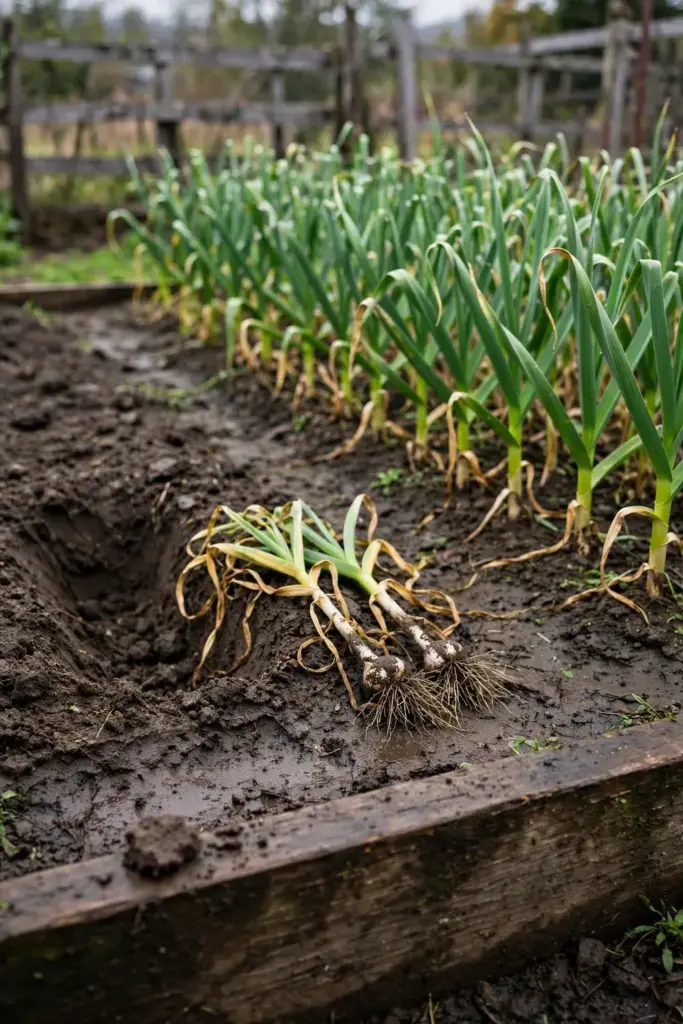
Work outward from the worst plant. Bag the neighbors with the infected plants, and treat the gap as infested ground until the rotation ends.
Mark the gap. The gap tells you where the next planting must not go, and it keeps the rotation honest.
6. Rotate 4 Years Out of Alliums and 5 Years Out of Bulbs
Rotate garlic out for 4 years, and rotate bulbs out for 5 years. The two clocks differ because the two crops carry different handbook numbers, and the longer clock governs any bed that grew both.
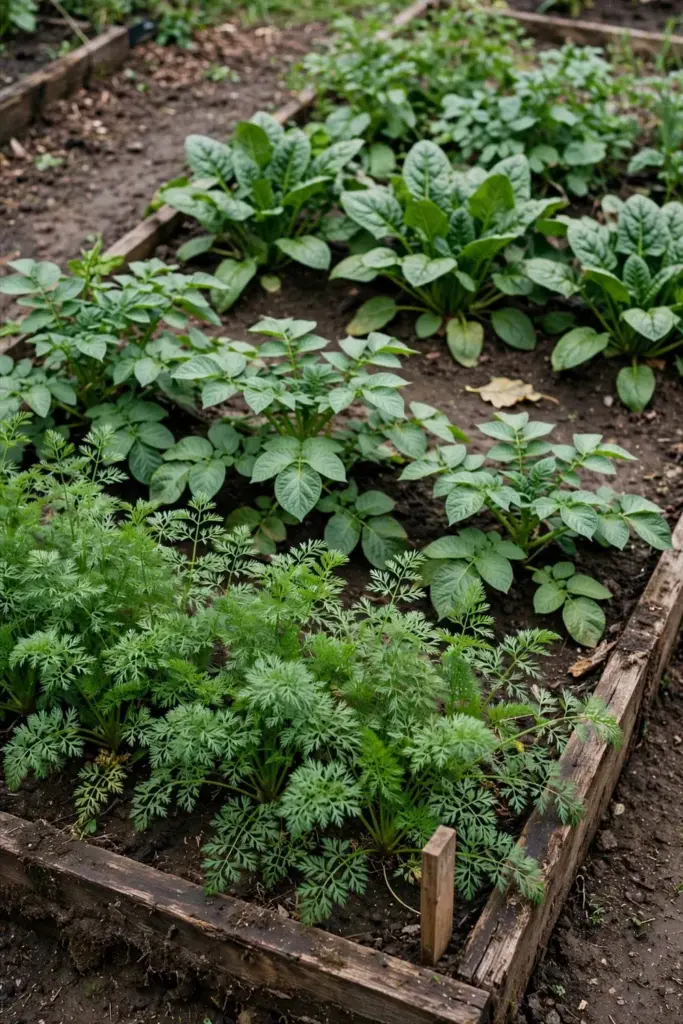
Fill the rotation with poor hosts. Carrots, potatoes, spinach, corn, and wheat are good choices, since they host this nematode poorly. Keep alliums and bulbs out of the bed for the full rest period, and keep the rotation honest by writing it down.
Green manure can help. Mustard, rapeseed, oilseed, radish, and sorghum-sudangrass release compounds toxic to nematodes when tilled into the soil. Fold the cleanup into fall garden bed prep, and treat the bed as infested until the clock runs out.
7. Starve It on Weeds and Volunteers During Rotation
Control weeds and volunteers through the whole rotation, since weeds and volunteers feed the pest while the cash crop rests. A rotation with weeds in it is not a rotation.
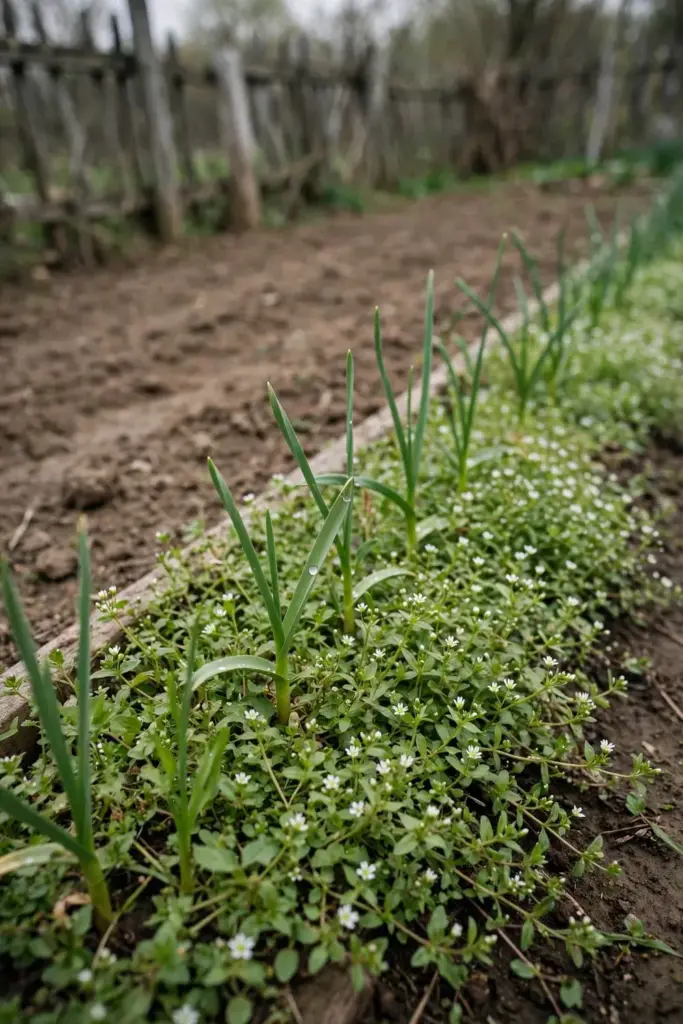
Pull chickweed, hairy nightshade, and Canada thistle from the bed and the bed edges. These weeds host the nematode, and a weedy edge re-seeds the bed after every cleanup.
Dig volunteer garlic and onions the moment they show. Volunteers from a previous bulb crop carry the pest forward, and one missed volunteer can undo a year of rotation. Building soil health during the rest years keeps the bed productive while the pest starves.
8. Clean Tools, Boots, and Equipment After Every Infested Bed
Clean tools, boots, and equipment on site after working an infested bed. The pest travels in soil on shoes and machinery, and one dirty trowel can carry it to a clean bed.
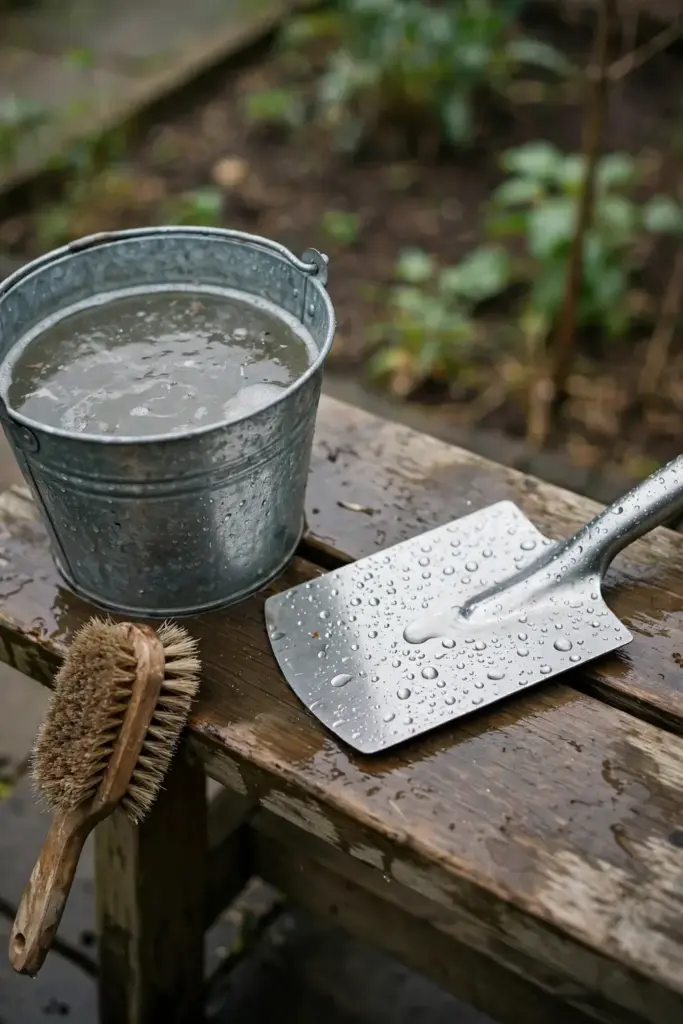
Disinfect work areas, trays, cases, tools, and equipment with steam or hot water at 185°F. Work infested beds last, and wash up before you touch clean beds.
Never move soil or plants from an infested bed to a clean one. Soil from an infested bed belongs in the trash, not in the compost pile and not in a new bed.
9. Treat Hot Water as a Conflict, Not a Cure
Hot-water treatment is the one method where the sources disagree, so treat it as a conflict, not a cure. Read both sides before you heat a pot.
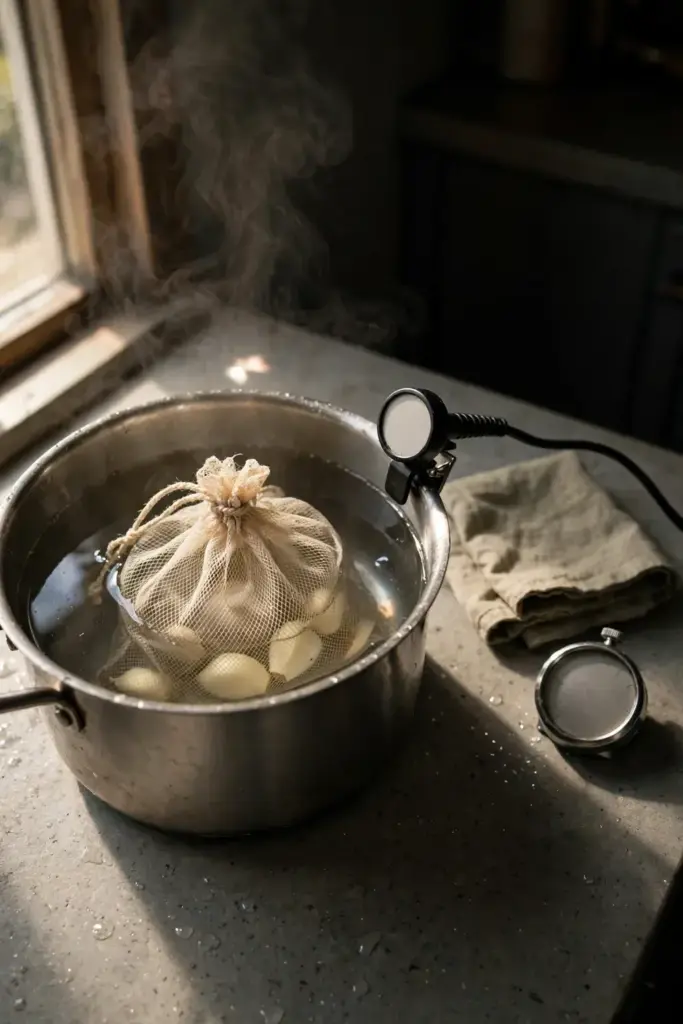
For daffodils and narcissus, the handbook protocol is 4 hours in water at 110 to 111°F, with a 2-hour presoak at 75°F for cured bulbs. The treatment can distort flowers and leaves, and it can spread basal rot from infected bulbs to healthy ones, so never treat stock that shows basal rot.
For garlic, the advice splits. One common practice dips bulbs at 120°F for 20 minutes, with tissue damage above 122°F, and the dip reduces nematode numbers without eliminating them. Minnesota Extension no longer recommends hot-water treatment for garlic at all, since it only reduces numbers and higher heat damages the seed. When sources split this way, skip the treatment and spend the effort on clean stock and rotation.
Old books name formalin dips. Leave them in the old books.
10. Test Before You Replant
Test before you replant. A lab test settles what field ID leaves open, and it costs less than a lost bed.
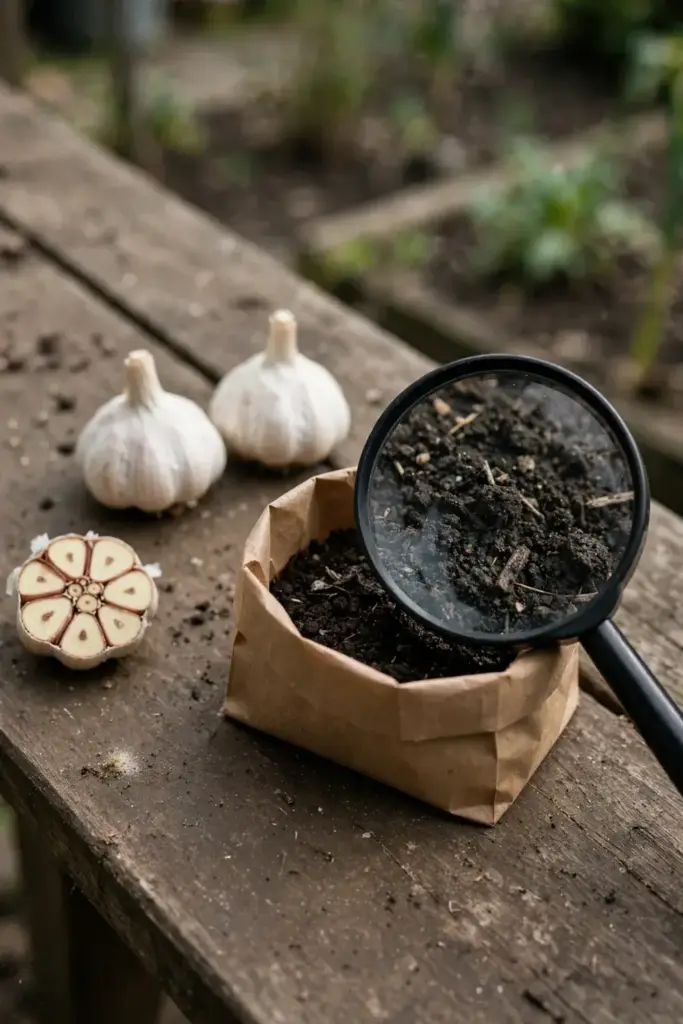
Take soil samples before planting. When the pest is suspected in an established planting, submit only the affected bulbs for testing. A diagnostic clinic can test seed, plants, and field soil.
Test a portion of new bulbs before you plant the lot. A sample test catches a bad lot before it goes into the ground, and a clean test lets you plant with confidence.
When a test comes back positive, treat the bed as infested and start the rotation clock. A positive test is not a reason to spray or to dig the bed out. It is a reason to rogue, rotate, and retest before the next allium or bulb planting.
Living With Damage You Already Have
Damage you already have still leaves useful moves. The bed still holds value. Part of the harvest still serves the kitchen.
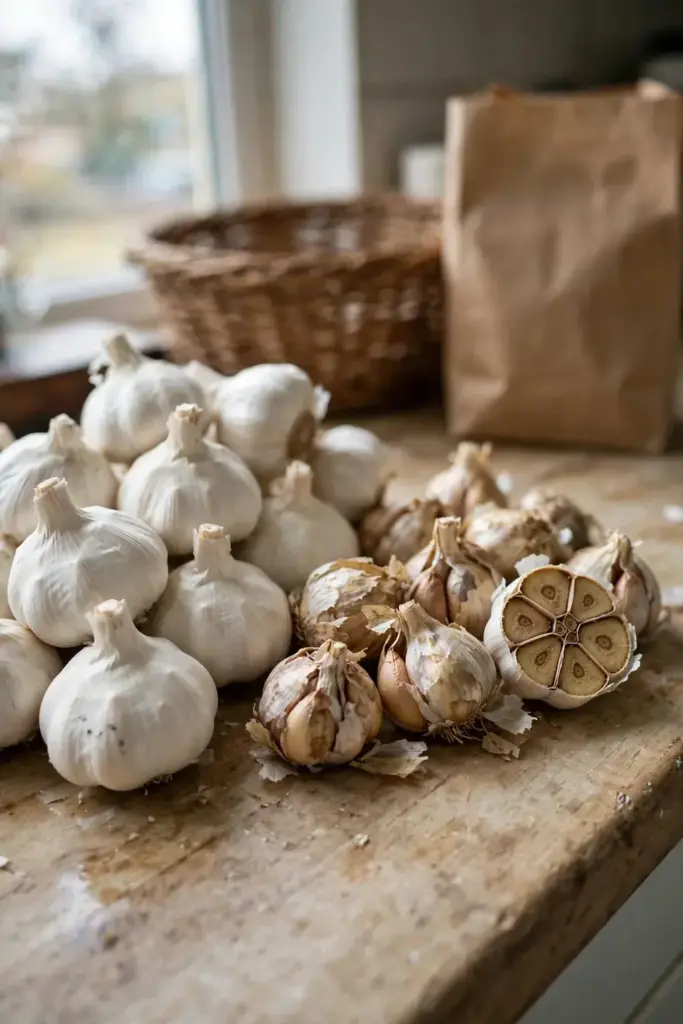
Eat firm bulbs from lightly damaged plants when the damage has not made them unmarketable. Never save bulbs from an infested bed for seed, even when they look sound, since healthy-looking bulbs can harbor a small number of nematodes.
Check stored bulbs through the season. Damage can progress in storage, so cull any bulb that softens. Keep the infested bed in rotation, keep the weeds down, and replant only tested clean stock when the clock runs out.
Map the bed before the season ends. Mark the infested rows on your garden map, note the year the clock started, and write the rotation crops beside the bed name. A written map keeps the rotation honest when the bed looks fine next spring, and it stops a spring planting from undoing a winter of rest.
No spray rescues infected bulbs. Skip nematicides. The products named in professional handbooks carry restricted-use labels and hold no place in a home bed.
Frequently Asked Questions
Firm bulbs from lightly damaged plants can go to the kitchen when the damage has not made them unmarketable. Discard any bulb that feels soft, shows rot, or smells off. Never save bulbs from an infested bed for seed, since healthy-looking bulbs can still harbor nematodes. Wash your hands and tools after handling infected plants.
No. Races differ by host preference, so the garlic race hits alliums and a known weed list while leaving unrelated crops alone. The pest spreads slowly on its own and moves mainly in planting stock, soil, and water. Rogue infected plants, rotate the bed, and keep weeds down. A lab test tells you which race you face.
Slice the bulb and dig the roots. Stem and bulb nematode swells stems and bulbs, twists leaves, and leaves brown rings in a sliced bulb, while roots stay largely clear. Root-knot nematode galls the roots and leaves bulbs alone. When the two checks disagree, a lab test settles the case.
No. Bag infected plants for the trash or burn them where local rules allow. Composting belongs nowhere near this pest, since the resting juveniles survive drying and wait for moisture. The same rule covers culls, wrappers, and crop debris. Keep all of it out of the compost pile and out of clean beds.
Treat hot water as a conflict, not a cure. Daffodil and narcissus bulbs carry a handbook protocol, while garlic advice splits between a dip that only reduces numbers and a recommendation against the treatment entirely. When sources split this way, skip the pot and spend the effort on tested clean stock, rotation, and weed control.
Where to Go From Here
Slice one suspect bulb today. The brown rings tell you whether this pest is in your bed, and the answer decides everything that follows.
Replant only tested clean stock, rotate the bed for the full rest period, and keep weeds and volunteers down through the rotation. This pest is beatable with clean stock, a real rotation, and a lab test before replanting. Start with the slice. End with a rotation plan.
Tell the supplier when a lot tests positive. A tested lot with a bad result still helps the next gardener, since the supplier can pull the lot before it reaches another bed.