
Ghost spot is not a separate disease. It is one symptom of Botrytis gray mold on tomato fruit: the fungus starts an infection, the infection aborts, and the fruit is left with a pale ring. The 5 strategies below tell you how to read the ring, how to tell it from stink-bug cloudy spot, and how to run the Botrytis program that is the only real answer.
Ghost spot belongs to Botrytis gray mold. The pathogen is Botrytis cinerea. Clemson lists it as a second common name inside the entry “Botrytis cinerea: Gray mold, Ghost spot” under tomato. One pathogen, one disease, one symptom. Never present ghost spot as a standalone disease.
The full Botrytis program lives in the site’s live article on Botrytis blight on tomatoes. This article covers the ghost-spot symptom and the home response in brief. It does not reproduce the live article’s full playbook.
What Ghost Spot Actually Is
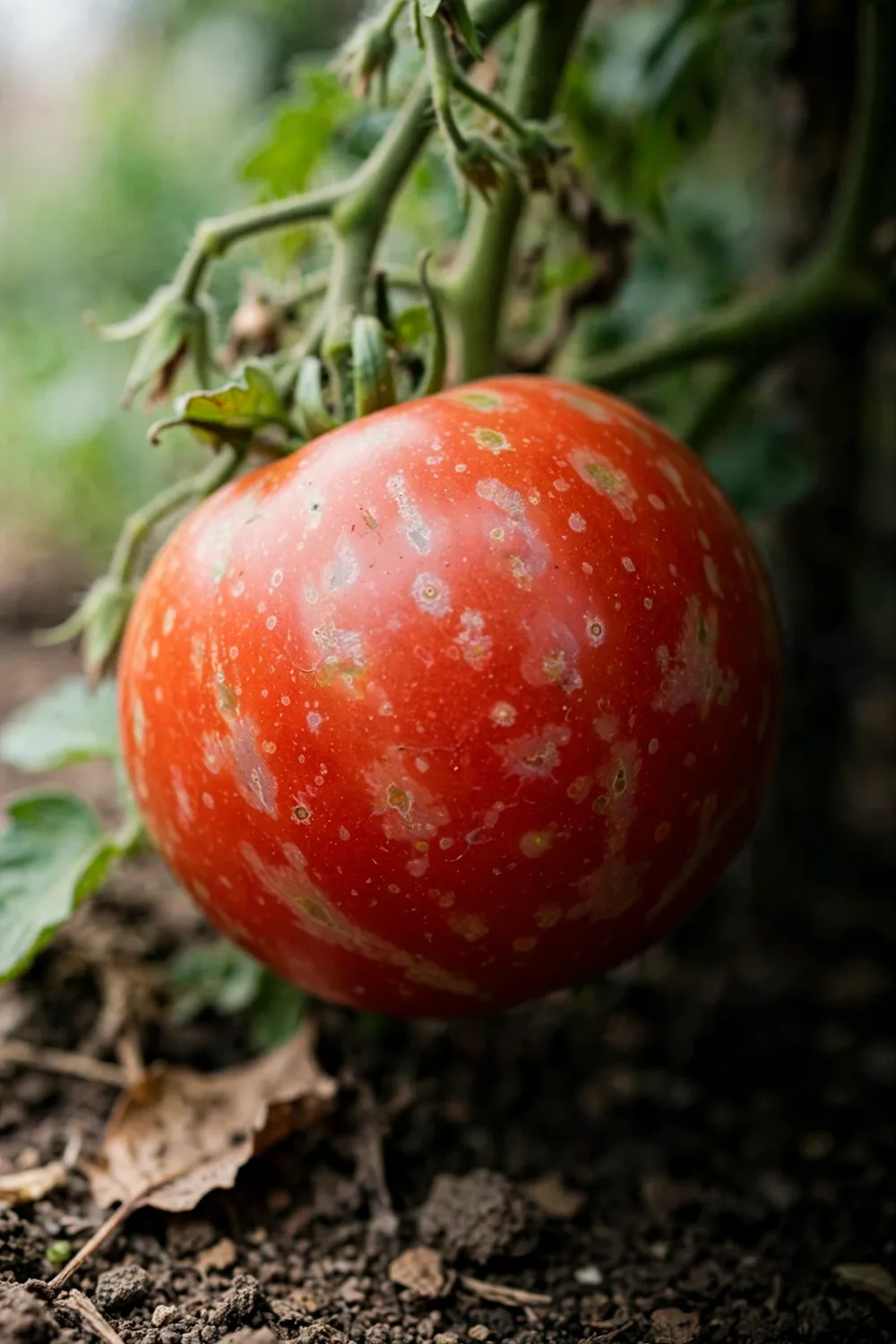
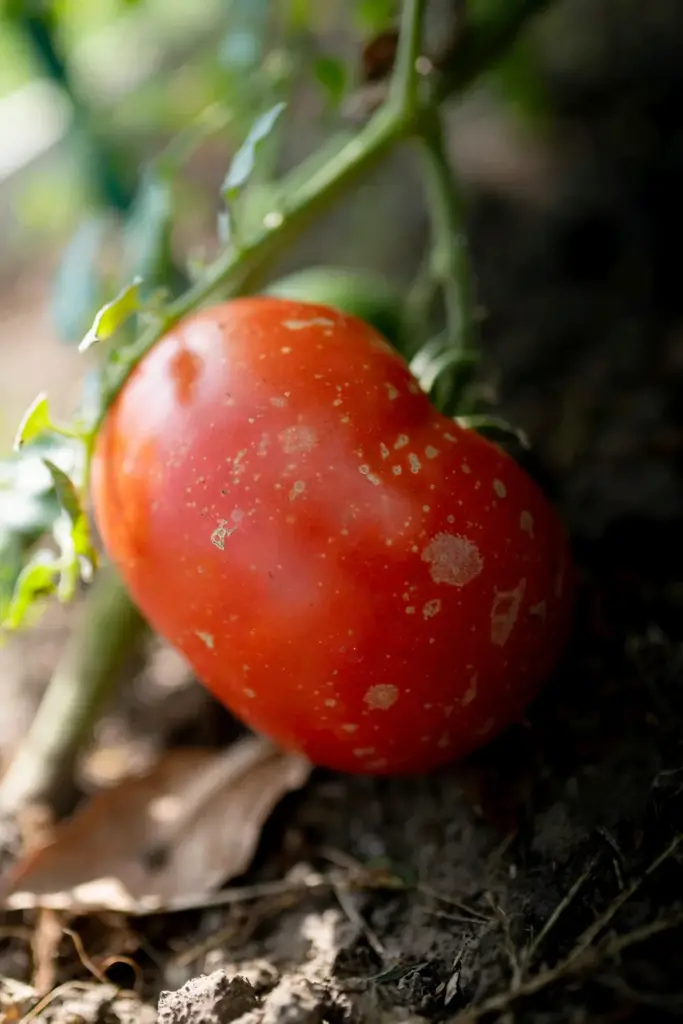
Ghost spot is an aborted Botrytis infection on tomato fruit. Small 3 to 8 mm whitish rings on the fruit surface are aborted Botrytis infections known as ghost spots. The fungus initiates infection, then disease progress stops. The ring is the scar of the stopped infection.
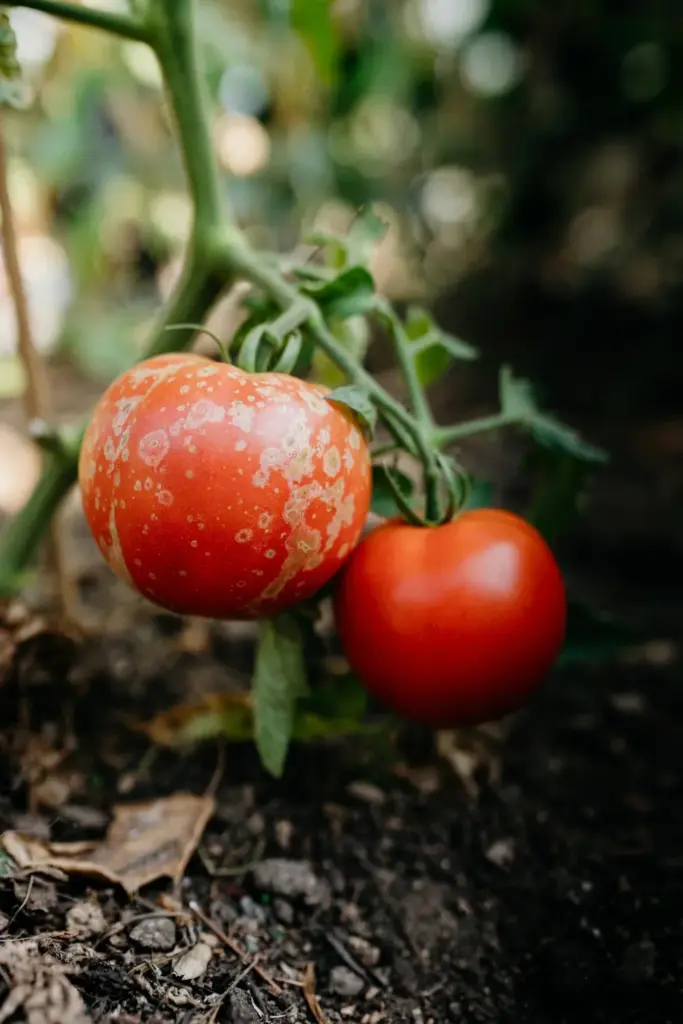
Ghost spots rarely develop further, but they are a warning that spores are being produced nearby. The ghost spot is the warning. The nearby spores are the threat. The warning is the reason to act.
Ghost spot is a symptom, not a disease. The disease is Botrytis gray mold, the symptom is the ghost spot, the management is the Botrytis program, and the symptom has no separate management.
How to Identify Ghost Spot on Your Tomatoes
Look for faint pale halos on the fruit. Ghost spot presents as faint, pale halos (3 to 8 mm in diameter) on fruit. They are white on immature fruit, yellow on ripe fruit. A small necrotic fleck may appear along with the halo. The halo is the ghost spot. The fleck is the center.
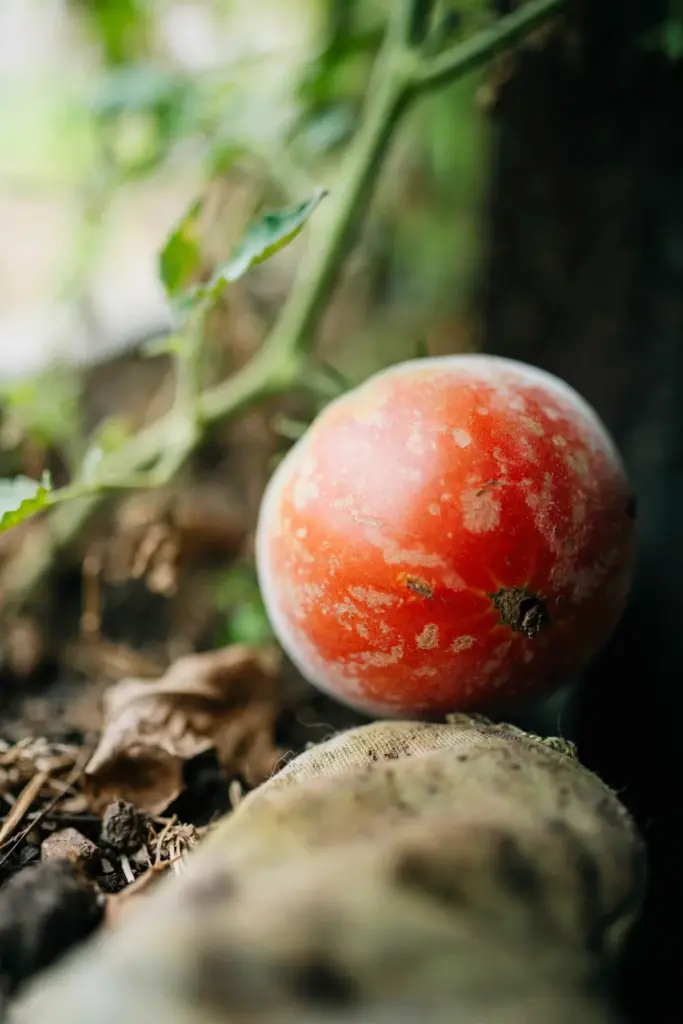
Check that there is no rot. Symptoms of ghost spot on fruit result from the fungus’ unsuccessful attempt to infect. There is no rot, but fruit is unmarketable. The ghost-spot fruit is firm. The rotted fruit is a different stage. The firmness is the separator.
Check where the spots sit. Ghost spots appear on the fruit surface where spores landed, they sit on the skin, they do not sit under the skin, and the surface ring is the ghost spot. The under-skin white tissue is something else.
Do not confuse ghost spot with cloudy spot. Cloudy spot is stink-bug feeding damage: white corky tissue UNDER the skin, with a tiny feeding hole at the center, while ghost spot is a surface halo with a necrotic fleck, fungal. The two share the audience’s symptom words (“white spots on tomatoes”) but are different problems with different causes. The surface ring is ghost spot. The under-skin cork is cloudy spot.
Why the Infection Aborts
The fungus needs cool, humid conditions to proceed. Cool temperatures (68 degrees Fahrenheit is optimal, but the fungus can grow between 50 and 80 degrees), high humidity, and free water on plant surfaces favor the disease. When conditions turn adverse, the infection aborts. The weather is the switch. The aborted infection is the ghost spot.
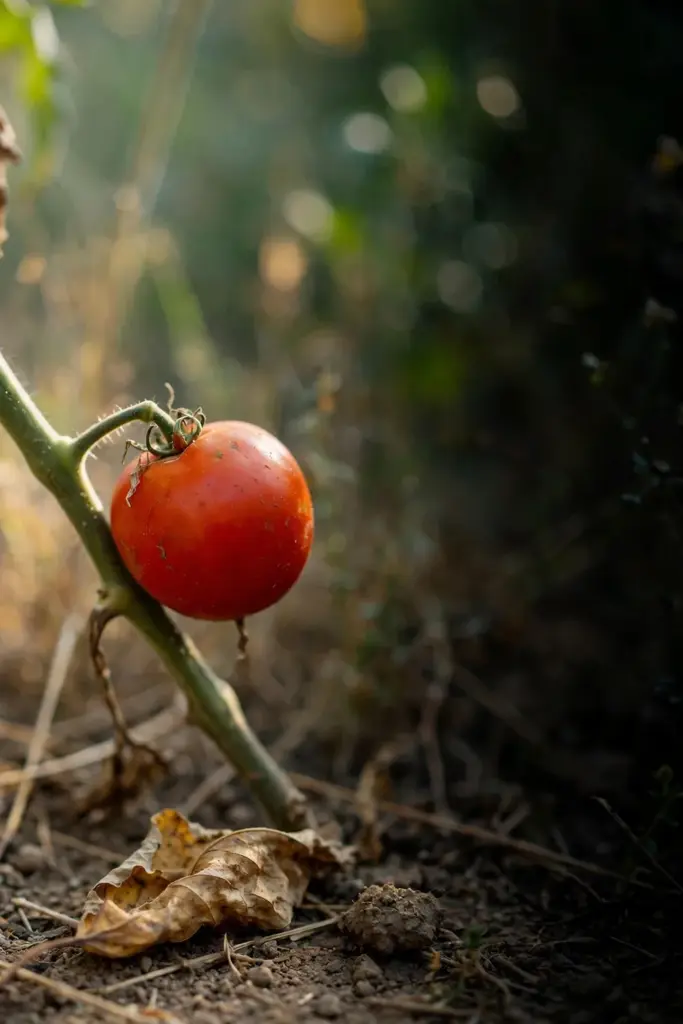
Spores are everywhere. Botrytis cinerea is ubiquitous. The spores land on fruit all season. Most landings fail. A few succeed. The failed landing is the ghost spot. The successful landing is the rot.
A ghost spot can proceed to rot if conditions turn favorable. The aborted infection is not always final. A return to cool, wet weather can restart it. The ghost spot is the warning. The weather is the trigger.
Strategy 1: Read the Ring, Then Check the Rest of the Plant
Read the ring. Faint pale halos 3 to 8 mm across, white on green fruit, yellow on ripe fruit, with a small necrotic fleck, are ghost spots, so the ring is the diagnosis and the fleck is the center.
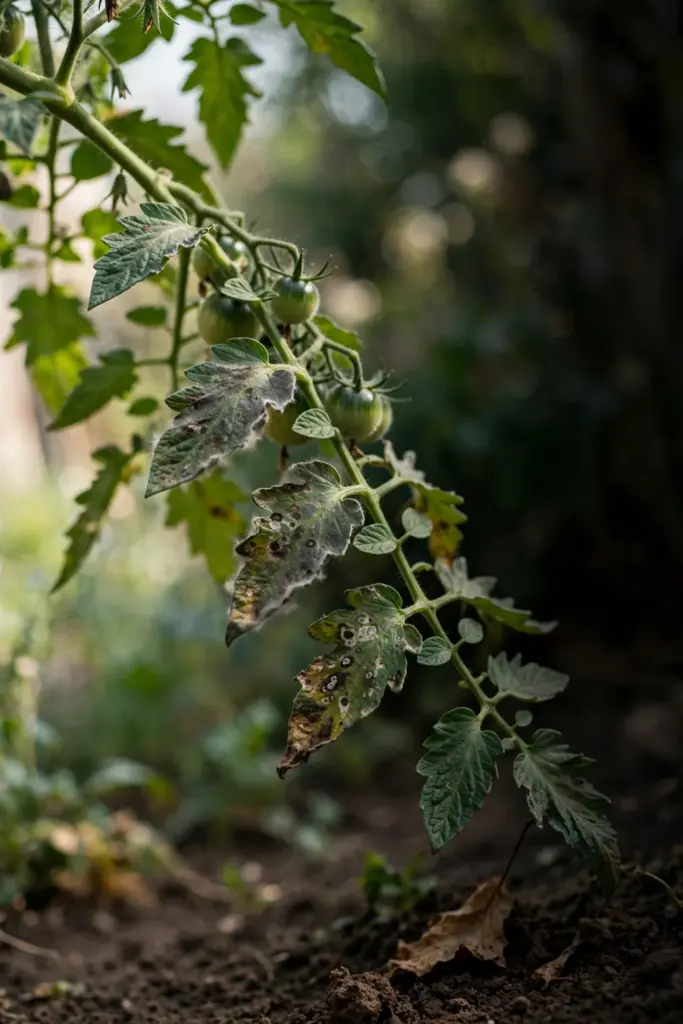
Check the rest of the plant. Botrytis gray mold attacks all aboveground parts. Leaf lesions, stem cankers, and flower blight are the same disease. A plant with ghost spots and gray mold on a stem canker is a Botrytis plant. The ring is the symptom. The plant is the disease.
Check for gray mold. Under high humidity, affected tissues are usually covered with fuzzy gray-brown spores. The fuzzy gray is the Botrytis mark. The ghost spot is the quiet mark. The pair is the confirmation.
Strategy 2: Remove Infected Fruit and Debris
Remove ghost-spotted fruit. Ghost-spotted fruit is unmarketable and carries spores nearby. The removed fruit is the removed inoculum. The fruit left on the plant is the spore source. The removal is the cut.
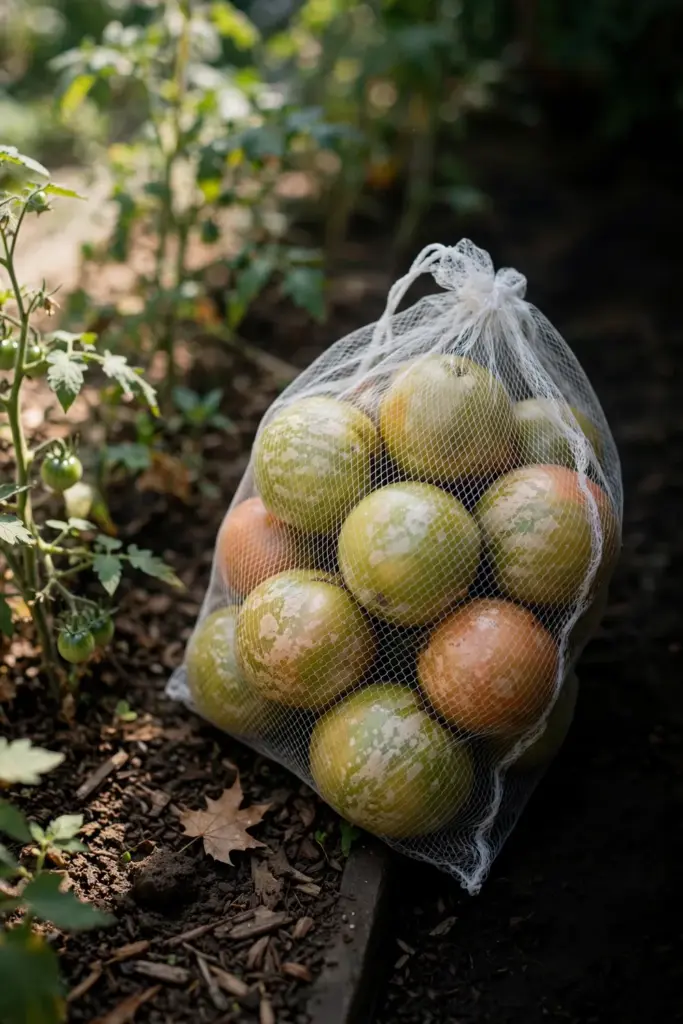
Remove dead and dying plant parts. Remove all dead and dying plant parts from the growing area. Do not leave them in garbage containers near the plants. The debris is the reservoir. The clean bed is the safe bed.
Do not compost infected material. Compost spreads the spores. The compost pile is a distribution route. The composted fruit is the next infection. The trash is the disposal.
Strategy 3: Cut the Humidity
Keep relative humidity below 90 percent. High humidity drives Botrytis. The humid air is the incubator. The dry air is the brake. The humidity is the lever.
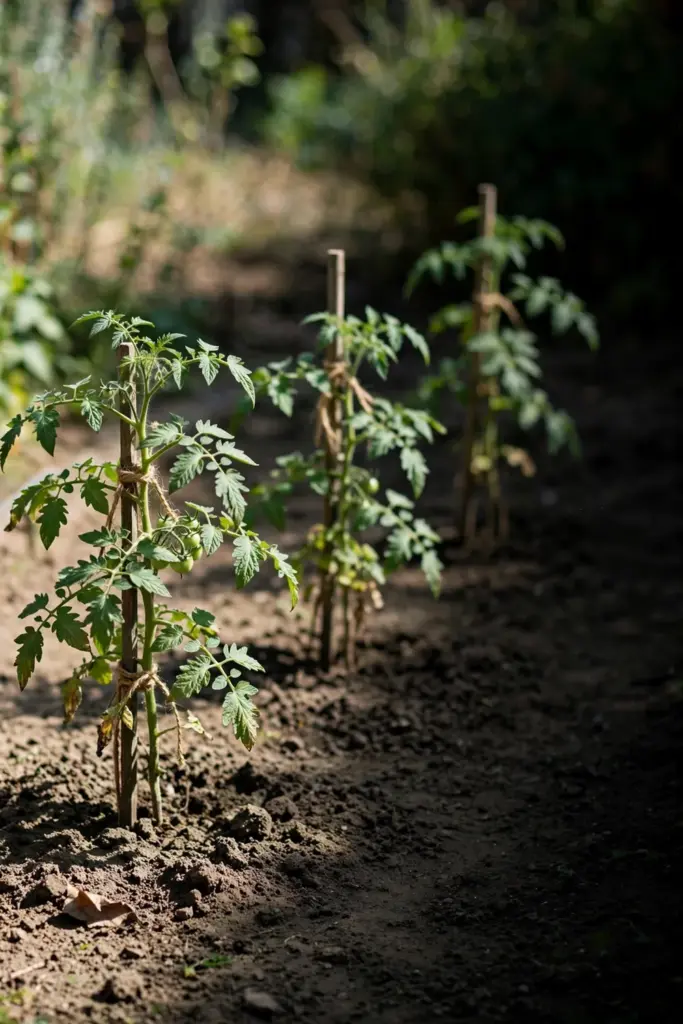
Increase plant spacing. Close plant spacing keeps plants wet longer. The spaced plant dries faster. The crowded plant stays wet. The spacing is the airflow.
Use fans to increase air circulation. Fans move air through the canopy and dry the leaves. The moving air is the dryer. The still air is the incubator. The fan is the fence.
Strategy 4: Water at the Base and in the Morning
Do not splash water on foliage while watering. Splashing wets the leaves and spreads spores. The soaker is the safe water. The sprinkler is the spreader.
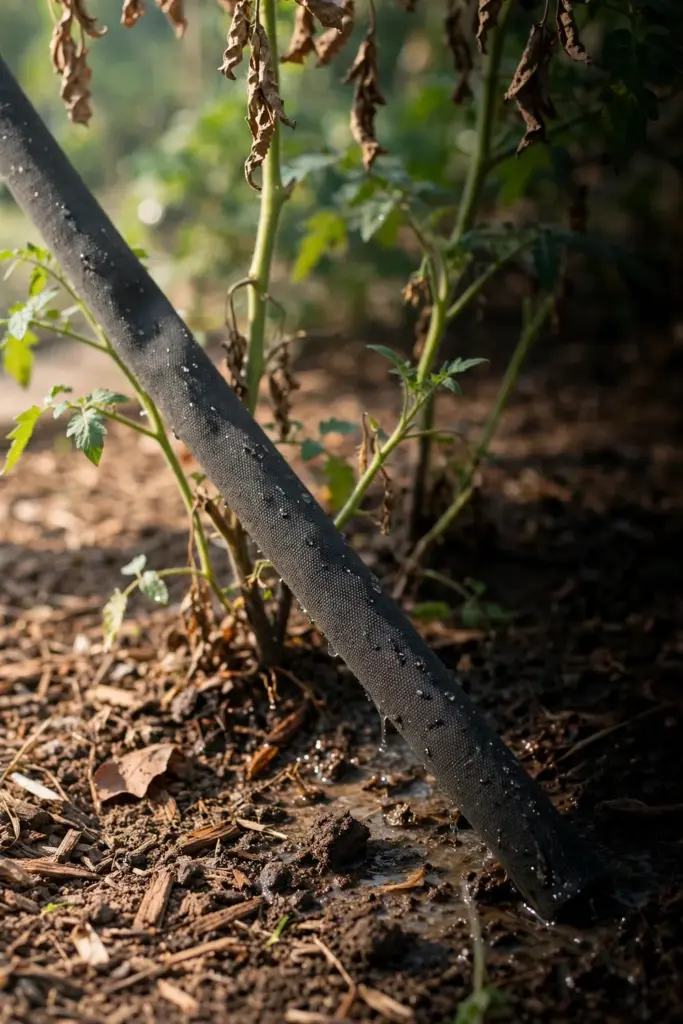
Water in the morning. Morning watering gives the leaves the day to dry. Evening watering leaves the leaves wet overnight. The morning is the watering time. The evening is the risk.
Avoid wetting foliage in late afternoon and evening. Late watering is the overnight wet. The overnight wet is the infection window. The morning dry is the safe window.
Strategy 5: Use Fungicide Last, Preventive Only, Never as a Cure
Know that fungicide is preventive-only. A protective fungicide shields healthy tissue. It does not cure ghost-spotted fruit. The spray is the shield, never the cure. The cultural steps lead.
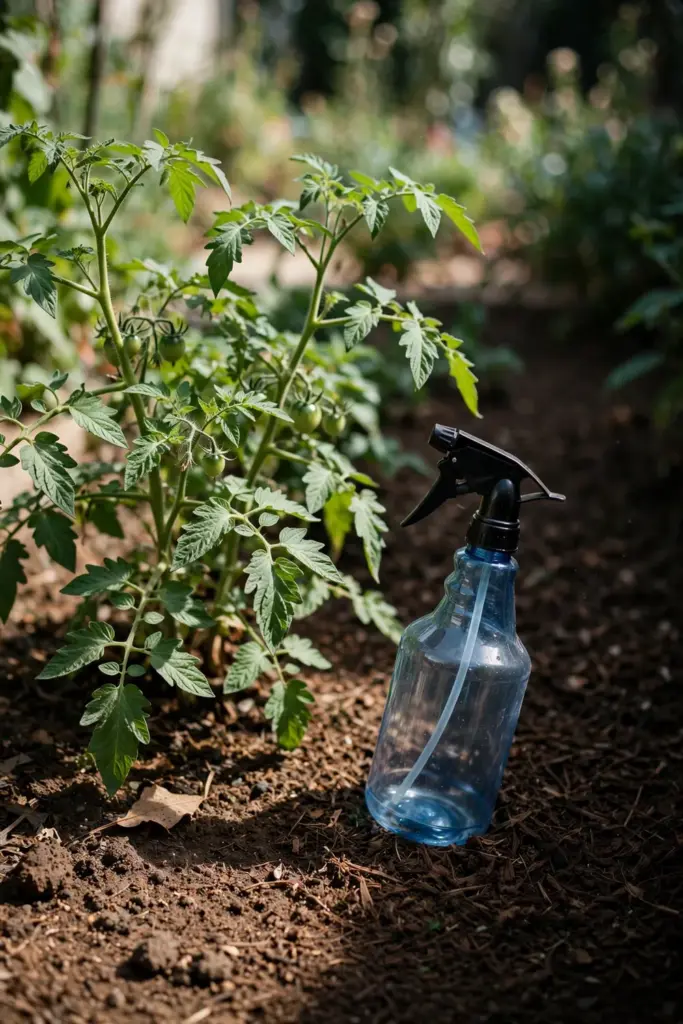
Know that chemical control is generally not effective unless cultural controls are also implemented. The spray without the airflow is the waste. The spray with the airflow is the backup. The culture is the program.
Do not carry commercial fungicide programs as home advice. Commercial greenhouse lists with per-acre rates and reentry intervals are production guidance, not home advice. The label governs. The rate is the label rate. The label is the law.
Living With Ghost Spot on Tomatoes You Already Grow
A tomato bed with ghost spots is a bed to manage, not a bed to abandon. Remove infected fruit. Cut the humidity. Water at the base in the morning. Spray last, preventive only. The ghost spots will still appear, but they will appear as a few rings, not as a rotted crop.
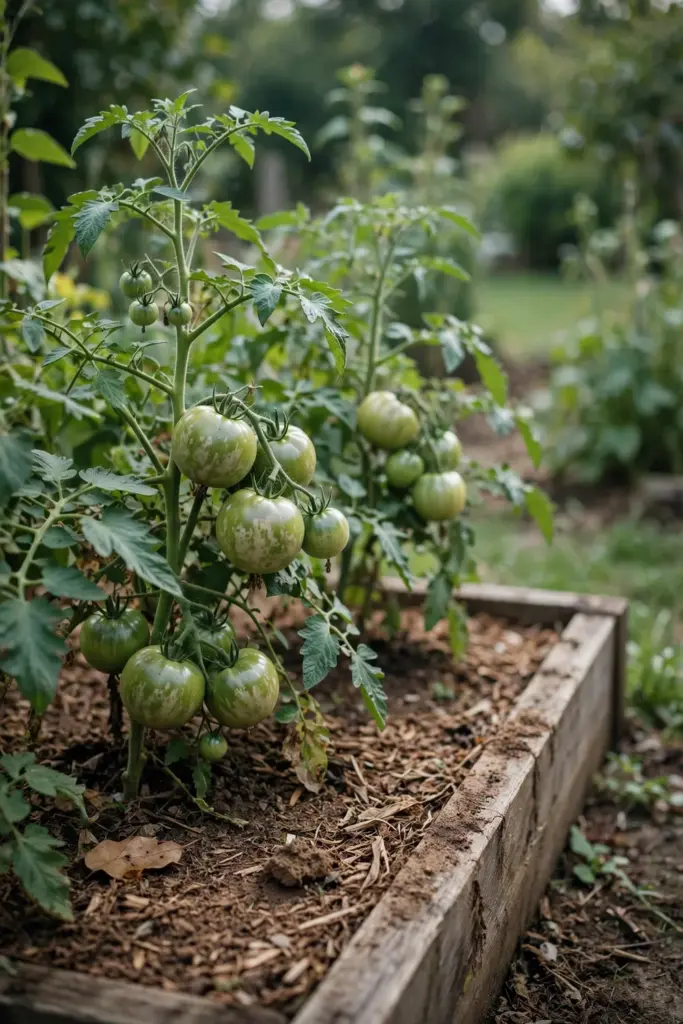
Stop three habits. Do not leave ghost-spotted fruit on the plant. Do not water overhead in the evening. Do not skip the debris cleanup. Keep those three lines unbroken and the ghost spots stay cosmetic. The Plant Care archive collects the site’s disease coverage for the next problem the garden throws up.
Frequently Asked Questions
No. Ghost spot is one symptom of Botrytis gray mold on tomato fruit. Small whitish rings on the fruit surface are aborted Botrytis infections known as ghost spots. The pathogen is Botrytis cinerea. The disease is gray mold. The symptom is the ghost spot. The management is the Botrytis program.
Not at the ghost-spot stage. There is no rot, but fruit is unmarketable. The ghost spot is an aborted infection. If conditions turn favorable, the infection can proceed to fruit rot. The ghost spot is the warning. The weather is the trigger. The rot is the next stage, not the current one.
Check the depth. Ghost spot is a surface halo with a necrotic fleck, fungal. Cloudy spot is stink-bug feeding damage: white corky tissue UNDER the skin, with a tiny feeding hole at the center, insect. The surface ring is ghost spot. The under-skin cork is cloudy spot. The causes are different, and so is the management.
Usually no. Sanitation, humidity control, and base watering lead. A protective fungicide shields healthy tissue and never cures ghost-spotted fruit. Chemical control is generally not effective unless cultural controls are also implemented. The spray is the backup. The culture is the program. The label governs.
It can, if the debris stays. Botrytis spores overwinter in plant debris and soil. Remove dead and dying plant parts, clean up debris, and the inoculum drops. The cleanup is the break. The skipped cleanup is the return. The debris is the reservoir.
Where to Go From Here
Ghost spot rewards the gardener who reads the ring, removes infected fruit, cuts the humidity, waters at the base in the morning, and sprays last, preventive only. Read the ring. Remove infected fruit and debris. Cut the humidity. Water at the base in the morning. Use fungicide last, preventive only.

Next season, start with a clean bed. A bed with removed debris, spaced plants, base watering, and dry leaves will hold ghost spot to a few rings. The NC State Extension page on Botrytis gray mold of tomato is a useful companion for the full Extension picture, since it sets the home-garden response here against the university evidence behind it.