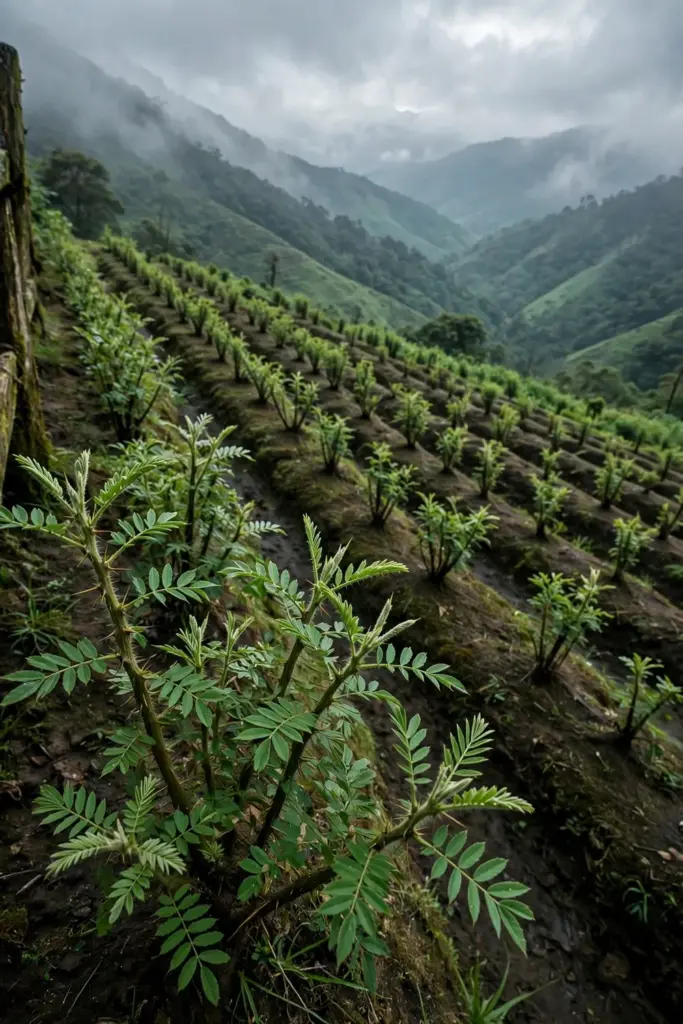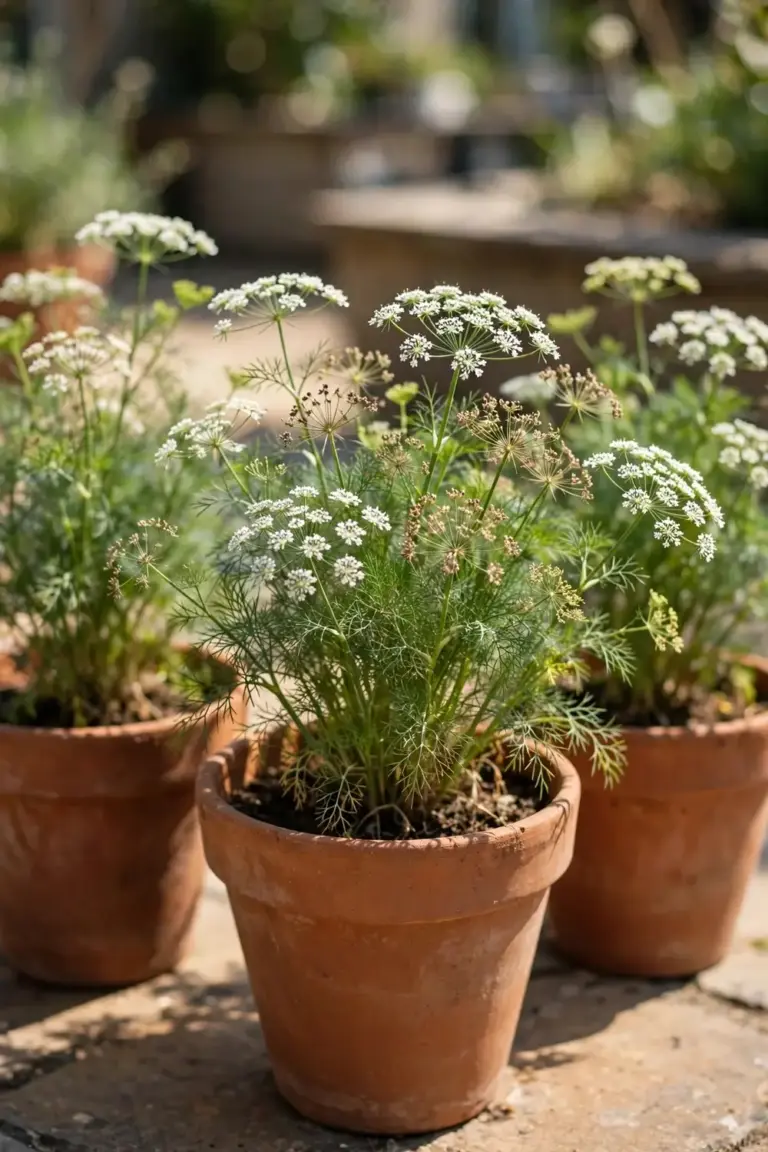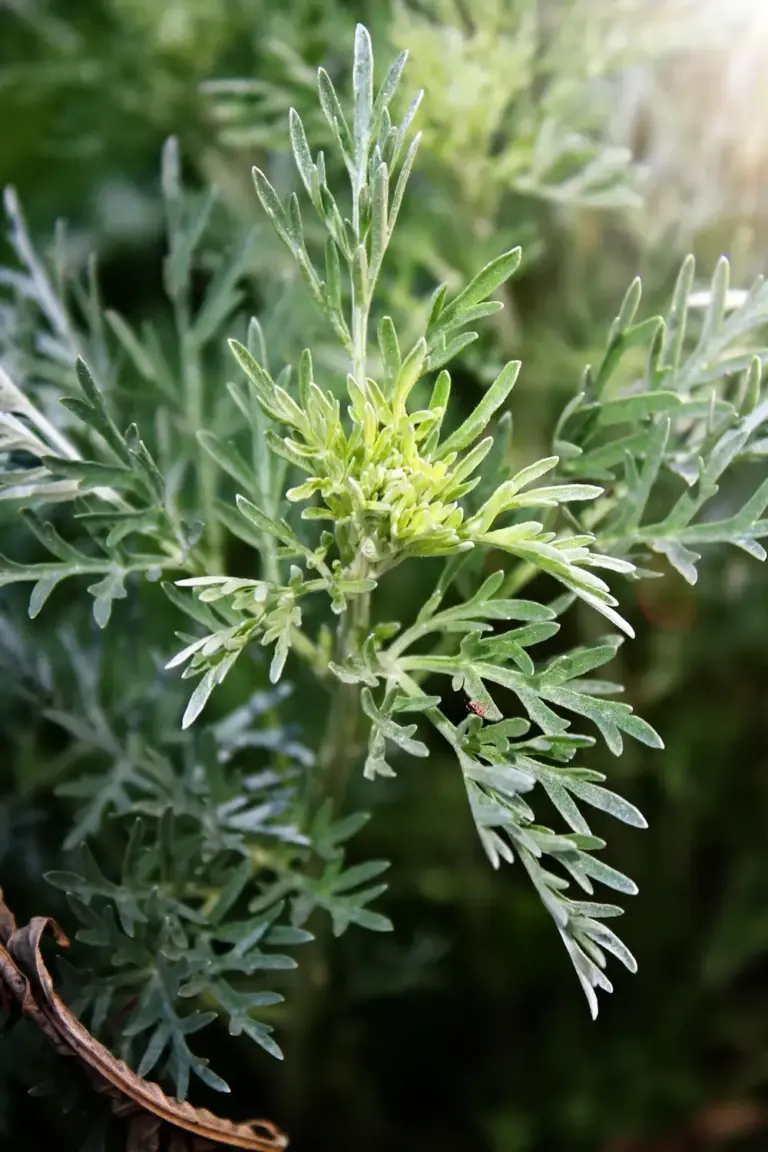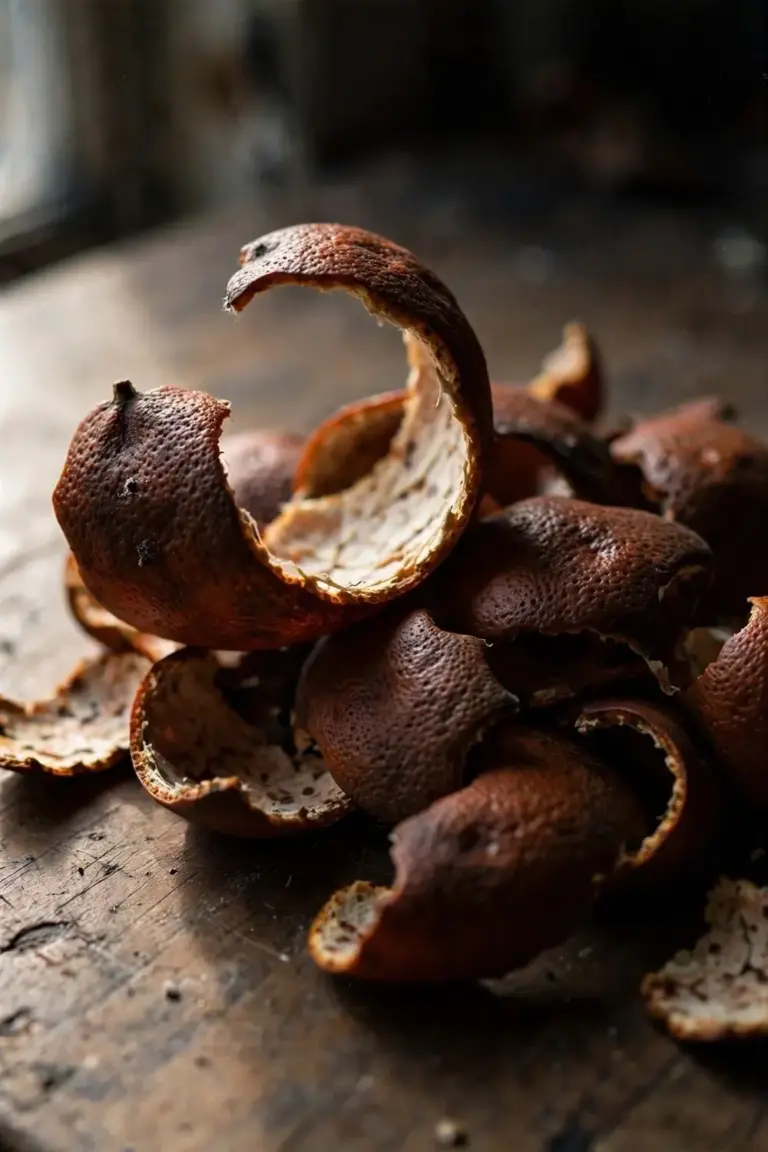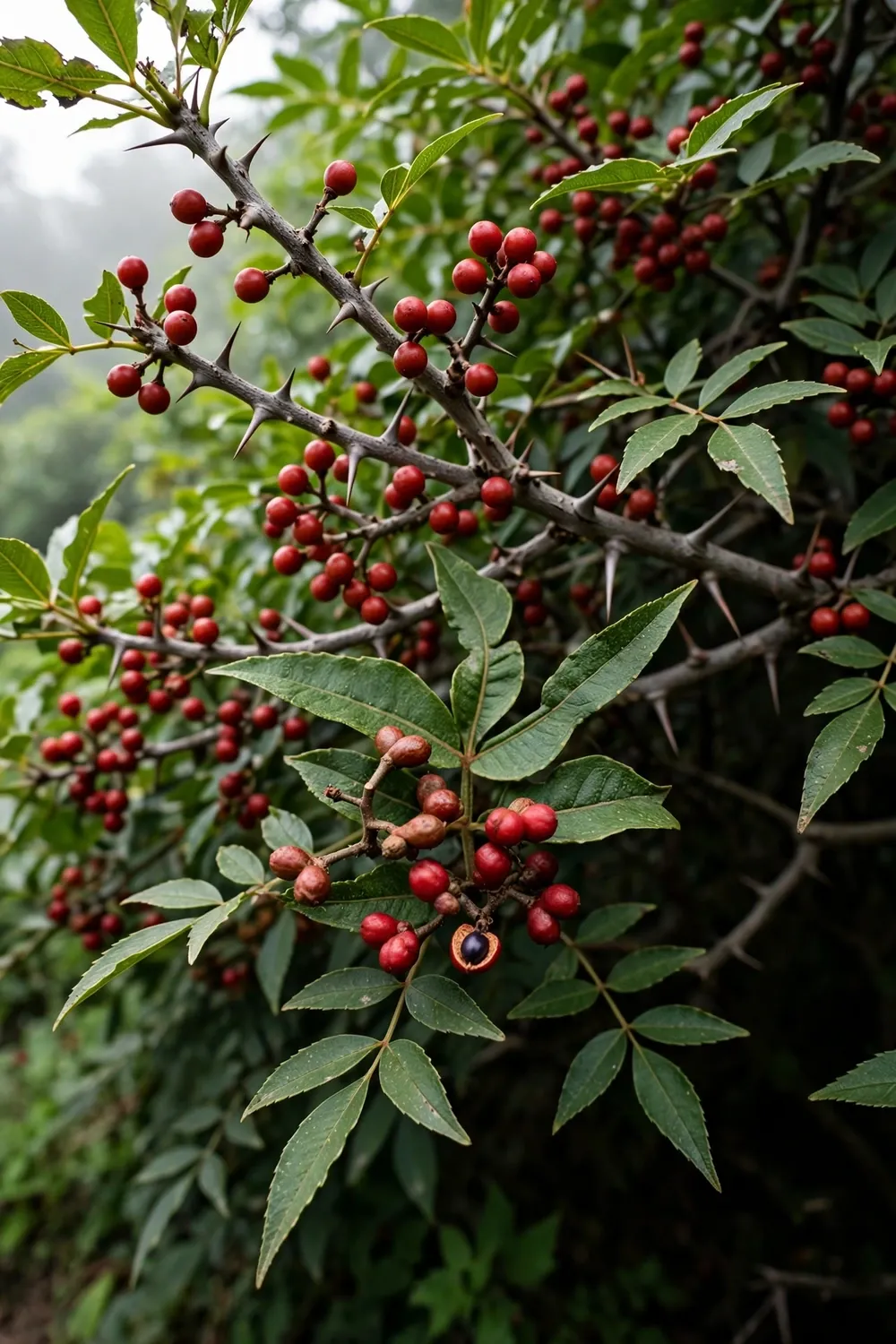

Learning how to grow andaliman at home starts with three things: cool mountain air, patience for slow seed, and a male plant next to your females. Andaliman (Zanthoxylum acanthopodium) is the lemon-scented, tongue-tingling spice of Batak cuisine in the North Sumatra highlands, and it thrives at 15 to 18°C with 800 to 1,000 millimeters of rain a year. That cool-montane habit makes it unusually workable for temperate growers chasing a true tropical spice, though germination is brutally slow and the exact first-fruiting age for home plantings is still data not available.
I have learned that the thermometer matters more than the calendar with this plant. Give it the highland conditions it evolved in, and most of the difficulty disappears; fight those conditions, and no trick saves the seed. Growers who want to learn how to grow andaliman should start by confirming the species, because its better-known Chinese cousin is a different plant entirely, as our guide to growing Sichuan pepper at home explains from the China lane.
Andaliman Quick Specs
| Spec | Value |
|---|---|
| Botanical name | Zanthoxylum acanthopodium DC. |
| Family | Rutaceae (citrus family) |
| Habit | Thorny evergreen shrub to small tree, to 6 m |
| Native range | North Sumatra highlands; also southwest China, the Himalayas, and mainland Southeast Asia |
| Climate | 1,200–1,500 masl; 15–18°C; 800–1,000 mm rain per year |
| Soil | Loose, at least 50 cm deep, pH 5.5–7.6 |
| Light | Partial shade to full sun |
| Pollination | Dioecious; plant male and female together |
| Germination | 21–99 days; often below 20% |
| USDA zones | data not available |
| Years to first fruit | data not available |
1. Confirm the Species Before You Buy Anything
Andaliman is Zanthoxylum acanthopodium. Sichuan pepper is Zanthoxylum simulans or Zanthoxylum bungeanum. Same genus, different species, different flavor, different plant. Buy seed or seedlings under the wrong name and you will raise the wrong spice for years.
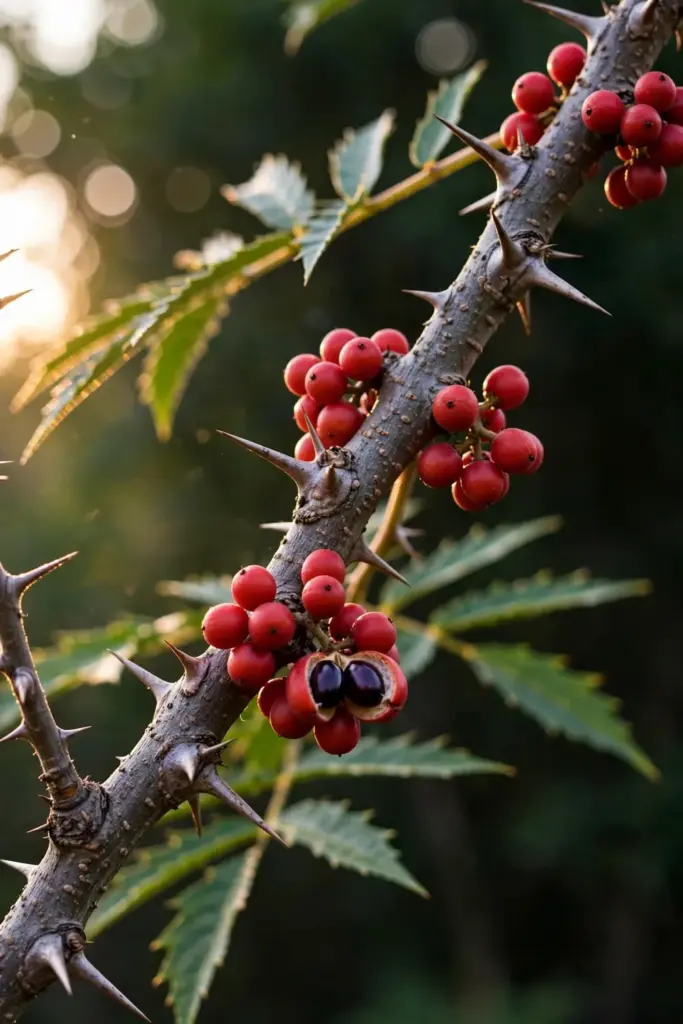
Nursery labels get this wrong. Some sellers list andaliman as Sichuan pepper or as Japanese pepper, and both names belong to other species. Check the botanical name on the packet or tag before money changes hands. If the label shows only a common name, ask the seller for the Latin name. No Latin name means no purchase.
| Feature | Andaliman | Sichuan pepper |
|---|---|---|
| Species | Zanthoxylum acanthopodium | Z. simulans / Z. bungeanum |
| Common names | Batak pepper, Indonesian lemon pepper | Szechuan pepper, Chinese pepper |
| Flavor | Lemon-forward, milder numbing | Stronger numbing, woodier base |
| Home range | North Sumatra highlands | China, widely cultivated |
| Habit | Thorny evergreen shrub to 6 m | Deciduous shrub to small tree |
| Part used | Ripe pericarps (husks) | Ripe pericarps (husks) |
The flavor difference is the practical test. Andaliman leads with citrus and numbs gently. Sichuan pepper numbs harder with a woodier finish. If a seller cannot tell you which one they stock, they do not know what they sell.
2. Match the 15-to-18°C Montane Climate Before You Plant
Andaliman grows wild at 1,200 to 1,500 meters above sea level, where the average temperature sits between 15 and 18°C, annual rainfall runs 800 to 1,000 millimeters, and soil pH spans 5.5 to 7.6, according to an Indonesian andaliman cultivation guide. Copy those numbers and the plant feels at home.
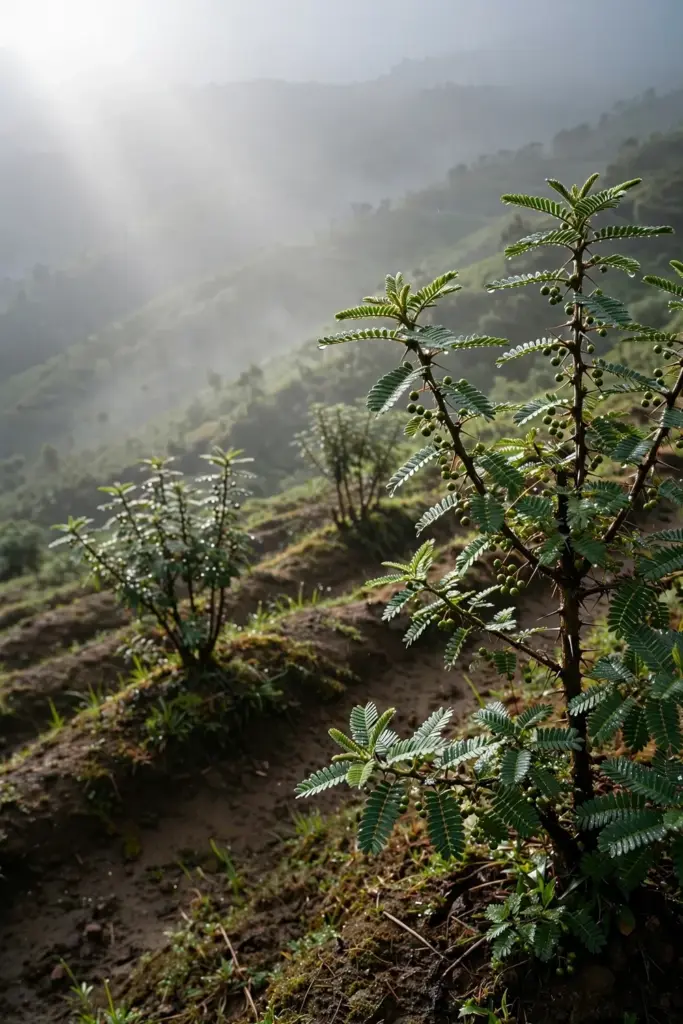
Think cool highland, not steamy lowland. A gardener in a Mediterranean or subtropical hill climate can plant outdoors year-round where frost never bites. A gardener in a true temperate zone grows andaliman in a large pot and moves it under cover before the first hard freeze. A verified USDA zone rating for this species is data not available, so temperature and frost exposure are your only reliable guides.
Wild populations climb higher than the farmed belt. The Useful Tropical Plants database records andaliman in upland open forests and thickets at 1,400 to 3,200 meters. That altitude range explains the plant’s cold tolerance for a tropical spice, and it is exactly why cool-climate growers have a real shot. Lowland tropical heat is the enemy here. Anything above the mid-20s Celsius for long stretches stresses the plant and slows it further.
3. Grow Both a Male and a Female Plant
Andaliman is dioecious. Male flowers grow on one plant, female flowers on another. Two plant databases describe what that means for the grower, and they disagree on the fine print, so here is the honest version.
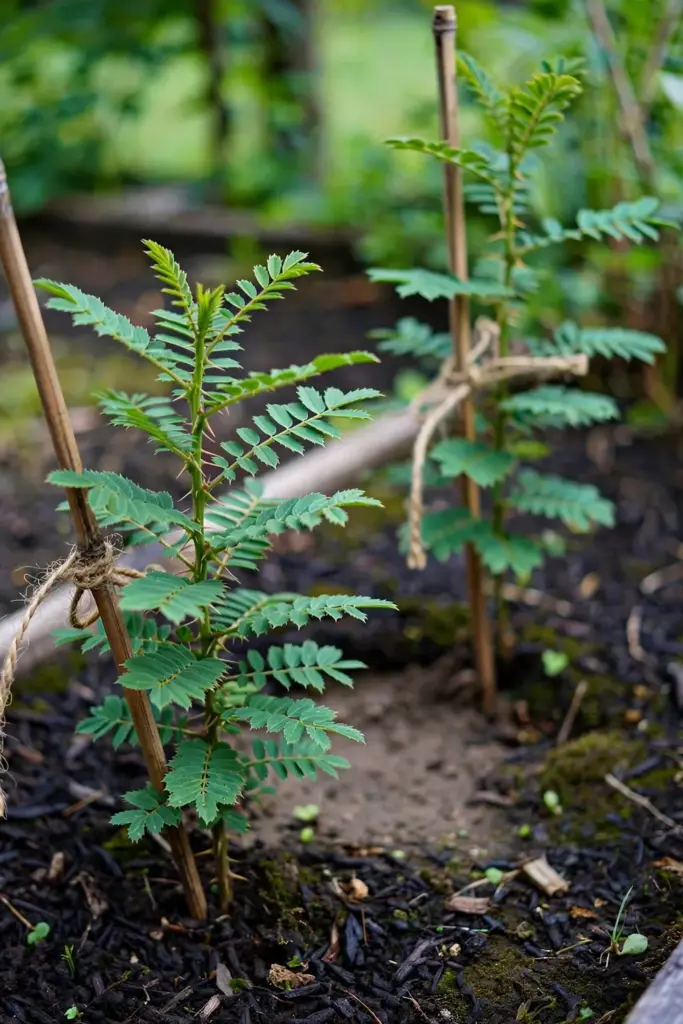
The Useful Tropical Plants database states that both male and female forms need to be grown if seed is required. Antropocene’s Zanthoxylum acanthopodium profile states that female plants can bear fruit without the need for the male. Both claims can be true at once. The spice is the fruit wall, and an unpollinated female flower can still set fruit. What a lone female cannot give you is viable seed.
Plant at least one male with every few females if you want seed for the next generation. If you only want the spice harvest, a female alone still sets fruit, but those fruits carry no viable seed. You cannot tell male from female until the plants flower, so start with several seedlings and keep the sexes once they show. Buying a single seedling and hoping it fruits is the most common planning mistake with this species.
4. Source Fresh Seed From Ripe Red Pericarps
Fresh seed is everything with andaliman. Published Indonesian trials record germination rates of 3.6 to 17.5 percent, so buy fresh seed and sow it the same season. Ask the supplier when the seed was harvested. If they cannot answer, assume it is old and buy elsewhere.
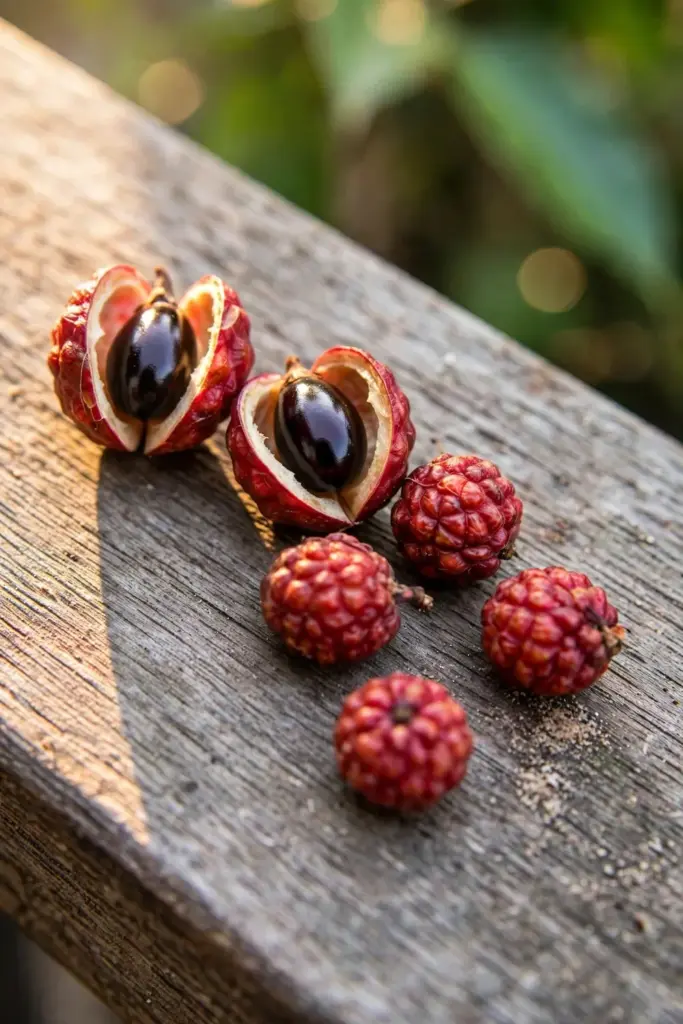
The spice trade sells dried pericarps, not planting seed. Dried spice berries have been heat-dried and handled for the kitchen, and their embryos are usually dead. Real planting seed comes from ripe red pericarps, ideally collected the same season you sow. In the wild, birds eat the fruits and scatter the seed, which is why wild seedlings appear far from parent plants. Ripe fruits split open to reveal purplish-black seeds, and that split is your picking signal when collecting seed yourself. Take fruits at the splitting stage, not earlier, and clean the pulp off the seeds promptly so it does not ferment around them. Farmers in the Toba highlands historically collected seedlings that sprang up after controlled burns cleared old planting areas.
Specialty Indonesian seed sellers and botanical-garden seed exchanges are the realistic sources outside Sumatra. Expect small quantities and high prices relative to common spice seed. Order more than you think you need. With germination this low, a small packet is a starting batch, not a large one.
5. Break Dormancy With the 60°C Hot-Water Soak
Andaliman seed wears a thick, hard coat that blocks water. Without treatment, most seed sits in the soil and rots. The home-grower method that Indonesian researchers document is a hot-water soak: pour 60°C water over the seed and let it cool naturally, as described in an Indonesian andaliman cultivation guide. That single step softens the coat enough for water to enter.
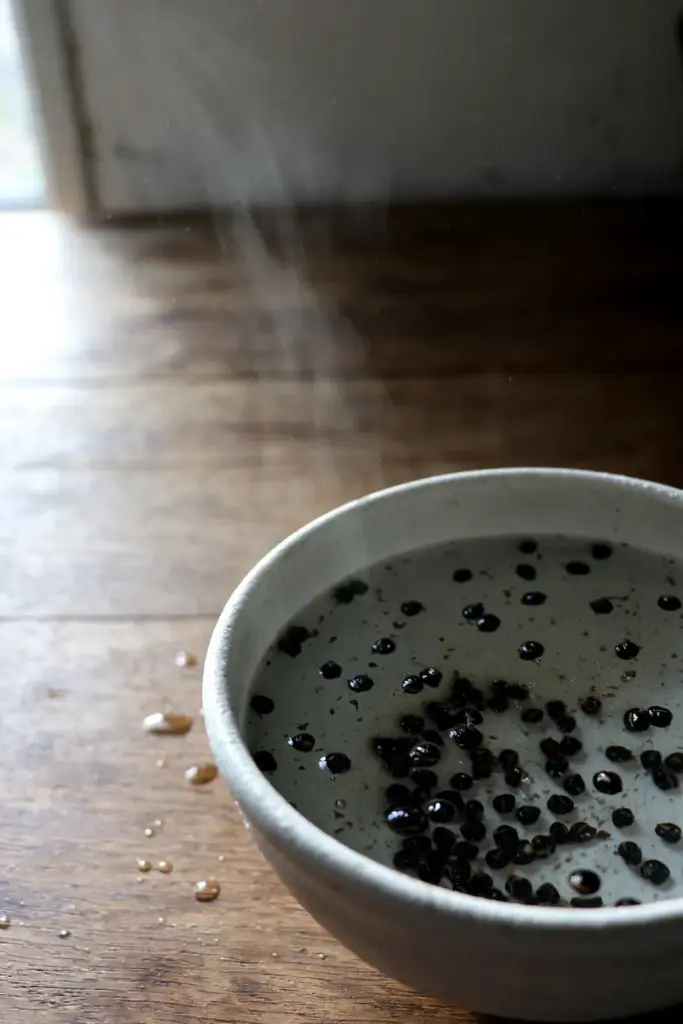
Two refinements from the same research tradition raise your odds. Soaking seed in a 0.6 gram-per-liter potassium nitrate solution for 24 hours wakes up sluggish embryos. Sorting seed first in a 20 percent sugar solution saves space: sinkers are the viable ones and go into the tray, floaters get discarded. A 2026 Journal of Tropical Crop Science germination study tested laboratory treatments and found a gibberellin-plus-kinetin soak the most effective option at 20 percent germination, against 6.33 percent for untreated seed. The same study found sulfuric acid scarification damaged the seed and dropped germination to 1.33 percent, so skip the acid bath some older guides recommend.
Do the soak, do the sugar sort, and sow the same day. Treated seed left sitting loses the advantage fast.
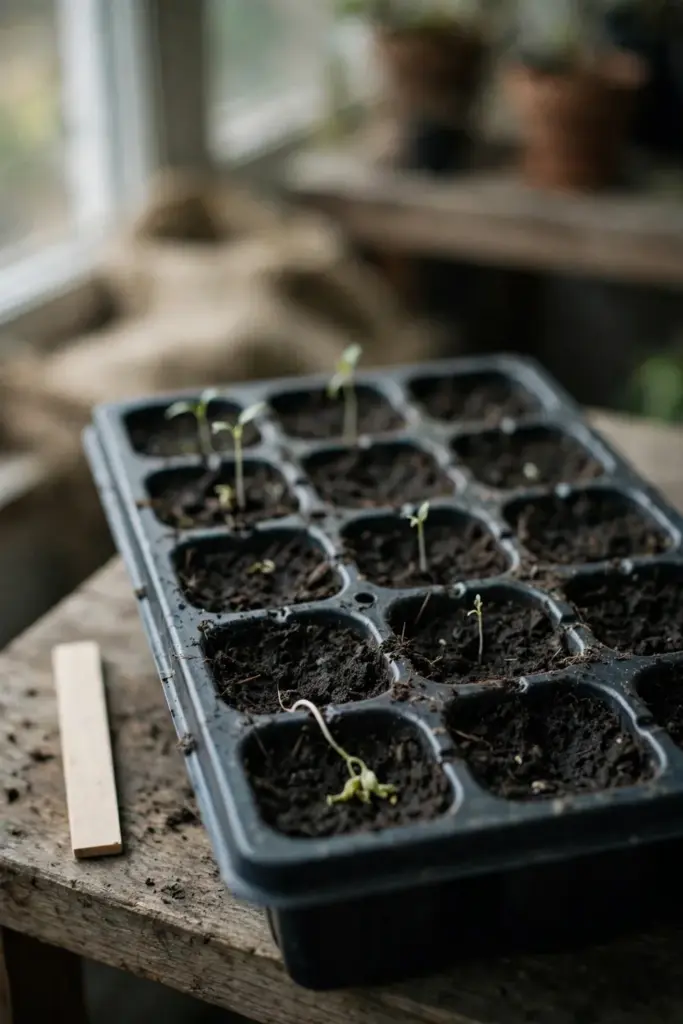
6. Sow Shallow and Wait 21 to 99 Days
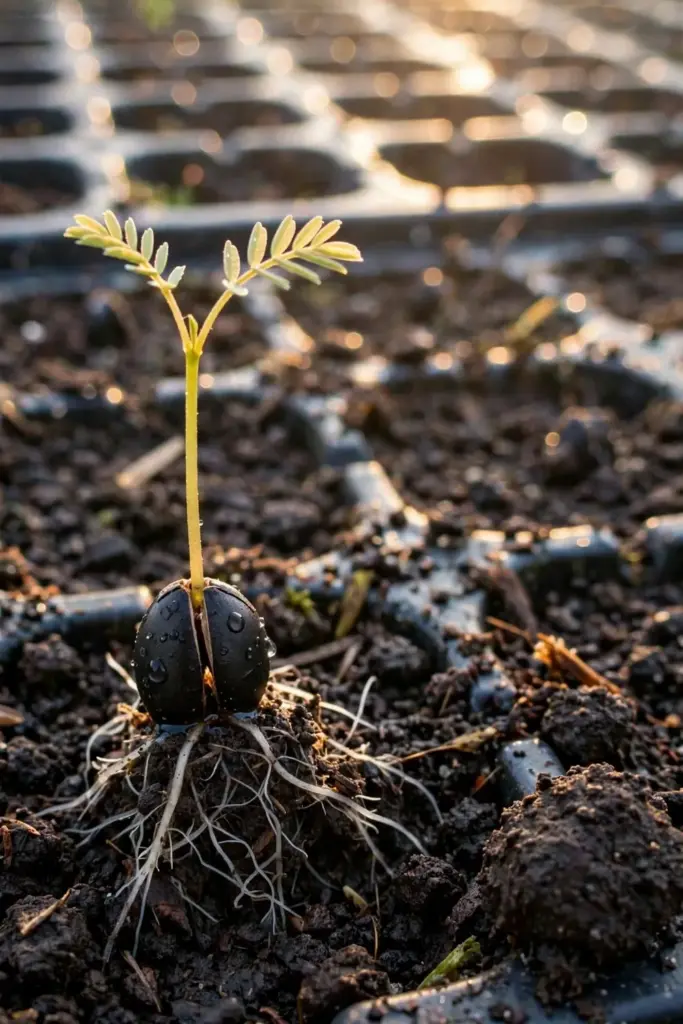
Sow treated seed shallowly in a shaded nursery bed or tray, following the same basic seed-starting steps you would use for any slow tropical seed. Andaliman germinates above ground, pushing its seed leaves up on an elongating stem. Keep the medium evenly moist, never waterlogged, and hold the tray in bright shade. Direct sun bakes the surface and kills emerging sprouts.
| Step | Action | Time |
|---|---|---|
| 1 | Sort seed in 20% sugar solution; sow the sinkers | Day 0 |
| 2 | Soak in 60°C water; let it cool on its own | Day 0 |
| 3 | Optional: soak 24 hours in 0.6 g/L potassium nitrate | Day 1 |
| 4 | Sow shallow in a shaded bed of soil, sand, and composted manure | Day 1–2 |
| 5 | First sprouts emerge | Day 21 onward |
| 6 | Peak germination window | Day 40–90 |
The timeline is the hard part. Indonesian trials record first sprouts at 21 days and stragglers at 99 days, with the heaviest germination between day 40 and day 90. Do not throw the tray out at week four. Mark the sowing date on the tray and check moisture daily, but expect nothing visible for at least three weeks. Seedlings that emerge late are normal for this species, not a sign of failure.
7. Transplant Seedlings Into Dappled, Well-Drained Ground
Move seedlings out once they carry several true leaves and stand sturdy. Andaliman wants loose soil at least 50 cm deep with medium permeability, from sandy to clay textures, in the pH 5.5 to 7.6 band its habitat shows, per the Indonesian andaliman cultivation guide. Heavy waterlogged clay suffocates the roots. Dig the planting hole wide, break up the sides, and mix composted organic matter through the backfill to keep building soil health before the roots ever arrive.
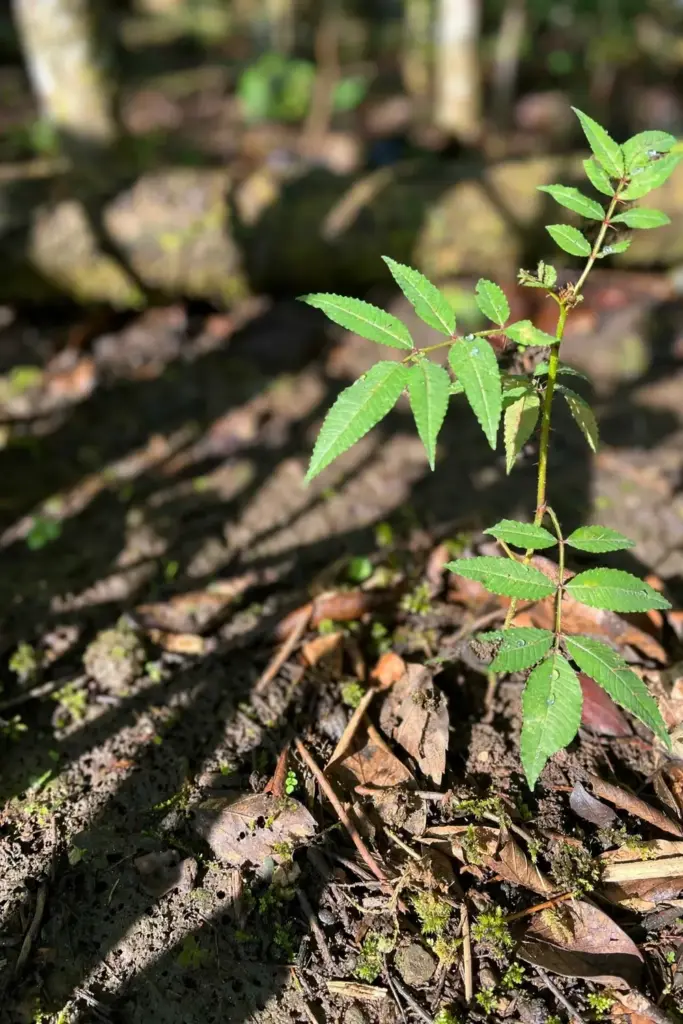
Light is flexible. Wild plants grow in open forest edges with indirect light or partial direct sun during the day. Give young plants dappled shade, like the light under a thin tree canopy, and let established plants take more sun. This tolerance for broken light puts andaliman in the same company as fruits that still crop in partial shade, which matters for gardeners short on full-sun space.
Give each plant generous room. The shrub eventually reaches 6 meters, so crowded plants compete for the cool air movement they prefer. Mulch the root zone with leaf litter or wood chips, keeping the mulch a hand’s width from the stem. The mulch holds the even moisture this plant expects from its 800 to 1,000 millimeter rainfall home.
8. Water for an 800-to-1,000-mm Rainfall Year
Match the native rainfall and watering gets simple. Andaliman expects 800 to 1,000 millimeters of rain spread across the year, which works out to steady, moderate moisture rather than feast-or-flood cycles. Water deeply when the top few centimeters of soil dry out, then let the soil breathe before watering again.
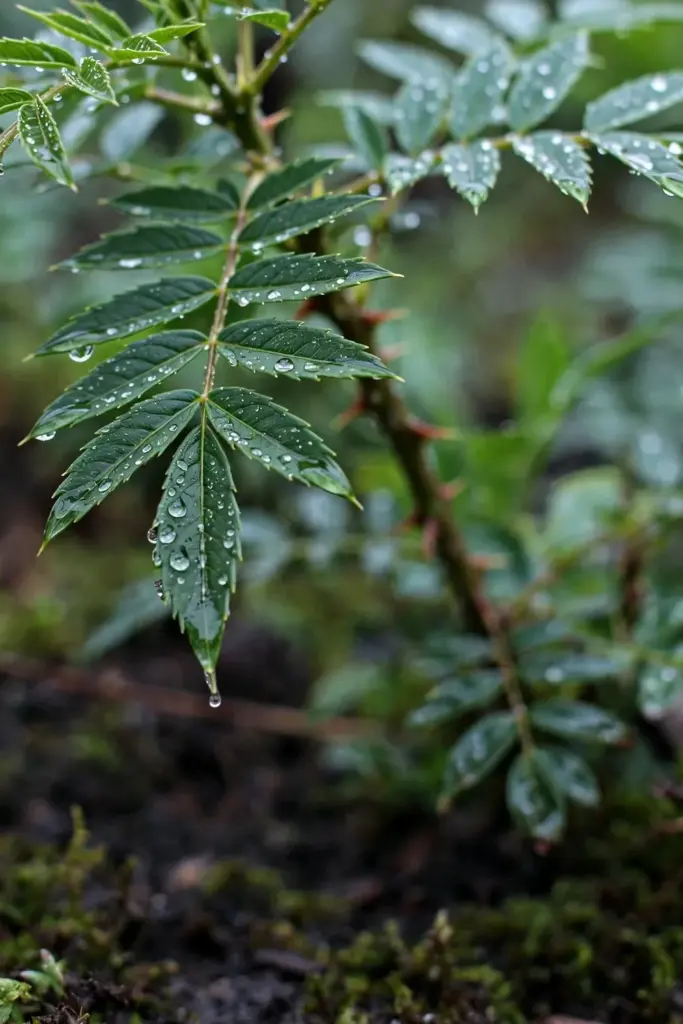
Young plants in their first two years need the most attention. Their root systems are still shallow, and a dry month can set them back a full season. Established plants handle short dry spells once their roots reach deep soil. Potted plants dry out faster than in-ground plants, so check pots twice a week in warm weather and water when the surface feels dry to the first knuckle.
Cut water back slightly in the coolest months. The plant’s highland rhythm includes a cooler, drier rest, and soggy winter soil invites root problems. Never let a pot sit in a saucer of standing water. Good drainage matters more than precise scheduling for this species.
9. Prune for Thorns, Not for Shape
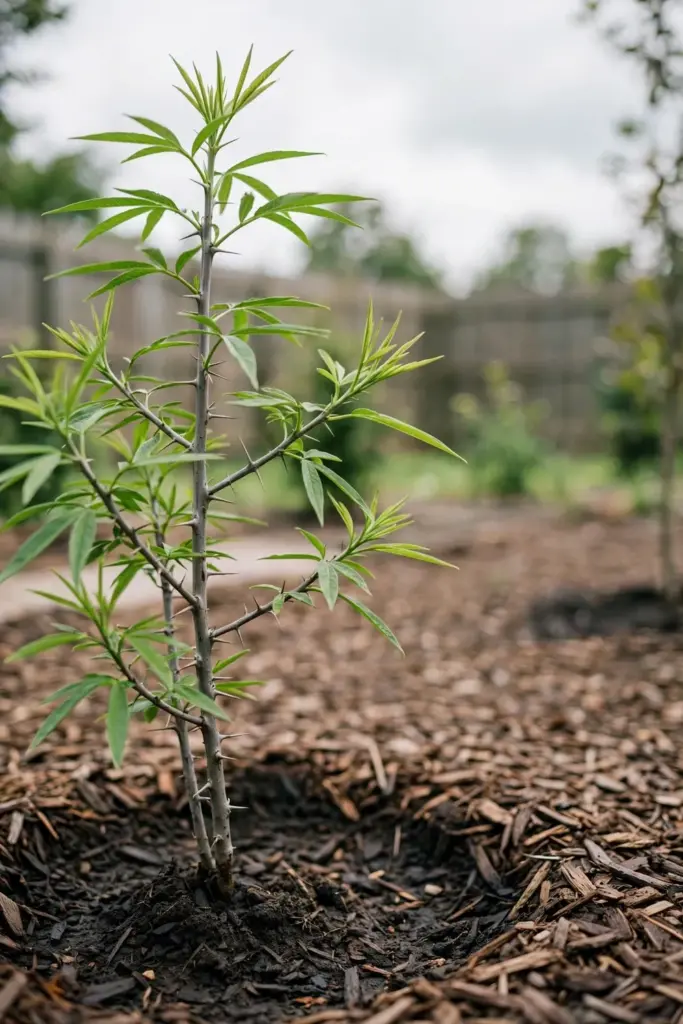
The thorns are the defining feature of a mature andaliman plant. They grow with the plant rather than falling off, and older trunks carry them as a permanent showy armature, as Antropocene’s species profile notes. Every pruning session starts with thick leather gloves and long sleeves, because the thorns tear skin through thin garden gloves.
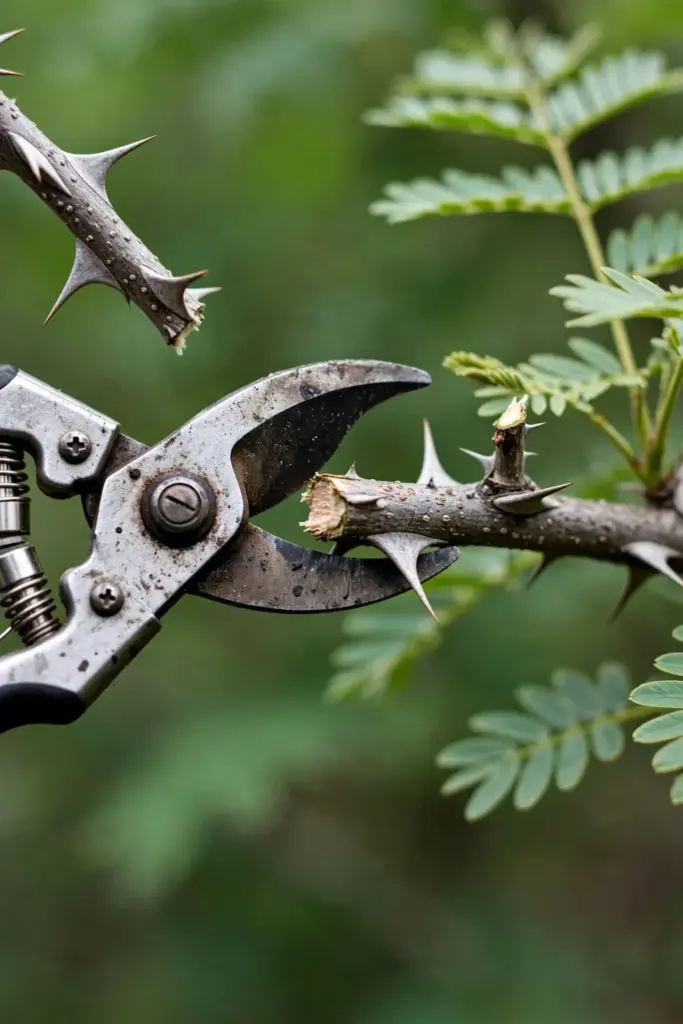
Prune to remove dead, damaged, and crossing wood, not to sculpt a shape. Cut dead branches back to living tissue in the cooler months when the plant rests, and open the center lightly so air moves through the canopy. Stagnant humid air invites fungal trouble on any dense evergreen. Make clean cuts just outside the branch collar and leave each wound to seal on its own.
Keep the area under the plant clear of fallen thorny prunings. Rake them up and dispose of them rather than composting, since the thorns persist in compost and surprise bare feet later. One annual tidy-up keeps the shrub productive and the gardener unpunctured.
10. Harvest Pericarps at the Red-Ripe Stage
The fruits are small and red, found thickly clustered on the branches of female plants, as Antropocene’s species profile describes. Pick at full red, when the pericarps are aromatic and the citrus scent is strongest. Crush one between your fingers. The lemon perfume should hit immediately. That perfume is the whole point of growing this plant.
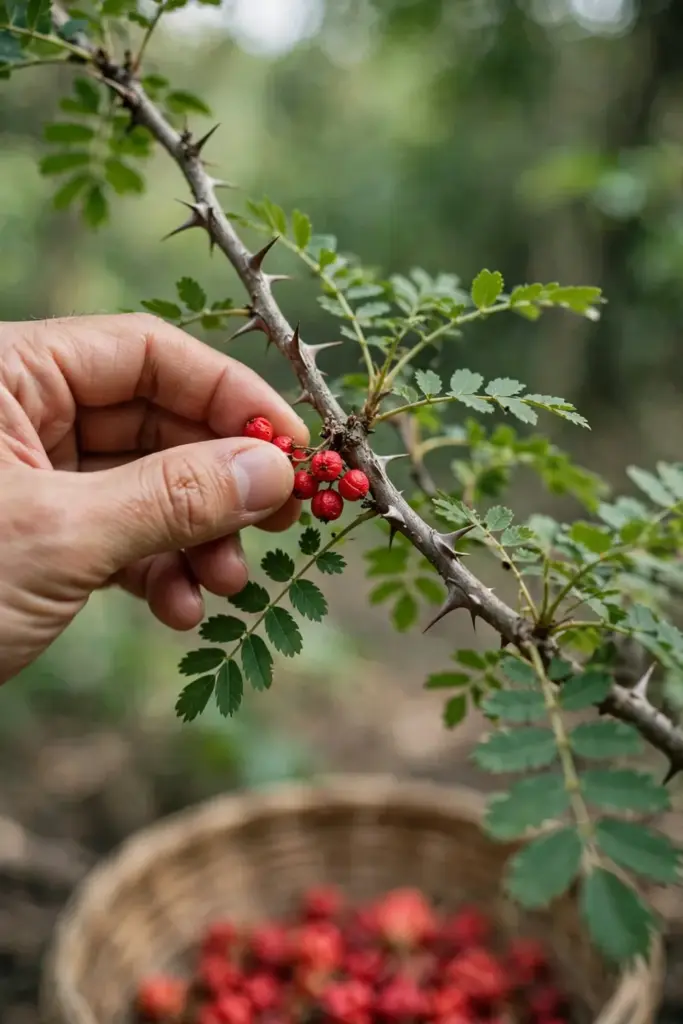
Use the pericarps, the fleshy husks, not the hard black seeds inside. Strip the red husks from the branches by hand, working carefully around the thorns. A mature shrub in a good year gives a generous harvest for home cooking, though published yield figures for home plantings are data not available. In Batak kitchens the fresh or dried pericarps season arsik and saksang, the dishes that made this spice famous.
Pick in dry weather. Wet fruit molds before it dries, and mold ruins the flavor you spent years growing. Harvest in the morning after the dew lifts, when the husks are dry to the touch.
11. Dry the Pericarps Low and Slow
Spread the fresh red husks in a single thin layer on a woven tray or clean mat in warm shade with good airflow. Turn them once a day. The pericarps darken as they dry and finish as brittle, deeply aromatic husks. Sun-drying works in dry climates, but harsh direct sun bleaches the volatile oils that carry the lemon scent, so shade-drying preserves more flavor.
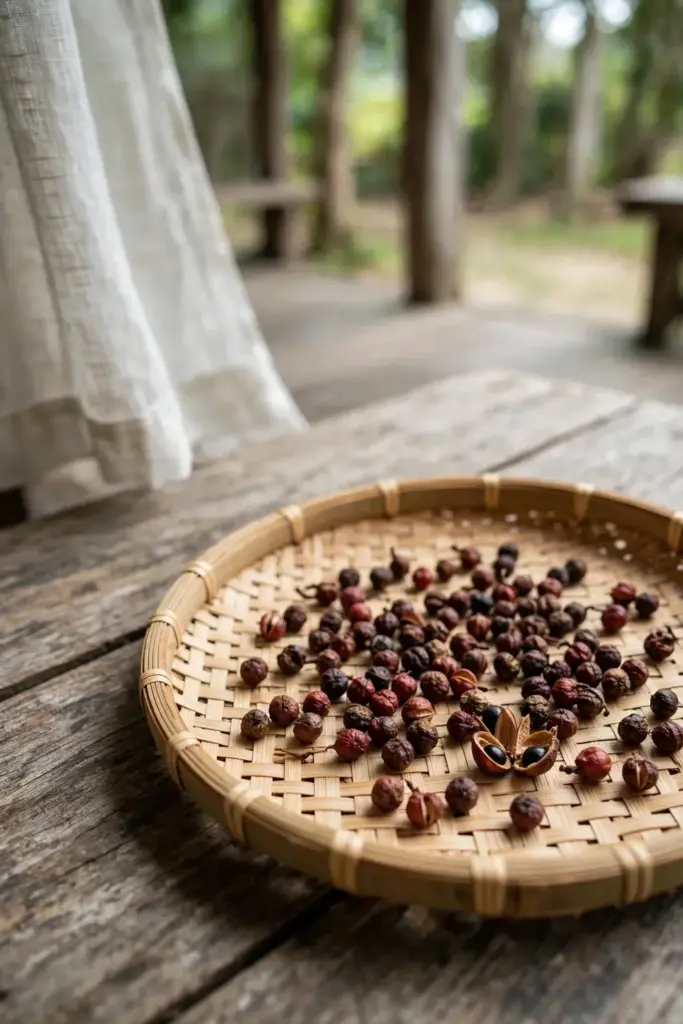
Drying is complete when a husk snaps cleanly instead of bending. Under-dried husks mold in storage, and mold is the fastest way to lose a harvest. In humid climates, finish the batch in a food dehydrator or a barely warm oven with the door cracked, and let the husks cool fully before packing.
Store the dried husks whole in an airtight glass jar away from light and heat. Grind only what you need for the week. Whole husks hold their citrus punch for months; ground powder fades in weeks. Date the jar. Rotate stock so last season’s harvest gets used first.
Cook with a light hand at first. Andaliman dominates a dish fast, and its citrus-numbing character is unlike black pepper or chili heat. Toast the whole dried husks briefly in a dry pan to wake the aroma, then grind and add near the end of cooking. In Batak cooking the ground husks go into sambals and slow-cooked dishes, where the lemon perfume cuts through rich meat and fish. Start with half the amount you think the dish needs. You can always add more.
12. Pot Andaliman for Cold-Climate Winters
Gardeners outside the frost-free highlands grow andaliman as a container plant, and the species adapts well to pot life. Choose the largest pot you can still move, with large drainage holes. Fill it with a loose mix of garden soil, coarse sand, and composted bark or leaf mold. The mix must drain fast while holding even moisture.
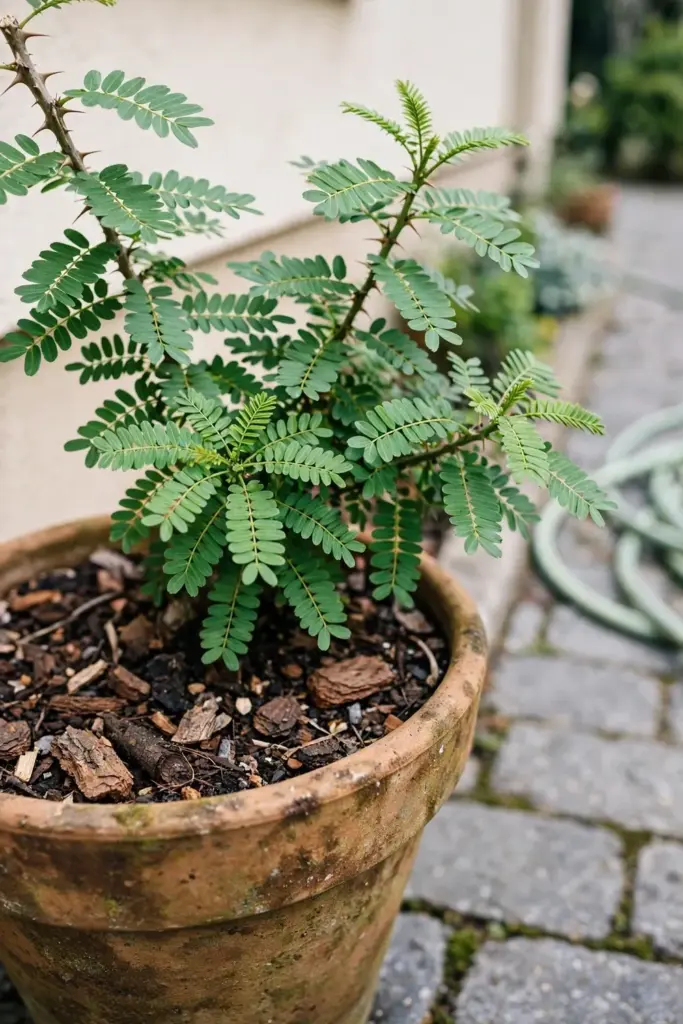
Keep the pot outdoors from the last spring frost to the first autumn frost, in bright shade or morning sun. Move it under cover when nights approach freezing. A cool greenhouse, a bright unheated sunroom, or a frost-free garage with a grow light all work. The plant tolerates cool winter rest far better than warm, dark indoor corners, so prioritize light and cool air over tropical warmth.
Water sparingly through winter, just enough to keep the root ball from drying out completely. Resume normal watering when new growth starts in spring, and feed lightly with compost top-dressing as the season warms. Repot when roots fill the container, moving up one pot size or root-pruning and refreshing the mix to control size.
13. Fix the 6 Failures That Kill Young Andaliman
Most andaliman failures trace back to six mistakes. Each one has a fix. Learn them now and you skip the two dead seasons most first-time growers lose to dead seed and discarded trays.
Dead seed from the spice jar. Dried culinary berries rarely germinate. The fix is sourcing fresh seed from a seed supplier who can name the harvest season, then sowing within weeks.
Skipping the hot-water soak. Untreated seed sits and rots. The fix is the 60°C soak and the sugar-solution sort before every sowing.
Throwing the tray out at week four. First sprouts can take 21 days, and stragglers take 99. The fix is marking the sowing date and waiting a full three months before declaring failure.
One lonely plant. A single female sets fruit but no viable seed, and a single male sets nothing. The fix is planting several seedlings so both sexes end up represented.
Lowland heat. Constant temperatures in the high 20s Celsius stall the plant. The fix is siting it in the coolest part of the garden, using shade cloth in hot spells, or growing in a pot that moves to cool shade.
Waterlogged soil. Soggy roots kill faster than drought. The fix is loose, deep, free-draining soil and never letting pots stand in water.
14. Expect a Slow, Thorny, Long-Lived Shrub
Andaliman is not a quick crop. It builds a woody, thorny framework for years before fruiting heavily, and the exact age of first fruit for home plantings is data not available. Budget patience in years, not months. The payoff is a long-lived evergreen shrub that can reach 6 meters and fruits for decades once established.
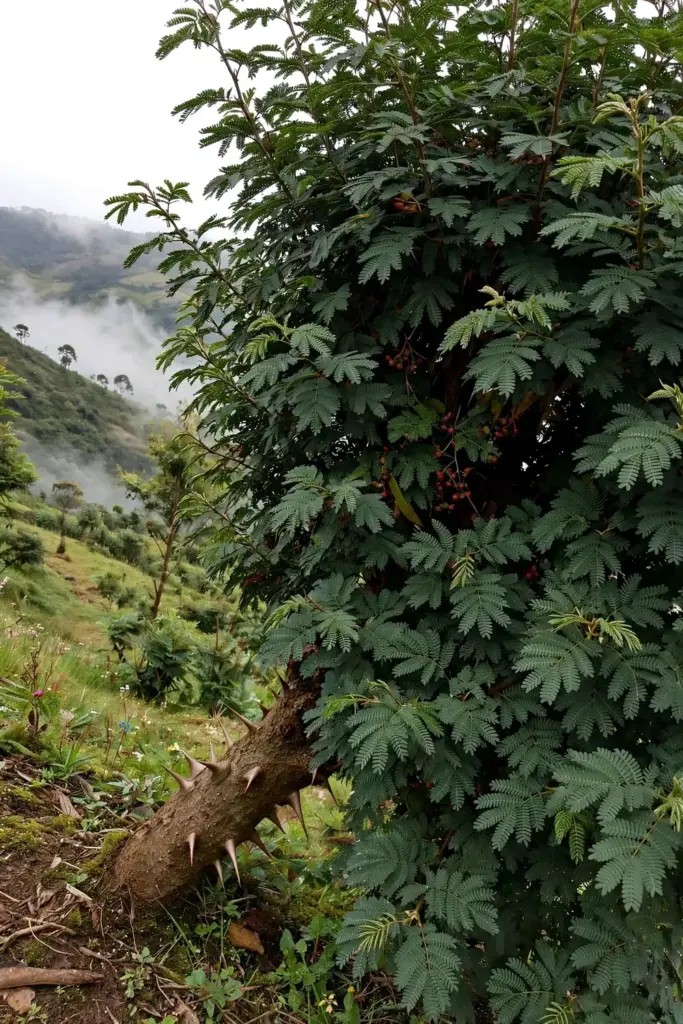
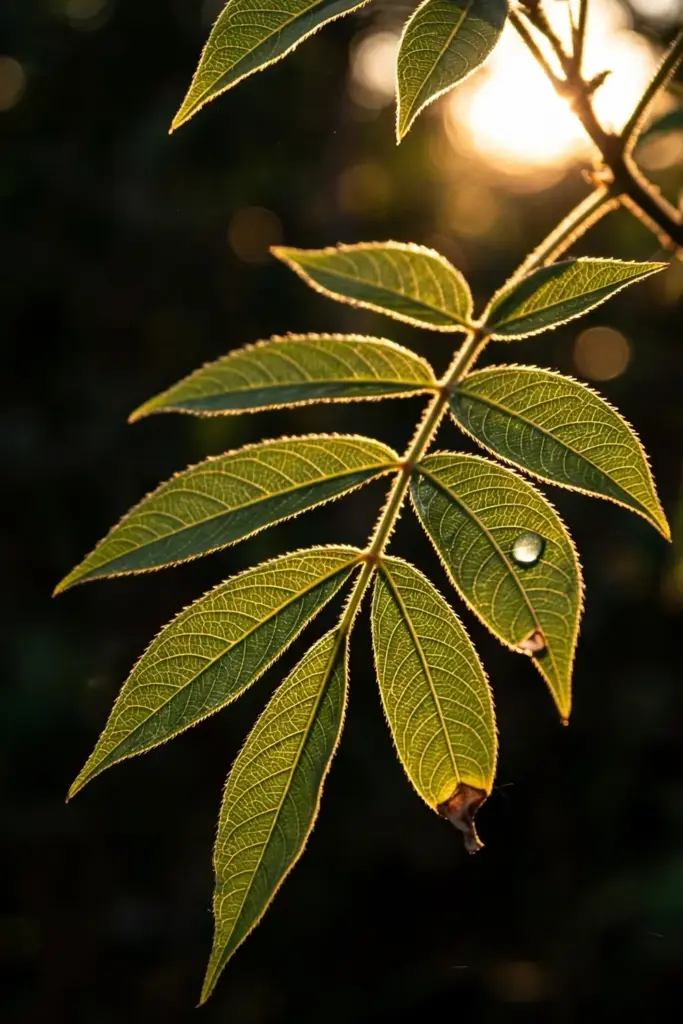
Growth is steadiest in the cool highland band the species evolved in. Plants pushed into hot lowland conditions grow slowly and fruit lightly. Plants given 15 to 18°C, dappled light, and even moisture grow into handsome specimens that earn their space as ornamentals even before the first harvest. The lemon-scented foliage alone justifies the plant in a fragrant garden corner.
Think of andaliman as a legacy planting. You are establishing a spice shrub your household harvests for a generation. Sow extra seed, keep the strongest seedlings of both sexes, and give the winners room to become the thorny, citrus-perfumed shrubs they are meant to be.
Frequently Asked Questions
No. Andaliman is Zanthoxylum acanthopodium from the North Sumatra highlands, while Sichuan pepper is Zanthoxylum simulans or Zanthoxylum bungeanum from China. Same genus, different species. Andaliman tastes lemon-forward with milder numbing; Sichuan pepper numbs harder with a woodier base. Check the Latin name on any seed or seedling label before buying, since sellers mix the common names freely.
Expect 21 to 99 days, with the heaviest germination between day 40 and day 90. Indonesian trials record germination rates of 3.6 to 17.5 percent even with treatment, and a 2026 laboratory study topped out at 20 percent with a gibberellin-plus-kinetin soak. Soak seed in 60°C water and let it cool, sort in a sugar solution, sow shallow in shade, and do not discard the tray before three months pass.
Yes, for viable seed. Andaliman is dioecious, so male and female flowers grow on separate plants. Plant databases agree that both sexes are needed when seed is the goal, while Antropocene’s profile notes that a lone female can still set fruit. That fruit carries the spice but no viable seed. Since sex only shows at flowering, start with several seedlings and keep at least one confirmed male with your females.
Yes, in a large pot. No verified USDA zone rating exists for this species, so treat it as a cool-climate plant that needs frost protection. Keep the pot outdoors from the last spring frost to the first autumn frost, then move it to a cool, bright, frost-free spot for winter. Water sparingly through the cold months and resume normal care when spring growth starts.
The usual causes are youth, missing males, and heat. This is a slow woody shrub that takes years to mature, and the exact first-fruiting age for home plantings is data not available. A lone female without a nearby male sets fruit but no viable seed, and some growers mistake sparse early crops for failure. Constant high-20s heat also suppresses fruiting. Confirm the plant’s sex, confirm its age, and check that summer temperatures stay near its 15 to 18°C comfort band.
Andaliman leads with a strong lemon scent and citrus flavor, with a gentle tongue-tingling numbness behind it, as Antropocene’s species profile describes. The numbing is milder than Sichuan pepper’s, and the citrus notes recall lemongrass with a faint pandan-like warmth. The prized part is the ripe pericarp, the fleshy husk around the hard seed. Use the husks fresh, dried, or ground, and grind only what you need, since the powder loses its punch in weeks.
How to Grow Andaliman: Your First-Season Plan
Start with fresh seed, confirm the species name, and give the plant the cool highland conditions it evolved for. Soak and sort the seed, sow in shade, and wait out the long germination window without panic. Anyone learning how to grow andaliman should plant several seedlings so both sexes survive to flowering, site them in dappled light with deep loose soil, and water for a steady highland-rainfall year. Harvest the red pericarps, dry them in shade, and store them whole. The shrub is slow and thorny and worth every bit of the wait.