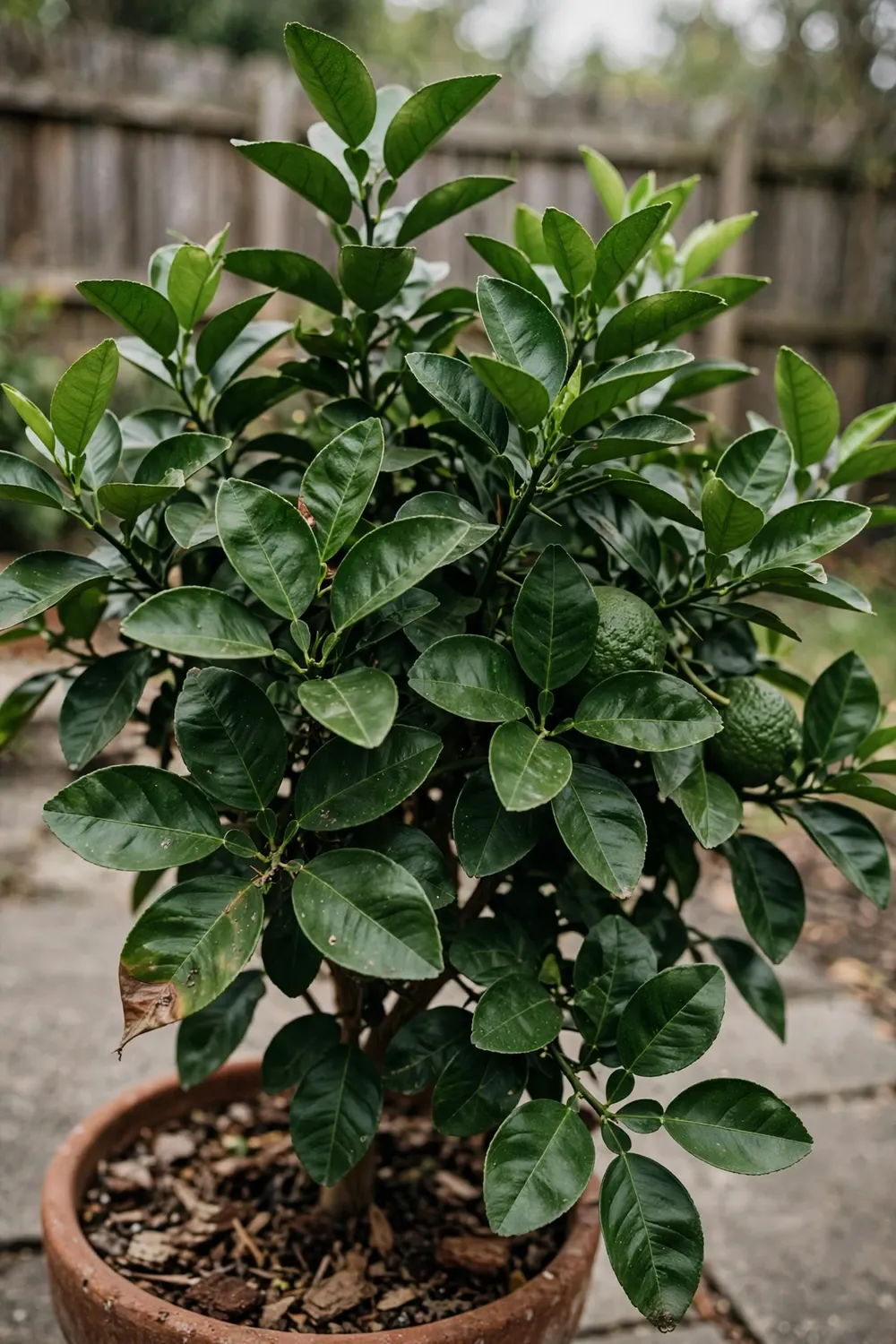

Learning how to grow kaffir lime starts with a reset: the glossy double-lobed leaves are the harvest, and the tree only lives outdoors year-round in zones 9 to 10. That is a makrut lime tree grown as a leaf crop. Kaffir lime (makrut lime, Citrus hystrix) is Indonesia’s jeruk purut, the leaf behind soto ayam, gulai, and rendang, and in colder regions it thrives in a pot that summers outside and winters indoors. I have learned that picking a few leaves every few weeks keeps a potted tree pushing new growth.
Most home growers should treat this tree as a leaf crop. A single healthy potted tree supplies a steady stream of aromatic leaves for the kitchen. The fruit rind can be grated for zest, but the flesh is intensely bitter and nearly juiceless, so nobody grows this tree for juice. Plan for leaves first and the tree never disappoints.
If you already keep citrus, the care rhythm transfers cleanly. Watering and feeding follow the same pattern that works for growing lemons in a home garden. The two differences are the goal, which is leaf production, and the winter, which this tropical tree must spend indoors anywhere frost reaches.
1. Match Your Climate to Citrus hystrix Before You Plant
Makrut lime trees live outdoors year-round only in USDA zones 9 to 10, where winter cold stays mild. Gardeners in zone 8 can sometimes keep a tree outside with real frost protection: nursery growing notes place the species in zones 8 to 11 with protection when temperatures fall below 0°C, according to Yarden’s kaffir lime growing advice. Everyone north of that line grows the tree in a container and moves it indoors for winter.
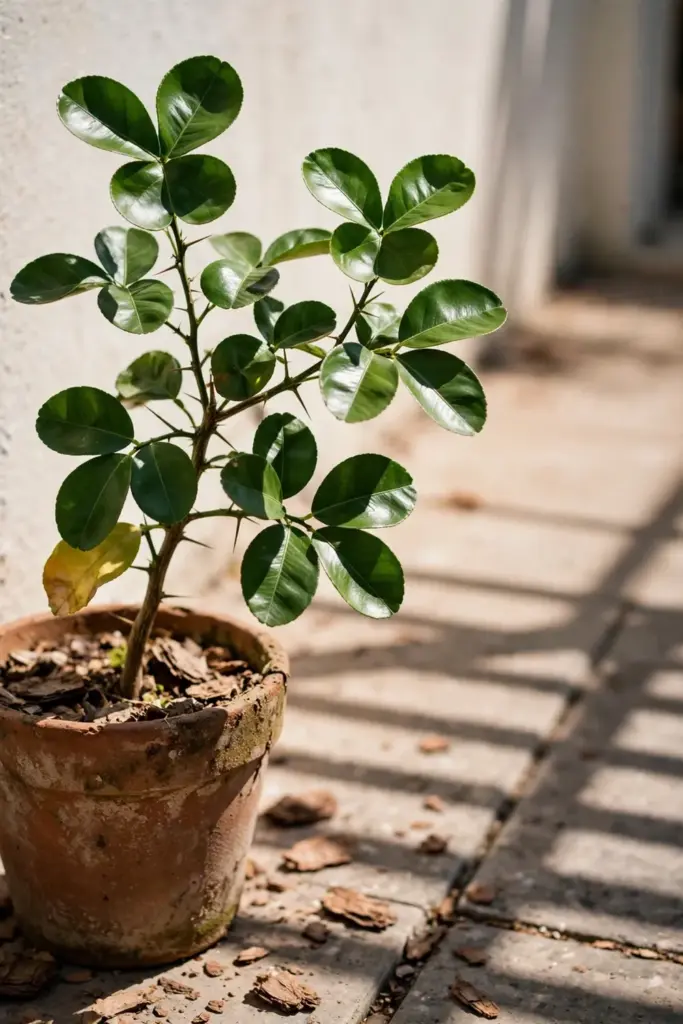
The container system is not a compromise. This is a naturally small, thorny tree that tops out at 1.5 m in a pot, and it leafs well in containers for decades. The pot lets you chase the sun in summer and dodge every freeze in winter. For temperate gardeners, the pot is the whole strategy. Learning how to grow kaffir lime in a cold-winter region is simpler than learning to protect one in the ground.
Site the pot where the tree catches radiant warmth. A south-facing wall, a sunny patio, or a spot near the house all buy the tree a few extra degrees on cool nights. Cold air pools in low dips of the yard. Keep the pot off the lowest ground and out of wind tunnels between buildings. Good placement saves more leaves than any fertilizer.
2. Name the Tree Honestly: Kaffir Lime, Makrut Lime, and Jeruk Purut
Kaffir lime and makrut lime are two names for the same tree, Citrus hystrix. The word “kaffir” is a racial slur in South African English. Nurseries, cookbooks, and seed sellers across the English-speaking world have been switching to “makrut lime” for years, a shift covered in Modern Farmer’s piece on why many nurseries dropped the K-word. In Indonesia, where the tree belongs to everyday cooking, it is jeruk purut.
This article uses “makrut lime” in the body and keeps “kaffir lime” where the keyword and the history need it. The older name still appears on nursery tags, recipe blogs, and older gardening books, so you will meet both. When you buy a plant, check the botanical name on the tag. Citrus hystrix is the one constant. That habit also protects you from the look-alike in the comparison table below.
Curry leaf (Murraya koenigii) is the plant most often confused with makrut lime at markets and nurseries. The two are unrelated. Curry leaf is a pinnate leaf with many small leaflets on one stem. Makrut lime has the unmistakable double-lobed leaf. Buy the tree, not the vibe of the label.
3. Identify Makrut Leaves by the Hourglass Leaf Shape
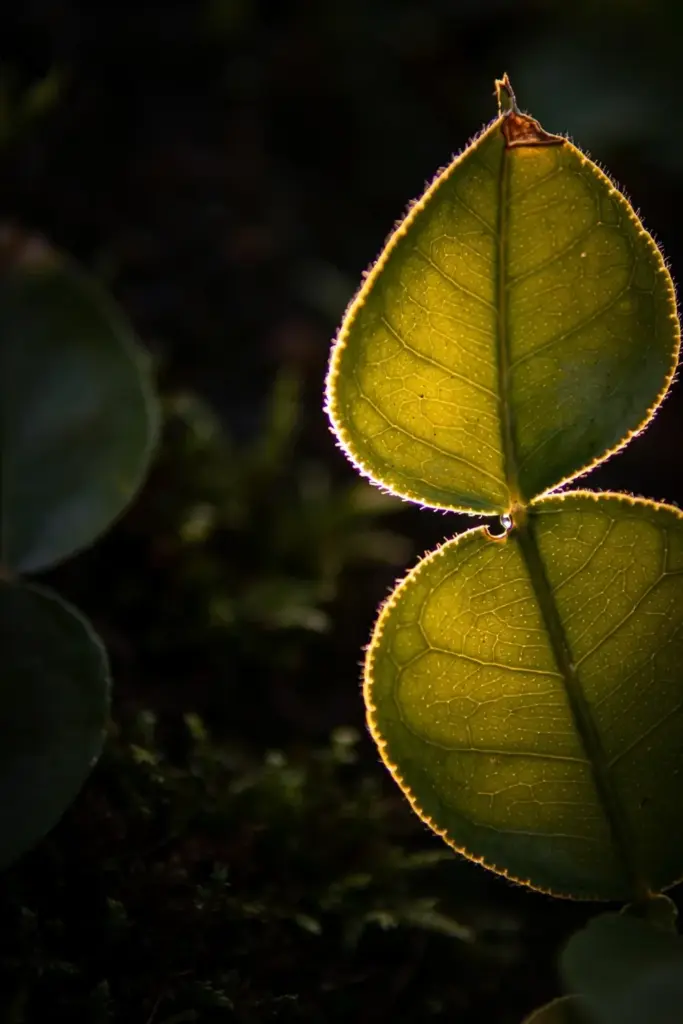
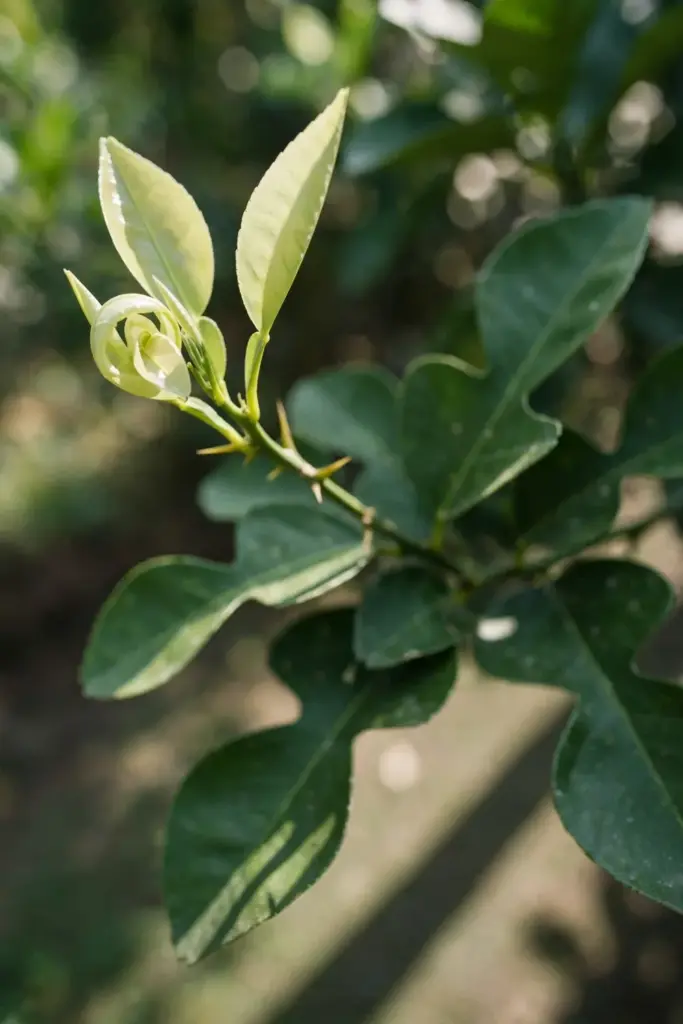
A makrut lime leaf looks like two leaves joined together, with one appearing to grow from the tip of the other. That double-lobed, hourglass shape is the fastest field mark, and Gardening Know How’s makrut lime care notes describe exactly this joined-leaf look. Crush a leaf and the released oil smells intensely of lime with a peppery, almost floral edge. No other citrus leaf smells quite like it.
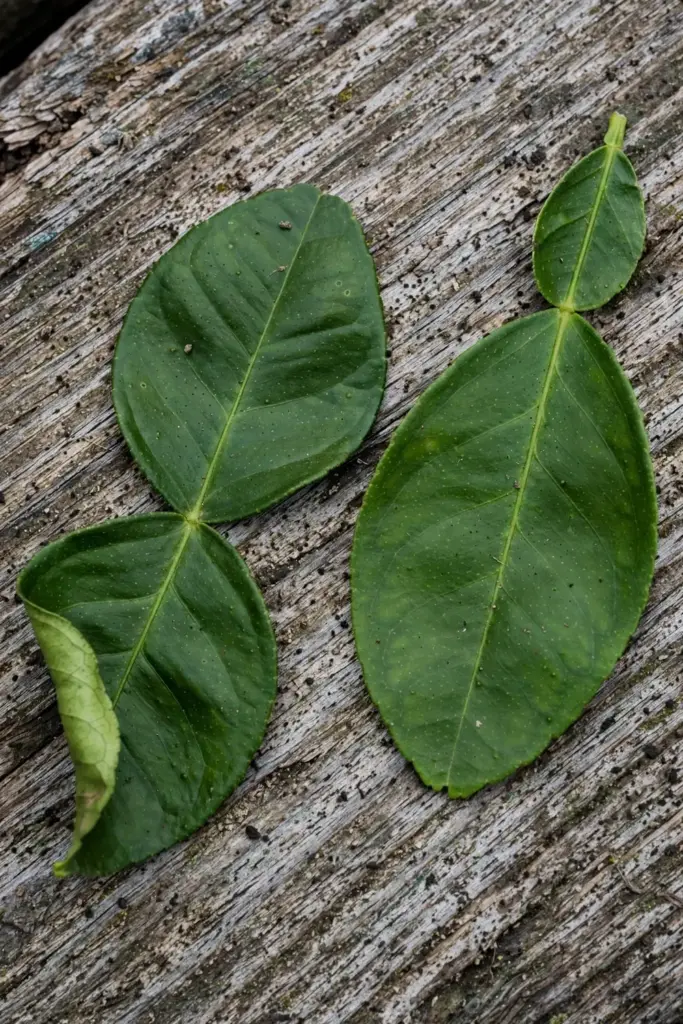
Regular lime leaves are single ovals with a winged stem and a milder scent. Curry leaves are entirely different: many small leaflets arranged along a central stem, with a warm, nutty aroma that has nothing to do with lime. The table lays out the differences so you can buy with confidence.
| Feature | Makrut lime leaf (Citrus hystrix) | Regular lime leaf (Citrus aurantiifolia) | Curry leaf (Murraya koenigii) |
|---|---|---|---|
| Shape | Double-lobed, hourglass, like two leaves joined | Single oval with a winged leaf stem | Many small leaflets on one stem (pinnate) |
| Scent when crushed | Intense lime with a peppery floral edge | Mild lime | Warm, nutty, no lime note |
| Main kitchen use | Soups, curries, and steamed dishes (leaf removed before eating) | Garnish and zest | Tempered in hot oil at the start of cooking |
| Tree type | Small thorny citrus tree | Small citrus tree | Non-citrus tropical shrub |
The leaf is usually simmered whole and fished out before serving, the way bay leaves are used. The center rib is tough, and the leaf is too fibrous to chew comfortably. Tear or bruise the leaf before it hits the pot. Bruising releases far more aroma than dropping it in whole.
4. Start from a Grafted Tree or 10 to 15 cm Cuttings
Buy a grafted nursery tree if you want leaves in the first season. Seed-grown makrut lime is a slow, uncertain project. Germination is erratic, seedlings vary, and the wait for a productive tree stretches for years. The same care guide linked above notes that growing from seed is often difficult, and that grafted trees bloom and bear fruit earlier than seedlings. For a leaf-first grower, the grafted tree is the honest shortcut.
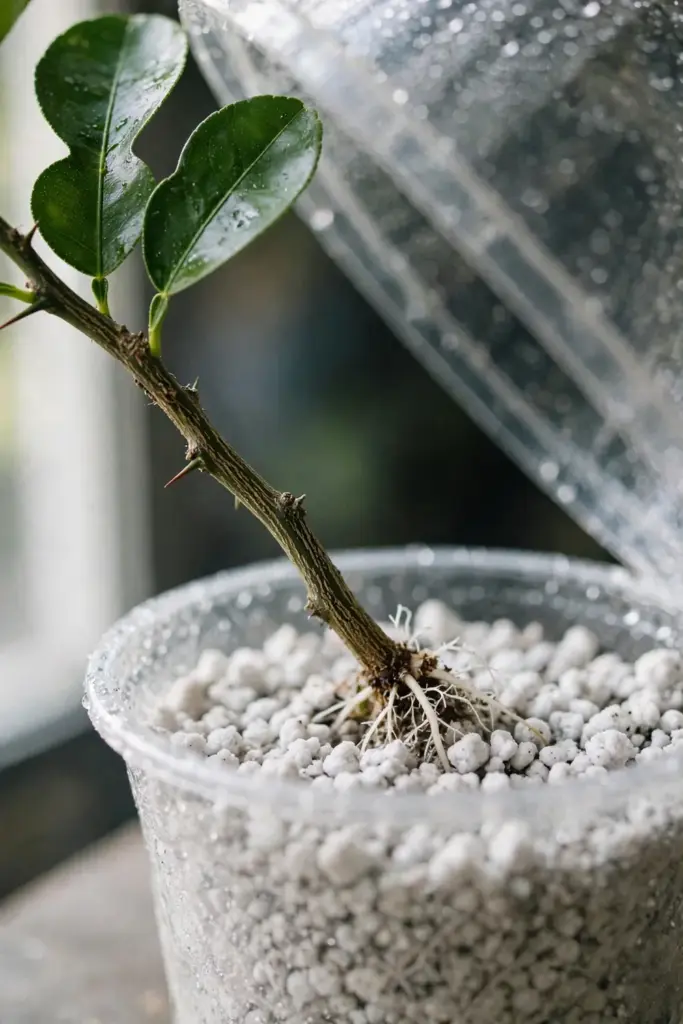
Cuttings sit in the middle. A semi-hardwood cutting taken in late spring or summer roots in a few months and grows into a true-to-type tree, identical to the parent. Take a pencil-thick stem 10 to 15 cm long. Strip the lower leaves, dip the cut end in rooting hormone, and set it in damp perlite or a perlite and peat mix under a humidity dome. Keep it warm and out of direct sun. Roots usually form within 6 to 10 weeks. Some cuttings take longer.
The table compares the three routes on the only metric that matters to most growers: when real leaf harvests begin.
| Option | Time to first real leaf harvest | Cost and effort |
|---|---|---|
| Grafted nursery tree | Leaf picking can start once established, often in the first season | Highest upfront cost, lowest effort |
| Rooted cutting | Steady harvests from the second season | Free if you know a tree owner; needs a humidity setup |
| Seed | Two or more years of growth before useful picking | Cheapest; germination is erratic and slow |
If you do try seed, the seed starting steps for warmth and moisture apply: fresh seed, steady warmth around 24 to 27°C, and a barely damp medium. Old dried seed rarely wakes up. Even with fresh seed, expect uneven sprouting and weak starters. Seed is a fun experiment. It is not a plan.
5. Pot in a Fast-Draining Citrus Mix in a 35 to 45 cm Container
Makrut lime roots demand air. A dense, soggy potting mix suffocates them, and root rot is the fastest way to lose a young tree. Mix your own or amend a bagged citrus mix until water runs straight through. The pot needs large drainage holes. The tree sits at the same depth it grew at in the nursery can, never deeper.
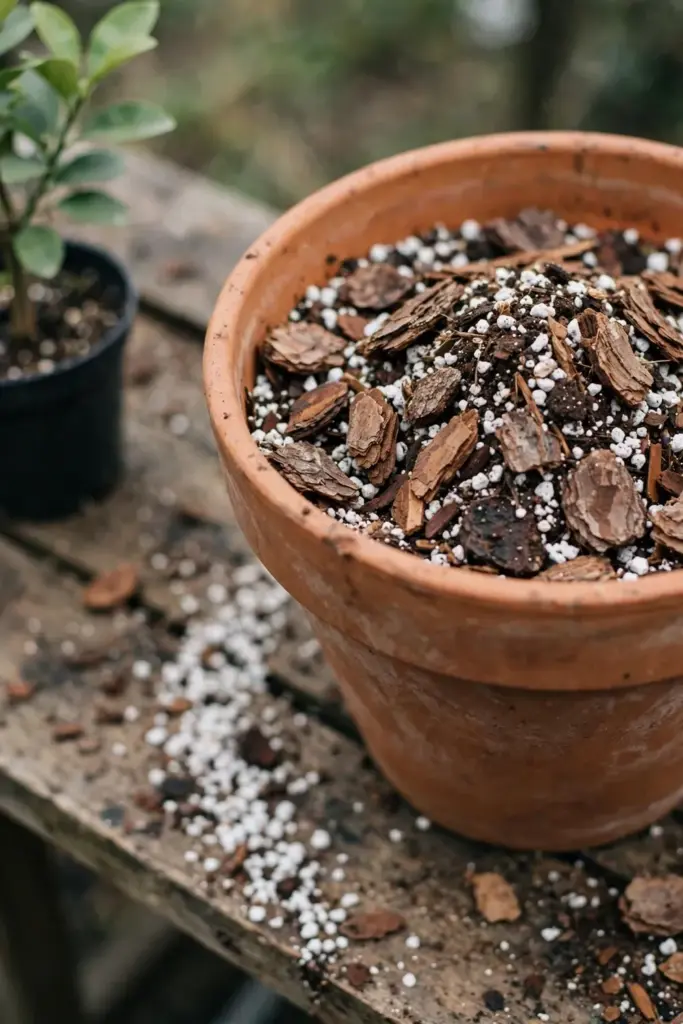
Start a young tree in a 35 to 45 cm container. That size holds enough mix to buffer watering mistakes without staying wet for days. Step up one pot size every 2 to 3 years as the roots fill the mix. A mature tree is comfortable in a 45 to 60 cm pot and can stay there for years with fresh top-dressing each spring.
The mix below drains fast, holds enough moisture between waterings, and feeds the biology that citrus roots like. Building soil health with compost-based mixes pays off for years, since a good mix means fewer repots.
| Component | Purpose | Proportion |
|---|---|---|
| Coarse pine bark or orchid bark | Drainage and lasting air pockets | 40% |
| Coarse perlite or pumice | Keeps the mix open as bark ages | 20% |
| Quality potting soil | Holds moisture and nutrients | 30% |
| Finished compost | Slow nutrients and soil biology | 10% |
Set the pot on feet or a stand so it never sits in a saucer of water. Citrus roots sitting in standing water develop rot within days in warm weather. A wheeled plant dolly under a large pot makes the twice-yearly indoor-outdoor move far easier on your back.
6. Give the Tree Full Sun and Warmth Through the Growing Season
Makrut lime wants full sun: a spot that collects direct light for most of the day. The same nursery notes call for full sunshine, and the same care guide ties plenty of light to flowering and fruiting. A tree that sulks in shade stretches toward the light, drops interior leaves, and produces thin, pale new growth with weak aroma. The leaves you harvest should be thick, glossy, and dark green.
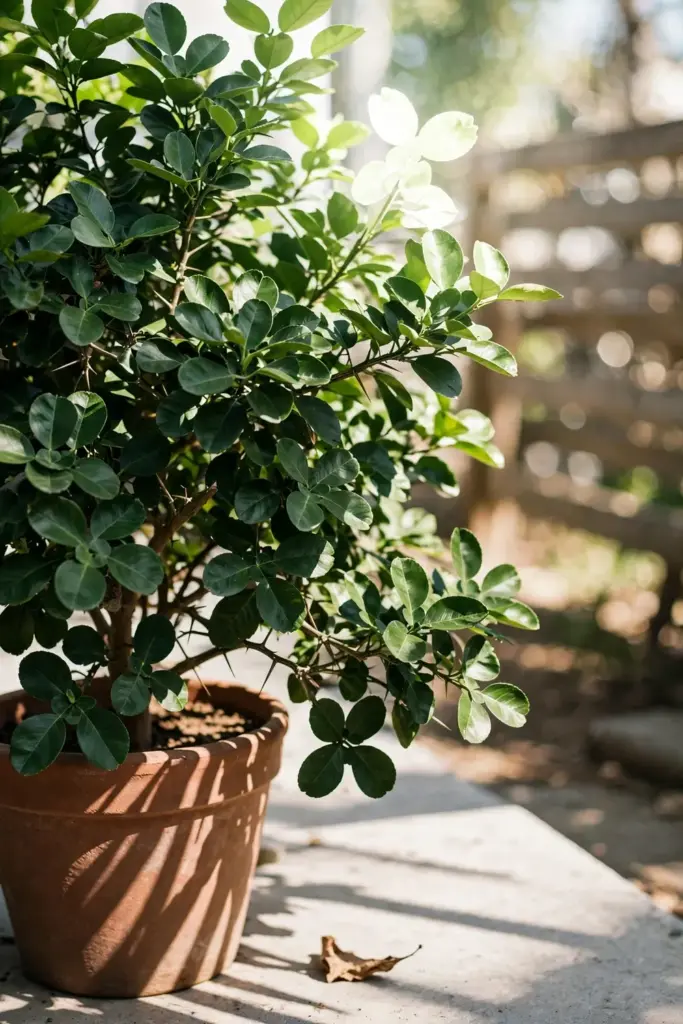
Warmth matters as much as light. This is a tropical tree, and it grows fastest when days sit between 21 and 32°C. Growth stalls in long cool spells. The tree waits. That is normal. Do not chase a stalled tree with fertilizer in cool weather. Wait for warmth and the flush will come.
Watch the thermometer in fall. The nursery notes advise protecting the tree below 0°C, and leaf damage starts a few degrees above freezing. In marginal zones, a frost cloth draped over the canopy on cold nights buys a few degrees. In colder zones, the winter plan is indoors.
7. Water Deeply, Then Wait for the Top Layer to Dry
Water a makrut lime tree when the top 5.1 to 7.6 cm of mix feel dry, then water deeply until it runs from the drainage holes. That guidance comes straight from University of California citrus guidance for home growers. The deep soak pushes salts down and wets the whole root zone. The dry-down between waterings pulls air back into the mix, which the roots need.
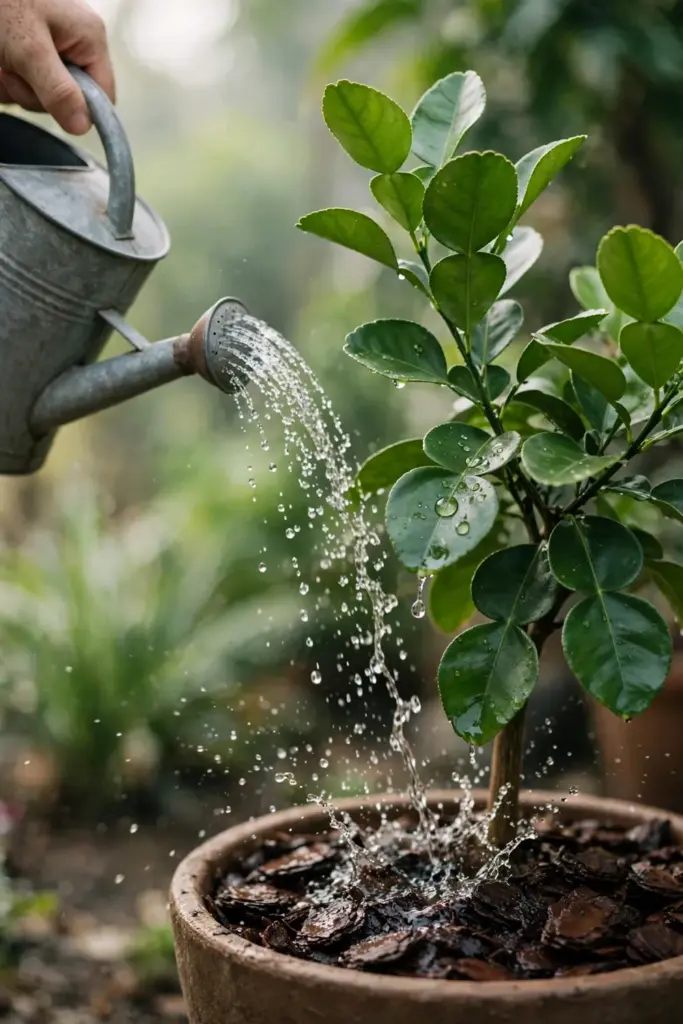
Poke a finger into the mix rather than watering on a calendar. A tree in full summer sun in a small pot may need water every day or two. The same tree indoors in winter may go 10 days between drinks. The finger test never lies. If the top feels cool and damp, wait.
Overwatering kills more potted citrus than underwatering. Yellow leaves that drop while still soft, a sour smell from the mix, and blackened root tips all point to too much water. Underwatered leaves curl and crisp from the edges first. Learn the difference once and the tree becomes easy. Citrus roots also resent cold, wet feet in winter, so cut back sharply once the tree moves inside.
8. Feed Nitrogen 3 Times a Year and Stop Before Fall
Citrus are heavy feeders, and nitrogen drives the leafy growth you are growing the tree for. The same UC guidance recommends fertilizing with nitrogen three times a year: the first application in February, with the remaining applications at 4 to 6 week intervals. For a potted makrut lime, translate that to three feeds across the growing season: late winter, late spring, and early summer.
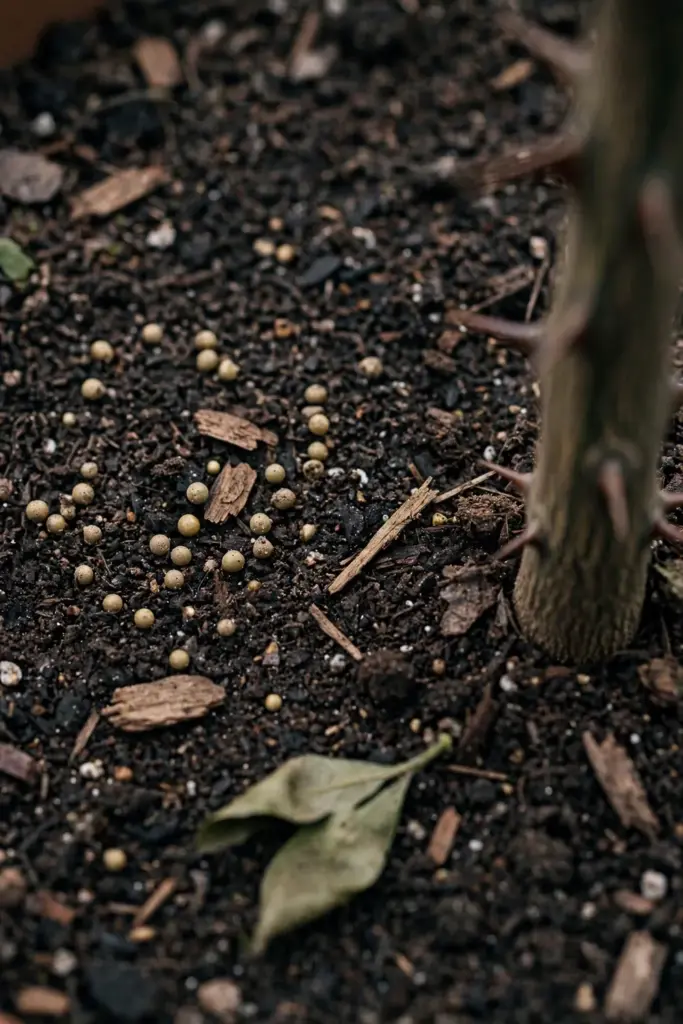
Use a citrus or acid-forming fertilizer at the label rate for the pot size, and water it in well. A slow-release granular citrus formula works well in containers. It meters out nutrients between waterings instead of flushing through. Skip the winter feed entirely. Feeding in fall pushes soft new growth that the short days cannot harden, and that tender growth is the first thing cold damages.
Watch the leaves for hunger signs. Pale new leaves with green veins suggest iron or micronutrient trouble, common in alkaline tap-water areas. An acid-forming citrus fertilizer plus occasional chelated iron corrects it. Keep mulch and fertilizer 30 cm away from the trunk. The same UC guidance warns to keep mulch 30 cm away from the trunk: piled mulch holds moisture against the bark and invites rot.
9. Move the Pot Indoors Before the First Frost
Bring the tree inside in fall, well ahead of any frost threat. The nursery notes say to protect the tree below 0°C, and leaf damage begins a few degrees above freezing, so do not gamble on a mild forecast. Moving day is a calendar habit: when nights start dipping toward 5°C, the tree comes in.
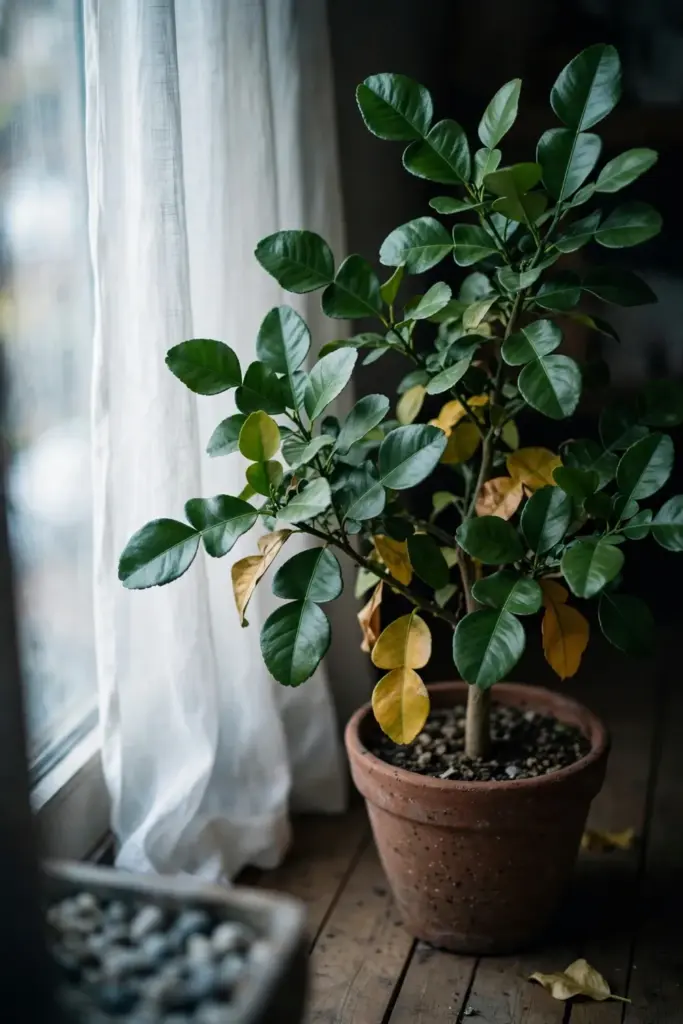
Give the indoor tree the brightest spot you have, ideally a south-facing window, and add a grow light if the days are short and gray. Cool room temperatures of 15 to 20°C suit the tree fine. It rests. Water sparingly, only when the mix dries well down, and do not fertilize at all through winter. The tree is not growing much. Extra water just invites root trouble.
Expect some leaf drop in the first weeks indoors. The tree is adjusting to lower light and drier air, and shedding older leaves is its coping move. Hold steady. Keep watering light, keep the spot bright, and wait. New growth resumes when days lengthen. A small humidifier or a pebble tray helps if indoor air runs very dry. Most trees adapt without one.
Move the tree back outside only after the last frost date, and harden it off over a week. A few hours of morning sun at first, then longer days. That ramp prevents the shock-burn that hits leaves moved straight from a window to full sun. The summer outdoors is when the tree does its real growing, so give it the full season.
10. Prune for Bushy Leaf Growth, Not Fruit
Prune a makrut lime tree to keep it bushy and full of young leaves. Cut back leggy stems to just above an outward-facing bud, remove crossing branches that rub, and take out any dead wood you find. Light pruning two or three times during the growing season keeps the canopy dense. Each cut wakes buds below it. Those buds become the new leafy shoots you harvest.
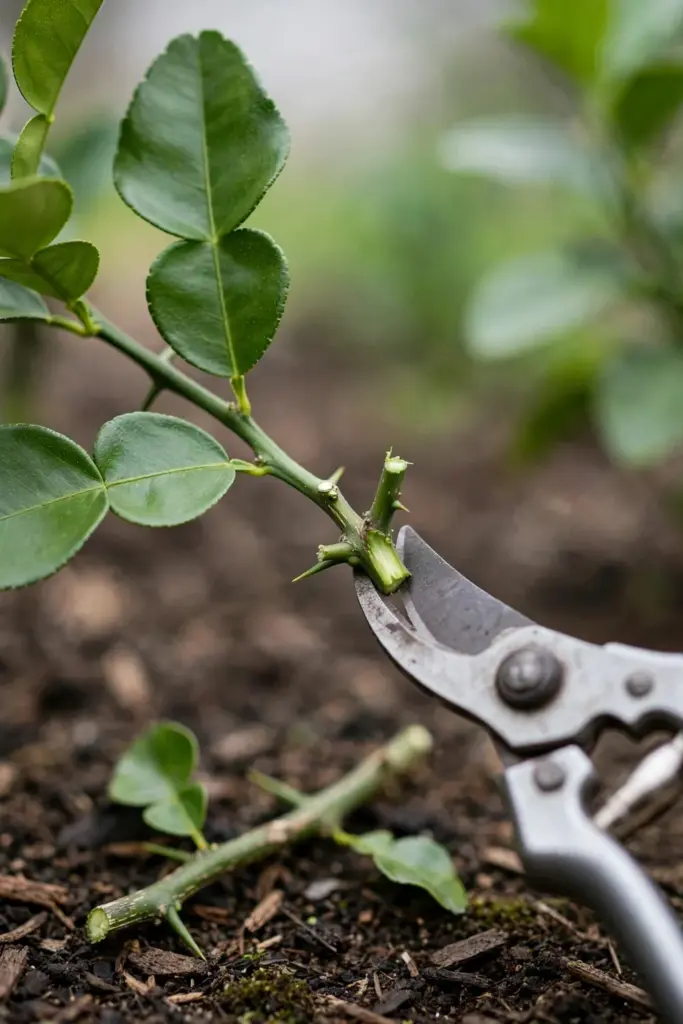
Harvest itself is pruning. The same care guide notes that picking the leaves every few weeks may help encourage growth, and regular picking keeps the tree producing the tender new foliage with the strongest aroma. Take outer, mature leaves first and leave the growing tips to extend. Never strip a young tree bare. Take no more than a third of the canopy at once.
Shape decisions made early last for years. A tree pruned as a small bush stays a manageable 1 m in a pot and fits on a patio or beside a bright window. A tree left alone grows into a thorny, tangled specimen that is harder to move and harder to harvest from. The spring pruning techniques used for other fruit trees apply here: clean sharp tools, cuts at the branch collar, and no dressing on the wounds.
11. Check Leaves Weekly for Mites, Scale, and Aphids
Makrut lime trees face the standard citrus pest lineup. The same care guide lists mites and scale as the usual suspects, especially on trees kept near other infested plants. The same nursery notes add aphids and citrus leaf miners to the watch list. A weekly look at both leaf surfaces catches all of them early, when control is easy.
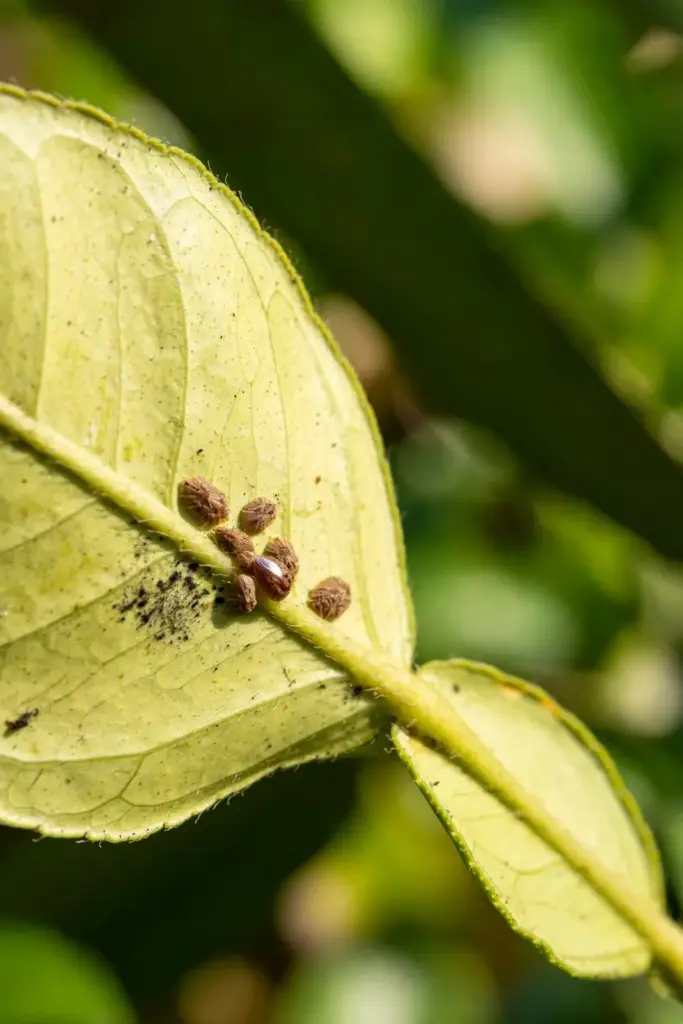
Spider mites stipple the leaves and leave fine webbing underneath, while scale shows as small brown bumps along stems and leaf veins. Aphids cluster on tender new shoots, leaving sticky honeydew. Blast light infestations off with a strong spray of water. Dab individual scale insects with a cotton swab dipped in rubbing alcohol. For wider outbreaks, neem oil or insecticidal soap does the job. Apply in the evening to avoid leaf burn, then repeat after a week to catch the next generation.
Buy from a reputable nursery to start clean. A healthy plant free of pests and diseases saves a season of trouble. Quarantine any new plant away from your collection for two weeks and inspect it before it joins the group. Indoors in winter, check more often. Dry air and no rain favor spider mites, and an outbreak can defoliate a stressed tree fast.
12. Pick Mature Leaves Year-Round and Treat the Fruit as a Bonus
Pick outer, mature leaves any time the tree is actively growing, and harvest lightly through winter from an indoor tree. The leaves are the crop, and a healthy tree replaces what you take. The same harvest notes say the leaves can be used fresh, dried, or frozen. Freezing is the best way to bank a surplus: spread whole leaves on a tray, freeze, then bag them. Frozen leaves keep their aroma for months.
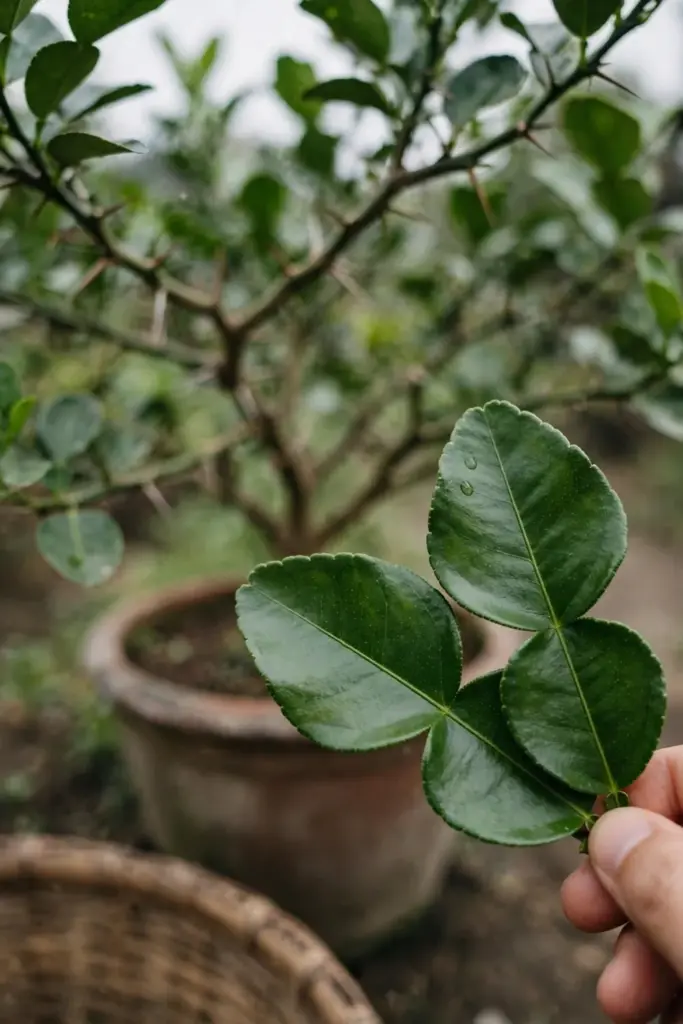
The fruit is a bonus. Grow for the leaves. Makrut limes are dark green, rough, and bumpy, about the size of a Western lime. The flesh is intensely bitter and nearly juiceless, so the fruit is rarely eaten fresh. The rind carries the same aromatic oil as the leaves, and finely grated zest flavors curries, soups, and desserts in small amounts. A little goes a long way.
Handle a pile of fruit with respect. Citrus hystrix peel and pulp contain furanocoumarins, compounds that can inflame skin in strong sun after contact with the juice. Wear gloves when zesting a batch of fruit, wash up after, and do the job indoors or in shade. The leaves used in normal cooking amounts have a long history of safe use in Indonesian and Thai kitchens.
13. Fix Yellow Leaves, Leaf Drop, and Stunted Growth
Yellow leaves with green veins point to a nutrient problem, usually iron. It shows up most in trees watered with alkaline water or planted in a mix that drifted high in pH. Switch to an acid-forming citrus fertilizer and apply chelated iron according to the label. The same UC guidance describes this interveinal chlorosis pattern and recommends good cultural care first: drainage, steady water, and proper feeding. New growth should emerge green within weeks.
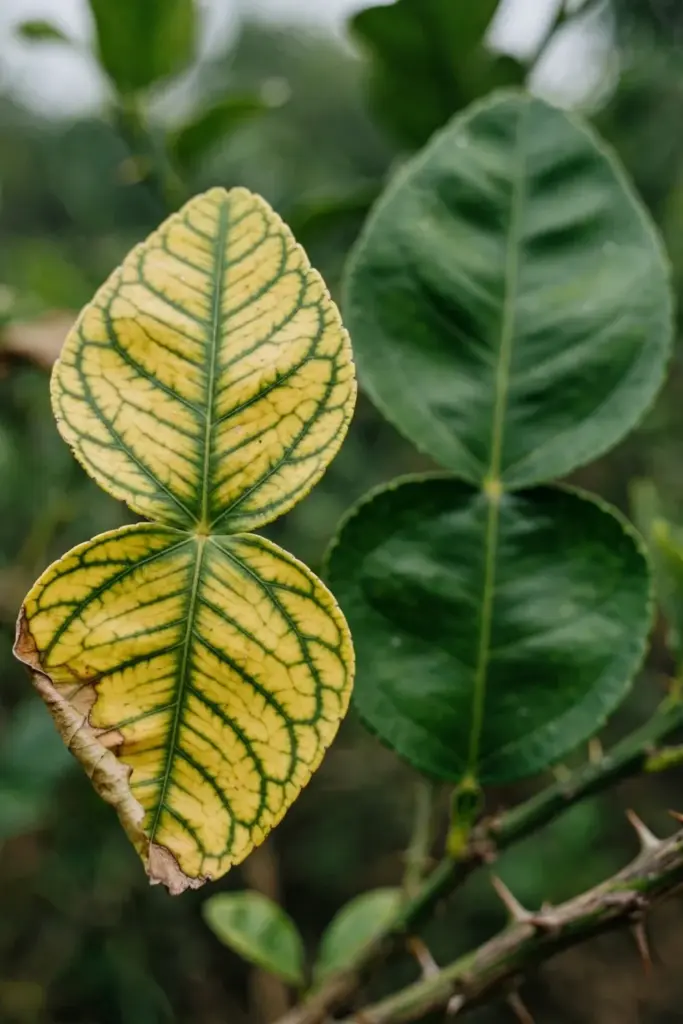
Sudden leaf drop after a move, indoors or out, is shock, not disease. The tree sheds leaves it cannot support in the new light or humidity. Keep watering steady. Resist the urge to feed a shocked tree, and wait for new buds. A tree that drops leaves but keeps green, flexible stems is alive and recovering. Scratch the bark lightly. Green underneath means the branch lives.
Stunted growth with small, pale leaves usually means the roots have filled the pot or the tree is hungry. Slide the root ball out and look. A solid mat of circling roots needs a bigger pot or a root pruning. If the roots look fine, the feeding schedule slipped. Resume the three-feed nitrogen rhythm in the growing season. The next flush should size up normally.
14. Start Your Year-Round Leaf Supply
A potted makrut lime tree is one of the highest-return plants a cook can grow. One tree, one bright window for winter, and a bag of citrus fertilizer cover the whole system. The leaves are always there, fresher than anything dried in a jar. The tree asks for little beyond sun, drainage, and a frost-free winter.
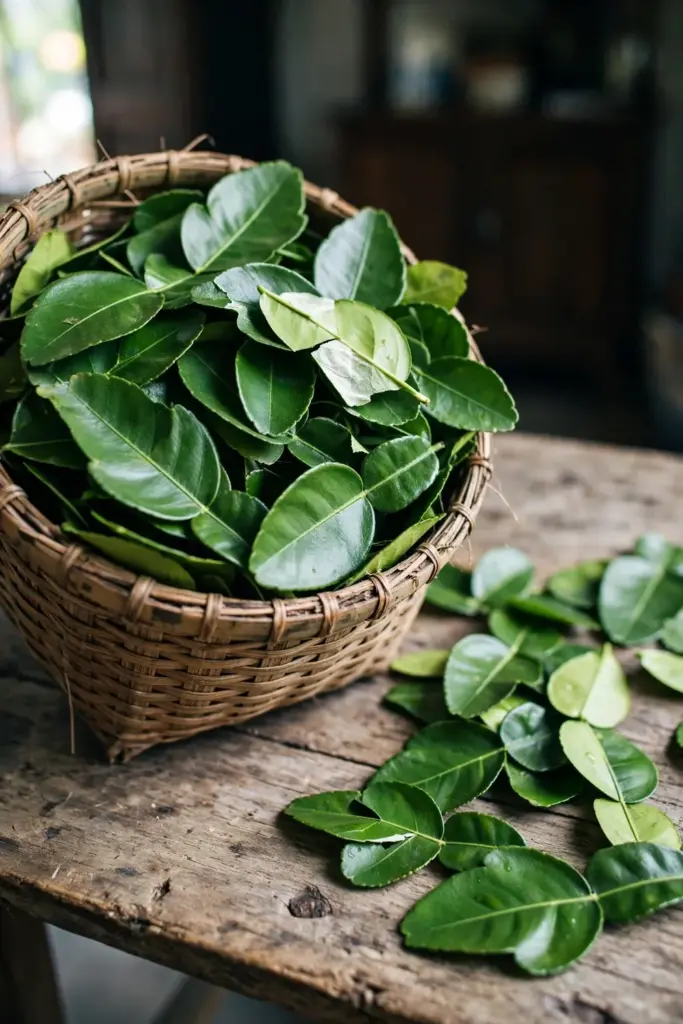
The whole approach to how to grow kaffir lime in a temperate climate fits in three habits: sun, drainage, and a frost-free winter. Start with a grafted tree from a reputable citrus nursery if you want leaves this year. Start with cuttings if a friend has a tree and you enjoy the propagation bench. Either way, pot it in the fast-draining mix, set it in full sun, and begin the picking habit early. Your soto ayam will never taste the same.
15. Answer 5 Frequently Asked Questions About Your First Year
You can, but you probably will not want to. The flesh is intensely bitter and nearly juiceless, so the fruit is not eaten fresh like a regular lime. The grated rind is the usable part, and it flavors curries and desserts in small amounts because its aromatic oil is very strong. Grow the tree for its leaves and treat any fruit as a bonus.
A grafted tree can flower and fruit within its first few seasons, while a seed-grown tree takes several more years to mature. The same care guide notes that grafted trees bloom and bear earlier than seedlings. Most home growers never wait for fruit anyway, since leaf harvests begin long before the first fruit sets.
It can survive indoors year-round, but it grows best with summers outside. Indoor-only trees need a very bright south-facing window or a grow light for 12 or more hours a day, plus steady humidity. Most temperate growers summer the pot outdoors and winter it inside, which gives stronger growth and far more leaves.
Protect the tree below 0°C, and expect leaf damage at 3 to 4°C. The same nursery notes place outdoor growing in zones 8 to 11 with protection, while the same care guide lists zones 9 to 10 for year-round outdoor life. In colder zones the tree lives in a pot and winters indoors.
Because “kaffir” is a racial slur in South African English. English-language nurseries, publishers, and cooks have shifted to “makrut lime” to avoid the slur, a change documented in that reporting on the naming debate. The tree itself is unchanged: Citrus hystrix, Indonesia’s jeruk purut, with the same double-lobed aromatic leaves.