
Ajwain is the thyme-smelling seed spice of Indian kitchens, and you can grow a full harvest in one summer: seed to ripe spice takes about 4 months. The catch is identity: three different plants share the name “ajwain,” and buying the wrong seed wastes the season. This guide covers the real seed-bearing plant, Trachyspermum ammi, grown the way it likes best: in pots, in lean well-drained soil, with less water than your instincts suggest.
Expect 7 to 14 days for germination and seed harvest roughly 3 to 4 months after sowing. If you want to know how to grow ajowan from India the way Indian home gardeners actually do it, the answer is pots: one plant yields little, so sow dense and let the umbels do the work. By the end, you will know which seed to buy, which pot to use, and when to stop watering.
1. Climate and Timing: The Warm-Season Annual That Hates Wet Feet
Ajwain is a warm-season annual of arid origin, and it behaves like one. It wants warmth, full sun, and soil that dries between waterings. It is frost tender, so outdoors in temperate climates it belongs to summer, sown after the last frost when the soil has genuinely warmed.
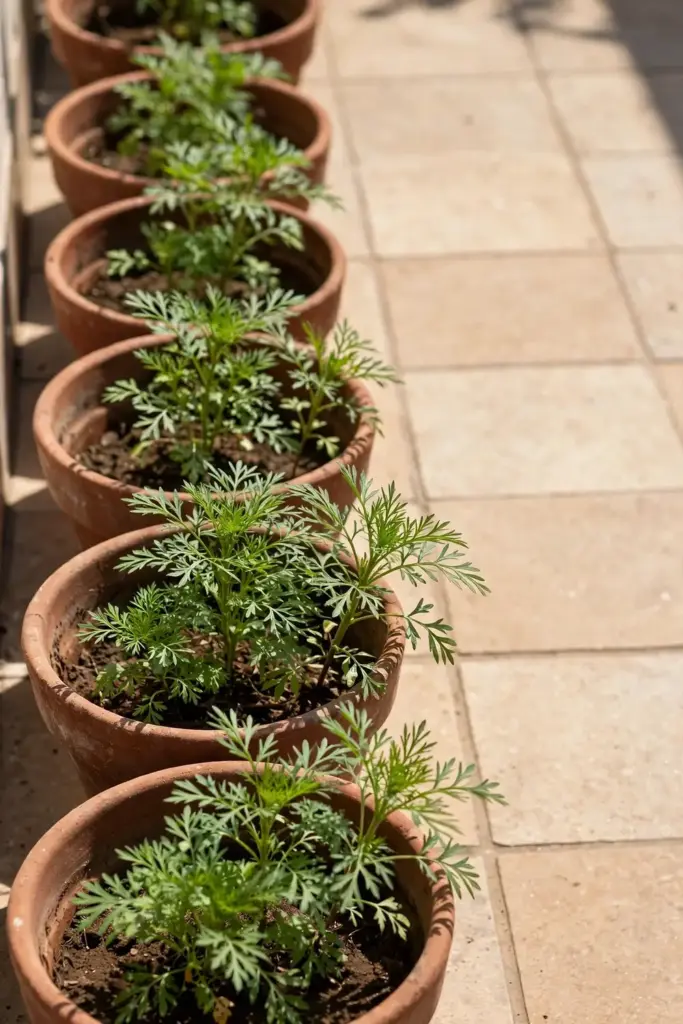
The number that matters: soil temperatures of 15 to 25 degrees Celsius give germination in 7 to 10 days, according to Botanikks. Below that range, germination slows and stretches toward three weeks, which is how impatient gardeners conclude their seed was dead. The plant tolerates heat well into the 30s Celsius once established, but the sign it is unhappy is always the same: soggy soil, then yellowing, then rot.
If your summers are short, start sowing indoors 4 to 6 weeks before your last frost and move pots outside only when nights stay reliably warm. Ajwain asks for a frost-free growing season of around 4 months, which fits most temperate summers if you start on time.
2. Ajwain, Ajmoda, or “Ajwain Patta”? The Three Names That Confuse Every Beginner
This is the table that saves you a season. “Ajwain” is applied to several different plants in Indian markets, and only one of them is the seed spice this guide grows. Read it before you buy anything.
| Name you hear | Botanical identity | What it actually is | Can you grow seed spice from it? |
|---|---|---|---|
| Ajwain / ajowan / carom seeds | Trachyspermum ammi | Annual Apiaceae herb; thyme-like seeds | Yes, this article’s plant |
| Ajmoda / celery seed | Apium graveolens | Celery seed; celery-like aroma | No, different species entirely |
| “Ajwain patta” | Plectranthus amboinicus | Indian borage / Mexican mint; fleshy leaves | No, a leaf plant, never makes carom seeds |
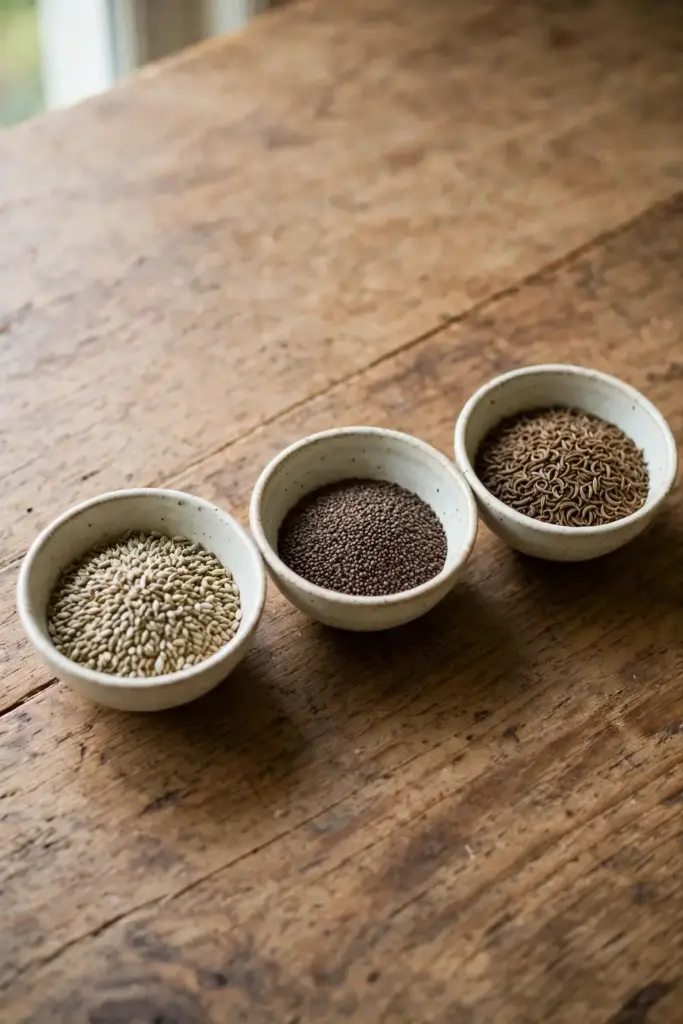
Ajmoda and ajwain look similar in the jar but are different species, as Indian Jadibooti’s comparison lays out: ajmoda smells of celery, ajwain smells of thyme because its seed carries thymol. The “ajwain patta” plant sold in Indian nurseries is a fleshy-leaved mint relative grown from cuttings for its leaves; it never produces carom seeds, and most “how to grow ajwain from cuttings” videos show that plant instead. If your plant has thick, succulent, oregano-scented leaves, you bought the wrong one.
Same family note for the curious: ajwain, coriander, and cumin are all Apiaceae, so the coriander growing guide will feel familiar, but ajwain is far more drought-tolerant than either.
3. Buy Seeds, Not Seedlings: What to Look For
Ajwain is propagated by seed only, and seedlings are rarely sold because they transplant badly. Buy seed. The honest version of the spice-jar question: yes, seeds from a kitchen jar of ajwain can germinate, but germination is variable because seed vigor falls fast in storage. Packet seed bought for sowing beats pantry seed.
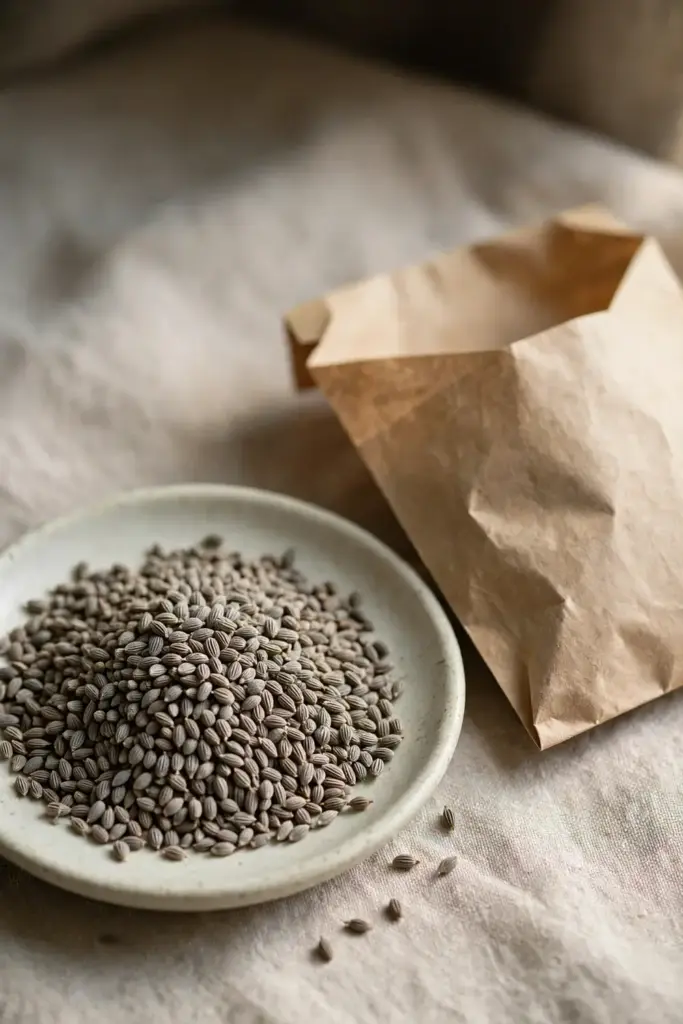
What to check on the packet or the jar:
- Species name on the label: Trachyspermum ammi. Synonyms you may see include T. copticum, Ammi copticum, and Carum copticum.
- Freshness: seed viability declines quickly, so use fresh seed each season, as the Gardenish plant encyclopedia advises.
- Smell: good seed smells strongly of thyme when crushed. Flat-smelling seed is old seed.
Buy a little more than you think you need. Field germination is imperfect even for good seed, so sow thickly on purpose.
4. Pick Your Pot: 12 Inches of Drainage
Outside arid regions, containers are the recommended method for ajwain, and the reasons stack up: you control the lean, well-drained soil it demands; you prevent the aggressive self-seeding that lets ajwain behave like mint in a bed; and you can start the season early indoors. Pots are not a compromise here, they are the method.
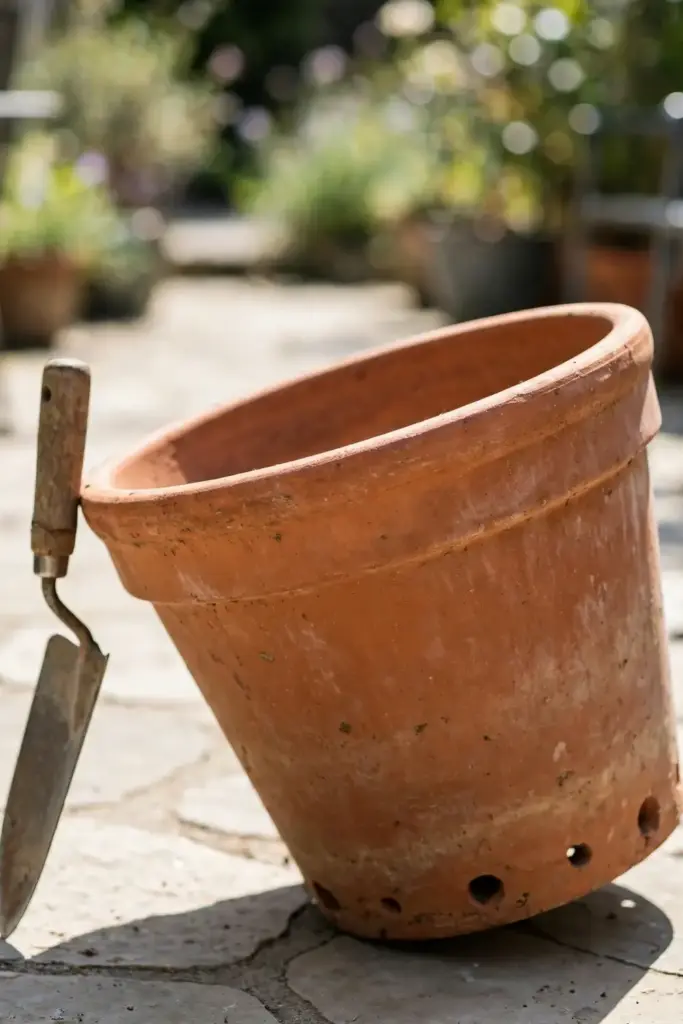
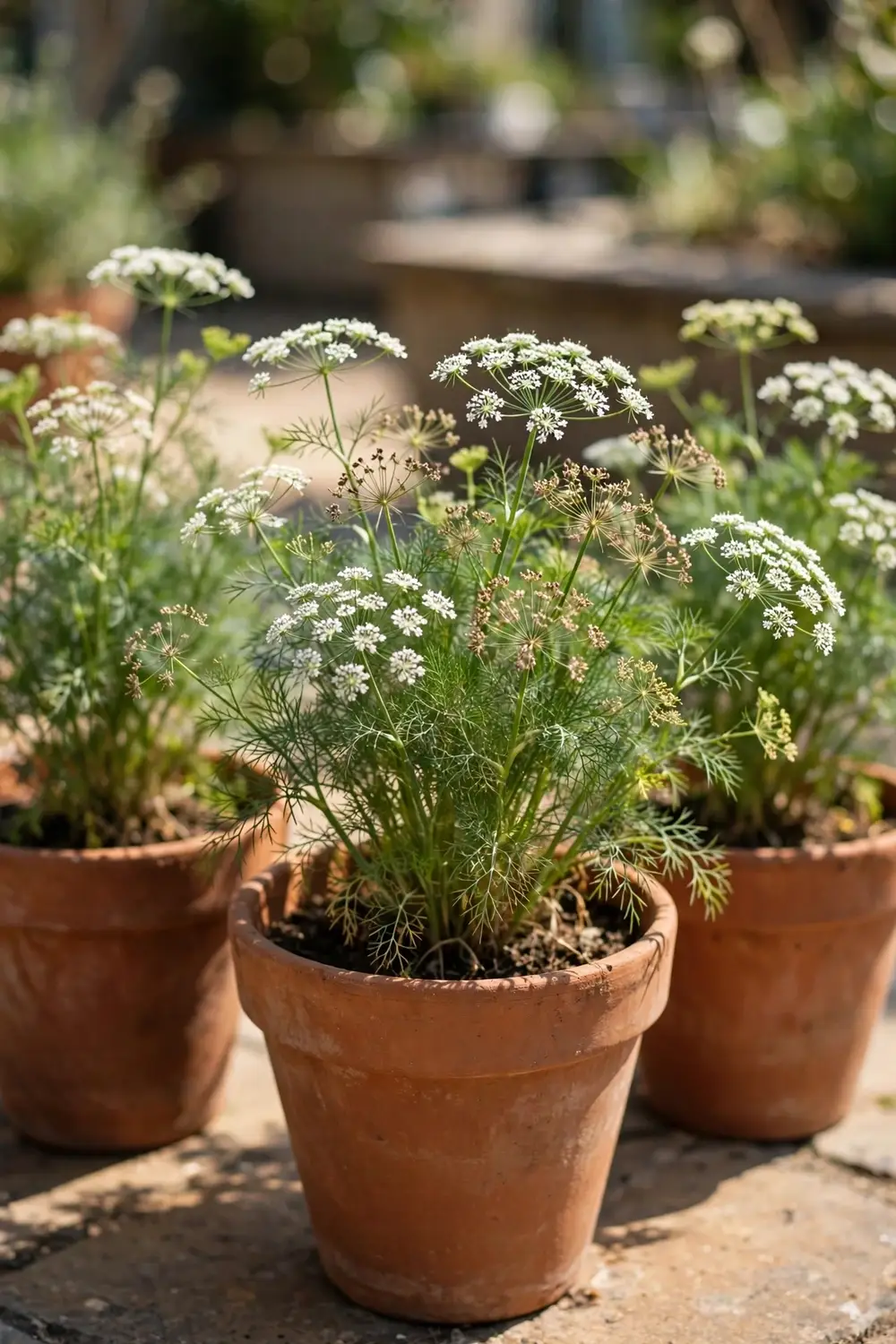
Choose a pot at least 12 inches across and 12 inches deep, with drainage holes that actually drain. Terracotta is a good choice because it breathes and helps the soil dry between waterings. Skip the saucer, or empty it after every watering, so the pot never sits in a puddle. One pot holds a small colony of plants, which is exactly what you want, since one plant yields little and a crowded pot reads as one healthy plant.
If you are new to indoor growing, the indoor herb garden guide covers light and placement basics that apply to ajwain pots too. For seed harvest, though, the pot needs to go outside for summer: ajwain cannot grow in shade and needs 6 or more hours of direct sun to set seed.
5. Build the Right Soil Mix for an Arid-Origin Plant
Ajwain comes from dry country, so the soil brief is simple: lean, loose, and never soggy. A standard potting mix cut with extra drainage works well: roughly 2 parts potting soil to 1 part coarse sand or perlite. The pH window is forgiving, 6.5 to 8.0 per Botanikks, so most tap-water-irrigated mixes sit comfortably inside it.
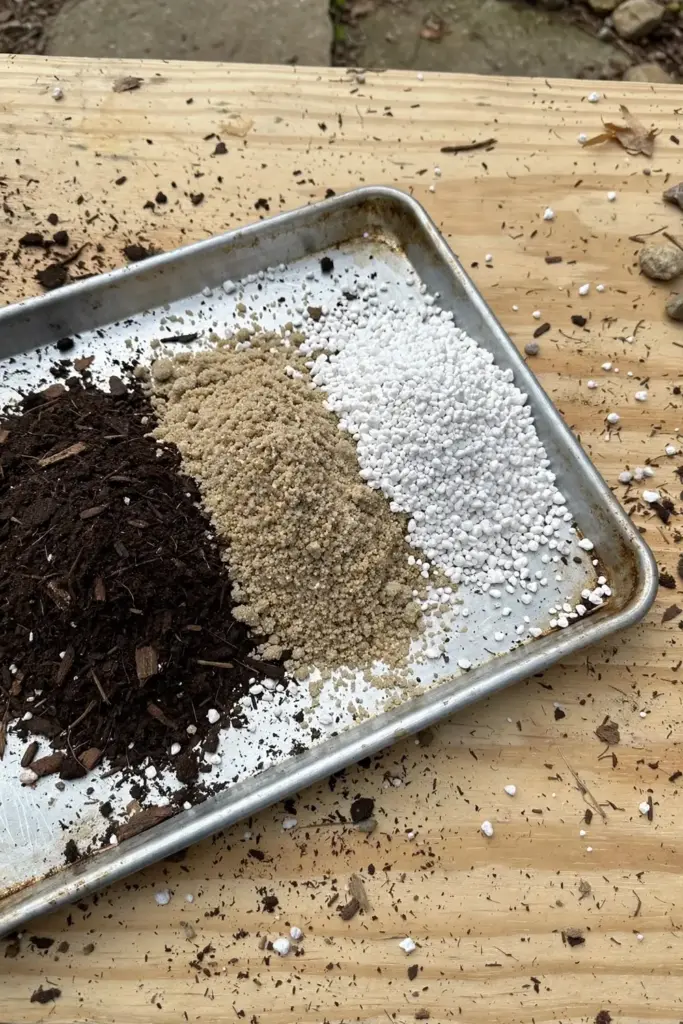
Do not enrich the mix the way you would for tomatoes. Ajwain is a light feeder, and rich, moisture-holding soil is what kills it in pots. If you want a refresher on the principles behind this, the soil health foundation guide explains drainage and structure, but for ajwain the short version is: drainage first, fertility second.
The sign your mix is right: water poured through the pot runs out the bottom within seconds, and the top inch is dry again within a day or two.
6. Sow Seeds Shallow: The 7-to-14-Day Wait
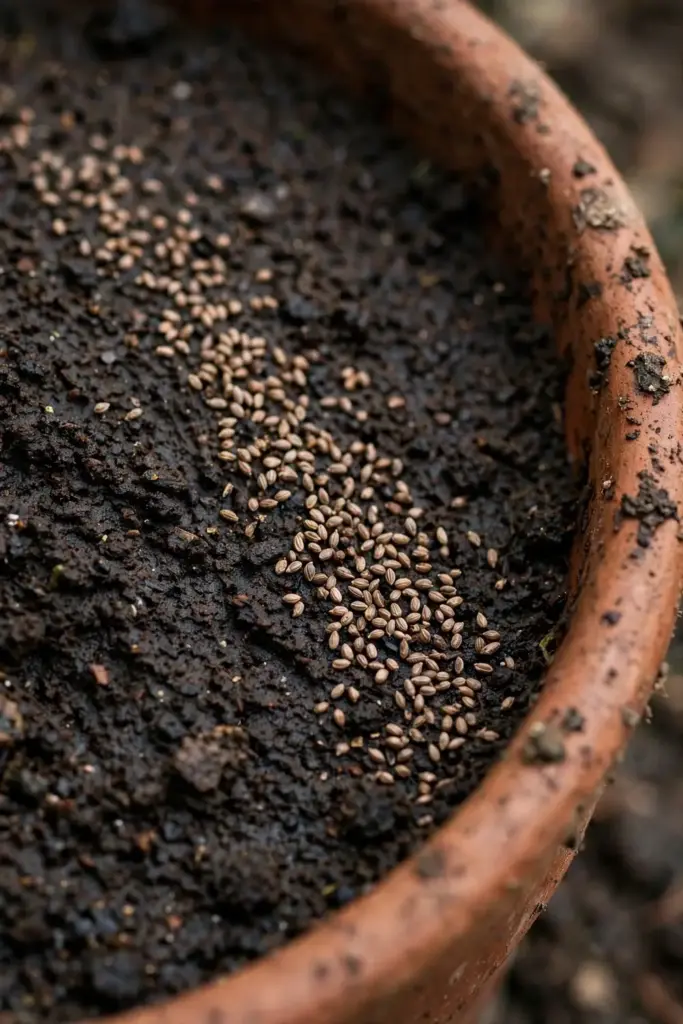
Surface sow or cover very lightly. Ajwain seed is small, and buried seed germinates poorly. Press the seed into the moistened surface and dust over no more than a quarter inch of fine mix, or leave it on the surface and mist it down.
| Step | Action | Time |
|---|---|---|
| 1 | Fill pots with the lean mix and water it through | Day 0 |
| 2 | Scatter seed thickly on the surface, press in, dust lightly | Day 0 |
| 3 | Keep the surface evenly moist, never waterlogged | Days 1 to 14 |
| 4 | First sprouts appear | Days 7 to 14 |
| 5 | Thin to the strongest seedlings | Week 3 to 4 |
On soaking: sources disagree. Some growers soak 12 to 24 hours; others insist ajwain germinates best in dry conditions and never soak. The safe middle: skip the soak, sow into moist soil, and keep the surface evenly damp. That works across both camps and avoids the rot risk that comes from soaking tiny seed.
Do not transplant seedlings. Ajwain develops a delicate taproot that resents disturbance, so sow where the plants will live, Gardenish notes, and thin instead of moving. If you started indoors, move the whole pot outside rather than pricking out seedlings. The seed starting guide covers the indoor mechanics if you need them.
7. Water Less Than You Think
Ajwain’s desert origins mean it hates wet feet. Water only when the top inch or two of soil feels dry, and water deeply when you do. In a 12-inch terracotta pot in summer, that usually means watering every few days, not daily.
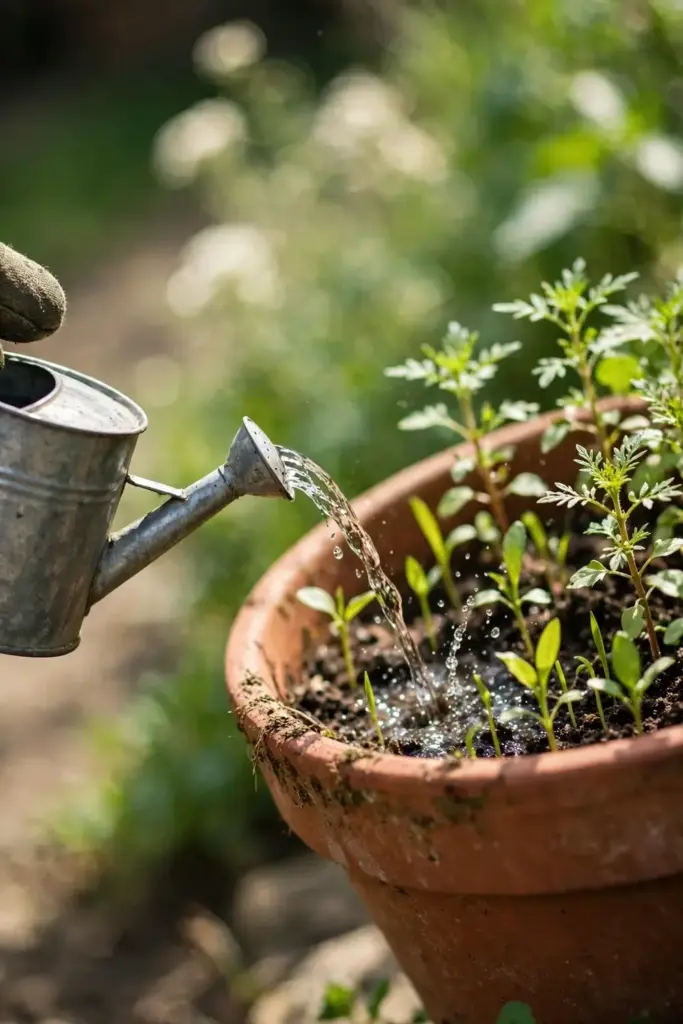
During flowering and seed set, pull back further. Excess water at seed-ripening time invites fungal trouble and dilutes the very dryness the plant expects. The plant’s drought tolerance is moderate once established, so a missed watering is a shrug, not a disaster. Chronic sogginess is the killer.
The sign you have it right: foliage stays green and upright, and the soil surface dries between waterings. The sign you have it wrong: lower leaves yellow while the soil still feels damp. If that happens, stop watering, let the pot dry, and check that the drainage holes are clear.
One seasonal note matters if you garden where summers bring long wet spells. Ajwain tolerates heat, but it does not tolerate heat plus constant wetness, the combination that rots roots. In a rainy stretch, move the pot under an eave or tip it slightly so water runs off the surface faster. In dry heat, a deep watering every few days beats a daily sprinkle that only wets the top inch.
8. Thin the Seedlings: One Plant Yields Little
Two to three weeks after sprouting, thin ruthlessly. Ajwain sown thickly looks abundant at first, then the crowded plants stretch, flop, and set little seed. Aim for 4 to 6 inches between plants in the pot, which usually means 3 to 5 plants in a 12-inch pot.
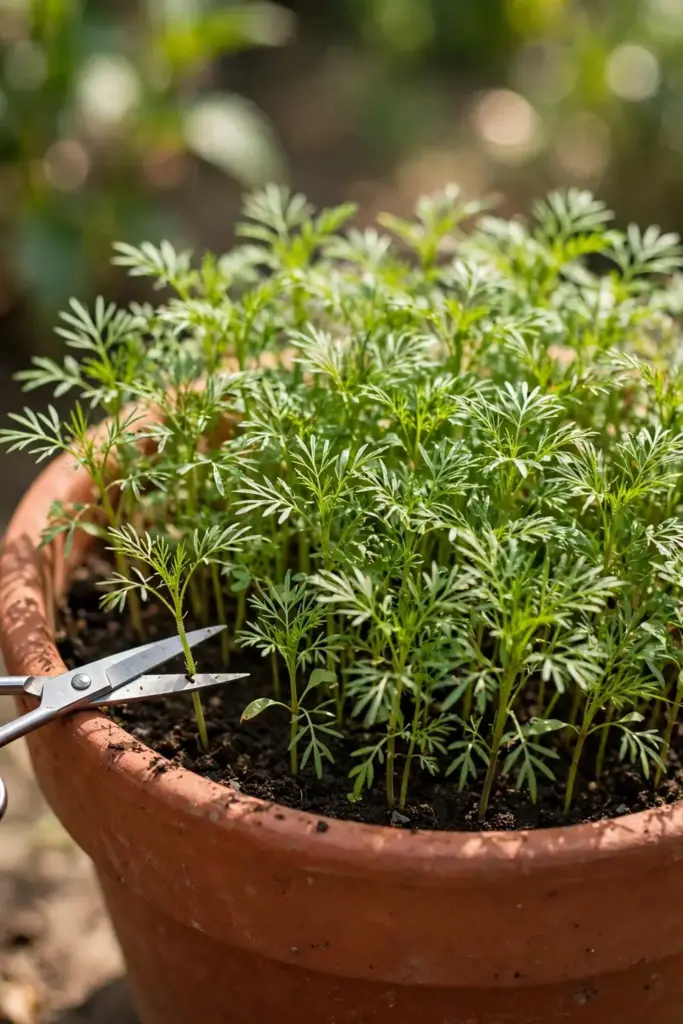
Snip the extras at soil level rather than pulling them, since pulling disturbs the neighbors’ taproots. Yes, it hurts to cut healthy seedlings. Do it anyway: a crowded pot produces stretched stems and shade, while a thinned pot produces seed.
Expect a mature plant around 2 feet tall and a foot or so across, per the PFAF plant database. That size is why one plant yields little and a small colony is the unit that matters.
9. Pinch for Bushiness
When plants reach 8 to 10 inches, pinch out the growing tips. This forces side branches, and side branches are where the umbels form, so pinching is directly a yield move, not just tidiness.
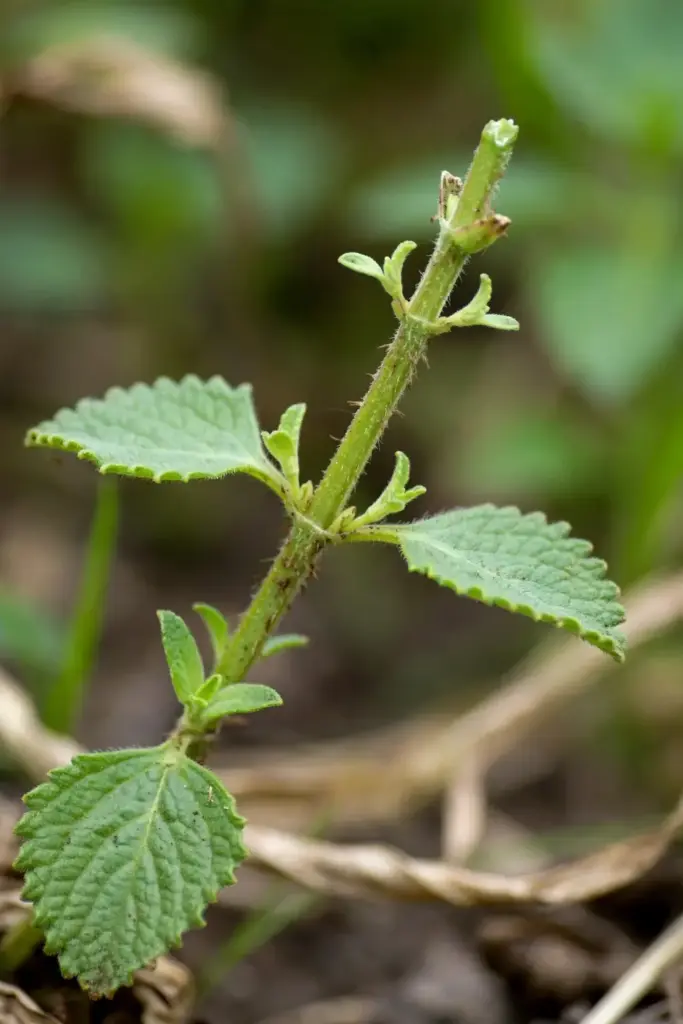
You can pinch once more as the side shoots extend. After that, let the plants alone so they can commit to flowering. Stop pinching once flower buds appear: every pinched stem is a delayed umbel, and the season is finite.
Regular grooming also helps air circulation, which matters for a plant whose main enemy is damp. Remove yellowed lower leaves as they appear.
10. Feed Light: Ajowan Is Not a Heavy Feeder
Ajwain is a light feeder, and lean soil is part of the flavor plan. A single light application of balanced organic feed at planting is enough for most pots, with one small boost as flowering begins if the plants look pale.
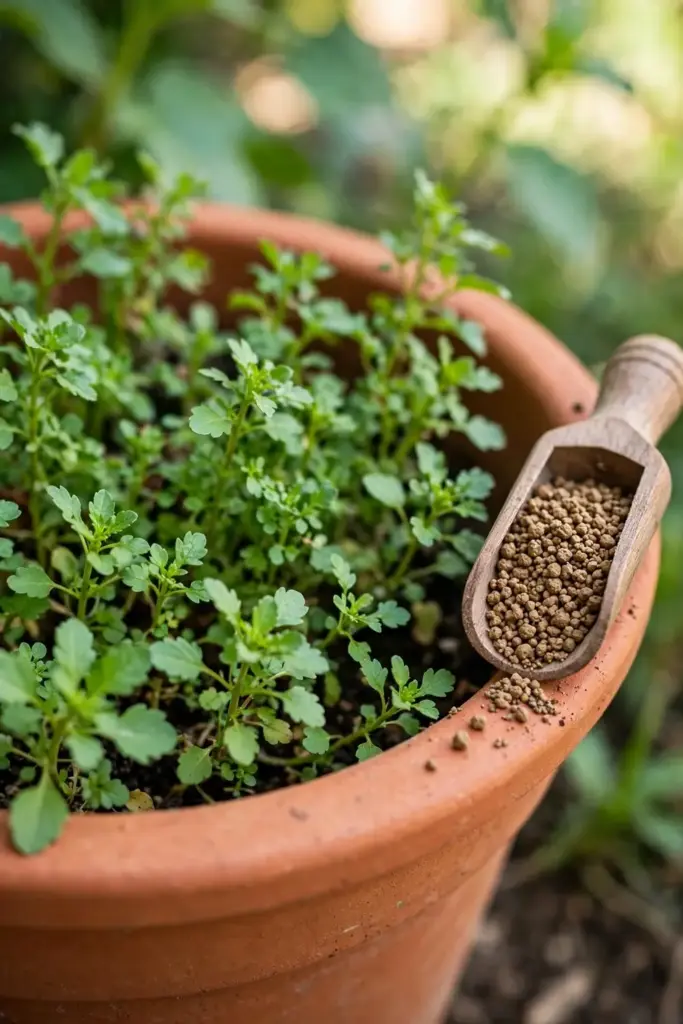
Avoid nitrogen-heavy feeding. It pushes leafy growth at the expense of seed, which is the opposite of what you planted ajwain for. In the ground in India, growers do apply measured fertilizer across the season, but a home pot with decent mix needs far less. If your potting mix already contains slow-release feed, skip feeding entirely.
The sign feeding is right: steady green growth and flowers on schedule. The sign it is wrong: dark, overfed foliage, floppy stems, and few umbels.
11. Flowering: Watch the Umbels
Expect flowers in midsummer, roughly 8 to 10 weeks after sowing. Ajwain carries its flowers in the flat-topped umbels typical of the carrot family, small white to pale flowers that bees work hard. The plant is self-fertile, so a single pot still sets seed, but pollinators raise the yield.
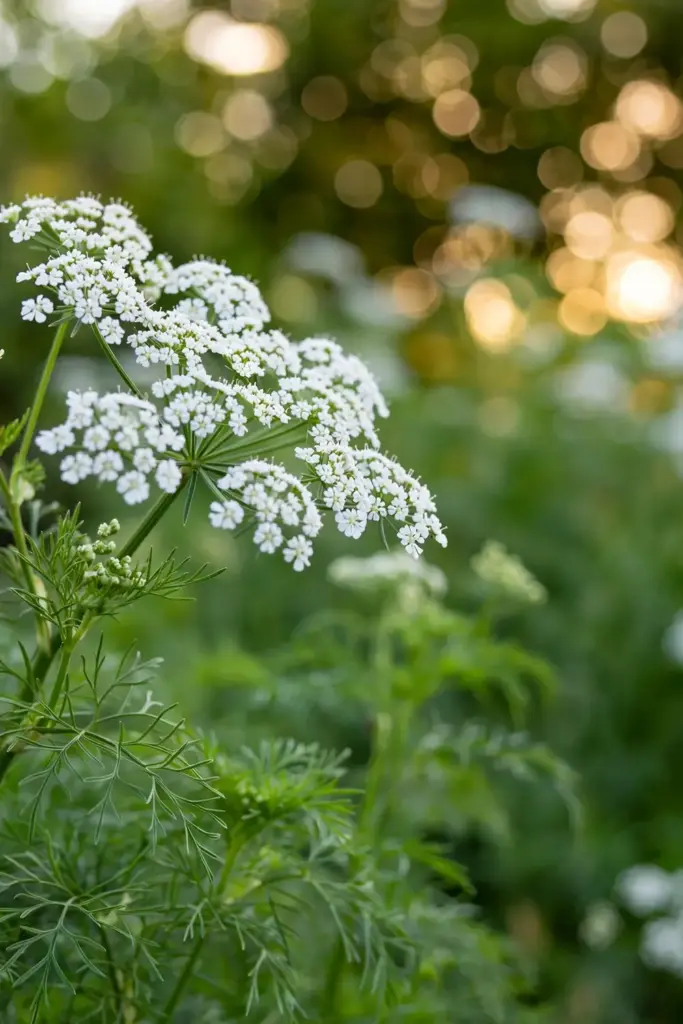
This is also where the mint comparison returns: left alone, ripe seed drops and self-sows, and next year’s volunteers can surprise you across the patio. In a pot this is a feature, free seed, not a threat. In a garden bed it is how ajwain takes over, which is another reason the pot method is the method.
Do not deadhead unless you are done harvesting for the year. Every umbel you remove is seed you will not get.
If you are learning how to grow ajowan from India for the first time, mark your calendar: sowing in early summer gives flowering in midsummer and ripe seed by early autumn, a clean 4-month arc. In India, ajwain is a cool-season (rabi) crop sown in autumn and harvested in spring, but in temperate climates the warm summer window does the same job. The plant does not care which calendar you use; it cares that flowering lands in warm, settled weather with pollinators around.
12. Pests and Diseases: Few, Because the Aroma Helps
Ajwain is usually light on pest problems. Its aromatic foliage deters many insects, and serious recurring pressure is uncommon. Young plants may occasionally be nipped by aphids or thrips, Gardenish reports, and the fix is the standard one: a strong jet of water, repeated a few days apart.
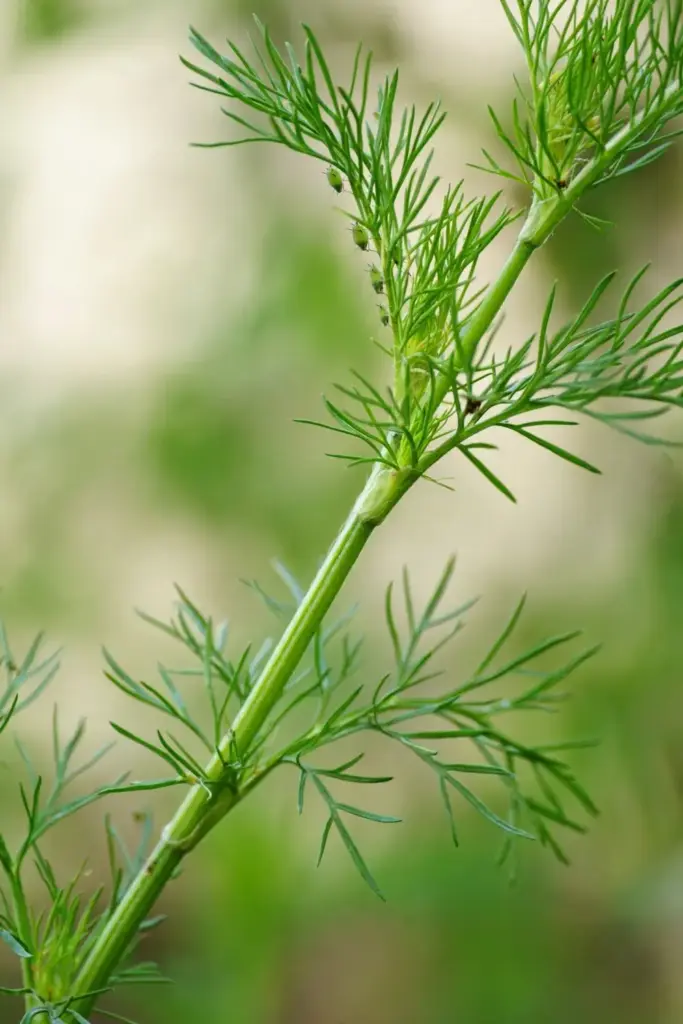
Disease is almost always a water story: damping-off in over-wet seed trays, root rot in waterlogged pots. Prevention is the whole program: lean soil, drainage holes, watering only when the top dries. There is no spray worth buying for a home ajwain pot.
Keep an eye out for powdery mildew in humid summers with poor air flow. Spacing, thinning, and morning watering keep it rare.
13. Harvest Seed Heads at 3 to 4 Months
Seed ripens about 3 to 4 months after sowing, when the umbels turn brown and the seeds rattle dry in their husks. Harvest on a dry morning: cut whole umbels with a few inches of stem and carry them in a paper bag, not plastic.
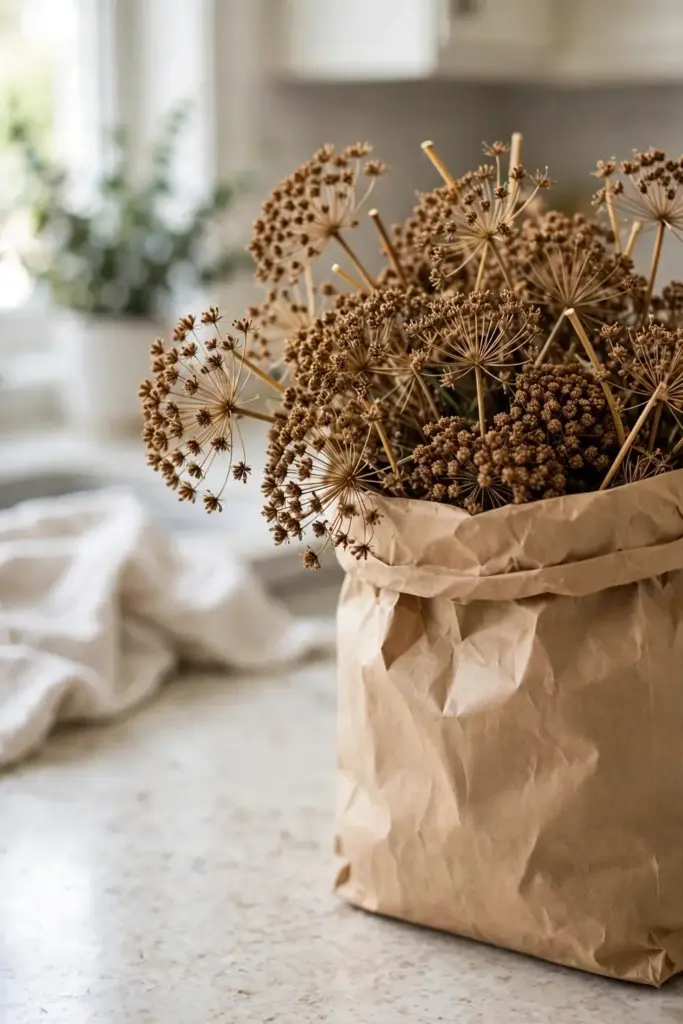
The ripeness test is simple: rub an umbel between your palms. If the seeds fall free and smell strongly of thyme when crushed, they are ready. If they resist or smell grassy, give the plant another week. Seeds harvested too green never develop full flavor, and no amount of drying fixes that.
One honest expectation: a single 12-inch pot yields a modest jar of seed, enough for a season of cooking, not a market stall. Sow a second pot two weeks later if you want a bigger harvest.
14. Dry, Thresh, and Winnow
Spread the cut umbels in a single layer on a tray in a warm, airy spot out of direct sun for a week or two, until they are brittle. Then thresh: rub the umbels over a bowl and the seeds fall out. Winnow by pouring the seed slowly from one bowl to another in a light breeze, or in front of a fan on low, and the chaff blows away.
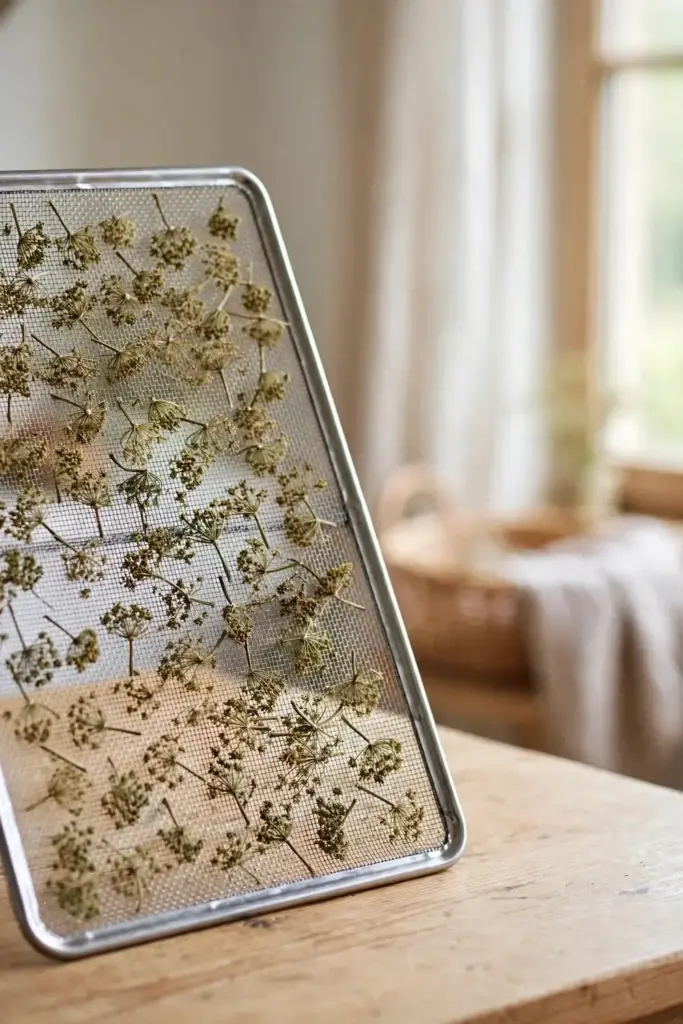
The sign you are done: clean, dry seed with no stem bits, smelling of thyme. Any seed that still feels soft or smells musty needs more drying time. Rushing this step is how a good harvest goes moldy in the jar.
15. Store Seeds So the Thymol Stays
Store in an airtight jar in a cool, dark place. Whole seed keeps its aroma far longer than ground seed, so grind only what you need. Heat, light, and air are the enemies; a kitchen cupboard beats a countertop every time.
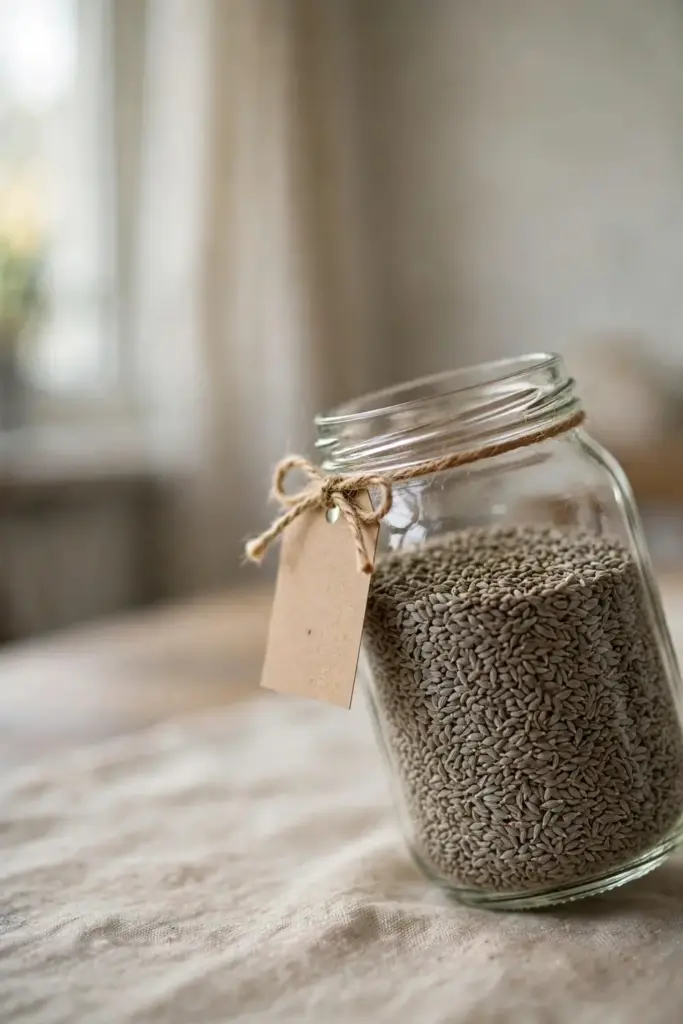
Label the jar with the harvest month. Next season, seed vigor declines in storage, so use this year’s seed first and buy fresh packet seed if the old jar is past a year. The seed you saved is perfectly good for cooking; it is just less reliable for sowing.
16. Culinary Uses: Temper, Roast, Fry
Ajwain’s place is the tadka, the hot-oil tempering that starts countless Indian dishes. The seeds are rarely eaten raw; they are dry-roasted or fried in oil or ghee, which rounds their pungency into something warm and complex. They go into breads, savory pastries, lentils, and pickles, and a pinch chewed after meals is the traditional digestive use.
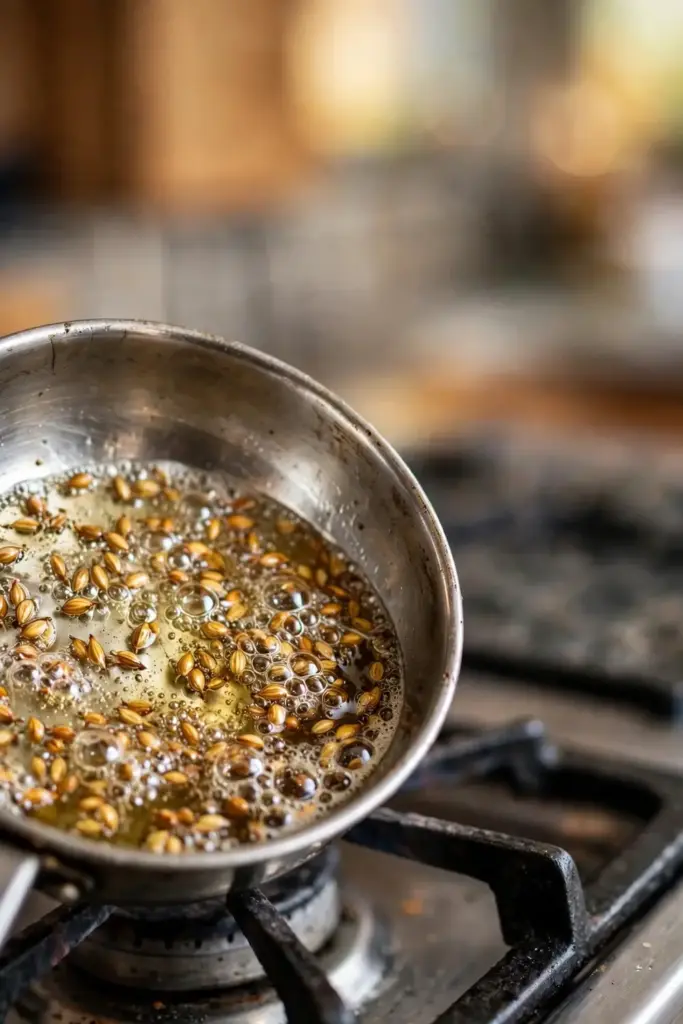
Start small in the kitchen: a quarter teaspoon bloomed in hot oil for a pot of lentils shows you the flavor without committing a whole dish to it. Ajwain is assertive, and a heavy hand makes food bitter.
For grinding, use a small spice grinder or mortar and crush only what the recipe needs. The volatile oils that give ajwain its thyme-like punch escape fast once the seed is broken, which is why whole seed stored well tastes stronger than pre-ground powder bought months ago. A pinch of your own harvest, crushed fresh, will out-perform a tired jar from the back of the spice shelf.
On the medicinal lane, stay conservative: ajwain has a long traditional-use history as a digestive, but home harvest is a kitchen supply, not a medicine supply. If you use it for anything beyond cooking, talk to a clinician first.
17. 7 Mistakes That Kill Ajwain in Pots
- Buying the wrong plant. “Ajwain patta” from the nursery is Indian borage, a leaf plant, never a seed crop. Check the species before money changes hands.
- Sowing too deep. A quarter inch of cover, or none at all; buried seed sleeps.
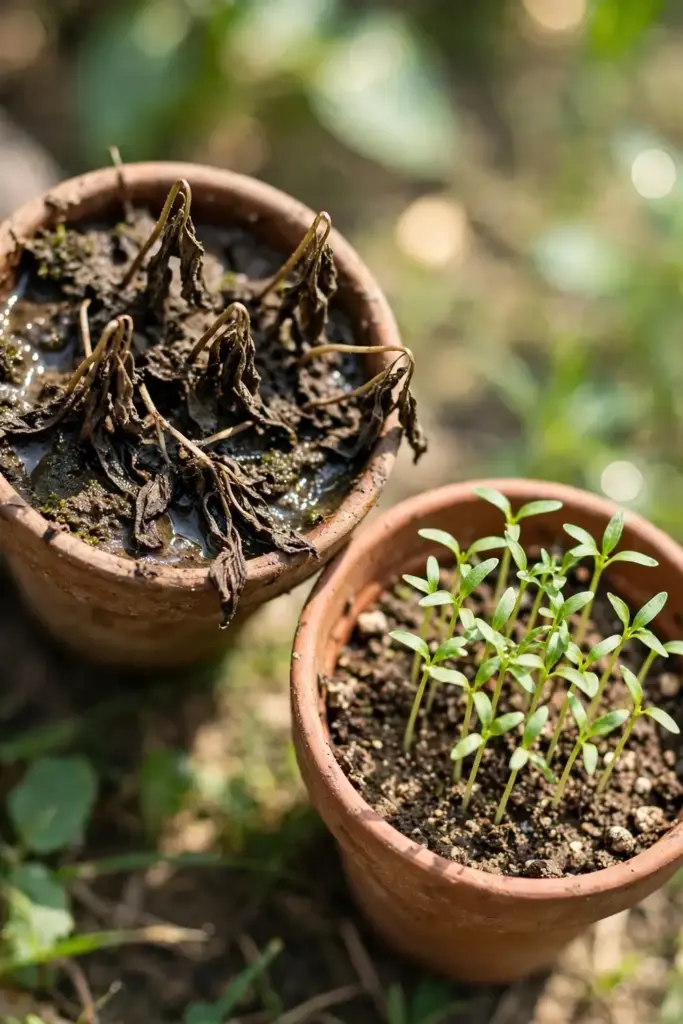
- Soaking the seed overnight. The arid-origin camp has a point: tiny seed plus standing water equals rot. Sow into moist soil instead.
- Rich, moisture-holding potting mix. Ajwain wants lean and draining, not a compost sponge that never dries.
- Watering on a schedule instead of by feel. Water when the top inch is dry; wait when the soil is still damp. The finger test takes two seconds and beats any calendar.
- Transplanting seedlings into their “real” pots later. The taproot resents any move at all, so the pot you sow into should be the pot they live in; thin the extras with scissors instead of relocating anyone.
- Shade. Ajwain cannot grow in shade, PFAF is explicit, and a shady balcony gives leggy stems and no seed.
18. Troubleshooting: Yellow, Leggy, or No Seeds
Seedlings damped off. The surface stayed wet. Next sowing, use a leaner mix, mist instead of pouring, and give the pots air movement.
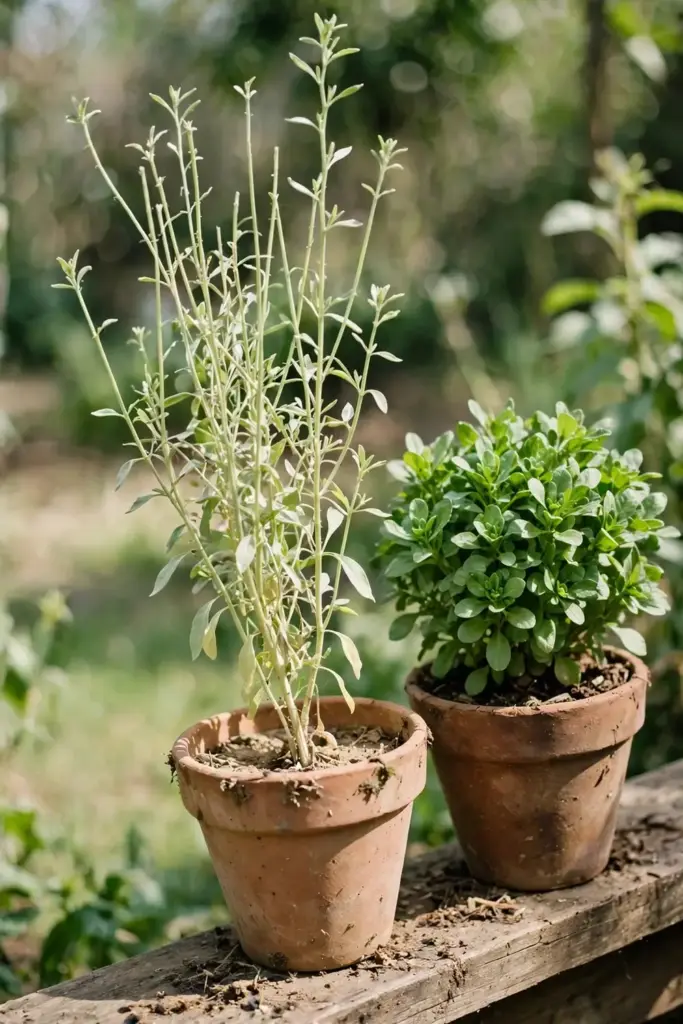
Leggy, pale plants. Not enough light. Ajwain needs 6 or more hours of direct sun. Move the pot to the sunniest spot you have.
Yellow lower leaves, damp soil. Overwatering. Let the pot dry out, check drainage holes, and resume watering by feel.
Flowers but no seed. Heat stress at pollination, or the season ran out. Next year, sow earlier so flowering lands in warm, settled weather, and keep water steady (not heavy) through bloom.
Volunteers everywhere. You let ripe umbels shatter. Harvest on time and cut spent umbels before they drop, or enjoy the free plants and thin them.
Bitter, weak flavor. Harvested too green, or stored too long in light. Wait for full brown ripeness and store airtight in the dark.
19. Frequently Asked Questions
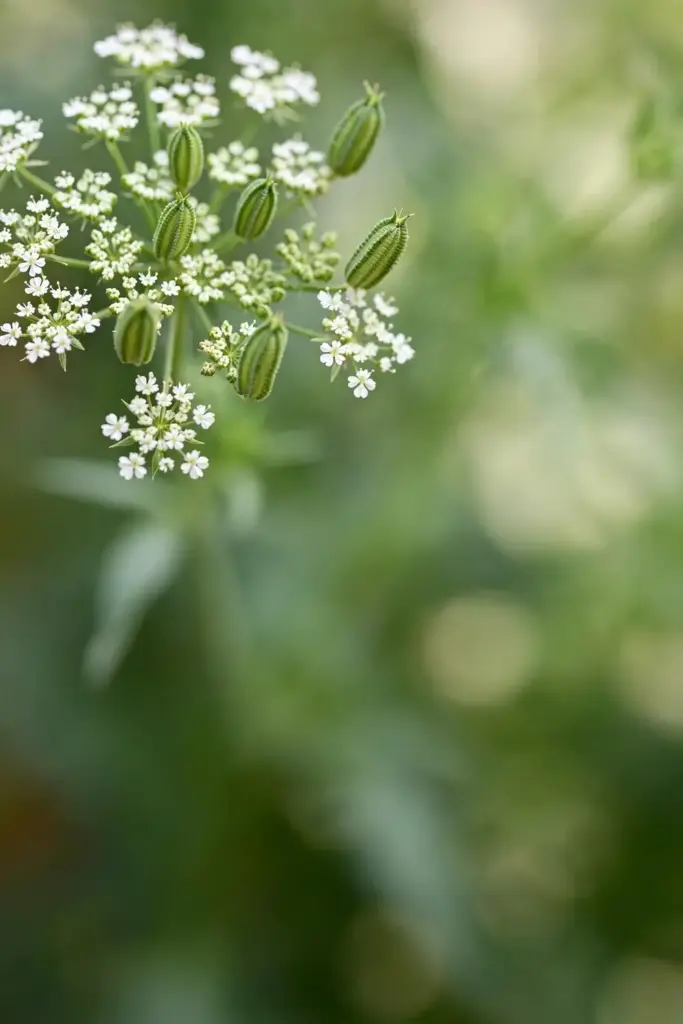
No. Ajwain is Trachyspermum ammi (carom seed, thyme-like); celery seed, or ajmoda, is Apium graveolens (celery-like). They look similar in the jar and share the Apiaceae family, but they are different species with different flavors and are not interchangeable in recipes that depend on ajwain’s thymol punch.
Sometimes. Seeds from a spice jar can germinate, but vigor varies because seed loses viability in storage. For a reliable crop, buy fresh packet seed labeled Trachyspermum ammi and use it within the season. Save the jar seed for cooking, where it belongs.
Expect sprouts in 7 to 14 days in warm soil, flowers around 8 to 10 weeks after sowing, and ripe seed roughly 3 to 4 months from sowing. The whole plant is an annual: it germinates, flowers, sets seed, and dies in one season, so succession sowing is how you extend the harvest.
Yes. Ajwain needs at least 6 hours of direct sun daily and cannot grow in shade. In partial shade it turns leggy, flowers poorly, and sets little seed. A sunny balcony, patio, or south-facing window with supplemental outdoor time in summer all work; a north-facing sill does not.
The usual cause is too much water at the surface, which causes damping-off in tiny seedlings. Other causes: sowing too deep, cold soil slowing germination until the seed rots, or transplanting, which damages the taproot. Sow shallow into warm, lean mix, mist instead of pouring, and thin rather than move.
The plant itself is an annual and dies after setting seed. But it self-sows freely: dropped seed often volunteers the next spring in the same pot or nearby. If you want a planned crop rather than surprises, harvest on time and sow fresh seed yourself each season.
Where to Go From Here
You now have the full loop: the right species, the right pot, shallow sowing, lean soil, restrained water, and a harvest at 3 to 4 months. Start one 12-inch pot this season and you will learn more in four months than any guide can teach.
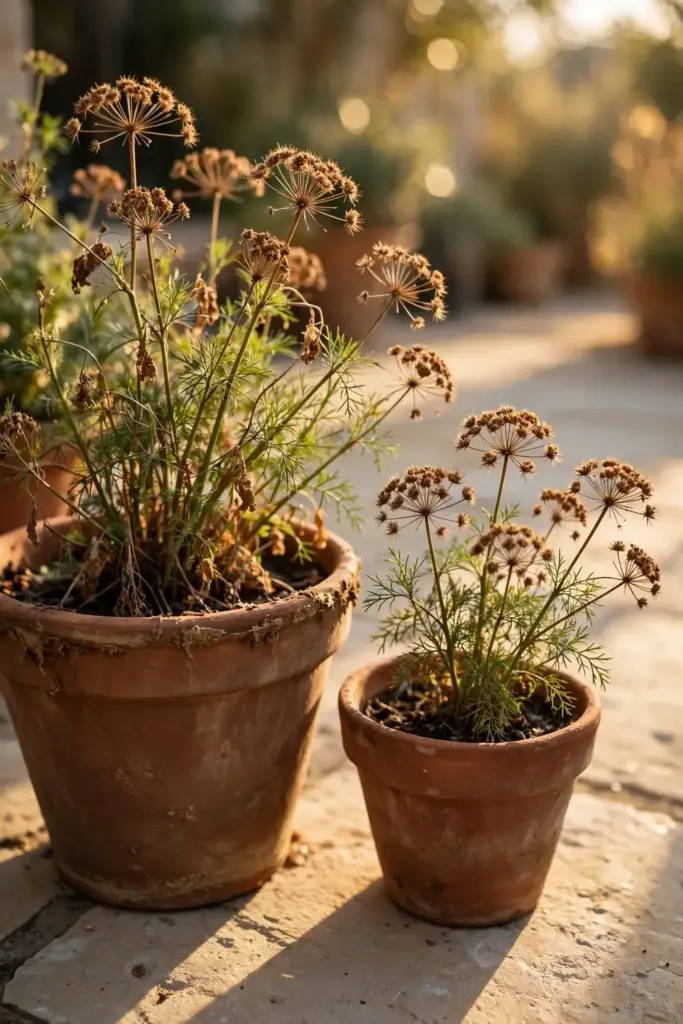
Ajwain rewards the gardener who does less: less water, less fertilizer, less fuss. That is the whole secret of how to grow ajowan from India successfully. Give it sun and drainage, and it gives back a jar of the most aromatic seed in the Indian spice box.