Sow zinnia seed 0.6 cm deep in warm soil and cut the first stems 8 to 12 weeks later. That is how to grow zinnia from a packet of seed to armfuls of cut flowers, with no greenhouse and no special soil. Zinnia elegans is a Mexican annual in the aster family, and it blooms from midsummer until the first frost. I grow zinnias for the vase, and the bed I cut twice a week is the bed that keeps flowering until frost.
Sow after the last frost, give the bed full sun, and water at the base. Cut often. Watch for mildew. Those five moves carry the whole season.
| Zinnia at a Glance | What to Do |
|---|---|
| Life cycle | Warm-season annual |
| Botanical name | Zinnia elegans |
| Sun | Full sun, 6 or more hours a day |
| Soil | Well-drained, rich in organic matter |
| Sow | After the last frost, soil about 21.1°C |
| Seed depth | 0.6 cm |
| Spacing | 20.3 to 61.0 cm, by type |
| Germination | 4 to 8 days in warm soil |
| First flowers | 8 to 12 weeks after sowing |
| Height | 30.5 to 91.4 cm, by type |
| Vase life | A week or more |
Pick the Right Zinnia Variety for Your Bed
Choose the type before you buy the seed. Tall zinnias fill a cutting bed. Compact zinnias edge a path or fill a pot. The flower form follows the type, and the height decides the spacing.
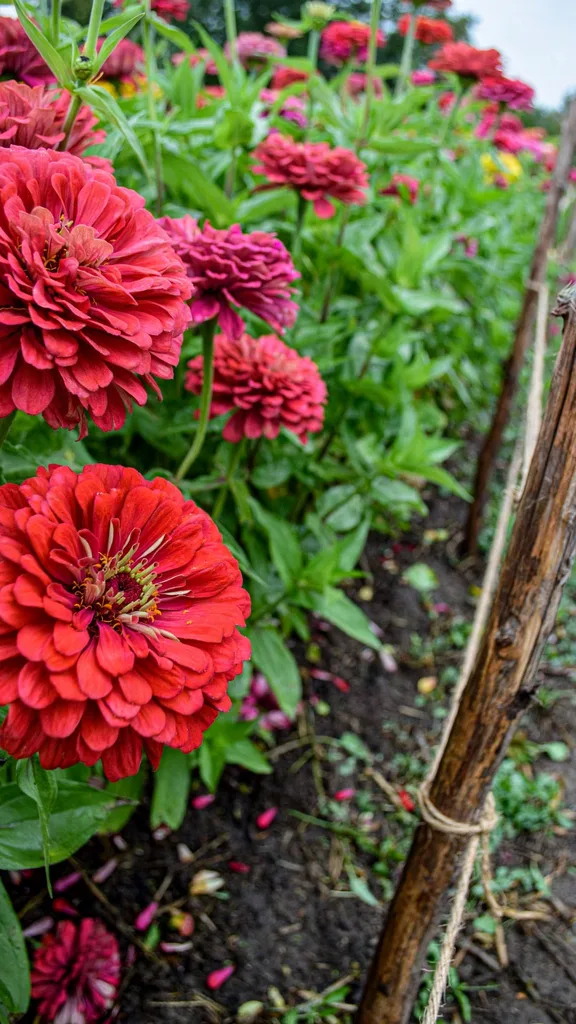
Benary’s Giant is the cutting standard. Its double blooms run wide, its stems stand tall, and a single row fills a vase for a week. California Giant runs close behind it, with large single and double blooms on tall stems. State Fair is the tall mixed-color type for a bed that needs height at the back. Oklahoma is a smaller-flowered tall type bred for cutting, with stems that branch well after a pinch.
Profusion and Zahara suit a different job. Both grow as dense mounds, and both carry higher resistance to mildew than the tall older types. Plant them at the front of a bed, along a walk, or in a pot. A tall type in a pot flops. A compact type at the back of a bed hides behind its neighbors.
| Variety | Height | Flower | Best Use |
|---|---|---|---|
| Benary’s Giant | 91.4 to 121.9 cm | Large double blooms, 10.2 to 12.7 cm across | Cutting |
| California Giant | 91.4 to 121.9 cm | Large blooms, 12.7 cm across | Cutting and beds |
| State Fair | 76.2 to 121.9 cm | Large blooms, 10.2 to 15.2 cm across | Cutting, back of bed |
| Oklahoma | 76.2 to 101.6 cm | Small double blooms, 3.8 to 5.1 cm across | Cutting |
| Profusion | 30.5 to 45.7 cm | Small single blooms, no deadheading | Beds, borders, pots |
| Zahara | 20.3 to 30.5 cm | Single blooms, 6.4 cm across, mildew resistant | Beds, hot climates |
Buy one type per bed if you cut for the vase. Mixed heights in one row make the short stems hard to reach and the tall stems shade the short ones. One type, one row, one job.
Time Your Zinnia Sowing to Your Last Frost
Frost ends zinnias. A single cold night blackens the leaves and stops the season, so the calendar starts at your last frost date. Sow outdoors after that date passes. Start seed indoors 4 to 6 weeks before it.
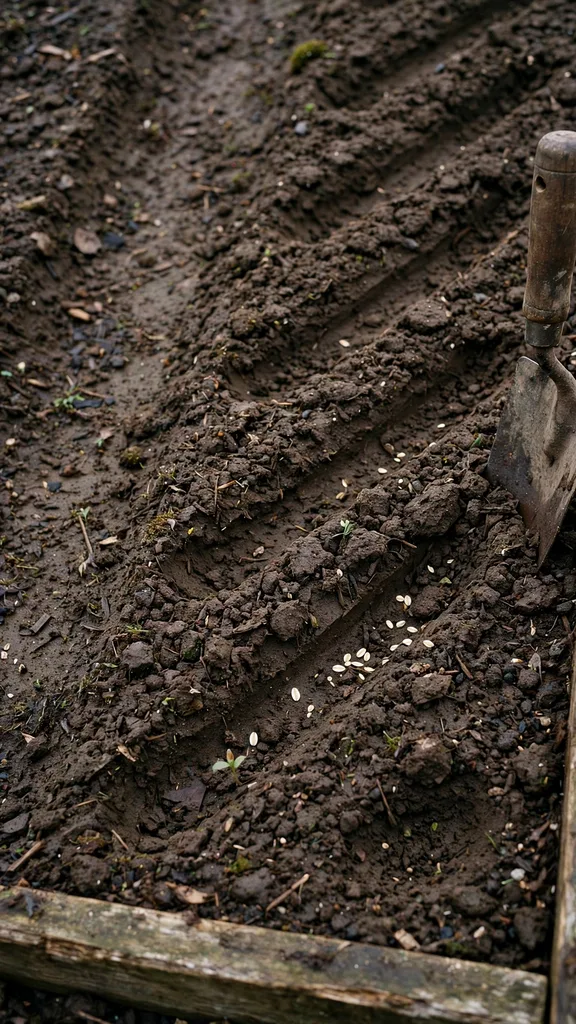
Soil temperature decides the outdoor date more than the calendar does. Seed sown into cold soil sits and rots. Wait until the soil feels warm to your palm at midday, then sow the same afternoon. In most regions that lands 1 to 2 weeks after the last frost.
Succession sowing stretches the season. Sow a second row 14 to 21 days after the first, and a third row 14 to 21 days after that. The first row peaks in midsummer. The later rows carry the bed into fall. Stop sowing 8 weeks before your first frost date, since a late row needs that long to flower.
In frost-free regions, sow through most of the year and rest the bed in the hottest weeks, when mildew pressure peaks. In cold regions, one sowing after the last frost is the whole season. The plant does not wait. Neither does the frost.
Grow Zinnia From Seed in 8 to 12 Weeks
Direct sowing is the easy path. Zinnias dislike transplanting, and they grow fast enough that a direct sowing catches up with an indoor start. Work the bed, rake it level, and sow where the plants will flower.
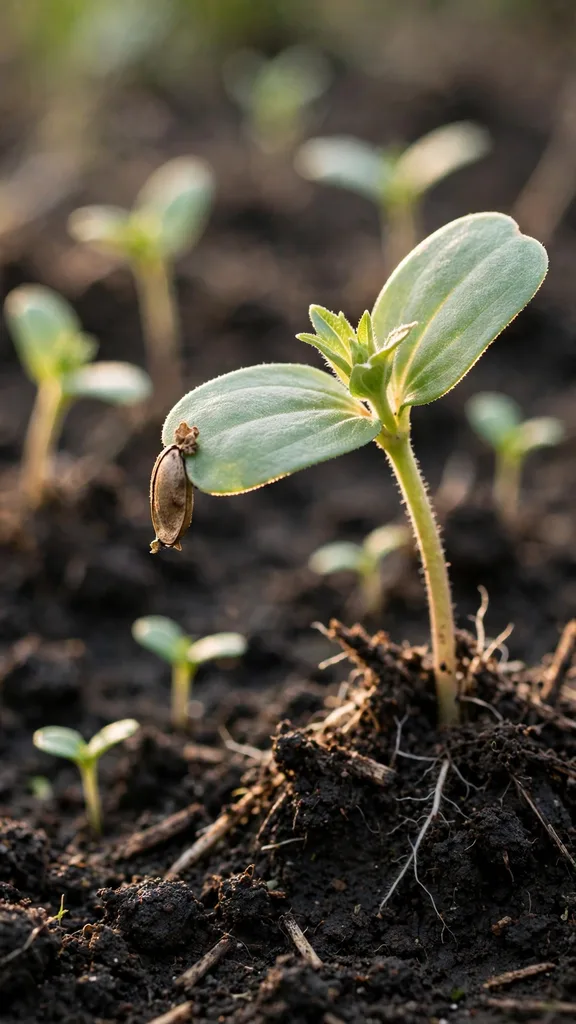
The Clemson Extension zinnia growing guide puts the numbers plainly: sow seed 0.6 cm deep in soil near 21.1°C, thin seedlings 20.3 to 61.0 cm apart by type, and expect the first flowers 8 to 12 weeks after sowing. Sow 2 to 3 seeds per spot and thin to the strongest seedling once the first true leaves open. Keep the surface damp until seedlings stand.
Start indoors only for the earliest flowers. Sow in seed-starting mix, one seed per cell, and hold the trays near 21.1°C. Seedlings emerge in under a week. Give them strong light from the day they break the surface, or they stretch and flop. The seed starting steps in the site guide cover trays, mix, and light in full. Harden seedlings off for a week before planting out, and set them at the same depth they grew in the tray. Planting deeper buries the stem and invites rot.
Sow zinnias the week you sow sunflowers. Both want warm soil and full sun, and the same growing sunflowers from seed timing applies. A zinnia sown on time outgrows a zinnia sown early and nursed through a cold snap. Warm soil beats an early start every season.
Give Zinnias 6 Hours of Sun and Room to Breathe
Sun is the first requirement. The same Clemson guide asks for 6 or more hours of full sun, and a bed that gets 8 hours flowers harder than a bed that gets 6. Shade stretches stems, thins the flowers, and invites mildew. A zinnia in half shade is a tall plant with few blooms and spotted leaves.
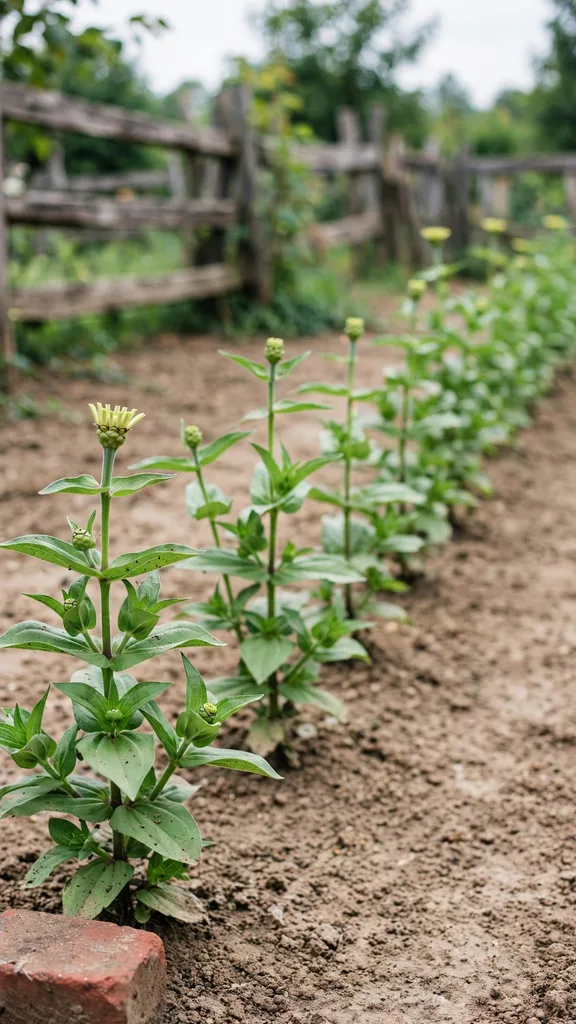
Spacing is the second requirement. Thin dwarf types to 20.3 to 22.9 cm apart. Thin tall types to 30.5 cm apart, with 30.5 cm between rows. Air moving through the leaves dries them after rain and after watering, and dry leaves resist fungal disease. A crowded bed holds damp air between the stems. Mildew starts there.
Rows beat blocks for airflow. A row lets wind pass down each side, and it lets you reach the stems for cutting without stepping on the bed. In a square bed, leave a path every 61.0 cm so you can cut and inspect without crushing plants.
Check the bed at noon. Leaves in full sun stand flat and dry, while leaves in shade stay damp past midday and invite mildew. Move the bed next year if the noon check fails. Sun is the one input you cannot add later.
Water Zinnias at the Base With 2.5 cm a Week
Zinnias want steady moisture and dry leaves. The same Clemson guide gives the bed 2.5 cm of water a week, rain included, delivered at the soil line. A soaker hose or a watering can at the base does the job. Overhead watering wets the foliage, and wet foliage feeds mildew and leaf spot.
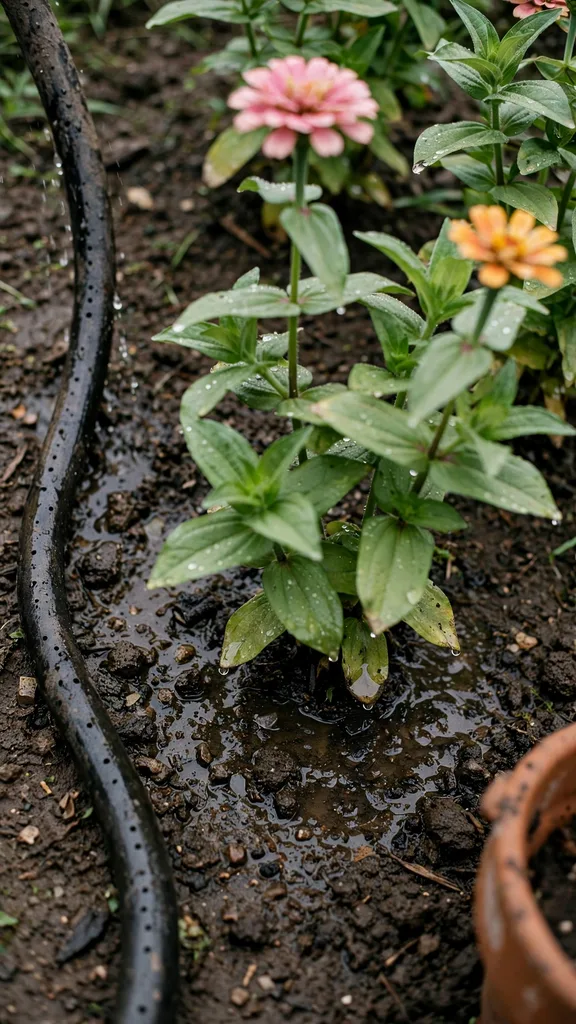
Water in the morning. Morning water gives leaves time to dry in the sun. Evening water leaves them wet overnight, and wet leaves invite fungal disease. A dry leaf at dusk is the goal.
Young plants need water more often. Keep the top 2.5 to 5.1 cm of soil damp until seedlings stand and roots reach down. Once plants reach 30.5 cm, water deeply once a week and let the surface dry between waterings. Deep watering grows deep roots. Shallow daily sprinkling grows shallow roots and wet leaves.
Mulch helps if it stays off the stems. A 5.1 cm layer of shredded leaves or straw holds soil moisture and keeps soil off the lower leaves during rain. Pull the mulch back 5.1 cm from each stem so the crown stays dry. Mulch piled against a stem rots it.
Pinch Young Zinnias for Twice the Stems
Pinch once and the plant branches. Skip the pinch and the plant grows one tall stem with one flower. The pinch costs a week of bloom and repays it with stems for months.
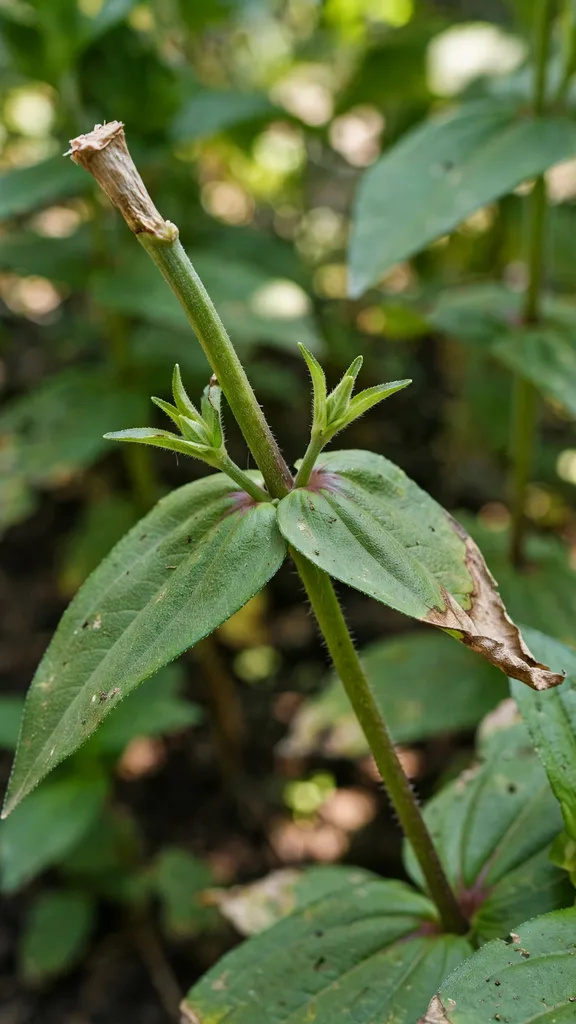
Wait until plants reach 20.3 to 30.5 cm tall. Find the top growth tip above a leaf pair. Pinch or snip the top 7.6 to 10.2 cm off, just above that leaf pair. Two side shoots push from the leaf joints below the cut. Each side shoot grows its own stem and flower.
Pinch in the morning, when stems are firm and full of water. A clean pinch heals fast. A torn stem heals slowly and invites rot. Use shears if the stem resists your fingers.
Do not pinch twice. A second pinch delays flowers into late summer and leaves the plant short on time. One pinch, early, is the whole technique. Profusion and other compact types need no pinch at all. Their mounds branch on their own.
Skip These 5 Zinnia Mistakes
1. Sowing into cold soil. Seed sown before the soil warms rots in the ground. Wait for soil near 21.1°C. A seed sown on time overtakes a seed sown early.
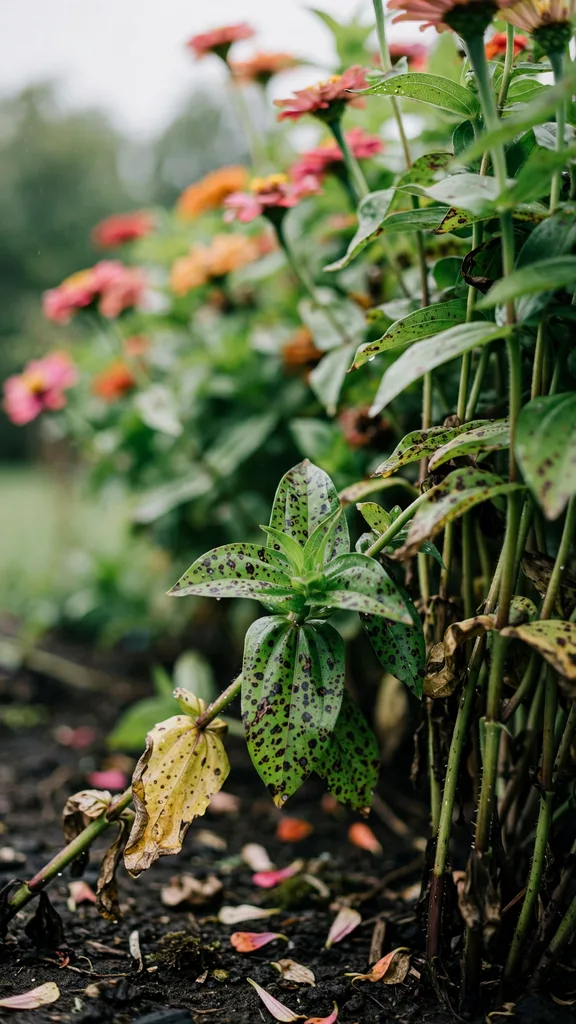
2. Crowding the bed. Seedlings left unthinned grow into a damp wall of leaves. Mildew moves through a crowded bed in days. Thin to the final spacing when the first true leaves open.
3. Watering overhead in the evening. Leaves that stay wet overnight invite fungal disease. Water at the base, in the morning, and let the sun dry the leaves.
4. Skipping the pinch. An unpinched tall zinnia grows one stem and one flower. Pinch at 20.3 to 30.5 cm and the plant branches into a cutting bush.
5. Letting flowers set seed. A zinnia left to set seed slows flower production and puts its strength into seed heads. Cut or deadhead every week. The plant answers cutting with more flowers.
Every one of these mistakes is easy to make and easy to fix. The fix is the same in each case: sun, air, dry leaves, and a weekly cut.
Stop Powdery Mildew Before It Coats the Leaves
Powdery mildew is the zinnia disease. A grayish-white powdery coating spreads across the leaves, then the flowers and stems, and the plant keeps growing but looks tired and flowers less. The fungus is Golovinomyces cichoracearum, and humid weather with wet leaves suits it. The Clemson Extension zinnia pest and disease factsheet names it the first disease to watch for.
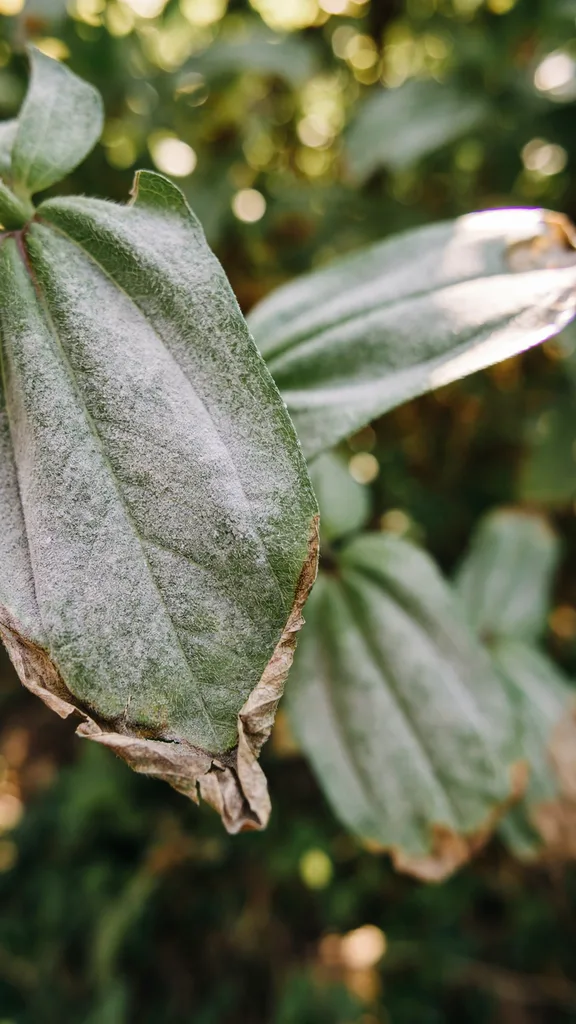
Prevention beats spraying. Full sun, wide spacing, and dry foliage keep most beds clean. Water at the base. Water in the morning. Pull a badly infected plant and bin it instead of composting it, since compost piles rarely get hot enough to kill the fungus.
Plant a resistant series in a humid garden. Profusion and Zahara carry real resistance, and a resistant series in full sun with wide spacing often reaches frost with clean leaves and no spray at all.
If mildew still takes hold, spray in the late evening. Copper fungicides, sulfur, and horticultural oil all work, but mind the temperature caps on the same factsheet: skip sulfur above 29.4°C and skip oil above 32.2°C, and never spray oil within 2 weeks of sulfur. Spray weekly while the disease is active, and follow the label dose. A sprayed bed still needs sun and air. Chemicals alone cannot save a crowded, shaded bed.
Clear the bed at season end. Pull every plant, roots and all, and bin the debris. Fungus overwinters in dead leaves. A clean bed next spring starts the season ahead.
Read the Spots on Zinnia Leaves
Spots tell you which disease you have. Read them before you spray, because each one wants a different response.
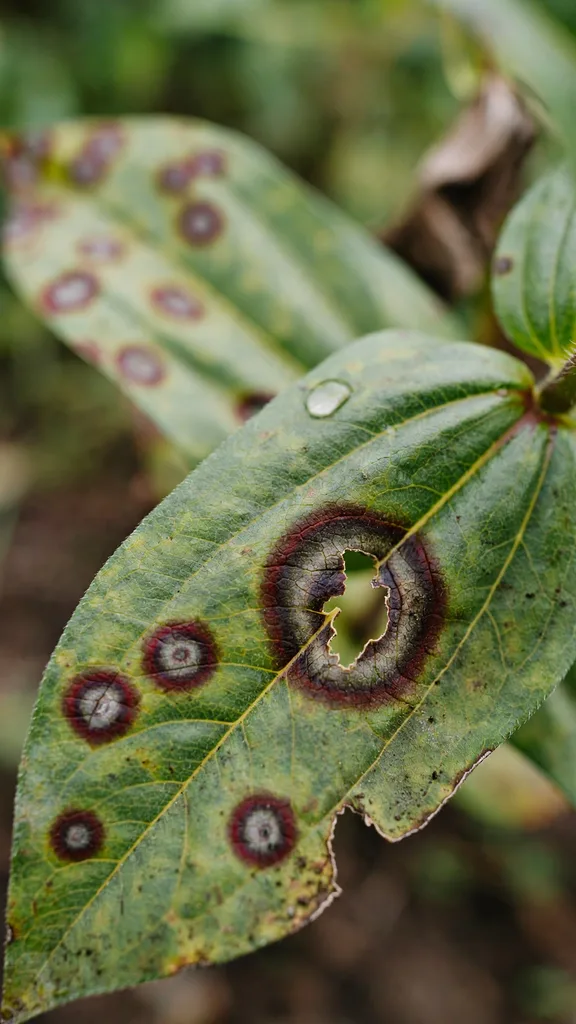
Alternaria leaf spot starts as small dark reddish circular spots that expand fast and turn grayish-white in the center. The centers develop dark concentric rings, then tear out and leave holes in the leaves. Heavy infection browns leaves fast and wilts stems. The same factsheet notes that seed from infected plants spreads the disease, so never save seed from a bed that had it.
Bacterial leaf spot looks different. The spots stay small and purplish, turn angular in shape, and often carry a yellow halo. The cause is Xanthomonas campestris pathovar zinniae, and it spreads under extended leaf wetness. Copper fungicide sprayed weekly after wet weather reduces it. The same rule applies: wet leaves feed it, dry leaves starve it.
Cercospora leaf spot is less common but just as damaging. Its spots are light gray to almost white in the center, with reddish-purple borders. Heavily infected leaves die. Spray after rainy periods with chlorothalonil, copper, or mancozeb, and spray in the late evening.
Aster yellows is the one with no cure. A phytoplasma carried by aster leafhoppers deforms the developing flowers, and petals turn green and twisted. Pull infected plants at once and bin them. Do not compost them. The leafhoppers move on, but the infected plant never recovers. Aster yellows is uncommon, and prompt removal keeps it that way.
Keep Aphids, Spider Mites, and Whiteflies Off Zinnias
Zinnias have few insect pests, and the three that matter arrive in hot, dry weather. Aphids cluster under young leaves and on buds. Spider mites stipple the leaves yellow and spin fine webbing underneath. Whiteflies rise in a cloud when you brush the plant.
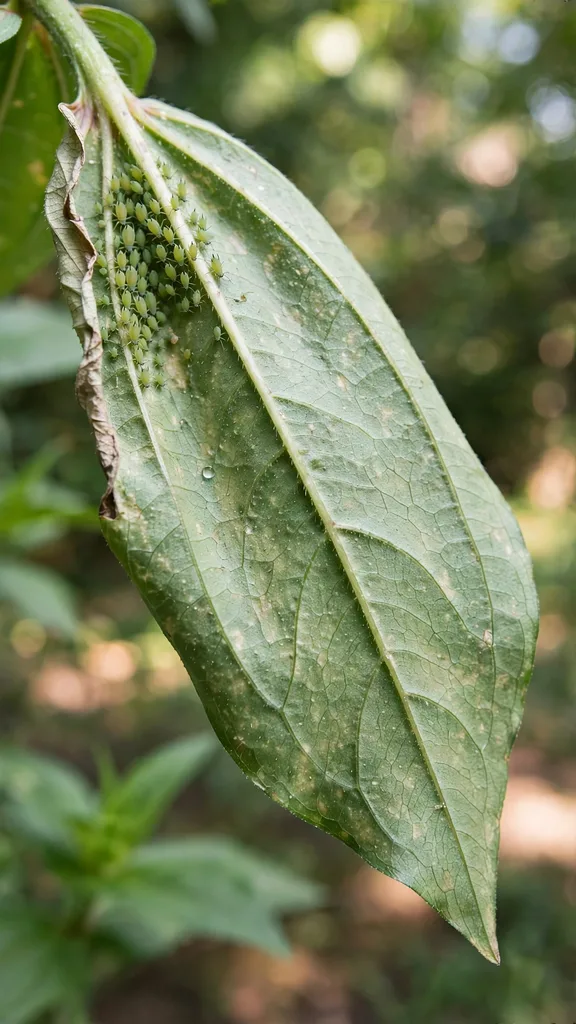
Hose them off first. A strong stream of water knocks aphids and spider mites off the plant, and a weekly hosing keeps a small outbreak small. Reduce drought stress with water at the base, since spider mites thrive on dry, stressed plants.
Spray insecticidal soap only if hosing fails. Direct the spray at the lower leaf surfaces, where the pests feed. Spray in the late evening. Evening spraying protects the bees, butterflies, and hummingbirds that feed on zinnia flowers through the day. The same factsheet warns against broad insecticides on zinnias for exactly that reason: the flowers feed beneficial insects, and a broad spray kills the helpers with the pests.
Check the undersides weekly from midsummer on. Turn a leaf over. Pests hide there first, and a leaf checked weekly never carries a surprise.
Grow Zinnias in Hot Humid Climates and Cool Summers
Climate changes the plan, not the plant. Zinnias grow in both hot humid regions and cool summer regions, but the failure changes with the place.
In hot, humid regions, mildew is the limit. Plant the resistant series. Give the wide spacing. Water at the base in the morning and never in the evening. A bed in a humid climate needs more air than a bed in a dry one, so thin to the wide end of the range and skip the mulch if the soil stays damp on its own.
In cool summer regions, zinnias bloom straight through summer into fall with less mildew pressure. The limit there is heat. A cold June stalls growth, and the first flowers arrive late. Sow into warm soil and wait out the cold weeks. The plants catch up fast once the soil warms.
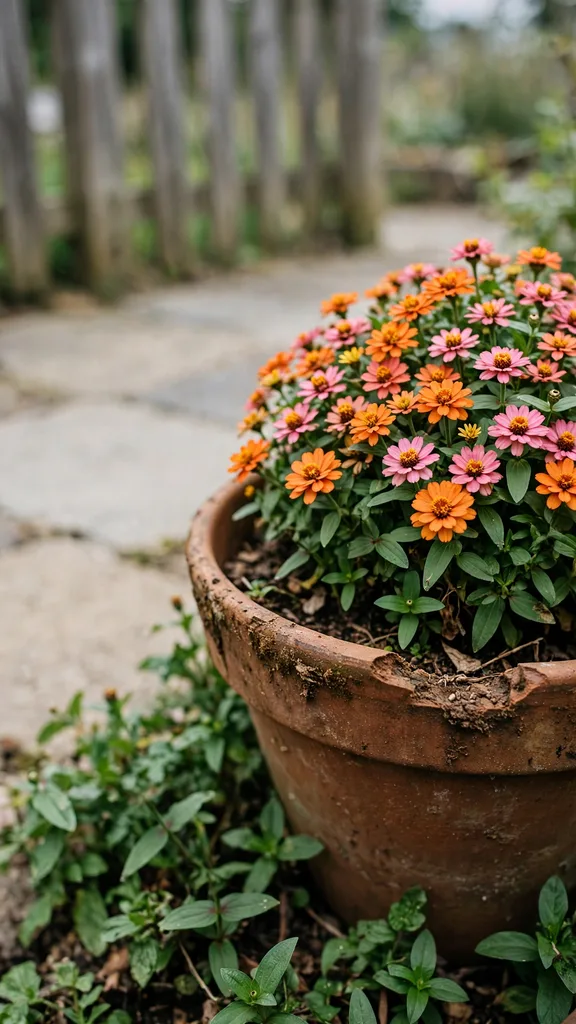
In pots, heat and water swing wider than in the ground. A pot in full sun dries fast on a hot day, so water at the base when the top 2.5 cm of mix feels dry. Dwarf types suit pots. Tall types belong in the ground, where their roots stay cool and their stems stay upright in wind.
Cut Zinnias for a Week of Vase Life
Cut for the vase and the plant gives more. A zinnia cut above a leaf pair grows two new stems from the joints below the cut. Cut twice a week and the bed keeps flowering until frost.
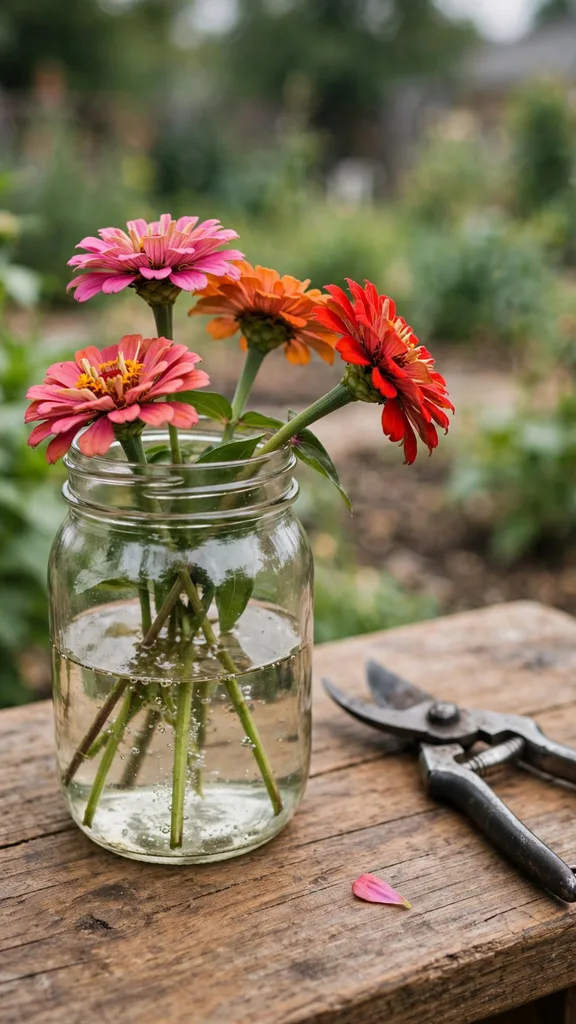
Cut in the morning, when stems are firm and full of water. Wiggle the stem before you cut it. Cut only stems that stay stiff. A stem that bends is not ready, and it wilts in the vase within a day. Cut above a leaf pair with clean shears, and strip the leaves that would sit underwater. Leaves underwater rot, the water goes cloudy, and the stem fails fast.
The same Clemson guide gives zinnias a vase life of a week or more, and that week depends on the cut. Recut the stem underwater on a slant before it goes in the vase. Change the water every 2 to 3 days. Keep the vase out of direct sun and away from ripening fruit.
Zinnias carry the cutting bed into fall. The fall cut flowers guide lists the companions that bloom alongside them, and zinnias hold their color longer than most of that list. Cut the last stems before the first frost. Frost blackens the flowers overnight.
Save Zinnia Seed Only From Healthy Plants
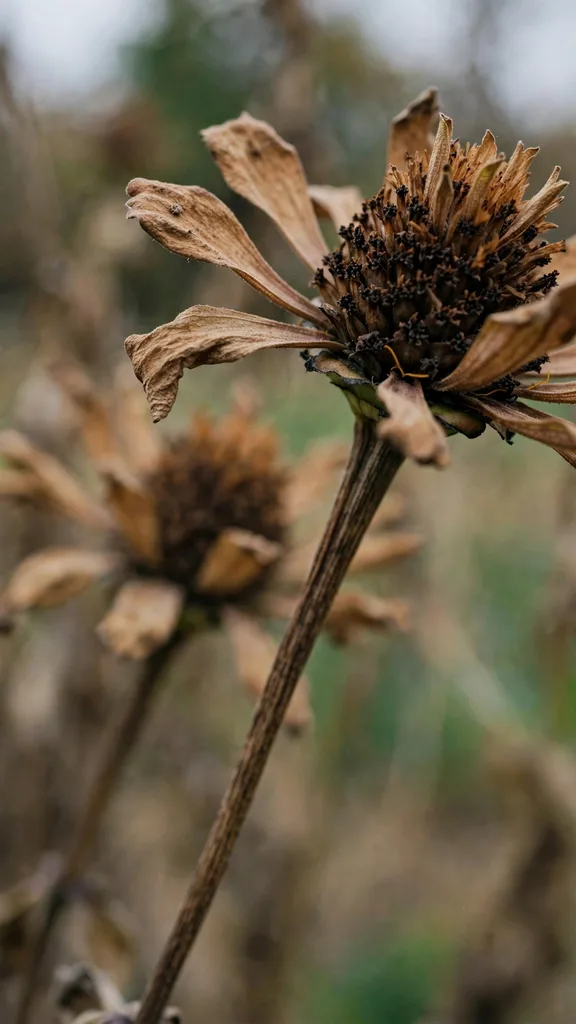
Seed saving is simple if the plants stayed healthy. Let a few flowers dry on the plant until the heads turn brown and papery. Pull the petals apart and collect the dark, arrow-shaped seeds from the base. Dry them on a tray for a week, then store them in a paper envelope in a cool, dry place.
Never save seed from a bed that had leaf spot. The same factsheet is blunt about this: infected seed carries the disease into next year. Save seed only from plants with clean leaves and sound flowers. One healthy plant gives more seed than a whole sick bed is worth.
Rotate the bed. Plant zinnias in a different spot next year, and grow a different bedding species in the old spot for 1 to 2 years. Rotation starves the fungi that overwinter in soil and debris. Pull all debris at season end and bin it. A clean bed and a new spot are the cheapest disease control there is.
Label the envelope with the variety and the year. Zinnia seed crosses freely between types in one bed, so seed saved from a mixed bed grows mixed flowers. That is fine for a wildflower bed and wrong for a cutting row that needs one type.
Frequently Asked Questions About Zinnias
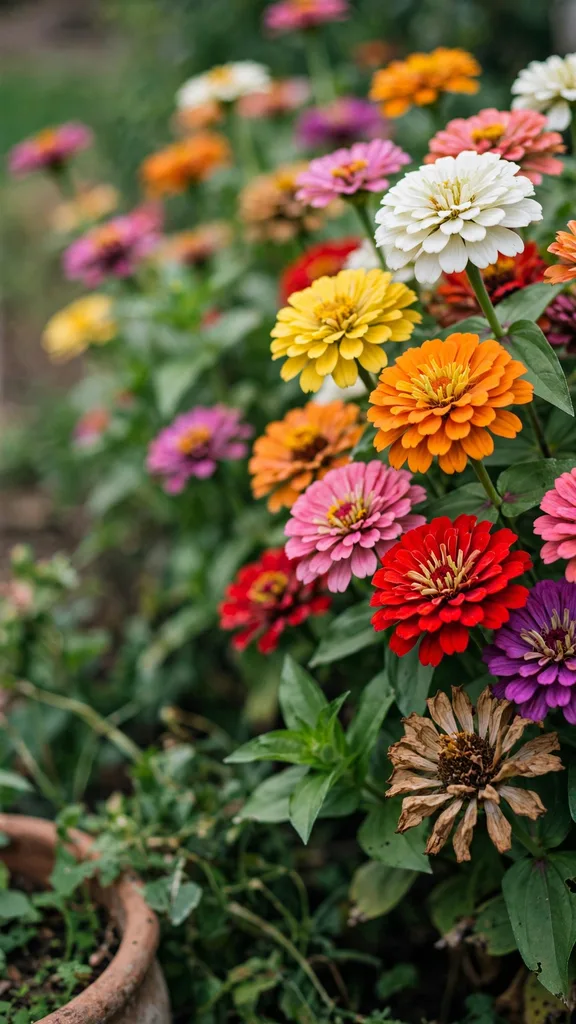
Zinnias bloom 8 to 12 weeks after sowing, depending on the type and the weather. Tall types take the longer end of that range. Sow after the last frost in soil near 21.1°C, thin to the final spacing, and pinch once at 20.3 to 30.5 cm. Warm soil and full sun keep the plants on schedule. Cold soil and shade push the first flowers back by weeks.
Zinnias are annuals, so the plant dies with the first frost and does not return from the roots. They reseed themselves in mild climates, and seedlings sometimes appear in the same bed the next spring. Do not count on volunteers. Sow fresh seed each spring after the last frost, and save seed only from healthy plants if you want to grow the same type again.
White powder on zinnia leaves is powdery mildew, a fungus that thrives in humid weather on wet, crowded leaves. Give plants full sun and wide spacing, water at the base in the morning, and plant a resistant series such as Profusion or Zahara in a humid garden. Pull badly infected plants and bin them. Spray copper or sulfur in the late evening only if the disease keeps spreading.
Deadhead zinnias every week unless you grow Profusion, which needs no deadheading because new flowers open above the old ones. Snip each spent flower above a leaf pair. Cutting for the vase does the same job, so a bed cut twice a week needs little extra deadheading. A zinnia left to set seed slows flower production, while a zinnia cut often keeps blooming until frost.
Grow dwarf zinnias in pots and keep tall types in the ground. Choose a pot 30.5 cm across or wider with drainage holes, fill it with well-drained mix, and set one plant per pot. Water at the base when the top 2.5 cm of mix feels dry, since pots dry faster than beds. Give the pot full sun and the widest spacing the space allows.