Buy 12 small pots for $25 or less each and fill the dim corners and bright windows you already have with affordable houseplants. That is the whole plan in one sentence. Affordable houseplants earn their place by surviving missed waterings and low light, and the 12 plants below each get their own section, with the price, the light, the water, and the one failure that kills it.
Start with light. Looks come second. A north window, a bathroom with a small window, and a bright living room window ask for different plants, and a plant in the wrong spot drops leaves no matter how often you water it.
Low light means 3 hours or fewer of direct sun a day, medium light means 4 to 6 hours, and high light means 6 hours or more. The same low-light logic picks outdoor fruit that crops in shade. Bright indirect light suits the living room plants below. Set them near a south or west window with a sheer curtain between glass and leaf, and turn the pot a quarter turn each week so growth stays even.
Measured light tells the same story in numbers. Low light runs 269 to 807 lux, medium light 807 to 2,153 lux, and high light sits above 2,153 lux, while most homes sit at 10 to 20 percent humidity against a 40 to 50 percent medium band, according to the University of Georgia Extension guide to growing indoor plants. Match the plant to the band your window delivers, and the plant does the rest.
Kitchens and bathrooms give plants steam from showers and cooking, and the plants in that group use that humidity. Prices in the table are typical ranges for small pots at garden centers, not quoted listings. A plant at the top of its range still stays at or under $25 in a small pot, and a larger pot of the same plant costs more.
| Plant | Room | Light | Water | Typical Small-Pot Price |
|---|---|---|---|---|
| Parlor Palm | Low light corners | Low to medium indirect | When top dries | $8-$20 |
| English Ivy | Low light corners | Low to bright indirect | Lightly moist | $5-$15 |
| Peperomia | Small shelves | Medium indirect | When fully dry | $8-$18 |
| Prayer Plant | Low light shelves | Low to medium indirect | Lightly moist | $10-$20 |
| Dracaena Marginata | Bright windows | Bright indirect | When top dries | $10-$25 |
| Hoya Carnosa | Bright windows | Bright indirect | When fully dry | $10-$20 |
| Tradescantia Zebrina | Hanging baskets | Bright indirect | Lightly moist | $5-$12 |
| String of Pearls | High shelves | Bright indirect | When beads soften | $8-$18 |
| Boston Fern | Humid bathrooms | Medium indirect | Moist | $8-$18 |
| Bird’s Nest Fern | Shaded bathrooms | Low to medium indirect | Moist | $10-$20 |
| African Violet | Bright sills | Bright indirect | From below | $5-$12 |
| Rex Begonia | Colorful tabletops | Bright indirect | Lightly moist | $8-$18 |
Parlor Palm for Low Light Corners
Parlor palm grows slow feathery fronds from a slim trunk, and one small pot fills a dim corner on its own because the fronds arch outward and read as a small tree against a pale wall. Small pots typically sell for $8 to $20, and the plant stays compact for years, so the pot you buy is the pot you keep.
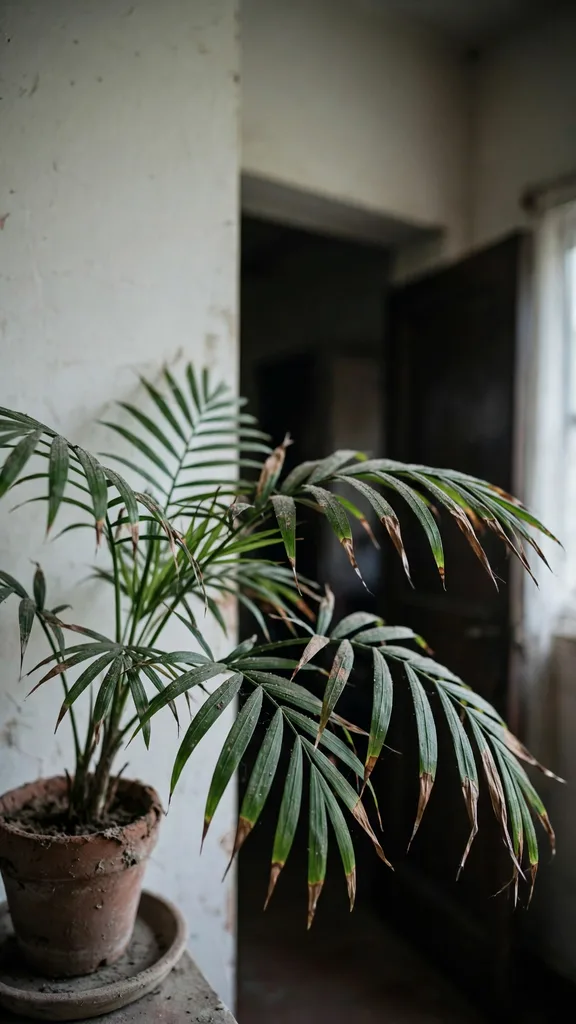
Water it when the top 2.5 cm of mix feels dry, and keep it in a pot with a drainage hole. Brown leaf tips mean dry air or salts in the water, so flush the mix with plain water every few months and skip the leaf shine sprays. The failure to avoid is a dark hallway with no window at all. A parlor palm tolerates low light, and it still needs some light each day to hold its fronds. Give it a north window and it keeps its shape for years.
English Ivy for Low Light Corners
English ivy trails lobed green leaves on thin stems, and one small pot gives you runners long enough to train up a trellis or spill from a shelf within a season. Small pots typically sell for $5 to $15, which makes it the cheapest trailer on this list, and a single plant covers a bare wall corner once the runners find something to climb.
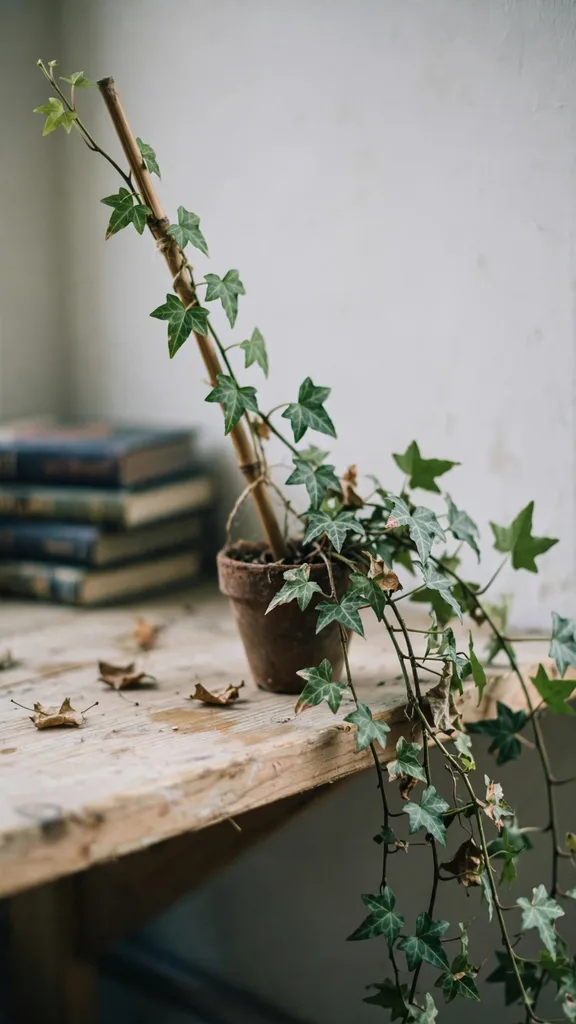
Keep the mix lightly moist and give it cool air. Ivy hates hot dry rooms, and dry air brings spider mites that web the leaf joints and stipple the leaves. Check the leaf undersides each week, and wash the plant under a gentle shower at the first sign of webbing. The failure to avoid is a hot dry shelf above a radiator. Heat plus dry air stalls ivy fast, and mites finish the job. Move it to a cool bright corner and the runners start again.
Peperomia for Small Shelves
Peperomia grows thick rounded leaves on short stems, and the plain green form looks like a small sculpture on a shelf. Small pots typically sell for $8 to $18, and one plant stays under 30 cm tall and wide, so it fits a shelf that holds nothing bigger. The thick leaves store water, which is why this plant forgives a missed watering better than most leafy plants.
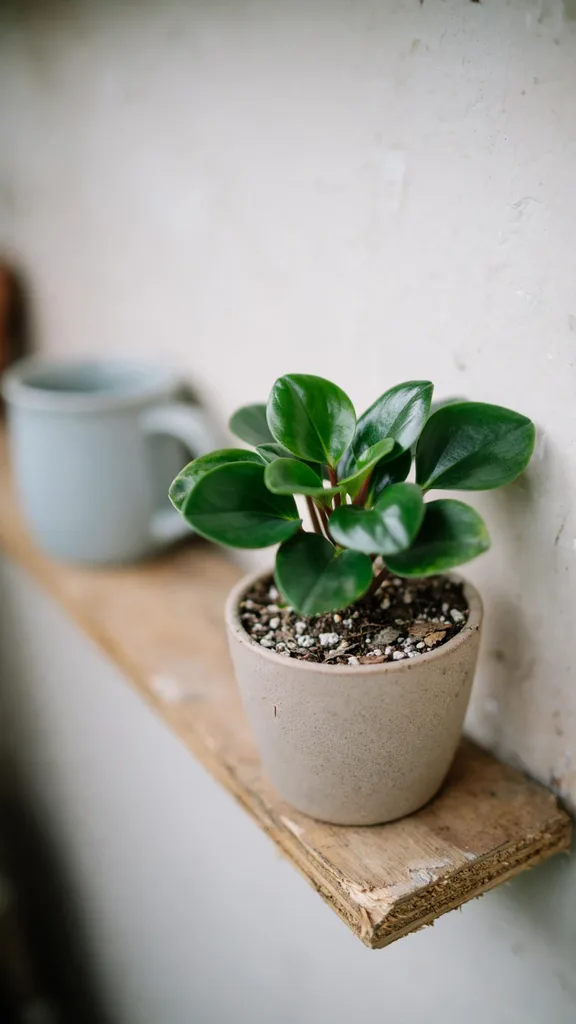
Water it only when the mix has dried through, and use a light mix that drains fast. The soil health guide covers what a living mix needs, and peperomia wants that open mix more than most plants. The failure to avoid is wet mix that never dries. The stems turn soft at the base and the plant collapses in a week. A pot with a drainage hole and a light hand on the watering can keeps it standing.
Prayer Plant for Low Light Shelves
Prayer plant folds its patterned leaves upward each night and opens them again by morning, and that daily move is the reason it earns a spot on a shelf you pass every day. Small pots typically sell for $10 to $20, and the red-veined form costs the same as the plain green one, so buy the pattern you like. The leaves carry deep green centers with pale veins, and the undersides run purple.
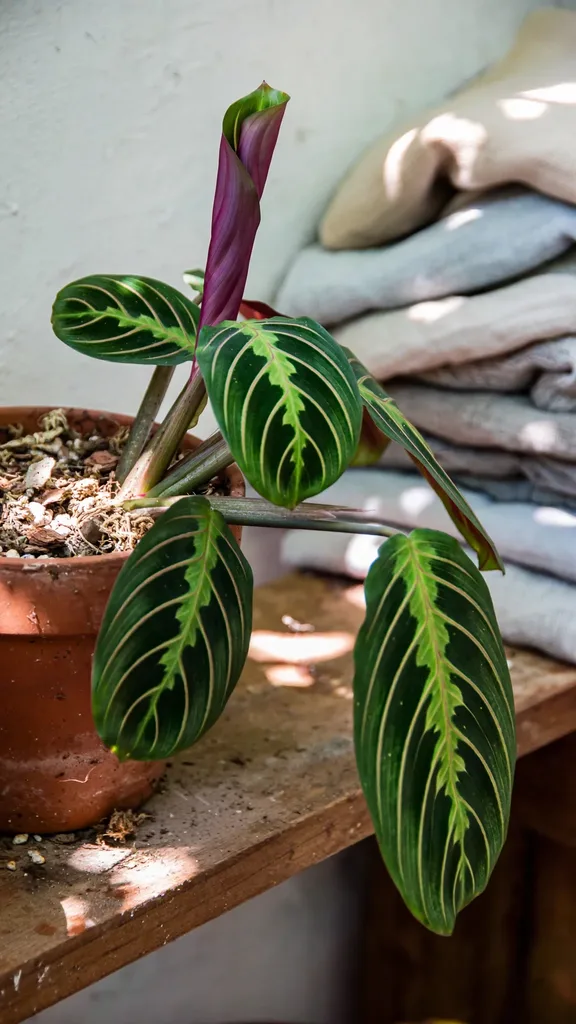
Give it low to medium light and steady moisture, and keep it away from cold drafts. Brown leaf edges mean dry air or salts, so water with room-temperature water and group it with other plants to lift the humidity around it. The failure to avoid is a cold windowsill in winter. Chill turns the leaf edges brown in days, and the plant sulks for weeks after. A warm shelf away from the glass keeps the leaves flat and patterned.
Dracaena Marginata for Bright Windows
Dracaena marginata grows a thin woody trunk topped with a tuft of narrow arching leaves edged in red, and a small pot holds a plant that reads as a miniature palm tree. Small pots typically sell for $10 to $25, and the plant grows slowly enough that a small pot lasts 2 years or more before it needs a bigger one. The red edge gives a plain room a line of color without a flower.
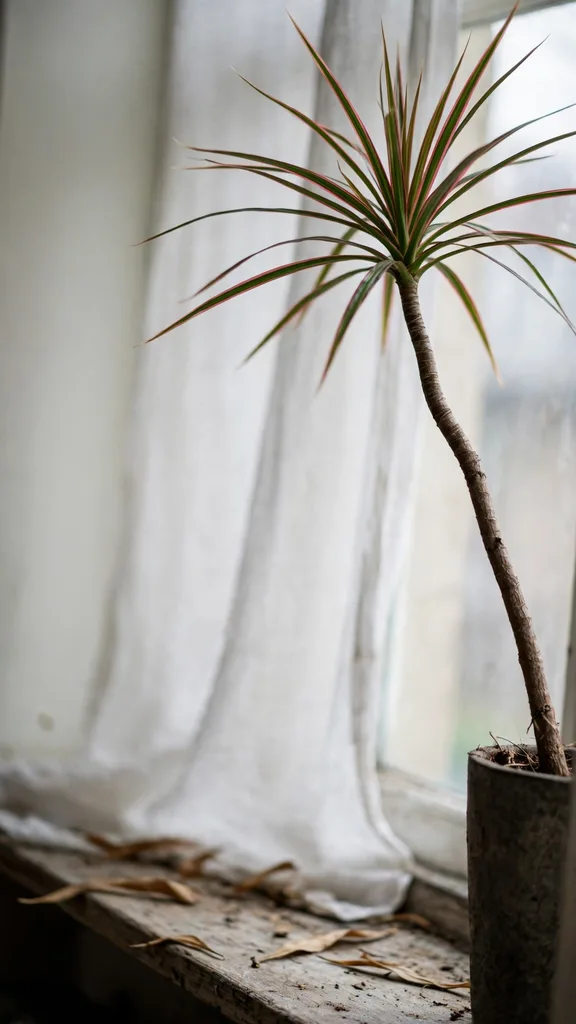
Give it bright indirect light and water when the top of the mix dries. Dracaena is sensitive to fluoride, so brown leaf tips often trace back to tap water, and letting the water sit overnight before use helps. The failure to avoid is a dark corner. Low light stretches the trunk and thins the leaf tuft until the plant looks bare. A bright window keeps the tuft full and the trunk short.
Hoya Carnosa for Bright Windows
Hoya carnosa grows thick waxy leaves on long vines, and a mature plant throws clusters of star-shaped pink flowers that smell sweet in the evening. Small pots typically sell for $10 to $20, and a small pot on a bright sill gives you vines long enough to train around a hoop within a year. The leaves alone look polished enough to pass as a display plant even when the plant never flowers.
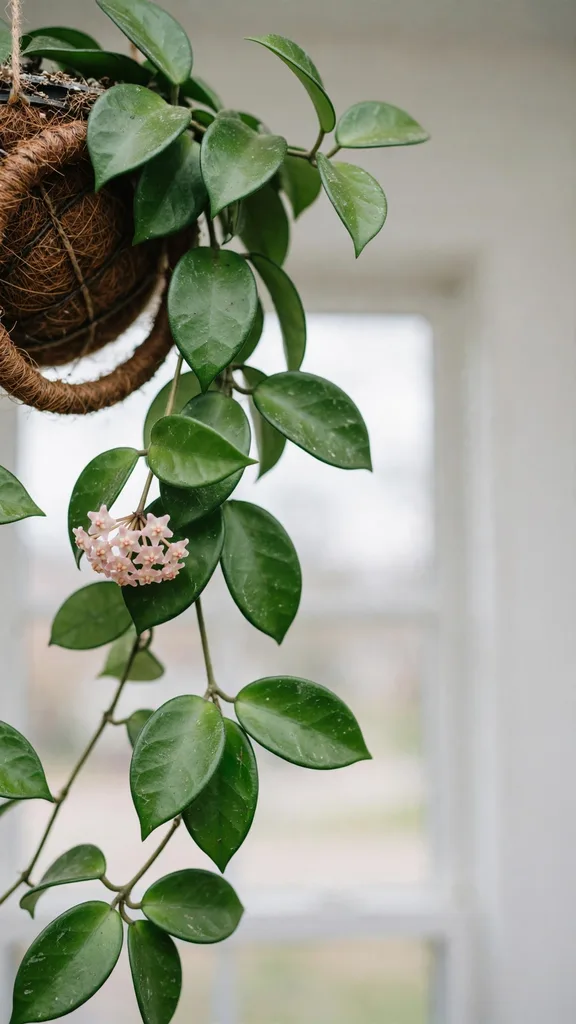
Give it bright indirect light and water only when the mix dries through. Hoya flowers on old wood, so never cut the bare flower stalks after the blooms fade, since the next flowers open from the same stalks. The failure to avoid is moving the plant once buds appear. A hoya drops its buds at the smallest change in light or position, and a moved plant can sit flowerless for a year. Pick the sill, hang the pot, and leave it there.
Tradescantia Zebrina for Hanging Baskets
Tradescantia zebrina trails purple and silver striped leaves on fast-growing stems, and one small pot fills a hanging basket with color in a single season. Small pots typically sell for $5 to $12, which makes it the cheapest plant on this list, and cuttings root in water within days, so one plant turns into several baskets for the price of one pot.
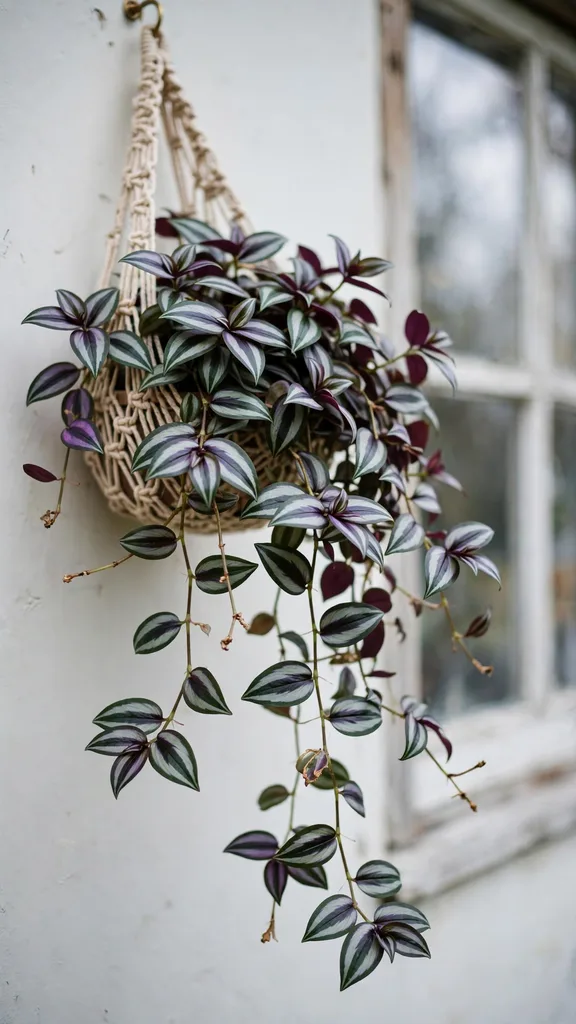
Give it bright indirect light to keep the stripes strong, and pinch the stem tips to force branching. Low light turns the leaves green and the stems leggy, so move a fading plant closer to the window before it stretches past saving. The failure to avoid is letting the stems grow long without pinching. A tradescantia left alone turns into a few bare ropes with leaves only at the ends. Pinch every few weeks and the basket stays full to the rim.
String of Pearls for High Shelves
String of pearls grows bead-like leaves on thin trailing stems, and a small pot on a high shelf gives you strands that hang 60 cm or longer within a year. Small pots typically sell for $8 to $18, and the beads catch light like a row of green glass, which is why this plant reads as a display piece rather than a filler. A full pot looks like a curtain of beads from across the room.
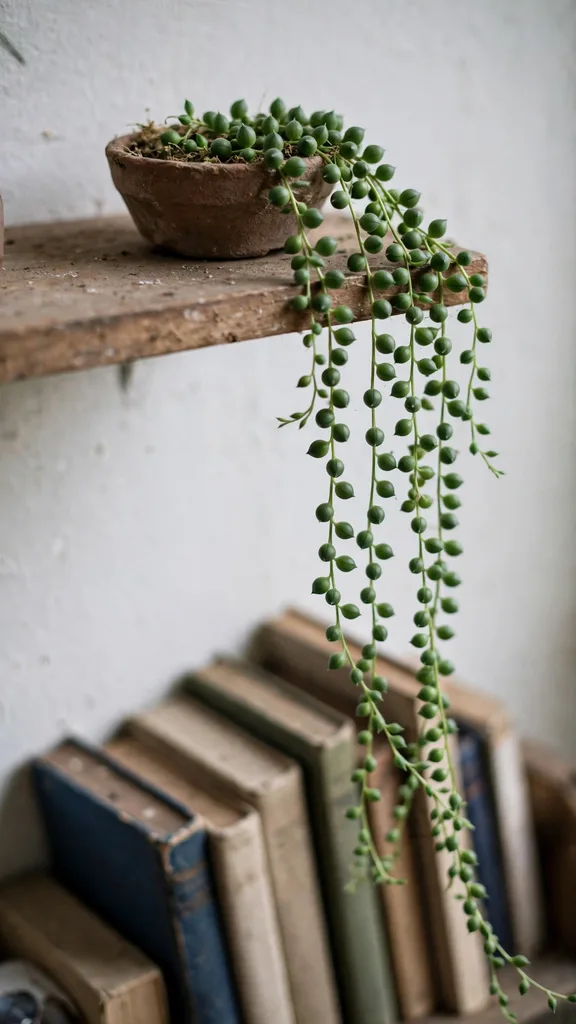
Give it bright light on the top of the pot, not only on the hanging strands, and water only when the beads start to soften. The roots run shallow, so a deep pot stays wet at the bottom while the top dries, and that wet bottom rots the roots. The failure to avoid is a deep pot with no drainage. Water with nowhere to go sits at the roots, and the beads shrivel while the mix still looks fine from above. A shallow pot with a drainage hole keeps the strands plump.
Boston Fern for Humid Bathrooms
Boston fern grows arching green fronds from a central crown, and a small pot in a bathroom gives you a full green fountain within a season. Small pots typically sell for $8 to $18, and the fronds spill over the pot edge, which is why this plant suits a hanging basket or a high shelf near a shower. A full plant softens a tiled room better than any other plant on this list.
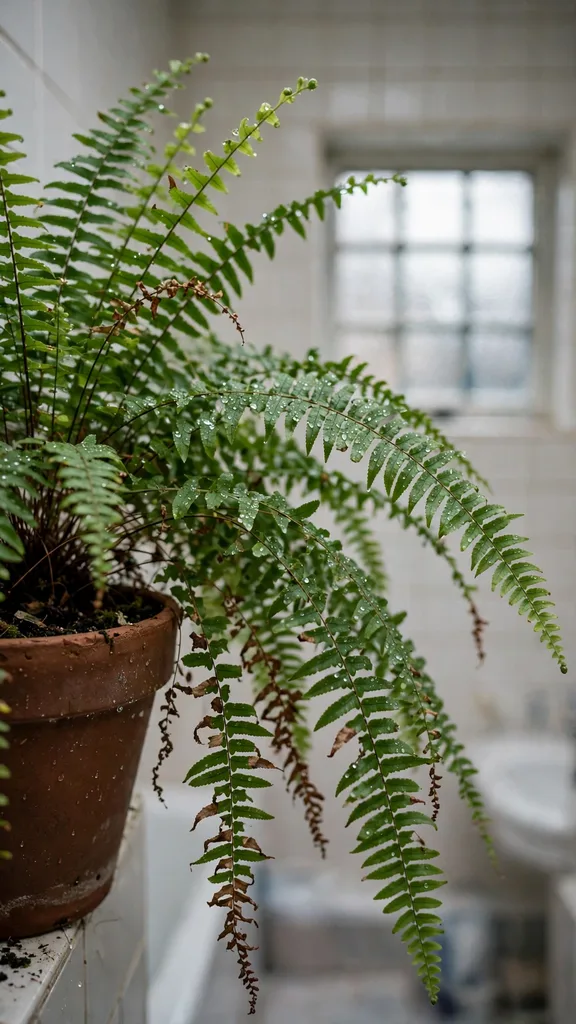
Keep the mix moist and give it humidity. A bathroom gives this fern the damp air it wants, and a dry living room does not. Mist the fronds if the air runs dry, and water before the fronds wilt. The failure to avoid is letting the mix dry out completely. A dry fern sheds fronds across the floor, and a plant that sheds twice in a season rarely fills out again. Water on a short rhythm and the fronds stay green to the tips.
Bird’s Nest Fern for Shaded Bathrooms
Bird’s nest fern grows wide rippled fronds from a central rosette, and a small pot gives you a green nest that fills a shaded bathroom shelf. Small pots typically sell for $10 to $20, and the fronds keep their shape for years without pruning, so the plant you buy is the plant you keep. The wide fronds catch light from a small window and hold it across the whole leaf.
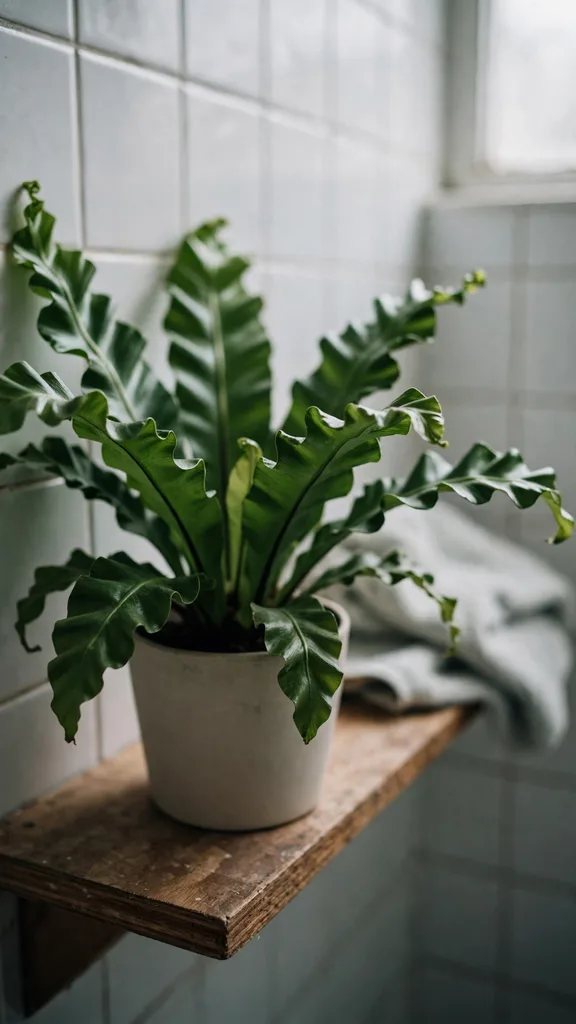
Give it shade to medium light and keep the mix moist. Water the mix, not the crown, since water sitting in the center rosette rots the new fronds before they unfurl. The failure to avoid is a sunny sill. Direct sun scorches the fronds and leaves pale patches that never heal. A shaded bathroom shelf keeps the fronds deep green and unmarked.
African Violet for Bright Sills
African violet grows soft fuzzy leaves in a low rosette and flowers in shades of purple and pink for months at a time. Small pots typically sell for $5 to $12, which makes it the cheapest flowering plant on this list, and one plant in bloom on a bright sill reads as a bought bouquet that never wilts. A plant in flower changes the whole sill.
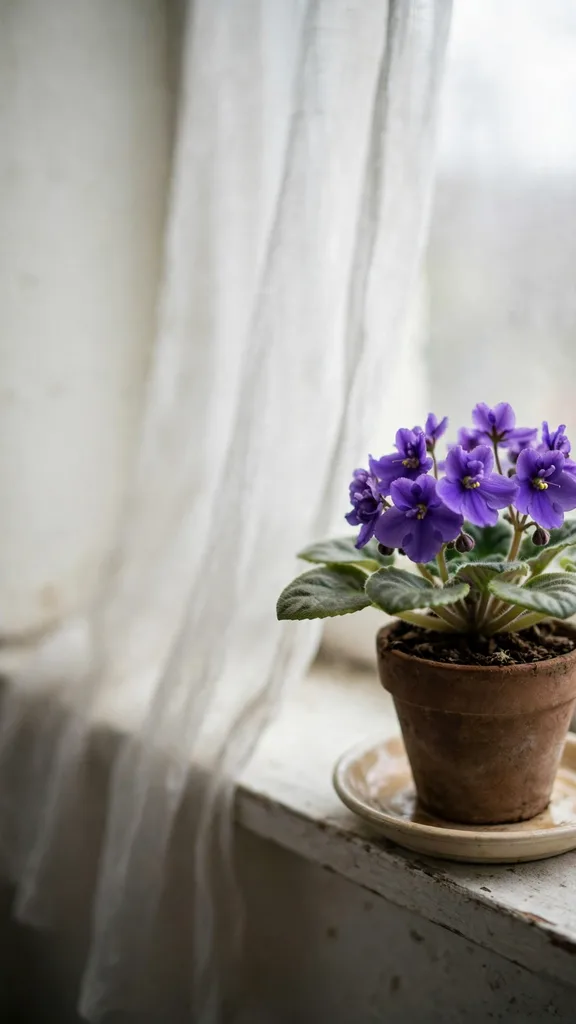
Give it bright indirect light and water from below, since cold water on the leaves leaves pale spots that never fade. African violets like a slightly acidic mix, and soil pH decides whether the plant takes up the food it needs. The failure to avoid is watering the leaves. Spots show within a day, and a spotted rosette takes months to grow out. Set the pot in a saucer of water, let the mix drink, and tip the rest away.
Rex Begonia for Colorful Tabletops
Rex begonia grows large patterned leaves in silver and red over deep green, and one small pot gives you a tabletop display with no flower in sight. Small pots typically sell for $8 to $18, and the leaf pattern varies from plant to plant, so pick the pot whose leaves you like and skip the rest. The leaves carry the whole show, which is why this plant suits a table you see every day.
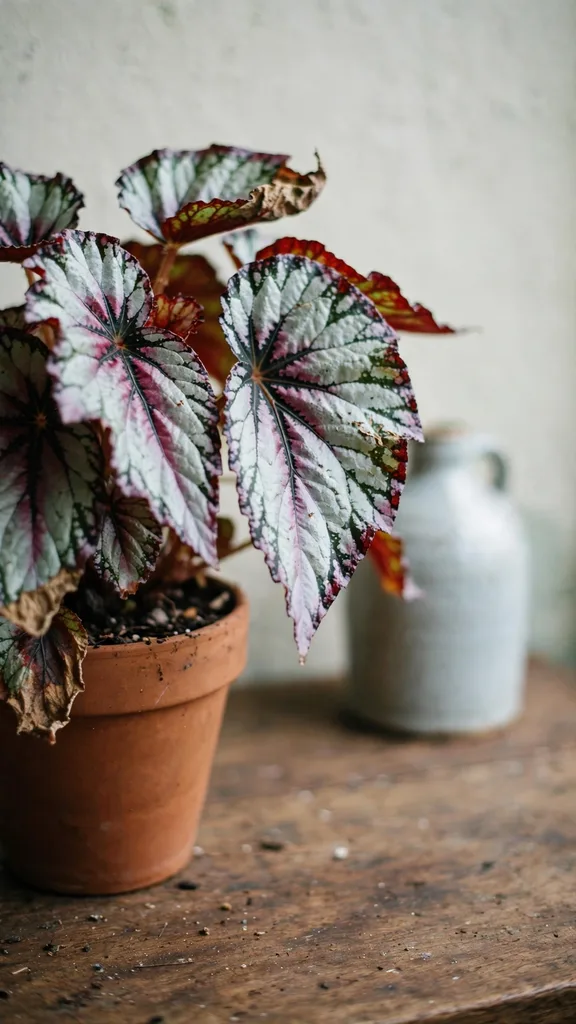
Give it bright indirect light and keep the mix lightly moist. Wet leaves invite rot, so water the mix and keep the leaves dry, and give the plant air movement without a cold draft. The failure to avoid is a dark room. Low light fades the silver and red to plain green, and the pattern never comes back on those leaves. A bright tabletop keeps the colors sharp for months.
5 Affordable Mistakes That Kill Houseplants
The same notes put the best indoor range at 21.1 to 26.7 degrees C by day and 18.3 to 21.1 degrees C at night, with most plants tolerating 14.4 to 30 degrees C. The five mistakes below push plants out of that comfort zone in small ways that add up.
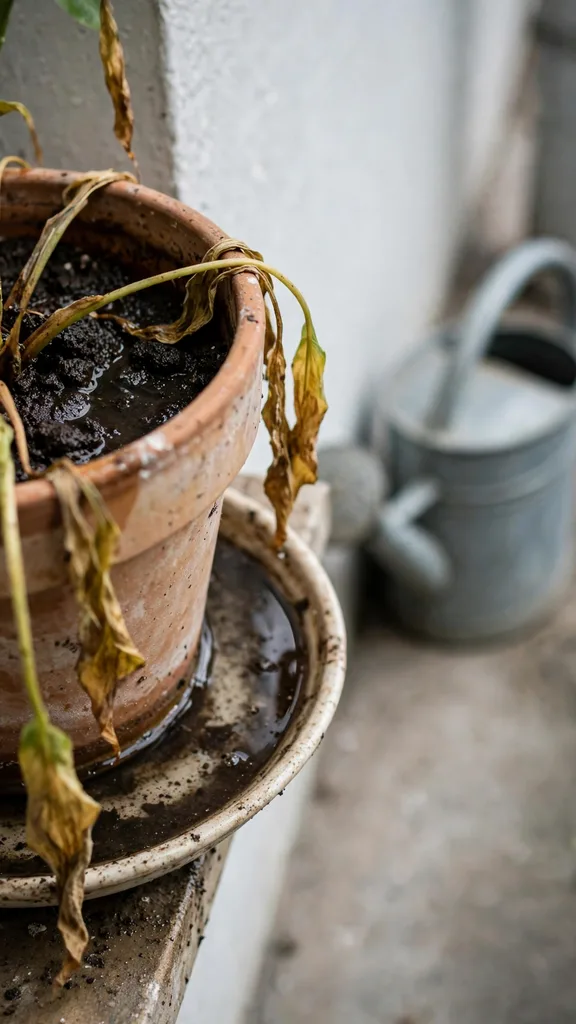
- Watering by the calendar. A plant in a dim corner dries slowly, and a plant by a sunny window dries fast, so one fixed watering day fits neither. Push a finger 2.5 cm into the mix before every watering, and water only when the top feels dry. Let the pot drain 10 to 20 minutes after watering, and let tap water sit 24 hours before use, according to the Wisconsin Horticulture houseplant care guide. A calendar watering drowns the dim plant first.
- Buying for looks instead of light. A sun-loving plant in a dark hallway stretches, drops leaves, and never fills out. Match the plant to the window you have, and buy the plant that fits that light. A plant bought for its looks dies in the wrong light, and the money goes with it.
- Potting without a drainage hole. A pot with no hole holds water at the bottom, and roots that sit in water rot. Roots that sit in water rot fast, and the rescue steps live in the Pythium root rot guide. Drill a hole or move the plant to a pot that has one, and the roots stay dry between waterings.
- Feeding a plant that needs light. Fertilizer never fixes low light, and a fed plant in a dark room grows weak pale stems. Feed once every 1 to 2 months during active growth with a general 20-20-20 fertilizer, and skip feeding in winter when growth slows; the same guide gives that timing. A balanced feed means equal N-P-K numbers on the label, and the N-P-K guide spells out what each letter feeds.
- Skipping the quarantine. A new plant can carry pests that spread to the rest of the collection in days. Keep a new plant in a separate room for 2 weeks, and check the leaf undersides before it joins the rest. One infested plant costs more than the money saved on a bargain.
Affordable Houseplants FAQ
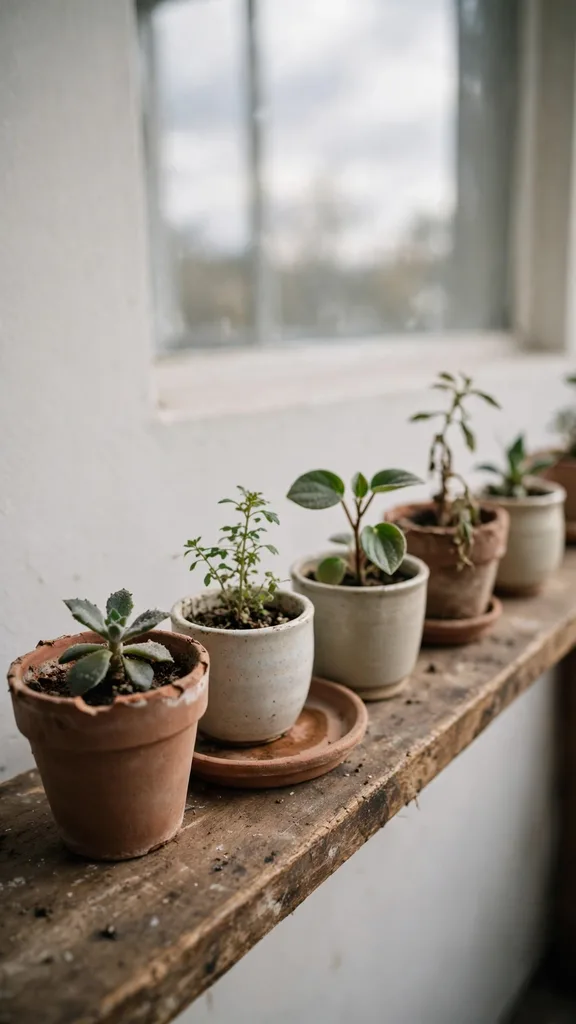
Tradescantia and African violet lead on price, with small pots typically selling for $5 to $12. Tradescantia roots fast from cuttings in water, and African violet grows new plants from a single leaf cutting, so one plant turns into several pots within a season. Start with tradescantia for a hanging basket, and start with African violet for a bright sill.
No plant grows in a room with no windows and no grow light, and affordable plants are no exception. Low light still means some light, and a plant in a dark room stretches, drops leaves, and stops growing. Move the plant to the brightest spot you have, or add a simple grow light on a timer. A plant that gets some light each day outlives one that gets none.
Water by the soil, not by the calendar. Push a finger 2.5 cm into the mix, and water only when the top feels dry. Plants in bright light dry faster than plants in dim corners, so one fixed watering day fits neither. Water until it runs from the drainage hole, let the pot drain, and tip the saucer dry. A plant watered on need outlives one watered on schedule.
Boston fern and bird’s nest fern suit bathrooms best, since both want moist mix and damp air. A bathroom near a small window gives them the light and the steam they need, and both plants fill a shelf or a hanging basket within a season. Keep the mix moist and water before the fronds wilt. A fern in a dry living room sheds, while the same fern in a bathroom stays full.
Yes, during active growth in spring and summer, and no extra feeding in winter when growth slows. Feed once every 1 to 2 months with a general 20-20-20 fertilizer, and water the plant first so the feed never hits dry roots. A plant that gets light and water first uses the feed well, while a plant in a dark room grows weak on the same feed. Skip the feed until the light is right.