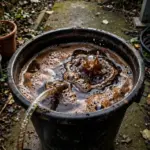
Dig 2 spadefuls from a bed that has eaten compost for 5 seasons. Humus is the dark, stable matter left when soil microbes finish breaking down leaves, roots, and manure. Humus is dead plants turned into the sponge that holds water and nutrients in the ground.
Humus differs from compost, and it differs from soil. Compost is fresh material rotting down, and humus is what stays after the rotting slows. A compost pile turns into humus over months, and a garden bed builds humus over seasons of steady compost.
Humus holds water like a sponge, grips nutrients like a magnet, and glues soil crumbs together. A bed rich in humus drains after rain and stays damp through a dry week. A bed without it ponds, crusts, and starves plants in the same week.
| Point | Detail |
|---|---|
| Definition | Stable, well-decomposed organic matter |
| Share of organic matter | 50 to 80 percent |
| Breakdown pace | About 3 percent per year |
| Water held | 80 to 90 percent of its weight |
| Soil organic matter | 1 to 5 percent of soil by weight |
| Protected share | Near 75 percent of soil organic matter |
| Built by | Steady compost, year after year |
What Is Humus?
Humus is the stabilized organic matter remaining after soil microorganisms break down plant and animal residues, and it is the pool of soil organic matter with the longest lasting benefits for gardeners, according to the Colorado State University Extension living soil guide. Fresh residue rots fast, and humus rots slowly. That slow pace is the point: humus stays in the bed for decades, holding water and nutrients while fresh compost comes and goes.
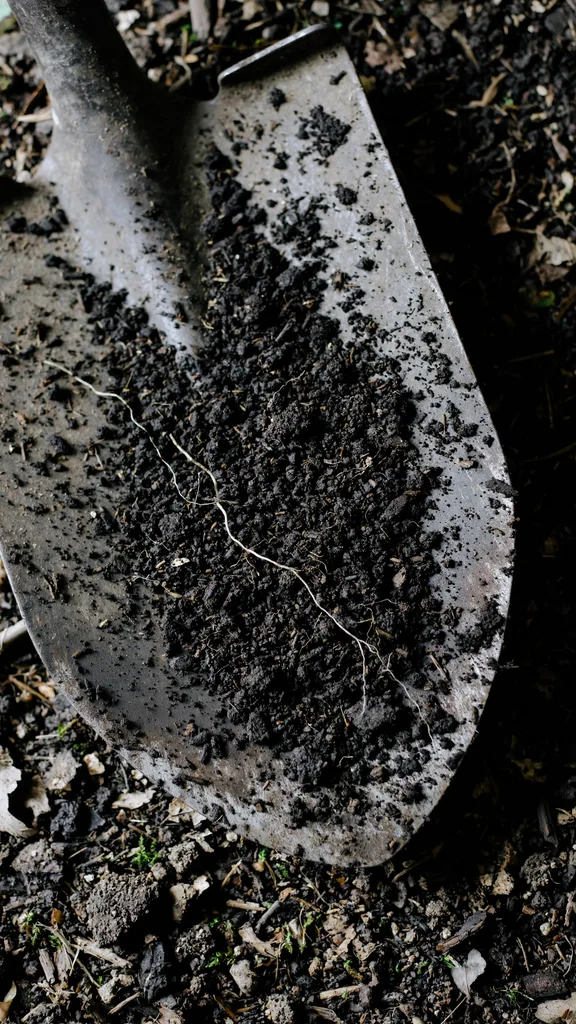
Soil organic matter splits into 4 pools, and humus is the fourth. Living organisms, fresh residue, and decomposing matter turn over within months, and humus is what stays. It holds the largest share of the organic matter pool, and it is a mix of tiny solid particles and soluble compounds too complex for most organisms to eat. The microbes leave it alone, and the plants live off what it holds.
Organic matter is a small part of soil by weight, and it carries a large share of the work. Soil organic matter runs 1 to 5 percent of soil by weight, and the stable humus inside it holds water and nutrients, according to the University of Maryland Extension soil basics guide. The protected organic matter inside soil crumbs is made mostly of dead soil microbes shielded from further decay.
What Humus Is Made Of
Humus is made of sugars, gums, resins, proteins, fats, waxes, and lignin, all tangled into long carbon chains that resist further breakdown. The chains carry electrical charges on their surfaces, and the charges attract and hold nutrients plants need. Viewed under a microscope, the chains look like a sponge, and the sponge holds water against gravity.
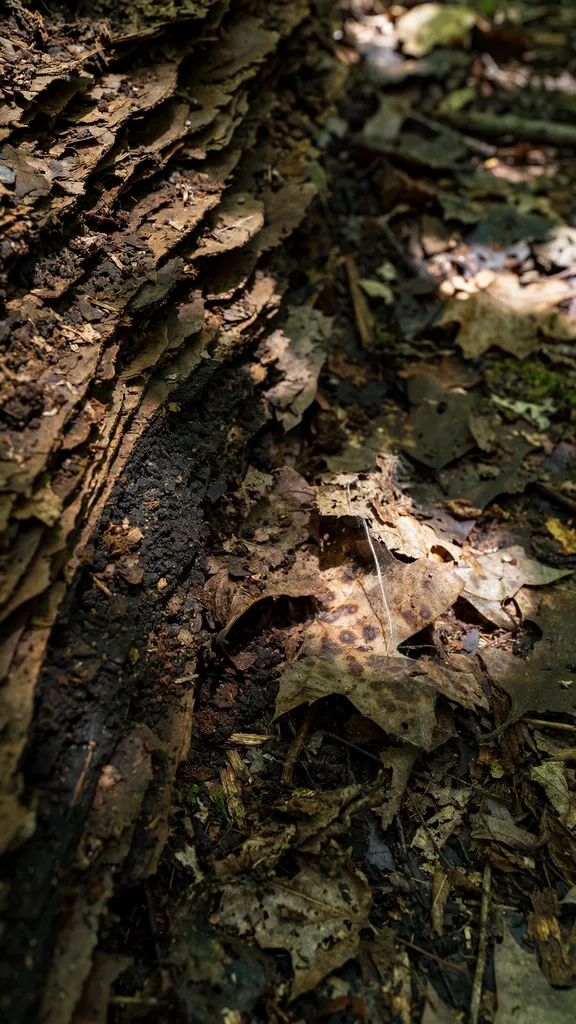
Dead microbes build much of it. Bacteria and fungi eat fresh residue, live short lives, and die inside soil crumbs, and their bodies become the stable matter. Earthworms add their own share: worm castings are rich in humus, and a bed with worms builds humus faster than a bed without them. The living soil makes humus, and the humus feeds the living soil back.
Humus glues minerals into aggregates. The sticky compounds bind sand, silt, and clay into crumbs, and the crumbs hold large pores between them for air and water. A bed with good crumbs drains after rain and holds water through a dry week. A bed without crumbs sets into a crust, and rain runs off the top instead of soaking in. The gardening glossary lists the soil terms that share this ground, and humus is the one that decides how long the bed holds its fertility.
Humus vs Compost
| Trait | Humus | Compost |
|---|---|---|
| What it is | Stable end product of decay | Fresh material rotting down |
| Age | Months to decades in the soil | Weeks to months in the pile |
| Breakdown pace | About 3 percent per year | Fast, within one season |
| Water held | 80 to 90 percent of its weight | Less, and it dries out |
| You buy it as | Bagged “humus” is usually compost | Bagged compost, or home made |
| Worst mistake | Expecting a bag to fix a bed | Expecting compost to last for years |
Humus and compost are stages of the same material, and gardeners mix them up. Compost is the active stage: fresh leaves, food scraps, and manure rotting in a pile, hot with microbes. Humus is the quiet stage: the same material after months of decay, dark, stable, and slow to change. Compost feeds the bed now, and humus feeds the bed for years.
Bagged products blur the line further. Garden stores sell soil amendments labeled as humus, and those products are generally compost, not true humus. True humus forms in the soil over seasons, and no bag can shortcut the process. Buy compost, add it every season, and let the soil make the humus.
How to Recognize and Measure Humus
Dark color is the first sign, and it is not proof. A bed rich in humus runs dark brown to near black, and it smells earthy after rain. A bed low in humus runs pale, and it smells of nothing. Color hints at the answer, and a test gives the number.
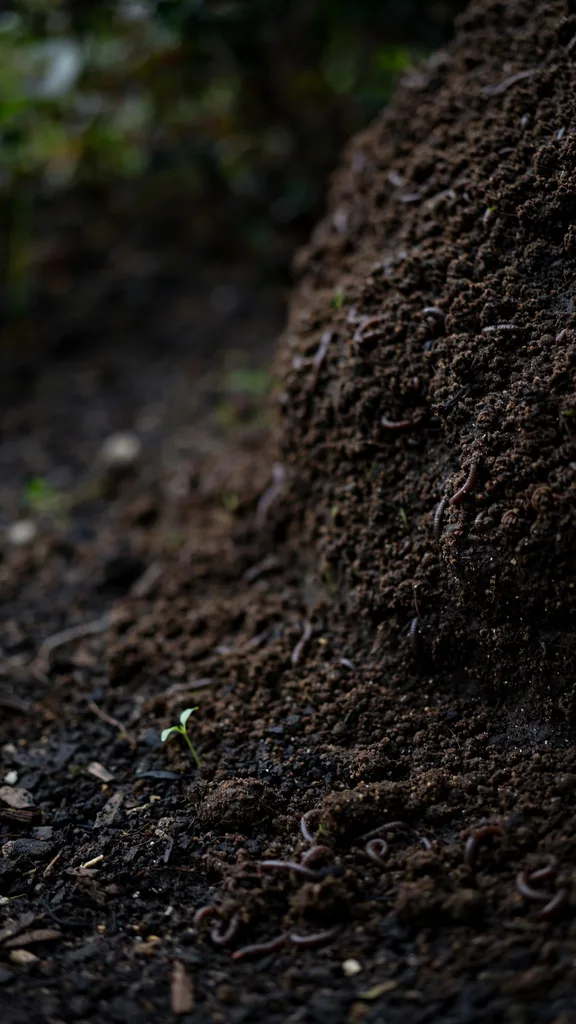
The crumb test shows the structure. Squeeze a moist handful into a ball, then poke it. A bed rich in humus crumbles into crumbs the size of peas, and the crumbs hold their shape in your palm. A bed low in humus smears into a paste or shatters into dust. The crumbs are the aggregates, and the humus is the glue.
A lab test measures soil organic matter as a percent, and humus is the stable share of that number. Collect soil from 6 spots in one bed, dig 15.2 cm down at each spot, and mix the scoops in a clean bucket. Dry the mix on newspaper, fill the lab bag, and send it to the extension lab. The report lists organic matter as a percent of soil weight, and the number climbs slowly with steady compost.
Common Mistakes With Humus
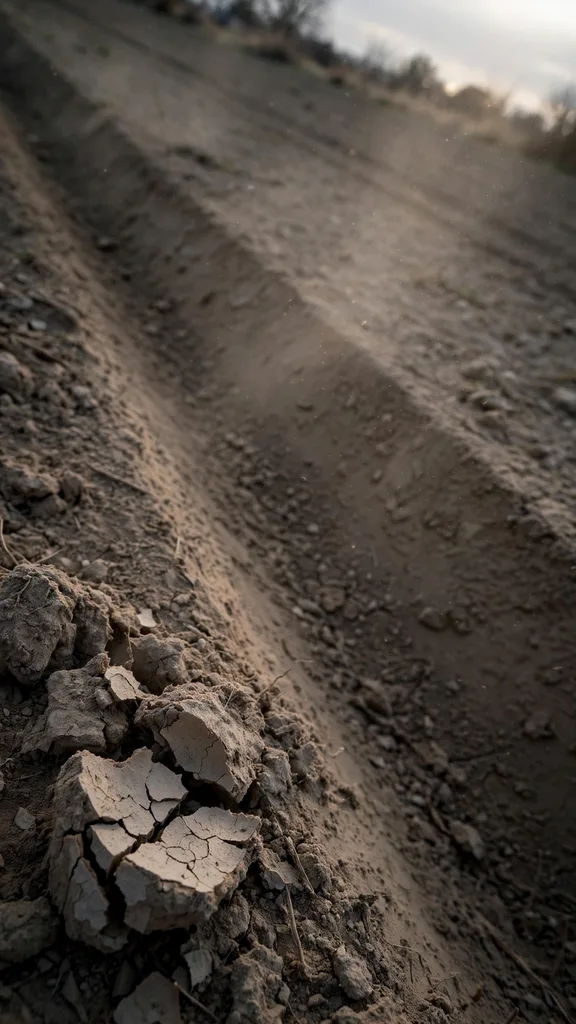
- Buying bagged “humus” and expecting a fix. Bagged products labeled humus are generally compost, and compost feeds the bed for one season. The bed builds true humus over seasons of steady compost, and no bag shortcuts that.
- Tilling every season. Tillage breaks crumbs and burns organic matter fast, and a tilled bed loses humus each year. Fork compost in by hand, and leave the crumbs alone.
- Leaving beds bare all winter. Bare soil loses organic matter to rain and wind, and the microbes starve without roots to feed them. Sow a cover crop in fall, and keep roots in the ground.
- Adding fresh manure and calling it humus. Fresh manure is raw material, and it burns roots and carries weed seed. Compost manure first, and let the pile finish before it touches a bed.
- Expecting a fast change. Humus builds slowly, and the change shows in 2 to 3 seasons. A bed fed compost each fall gains a little each season, and the crumbs tell you first.
When Humus Matters in Your Garden
Humus matters most in sandy soil, where water and nutrients wash through within days. A sandy bed with steady compost builds humus that holds water like a sponge, and the bed stops drying out in a week. The sand never changes, and the humus inside it does the holding.
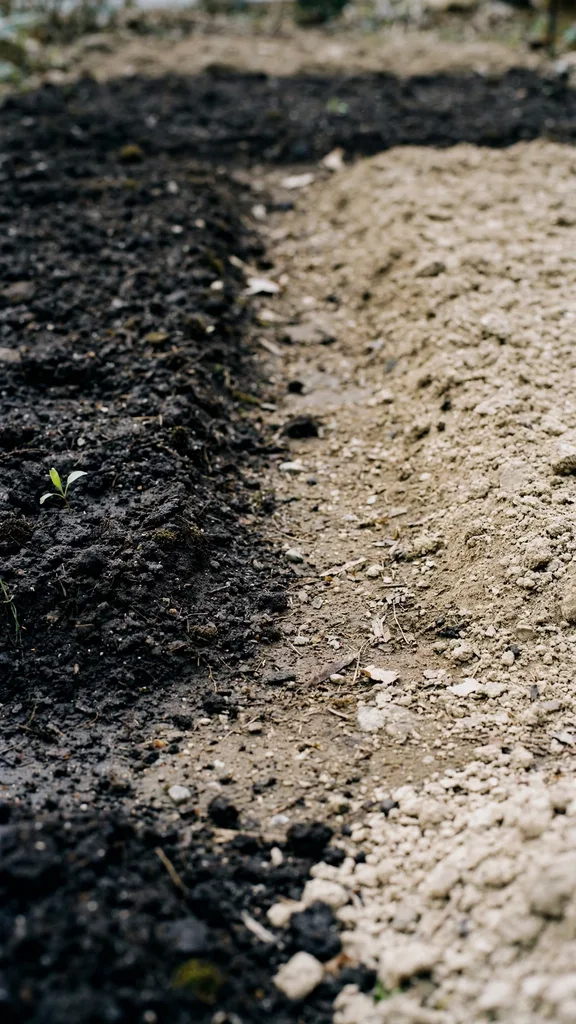
It matters in clay soil too, where humus glues the minerals into crumbs that drain. A clay bed without humus sets into bricks, and the same bed with humus breaks into crumbs under the fork. The clay never changes, and the crumbs change everything.
Compost is the way you build humus, and the pile is the start. A 5.1 cm layer each fall feeds the microbes that make humus, and the bed gains a little each season. Learn how to set up a compost bin and keep a steady supply, because humus is the slow reward for steady compost. A mulching guide shows how a mulch layer keeps the bed damp while microbes work, and damp ground builds humus faster than dry ground.
FAQ
Humus and compost are stages of the same material, and they are not the same thing. Compost is fresh material rotting down in a pile, hot with microbes. Humus is the stable matter left after months of decay, dark and slow to change. Compost feeds the bed for one season, and humus feeds it for years.
You cannot add true humus to a garden, because humus forms in the soil over seasons. Add compost every season, and let soil microbes turn it into humus. Fork a 5.1 cm layer into the top 15.2 cm each fall, keep roots in the ground over winter, and avoid tilling. The bed builds humus slowly, and the change shows in 2 to 3 seasons.
Humus lasts for decades in soil, because it breaks down slowly. Fresh compost disappears within one season, and humus stays. Tillage speeds the loss, and bare ground speeds it more. Steady compost, cover crops, and no tillage keep humus in the bed for years.
Garden stores sell products labeled humus, and those products are generally compost, not true humus. True humus forms in the soil over seasons of decay, and no bag can shortcut the process. Buy compost from a trusted supplier, add it every season, and let the soil make the humus.