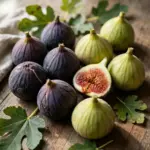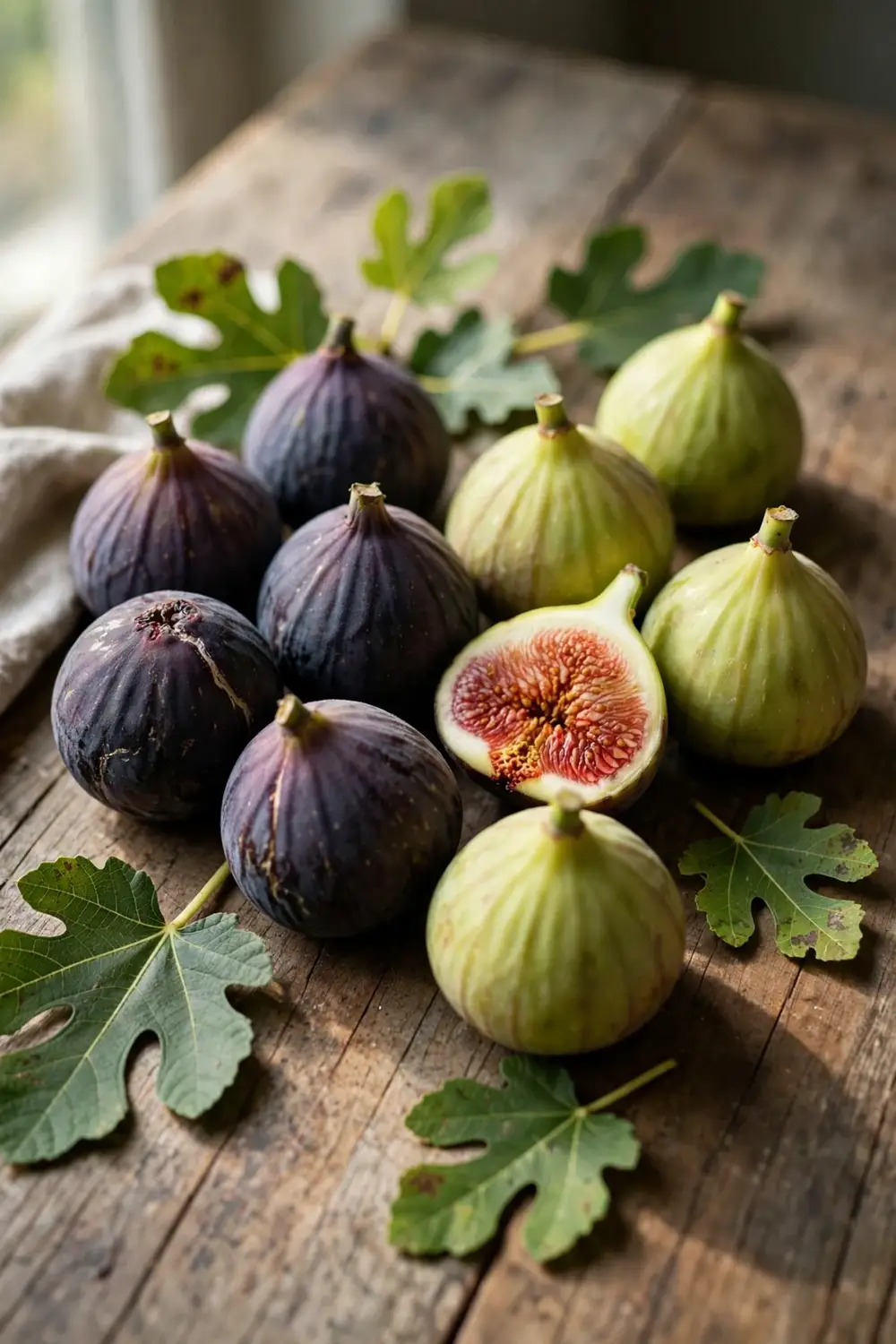

Two questions decide a fig tree’s name, and the fruit answers both. First, is it a fruiting fig at all. Second, which of the 6 common Australian cultivars it is. A fruiting fig is Ficus carica, a deciduous tree with deeply lobed palmate leaves and large edible fruit, and the cultivar narrows to a short list once you read the skin, the flesh, and the harvest month.
That is fig tree identification in Australia: a gate, then a cultivar key. The rest of this page is 13 moves, from the gate test to the honesty box.
I cut one fig open before I trust the skin color, because two cultivars can share purple skin and only the flesh tells them apart.
1. Run the Gate Test: Fruiting Fig or Native Fig
Check whether the tree drops its leaves in winter. A fruiting fig is Ficus carica, a deciduous tree, so bare branches in July point to the fruiting fig, while a tree that keeps glossy green leaves all year points to a native fig such as the Moreton Bay or Port Jackson fig. The Food Forest notes that the fig is a deciduous, sub-tropical tree, which makes winter leaf drop the fastest gate test you have.
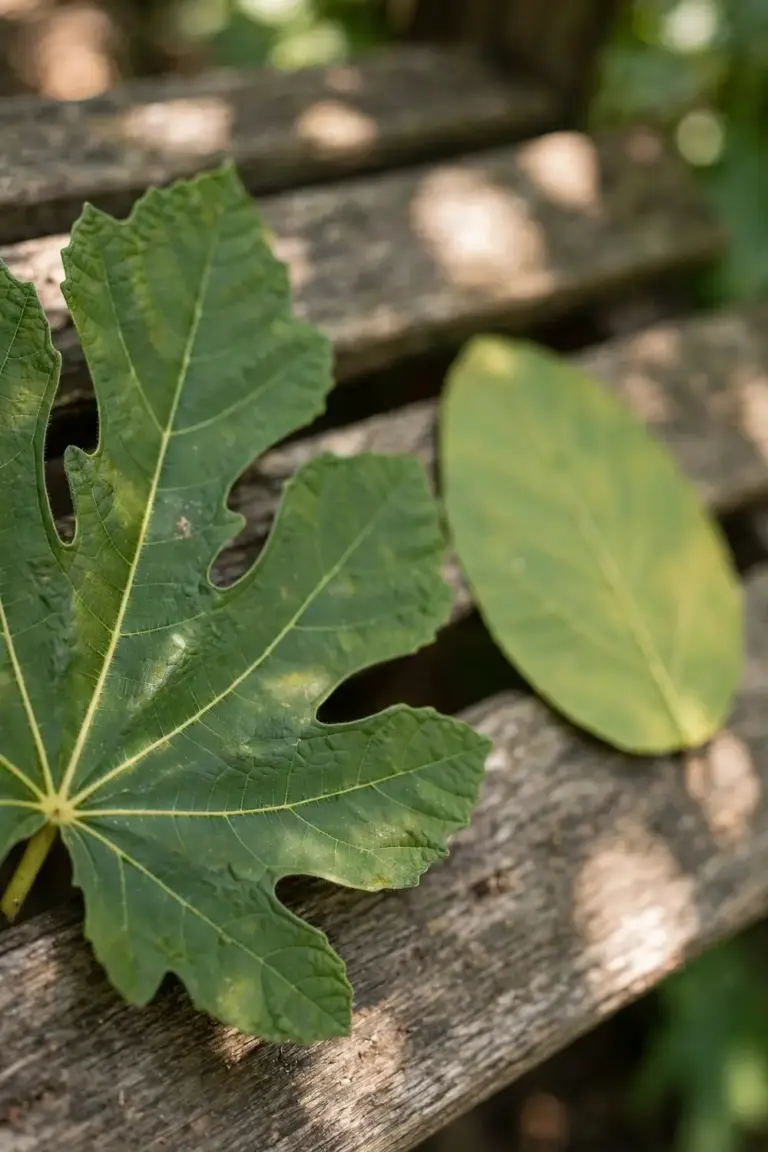
Look at the leaf shape next. Ficus carica carries large, deeply lobed palmate leaves, each leaf spreading like an open hand with three to five deep lobes. Native figs carry entire oval leaves with smooth margins and no lobing at all. If the leaves are unlobed and evergreen, you are looking at a native fig, and this article’s cultivar key does not apply.
Check the fruit size last. A fruiting fig bears large edible fruit, typically 5 to 8 cm long, soft and sweet when ripe. Native figs bear small hard figs about 2 to 3 cm across that birds love and people do not eat. Large fruit plus lobed deciduous leaves means Ficus carica. Small fruit plus entire evergreen leaves means a native fig.
Run the gate in winter if you can. Bare branches make the deciduous test unmistakable, and the contrast with an evergreen native fig is starkest when one tree is naked and the other is fully leafed. Summer works too, but winter removes all doubt.
2. Learn the 4 Fig Types Before You Name a Cultivar
Sort your tree into one of four fig types. The University of California Master Gardener notes classify fig varieties into Caprifig, Smyrna, San Pedro, and Common, and the type decides what the tree can do. Home gardeners in Australia almost always grow the Common type, which needs no pollination.
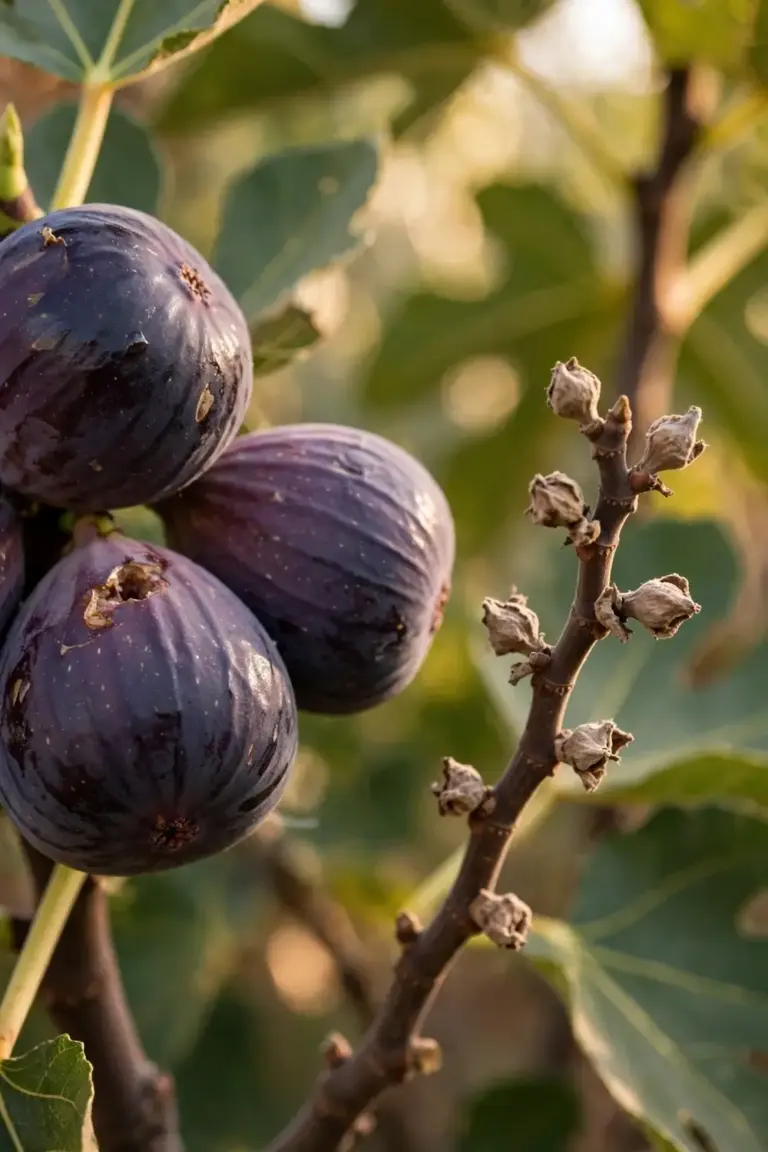
The Common type sets fruit without pollination. Its flowers are all female and develop through parthenocarpy, so a lone tree in a suburban backyard crops reliably. Nearly every cultivar named here, from Black Genoa to White Adriatic, belongs to the Common type.
The other three types explain the problem trees. Smyrna figs need a caprifig pollinator and the fig wasp, or the fruit drops unripe. San Pedro figs set a breba crop without pollination but need the wasp for the main crop. Caprifigs exist only as pollinators and bear small dry inedible fruit. If your tree flowers but never holds a crop, read H2 12 before blaming the cultivar.
3. Read the Fruit Skin Color First
Sort the fruit into dark or light. Dark-skinned cultivars ripen to purple, brown, or near-black, while light-skinned cultivars ripen to green, yellow, or bronze. This single split halves the candidate list in seconds, and it works from across the yard.
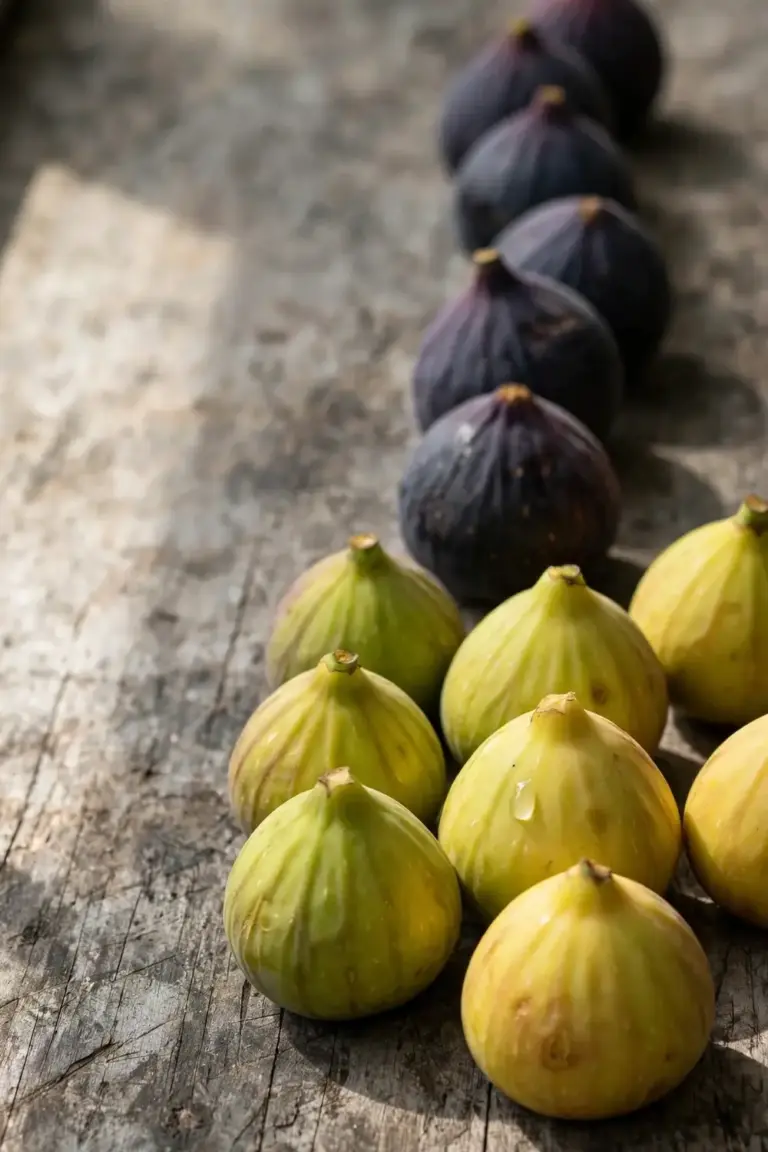
Australia’s dark-skinned garden cultivars are Black Genoa, Brown Turkey, and Preston Prolific. Black Genoa ripens to a deep purplish skin, while Brown Turkey ripens to a brown skin tinged with purple, a distinction Daley’s Fruit draws explicitly when it describes Brown Turkey’s thin tough brown skin tinged with purple against Black Genoa’s purple skin. Preston Prolific ripens to a large green-brown fruit.
Australia’s light-skinned garden cultivars are White Genoa, White Adriatic, and Cape White. White Genoa ripens to a large greenish-yellow fruit, White Adriatic to a brownish-green skin, and Cape White to a plain green skin. The Food Forest lists all three with their skin colors side by side, which makes the light-skinned group easy to compare.
Read the skin in daylight, not under a porch light. Warm artificial light pushes every fig toward brown and can make a green-skinned White Genoa look bronze. Morning light is kindest, and a white sheet of paper held behind the fruit gives your eyes a neutral reference.
4. Cut One Open and Read the Flesh Color
Cut a fully ripe fig in half and read the pulp. Flesh color separates cultivars that share a skin color, and it is the most reliable single trait in the key. Wait until the fruit is fully ripe, because unripe flesh reads paler than the mature color.
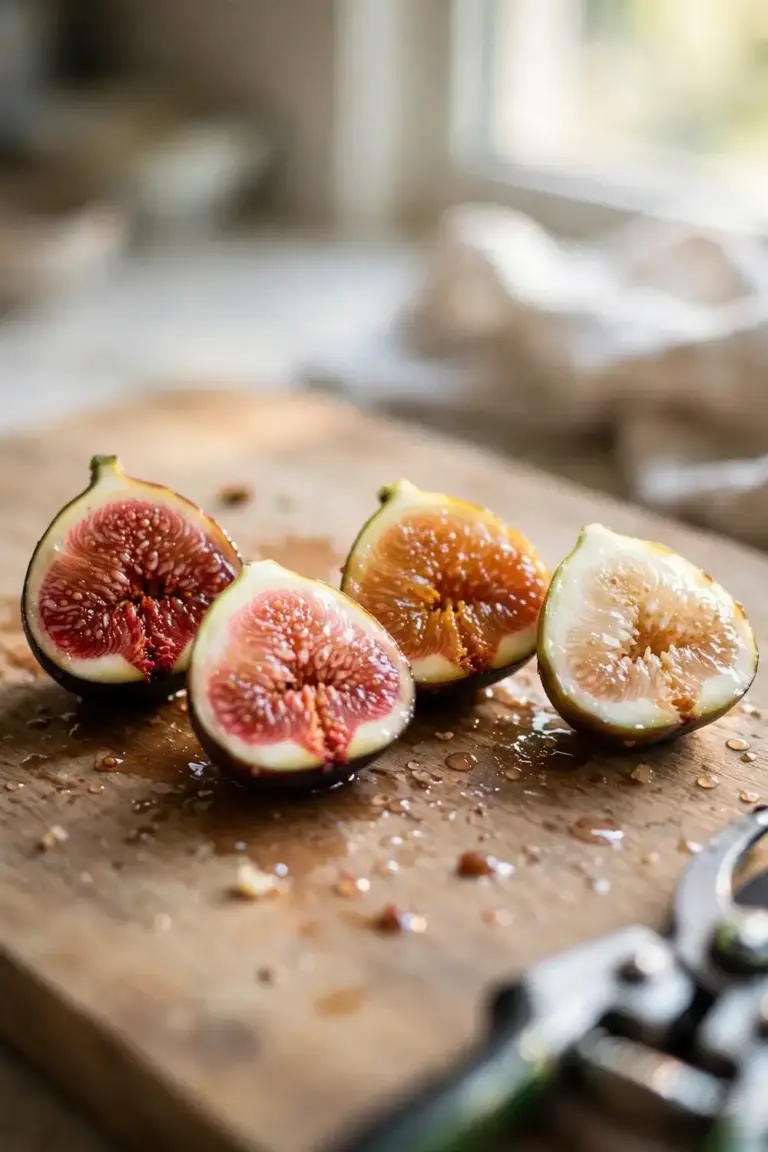
Black Genoa shows red flesh inside its purplish skin. The Food Forest describes the medium-sized pear-shaped fruit with purplish skin and red flesh, a combination that separates it from every light-skinned cultivar at a glance. Daley’s Fruit agrees, calling it a large fig with purple skin and dark red flesh.
Brown Turkey shows pinkish to rosy-pink pulp inside its brown-purple skin. Daley’s Fruit describes the pulp as rosy pink with a rich flavor, which sits visibly lighter than Black Genoa’s red. If the skin is brown-purple and the flesh is pink rather than red, you are holding Brown Turkey.
White Adriatic shows pink to deep-pink flesh inside its brownish-green skin. The Food Forest calls it pink flesh, while Daley’s Fruit calls it deep-pink to light strawberry red, and both agree the fruit matures in February and March. White Genoa shows amber flesh, a honey-toned pulp that reads distinctly lighter than any pink. Preston Prolific shows white flesh, the palest of the group, which The Food Forest lists as white flesh in a large green-brown fruit. Cape White shows cream-colored flesh in a medium green-skinned fruit.
Taste the fruit after you read it. Flavor follows flesh color in a rough way, with the red-fleshed dark figs running rich and the amber-fleshed whites running honeyed, but flavor shifts with ripeness and season while color holds steadier. Use taste as a supporting note, never as the decider.
5. Check the Fruit Shape and Neck
Note whether the fruit is pear-shaped, squat, or oblate. Shape is a supporting trait, never a decider on its own, but it breaks ties between cultivars with similar color. Measure the length against your thumb, which runs about 6 cm on most adults.
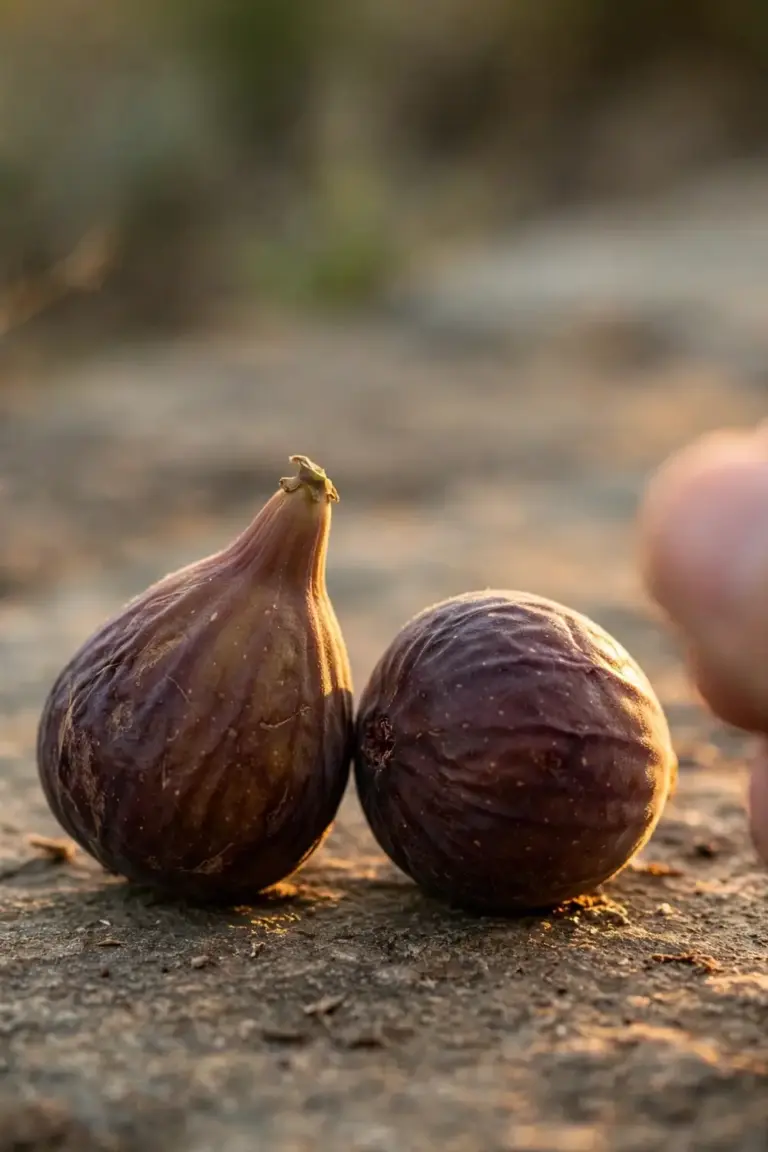
Black Genoa is pear-shaped, a medium-sized fruit with a distinct neck tapering toward the stem. The Food Forest calls it medium sized and pear-shaped, which matches the classic San Piero form it is sold under. A pear-shaped dark fig with red flesh is Black Genoa until proven otherwise.
Brown Turkey runs medium-sized and less distinctly necked, a blunter fruit than Black Genoa. Daley’s Fruit calls it medium sized, and the UC Master Gardener notes for San Luis Obispo County list Brown Turkey among the Common varieties suited to home gardens, a workhorse shape rather than a showpiece one. If the dark fig looks blunt and workmanlike rather than elegant, lean Brown Turkey.
Preston Prolific is large, the biggest fruit in the Australian home-garden set. The Food Forest calls it a large green-brown fruit, and Daley’s Fruit calls Prestons Prolific extremely vigorous with very thick flesh. Size plus white flesh plus green-brown skin is a combination no other local cultivar matches.
6. Read the Leaf Lobing
Compare the depth of the leaf lobes. Ficus carica leaves vary from deeply cut to nearly entire even on one tree, so read several leaves from the current season’s growth, not a single odd leaf. Young vigorous shoots often show deeper lobing than older wood.
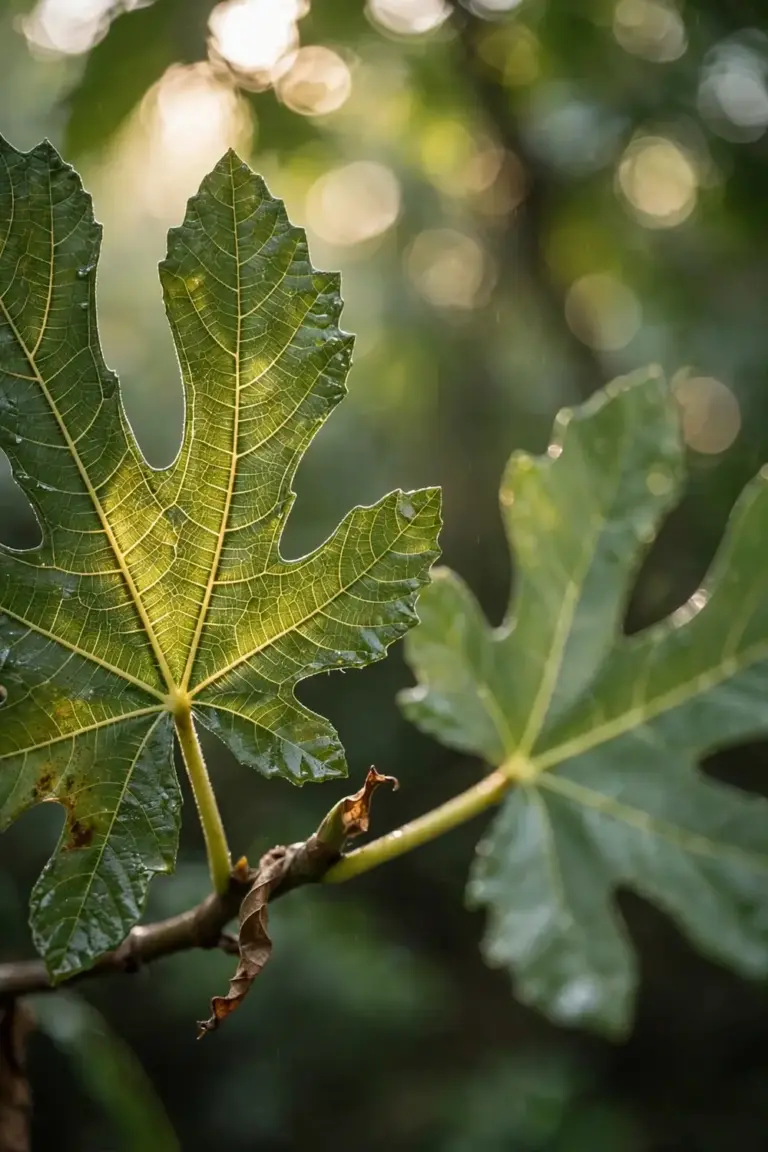
Deeply lobed leaves with narrow sinuses suit Black Genoa and Brown Turkey, the vigorous dark cultivars. The lobes cut more than halfway to the midrib, giving the classic fig-leaf silhouette. This trait supports the fruit evidence but never overrides it, because leaf form shifts with vigor and season.
Photograph the leaves alongside a ruler if you want a record. A dated photo of the leaf shape, filed with the harvest notes, gives you a complete ID file for the tree. Future you will not remember which lobe depth matched which cultivar.
Shallower lobing or broader sinuses appear on the white cultivars in many gardens, though the variation overlaps too much for a firm rule. Use leaf lobing as a tiebreaker only after skin, flesh, and harvest window have narrowed the field to two. If the leaves contradict the fruit, trust the fruit.
7. Check the Harvest Window
Record the month the fruit ripens. Harvest timing is one of the strongest cultivar clues in Australia because the local season runs December to April and each cultivar holds a characteristic slot. Write down the month of the first ripe fruit, not the month you noticed the tree.
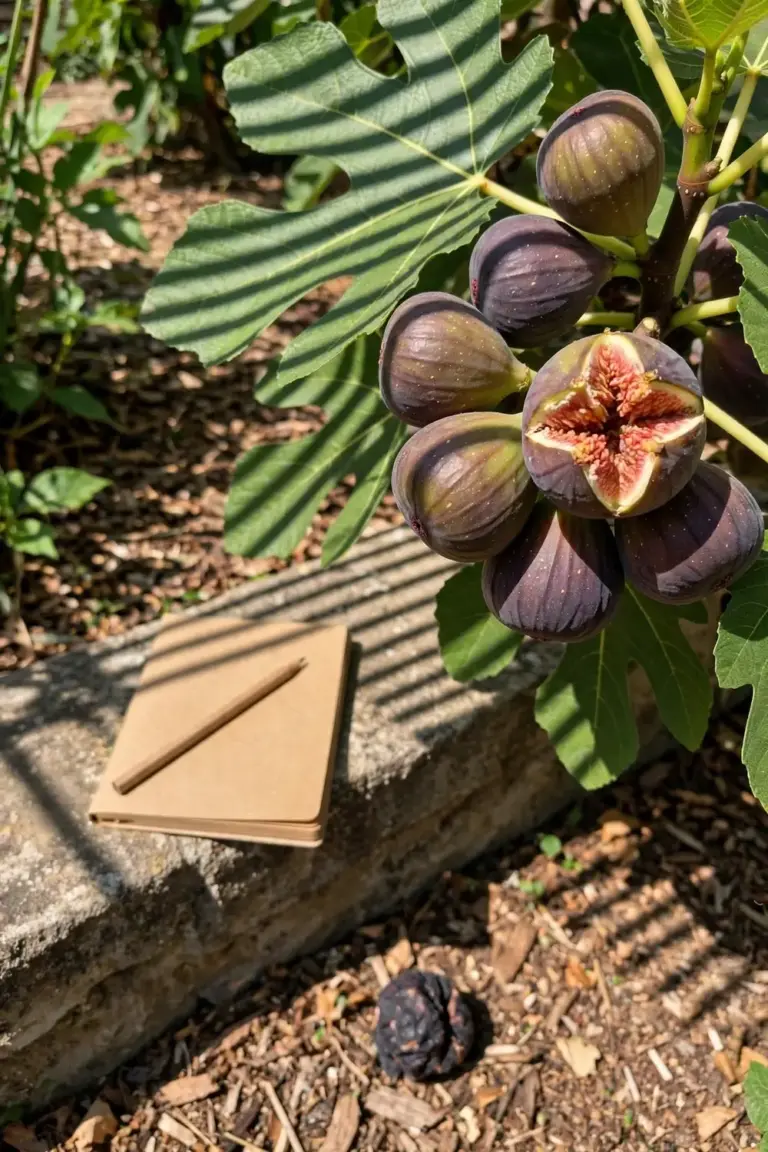
Black Genoa ripens December to February, an early to mid-season dark fig. The Food Forest gives its season as Dec-Feb, and Daley’s Fruit notes that Black Genoa matures slightly earlier than Brown Turkey. A dark fig ripening at Christmas points to Black Genoa.
Brown Turkey ripens February to April, a late-season dark fig with a long picking window. Daley’s Fruit calls its season long and gives the harvest as February, March, and April, while The Food Forest places its main season in March. A dark fig still ripening in April points to Brown Turkey.
White Adriatic ripens in February, a single early crop. The Food Forest describes it as an early fig with one crop ripening in February, suited to cooler areas like the Adelaide Hills. White Genoa gives a light crop in December and its main crop in February to March. Preston Prolific crops February to March, though The Food Forest warns it can have trouble maturing fruit from December through April in some seasons. Cape White is the earliest of all, ripening in January with medium-sized fruit.
8. Check for a Breba Crop
Look for an early crop on last season’s wood. Some cultivars set a breba crop, fruit that forms on the previous year’s wood and ripens months before the main crop. The UC Master Gardener notes explain that a breba crop forms in early summer on previous years wood and needs no pollination, while the main crop forms in late summer on current season wood.
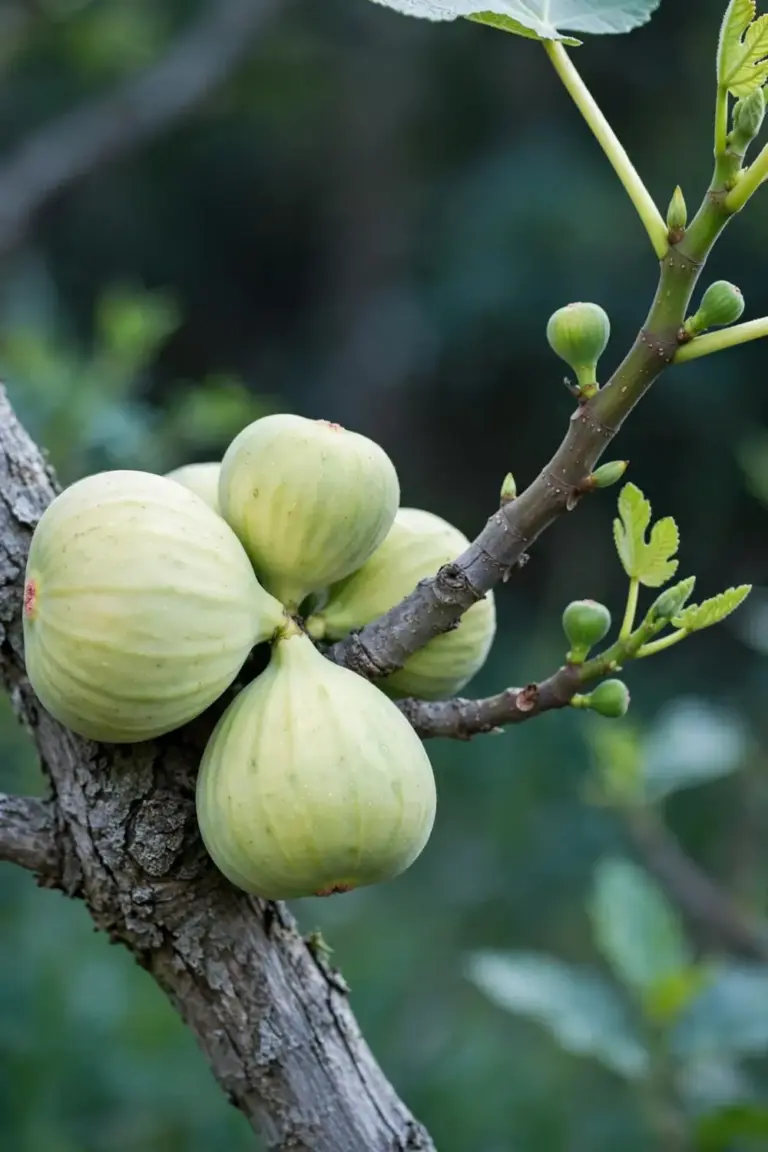
A breba crop in December points away from White Adriatic, which The Food Forest lists as bearing one crop only. Cultivars that crop twice give you two data points instead of one, and the breba fruit often runs larger than the main-crop fruit, which can mislead if you only measure the early figs.
No breba crop proves nothing on its own. Young trees, hard winter pruning, and frost can all remove the wood that would have carried the breba. Use the breba as a positive clue when present and ignore its absence when the tree is young or was pruned hard.
Note the breba position on the branch when you see one. Breba figs sit on the previous season’s wood, closer to the branch base, while the main crop forms on new growth further out. Position confirms what the calendar suggests.
9. Separate Black Genoa From Brown Turkey
Put the two dark cultivars side by side. These are the pair Australian gardeners confuse most, because both are vigorous, productive, and widely sold. Three traits separate them cleanly.
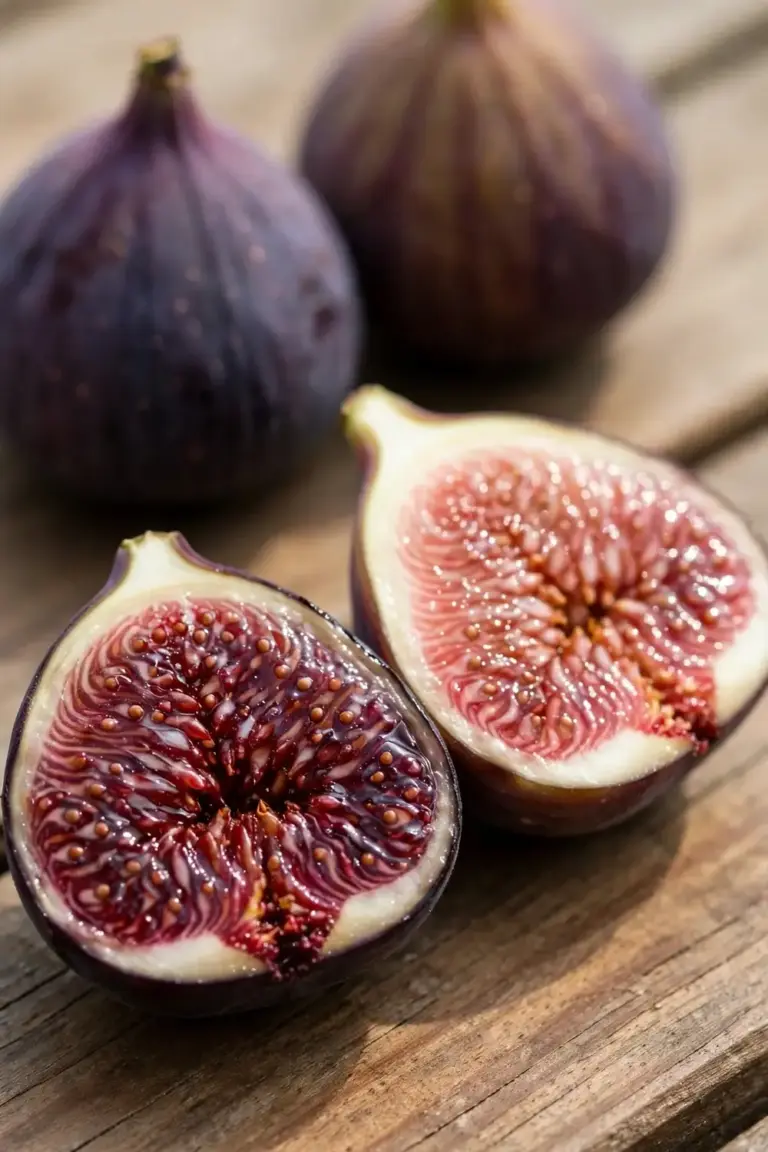
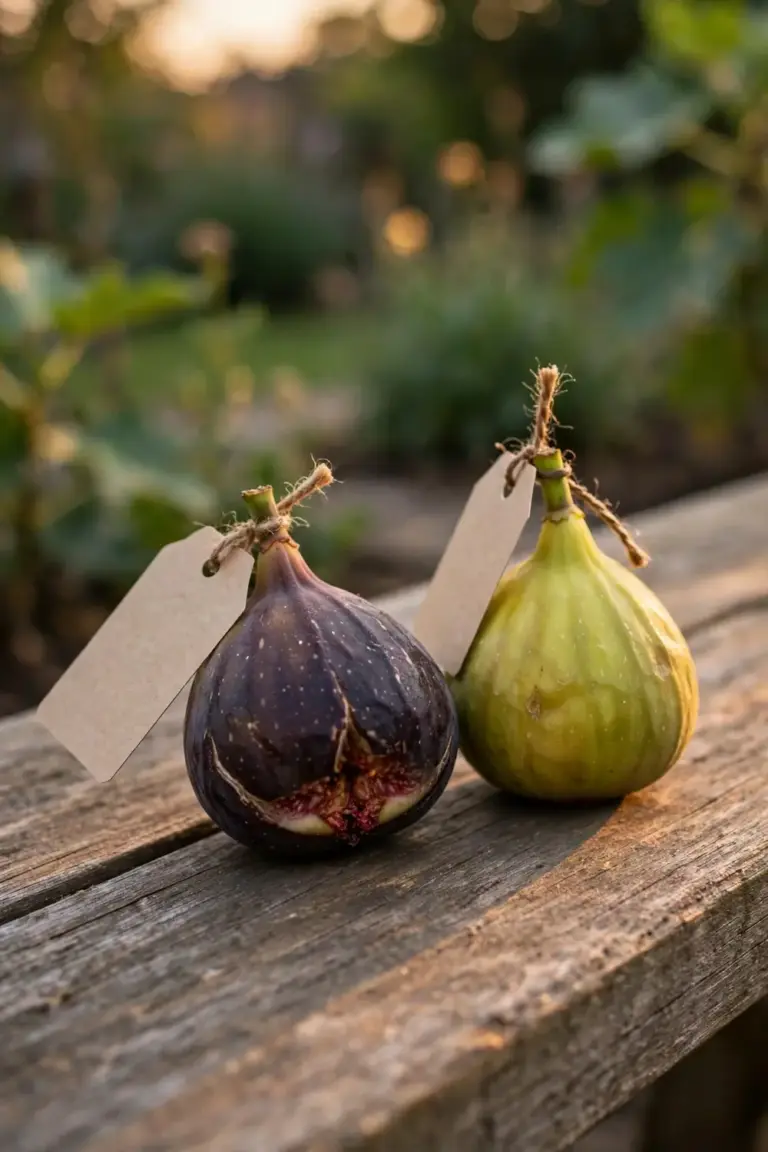
First, the skin. Black Genoa ripens to a deep purple, nearly black in full sun, while Brown Turkey ripens to a brown skin tinged with purple. Daley’s Fruit draws this line directly, and it holds in the garden: hold the fruit against daylight and the brown base color of Brown Turkey shows through.
Second, the flesh. Black Genoa carries red to dark red flesh, while Brown Turkey carries rosy pink pulp. Cut both open and the difference is obvious, with Black Genoa reading a full shade deeper. This is the trait to trust when the skin looks ambiguous in a cool season.
Third, the season. Black Genoa matures slightly earlier than Brown Turkey, ripening December to February against Brown Turkey’s February to April. A dark fig finished by Australia Day is Black Genoa. A dark fig still coming in April is Brown Turkey.
Expect the nurseries to stock both, often side by side. Their ubiquity is why the confusion persists, and why the three-trait check matters more than a guess from memory. Run the check on the fruit in your hand, not the tree in your memory.
10. Separate the Light-Skinned Cultivars
Sort White Genoa, White Adriatic, Preston Prolific, and Cape White by flesh and season. All four ripen to green, yellow, or bronze skin, so the skin alone cannot finish the job.
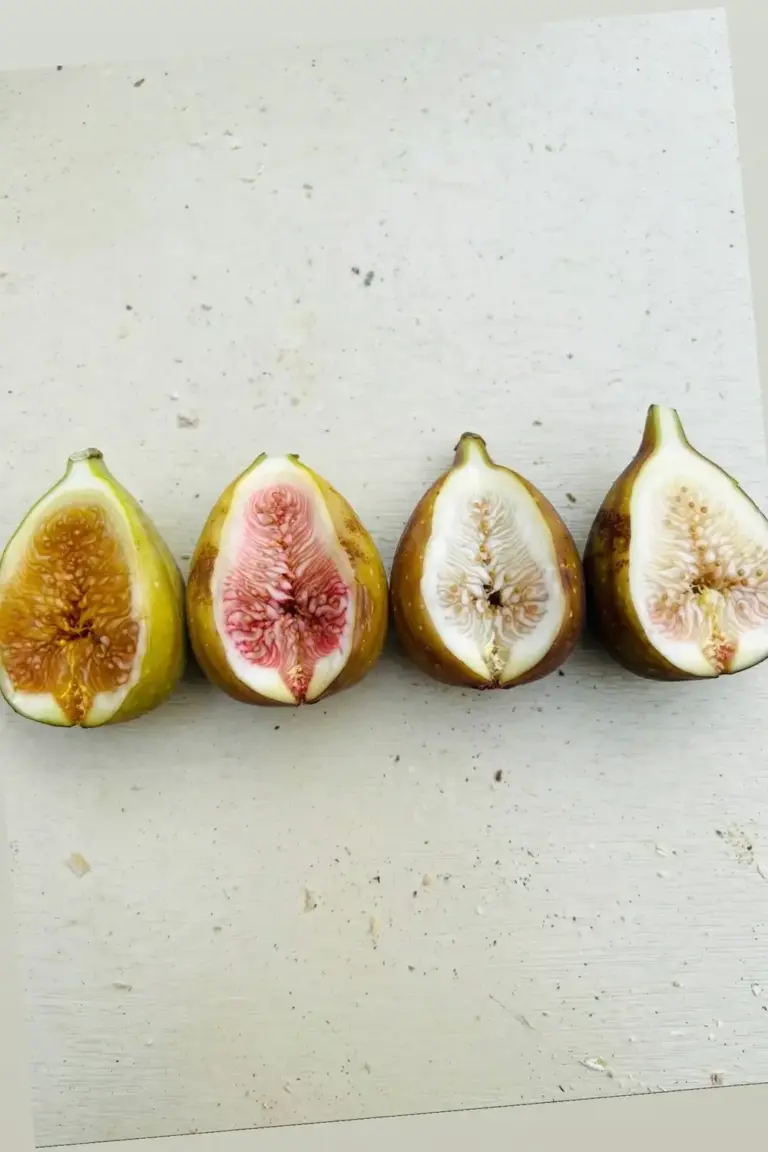
White Genoa shows amber flesh and favours jam makers. The Food Forest calls it a good fresh eating variety favoured for jam making, with large greenish-yellow fruit. If the flesh glows honey-amber and the tree crops in cool districts, it fits White Genoa.
White Adriatic shows pink flesh and ripens in a single February crop. The Food Forest describes it as an early fig suited to cooler areas with one crop, and Daley’s Fruit confirms the February to March maturity. Pink flesh plus a single early crop plus a spreading tree is the White Adriatic signature.
Preston Prolific shows white flesh in the largest fruit of the group. The Food Forest calls it a large green-brown fruit with white flesh on a vigorous grower, and Daley’s Fruit calls it extremely vigorous and late cropping with very thick creamy-white flesh. Size plus white flesh settles it.
Cape White shows cream flesh and ripens earliest, in January. The Food Forest lists it as early maturing with medium-sized green-skinned fruit on a compact tree, great for jam. A compact tree with green figs in January is Cape White.
Give an unfamiliar tree two seasons before you finalize the name. A single hot summer can push ripening weeks early, and a cool one can delay it, so one year’s dates are a hint and two years’ dates are a pattern. The tree is not going anywhere.
11. Run the Master Cultivar ID Table
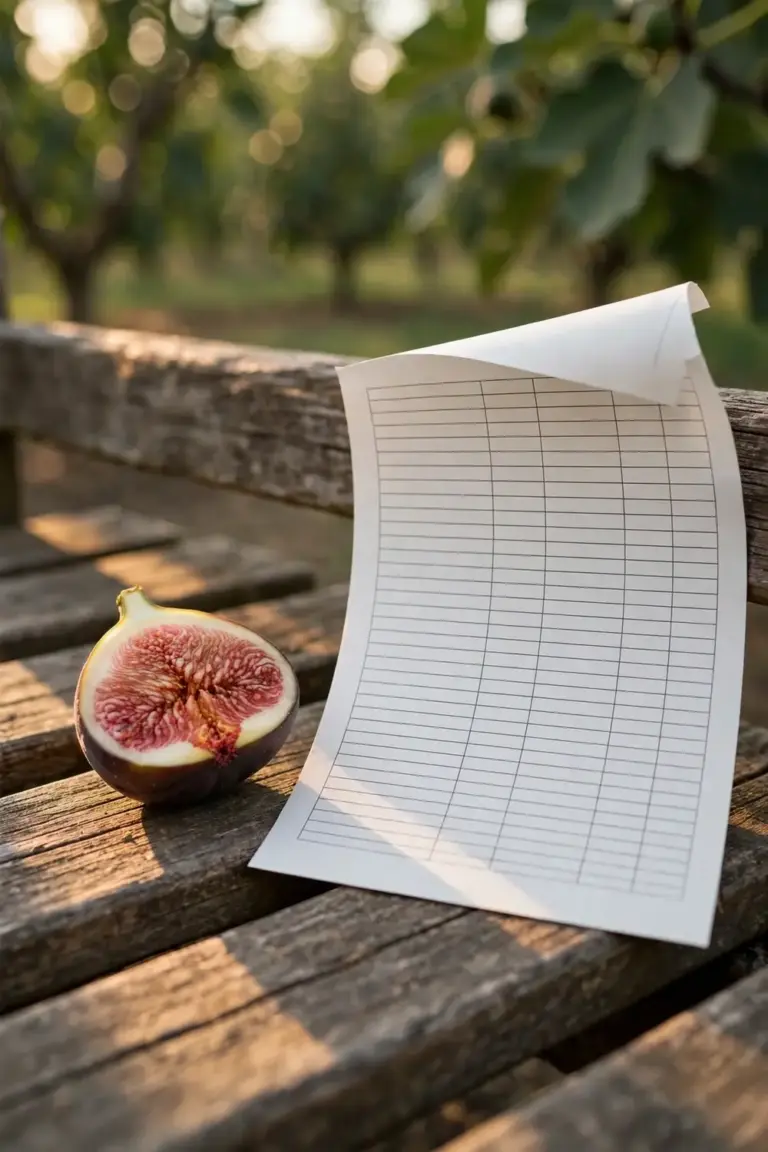
Use this table to shortlist your tree. Start with skin color, then flesh, then season, and let the combination point to one or two names.
| Cultivar | Skin | Flesh | Size | Harvest | Notes |
|---|---|---|---|---|---|
| Black Genoa | Deep purple | Red to dark red | Medium, pear-shaped | Dec to Feb | Vigorous, fresh eating, not for drying |
| Brown Turkey | Brown tinged purple | Rosy pink | Medium, blunt | Feb to Apr | Hardy, long season, excellent for jam |
| White Genoa | Greenish-yellow | Amber | Large | Dec light, Feb to Mar main | Cool areas, favoured for jam |
| White Adriatic | Brownish-green | Pink to deep pink | Medium to large | Feb, one crop | Adelaide Hills type, spreading tree |
| Preston Prolific | Green-brown | White | Large | Feb to Mar | Vigorous, thick flesh, can struggle to mature |
| Cape White | Green | Cream | Medium | Jan | Compact tree, early, great for jam |
Treat the table as a shortlist tool, not a verdict. Fig cultivars carry synonyms, and two nurseries can sell the same tree under different names. The Food Forest warns directly that there is much confusion and misnaming of figs, which is why the table narrows the field instead of declaring a winner.
Print the table or save it on your phone before you walk out to the tree. Working from memory invites confirmation bias, where every fig starts looking like the cultivar you hope it is. The table keeps the traits honest.
12. Ask Why a Tree Never Fruits
Consider the fig type before the cultivar. A tree that grows strongly but never holds fruit may not be a Common fig at all. The Food Forest warns that a fig which never produces a crop may be a Capri, a San Pedro, or a Smyrna fig without a nearby pollinator.
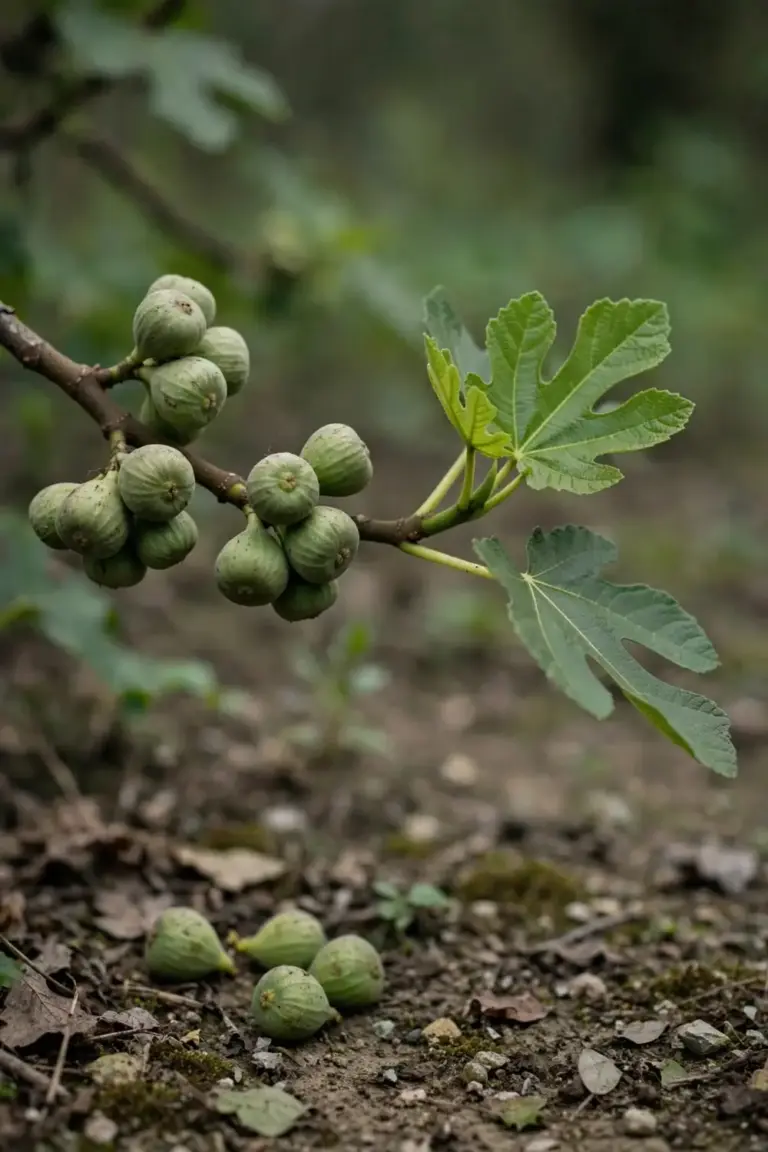
Caprifigs bear only small dry inedible fruit and exist to pollinate. The UC Master Gardener notes describe caprifig fruit as small, dry, and nonedible, found in the wild or carried by birds into urban settings. If the “fruit” never swells past marble size and stays hard and dry, you may have a caprifig seedling, not a broken Common fig.
Smyrna types need the fig wasp and a caprifig nearby, or the immature fruit drops. San Pedro types set a breba without pollination but drop the main crop without the wasp. In Australia the wasp is absent from most districts, so these types rarely fruit here. A tree that sets small figs in spring and drops everything by midsummer fits this pattern.
Seedling trees add a final twist. Figs grown from seed do not come true to type, and seedlings frequently bear poor or inedible fruit. A tree grown from a seed, rather than a cutting of a named cultivar, may never match any row in the table. For the seed-growing path, the site’s guide to growing a fig tree from a single seed covers the process, but expect the fruit to differ from any named parent. Poor soil can also stunt fruit and dull color, so building soil health is worth doing before you rule a cultivar out on a pale crop.
13. Accept the Honesty Box: a Shortlist, Not a Verdict
Accept that fruit and leaf traits give a shortlist, not certainty. Fig cultivars have accumulated synonyms across centuries of trading, and two names in the table may describe the same tree. The Food Forest states plainly that there is much confusion and misnaming of figs, with one variety sold under several names at different nurseries.
Sport variation adds a second layer of doubt. A branch mutation can shift skin color or ripening time on part of a tree, so a single odd fruit never overrules the pattern of the whole crop. Read the majority of the fruit, not the outlier.
The nursery label remains the only sure route. If you bought the tree, check the tag, the receipt, or the nursery’s records before trusting the key. The key serves the inherited tree, the unlabeled nursery find, and the fruiting tree in a new garden, and for those trees a confident shortlist of two is an honest result.
Keep the shortlist with the tree’s records. A future owner will thank you, and a future you will forget the flesh color by next winter. Two names on a tag is more useful than one name in memory.
Frequently Asked Questions
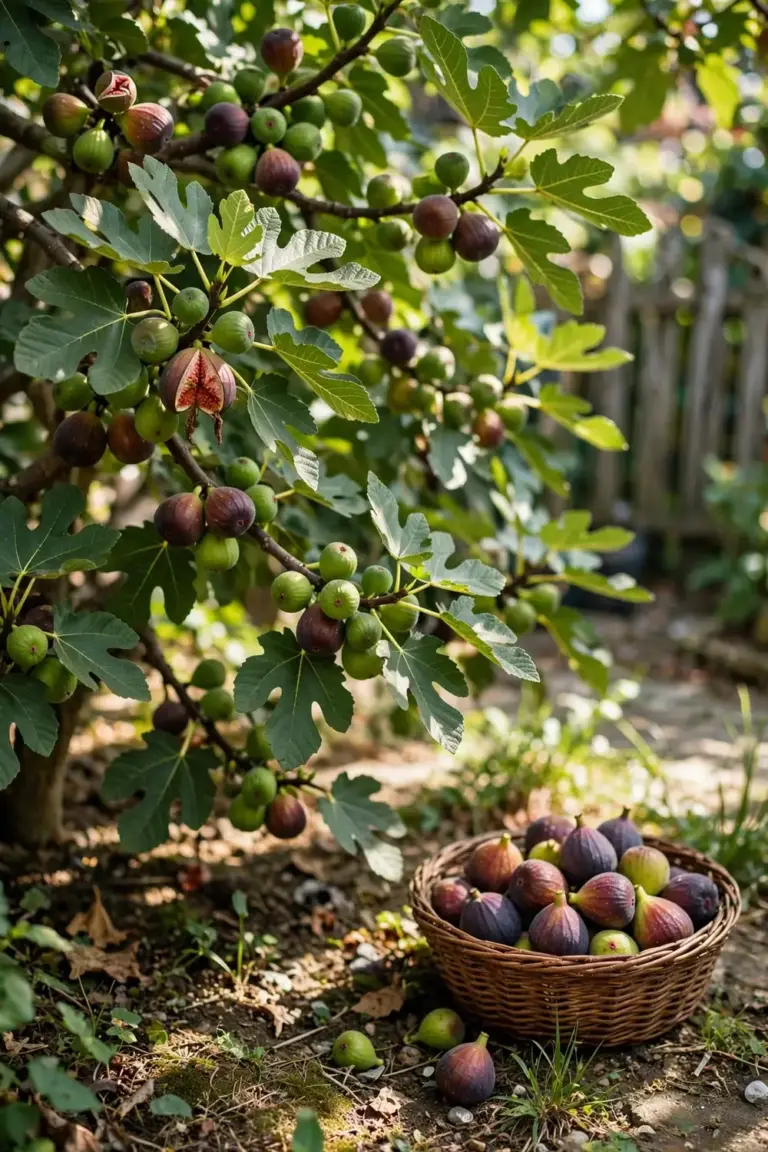
No. A true fruiting fig, Ficus carica, carries deeply lobed palmate leaves on most of its canopy. Entire unlobed evergreen leaves with small hard figs point to a native fig such as the Moreton Bay or Port Jackson fig, which this key does not cover. Check the gate test in H2 1 before working through the cultivar table.
Black Genoa and Brown Turkey dominate home gardens, with White Adriatic and White Genoa common in cooler districts. Black Genoa is a vigorous purple-skinned fresh-eating fig ripening December to February, while Brown Turkey is a hardy brown-skinned jam fig ripening February to April. Preston Prolific and Cape White appear less often but are well established.
Barely. Leaf shape, bark, and growth habit narrow the field, but cultivar identity lives in the fruit: skin color, flesh color, shape, and harvest month. Mark the tree, wait for the season, and run the key when ripe fruit is available. A winter identification from bare branches is a guess, not an identification.
Fig cultivars carry centuries of synonyms from trading across regions. Black Genoa is also sold as San Piero, and White Adriatic travels as Verdone or Adriatic. The Food Forest warns of widespread misnaming, so match the fruit traits in the table rather than trusting the label alone when a tree came from an uncertain source.
No. Figs grown from seed do not come true to type, and seedling fruit rarely matches the parent cultivar in size, color, or flavor. If your tree grew from a seed, run the key for curiosity but expect no clean match. Named cultivars are propagated from cuttings, which is why a cutting-grown tree holds its traits.
Write the Name Down Before You Prune
Label the tree once the key gives you a shortlist. A weatherproof tag wired to a branch beats memory, because every cultivar looks identical in winter and the fruit evidence fades with the season. Write the two finalists, the flesh color you saw, and the month it ripened.
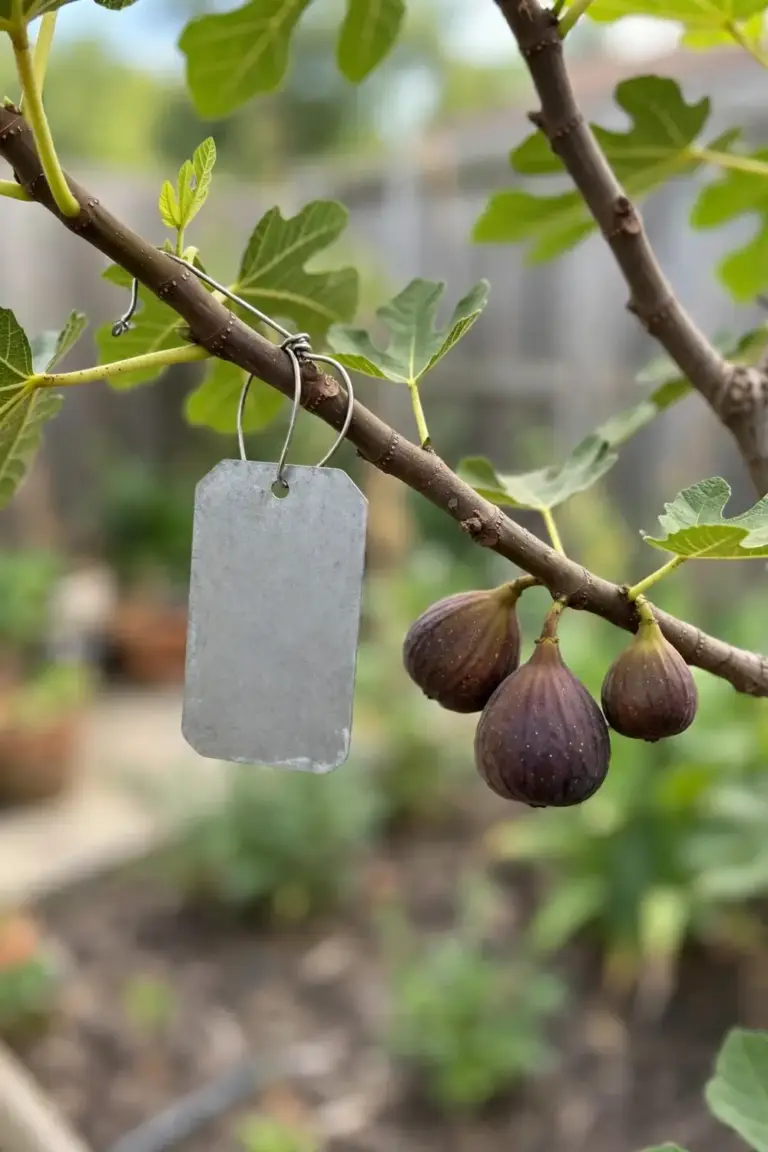
Prune with the cultivar in mind. The vigorous dark cultivars tolerate hard winter pruning, while a tree you suspect is a shy bearer deserves a lighter hand until the next crop confirms the name. Identification is not trivia. It tells you when to expect fruit, what the fruit is for, and how hard you can cut.
Pass the name on. If you sell the house or give away cuttings, include the shortlist and the traits you matched. Named wood is worth more than mystery wood, and the next gardener starts where you finished instead of starting over.
A labeled tree also prunes better. Every future cut is made with the cultivar’s vigor and season in mind, instead of guessed from a leafless silhouette in July.