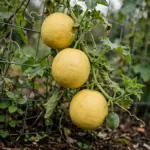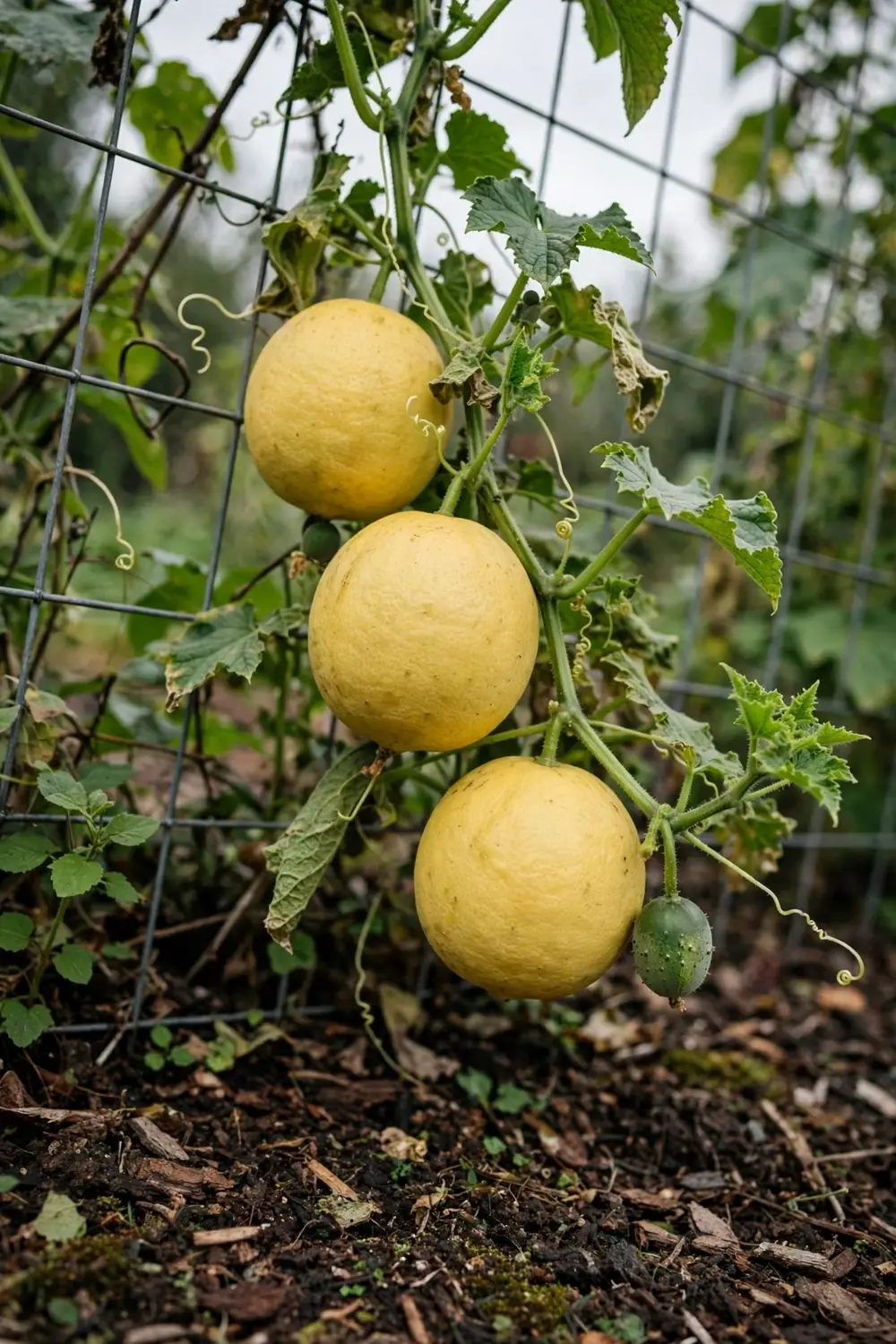

Sow lemon cucumber after your last frost, once the soil reaches 15 °C. That is a lemon cucumber in Australia: Cucumis sativus ‘Lemon’, a round, yellow cucumber that tastes like cucumber, not lemon. The rest of this page is 9 moves, from sowing to seed saving.
Lemon cucumber is a cucumber. The name describes the color only. It carries no lemon flavor, and it is no cross between a lemon and a cucumber. West Coast Seeds’ lemon cucumber page records that this variety reached the United States from Australia in 1894, carried by Samuel Wilson. Lemon myrtle is a different plant with lemon-scented leaves. This page stays with the cucumber.
Sow in spring. Pick every 2 to 3 days at peak. Pull the vines after frost.
1. Name the Plant Before You Sow It
Lemon cucumber is Cucumis sativus ‘Lemon’, a cucumber variety with round, yellow fruit. Iowa State Extension’s cucumber guide lists Lemon among heirloom cucumbers, with fruit similar in size and appearance to a lemon, light yellow skin, and white flesh.
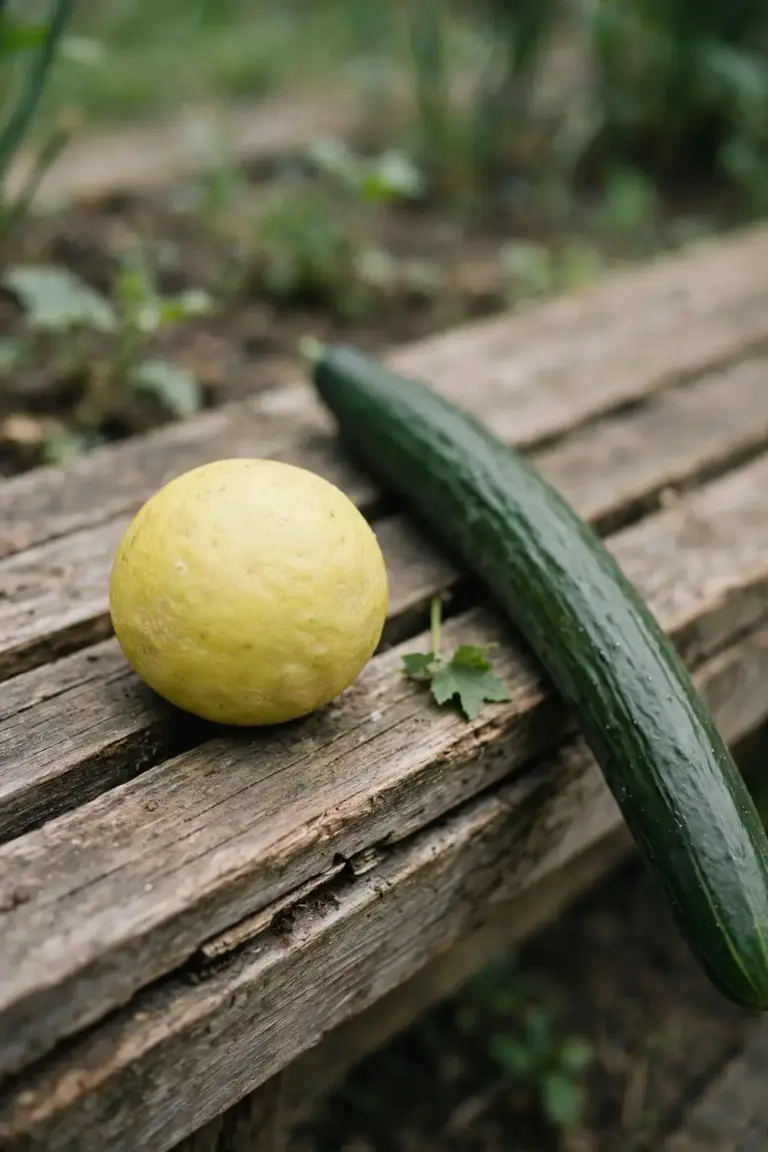
The fruit runs tennis-ball size at harvest. The skin turns pale yellow. The flesh stays lime-green to white, mild and sweet, and never bitter when the plant gets steady water. West Coast Seeds’ lemon cucumber page calls the flesh lime-green, very mild, sweet, and never bitter.
Growers also sell this variety as Crystal Apple or Apple cucumber. Those names describe the same round fruit. Some sellers list Crystal Apple as its own variety, so the alias is not fully reliable. Check the botanical name on the packet before you buy. A packet labeled Cucumis sativus ‘Lemon’ is the plant this page covers.
Watch the skin color as the fruit grows. A young fruit starts green and small. The skin lightens as the fruit swells. The ready fruit shows pale yellow across the whole skin. A fruit left past that stage turns deep yellow, softens, and fills with hard seeds. Color is your harvest gauge. Pale yellow means pick. Deep yellow means past prime.
| Spec | Figure |
|---|---|
| Botanical name | Cucumis sativus ‘Lemon’ |
| Days to harvest | 65 to 70 days from sowing |
| Harvest size | 7.6 to 10.2 cm across |
| Minimum soil temperature | 15 °C |
| Vine length | 2.1 to 2.4 m on a trellis |
| Seed life | 3 years |
2. Sow in the Right Window for Your Climate
Sow lemon cucumber in the warm months, timed to miss frost. Seeds of Plenty’s Australian cucumber guide gives three sowing windows for cucumbers in Australia.
| Climate band | Sow window |
|---|---|
| Temperate | September to January |
| Subtropical | July to March |
| Chilly regions | October to December |
The goal is to miss frost. Cucumbers are a warm-season crop with no frost tolerance. In the subtropics, some growers report success with cucumbers year round.
Pick your window from the table, then check soil temperature before you sow. The calendar gives the season. The thermometer gives the day. A seed sown into cold soil sits and rots. A seed sown into soil at 15 °C or warmer starts fast.
Succession sowing stretches the harvest. West Coast Seeds’ lemon cucumber page advises successive plantings every 2 to 3 weeks until about 3 months before the first fall frost date. Each sowing replaces vines that tire out. A garden with three sowings a month apart keeps fresh fruit coming while the first sowing fades.
Your last frost date shifts with your site. A garden in a frost pocket runs colder than the suburb forecast. A garden against a north-facing brick wall runs warmer. Ask a local nursery for the usual last-frost week in your suburb, then watch the soil thermometer. The thermometer settles the argument every time.
3. Start Seeds in Warm Soil
Sow lemon cucumber when the soil reaches at least 15 °C. Iowa State Extension’s cucumber guide puts the cucumber sowing trigger at soil temperatures of 15.6 to 21.1 °C after the danger of frost has passed. West Coast Seeds’ lemon cucumber page gives an optimal soil temperature range of 15 to 30 °C for germination and transplanting.
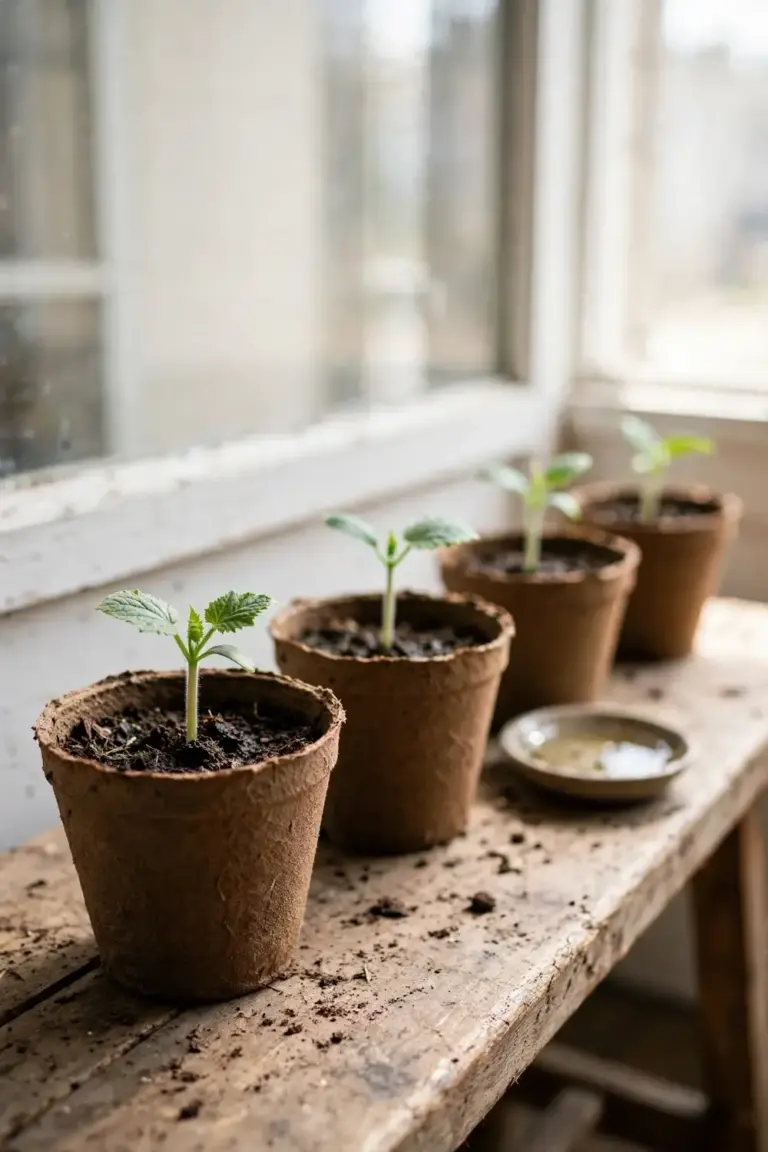
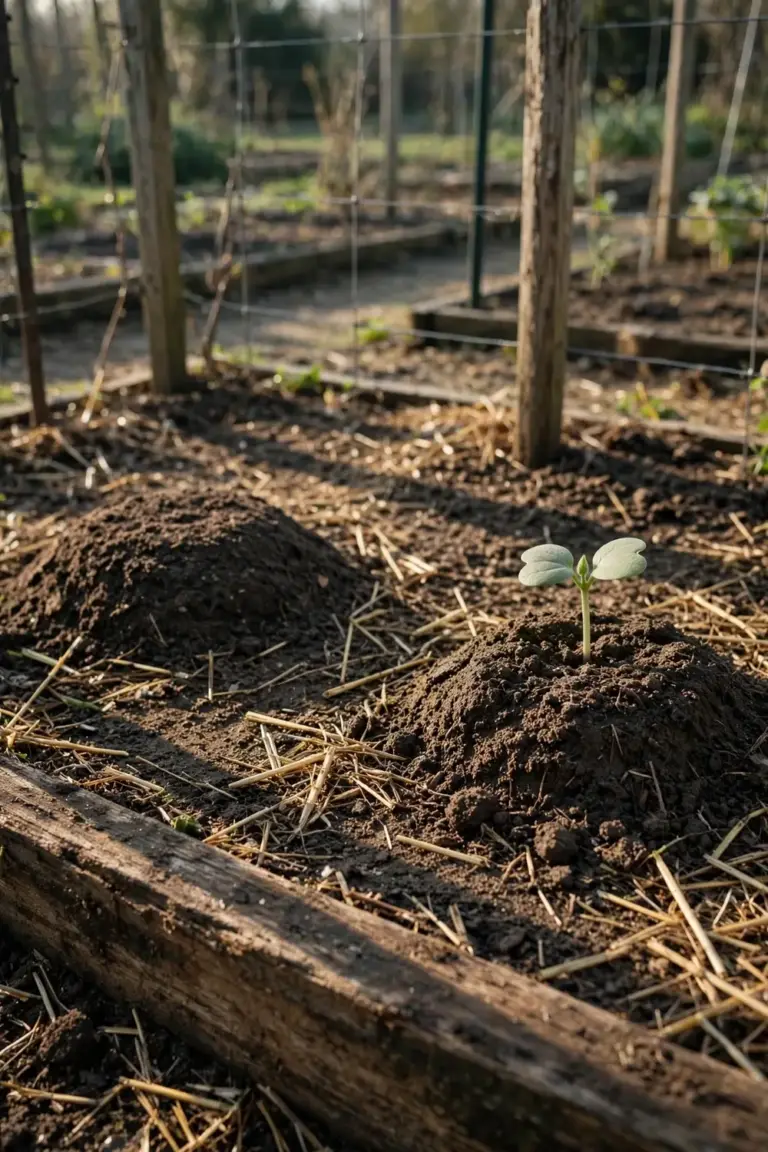
Sow seeds 1.3 to 2 cm deep. Sow True Seed’s lemon cucumber page lists a seed depth of 1.3 cm for this variety. West Coast Seeds’ lemon cucumber page lists 2 cm. Either depth works in moist soil. Cover the seed, press the soil firm, and water gently.
Sow 3 to 4 seeds per spot, then thin to the strongest seedling. West Coast Seeds’ lemon cucumber page gives that rate for cucumbers grown in rows. Germination takes 4 to 13 days, according to Sow True Seed’s lemon cucumber page. Warm soil shortens the wait. Cold soil stretches it.
Start seeds indoors 2 to 4 weeks before your outdoor planting date for an earlier crop. Iowa State Extension’s cucumber guide gives 2 to 3 weeks. West Coast Seeds’ lemon cucumber page gives 3 to 4 weeks. Use peat or coir pots so the root ball moves without disturbance. Cucumbers resent root damage. Move seedlings out when they carry 1 to 3 true leaves. Iowa State Extension’s cucumber guide says 1 to 2 true leaves. West Coast Seeds’ lemon cucumber page says the third true leaf. Either way, move them young. A big seedling in a small pot suffers transplant shock.
Harden seedlings before they move out. Iowa State Extension’s cucumber guide advises hardening plants outdoors for a few days in a protected location to lessen transplant stress. A seedling that goes straight from a warm windowsill to a windy bed wilts. A seedling eased out over a few days stands up to the move. For the full seed-starting routine, see the seed starting guide.
Direct sowing beats transplanting when the soil is warm enough. A seed sown in place grows a root system that never suffers a move. Transplanting wins only when the season is short and you need a head start. A transplant that goes out too early sits and sulks in cold soil. A direct-sown seed that goes in at 15 °C catches up within two weeks, so when in doubt, sow direct and sow a second spot as backup.
4. Give Each Vine Room to Climb
Train lemon cucumber up a trellis, a fence, or a wire frame. West Coast Seeds’ lemon cucumber page notes that lemon cucumber grows a vigorous long vine that does well on a trellis or fence, with vines that can reach 2.1 to 2.4 m. A trellis keeps fruit off the soil. Fruit on the soil rots where it touches damp ground. A trellis also frees bed space for other crops.
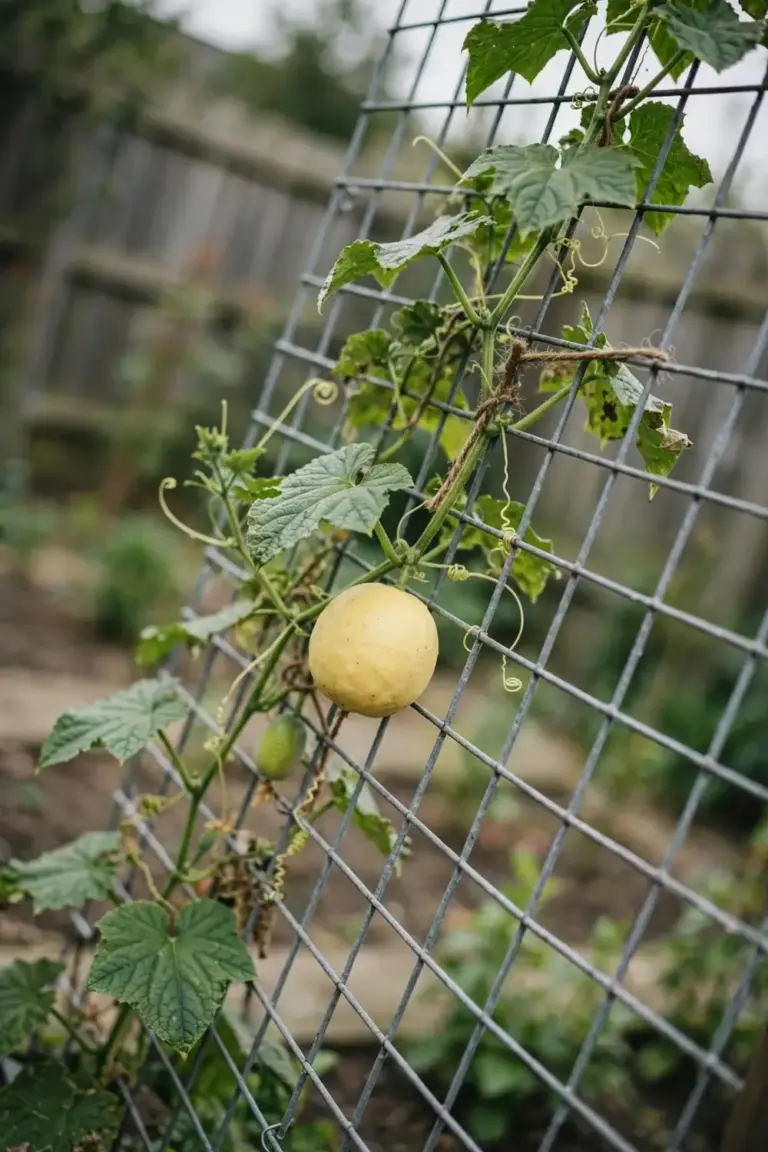
Space plants 23 cm apart in rows 90 cm apart on a trellis. West Coast Seeds’ lemon cucumber page gives those figures for cucumbers. For hills, Iowa State Extension’s cucumber guide gives a wider layout: hills 91 to 152 cm apart, with rows 122 to 152 cm apart. Sow True Seed’s lemon cucumber page lists a mature spacing of 45.7 to 61 cm for this variety. The three figures describe three layouts, not one rule. Trellis rows run tight. Hills run wide. Pick the layout that matches your bed, then hold the spacing. Crowded vines shade each other and trap damp air.
Seeds of Plenty’s Australian cucumber guide suggests forming planting stations into little mounds, with two plants per mound. A mound drains fast after rain. Two plants per mound share one root zone and climb one support. Water the mound, not the leaves.
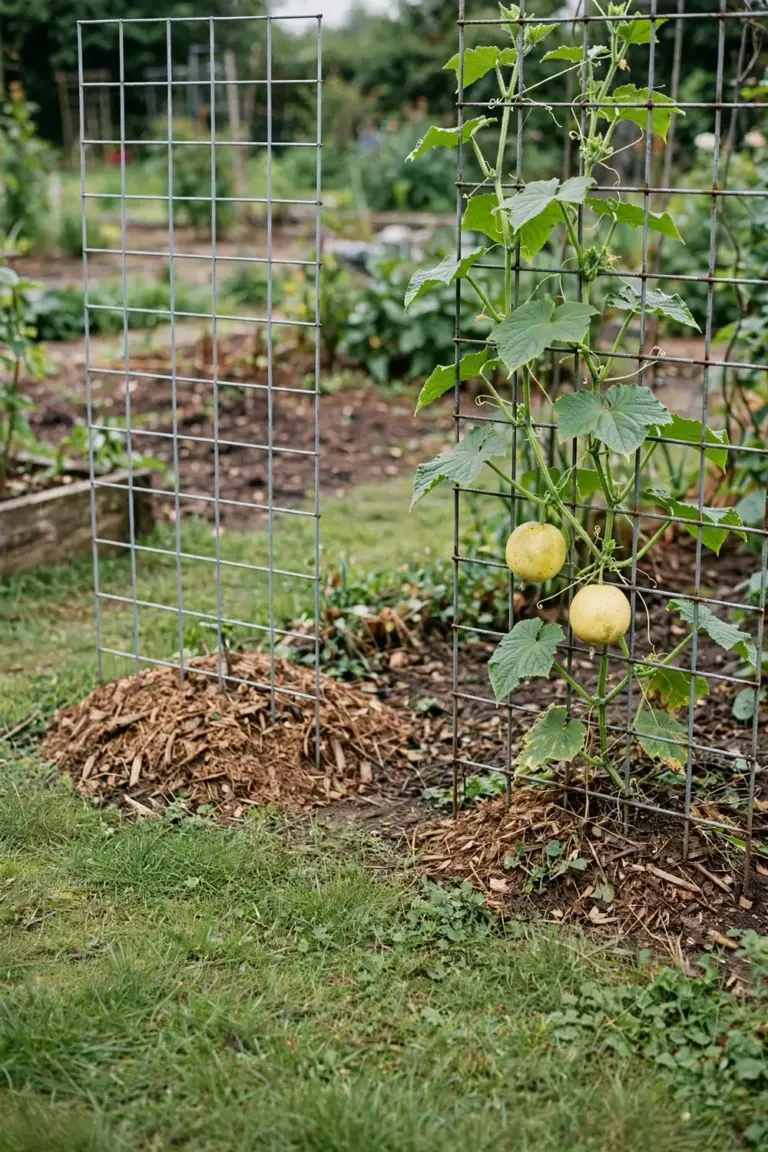
A trellis need not be fancy. Seeds of Plenty’s Australian cucumber guide notes that a wire fence works, and that corn stalks can carry cucumber vines. A length of wire mesh tied between two posts holds a vine all season. Tie the lead shoot loosely to the mesh with twine. A tight tie cuts the stem as it thickens.
Face the trellis to catch morning sun. Morning sun dries dew off the leaves and cuts mildew pressure. Afternoon shade in a hot climate keeps fruit from scorching. A trellis that runs north to south gives both sides a share of sun through the day. A trellis flat against a south-facing wall in the southern hemisphere gets full sun and reflected heat. Move a portable trellis to shade in a heatwave. A fixed trellis stays put, so plant accordingly.
A pot works when the vine gets a trellis. Sow True Seed’s lemon cucumber page calls this variety semi-bush and notes that bush types can be grown in containers. A large pot with a small trellis or a tripod of canes holds one plant. A pot dries fast in summer, so check the soil daily. A pot with no support leaves the vine sprawling across paving, where fruit rots.
5. Water at the Roots and Feed Lightly
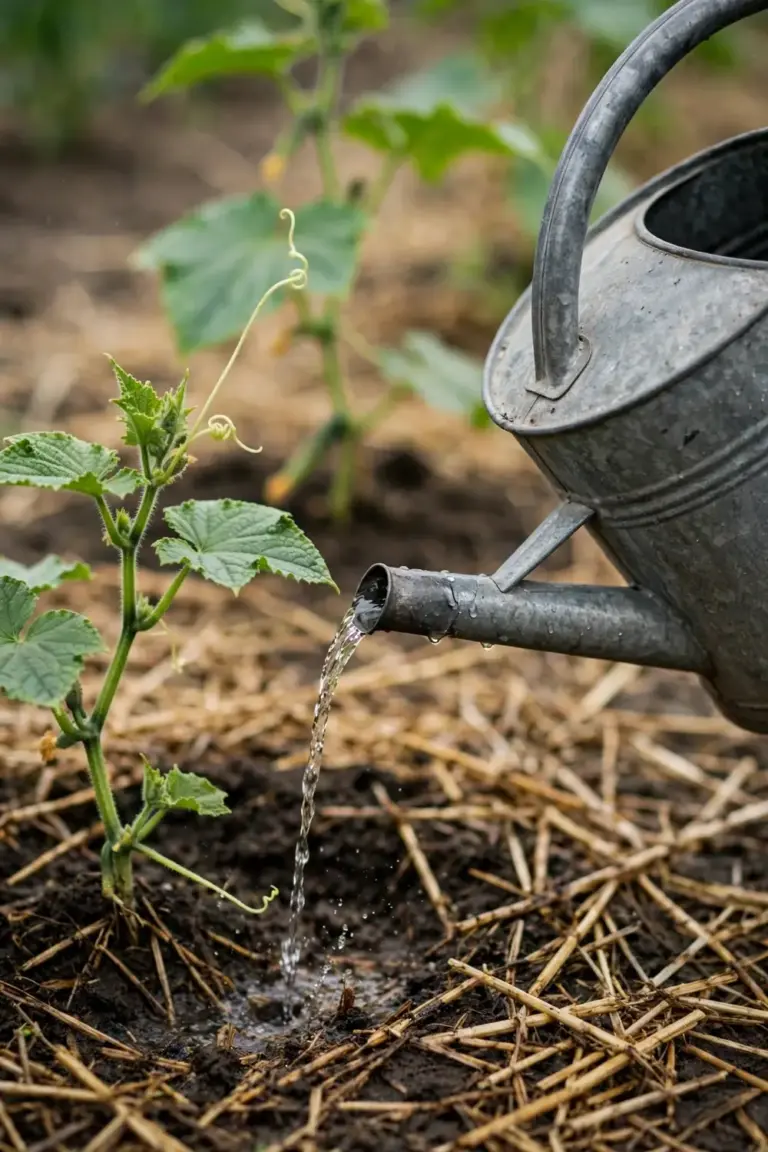
Keep the soil evenly moist and water at the roots. Sow True Seed’s lemon cucumber page gives cucumbers 2.5 to 5.1 cm of water per week, with more water mattering most as the plant starts to flower and fruit. Seeds of Plenty’s Australian cucumber guide warns never to let cucumbers dry out completely. A plant that dries out may survive, but the fruit quality falls and the flavor turns bitter.
Feed lightly. Seeds of Plenty’s Australian cucumber guide recommends a liquid feed at planting and again when the fruits begin to develop. Sow True Seed’s lemon cucumber page recommends a gentle liquid fertilizer every 2 weeks once flowering begins. High nitrogen fertilizer grows leaves at the cost of fruit. Seeds of Plenty’s Australian cucumber guide states plainly that high nitrogen makes plants grow madly and produce leaves while suppressing fruiting. Pick a balanced organic feed and stop at the label rate.
Read the plant before you feed again. Pale leaves and slow growth say the plant wants food. Dark green leaves with few flowers say the plant has too much nitrogen already. A plant that grows fast and fruits steadily needs nothing more than water. Feeding on a calendar instead of on the plant wastes fertilizer and grows leaves you cannot eat.
Aim for soil pH of 6.0 to 6.8. West Coast Seeds’ lemon cucumber page gives that range for cucumbers. A soil test settles the number. Work compost into the bed before sowing. Cucumbers like well-drained soil with lots of organic matter. For the full picture on building fertile ground, see the soil health guide.
Mulch around the plants to hold moisture and keep weeds down. Sow True Seed’s lemon cucumber page notes that mulch holds in moisture and keeps weeds from competing while cucumbers get established. Keep mulch off the stems. A mulch collar around a stem holds damp air against the plant. For mulch types and depths, see what is mulching.
6. Pinch the Tips for Bushier Vines
Pinch the growing tips once plants carry 5 to 7 true leaves. Seeds of Plenty’s Australian cucumber guide gives that timing for cucumbers. Pinching breaks the lead shoot, pushes side shoots out, and each side shoot carries more flowers. More flowers mean more fruit.
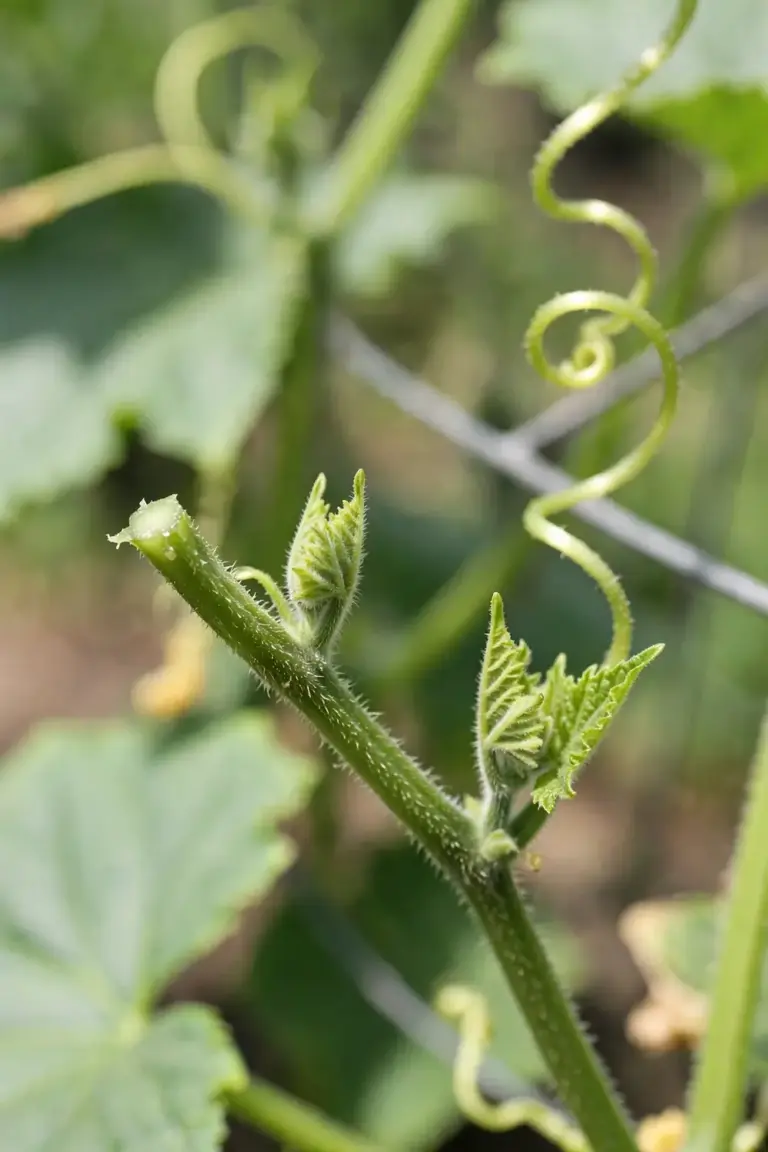
Pinch again when the side shoots stretch. Stop pinching at flowering. Seeds of Plenty’s Australian cucumber guide notes that apical dominance breaks naturally at flowering, so pinching after that point buys little. A bushy plant with many shoots outyields a single long vine with one lead shoot.
Pinch with clean fingers or sharp snips. Tear the tip and the wound heals slowly. Cut the tip and the wound closes fast. Work in dry weather. Wet leaves spread disease from plant to plant.
7. Pick at Pale Yellow, Every 2 to 3 Days
Pick lemon cucumber at 7.6 to 10.2 cm across, while the skin is pale yellow. Sow True Seed’s lemon cucumber page gives that harvest size for this variety. Days to harvest run 65 to 70 days from sowing. Sow True Seed’s lemon cucumber page lists 65 days, while West Coast Seeds’ lemon cucumber page lists 70 days. The gap reflects season and site, not a conflict. Warm soil and steady water pull the number down, and cool soil with dry spells pushes it up.
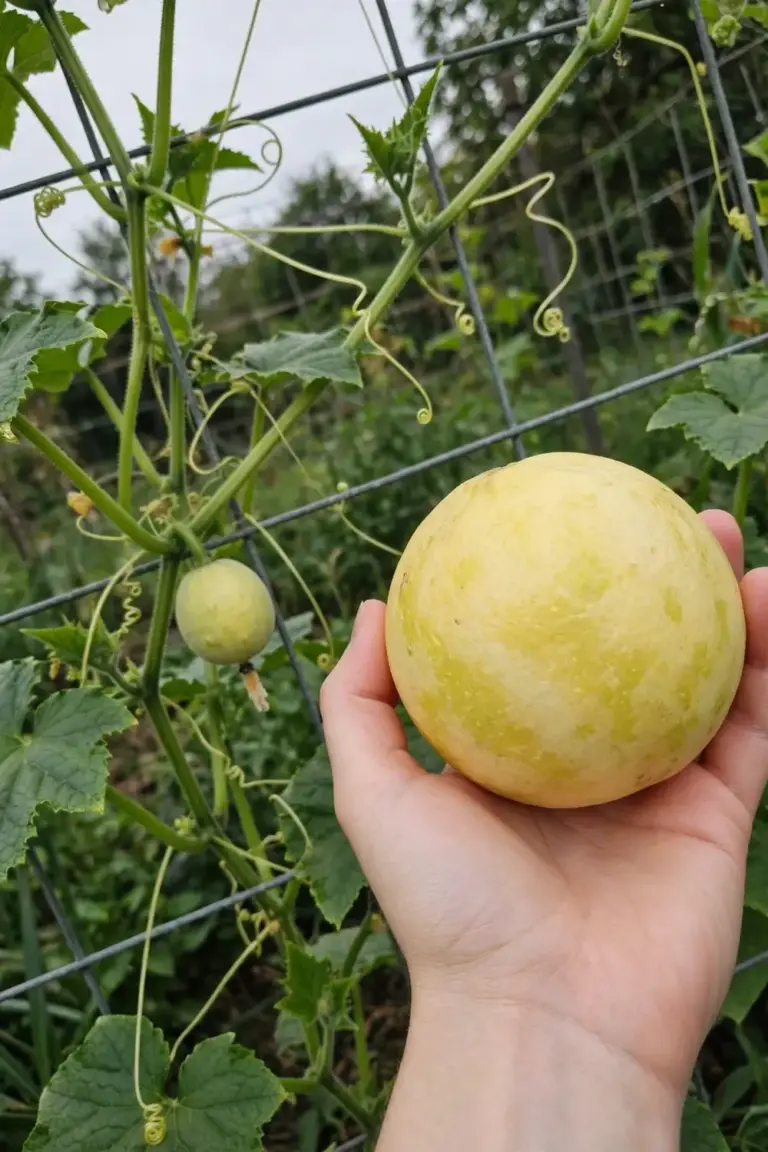
Harvest every 2 to 3 days once picking starts. Iowa State Extension’s cucumber guide gives that interval for cucumbers. I check every 2 days at peak season, because a fruit left to mature on the vine slows the rest. West Coast Seeds’ lemon cucumber page warns that no fruit should be allowed to mature on the vine, since steady picking lengthens the fruiting period. An over-mature fruit tells the plant the job is done. The plant stops setting new fruit.
Cut the stem with sharp shears. Do not pull. A pulled fruit tears the vine and opens a wound. A clean cut heals fast. A torn vine heals slowly and invites rot.
Pick early rather than late. Seeds of Plenty’s Australian cucumber guide advises that cucumbers are fruit eaten before full ripeness, and that picking too early beats picking too late. A pale yellow fruit at 7.6 cm tastes mild and sweet. A deep yellow fruit left past its prime grows seedy and soft.
An over-mature fruit shows its age plainly. The skin turns deep yellow. The flesh softens. The seeds swell and harden. A fruit in that state still eats, but the texture disappoints. Pull it off the vine and compost it. Leaving it on the vine costs you the next round of fruit.
8. Eat Them Fresh, Pickle Them, or Save the Seed
Eat lemon cucumber fresh, pickled, or straight off the vine. The thin skin needs no peeling. Slice the round fruit into salads. Eat it whole as a snack. West Coast Seeds’ lemon cucumber page calls this variety very nice for slicing and easy to digest. Seeds of Plenty’s Australian cucumber guide lists lots of fruit per vine as its top advantage.
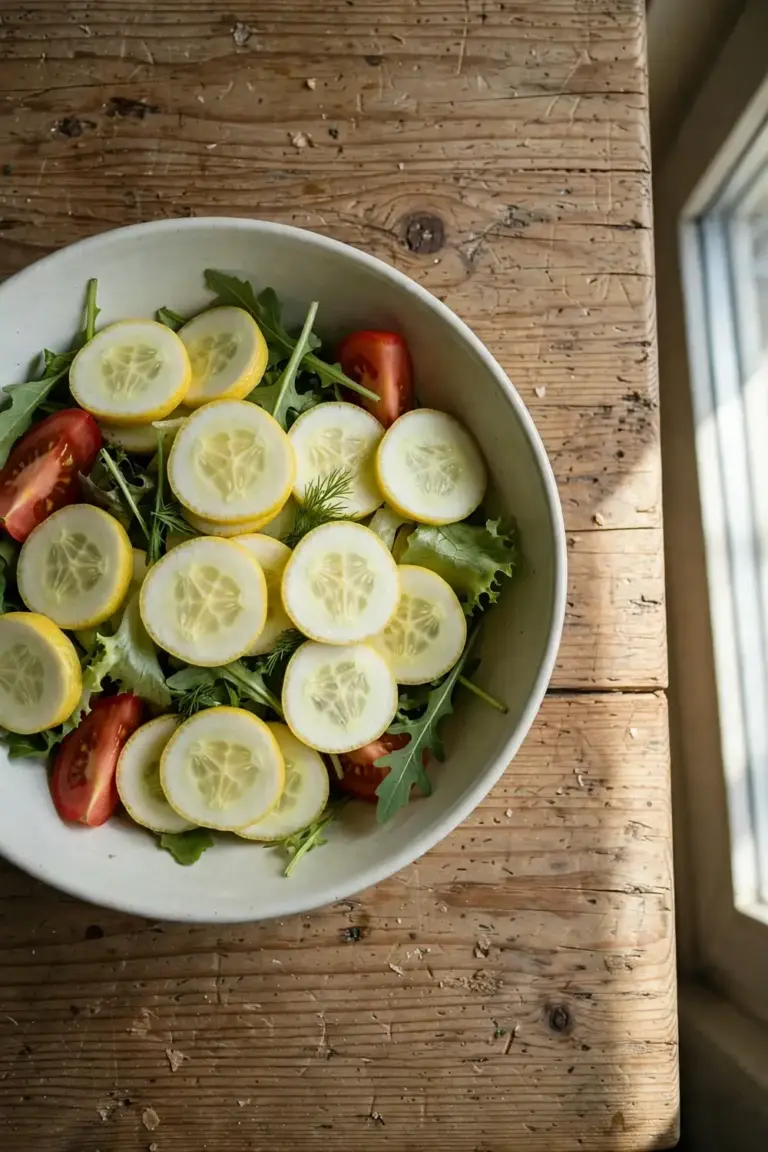
Slice the fruit thin for salads and sandwiches. Cube it for a chopped salad. Cut it into wedges for a snack plate. The round shape slices into even discs that sit neatly on a plate. The mild flavor suits dressings that would drown a stronger cucumber.
Chill the fruit before serving. A cold lemon cucumber eats crisper than a warm one. A pinch of salt in the salad draws out a little water and sharpens the flavor. Serve the slices plain for a snack. The mild flavor needs no dressing to taste good.
Store picked fruit for 10 to 14 days at 10 to 12.8 °C and 90 to 95 percent relative humidity. Iowa State Extension’s cucumber guide gives those storage figures for cucumbers. A crisper drawer holds close to that range. A fruit left on the bench softens within days.
Pickle the surplus. Small round fruit packs neatly into jars. Pickle fruit at the same pale-yellow stage you would eat fresh. Over-mature fruit pickles soft and seedy.
Save seed from an open-pollinated variety. Lemon cucumber is open-pollinated, so saved seed grows true to type. Sow True Seed’s lemon cucumber page gives the method: let fruits over-ripen on the vine until they swell and turn yellow, then bring them inside to ripen further in a dry, dark place. Scoop the seeds into a jar with an equal amount of water to seed mass. Let the seeds ferment for about 3 days. Pour off the scum and any floating seeds. Floating seeds will not grow. Rinse the rest, then dry on screens or newspaper for at least 3 weeks. Seed life runs 3 years, according to West Coast Seeds’ lemon cucumber page. In optimal conditions, at least 60 percent of seeds germinate, according to West Coast Seeds’ lemon cucumber page.
Keep saved seed away from other cucumber varieties if you want pure seed, because cucumbers cross readily with other cucumbers of the same species. Sow True Seed’s lemon cucumber page notes that isolation by distance, time, or barrier is necessary for pure seed.
9. Fix the 3 Problems That Show Up First
Three problems show up first on lemon cucumber: mildew, bitter fruit, and pests. Each has a plain fix.

Powdery mildew coats leaves with white spots late in the season. Seeds of Plenty’s Australian cucumber guide advises keeping irrigation water at ground level and spacing plants for air movement. Mulch keeps roots cool and cuts soil splash. Mildew favors warm, humid weather and crowded leaves. A vine with room around it dries fast after rain. A vine packed tight stays damp and mildews first. For an early mildew outbreak, Seeds of Plenty’s Australian cucumber guide gives a home spray: 3 parts milk to 10 parts water, plus 1 tablespoon baking soda in 1 litre of water with a drop or two of dish soap. Spray early and repeat on healthy growth. Remove badly infected leaves. Do not compost them.
Bitter fruit comes from stress. Iowa State Extension’s cucumber guide traces bitterness to cucurbitacins, compounds normally held in leaves, stems, and roots that move into the fruit when the plant suffers stress. Hot, dry conditions drive bitterness. Water once a week in hot, dry weather. A bitter cucumber can sometimes be salvaged by cutting off the stem end and peeling the rest, since cucurbitacins concentrate at the stem end and just under the skin.
Poor fruit set usually means poor pollination. Iowa State Extension’s cucumber guide notes that female flowers carry a small immature fruit at their base, while male flowers supply pollen. Bees move pollen from male to female flowers. A vine that flowers without setting fruit may sit in a spot with few bees. Seeds of Plenty’s Australian cucumber guide suggests planting flowering plants to attract bees, or pollinating by hand with a male flower brushed across the female bloom.
Hand pollination takes minutes. Pick a male flower, the one with no swelling at its base. Strip its petals back. Brush the center of the male flower across the center of an open female flower. The female flower carries a small fruit at its base. Mark the flower with a loose twist of twine. A pollinated female swells within days. An unpollinated female yellows and drops.
Cucumber beetles chew young plants and spread bacterial wilt, and Iowa State Extension’s cucumber guide notes that striped cucumber beetles transmit bacterial wilt through feeding. Cover young plants with floating row cover, then remove the covers when flowering starts so bees can reach the flowers. Aphids, cutworms, and thrips also trouble cucumbers, and West Coast Seeds’ lemon cucumber page lists all three as nuisances. Row covers stop most of them early, and a clean bed with no diseased material left on the soil cuts wilt pressure.
Frequently Asked Questions
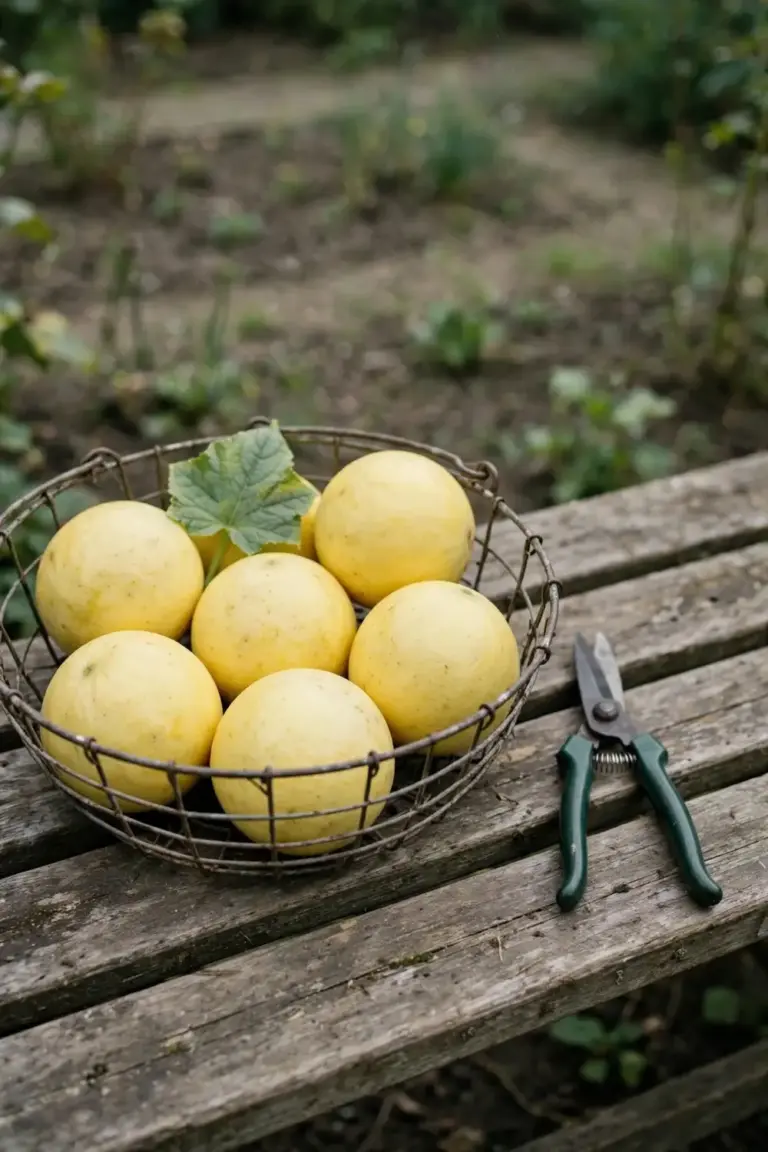
No. Lemon cucumber tastes like cucumber, with flesh that is mild, sweet, and crisp and no citrus flavor. The name describes the color only. A fruit picked at pale yellow eats sweet and clean. A fruit left to over-ripen grows seedy and soft. If you want lemon flavor, grow a lemon tree. If you want a mild cucumber with a round shape, grow this one.
Lemon cucumber reaches harvest in 65 to 70 days from sowing. Sow True Seed’s lemon cucumber page lists 65 days. West Coast Seeds’ lemon cucumber page lists 70 days. Warm soil, steady water, and full sun pull the number toward the early end. Cool soil, dry spells, and shade push it toward the late end. Start checking fruit size near day 60. Pick at 7.6 to 10.2 cm across, while the skin is pale yellow.
No, but a trellis helps. Lemon cucumber grows a vigorous vine that reaches 2.1 to 2.4 m, and a trellis keeps the fruit off the soil, frees bed space, and improves air flow. Without a trellis, the vine sprawls and the fruit may rot where it touches damp ground. A wire fence, a wire frame, or a corn stalk all work as supports. Give the vine something to climb from the day you sow.
Stress makes cucumbers bitter. Iowa State Extension’s cucumber guide traces bitterness to cucurbitacins, compounds that move from leaves, stems, and roots into the fruit when the plant suffers stress. Hot, dry weather is the usual driver. Water once a week in hot, dry weather and keep the soil evenly moist. A bitter fruit can sometimes be salvaged by cutting off the stem end and peeling the rest. Steady water prevents the next fruit from turning bitter.
Yes. Lemon cucumber is open-pollinated, so saved seed grows true to type. Let a fruit over-ripen on the vine, then scoop the seeds into a jar with an equal amount of water. Ferment for about 3 days, pour off the scum and floating seeds, rinse, and dry for at least 3 weeks. Seed life runs 3 years. Isolate from other cucumber varieties if you want pure seed, since cucumbers cross readily with other cucumbers.
10. Start With One Vine This Season
Sow lemon cucumber after frost, in soil at 15 °C or warmer. Train one vine up a trellis. Water at the roots. Pick at pale yellow, every 2 to 3 days. That routine carries a lemon cucumber from seed to table in 65 to 70 days. Save seed from your best fruit and the next season starts free.
One vine teaches you the plant. A second vine next season teaches you the site. A third season teaches you succession. Start small, watch the vine, and let the plant tell you what it needs. The first pale yellow fruit is the payoff for every step above.