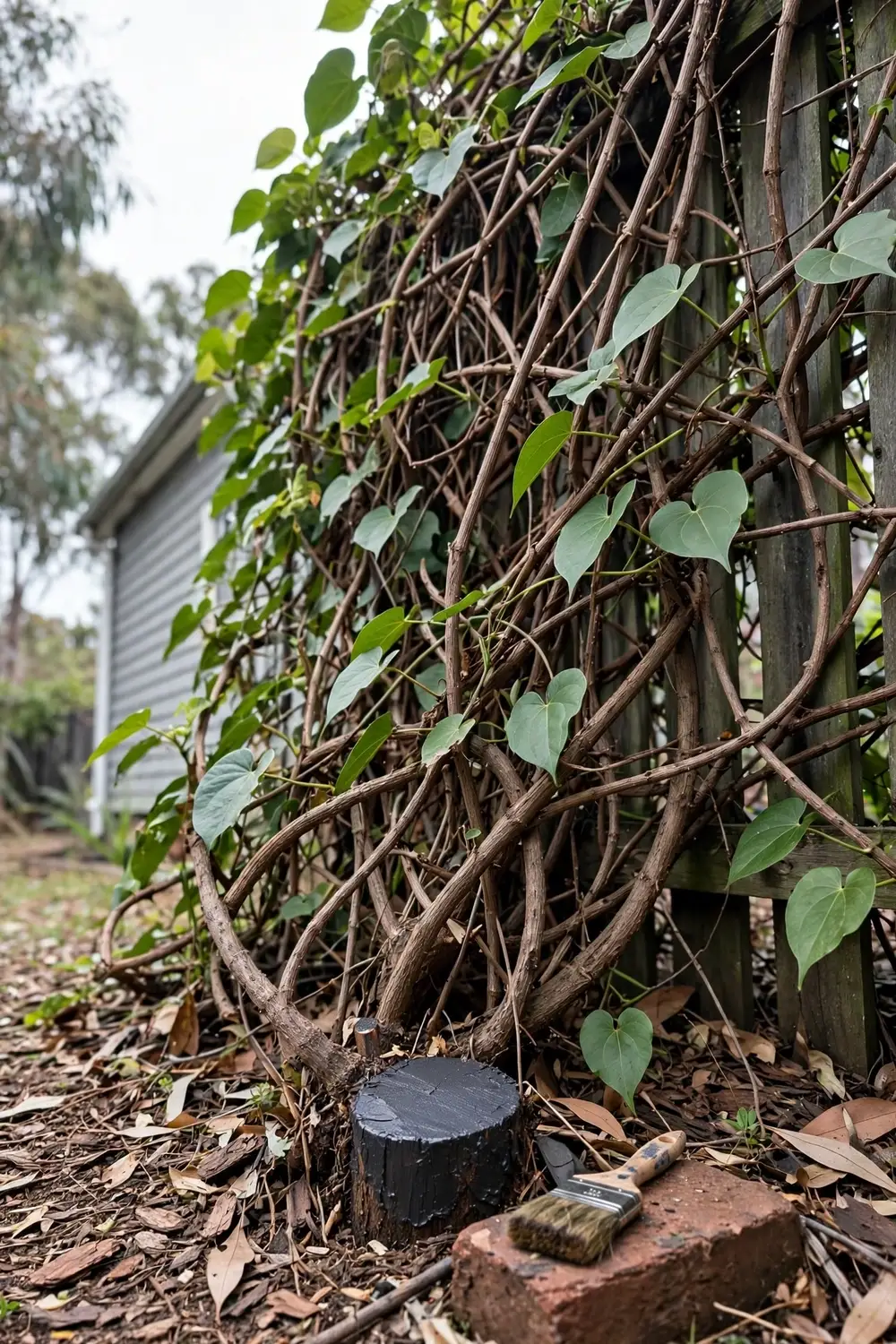

Cut the vine at ground level, paint the cut stump with herbicide within 15 seconds, and leave the top growth to die where it hangs. That is how you kill stubborn vines in Australian gardens without spreading them further. Pulling a woody vine off a tree or fence tears the host plant and scatters the very fragments that grow back. The rest of this page covers ten moves, from confirming the vine to replanting the gap.
One vine can defeat three weekends of pulling. The roots stay alive underground. The stem fragments root where they land. The seed bank waits in the soil. I have learned that the vine I paint within seconds of cutting stays dead, while the vine I paint after lunch grows back.
A vine left alone for one season costs three seasons of follow-up. Each season adds tubers, bulbils, and seed to the soil. Each season pushes stems deeper into the canopy. The cheapest vine to kill is the one you treat this weekend. The most expensive vine is the one you watch for a year and then treat.
1. Confirm the Vine Before You Kill It
Name the vine before you touch it. A wrong identification kills the wrong plant. Kangaroo vine, five-leaf water vine, snake vine, and native grape are Australian natives. They can look rampant. They still deserve pruning, not poison. Balloon vine resembles native grape closely enough that gardeners confuse the two. Check the leaf shape, the stem, and the fruit against a trusted weed guide before you cut anything.
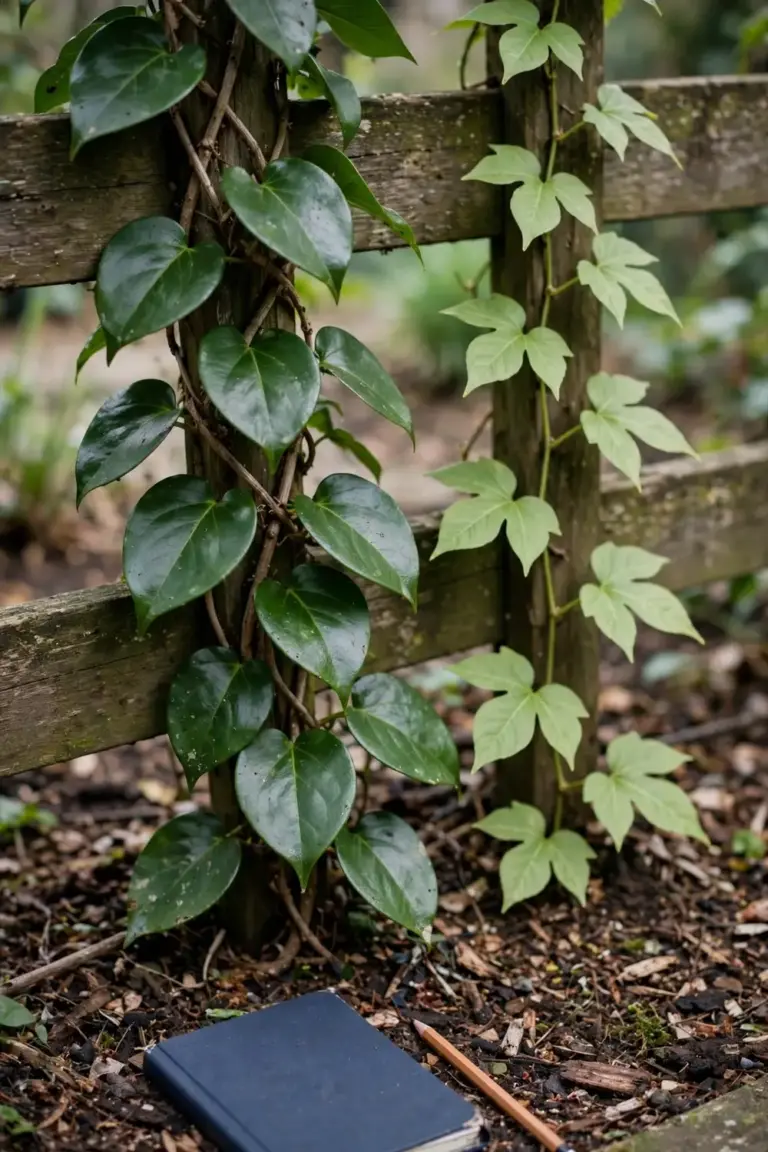
Check your state weed list too. Some vines are declared weeds with legal duties attached. Madeira vine is declared in every state and territory except Western Australia. Cat’s claw creeper is declared in New South Wales, the Northern Territory, Queensland, South Australia, Victoria, and Western Australia. Your local council weeds officer can confirm the listing for your area. A two-minute check beats a year of fighting the wrong plant.
If the vine belongs to a neighbor, talk first. A vine that crosses a fence has two owners. Cutting only your side leaves the root system alive on the other side. Agree on a shared plan before anyone lifts a saw.
Confirm with three features, not one. Look at how the leaves sit on the stem, whether the stem is woody or soft, and what the fruit or seed looks like. Photograph all three. Compare the photos with the weed profile for your state. If the vine carries no flowers, fruit, or seed, wait for one to appear before you decide, since leaves alone fool even keen gardeners. A wrong call costs a native plant its life. A slow call costs a few weeks.
2. Learn Why Cut Vines Grow Back
A vine stores energy underground, so cutting the top growth removes leaves while the roots keep their starch reserves. New shoots draw on those reserves and return within weeks. That is why one round of cutting never finishes the job: the plant treats the cut as damage and regrows from buds, tubers, or root fragments.

Three storage systems make vines hard to kill: tubers sit underground and sprout after the top dies, aerial bulbils drop from stems and root where they land, and seeds wait in the soil and germinate after the canopy opens. Madeira vine uses the first two systems at once. Its aerial bulbils stay viable for at least five years, and its stems can grow more than 1 meter per week in warm, moist weather, up to 6 meters in one growing season, according to the Weeds Australia Madeira vine profile. Cat’s claw creeper grows tubers at 50 centimeter intervals along its roots. Each tuber can sprout on its own.
Vines climb three ways. Twining stems wrap around supports. Tendrils grip with curling threads. Adhesive roots glue the stem to bark and brick. The climbing method sets the removal method. A twining vine unwraps once its base dies. A vine glued to brick leaves rootlets behind. Scrape the rootlets off brick with a stiff brush after the vine dies. Painted brick stains. Work carefully near walls. Kill the storage system, not just the leaves. Cut-and-paint poisons the roots through the cut stem. Digging removes the tubers. Smothering starves the shoots. Every method below targets the part of the plant that regrows.
3. Decide Whether to Contain or Remove the Vine
Removal is not always the right call. A native climber on a fence may only need pruning. A small patch of an ordinary garden vine may only need cutting back each year. Remove a vine when it smothers trees, invades bushland, drops seed into a waterway, or carries a declared-weed listing. Contain a vine when it is native, when it shades a pergola you want, or when removal would wreck the host tree.
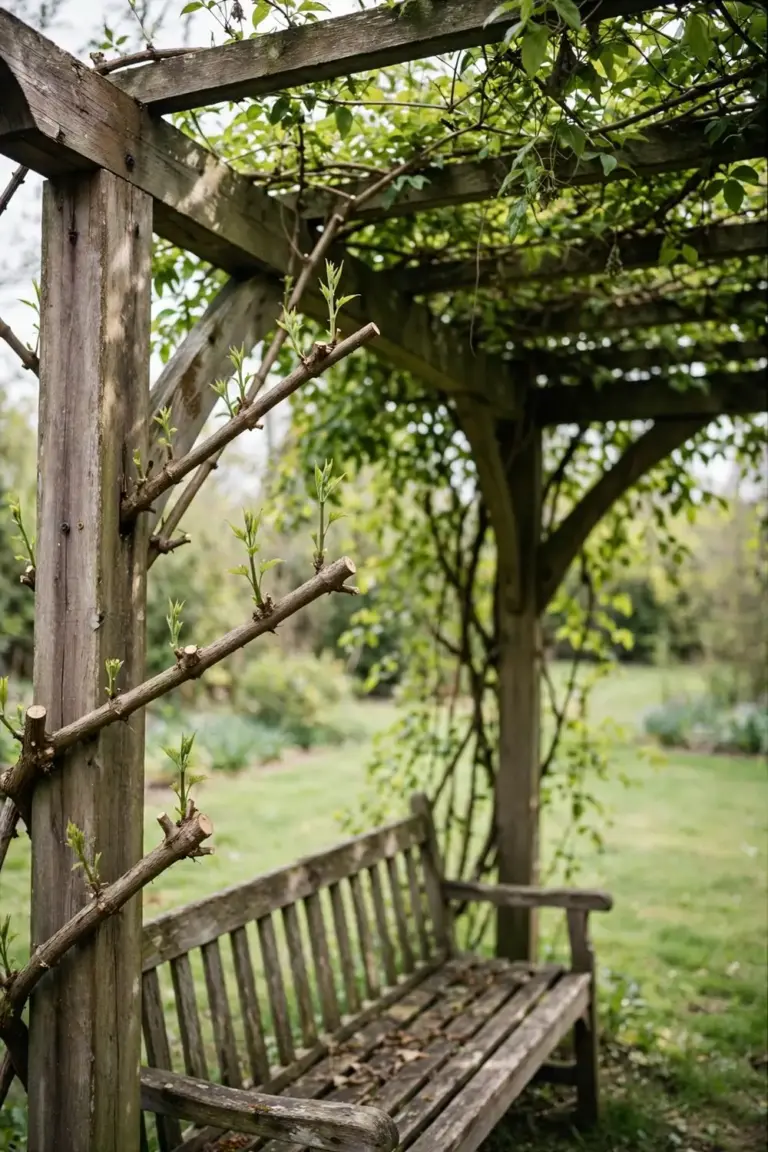
Containment has rules. Prune the vine back before it sets seed. Cut every stem that reaches the canopy. Check the fence line twice a year. A contained vine still needs watching. A neglected contained vine becomes an infestation within one season.
Removal has a cost. It opens a gap. Light reaches soil that the vine shaded for years. Weed seeds in that soil germinate fast. Plan the replacement planting before you start cutting. The aftercare section below covers the gap.
Time the work to the vine’s weak point and start before the vine sets seed, since seed set turns one plant into hundreds. Work after rain when the soil gives up roots. Avoid hot, dry weeks, since stressed plants seal cuts faster and herbicide moves slowly through dry stems. In most of Australia, late spring gives the best window: the vine is growing hard, the sap runs, and the paint travels deep.
4. Cut and Dig Small Vines Out by the Roots
Digging works on small patches and young vines, and it fails on big woody vines with deep tubers. Use it when the vine is younger than one season, the patch covers less than a few square meters, and every root sits within reach of a fork.
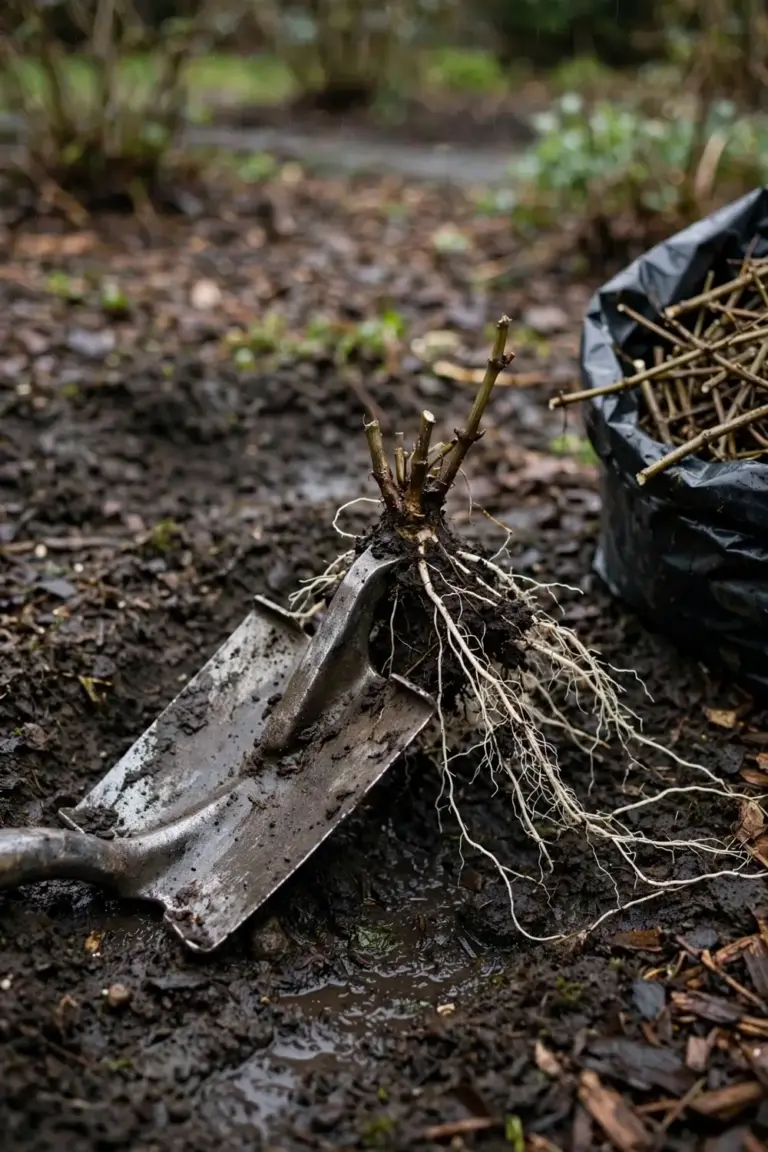
Gather the tools before you start: a garden fork loosens soil without slicing roots, a pruning saw cuts woody stems cleanly, a mattock lifts root crowns from hard ground, two sturdy bags hold the waste, and gloves protect your hands from sap and thorns. Clean every tool when you finish, since soil on a spade carries fragments to the next bed.
Work after rain. Wet soil releases roots. Dry soil snaps them. Loosen the soil with a fork around the base. Pull the main stem slowly and watch where the roots run. Follow each root to its end. Bag every fragment as you go. A fragment left on bare soil roots within days.
Dig out the root crown. The crown sits where the stem meets the roots. It holds the buds that resprout. A vine with its crown removed rarely returns. A vine with its crown intact always returns. Check the hole after you lift the plant, because white root tips in the soil mean fragments remain, so pick them out by hand.
Small vines still need follow-up. Check the spot every month for one season. Pull regrowth while it is small. Each regrowth drains the root reserves a little further, so three or four rounds of pulling exhaust a young vine.
5. Scrape and Paint Woody Stems to Kill the Roots
Cut-and-paint kills vines that digging cannot. Cut the stem close to the ground. Paint herbicide onto the cut surface at once. The poison travels down the stem and into the root system. The top growth dies where it hangs. Leave it there. Pulling it down spreads bulbils and seed.
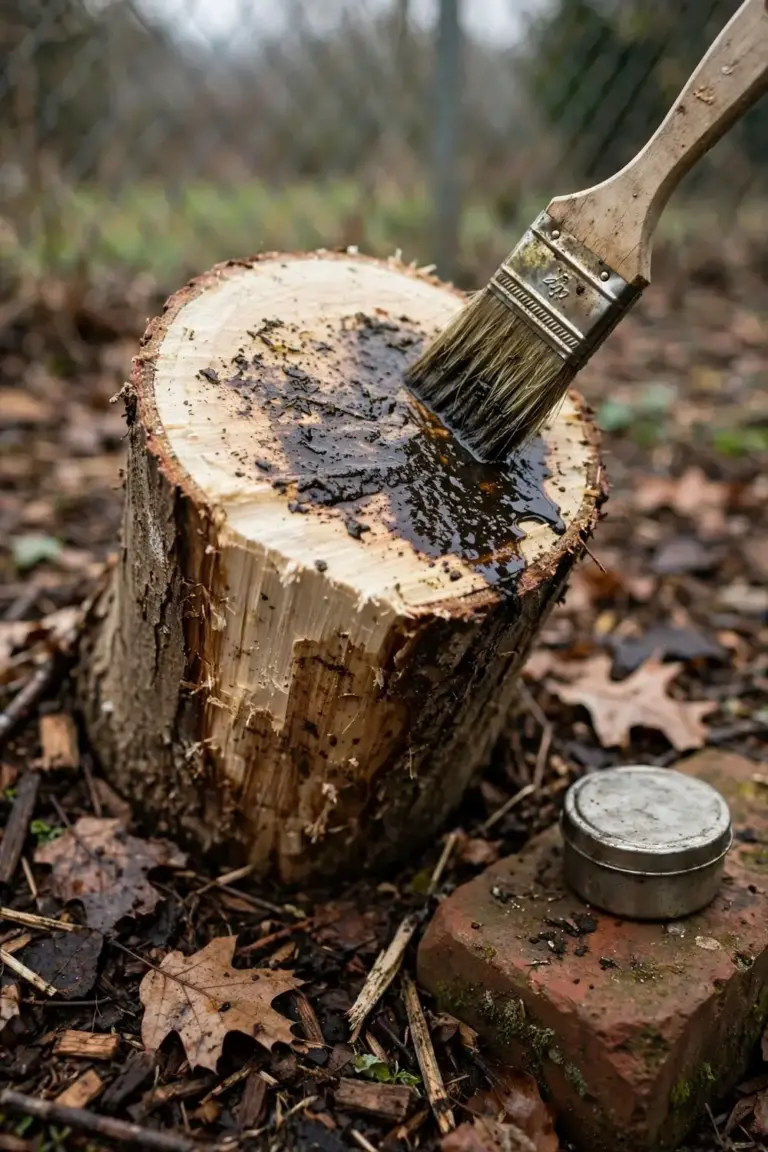
Speed matters. Cat’s claw creeper needs paint within 15 seconds of the cut, while the sap still runs, according to the Weeds Australia cat’s claw creeper profile. A cut left for a minute seals over. The poison then sits on dead tissue and never reaches the roots. Cut one stem. Paint it. Then move to the next stem. Never cut five stems and paint them all at the end.
Scrape thick stems before painting. Stems wider than 1 centimeter take an extra application on a scraped section of the remaining stem. Use a knife to scrape a strip of bark down to green tissue. Paint the scraped strip. The exposed tissue carries the herbicide into the sap flow.
Watch the cut after painting: the surface should look wet and dark, while a dry, pale cut means the herbicide never soaked in, so re-cut half a centimeter lower and paint again at once. Treat stems one at a time on big vines, since a row of open cuts dries while you work down the line. The top growth yellows within weeks and drops its leaves within a season. Leave it hanging until it turns brittle. Dead stems pull free without tearing bark. Follow the label on the herbicide. The label sets the product, the dilution, and the safety gear. No rate on this page replaces it. Wear gloves and eye protection. Keep the product off your skin. Keep pets and children away from treated stems until the paint dries. Never spray in wind or rain. Never spray a vine tangled through a plant you want to keep. Paint the cut stump instead. The paint goes where you put it. Spray drifts where the wind takes it.
6. Smother Ground-Level Vines Under Cover
Smothering suits ground-cover mats of vine where digging would wreck the soil. It fails on vines that already climb trees. Use it on flat patches with no stems above knee height.
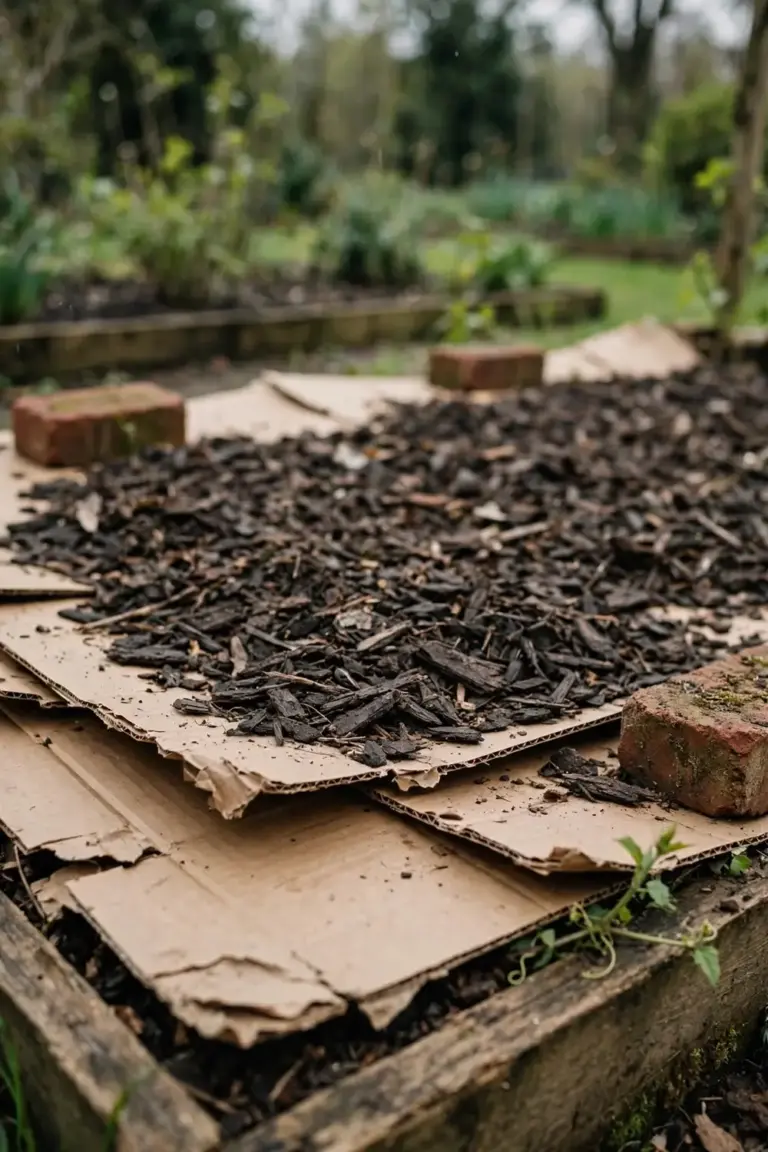
Cut the mat to ground level first. Bag the cut material. Lay cardboard over the patch with generous overlaps. Wet the cardboard. Cover it with 10 centimeters of mulch. Weight the edges with bricks or timber. Light starves the shoots underneath. Mulching basics covers depth and materials in more detail.
Leave the cover in place for a full growing season. Lifting it early lets light back in and the vine recovers. Check the edges every month. Shoots escape at the margins first. Tuck escaped shoots back under the cover or cut them off at the edge. When you lift the cover at the end of the season, check for pale shoots underneath. Pale shoots mean the vine still lives. Leave the cover on for another season if shoots still appear. If no shoots appear, fork the soil and look for tubers before you plant. One hidden tuber restarts the patch.
Smothering pairs well with planting. Punch holes through the cover and plant ground covers or shrubs into the gaps. The new plants shade the soil as the cover rots down. The vine faces shade from above and darkness from below.
Clear plastic offers a faster option in summer. Lay clear plastic over the cut patch and seal the edges with soil. Sun heats the soil under the plastic and kills shoots and shallow roots. The method needs six weeks of hot sun and works best in warm climates. It fails in shade and in cool winters. Cardboard and mulch suit more sites and more seasons.
7. Skip the Four Moves That Spread Vines Further
Four common moves make a vine problem worse. Skip all four.
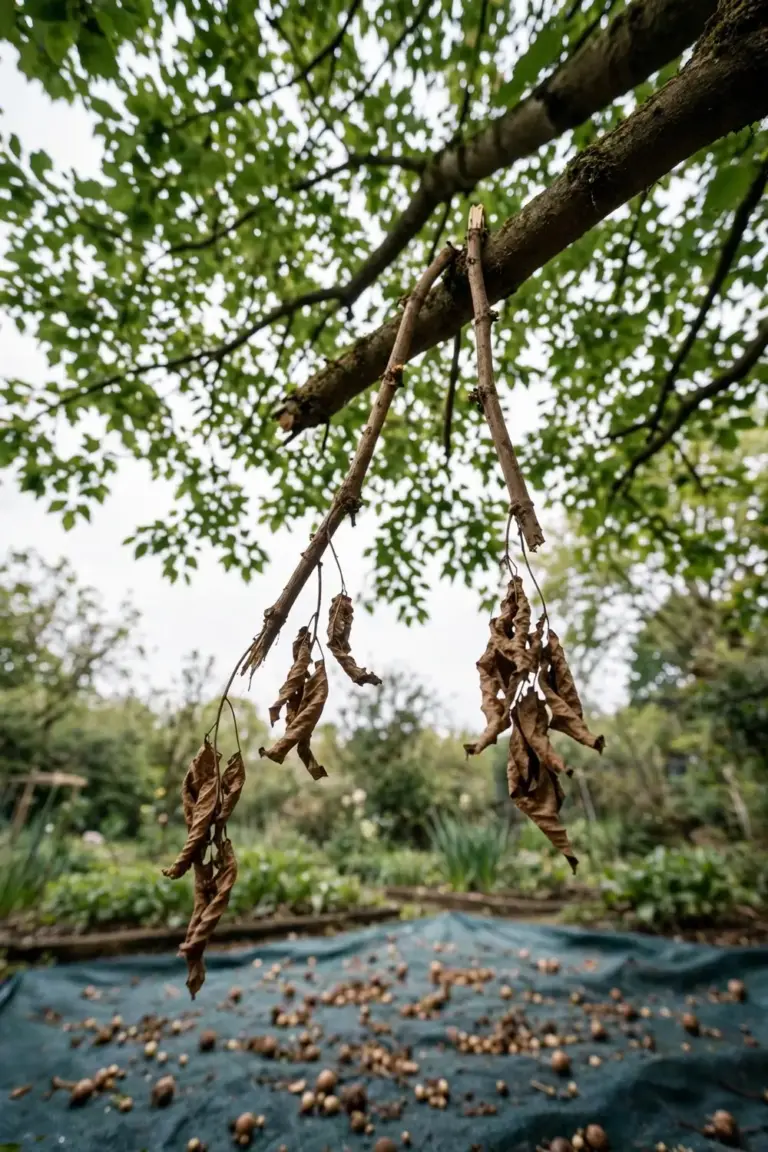
First, never pull a vine down from a tree canopy. Falling stems drop bulbils and seed across the garden. The host tree loses bark and branches. Cut the stems at ground level and let the canopy growth die in place. It looks untidy for months. The tree survives. The bulbils stay put.
Second, never compost vine material. Compost heaps rarely reach the heat that kills tubers, bulbils, and seed. The finished compost spreads live fragments across every bed it touches. Double-bag vine waste and put it in the landfill bin. Never use the green-waste bin. Never dump garden waste in bushland. Dumping is how garden vines become bushland weeds.
Third, never leave root crowns in the ground after cutting. A cut stem with an intact crown resprouts within weeks, so dig the crown out or paint the stump, because a cut without follow-up is a haircut, not control.
Shield wanted plants before any herbicide work. A sheet of cardboard between the vine and the shrub catches drips. A rag wiped over the cut stump stops runs. Wash your gloves before you touch a wanted plant. Herbicide on a glove transfers onto the next leaf you touch. Work from the vine outward. Touch the poisoned stems last. Fourth, never spray a vine that is tangled through a wanted plant. Spray hits both plants. The wanted plant dies with the vine. Cut the vine stems at the base, paint the stumps, and leave the upper growth to die. The wanted plant keeps its leaves. The vine dies from the roots up.
8. Watch the Spot and Replant the Gap
Follow-up decides whether the vine stays dead. Check the treated spot every month for the first season. Treat regrowth before it reaches the host tree canopy, since cat’s claw creeper regrowth may need treatment for five or more years, with follow-up starting three to six weeks after the first treatment. Madeira vine needs the same patience. Its bulbils wait years in the soil.
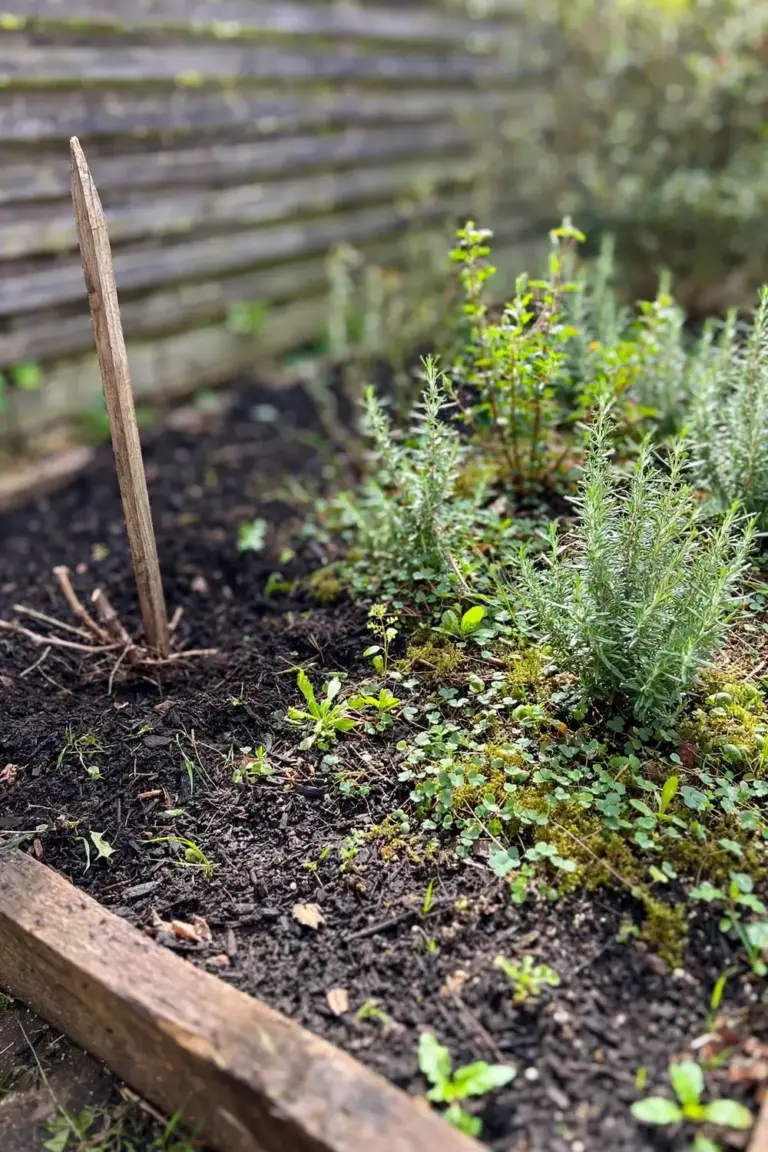
Keep a simple log. Note the date, the method, and what you saw. A log shows whether regrowth is shrinking, which means the roots are weakening, or staying steady, which means the method missed the storage system, so change methods when regrowth stays steady after three rounds.
Replant the gap fast. Bare soil invites the next weed. Plant dense ground covers, shrubs, or a replacement climber. Feed the soil first. The soil health basics cover compost, mulch, and feeding in plain terms. Shade the soil. Shaded soil grows fewer weeds. A replanted gap closes the door the vine used.
Pick replacements that shade the soil fast. Dense ground covers close the gap within one season. Shrubs hold the ground for years. A replacement climber on a trellis gives the fence its cover back without the weed. Match the replacement to the site: sun, soil, and water. A plant that suits the site needs less care and holds its ground against the next weed.
9. Handle the Four Hardest Vines in Australian Gardens
Four vines cause most of the grief in Australian gardens. Each one needs a different method. The table below names the method that works on each vine.
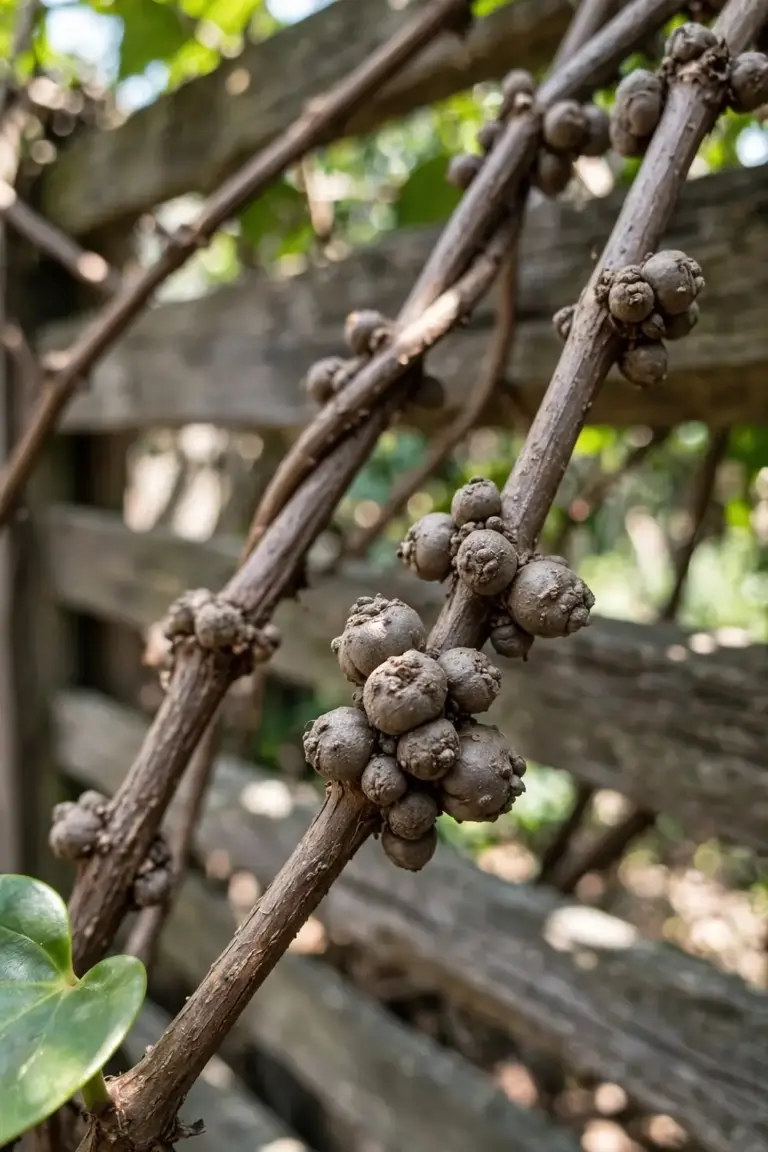
| Vine | Why It Returns | Best Method | Follow-Up |
|---|---|---|---|
| Madeira vine (Anredera cordifolia) | Aerial bulbils drop and stay viable for years; underground tubers resprout | Scrape and paint stems in place; never pull canopy vines; collect every fallen bulbil | Check monthly; repeat for several seasons |
| Cat’s claw creeper (Dolichandra unguis-cati) | Tubers every 50 centimeters along the roots resprout for years | Cut and paint within 15 seconds; extra scraped application on stems over 1 centimeter wide | Treat regrowth from 3 to 6 weeks after the first pass; expect up to 5 years of follow-up |
| Moth vine (Araujia sericifera) | Wind-blown seed pods release masses of seed; taproot resprouts | Cut stems at the base, paint stumps, bag every seed pod; wear gloves | Check each spring and early summer before pods set |
| Rubber vine (Cryptostegia grandiflora) | Prohibited matter in New South Wales; spreads by seed and cuttings | Do not remove it yourself; report it first | Follow the biosecurity officer’s instructions |
Check the listing before you act. A vine declared in one state may sit unlisted in another. The state weed list sets your duty. The council weeds officer confirms it. A two-minute check keeps the job legal.
Madeira vine punishes impatience. Pulling a canopy vine rains bulbils across the garden. Poison it where it hangs. Scrape the stems at staggered intervals and paint them. Lay a tarp under the canopy if you must cut overhead growth. Pick up every bulbil by hand. One missed bulbil starts a new plant.
Cat’s claw creeper punishes half measures. Cutting alone kills top growth, while the tubers resprout, so digging the tubers out breaks them and leaves fragments behind, which makes cut-and-paint the practical method. Paint fast. Treat regrowth before it climbs back into the host tree.
Moth vine punishes bare hands. The plant is poisonous. Its white sap causes skin and eye irritation, according to the NSW WeedWise moth vine page. Wear gloves and eye protection. Bag the pods, since the pods look like chokos but they are not food, so bin them.
Rubber vine punishes do-it-yourself control. It is prohibited matter in New South Wales. Report it to the NSW DPI Biosecurity Helpline on 1800 680 244 before you touch it, per the NSW WeedWise rubber vine page. A biosecurity officer handles identification and control. Do not cut it. Do not dig it. Do not compost it.
Bindweed stays out of this table on purpose. The field bindweed guide covers its deep roots and seed bank in full. Japanese honeysuckle and blue morning glory respond to the cut-and-paint and dig-out methods in sections 4 and 5. Check the state weed list for the method registered for each species in your state.
10. Fix It When the Vine Comes Back
Regrowth after treatment is normal. It means the roots still hold reserves. It does not mean the method failed. Treat the regrowth the same way. Cut it. Paint it. Bag it. Each round drains the reserves further.
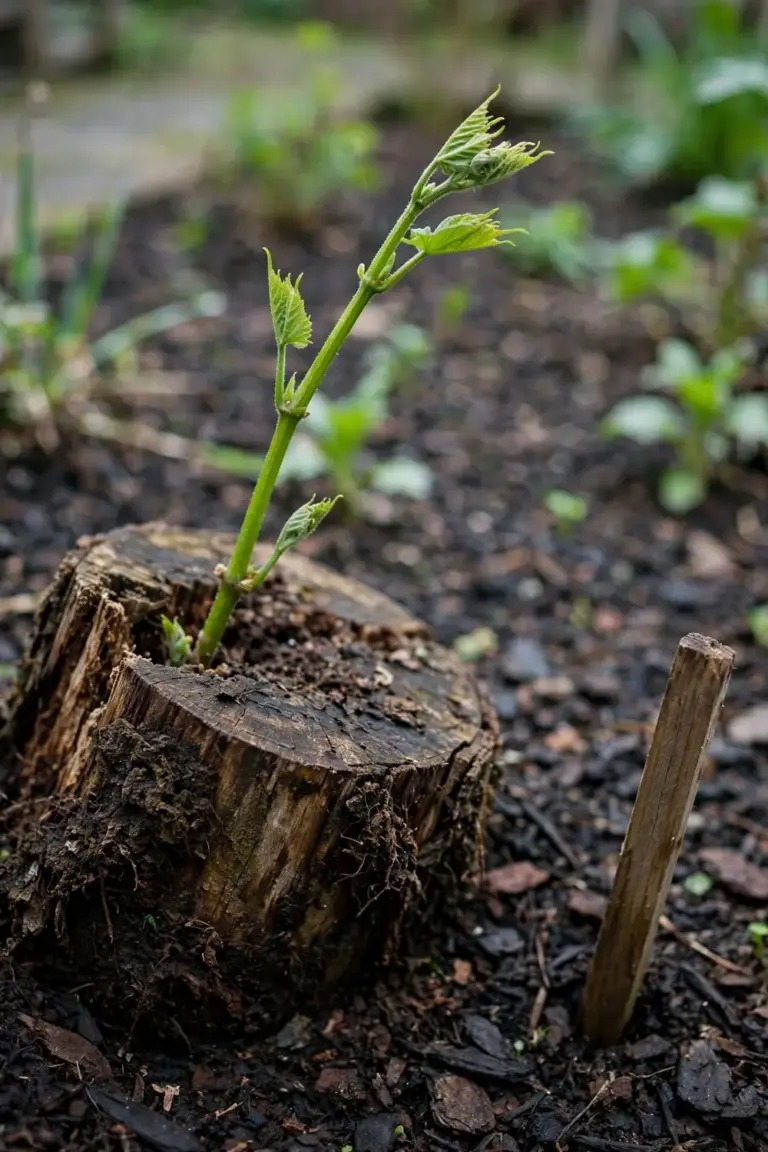
Regrowth that stays as strong as the first growth means the method missed the storage system. Switch methods. A vine that survived digging needs cut-and-paint. A vine that survived cut-and-paint needs its bulbils collected. A vine that keeps returning from a neighbor’s side needs a shared plan, not another round on your side alone.
A vine that appears in a new spot means fragments moved. Check your tools. Clean soil off spades and forks before you move to another bed. Check your compost. Check the green-waste bin habit. One barrow of infested soil seeds a new patch. Hygiene stops the spread faster than any spray.
Mark every regrowth spot with a stake, since a stake turns a vague memory into a map. Return to the stakes each month, pull small regrowth by hand and bag it, and paint woody regrowth the same day. A stake you check monthly beats a patch you rediscover in a year. Call for help when the vine beats you. A local council weeds officer identifies the vine and names the registered method. A licensed contractor handles vines near power lines, large trees, or waterways. A bush regeneration group handles vines in bushland. Asking early costs less than fighting a vine for five years alone.
Keep the whole job legal. Some councils run free weed identification services. Some states require a permit for herbicide use near waterways. Check before you spray near a creek, dam, or drain. A permit takes days. A fine takes longer. The council weeds officer names the registered method for your area and your vine.
11. Frequently Asked Questions About Stubborn Vine Removal
Pulling works on seedlings and small patches with shallow roots. It fails on woody vines with tubers, bulbils, or deep root crowns. Pulled stems snap and leave the storage system in the soil. The vine resprouts within weeks. Dig the root crown out or paint the cut stump. Bag every fragment. Pulling alone is a haircut, not control.
Leaf spray rarely kills a woody vine, since waxy leaves shed spray, the roots sit untouched below, and spray also hits every plant nearby. Cut the stem at ground level and paint the stump instead. The paint travels into the roots. The top growth dies where it hangs. Follow the herbicide label for the product, the dilution, and the safety gear.
Watch the spot for a full growing season. Dead vines show no regrowth after rain. Living roots push new shoots within weeks of rain. Cat’s claw creeper may need up to five years of follow-up treatment. Madeira vine bulbils wait years in the soil. Keep a log of each check. Shrinking regrowth means the roots are weakening. Steady regrowth means the method missed the storage system.
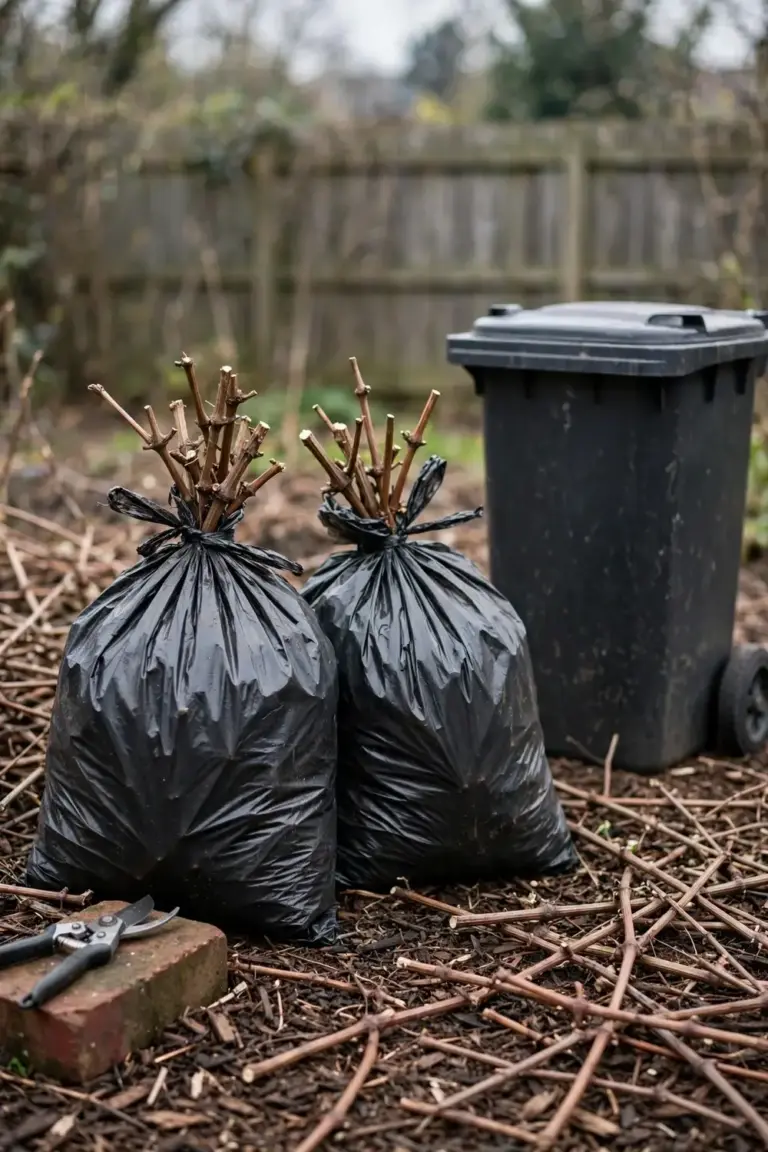
Double-bag it and put it in the landfill bin, since vine material never belongs in compost, the green-waste bin, or bushland. Tubers, bulbils, seed pods, and stem fragments all regrow from soil contact. Bagging keeps them out of the soil. Clean your tools after the job so soil and fragments do not travel to the next bed.
Talk to your neighbor first. A vine with roots on their side keeps returning to your side no matter how often you cut it. Agree on a shared plan and a shared schedule. Cut your side at the same time they treat theirs. If the vine is a declared weed, your local council weeds officer can advise both owners. A fence-line vine needs two gardens working together.
12. Start With the Root, Not the Leaves
A stubborn vine is a root problem wearing leaves. Cut the leaves and the roots grow more. Kill the roots and the leaves die on their own. Name the vine. Pick the method that matches its storage system. Paint the stump fast. Bag the waste. Check the spot every month.
Start with one vine today: cut it at ground level, paint the stump, and bag the cuttings. The rest of the patch gets easier once the first vine stays dead. Prune a rampant native climber with the spring pruning techniques instead of reaching for poison. Natives get the shears. Declared weeds get the paint and the bin.