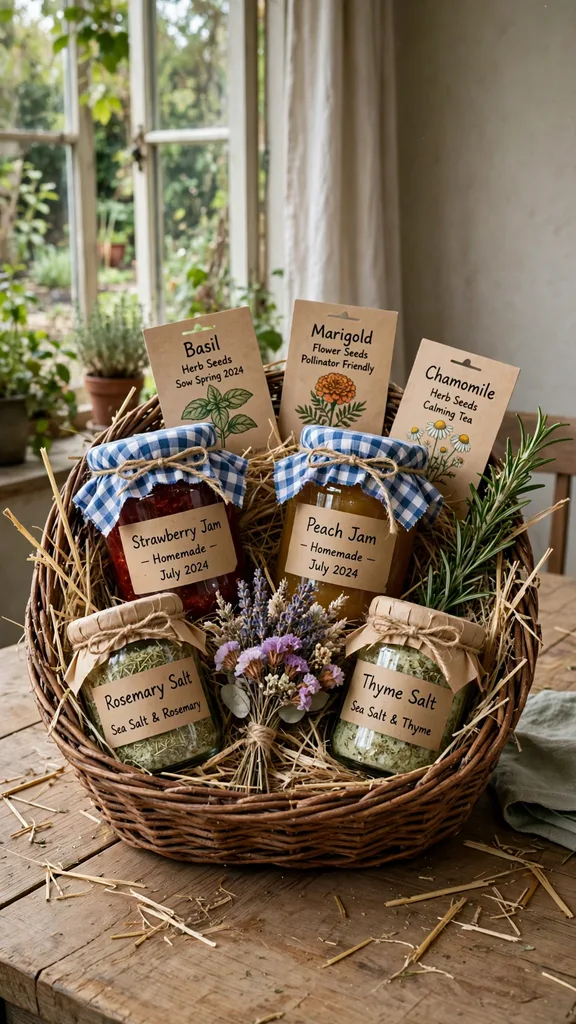
A Christmas gift basket from your own garden carries a year inside it: spring’s first jam fruit, summer’s herbs, autumn’s seeds, all packed in December into baskets that no shop can duplicate. Every basket in this list is built from things a garden produces, preserves, salts, oils, dried flowers, and saved seed, with the basket itself the only bought part. The 45 baskets run in five groups: preserves in jars, herb salts and infused bottles, dried flower baskets, seed and plant baskets, and fresh baskets for people close enough to hand them to.
Build baskets from the preserving shelf, not from December shopping. The gardeners who give the best baskets in December were filling jars in July, drying herbs in August, and saving seed in October. I keep a basket shelf in the pantry all year, and jars that turned out especially well get a ribbon tied round the neck on the spot, marked for Christmas before the season’s goodwill evaporates. Every basket below lists its season of making as honestly as its contents.
| Recipient | Pick | Why |
|---|---|---|
| The cook | Item 10, Herb Salt Trio | Used weekly, remembered weekly |
| The neighbor | Item 37, Fresh Harvest Basket | Generous, personal, costs little |
| The new gardener | Item 29, Seed Starter Kit | A whole spring in one basket |
| The far-away friend | Item 20, Potpourri and Sachet Basket | Light, flat, posts safely |
| The host | Item 19, Dried Flower Bouquet Basket | Arrives as decoration, stays for months |
Safety runs under every jar in the first group: preserves for gifts follow tested recipes exactly. The National Center for Home Food Preservation’s guide to how canning preserves foods sets out the practices that make jars safe to give: correct processing times, added acid where the recipe calls for it, proper jars and lids, and seals that keep air and microorganisms out. A gift jar is a promise; make it by the book.
1. Classic Jam and Jelly Basket
Three jars of the year’s best jam, strawberry, raspberry, and blackcurrant or whatever your garden does best, packed in straw with a small jar of the same fruit as jelly for contrast. Add a handwritten card naming the fruit and the month it was picked.
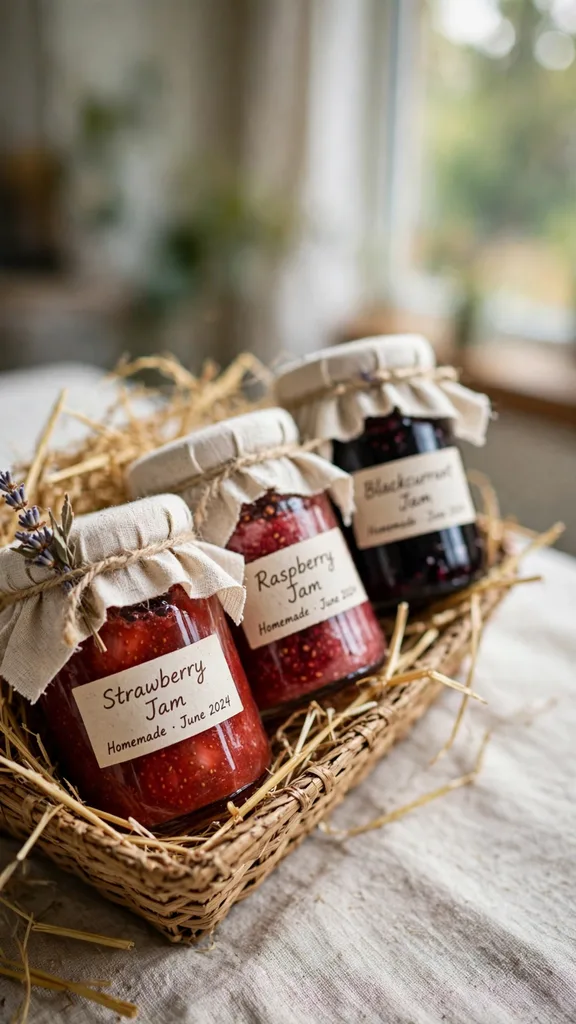
The classic basket works because jam is the garden preserve everyone understands and uses. Make the jars in the fruit’s own season, not in December from frozen fruit, and the flavor carries the summer with it. A sprig of dried lavender tied to one jar dresses the whole basket.
2. Pickle Lover’s Basket
Bread-and-butter pickles, pickled green beans, a jar of relish, and pickled beets for color: the pickle basket suits the recipient who raids the fridge at midnight. Pack the jars tight with shredded paper between them and a card listing each pickle’s heat and sweetness.
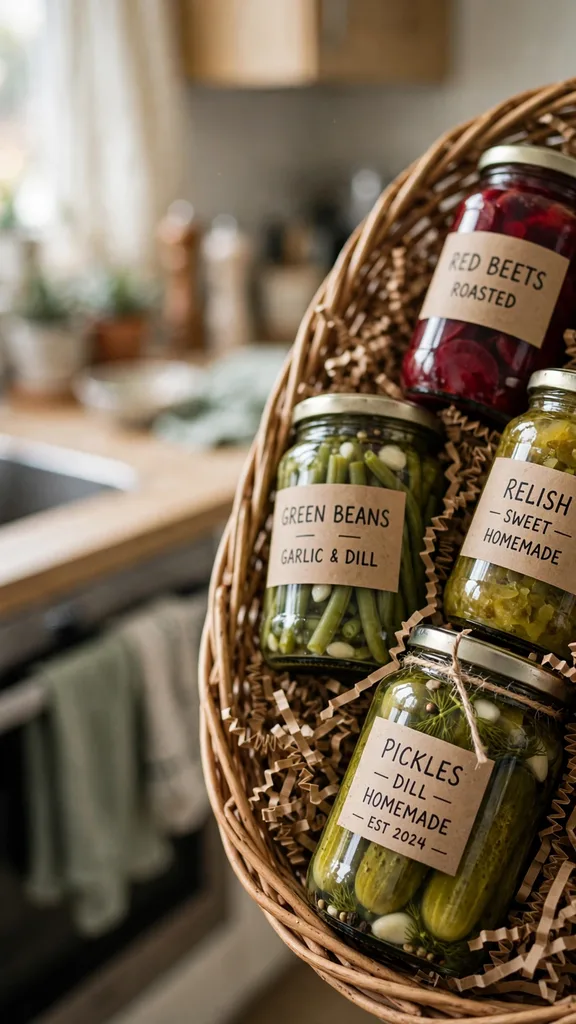
Pickles are the safest gift jars in the pantry, acid by design, and they keep their crunch for a year. Cucumbers, beans, and beets all come from the summer garden in glut quantities, so this basket converts surplus into reputation. Label the relish honestly if it bites.
3. Tomato Harvest Basket
A jar of tomato sauce, a jar of salsa, and a twist of sun-dried tomatoes in oil, with dried oregano from the herb patch: the tomato basket is summer in three jars. It suits pasta households and anyone who grew up on garden tomatoes.
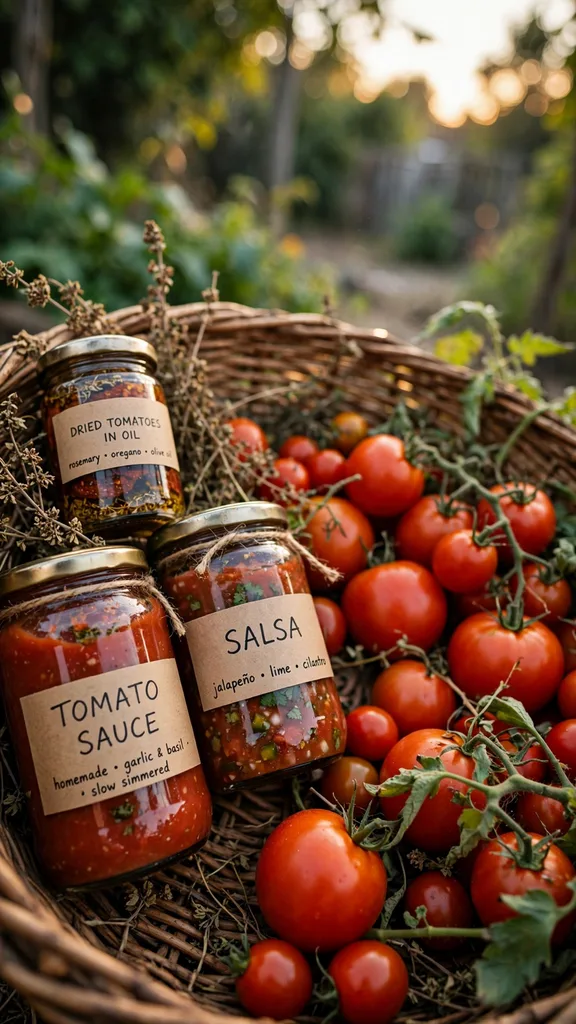
Tomatoes demand respect in the jar; follow tested recipes with their added acid and processing times, and never freestyle a sauce recipe for gifts. The dried tomatoes travel in a small jar of oil in the fridge, so this basket goes to people you will see, not into the post.
4. Apple Butter and Orchard Basket
Slow-cooked apple butter, a jar of spiced apple rings, and dried apple slices tied in a bundle: the orchard basket smells like autumn the moment the lid lifts. Windfall apples make the butter, so this basket rescues the fruit the tree dropped.
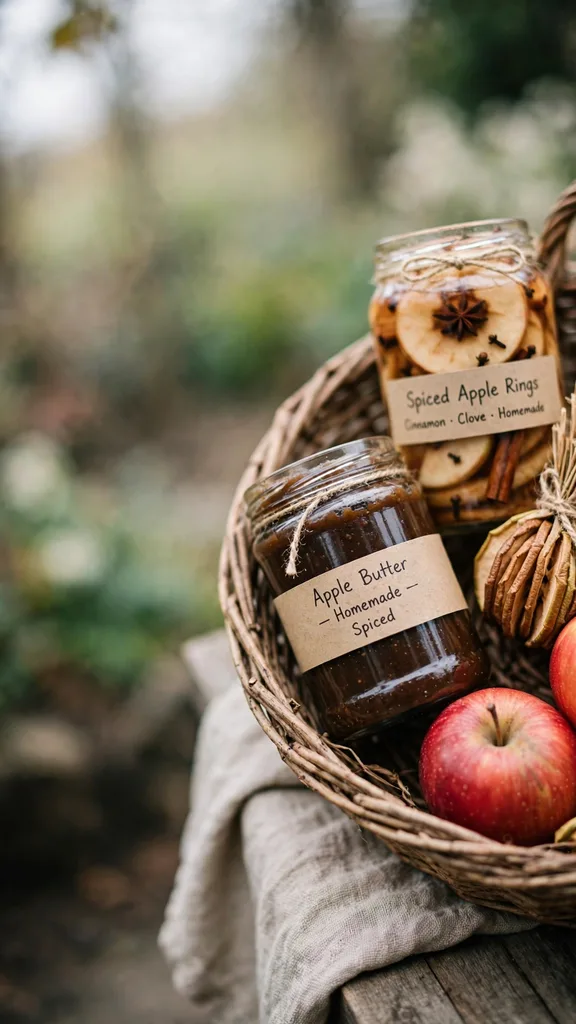
Apple butter keeps a year and spreads on everything from toast to pork. Add a small bag of the orchard’s walnuts if your trees run to them. The basket suits grandparents especially, since apple butter is a flavor from their own childhood kitchens.
5. Hot Sauce and Chili Basket
Two bottles of fermented or vinegar hot sauce at different heats, a string of dried chilies, and a jar of chili jam: the hot basket is for the household that measures meals in Scoville units. Grow the chilies for heat variety, habanero for fire, jalapeño for flavor.
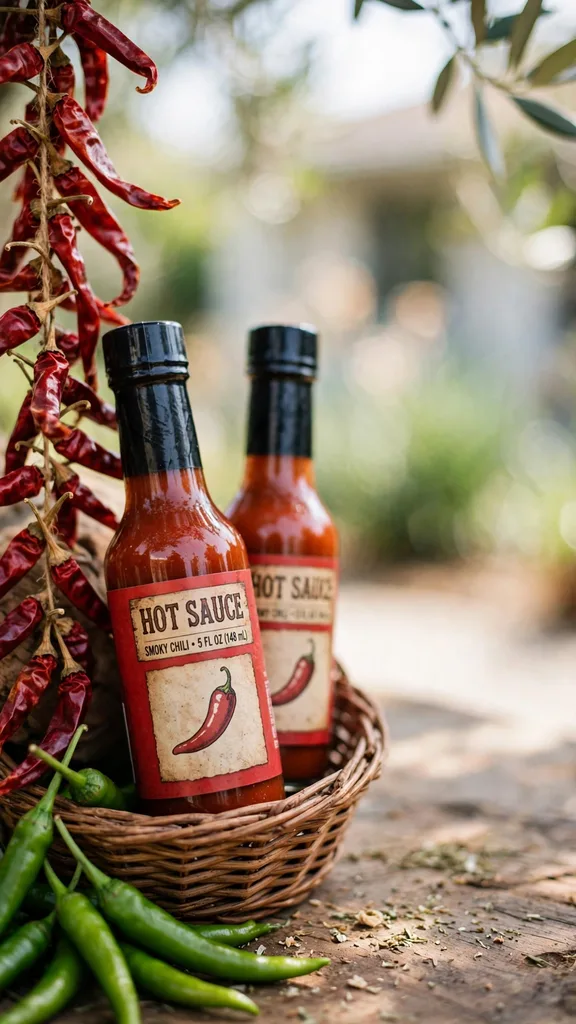
Label every bottle with its heat in plain words, mild, medium, or regret, because gift hot sauce without a warning is a prank, not a present. The dried chili string doubles as decoration until it is eaten. This basket gets requested again by name, which is the highest praise a garden gift earns.
6. Marmalade and Citrus Basket
For gardeners in warm zones with citrus trees: orange marmalade, lemon curd in a small jar for near neighbors, and candied peel in a twist of paper. The marmalade’s bitter edge makes this the connoisseur’s basket.
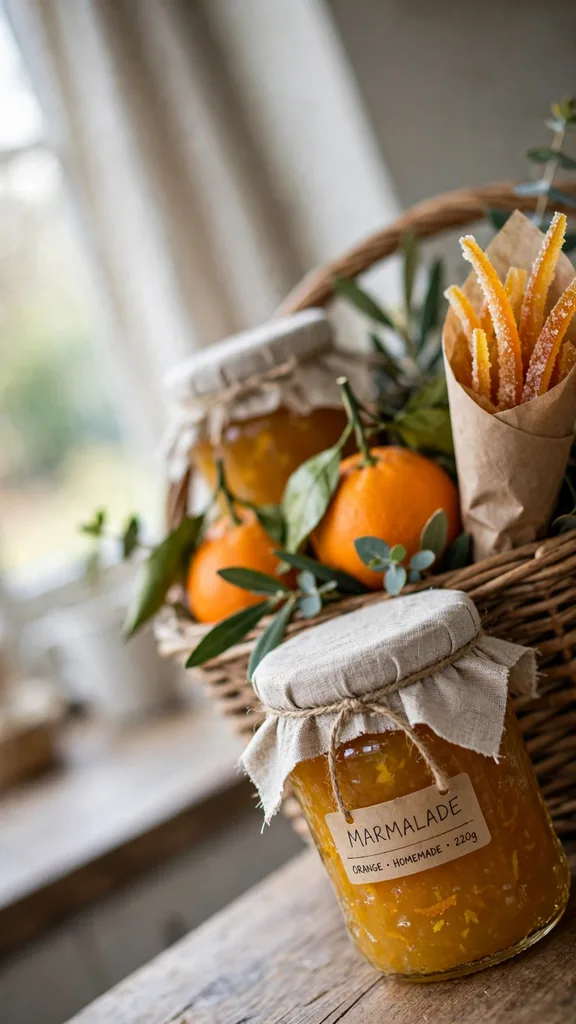
Citrus preserves are January work from winter fruit, so this basket is made a year ahead or from the current winter’s first fruit in frost-free gardens. Candied peel keeps for months and dresses cakes all year. Cold-zone gardeners swap in crabapple jelly and call it the orchard marmalade basket without apology.
7. Chutney and Cheese Basket
A jar of green tomato chutney, a jar of apple and onion chutney, and a small pot of pickled walnuts or shallots: the chutney basket is built to be given with cheese, though the cheese itself comes from the shop. Gardeners with a glut of green tomatoes in autumn own this basket’s raw material free.
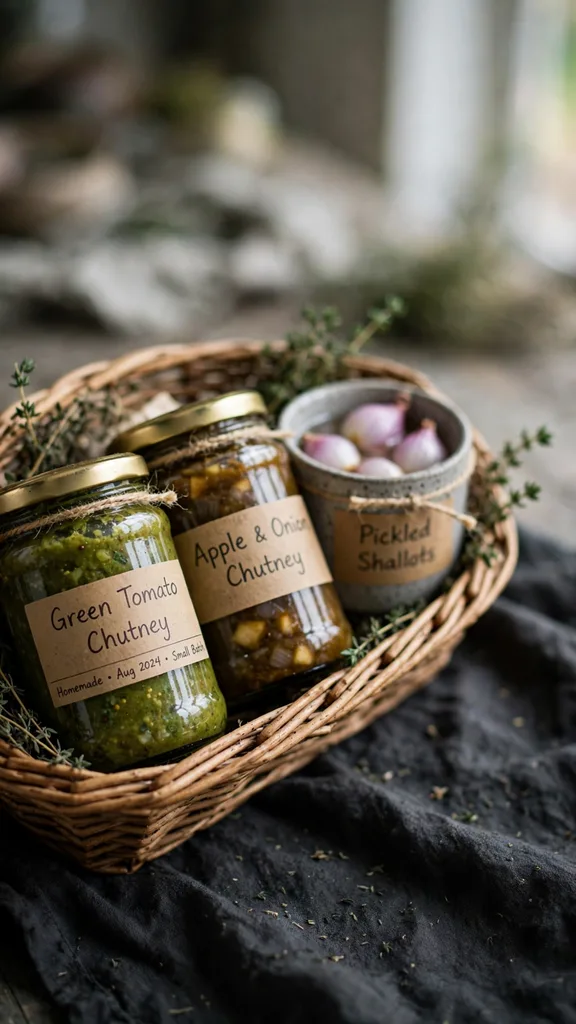
Chutneys improve for three months in the jar, so autumn chutney is at its best exactly at Christmas. Add a card suggesting the pairing and the basket giver looks like a chef. This is the basket for the recipient who already has everything and uses almost nothing sweet.
8. Garden Hive Honey Basket
For beekeeping gardeners: two jars of the garden’s own honey, one runny and one set, a piece of comb honey if the hive gave one, and a bundle of dried flowers from the plants the bees worked. No other basket in this list tastes so exactly of one address.
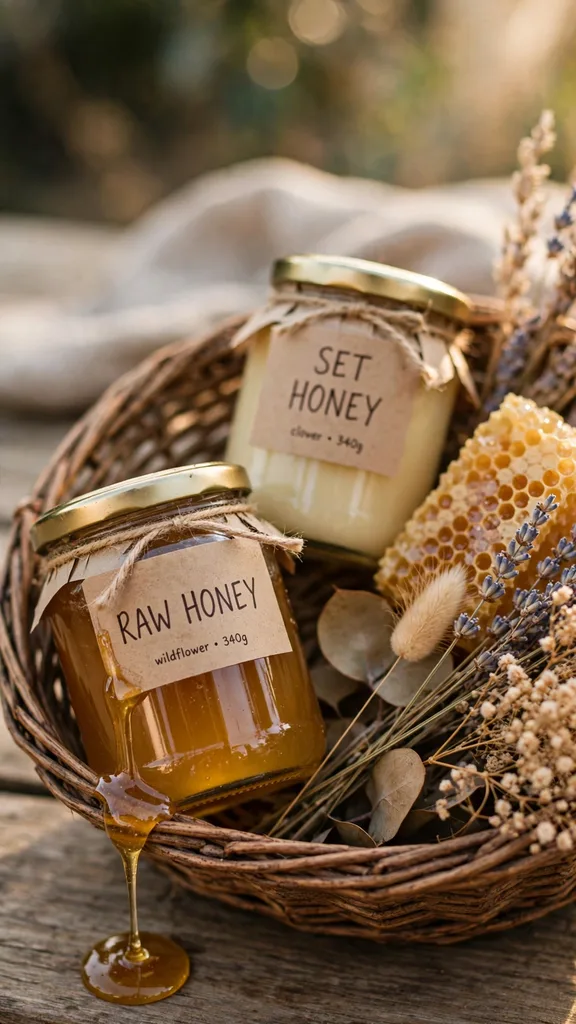
Honey keeps indefinitely and posts safely, making this the premium basket for far-away family. Label the honey with the apiary’s rough season, spring or summer flow, and the garden’s name. Gardeners without hives trade for honey with the preserves in items 1 to 7; barter fills baskets too.
9. Berry Cordial and Syrup Basket
A bottle of blackcurrant or elderberry syrup, a small bottle of berry vinegar for drinks and salads, and dried berries in a twist: the cordial basket suits the recipient who hosts. Syrups dilute into sparkling drinks all winter, so the gift lasts past the holidays.
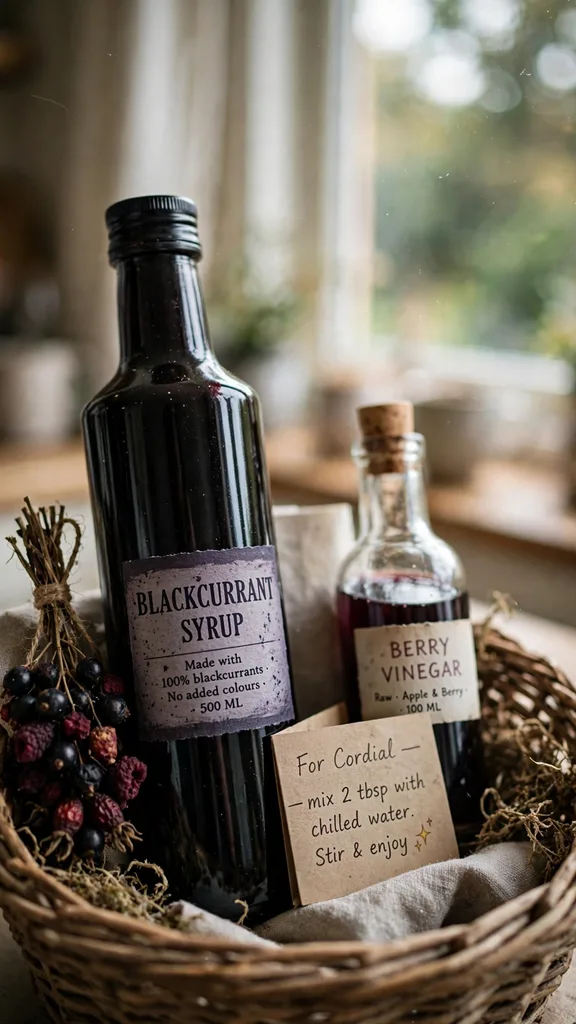
Cook berry syrups thoroughly and bottle them hot into sterilized bottles; elderberries are cooked before use, always, which the recipe card should say. The vinegar bottle dresses salads into spring. Pack bottles upright with card between them, since a leaked syrup ruins a whole parcel.
The second group comes off the herb shelf: salts, oils, vinegars, and blends, the fastest baskets to assemble in December because the making happened at the herb harvest.
10. Herb Salt Trio Basket
Three small jars of herb salt: rosemary salt for roasts, lemon thyme salt for fish and vegetables, and chili salt for everything else. Dry the herbs, blitz them with good sea salt, and let the jars sit a week before gifting so the flavors marry.
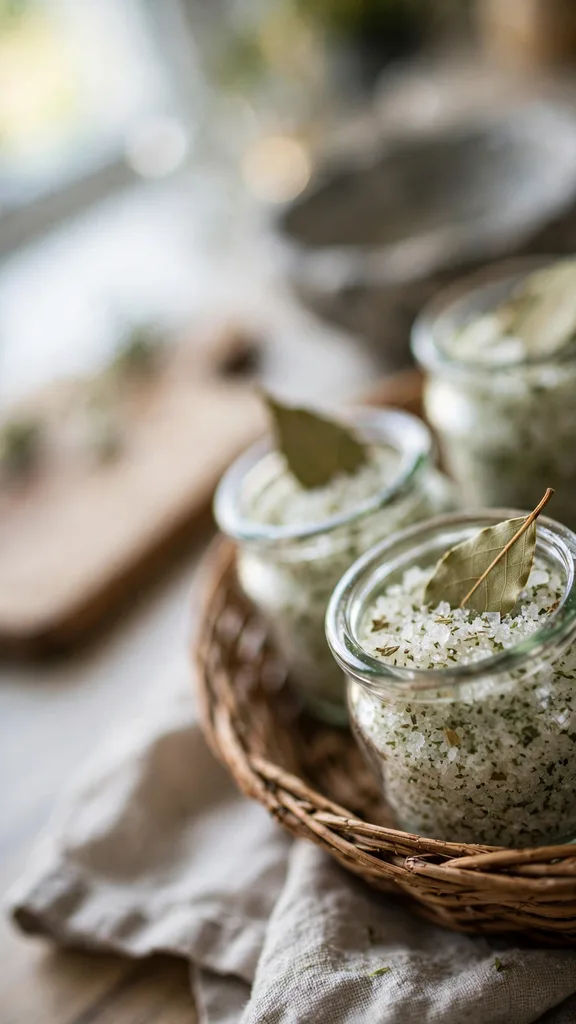
Herb salts are the most used gifts in this list, the ones recipients mention in March. Make them in September when the herbs are at their strongest. A bay leaf laid in each jar and a label with serving ideas finish the trio. This is the basket to give cooks who claim they need nothing.
11. Infused Oil Basket
Rosemary oil, chili oil, and garlic herb oil in small bottles, infused from the garden’s herbs and chilies. Infused oils are made fresh in December for gifting within weeks, kept refrigerated, and labeled with a use-by note, because oil infusions are a fresh food, not a shelf preserve.
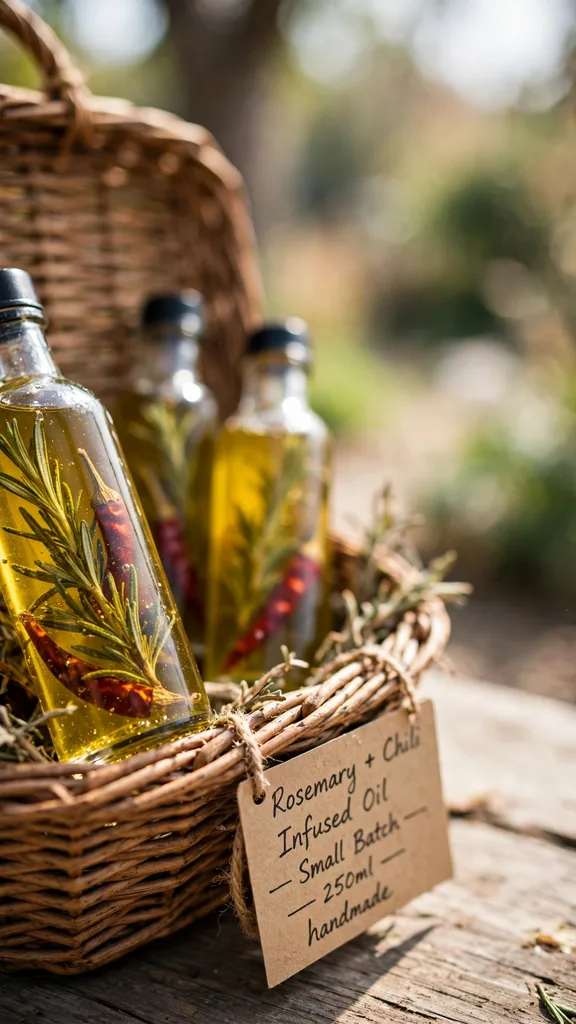
That honesty matters: dried herbs in oil keep better than fresh, and the card should say refrigerate and use within a month. The bottles look beautiful with a sprig visible inside. Give this basket in person, with the storage talk delivered warmly, and it will be used safely and praised loudly.
12. Herb Vinegar Basket
Tarragon vinegar, raspberry vinegar, and a mixed herb vinegar in tall bottles: vinegars are the safest infusions in the garden, acid by nature, keeping a year or more. The raspberry vinegar’s color alone justifies the basket.
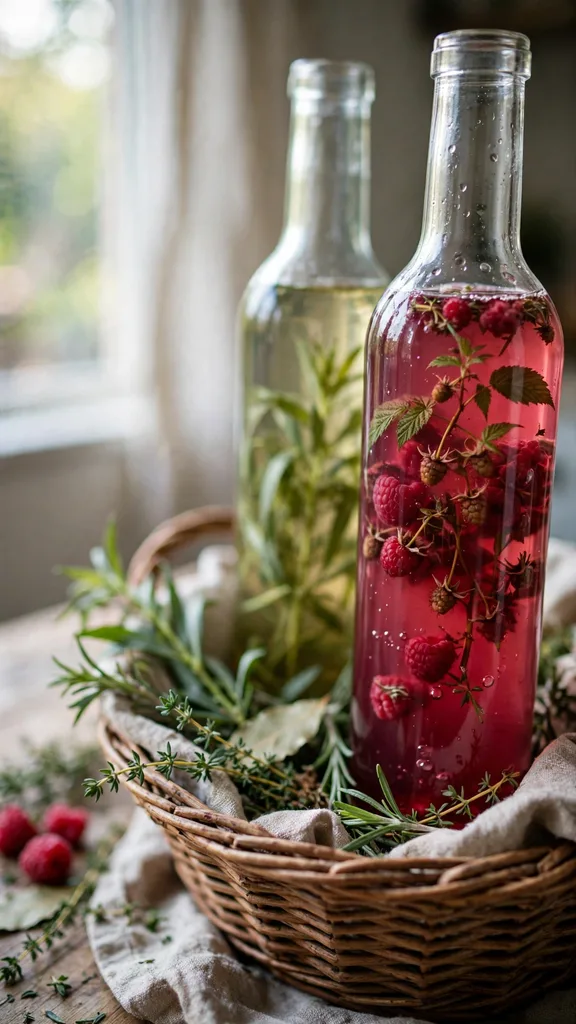
Vinegars are made in summer when the herbs and fruit peak, and they improve in the bottle. A sprig of the herb in each bottle identifies it at a glance. Salad households use a bottle a month, so this basket has a built-in return visit when the bottles empty.
13. Dried Herb Blend Basket
Small tins or jars of the blends you actually cook with: an Italian blend of oregano, basil, and thyme; a poultry blend of sage, thyme, and marjoram; a soup blend of parsley, celery leaf, and bay. All dried from the garden’s herb beds in summer.
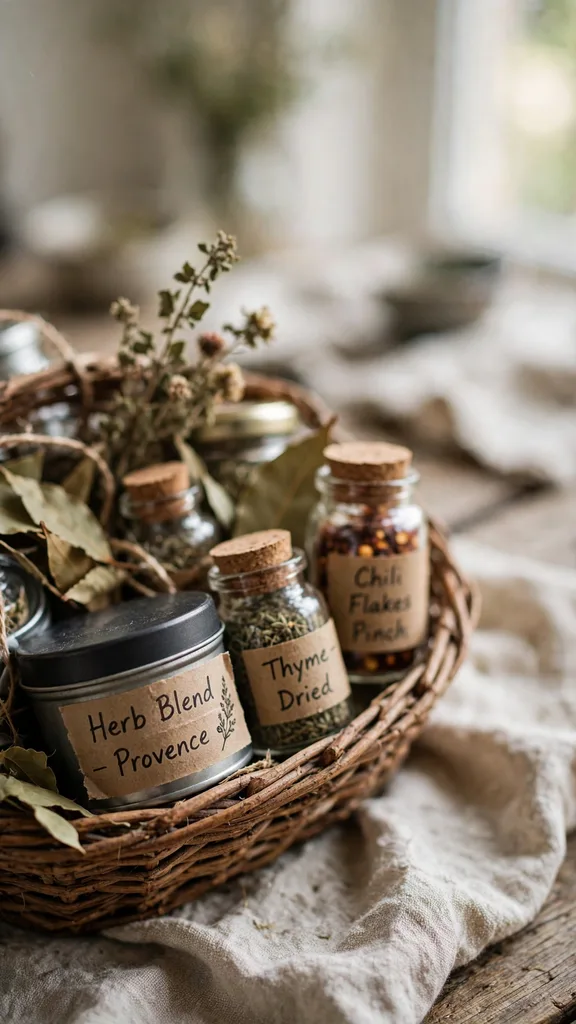
Blends beat single herbs as gifts because they arrive as a decision already made. Print the blend’s best use on the label, roast chicken, tomato sauce, winter soup, and the recipient cooks with confidence. Refill offers for next year turn one basket into a tradition.
14. Tea Garden Basket
Dried mint, lemon balm, chamomile flowers, and a small jar of dried lemon verbena, packed as loose teas in paper packets or small tins: the tea basket is the garden’s gentlest gift. Every herb in it grew within a few steps of the others.
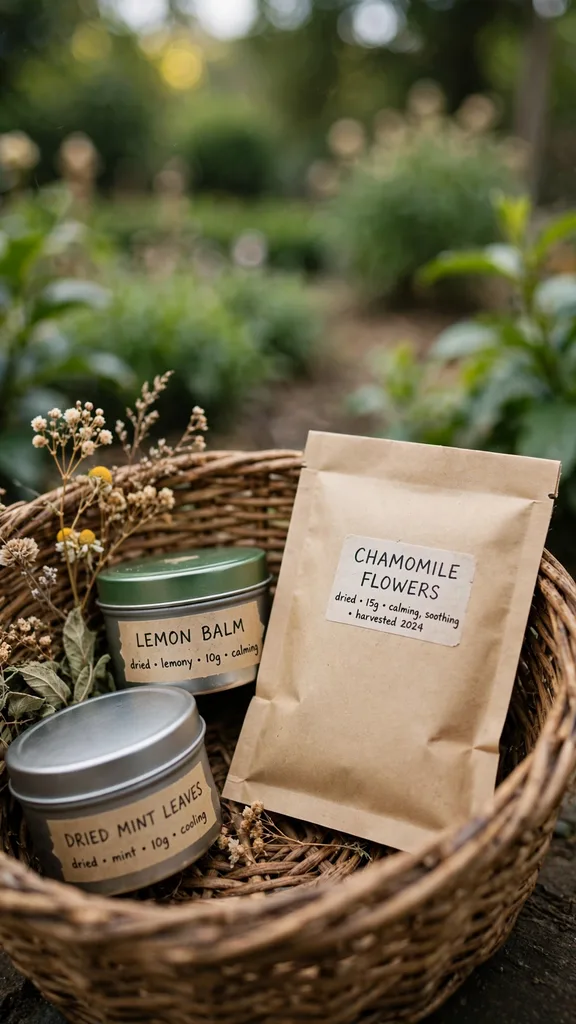
Tea herbs dry in a week and keep a year in airtight tins. Add a card with brewing times per herb, since chamomile steeps shorter than mint. This basket suits the recipient who does not cook but does sit down with a cup, a larger population than cooks.
15. Lavender Sugar and Baking Basket
A jar of lavender sugar, a packet of dried culinary lavender buds, shortbread made with the garden’s lavender if you bake, and dried rose petals for decorating cakes: the baking basket is the prettiest in the group.
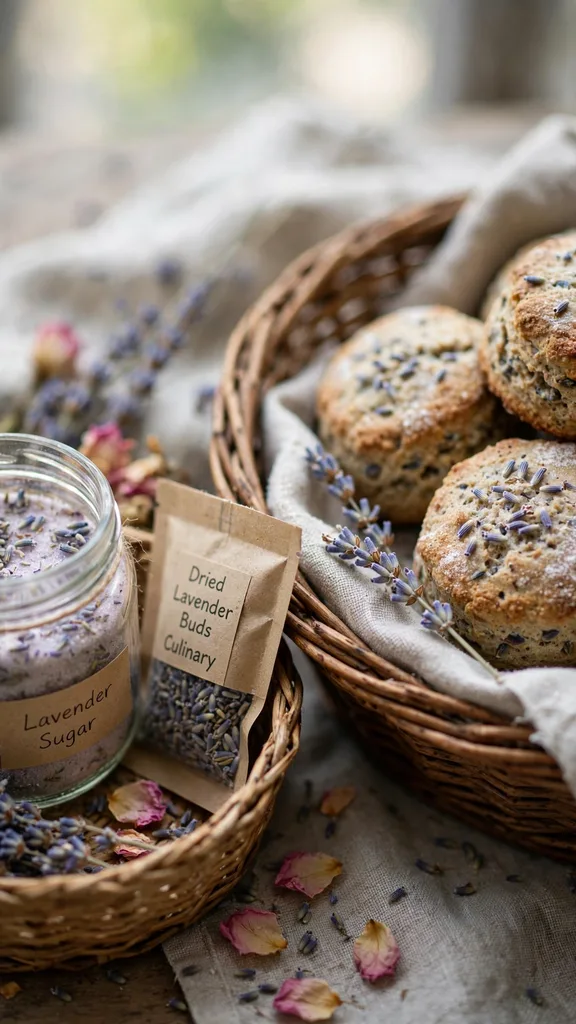
Lavender sugar flavors cakes, biscuits, and whipped cream for months, and a little goes far, so jars stay small. Culinary lavender varieties matter; use the sweet, low-camphor kinds grown for the kitchen. The basket suits the baker who already owns every tin and gadget.
16. Garden Spice Rub Basket
Smoked paprika from your own dried and smoked peppers, a garlic and herb rub, and a jar of mustard seed or coriander seed from the garden’s bolted plants: the rub basket is for the grill keeper. Seed spices from plants left to bolt are free flavor most gardeners throw away.
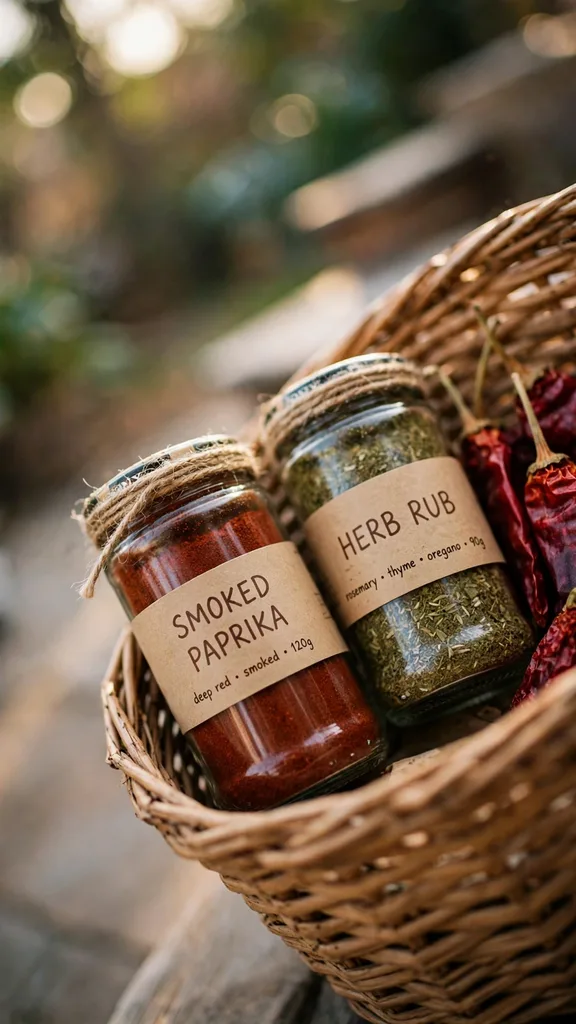
Drying peppers and grinding them fresh in December gives paprika a scent no shop jar matches. Label the rubs with their best meat or vegetable. This basket converts the garden’s end-of-season untidiness, bolted coriander, woody herbs, into the most macho gift in the list.
17. Pesto and Herb Butter Basket
For near neighbors only: a jar of fresh pesto from the last basil, small pots of herb butter for the freezer, and a bunch of fresh-cut herbs tied with twine, delivered cold on Christmas week. This is the fresh basket of the herb group, made days before giving.
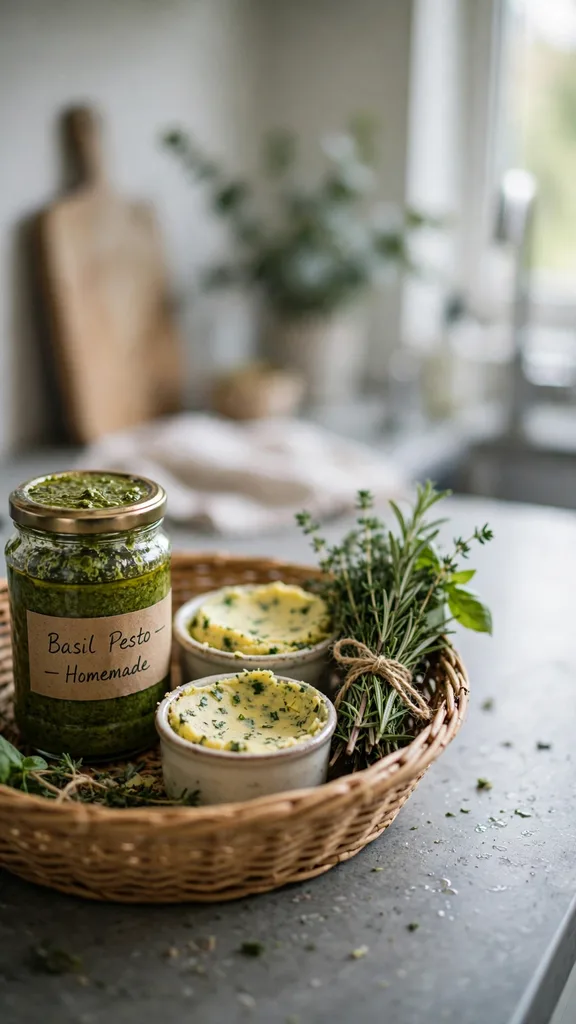
Basil pesto freezes in small jars with a film of oil on top, so a September glut becomes a December gift with planning. Herb butters slice onto steaks, corn, and bread all winter. The basket cannot post and cannot wait, which makes it the most personal delivery on this list.
18. Garlic and Shallot Braid Basket
A braid of the garden’s garlic, a braid of shallots, and a small jar of garlic powder or garlic salt: the braid basket hangs in the recipient’s kitchen as decoration that gets eaten one bulb at a time. Softneck garlic braids best; hardneck goes in a mesh bundle instead.
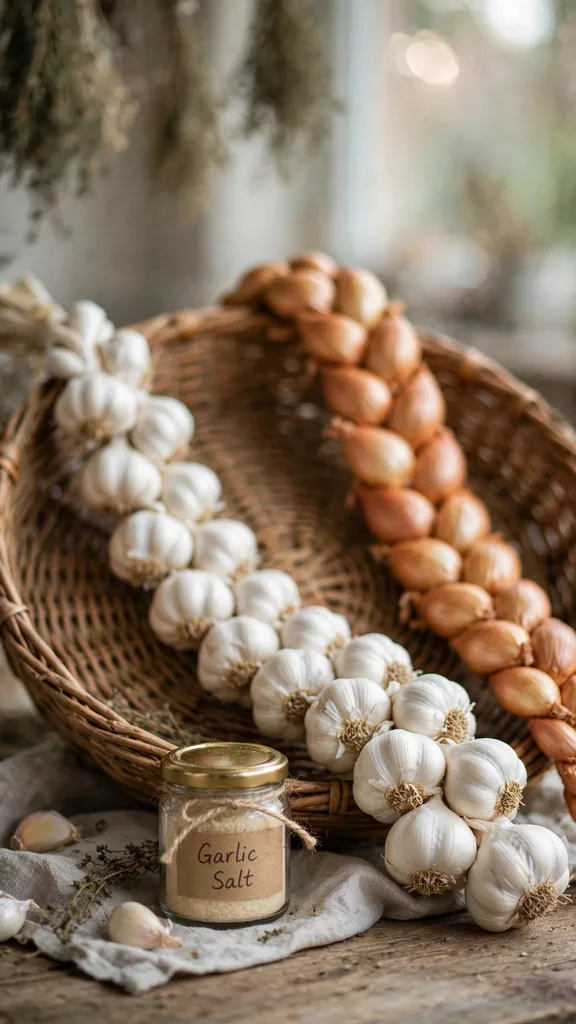
Garlic harvested in summer and cured properly keeps to spring, so the braid is a working store, not a ornament. Teach the recipient to take bulbs from the top of the braid so it holds together. This basket suits cooks and looks like a farmhouse painting while it lasts.
The third group is the dried flower basket family: nothing perishable, everything postable, and the whole group built from the same dried boxes as the ornaments and arrangements elsewhere in this batch.
19. Dried Flower Bouquet Basket
A wrapped bouquet of the garden’s dried flowers, strawflowers, statice, lavender, and honesty, laid in a basket over tissue with a sprig of dried rosemary: the bouquet basket arrives as decoration and lasts into spring. It is the host gift of the group.
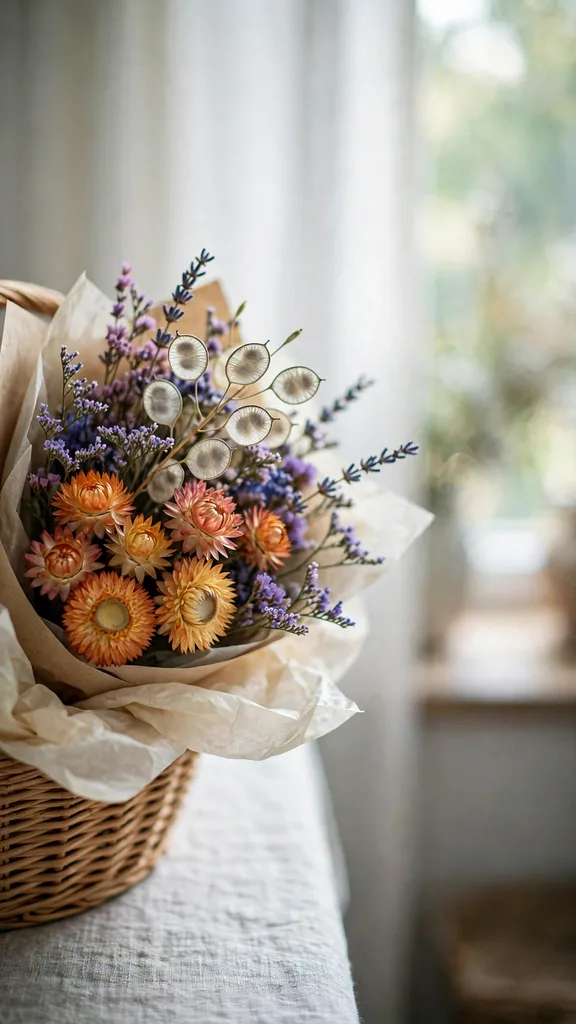
Dried bouquets are composed in December from the autumn boxes, so the basket costs nothing but the basket. Tie the bouquet with ribbon over its twine binding and lay it at an angle, flowers toward the handle. Recipients who keep dried flowers will keep this one for years.
20. Potpourri and Sachet Basket
A bowl’s worth of the garden’s potpourri, rose petals, lavender, dried citrus peel, and whole spices from the ornament box, with four small sachets of lavender and herb mix: the lightest basket in this list and the champion poster.
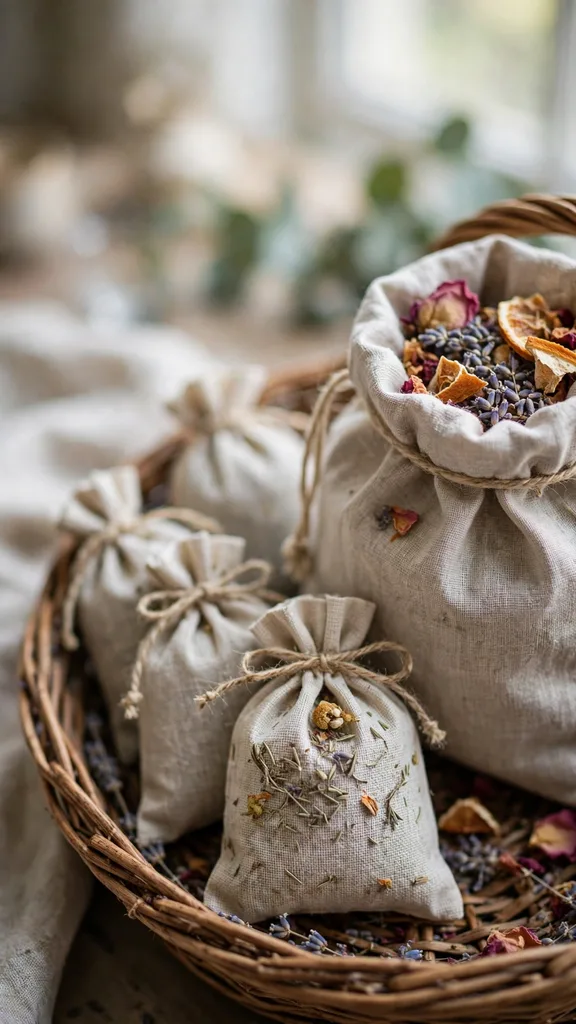
Potpourri scents a room for months and refreshes with a squeeze. Pack it in a cellophane twist or a small linen bag inside the basket so the scent survives the post. This is the basket for overseas family, where weight decides everything.
21. Everlasting Mini Wreath Basket
A small dried flower wreath, six to eight inches across, laid in a basket with a bundle of the same flowers loose and a card explaining each plant: the wreath hangs on a door or wall, and the basket becomes its storage box between seasons.
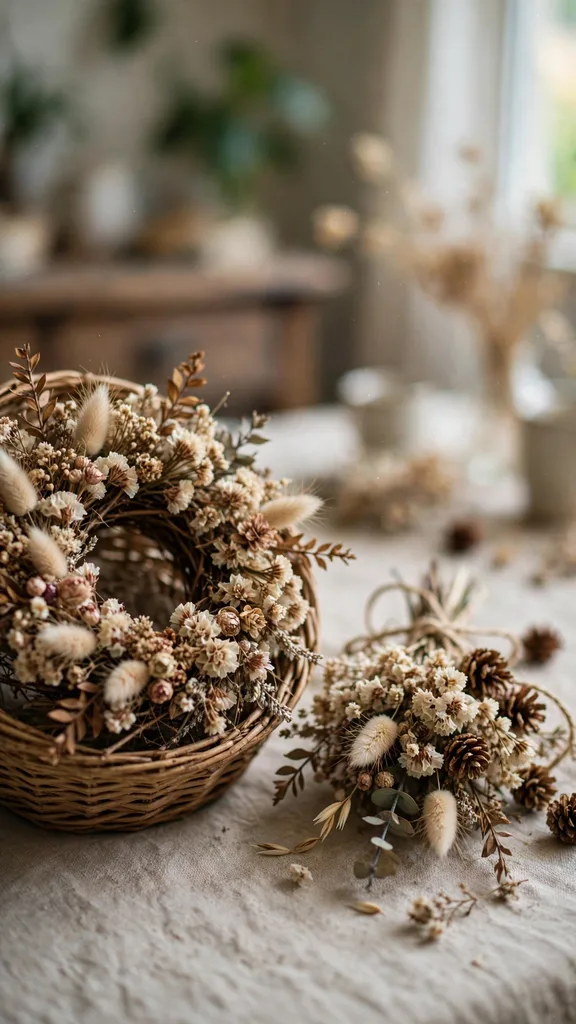
Mini wreaths use the short stems and broken heads that bouquets reject, so this basket valorizes the whole dried harvest. Grapevine bases from the autumn pruning cost nothing. Give the wreath basket to the recipient whose door you know, sized to it.
22. Fireplace Basket With Garden Fire Starters
Bundles of dried lavender stems, pinecones dipped or undipped, dried herb stalks, and twists of dried citrus peel, packed as fire starters for the wood-stove household: the fireplace basket is the most practical gift in the group and the only one meant to be burned.
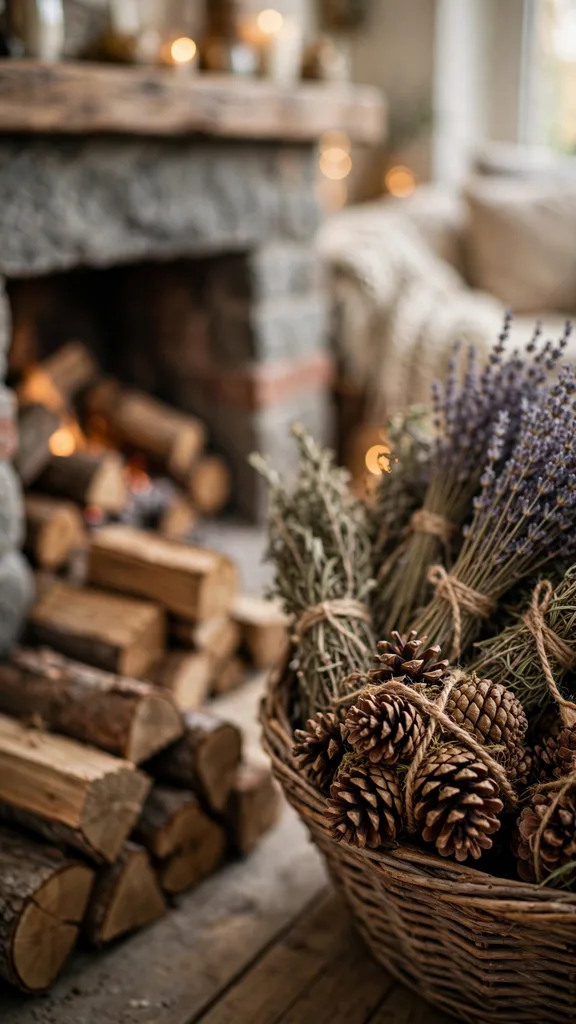
Cone and herb fire starters light easily and scent the first minutes of the fire. This basket suits the recipient with a real fire and converts the garden’s woody prunings into warmth. Add a card saying which bundles are for the fire and which sprig is for the mantel, to prevent decorative confusion.
23. Pressed Flower Candle and Card Basket
Plain candles decorated with pressed garden flowers, a set of pressed flower cards and gift tags, and a small pressed flower bookmark: the pressed basket is flat, light, and the most handmade-looking gift in this list.
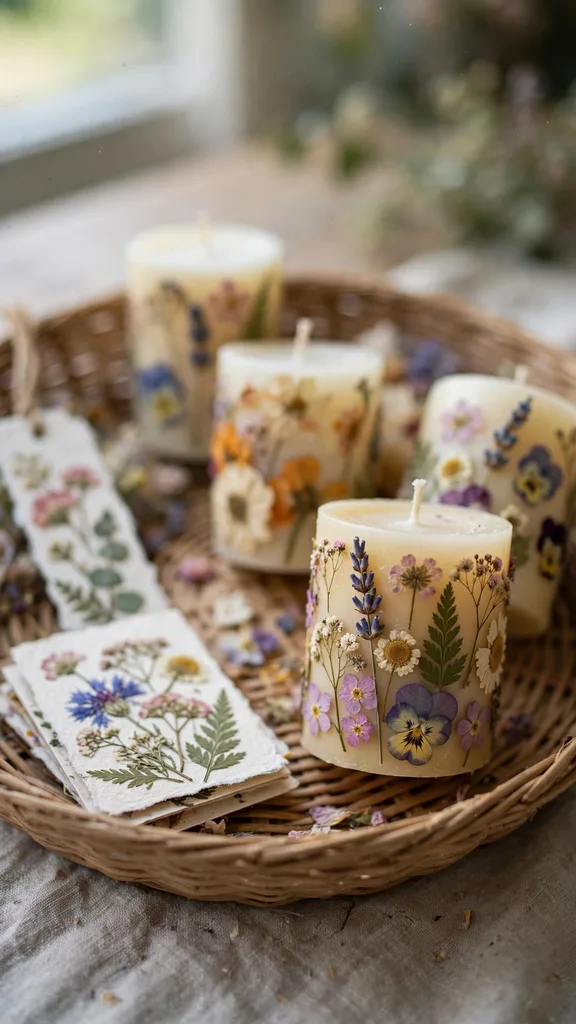
The pressing skills come straight from the pressed flower Christmas cards made earlier this season, so one autumn of pressing supplies two gifts. Pressed flowers on candles show through the wax glow when lit. Keep candles in the basket upright and wrapped, since the flowers dent.
24. Herbal Bath Basket
Bath salts mixed with dried lavender and rose petals, a muslin bag of bath herbs for the tap, and dried flower heads for scattering: the bath basket is the garden’s spa gift, assembled in minutes from the dried boxes.
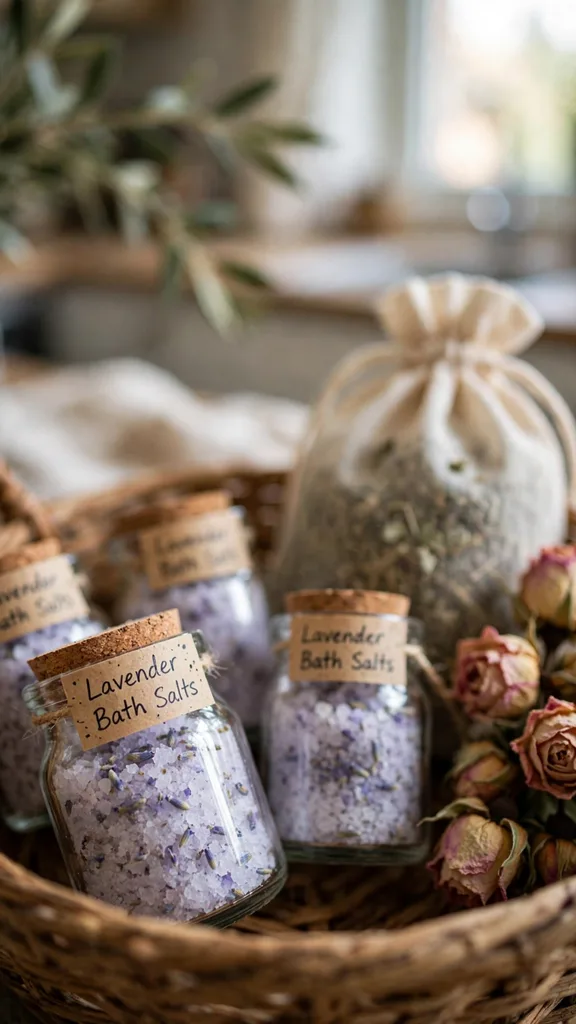
Label bath mixtures with their ingredients plainly, since skin varies and honesty is the house rule for anything worn or soaked in. The muslin bag keeps petals out of the plumbing, a detail recipients appreciate more than the scent. This basket suits the tired, which at Christmas is everyone.
25. Dried Citrus and Simmer Basket
Dried orange and lemon slices, cinnamon sticks, star anise, dried apple rings, and a card with simmer-pot instructions: the simmer basket scents the recipient’s house for a week of evenings. The Clemson Extension guide to drying oranges for holiday decorations gives the slice thickness and oven times that dry citrus thoroughly, which matters twice here since simmer slices meet water again.
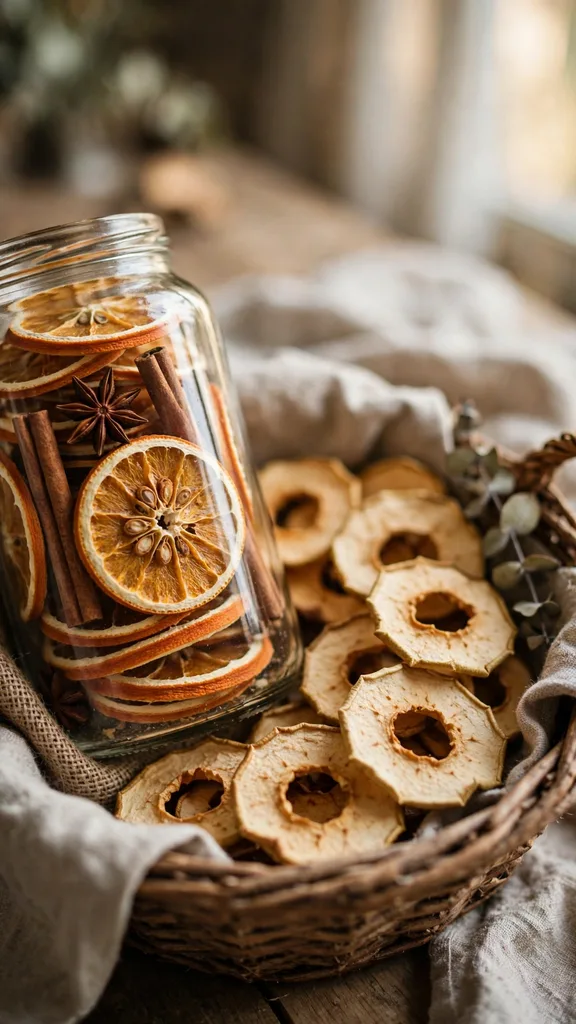
Pack the dry ingredients in a jar or a paper bag inside the basket, layered so the colors show. Simmer kits are used up completely, leaving no object to store, which some recipients count as the perfect gift. Warm-zone gardeners dry their own citrus; others dry bought fruit and say so on the card.
26. Herb Salt Scrub Basket
Coarse salt scrubs mixed with dried rosemary, lavender, or mint and a little oil, packed in small jars with a wooden scoop: the scrub basket is the bath basket’s working cousin, made from the herb shelf in December.
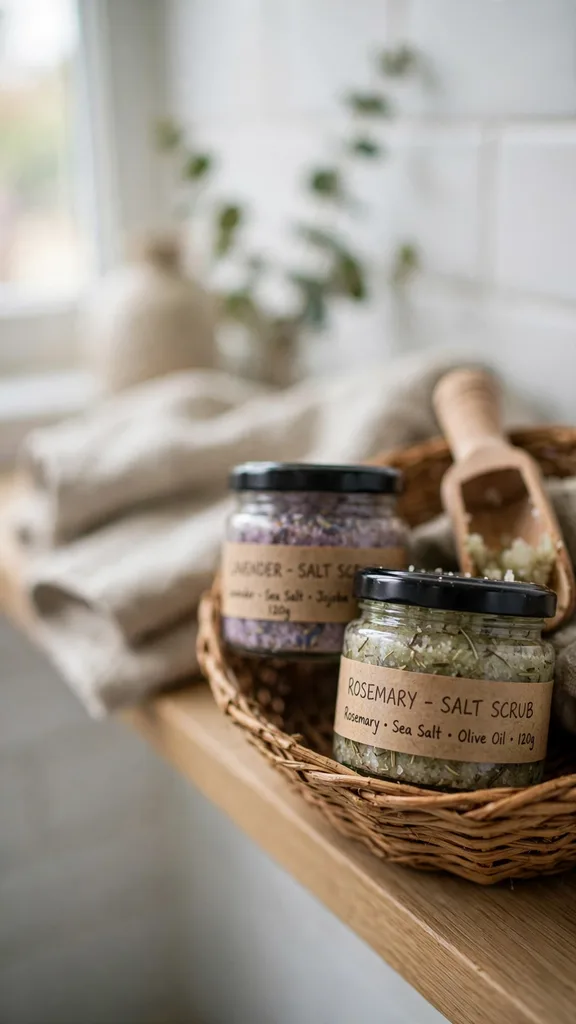
Scrubs keep a month or two and are labeled with their ingredients and a use-by month. Garden herbs in a scrub should be finely ground to avoid scratchy leaves, a texture detail that separates the good jars from the ambitious ones. Give this basket with the bath basket’s honesty about freshness.
27. Wreath-Making Kit Basket
A grapevine base, a spool of wire, bundles of dried flowers, cones, seed heads, and a card with simple wreath instructions: the kit basket gives the craft itself rather than the finished object. It suits the recipient who would rather make than receive.
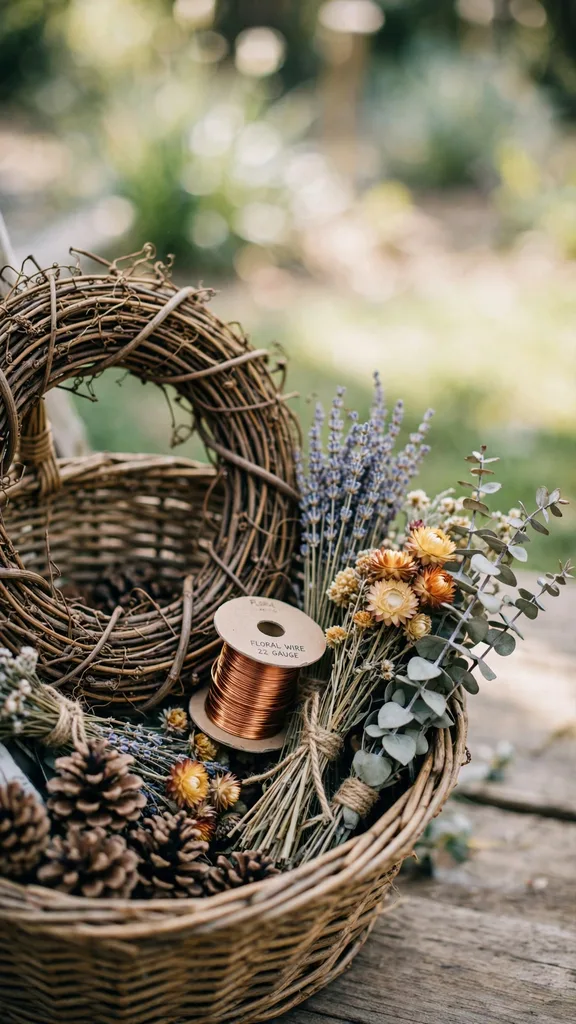
Everything in the kit grew in the garden except the wire. Size the base to the bundles so the kit actually completes a wreath, and add a photograph of a finished one for courage. This is the basket that recruits next year’s gardening friend.
The fourth group is alive or ready to grow: saved seed, bulbs, cuttings, and plants, the baskets that keep giving into spring.
28. Saved Seed Collection Basket
Packets of your own saved seed, tomatoes, beans, peas, lettuce, and flowers, each labeled with variety, year, and a line of growing notes, packed in a basket with dividers: the seed basket is the most personal gift a gardener can give, since saved seed carries your garden’s own selection in it.
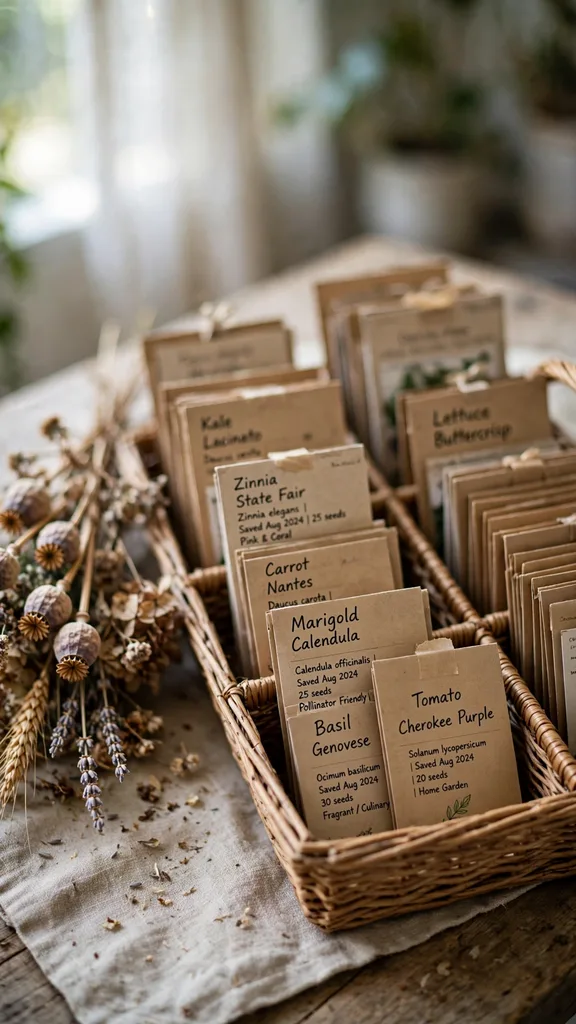
Save seed only from your best plants and dry it thoroughly before packing; damp seed in a packet molds by spring. Include germination honesty on the label if a batch tested low. Seed swaps with other gardeners in autumn stock this basket with varieties beyond your own beds.
29. Seed Starter Kit Basket
Saved seed packets, a bundle of small pots or soil blocks, plant labels, and a card with sowing dates for the recipient’s climate: the starter kit is a whole spring in one basket, aimed at the new gardener.
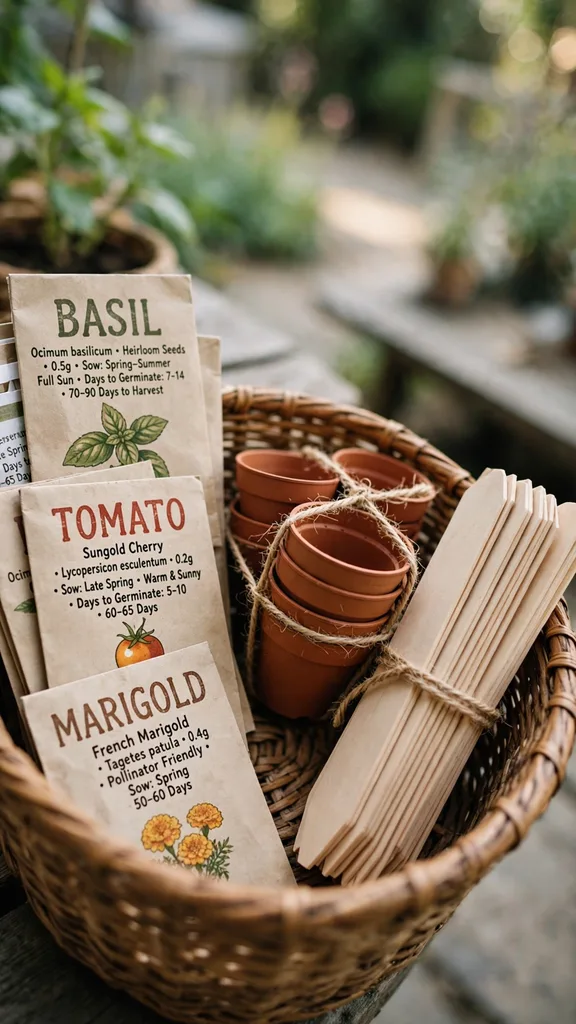
Everything except the pots grew or was saved in your garden. Choose forgiving varieties, beans, zinnias, tomatoes from your most reliable line, so the recipient’s first season succeeds. This basket starts gardening friendships and occasionally gardening obsessions.
30. Bulb Forcing Basket
A bowl, pebbles, and three paperwhite bulbs ready to plant, with a card of forcing instructions: the forcing basket blooms on the recipient’s sill in January, weeks after every other gift is used up. Add an amaryllis bulb for the premium version.
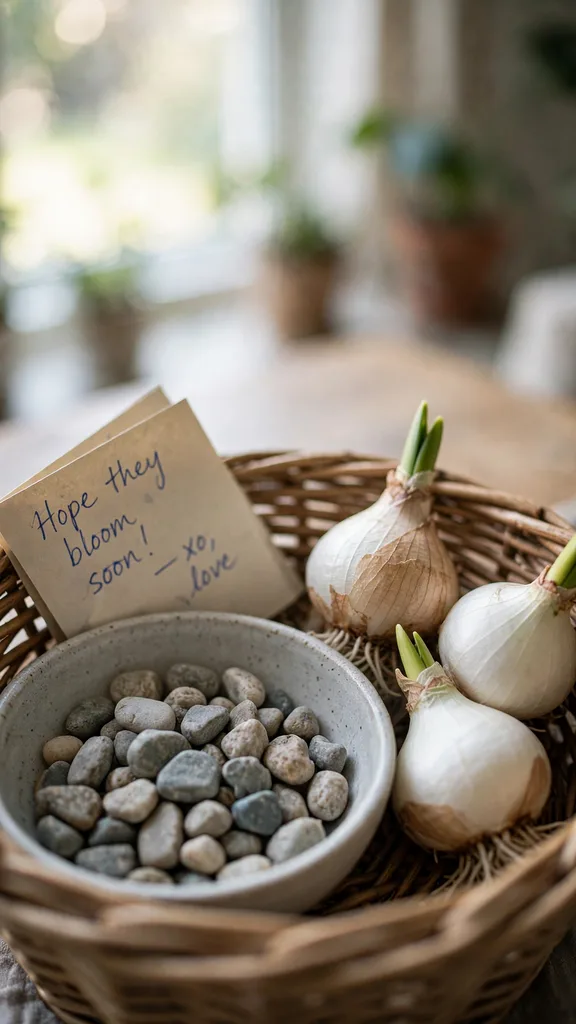
The method is the one in the paperwhites for Christmas guide on this site, condensed onto the card: water to the bulb base, a cool bright spot, three to five weeks to flower. Bulbs travel dormant and safe in the post. This basket suits the recipient with no garden at all, since the sill is the whole farm.
31. Cuttings and Divisions Basket
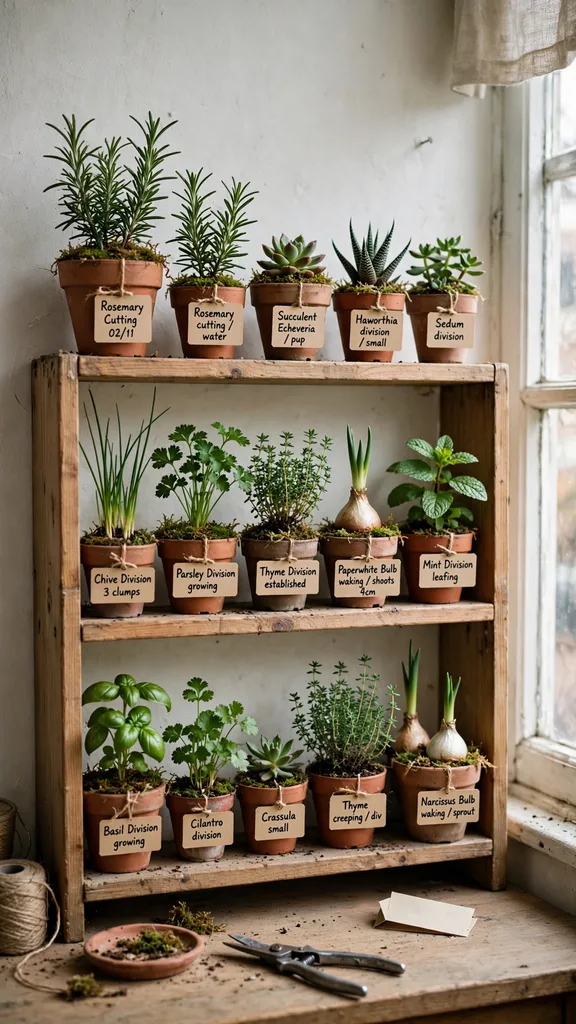
Rooted cuttings of herbs and houseplants, divisions of perennials wrapped in damp paper, and labeled pots: the living basket for a gardening friend whose taste you know. Rosemary, mint in its own pot, scented geraniums, and strawberry runners all travel well.
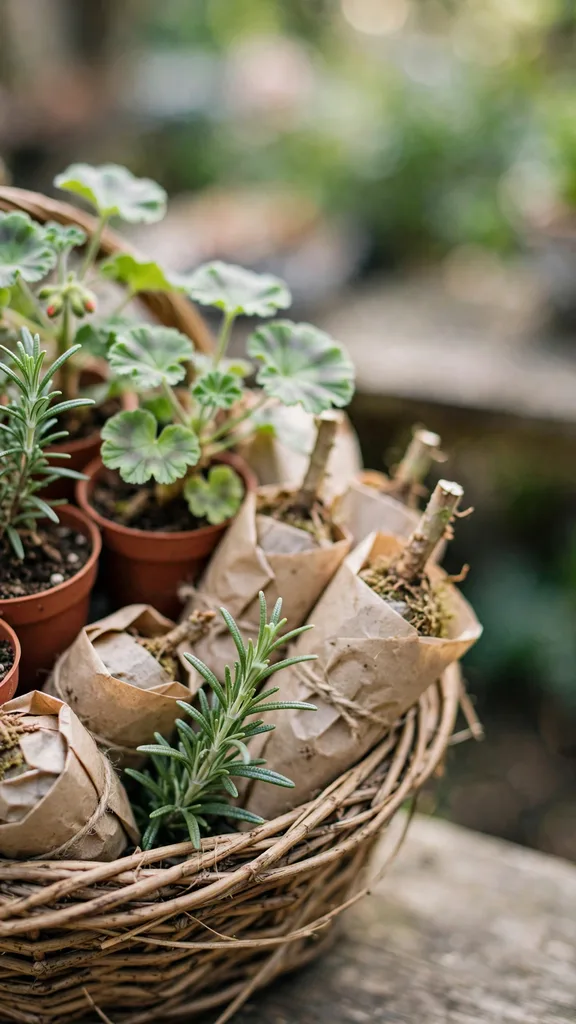
Give living baskets in person and in mild weather; a frozen doorstep kills the gift. Every plant in the basket should be one the recipient has admired in your garden, which makes the basket a compliment as well as a present. Include the plant’s name and your own care notes.
32. Potted Herb Trio Basket
Three small pots, rosemary, thyme, and a bay seedling or lemon verbena, in a basket that serves as their tray: the herb trio is the kitchen window gift. Grow the pots on from summer cuttings so they are sturdy by December.
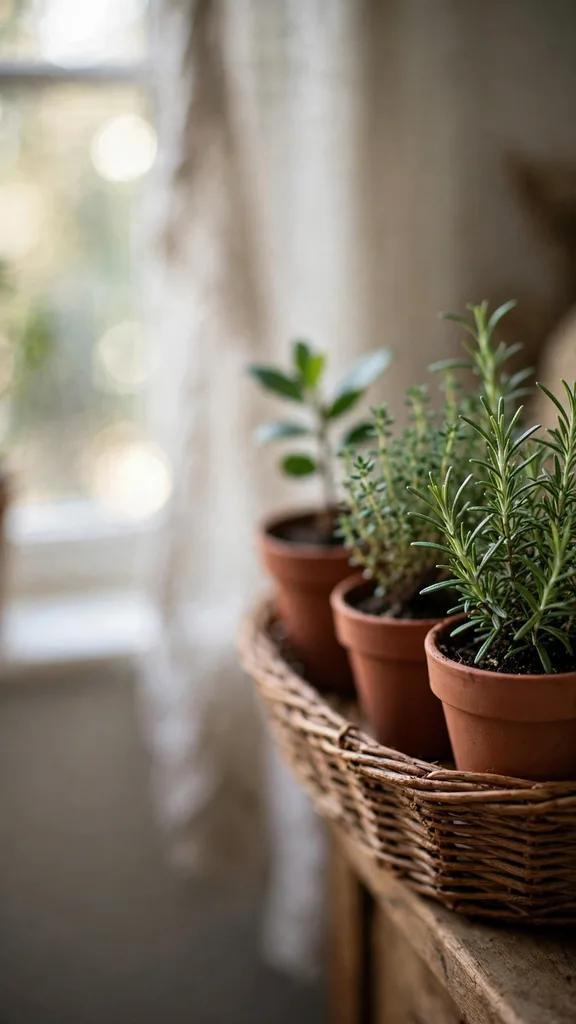
A potted trio is a plant gift wearing a basket’s clothes, and it suits cooks who garden a little. Add small labels with each herb’s favorite dish. In cold zones the trio lives indoors till spring, which the card should say so the bay survives.
33. Seed Garlic and Shallot Basket
The best heads of your seed garlic and shallot sets, with a planting card tucked in: this basket goes to gardeners in autumn-planting climates, or with a spring-planting note elsewhere. Seed garlic from your own stock carries your soil’s adaptation in every clove.
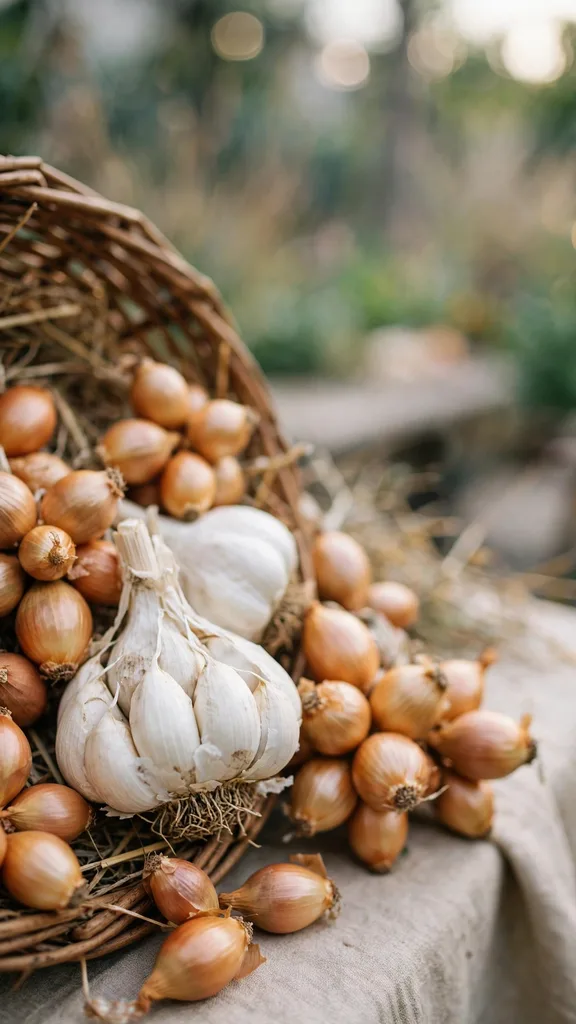
Choose the largest, cleanest heads for seed gifts; small or marked heads go to the kitchen. This is a gardener-to-gardener gift of real value, since good seed garlic costs money and carries trust. Pack the heads loose with air around them, never sealed in plastic.
34. Sprouting Seed Basket
Jars or packets of saved seed for sprouting and microgreens, radish, mustard, cress, and sunflower, with a simple sprouting lid or tray: the sprouting basket grows on the recipient’s counter in a week, the fastest return of any basket in this list.
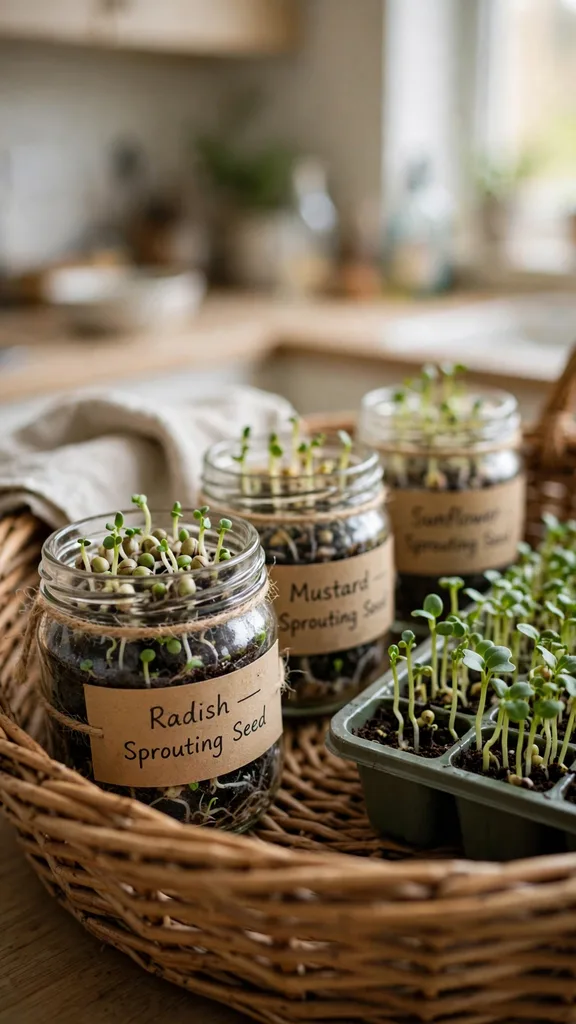
Use only seed you would eat yourself, saved cleanly and stored dry, and label it for sprouting so it is not confused with treated seed. A January windowsill of green shoots is a genuine gift in the dark months. This basket suits apartment gardeners best of all.
35. Pollinator Garden Basket
Saved seed of the flowers your bees and butterflies worked hardest, echinacea, borage, cosmos, and herbs left to flower, with a card mapping a small pollinator bed: the pollinator basket gives a whole habitat in envelope form.
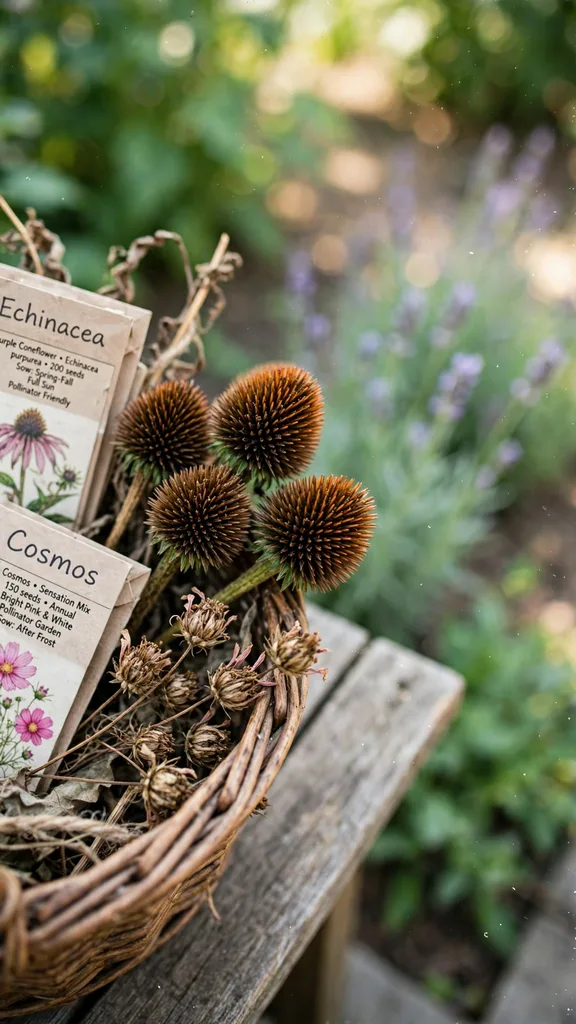
Include sowing seasons on the card, since pollinator seed mixes fail most often on timing. This basket suits the recipient with a sunny corner and good intentions. It is also the cheapest basket in the list to make in quantity, so it covers the whole street’s mailboxes when you let the seed saving run.
36. Heirloom Vegetable Collection Basket
Packets of your heirloom tomatoes, beans, peppers, and squash, each with its story on the label, where the variety came from and how it does in your soil: the heirloom basket is a seed library in miniature, given to the gardener who will save seed onward.
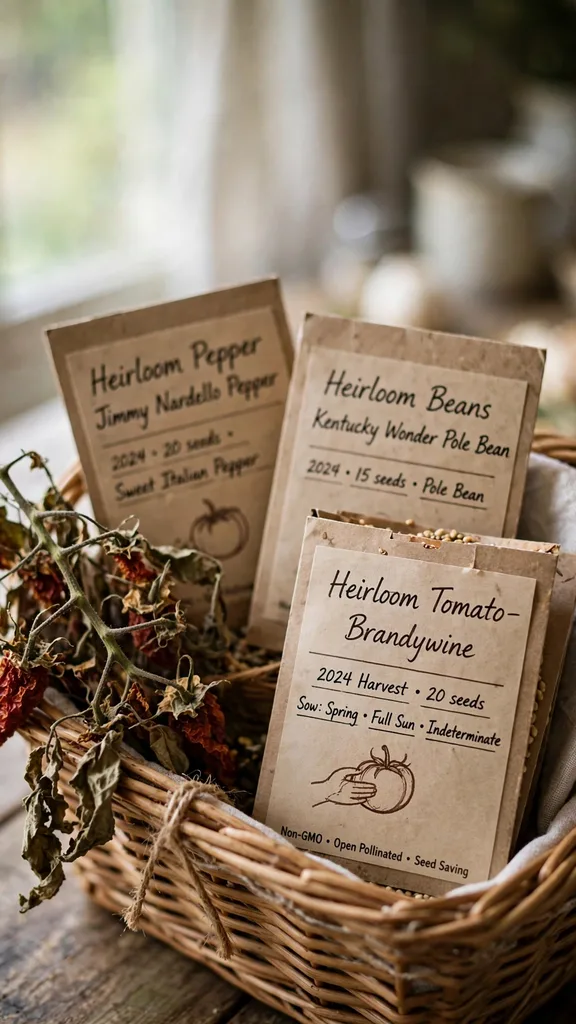
Heirloom gifts carry an obligation the card should name cheerfully: grow it, save it, pass it on. Choose varieties that performed for you, not merely rare ones. This basket builds the local seed network one Christmas at a time.
The last group is fresh: baskets assembled in Christmas week from the winter garden, the store cupboard, and the preserving shelf, and handed over in person.
37. Fresh Harvest Basket
Whatever the winter garden holds this week, leeks, kale, winter squash, stored onions, and apples, arranged in a basket with straw and a sprig of rosemary: the harvest basket is the oldest Christmas gift in the countryside and still the most generous-looking.
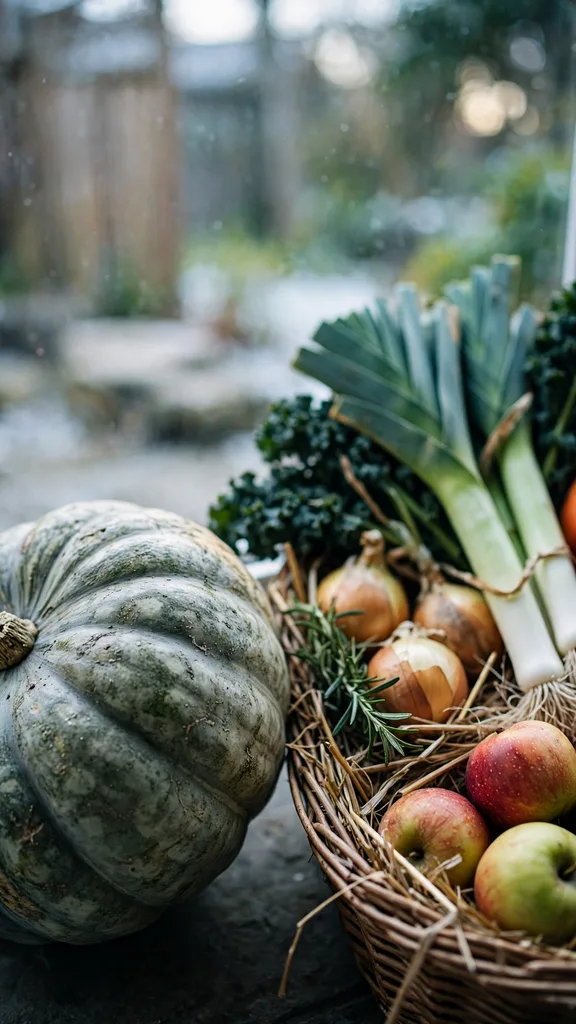
Fresh baskets are built the day they are given and sized to the household receiving them. A winter squash anchors the arrangement and greens fill around it. This basket suits neighbors and family within walking distance, and it empties the store shelf at exactly the right rate.
38. Soup Night Basket
Soup vegetables, potatoes, leeks, carrots, a soup herb blend from item 13, and a jar of stock-ready tomato sauce if your shelf holds one, with a recipe card for the soup itself: the soup basket is a meal in a basket, given to a household that will cook it within the week.
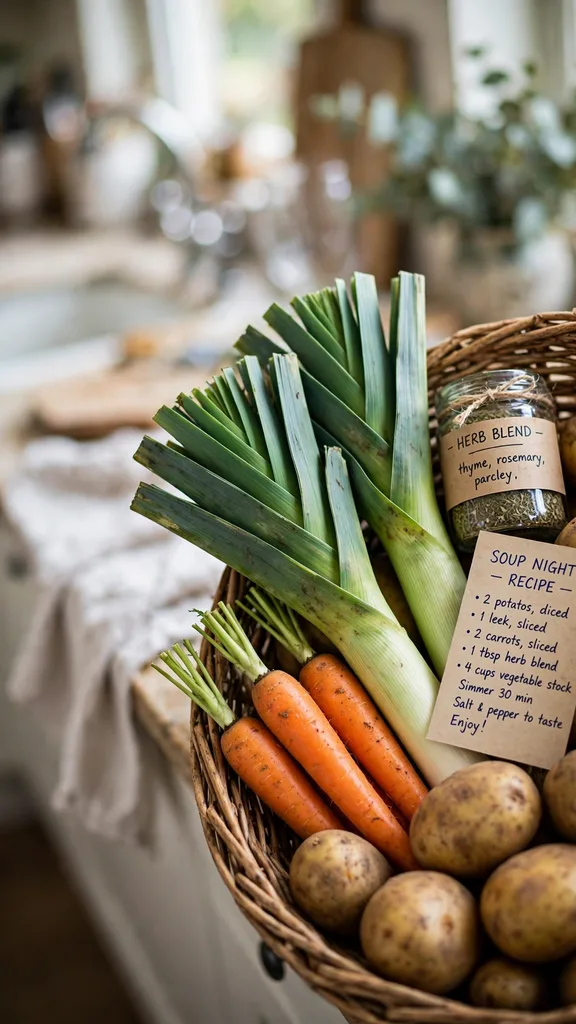
Everything fresh in it comes from the winter garden and store; everything jarred comes from the summer preserving. The recipe card turns ingredients into a plan, which is what tired December cooks actually need. This basket is my standard answer to the family that has everything except time.
39. Salad Garden Basket
Winter leaves, spinach, chard stems, and herbs from under cover, a bottle of herb vinegar from item 12, and a small jar of herb salt: the salad basket is the fresh, green answer to a month of heavy food. It is built the morning it is given.
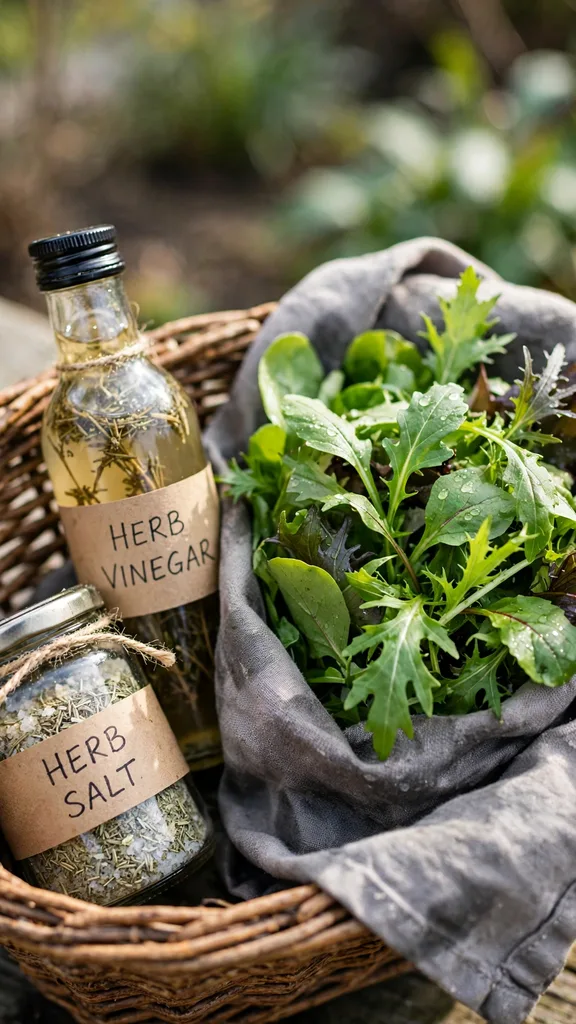
Cold-frame and tunnel gardeners own this basket’s supply; open-garden growers in hard zones give the vinegar and salt with greenhouse leaves and say so. The leaves travel in a damp cloth inside the basket. Recipients in January write thank-you notes about this one in February, still remembering green.
40. Pizza Night Basket
A jar of tomato sauce, dried oregano and chili flakes from the garden, a small bottle of chili oil, and a card for dough: the pizza basket gives a family a Friday night. The sauce is the garden’s summer tomatoes in their most useful form.
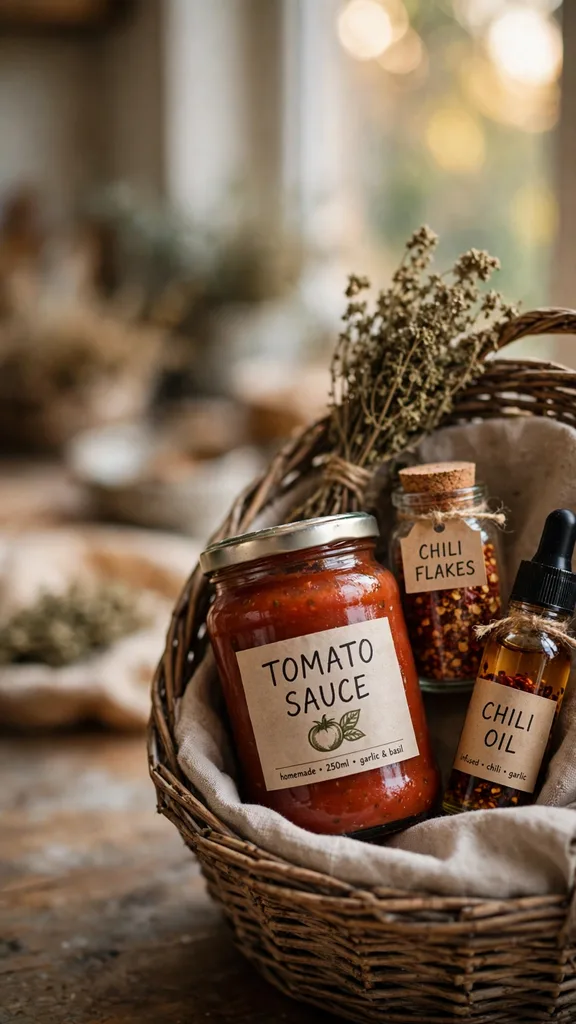
This basket converts pantry jars into an event, which is why it suits families with children. Add a ball of mozzarella from the shop if you like; the garden’s part is complete without it. Label the chili oil’s heat honestly, as always.
41. Breakfast Basket
A jar of the best jam, a small honey jar if the barter shelf holds one, dried herb tea, and fresh eggs only if your hens are laying and the recipient is near: the breakfast basket is opened on Christmas morning, which gives it the best seat of any gift in this list.
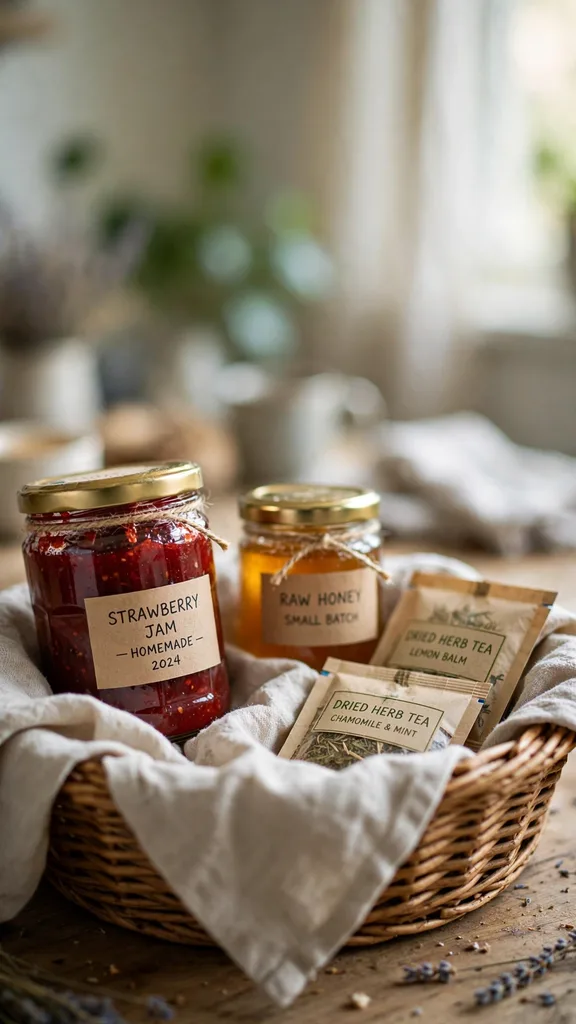
Everything shelf-stable in it comes from the garden’s preserving year; the eggs, when they appear, come from the garden’s hens and are dated on the shell in pencil. Jam for Christmas morning toast is a small luxury everyone understands. This basket suits hosts, who have fed everyone else all year.
42. Cocktail Garden Basket
Herb syrups, mint and rosemary for garnish, dried citrus wheels, and a bottle of berry shrub drinking vinegar: the cocktail basket supplies the garden half of the drinks trolley, fresh and preserved botanicals for the recipient’s own bottles.
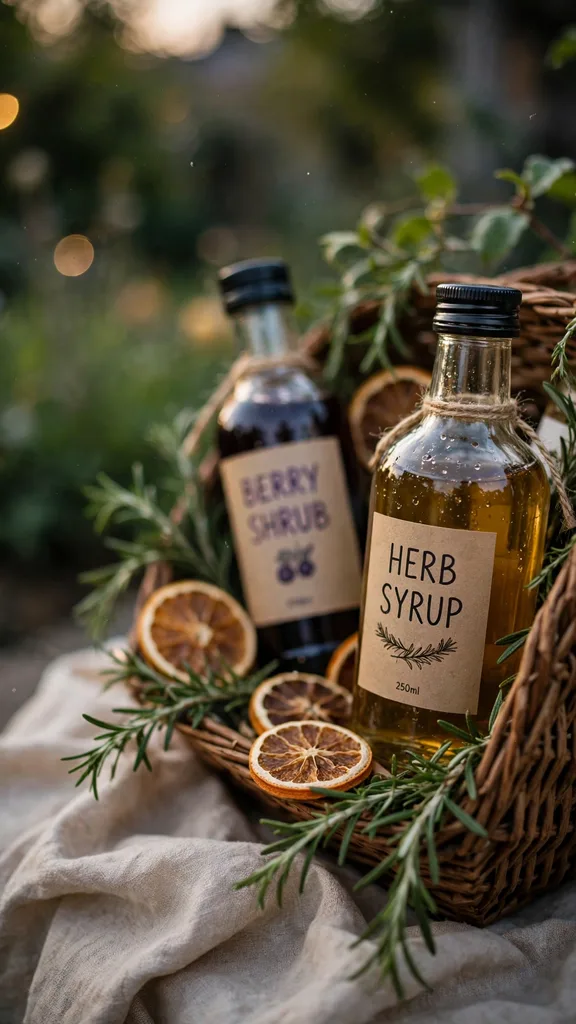
Shrubs and syrups keep for weeks refrigerated and are labeled so. Dried citrus wheels garnish glasses all winter from one December tray. This basket suits the host who entertains in January, when the garden’s brightness is most missed.
43. Winter Comfort Basket
Elderberry syrup cooked thoroughly, dried linden or lemon balm tea, honey if the shelf holds it, and dried soup herbs: the comfort basket is the traditional winter store, given to be used on the season’s gray days. It makes no promises beyond warmth, flavor, and the care that packed it.
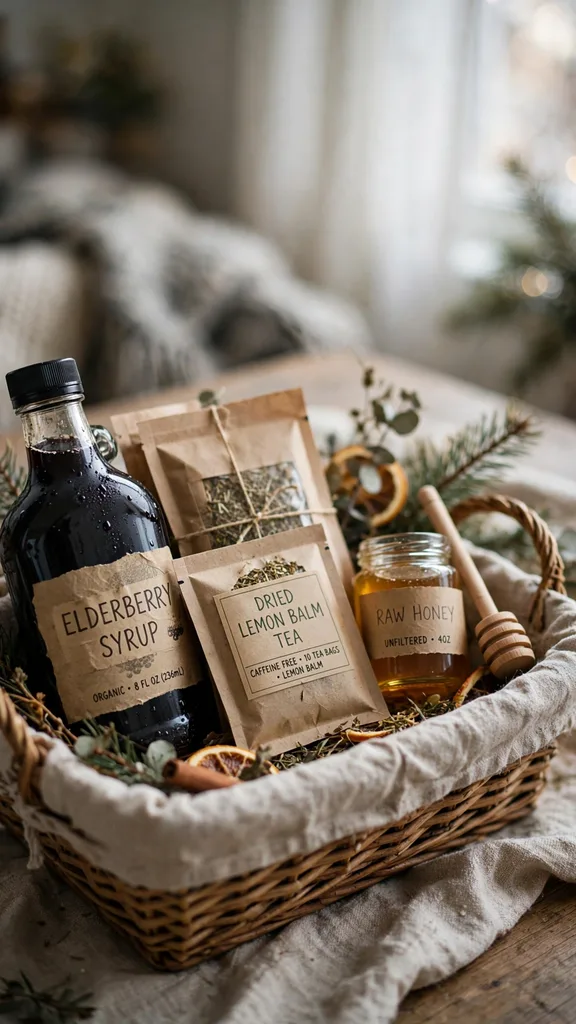
Elderberries are cooked before use, always, and the card says so. This basket comes from the oldest layer of garden giving, the remedy shelf, and grandparents recognize it on sight. Pack the syrup bottle upright with the same care as the cordials in item 9.
44. New Neighbor Basket
A small harvest basket scaled for a household you are still learning: two jars, one sweet and one savory, a bundle of dried herbs, fresh winter vegetables, and a card with your name and door number. The new neighbor basket is an introduction that happens to be edible.
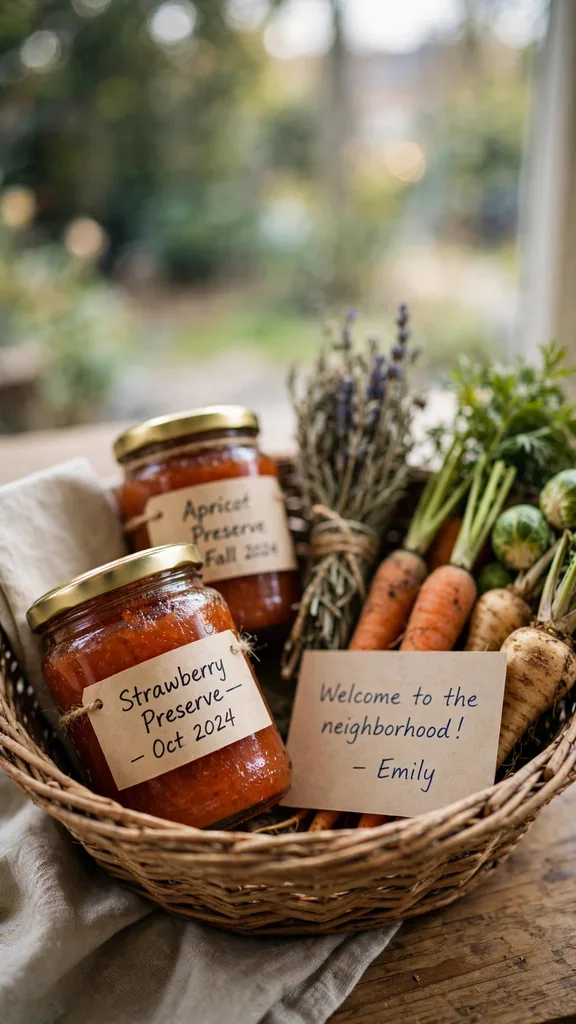
Keep it modest; the point is the knock on the door, not the tonnage. Garden gifts open conversations that last years, and more than one street’s garden club began as a basket. Note any strong flavors on the card so the welcome is not a surprise test.
45. The Whole Garden Basket
The finale basket holds one of everything the garden gave this year: a jam, a pickle, an herb salt, an infused vinegar, a dried bouquet, seed packets, and something fresh, packed in the best basket you own and photographed before it leaves. It goes to the person who taught you to garden, or the one who eats from your garden all year without ever seeing it.
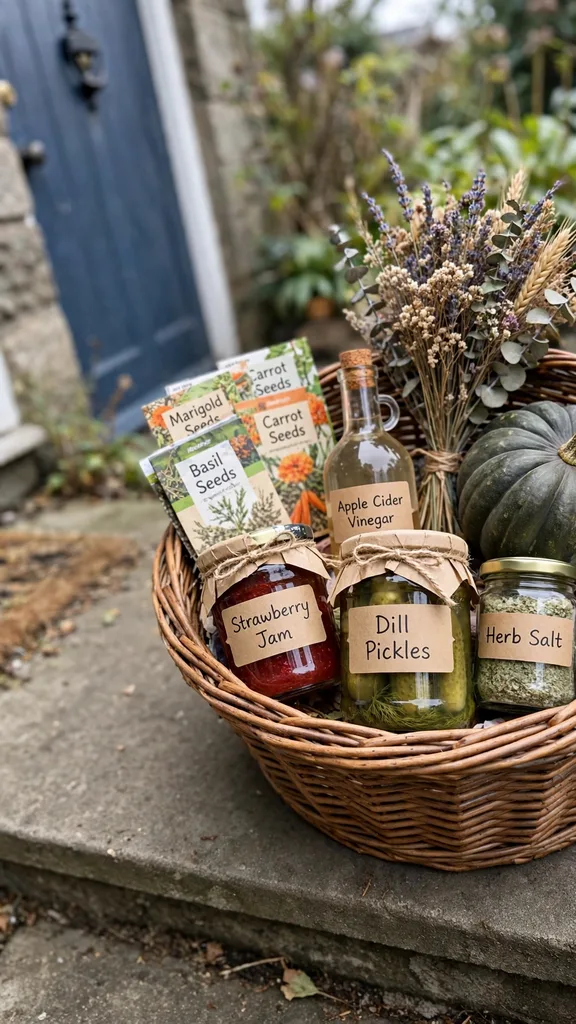
Building it is the garden year’s closing ceremony: the shelves empty a little, the boxes close, and the season’s work leaves in one basket. The Christmas garden ideas pillar gathers the wreaths, garlands, and arrangements that dress the same table this basket is carried to.
Frequently Asked Questions
Shelf-stable baskets of jars, salts, and dried goods assemble two to four weeks ahead and wait happily in a cool room. Baskets with infused oils are assembled days ahead and delivered with a refrigeration note. Fresh baskets are built the day they are given, and living plant baskets travel in mild weather only. The making, though, runs all year: preserves in summer, drying in autumn, seeds in October, assembly in December.
Wrap each jar in paper or cloth, pack them upright with crumpled paper or straw forced between them so nothing can move, and double-box heavy parcels. Dried and seed baskets post lightest and safest. Oil infusions and fresh baskets should not post at all; hand-deliver them or choose the potpourri and seed baskets for far-away recipients. Test the packed box with a firm shake: silence means ready.
Yes, when they are made by tested recipes with correct processing times, acid levels, jars, and seals, the same standard as jars for your own family. Never gift a jar whose seal failed, a recipe you improvised, or a low-acid food canned in a water bath. When in doubt, gift the dried, salted, and vinegared baskets instead, which carry no such questions, and keep experimental jars at home.
Small gardens give concentrated gifts: herb salts from a single bed, tea from three plants, seed from your two best tomatoes, dried flowers from one border. The herb salt trio, the tea basket, and the seed collection all scale down to a balcony. What makes the basket valuable is that it grew in your garden and carries your labels and notes, not its tonnage. One perfect jar beats a crate of surplus.
Label every jar and packet with what it is, when it was made, and one line on how to use it: rosemary salt, September, for roast potatoes and lamb. Add storage notes where they matter, refrigerate the oil, sow the beans in May. A basket without labels becomes shelf decoration; a basket with confident labels gets eaten, planted, and asked about, which is the entire point of growing it.