
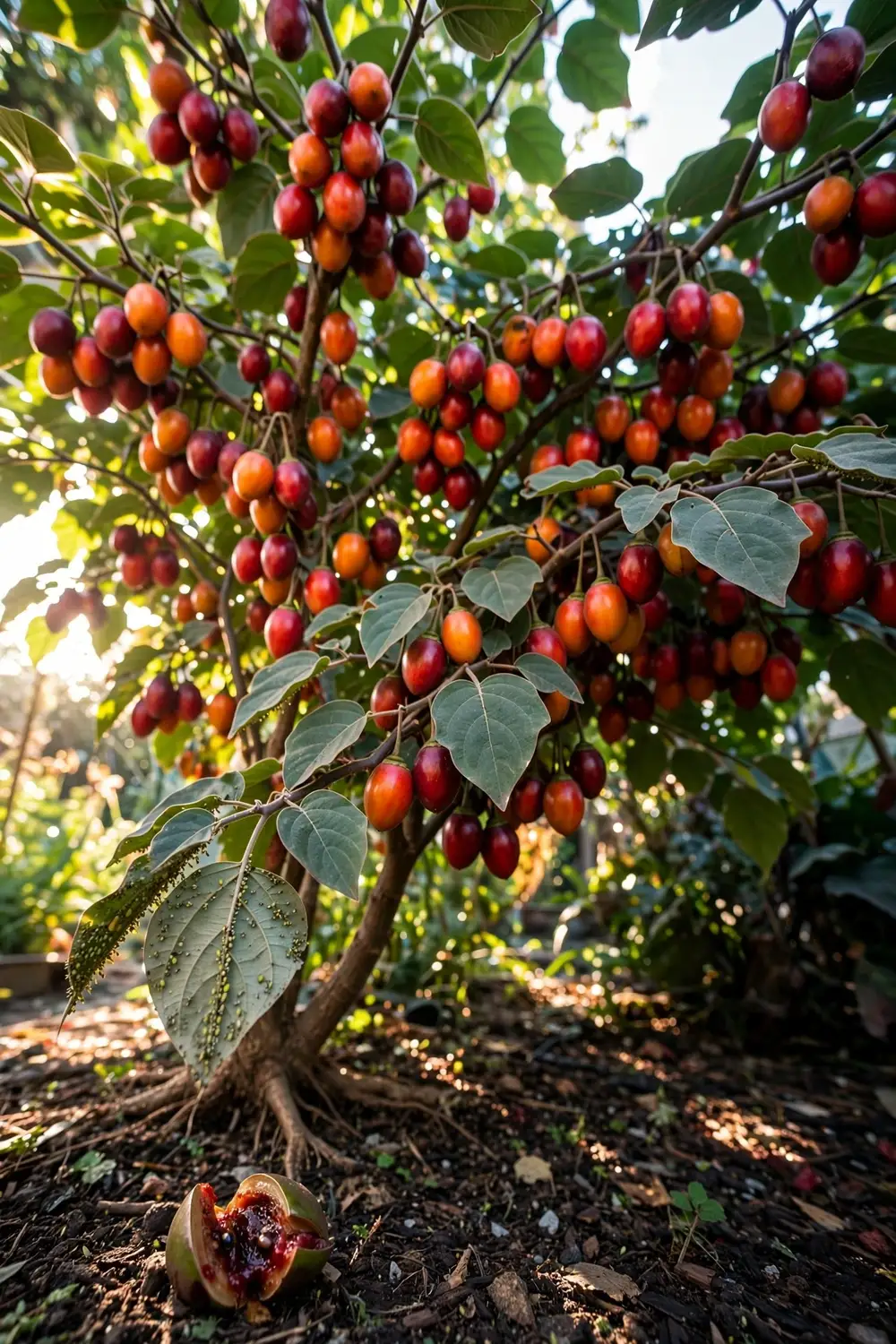

Yes, you can grow a tamarillo from the seeds of a ripe fruit, and a seed-grown tree can hand you its first harvest 18 to 24 months later. No other fruit tree moves that fast. The tamarillo is a tree tomato, Solanum betaceum, and it is not a tomatillo: those are different plants, and the two get mixed up online constantly, so make sure the seeds you sow come from a tamarillo.
Here is how to grow tamarillos from seed to first fruit, in 21 steps: climate and site, seed prep, germination, the seed-versus-cutting decision, planting, feeding, pruning for yield, pests, containers, harvest, and troubleshooting. In my experience, the single biggest win is planting your tamarillo in the most sheltered spot you have, because wind snaps its brittle branches long before frost touches it.
If you like fruit that fruits fast, growing papaya from seed in under a year is another quick payoff for warm-climate gardeners.
1. The 18-Month Answer: Why Tamarillo Is the Speedy Fruit Tree
A tamarillo seed can become a fruiting tree in 18 to 24 months, according to plotmygarden.com and growbilliontrees.com. Most fruit trees make you wait three to seven years. The tree grows to 2 to 5 m, throws out big heart-shaped leaves with red new growth, and flowers in spring and summer before fruit develops over about eight months.
That speed comes with a trade. A tamarillo lives 5 to 12 years and declines after its first few productive seasons, per growplants.org. Plan for a replant cycle from the start: take cuttings or sow fresh seed while your first tree is still productive, and you will never be without fruit.
2. Tamarillo Quick Specs
Check these numbers before you buy seed or plant.
| Spec | Value |
|---|---|
| Botanical name | Solanum betaceum (syn. Cyphomandra betacea) |
| Common names | Tamarillo, tree tomato |
| Climate zones | 10 to 11 (10b and warmer for in-ground planting) |
| Minimum temperature | Above 50°F (10°C) year-round; tolerates light frost to 28°F (-2°C) |
| Light | Full sun; partial shade in very hot areas |
| Soil pH | 5.5 to 7.0 |
| Germination | 2 to 4 weeks at 70 to 80°F |
| Seed to first fruit | 18 to 24 months |
| Spacing | 6 to 10 ft apart |
| Lifespan | 5 to 12 years |
| Yield | 10 to 30 kg per mature tree per season |
3. Where Tamarillos Grow Best: Climate and Location
Tamarillos need a warm, frost-free growing season with temperatures above 50°F (10°C) year-round, according to Better Homes & Gardens and Gardening Know How’s tamarillo growing guide. They survive light frost to about 28°F (-2°C) once established, but growth is knocked back by it.
Zones 10 and 11 are the safe in-ground band in the US. If you live colder than that, plan on a large container you can move to a frost-free spot in winter. Tamarillos are huge in New Zealand and Australia for a reason: tui.co.nz, yates.co.nz, and treecrops.org.nz all publish tamarillo guides because warm coastal climates there suit the tree perfectly, and Brave’s related queries show NZ gardeners asking about pruning, dwarf types, and pots.
4. Pick a Sheltered, Sunny Spot: Wind Is the Real Killer
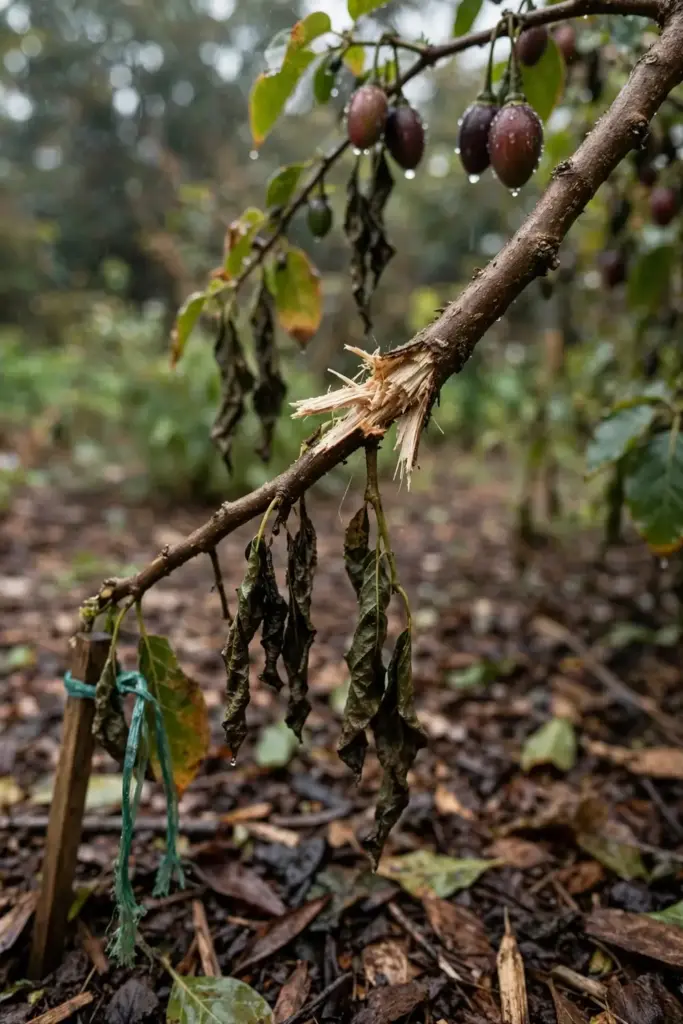
Wind protection matters more for tamarillos than for most fruit trees. The tree has shallow roots and brittle branches, and a strong gust can split a young tree in half. Choose the most sheltered sunny corner you have: a courtyard, a wall facing the sun, or a spot behind a windbreak hedge.
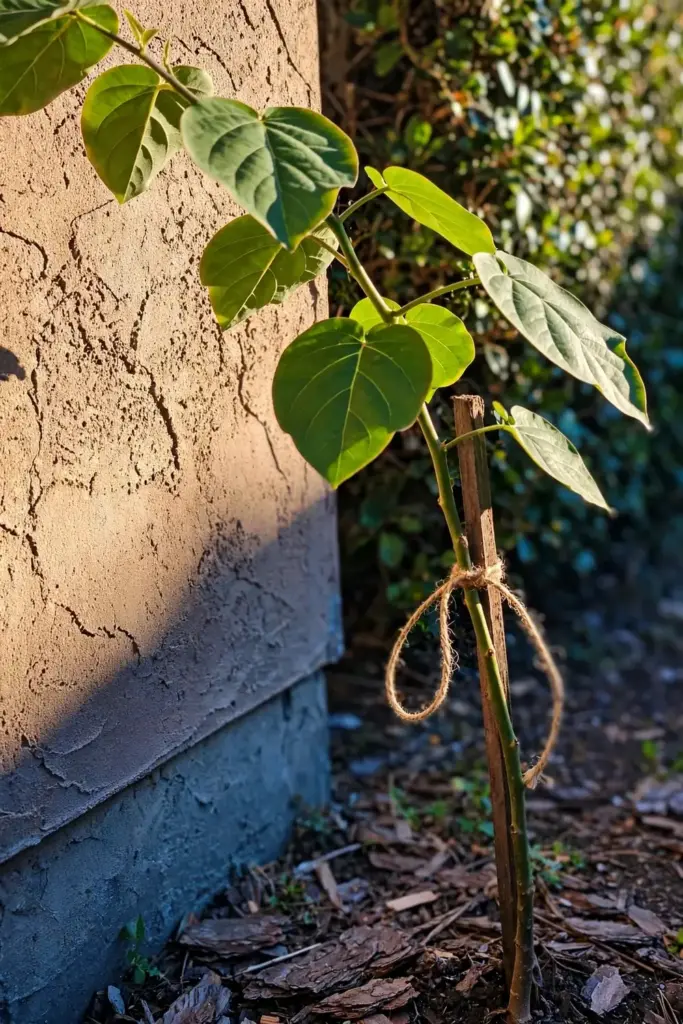
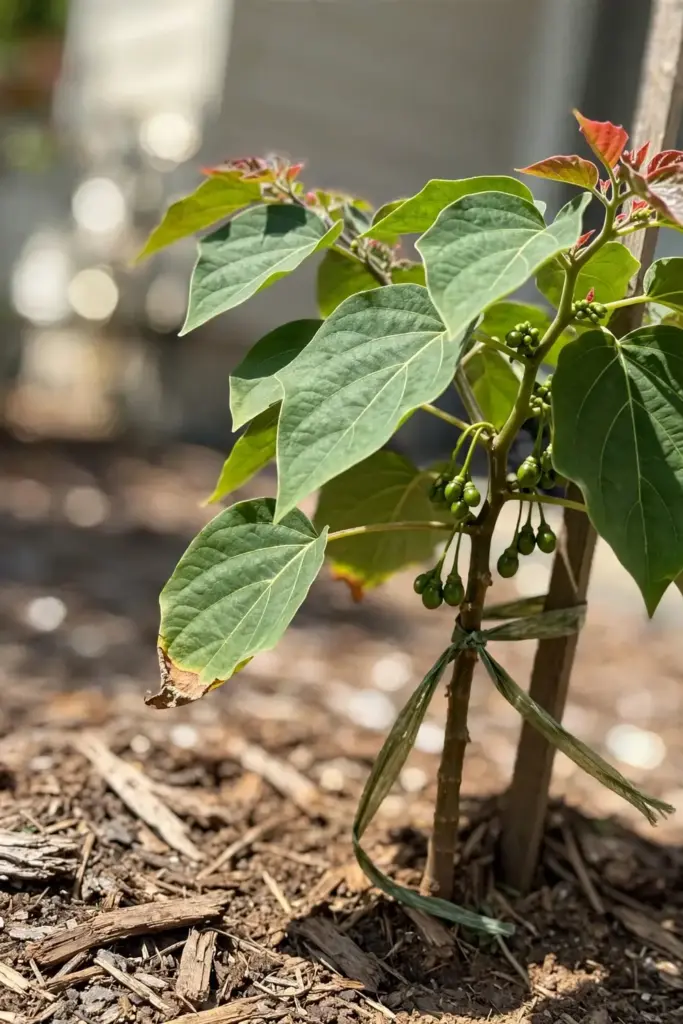
Stake every young tree for its first two seasons, per morningchores.com. Drive the stake in at planting time so you do not stab roots later, and tie the trunk loosely with a soft tie that lets it sway a little. A tree that never fights the wind puts its energy into fruit.
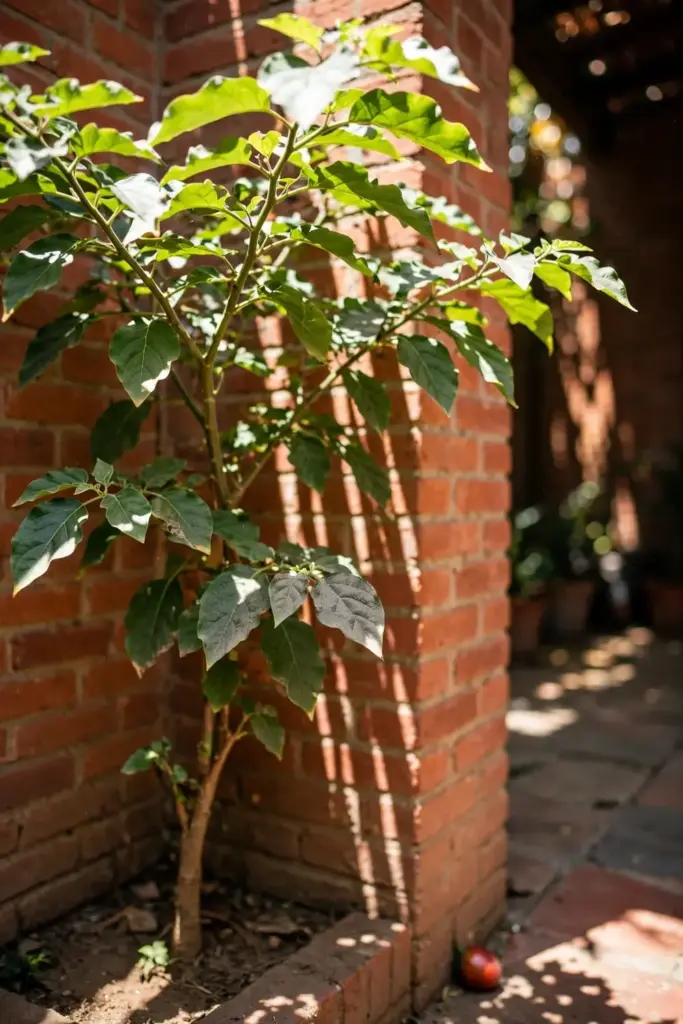
A wall on the windward side is the best shelter of all. Tamarillos planted against a sunny house wall get radiant heat, a wind shadow, and a stake anchor all in one. If your garden is fully exposed, plant a fast windbreak shrub first and put the tamarillo in its lee: one season of shelter beats years of snapped branches.
5. Tamarillo vs Tomatillo: Do Not Grow the Wrong Plant
Pinterest mixes up tamarillo and tomatillo pins constantly, and the two plants are not related. A tamarillo (Solanum betaceum) is a small subtropical tree that grows 2 to 5 m tall and produces oval fruits on woody branches, according to Gardening Know How’s tamarillo tree care guide. A tomatillo (Physalis philadelphica) is an annual bush that grows husk-covered fruits for salsa verde.
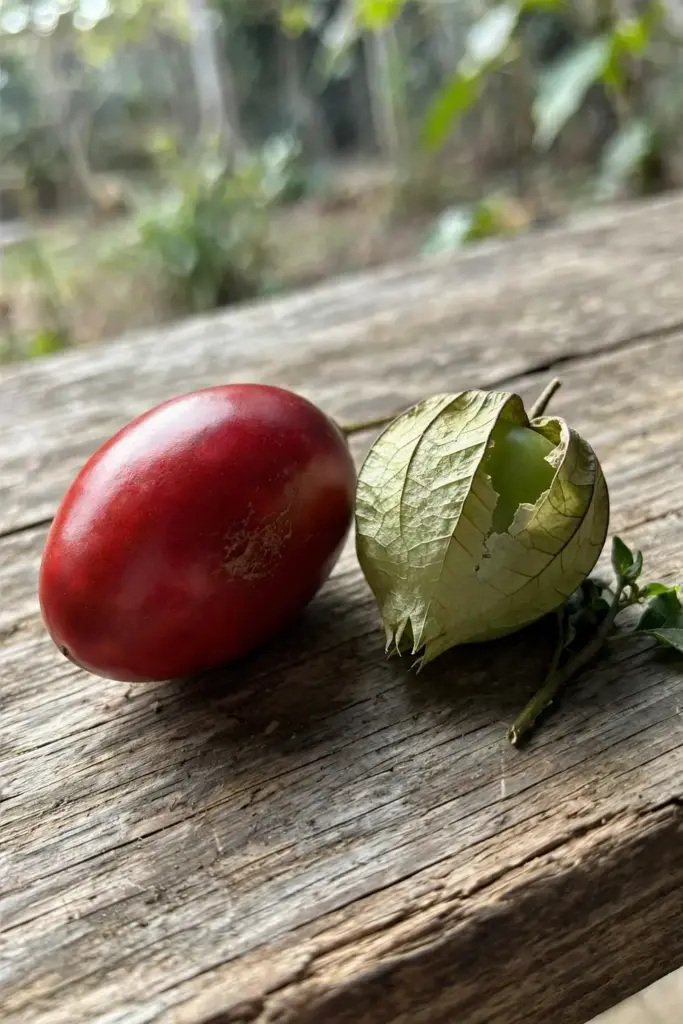
If you search “tamarillo seeds” and see husk fruits or salsa recipes, you are looking at tomatillo results. Buy seeds or plants from a fruit-tree nursery, not a vegetable seed catalog, and check the Latin name on the packet. Yahoo’s PAA even shows a third mix-up: people asking about Tamarix, a desert shrub with no relationship to either plant.
6. Choose Your Variety: Red, Yellow, or Purple
Tamarillos come in three color groups, and flavor follows color. Reds are tangy and tart. Yellow to orange types are sweeter and milder. Purple types sit between the two and are prized for their looks.
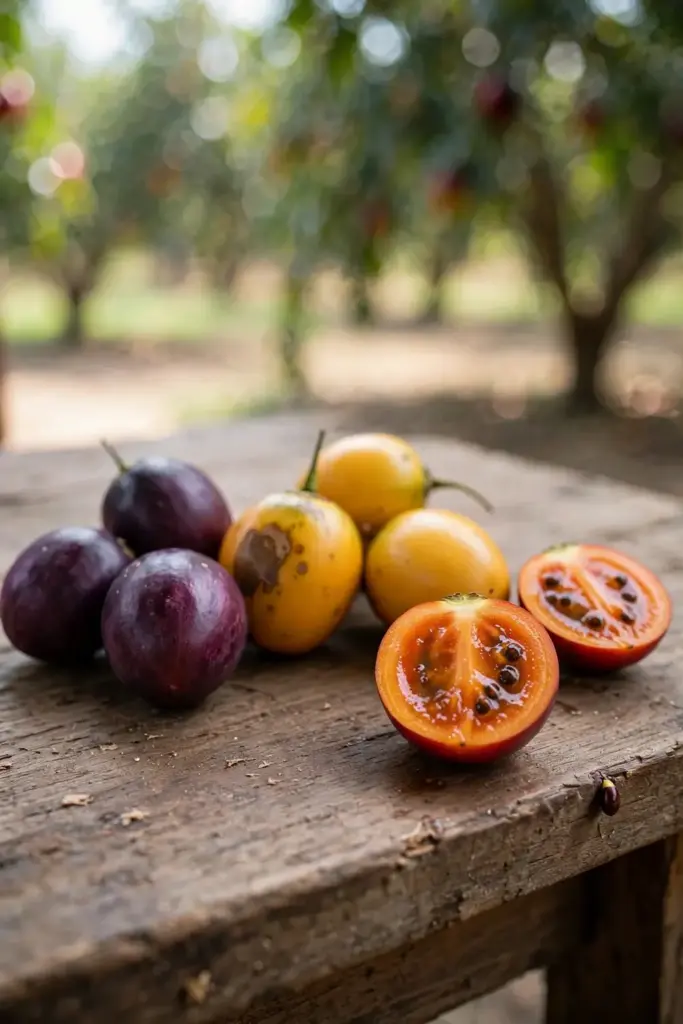
| Variety group | Flavor | Best use | Notes |
|---|---|---|---|
| Red | Tangy, tart | Cooking, sauces | Most common and easiest to find |
| Yellow to orange | Sweeter, milder | Eating fresh | Good first choice for beginners |
| Purple | Balanced | Fresh and ornamental | Prized for deep color |
If you live at the cold edge of the tamarillo range, look for Cyphomandra corymbiflora, a hardier relative that survives to about 15°F (-9°C). It is the option for gardeners who want tree-tomato fruit with a little more frost insurance.
Buy from a fruit-tree nursery rather than a generic seed rack. Named varieties exist in New Zealand and Australia, where tamarillos are a mainstream crop, and nursery plants arrive labeled so you know which color and flavor you are getting. Seed from a supermarket fruit works too, but the result is a lottery: you will not know the flavor until the tree bears.
7. Get the Seeds Ready: Clean, Dry, and Chill Them
Scoop the seeds from a fully ripe fruit and wash the pulp off completely. Pulp left on the seeds invites mold and slows germination. Spread the clean black seeds on paper and let them dry for one to two days.
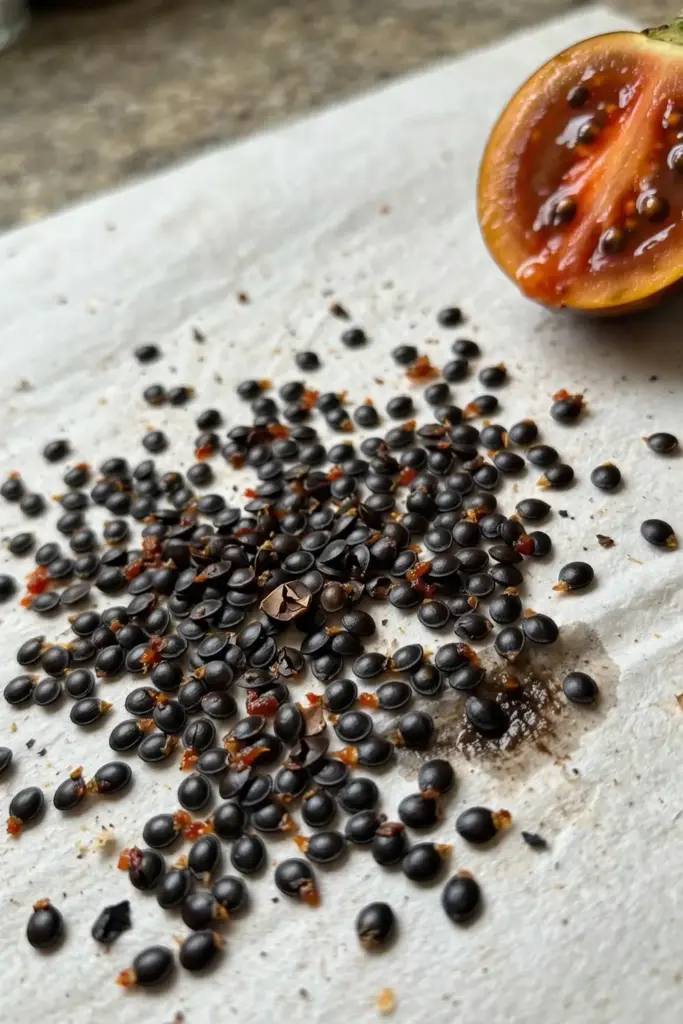
You can speed things up with a cold trick: attainable-sustainable.net reports that placing dried seeds in the freezer for 24 hours before planting can accelerate germination. A 24-hour spell in the fridge does similar work, mimicking the cool rest that triggers the seed to wake. This step is optional, but it shortens the wait between sowing and sprouting.
8. Sow the Seeds: 6 Steps From Tray to Sprout
Start seeds indoors 12 to 24 weeks before your last spring frost, per rareseeds.com. A long indoor start gives the seedling size before it ever faces outdoor weather.
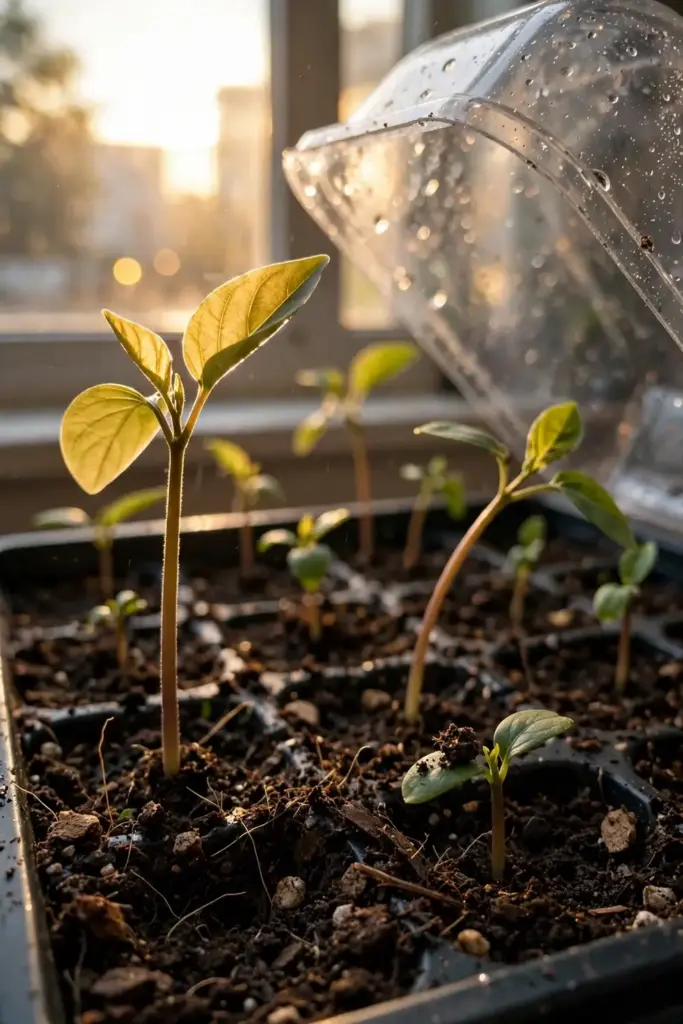
| Step | Action | Time |
|---|---|---|
| 1 | Fill a tray or pots with fine seed-starting mix; moisten it first | 10 minutes |
| 2 | Sow seeds shallowly on the surface; press in, barely cover | 5 minutes |
| 3 | Cover with a humidity dome or plastic wrap | 2 minutes |
| 4 | Keep at 70 to 80°F in bright, indirect light | 2 to 4 weeks |
| 5 | Vent the cover when sprouts appear; keep soil moist, not soggy | Daily checks |
| 6 | Thin to the strongest seedling per cell once true leaves show | Week 4 to 6 |
Germination takes 2 to 4 weeks at 68 to 80°F, per urbaki.com. Seed-starting basics like consistent warmth and moisture apply here just as they do to tomatoes; the seed starting guide walks through the same tray-to-transplant routine step by step.
9. Seedling Care: The First 12 Weeks
Pot seedlings up when they reach about 3 inches tall. Plotmygarden.com recommends moving them into 4-inch containers at that size. Handle seedlings by the leaves, never the stem: a crushed stem at this stage does not recover.
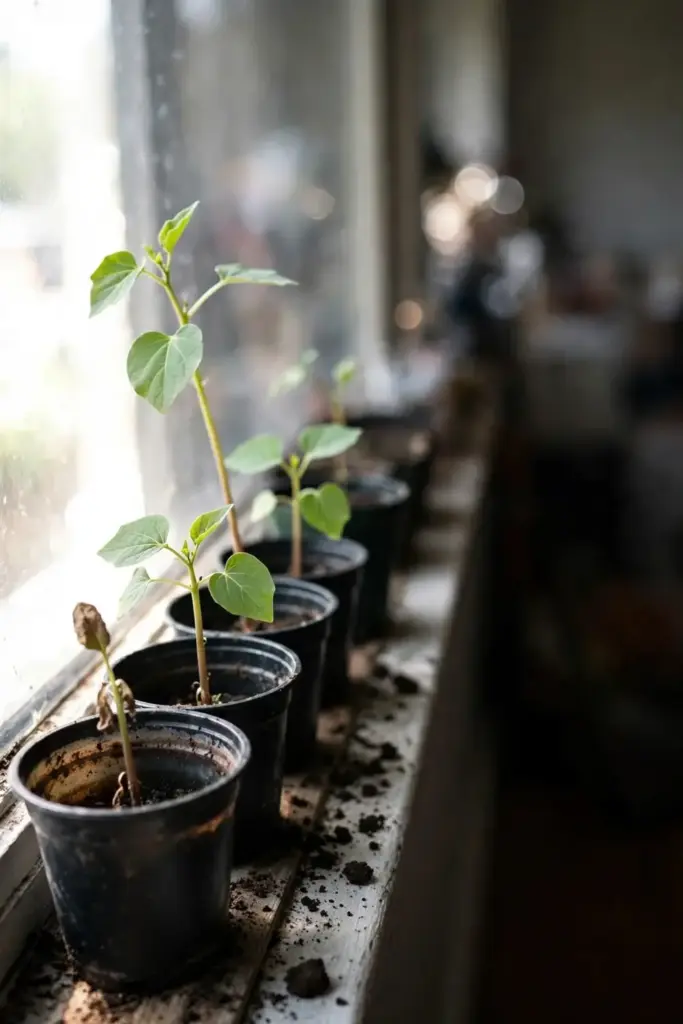
Give seedlings bright light and steady warmth. A windowsill that gets direct afternoon sun works, or a simple grow light 6 inches above the leaves for 14 hours a day. Water from the bottom when the mix surface feels dry, and start a weak liquid fertilizer once the seedlings have two sets of true leaves.
10. From Seed or From Cuttings: Which One Should You Choose?
This is the decision competitors skip. Seeds are easy, but seedlings vary: you do not know exactly how the fruit will taste until the tree bears. Cuttings are clones of the parent, so the fruit is identical, and cuttings fruit faster than seedlings.
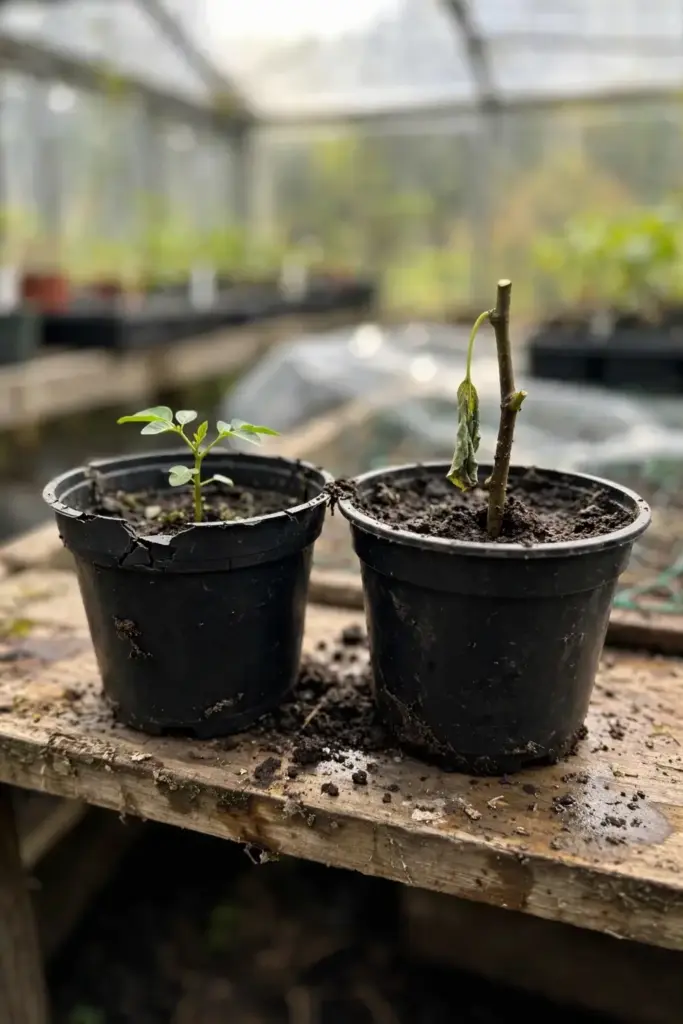
| Method | Time to fruit | Fruit quality | Cost | Skill |
|---|---|---|---|---|
| Seed | 18 to 24 months | Varies; may differ from parent | Free (from a fruit) | Beginner |
| Cuttings | Often within 12 months | Identical to parent | Free (from a tree) | Beginner |
If you have a tamarillo you love, take cuttings. If you are starting from scratch with a store-bought fruit, sow the seed and enjoy the experiment. Either route gets you fruit years sooner than any other tree crop.
11. Take Cuttings That Root in 3 to 4 Weeks
Take 8-inch (20 cm) semi-hardwood cuttings in early summer. Choose a stem that is firm but still flexible, cut just below a leaf node, and strip the lower leaves.
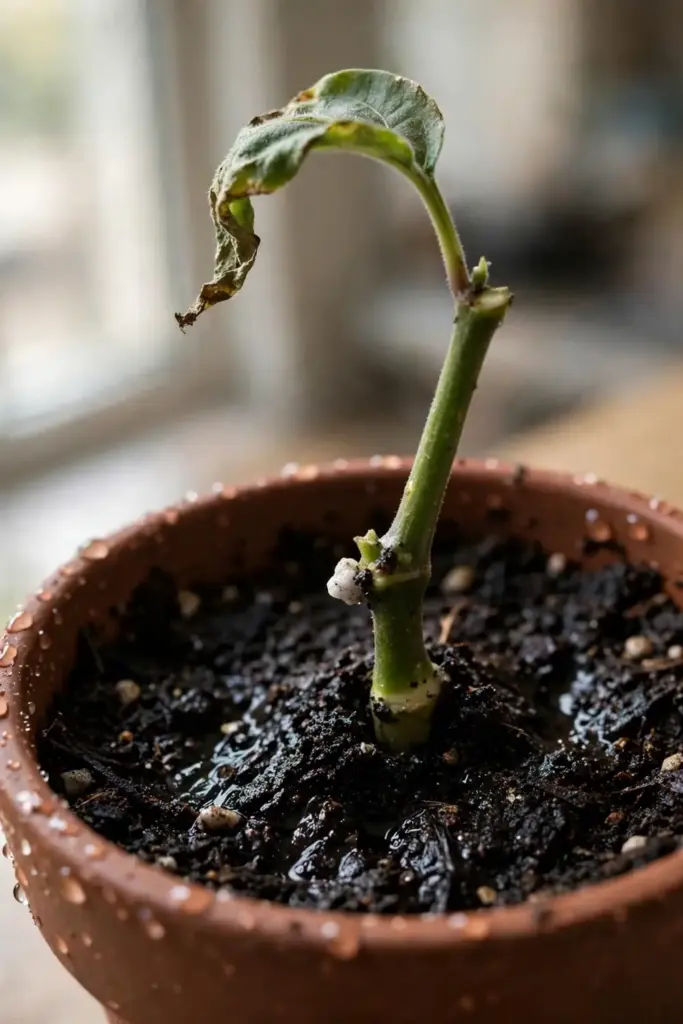
Push the cutting into moist potting soil so at least two nodes sit below the surface. Keep the soil damp and the cutting in bright, indirect light. Roots form in 3 to 4 weeks. Gardeningwithallie.com calls tamarillo cuttings “some of the easiest plants to grow from cuttings,” and it shows: the success rate is high with no special equipment.
Watch for rot, which is the one way cuttings fail. If the base turns soft and dark, the mix was too wet. Start fresh with a cleaner cut and less water, and the next batch roots cleanly.
12. Transplant: Spacing, Soil, and Staking
Plant out after all frost danger has passed and nights stay warm. In New Zealand and Australia, where tamarillos are a garden staple, planting happens in spring once the soil has warmed: a cold, wet hole rots roots before the tree ever establishes.
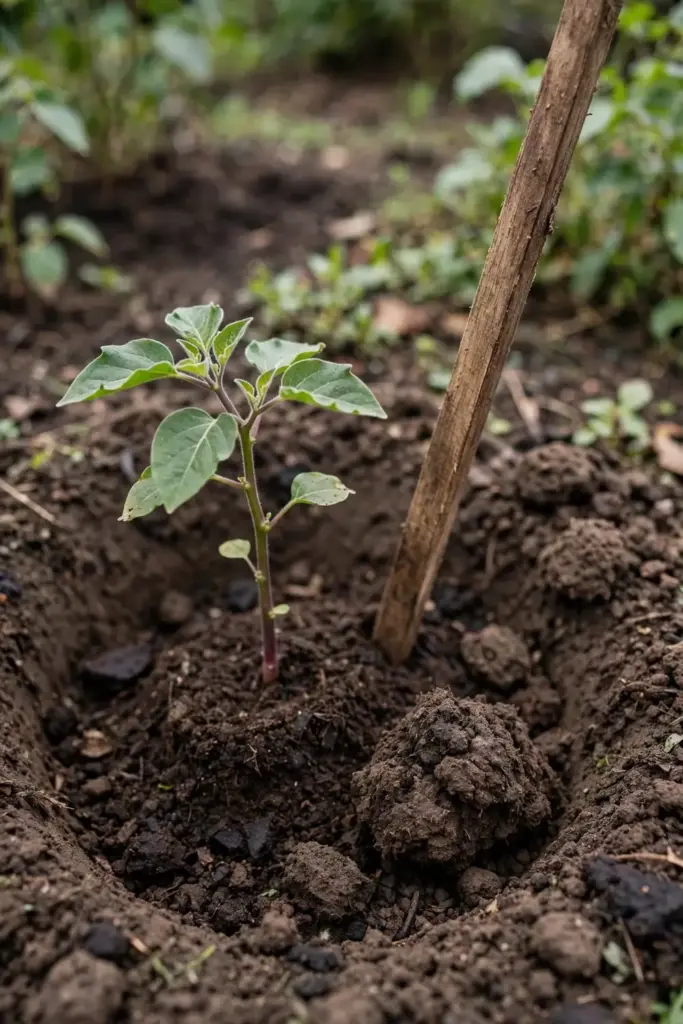
Dig a hole twice as wide as the root ball and enrich the soil with compost. Tamarillos want rich, fertile, well-drained soil with a pH of 5.5 to 7.0. On heavy clay, work gypsum into the planting area to open the soil up, per yates.co.nz. Set the plant at the same depth it grew in the pot, then firm the soil gently so no air pockets sit against the roots.
Space trees 6 to 10 ft apart; 10 ft gives a mature tree room to spread without crowding, per morningchores.com.
Stake the young tree immediately, as covered in the wind section above. Water deeply after planting and spread mulch around the base, keeping it a few inches away from the trunk so moisture never sits against the bark. Building soil health with organic matter pays off for years with a heavy feeder like tamarillo.
13. Water the Right Way: Deep and Consistent
Tamarillos drink a lot in the growing season. Water often and deeply so moisture reaches the root zone, then let the surface dry slightly between waterings. Consistently moist, never waterlogged: standing water rots the roots fast.
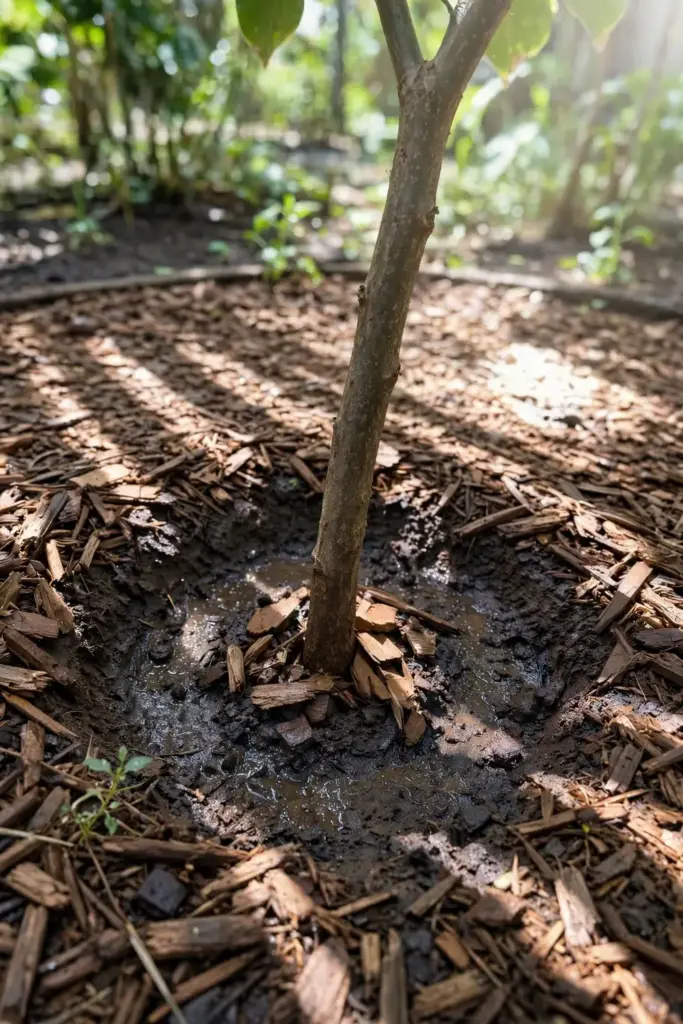
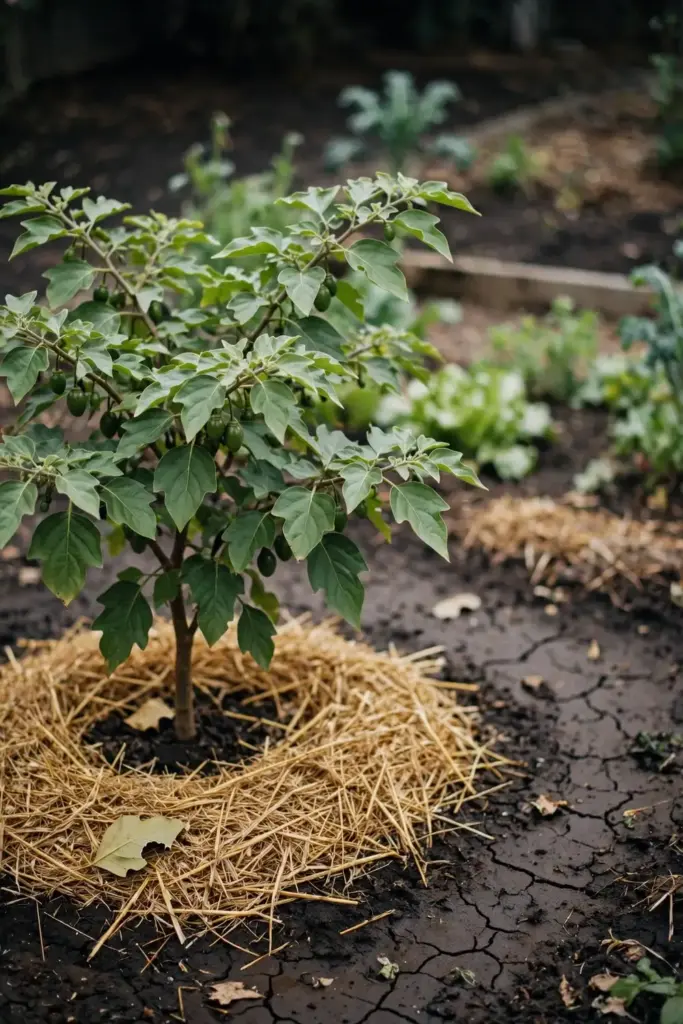
Mulch with woodchips or straw to hold moisture, kept a few inches away from the trunk. A mulch layer 3 to 4 inches deep does the real work: it cools the shallow root zone on hot days and cuts watering frequency in half.
Reduce watering in winter when growth slows, especially for container trees. A tree that wilts on hot afternoons and recovers by morning needs more mulch or a deeper soak, not daily sprinkles. Leaves that stay limp into the evening are crying out for water now, not tomorrow.
14. Feed for Heavy Crops: 4 Times a Year
Tamarillos are fast-growing and nutrient-hungry. Feed four times a year with a balanced fertilizer or compost. During the growing season, a monthly organic feed keeps up with the tree’s appetite.
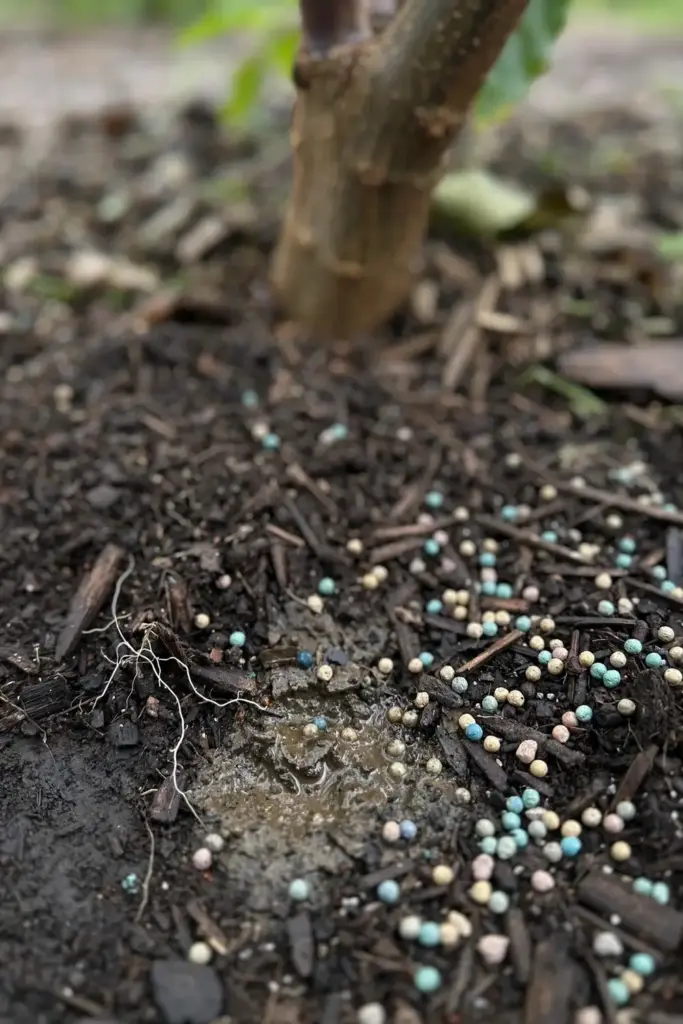
Switch to a high-potassium feed when flowering starts. Potassium pushes fruit development and ripening, which is exactly what you want when flowers turn into the eight-month crop ahead. Citrus or fruit-tree fertilizer works well as the base feed, per tuigarden.co.nz.
15. Prune Yearly to Force New Fruiting Wood
This is the yield engine of the whole article. Tamarillos fruit on new growth, so yearly pruning after harvest is what keeps the crop coming.
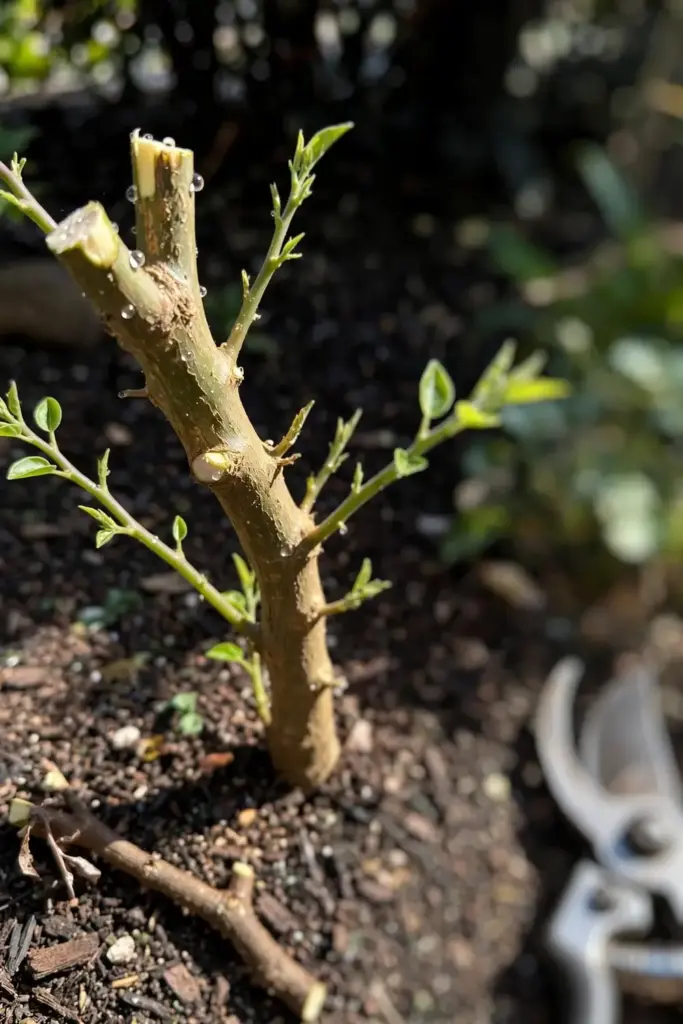
Cut the main stem back to 1 to 1.5 m after fruiting to force branching, per BHG’s advice to prune a new plant to 3 to 4 ft. Remove laterals that already fruited: they will not produce again, and keeping them wastes the tree’s energy. Trim branch tips to keep fruit forming near the center of the tree, where branches are strong enough to carry the weight.
Snip the growing tips of young trees to encourage side branches early, per whiskerflowers.wordpress.com. Remove watersprouts, the straight vertical shoots that burst from the trunk, as they appear: they steal energy and never carry fruit well.
Time your main prune for after the harvest finishes. In New Zealand, tamarillo growers prune in spring from late August to early December, once picking is done, according to New Zealand tamarillo management guides. The principle is the same everywhere: prune when the fruit is off the tree, and the new growth that follows carries next season’s crop. A well-pruned tamarillo is a compact, bushy tree with fruit in easy reach, not a leggy pole with fruit at the top. The spring pruning techniques guide covers the clean-cut basics that apply to any woody plant.
16. Accept the 5 to 12 Year Lifespan and Plan Replanting
Tamarillos decline after their first few productive years. A tamarillo’s productive life is short for a fruit tree: peak production lasts only the first few seasons, then the tree fades steadily even with good feeding and pruning.
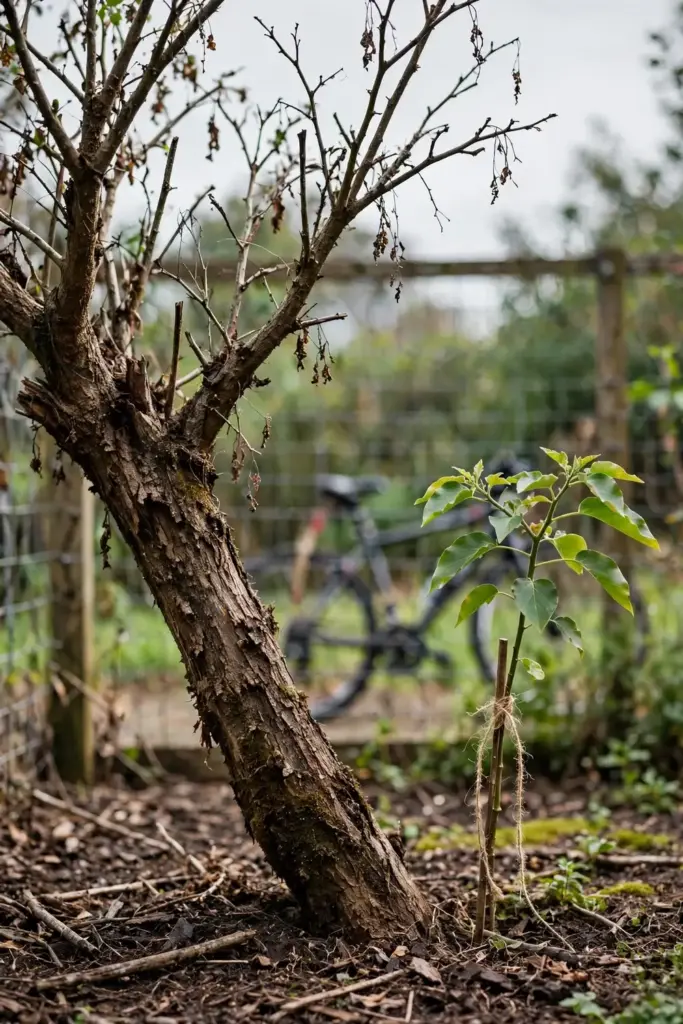
Do not treat this as a failure. Treat it as a schedule. While your first tree is at its peak, root cuttings or sow seed from its fruit so replacements are ready when production drops. Tamarillo growers in New Zealand replant as a matter of routine, and a two-tree rotation means you never wait through a gap year.
17. Pollination: Self-Fertile, and Insects Help
Tamarillo flowers are normally self-pollinating, according to the California Rare Fruit Growers’ tamarillo profile, so one tree alone will set fruit. Insect and wind pollination both help, and a tree with active bee traffic sets a heavier crop.
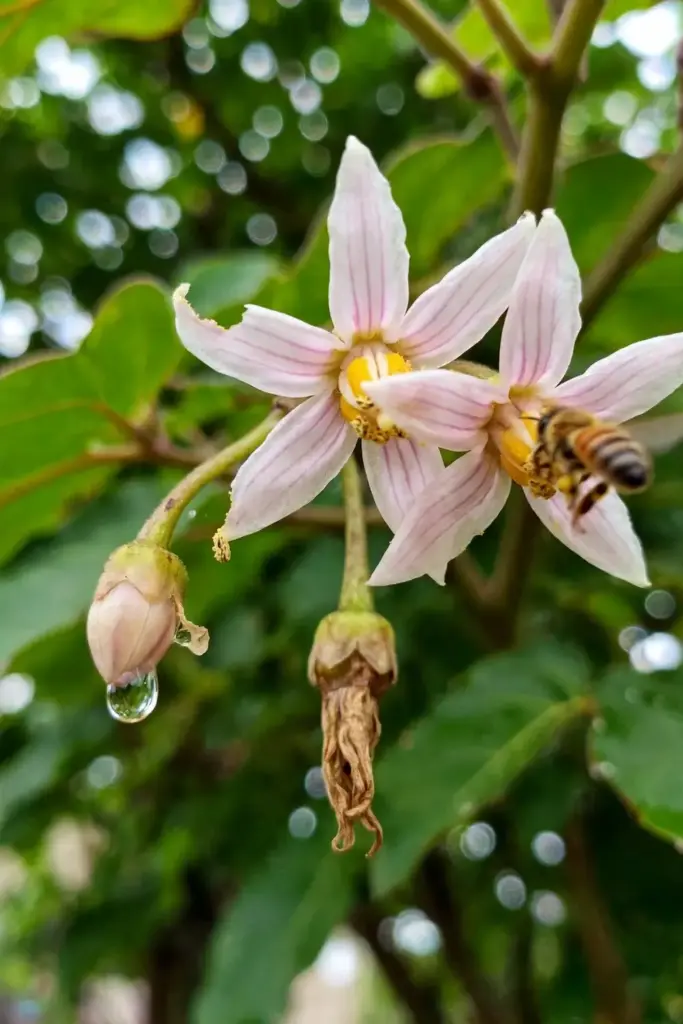
Plant French marigolds near the base. Grower guides note that marigolds deter whitefly, the tree’s most common pest, while their flowers feed the pollinators the tree wants anyway. One planting does two jobs.
One caution for greenhouse growers: commercial tamarillo cultivation guides warn that fruit set can be very low where neither wind nor insects can reach the flowers. If you overwinter under cover and flowers drop without setting, give the branches a daily shake during bloom to move the pollen around.
18. Pests and the Nightshade Soil Warning
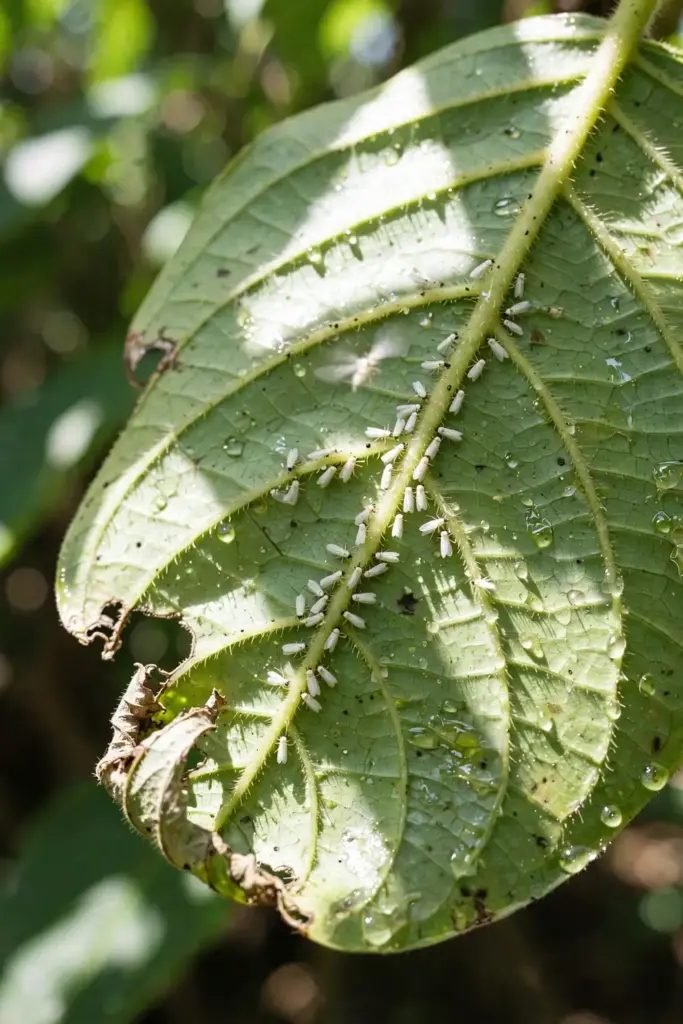
Tamarillos are fairly pest-resistant, per rareseeds.com. Whitefly is the pest to watch: the insects cluster under leaves and sap the tree’s strength. The marigold planting above is your first defense; a strong spray of water knocks colonies off the leaves. Aphids and snails bother young trees too, so check new growth and the pot rims regularly.
Keep the ground under the tree weeded. Tamarillo management guides note that weeds like chickweed and deadly nightshade can harbor viruses that infect tamarillos, and weeds compete for water and nutrients while the tree is young. A clean, mulched circle under the canopy is disease prevention you do once and benefit from all season.
The bigger danger is in the soil. Tamarillos are nightshades, in the same family as tomatoes, potatoes, and capsicums. Never plant a tamarillo where any of those grew recently: soil-borne diseases move between nightshade crops, per gardendrum.com. Give the soil at least three years of non-nightshade crops, or plant in fresh mix in a container.
19. Grow in Pots and Overwinter Cool Climates
In cooler climates, grow tamarillos in containers of 50 liters or more. A big pot gives the roots room and keeps the tree stable in wind.
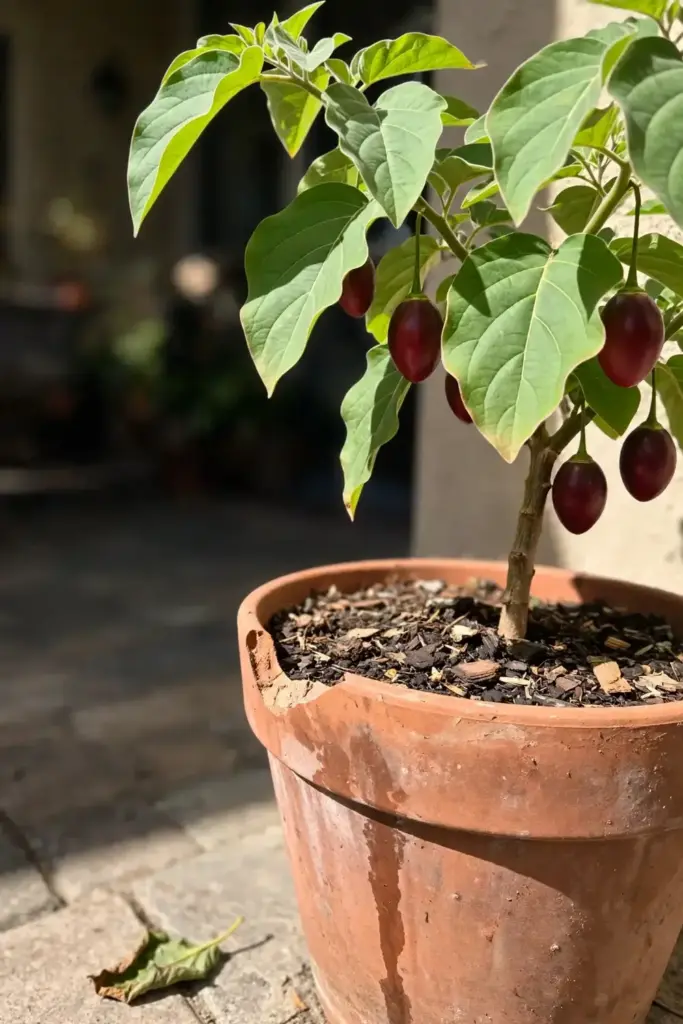
Move the pot to a bright, frost-free location above 0°C (32°F) for winter and reduce watering while the tree rests. A sunny conservatory, a bright garage window, or a heated greenhouse all work. Bring the tree back outside after the last frost, acclimating it over a week so the leaves do not sunburn.
Use a rich, free-draining potting mix with plenty of compost, and repot into a larger container each spring until the tree reaches its final 50-liter home. Container trees exhaust their mix faster than in-ground trees, so top-dress with fresh compost every year and keep the monthly feeding routine going through the growing season.
20. Harvest in Late Autumn and Winter
Flowers appear in spring and summer, and fruit develops over about eight months. Harvest lands in late autumn and winter.
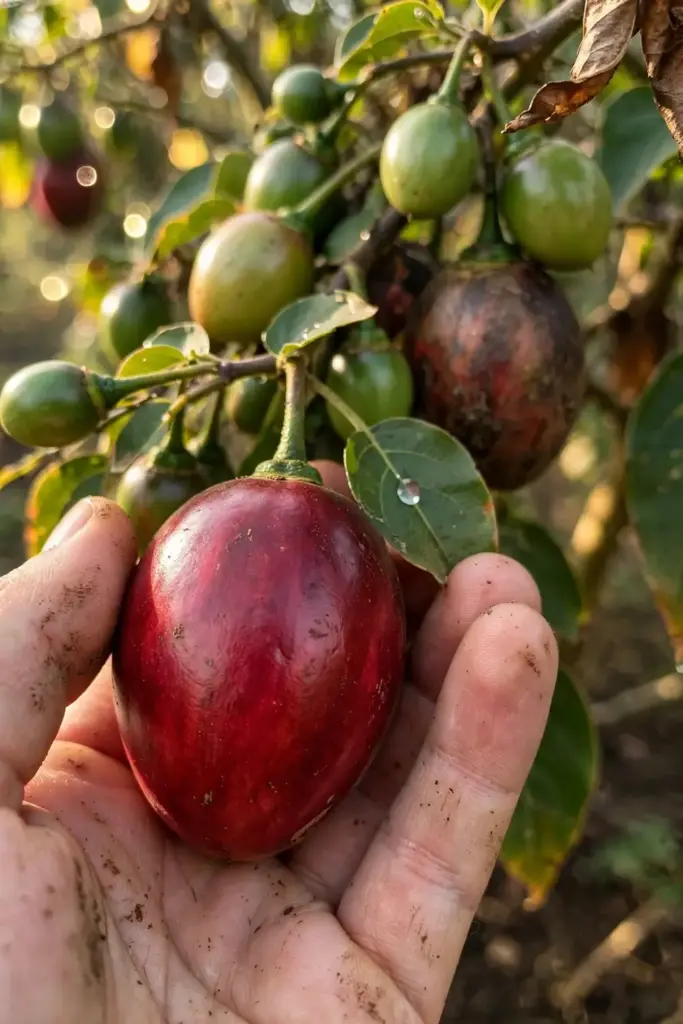
Pick when the fruit’s color has deepened, it smells fragrant at the stem end, and it gives slightly under gentle pressure. A mature tree can produce tens of kilograms of fruit per season, so harvest regularly: fruit left hanging too long softens on the tree and invites birds.
21. Troubleshooting: Why Your Tamarillo Will Not Grow
No fruit after two years. The tree may be a seedling running on the slow end of its 18 to 24 month window. Check light too: shaded trees barely flower, per morningchores.com. Cuttings of a proven variety fruit faster than seed.
Leaves wilting in heat. The root zone is dry. Deepen the watering and thicken the mulch. Shallow daily watering trains roots to the surface, where heat hits them hardest.
Snapped branches after storms. Wind damage, the classic tamarillo failure. Stake young trees, prune for a compact shape, and plant the next tree in a more sheltered spot.
Yellow leaves with green veins. Likely a nutrient deficiency in poor soil. Feed with a balanced fertilizer and check the soil pH is within 5.5 to 7.0.
Tree dies back in winter. Frost damage. Tamarillos tolerate light frost to 28°F (-2°C) once established, but young trees and hard freezes kill wood. Protect with frost cloth or move container trees inside.
Whiteflies under the leaves. Hose them off, plant French marigolds at the base, and keep the tree vigorous with proper feeding. Weak trees attract more pests.
Leggy growth with no branches. The tree never got its early tip-prune. Snip the growing tip now to force side branches, even mid-season: a tamarillo responds fast, and the new laterals are what carry fruit.
Flowers drop without setting fruit. Unpollinated flowers fall prematurely. Make sure wind or insects can reach the blooms; under cover, shake the branches daily during flowering. CRFG’s tamarillo profile notes that flowers are normally self-pollinating, so dropped flowers usually mean a pollination problem, not a fertility one.
Fruit cracks or splits. Uneven watering during ripening. Keep the moisture consistent through the harvest window and keep the mulch layer topped up.
Frequently Asked Questions
Seed-grown tamarillos fruit in 18 to 24 months, according to plotmygarden.com, and commercial tamarillo cultivation guides put first bearing at 1.5 to 2 years. Cuttings fruit faster, often within 12 months, because they start as mature wood. Expect a light first crop, then heavier harvests as the tree builds its branch framework.
Plan on roughly a decade of bearing, with peak production in the first few seasons. After that the tree declines even with good care, so treat replanting as routine, not failure. Root cuttings or sow seed from your best tree while it is still productive, so replacements are ready when the parent fades.
Yes. Use a container of 50 liters or more. Keep it in full sun, water consistently, and move it to a bright frost-free spot above 0°C (32°F) in winter with reduced watering. Dwarf-prune to keep the tree compact.
No. Tamarillo (Solanum betaceum) is a small subtropical tree; tomatillo (Physalis philadelphica) is an annual bush grown for salsa verde. They are unrelated, but the two names get mixed up constantly, so check the Latin name before buying seed.
Tamarillos have shallow roots and brittle wood. Plant in the most sheltered sunny spot available and stake young trees for their first two seasons, per morningchores.com. Prune yearly for a compact shape so fruit forms near the strong center branches.
Avoid soil where tomatoes, potatoes, or capsicums recently grew, per gardendrum.com. Tamarillos are nightshades, and soil-borne diseases pass between nightshade crops through the roots. Wait at least three years of non-nightshade planting before using that bed, or grow in fresh container mix and sidestep the problem entirely.
Your First Tamarillo Crop Is Closer Than You Think
Few plants reward a gardener this quickly. Sow seed this season, and 18 to 24 months later you can be cutting open fruit you grew yourself. Take a cutting from your best tree, prune it yearly, feed it well, and keep the wind off it. The tamarillo asks for little more than shelter and food, and it pays back in kilograms.








