
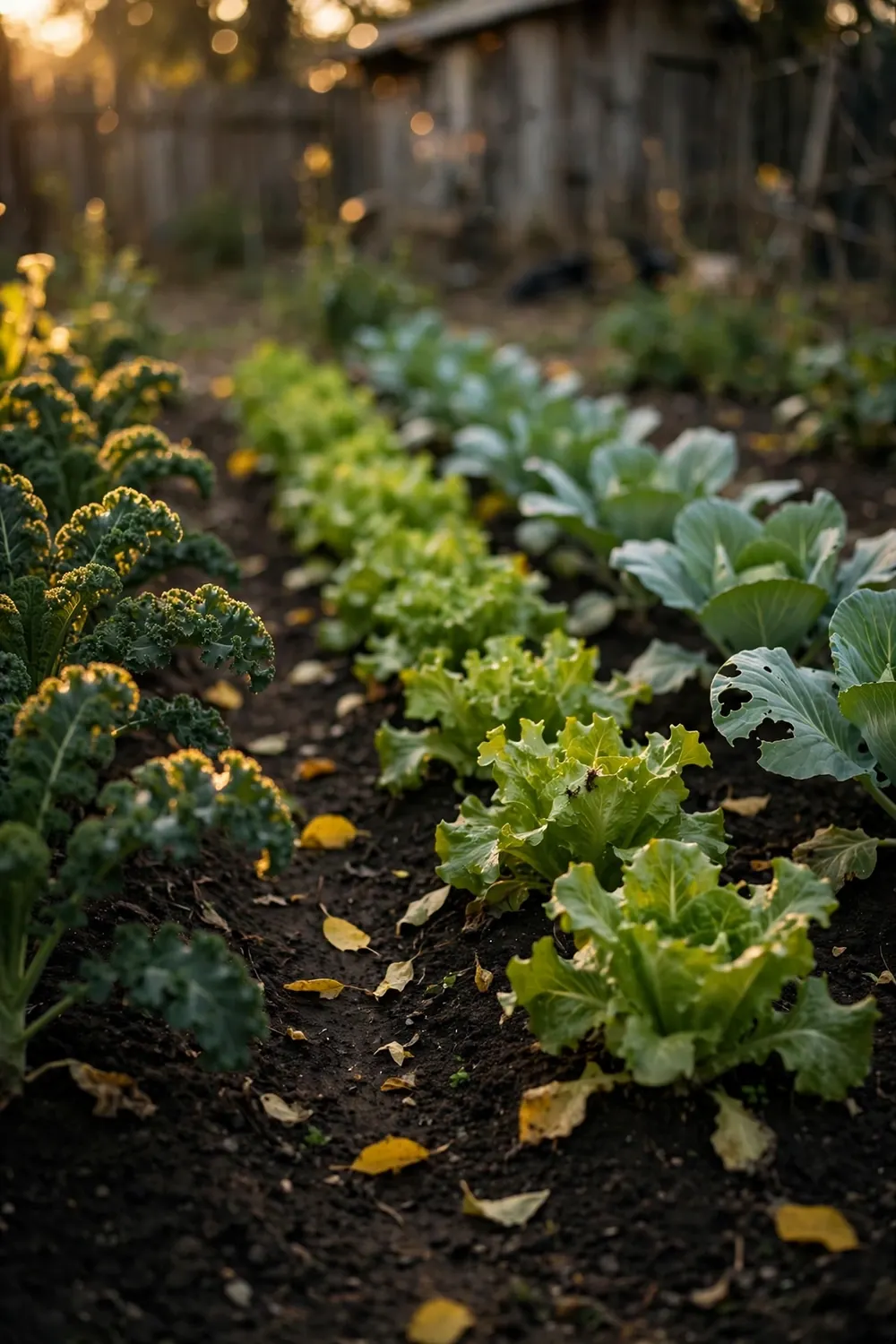

Zone 6 gives you roughly 8 weeks between Labor Day and the first hard frost, and that window decides your whole fall garden. Plant cool-season vegetables by mid-August, tuck garlic and bulbs into cooling soil through October, and give perennials 6 weeks to root before the ground locks up. The rest of this guide is the zone-6 math: your frost date, the planting windows that count back from it, and what survives once the cold arrives.
Most zone-6 gardeners plant fall crops too late because they shop the calendar instead of the thermometer. A seed packet that says 60 days to maturity needs those 60 days before growth stalls, not 60 days before you feel like planting. In zone 6, growth slows hard once nights drop into the 40s, which usually happens weeks before the first frost. The gardeners who harvest into November started in July, while everyone else was still eating tomatoes.
Your first move is pinning down your average first frost date, because every planting window below counts back from it. Most of zone 6 sees its first frost in the first three weeks of October, with 6a running about a week earlier than 6b. If you do not know your exact date, the frost-date math in when to start fall garden walks through finding it for your zip code.
1. Start From Your First Frost Date, Not the Calendar
Zone 6 spans a wide band of first-frost dates, and your garden lives or dies on which end you sit. The USDA puts zone 6 minimum winter temperatures between minus 10 and 0 degrees Fahrenheit, with 6a on the colder half and 6b on the milder half. That split shows up in fall as roughly a 10-day difference in first frost. Ten days sounds small until you realize it is the entire planting window for radishes.
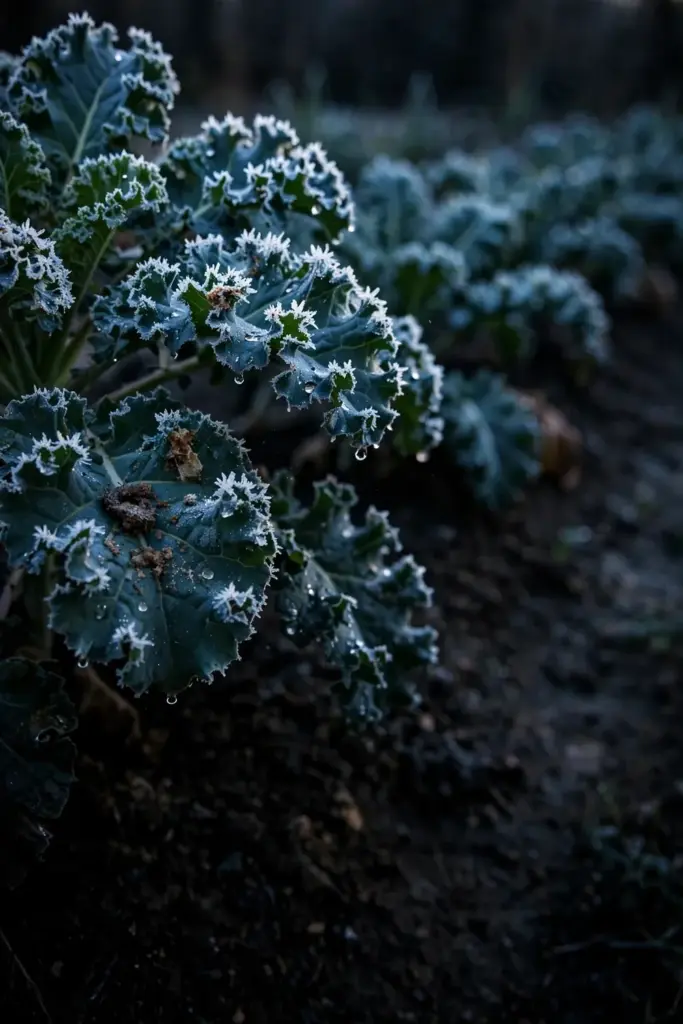
Cornell Cooperative Extension’s fall planting guidance uses a 50 percent chance of a first killing frost around October 9 for its region, and upstate New York planting charts base their dates on a first fall frost around October 1. Your county extension office publishes the equivalent date for your town, and it is worth looking up, because national zone maps cannot see your valley, your hilltop, or the heat your driveway radiates.
| Zone 6 pocket | Typical first-frost window | What it means |
|---|---|---|
| Zone 6a, higher elevation or open rural | Early October | Plant fall crops 7 to 10 days earlier than the tables below |
| Zone 6a, average sites | First to second week of October | Use the planting windows below as written |
| Zone 6b, average sites | Mid-October | You can push fast crops about a week later than listed |
| Zone 6b, urban or sheltered | Late October | Your season runs longest; still count back from your real date |
Once you have the date, the planting math is simple subtraction. Cornell’s method: find your average first frost date, count backward the crop’s days to maturity, then add the days the seeds need to germinate. That total is your plant-by date. A carrot that needs 75 days to mature and 10 days to germinate, counted back from October 15, goes in the ground around July 22. Do the arithmetic on paper before you buy a single seed packet.
Build in a buffer. Fall days are shorter and cooler than the spring days the seed packet assumed, so crops mature slower than the label promises. Experienced zone-6 gardeners add 10 to 14 days to the packet’s days-to-maturity before counting back. The tables below already include that buffer, which is why their dates look earlier than optimistic charts elsewhere.
2. The Zone 6 Fall Vegetable Planting Windows
This is the table the whole guide exists for. Every date counts back from a mid-October first frost using Cornell’s count-back method, with the fall slowdown buffer included. If your frost date is a week earlier or later, shift the whole column by that week. The zone chart in fall garden planting schedule covers every zone side by side if you want to compare, but this table is tuned for zone 6 only.
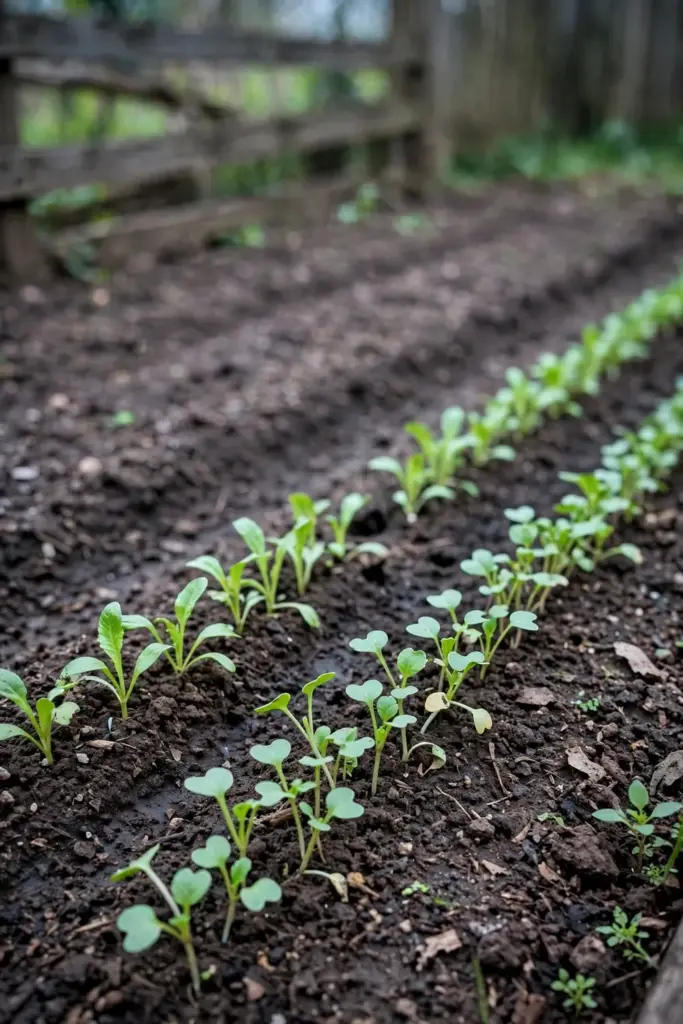
July is the real start of the zone-6 fall garden, which surprises gardeners who think of fall planting as a September activity. Transplants of broccoli, cabbage, and cauliflower go in during the last two weeks of July, when the beds still hold summer crops. Clear a section early or start a dedicated fall bed. Direct-sown carrots and beets follow in the first days of August. Fast crops like radishes and mustard greens can wait until late August or early September.
| Crop | Plant by (Oct 15 frost) | Method | Days to maturity | Harvest window |
|---|---|---|---|---|
| Broccoli | July 20 | Transplants | 60 to 80 | September to October |
| Cabbage | July 25 | Transplants | 65 to 80 | September to November |
| Cauliflower | July 25 | Transplants | 55 to 80 | September to October |
| Carrots | August 1 | Direct sow | 70 to 80 | October to November |
| Beets | August 1 | Direct sow | 50 to 60 | September to October |
| Swiss chard | August 1 | Direct sow | 60 to 75 | September to November |
| Kale | August 10 | Direct sow or transplants | 55 to 70 | September to December |
| Turnips | August 10 | Direct sow | 40 to 60 | September to October |
| Kohlrabi | August 10 | Direct sow | 50 to 70 | September to October |
| Peas | August 1 | Direct sow | 60 to 80 | September to October |
| Lettuce, leaf | August 25 | Direct sow | 50 to 60 | September to October |
| Mustard greens | August 25 | Direct sow | 40 to 50 | September to October |
| Spinach | August 20 | Direct sow | 50 to 70 | September to November |
| Arugula | September 1 | Direct sow | 30 to 40 | September to October |
| Radish | September 10 | Direct sow | 25 to 30 | September to October |
| Garlic | October 1 to 15 | Cloves | Overwinters | Next July |
Days-to-maturity figures follow Cornell’s upstate New York vegetable planting charts, which rate crops for cool tolerance and list the same maturity ranges. The plant-by dates shift if your frost date differs; the method does not.
Succession sowing stretches the harvest without extra space. Cornell’s fall guidance recommends planting lettuce and other fast greens in small batches two to three weeks apart rather than all at once. A row of lettuce sown August 25 and another sown September 10 gives you salads across two months instead of one glut. Radishes and arugula are the best succession candidates because they mature fast enough for three rounds.
Transplants beat direct sowing for the July plantings. Starting broccoli or cabbage seed in July heat is a germination gamble, and a six-pack of sturdy transplants buys you three weeks you cannot afford to lose. For the August and September sowings, direct seeding works fine because the soil is warm and germination is fast. Water new sowings daily until they emerge; August sun bakes the top inch of soil where tiny seeds sit.
3. Perennials, Bulbs, and Garlic Go in the Ground Now
Fall is the main planting season for everything that sleeps through winter and wakes in spring. Perennials planted in September grow roots in warm soil for 6 weeks before the ground freezes, which is why fall-planted perennials routinely outperform spring-planted ones the following year. Spring bulbs must go in during fall; there is no spring alternative. Garlic is the vegetable world’s fall crop, planted in October and harvested the following July.
| What | Plant window in zone 6 | Depth and spacing | Zone-6 note |
|---|---|---|---|
| Perennials (container-grown) | September, at least 6 weeks before hard frost | Same depth as the nursery pot | Roots establish in warm soil; mulch after the ground cools |
| Spring bulbs (tulips, daffodils, crocus, allium) | September to October, after soil cools | 2 to 3 times the bulb’s height deep, pointy end up | Plant before the ground freezes; deeper planting resists frost heave |
| Garlic | October to early November | 2 to 4 inches deep, 3 to 6 inches apart, pointed end up | Needs 6 to 8 weeks before the ground freezes to root |
| Shallots and perennial onions | October | 1 to 2 inches deep, 6 inches apart | Mulch like garlic |
Perennials want the same 6-week rule as everything else. A perennial planted in early September in zone 6 has warm soil into mid-October, which is enough for real root growth. Plant in late October and the roots never engage; the plant heaves out of freeze-thaw cycles by February. Water new perennials deeply at planting and again if fall rains fail, because a dry root ball going into winter is the quiet killer.
Bulb timing follows soil temperature, not the calendar. Ohio State Extension’s fall bulb guidance says to plant after the soil cools but before the ground freezes, which in zone 6 usually means September into November. The standard depth rule is 2 to 3 times the bulb’s own height, pointy end up. Tulips and daffodils at 6 to 8 inches deep ride out zone-6 winters easily; shallow planting is what gets bulbs heaved out by freeze-thaw. The bulb picks in bulbs to plant in fall narrow the choices if you are deciding what to order.
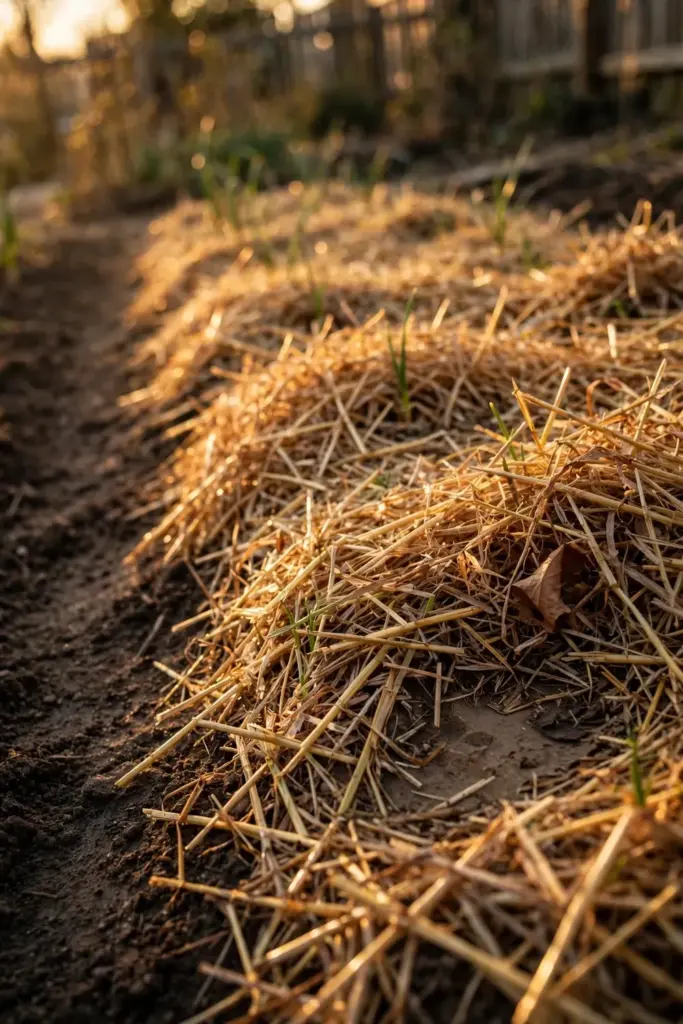
Garlic deserves its own paragraph because zone 6 grows it better than almost any other zone. Lincoln University Extension’s garlic guidance says to plant in October or early November, 6 to 8 weeks before the ground freezes, choosing large healthy cloves and setting them 2 to 4 inches deep and 3 to 6 inches apart with the pointed end up. Cover the bed with 3 inches of clean straw after planting to stabilize soil temperature and hold moisture. Do not plant supermarket garlic; buy seed stock from a reliable source, since grocery bulbs can carry disease and are often varieties unsuited to cold winters. Hardneck types are the zone-6 default because they need the cold to form bulbs properly.
4. Overwintering Vegetables and Stretching the Season
Zone 6 winters are cold enough to end the season but mild enough to cheat, and the cheating is the fun part. Overwintering means planting crops in fall that sit dormant through winter and surge in early spring, weeks ahead of anything you could start from seed. Spinach sown in late September, mache sown in October, and garlic planted in October all qualify. They do not grow in January; they wait, then explode in March while your neighbor’s seed packets are still in the drawer.
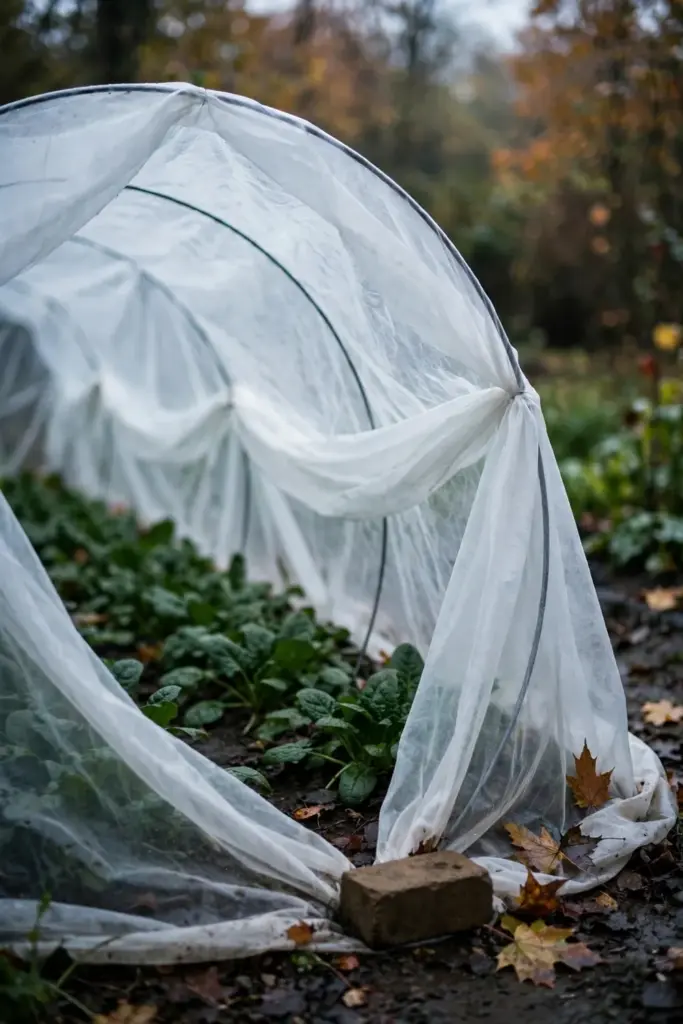
Season extension covers the other direction: keeping fall crops alive weeks past the first frost. A floating row cover is the cheapest tool, and Kansas State Extension’s low-tunnel guidance puts numbers on it: lightweight row cover cloth gives up to 4 degrees of protection past freezing, enough to carry lettuce and spinach through light frosts, while polyethylene film over hoops gives up to 8 degrees, enough to protect warm-season holdovers like peppers into late fall. The film is not self-venting, so it comes off on sunny days or the plants cook.
| Method | What it protects | Protection gained | Zone-6 use |
|---|---|---|---|
| Floating row cover, lightweight | Lettuce, spinach, greens, root tops | Up to 4 degrees past freezing | Carries greens 2 to 4 weeks past first frost |
| Polyethylene over low hoops | Peppers, tomatoes, tender crops | Up to 8 degrees past freezing | Stretches warm-season harvest into November |
| Straw mulch, 3 to 4 inches | Carrots, parsnips, leeks left in ground | Insulates soil, delays freeze | Harvest roots into December in 6b |
| Cold frame | Greens, herbs, small brassicas | Weeks of extra growth | Best season extender for small zone-6 gardens |
| Unheated hoop house | Nearly everything | A full extra month or more | The serious investment; pays off in greens all winter |
Cold hardiness is not one number; it is a ladder, and Cornell’s fall guidance lays out the rungs. Peas and cauliflower handle light frosts down to about 28 to 32 degrees. Broccoli, cabbage, chard, carrots, kale, lettuce, spinach, and parsley survive hard freezes down to 25 to 28 degrees, and a light frost actually sweetens carrots and kale by converting starches to sugars. Knowing which rung each crop stands on tells you what to cover first when the forecast turns.
Water before a freeze, not after. Moist soil holds daytime heat and releases it overnight, which can buy a degree or two around the roots. A bed watered deeply the afternoon before a frost warning fares better than a dry one. Do not overhead-water frozen foliage in the morning; let the sun melt the ice, then water at the base.
5. Plant It Right: Zone-6 Mechanics That Decide the Season
Fall planting fails on mechanics more often than on timing. The three that matter most in zone 6 are soil temperature at sowing, consistent moisture during establishment, and bed cleanup before planting. Get these right and average timing still produces; get them wrong and perfect timing will not save the crop.
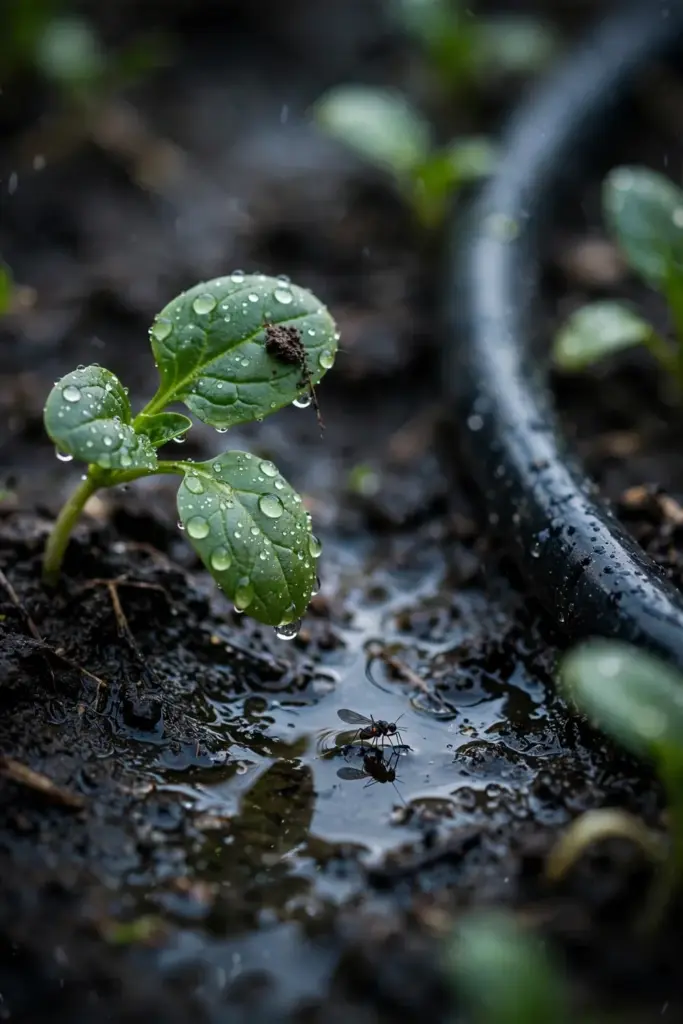
Soil temperature cuts both ways in late summer. Warm August soil germinates seeds fast, which is good, but soil above 80 degrees inhibits lettuce and spinach germination entirely. If your August sowings of lettuce stall, the seeds are not dead; they are waiting for cooler soil. Shade the bed with a board or burlap for a few days after sowing, or wait for a cool stretch. A soil thermometer costs little and removes the guesswork; the number matters more than the calendar date.
Water new fall plantings like you mean it. August and September in zone 6 can run dry, and a seed that germinates then dries out is a dead seed. Keep the top inch of soil consistently moist until seedlings show true leaves, then shift to deep, less frequent watering that pushes roots down. Drip irrigation or soaker hoses beat overhead watering because wet foliage in cooling nights invites the fungal diseases that thrive in fall.
Clean the bed before you plant into it. Pull spent summer crops, including their roots, because decaying vines harbor the diseases that attack fall seedlings. Work in an inch or two of compost to replace what the summer crop ate; fall crops are lighter feeders than tomatoes, but they still need fertile soil. Cornell’s fall guidance lists this cleanup as the first step for a reason: fall seedlings planted into tired, compacted soil inherit summer’s problems. The bed-building method in the fall planting guide covers the full routine if your beds need more than a refresh.
Mulch after planting, not before. A 2 to 3 inch layer of straw or shredded leaves around transplants holds moisture and suppresses the late-summer weeds that compete with slow seedlings. Wait until after the first hard frost to pile the heavy winter mulch around perennials and garlic; mulching too early insulates warm soil and invites rodents to nest. Timing the mulch is as important as choosing it.
6. Zone 6a vs 6b: Read Your Own Yard
The zone map draws one line, but your yard draws a dozen microclimates. A south-facing wall can run a full zone warmer than the open lawn twenty feet away, which is why experienced gardeners plant their tenderest fall crops against the house and their toughest ones in the exposed beds. Concrete and brick absorb daytime heat and release it at night, buying the beds beside them several degrees on frosty nights.
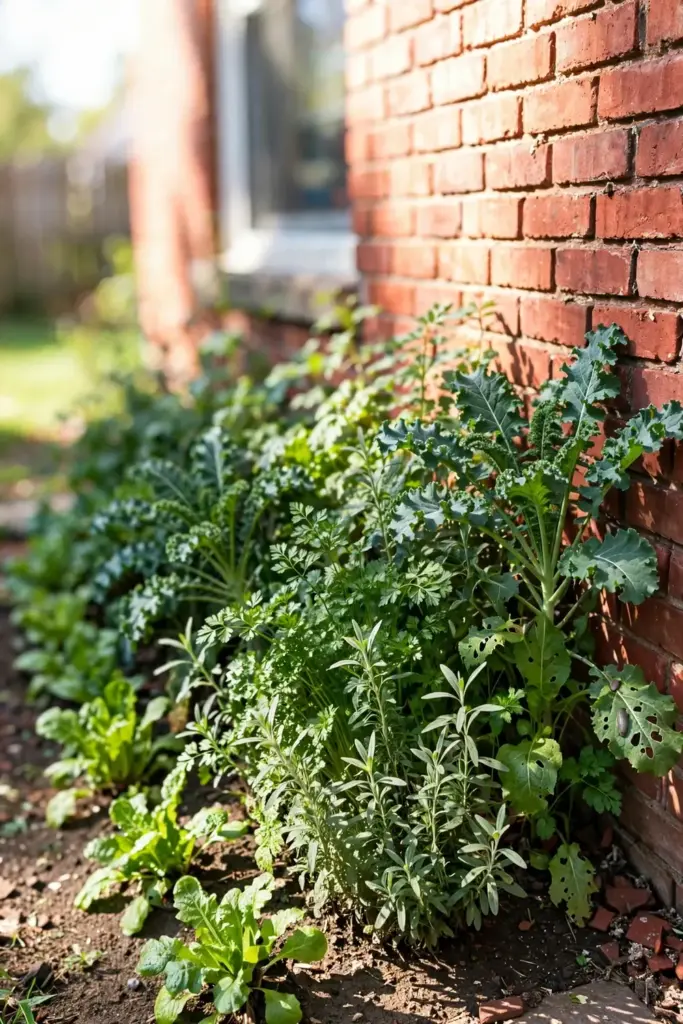
Elevation and air drainage matter more than most gardeners realize. Cold air flows downhill like water and pools in low spots, so a garden at the bottom of a slope frosts earlier and harder than one on the ridge above it. If your yard has both, put the frost-tender fall crops high and the bulletproof kale down low. A simple min-max thermometer left in different spots for a week in October will map your yard better than any zone chart.
Urban and suburban zone-6 gardens routinely outperform their zone on paper. Rooftops, pavement, and buildings create heat islands that push first frost back by a week or more, which is a real advantage for fall crops. Rural zone-6 gardens get the opposite: open exposure, earlier frosts, harder freezes. Know which gardener you are before trusting any planting table, including the ones above.
Wind deserves its own mention because zone 6 gets it. A site exposed to prevailing northwest winds loses heat faster on clear fall nights, and desiccating winter wind damages broadleaf evergreens and marginally hardy perennials. A fence, hedge, or even a row of straw bales on the windward side changes the equation. The seasonal checklist in the fall gardening tips pillar covers wind protection alongside the season’s other jobs.
7. Mistakes Zone 6 Gardeners Make Every Fall
Planting fall crops in September because it feels like fall. By September, the 60-day crops needed to be in the ground a month ago. The calendar lies; the count-back math does not. If you missed the July window, pivot to the 30-day crops: radishes, arugula, mustard greens. Something fast beats something perfect that never matures.
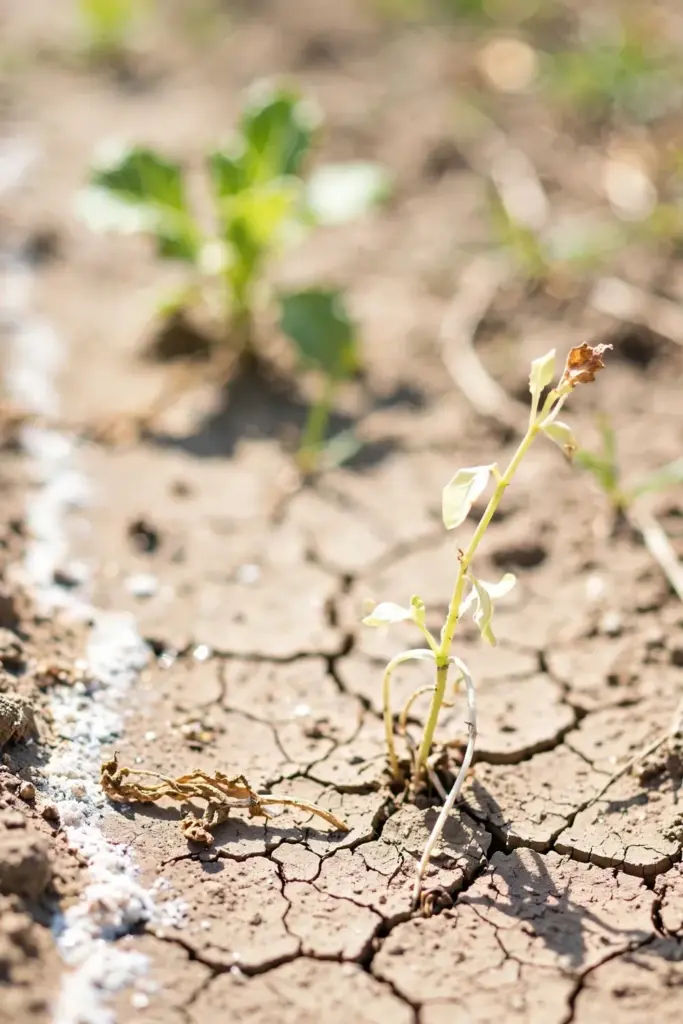
Sowing lettuce and spinach into hot August soil and blaming the seed. Soil above 80 degrees triggers thermodormancy in lettuce; the seed waits, you assume failure, and you resow into the same hot soil. Shade the bed, pre-chill the seed in the refrigerator for two days, or wait for nights in the 60s. The seed was fine. The soil was the problem.
Skipping water because the air feels cool. Fall air tricks gardeners into thinking the soil is moist. September can be one of the drier months, and new transplants with shallow roots dry out fast. Check soil moisture with your finger, not your assumptions. An inch of water a week until the ground freezes is the baseline for new plantings.
Mulching perennials and garlic too early. Heavy mulch applied in warm October soil keeps the ground warm, which delays dormancy and invites voles to move in for winter. Wait until after the first hard frost, when the top inch of soil has firmed up, then lay the straw. The mulch is a blanket for frozen ground, not a sweater for warm ground.
Planting spring bulbs after the ground freezes. Bulbs need weeks of unfrozen soil to grow roots before winter; a bulb dropped into frozen ground in December is a spring disappointment. If October got away from you, plant the day the ground thaws workable, but know you gambled. Mark your calendar for next September while the lesson is fresh.
Forgetting that fall perennials need water too. A perennial planted in September and never watered again goes into winter with a dry root ball, which is how marginally hardy plants die in zone 6. Water deeply at planting and weekly until the ground freezes if rain does not do it for you. The perennial picks in fall blooming perennials are worth the effort only if they arrive at winter hydrated.
8. Frost Protection Playbook: The Night Before
The forecast says 30 degrees tonight and your fall garden is full of food. Here is the triage, in order. First, harvest everything that cannot take it: ripe tomatoes, peppers, basil, beans. A light frost ruins basil overnight and turns pepper foliage to mush. Harvesting takes an hour; replanting takes a season.
Second, cover what the frost will only bruise. Drape floating row cover over lettuce, spinach, chard, and young brassicas, anchoring the edges with soil or boards so wind cannot lift it. The lightweight cloth buys up to 4 degrees, which turns a 29-degree night into a nonevent for greens. For peppers or tomatoes you are trying to carry further, polyethylene over hoops buys up to 8 degrees but must come off the next sunny morning.
Third, water the beds that afternoon. Moist soil stores the day’s heat and releases it through the night, softening the temperature drop around the roots. This is the oldest trick in the book and it still works. Do not sprinkle the foliage; soak the soil.
Fourth, leave the cold-hardy crops alone. Kale, carrots, spinach, and parsley shrug at 28 degrees, and kale and carrots taste better after a frost. Covering them wastes cloth and your evening. The triage principle is simple: protect the tender, harvest the doomed, ignore the tough. The vegetable picks in fall vegetables to plant rate each crop’s cold tolerance if you want the full ranking.
Keep covers handy from late September on. The first frost in zone 6 often arrives as a single cold night followed by two warm weeks, and gardeners who have the cloth ready gain a month while everyone else quits. Store the row cover where you can grab it in the dark, because frost warnings always seem to arrive at dinner time.
Frequently Asked Questions
What Is the Average First Frost Date in Zone 6?
Most of zone 6 sees its first frost between October 1 and October 20, with 6a averaging the first week and 6b the second or third week. Microclimates shift this by 10 days or more in either direction. Your county extension office publishes the exact average for your town, and that local number beats any national chart for planning purposes.
What Vegetables Can I Plant in September in Zone 6?
Fast crops: radishes, arugula, mustard greens, and lettuce, all maturing in 25 to 60 days. Spinach sown in early September also works. Slow crops like broccoli, cabbage, and carrots needed July or early August planting and will not mature from a September sowing. Garlic and shallots go in during October, not September, after the soil cools.
Can I Plant Perennials in Fall in Zone 6?
Yes, September is the best month. Container-grown perennials planted 6 weeks before hard frost establish roots in warm soil and outperform spring-planted ones the following year. Plant at the same depth as the nursery pot, water deeply, and mulch after the ground cools. Avoid planting after mid-October; roots need unfrozen soil to engage.
When Should I Plant Garlic in Zone 6?
October to early November, 6 to 8 weeks before the ground freezes. Set large cloves 2 to 4 inches deep and 3 to 6 inches apart, pointed end up, then cover with 3 inches of clean straw. Hardneck varieties suit zone 6 because they need winter cold to form bulbs. Harvest comes the following July when the lower leaves yellow.
How Do I Protect Fall Crops From an Early Frost?
Harvest the tender crops first: tomatoes, peppers, basil, and beans. Cover greens and brassicas with floating row cover for up to 4 degrees of protection, or polyethylene over hoops for up to 8 degrees. Water beds the afternoon before the frost; moist soil releases heat overnight. Leave kale, carrots, and spinach uncovered; they handle freezes into the mid-20s.
Is Fall or Spring Better for Planting in Zone 6?
Both, for different plants. Fall wins for perennials, spring bulbs, garlic, and anything that benefits from root growth in warm soil without summer heat stress. Spring wins for warm-season vegetables and for gardeners who missed the fall windows. The zone-6 gardener who plants in both seasons harvests in three.








