
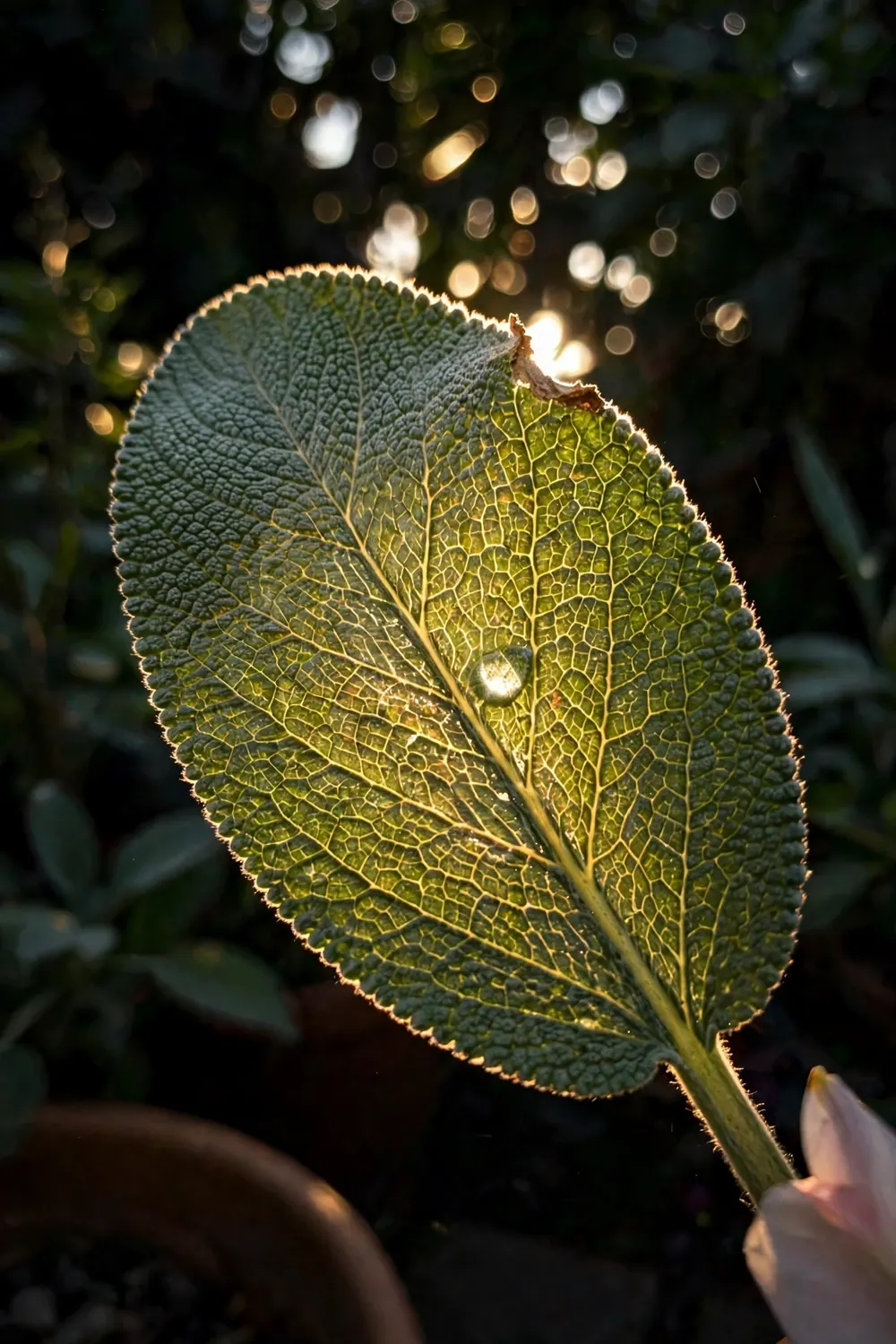

Sow 26 herbs this fall: cool-season annuals this week, perennials six weeks before your first hard freeze, tender ones into pots before October ends. That is fall herbs to plant as a working list: 26 specific plants, each tagged by type, zone, sun, container fit, and seed or transplant. The rest of this page is 26 herbs, from cilantro seed sown this week to stevia potted for the windowsill.
Sow the cool-season annuals this week. Set out transplants while the soil still holds warmth. Pot the tender ones before the first cold night.
This is the first week of October in most of zones 5 through 8, which means the fall herb window is open right now. Cool-season annuals germinate fast in cooling soil. Hardy perennials planted now spend autumn building roots instead of flowers, and come back twice as strong in spring. Tender perennials go into pots this month so the move indoors is old news by November.
The broad fall plan is a different job. That lives on the site’s fall gardening tips. Cold-hardy herbs as a planting-timing topic is a different job too. That lives on fall planting guide. This page stays on the herb list itself: 26 specific plants with tags you can scan.
How to Read the Tags on Every Herb
Each of the 26 entries carries the same five tags so you can scan instead of guess. Type tells you annual, biennial, or perennial, because that decides whether you replant yearly. Zone is the USDA hardiness range for the plant in the ground; annuals list “all zones” since frost ends their season everywhere. Sun is full sun (6+ hours) or part shade. Container tells you whether it thrives in a pot, which matters for renters and for tender plants that must come indoors. From seed tells you whether sowing works or whether you should buy a transplant, divide, or take cuttings. Zone and size figures below are standard nursery reference data.
The 26-Herb Comparison Table
| # | Herb | Type | Zone | Sun | Container / Indoor | From Seed |
|---|---|---|---|---|---|---|
| 1 | Cilantro | Annual | All zones | Full sun to part shade | Yes | Yes, direct sow |
| 2 | Dill | Annual | All zones | Full sun | Yes, deep pot | Yes, direct sow |
| 3 | Parsley | Biennial | 5–9 | Full sun to part shade | Yes | Yes, slow |
| 4 | Chervil | Annual | All zones | Part shade | Yes | Yes, direct sow |
| 5 | Borage | Annual, self-sowing | 2–11 | Full sun | Large pot only | Yes |
| 6 | Calendula | Annual | 2–11 | Full sun to part shade | Yes | Yes |
| 7 | Summer Savory | Annual | All zones | Full sun | Yes | Yes |
| 8 | Fennel | Perennial / biennial | 4–9 | Full sun | Large, deep pot | Yes |
| 9 | Sage | Perennial | 4–8 | Full sun | Yes | Transplant better |
| 10 | Thyme | Perennial | 4–9 | Full sun | Yes | Transplant / division |
| 11 | Oregano | Perennial | 4–9 | Full sun | Yes | Transplant / division |
| 12 | Chives | Perennial | 3–9 | Full sun | Yes | Yes |
| 13 | Mint | Perennial | 3–8 | Part shade to full sun | Pot only | Division / runners |
| 14 | Winter Savory | Perennial | 5–9 | Full sun | Yes | Transplant |
| 15 | French Tarragon | Perennial | 4–9 | Full sun to part shade | Yes | No, division / cuttings |
| 16 | Sorrel | Perennial | 4–9 | Full sun to part shade | Yes | Yes |
| 17 | Yarrow | Perennial | 3–9 | Full sun | Large pot | Seed / division |
| 18 | Rosemary | Tender perennial | 7–10 | Full sun | Yes, bring indoors | Transplant |
| 19 | Lavender | Perennial | 5–9 | Full sun | Yes | Transplant |
| 20 | Lemon Verbena | Tender perennial | 8–11 | Full sun | Yes, bring indoors | Transplant |
| 21 | Echinacea | Perennial | 3–9 | Full sun | Large pot | Yes, stratify |
| 22 | Chamomile (German) | Annual | 2–8 | Full sun to part shade | Yes | Yes |
| 23 | Lemon Balm | Perennial | 3–7 | Part shade to full sun | Yes, pot preferred | Seed / division |
| 24 | Basil | Annual | All zones | Full sun | Yes, indoor star | Yes |
| 25 | Bay Laurel | Tender perennial | 8–10 | Sun to part shade | Yes | Plant, not seed |
| 26 | Stevia | Tender perennial | 8–11 | Full sun | Yes | Transplant |
Cool-Season Annuals and Biennials
These are the sprinters. Sow them directly where they will grow, because most hate transplanting, and harvest within weeks. Cool soil is their trigger, not their enemy. Every herb in this group germinates better in October soil than in August soil.
1. Sow Cilantro Before the Heat Returns
Cilantro is the classic fall herb because it bolts in heat and thrives in cool air. Sow seeds 6 mm deep in full sun to part shade, and expect germination in 7 to 10 days in cool soil. The fall vegetables to plant listicle treats it as a vegetable-garden companion, but here it earns its place as a cut-and-come-again herb: snip outer leaves and the plant keeps producing until a hard freeze. Succession-sow every 2 to 3 weeks for an unbroken supply, because a single sowing bolts the moment a warm spell hits.
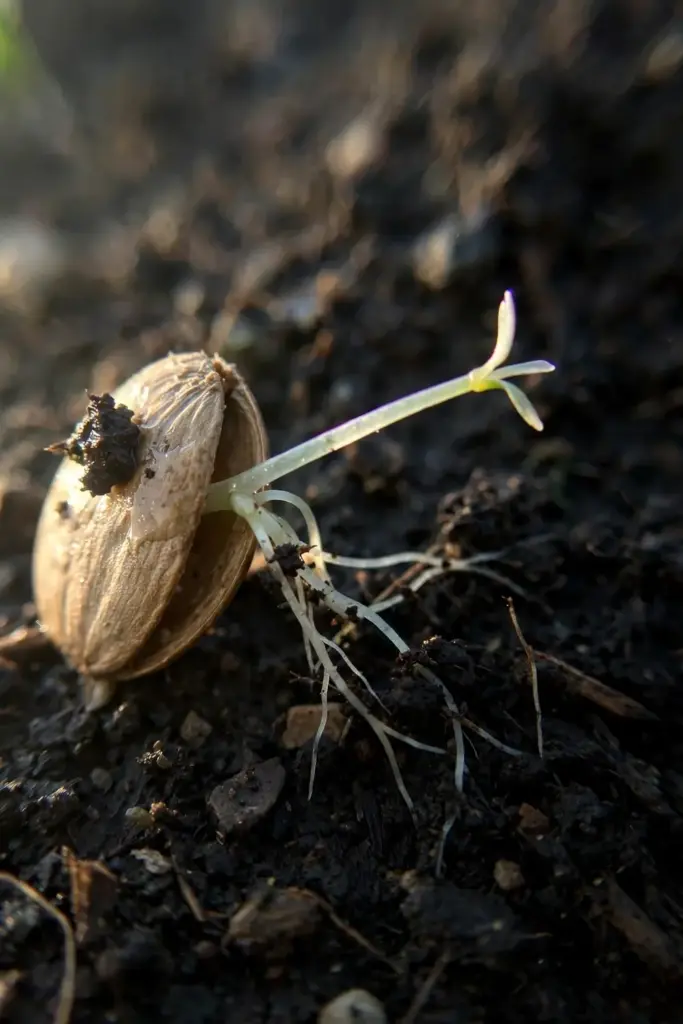
Skip starting it indoors. Cilantro grows a taproot that resents disturbance, so direct sowing beats transplants every time. In zones 8 and warmer, a fall sowing often overwinters under a light mulch and bolts the following spring, giving you an early seed harvest of coriander. Let one plant go to seed deliberately. The seeds you collect are coriander, a second spice from the same sowing, and home-saved coriander germinates better than packet seed. Skip the succession sowing and one warm week ends the harvest.
2. Sow Dill for Fronds Now, Seed Heads Later
Dill is one of the easiest herbs to grow from seed sown in fall or early spring, and it doubles as a pollinator plant since swallowtail butterfly larvae feed on it. Sow 6 mm deep in full sun; thin to 25–30 cm because crowded dill flops in the first wind. Harvest the feathery fronds young for salads and fish, then let a few plants stand for seed heads if you pickle. The unripe seed heads, cut green and added to the jar, give pickles their classic flavor.
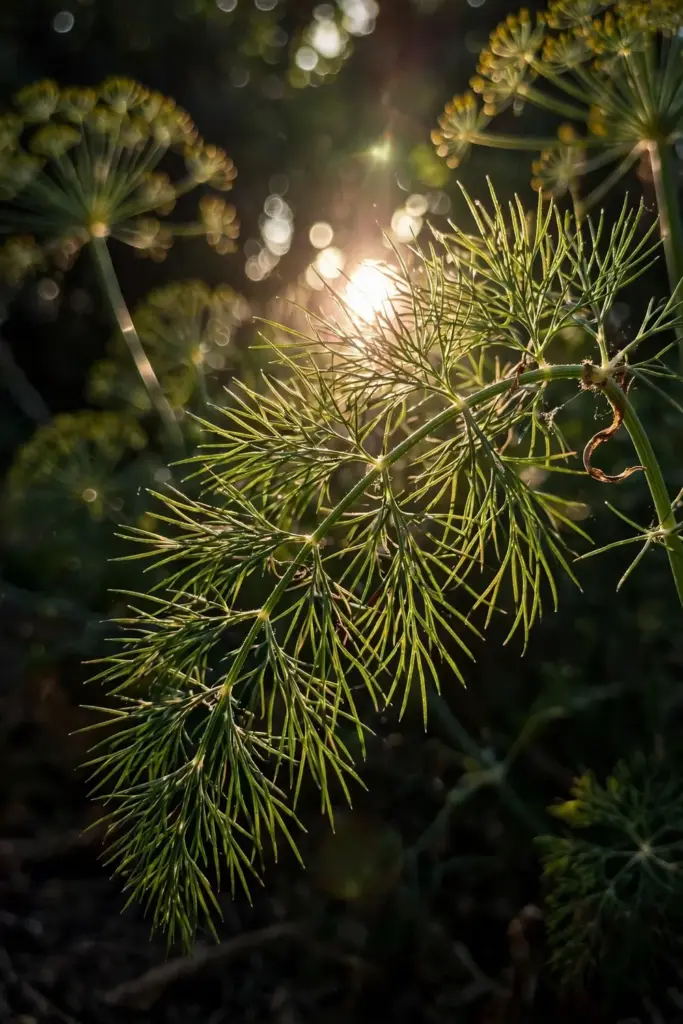
One warning from the field: do not plant dill near fennel. The two cross readily and the seedlings taste strange. Dill self-seeds freely, so expect volunteers next spring wherever you let heads ripen. Those volunteers are a gift. They germinate exactly when conditions suit them, which beats any calendar you keep. A patch that self-sows yearly needs no further attention beyond thinning. Let heads shatter where you do not want dill and you will weed volunteers for years.
3. Sow Parsley in Fall for Spring-Sized Plants
Parsley is a biennial, which makes it the sleeper pick of the fall herb list. Seeds of cold-hardy herbs such as parsley may be sown in the fall, and the plants overwinter in zones 5–9 with mulch, then explode the following spring. That second-year growth out-produces any spring sowing by a wide margin, because the root system is already built.
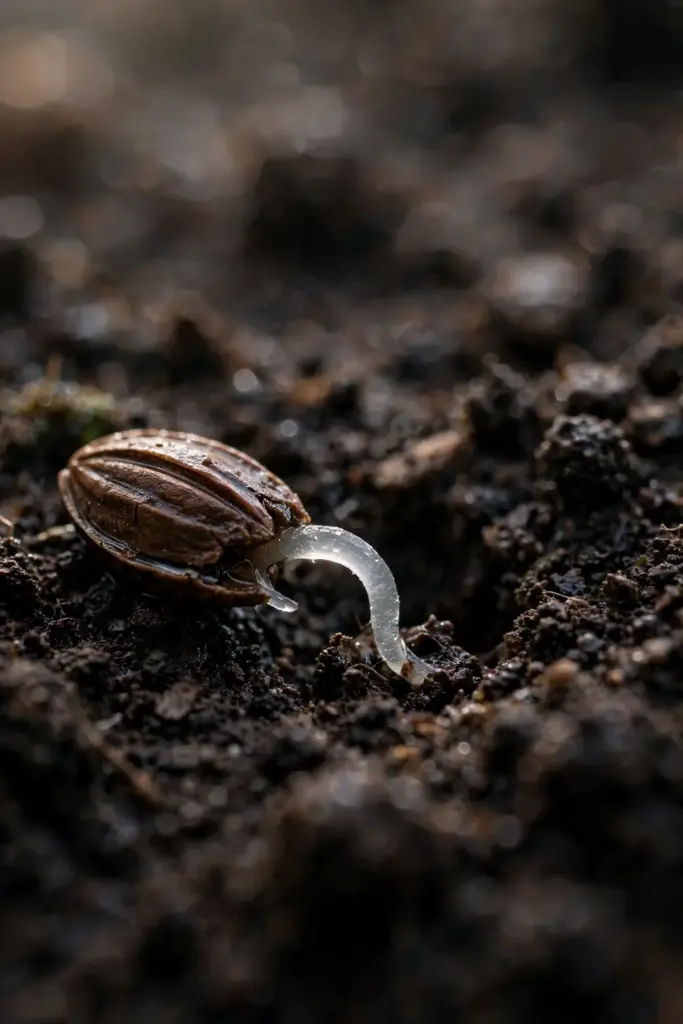
Soak seeds 24 hours before sowing 6 mm deep; germination takes 14 to 28 days, the slowest on this list, so mark the row and do not assume failure. Flat-leaf types out-flavor curly types for cooking. Cut outer stems at the base and the crown keeps pushing new growth. In the second spring it flowers and sets seed; let it, and you will never buy parsley seed again. The flowers also feed early pollinators when little else blooms. Pull second-year plants before they seed and you lose the free seed harvest.
4. Tuck Chervil Into the Shadiest Corner
Chervil wants what most herbs refuse: shade. Give it part shade and consistently moist soil, and it rewards you with lacy, anise-scented leaves through the cool months. Sow 6 mm deep where it will grow; like cilantro it dislikes transplanting. Chervil bolts at the first hint of sustained warmth, so fall is its natural season in most zones.
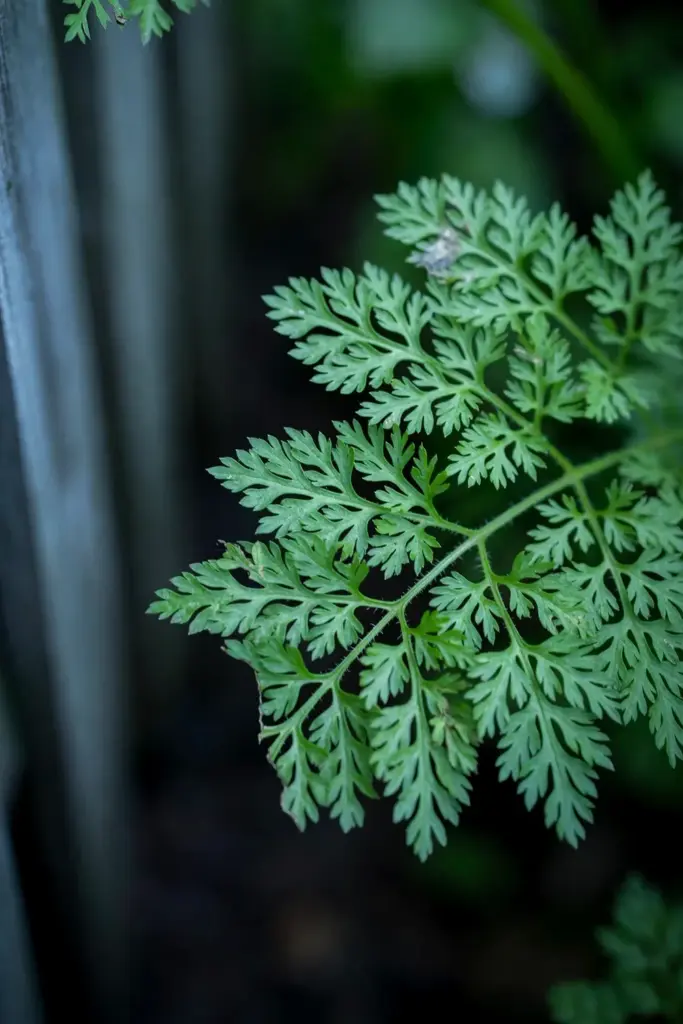
Harvest outer leaves before the plant flowers, because flowering turns the flavor bitter. Pair it with parsley in the same shady bed and the two cover each other’s gaps. French cooks count it among the fines herbes for a reason. A handful transforms an omelet in a way dried herbs never will. Succession-sow monthly and the supply never gaps. Chervil also grows well in a wide, shallow pot on a shaded balcony where sun-loving herbs fail.
5. Let Borage Self-Sow for Bees and Cucumbers
Borage is a self-sowing annual for sunny, dry spots, growing 61 cm (2 ft) tall with blue star-shaped flowers. Seed it in the garden in fall or early spring and then let it do the rest; volunteers return yearly without further effort. The young leaves taste of cucumber in salads, and the flowers draw bees, butterflies, and other pollinators in numbers few herbs match.
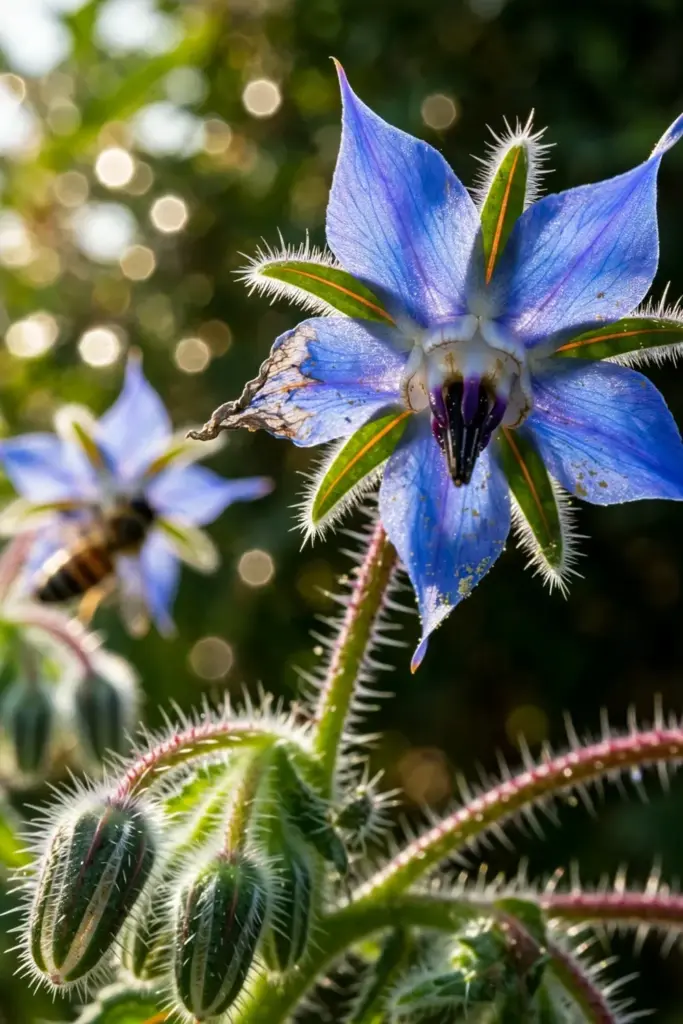
Give it room. Borage sprawls and a single plant covers a square meter by midsummer. Deadhead if you want fewer volunteers, or let it naturalize in a corner bed. The flowers freeze into ice cubes for drinks and hold their blue star shape. Older leaves turn prickly, so harvest young.
6. Sow Calendula for Color You Can Eat
Calendula is technically a flower, but it earns herb status for the kitchen and the medicine shelf. Sow 6 mm deep in full sun to part shade; it germinates in cool soil and blooms until hard frost. The petals go into salads, rice, and salves. The plant shrugs off light frosts that kill basil outright.
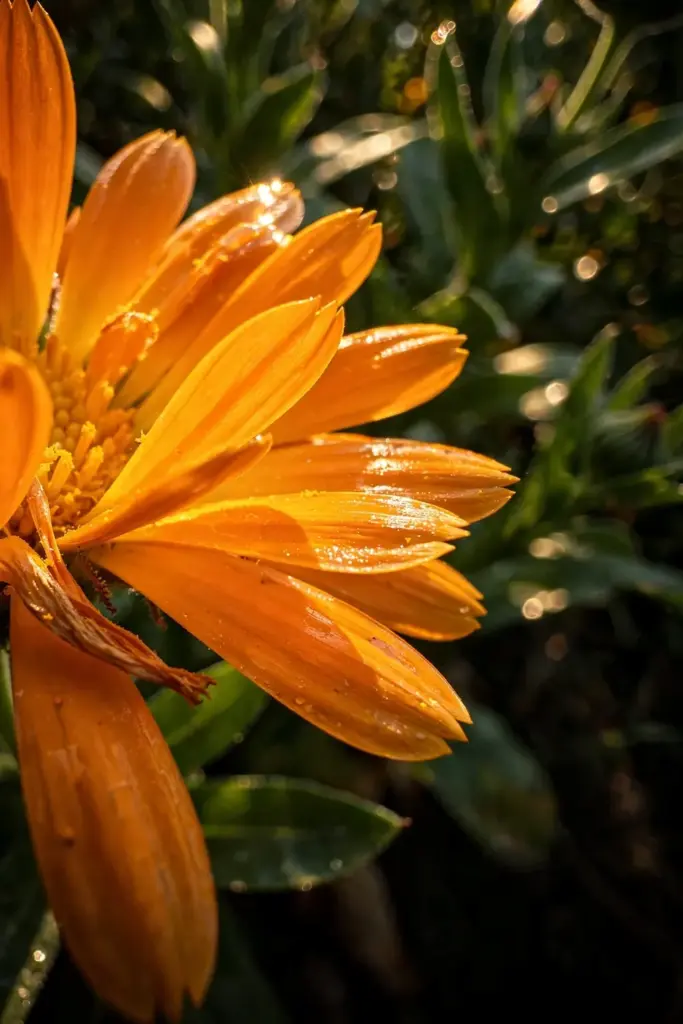
Deadhead weekly to keep blooms coming; a neglected plant sets seed and quits. In zones 8 and up it often overwinters and blooms again in spring. The resinous petals make a simple skin salve with olive oil, which is why apothecary gardeners plant it by the dozen. Orange and gold varieties carry the most pigment for salves. Skip the deadheading and the plant quits by August.
7. Sow Summer Savory Late for One More Round
Summer savory is an annual that seasons beans and meats, and a late sowing still pays. Sow 3 mm deep in full sun after the worst heat passes; it matures faster in cool weather than in summer. Clip often to encourage flavorful new growth, because uncut plants turn woody and bitter.
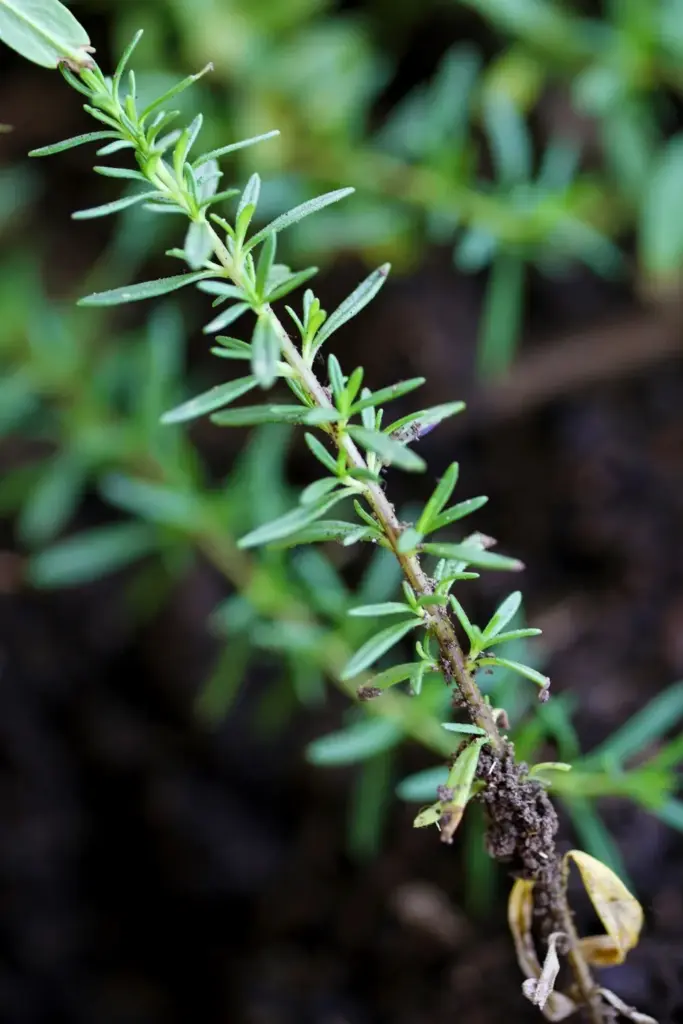
It does not overwinter, so treat this as a single-season crop and harvest hard before frost. If you want a perennial version, winter savory sits at item 14. Dry the late harvest in bundles; savory keeps its flavor better dried than most annual herbs. A September sowing in zones 6–8 still yields before Thanksgiving. Tuck it between taller plants as an edging; its compact habit fills gaps the big perennials leave.
8. Give Fennel Its Own Zip Code
Fennel is a perennial or biennial herb that looks like dill but smells of anise and reaches 1.2 m in flower. Sow in full sun in a large, deep container or a bed corner of its own, because it self-seeds to the point of invasiveness and crosses with dill. Young leaves flavor fish, seeds flavor teas and sausages.
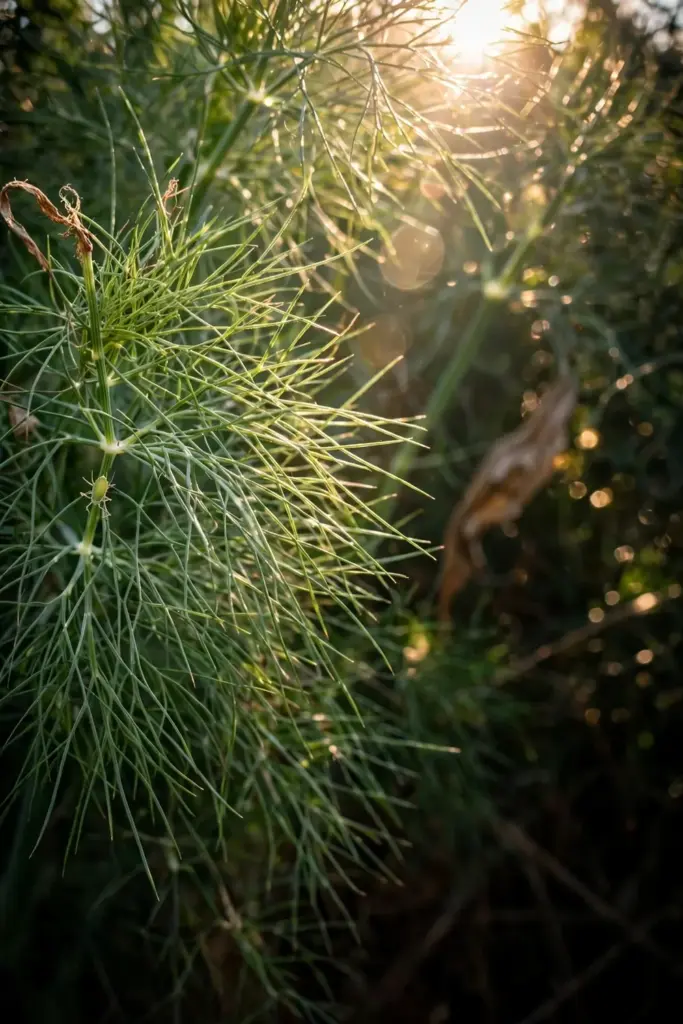
Bronze-leaf cultivars are ornamental enough for the flower border and taste identical to green types. Cut seed heads before they shatter unless you want a fennel colony. One plant feeds a household’s tea habit for a year, so restraint at sowing time pays off. Let the seed heads shatter and fennel owns the bed. The swollen leaf bases of Florence fennel are a separate vegetable crop, not this herb.
Hardy Perennials
Plant these in fall or early spring so roots establish before summer. They come back yearly, most split apart with a spade, and a fall planting beats a spring one because the plant spends autumn on roots instead of flowers. Mulch after the ground cools.
9. Plant Sage for a Decade of Harvests
Sage is a woody perennial for zones 4–8 that rewards a fall planting with a full spring flush. Set transplants in full sun in well-drained soil; wet winter soil kills more sage than cold does. Pinch new plants to force branching, and harvest lightly the first year so the plant builds its frame.
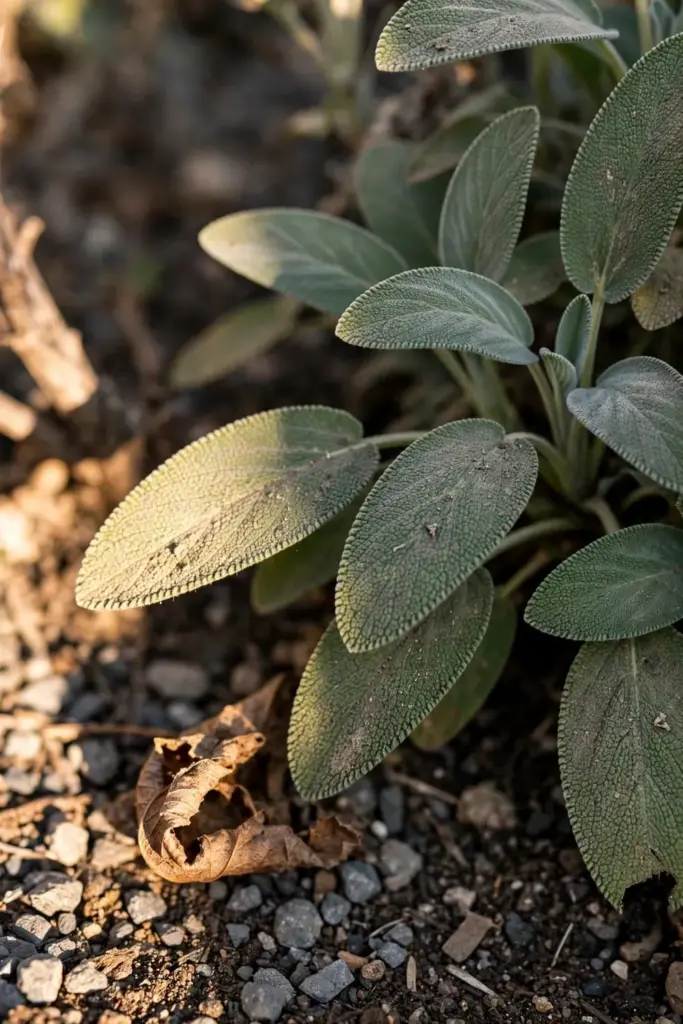
Old plants turn woody in the center after 4 to 5 years; replace them or layer a stem to start fresh. The gray leaves also feed pollinators when the blue flower spikes open in early summer. Tricolor and purple sages cook the same as common sage and earn their place in the ornamental border. Never cut into old wood that shows no green; it rarely resprouts.
10. Plant Thyme Once, Divide Forever
Thyme is a low perennial for zones 4–9 that asks for full sun and sharp drainage and gives back a decade of harvests. Plant transplants 20–25 cm apart in fall; seed is slow and divisions are faster. Creeping types make fragrant groundcover between pavers, upright types suit the kitchen bed.
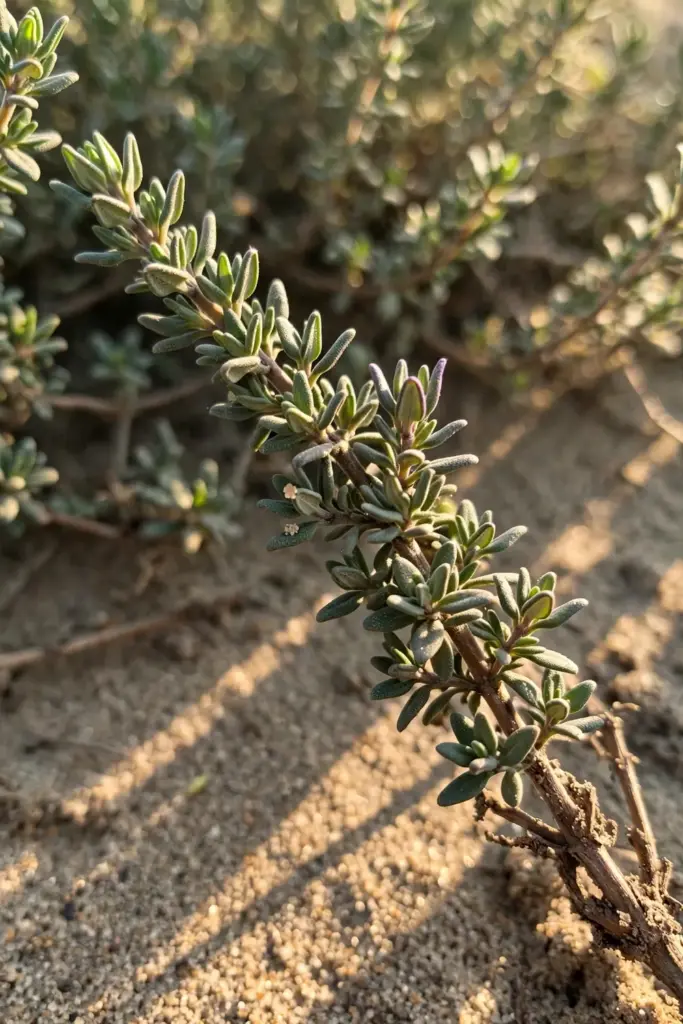
Shear after flowering to keep plants tight and prevent a woody, open center. Wet feet rot thyme faster than any freeze, so gravel mulch suits it better than bark. Lemon thyme is worth a dedicated plant; its scent transforms roast chicken. Replace plants that turn woody and bare in the middle after 4 years.
11. Plant Oregano Away From the Mint Bed
Oregano is a perennial for zones 4–9 that spreads by runners, so site it where spreading is welcome or pot it. Full sun concentrates the oils that make it pungent; shade-grown oregano tastes washed out. Divide congested clumps every 2 to 3 years in fall; each division becomes a new plant for the garden or a neighbor.
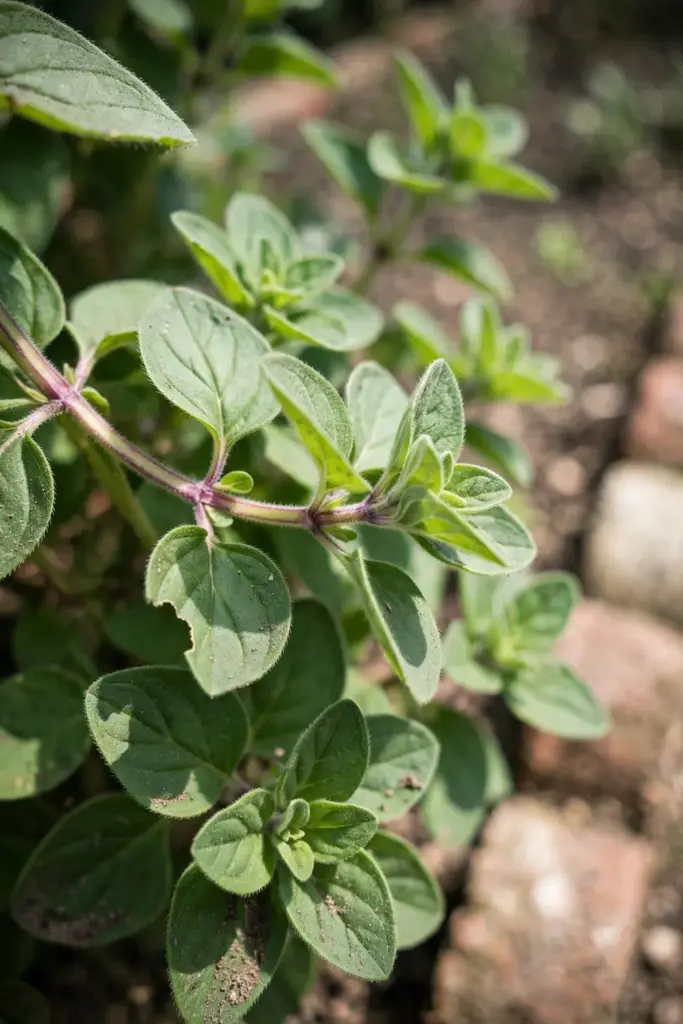
Greek types out-flavor common oregano for cooking, so read the label before you buy. Harvest before flowering for the strongest flavor, then let a few stems bloom for the bees. Dried oregano keeps its punch better than most herbs, so harvest generously in late summer and dry it in bundles.
12. Plant Chives in Clumps, Not Singles
Chives are perennial for zones 3–9 with grass-like leaves to 30.5 cm (12 in) and edible lavender flowers. Plant in clumps of 6 to 10 bulbs, or tear a purchased pot into sections; single plants look lonely and harvest poorly. Full sun, seed or transplant both work.
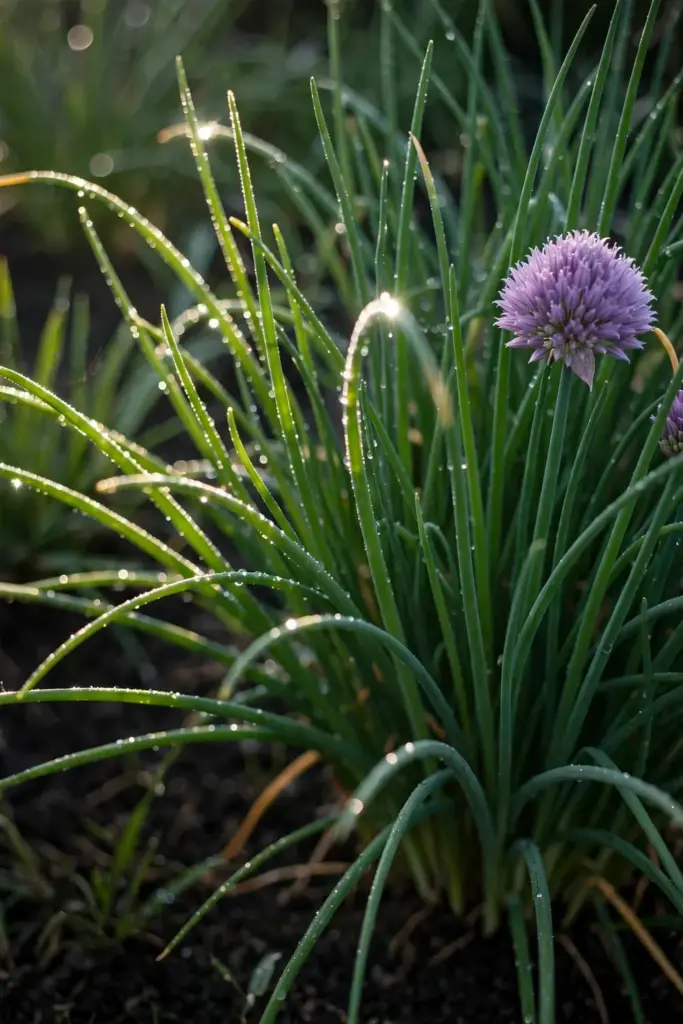
Divide congested clumps to keep them vigorous; crowded clumps produce thin, weak leaves. Garlic chives, with flat leaves and white late-summer blossoms, reseed prolifically, so deadhead if you do not want them everywhere. The flowers make a sharp, pretty vinegar. Snip leaves 5 cm above the crown and they regrow within weeks.
13. Plant Mint Only in a Pot
Mint is a perennial for zones 3–8 and the garden’s most aggressive herb. Plant it in a container or planter, never in open ground, or it takes over the bed within two seasons. Part shade to full sun both work; mint tolerates shade better than most herbs on this list.
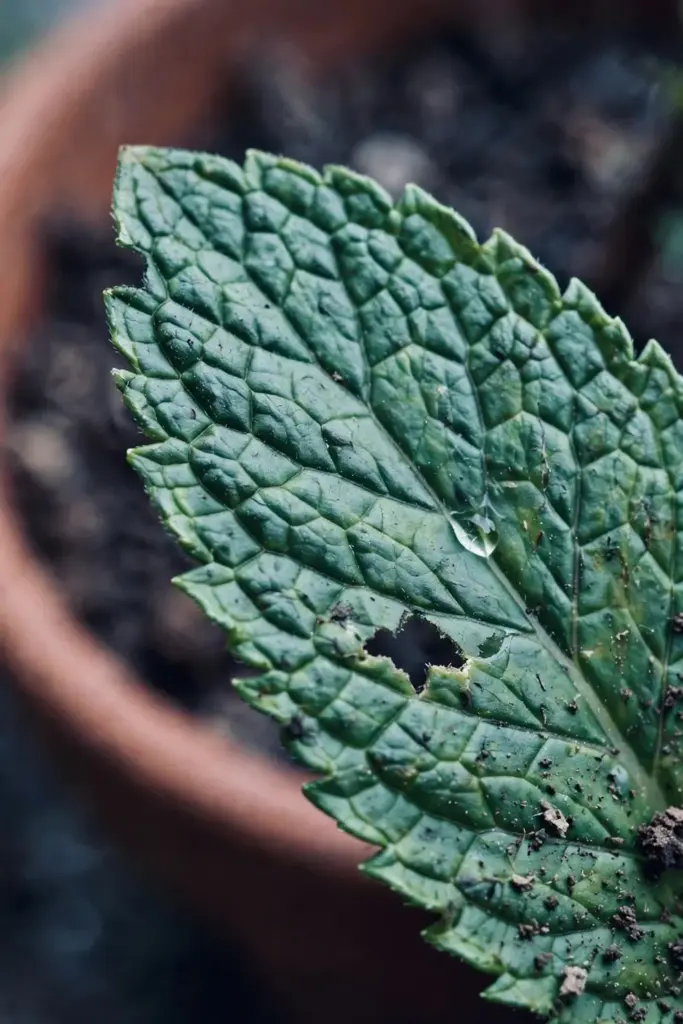
Peppermint and spearmint are the kitchen standards; apple mint and chocolate mint are novelties worth one pot each. Sink the pot in the bed if you want the look without the invasion, but lift it yearly to check for escaping runners. Harvest hard all season; mint responds to cutting by growing denser. A pot by the kitchen door gets used ten times more than one at the garden’s far end.
14. Plant Winter Savory for the Cold Months
Winter savory is a shrub-like perennial to 30.5 cm (1 ft) for zones 5–9, the cold-hardy answer to summer savory. Plant transplants in full sun in fall; it establishes roots through winter and seasons beans and meats by spring. Gather leaves before flowering for the best flavor.
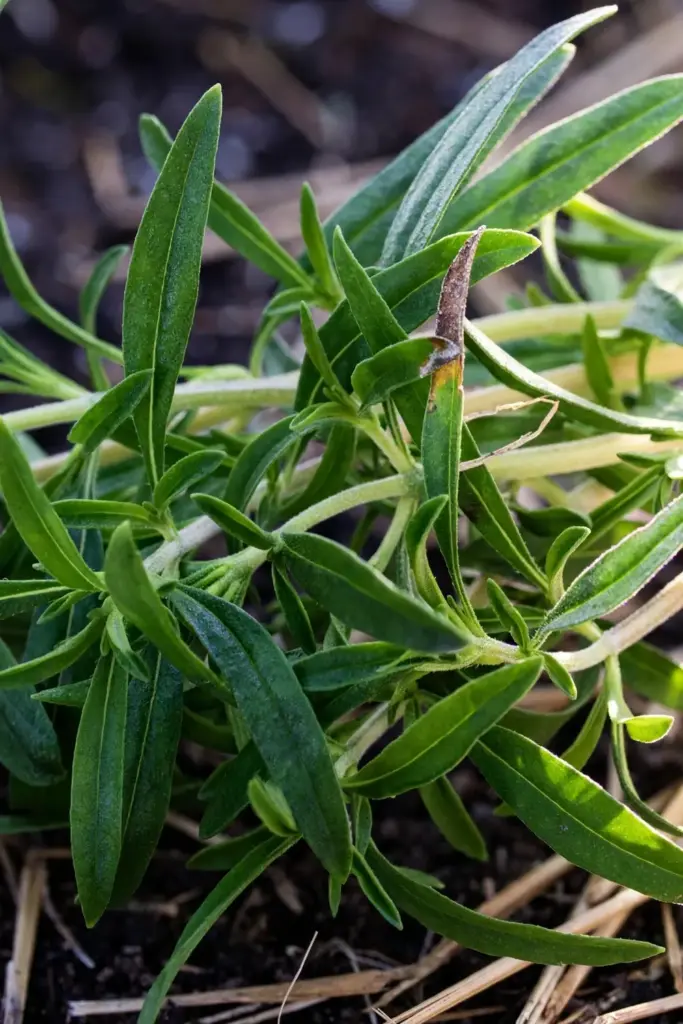
Clip often to keep it compact, because neglected plants sprawl and turn woody. It survives winters that kill rosemary outright, which makes it the savory for northern gardens. Bees work its small white flowers in late summer when little else blooms. It dries well, so cut extra in September. Plant it in wet soil and winter kills it before spring. A mature plant also divides in fall, giving you free plants for the kitchen-door pot.
15. Plant French Tarragon From a Division, Never Seed
French tarragon is the one herb on this list you cannot grow from seed. True French tarragon sets no viable seed, so buy a plant or get a division from a gardener. It is perennial for zones 4–9 in full sun to part shade. Russian tarragon from seed tastes like grass by comparison, so check the label before money changes hands.
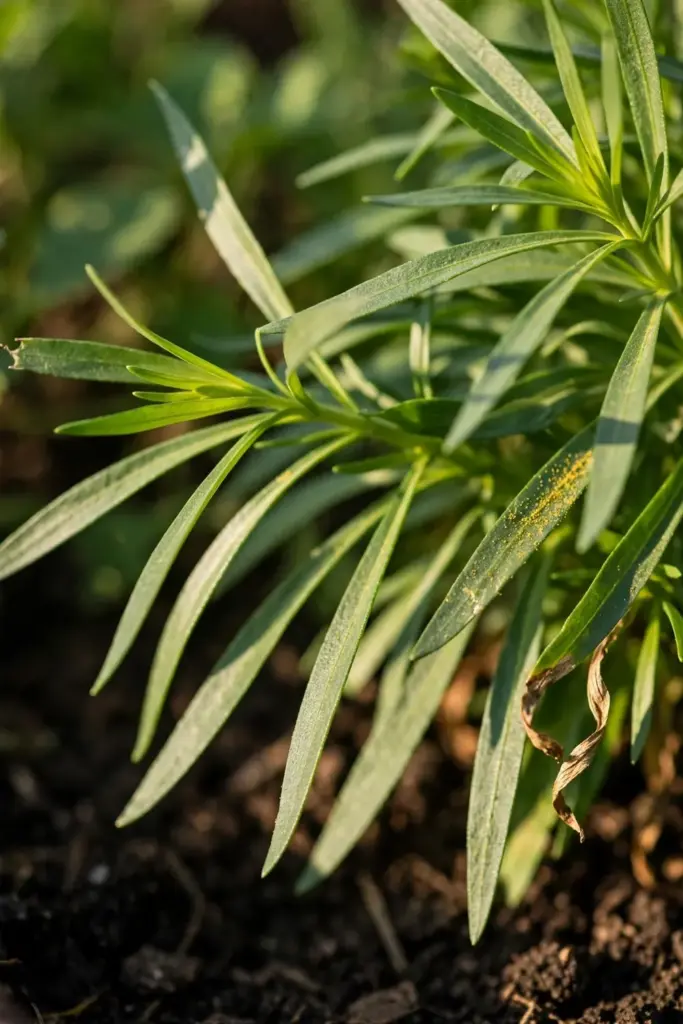
Divide every 3 to 4 years to keep flavor strong; old clumps fade. It dies back in winter and returns late in spring, so mark its spot to avoid digging it up by accident. The anise flavor peaks just before flowering, which is the moment to harvest for vinegar. A sprig in white wine vinegar needs two weeks to infuse.
16. Plant Sorrel for the First Green of Spring
Sorrel is a perennial for zones 4–9 with lemony leaves that emerge earlier than almost anything else in spring. Sow seeds or set transplants in full sun to part shade; it tolerates shade better than most herbs. Harvest young leaves for salads; older leaves turn bitter and suit cooking.
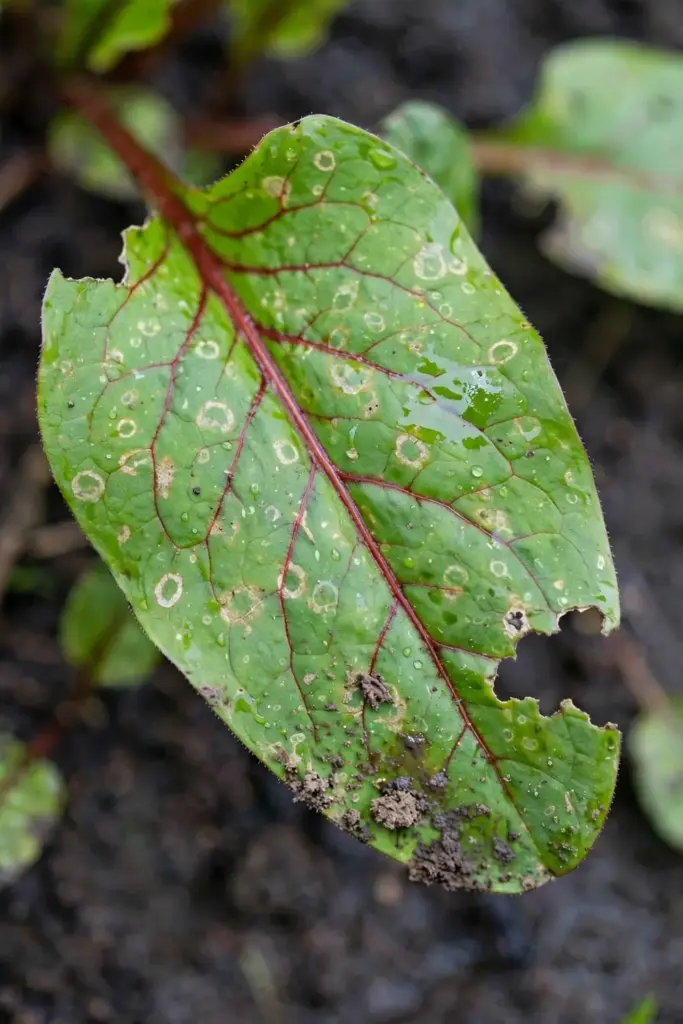
Remove flower stalks promptly, because seeding exhausts the plant and coarsens the leaves. A 1-meter row feeds a household through spring. French sorrel has a finer flavor than garden sorrel and stays more compact, so choose it if space is tight. Let it seed and the leaves turn too bitter for salad. The leaves also make a classic spring soup.
17. Plant Yarrow for Medicine and Pollinators
Yarrow is a perennial for zones 3–9 that bridges the kitchen, the medicine shelf, and the pollinator border. Plant in full sun; it tolerates poor, dry soil that defeats fussier herbs. The ferny foliage and flat white flower heads feed beneficial insects all summer long.
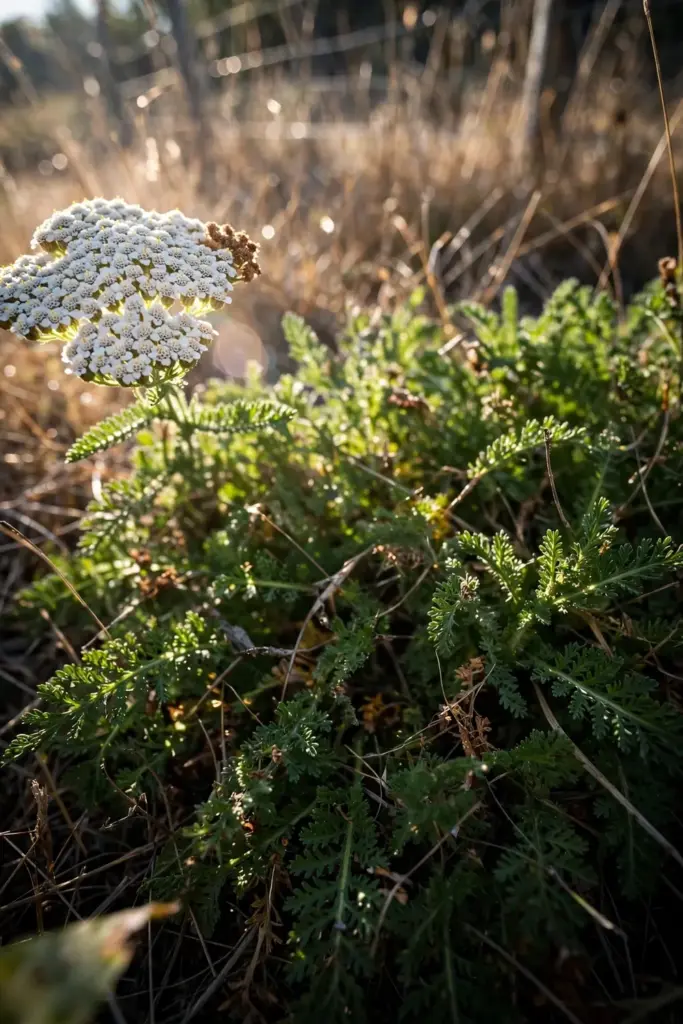
Divide every 3 years to keep it vigorous. It spreads, so give it room or a large pot. Harvest flowering tops just as blooms open for drying. The dried tops make a traditional wound herb, which is why it has grown in gardens for centuries. Colored cultivars (reds, yellows) are showier but white is the medicinal standard. Give it rich wet soil and it flops; poor and dry keeps it upright.
Tender Perennials
These survive winter outdoors only in mild zones. Everywhere else they live in pots and come indoors before the first hard freeze. Pot them now so the move is routine, not a rescue. The common mistake is waiting until the first frost warning, then dragging shocked plants inside; a plant moved in early October adjusts to indoor light while days are still long, and barely notices winter.
Clay pots suit this group better than plastic. The porous walls breathe, which keeps the root zone from staying soggy during the low-light months when plants drink slowly. Choose pots only slightly larger than the root ball; too much empty soil stays wet and rots roots. A 20–25 cm pot carries a rosemary or lemon verbena through winter comfortably.
18. Pot Rosemary Now, Thank Yourself in January
Rosemary is a tender perennial hardy only to zone 7, which makes the pot its home for most gardeners. Pot it now in a container with drainage holes and gritty mix; it hates wet feet more than cold. Bring it indoors before nights drop below 5°C and give it the brightest window you own.
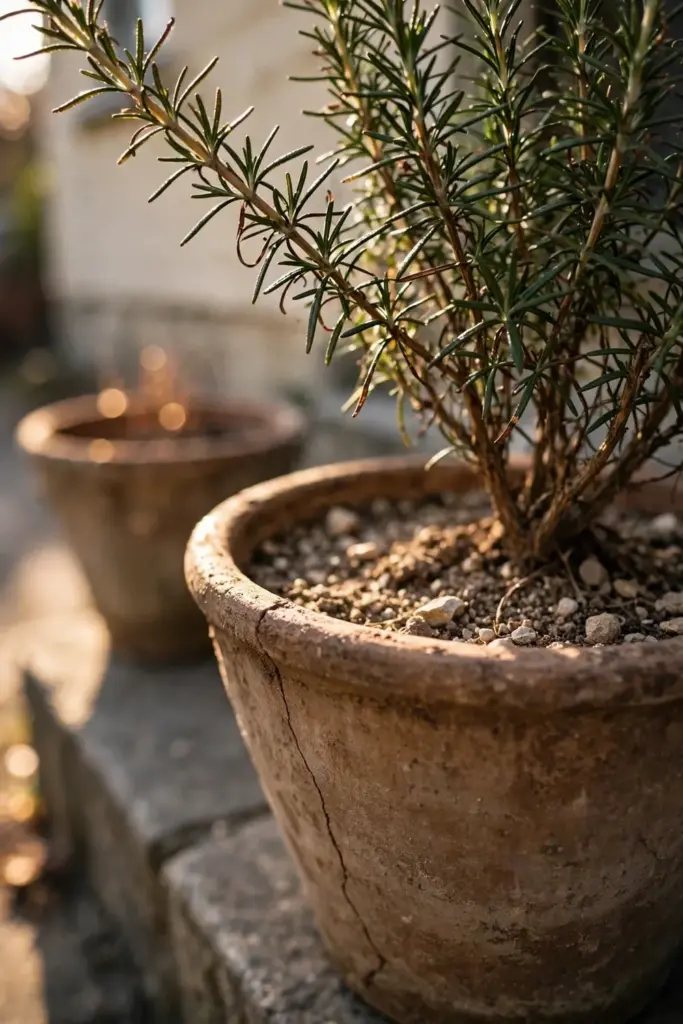
Water when the top 2–3 cm dry out, and expect some needle drop as it adjusts to indoor air. In spring, prune hard. Unpruned plants turn leggy and bare at the base within two years and never regain a good shape. A rosemary topiary in a clay pot also makes the most giftable plant on this list. For cold tolerance, choose upright cultivars such as Tuscan Blue or Arp; trailing types suit hanging baskets.
19. Plant Lavender Where Drainage Is Perfect
Lavender demands full sun and excellent drainage and forgives almost nothing else. It is perennial for zones 5–9 depending on species, with lavandin, Spanish, French, and sweet lavenders handling heat best. Raised beds with gravel mulch suit it where clay dominates.
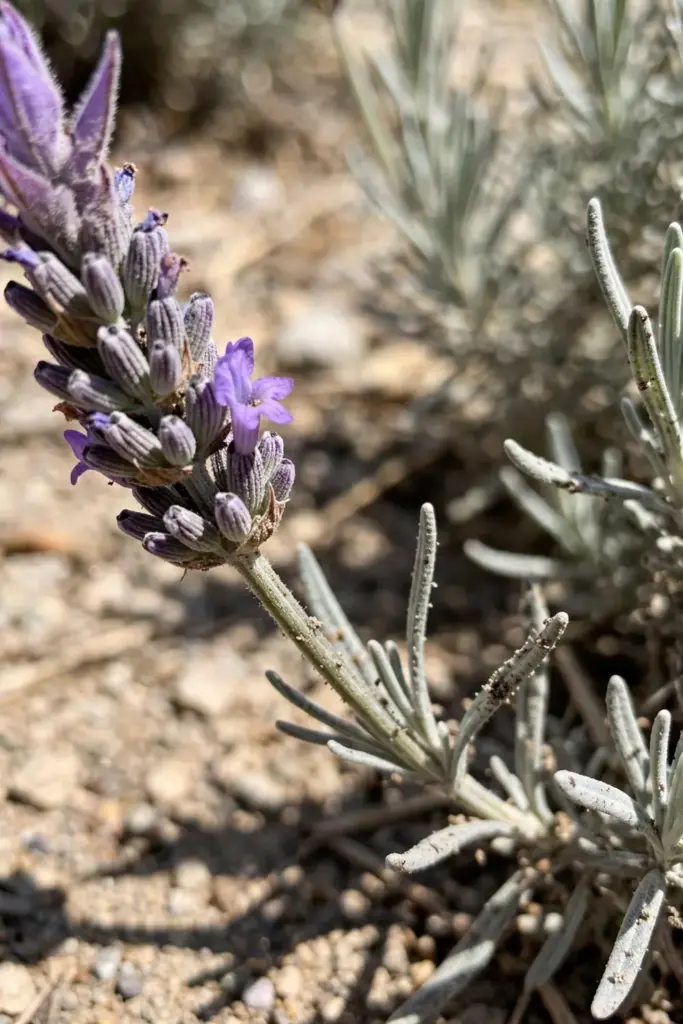
Plant transplants in fall in mild zones so roots establish before summer heat. Harvest flower spikes just as buds color for the strongest scent. Do not overwater; lavender dies of kindness faster than neglect. English lavender has the finest oil but sulks in humid heat, so match the species to your climate. Never cut into old wood; lavender rarely resprouts from it.
20. Pot Lemon Verbena for the Strongest Lemon Scent
Lemon verbena is a tender perennial for zones 8–11 with the cleanest lemon scent of any herb. Pot it and bring it indoors before frost; it often drops its leaves in response and looks dead, but leafless stems usually leaf out again in spring. Give it full sun outdoors and the brightest spot indoors.
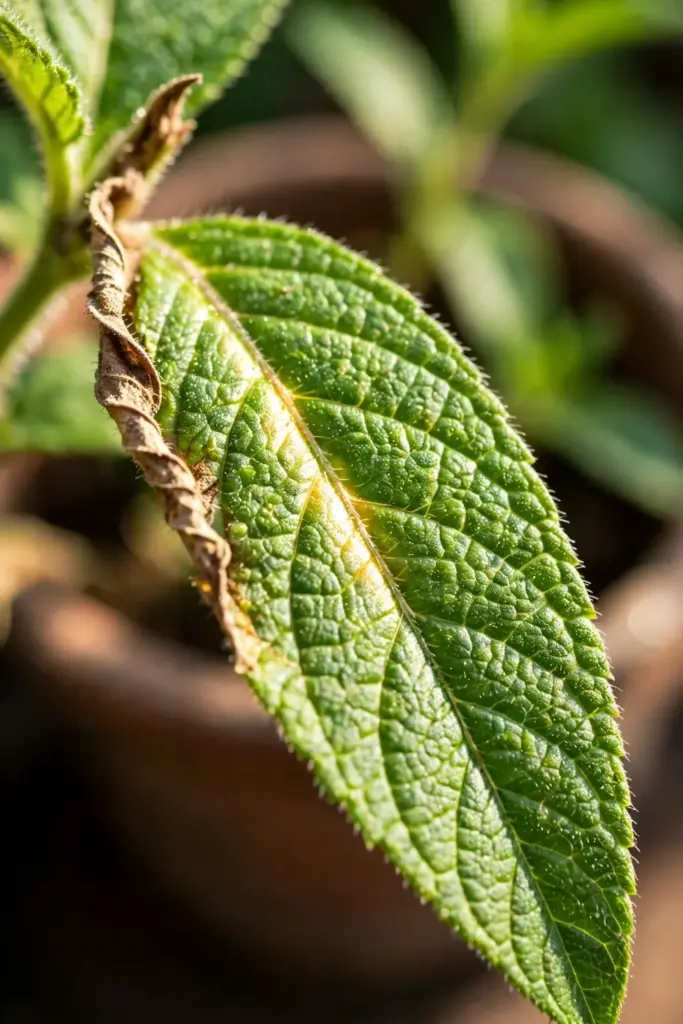
Prune hard in spring to keep it shrubby rather than leggy. The leaves make the best lemon tea of any plant on this list, better than lemon balm and brighter than lemongrass. Dry a jar full in fall; the scent survives drying remarkably well. Skip the spring pruning and it turns into a leggy stick with leaves only at the tips. One plant scents a whole pantry shelf.
Medicinal Herbs
These earn their place on the apothecary shelf. All start readily from seed and look showy enough for the flower border, so they pull double duty. Harvest for medicine follows the same rules as harvest for the kitchen: cut before flowering, in the morning.
A note on expectations: these are traditional home remedies, not pharmaceuticals. Echinacea tea at the first sniffle, chamomile before bed, lemon balm for a nervous stomach. That is the honest scale of what a home herb garden provides. Grow them for the pleasure of making your own teas and salves, and leave dosing claims to the herbalists. What the garden gives you is freshness and provenance, which store-bought tea bags cannot match.
21. Sow Echinacea for Roots and Blooms
Echinacea is a perennial for zones 3–9 grown for its immune-supporting roots and its purple coneflowers. Sow seeds in fall; they need cold stratification, which winter provides free. Expect germination the following spring and flowers the second year.
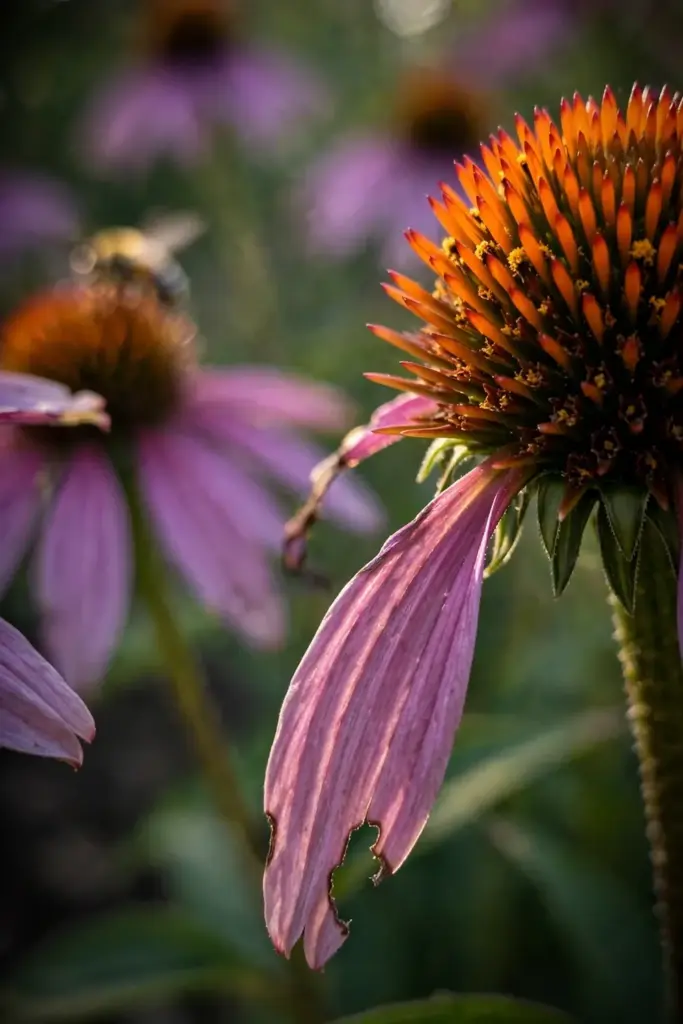
Do not harvest roots until the third year. That patience pays, because roots reach useful size only then and early digging wastes the plant. Leave seed heads standing through winter for goldfinches. Divide congested clumps every 4 years. Because the flowers also anchor the late-summer perennial border, plant it where you see it daily; white and orange cultivars are showy, purple the medicinal standard.
22. Sow Chamomile for a Tea Harvest
German chamomile is a cool-season annual to 46 cm (18 in), per Clemson Extension’s herb guide, that produces masses of small white-and-yellow flowers for tea. Sow seeds on the soil surface in fall or early spring; they need light to germinate, so barely cover them. It reseeds readily, so one sowing often becomes a permanent patch.
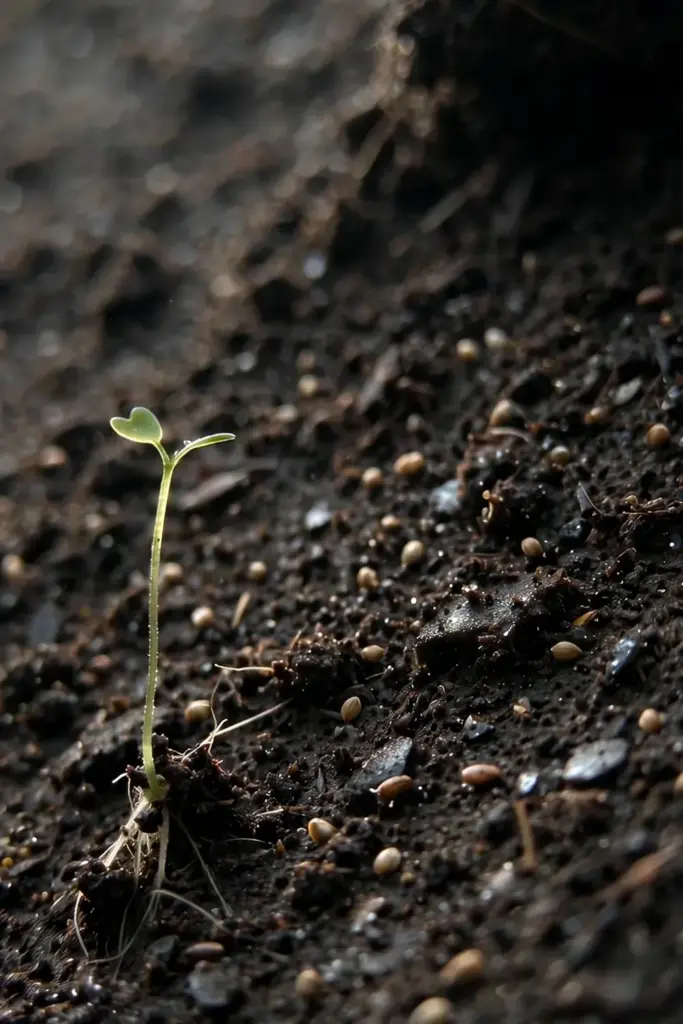
Harvest flowers every few days at full open; a neglected plant sets seed and quits blooming. Roman chamomile is the perennial alternative, a low groundcover for cool spots. A tablespoon of dried flowers per cup makes the standard bedtime tea. Dry the harvest quickly in a single layer; damp flowers mold instead of drying.
23. Contain Lemon Balm Before It Contains You
Lemon balm is a perennial for zones 3–7 in the mint family, which means it spreads like mint. Grow it in a pot or a contained bed, in part shade to full sun. The lemon-scented leaves make calming tea and flavor summer drinks.
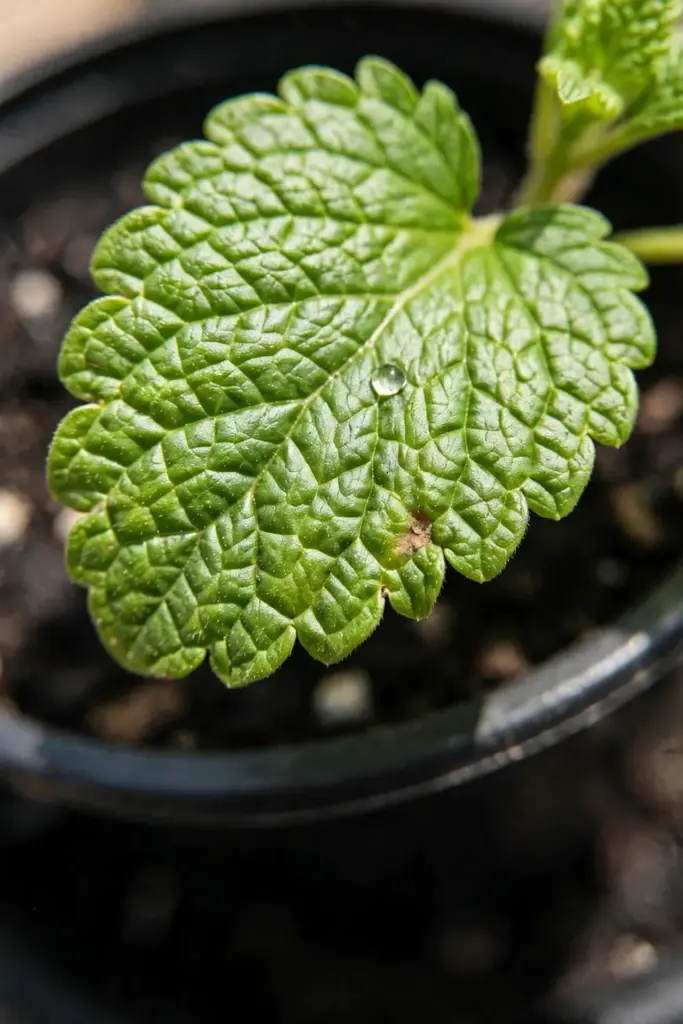
Cut it back hard twice a season to keep leaves tender; flowering stems turn bitter. It dies back in winter and returns reliably, often with seedlings in the lawn to prove its vigor. Variegated cultivars are less aggressive and showier in a mixed container. Let it flower and the leaves turn bitter, so cut it back hard twice a season. A handful of fresh leaves in iced tea beats any bagged lemon tea.
Herbs for Pots and the Windowsill
No garden bed required. These three thrive in containers, and two of them winter indoors on nothing but a bright sill. Pots also solve the two biggest herb problems: bad soil and aggressive spreaders.
24. Sow Basil Indoors for a Winter Supply
Basil is a tender annual that dies at the first frost, so fall sowing belongs indoors. Sow 6 mm deep in pots on a bright sill or under lights; it germinates in 5 to 10 days at 21°C or warmer. Harvest from the top to force branching, and never let it flower if you want leaf production.
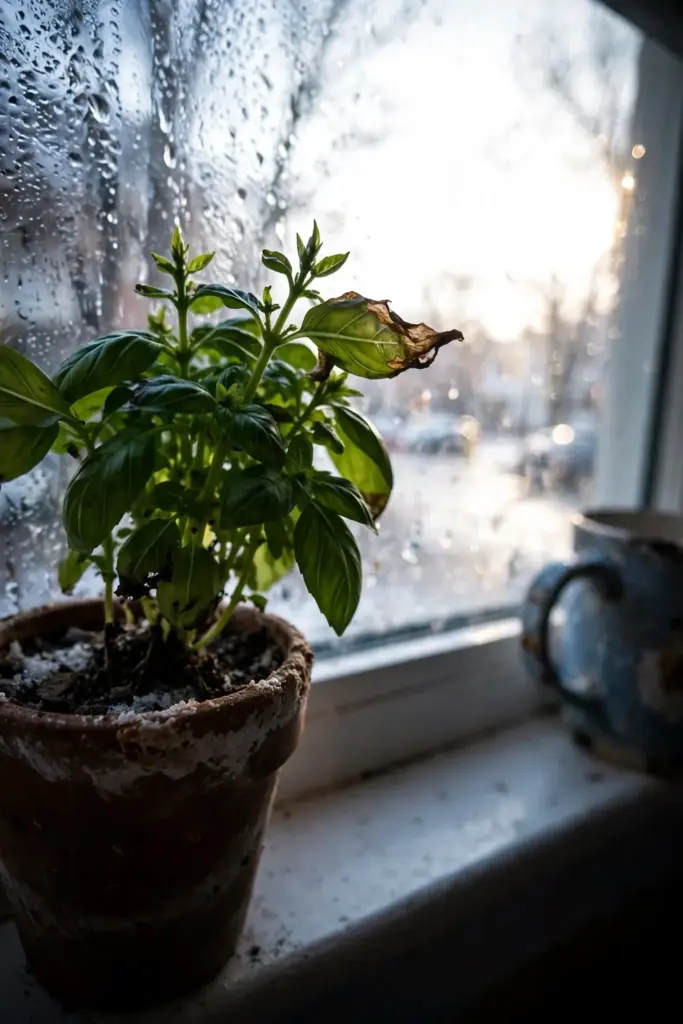
Basil wants consistently moist soil and sulks in cold windows; keep it away from the glass on freezing nights. Sow a fresh pot every 4 to 6 weeks for an unbroken winter supply. Genovese types make the best pesto; Thai basil earns a separate pot for stir-fries. Pinch flower buds the moment they appear, because flowering ends leaf production within weeks.
25. Pot Bay Laurel as a Lifetime Plant
Bay laurel is a small evergreen tree, hardy only to about −18°C (0°F) once established, so most gardeners grow it in a container. Pot it in sun to part shade and bring it indoors before hard frost. It grows slowly, which is a virtue: one plant supplies a household for years.
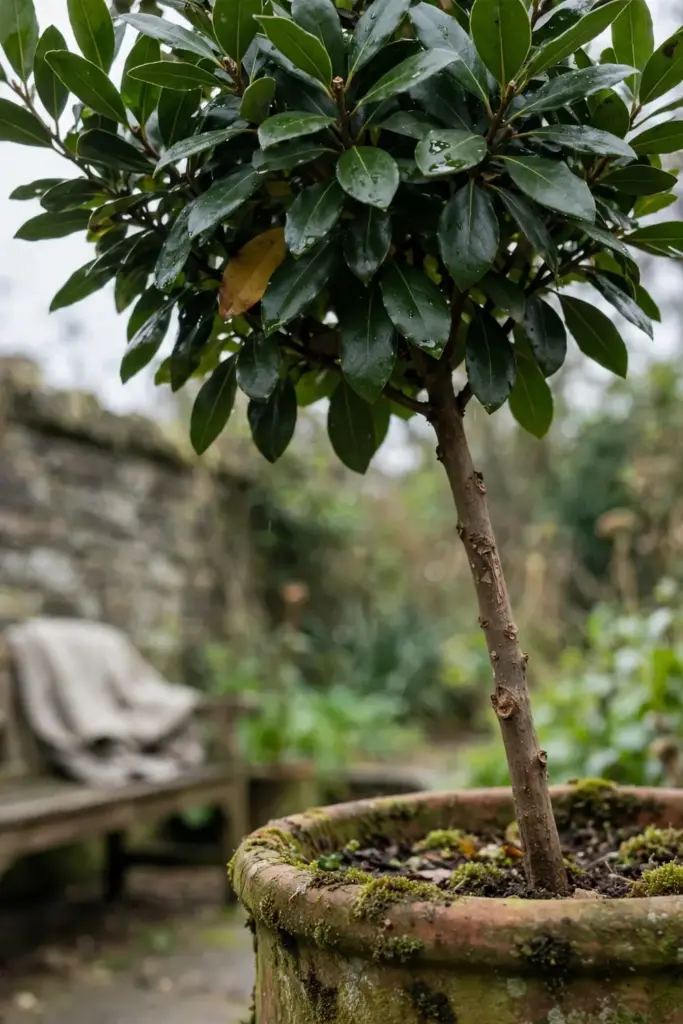
Use leaves fresh or dried in slow-cooked dishes; add them early so the flavor infuses. Repot every 2 to 3 years. Prune to keep it a manageable size. A bay standard pruned into a lollipop is the sharpest-looking container plant on this list. Scale insects are its main pest indoors; wipe leaves with a damp cloth at the first sign.
26. Grow Stevia for Homegrown Sweetness
Stevia is a tender perennial for zones 8–11, grown as an annual elsewhere, with leaves far sweeter than sugar. Start with transplants; seed germination is poor and slow. Give it full sun and a pot you can bring indoors before frost.
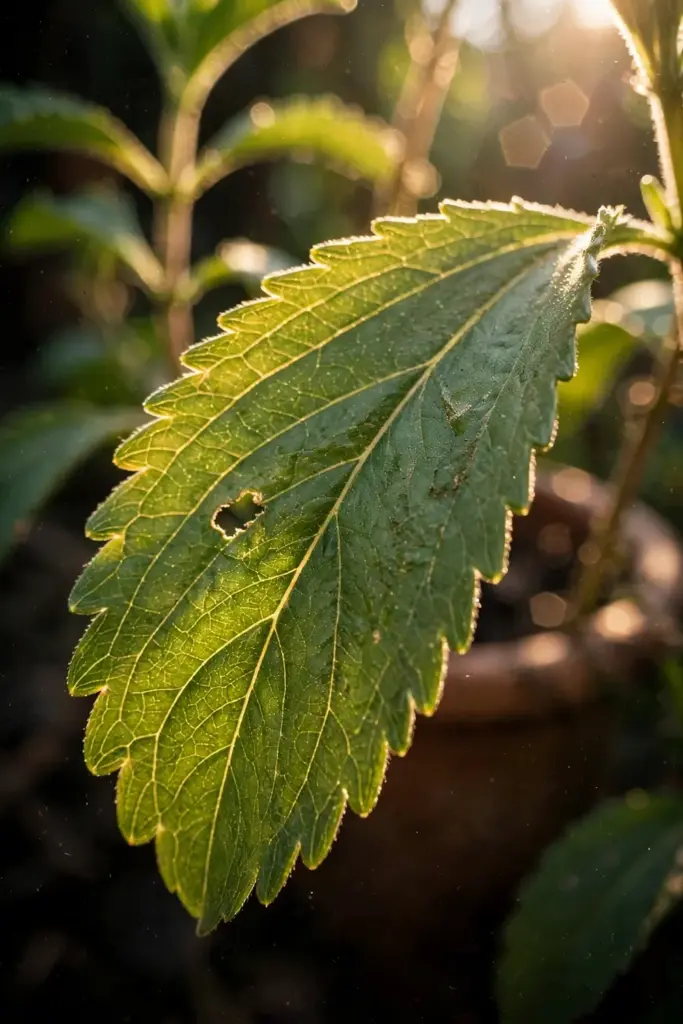
Harvest leaves before flowering for the sweetest flavor, then dry and crumble them into tea. For sweetening drinks it earns its pot several times over. It cannot replace sugar’s bulk in baking, so use it where it shines: tea, lemonade, and oatmeal. Pinch the growing tips regularly to keep the plant bushy; a leggy stevia produces fewer leaves per stem.
Match Herbs to Your Zone
Zones decide which list items are perennials and which are annuals for you. In zones 3–5, treat rosemary, lavender (except the hardiest), lemon verbena, bay, and stevia as container plants that winter indoors; the hardy perennials (sage, thyme, oregano, chives, mint, sorrel, yarrow, echinacea) sleep under mulch. Mulch hardy perennial herbs with 5–13 cm of straw after the ground cools to stabilize soil temperatures.
In zones 6–7, rosemary survives against a warm wall with protection, and lavender is reliably perennial. In zones 8–10, nearly everything on this list winters outdoors, and the challenge flips: give Mediterranean herbs sharp drainage through wet winters, and sow cool-season annuals in fall for a winter harvest rather than spring. Zone 9 gardeners plant cilantro, dill, and parsley in October for cutting through winter. Everywhere, fall-planted perennials outgrow spring-planted ones by the following June.
Microclimates shift these lines by half a zone or more. A bed against a south-facing wall runs warmer than the open garden; a low spot where cold air pools runs colder. If you are on a zone boundary, plant the tender experiment against the warmest wall and the hardy backbone in the open bed. After one winter you will know exactly what your garden allows.
Set the Bed Right Before You Plant
Herbs punish rich, soggy soil. Most herbs grow best in well-drained soil with a pH between 6.0 and 7.5, and overfed soils push soft growth with weak flavor and aroma, according to UMN Extension’s herb guide. Give them at least six hours of direct sunlight daily; strong light increases essential oil production, improving flavor and fragrance. In clay, work 5 to 8 cm of pine bark or compost into the top 20–30 cm, or build a raised bed.
Fertilize lightly. UMN suggests a 5-10-5 fertilizer once per season at 85 g per 3 m of row, and half-strength liquid feed every 3 to 4 weeks for outdoor containers. Skip the rich compost tea routine you use on tomatoes. Slightly hungry herbs with intense flavor beat overfed, bland ones every time. Test the soil first; most herb beds need no lime at all.
Harvest and Preserve the Surplus
Cut herbs just before they bloom, when essential oils peak, and harvest early in the morning after the dew dries. Bundle 4 or 5 stems, hang them upside down in a dark, dry, ventilated spot, and expect them dry in 7 to 14 days. A dehydrator at 35–46°C finishes the job in 2 to 6 hours. Dried herbs keep up to one year in airtight jars away from heat and light.
Freezing suits the herbs that lose flavor dried. Rinse basil, chop coarsely, pack into ice cube trays with water, and freeze; the cubes drop straight into winter sauces. Use frozen herbs within one year. Clemson Extension’s herb guide notes that herb roots should be harvested in the fall after the foliage fades, which is the moment for echinacea and valerian roots.
Bring the Tender Ones Indoors
Basil, rosemary, bay, lemon verbena, and stevia winter inside in most zones. Penn State Extension’s indoor herb guide puts the numbers on it: keep rooms at 18–21°C by day and 13–16°C at night, and know that basil dies below 10°C. Give sun-lovers like rosemary and thyme the brightest window; lemon balm, chives, and cilantro tolerate 2 to 6 hours of direct sun.
Every pot needs a drainage hole. Water when the top layer dries, and group pots on a pebble tray to raise humidity around dry winter air. Rotate pots weekly so growth stays even. Expect an adjustment sulk in the first weeks indoors; new growth adapted to indoor light follows. Do not fertilize through the darkest months; resume half-strength feeding when days lengthen.
October Sowing Calendar
Timing decides which herbs succeed from fall seed. This calendar assumes the first week of October in zones 5–8; shift it two weeks earlier for zones 3–4 and two weeks later for zones 9–10.
Week 1 (early October): Direct-sow cilantro, dill, chervil, borage, calendula, summer savory, and parsley outdoors. Soil is still warm enough for fast germination and cool enough to prevent bolting. Set out transplants of sage, thyme, oregano, chives, winter savory, sorrel, yarrow, and lavender in mild zones.
Week 2–3 (mid-October): Sow a second succession of cilantro and dill for a staggered harvest. Pot rosemary, bay, lemon verbena, and stevia if you have not already; let them settle outdoors for two weeks before the move inside. Sow echinacea and scatter chamomile seed for stratification and spring volunteers.
Week 4 (late October): Sow basil, mint, and parsley in indoor pots for the windowsill. Move tender perennials indoors before the first forecast below 5°C. Mulch hardy perennials with 5–13 cm of straw after the first light frost, not before; early mulching shelters rodents and holds heat that delays dormancy.
November: Harvest the last of the cool-season annuals before hard freezes. Take cuttings of rosemary and lemon verbena as insurance. Start planning spring divisions of chives, oregano, and mint.
Plan a 1-Square-Meter Fall Herb Bed
One square meter holds a working herb garden if you plant it like a grid. Put the tallest at the back (north side): one fennel in the corner and one rosemary in a sunk pot beside it. The middle row gets sage, thyme, and oregano transplants spaced 25 cm apart. The front row is the cool-season annual strip: cilantro, dill, and parsley sown in 30-cm bands.
Edge the bed with chives in clumps and one winter savory. Tuck chervil into the shadiest 20 cm along the north fence. Sink the mint pot into a corner so it reads as part of the bed without invading it. This layout gives you nine herbs in a meter square, with the annual strip re-sowable three times a year.
Water the whole bed deeply once a week. Skip the daily sprinkle; the Mediterranean perennials demand the dry-down between drinks. Feed nothing until spring, then a single light application of 5-10-5. Mulch the perennial half with straw after the first frost and leave the annual strip bare for winter sowing.
Pair Herbs With Their Best Neighbors
Herbs earn their space twice when they protect neighboring plants. Basil planted near tomatoes is the classic pairing: the strong scent confuses tomato hornworm moths, and both want the same sun and water. Chives ringed around roses and fruit trees deter aphids; the sulfur compounds in the leaves repel the pests while the flowers feed early bees. These are not folk tales. Interplanting aromatic herbs demonstrably reduces pest pressure in small gardens, even if the effect is modest at field scale.
Dill and fennel are the swallowtail nurseries. If you grow parsley, dill, or fennel, expect black swallowtail caterpillars on the foliage in summer. They eat a noticeable share of the leaves but rarely kill the plant, and the butterflies they become pollinate the whole garden. Plant an extra row of dill as a sacrificial crop if you begrudge the damage. Borage earns its keep near squash and strawberries: the blue flowers pull in pollinators, and better pollination means better fruit set.
Some pairings fail. Keep dill and fennel apart, as noted in both entries, because they cross and the offspring taste wrong. Do not plant mint next to anything you value; it invades through runners regardless of good intentions. Fennel secretes compounds that suppress nearby seedlings, so give it the corner of the bed and let nothing tender share its root zone. Rue, which is not on this list, antagonizes basil; the lesson generalizes to keeping strongly allelopathic herbs at the bed’s edge.
For containers, the rule is simpler: group by water needs. Rosemary, thyme, sage, and lavender share a pot happily because all demand sharp drainage and a dry-down between waterings. Basil, parsley, cilantro, and mint want consistently moist soil and sulk in the gritty mix the Mediterranean group loves. Mixing the two groups in one pot drowns one half or desiccates the other. Two pots, two watering regimes, no compromises.
Five Mistakes That Shrink the Herb Harvest
Planting mint in open ground. It escapes within two seasons. Pot it, always.
Feeding herbs like vegetables. Heavy nitrogen grows big bland leaves. Light feeding keeps oils concentrated.
Sowing parsley and expecting speed. It takes 14 to 28 days to germinate. Mark the row and wait.
Watering on a schedule instead of by soil. Herbs want a deep drink, then a dry-down. Soggy soil rots roots, especially indoors.
Harvesting after flowering. Clemson Extension’s herb guide advises harvesting just before blooming, when essential oils peak, and early in the morning after the dew dries. Flowers are for the bees after you have taken your share.
Plant Them This Week
Twenty-six herbs, five tags each, one fall planting window that closes fast. Sow the cool-season annuals this week. Set the perennials while the soil is still warm. Pot the tender ones before the first cold night. Come spring, the garden pays you back in flavor, tea, and pollinators, and the windowsill never went empty all winter. For seeds, the best seeds for fall planting guide covers stratification and sowing depth in detail.
FAQ
Which Herbs Can Survive the Winter Outdoors?
Sage, thyme, oregano, chives, mint, winter savory, French tarragon, sorrel, yarrow, echinacea, and lemon balm survive winter in the ground across zones 4–9, with chives, mint, yarrow, and echinacea hardy to zone 3. Mulch hardy perennials with 5–13 cm of straw after the ground cools. Rosemary, lavender in cold zones, lemon verbena, bay, and stevia must winter indoors or in a cold frame.
What Herbs Grow Well in Fall From Seed?
Cilantro, dill, chervil, borage, calendula, summer savory, parsley, chives, sorrel, echinacea, chamomile, and basil sown indoors all start reliably from seed in fall. French tarragon never grows true from seed, so buy a plant. Mint and oregano establish faster from divisions. Soak parsley seed 24 hours and expect up to 28 days to germinate.
Can I Grow Herbs Indoors All Winter?
Yes, with enough light. Basil, chives, parsley, mint, thyme, bay, and stevia all winter indoors. Give sun-lovers the brightest window or 14–16 hours under grow lights, keep rooms at 18–21°C by day, and use pots with drainage holes. Water when the top layer dries and group pots on a pebble tray for humidity.
What Are the Best Medicinal Herbs to Plant in Fall?
Echinacea, German chamomile, lemon balm, yarrow, and calendula are the easiest medicinal herbs to start in fall. Echinacea needs winter cold to stratify its seed. Chamomile reseeds itself into a permanent patch. Harvest echinacea roots in the third year and chamomile flowers every few days at full open.
Do Herbs Need Full Sun?
Most need at least six hours of direct sun daily, and strong light increases the essential oils that carry flavor. Parsley and mint tolerate part shade, and chervil prefers it. Indoors, rosemary, thyme, and bay want the brightest window, while lemon balm, chives, and cilantro manage on 2 to 6 hours.
Can I Plant Herbs in Fall in Zone 9?
Yes, and fall is the best herb season in zone 9. Sow cilantro, dill, parsley, chervil, and calendula in October for cutting through winter; the cool months are their growing season. Hardy perennials plant any time from October to February. Tender perennials like rosemary, lemon verbena, and bay winter outdoors with no protection. Shift the sowing calendar two weeks later for your first fall sowings.








