Chill winter wheat for 6 weeks below 50 degrees and it flowers in spring. Vernalization is the cold spell a plant must live through before it can bloom.
Cold is a signal here, not damage. The plant reads weeks of cold at its growing point and switches on the flowering program, and without that signal it stays leafy through spring no matter how long the days grow. A warm winter can leave a whole bed of wheat or tulips flowerless, and the gardener blames the seed when the weather is the cause.
The cold arrives with the first frost date, and vernalization counts the weeks after it. This page stays on the signal, the temperatures that carry it, and the plants that wait for it.
| Detail | What It Means |
|---|---|
| Vernalization | A cold period that switches on flowering |
| Wheat optimum | Near 40°F at the crown |
| Wheat hardening | Below 50°F for 4 to 8 weeks |
| Lilies | 6 weeks at or below 33°F |
| Daffodils | Stored at 35 to 40°F |
What Is Vernalization?
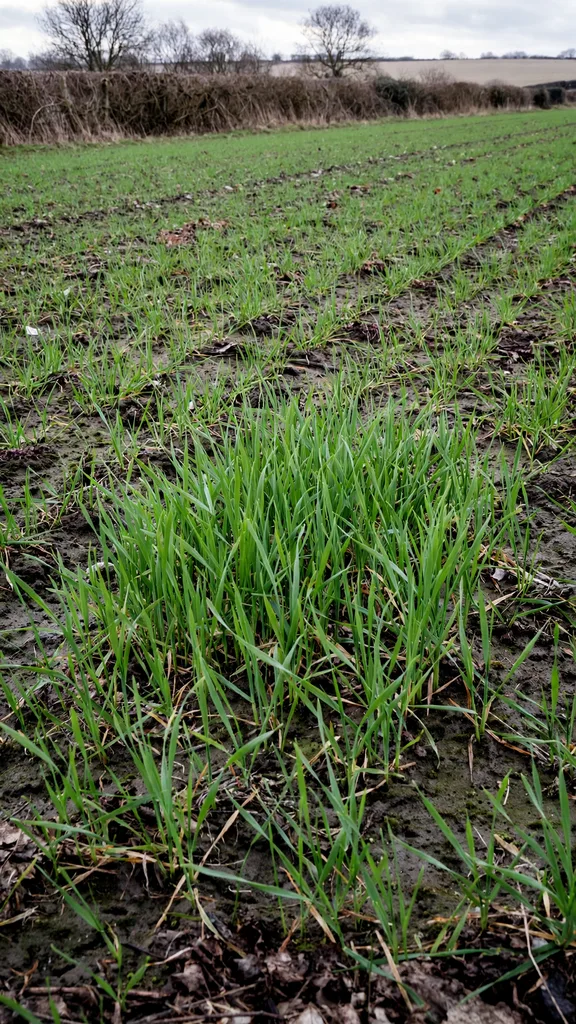
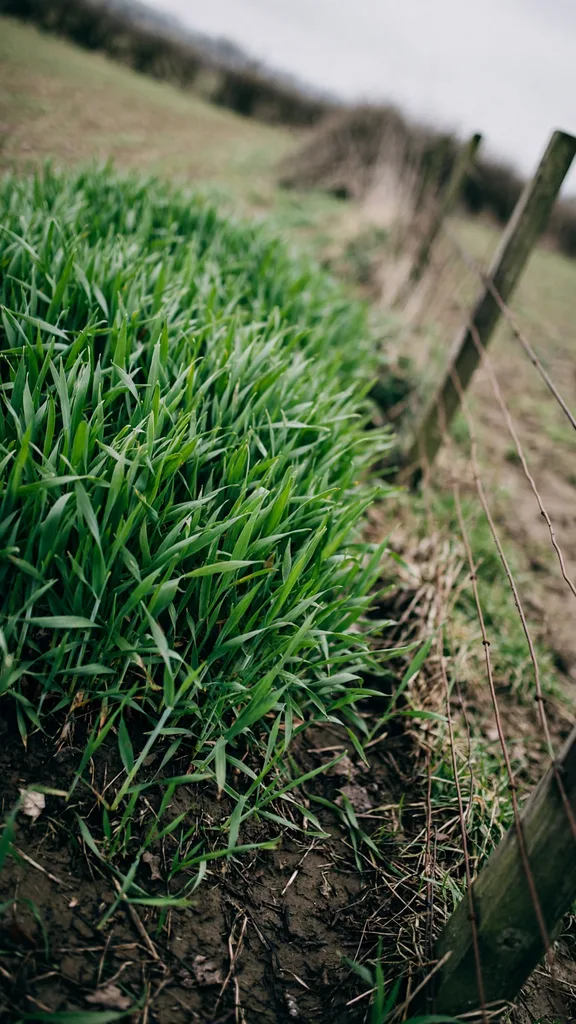
Vernalization is the cold treatment a plant needs before it can flower, and winter wheat shows the pattern clearly. During vernalization wheat plants sit in near-freezing temperatures, near 40 degrees Fahrenheit is optimum, and a temperature below 50 degrees at crown depth for 4 to 8 weeks hardens them, with 8 to 12 weeks of growth under field conditions required for full winter hardiness, according to South Dakota State University Extension. Without the cold period the wheat stays in its leafy stage and never produces seed.
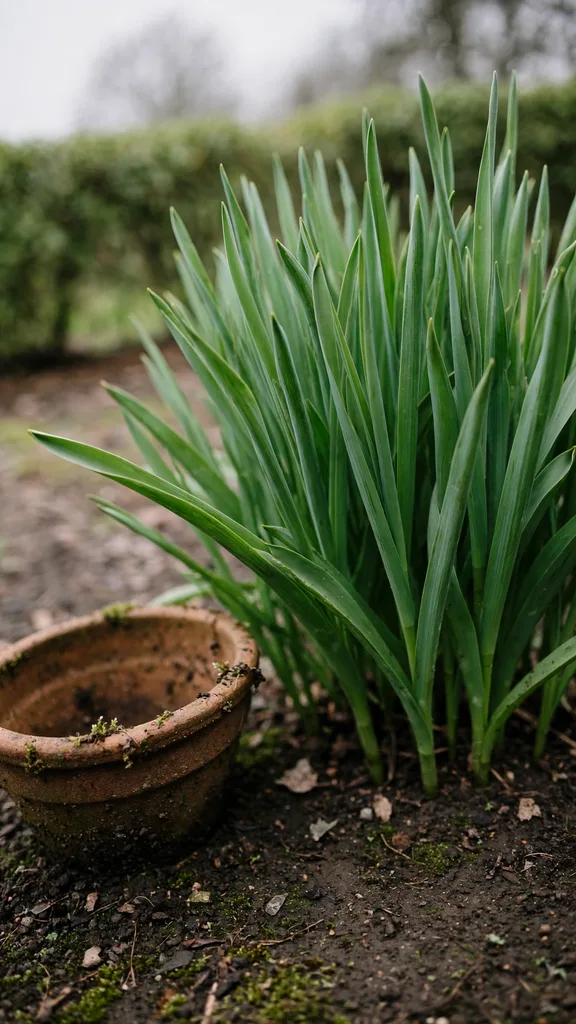
Bulbs follow the same rule on a smaller scale. Lilies need 6 weeks of temperatures at or slightly below 33 degrees Fahrenheit before blooming, daffodils can be forced to flower by storing the bulbs at 35 to 40 degrees in October, and most peach varieties require 700 to 1,000 hours between 32 and 45 degrees before breaking their rest period, according to Oregon State University Extension. The numbers change with the plant, and the shape of the rule never does.
Vernalization is not the same as hardening off, though the two travel together. Hardening builds cold tolerance so the plant survives winter. Vernalization flips the flowering switch so the plant blooms in spring. A plant can harden without vernalizing, and it will live through winter and still never flower.
How Vernalization Works
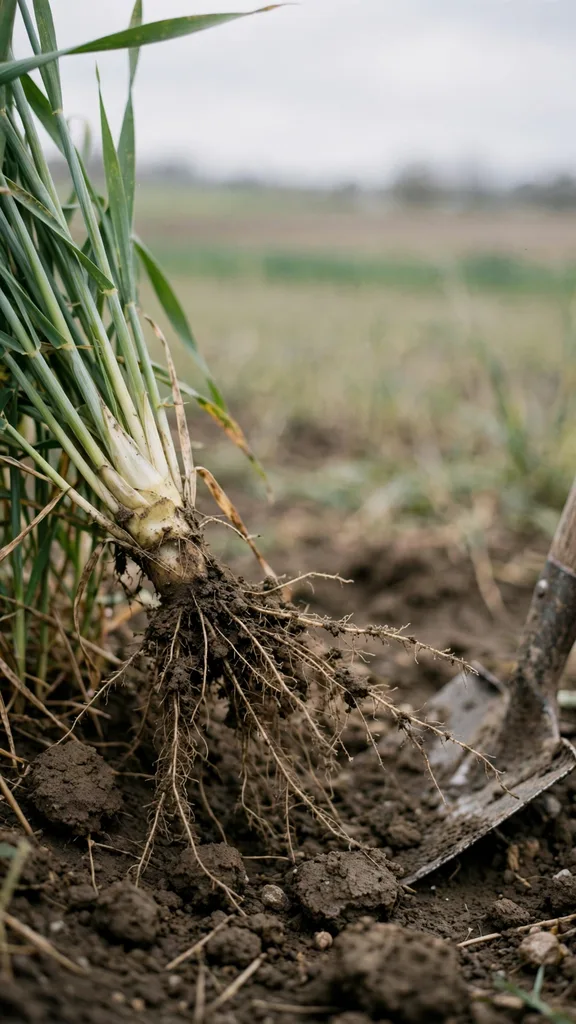
The plant senses cold at its growing point, the crown just below the soil surface, where new leaves and flower buds form. Weeks of steady cold change what that growing point does next, and when warm days return the plant grows toward flowers instead of more leaves. The cold writes the instruction. The spring warmth only carries it out.
Day length joins the signal after the cold has done its work. A vernalized plant still waits for the right day length before it flowers, and a plant that missed its cold never flowers even under perfect long days. Cold first, then light, and the order matters more than either one alone.
A warm spell can undo part of the work. If soil temperatures rise well above the cold band for days, the plant can lose some of the hardening it built, and a hard freeze after a warm spell damages plants that a steady winter would have spared. Steady cold is the friend. Warm interruptions are the risk.
Vernalization vs Chill Hours
| Detail | Vernalization | Chill Hours |
|---|---|---|
| Purpose | Switches on flowering | Breaks winter dormancy in fruit trees |
| Measured in | Weeks of cold | Hours between 32 and 45°F |
| Typical plants | Wheat, tulips, lilies, garlic | Apples, peaches, cherries, plums |
| Without it | Plant stays leafy, never flowers | Buds open late, unevenly, or not at all |
| Cold band | Near freezing to 50°F | 32 to 45°F |
| When it happens | Fall into winter | Winter, while the tree rests |
The two terms describe the same season from different sides. Vernalization asks whether the plant has had enough cold to flower, and chill hours ask whether a fruit tree has had enough cold to wake up. A peach tree counts chill hours. A tulip bulb vernalizes. Both count cold, and both fail in a warm winter.
Gardeners confuse the two because the numbers overlap. A bulb chilled for weeks and a peach tree chilled for hundreds of hours both need winter, and both sit in the same cold band. The difference is the job the cold does, and the job decides which number to track.
How to Recognise Vernalization
Watch for a plant that grows leaves and never flowers. Winter wheat sown in spring stays leafy all season, and tulips planted in spring without a cold spell grow leaves and no blooms. Leaves without flowers after a warm winter point at missed vernalization, not at poor soil.
Count the weeks of cold at the crown. A plant that spent 4 to 8 weeks below 50 degrees has likely met its requirement, and a plant that spent the winter in warm soil has not. A soil thermometer at crown depth tells the story the air temperature hides, because soil holds its cold longer than air.
Give bulbs their cold in a refrigerator when winter cannot. A paper bag in a refrigerator holds bulbs at steady cold for weeks before planting, and the bulbs flower on schedule in spring. The gardening glossary lists vernalization beside dormancy and chill hours, so the cold terms stay straight.
Common Mistakes With Vernalization
Sowing winter wheat in spring is the first mistake. Spring-sown winter wheat grows leaves all season and never heads, because it missed the cold that switches on flowering. Winter wheat goes in during fall, and spring wheat goes in during spring, and the names mean what they say.
Planting bulbs in spring without chilling them is the second. Tulips and daffodils need weeks of cold before they bloom, and a spring planting without a refrigerator chill gives leaves and no flowers. Chill the bulbs first, or plant them in fall and let winter chill them in the ground.
Trusting a warm winter is the third. A mild winter can leave wheat, garlic, and bulbs short of cold, and the garden flowers late or not at all. A warm winter is a short one, and the plants that need cold show it first.
Digging bulbs too early is the fourth. Bulbs lifted before they have had their cold lose the count, and a bulb stored warm through winter starts over at zero. Leave bulbs in the ground through winter, or chill them deliberately in cold storage, and never store them warm and expect flowers.
When Vernalization Matters in Your Garden
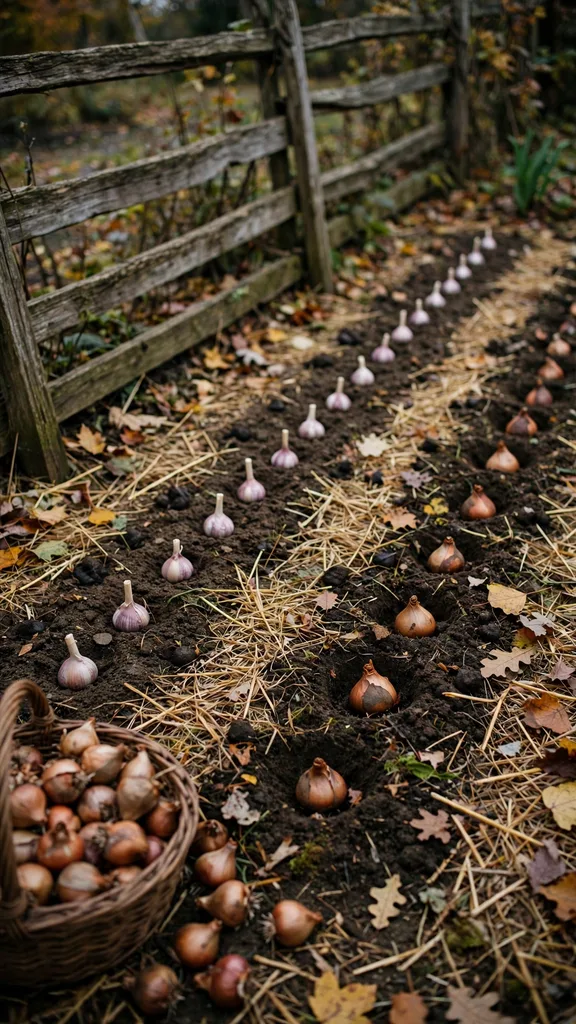
Vernalization matters most when you plant in fall. Winter wheat, garlic, tulips, and daffodils all go in during fall precisely so winter can chill them, and the fall planting date is the start of the cold count. Plant on time, and the cold does the rest.
It matters when you garden in a warm climate. A gardener in a mild winter region must chill bulbs in a refrigerator and choose fruit varieties with low chill needs, because the winter outside will not supply the cold. The refrigerator becomes the winter, and the weeks in it count like weeks in the ground.
It matters when you force bulbs indoors. Daffodils and tulips for winter bloom need their cold storage first, and a bulb forced without chilling grows leaves and no flowers. Chill first, then force, and the flowers follow. Cold hardiness and hardiness zone answer different questions, and a plant needs both answers to be right.
FAQ
It depends on the plant. Winter wheat needs 4 to 8 weeks below 50 degrees Fahrenheit at crown depth, with 8 to 12 weeks of field growth for full hardiness. Lilies need 6 weeks at or below 33 degrees, and many bulbs need a similar stretch of steady cold. Check the variety, count the cold weeks, and never guess from the calendar alone.
Yes, for bulbs and some seeds. A paper bag in a refrigerator holds bulbs at steady cold for weeks before planting, and the cold counts the same as weeks in winter ground. Keep the bulbs dry and away from fruit, which gives off gas that damages buds. Plant them as soon as the chill is done, before they warm up again.
The plant stays in its leafy stage and never flowers. Winter wheat sown in spring grows leaves all season and never heads, and tulips planted in spring without chilling grow leaves and no blooms. The plant looks healthy, which is the confusing part, because the missing piece is a signal, not a nutrient or water.
No. Most garden plants flower without any cold treatment, and only certain kinds need it. Winter wheat, tulips, daffodils, lilies, garlic, and biennials like carrots grown for seed are the common ones. Summer vegetables, annual flowers, and tropical plants never need vernalization, and chilling them only slows them down.
No. Vernalization is the cold period that switches on flowering in plants like wheat and bulbs, measured in weeks of cold. Chill hours measure the cold a fruit tree needs to break winter dormancy, counted in hours between 32 and 45 degrees Fahrenheit. Both count cold, and they serve different jobs in different plants.