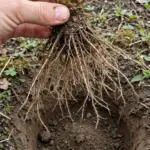
Harvest 1 lettuce head the day its center starts to rise, because once the stalk lifts the leaves turn bitter within days. Bolt is the switch from leaf growth to flowering, when a plant sends up a tall seed stalk, stops making tender leaves, and turns its sap bitter.
Bolting is a plant deciding the season is over. Heat, long days, and stress all tell a cool-season vegetable that it is time to make seed before it dies, and the plant obeys by growing a flower stalk fast. The leaves left behind grow tough, the sap turns milky, and the flavour goes sharp. No watering brings the flavour back.
Bolt hits lettuce, spinach, radishes, cilantro, and brassicas hardest. All of them are cool-season crops that grow best in spring and autumn, and all of them bolt when summer arrives. The gardener who sows them in the cool weeks eats well. The gardener who sows them in July eats seed stalks.
| Point | Detail |
|---|---|
| What it is | Premature flowering in a leafy vegetable |
| Deciding number | Lettuce grows best at 10 to 15.6 degrees C |
| Triggers | Heat, long days, drought stress, plant age |
| First sign | Center leaves loosen and a stalk rises |
| Best fix | Harvest at once, sow again in cool weather |
What Is Bolt?
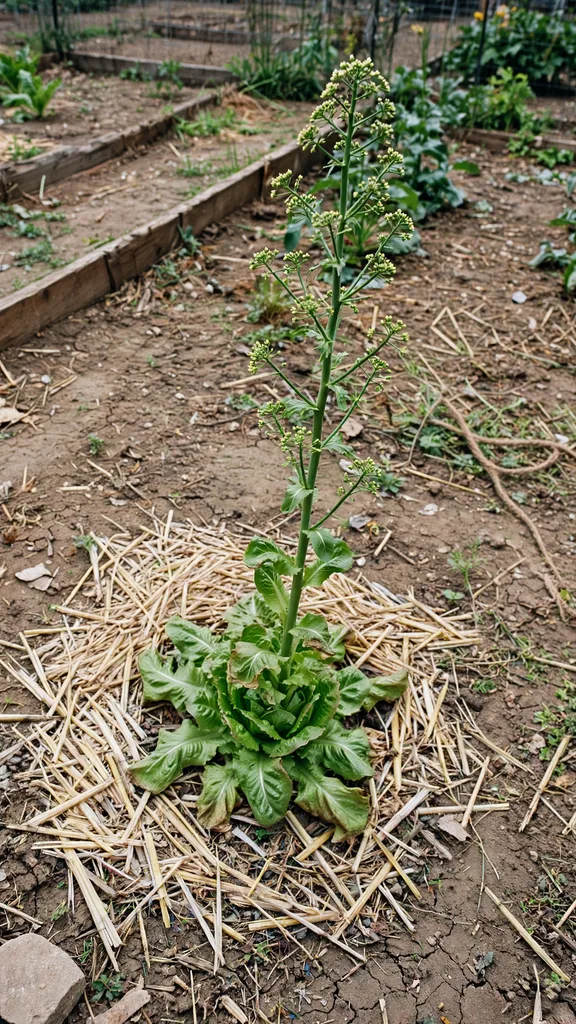
Bolt means a plant flowers before you want it to. The center of the rosette loosens, a stalk rises through the leaves, flower buds form at the tip, and leaf growth stops. The stalk can reach 61 cm in a week on lettuce, and the plant puts its energy into seed instead of leaves.
The deciding number is the temperature. The University of Minnesota Extension cool-season guide sets the ideal situation for cool-season vegetables at cool but moderate temperatures of 10 to 15.6 degrees C for the first month of growth, and the same guide warns that high heat and longer days will speed up flowering once the plant has shifted into its reproductive stage. A lettuce held above that range for days will bolt. A lettuce held inside it will not.
Bolt is irreversible. Once the stalk rises, the plant will not go back to making leaves, whatever you water or feed it. The only move is to harvest what still tastes good and sow again.
How Bolting Works
Bolting works on two signals at once. Day length tells the plant the season is turning, and heat tells it the season is ending. Lettuce is a long-day plant, so days past 14 hours push it toward flowering, and heat above 23.9 degrees C pushes it faster. Drought stress adds a third push, since a dry plant rushes to seed before it dies.
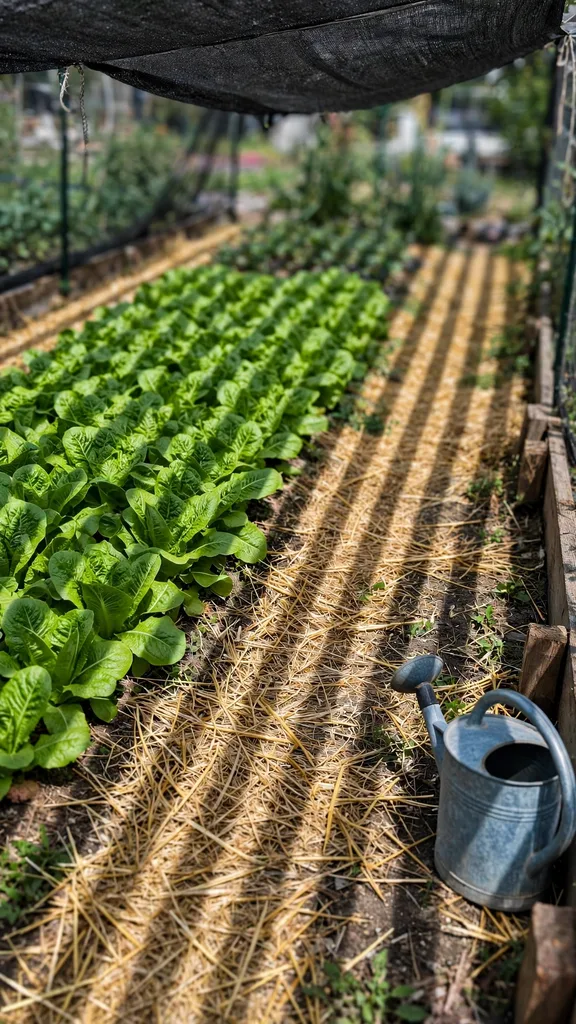
The plant shifts in stages. First the rosette loosens and the center leaves space out along a rising stem. Then the sap turns milky and the taste sharpens. Then flower buds form at the tip and the leaves turn tough and inedible. The Penn State Extension heat-proofing guide names bolting as the premature growth of a flower stalk in lettuce, leafy greens, beets, cabbage, and celery, and warns that it turns them bitter, while the same guide recommends a shade cloth of 30 to 50 percent for most vegetables to drop leaf temperature fast on a hot afternoon.
Slow the bolt with shade, mulch, and steady water. Afternoon shade cloth, a straw mulch over the roots, and even watering all keep the plant cool and unstressed. None of them stops the bolt for long. They buy a week or two, and the week they buy is the week you harvest.
Bolt vs Normal Flowering
| Point | Bolt | Normal flowering |
|---|---|---|
| When it happens | Early, before the crop is ready | At the end of the plant life |
| What is lost | The leaves you meant to eat | Nothing, the crop is fruit or seed |
| Trigger | Heat, long days, stress | Maturity and the right season |
| Taste effect | Leaves turn bitter and tough | No effect on the harvest |
| Can it be reversed | No | Not applicable |
| Best response | Harvest at once and resow | Let the plant finish |
Bolt is flowering at the wrong time. Normal flowering is flowering on schedule. A tomato flowers to set fruit, and the flower is the point. A lettuce flowers to set seed, and the flower ends the harvest. The same process helps one crop and ruins the other.
How to Recognise Bolting
A bolting lettuce shows the stalk first. The tight rosette loosens, the center leaves lift and space out, and a pale stem rises through the middle. The stem grows visibly taller each day, and the leaves around it narrow and point upward instead of lying flat.
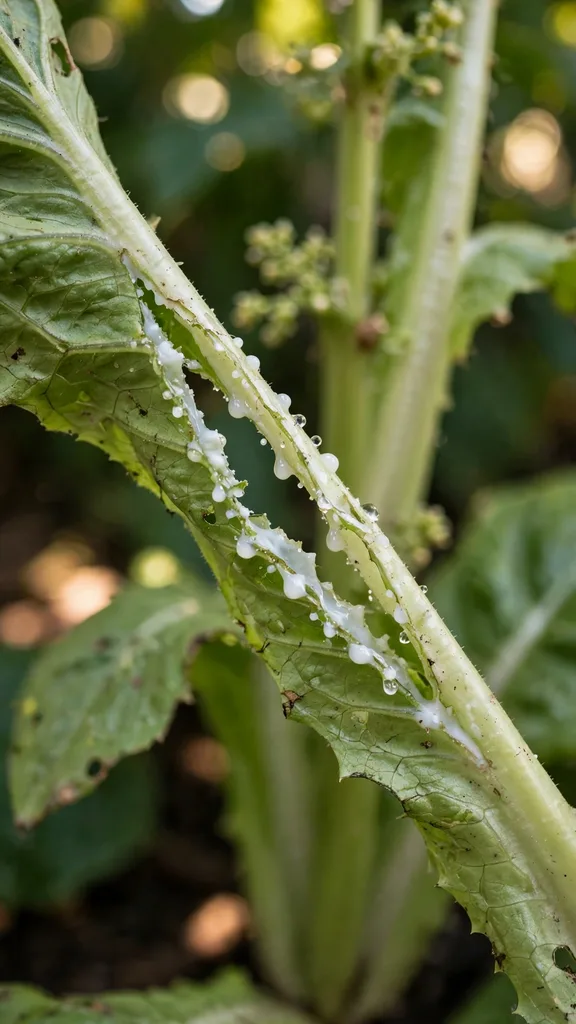
Taste the leaf before you decide. A leaf that was sweet last week and tastes sharp and milky now has already bolted, even when the stalk is still short. Snap a leaf and look at the sap. Clear sap means the plant is still good. Milky sap means the bolt has started and the harvest window is closing.
Check the weather that caused it. A run of days above 23.9 degrees C, a dry week with no rain, and days stretching past 14 hours all push the same plant at once. The thinning guide helps the row breathe, since a crowded row stays warmer and bolts sooner than a thinned row with air moving through it.
Common Mistakes With Bolt
Sowing cool-season crops in summer is the first mistake. Lettuce, spinach, and cilantro sown in July bolt before they size up, and no amount of water saves them. Sow them in spring and again in late summer for autumn, and let the heat of July belong to tomatoes and beans.
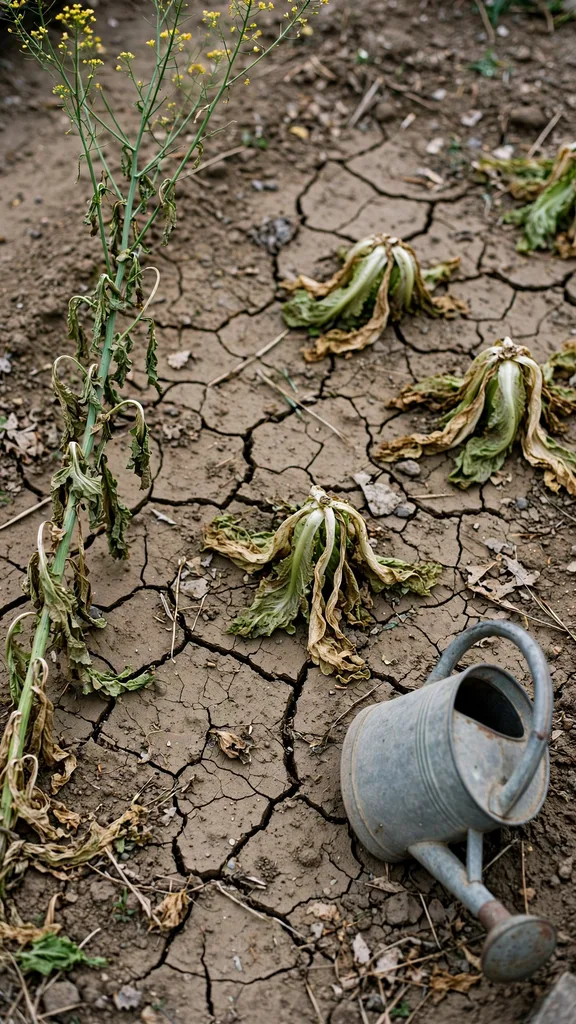
Letting the bed dry out is the second mistake. Drought stress pushes a plant to seed faster than heat alone, and a bed that swings between soaked and dry bolts sooner than a bed kept evenly moist. Water steadily, mulch the surface, and keep the soil damp through the hot weeks.
Trying to save a bolted plant is the third mistake. Cutting the stalk off does not turn the leaves sweet again, and the plant sends up a new stalk within days. Harvest the leaves that still taste good, pull the plant, and sow again. The hardiness zone map helps you place the sowing dates for your climate so the cool crop finishes before the heat arrives.
When Bolt Matters in Your Garden
Bolt matters most in the spring vegetable bed. Lettuce, spinach, radish, and cilantro all face the same race against summer, and the gardener who times the sowing eats salads for months. The gardener who sows late eats one cutting and a seed stalk.
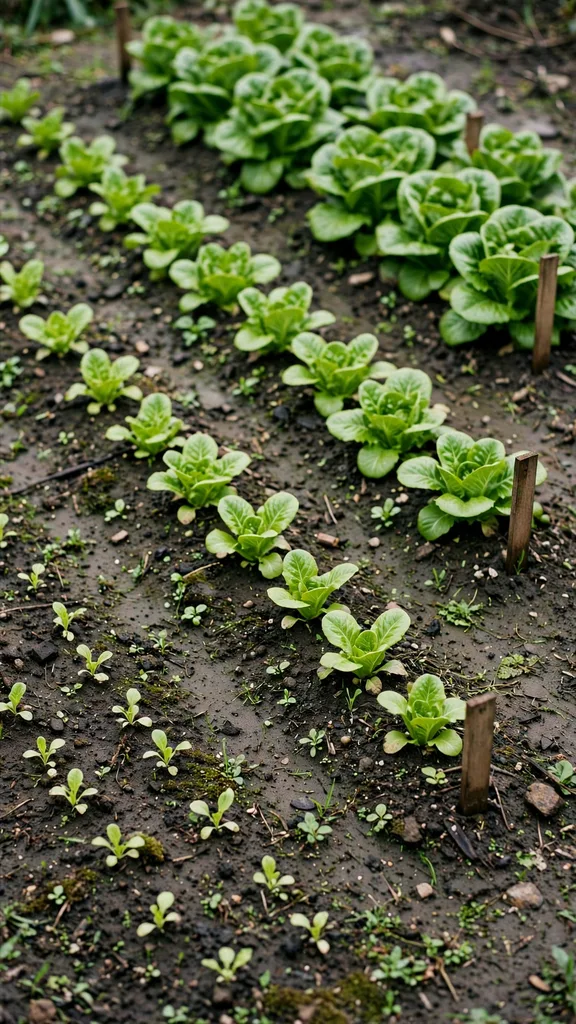
Bolt also matters for seed saving. A bolted plant is a failure as food and a success as seed, since the stalk carries the next generation. Let one plant of each variety bolt on purpose, collect the seed when it ripens, and sow it next season. The plant you curse in June is the seed you sow in September.
Start from the gardening glossary when a term in this page is new. Bolt is a calendar problem with a calendar answer, and the sowing date decides the harvest more than any tool in the shed.
FAQ
Yes, when the leaves still taste acceptable, though most bolted lettuce turns too bitter to enjoy. Taste a leaf before you pick the head. Young bolted leaves go into a salad with strong dressing, and older leaves go to the compost pile. The stalk itself is woody and not worth eating.
No. Cutting the stalk removes the visible sign, and the plant grows a new stalk within days. The taste does not improve, since the bitterness comes from the sap change that started before the stalk rose. Harvest what tastes good, pull the plant, and sow again in cooler weather.
Slow-bolt and heat-tolerant varieties hold up longer in warm weather. Oakleaf types, Jericho romaine, and other varieties bred for heat stay sweet weeks after standard types bolt. Check the variety description before you order, and choose a slow-bolt type for any sowing that will face summer heat.
It slows bolting, and it does not stop it. A shade cloth over the bed drops leaf and soil temperature on hot afternoons, and that buys the plants a week or two. Combine shade with steady watering, straw mulch, and an early sowing date for the best result, and harvest young before the stalk forms.