Nick 1 sweet pea seed with a file, and watch it sprout in days instead of weeks. Scarification is breaking, scratching, or softening a hard seed coat so water and air can reach the seed inside.
Many hard-coated seeds refuse water. Their coats are waterproof by design, built to survive years in the soil until the right season. A sweet pea, a morning glory, or a lupin seed can sit in damp soil for weeks without swelling, since no water crosses the coat. The seed is alive and ready, yet sealed shut. Scarification opens the seal.
The treatment takes minutes and a steady hand. A file, sandpaper, or a nail clipper scratches the coat at one spot, away from the seed eye. Hot water softens the coat without a blade. Either way, the seed drinks, swells, and sprouts. The gardener who skips the nick waits for a coat that may never open on its own. The seed germination guide covers the sprouting stage that follows the treatment.
| Scarification at a Glance | Detail |
|---|---|
| What it is | Breaking a hard seed coat so water enters |
| Methods | Nick with a file, rub with sandpaper, hot water soak |
| Hot water method | Boiling water at 100 degrees C, soak until cool |
| Duration | Minutes, then sow at once |
| Best for | Sweet pea, morning glory, lupin, beans, locust |
| Risk | Nicking too deep kills the embryo |
| Skip it for | Soft-coated seed such as lettuce and tomato |
What Is Scarification?
Scarification is any process of breaking, scratching, or softening a hard seed coat so water and gases can enter the seed. The seed coat on many species is impervious to water, and the seed will not germinate until the coat is altered physically. A nick, a rub, or a hot soak opens the way in.
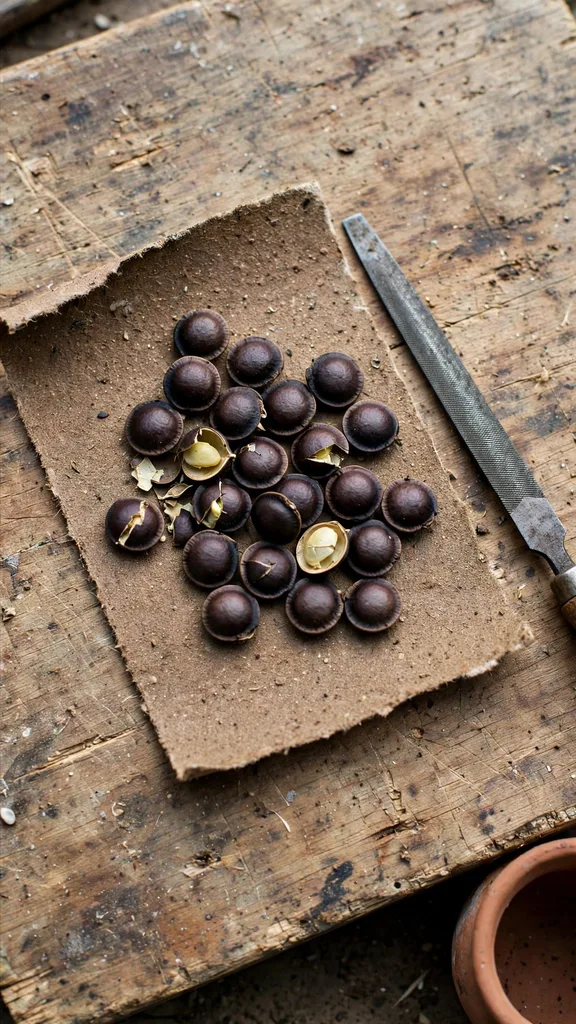
The deciding method is the hot water soak. Bring water to a boil at 100 degrees C, remove the pot from the stove, place the seeds into the water, soak the seeds until the water cools, then remove them and let them dry, according to the North Carolina Extension Gardener Handbook chapter on propagation. The heat softens the coat without cooking the seed, since the water cools as the seed soaks. Sow the seeds at once after drying, while the coat stays soft.
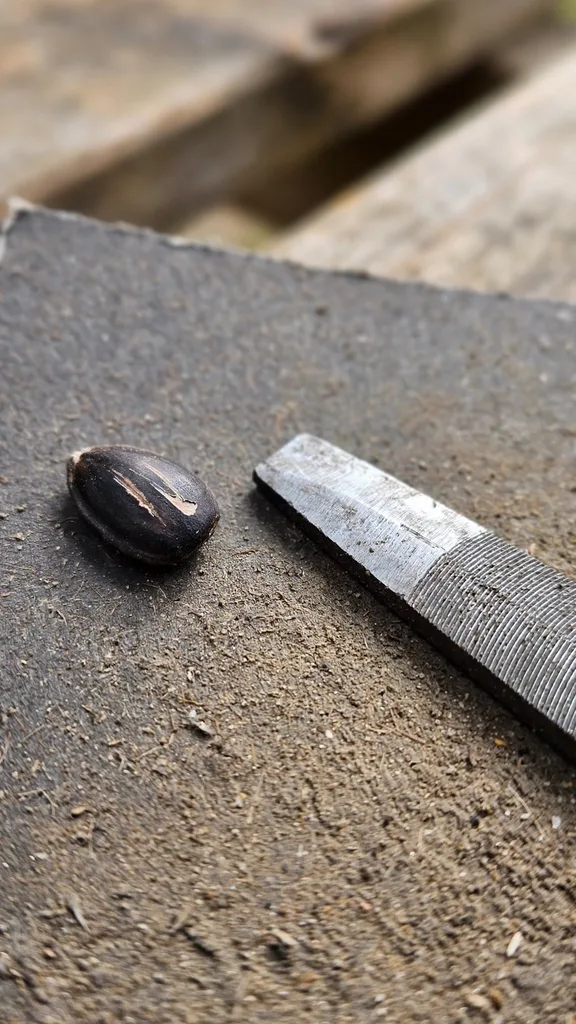
The mechanical method suits seed too large to risk in hot water. A nick in the seed coat with a file or sandpaper increases germination for hard-coated species, according to the University of Arizona Extension guide to seed saving. Nick one spot on the coat, away from the eye where the root emerges, and stop as soon as the pale inside shows. One shallow scratch is enough. A deep cut reaches the embryo and kills the seed.
Scarification differs from stratification in its target. Scarification breaks the outer coat, a physical barrier. Stratification breaks the inner chemical lock, a dormancy that cold and moisture must dissolve. A seed can carry both locks, and the gardener treats the coat first, then the chill. The stratification page covers the cold treatment in full.
How Scarification Works
Scarification works by letting water in. A dry seed sits still, since germination starts with water uptake. The hard coat blocks that uptake, so the seed waits. A nick or a hot soak opens a path, water enters, the seed swells, enzymes wake, and the root pushes out through the softened coat. The whole chain starts with one breach in the wall.
The coat also blocks gases. A seed needs oxygen to burn its stored food, and a waterproof coat keeps oxygen out as surely as it keeps water out. Scarification opens the coat to air as well as water. A nicked seed breathes, burns its store, and grows. An unnicked seed suffocates in damp soil, alive yet unable to start.
The treatment works fast because the barrier is physical, not chemical. A nick opens the coat in seconds. A hot soak opens it in an hour. The seed then germinates on its normal schedule, days instead of months. A gardener who nicks seed on the sowing day sees sprouts within the packet window. A gardener who skips the nick sees nothing and blames the seed.
The method also mimics nature. In the wild, hard coats break through frost, fire, animal stomachs, and years of soil abrasion. A file mimics abrasion. Hot water mimics fire. The gardener speeds a process that nature runs over seasons. The seed cannot tell the difference between a file and a winter of freeze and thaw.
Scarification vs Stratification
| Feature | Scarification | Stratification |
|---|---|---|
| Dormancy type | External, hard seed coat | Internal, chemical lock |
| Treatment | Nick, scratch, or hot water | Cold and moist for weeks |
| Duration | Minutes | 1 to 6 months |
| Temperature | Room temperature or hot water | 0.6 to 5 degrees C |
| Seeds | Sweet pea, morning glory, lupin | Milkweed, penstemon, trees |
| Risk | Cutting too deep kills the seed | Mold, sprouting in the bag |
| After treatment | Sow at once | Sow at once |
The two treatments break different locks, and some seeds need both. A hard-coated seed with internal dormancy needs a nick first, then a chill. A soft-coated seed with internal dormancy needs only the chill. A hard-coated seed with no internal lock needs only the nick. Read the species notes before choosing, and never apply both when one will do.
Scarification works in minutes, while stratification works in months. A nicked sweet pea sprouts within days of sowing, yet a stratified milkweed sprouts only after its cold rest. The gardener plans stratification months ahead and scarification on the sowing day, and the two schedules sit at opposite ends of the seed calendar.
The two also fail differently. Scarification fails with a nick cut too deep into the seed, which kills the embryo. Stratification fails with mold, drying out, or a chill cut short. Handle scarified seed dry and sow it at once, since a wet nicked seed rots fast. Handle stratified seed gently at sowing, since a sprout in the bag breaks easily.
How to Measure Scarification
Measure scarification by the seed, not by the clock. A nicked seed shows a small pale scratch on the coat, with the dark coat around it and the pale inside just visible. A seed nicked too deep shows a wide gash with the embryo exposed, and that seed goes in the compost. Nick one seed first, check the scratch, then nick the rest to match it.
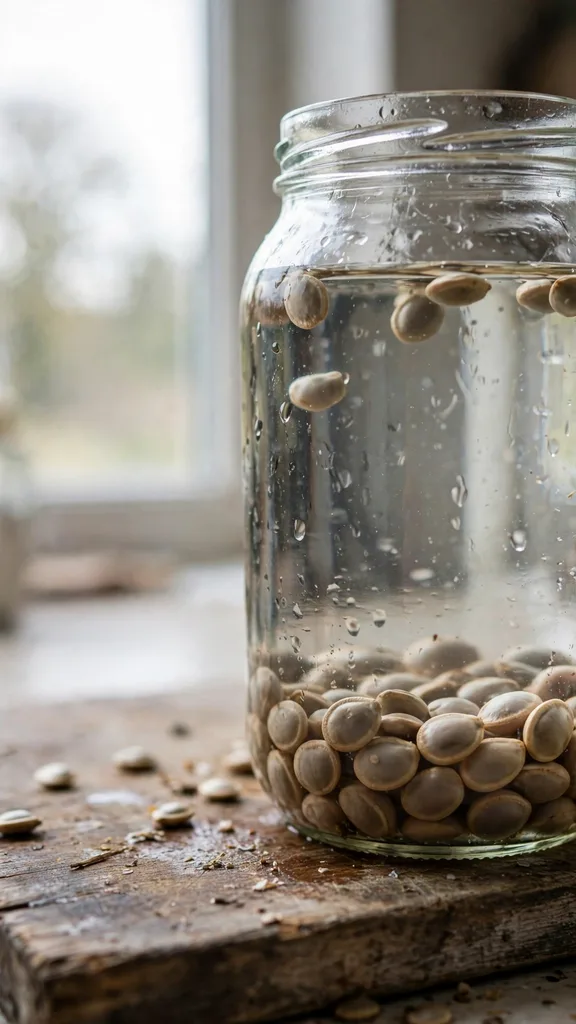
Measure the hot soak by the water, not by a timer. Bring the water to a boil, take the pot off the heat, add the seed, and wait until the water cools to room temperature. The cooling water softens the coat without cooking the seed. A seed left in boiling water on the heat dies. A seed soaked in cold water never softens. The pot off the stove is the whole method.
Measure success by swelling. A scarified seed swells visibly within hours of soaking, growing larger and softer as water enters. An unscarified seed stays the same size in the same water. Soak a nicked batch and an unnicked batch side by side, and the difference shows in a day. The swollen batch goes into the soil. The hard batch gets nicked again.
Measure the result by germination. Sow the treated seed and count the sprouts after a week. A treated batch sprouts evenly and fast. An untreated batch sprouts patchy or not at all. A batch that still fails after a nick and a soak has a deeper dormancy, and the seed likely needs a cold rest as well.
Common Mistakes With Scarification
Nicking too deep tops the list. A nick that reaches the embryo kills the seed outright, and the gardener sows dead seed. Nick one spot lightly, stop as soon as the pale inside shows, and keep the nick away from the eye where the root emerges. One shallow scratch is enough.
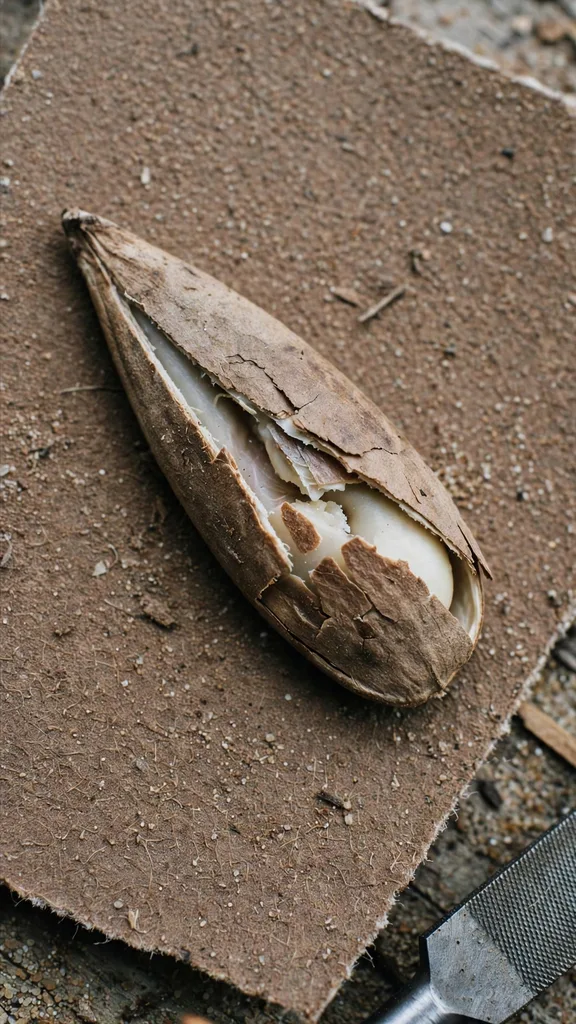
Boiling the seed runs second. Water left on the heat cooks the seed while the gardener waits. Bring the water to a boil, remove the pot from the stove, then add the seed. The cooling water does the work. A seed boiled for minutes is a dead seed.
Scarifying soft seed runs third. Lettuce, tomato, and carrot seed have thin coats that need no treatment, and a nick or a hot soak damages them. Scarify only hard-coated seed: sweet pea, morning glory, lupin, beans, and locust. When the coat feels thin and papery, leave it alone.
Waiting after treatment runs fourth. A scarified seed with an open coat dries out or rots if it sits on the bench. Sow treated seed the same day, into damp soil, and water it in. A treated seed stored for a week loses the benefit and gains the risk.
When Scarification Matters in Your Garden
Scarification matters whenever the seed wears a hard coat. Sweet peas, morning glories, lupins, and many native trees and shrubs all carry one. A gardener sowing these without treatment waits weeks for a sprout that may never come. A gardener who nicks first sows with confidence.
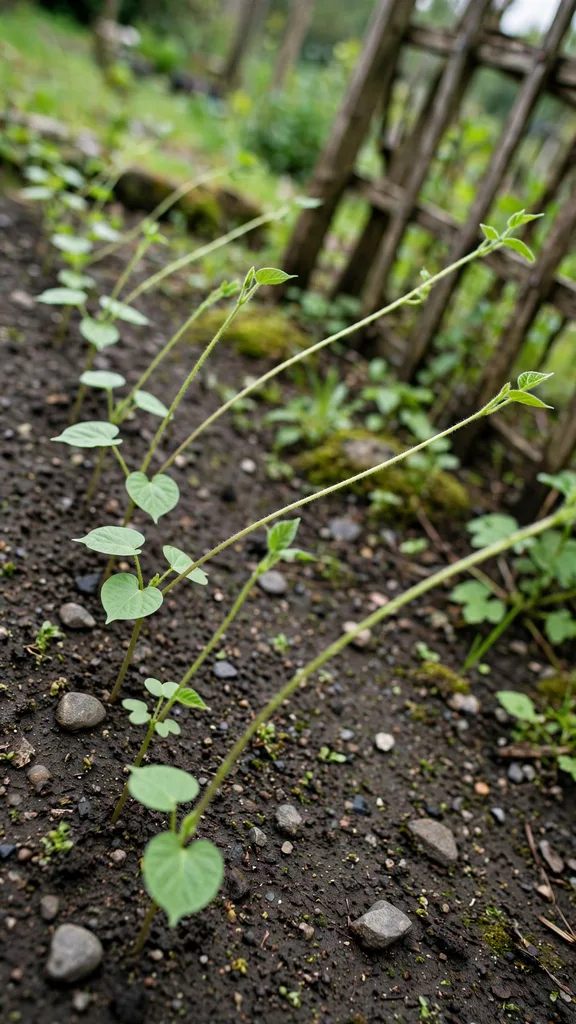
It matters for seed saving too. Seed saved from a hard-coated plant carries the same coat next year, and the saved batch needs the same treatment. A gardener who saves sweet pea seed and sows it untreated repeats the failure. A gardener who nicks the saved seed repeats the success.
It matters for wildflower meadows most of all. Native seed mixes carry many hard-coated species, and an untreated sowing gives a patchy meadow with only the soft-coated species showing. A gardener who scarifies the hard-coated share of the mix gets the full meadow. The full index of seed terms lives in the gardening glossary.
FAQ
Rub each seed once across sandpaper or nick one spot with a nail file, away from the eye where the root emerges, and stop when the pale inside shows. Or soak seed in water that was just boiled and removed from the heat until the water cools. Sow treated seed the same day into damp soil.
Yes. Bring water to a boil at 100 degrees C, remove the pot from the stove, add the seeds, and soak them until the water cools. The heat softens the coat without cooking the seed. Never leave seed in boiling water on the heat, and sow the seed at once after drying.
Hard-coated seeds need it: sweet pea, morning glory, lupin, beans, locust, and many native trees and shrubs. Soft-coated seeds such as lettuce, tomato, and carrot need none, and treatment damages them. Check the packet or a species guide, and scarify only when the coat feels hard and waterproof.
Nick one shallow spot, just through the coat until the pale inside shows, and keep the nick away from the eye where the root emerges. A deep cut reaches the embryo and kills the seed. Test 5 seeds first, check the scratch, then treat the rest to match.