Count 2 growing seasons before a biennial flowers. A biennial is a plant that spends its first year growing leaves and roots, then flowers, sets seed, and dies in its second year.
A biennial reads as a weed in year one and a flower in year two. The first-year plant sits low, a flat rosette of leaves hugging the soil, with no flower stalk at all. The second-year plant shoots up, flowers hard, drops seed, and dies. Knowing which year you are looking at changes every decision: pull it in year one and you lose next year’s flowers, leave it in year two and you get a self-sown patch.
| What you need to know | The short version |
|---|---|
| Life cycle | 2 growing seasons, then the plant dies |
| Year 1 | Leaves and roots only, usually a low rosette |
| Year 2 | Flower stalk, seed, then death |
| Cold trigger | A winter chill starts flower buds |
| Common examples | Foxglove, hollyhock, parsley, carrot, sweet William |
What Is Biennial?
A biennial is a plant that needs 2 growing seasons to finish its life. The first season builds leaves and a storage root. The second season builds flowers and seed. Then the plant dies. Oregon State University Extension describes the pattern plainly: a biennial needs all or part of 2 years, grows leaves and food-storage organs in season one, overwinters, then flowers and sets seed in season two.
The storage root is the whole trick. Carrots, beets, and parsley stash energy underground in year one. That stored energy pays for the tall flower stalk in year two. Harvest a carrot in year one and you eat the savings account before it is spent. Leave it in the ground and the same root funds a flower head the next spring.
The chill of winter does the switching. Cold exposure after the first season tells the plant to set flower buds, a process called vernalization. Washington State University explains that the chill of the winter season causes a biennial to set up flower buds, and the 2 physiological growing seasons are 2 warm periods interrupted by a chill period. A mild winter with no real cold can leave a biennial stuck in leaf mode for a third year, or push it to flower weakly.
Foxglove, hollyhock, sweet William, and honesty are the classic garden biennials. Carrot, parsley, beet, and Swiss chard are biennials too, grown as annual vegetables because the harvest comes in year one. The label on the packet rarely says biennial for vegetables, so the gardener who lets a carrot overwinter gets a surprise flower stalk instead of a root.
How Biennial Growth Works
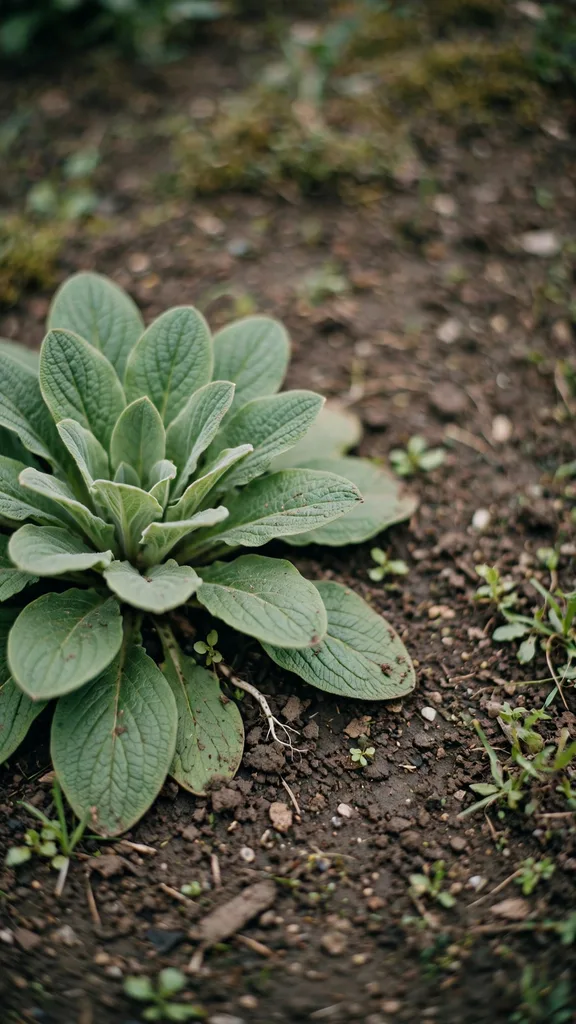
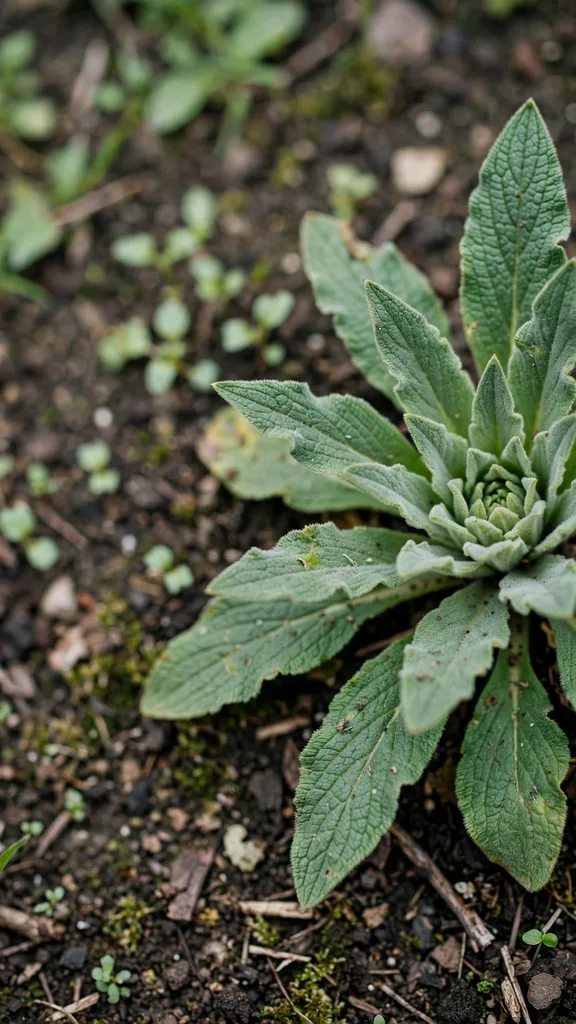
Year one is all storage. The seed germinates, the seedling throws a rosette of leaves flat against the soil, and the taproot thickens. No stem rises. No flower forms. The plant looks finished, and a tidy gardener pulls it as a weed. That is the single most common biennial mistake, and it happens in the first season.
Winter is the trigger, not a pause. The rosette sits through frost with its growing point tucked at soil level. Cold hours accumulate in the crown. When spring warmth returns, the stored signal fires and the plant bolts: a tall stem rises from the center of the rosette, buds form, and flowers open over several weeks.
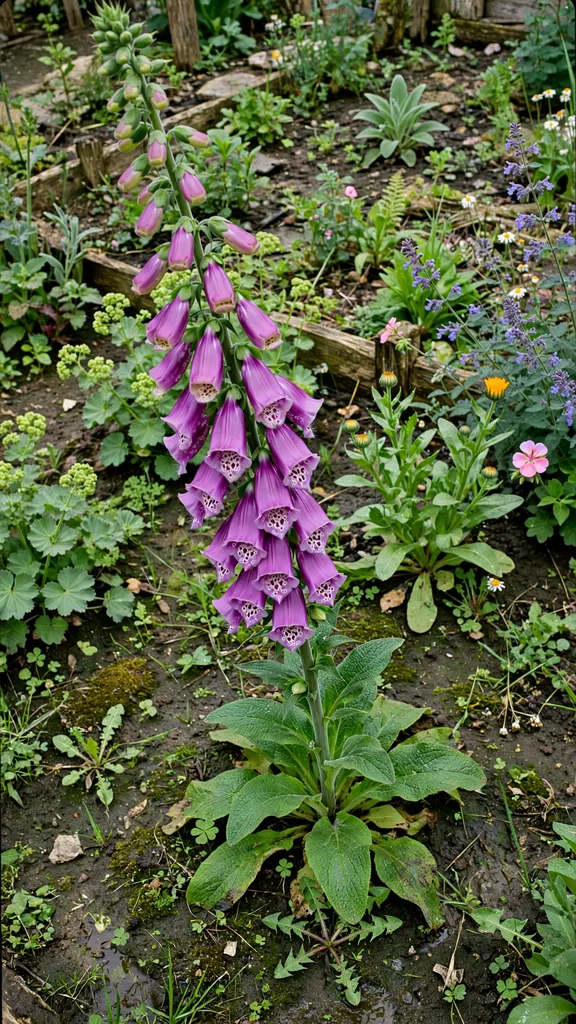
Year two is all reproduction. The flower stalk can reach 1.5 m on a foxglove and taller on a hollyhock. Bees work the bells, seed sets, and the capsules dry. Once the seed ripens, the parent plant collapses and dies. The rosette does not regrow. The root does not resprout. The cycle ends exactly where it started, with seed on the soil.
Stress can compress the whole cycle into one season. Drought or a sharp temperature swing can push a biennial to bolt in year one, a process called bolting. The plant flowers early on a short stalk, sets thin seed, and dies. The seed it makes is often poor, and the gardener loses both the year-one harvest and the year-two show.
Biennial vs Annual vs Perennial
| Trait | Annual | Biennial | Perennial |
|---|---|---|---|
| Life cycle | 1 growing season | 2 growing seasons | More than 2 years |
| First-year growth | Flowers and seeds | Leaves and storage root only | Roots and leaves, may not flower |
| Flowering | Same year as sowing | Second year only | Returns year after year |
| Death | After seed set in year one | After seed set in year two | Dies back, crown survives |
| Self-sowing | Heavy, every year | Every second year | Rarely the main spread |
| Examples | Zinnia, tomato, marigold | Foxglove, hollyhock, carrot | Peony, daylily, lavender |
The table settles the usual mix-up. An annual races from seed to seed in one season. A biennial splits the job across 2 seasons. A perennial keeps its crown alive and returns. A foxglove that flowers in its first summer is not a fast biennial. It is a stressed biennial bolting, or a first-year annual sold in the same tray.
How to Recognize a Biennial
Look at the base, not the flower. A first-year biennial is a rosette: leaves radiating from one central point, flat on the soil, with no upright stem. A second-year biennial has a thick central stalk rising from that same rosette, with leaves spaced up the stem. The rosette at the base is the fingerprint. Annuals rarely hold a flat rosette through winter, and perennials show new shoots from a woody or fleshy crown.
Check the packet before you buy. Seed packets list life cycle in small print near the sowing depth. A packet that says biennial and shows flowers is selling year two, not this summer. Nursery tags do the same. A foxglove in a 1-liter pot in May is a first-year plant, and its flowers belong to next June.
Watch what happens after flowering. A true biennial dies outright once seed ripens. The whole plant, root included, collapses. A perennial dies back to the crown and pushes new shoots next spring. A plant that returns from the same crown in year three was never a biennial, whatever the label said.
Common Mistakes With Biennial
Pulling first-year rosettes as weeds tops the list. The rosette looks unfinished, and a clean bed tempts the gardener. Mark the spot with a short stake or a flat stone when you sow, and leave the rosette through winter. A labeled rosette survives the tidy-up.
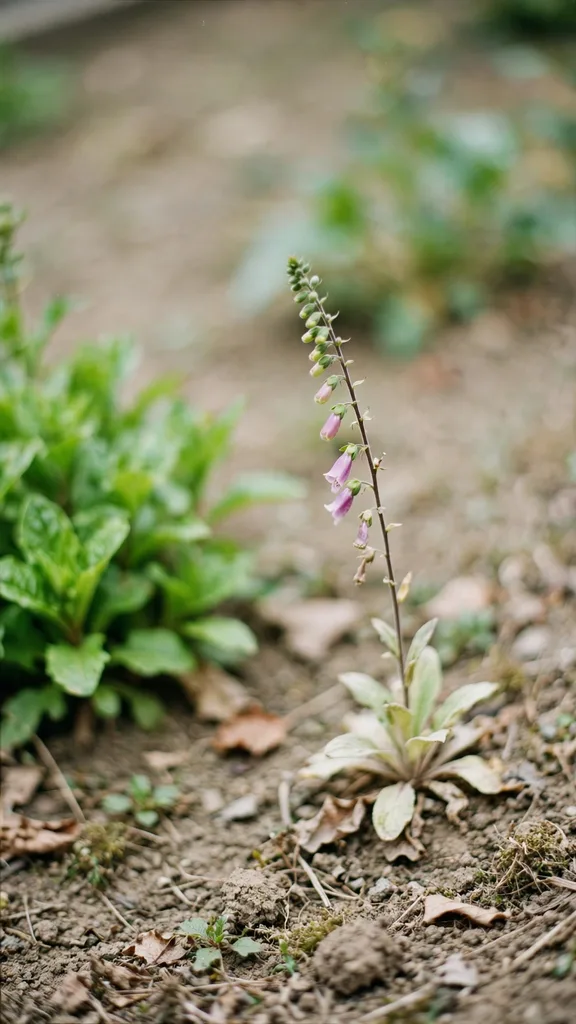
Harvesting the whole plant in year one is the vegetable version of the same mistake. Carrots, beets, and parsley pulled in autumn never get their second year, and that is fine when the root is the crop. It is a mistake only when you wanted seed. Leave 2 or 3 roots of each variety in the ground, marked, if you want home-saved seed next year.
Sowing too late in summer starves the first year. A biennial sown in late August makes a small rosette with a thin root, and a hard winter kills it before the chill signal finishes. Sow biennial flowers by midsummer so the rosette reaches a full hand span before frost. The root needs that size to survive the cold and fund the flower stalk.
Expecting flowers in the first summer wastes a season of hope, because a biennial will not flower until its second year, whatever the packet photograph promised. Biennials flower in year two, full stop, unless stress forces a bolt. Buy first-year plants in spring only if a year of leaves satisfies you. For flowers this summer, buy second-year plants already showing a central stalk.
When Biennial Matters in Your Garden
Biennials matter most in a cottage bed and a seed-saving plan. A cottage bed with foxglove, hollyhock, and sweet William renews itself if you let 2 or 3 plants set seed each year and leave the seedlings where they fall. The patch then flowers every year even though each plant lives only 2 years, because the generations overlap.
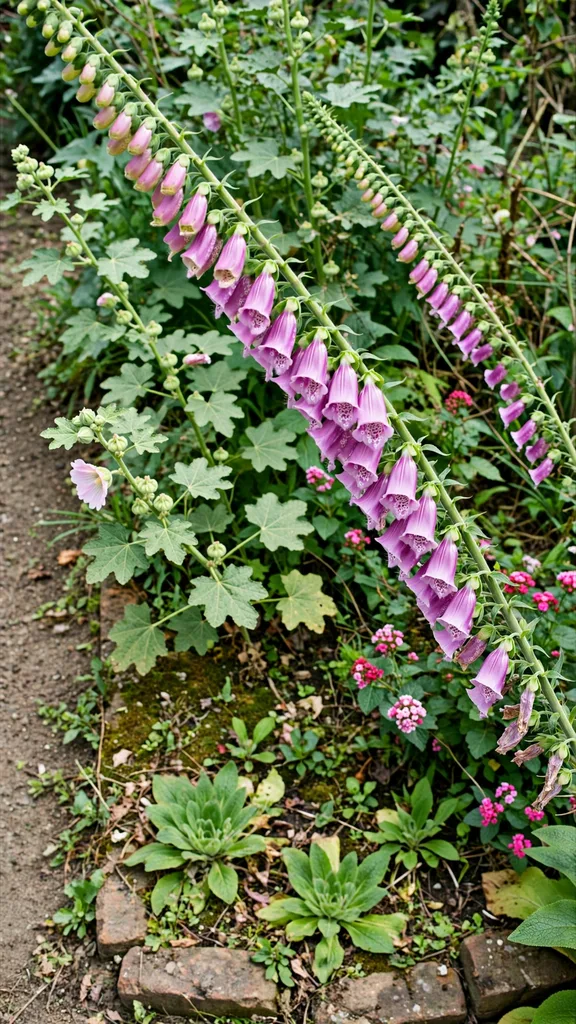
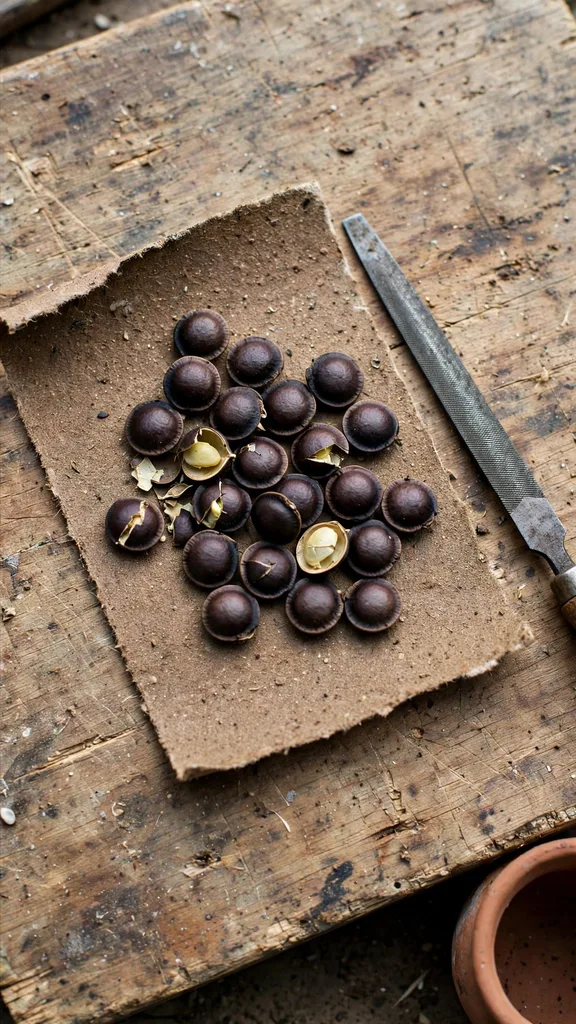
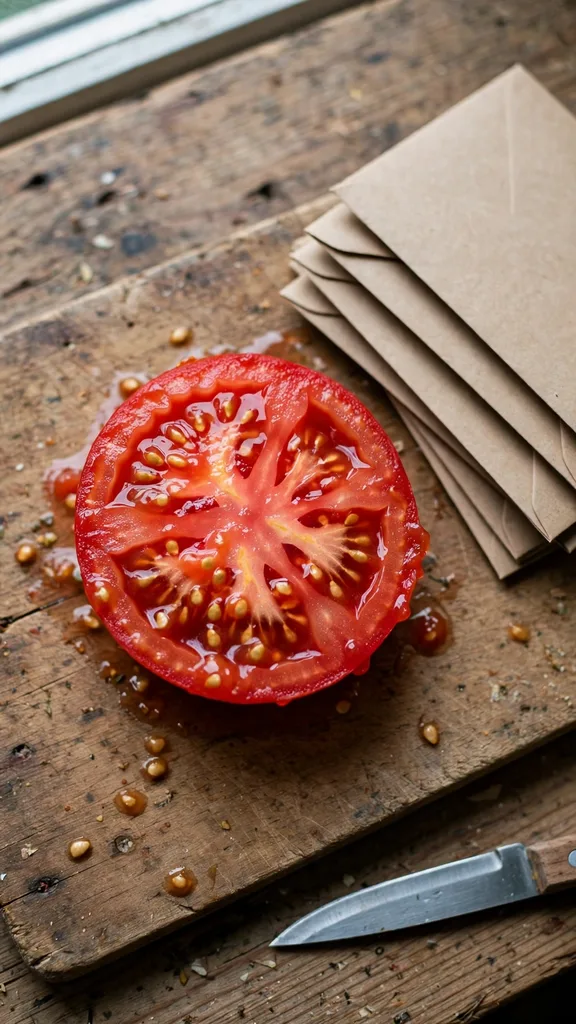
Seed saving depends on the 2-year wait. Carrot and parsley seed comes only from second-year plants that survived winter in the ground. A gardener in a cold zone lifts the roots in autumn, stores them in damp sand in a cool shed, and replants them in spring. A gardener in a mild zone leaves them in the bed under mulch. Either way, the seed arrives a full year after sowing.
Biennials also matter as a trap for the impatient. A bed of first-year rosettes looks empty all summer, and the temptation is to fill the gaps with annuals that crowd the rosettes out. Give the rosette 30 cm of clear soil on each side and plant the annuals at the bed edge, not on top of the rosette. The biennial needs that space when it bolts.
Related life cycles sit one click away in the gardening glossary. An annual finishes in one season, and a perennial returns from its crown for years. The three terms together decide what you sow, what you pull, and what you leave alone.
FAQ
No, not under normal conditions. A biennial spends its first year growing leaves and a storage root, then flowers in its second year after winter cold triggers bud formation. A first-year flower stalk usually means stress, such as drought or a sharp temperature swing, pushed the plant to bolt early. That early stalk makes thin seed, and the plant still dies after setting it.
Sometimes, by one season. A mild winter with too little cold can delay flowering, so the plant holds its rosette through a third year before it finally bolts. The delay is a failure of the cold trigger, not a longer life by design. A biennial that flowers and sets seed dies in that same season, and its root never resprouts.
No. The rosette is the plant, and it needs winter cold to trigger flowering. Pulling it in autumn throws away next summer’s flowers. Leave the rosette in place, mark it with a short stake so the spring tidy-up does not remove it, and clear dead leaves from around it without disturbing the crown.
Yes. Carrots, parsley, beets, and Swiss chard are all biennials, grown as annual vegetables because the harvest comes from the first-year root or leaves. Left in the ground through winter, each one sends up a flower stalk in year two, sets seed, and dies. That second year is the only way to save seed from them at home.
A second-year plant drops seed as its capsules dry, and the seed germinates where it falls. The new rosettes appear in late summer near the parent plant. Thin them to 30 cm apart and leave them through winter, and the patch flowers again the following year. Overlapping generations keep the bed in flower every year.