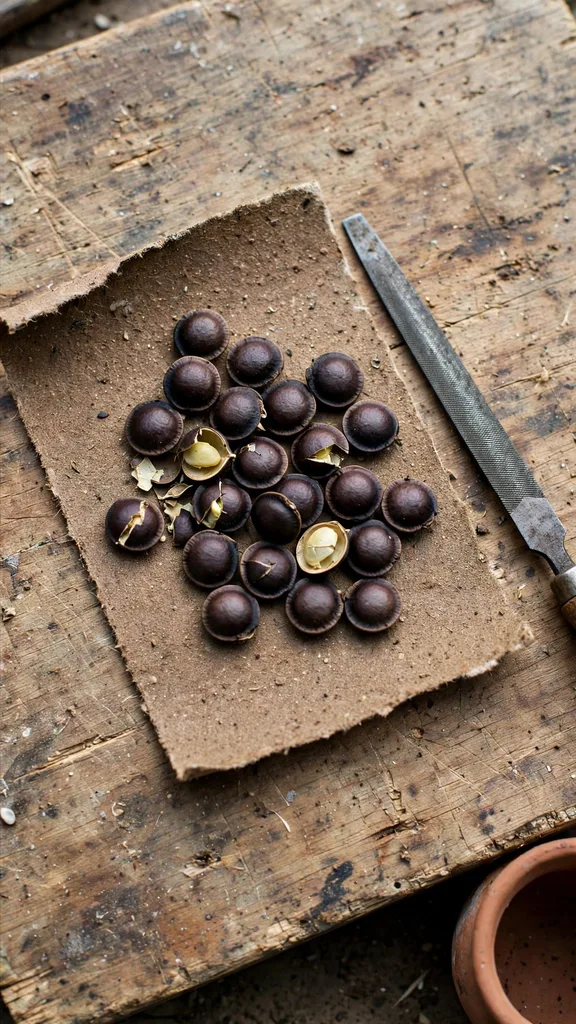
Chill 30 milkweed seeds in damp paper towel in the fridge for 2 months, then sow them. Stratification is a cold moist rest that breaks seed dormancy and tells the seed winter has passed.
Many wildflowers, trees, and perennials refuse to sprout without winter first. Their seeds carry a chemical lock that holds germination until cold and moisture have worked on them for weeks. Sow them fresh in spring, and they sit. Sow them after a cold rest, and they sprout together. The lock protects the seed from sprouting in autumn, when a seedling would freeze before it roots.
Stratification copies winter in a bag. Damp paper towel stands in for damp soil, the fridge stands in for the cold season, and time does the rest. The method needs no special tools: a zip bag, a paper towel, water, and a shelf in the fridge. The hard part is the wait, and the harder part is keeping the towel damp without soaking it. The seed germination guide covers the sprouting stage that follows the chill.
| Stratification at a Glance | Detail |
|---|---|
| What it is | Cold moist treatment that breaks seed dormancy |
| Temperature | 0.6 to 5 degrees C |
| Duration | 1 to 6 months by species |
| Home method | Damp paper towel in a zip bag, 2 months in the fridge |
| Copies | Winter conditions at the soil surface |
| Best for | Milkweed, penstemon, many trees and perennials |
| Skip it for | Beans, squash, annual vegetables |
What Is Stratification?
Stratification is the practice of exposing seed to cold moist conditions for a set time to break dormancy and allow germination. The gardener holds the seed in damp material at low temperature, mimicking winter, then sows it in spring as if it had overwintered in the soil. The term covers both the cold treatment and the dormancy it breaks.
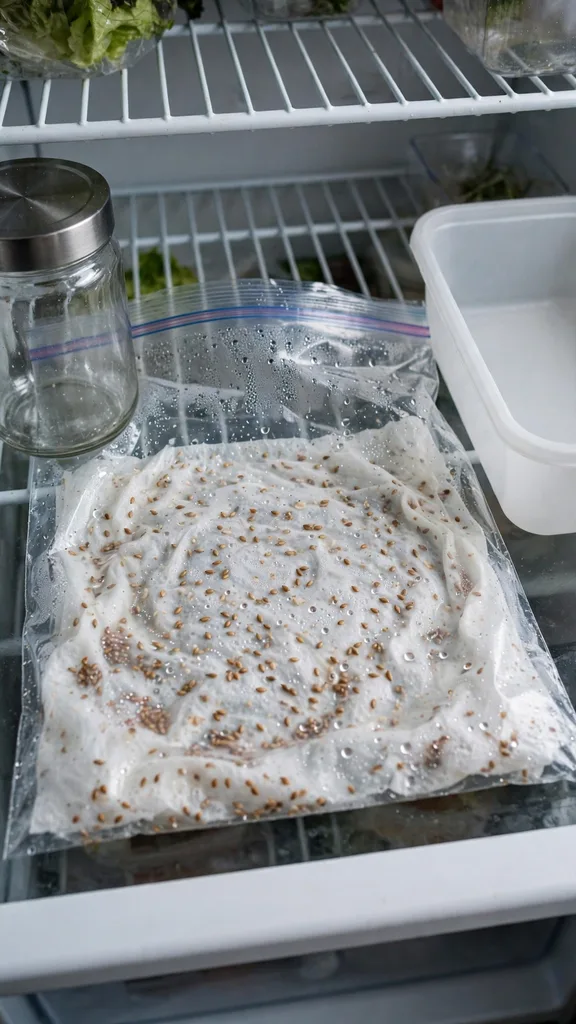
The deciding numbers are temperature and time. Stratification exposes seed to low temperatures of 0.6 to 5 degrees C under moist conditions for 1 to 6 months, and a general home method runs 2 months in the fridge between layers of moist paper towel inside a partly sealed zip bag, according to the University of Arizona Extension guide to seed saving. Keep the paper towel moist but never wet, and sow the seeds gently in pots or prepared soil when the time ends.
Stratification differs from simple cold storage in one respect: moisture. Dry seed in a cold fridge stays dormant, since the cold alone does not break the lock. Damp seed in a cold fridge breaks dormancy, since water carries the chemical changes inside the seed. A dry packet in the fridge is storage. A damp packet in the fridge is stratification.
The treatment suits seeds with internal dormancy, a lock regulated by the inner seed tissues that stops germination when conditions look wrong, as the North Carolina Extension Gardener Handbook chapter on propagation explains. It works well for woody species and perennial wildflowers such as penstemons. Annual vegetables need no chill at all, and chilling them wastes months. The scarification page covers the other dormancy lock, the hard seed coat.
How Stratification Works
Stratification works by letting cold water change the chemistry inside the seed. Dormant seeds carry germination inhibitors, chemicals that block sprouting until they break down, and cold moist conditions break those inhibitors down slowly, while warmth and light alone cannot. The seed reads the long cold as winter, and the end of the cold as spring.
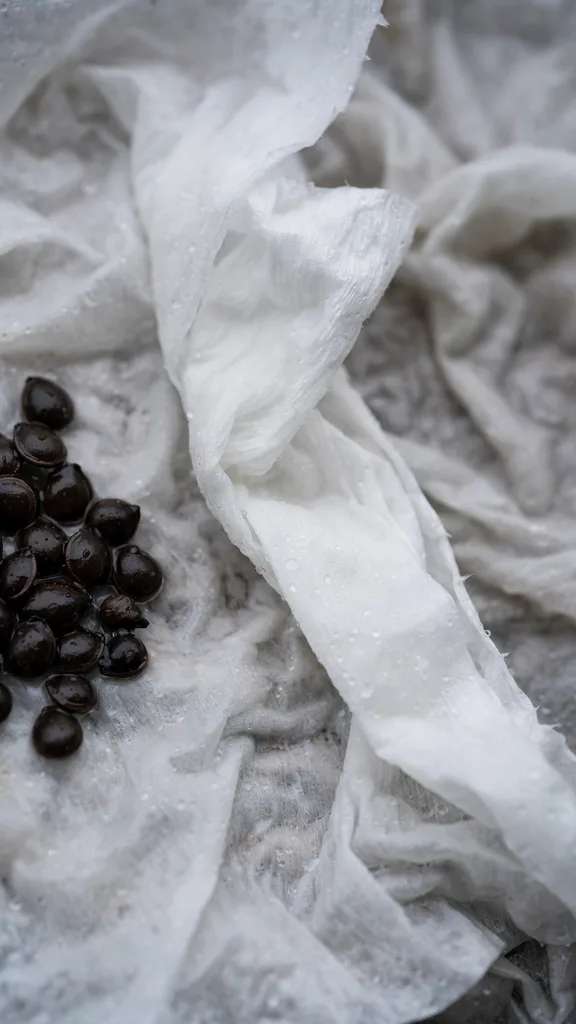
The seed also needs oxygen during the chill. A sealed bag with no air suffocates the seed, while a bag with a small opening breathes. A paper towel holds moisture without pooling water, and the seed sits damp, not drowned. Check the bag each week: the towel should feel damp to the touch, and the seed should show no mold. A moldy bag needs fresh towel and a rinse of the seed.
Time sets the result. Too short a chill leaves the lock half broken, and the seed sprouts patchy or not at all. Too long a chill sprouts the seed inside the bag, and the sprout breaks when the gardener handles it. The packet or a species guide gives the right duration. Milkweed and penstemon take 2 months by the general home method. Many trees take longer still. Write the start date on the bag, and count forward from it.
Stratification vs Scarification
| Feature | Stratification | Scarification |
|---|---|---|
| Dormancy type | Internal, chemical lock | External, hard seed coat |
| Treatment | Cold and moist for weeks | Nick, scratch, or hot water |
| Duration | 1 to 6 months | Minutes |
| Temperature | 0.6 to 5 degrees C | Room temperature or hot water |
| Seeds | Milkweed, penstemon, trees | Sweet pea, morning glory, beans |
| Risk | Mold, sprouting in the bag | Cutting too deep, killing the seed |
| After treatment | Sow at once | Sow at once |
The two treatments break different locks, and some seeds need both. A hard-coated seed with internal dormancy needs a nick first, then a chill. A soft-coated seed with internal dormancy needs only the chill. A hard-coated seed with no internal lock needs only the nick. Read the species notes before choosing, and never apply both when one will do.
Scarification works in minutes, while stratification works in months. A nicked sweet pea sprouts within days of sowing, yet a stratified milkweed sprouts only after its 2 months of cold. The gardener plans stratification months ahead and scarification on the sowing day, and the two schedules sit at opposite ends of the seed calendar.
The two also fail differently. Stratification fails with mold, drying out, or a chill cut short. Scarification fails with a nick cut too deep into the seed, which kills the embryo. Handle stratified seed gently at sowing, since a sprout in the bag breaks easily. Handle scarified seed dry, since a wet nicked seed rots fast.
How to Measure Stratification
Measure stratification by the calendar and by the towel. Write the start date on the bag with a marker, and write the end date beside it. A 2-month chill started on the first of the month ends on the first day of the month after next. Check the bag each week for moisture and mold, and note each check on the bag. The notes keep the treatment honest when 3 bags sit on the same shelf.
Measure the temperature with the fridge, not with a guess. A fridge runs near 4 degrees C, inside the treatment range. A freezer runs far below it and kills the seed. A cool garage in winter swings with the weather and may freeze the bag. Use the fridge shelf, never the freezer, and keep the bag away from the cooling vent where frost forms.
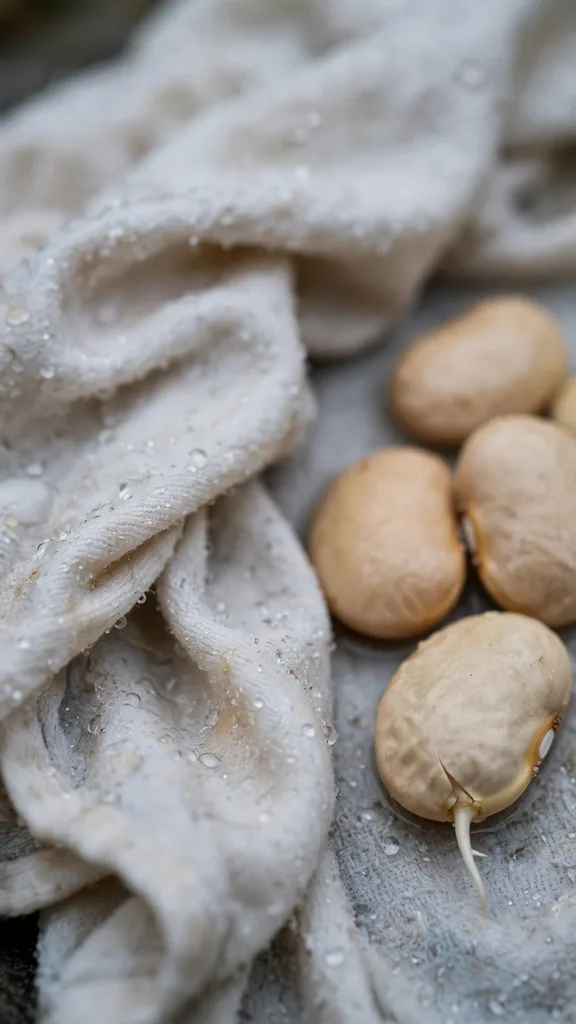
Measure readiness by the seed, not by the calendar alone. A stratified seed feels plump and firm, with a seed coat that looks swollen and soft. A seed that still feels hard and dry needs more time. A seed that shows a white root tip in the bag is ready at once, and it needs sowing the same day with the root tip pointing down.
Measure the batch by germination, not by hope. Sow a few seeds first as a test, and count the sprouts after a week. A batch that sprouts evenly is ready. A batch that sprouts patchy needs more chill, and the rest of the bag goes back in the fridge. The test costs a few seeds and saves a whole sowing.
Common Mistakes With Stratification
Chilling dry seed tops the list. Dry seed in a cold fridge stays dormant, since the cold alone does not break the lock. The towel must stay damp through the whole treatment. Check it weekly, and add a few drops of water when it dries. A dry bag wastes months.
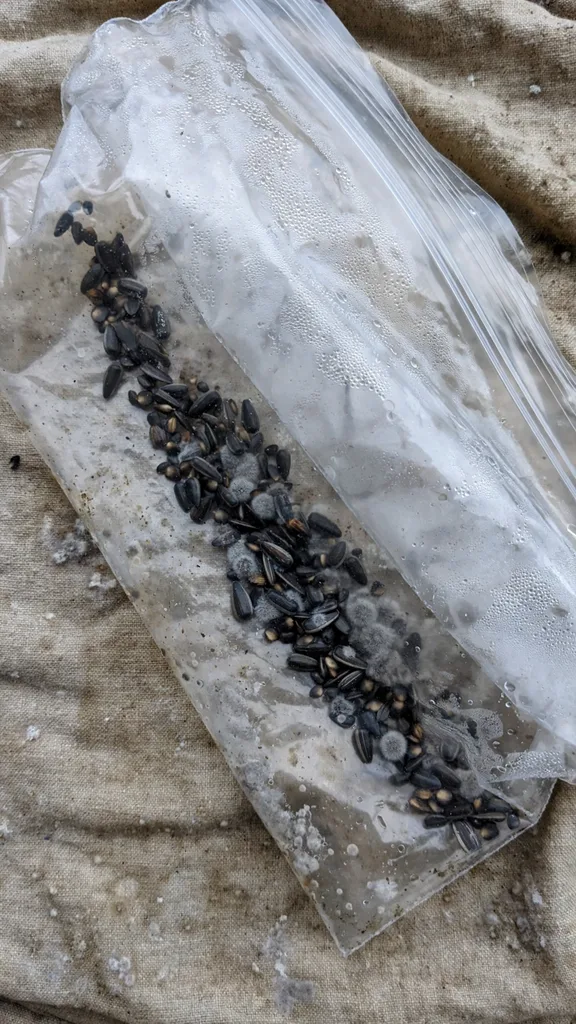
Sealing the bag airtight runs second. A sealed bag suffocates the seed and grows mold. Leave the bag partly open, or open it for a minute each week. Fresh air keeps the seed alive and the mold down. A bag with a small gap breathes enough.
Cutting the chill short runs third. A seed chilled for 3 weeks when it needs 8 sprouts patchy or not at all, and the gardener blames the seed. Read the species duration before starting, and write the end date on the bag. The calendar decides, not impatience.
Forgetting the bag in the fridge runs fourth. A seed left for 6 months sprouts in the bag, and the sprout breaks at sowing. Set a reminder for the end date, and sow the week the chill ends. A sprouted seed in the bag needs gentle handling and same-day sowing.
When Stratification Matters in Your Garden
Stratification matters whenever the plant comes from a cold-winter climate. Native wildflowers, woodland perennials, and temperate trees all carry the internal lock, so a gardener growing milkweed for butterflies, penstemon for a dry bed, or a native tree from seed must chill first. A gardener growing beans and squash never thinks about it.
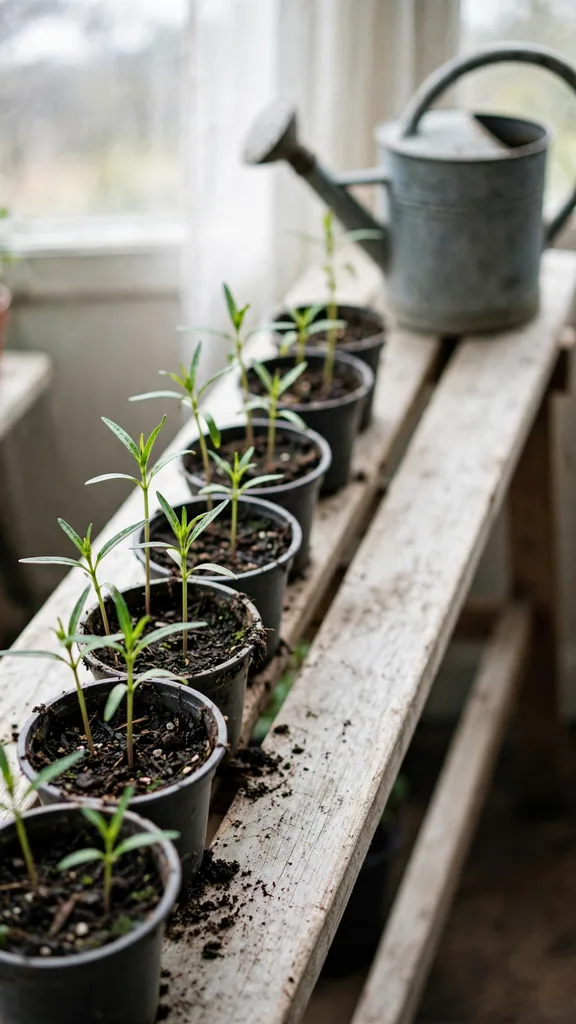
It matters for seed saving too. Seed saved from a perennial in autumn needs a winter before it sprouts, whether that winter happens in the soil or in the fridge. A gardener who saves seed in October and sows it in March without a chill wastes the seed. A gardener who chills it in the fridge from November sows a sprouting batch in spring.
It matters for planning most of all. Stratification takes months, so the gardener starts it long before the sowing date. A 2-month chill for spring sowing starts in midwinter. A 6-month chill for a tree starts in autumn. The treatment rewards the gardener who plans ahead and punishes the one who buys seed in spring. The full index of seed terms lives in the gardening glossary.
FAQ
Most garden seeds need 1 to 6 months of cold moist treatment, and a common home method runs 2 months in the fridge. The exact time depends on the species, so check the packet or a species guide before starting. Write the start and end dates on the bag, and sow the week the chill ends.
No. A freezer runs far below the treatment range and kills the seed. Use a fridge shelf near 4 degrees C, inside the 0.6 to 5 degree range. Keep the bag away from the cooling vent, and never store seed in the freezer for stratification.
Seeds with internal dormancy sprout patchy or not at all, since the chemical lock stays in place. Some seeds sprout the next year after a natural winter outdoors. Sow stratified seed instead, or sow in autumn and let winter do the work in the soil.
No. Annual vegetables such as beans, squash, and lettuce need no chill and sprout without it. Stratification suits wildflowers, perennials, and trees from cold-winter climates, such as milkweed and penstemon. Check the species notes, and chill only the seeds that carry the lock.