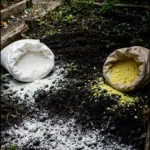
Push 2 bean seeds 2.5 cm deep into warm garden soil and walk away. Direct sow is when seed goes straight into the bed where the plant will grow, with no pot, no tray, and no move later.
Direct sow suits plants that hate root disturbance and plants that grow fast enough to skip the indoor stage. Carrots, beans, peas, corn, squash, radishes, and beets all belong in this group. Their roots grow down from day one and never face a transplant shock. Sow them where they will finish, and thin the extras once seedlings stand.
The clock matters more than the calendar. Soil warms slower than air, and a warm afternoon can hide cold soil 5 cm down. A seed sown into cold wet soil sits still, drinks cold water, and rots before it sprouts. Wait for the soil, and the seed does the rest. Germination timing for each crop is covered in the site’s seed germination guide.
| Direct Sow at a Glance | Detail |
|---|---|
| What it is | Seed sown straight into the garden bed |
| Depth rule | Twice the seed width |
| Best for | Carrots, beans, peas, corn, squash, radishes, beets |
| Skip it for | Slow crops that need a long indoor head start |
| Soil check | Warm soil at seed depth, moist but never soggy |
| First check | Seedlings break the surface within the packet germination window |
What Is Direct Sow?
Direct sow means planting seed in its final spot in the garden, outdoors, instead of starting it in a pot indoors. The seed germinates in the bed, the root grows without interruption, and the plant never moves. Gardeners use the term for the method and for the sowing itself, as in a direct-sown row of carrots.
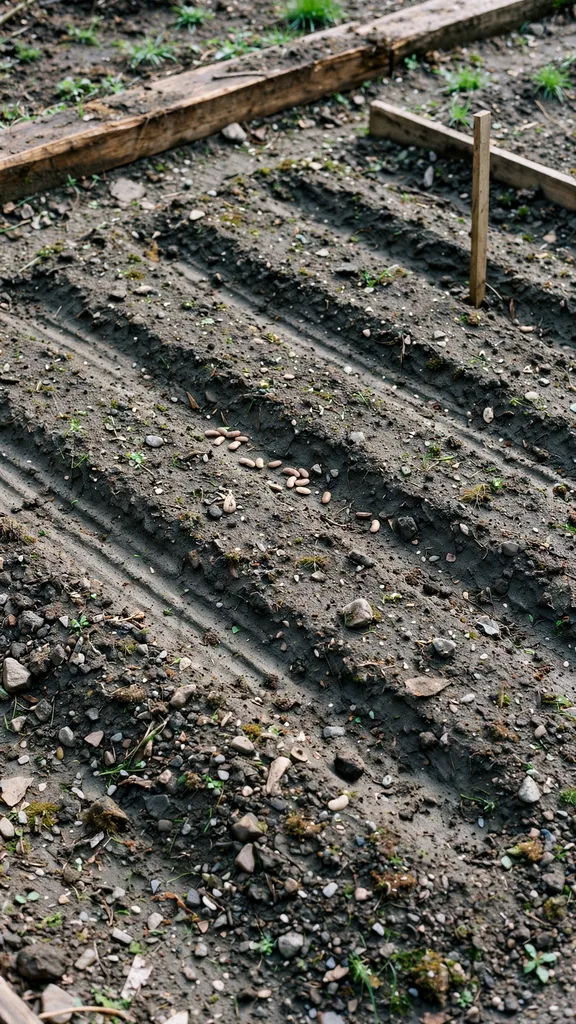
The deciding number is depth. A good rule puts seed at twice its width, so a seed 0.6 cm wide goes 1.3 cm deep, according to the University of Maryland Extension guide to sowing vegetable seeds. Tiny seed barely needs covering. A big bean seed takes a deeper hole. Sow deeper in light sandy soil and shallower in heavy clay, since sand dries fast and clay holds water against the seed.
Direct sow differs from broadcast sowing in one respect. Broadcast seed scatters across a bed, while direct sow places each seed at a set depth and spacing. Rows, furrows, and stations all count as direct sow when the seed lands in the bed itself. The packet back carries the spacing for the crop. Read it before the first handful goes in.
The method also sets the start of the season clock. A direct-sown crop counts its days from the sowing date, so a late sowing ripens late. Indoor-started crops count from the move outdoors instead. That difference shapes every planting plan in this glossary, and the days to maturity page spells out the two clocks side by side.
How Direct Sow Works
Direct sow works because the seed carries its own food store and the soil supplies water, warmth, and air. Water softens the seed coat. Warmth switches on growth. The root tip pushes down first and anchors the plant, then the shoot pushes up toward light. No move breaks that sequence, so the root grows straight and deep from the start.
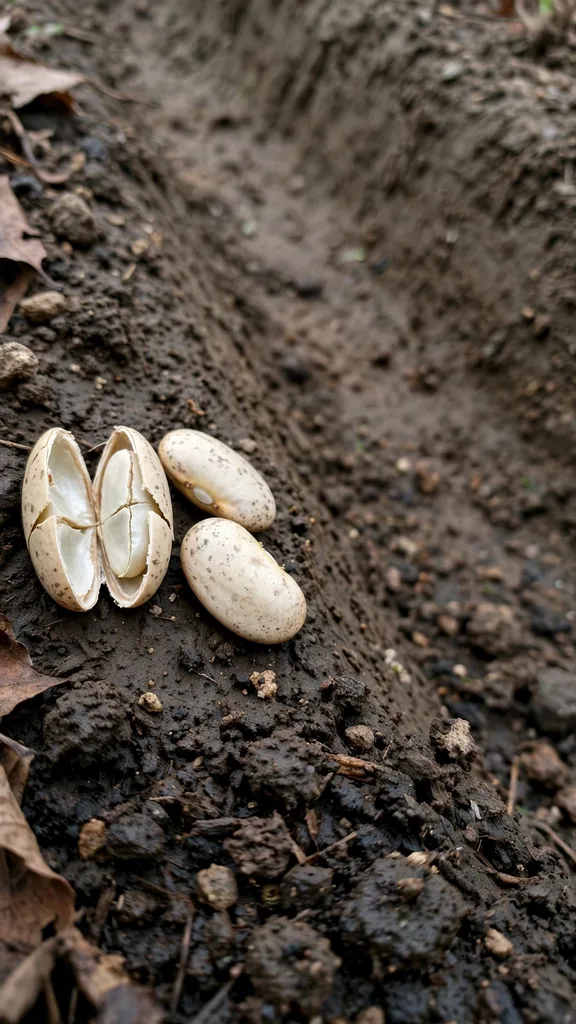
Soil temperature drives the speed. Large seeds such as corn and beans rot before they sprout in cold spring soil. Warm soil speeds germination, and cold soil stalls it. A soil thermometer at seed depth gives the real reading. Air temperature lies. Morning soil after a cold night runs colder than the afternoon air suggests.
Moisture must stay even. Dry soil stops germination. Soggy soil starves the seed of air and feeds rot. Water the furrow before sowing, cover the seed with loose soil, and firm the surface with the back of a rake so seed meets soil on all sides. A light mulch over the row holds moisture, yet a thick layer blocks small seedlings. Keep the top 2.5 cm damp until seedlings stand, then water less often and deeper.
Direct Sow vs Starting Seeds Indoors
| Feature | Direct Sow | Starting Seeds Indoors |
|---|---|---|
| Where seed germinates | Garden bed | Pot or tray under cover |
| Root disturbance | None | One move, with shock risk |
| Start date | When soil warms | 4 to 12 weeks before last frost |
| Best crops | Beans, peas, carrots, corn, squash, radishes | Tomatoes, peppers, eggplant, slow flowers |
| Cost | Seed and a rake | Trays, mix, lights, space |
| Failure mode | Cold soil rot, birds, crust | Leggy stems, damping off, forgotten watering |
| Harvest timing | Counts from sowing day | Counts from transplant day |
The indoor start buys time. Seedlings started indoors 4 to 12 weeks before the last spring frost reach the garden as young plants, according to the North Carolina Extension Gardener Handbook chapter on propagation. That head start matters for slow crops with long seasons. Tomatoes and peppers need it. Beans and squash do not, and the indoor step adds shock for no gain.
Root crops force the choice. Carrots, parsnips, and beets grow one taproot, and a bent or broken taproot forks the harvest. A pot cannot hold that root straight. Sow root crops in place or skip them. Leafy crops and peas sit in the middle: either route works, and the decision turns on frost dates and bed space.
Cost also separates the two routes. Direct sow needs seed, a rake, and a watering can. Indoor starts need trays, sterile mix, light, and bench space, plus daily checks. A gardener with one sunny windowsill and 20 tomato plants already owns a nursery. A gardener with 10 rows of beans owns a field. Match the route to the crop, and the work stays small.
How to Tell Direct Sow Is Working
Direct sow works when seedlings break the surface inside the packet germination window and stand upright with even spacing. Count the days from sowing, not from the day the packet arrived. A bean row shows cotyledons within days in warm soil. A carrot row takes weeks, and the wait tempts gardeners to dig the row up to check. Leave the row alone. A white root hair breaks with one touch.
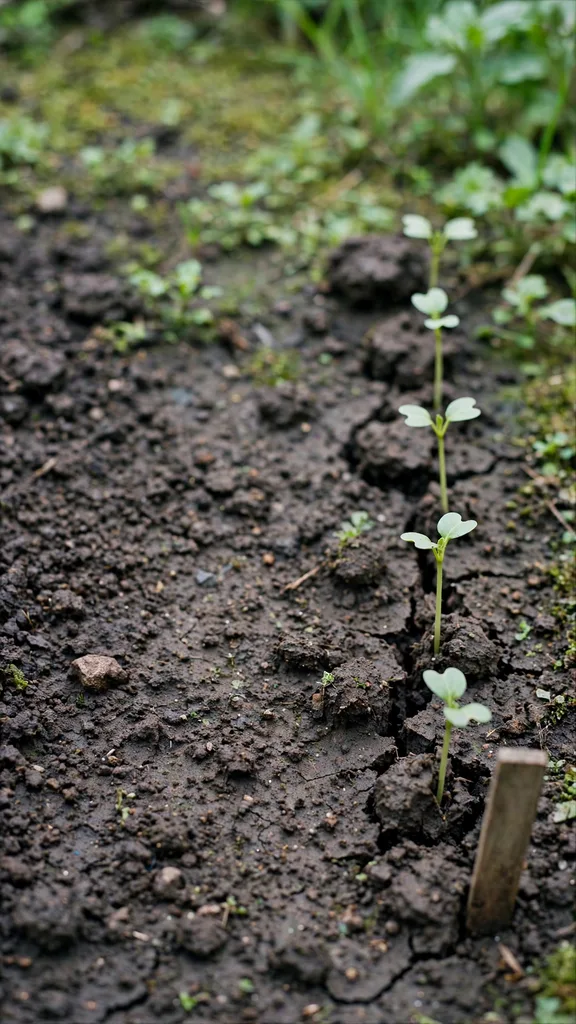
Measure the row, not the calendar. Mark the sowing date on a plant label at the row end. Check the row each morning for the first crack in the soil surface. Even emergence across the row signals even depth and even moisture. Patchy emergence signals uneven depth, a dry stretch, or seed eaten before sprouting. Re-sow the gaps with the same variety and the same depth, and note the gap on the label so the harvest date stays honest.
Watch the first leaves. Cotyledons open first, then the first true leaves follow with the crop shape. A seedling with pale stretched stems grew in shade or under a crust. A seedling with a pinched brown stem at the soil line has damping off, and the row needs drier air. Thin the row when seedlings show 2 true leaves, and cut the extras at soil level with scissors so the roots of the keepers stay intact.
Soil temperature gives the earliest check. Push a thermometer 5 cm deep at 9 in the morning for 3 days in a row. Beans want warm soil past the spring chill, while peas and spinach germinate in cold spring soil. A reading below the crop minimum means wait, whatever the air feels like at noon.
Common Mistakes With Direct Sow
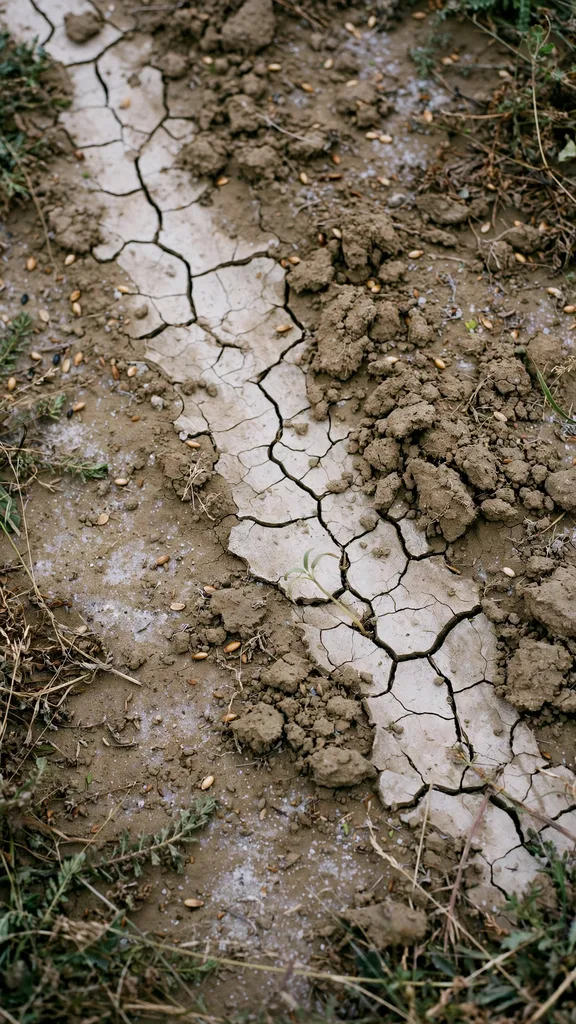
Sowing into cold soil tops the list. Cold soil plus wet seed equals rot, and the gardener blames the seed company for a dead row. A thermometer costs less than a packet of seed and settles the question in 60 seconds. Sow warm-season crops only after the soil holds its warmth through the night.
Sowing too deep buries small seed past its food store. A lettuce seed under 2.5 cm of soil never sees light, while a bean seed under 5 cm of clay runs out of energy before it breaks the surface. Twice the seed width covers most crops. Read the packet for the exceptions, and trust the packet over habit.
Sowing too thick wastes seed and breeds disease. A dense row holds damp air between stems, and damping off spreads from one seedling to the next. Thin early, thin hard, and keep the spacing the packet lists. The thinnings of lettuce and radish go into a salad. The thinnings of carrots go into the compost.
Forgetting the birds costs whole rows. Birds pull sprouting peas and beans in the first week. A strip of netting or a row of twigs across the bed hides the row until seedlings root. Remove the cover once seedlings stand 5 cm tall, or the cover shades the row it protects.
When Direct Sow Matters in Your Garden
Direct sow matters whenever the crop dislikes moving. Root crops, peas, beans, corn, and squash all grow better from seed in place. A gardener who starts carrots indoors fights the taproot from day one and loses. A gardener who sows carrots in a deep loose bed harvests straight roots.
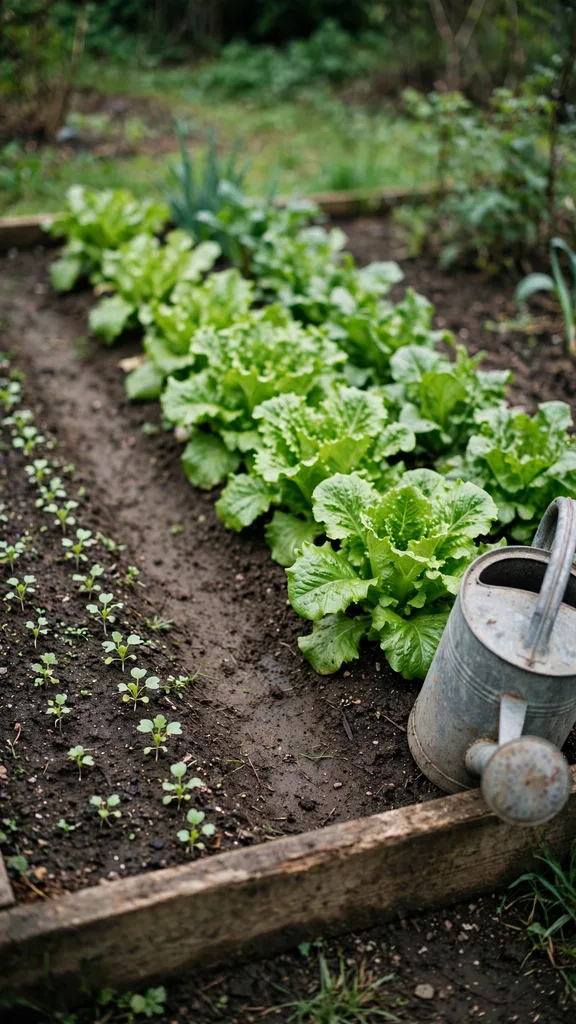
It also matters when the season runs short. A direct-sown bean crop counts its days from sowing, so a July sowing of an early bean ripens in September. The same bean started indoors gains nothing, since beans germinate fast and transplant badly. Spend the indoor space on tomatoes and peppers, and spend the bed space on beans.
Direct sow matters for succession planting too. Rows of radishes sown in small batches through the season give a steady harvest from one bed, and each sowing takes minutes. A row of lettuce sown after the spring peas finish uses the same bed twice in one season. The method is fast, cheap, and repeatable, which makes it the default for half the vegetable garden. The full index of seed terms lives in the gardening glossary.
FAQ
Sow each seed at twice its width as a starting rule, so a seed 0.6 cm wide goes 1.3 cm deep. Tiny seed such as lettuce sits near the surface with a dusting of soil. Large seed such as beans goes 2.5 cm deep. Sow deeper in sandy soil and shallower in clay, and always check the packet, since some crops break the rule.
You can, but the harvest comes late and the season may run out first. Tomatoes and peppers need a long warm season, so most gardeners start them indoors 4 to 12 weeks before the last frost. Direct sow them only where frost-free days run long, and expect ripe fruit weeks after transplanted plants. Choose an early variety for the best chance.
Each crop has its own minimum, and warm-season crops need the warmest soil. Beans germinate once soil warms past the spring chill at seed depth. Peas and spinach start in cold spring soil. Measure with a soil thermometer 5 cm deep on 3 mornings in a row. Sow only when the reading holds above the crop minimum.
Cold wet soil rots seed before it sprouts, deep sowing buries small seed past its food store, and birds pull sprouting peas and beans. A dry crust also blocks seedlings. Check the soil temperature, sow at twice the seed width, cover the row with netting for the first week, and keep the top 2.5 cm damp until seedlings stand.