Count 70 days back from the first ripe tomato, then add 6 weeks of indoor growing on top. Days to maturity is the number of days from a set starting point until the first harvest, printed on every seed packet.
Days to maturity answers one planning question. Sow this seed today, and when do you eat? The packet number looks like a complete answer, yet it measures only part of the journey for crops started indoors. A tomato packet reading 70 days means 70 days after the seedling moves outside, not 70 days after the seed goes into mix. Miss that distinction and the harvest estimate lands 6 weeks early.
The number also varies with weather. Cool spells, low light, and crowding stretch it. Warm steady weather shortens it. Treat the figure as a planning estimate under good conditions, never as a promise stamped on the calendar. The seed starting guide covers the indoor stage that sits in front of the count.
| Days to Maturity at a Glance | Detail |
|---|---|
| What it is | Days from a set start point to first harvest |
| Direct-sown crops | Counts from the sowing day |
| Transplanted crops | Counts from the transplant day |
| Tomato example | Early types ripen 50 to 65 days after transplanting |
| Full timeline | Germination plus indoor weeks plus days to maturity |
| Planning use | Count back from frost to test whether a crop fits |
What Is Days to Maturity?
Days to maturity is the number of days a crop needs from a defined starting point until its first harvest. Seed packets print it as DTM, and catalogues list it beside every variety. The figure lets a gardener test whether a crop fits the season before buying the seed.
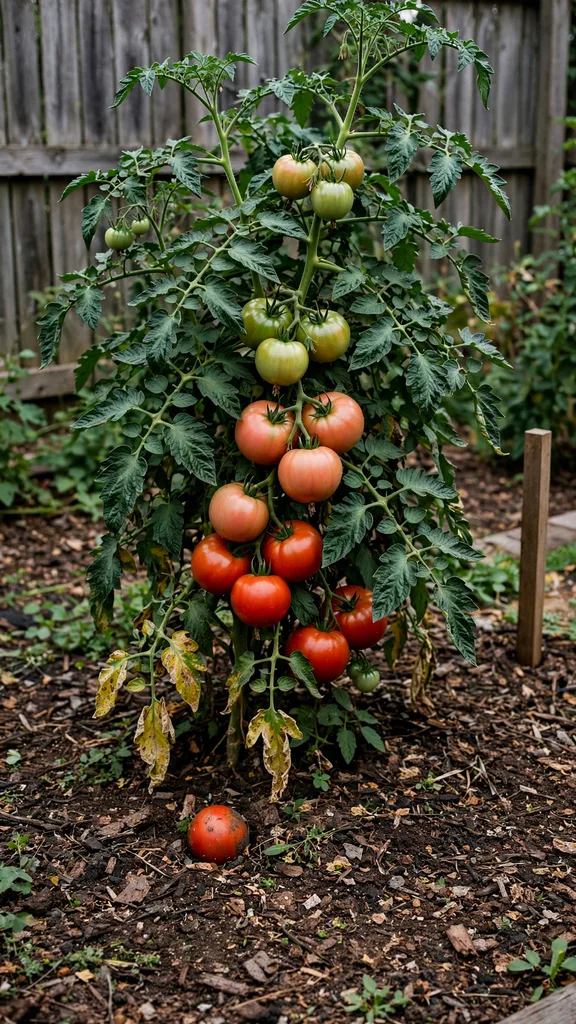
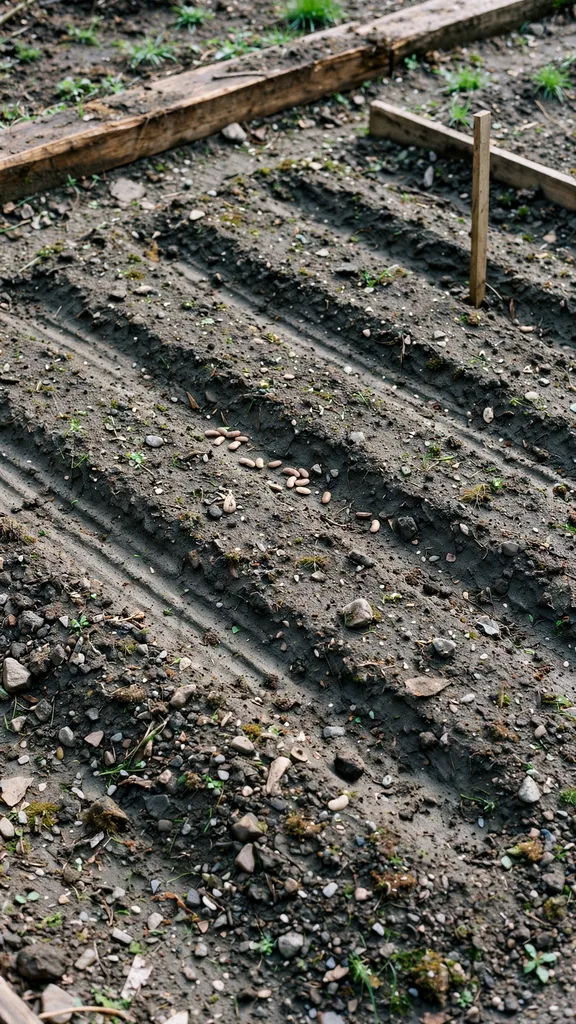
The starting point decides everything. For direct-sown crops such as carrots, beans, and radishes, the clock starts on the sowing day. For transplanted crops such as tomatoes, peppers, and broccoli, the clock starts on the transplant day, when the seedling goes into the garden bed. A tomato packet reading 70 days means 70 days after the move outdoors.
The deciding numbers come from tomato trials. Early-season tomatoes ripen in 50 to 65 days after transplanting, mid-season types in 66 to 80 days, and late-season types need more than 80 days, according to the North Carolina State Extension guide to growing tomatoes. Those times assume continuous temperatures above 18.3 degrees C and favorable conditions through the season. Cool weather adds days. A cold spring stretches every variety past its packet figure.
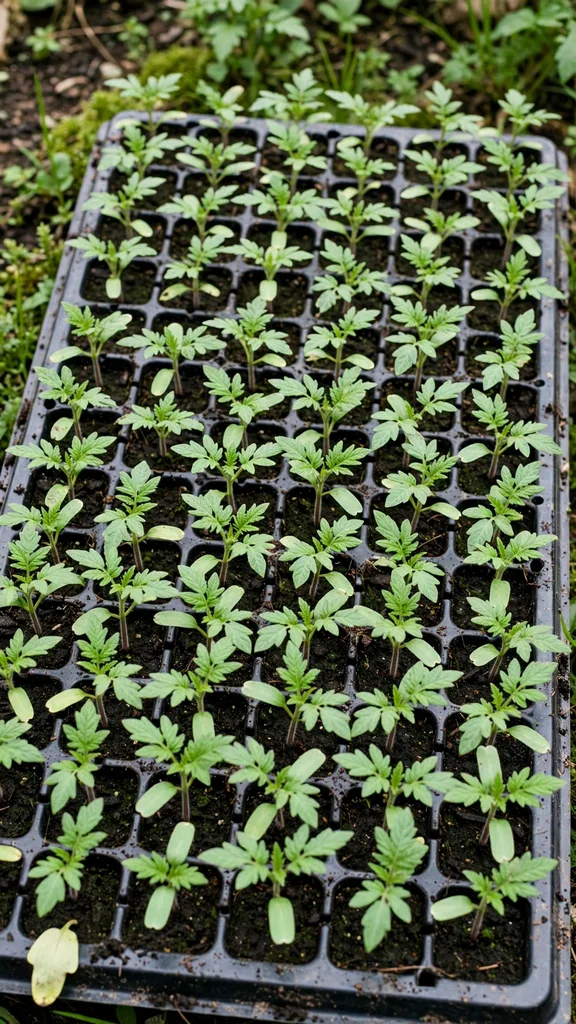
Days to maturity differs from the seed-to-harvest total by the indoor stage. Seedlings often start indoors 4 to 12 weeks before the last spring frost, according to the North Carolina Extension Gardener Handbook chapter on propagation. Add germination days, add those indoor weeks, then add the packet number. That sum is the real time from seed to plate. The direct sow page shows the other clock, where sowing day starts the count.
How Days to Maturity Works
Days to maturity works as a variety label, not a stopwatch. Breeders grow each variety in trial plots under steady conditions and record the days from the starting point to the first picking. The packet prints that trial figure. Your garden runs warmer or cooler than the trial plot, so your harvest lands near the figure, seldom on it.
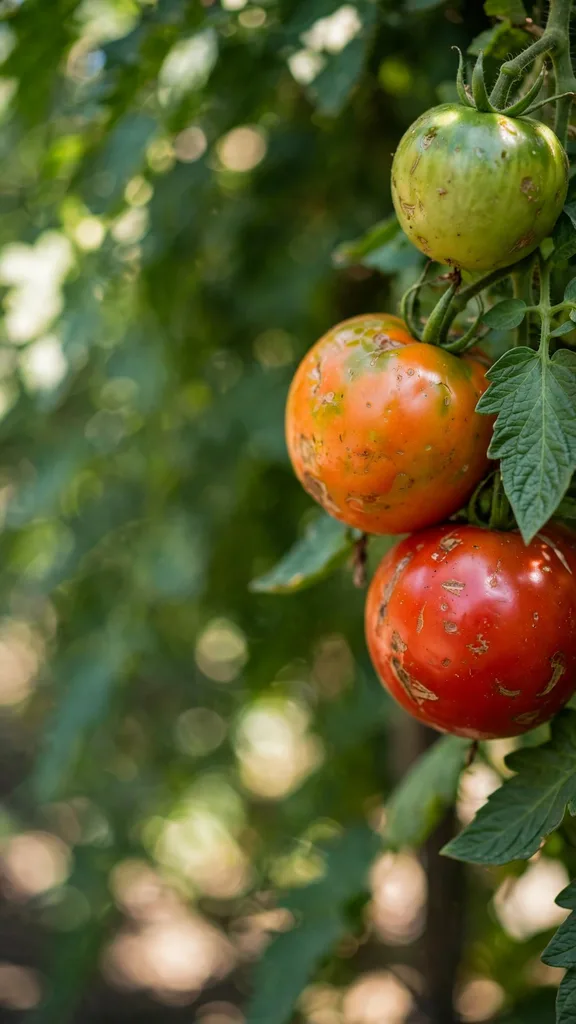
The clock runs on heat and light. Warm soil speeds growth, long days push leafy crops forward, and steady water keeps the plant moving. A cold snap pauses growth without resetting the clock, and the lost days show up at harvest. A heat wave speeds ripening for fruiting crops and bolts leafy crops early. The number assumes average conditions, so a strange season bends it in both directions.
Variety sets the range inside one crop. Cherry tomatoes ripen weeks before beefsteak types from the same sowing. Early peas finish while late peas still flower. The packet figure lets you compare varieties on one scale. Pick an early variety when the season runs short, and pick a late variety when storage and size matter more than speed.
The count also stops at first harvest, not at peak yield. A bean plant with a 55-day figure gives its first pick at day 55 and keeps producing for weeks. A cabbage with a 70-day figure gives one head at day 70 and the bed frees up. Plan succession sowings around first harvest, and plan bed space around the full production span.
Days to Maturity vs Days to Germination
| Feature | Days to Maturity | Days to Germination |
|---|---|---|
| What it measures | Sowing or transplant to first harvest | Sowing to seedling emergence |
| Typical range | 30 to 120 days | 5 to 21 days |
| Starts at | Sowing day or transplant day | Sowing day |
| Ends at | First picking | First sprout breaking the surface |
| Found on | Seed packet, catalogue listing | Seed packet, germination table |
| Main use | Season planning, variety choice | Row checks, re-sowing decisions |
Germination time is the first slice of the full timeline. It ends when the sprout breaks the surface, and it runs in days while maturity runs in weeks. Days to maturity keeps running for weeks after the seedling stands.
Confusing the two numbers wrecks the plan. A gardener who reads a 7-day germination figure as a 7-day harvest waits 2 months for a radish that never comes. A gardener who reads a 70-day maturity figure as germination time digs up a tomato row after a week of bare soil. Read both figures on the packet, and keep them in separate columns on the planting plan.
The two numbers also respond to different conditions. Germination answers to soil temperature and moisture at seed depth. Maturity answers to air temperature, light hours, water, and feeding across the whole season. Cold soil delays germination by days. A cold June delays maturity by weeks. Fix the right stage when the date slips.
How to Measure Days to Maturity
Measure days to maturity with a label, a calendar, and a first-picking date. Write the transplant date on a plant label at the row end for transplanted crops, or the sowing date for direct-sown crops. Write the packet figure beside it. Count forward to the expected harvest date and mark it on the calendar. The gap between the mark and the real first picking is your garden correction for that variety.
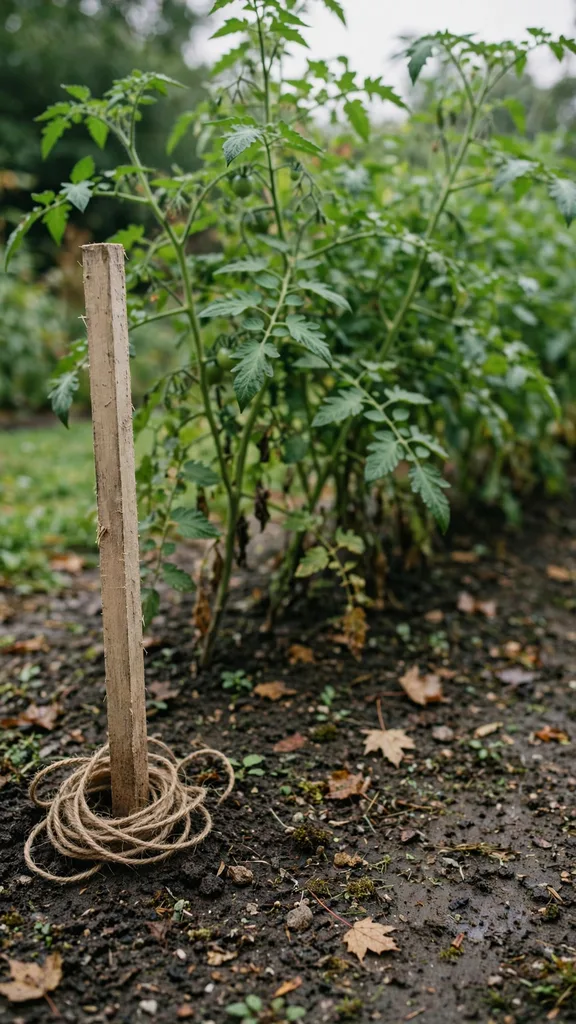
Work the full timeline before sowing. Add germination days, add indoor weeks, then add the packet number. A tomato with a 70-day figure, 8 days to germinate, and 6 weeks indoors needs 120 days from seed to first ripe fruit by simple addition. That sum fits a frost-free season of 4 months. A season of 3 months needs an early variety with a 55-day figure instead.
Count back from frost for fall crops. Find the first expected frost date, subtract the packet figure, then subtract a further 14 days for the slower growth of shortening days. The result is the last safe sowing date. A 60-day bean sown 74 days before frost ripens with a margin. A 90-day squash sown on the same day does not. The subtraction takes 2 minutes and saves a bed of green fruit.
Record the real dates each season. A notebook line per variety holds the sowing date, the transplant date, and the first picking date. After 2 seasons the notebook beats the packet, since it carries your soil, your shade, and your weather. Varieties that run 10 days late 2 years in a row get dropped or moved earlier.
Common Mistakes With Days to Maturity
Counting from the sowing day for transplanted crops is the classic error. The packet figure starts at transplant for tomatoes, peppers, and broccoli, so counting from sowing puts the harvest estimate 4 to 12 weeks early. The gardener then blames the variety for a late crop that was never late at all.
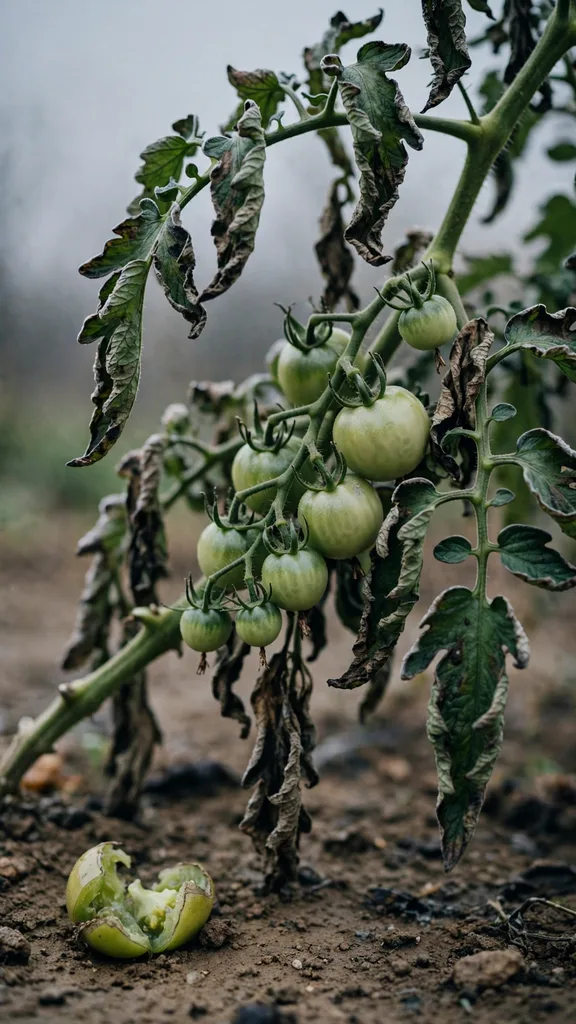
Trusting the packet figure as a promise is the second error. Trial plots run warm and steady. A home garden runs cooler, shadier, and drier in patches. Expect the real date to land within a week or two of the figure, not on it. A variety that runs 14 days late every year in your soil is telling you something. Believe the notebook over the packet.
Ignoring the frost date is the third error. A 90-day melon sown 80 days before frost never ripens, whatever the packet says. Count back from frost before sowing, and subtract the extra 14 days for autumn light. The arithmetic fits on a plant label. The regret does not.
Sowing a late variety in a short season wastes a whole bed. Early varieties exist for short seasons, and they taste fine. A 50-day cherry tomato picked ripe beats an 85-day beefsteak picked green. Match the variety to the season length first, and match flavor second.
When Days to Maturity Matters in Your Garden
Days to maturity matters most at the seed order, before a single seed goes into mix. The figure sorts varieties into early, mid, and late, and the season length sorts the gardener the same way. A gardener with a short frost-free season buys early varieties. A gardener with a long season buys any variety and plans succession instead.
It matters again at succession planning. Quick radishes sown in small batches through the season give a steady harvest from one bed. Beans sown twice give two harvest waves. The figure sets the sowing interval. Without it, succession sowings bunch up or leave gaps.
It matters for fall planting too. The last sowing date for any crop comes from the frost date minus the packet figure minus the autumn slowdown. A gardener who counts back plants a fall crop that ripens. A gardener who guesses plants a fall crop that freezes green. The full index of seed terms lives in the gardening glossary.
FAQ
It counts from transplanting for crops started indoors, such as tomatoes, peppers, and broccoli, and from sowing for direct-sown crops such as carrots, beans, and radishes. Add germination days and indoor weeks to the packet figure for the full seed-to-harvest time. A 70-day tomato needs 120 days from seed to first ripe fruit.
Add the packet figure to the starting date: the sowing date for direct-sown crops, the transplant date for indoor-started crops. For fall crops, count back from the first expected frost date instead, then subtract 14 extra days for slower autumn growth. Record the real first-picking date to correct the figure for your garden.
Cool weather, low light, crowding, dry soil, and late transplanting all stretch the count, since the packet figure assumes steady warmth and good conditions. Cold soil delays germination, and a cold June delays maturity by weeks. Record your real dates for 2 seasons, and the gap between packet and garden becomes a correction you can plan around.
Pick varieties under 65 days for a short frost-free season, and under 55 days when the season runs very short. Early cherry tomatoes ripen 50 to 65 days after transplanting, and radishes finish fastest of all, in weeks from sowing. Late varieties need more than 80 days and suit long warm seasons only.