Feed a leaf 6 molecules of carbon dioxide and 6 of water, add sunlight, and get sugar plus oxygen. Photosynthesis is the process that turns light into food, and the engine behind every harvest in the garden.
Photosynthesis is the only food production in the garden that needs no delivery. The plant takes carbon dioxide from the air, water from the soil, and energy from the sun, and makes its own sugar. The gardener supplies the water and the light. The plant does the chemistry, and the harvest is the receipt.
| What you need to know | The short version |
|---|---|
| Equation | 6 carbon dioxide + 6 water + light = 1 glucose + 6 oxygen |
| Where | Chloroplasts inside leaf cells |
| Pigment | Chlorophyll, which absorbs red and blue light |
| Inputs | Carbon dioxide from air, water from roots |
| Outputs | Glucose for growth, oxygen released |
| Limiters | Light, water, carbon dioxide, temperature |
What Is Photosynthesis?
Photosynthesis is the process by which a green plant uses sunlight to convert carbon dioxide and water into glucose and oxygen. Michigan State University states the equation plainly: using energy from sunlight, plants make inorganic molecules of carbon dioxide and water into glucose, C6H12O6, and oxygen, O2, inside chloroplasts in the leaf cells. Six molecules of each input make one molecule of glucose and 6 of oxygen, and the sunlight pays the energy bill.
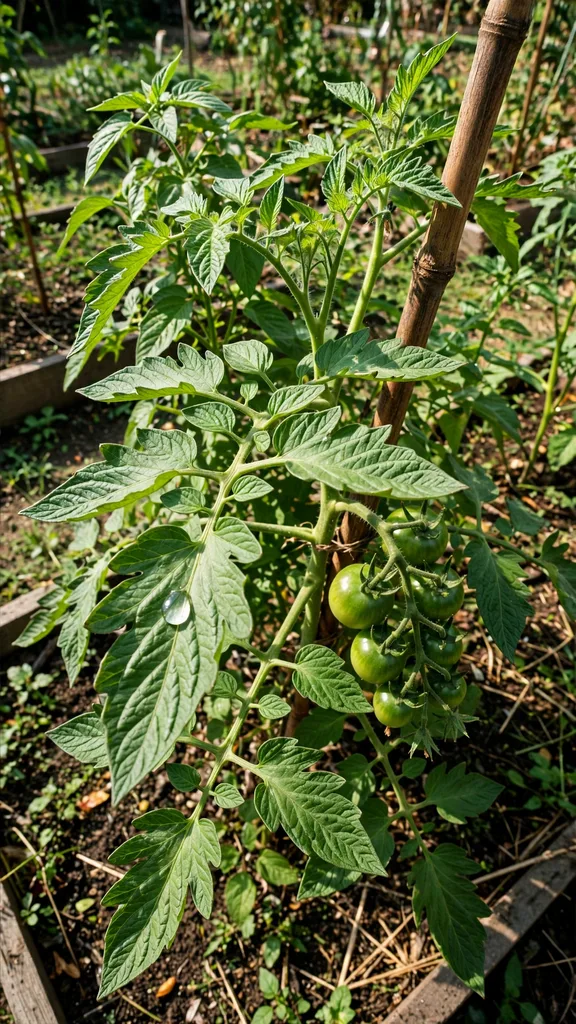
The leaf is the factory, and the chloroplast is the machine room. Chlorophyll, the green pigment inside the chloroplast, absorbs red and blue light and reflects green, which is why leaves look green to us. The absorbed light drives the splitting of water, which releases oxygen, and the energy released powers the building of glucose from carbon dioxide. The glucose is the plant’s food, and the oxygen is the byproduct the rest of the world breathes.
Fertilizer is not plant food, and the confusion costs gardeners money. The University of Florida explains that plants make their own food through photosynthesis, and fertilizer provides the nutrients required for plants to grow, develop, and reproduce, but it should not be mistaken for plant food. A plant fed with fertilizer and kept in the dark starves, because the nutrients are the building materials and the light is the energy. A plant in full sun with no fertilizer grows slowly, because the energy is there and the materials are not. Both are needed, and neither replaces the other.
The sugar does not stay in the leaf. Glucose is converted to starch for storage, and to sucrose for transport, and the phloem carries it down to the roots, out to the fruit, and into the growing tips. A tomato fruit is a storehouse of leaf-made sugar, delivered through the stem. A potato tuber is a storehouse of leaf-made starch, buried underground. Every part of the harvest, from the tomato on the vine to the potato under the soil, began as sunlight caught in a leaf.
How Photosynthesis Works
Light reactions run first, and they run only in light. Chlorophyll absorbs sunlight, and the energy splits water molecules apart. Oxygen escapes through the stomata. The hydrogen and the energy are captured in short-lived carrier molecules, and the light reactions stop the moment the light stops. A cloud passing over the bed pauses them. They restart when the sun returns.
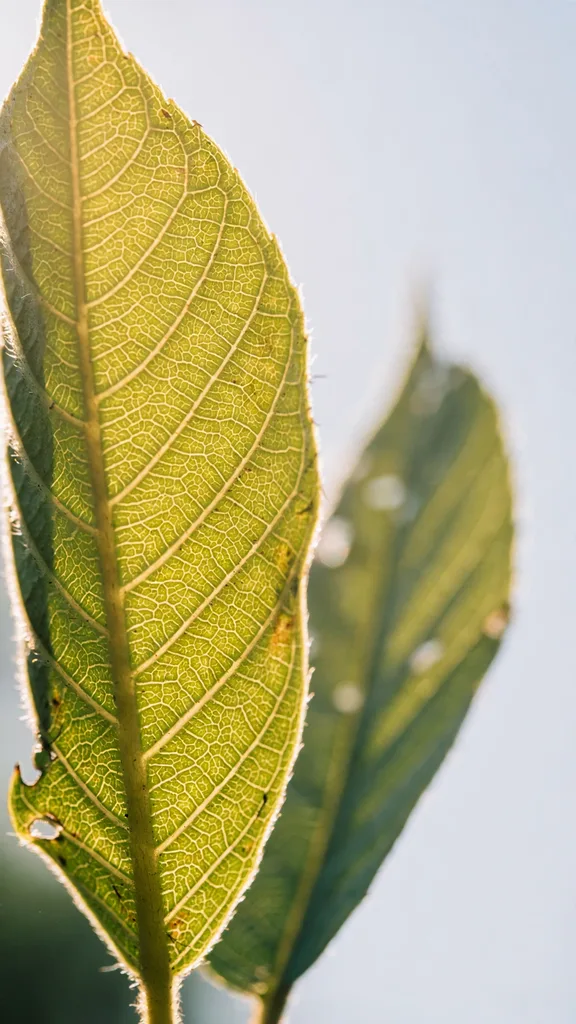
The Calvin cycle runs second, and it builds the sugar. Carbon dioxide enters through the stomata, and the energy captured in the light reactions drives the assembly of carbon atoms into a 3-carbon sugar. Two of those 3-carbon sugars join to make one glucose. The cycle runs in the chloroplast, it needs no light directly, and it stops when the light reactions stop supplying it with energy. A leaf in the dark has the raw materials but no power, and the cycle waits.
Stomata are the gates, and they set the trade. The leaf opens its stomata to let carbon dioxide in, and water vapour escapes through the same openings. A leaf in moist soil and still air opens wide and photosynthesizes hard. A leaf in dry soil and hot wind closes its stomata to save water, and photosynthesis stalls for lack of carbon dioxide. The plant chooses water over food when it must, and the gardener who waters in a heatwave is really buying the plant an open gate.
Chlorophyll works best in red and blue light, and green light is mostly reflected. That is why a leaf under a red shade cloth still photosynthesizes, and why a leaf in deep shade under a tree, where only green light filters through, starves. The light that reaches the leaf matters more than the light that falls on the garden. A plant in dappled shade gets bursts of full sun between the leaves, and those bursts do most of its daily work.
Photosynthesis vs Respiration
| Trait | Photosynthesis | Respiration |
|---|---|---|
| What it does | Builds glucose from carbon dioxide and water | Breaks glucose down for energy |
| Energy | Stores light energy as chemical energy | Releases chemical energy for work |
| Needs | Sunlight, carbon dioxide, water | Glucose and oxygen |
| Produces | Glucose and oxygen | Carbon dioxide, water, and energy |
| Runs when | Daylight only | Day and night |
| Where | Chloroplasts in green tissue | Mitochondria in every living cell |
| Net effect | Plant gains carbon | Plant spends carbon |
The table shows the pair that runs the plant. Photosynthesis earns the sugar in daylight. Respiration spends it around the clock, powering growth, repair, and the transport of water and nutrients. A plant grows only when photosynthesis earns more than respiration spends, and that margin is the gardener’s crop. A hot night raises respiration and shrinks the margin, which is why a heatwave can stall growth even when the days are bright.
The balance tips with light. A seedling on a bright windowsill earns more than it spends, and it grows. A seedling in a dark corner spends more than it earns, and it stretches, pales, and dies. The stretch is the plant spending its stored sugar to reach for light that is not there. Move the seedling to the light before the store runs out, and the margin turns positive again.
How to See Photosynthesis at Work
Watch the leaf color. A leaf in full sun is deep green, and the green is chlorophyll at work. A leaf that yellows from the veins outward is losing chlorophyll, and its photosynthesis is falling with it. Nitrogen shortage shows first as yellowing in the old leaves, because the plant moves nitrogen to the new growth. Feed the plant, and the green returns to the new leaves first.
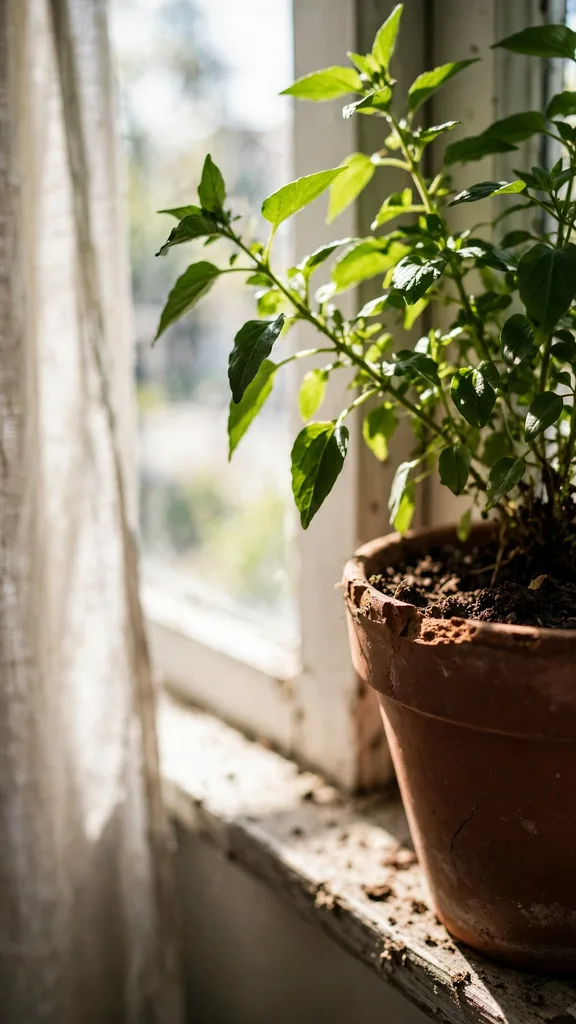
Watch the growth rate. A plant in full sun adds a new leaf every few days, and the stem thickens. A plant in shade adds a leaf a week, and the stem stays thin. The difference is the sugar margin: the sunny plant earns more than it spends, and the extra sugar becomes new tissue. Measure the stem with a ruler once a week, and the numbers tell you whether the light is enough.
Watch the fruit sugar. A tomato ripened in full sun tastes sweet, because the leaves fed it sugar all season. A tomato ripened in shade tastes flat, because the leaves never earned the sugar to send. The same variety, the same soil, the same water: the light decides the flavor. A gardener who prunes the leaves off a tomato to expose the fruit is cutting the kitchen that feeds it.
Common Mistakes With Photosynthesis
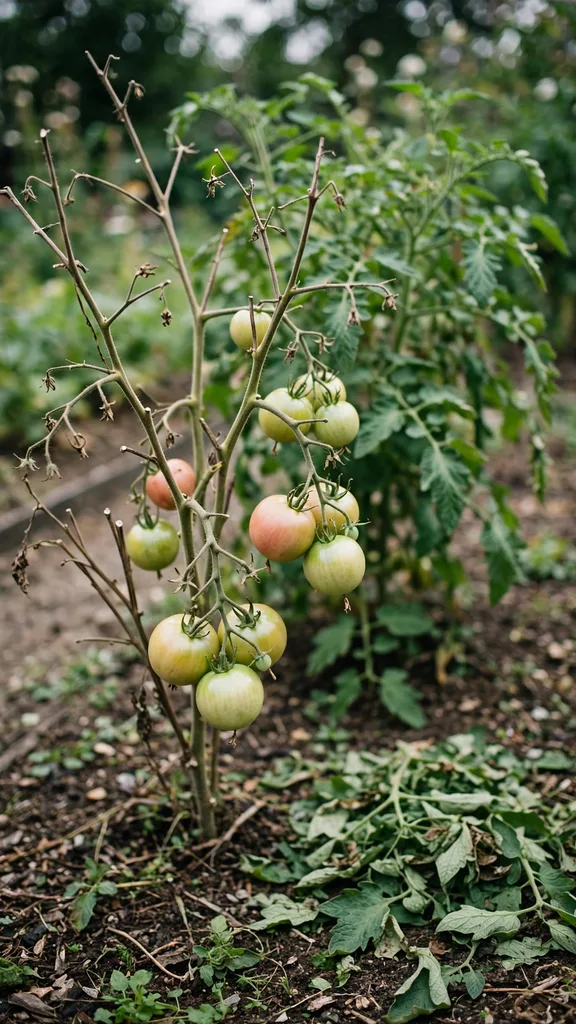
Pruning the leaves off a fruiting plant is the most common mistake. A gardener strips the tomato plant to expose the fruit to the sun, and the fruit ripens slower and tastes flatter, because the leaves that fed it are gone. The fruit does not photosynthesize. The leaves do. Leave the leaves, and prune only the lowest ones that touch the soil.
Feeding a shaded plant and expecting growth wastes fertilizer. A plant in shade has energy, not materials, as its limit, and more nitrogen cannot fix a light shortage. The plant takes up the fertilizer, grows soft and leggy, and still starves for sugar. Move the plant to light first, and feed it after the green returns.
Watering at midday to cool the leaves does nothing for photosynthesis. The water evaporates, the leaves stay hot, and the stomata stay shut until the evening. Water in the morning, so the soil is wet when the sun rises and the stomata open. A plant that opens its gates at dawn earns a full day of sugar. Evening water earns half a day.
Crowding plants so they shade each other halves the harvest. A bed sown too thick gives each plant half the light it needs, and every plant earns half the sugar. Thin the seedlings to the spacing on the packet. The remaining plants get full sun on every leaf, and the thinned bed, empty-looking for a week, outgrows the crowded bed for the rest of the season.
When Photosynthesis Matters in Your Garden
Photosynthesis matters most when you place a plant. Sun-loving crops need 6 hours of direct sun or more, and the bed that gets it is the bed they belong in. Leafy greens manage on 4 hours, and shade herbs manage on 3. A gardener who plants by the sun, not by the empty space, gets the sugar margin right from the start.
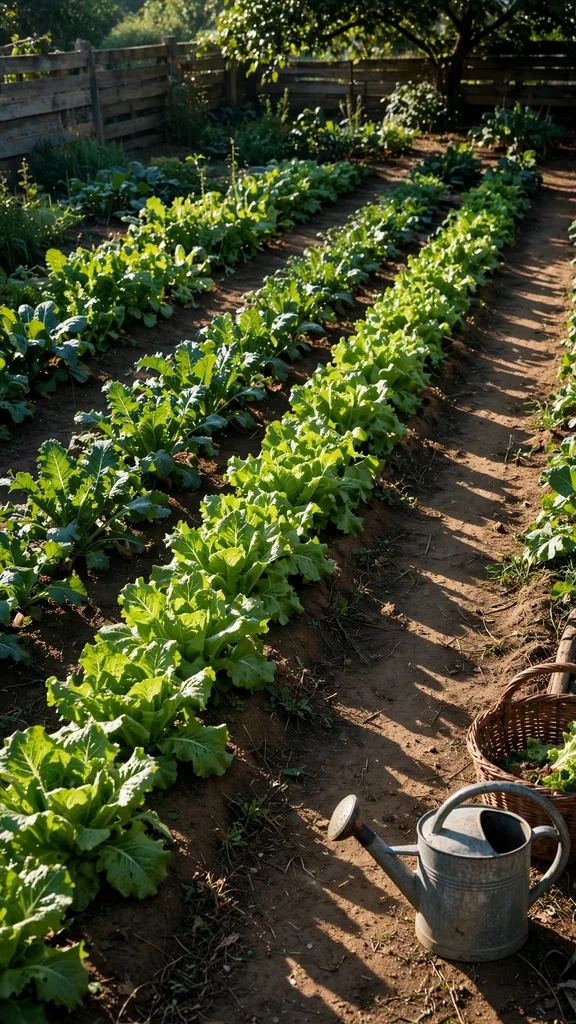
It matters again when you water. A plant with wet roots and open stomata photosynthesizes all day. A plant with dry roots closes its gates by noon and earns nothing after that, however bright the afternoon. Morning watering is not a ritual. It is the purchase of a full day of food production, and the harvest shows the difference.
It matters least at night, when the plant is spending, not earning. Night is respiration’s shift, and a hot night spends more sugar than a cool one. The gardening glossary sets the terms: transpiration is the water the leaf loses through the same gates, and photoperiod is the day-length signal that tells the plant when to flower. Photosynthesis is the earning that pays for both, and the sun is the wage.
FAQ
No. Photosynthesis needs light, and the light reactions stop when the sun sets. The plant keeps respiring at night, spending the sugar it earned during the day to power growth and repair. A plant grows at night on the sugar it made in daylight, which is why a bright day followed by a cool night gives the best growth: a big earning and a small spend.
Leaves are green because chlorophyll reflects green light and absorbs red and blue light. The absorbed red and blue drive photosynthesis, and the reflected green is the leftover the eye sees. A leaf in deep shade looks darker green because it packs in more chlorophyll to catch what little light arrives, and a yellowing leaf is losing chlorophyll, and with it the ability to make food.
No, not in the sense that food feeds an animal. A plant makes its own food, glucose, from sunlight, carbon dioxide, and water through photosynthesis. Fertilizer supplies the mineral nutrients the plant needs to build tissue and run its chemistry, such as nitrogen, phosphorus, and potassium. A plant in the dark with full fertilizer still starves, because the energy is missing.
Yes, when heat and drought close the stomata. A leaf in blazing sun with dry roots shuts its gates to save water, and photosynthesis stalls for lack of carbon dioxide, while the leaf itself can scorch. The damage is heat and water stress, not light alone. Mulch the soil, water in the morning, and give the plant the water it needs to keep its gates open.
Most of it escapes through the stomata into the air, which is why the air stays breathable. A small part is used by the plant itself in respiration. The oxygen released by photosynthesis comes from the water molecules split in the light reactions, not from the carbon dioxide. Every breath you take carries oxygen that a leaf released.