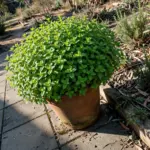
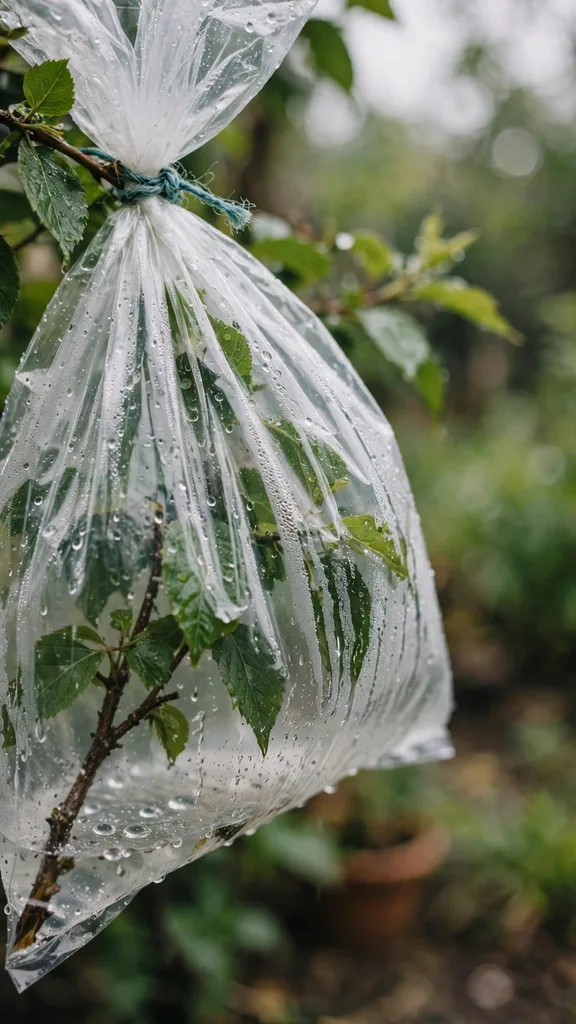
Wrap 1 plastic bag around a leafy branch and watch it mist up in an hour. Transpiration is the release of water vapour from plant leaves, and the engine that pulls water from the roots to the top of the tree.
Transpiration is a plant’s cooling system and its freight lift in one. The water that evaporates from the leaves pulls a column of water up the stem behind it, carrying minerals from the soil to the growing tips. A plant that stops transpiring stops feeding, and a plant that transpires faster than its roots can supply wilts in the afternoon sun.
| What you need to know | The short version |
|---|---|
| Definition | Water vapour released from leaves through stomata |
| Scale | A large oak moves 151,000 liters a year |
| Corn field | 11,400 to 15,100 liters per acre per day |
| Engine | Evaporation at the leaf pulls water up the stem |
| Gate | Stomata, opened and closed by guard cells |
| Speed factors | Sun, heat, wind, humidity |
What Is Transpiration?
Transpiration is the movement of water from the soil to the atmosphere through plants: roots take up liquid water, the stem carries it upward, and the leaves release it as vapour through tiny pores called stomata. The release is invisible, and the scale is not.
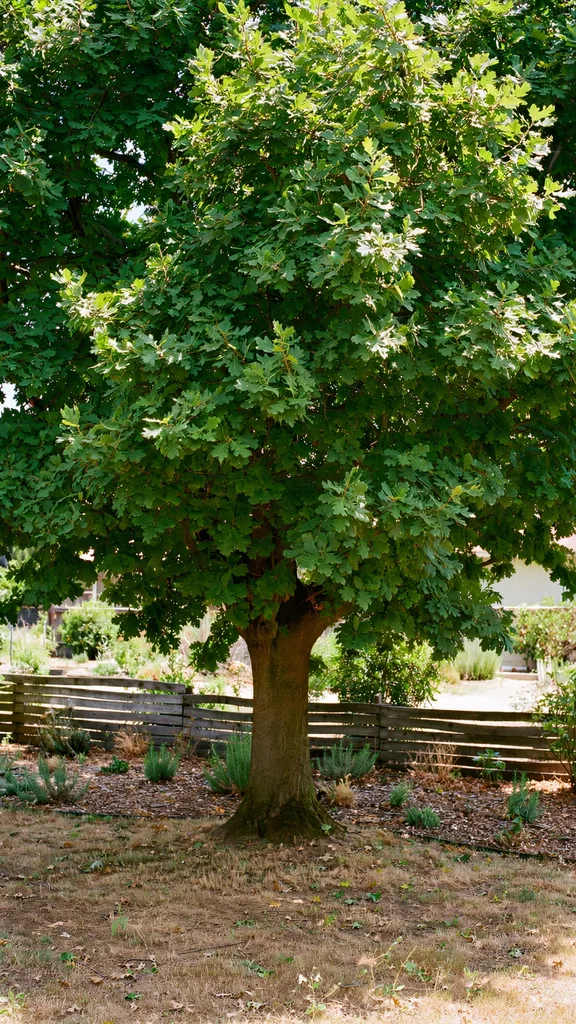
The numbers are the surprise. The same Survey reports that an acre of corn gives off about 11,400 to 15,100 liters of water each day, and a large oak tree can transpire 151,000 liters per year. A single leaf transpires many times its own weight in water over a growing season. The garden is a pump, and the pump runs on sunlight.
Transpiration has 3 steps, and each one matters. Roots take up water from the soil. The water moves through the plant’s tissues, serving metabolic and structural jobs on the way. The leaves release the water vapour into the air through the stomata. The release at the top pulls the next drink up from the roots, because water molecules cling to each other in an unbroken column inside the stem. Break the column with an air bubble, and the pull stops.
The water is not wasted. Most of the water a plant takes up leaves through transpiration, and only a small part stays to build tissue or run photosynthesis. The loss is the price of the lift: the evaporation at the leaf is what hauls minerals from the soil to the growing tips, and what cools the leaf in the sun. A plant that never transpired would never feed its top leaves.
How Transpiration Works
Stomata are the gates, and guard cells work them. Two guard cells flank each pore, and they swell with water to open the pore and go limp to close it. The plant opens the gates in the morning, when light and moisture favor photosynthesis, and closes them in heat and drought to save water. The gates open and close all day, balancing the need for carbon dioxide against the loss of water.
Cohesion does the lifting. Water molecules stick to each other, and the chain of molecules inside the xylem runs unbroken from root to leaf. When a molecule evaporates from the leaf, it tugs the next molecule up behind it, and the tug travels down the whole column to the roots. The pull is strong enough to lift water 30 m up a tall tree, with no pump and no muscle, driven only by evaporation at the top.
The rate follows the weather. Sunlight opens the stomata and warms the leaf, so transpiration runs fastest at midday. Heat raises it further, because warm air holds more vapour. Wind raises it again, because moving air strips the moist layer from the leaf surface and replaces it with dry air. Humidity lowers it, because moist air has little room left for more vapour. A still, humid morning transpires slowly. A hot, windy afternoon transpires fast.
The soil sets the limit. A plant with wet roots keeps its gates open and transpires freely. A plant with dry roots closes its gates, wilts, and waits for water. The wilt is not damage. It is the plant closing the gates to protect the column. Water the roots, the guard cells swell again, the gates open, and the leaves lift within the hour.
Transpiration vs Evaporation
| Trait | Transpiration | Evaporation |
|---|---|---|
| Source | Water inside the plant | Water on soil and surfaces |
| Path | Roots, stem, leaves, stomata | Direct from surface to air |
| Controlled by | Guard cells opening stomata | Sun, wind, and surface wetness |
| Carries | Minerals from soil to leaves | Nothing, pure water loss |
| Stops when | Stomata close | Surface dries |
| Gardener’s lever | Water the roots | Mulch the soil surface |
| Together called | Evapotranspiration | Evapotranspiration |
The table separates the 2 losses that the gardener fights. Evaporation dries the soil surface and feeds nothing. Transpiration moves water through the plant and feeds everything. Mulch stops the first and leaves the second alone, which is why a mulched bed needs less water than a bare one: the soil stays wet, the roots drink, and the leaves transpire on schedule.
The pair has a joint name, evapotranspiration, and it is the number that decides watering. A hot, windy day with low humidity has high evapotranspiration, and the bed needs water. A cool, still, humid day has low evapotranspiration, and the bed can wait. A gardener who waters by the calendar waters the same amount on both days, and one of them is wrong. Water by the weather, and the plant decides the rest.
How to Measure Transpiration
Bag a branch and watch the mist. Tie a clear plastic bag around a leafy shoot in the morning, seal it loosely at the stem, and check it after 1 hour. The inside of the bag fogs with condensed vapour, and droplets run down the plastic. The mist is the plant’s breath, made visible. A branch in full sun fogs the bag in an hour. A branch in shade takes longer, and a wilted branch barely fogs at all.
Weigh a potted plant. Water the pot, weigh it, and weigh it again after 24 hours. The weight lost is the water the plant transpired plus the water that evaporated from the soil surface. Cover the soil with plastic and weigh again, and the loss that remains is transpiration alone. Replace that weight in water the next morning, and the plant stays ahead of the afternoon wilt.
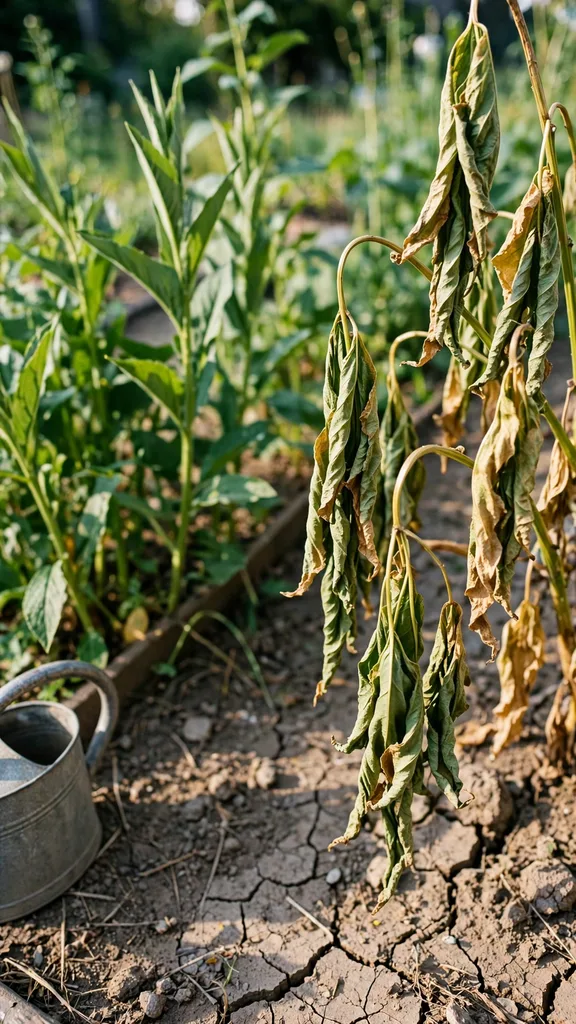
Watch the wilt clock. A plant that wilts at 2 in the afternoon and recovers by evening is transpiring faster than its roots can supply, and the soil is drying. A plant that wilts in the morning is in real trouble: the roots are dry, or damaged, and the gates have been shut since dawn. The morning wilt is the alarm. The afternoon wilt is the weather.
Common Mistakes With Transpiration
Watering the leaves instead of the roots misses the pump. The leaves do not drink. The roots do. A sprinkler that wets the foliage in the afternoon evaporates off the leaf surface and cools nothing, while the roots stay dry and the gates stay shut. Water at the base, soak the root zone, and let the plant do the lifting.
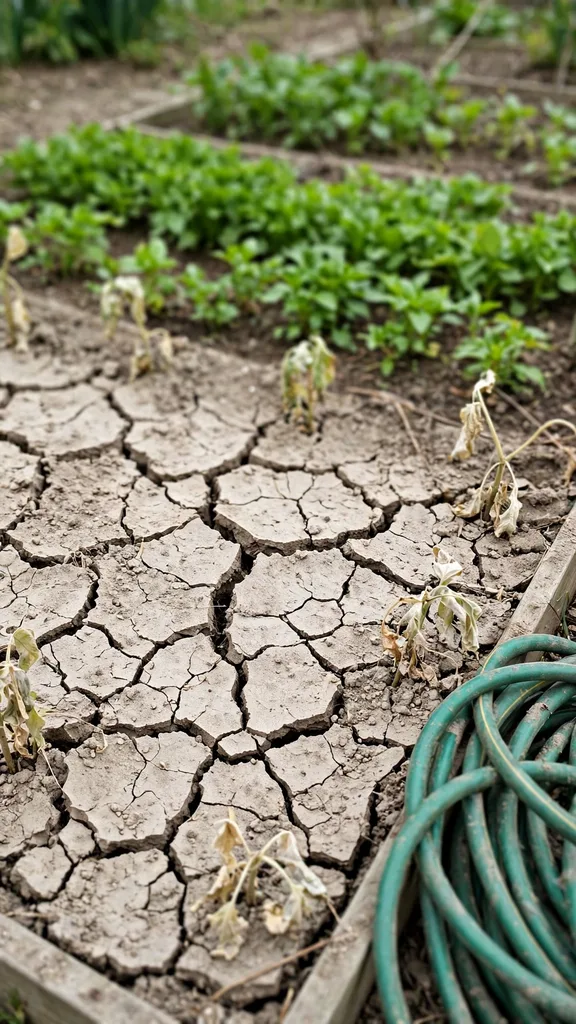
Mulching too thin wastes the water you saved. A 2 cm scatter of mulch dries in an hour and the soil beneath it evaporates as fast as bare ground. A 7 cm layer of straw or wood chip holds the moisture, keeps the soil cool, and cuts evaporation to a fraction. The mulch must be thick enough to shade the soil all day, not just to hide it.
Planting in a windy spot without a windbreak doubles the water bill. Wind strips the moist air from the leaf surface and the plant transpires faster to replace it, even when the soil is wet. A hedge, a fence, or a row of tall plants on the windward side slows the air and cuts the loss. The windbreak pays for itself in water saved.
Pruning a plant hard in a heatwave backfires. The gardener removes leaves to reduce water loss, and the remaining leaves transpire harder in the full sun, while the roots have less leaf to feed them with sugar. The plant wilts worse, not better. Prune in cool weather, and leave the canopy intact through the hottest weeks.
When Transpiration Matters in Your Garden
Transpiration matters most on a hot, windy afternoon. The plant loses water faster than the roots can replace it, the leaves wilt, and the gates close. The gardener’s job is to have the water already in the soil before the afternoon arrives. Morning watering fills the root zone, and mulch holds it there until the plant needs it.
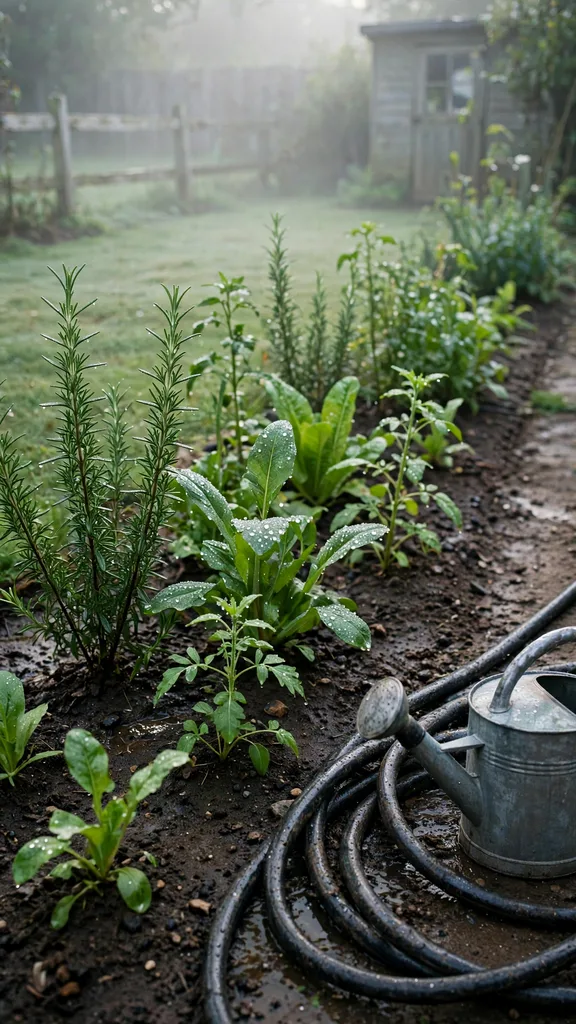
It matters again when you choose a plant for a dry spot. Cacti and succulents transpire slowly by design, with thick skins and stomata that open at night, and they survive where a lettuce would wilt by noon. A dry bed planted with thirsty crops is a daily rescue mission. A dry bed planted with slow transpirers is a garden.
It matters least in a humid greenhouse, where the air is already wet and the leaves barely transpire at all. A greenhouse plant needs less water than the same plant outdoors, and overwatering a humid greenhouse rots the roots while the leaves stay green. The gardening glossary sets the terms: photosynthesis is the food the leaf makes while the gates are open, and mulch is the cover that keeps the soil wet enough to keep them open. Transpiration is the water that pays for both.
FAQ
The leaves are transpiring faster than the roots can supply water, so the plant closes its stomata and the leaves go limp to save moisture. At night the sun sets, transpiration stops, and the roots catch up, refilling the leaves by morning. Afternoon wilt with evening recovery is weather, not disease. Morning wilt is the real alarm, and it means the roots are dry or damaged.
No, and it should not. Mulch reduces evaporation from the soil surface, which keeps the soil wet so the roots can supply the leaves. Transpiration itself continues, because the plant needs it to lift minerals and cool its leaves. A mulched bed transpires the same amount as a bare bed and loses far less water to evaporation, so the total water bill falls.
Yes, when the roots cannot keep up. Hot sun, dry wind, and low humidity together can pull water from the leaves faster than the roots can replace it, and the leaf scorches at the edges or drops. The fix is water in the root zone, mulch on the soil, and a windbreak on the exposed side. The plant closes its stomata as a defense, and the gardener’s job is to give it water before it must.
Barely. Stomata close in the dark, and transpiration falls to a small fraction of the daytime rate. Succulents and cacti are the exception: they open their stomata at night to take in carbon dioxide while the air is cool, and transpire slowly then. A normal garden plant at night is resting, not pumping, and the soil it drinks at dawn is the water it will spend by noon.
It depends on the size and the weather. A large oak can transpire 151,000 liters in a year, according to the US Geological Survey, with most of it moving in the hot months and little in winter dormancy. A young tree moves far less. The number is a reminder that a tree is a pump, and a newly planted tree needs deep, regular watering until its roots reach the moisture.