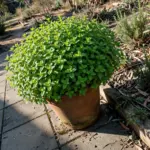
Read 1 name on the label and know exactly which plant you will get. A cultivar is a cultivated variety selected for a trait, named in single quotes, and kept true by propagation.
A cultivar is a plant with a proper name. The species gives the family name, and the cultivar gives the individual: Echinacea purpurea ‘White Swan’ is the white-flowered selection of the purple coneflower species, and every plant sold under that name should flower white. The name is the contract. A plant sold as ‘White Swan’ that flowers purple breaks it.
| What you need to know | The short version |
|---|---|
| Definition | Cultivated variety, selected for a trait |
| Name form | Capitalised, in single quotes, not italicised |
| Example | Echinacea purpurea ‘White Swan’ |
| Kept true by | Cuttings, division, grafting, or true seed |
| Differs from | Botanical variety, which occurs in nature |
| Governed by | International Code for Cultivated Plants |
What Is Cultivar?
A cultivar is a group of plants selected for a particular characteristic, or combination of characteristics, that is stable and uniform, and that keeps those characteristics when propagated the right way. NC State Extension states the rule plainly: a cultivar is an assemblage of plants selected for a particular characteristic, stable and uniform for those characteristics, and retaining them when propagated appropriately. The origin does not matter. A cultivar can be a wild selection or a breeder’s cross. The selection and the stability are what count.
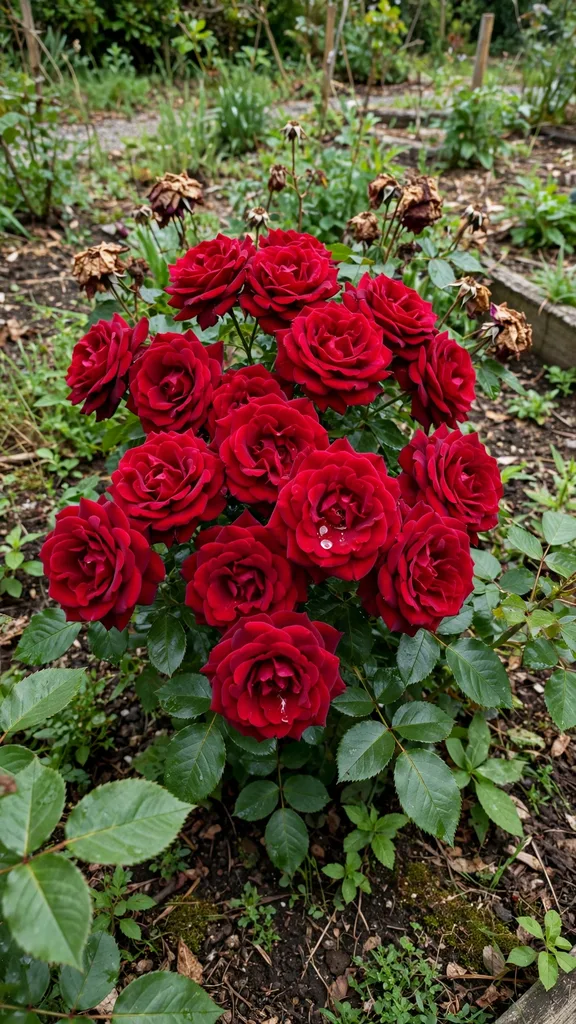
The word itself is a contraction of cultivated variety. A cultivar is not a botanical rank. It is not a variety, a subspecies, or a form, and those terms belong to wild plants. The University of Vermont explains the split: only naturally occurring variations are called varieties, while variations developed in cultivation by plant breeders are called cultivated varieties, or cultivars for short. A dwarf boxwood found in the wild is a variety. A dwarf boxwood selected in a nursery and sold under a name is a cultivar.
The name follows a fixed form. The genus and species sit in italics, and the cultivar name follows in plain type, capitalised, inside single quotes: Cornus florida ‘Ozark Spring’. The quotes are not decoration. They mark the name as a cultivar, and a catalogue that drops them is sloppy at best. The abbreviation cv. can replace the quotes: Echinacea purpurea cv. White Swan means the same plant.
A named variety can honor a person, a place, or a trait. Camellia japonica ‘Professor Sargent’ honors a person. A name such as ‘Golden Nugget’ describes the plant. Some names are trademarked as well, and the trademark sits beside the name in quotes rather than replacing it. The plant’s official name is the one in quotes, and the trademark is a brand on top of it.
How Cultivar Names Work
The genus comes first and sets the group. Echinacea is the coneflower genus. The species comes second and narrows it: Echinacea purpurea is the purple coneflower species. The cultivar name comes third and names the selection: ‘White Swan’ is the white-flowered selection of that species. Read the three parts left to right and the name tells you exactly what to expect.
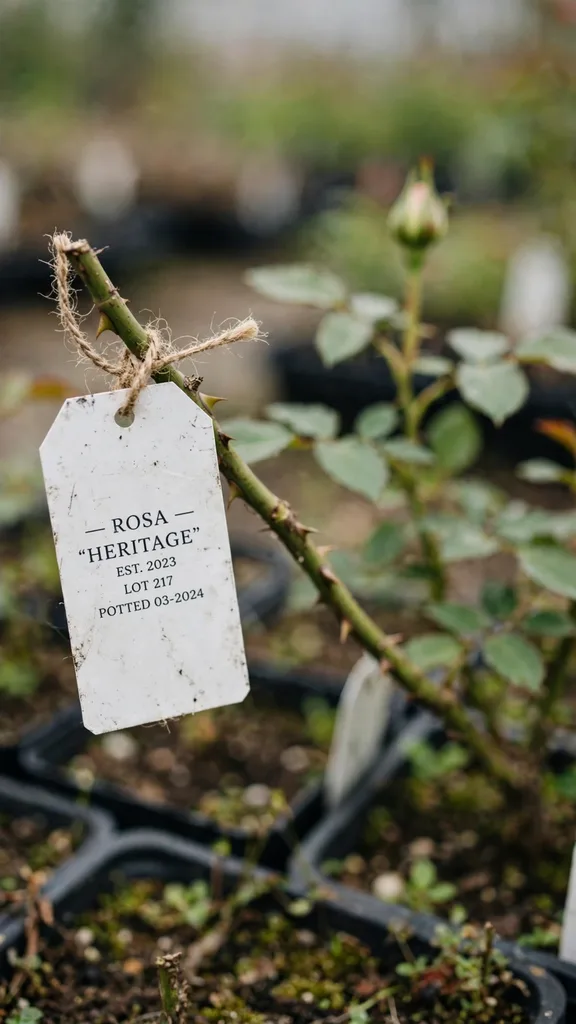
Propagation is what keeps the name honest. Most cultivars are propagated asexually: cuttings, division, or grafting. A cutting from ‘White Swan’ grows into a plant identical to its parent, because the cutting is a clone. Seed propagation works only when the cultivar breeds true from seed, which most do not. A seedling from ‘White Swan’ seed may flower pink, and that seedling is not ‘White Swan’ at all.
The governing code is separate from the wild-plant code. Wild plants follow the International Code of Nomenclature for algae, fungi, and plants. Cultivars follow the International Code of Nomenclature for Cultivated Plants, which sets the rules for naming, registration, and priority. A cultivar name registered under that code belongs to one plant, and no other plant can claim it.
A Group sits above the cultivar when several cultivars share a trait. The Group is a formal category, and its name follows the same single-quote form. Groups matter most in vegetables and bulbs, where a dozen named cultivars share one habit or color range, and the Group name lets a catalogue describe them together without listing each one.
Cultivar vs Botanical Variety
| Trait | Cultivar | Botanical variety |
|---|---|---|
| Origin | Selected or bred by humans | Occurs naturally in the wild |
| Name form | Capitalised, single quotes, not italicised | Lowercase Latin, italicised, after var. |
| Example | Echinacea purpurea ‘White Swan’ | Buxus sempervirens var. suffruticosa |
| Kept true by | Cloning: cuttings, division, grafting | Seed, breeding true in nature |
| Governed by | Code for Cultivated Plants | Code for algae, fungi, and plants |
| Found where | Nurseries, catalogues, gardens | Wild populations |
| Changed by | Breeder or selector | Natural selection |
The table is the whole confusion in one view. A variety is a wild population with a consistent trait, written in Latin italics after the abbreviation var. A cultivar is a human selection with a name in plain English inside single quotes. Gardeners use the word variety loosely for both, and the looseness causes the mix-ups at the nursery.
The practical difference shows at the till. A plant labeled var. suffruticosa grown from seed will look like its parents, because the variety breeds true in nature. A plant labeled ‘White Swan’ grown from seed may not, because the cultivar holds its trait only through cloning. Ask how the plant was propagated before you pay for a name. A cutting is a promise. A seedling is a gamble.
How to Read a Cultivar Name
Start with the italics. The genus and species in italics tell you the plant’s wild identity: what it is, where it comes from, and what it needs. A label that shows only a common name and a cultivar name, with no Latin at all, hides the species, and a hidden species hides the hardiness and the habit.
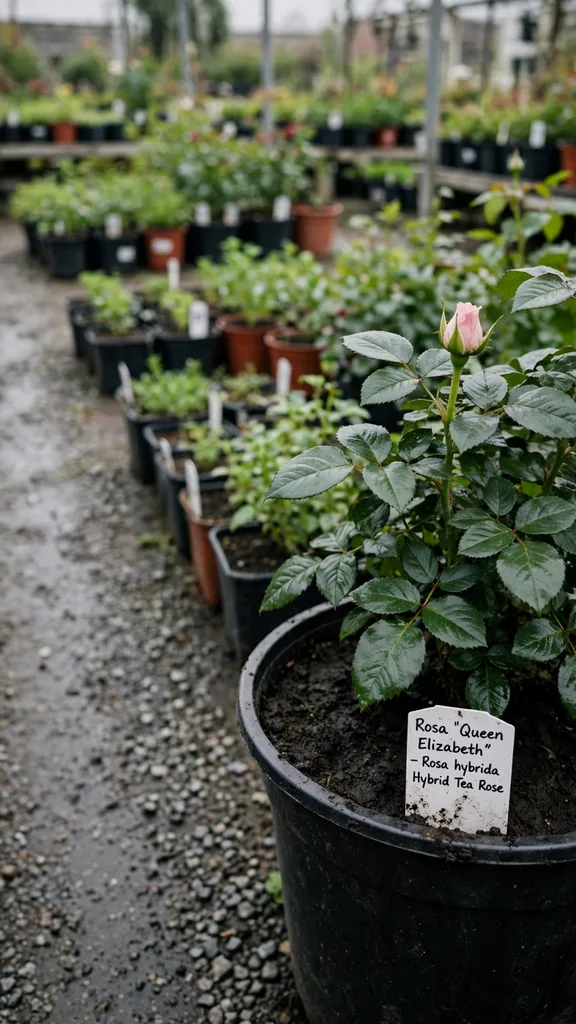
Read the quoted part as the selection. ‘White Swan’ means white flowers. ‘Goldsturm’ means golden flowers. ‘Professor Sargent’ means a person, and the description must supply the trait. A quoted name that tells you nothing about the plant is normal, and the catalogue description fills the gap. The name is an address, not a description.
Check the quotes themselves. A cultivar name in single quotes is the standard form. A name in double quotes, or in italics, or with no quotes at all, is a catalogue error or a trademark dressed as a cultivar name. The plant underneath may be fine. A label that drops the quotes breaks the code, and a nursery careless with quotes is often careless with identity too.
Common Mistakes With Cultivar
Buying a seedling sold under a named variety is the most expensive mistake. The seedling costs the named price and delivers a random plant. A named plant should arrive as a cutting, a division, or a graft. Ask the nursery, and walk away from a named plant that was raised from seed unless the selection is one of the few that breeds true.

Treating a name in quotes as a guarantee of hardiness misleads the gardener. ‘White Swan’ tells you the flower color, not the cold tolerance. The species sets the hardiness, and the selection inherits it, more or less. Check the species hardiness zone separately, and do not assume a named selection is hardier than the wild plant it came from.
Confusing a trademark with the name in quotes causes the wrong search. A plant sold as Golden Nugget barberry may carry the trademark Golden Nugget beside the name ‘Monlers’. Searching for Golden Nugget finds the brand, not the plant. The name in single quotes is the one to search when you want the same plant again.
Planting 2 cultivars of one species and expecting identical behavior wastes a season. Cultivars of one species differ in height, spread, flower date, and disease resistance, and the name is the only warning. A 60 cm cultivar and a 120 cm cultivar of the same species belong in different spots, and the tag gives the height. Read it before you dig.
When Cultivar Matters in Your Garden
Named-variety choice matters most when the trait is the job. A hedge needs a selection with a known height and density, not a species with habits that vary plant to plant. A white border needs a selection that flowers white every year, not a species that flowers white, pink, and purple by chance. The name in quotes is the tool that turns a range into a certainty.
It matters again when you replace a plant. A rose that died in a wet winter should be replaced with the same named variety if the rest of the bed depends on its color and height. The species alone will not match. The name on the old tag is the shopping list, and a photograph of the tag saves the next trip to the nursery.
It matters least when the species itself is the point. A wildflower meadow, a native hedge, and a woodland edge all work better with species plants and their natural variation than with named selections. The gardening glossary sets the terms: a hybrid is the controlled cross that often creates a named variety, and an heirloom is the old open-pollinated selection with a history. The named variety is the unit underneath both, and the quotes around its name are the mark of a plant selected on purpose.
FAQ
No. A plant with a Latin variety name, written in lowercase italics after var., is a botanical variety that occurs in nature. A plant with a capitalised name in single quotes is a named variety selected or bred by humans. Common names carry no such rule, so a plant sold only under a common name may be a species, a variety, or a named variety, and the label should say which.
Usually not. Most named varieties hold their traits only through cloning by cuttings, division, or grafting. Seed from a named variety grows into seedlings that vary, and those seedlings are not the named variety, even when they look close. A few named varieties do breed true from seed, and the catalogue will say so when they do.
The single quotes are the mark of the International Code of Nomenclature for Cultivated Plants. They separate the name in quotes from the Latin genus and species, which sit in italics, and from a botanical variety, which sits in lowercase Latin italics after var. The form is fixed, so a name in single quotes is recognisable as a named variety anywhere in the world.
A hybrid is a method of making a plant, by crossing 2 parent lines. A cultivar is a named selection, however it was made. Many cultivars are hybrids, and many hybrids become cultivars once they are named and registered. A hybrid that is never named is not one, and a cultivar selected from a wild plant is not a hybrid.
Rarely, and only by formal decision. A name registered under the cultivated-plants code belongs to one plant, and a later name for the same plant is a synonym, not a replacement. Trademarks change more often, since a brand can be sold or retired, which is why the name in single quotes is the stable name to record and search.