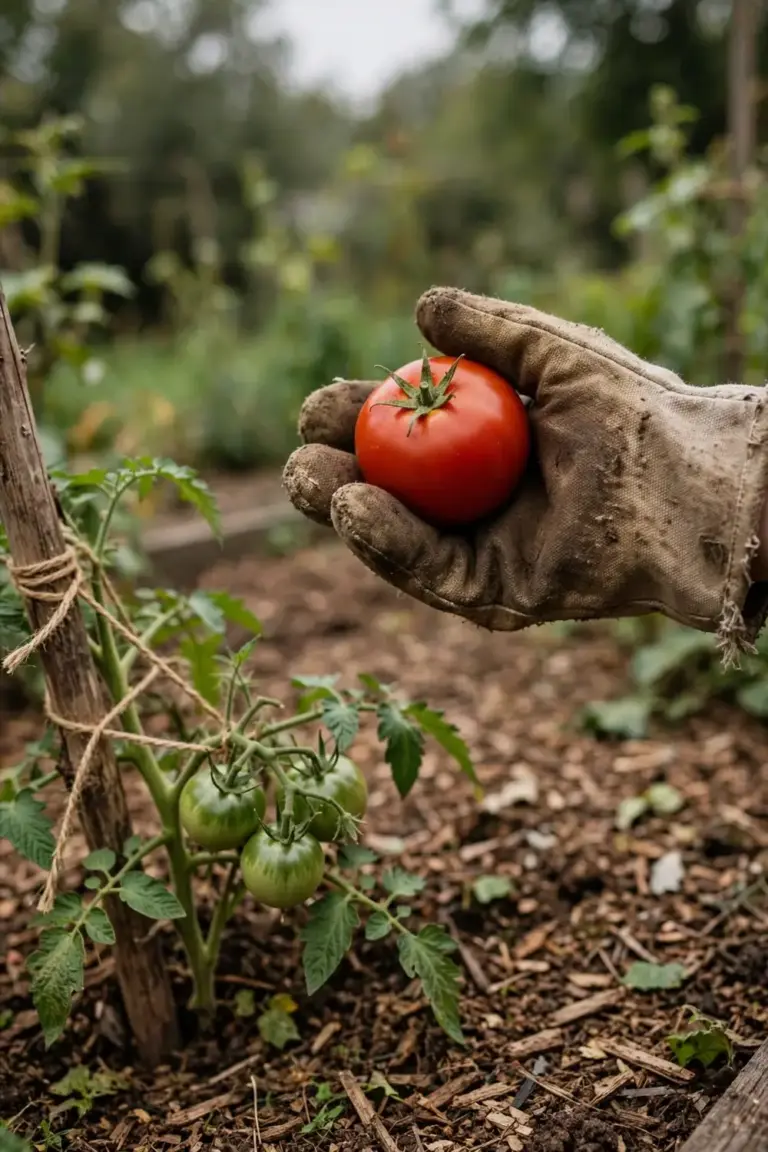

It is not too late to plant tomatoes if 90 days still stand between today and your first frost. That 90 days is the test for is it too late to plant tomatoes: your type’s days to maturity, plus a 15-day buffer, counted back from the first night below 0 °C. Too late means one thing: not enough frost-free days remain for your type to mature. I have learned that the packet number counts from transplant day, not from seed day. The sections below run that countdown, find your first frost in the state table, and read your answer as yes, borderline, or no. The countdown needs two numbers from you: your packet’s days to maturity and your first frost. The state table supplies the second number. The packet supplies the first.
1. Count Back 90 Days From Your First Frost to See if It Is Too Late to Plant Tomatoes
The countdown answers is it too late to plant tomatoes for your garden. Ninety days is the countdown for a standard tomato type. Count it back from your first frost, and the date it lands on is your last safe planting day.
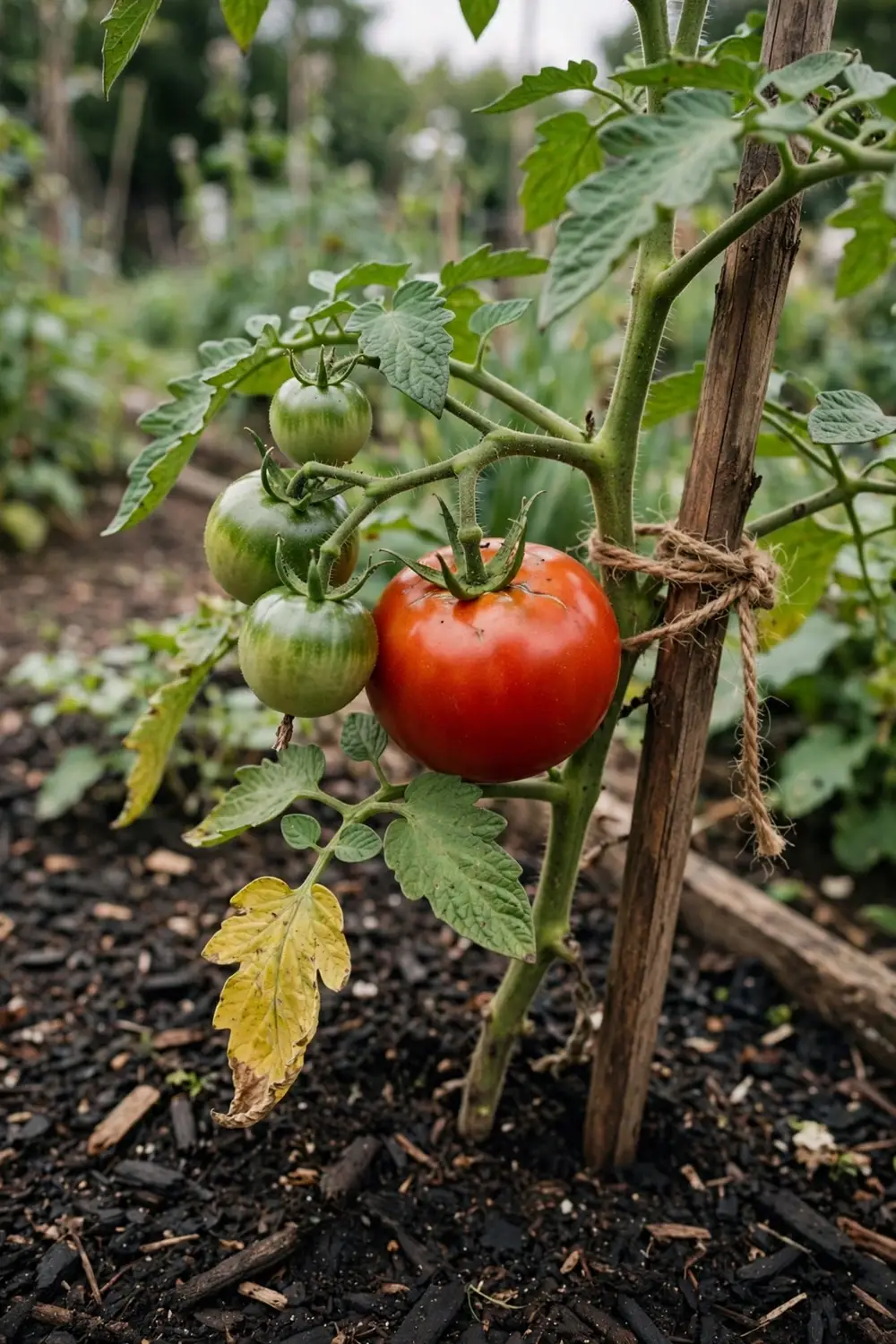
A standard type needs 65 to 75 days from transplant to first harvest. The 15-day buffer covers cool nights, slow starts, and the days a transplant spends settling in. The sum runs 80 to 90 days. Plan with the top of the range. Ninety days is the planning number for a standard type.
Three dates matter: today, your last safe planting date, and your first frost. Today sits between the other two or past the second, and the countdown turns those three dates into one answer. If today falls on or before your last safe planting date, the answer is yes. If today falls past that date, the answer is no for a standard type, although a fast type or a flowering seedling may still fit, and the borderline path sits in the fifth section.
The countdown buys first fruit, not a full season. A plant set out on its last safe date starts ripening as frost arrives. Plant ahead of that date for a real harvest window. The earlier you plant inside the frost-free window, the longer the harvest runs.
Run the countdown in three steps. Read the packet. Find your first frost. Subtract. The packet gives days to maturity. The state table gives your first frost. The subtraction gives your last safe planting date. Compare that date with today, and the answer is yes, borderline, or no.
The calendar misleads. A warm October invites a late planting, and a cold October punishes one. The countdown ignores the month. The countdown starts from the frost and works back, so it holds in a warm year and in a cold year alike. The calendar date that worked last year may fail this year. The countdown works every year, because it starts from the frost, not from the month. Late-season nights run cooler than spring nights. The buffer covers part of that slowdown. A plant set out late faces cooler nights than a plant set out in spring.
The countdown also settles arguments. Two gardeners in one street may plant weeks apart and both harvest. The countdown explains both. The early planter harvests longer. The late planter harvests shorter. Both planted inside the window. The window is wide in a warm suburb and narrow in a cold suburb, and the table shows that width.
Months hide days. A month runs 28 to 31 days, and counting in months hides a week. Count in days. Ninety days from 1 February lands on 2 May, not on 1 May. Ninety days from 1 October lands on 30 December, not on 1 January. The day count is the honest count, and the table in the second section carries it for every type.
Transplant day anchors the count. A packet that reads 65 to 75 days, transplanted on 1 October, ripens its first fruit between 5 and 15 December. The buffer pushes the safe plan to 15 December. Read the top of the range. Plan on the late end. The late end is the safe end.
2. Run the Countdown Math on Your Packet
Your packet’s days to maturity counts from transplant day, not from seed day. Add the buffer, then add seed time if you start from seed.
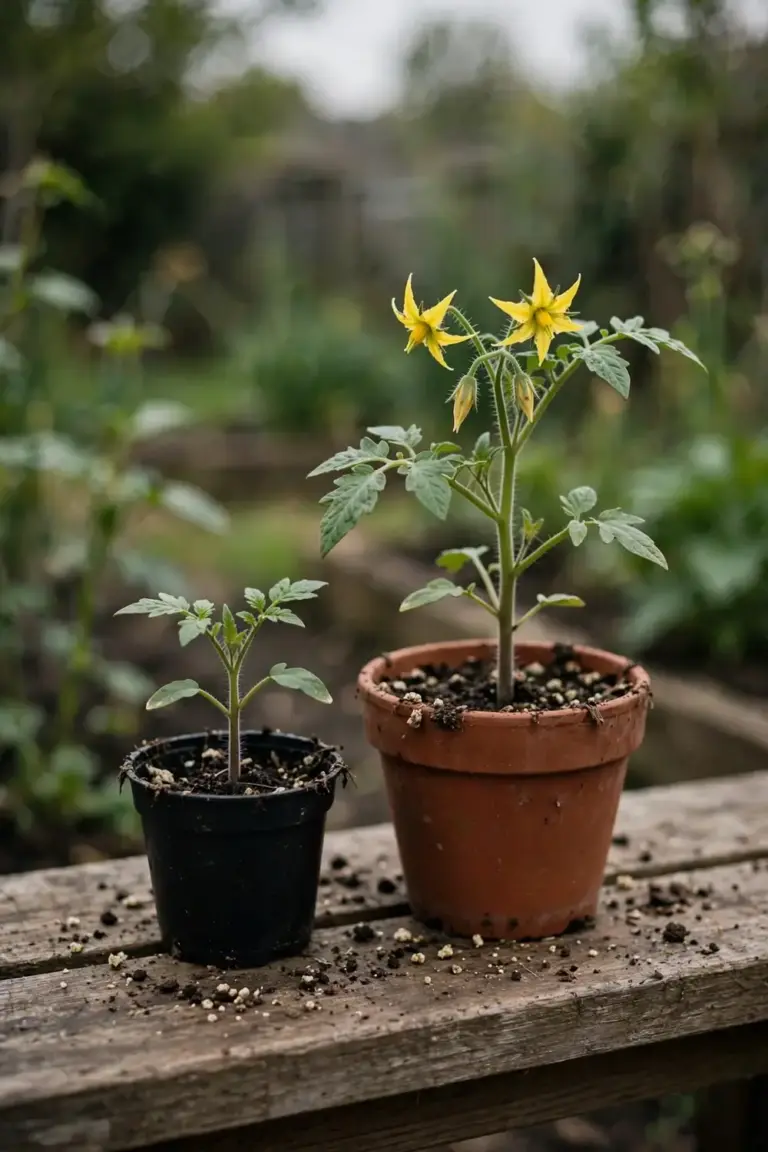
LSU AgCenter notes that tomatoes are generally ready to harvest from transplanting in 65 to 75 days, depending on the type selected. LSU AgCenter notes that tomatoes are generally ready to harvest from transplanting in 65 to 75 days, depending on the type selected. The same notes put the average time from bloom to ripe fruit at 50 days. Those two numbers drive every countdown below.
Packets carry three clocks: days to germination, days to transplant, and days to maturity. Only days to maturity drives the countdown. The other two clocks run before transplant day, and they measure the seedling’s life in the tray, not its life in the bed. Transplant day is the day the seedling moves into its final spot. The packet clock starts then. A seedling that sits in its punnet for two extra weeks does not start the clock, because the clock starts at transplant, not at purchase. Buy the seedling on the day you plant it, or count the punnet days as lost days.
Starting from seed adds 30 to 40 days to the packet number. The seedling must grow before transplant day arrives. Better Homes & Gardens puts the seed-to-transplant add-on at 30 to 40 days. A packet that reads 75 days plans at 120 to 130 days from seed with the buffer. Sowing seed on the last safe planting date runs 30 to 40 days late. Sowing seed on 1 October plans a transplant near 1 November. The 90-day countdown then runs from 1 November, and the first fruit lands near the end of January. A nursery seedling banks those seed weeks for you. The nursery grew the seedling while you decided.
Seed and seedling trade choice against time. Seed offers more types, and it costs 30 to 40 days before transplant day. A seedling offers fewer types, and it banks the seed weeks for you. The countdown does not care which one you choose. The countdown cares only about transplant day. Pick the start that puts a transplant in the ground while the countdown still fits.
A flowering seedling skips the wait for bloom. Fifty days from bloom to ripe fruit, plus the 15-day buffer, sets a 65-day countdown for a flowering plant. A seedling in flower at the nursery is the fastest honest start. Check the label for days to maturity. Check the plant for flowers. A seedling with open flowers has already started its bloom-to-ripe clock.
Packets list days to maturity for the type, not for your garden. Your garden’s nights run cooler or warmer than the trial garden. The buffer absorbs that gap. A packet that reads 65 to 75 days is a range, not a promise. The range covers weather, soil, and season. A warm season ripens near the early end. A cool season ripens near the late end. Plan on the late end, because the late end leaves margin. Read your packet, find your row in the table, and count back from your first frost.
| Type | Packet Days to Maturity | Countdown With 15-Day Buffer |
|---|---|---|
| Fast types: cherry, early, determinate | 50–65 | 65–80 |
| Standard types | 65–75 | 80–90 |
| Late-season types | 80 or more | 95 or more |
Read the table with your packet in hand. Find the row that matches your packet number. Read the countdown column. Count that many days back from your first frost. The date you land on is your last safe planting date for that type. A packet that reads 70 days sits in the standard row. A packet that reads 60 days sits in the fast row. A packet that reads 85 days sits in the late-season row. The row decides the countdown.
3. Find Your First Frost in the State Table
Your first frost is the first night below 0 °C in your area. Find your state and city in the table, then check your nearest Bureau station to sharpen the date.
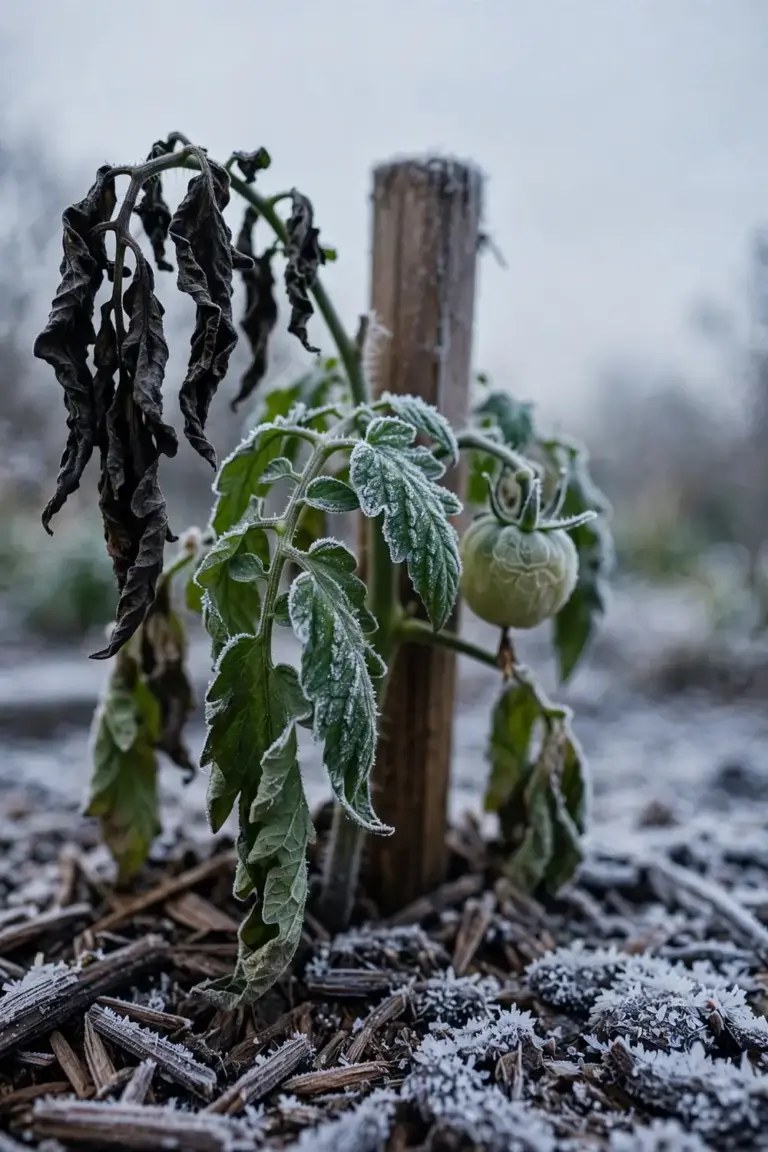
The Bureau of Meteorology notes that the mean time for the lowest minimum temperature is July across almost all of Australia. The Bureau of Meteorology notes that the mean time for the lowest minimum temperature is July across almost all of Australia. The same article notes that the coldest night can arrive as early as May over much of the country, or even April in a few places in the southeast. Your first frost sits inside that window, and your suburb sets the exact night.
The Bureau’s Canterbury Racecourse station in Sydney averages a sub-zero day first in June. The Bureau’s Canterbury Racecourse station in Sydney averages a sub-zero day first in June. The station records a mean of 0.1 days at or below 0 °C in June and 0.2 in July. Sydney gardens plan on a June first frost.
The table gives a planning band, not a forecast. A forecast names one night, while a band names a month or two, so use the band to plan and the forecast to act. July is not your first frost, even though the Bureau names July as the mean month for the lowest minimum. The lowest minimum is not the first frost. The first frost is the first night below 0 °C, and that night can arrive months before the coldest night.
| State/City | First Frost | Last Safe Planting |
|---|---|---|
| NSW, Sydney | June | Early March |
| VIC, Melbourne | May–June | Late January |
| QLD, Brisbane | No regular frost | No cutoff; autumn to winter is the easy window |
| SA, Adelaide | June–July | Early March |
| WA, Perth | June–July | Early March |
| TAS, Hobart | May–June | Late January |
| ACT, Canberra | April–May | Early January |
| NT, Darwin | No frost | Autumn for a dry-season crop |
Method: the Last Safe Planting column subtracts 90 days from the first day of the First Frost band. Only Sydney’s June entry rests on a station record read directly for this countdown. The remaining bands are planning bands built from the Bureau’s coldest-night rule and Australian zone guidance. The Bureau’s Brisbane station record shows a lowest July daily minimum of 2.6 °C, and its Darwin Airport record shows a lowest July daily minimum of 10.4 °C. A single exact first-frost date for your suburb is data not available.
Check your own station. Open the Bureau page for your nearest station and read the row for mean days at or below 0 °C. The first month that averages above zero is your frost-risk month, and that month sets the frost side of your countdown. Your nearest station may sit kilometres away, on a hill, or beside the sea, and its frost row still beats a guess. A station on a hill runs warmer than your valley garden. A station beside the sea runs warmer than your inland garden. Read the station row, then shift earlier if your garden sits low or inland.
The Bureau station page carries two rows that matter. The mean days at or below 0 °C row shows how often frost nights arrive each month. The lowest minimum row shows the coldest night on record. The first row plans your planting. The second row warns you how cold the coldest night can run. Read both rows before you plant.
Keep your own record. Write down the first frost date each year, and after three years your own record beats the table. Your garden frosts on its own schedule, and three years of notes show that schedule. The table plans the first season. Your notebook plans every season after that.
A valley floor frosts before a hilltop. A coastal garden frosts later than an inland garden at the same latitude. Elevation, cold-air drainage, and distance from the coast move your date by days or weeks. A low spot in your yard collects cold air. The lowest corner frosts first. A city garden frosts later than a paddock outside town. Your garden’s frost date is local, and the station row plus your own notes beat any national table.
4. Read Your Answer: Yes, Borderline, or No
Three answers cover every garden. Yes means the countdown still fits. Borderline means it fits only a fast type or a flowering seedling. No means it fits nothing.
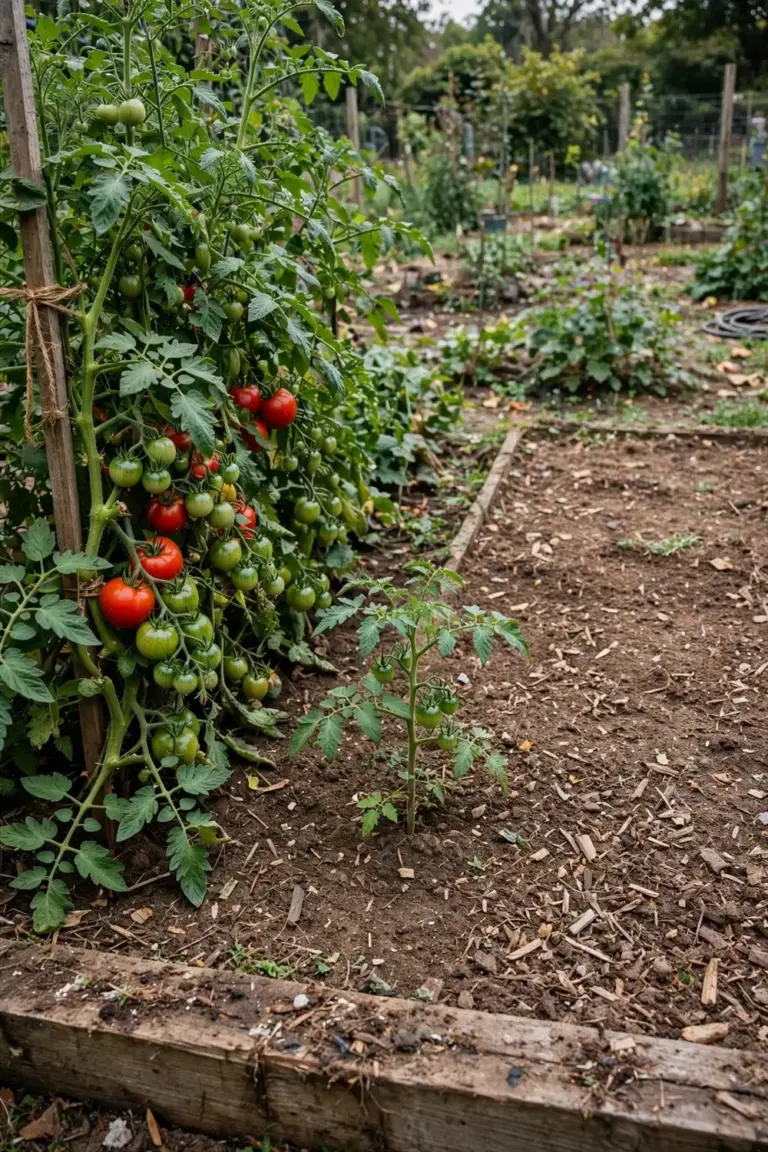
Yes: your countdown date still stands ahead of today. Plant the type that fits the days left, and plant this week, because every week of delay shortens the harvest by a week. A yes planting yields first fruit before frost, then a short harvest while the nights stay warm. The harvest runs until the frost night ends it. Gardening Australia puts the warm daytime range for tomatoes at 21 to 29 °C. Gardening Australia puts the warm daytime range for tomatoes at 21 to 29 °C. The same guide calls spring best in temperate areas. It calls autumn and winter the most trouble-free months in the subtropics. It sets autumn planting for a dry-season crop in the tropics. A yes answer in Brisbane or Darwin looks different from a yes answer in Hobart, and the state table carries that difference.
A yes answer carries one trap. A yes answer tempts a gardener to plant the slowest type in the catalogue. The slowest type eats the whole window and leaves no margin. Plant the type that fits with margin to spare. Margin covers the cold snap, the slow start, and the week you forget to water.
Borderline: only a fast type or a flowering seedling fits the days left, and the fifth section stretches a borderline answer. Do not plant a standard type on a borderline countdown, because the standard type runs out of season before its fruit ripens. A borderline bet risks a small harvest and green fruit at frost, and it also wins a real harvest when the frost arrives late. Weigh the small loss against the real win. The countdown names the risk. You name the bet.
No: even a fast type needs more days than the frost-free window holds. Skip the tomato and plant a cool-season crop instead, because the bed earns more from a crop that finishes than from a crop that frosts. Rutgers University notes that tomatoes are very sensitive to frost, which kills unprotected plants. A no answer is final for an outdoor plant. A pot does not change the frost date, and the pot question gets its own answer in the FAQ. A no answer does not waste the season. Pick any green fruit before the frost night and ripen it indoors. The indoor ripening saves the fruit the frost would have taken.
Three worked examples show the math. A Sydney gardener who plants a standard type on 3 March counts 90 days to 1 June. The June frost band opens as the first fruit ripens. A Melbourne gardener who plants on 31 January counts 90 days to 1 May. The May to June frost band opens as the first fruit ripens. A Canberra gardener who plants on 1 January counts 90 days to 1 April. The April to May frost band opens just as the first fruit ripens, which is the honest edge of the window.
5. Stretch a Borderline Answer With Fast Types, Pots, and One Cover
A borderline countdown still fits a fast type, a flowering seedling, or a pot. Change the plant, because the calendar stays fixed.
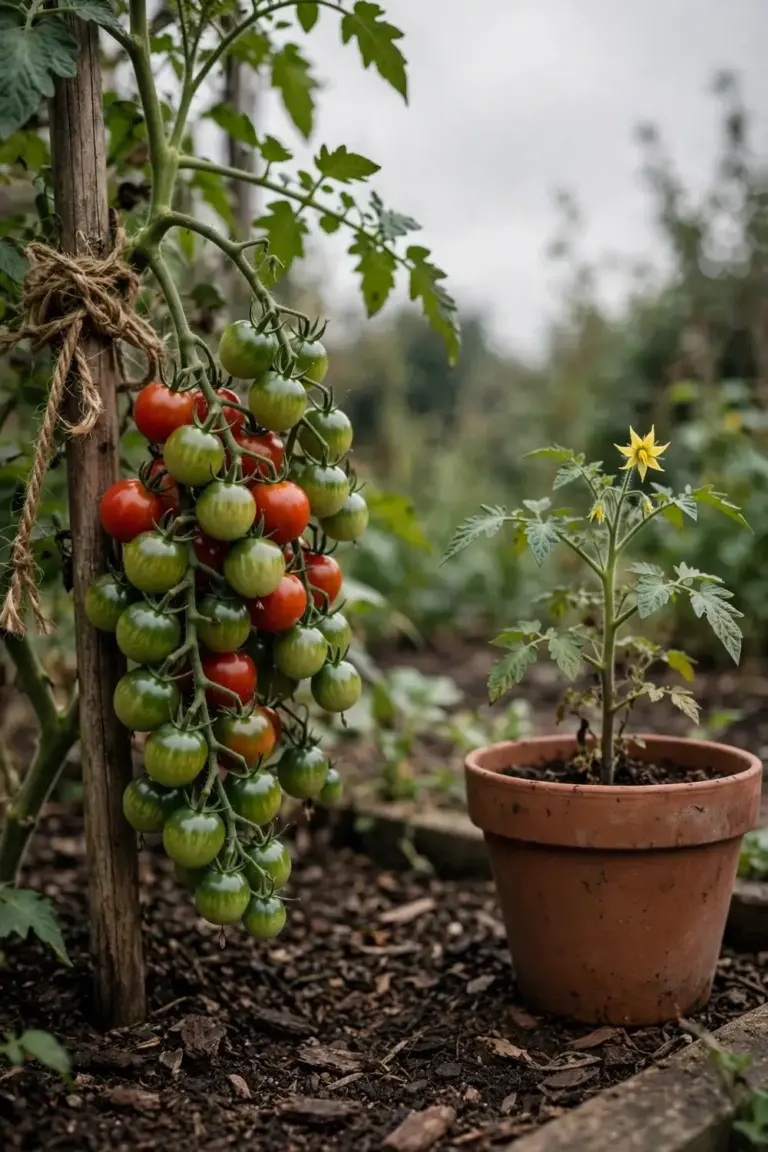
Cherry types, early types, and determinate types finish at the fast end of the range. Better Homes & Gardens puts early-season types at 50 to 65 days after transplanting, against 65 to 80 days for mid-season types. LSU AgCenter puts the general range at 65 to 75 days from transplanting. The top of the early-season range sits 10 days under the top of the general range, and that 10-day gap is what a cherry type buys. Determinate types ripen a concentrated crop over a short window, which suits a short countdown. A fast type does not beat the frost. A fast type finishes before the frost. That is the whole trick.
Fast types suit a late planting because they finish early. Cherry types fruit in clusters, and each cluster ripens fast. Early types were bred for short seasons, and their packets carry the lowest days-to-maturity numbers on the bench. Determinate types set their crop in one flush. All three finish before a standard type. Pick the type that matches the days left, and check the packet number before you buy.
A flowering seedling is the fastest honest start. Fifty days from bloom to ripe fruit, plus the 15-day buffer, sets a 65-day countdown. A seedling also skips the 30 to 40 days a seed needs before transplant day. If you raise your own seedlings, seed starting steps set how fast they reach transplant size. Buy the seedling in flower for the shortest countdown. A seedling with open flowers has already started its bloom-to-ripe clock.
A pot moves under cover on a cold night, while a bed plant stays where the frost finds it. A pot also warms faster than bed soil in the cool months, because a small soil volume gains heat faster than a bed. Those two edges stretch a borderline countdown. They do not rescue a no answer, because a no answer means the window holds fewer days than even the fastest type needs.
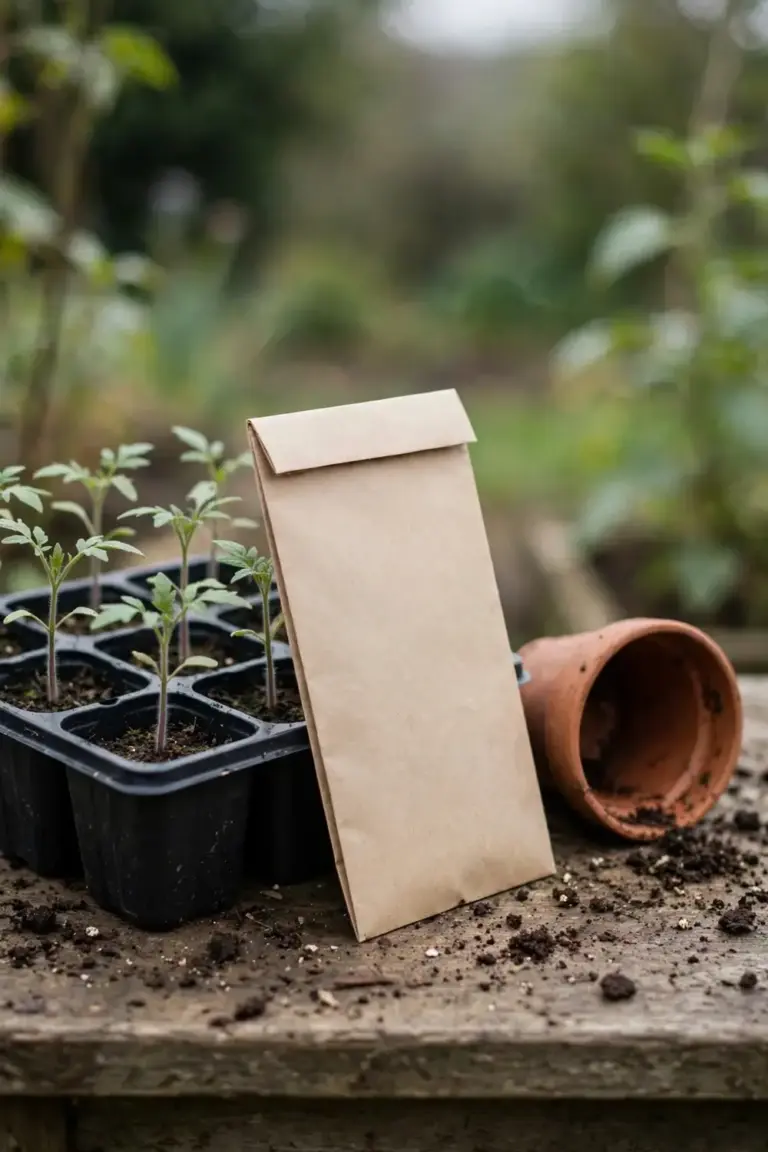
Soil warmth decides how fast the plant settles. Gardenate lists tomato soil temperature at 16 to 35 °C. Warm soil shortens the wait, and cool soil stretches it. A soil thermometer reads the number. Dark soil warms faster than pale soil. The bed that warms fastest is the bed with organic matter and structure, and building soil health is the long game behind it. Read the packet. The packet carries the days. The picture carries the promise, and the promise is worthless without the number.
Cover the plant on a forecast cold night.
6. Plant Something Else When the Answer Is No
A no answer is a planting answer for another crop, and the cool-season roster below turns that no into a harvest. Cool-season crops use the same bed while the tomato season closes.
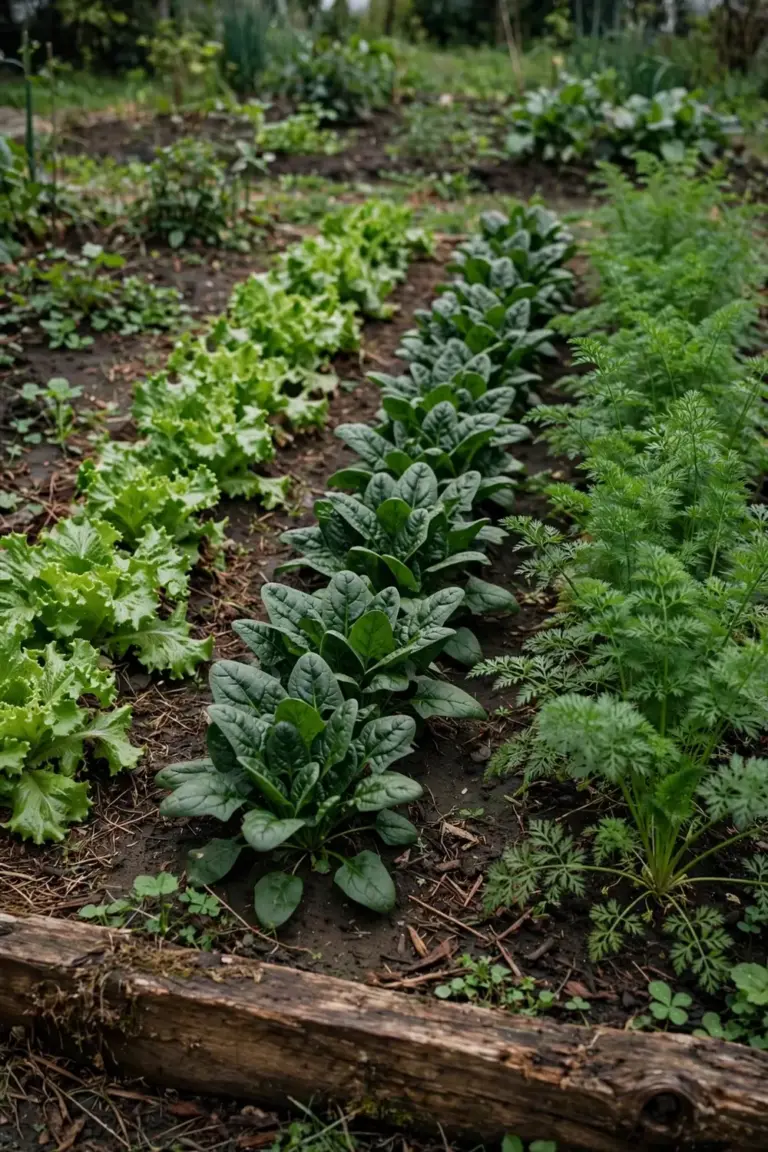
Lettuce, spinach, radish, peas, broad beans, and carrots grow through the cool months. They use the bed, the water, and the season that a late tomato would waste. The full cool-season roster sits in the fall vegetables to plant guide. Radish and lettuce harvest first. Spinach follows. Peas, broad beans, and carrots take longer and fill the bed through winter. A cover crop rests the bed if you prefer to wait. A mulch layer rests the bed. Both keep the soil covered while the tomato season closes, and a rested bed grows a better tomato next season.
The bed stays productive through winter. Cool-season crops keep the soil covered and the soil life fed. Bare soil loses structure over winter. Covered soil holds structure. The tomato returns to a bed that winter did not waste.
Next season starts with the countdown. Count back 90 days from your first frost, then plant. Mark your first frost date in the calendar when it happens. Next year’s countdown starts from your own record, not from a table. Your own record beats any national table, because your garden frosts on its own schedule.
Frequently Asked Questions
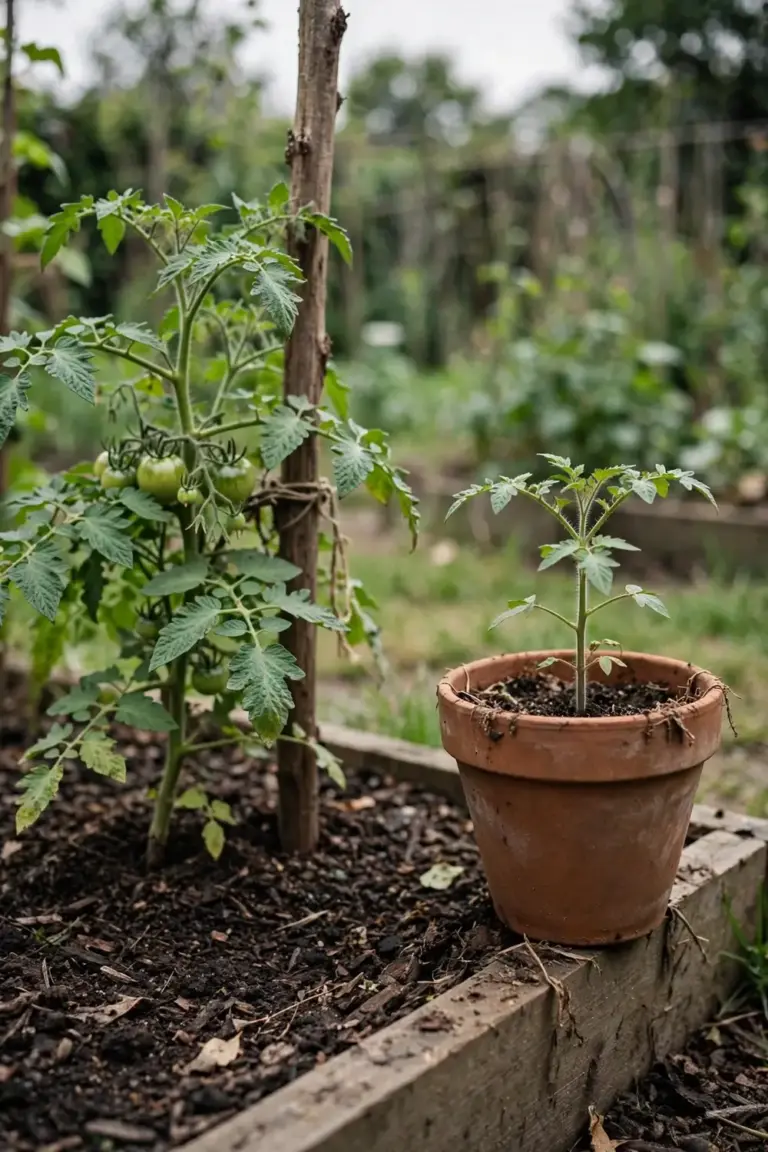
Yes. December planting in Melbourne leaves about five months before the May frost band opens. The countdown fits a standard type with room to spare. December heat at transplant is the risk. Frost waits until May. Water the transplant in, and the plant grows through summer into an autumn harvest.
Cherry types sit at the fast end of the range. Better Homes & Gardens puts early-season types at 50 to 65 days after transplanting, against 65 to 80 days for mid-season types. The top of the early-season range sits 10 days under the top of the standard range, and that 10-day gap is what a cherry type buys. The gap is real, and it rescues a borderline countdown.
A flowering seedling skips the wait for bloom. Fifty days from bloom to ripe fruit, plus the 15-day buffer, sets a 65-day countdown. A flowering seedling planted with 65 frost-free days left still finishes. A flowering seedling planted with fewer days left does not.
A pot buys flexibility. It does not buy days. The frost date stays the same. A pot moves under cover on a cold night, and it warms faster than bed soil in the cool months. Those two edges stretch a borderline countdown. They do not rescue a no answer.
The first frost is the first night below 0 °C in your area. Rutgers University notes that frost kills unprotected tomato plants, so that night ends the season. Check your nearest Bureau station for the mean days at or below 0 °C. The first month that averages above zero is your frost-risk month, and that month sets the frost side of your countdown.
Starting seed indoors today pushes transplant day later. The countdown runs from transplant day, so the push works against you. An indoor start helps a spring planting. An indoor start does not help a late planting, because the seed still needs its weeks in the tray before transplant day. A seed started indoors still needs its seed-to-transplant days. The honest late-season move is a flowering seedling from the nursery. A seed tray on the windowsill is the slow move.
Run the Countdown Today
Today’s date answers is it too late to plant tomatoes. Ninety days fits a standard type, eighty days fits a fast type, and sixty-five days fits a flowering seedling, while fewer days fit a cool-season crop. Run the countdown today. Read the packet. Find your first frost. Subtract. The answer is yes, borderline, or no, and each answer names its next move. Once the countdown says yes, the growing steps live in the tomato growing guide. Plant on the countdown. Harvest before the frost.