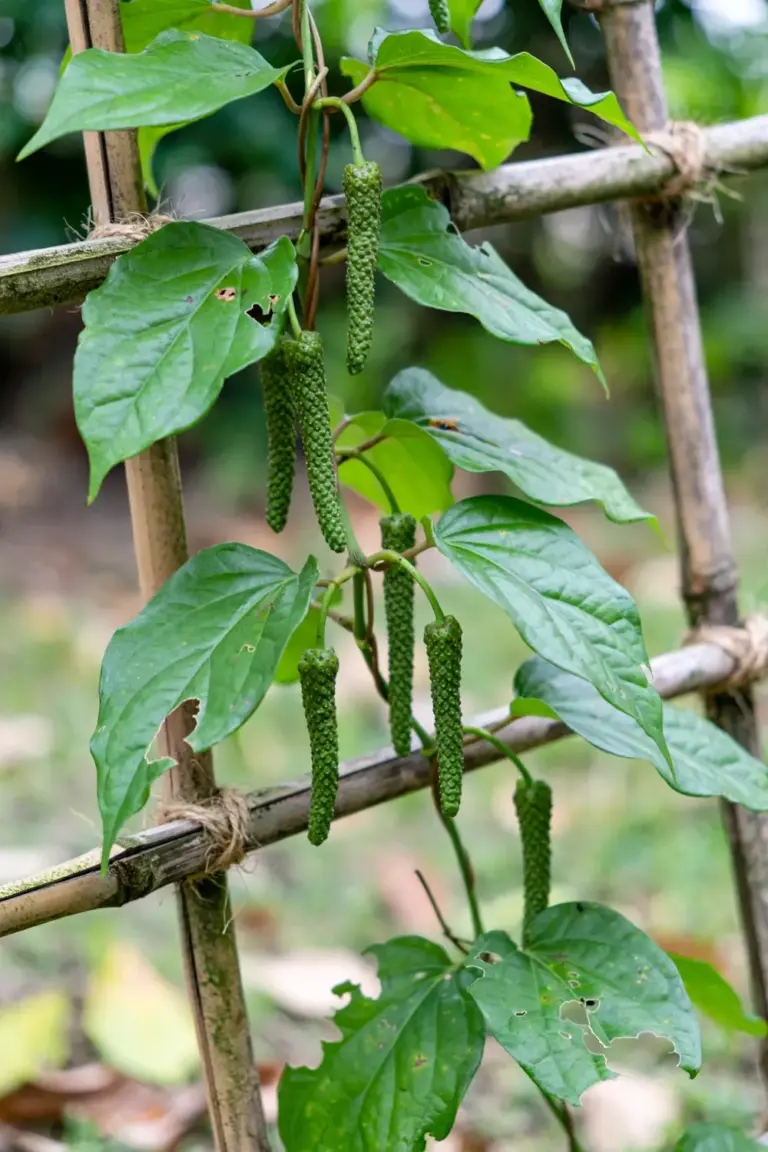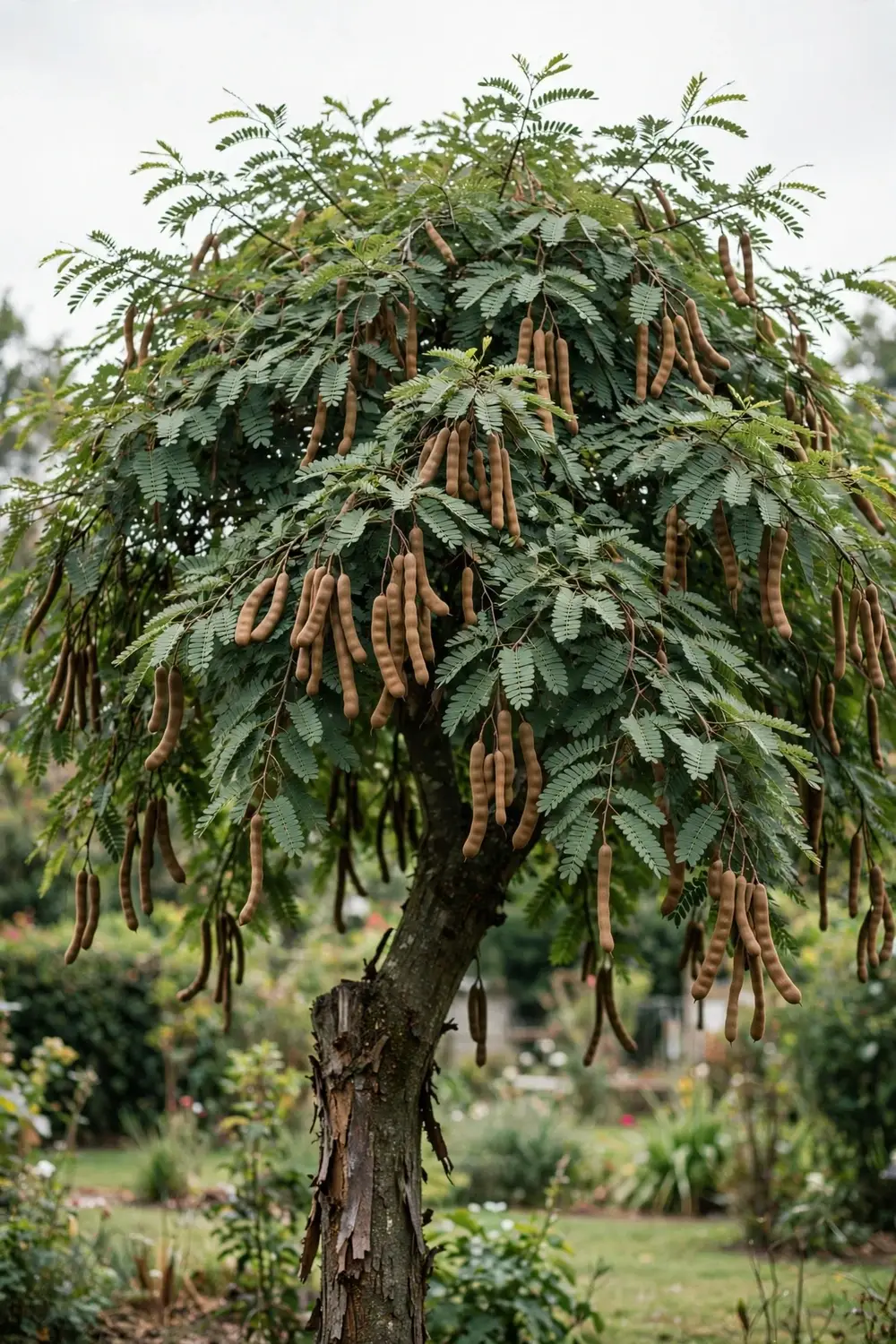

A tamarind tree asks for years, not weeks. Plant a seed in 2026 and the honest answer is that pods arrive somewhere between 2031 and 2034, sometimes later. That timeline is the whole point of this guide: how to grow tamarind from India with your eyes open, in pots or in the ground, with a grafted tree when you want fruit sooner, and with imli pulp at the end of it.
If all you want is the basic sprout-from-seed walkthrough, our earlier how to grow tamarind tree from a seed guide covers those first steps. This guide owns what comes after: the real fruiting timeline, the container and bonsai methods, the grafted shortcut, and the cold-climate reality.
1. The Honest Tamarind Timeline: 5 to 14 Years From Seed
Tamarind is a slow-growing, long-lived tree. Expect 5 to 7 years from seed to first fruit in good conditions, according to Beyond Forest’s tamarind overview. ECHO’s tamarind technical sheet puts seedlings at 6 to 8 years and notes that vegetatively propagated trees fruit in about half that time, while PFAF’s tropical database records bearing at 7 to 10 years with maximum yields from about 15 years onward. When the tree is stressed, shaded, or repeatedly chilled, the wait stretches longer.
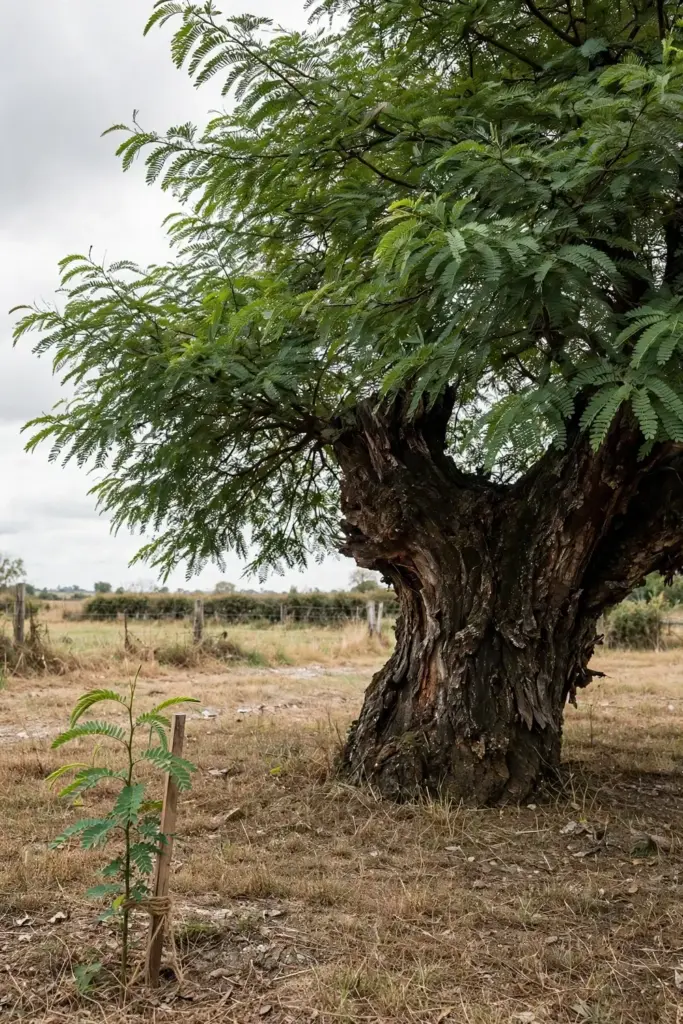
Grafting is the shortcut that actually works. Grafted trees fruit in 3 to 4 years, per Beyond Forest’s tamarind overview, which also puts full commercial production at 10 to 15 years and records specimens living past 200 years while bearing for decades. Tamarind is less a garden project and more a small inheritance.
| Path to fruit | First pods | Full production | Notes |
|---|---|---|---|
| Seed, in the ground, warm climate | 5 to 8 years | 10 to 15 years | Variable pods; may take longer in pots or cold climates |
| Seed, in a container | 6 to 14 years, sometimes never | Rarely reached | Root restriction slows everything; bonsai is for form, not fruit |
| Grafted or air-layered tree | 3 to 4 years | 8 to 10 years | True to type; the fast path for home growers |
| Bonsai | Ornamental only | Never | Kept small by design; fruit is not the goal |
2. Seed vs Grafted: The Decision That Saves You a Decade
The single most consequential choice you make is not the pot or the soil. It is whether you start from seed or buy a grafted tree. A seedling costs almost nothing and teaches you everything, but it also gambles: seedlings are genetically variable, pods can be small and sour beyond use, and fruiting may take a decade. A grafted tree costs real money and fruits years sooner with pods that match the parent.
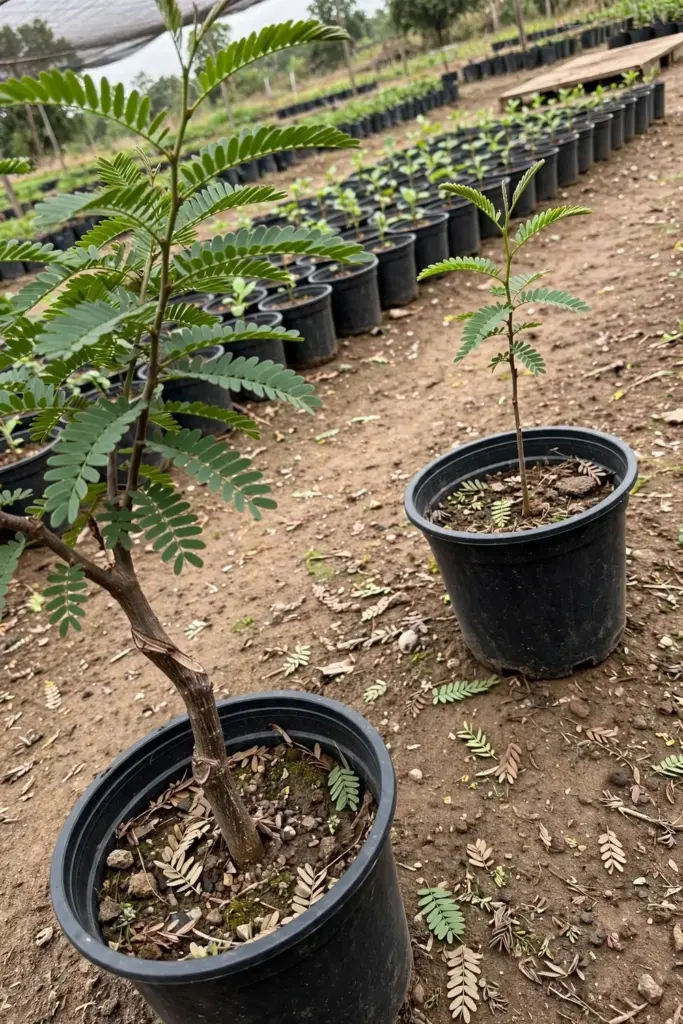
Grafted tamarind also gives you the variety choice seed cannot. Sweet types exist, and grafting is the only way to guarantee you get one. Our how to grow mango fruit guide walks the same seed-versus-grafted decision for another tropical tree, and the logic transfers directly: seed for the experience and the tree, grafted for the harvest.
Buy grafted when you have the budget and want imli you can plan around. Start from seed when you enjoy the long game, want a bonsai candidate, or like watching a tree grow up.
3. What Counts as True Tamarind (and What Does Not)
True tamarind is Tamarindus indica, Hindi इमली (imli), a member of the legume family Fabaceae. Nursery catalogs blur this, so confirm the Latin name on anything you buy. “Manilla tamarind” (Pithecellobium dulce) is a different species with different fruit. “Native tamarind” (Diploglottis australis) is Australian and not tamarind at all. Tamarind candy is a sweetened product, not a variety.
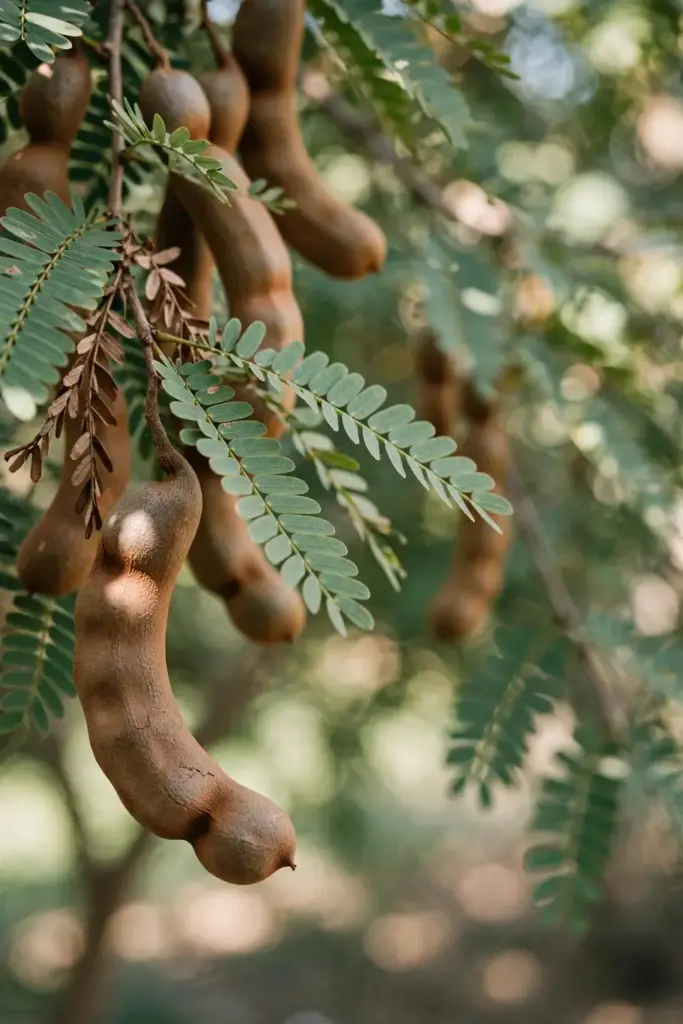
Pods themselves come in sweet and sour types, with long-podded East Indian forms carrying 6 to 12 seeds and shorter West Indian forms carrying 1 to 4. Reddish-pulp selections exist in India. Seed-grown trees mix these traits unpredictably, which is exactly why grafting matters for anyone growing for the kitchen.
4. Where Tamarind Can Actually Live
Tamarind is a frost-tender tropical tree. PFAF’s tropical database entry for Tamarindus indica records that dormant trees survive down to about -3°C (27°F) while young growth takes severe damage at -1°C (30°F), and calls the species very sensitive to frost. Treat 40°F as your action line: below it, young trees need frost cloth and container trees need to come indoors.
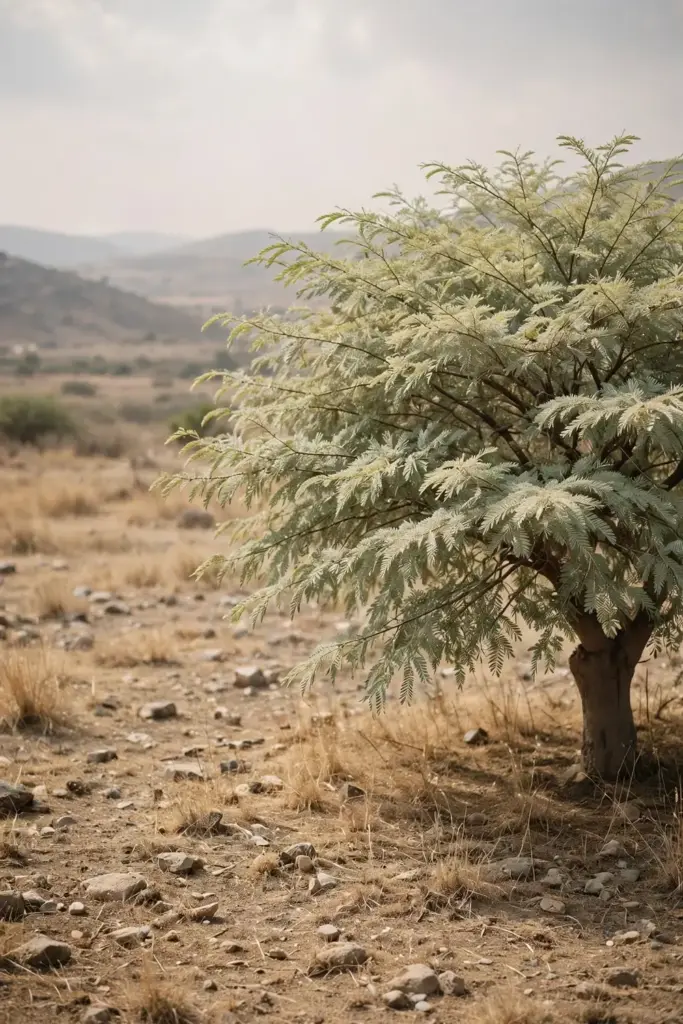
The tree grows to 30 metres tall with a dense, spreading crown and develops an extensive root system that makes it very tolerant of wind, including salt-laden winds. It tolerates drought, salt, and poor soils once established, prefers a pH between 5.5 and 6.5, and needs a long, well-marked dry season for good fruiting. Whatever your plan, the single non-negotiable is drainage. Tamarind cannot stand waterlogged roots.
5. Warm Soak, Not Stratification: Starting From Seed
Here is the correction that matters most. Tamarind is a tropical tree, so it does not need cold stratification. Soak seeds 24 hours in warm water, then sow about 1.5 cm deep in loose, sandy soil. PFAF’s propagation data for Tamarindus indica records 90 percent germination within 40 to 50 days at 21°C, so give the tray the warmest spot you have and give it time. Light scarification is optional. A month in the refrigerator is not.
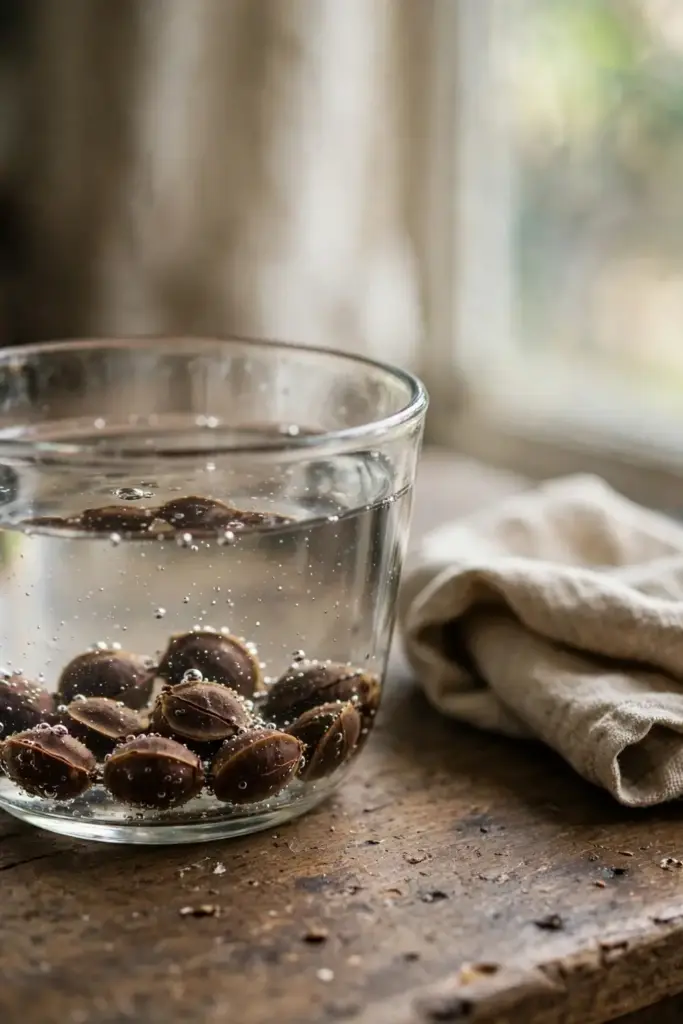
Use fresh seed. Viability drops fast once pods age, so the best seed source is a pod you eat this season, not a packet from three years ago. Fill deep pots, not shallow trays, because tamarind grows a taproot quickly and resents being cramped early. Seedlings develop that taproot fast, so move them out of seedbeds into containers within about 4 months and grow them to at least 80 cm before planting out at the start of the rainy season. Our seed starting guide covers the tray setup and heat basics that apply here.
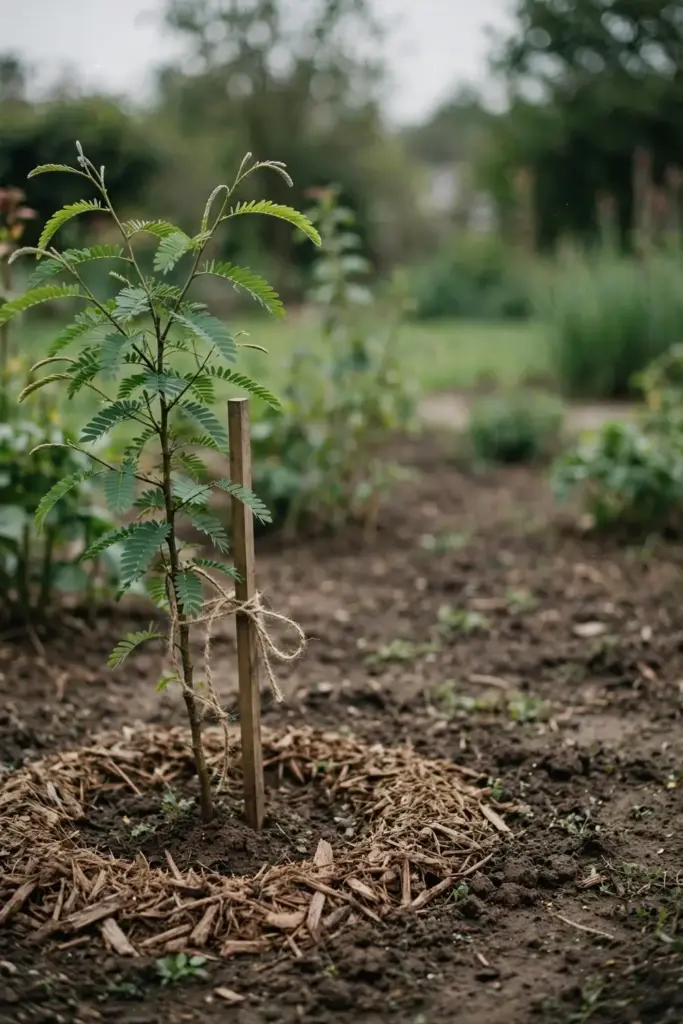
Keep the soil moist but never waterlogged. The seedling pushes a pair of feathery compound leaves within days of emergence and looks like a miniature rain tree by month two. Move it up to a larger pot before the roots circle. Fertilize lightly; a legume seedling fixing its own nitrogen does not need heavy feeding in year one.
6. Buying Seeds, Pods, or a Ready Tree
If you buy, buy with intent. Seed packets are the cheapest route and the slowest. Fresh pods from an Indian or Latin grocery give you seed plus a taste test of the mother tree’s quality, which is genuinely useful information. A grafted tree from a tropical-fruit nursery is the premium route: verify the variety name, ask whether it is seedling or grafted in writing, and check the graft union before you pay.
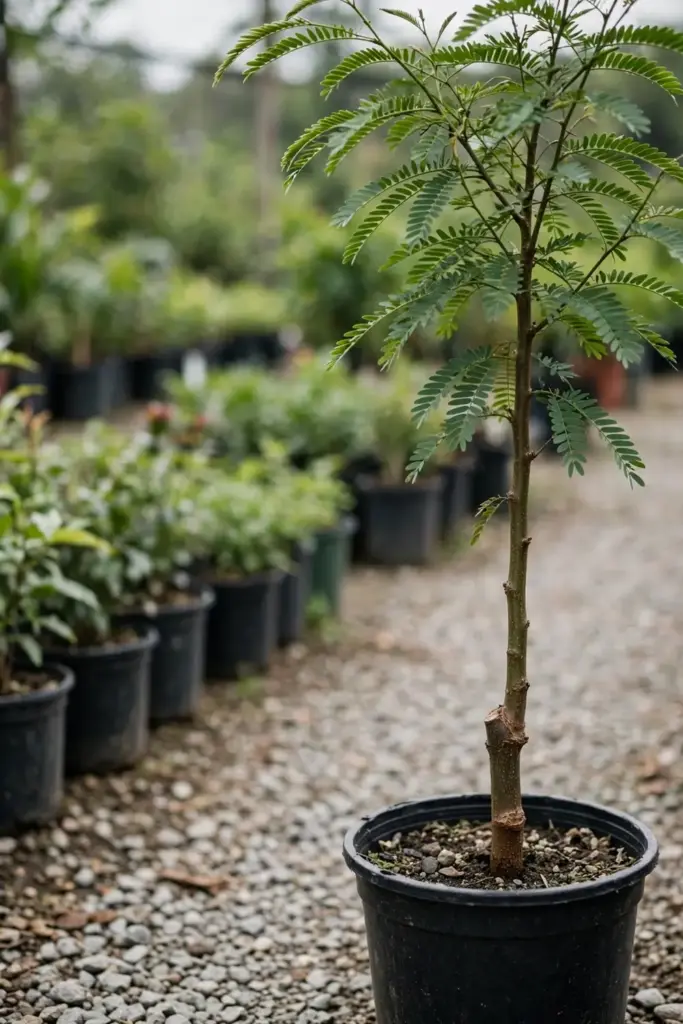
Inspect any purchased tree the way you would any fruit tree. The trunk should be straight, the graft union healed and above the soil line, and the roots should fill the pot without circling badly. A grafted tamarind in a 3-gallon pot is a fine starting size. Refuse anything with a mushy base or leaves dropping at the nursery; tamarind is tough, and a struggling nursery plant signals rot or chronic overwatering.
7. The Container Method: 20 Gallons Is the Floor
Tamarind can live in a container for years, but the container must be large and deep. Plan on a minimum 15 to 20 gallon pot with real depth for the taproot, and accept that this is a staging strategy, not a forever home. GrowPlants lists tamarind’s container needs plainly: a 40-liter tub suits a young tree but is not a lasting home.
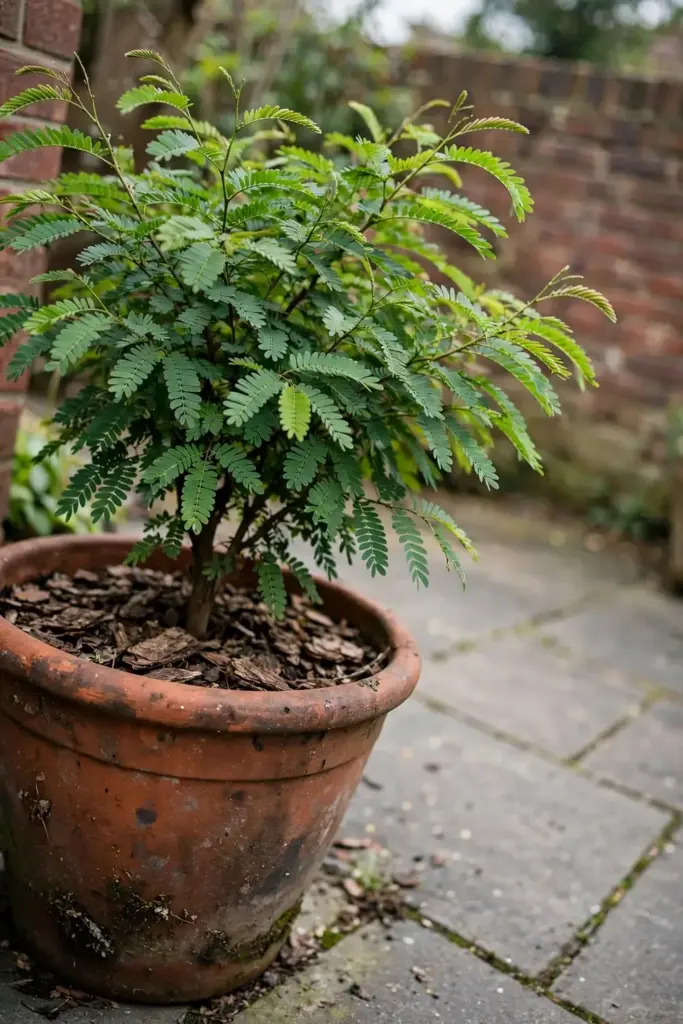
Use a heavy, stable pot. A tamarind in a 20-gallon container with wet soil is top-heavy, and wind will find it. Terracotta breathes but dries fast in heat; fabric pots air-prune roots nicely; plastic holds moisture longest. Whichever you choose, drill extra drainage holes. Tamarind forgives drought and punishes soggy soil.
Repot every 2 to 3 years in spring, stepping up one pot size and root-pruning only lightly. Each repot is your chance to check for circling roots and refresh the mix. A container tamarind grows slower than a ground tree and fruits later, so treat the pot as the realistic choice for cold climates rather than the fast choice. That is the honest version of how to grow tamarind from India in a pot: a big container, sharp drainage, and patience measured in years.
8. Tamarind as Bonsai
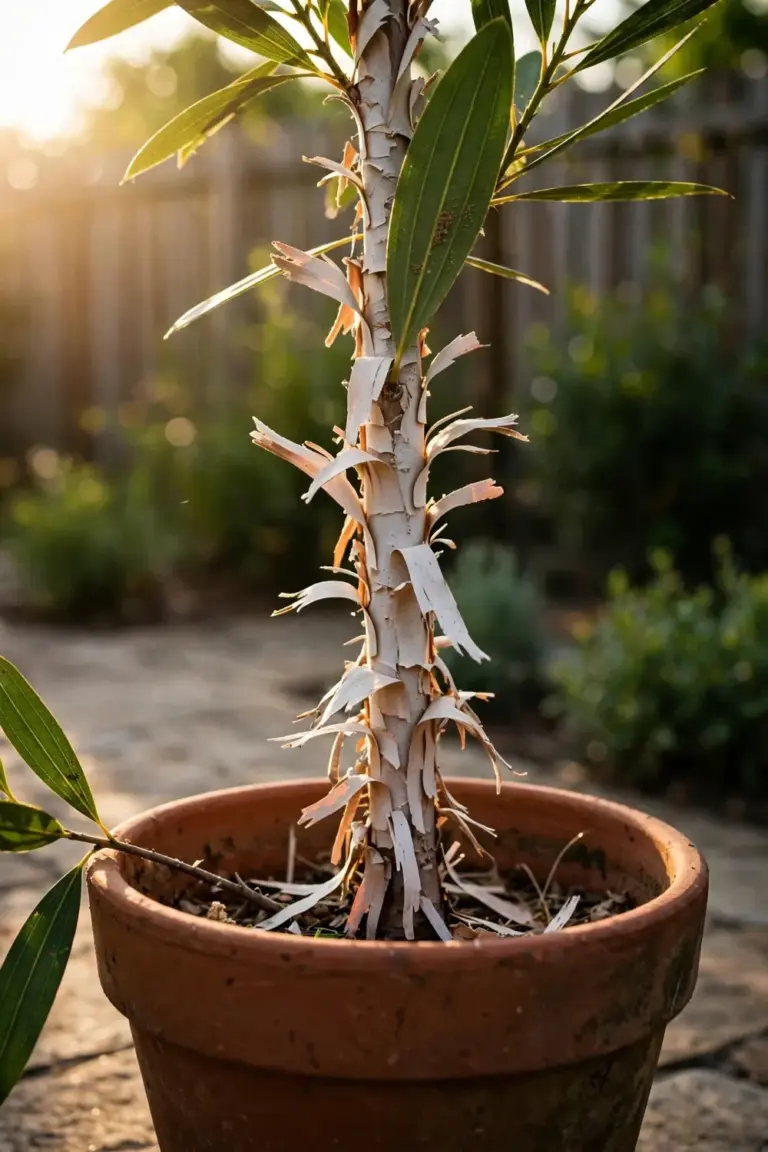
Tamarind is a genuine bonsai species. Its feathery compound leaves reduce well, its trunk thickens with character, and it tolerates the repeated pruning bonsai demands. This is the one tamarind project where fruit is off the table by design; a bonsai tamarind is grown for form, and the years-to-fruit table above reads “never.”
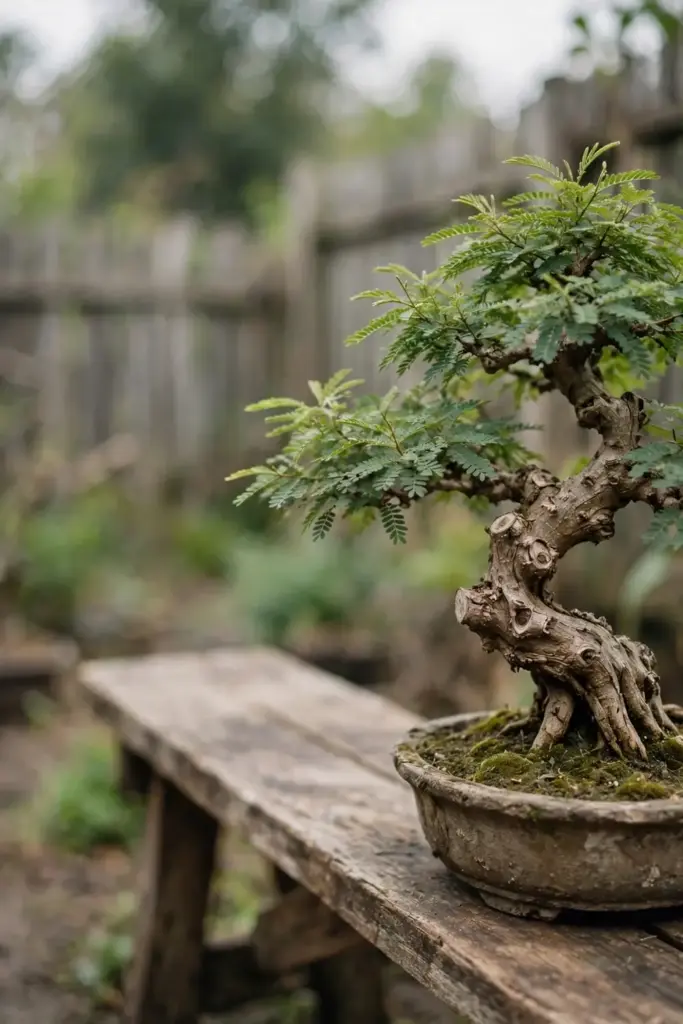
Start bonsai training from a seedling, not a grafted tree, so you control the trunk line from the beginning. Let the trunk thicken in a large training pot for 2 to 3 years before the first serious cut. Wire branches while they are young and flexible, and repot with root pruning every spring before bud break. Keep it outdoors in sun through the growing season and bring it to a bright, frost-free spot for winter, exactly like the container method, because that is what it is.
9. Soil: Deep, Lean, and Never Soggy
Tamarind tolerates poor soils, sand, and limestone. PFAF lists its preferred pH as 5.5 to 6.5, tolerating 4.5 to 8.5, in a sunny position. What it cannot tolerate is standing water. Build every planting around drainage: a sandy loam with added coarse material in the ground, or a fast-draining potting mix in containers.
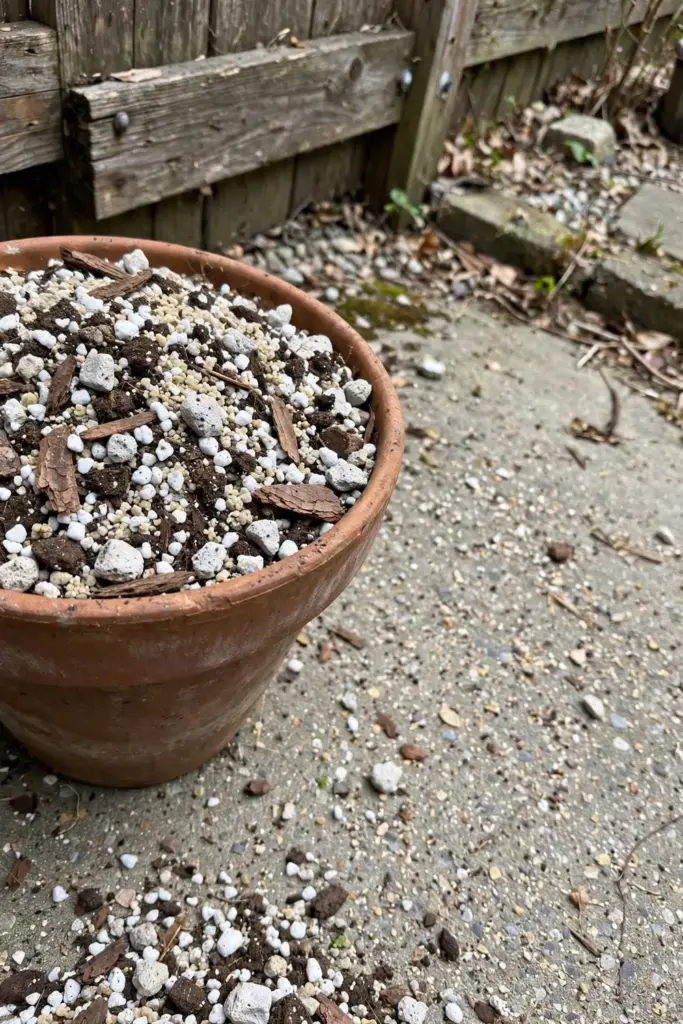
For containers, mix roughly two parts quality potting soil with one part coarse perlite or pumice and one part coarse sand or fine bark. The mix should pour water through quickly and feel gritty, not silky. In the ground, plant on a slight mound if your soil holds water, and never plant deeper than the root ball. Our soil health guide covers the drainage and biology principles that keep a long-lived tree healthy from year one.
Skip the rich compost-heavy mixes. Tamarind is adapted to lean soils, and an over-rich mix holds the moisture this tree hates while pushing soft growth that frost damages first.
10. Water: Drought-Tolerant Does Not Mean Drought-Loving
Young tamarind needs steady water to establish. Water deeply when the top 2 inches of soil dry out through the first two growing seasons. Once established, back off. Mature trees are extremely drought tolerant, and PFAF notes that a long, well-marked dry season is necessary for fruiting. This is why the best fruiting regions have one.
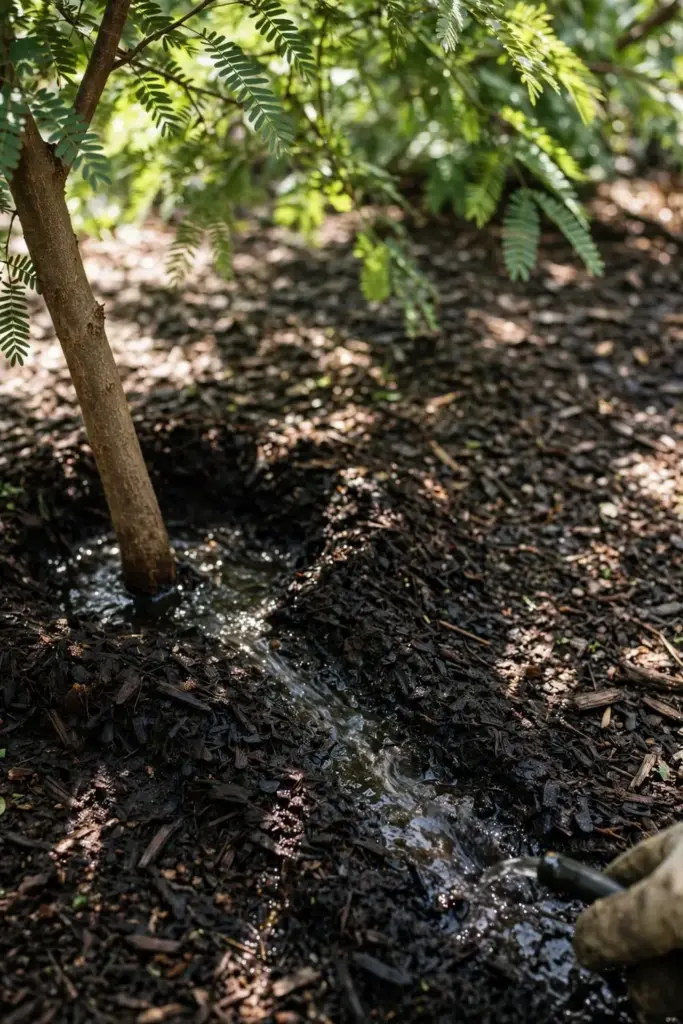
In containers, the rhythm is different. A potted tamarind dries faster and cannot send roots deep, so check moisture weekly and water thoroughly when dry. In winter, when a container tree moves indoors, cut watering roughly in half. The tree slows down, evaporation drops, and wet cold soil is the fastest route to root rot.
11. Feeding a Slow-Growing Tree
Tamarind is a legume with nitrogen-fixing root nodules, so it fixes some of its own nitrogen, but it still appreciates feeding when young and when fruiting. In the ground, apply a balanced slow-release fertilizer in spring and again in midsummer for the first 3 years, then reduce to an annual spring feeding. A ring of compost around the drip line each spring does the same job gently.
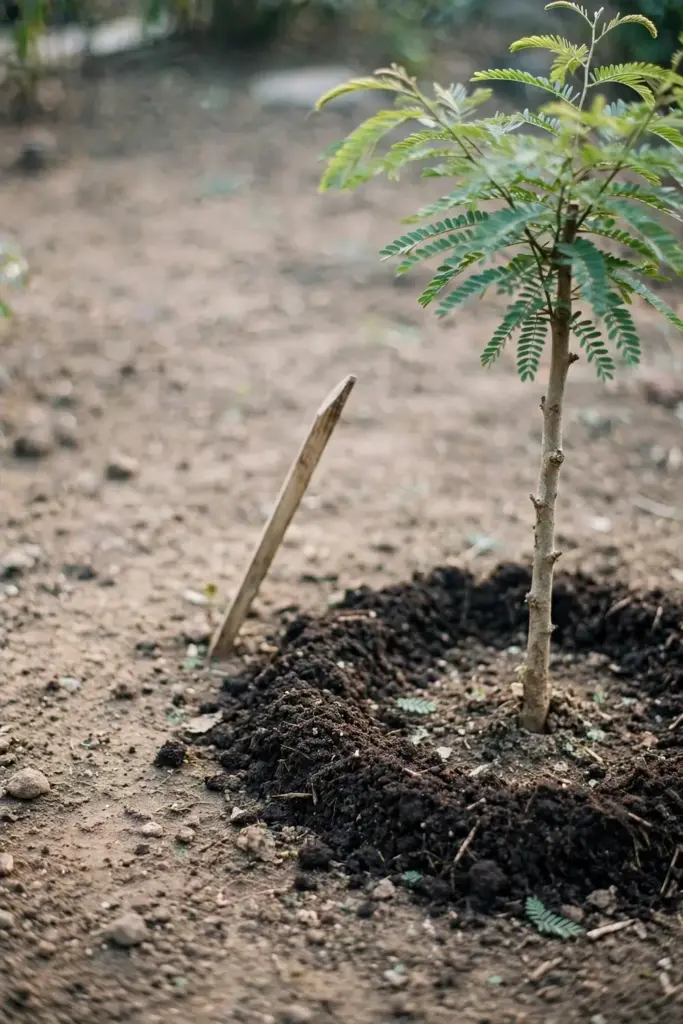
Container trees need more regular feeding because every watering leaches nutrients. Use a balanced liquid fertilizer at half strength every 3 to 4 weeks through the growing season, and stop when you bring the tree in for winter. Watch the leaves: deep green and steady growth mean the feeding is right; pale new growth with dark veins can signal iron chlorosis on alkaline soils, which a soil-acidifying mulch or chelated iron corrects.
12. Pruning for Structure Before Pods
Prune for structure in the first years and for light and air later. Tamarind naturally forms a broad, spreading crown, and your job is a strong central leader with well-spaced scaffold branches. Remove crossing branches, inward growers, and anything below your chosen lowest scaffold in late winter while the tree is quiet.
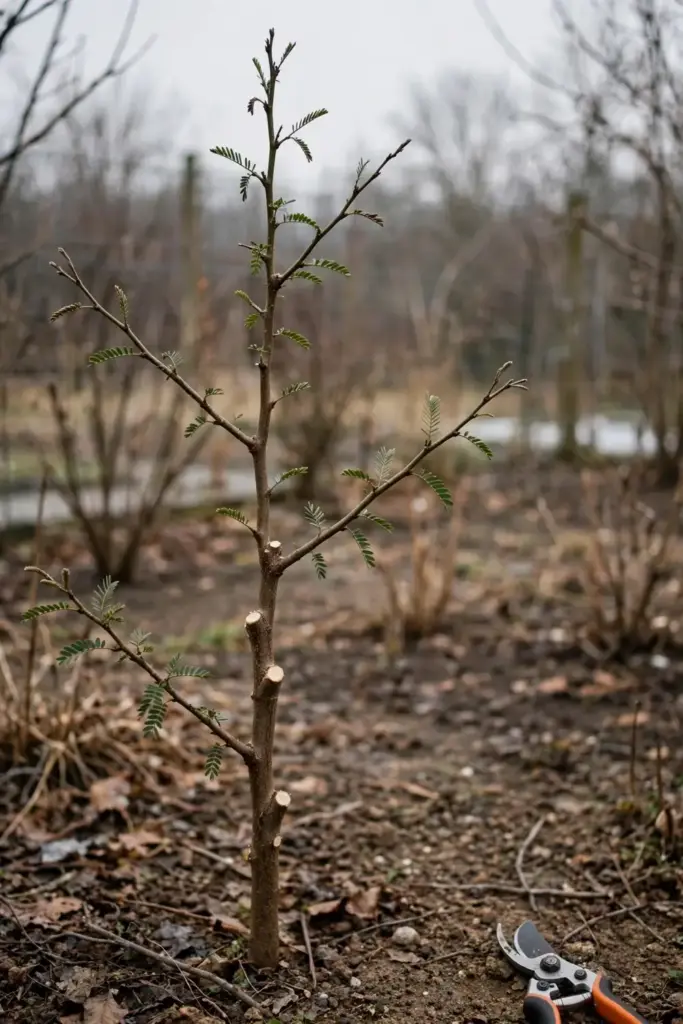
Once the tree is bearing, prune annually after harvest. Thin the crown so sunlight reaches the interior, because pods form on the current season’s growth in the light. Remove dead wood any time you see it. For container trees, pruning also controls size: cut back the previous season’s growth by a third each spring to keep the canopy in proportion to the pot.
13. Overwintering in Cold Climates
If your winters drop below 40°F, tamarind is a patio tree, not a landscape tree. Move container trees indoors before the first cold snap to a bright, frost-free spot: a sunny window, a heated greenhouse, or under grow lights. Expect some leaf drop after the move; this is stress, not death, and new growth resumes in spring.
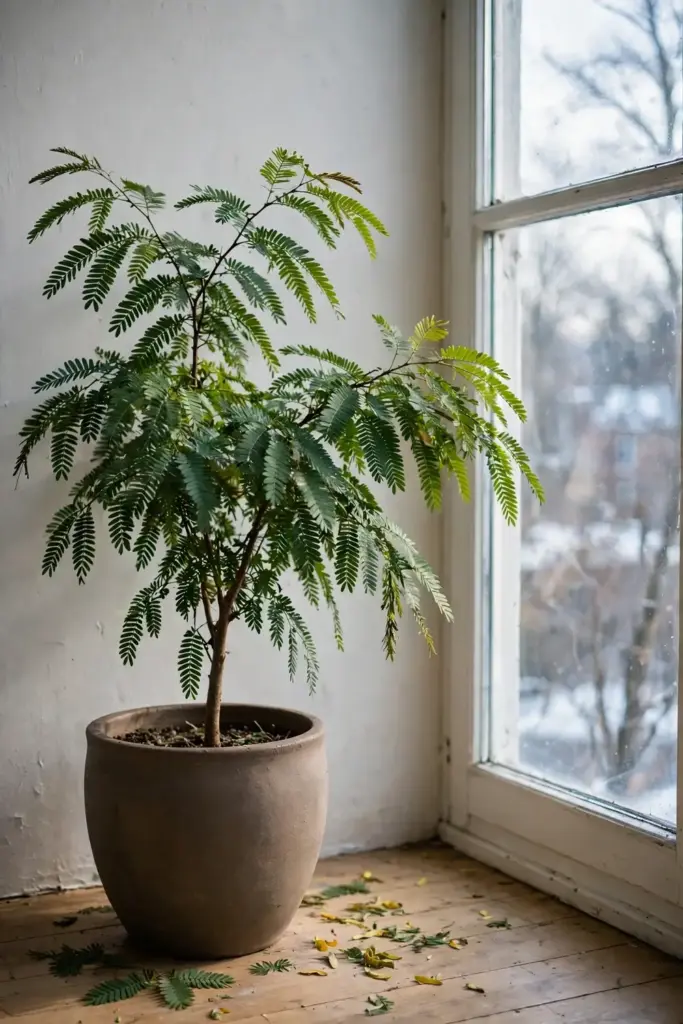
Indoors, give it the brightest light you have and keep temperatures above 50°F. Water sparingly through winter, letting the top few inches dry between waterings. Do not fertilize until spring growth restarts.
Trees planted in marginal zones (9b and warmer microclimates) can stay out with protection: wrap the trunk, mulch heavily, and drape frost cloth when freezes threaten. Young trees in the ground need this protection every winter for their first 3 years.
14. Pests and Diseases Worth Watching
Tamarind is notably pest resistant, which is one of its charms. The problems that do appear are the usual tropical-tree suspects. Scale insects and mealybugs cluster on stems and leaf undersides; treat with horticultural oil and persistence. Aphids hit new growth flushes; a hard water spray handles light infestations.
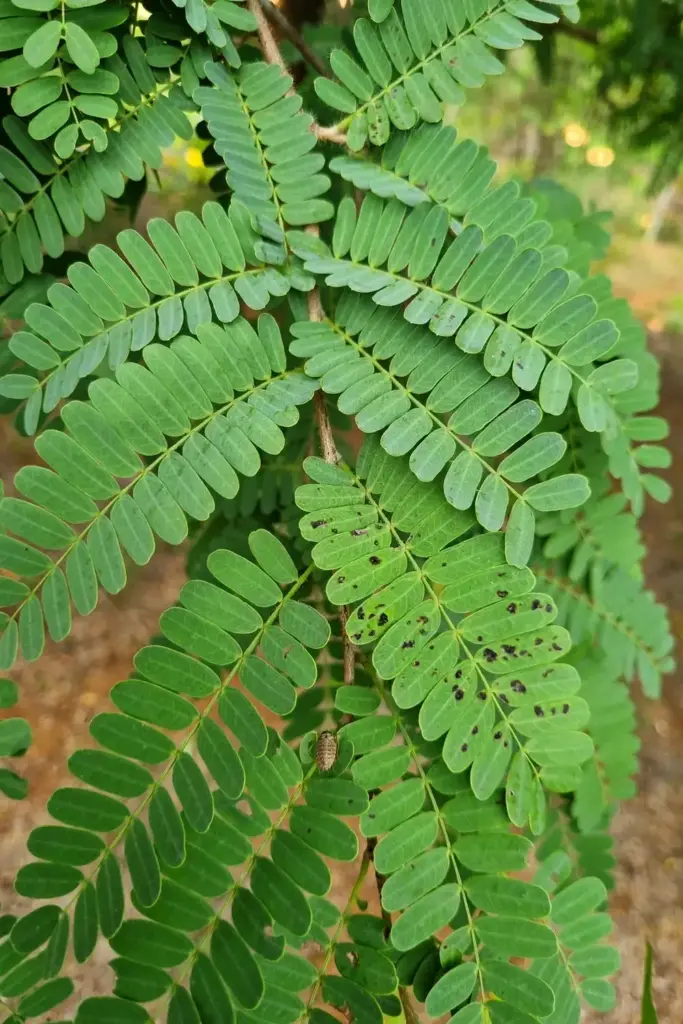
Root rot from waterlogged soil is the main killer, and it is a cultural problem, not a spray problem. Fix the drainage and the watering schedule. Leaf spot fungi appear in wet seasons but rarely threaten a healthy tree; improve air circulation and avoid overhead watering late in the day. In containers, fungus gnats signal soil that stays too wet; let the surface dry and top-dress with coarse sand.
15. Flowers to Pods: How Fruit Sets
Tamarind flowers are small, pale yellow with red-brown veining, arranged in loose clusters, and they appear during dry periods, often in spring. The tree is self-fertile, so a single tree sets fruit. Bees work the flowers enthusiastically, and good pollinator activity means better pod set.
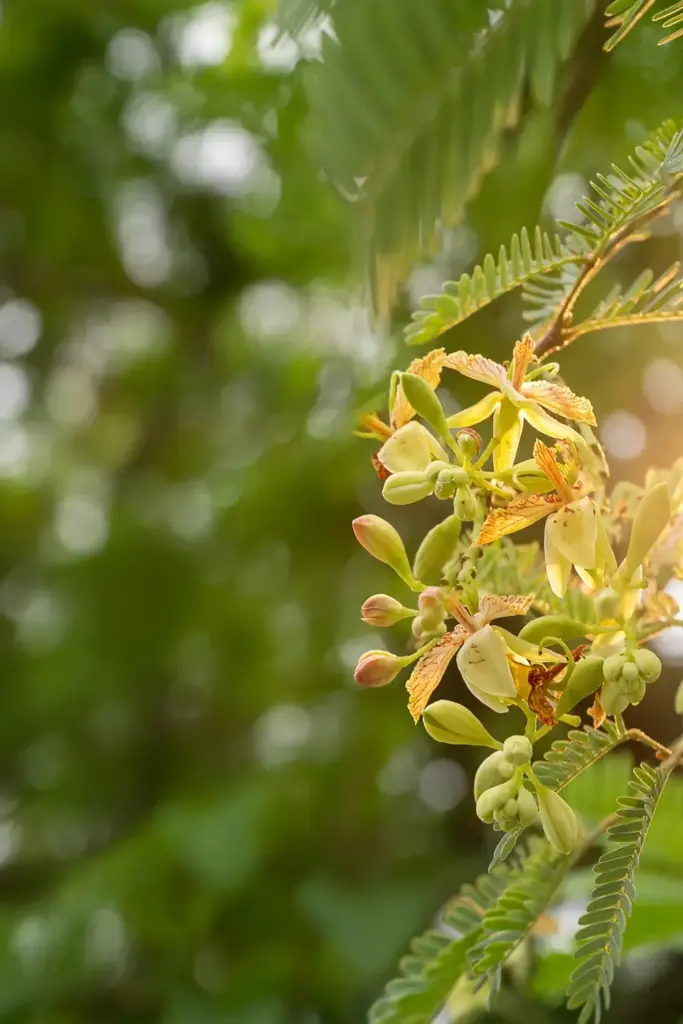
After flowering, tiny green pods form and slowly fill through the dry season. Pods mature over months, not weeks. Do not pick early out of impatience: unripe pods are intensely sour and astringent, and the pulp has not developed its sugars. The tree tells you when pods are ready, which is the next section.
16. Harvesting Pods at Full Ripeness
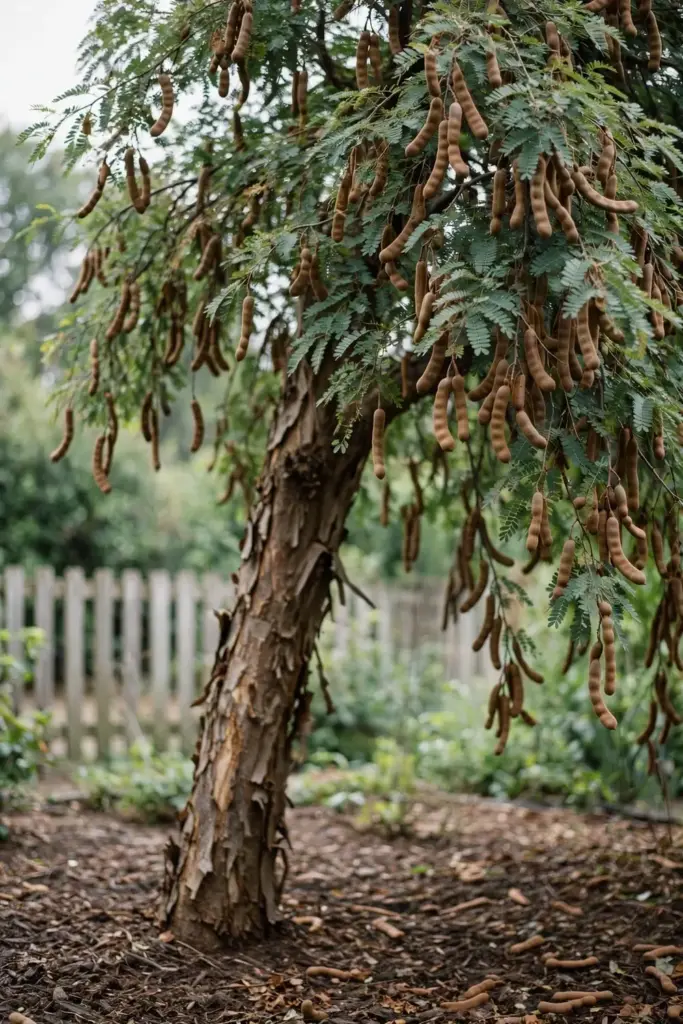
Ripe pods turn brown and brittle, and the shell cracks easily under thumb pressure. In India the main harvest falls between January and April. Pick pods from the tree rather than gathering fallen ones when you can; fallen pods may have absorbed ground moisture or started to spoil.
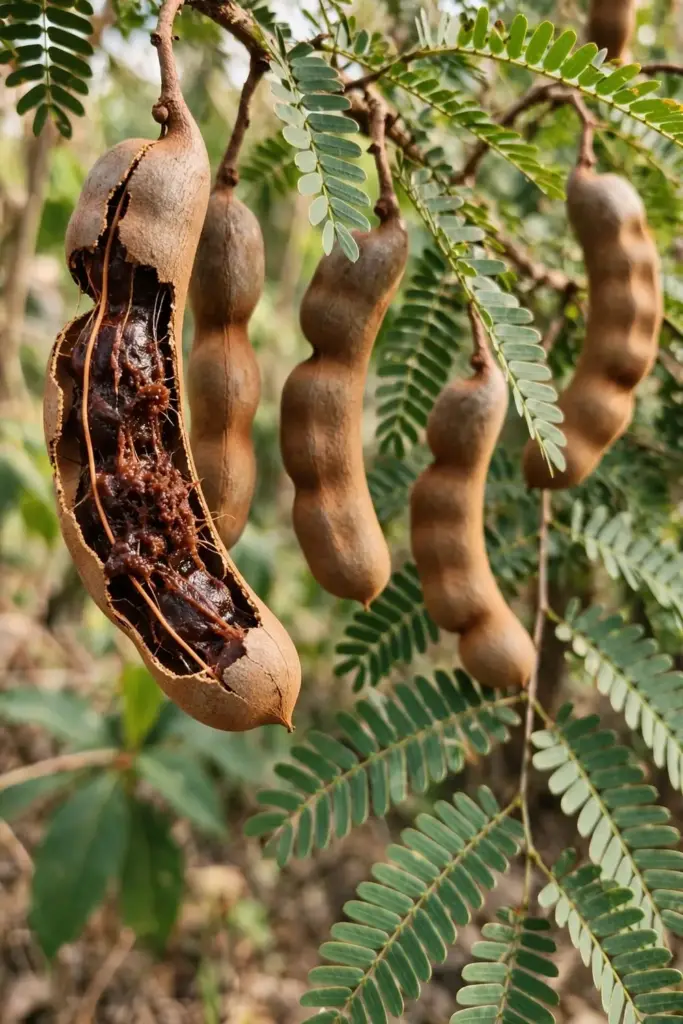
A mature tree can produce 160 kg (365 lbs) of fruit a year, per ECHO’s tamarind sheet, and PFAF records yields of 200 kilos per tree. Well-kept commercial trees are reported higher still. Your home tree will produce less, especially in a container, and that is fine. Taste the first pods before committing to a big processing session; seed-grown trees vary, and you want to know what you have.
Store unshelled pods in a dry, ventilated spot for weeks. Once shelled, the sticky pulp keeps for months in an airtight container in a cool place. One kilogram of fruit holds about 1,800 seeds, per the same ECHO sheet, so save a few pods if you want to start the next generation.
17. Turning Pods Into Usable Imli Pulp
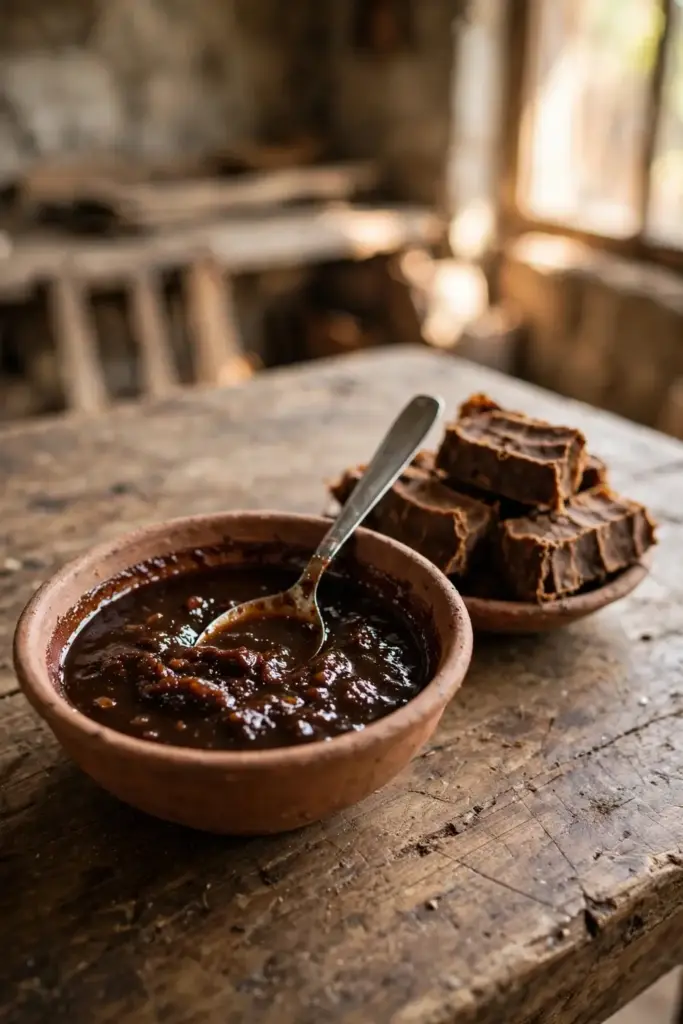
Crack the brittle shells and pull out the sticky brown pulp, discarding shells and seeds. The traditional method is simple: soak the pulp in warm water, work it with your hands until it dissolves, then strain out fibers and remaining seed bits. What passes through the strainer is tamarind water, the base of everything.
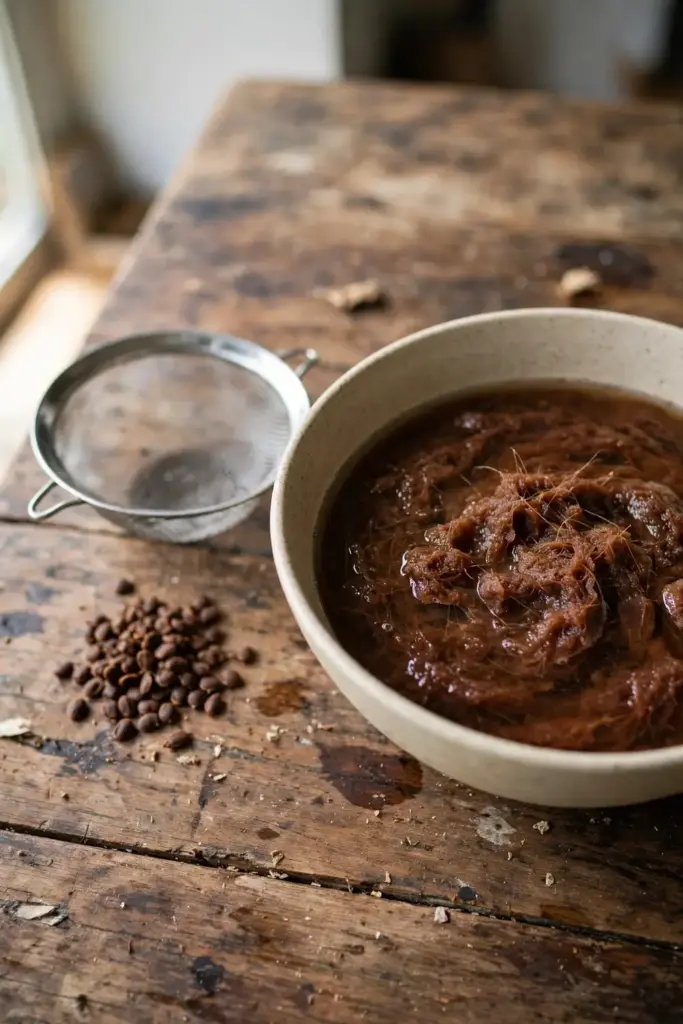
For a thicker concentrate, simmer the strained liquid gently until it reduces by half, then cool and bottle it. Refrigerated, it keeps for weeks; frozen in ice-cube trays, for months. Commercial tamarind paste is the same product standardized, but homemade tastes brighter because it has not been sitting in a jar for a year.
Dried pulp blocks are the traditional Indian pantry form. Press strained pulp firmly into a block, dry it in the sun or a low oven until firm, and wrap tightly. A thumb-sized piece reconstituted in warm water seasons a whole pot of sambar.
18. Imli in the Indian Kitchen
Imli is the sour backbone of much of Indian cooking, and growing your own connects the tree to the table directly. Tamarind chutney, sweet-sour and dark, is the classic: pulp simmered with jaggery, cumin, and a little chili, served with samosas and chaat. Sambar gets its tang from a tamarind base simmered with toor dal and vegetables. Rasam, the thin peppery soup of the south, leans on tamarind water for its sour note.
Start with small amounts. Fresh homemade pulp is more potent than the jarred paste most recipes assume, so halve the quantity the first time and adjust. The flavor you are after is sour first with a dark fruity depth behind it; if a dish tastes flat, it usually needs tamarind, not salt.
19. 7 Mistakes That Waste Years
- Cold stratifying the seed. Tamarind is tropical. A month in the refrigerator does nothing useful; a 24-hour warm soak does everything.
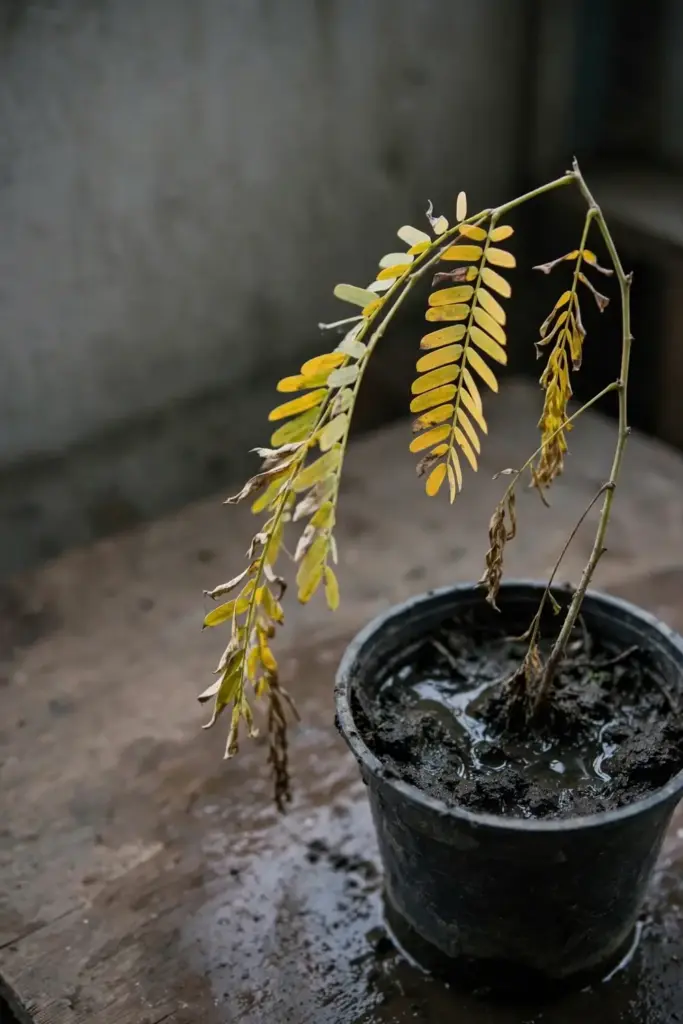
- Planting in heavy, waterlogged soil. Root rot kills more tamarinds than cold does.
- Expecting fruit in year three from a seedling. The honest range is 5 to 8 years, longer in pots.
- Keeping a container tree in a small pot forever. Step up on schedule or growth stalls.
- Buying “tamarind” without checking the Latin name. Manilla tamarind is a different tree.
- Leaving the tree out in the first freeze. Young trees die below 30°F; move pots in at 40°F.
- Overwatering through winter indoors. Wet cold soil rots roots while you are not looking.
20. Troubleshooting
Leaves yellowing and dropping after moving indoors is normal stress. Hold steady on water, keep light bright, and wait for spring.
No flowers after 8 years usually means the tree is too shaded, too cramped, or too young for its conditions. Move it to full sun, repot if root-bound, and be patient one more season before judging.
Pods dropping before ripening points to water stress during pod fill or a nutrient shortage. Deep-water through the dry season and feed in spring.
Trunk soft at the base means rot, almost always from overwatering or planting too deep. This is hard to reverse; take cuttings or start fresh seed and fix the drainage this time.
Slow growth in a container is expected, but stalled growth with pale leaves means the pot is too small or feeding stopped. Repot in spring and resume half-strength liquid feed.
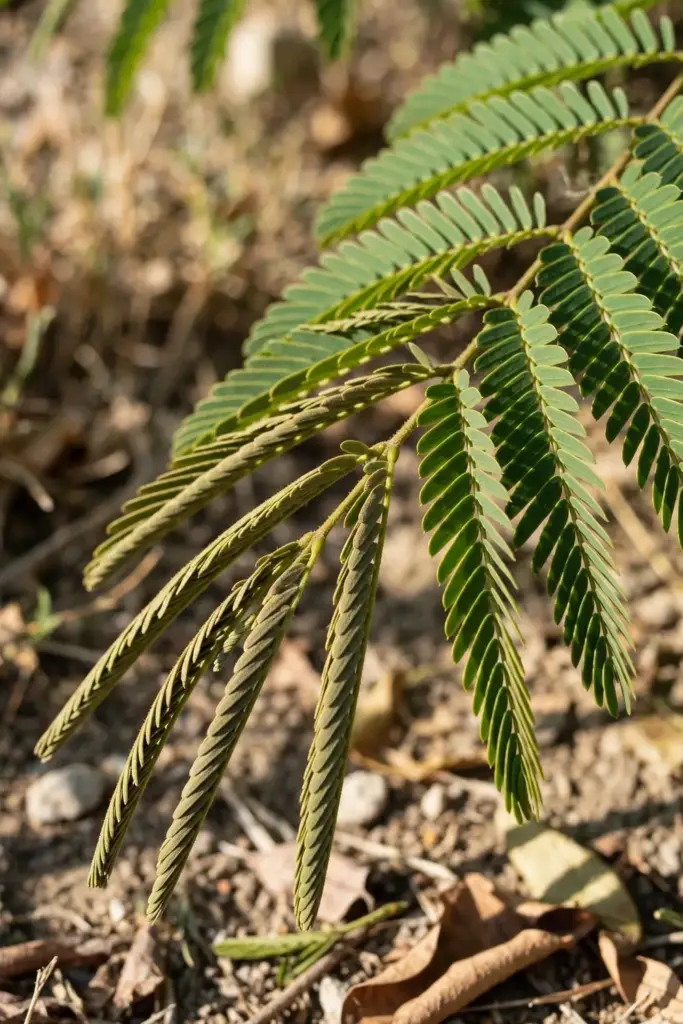
Leaflets folding shut in the afternoon is normal tamarind behavior, not a disease. The feathery leaves close at night and during strong midday heat to conserve moisture. Worry only if leaves stay closed through a cool morning or drop in large numbers, which points to water stress or root trouble.
Frequently Asked Questions
Five to 8 years in warm ground conditions, sometimes stretching to 10 or 14 when the tree is stressed or shaded. Grafted trees fruit in 3 to 4 years. Beyond Forest’s tamarind overview puts full production at 10 to 15 years, with the tree bearing for decades after.
A young tree can live in a large container for years, but a pot is not a forever home. Use a minimum 15 to 20 gallon deep pot, repot every 2 to 3 years, and expect slower growth and later fruit than a ground tree. For fruit in a cold climate, a grafted tree in a big pot is the realistic path.
No. Tamarind is a tropical tree and does not need cold stratification. Soak seeds 24 hours in warm water and sow half an inch deep at 25 to 35°C; germination takes 7 to 21 days. Refrigerating the seed wastes a month.
Young growth takes severe damage at 30°F (-1°C), and dormant trees survive only to about 27°F (-3°C), per PFAF. Anything under 40°F calls for frost cloth on young trees or moving containers indoors. Mature trees handle brief light frosts. Outdoors year-round, tamarind belongs in zones 10 and 11.
No. Manilla tamarind (Pithecellobium dulce) is a different species with different fruit, though nurseries sometimes label it confusingly. True tamarind is Tamarindus indica, the tree whose pods become imli. Always check the Latin name on the tag before buying, because common names overlap and the wrong tree wastes years.
Crack the shells, soak the sticky pulp in warm water, work it with your hands until dissolved, and strain out fibers and seeds. Simmer the strained liquid to concentrate it, then refrigerate or freeze. Dried and pressed into blocks, it is the traditional Indian pantry form.
Where to Go From Here
Tamarind rewards the patient and punishes the hurried, which is why the timeline leads this guide. If you are still deciding, the decision tree is short: warm climate and land, plant a grafted tree in the ground; cold climate, keep a grafted tree in a big pot and bring it in for winter; love of process, start seed and shape a bonsai. However you grow it, the honest timeline is the same, and knowing it on day one is what separates a tamarind grower from someone who just planted a seed. That is how to grow tamarind from India the way it actually works: slowly, deliberately, and with imli at the end.