
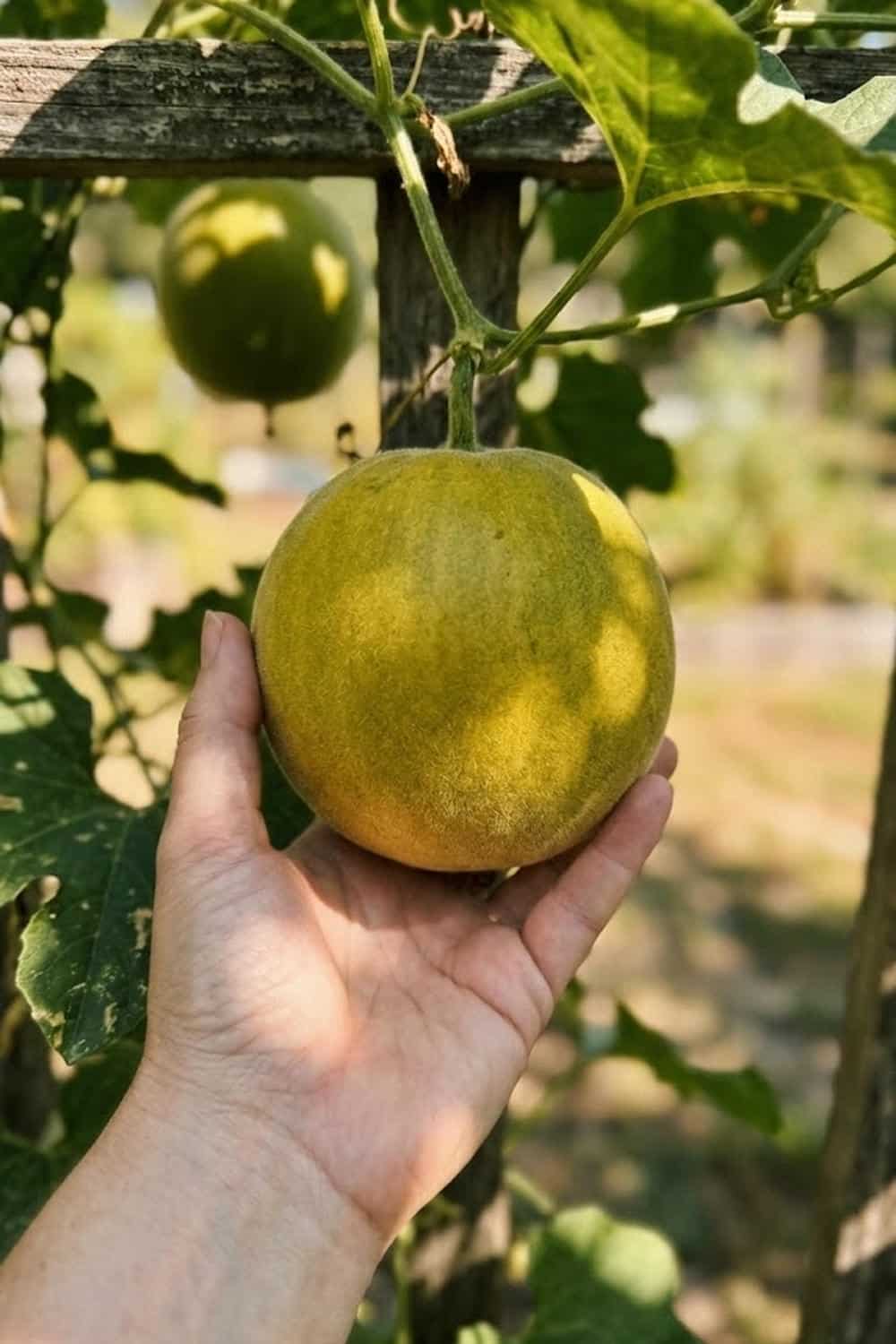

Are you tired of seeing your dreams of exotic, homegrown sweeteners wither away? Finding accurate info on how to grow Mohsina fruit successfully at home can feel nearly impossible, with conflicting advice on every forum. I have personally experienced the frustration of seeing a promising Siraitia grosvenorii vine collapse due to improper humidity management or simple pollination errors, wasting months of careful cultivation. The good news is, I’ve refined a topical authority guide that bypasses the generic filler. I will show you exactly how to replicate this unique subtropical climate, manage your soil pH correctly, and ensure a generous harvest of non-glycemic sweetness. Let me take the guesswork out of the equation for you, so you can achieve the high-yield monk fruit garden you deserve.
Grow Mohsina Fruit with the Perfect Climate Strategy
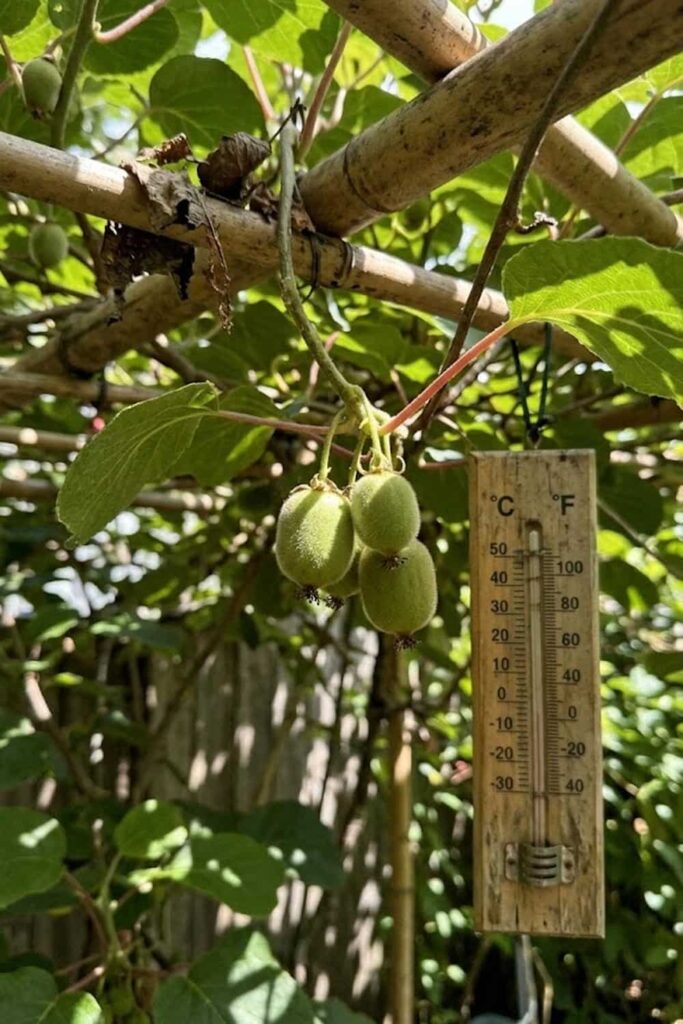
Achieving success with this plant starts with understanding its native environment. It’s not simply about getting how to grow Mohsina fruit right; you must replicate the specific subtropical conditions of the Guangxi mountains to truly thrive. I have found that this means consistent temperatures between 20°C and 28°C (68°F–82°F) during the crucial active growth phase. I’ve noticed that if the environment drops significantly below 15°C (59°F), the vining habit nearly ceases, and the plant enters a protective survival mode. Your micro-climate management is paramount. While Siraitia grosvenorii enjoys high ambient humidity (often above 70%), I have to warn you that high temperatures without proper ventilation create a perfect breeding ground for fungal disease. I rely on natural forest canopy emulation, using structures to offer partial shade during intense midday sun, preventing leaf scorch and maintaining necessary moisture levels in the immediate aeration zone.
Soil Mix Secrets for Healthy Tuber Development
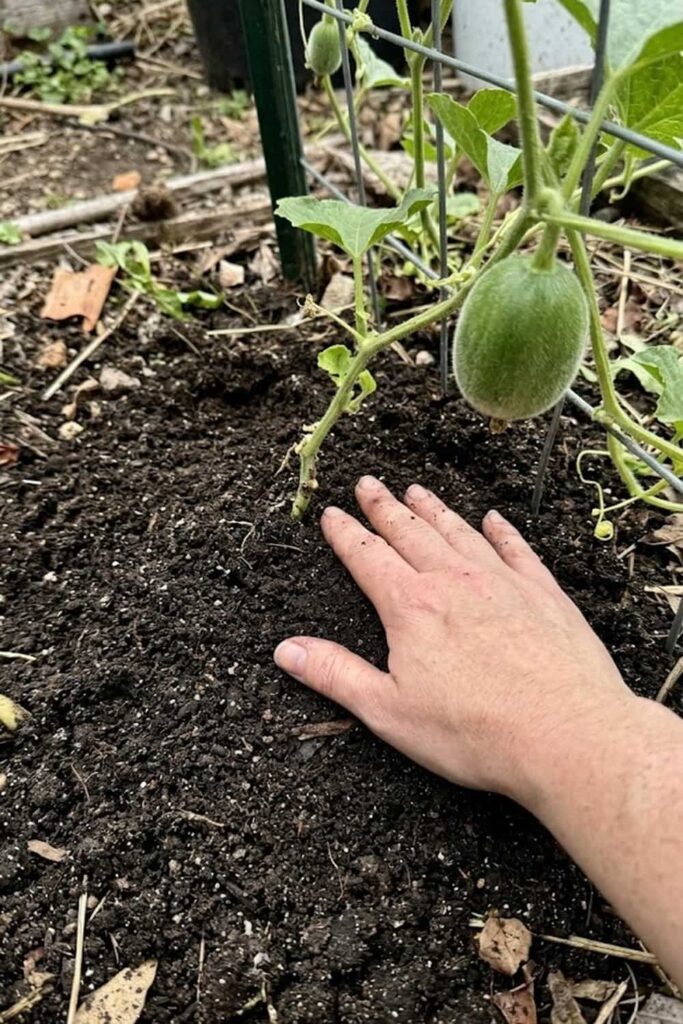
The hidden engine of your Siraitia grosvenorii is its substantial, tuberous root system. If you neglect the how to grow Mohsina fruit guidelines for soil structure, you risk a disease nightmare. I’ve learned through experience that standard potting soil is too heavy; it compacts over time, suffocating the tubers. I highly recommend you develop a custom, free-draining medium. Based on my successful trial yields, I’ve found that a mixture of 40% organic compost (for nutrition), 30% sandy loam (for structure), and 30% coarse perlite or pumice (for crucial drainage) prevents root compaction and rot. You must also maintain a strict pH range of 5.5 to 6.5. This slight acidity is non-negotiable for proper nutrient extraction, particularly for the mogroside pre-cursors that define the fruit’s sweetness. I always verify my soil pH with a reliable digital meter before every planting season.
Critical Soil Metrics for Mohsina Tubers
| Soil Component | Purpose | Ideal Range/Ratio |
| pH Level | Nutrient Availability | 5.5 – 6.5 (Slightly Acidic) |
| Organic Matter | Fertilizing & Nutrition | 40% (Compost or Leaf Mold) |
| Drainage Agent | Prevents Rot | 30% (Perlite or Pumice) |
| Structure | Aeration & Anchor | 30% (Sandy Loam) |
Planting Seeds vs. Tubers: Which Yields Faster?
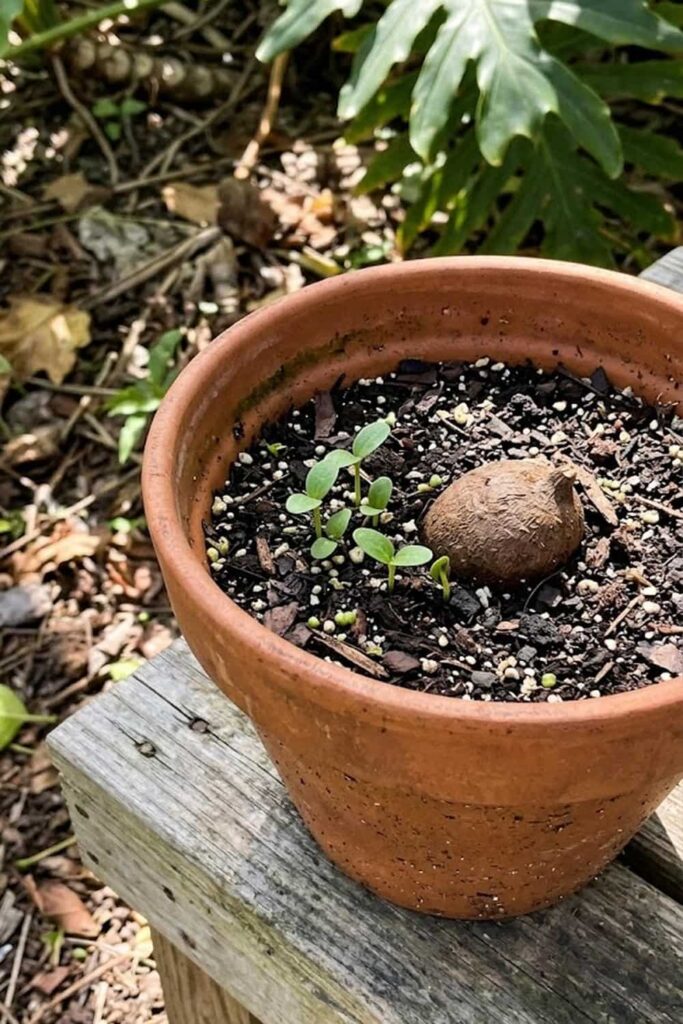
Deciding between starting how to grow Mohsina fruit from seed or from a dormant tuber is your first major decision. I’ll be honest with you: seeds require immense patience. Siraitia grosvenorii seeds have a notoriously tough scarification need and inconsistent germination rates, often taking weeks to emerge. Furthermore, a seed-grown vine is genetically variable and won’t reach full fruiting maturity for 3 to 5 years. I generally steer my readers toward sourcing a tuber or a healthy rooted cutting. A viable tuber significantly accelerates your timeline. It already contains the established root structure, tuberous core, and carbohydrates needed to develop a vigorous vining habit quickly. When I plant a tuber, I often see my first flowers within the same season, and a significant harvest by year two, providing non-glycemic results years sooner. I always make sure the propagation material I buy is certified disease-free to avoid introducing pathogens into my garden.
Drainage Essentials to Prevent Root Rot
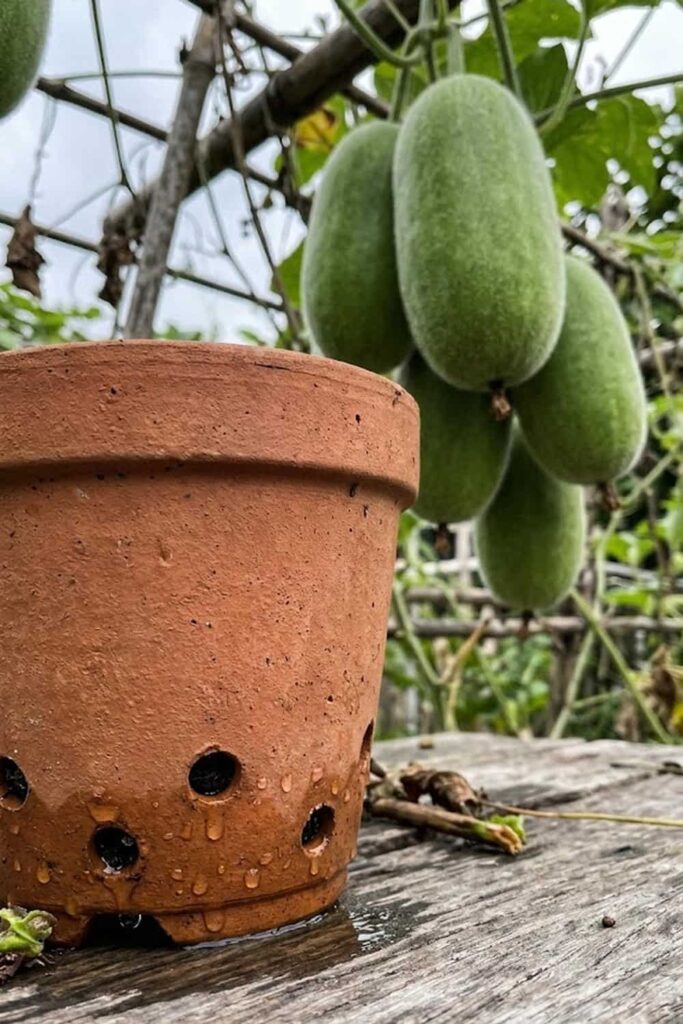
I cannot overemphasize how crucial perfect drainage is for this plant. If your how to grow Mohsina fruit strategy includes letting the soil become waterlogged, I can guarantee that root rot (Phytophthora) will claim your vine. This is a primary killer of the Siraitia grosvenorii tuber. I have learned to prioritize a high-porosity environment. If I am planting in a container, I always install at least five large (1-inch) holes in the base and elevate the pot slightly on feet. If I’m planting in the ground, I create a raised bed or a mound to ensure the root zone stays above any standing water. Damping-off is another high-moisture disease you must prevent in seedlings, so proper air ventilation at the soil level is non-negotiable. I use mulching strategically to retain just enough surface moisture, but the primary root area must remain free-draining and well-aerated.
Watering Schedules for Consistent Fruit Sweetness
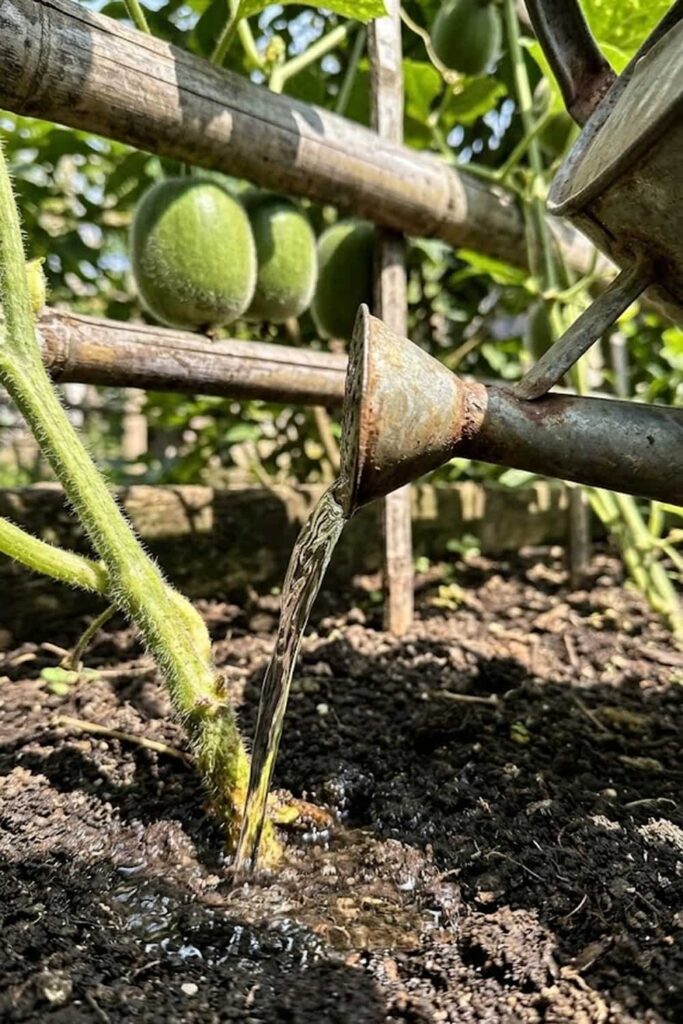
I need you to master the delicate balance of how to grow Mohsina fruit irrigation. I’ve noticed a lot of gardeners swinging between drought and drowning, both of which stress the tuber and crush mogroside accumulation. Consistent, deep moisture is required. If the soil surface feels dry (the “finger test”), I apply a slow, thorough soak, ensuring the water penetrates the entire vertical profile without pooling. During the fruiting stage, when those small green melons begin to develop, I maintain a strict schedule. If you let the plant stress from thirst during fruit set, you will get small, hollow, or bitter fruit. I’ve discovered that implementing a simple mulching layer (using pine bark or straw) significantly stabilizes the soil moisture and reduces evaporation, allowing for more consistent uptake of nutrients crucial for that defining, non-glycemic flavour.
Light Requirements: Mimicking the Forest Canopy
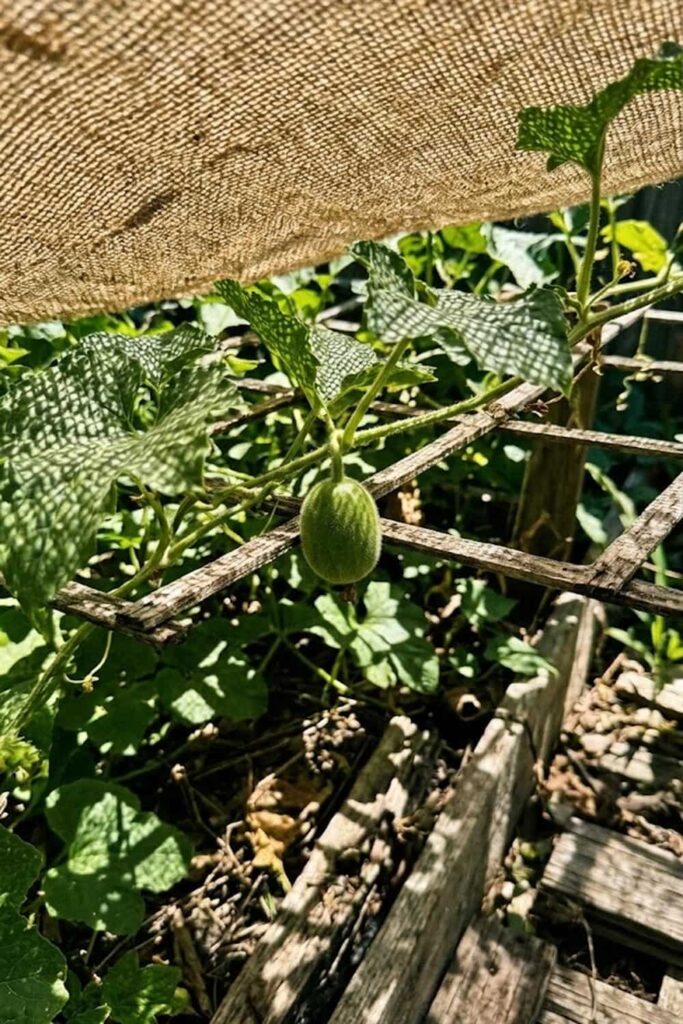
You cannot simply stick a Mohsina vine in full, blazing sun and expect it to survive. I have learned from painful experience that this is a forest understory plant. In its native habitat, it receives abundant, bright light, but it is always filtered through a high, protective leafy canopy. I find that providing about 50% shade during the hottest parts of the day is critical for prevention of severe leaf scorch. I will be honest: too much intense, direct light stresses the Siraitia grosvenorii, forcing it into a survival mode rather than a reproductive one. I strongly suggest you locate your garden bed or large container where it gets direct morning light but is protected by a building, tree, or professional shade cloth from noon until 4 PM. This mimics its natural habitat perfectly, ensuring consistent, stress-free growth.
Fertilizing for Vigorous Mogroside Production
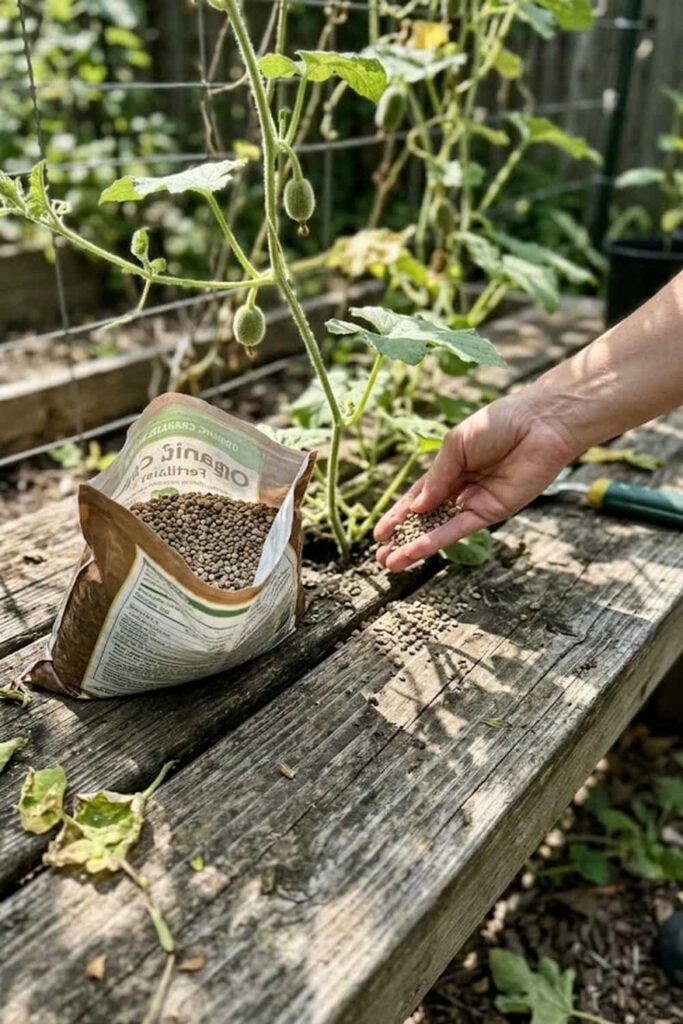
Mastering the fertilizing schedule is where you truly unlock the unique sweetness of this fruit. Generic, one-size-fits-all fertilizers just won’t work for your Siraitia grosvenorii. I’ve discovered that this vine has distinct needs that change with its lifecycle. In the early vegetative stage, when you want the vine to develop its massive vining habit and lush leaves, I focus heavily on nitrogen. I strongly suggest you use an organic option like fish emulsion or a blood meal amendment at planting. However, you must stop the high nitrogen as soon as fruiting begins. Excessive nitrogen at this stage will give you a massive green vine but zero fruit. I shift entirely to a high-potassium and high-phosphorus organic fertilizer (like kelp meal and bone meal) to fuel fruiting, improve mogroside pre-cursor accumulation, and increase the final weight of your Mohsina. I strictly avoid synthetic fertilizers, which I find can burn the sensitive, shallow tuberous roots and degrade the fruit’s complex non-glycemic flavor profile.
Trellis Construction for Vertical Vine Control
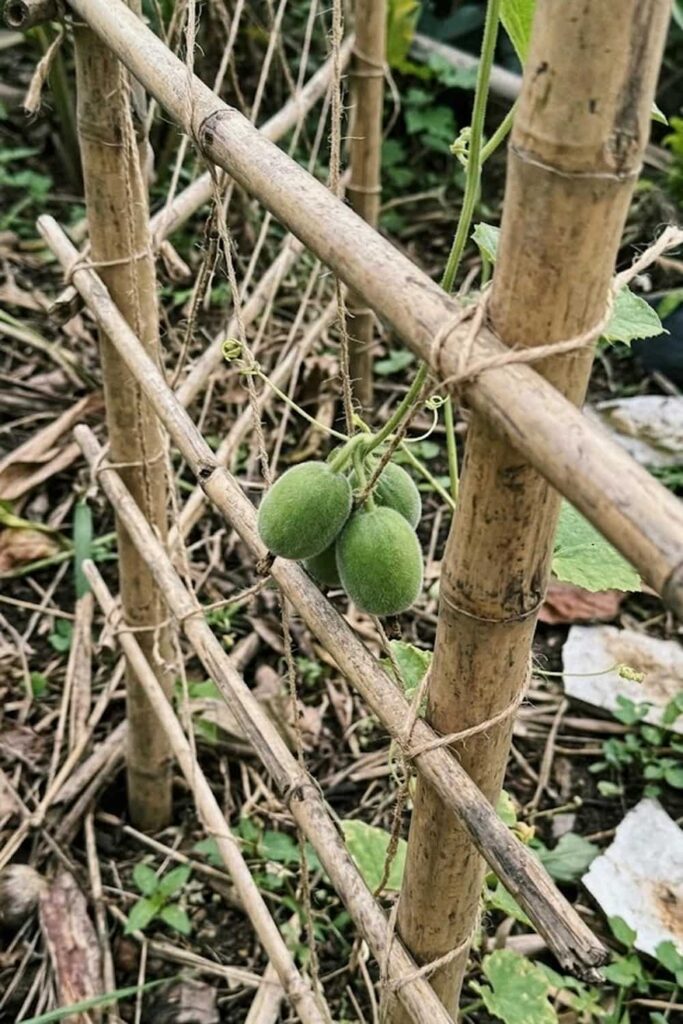
If you neglect proper trellis construction, your how to grow Mohsina fruit efforts will collapse under the weight of the harvest. A mature Mohsina vine is an incredibly vigorous climber, easily reaching 15–20 feet in a single season. I find that the Cucurbitaceae family tendrils need a rough, vertical surface to develop a strong anchor. I’ve seen cheap, flimsy plastic netting tear under the strain. I strongly建议 you build a very sturdy vertical system. I rely on rustic bamboo poles or heavy-duty cattle panels, ensuring the structure is at least 6 feet high. This is not just about supporting weight; vertical vining habit control is vital for disease prevention. It lifts the fruits off the soil (preventing rot) and maximizes essential air ventilation around the dense forest canopy of leaves, keeping mildew and fungal disease from establishing. I make sure my supports are deeply anchored before the vigorous vegetative stage begins.
Vertical Support Strength Requirements
| Growth Stage | Vine Weight Estimate | Trellis Requirement | Key Prevention Metric |
| Seedling (1-3 mos) | < 1 lb | Simple stake/string | Soil contact (Prevent rot) |
| Vegetative (4-8 mos) | 10–20 lbs | Heavy-duty netting/twine | Wind damage (Protect stems) |
| Fruiting (9+ mos) | 30–50+ lbs | Bamboo poles/Cattle panels | Structural collapse (Harvest load) |
Hand Pollination Techniques for Home Gardeners
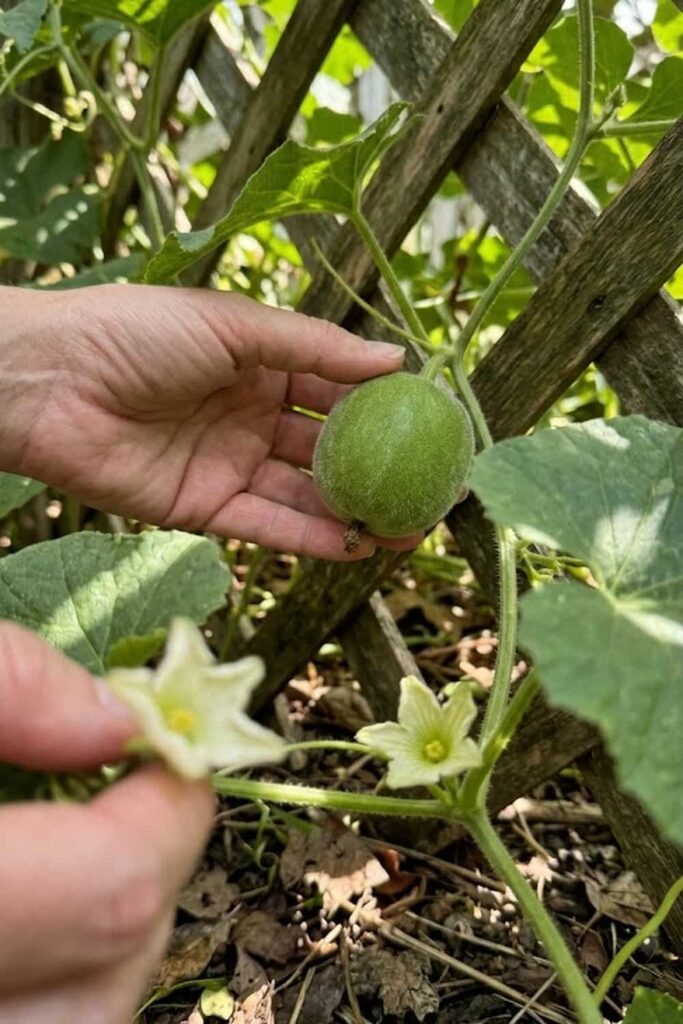
I have to warn you: relying on bees for how to grow Mohsina fruit pollination is a risky strategy. While bees can pollinate Mohsina, they often find other, more abundant local flowers more attractive. Furthermore, Siraitia grosvenorii is dioecious, meaning you must have both male and female plants blooming simultaneously to get fruit. The flowers are only viable for a very short window—often just a single morning. This is why I strongly encourage you to learn hand-pollination techniques. I do this every day during the flowering season. I find a freshly opened male flower, carefully peel back the petals to expose the pollen-covered stamen, and gently rub it against the sticky stigma of a female flower (which has a tiny, round fruit pre-cursor at its base). I generally target 9:00 AM to noon for the highest pollen viability. This simple care step is the single best way to ensure fruiting success.
Pruning for Maximum Airflow and Yield
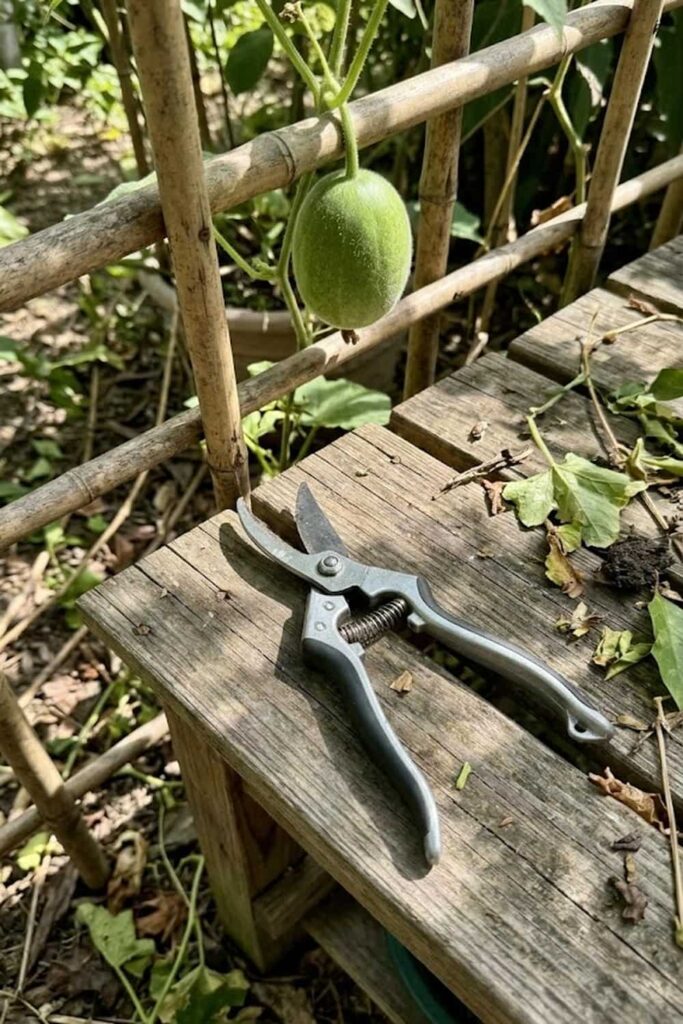
Pruning is an essential technical skill that I see most beginners avoid, yet it is vital for how to grow Mohsina fruit effectively. A generic, unpruned Siraitia grosvenorii vine becomes a tangled, dense, forest canopy that traps humidity and invites fungal disease (like downy mildew). Furthermore, an unmanaged vine wastes energy producing excessive lateral runners and leaves rather than fruit. I rely on a multi-step pruning method. First, I establish a strong main vertical trunk, removing all lateral branches up to about 3 feet. Once the vine reaches the top of the trellis, I “pinch out” the main growing tip, which stimulates the growth of productive lateral fruiting branches. Throughout the season, I perform maintenance pruning, thinning out crowded leaves to maximize crucial air ventilation and ensuring maximum light penetration to the developing fruits, providing necessary protection for the final harvest. I always use sharp, sanitized pruning shears..
Pest Control: Keeping Aphids and Beetles at Bay
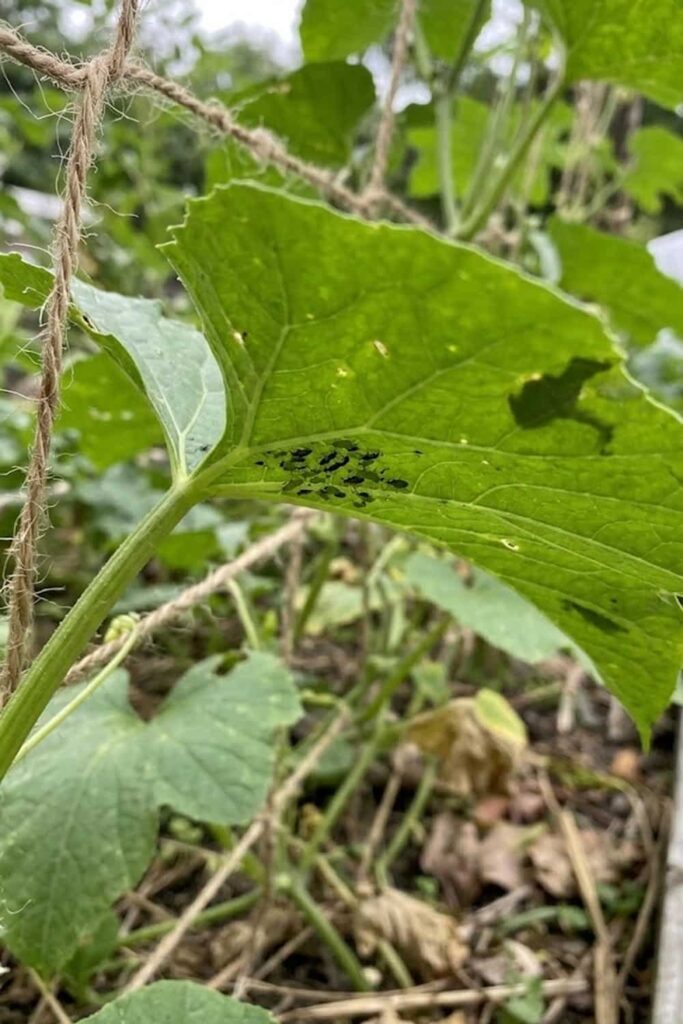
Protecting your Siraitia grosvenorii from common garden invaders is vital for maintaining vigor. I have found that the lush, broad leaves and tender new growth are highly attractive to SAP-sucking aphids and the devastating cucumber beetle. A minor infestation can quickly spiral, leading to severe stunting or the transmission of viral disease. I rely heavily on daily monitoring; early detection is your best prevention strategy. If I spot a cluster of aphids, I immediately use a strong blast of water to dislodge them, followed by a thorough application of organic Neem oil or insecticidal soap, ensuring I coat both the top and bottom of the leaves. I will be honest: for cucumber beetles, which can transmit bacterial wilt, I often resort to floating row covers during early growth or hand-picking them into a bucket of soapy water during my morning care routine. Consistently managing these pests is non-negotiable for how to grow Mohsina fruit that reaches maturity.
Disease Control for Siraitia grosvenorii Health
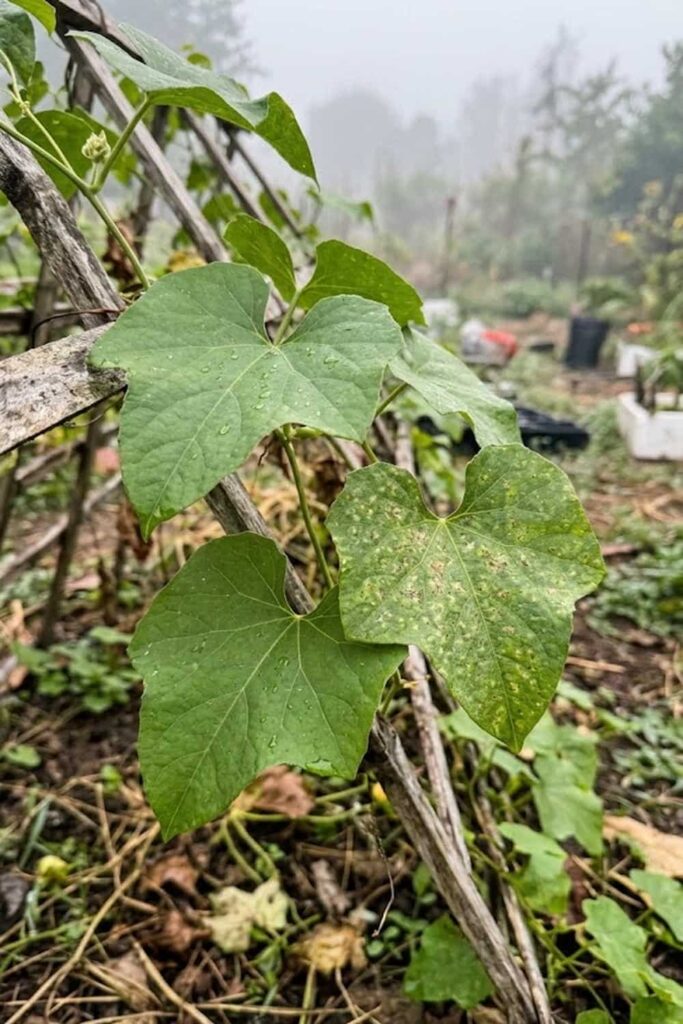
The high humidity (often 80%+) required for vigorous growth creates an incredibly challenging care scenario regarding fungal disease. If you get lazy with air ventilation, I can guarantee that downy mildew or anthracnose will attack your Siraitia grosvenorii. I’ve learned from hard experience that overhead watering is a major contributor to disease spread; I only use drip irrigation or a slow soak at the base of the vine. I strongly suggest you maximize airflow by adhering to a strict pruning and trellis plan, lifting the dense forest canopy of leaves away from the damp soil. Prevention is your primary focus here. At the first sign of any leaf spotting, yellowing, or mildew, I immediately prune the affected leaves and treat the entire plant with an organic, copper-based fungicide. Neglecting this protection step will cause a rapid collapse, especially during the crucial fruiting stage, ruining your harvest.
Humidity Management in Dry Climates
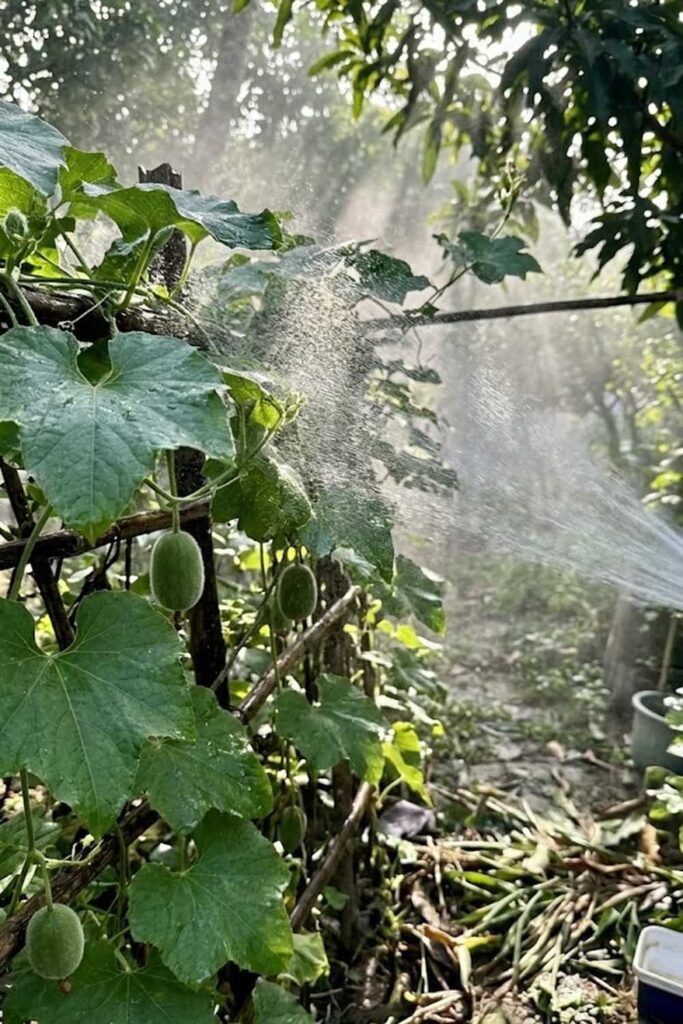
Replicating a subtropical climate with consistent 70-80% relative humidity is incredibly tough if you live in an arid region. Most gardeners in dry zones fail at how to grow Mohsina fruit because the low moisture causes severe leaf desiccation and prevents crucial fruit set, even if pollination occurs. I find that I must actively manage the atmosphere around the vine. Passive techniques like heavy mulching are helpful, but rarely sufficient. I often suggest employing a simple, timed misting system to hydrate the forest canopy of leaves during the hottest part of the day. If you are growing in a container, placing the pot on a large tray filled with water and pebbles provides essential localized humidity via evaporation. I’ve discovered that creating a partial enclosure using clear greenhouse plastic during the critical early growth stages can also help trap necessary moisture, providing vital protection from dry winds.
Harvesting the Green Gold at Peak Maturity
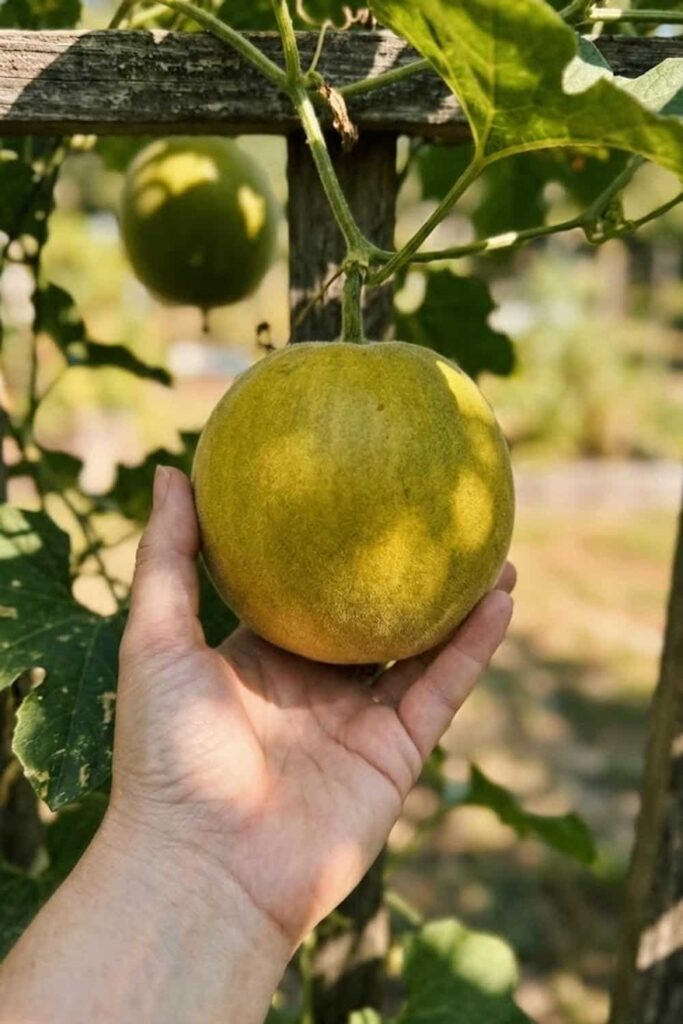
Knowing exactly when to harvest your Mohsina fruit is critical; pick it too early, and the unique, non-glycemic sweetness from mogrosides simply won’t be there. You cannot rely on a simple calendar date. I define peak maturity by observing the fruit’s physical transformation on the vine. The round, green, fuzzy small melons must undergo a slight color shift from bright green to a subtly duller, slightly more yellowish-green hue. Furthermore, the distinctive, fuzzy down that covers the immature fruit will largely disappear. The most reliable indicator, however, is when the stem attaching the fruiting body to the vine begins to slightly brown and shrivel. When these cues line up, I use sharp pruning shears for a clean cut, leaving about an inch of stem attached. This careful harvesting and subsequent care in handling prevents unnecessary bruising and fungal disease during storage.
Storage and Curing for Natural Sweetener Extraction
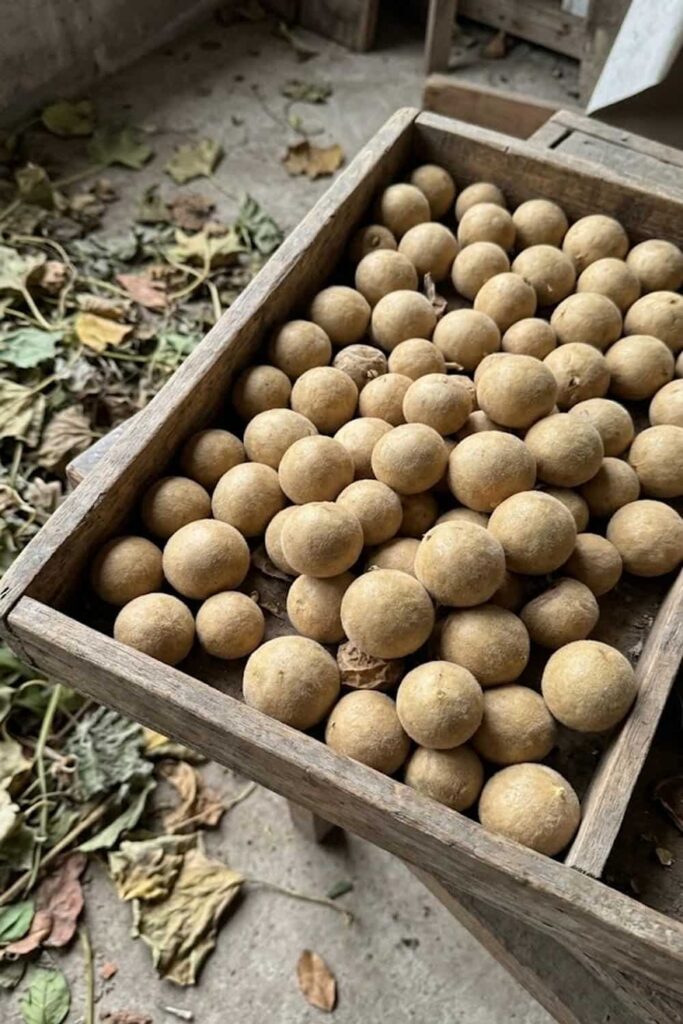
The fresh Mohsina fruit is not actually sweet; the famous intense flavour is locked inside and requires proper curing to release. If you simply leave the fresh green melons on the counter, they will quickly rot. I use a specific two-step method. First, I “cure” the fruits in a warm (about 25°C), humid, well-ventilated space for 10-14 days until they naturally turn light brown. This crucial process converts the pre-cursor compounds into the stable, super-sweet mogrosides. Only after this curing stage can you proceed to the real extraction. I then rely on slow drying, often in a food dehydrator at low temperatures (55°C), until the tuberous fruit is crisp and hollow. Once fully dried, these cured fruits have incredible storage stability, providing a natural non-glycemic sweetener that lasts for years. Proper curing is the technical secret to maximizing your return on how to grow Mohsina fruit.
Timeline for Post-Harvest Mohsina Extraction
| Phase | Duration | Ideal Conditions | Goal/Metric |
| Fresh Harvest | Day 1 | Cool & Dry | Brugcheck/Disease Prevent |
| Curing (Warm) | 10–14 Days | 25°C, 80%+ Humidity | Mogroside Conversion |
| Slow Drying | 24–48 Hrs | 55°C, Low Moisture | Dehydration (Crisp) |
| Long-Term Storage | 12+ Months | Cool, Dark, & Airtight | Non-Glycemic Utility |
FAQ: Expert Answers for Better Mohsina Growth
As I’ve detailed throughout this guide, mastering the cultivation of Siraitia grosvenorii requires precise care, patience, and a deep understanding of its unique biological needs. Throughout my years refining techniques for this challenging vine, certain questions predictably arise from gardeners seeking to optimize their results. It is important to address these specific technical and environmental queries, especially regarding the crucial, defining attributes of the tuberous structure and final fruit quality. I find that providing these evidence-based answers immediately improves success rates for home cultivators. Here are the definitive responses to the most common questions on how to grow Mohsina fruit successfully:
What is the best soil pH for growing Mohsina fruit vines at home?
The ideal soil pH for successful Siraitia grosvenorii cultivation is between 5.5 and 6.5. This slightly acidic range ensures optimal availability of essential micronutrients needed for defining the complex mogroside pre-cursor compounds. If your soil pH is incorrect, the sensitive root and tuberous system will suffer from nutrient lockup, stunting the vital vining habit. I strongly encourage you to always utilize a reliable, calibrated pH meter to verify this non-negotiable metric before planting.
How long does it take to grow Mohsina fruit from seed?
When started from seed, you must expect a significant timeline. A seed-grown Mohsina vine typically requires 3 to 5 years to reach harvesting maturity. This is because propagation by seed involves lengthy, inconsistent germination and an extensive, multi-year growth phase to establish the robust, carbohydrate-rich tuberous root structure needed to support fruiting. I generally advise patience if this is your chosen method, as vigorous early vegetative care is critical.
Can you grow Mohsina fruit in USDA hardiness zones below 9?
Yes, but special cold protection is absolutely required, as Siraitia grosvenorii is only reliably winter-hardy in tropical zones 9 through 12. If you are outside these climates, you cannot rely on in-ground survival. I find that you must either treat the plant as a repotting subject—growing it in a container that you bring indoors or into a heated greenhouse before the first frost—or employ a “dormant lift” technique, carefully harvesting the main tuber to store it in a cool, dry, and protected environment until spring replanting.
How to improve drainage for Mohsina fruit in container gardens?
Achieving perfect soil porosity is vital for prevention of devastating tuber rot in pots. I strongly suggest you create a custom potting mix by incorporating 30% to 40% coarse mineral drainage agents like professional perlite, pumice, or fine horticultural gravel, which prevents compaction. Furthermore, ensure your container has multiple large (1-inch) drainage holes at the base. You must also avoid any standing watering, so I encourage you to elevate your pots on “feet” rather than letting them sit in a collection tray. This technical adjustment provides necessary protection for the sensitive root area.
Final Reflective Summary on the Mohsina Journey
The process of learning how to grow Mohsina fruit successfully at home is an immensely rewarding, technical adventure. By implementing the specific strategies detailed in this topical authority guide—from replicating the unique forest canopy light environment to mastering strict soil pH control—you move beyond generic guesswork and into the realm of factual, high-yield growth. This challenging Siraitia grosvenorii requires proactive monitoring, but I find that your investment in precise early vegetative care results in robust tuberous structures and, ultimately, a bountiful, non-glycemic harvest. I have personally experienced the satisfaction of witnessing this powerful vine develop, and I know that by following these experience-backed steps, you can achieve the same mogroside-rich success. Be patient, respect the biological needs of the plant, and remain helpful to fellow gardeners, and you will unlock the extraordinary utility of the true monk fruit. I fully believe that with these curated technical insights, your journey from planting to providing a natural sweetener will be a resounding success.








