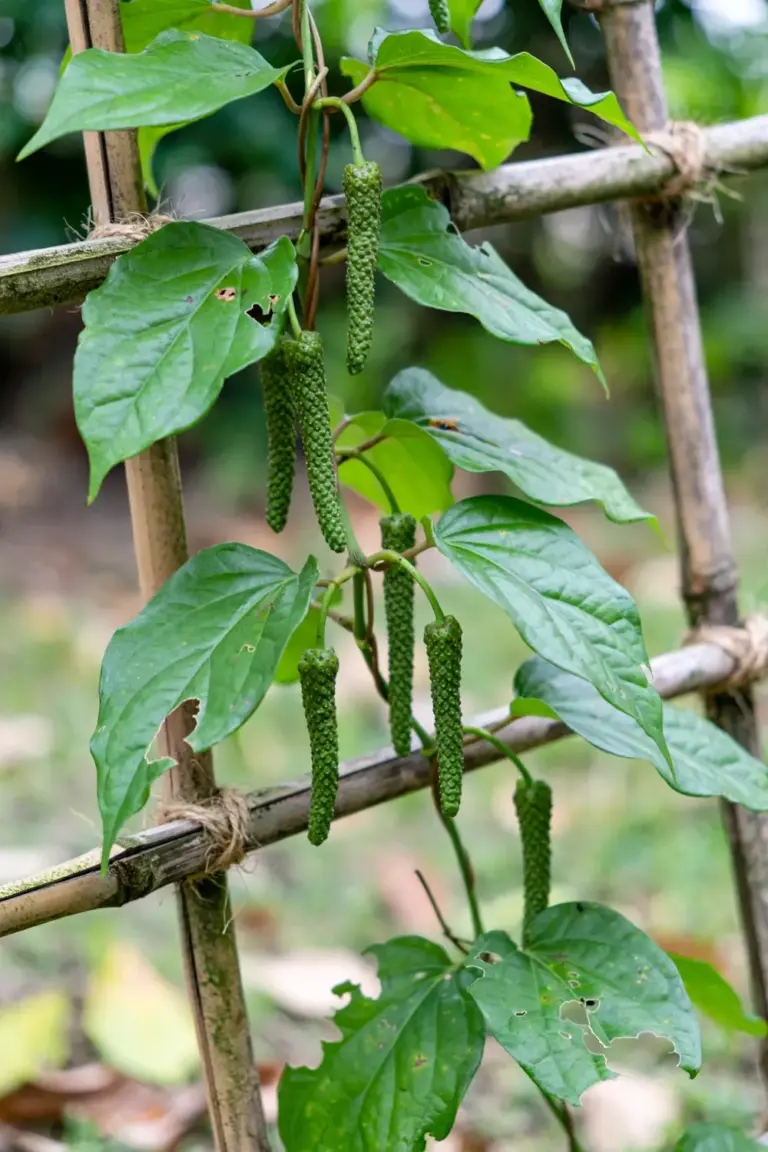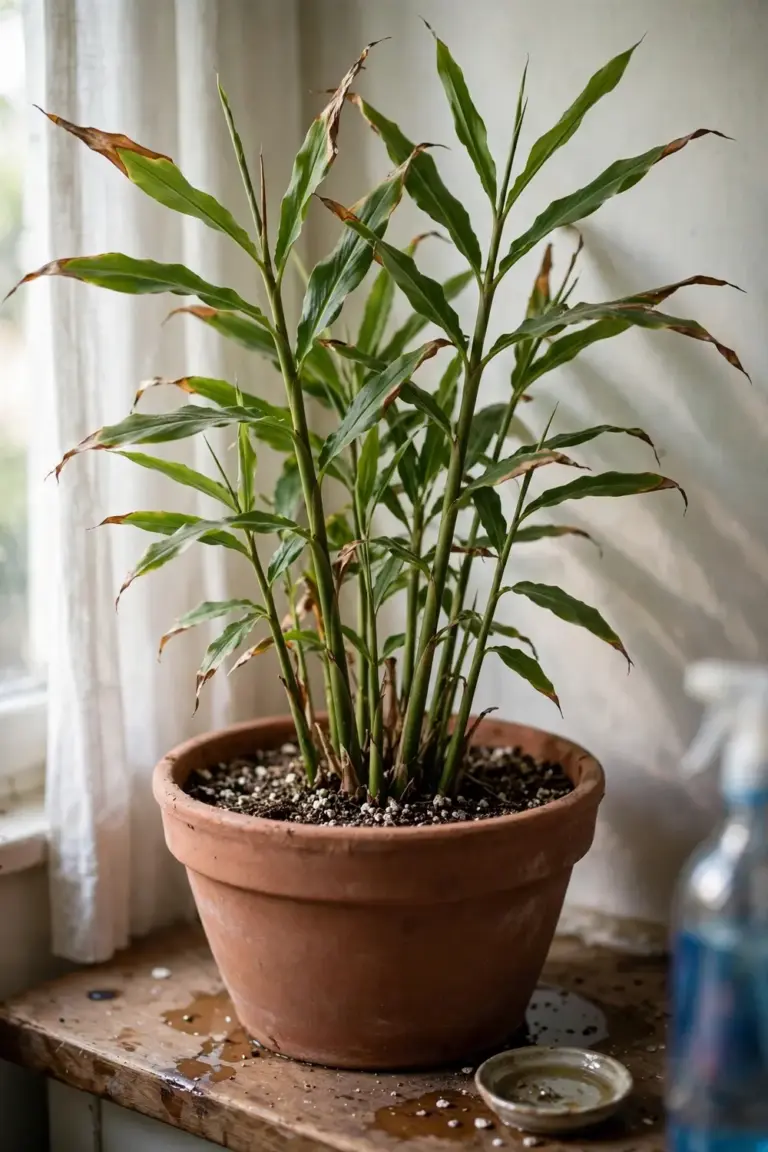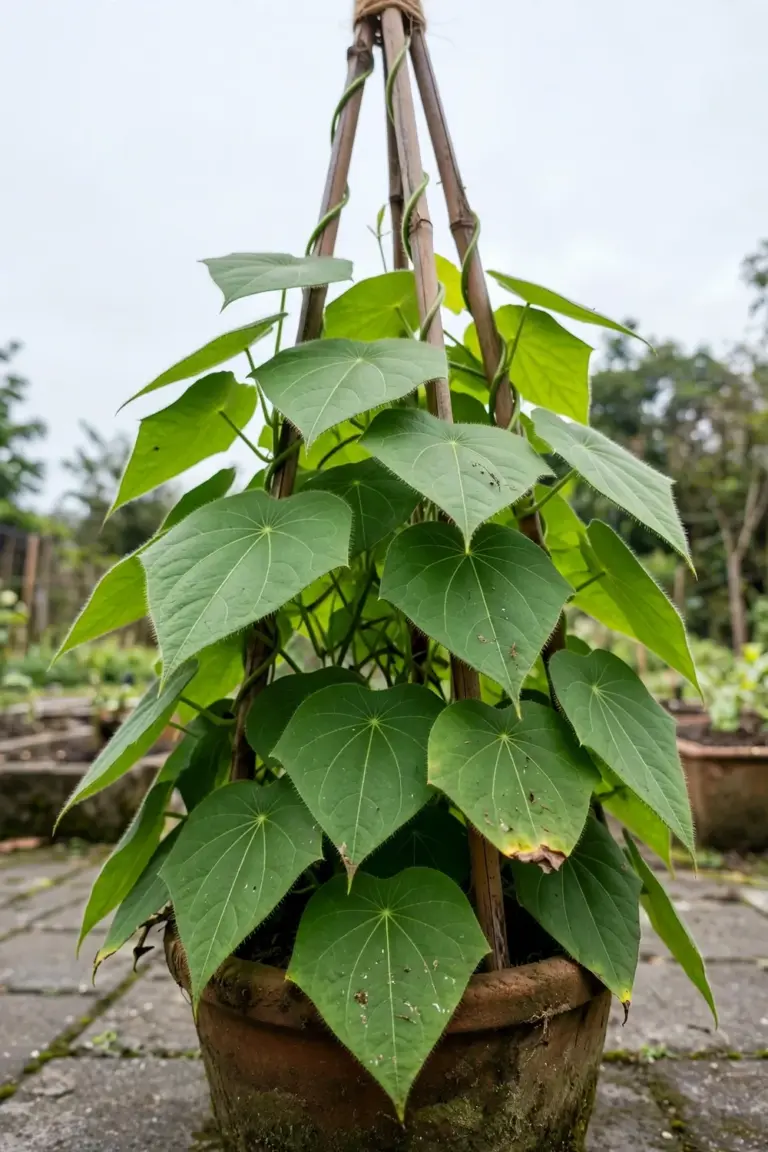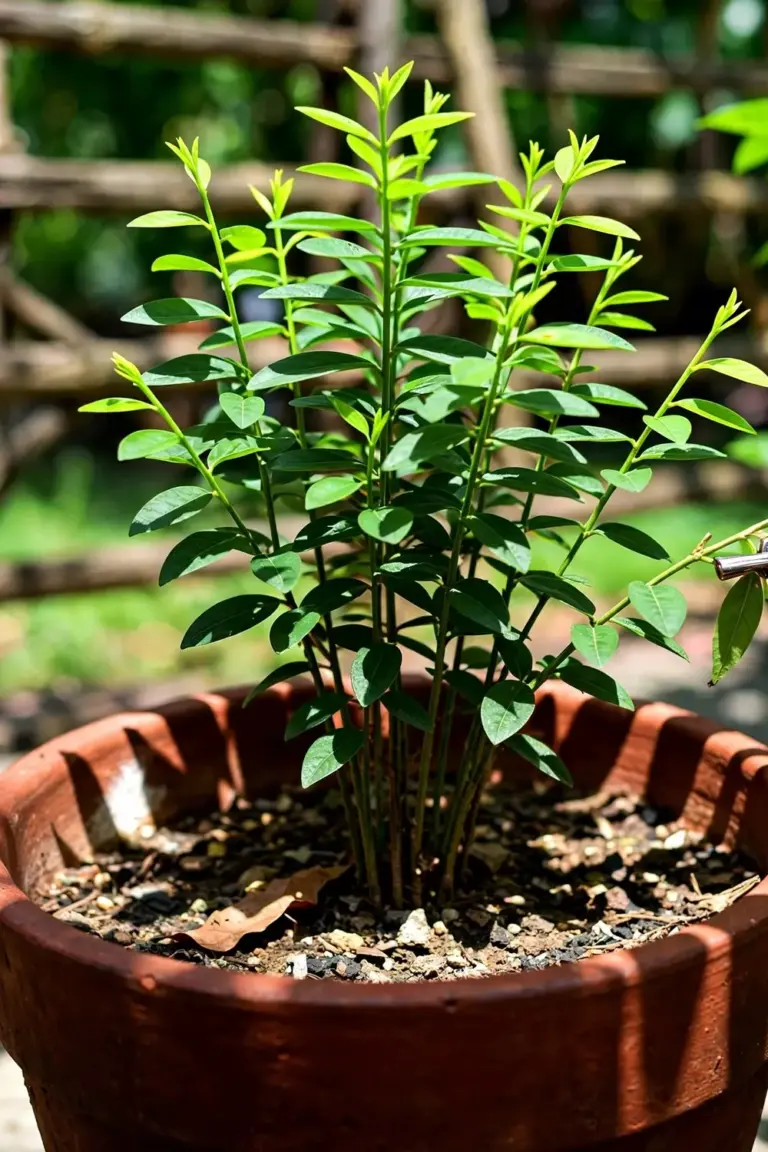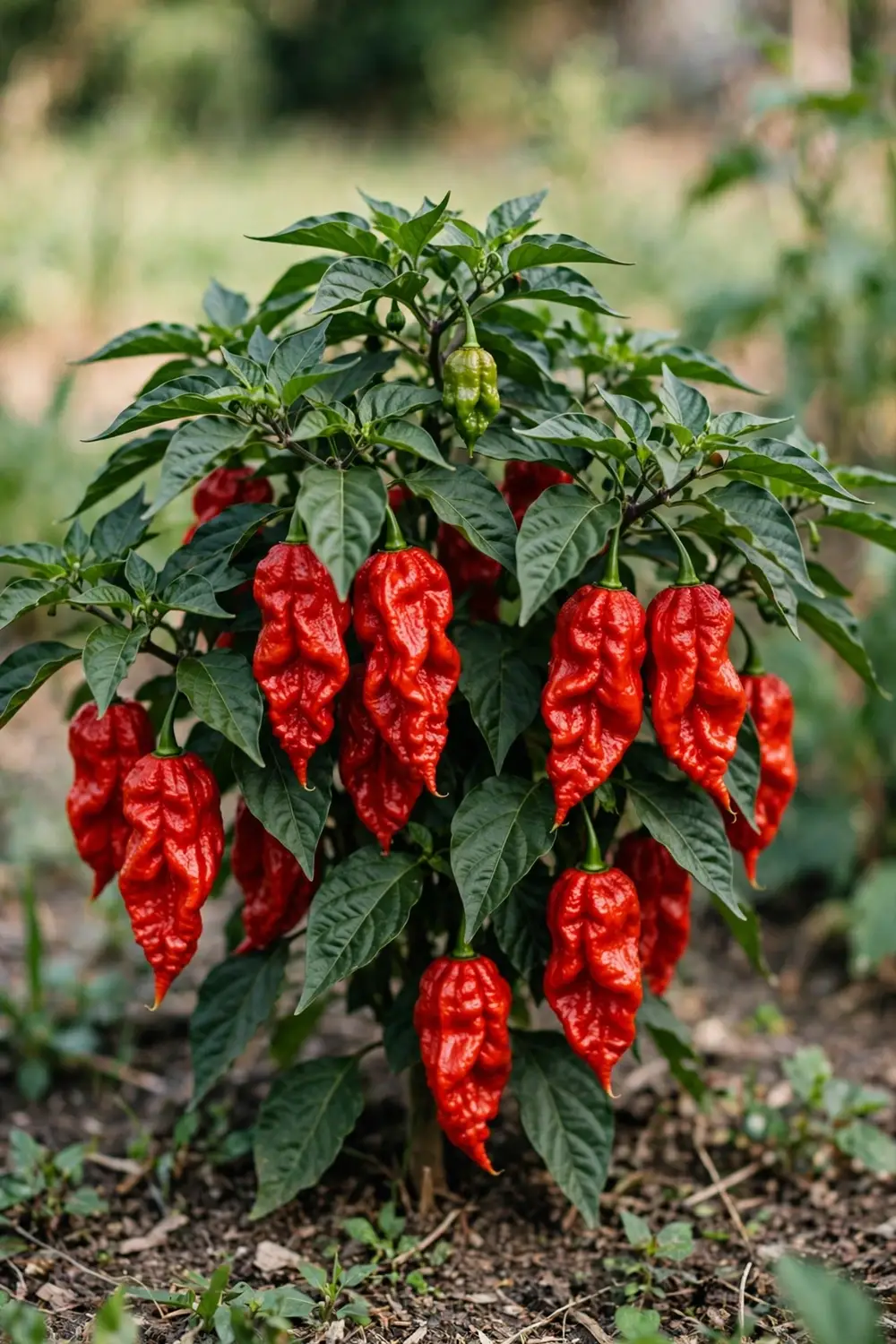

Growing ghost peppers takes 120 to 160 days from seed to ripe pods. Difficulty is moderate to hard: the plant itself is easy, the germination and the season length are not. Start seeds indoors 8 to 10 weeks before your last frost, on a heat mat, and expect sprouts in 10 to 40 days.
Bhut jolokia is the ghost pepper of Assam and Nagaland, a Capsicum chinense that once held the Guinness World Record for heat at 1,001,304 Scoville Heat Units. Anyone researching how to grow bhut jolokia from India should know this: it is not a milder chili with a scary name. Treat it like the 1M+ SHU plant it is, and it rewards you with hundreds of wrinkled, slow-burning pods per plant.
Here is how to grow bhut jolokia from India in your own garden or in pots. The hard part is the first month. Get germination right, give it a long warm season, and the plant does the rest.
1. How to Grow Bhut Jolokia From India: The Long-Season Truth
Learning how to grow bhut jolokia from India starts with calendar math. This is a tropical perennial grown as an annual in most climates, and it needs 100 to 160 days of warm weather from sowing to ripe pods. Growers with short summers should start indoors 8 to 10 weeks before the last frost and plan to overwinter one strong plant for year two.
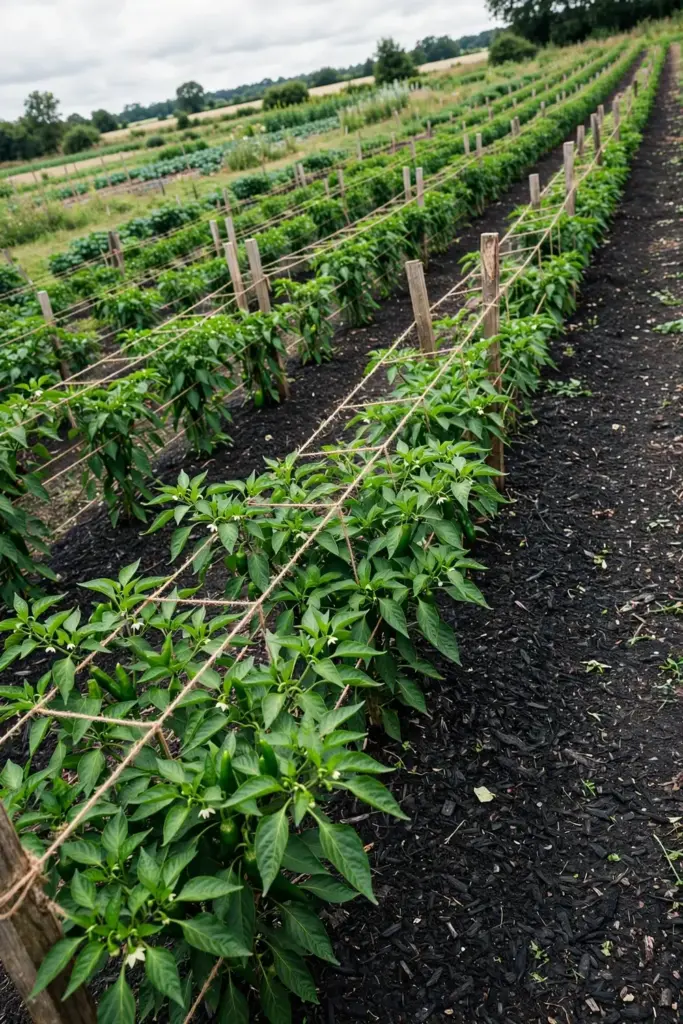
The plant wants heat plus humidity, the combination Assam gives it naturally: roughly five months of high humidity and warmth, with daytime temperatures in the 21 to 32°C range. Indian agricultural media puts the germination sweet spot at 27 to 32°C, with sprouts taking about 35 days in warm soil. If your climate cannot deliver a long hot summer, pots are not a compromise. They are the strategy: move the plant indoors when nights drop.
Cold is the hard stop. Never let the plant sit below 60°F (15°C), and transplant outdoors only when nights stay above 12°C (55°F). One cold week stunts a ghost pepper for the season.
2. Ghost vs Reaper vs Scorpion: The Superhot Comparison
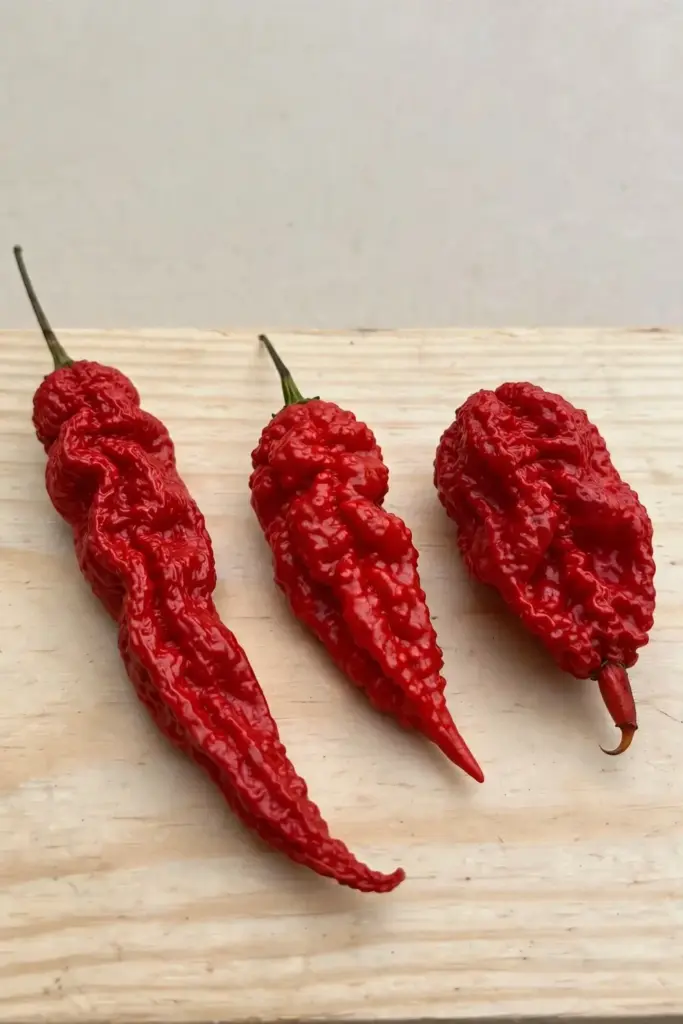
Three peppers get confused at the top of the heat scale, and the confusion costs growers money on mislabeled seed. Only one of them is the ghost pepper. Know the three before you buy.
| Pepper | Typical SHU | Origin | What growers notice |
|---|---|---|---|
| Ghost pepper (bhut jolokia) | 855,000 to 1,041,427 | Assam and Nagaland, India | Wrinkled pods, slow-building smoky burn, fruity aroma |
| Trinidad Moruga Scorpion | 1,200,000 to 2,009,231 | Trinidad and Tobago | Immediate sharp burn, slightly smaller pods |
| Carolina Reaper | 1,400,000 to 2,200,000 | South Carolina, USA | Fruity upfront, delayed intense burn |
Lab-tested roundups place the ghost at 800,000 to 1,041,427 SHU, the Reaper at 1,400,000 to 2,200,000, and the Moruga Scorpion at 1,200,000 to 2,009,231. The ghost was the first pepper to break 1 million SHU and held the world record from 2007 to about 2012. It has been dethroned twice since, but it remains the benchmark superhot for home growers because its seeds are widely sold and its plants are vigorous.
Buy seed labeled with the exact cultivar name and the Latin species. If a packet just says “hottest pepper” with no Latin name, close the tab.
3. Capsicum Chinense, Not Annuum: Know Your Species
Bhut jolokia is Capsicum chinense. Kashmiri, Guntur, and Byadagi chillies are Capsicum annuum. Different species, different plants, different growing habits. Never conflate them in your head or your garden plan.
The taxonomy has one honest wrinkle. A peer-reviewed HortScience study found bhut jolokia to be a putative naturally occurring interspecific hybrid, most likely C. chinense crossed with C. frutescens. That hybrid origin explains the wrinkled pod shape and the slow-building burn that creeps up like the “ghost” in its name. For the home grower, the practical takeaway is simple: save seed only from isolated plants, because crosses drift fast.
“Naga” names overlap in commerce. Naga Jolokia and Bih Jolokia are trade synonyms for bhut jolokia. Naga Morich is a related but distinct Bangladeshi variety. Read the packet, not the nickname.
4. Tools and Materials for the Job
You need six things: fresh seed from a named source, a seedling heat mat with thermostat, a seed-starting tray with a humidity dome, sterile seed-starting mix, a full-spectrum grow light, and nitrile gloves for harvest day.
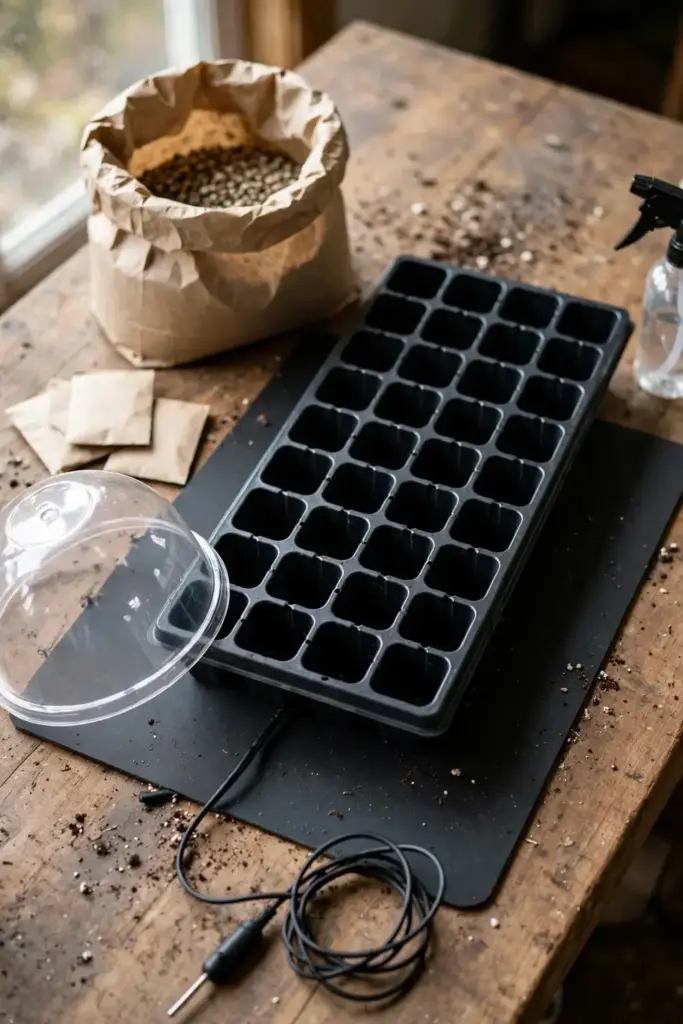
The heat mat is non-negotiable. Room temperature in most homes sits at 68 to 72°F, far below the 80 to 90°F germination window. A mat with a thermostat probe holds the soil steady without cooking it. The humidity dome keeps the surface from drying between waterings. A cheap spray bottle beats a watering can for the first month because it cannot flood the cells.
Five-gallon pots or larger handle the container route. Smaller pots work for seedlings and for overwintering, but a fruiting ghost pepper wants at least 3 gallons of soil, with 5 gallons as the comfortable ideal.
5. Buy Isolated Seed, Not Mystery Seed
Seed quality decides your season before it starts. Buy from a specialist pepper seed seller who names the cultivar, the species, and ideally the isolation distance or method. Open-pollinated superhots cross readily with any nearby pepper flower, and crossed seed grows plants that look right but burn wrong.
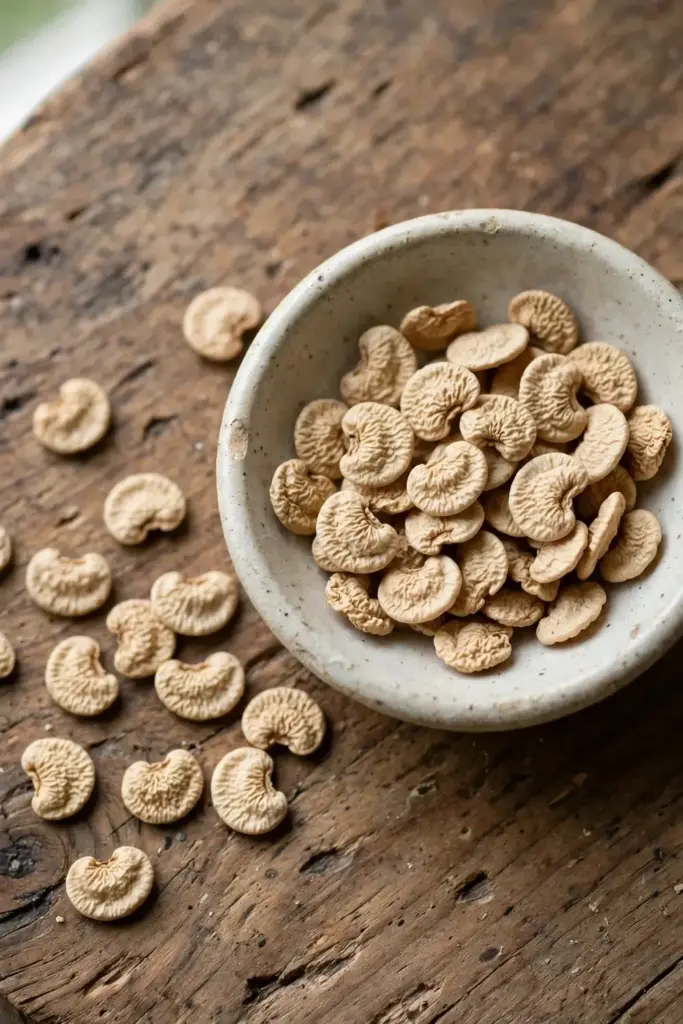
Fresh seed germinates far better than old seed. Ask the seller for the harvest year. Seed from a grocery-store pepper is a gamble: the fruit was likely a hybrid, the drying process may have killed the embryo, and the variety is unverified. It can work. It often does not.
Color variants exist: red is the classic, with yellow, orange, chocolate, purple, white, and peach selections in trade. They grow the same way. Pick the color you want to eat, not the one with the scariest name.
6. Germination: The 80 to 90°F Problem
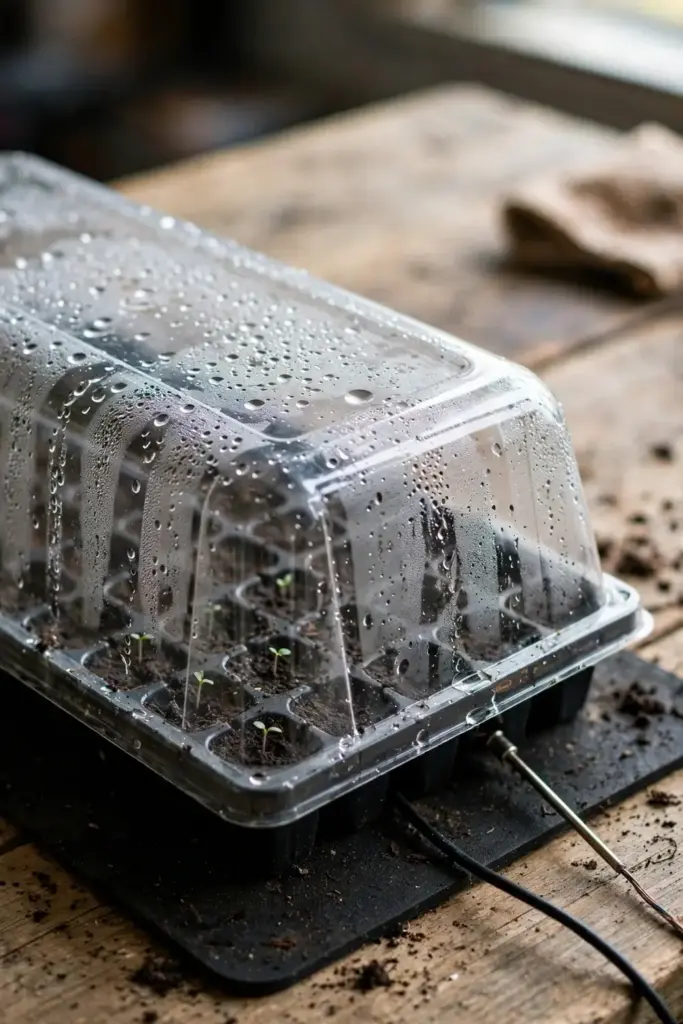
Germination is the number one reason ghost pepper growers quit. Expect 10 to 40 days, sometimes longer, with sprouts emerging unevenly. Nothing is wrong with your seed if one cell pops at day 12 and its neighbor waits until day 35.
| Step | Action | Time |
|---|---|---|
| 1 | Soak seeds 12 to 24 hours in lukewarm water | Evening before sowing |
| 2 | Sow 1/4 inch deep in sterile mix, 1 to 2 seeds per cell | Sowing day |
| 3 | Set heat mat to 80 to 90°F, cover with humidity dome | Immediately |
| 4 | Keep soil evenly moist with a spray bottle, never soggy | Daily |
| 5 | Vent the dome briefly each day to prevent mold | Daily |
| 6 | Watch for the first hooks; remove the dome when most are up | Day 10 to 40 |
Indian grow guides confirm the window: about 35 days in soil held at 27 to 32°C, with five months of heat and humidity behind the whole season. If nothing has sprouted by day 45, the seed was likely dead or the soil ran cold. Re-sow with fresh seed on a mat that actually holds temperature. A step-by-step seed starting routine covers the tray setup, dome use, and labeling basics that keep slow sprouters organized.
Do not bury the seed deep. A quarter inch is the maximum. Deeper sowing is the most common mechanical cause of failure after cold soil.
7. Seedling Care: Light and Patience
Once sprouted, seedlings need 12 to 16 hours of strong light per day. A sunny windowsill is rarely enough in late winter; a full-spectrum grow light hung 2 to 4 inches above the tops prevents the leggy stems that plague indoor starts. A good grow light setup pays for itself in stocky seedlings.
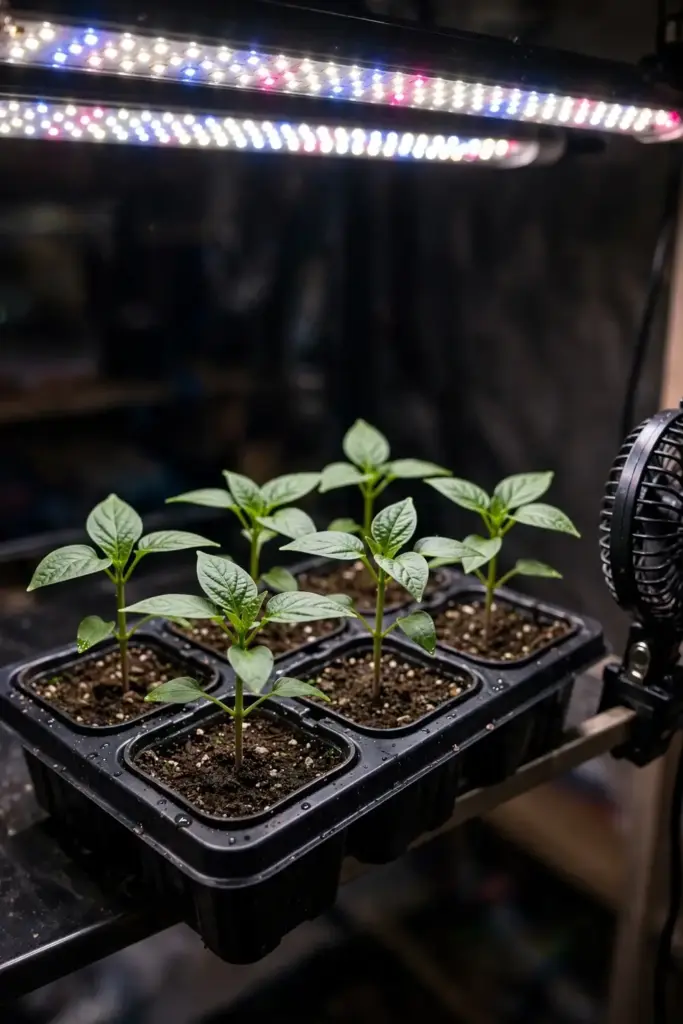
Keep the heat mat on until the first true leaves appear, then drop to room temperature. Water from the bottom when the surface dries, and give airflow with a small fan on low. The fan thickens stems and dries the surface just enough to discourage damping off.
Pot up to 3 or 4 inch pots when roots fill the cells. Ghost peppers are slow starters; do not rush them outside. A seedling that is 6 inches tall with thick stems in May beats a leggy 10 inch seedling every time.
8. Soil: Loamy, Well-Drained, Slightly Acidic
Ghost peppers want loamy, well-drained soil with a pH between 6.0 and 6.8. A planting guide for the species puts the ideal band at 6.0 to 6.8, with full sun and consistently moist, never muddy soil. Heavy clay holds water against the roots and invites root rot; sandy soil dries too fast in heat.
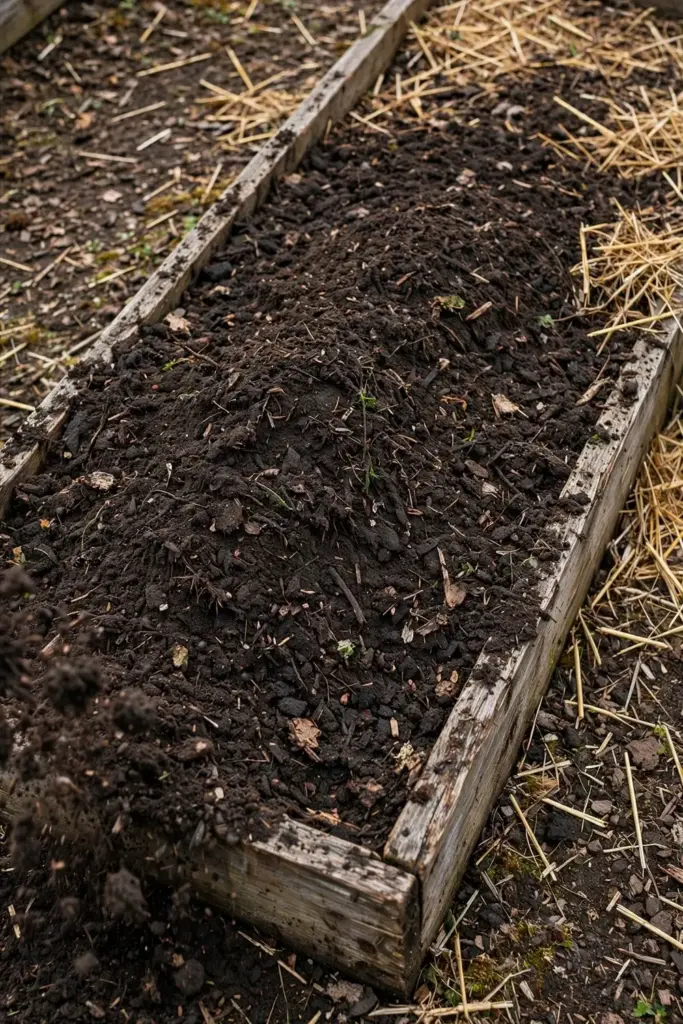
Work compost into the top 6 inches before transplanting. Compost feeds the soil biology and buffers moisture swings, which matters because ghost peppers punish both drought and waterlogging. Healthy soil is the cheapest pest insurance a pepper grower buys.
For containers, use a quality potting mix with perlite or coco coir for drainage, not garden soil from the yard. Garden soil compacts in pots and suffocates roots within weeks.
9. Hardening Off and Moving Outdoors
Transplant only after all frost danger has passed and nights stay above 55°F. Daytime soil should feel warm to the touch. A cold transplant stalls for weeks and never fully recovers.
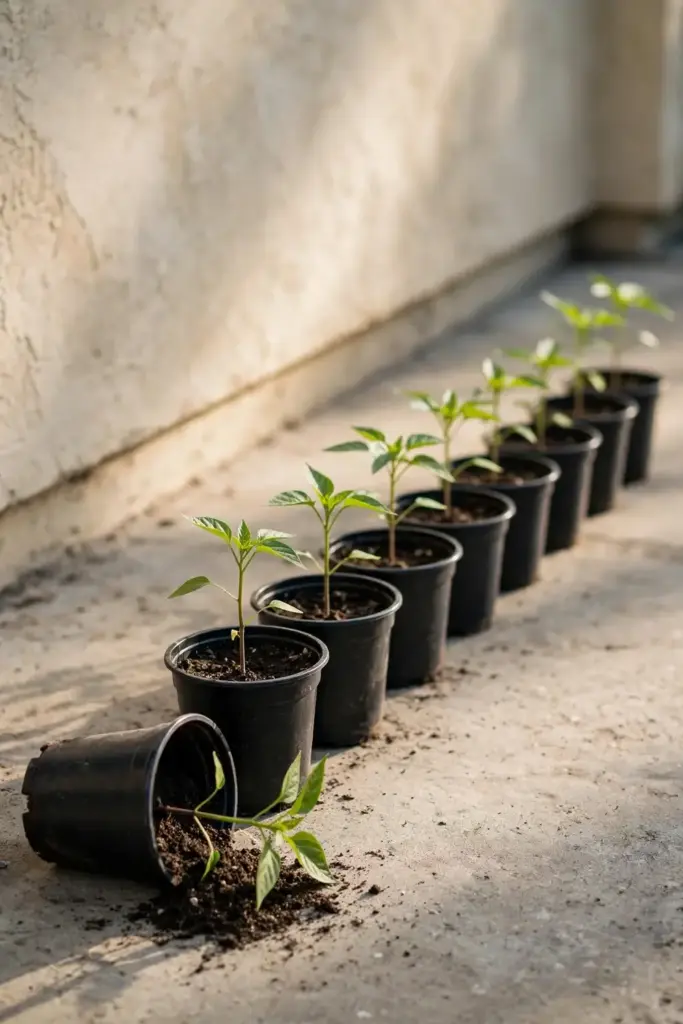
Harden off over 7 to 10 days. Start with one hour of morning sun, then add an hour or two daily, bringing plants in at night for the first few days. By day 10 they stay out overnight. Skipping this step sunburns leaves and shocks roots; the plant survives but loses two weeks of growth.
Space plants 18 to 24 inches apart in beds, 24 to 36 inches if you want full-size 4 foot plants. The species guide recommends 24 to 36 inch spacing for full-size plants that reach about 4 feet tall. Plant at the same depth as the pot, water deeply once, then mulch with straw to hold moisture and keep soil off the leaves.
10. Growing Ghost Peppers in Pots
Ghost peppers are excellent container plants, and pots solve the two biggest problems: short seasons and bad soil. Use 5 gallon pots as the standard, 3 gallons as the minimum for a fruiting plant. Bigger pots mean bigger root systems and steadier moisture.
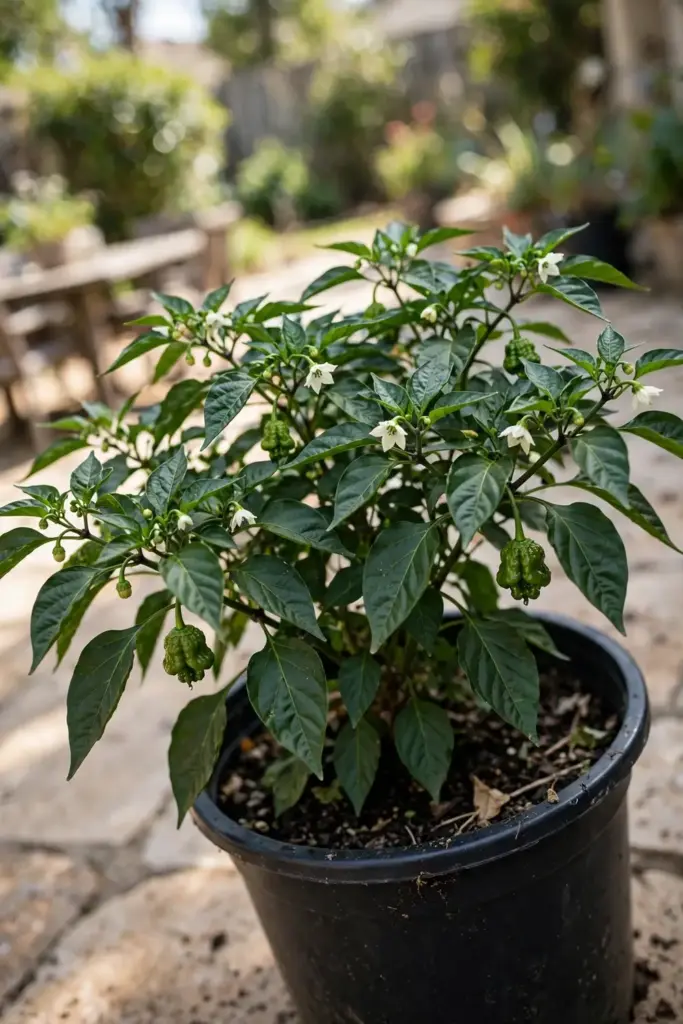
Fill with potting mix, not garden soil, and set the pot where it gets 6 to 8 hours of direct sun. Container soil dries faster than beds, so check moisture daily in summer heat. A saucer under the pot helps in hot climates but empty it after watering so roots never sit in water.
The real advantage of pots is mobility. When the first cold snap threatens, carry the plant indoors to a bright spot and keep harvesting. Container growing indoors through winter is a proven strategy for tender herbs and heat-lovers alike.
11. Water: Moist, Never Soggy
Water deeply when the top inch of soil dries, then let it dry again. Ghost peppers like steady moisture, not constant wetness. In summer heat that means watering every day or two for pots, every few days for mulched beds.
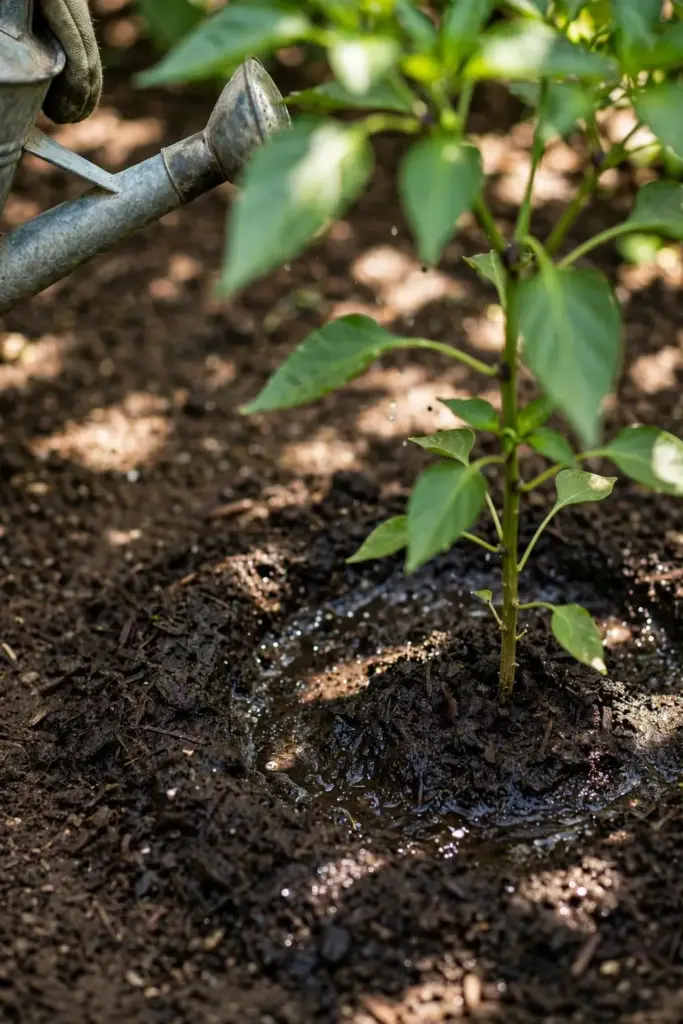
Overwatering causes more deaths than underwatering. Yellow lower leaves and a wilted plant in wet soil mean root rot, not thirst. Underwatering shows as wilted leaves in dry soil that perk up within an hour of watering. Learn the difference before you reach for the hose.
Drip irrigation or soaker hoses beat overhead watering. Wet foliage invites bacterial spot and other leaf diseases. Water the soil, not the plant.
12. Feeding a Hungry Plant
Ghost peppers are moderate feeders with one strong preference: they dislike heavy nitrogen once fruiting starts. Too much nitrogen grows leaves at the expense of pods. Start with a balanced fertilizer at transplant, then switch to a tomato-style fertilizer higher in phosphorus and potassium when flowers appear.
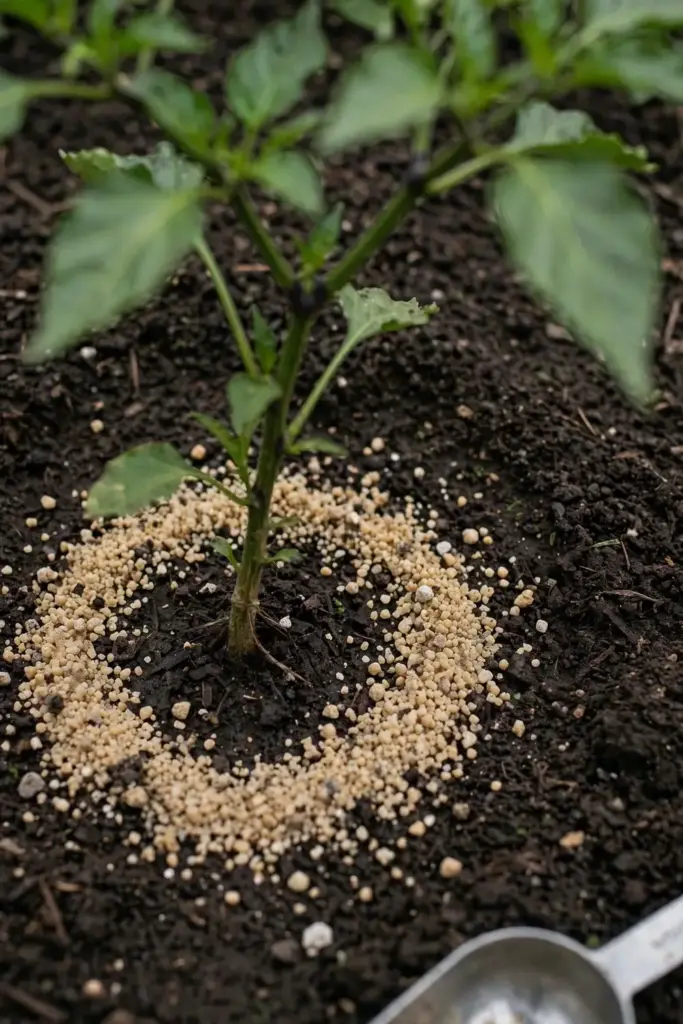
Feed lightly and regularly rather than heavily and rarely. A half-strength liquid feed every two weeks through the season outperforms one big granular dose. Calcium matters too: blossom end rot shows as black sunken spots on pod ends, and a calcium foliar spray or crushed eggshells in the soil help prevent it.
Stop feeding 3 to 4 weeks before your expected last harvest. Late nitrogen delays ripening and softens pods.
13. Pruning for Bushier Plants
Pinch the growing tip when the plant reaches 8 to 10 inches tall. One pinch forces side branches, and side branches carry the flowers. A pinched plant ends up shorter, bushier, and more productive than an unpinched one.
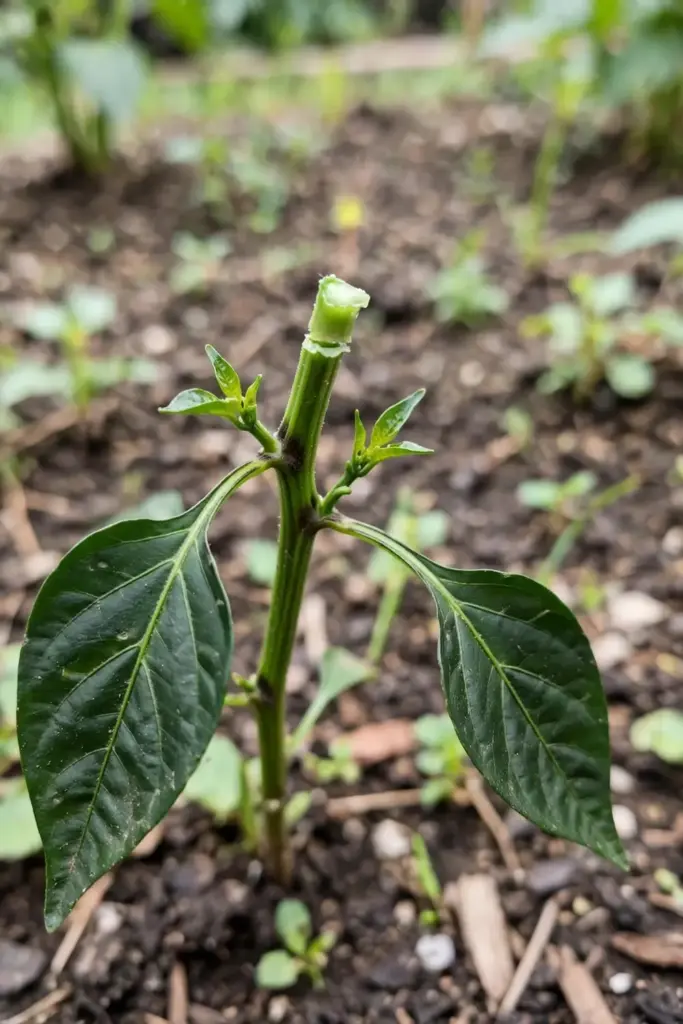
Remove the first few flower buds on young transplants. It feels wrong, but the plant redirects that energy into roots and branches, and the later flush is heavier. Once the plant is 18 inches tall with strong branching, let every flower stay.
Strip lower leaves that touch the soil. Soil contact is the highway for fungal spores, and good airflow around the plant keeps foliage dry and healthy.
14. Flowers and Fruit Set
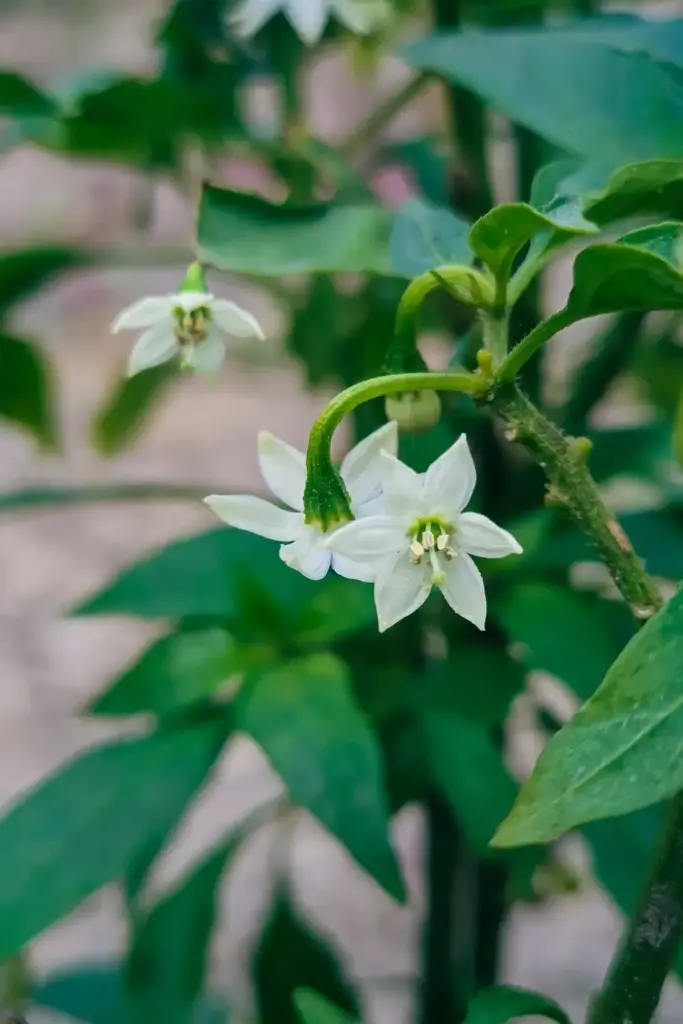
Ghost pepper flowers are small and white, and they self-pollinate. Outdoors, wind and insects do the work. Indoors or in still air, tap the stems gently each morning or use a small soft brush to move pollen between flowers.
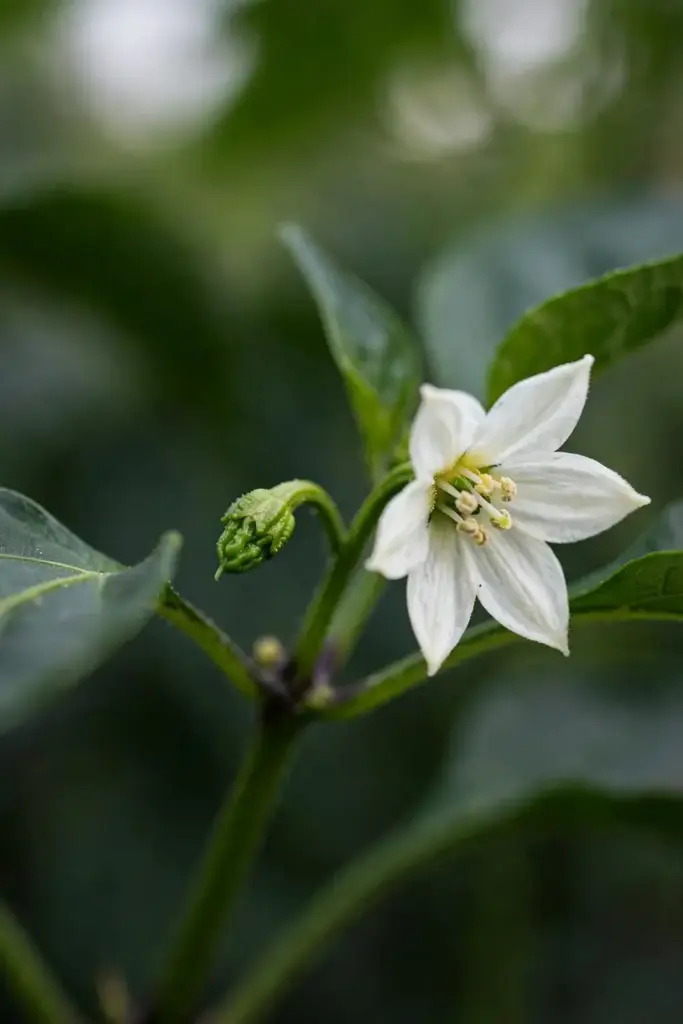
Heat above 95°F can cause flower drop. If buds fall in a heat wave, shade the plant in the afternoon and keep water steady; flowering resumes when nights cool. Do not fertilize with nitrogen during a drop episode. That pushes leaves, not flowers.
Expect the first pods 100 to 120 days after transplanting in good conditions, longer in cool summers. Pods start green and ripen to red, orange, chocolate, or peach depending on the variety. Green pods are already hot; ripe pods are hotter and more flavorful.
15. Overwintering: The Second-Year Shortcut
Overwintering is the temperate grower’s cheat code. A second-year plant leafs out earlier, flowers sooner, and out-yields any first-year seedling. It is also the most reliable way to keep a prized variety true.
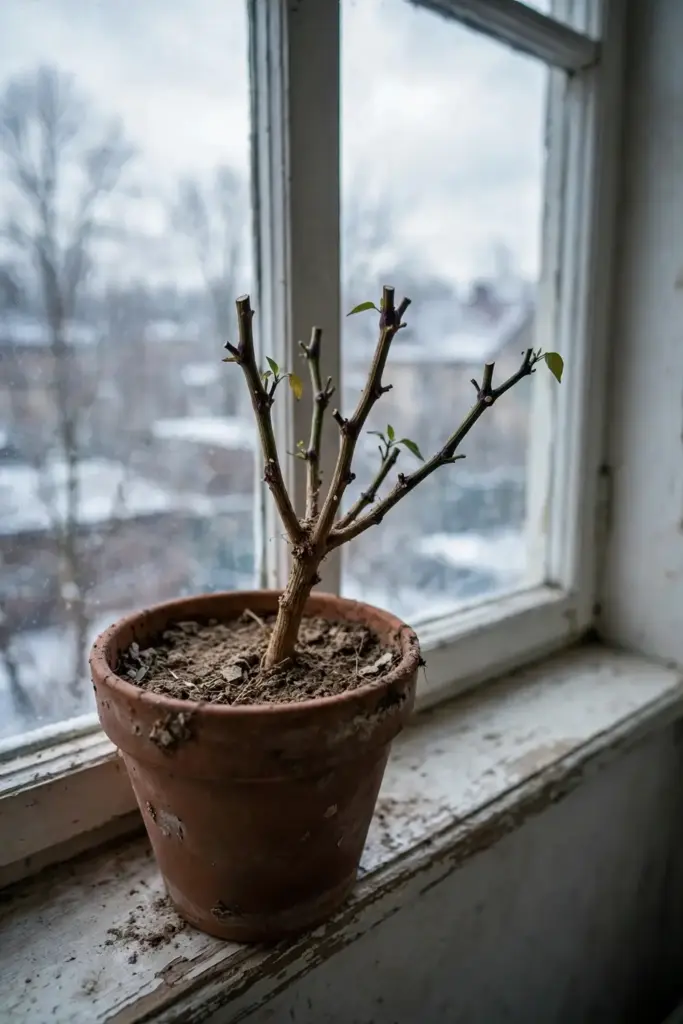
Before the first frost, prune the plant back by one half to three quarters, leaving a woody framework. Dig it up or take the pot indoors to a bright, cool, frost-free spot. Water barely enough to keep the soil from going bone dry, every 2 to 3 weeks. The plant will drop leaves and look dead. It is dormant, not dead.
In late winter, increase water and light gradually. New growth appears 4 to 6 weeks before your last frost date. Harden off and transplant as usual. Second-year plants often set fruit weeks earlier than seedlings started the same spring.
16. Pests and Diseases
Aphids are the most common pest. They cluster on new growth and flower buds. Blast them off with a strong jet of water, and repeat every few days. Persistent infestations respond to insecticidal soap applied in the evening.
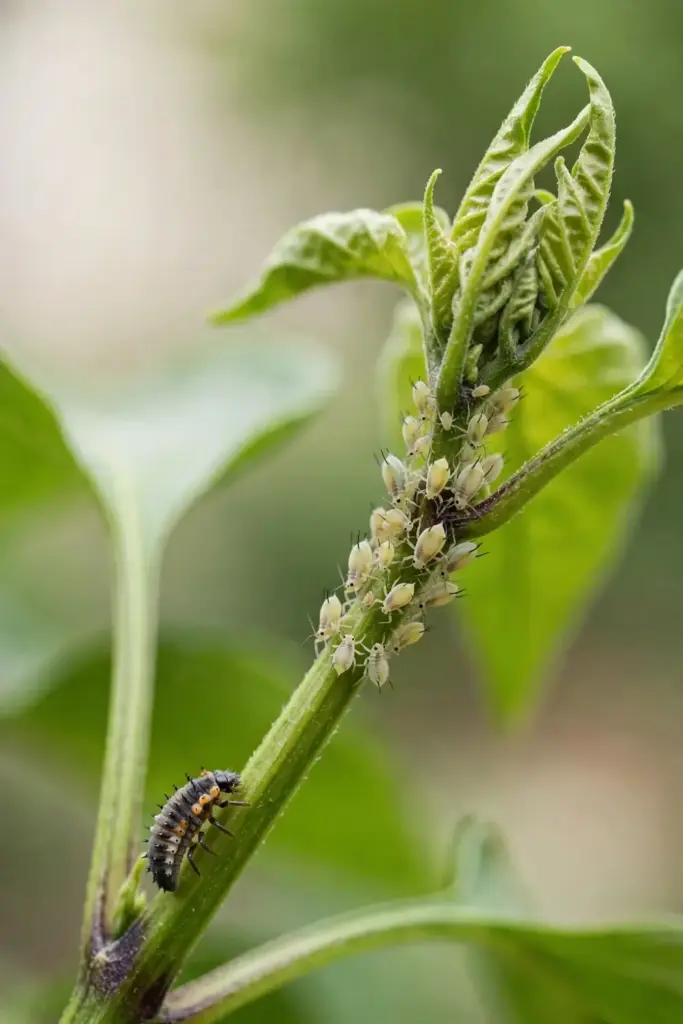
Spider mites thrive in hot, dry conditions and show as stippled, bronzed leaves with fine webbing underneath. Raise humidity around the plant and spray the leaf undersides with water. Cutworms can fell young transplants overnight; a cardboard collar around the stem base stops them.
Bacterial spot causes dark water-soaked spots on leaves and fruit. Prevention beats cure: water the soil, not the foliage, space plants for airflow, and rotate pepper beds yearly. Remove and discard badly infected leaves; do not compost them.
17. Harvest: Gloves On
Harvest when pods reach full color for the variety: bright red for classic bhut jolokia. Color signals peak heat and flavor. Use scissors or pruners rather than pulling, which can tear branches loaded with fruit.
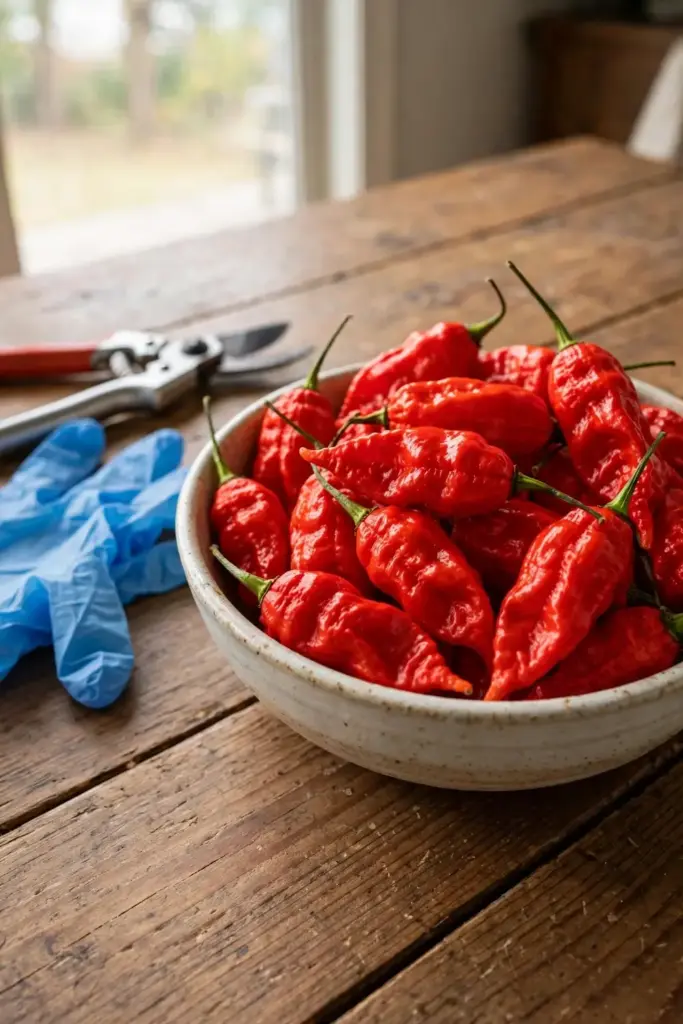
Wear nitrile gloves. At 1M+ SHU, capsaicin oil on bare hands burns for hours and transfers to eyes with one careless touch. Handle every pod like the 1M+ SHU fruit it is, with gloves and ventilation. Wash tools and gloves after the session.
Pick regularly. Removing ripe pods signals the plant to set more fruit. A healthy plant in a long season can produce 200 or more pods; neglected plants stall after the first flush.
18. Ripening, Drying, and Storing
Ripen the last green pods indoors on a sunny windowsill. They will color up over a week or two, though they never quite match vine-ripened flavor. Pick everything before the first hard frost.
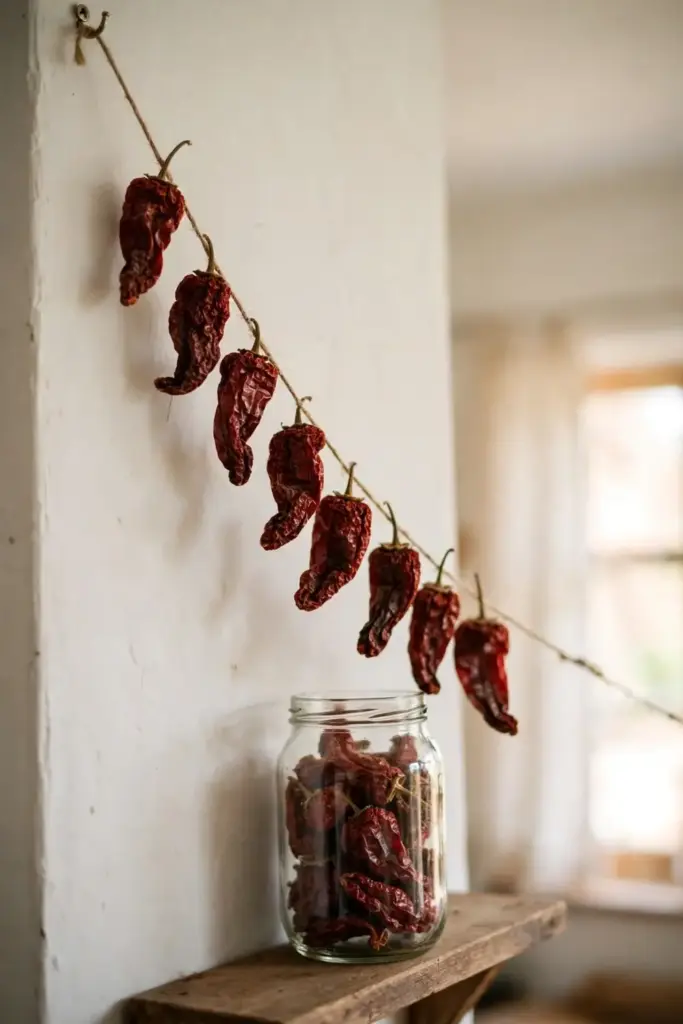
Dry pods in a dehydrator at 125 to 135°F until brittle, or thread them on string in a warm, airy spot away from direct sun. Wear a mask when handling large dried batches; airborne capsaicin dust is real. Store dried pods whole in airtight jars away from light. They keep a year or more.
Freeze fresh pods whole in freezer bags for the easiest storage. Frozen pods grate directly into cooking without thawing. Fermenting ghost peppers into hot sauce is the classic use; follow a tested fermentation recipe for the salt ratio and timing rather than improvising.
19. Capsaicin Safety: Respect the Heat
One million Scoville is not a kitchen number. It is a chemical-handling number. Nitrile gloves are mandatory for harvest and processing, and safety glasses earn their place when you process large batches or grind dried pods.
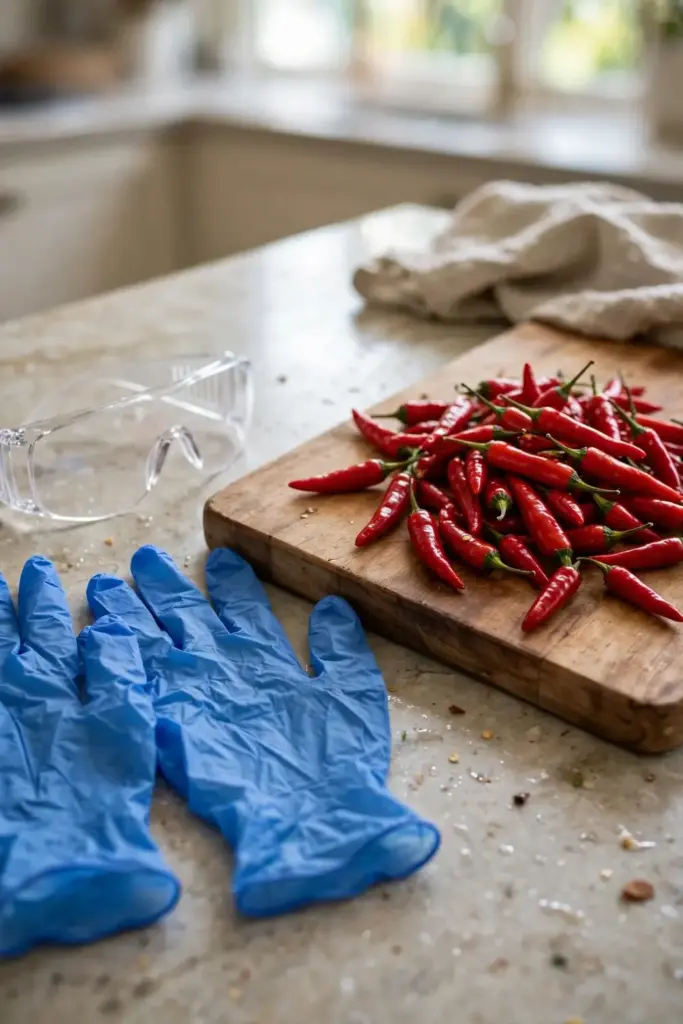
Work in a ventilated area. Cutting or grinding superhots releases capsaicin into the air, and a closed kitchen concentrates it. Open a window or run the range hood. Keep children and pets out of the processing area entirely.
If capsaicin contacts skin, wash with dish soap and cool water, then soak in milk or yogurt. Casein breaks down the oil better than water alone. Eye exposure needs prolonged flushing with cool water; if pain persists after 15 minutes of flushing, seek medical care. This is practical first aid, not medical advice; talk to a clinician about any health concern with extreme heat.
20. 7 Mistakes That Ruin Ghost Pepper Crops
Sowing without a heat mat is mistake one. Room-temperature soil stretches germination past 40 days or kills the seed outright, and growers blame the seed seller for a temperature problem.
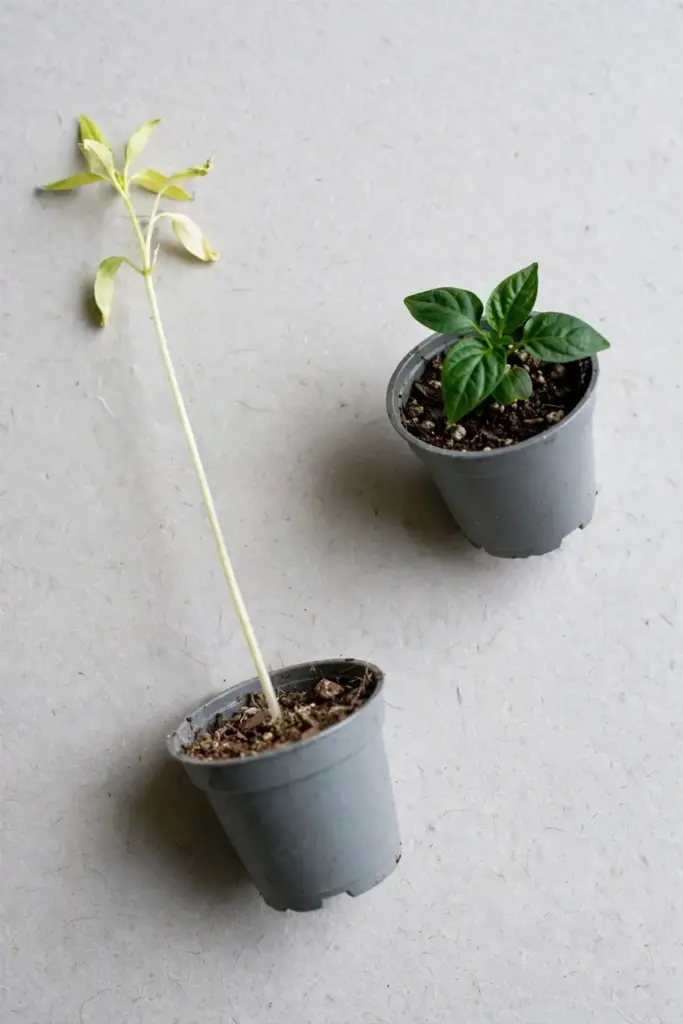
Transplanting into cold soil is mistake two. Nights below 55°F stall the plant for weeks. Wait for genuinely warm weather, even if the calendar says spring.
Overwatering seedlings kills more plants than any pest. Soggy mix rots the stem right at the soil line, so water from below and let the surface dry between waterings.
Overfeeding nitrogen grows a beautiful leafy plant with few pods. Switch to a fruiting fertilizer when flowers appear.
Skipping the harden-off step sunburns every leaf. Ten days of gradual exposure costs nothing and saves the season.
Letting the first flush of flowers stay on a tiny transplant weakens the plant. Pinch early buds and harvest later, heavier.
Harvesting barehanded is the mistake you make exactly once. Gloves live next to the pruners from the first ripe pod onward.
21. Troubleshooting
Seeds not sprouting after 40 days usually means cold soil or dead seed. Verify the mat temperature with a thermometer rather than your hand, then re-sow fresh seed if the soil held steady and nothing emerged.
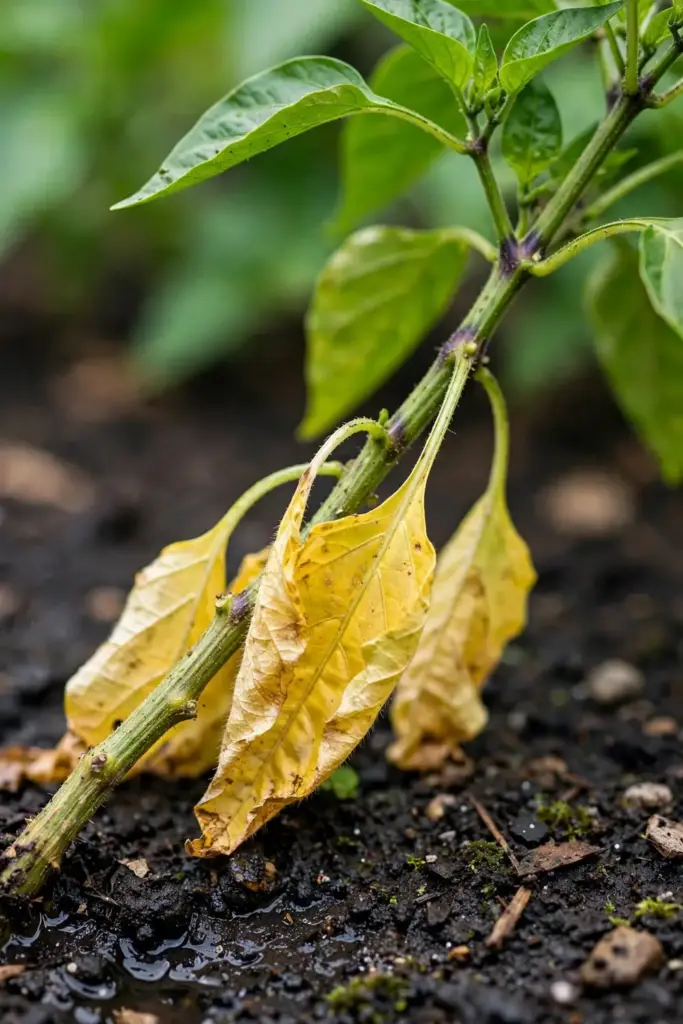
Tall, pale, floppy seedlings need more light. Move the grow light closer, 2 to 3 inches above the tops, and run it 14 to 16 hours daily. Add a fan for stem strength.
Flower buds dropping in summer heat is normal above 95°F. Shade cloth in the afternoon and steady water fix it. Do not add nitrogen.
Pods rotting at the blossom end signal calcium uptake problems, usually from uneven watering rather than missing calcium. Stabilize the watering schedule first, then add calcium.
Leaves yellowing from the bottom up in wet soil mean overwatering. Let the pot dry, improve drainage, and water only when the top inch dries.
A plant that survived winter indoors but will not leaf out may still be dormant. Scratch a stem: green under the bark means alive. Wait for consistent warmth before giving up.
22. Frequently Asked Questions
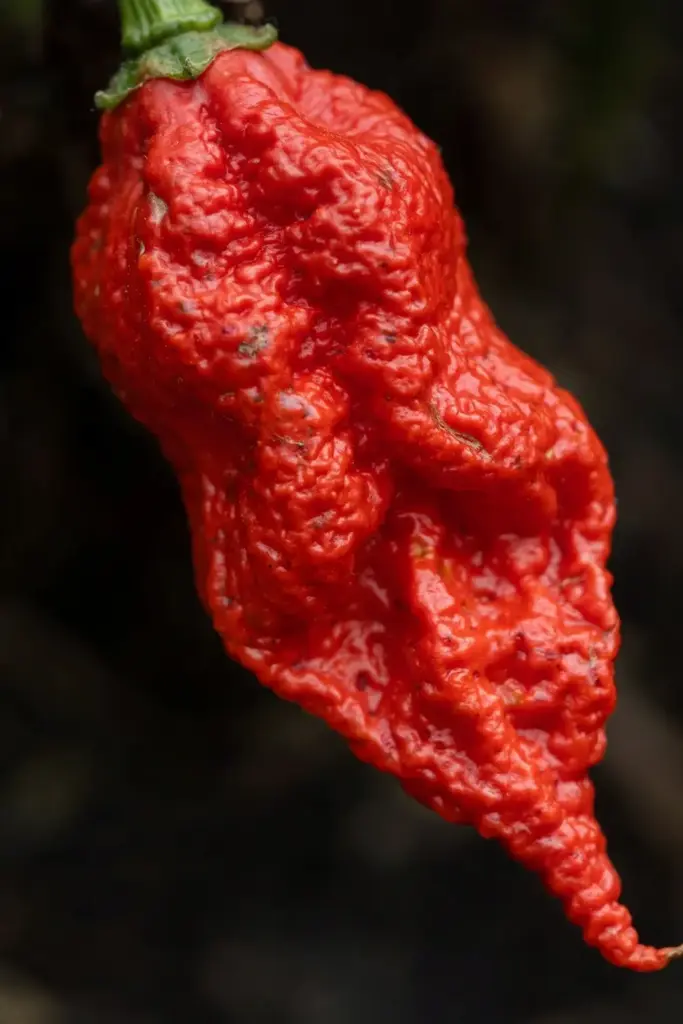
Expect 10 to 40 days at 80 to 90°F soil temperature, with sprouts emerging unevenly. A heat mat with a thermostat is effectively mandatory indoors, because room temperature sits far below the germination window. If nothing emerges by day 45 in warm soil, the seed was likely dead and you should re-sow fresh seed.
In their native Assam climate and in USDA zones 10 to 12, ghost peppers grow as short-lived perennials. Everywhere colder, growers treat them as annuals or overwinter one plant indoors. An overwintered plant leafs out earlier in spring and usually out-yields first-year seedlings, which makes the indoor winter project worthwhile.
A ghost pepper measures 855,000 to 1,041,427 Scoville Heat Units, with the Guinness-tested record at 1,001,304 SHU. That is hundreds of times hotter than a jalapeño. Heat varies by growing conditions and variety, and ripe pods test hotter than green ones, so treat every pod with the same respect.
Yes, in a 5 gallon or larger pot under strong grow lights for 12 to 16 hours daily. Indoor plants need hand pollination, since there is no wind or insects, and they stay smaller than outdoor plants. Most growers use indoors as a winter holdover and move plants outside for summer, which gives heavier harvests.
Heat above 95°F is the usual cause; the plant drops buds it cannot support. Afternoon shade and steady watering usually restart flowering when nights cool. Overfeeding nitrogen at the same time makes it worse by pushing leaf growth. Do not panic and do not fertilize; patience and water solve most drop episodes.
Yes, in virtually every jurisdiction. No law restricts growing superhot peppers in a home garden. The practical rules are about handling: wear gloves, keep pods away from children and pets, and label homemade hot sauces clearly so nobody mistakes them for mild peppers.
23. Where to Go From Here
Start your seeds 8 to 10 weeks before the last frost, on a heat mat, in a dome. That single decision determines more of your harvest than any fertilizer or pruning trick. Everything after germination is standard warm-season vegetable care with gloves on.
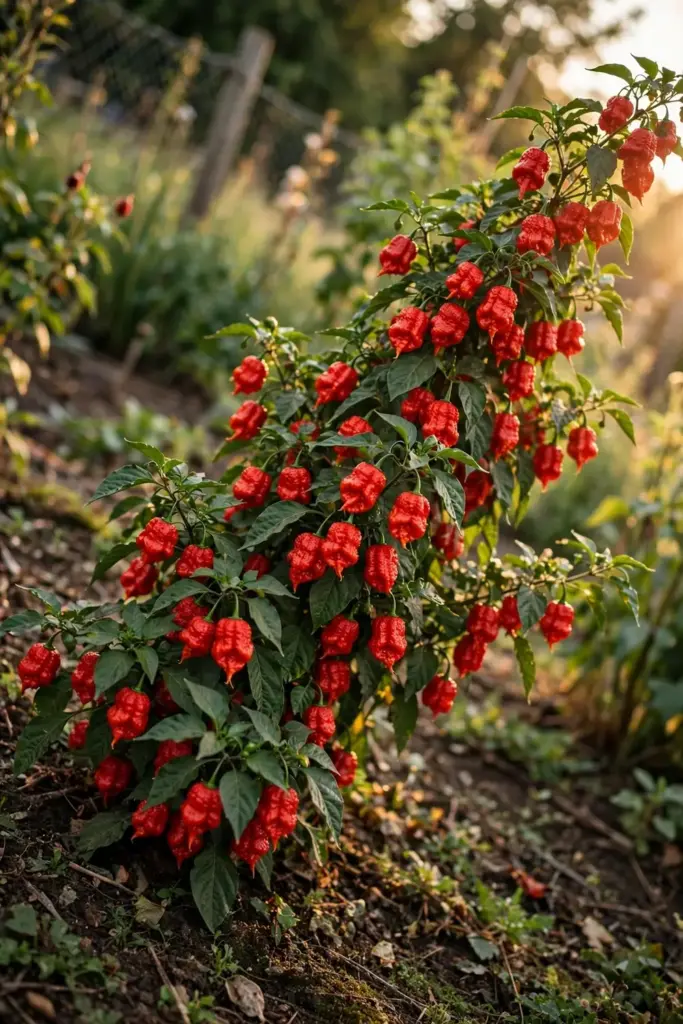
Keep one strong plant for overwintering. Year two is when ghost peppers truly pay off: earlier fruit, heavier sets, and a plant that already knows your garden. One overwintered bhut jolokia can out-produce three first-year seedlings.
Mastering how to grow bhut jolokia from India comes down to one input above all: warm soil. Get the temperature right and the ghost does the rest.