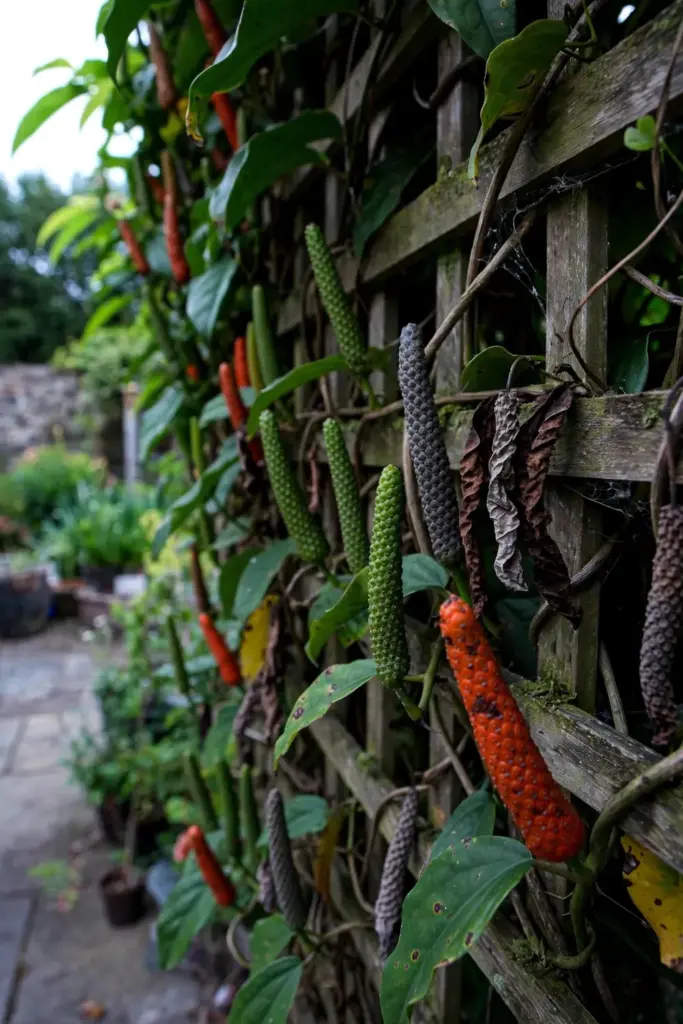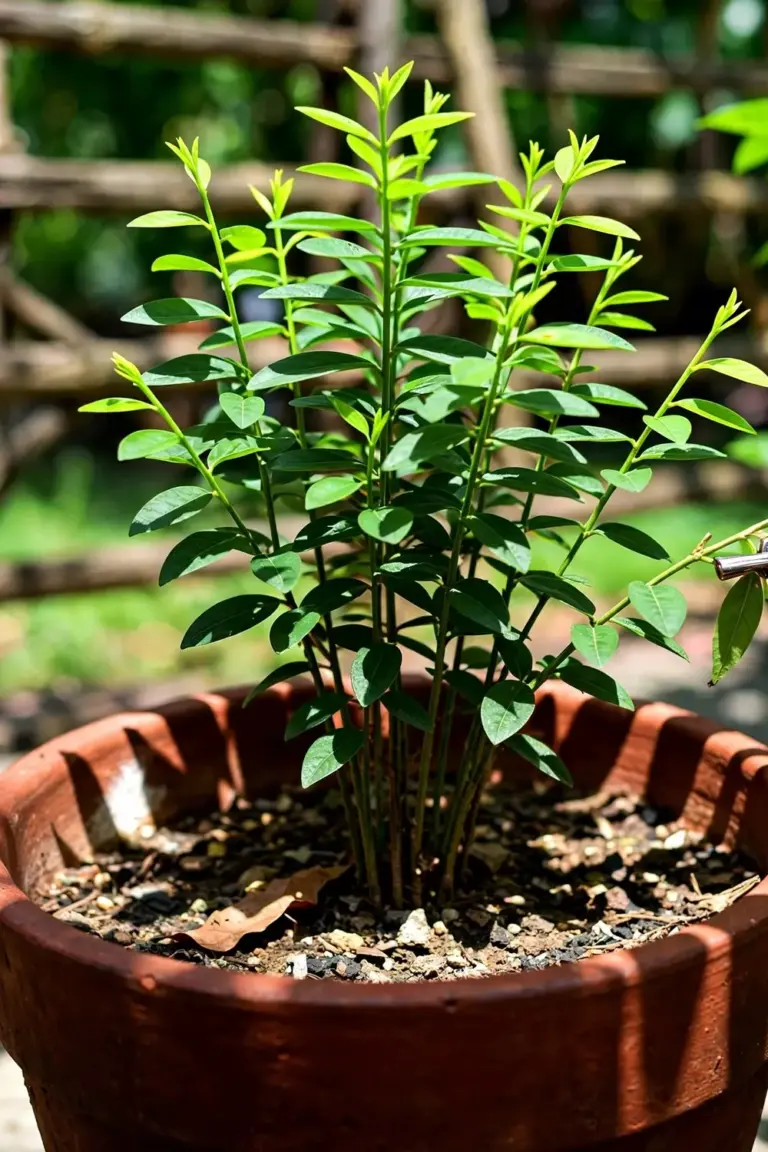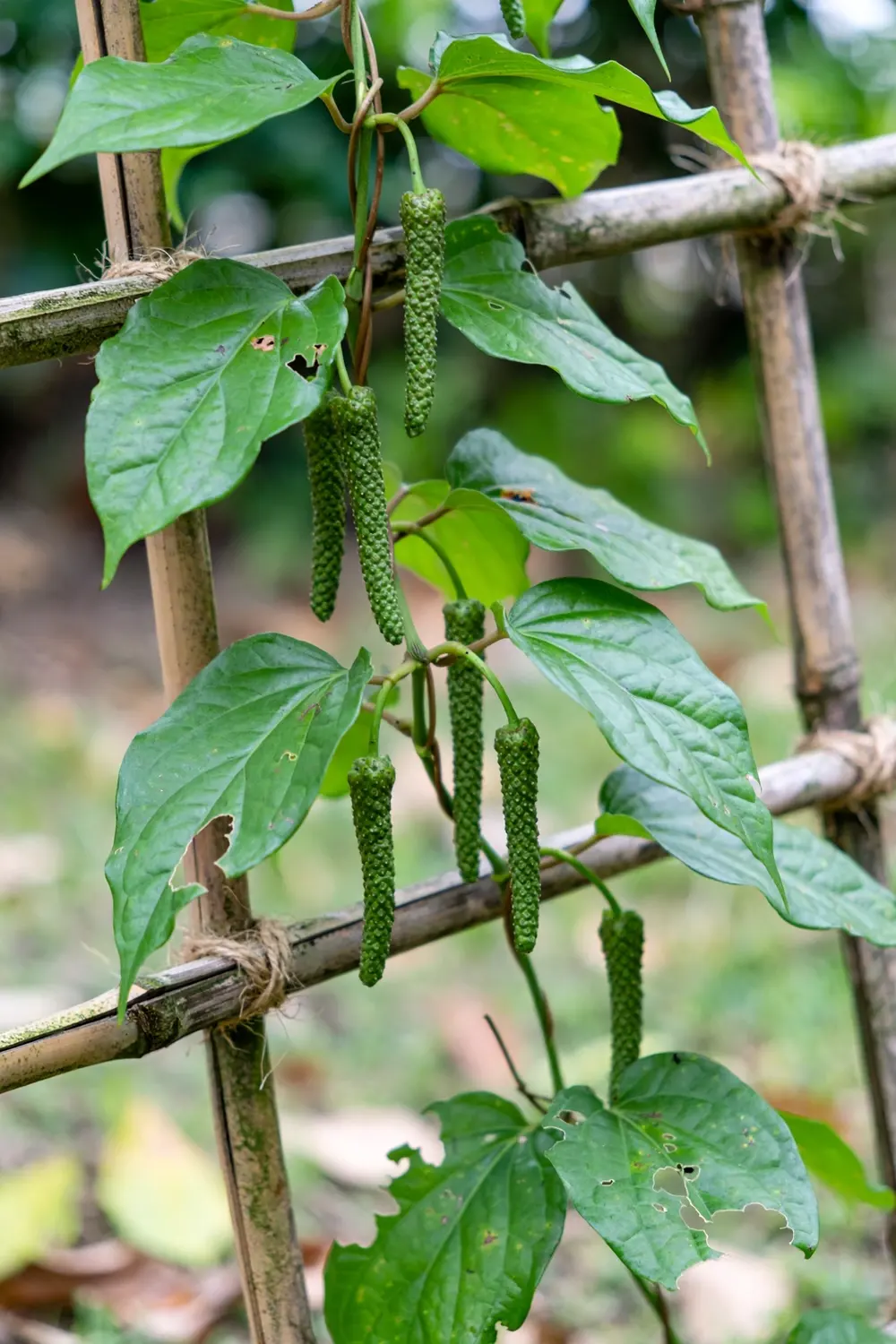

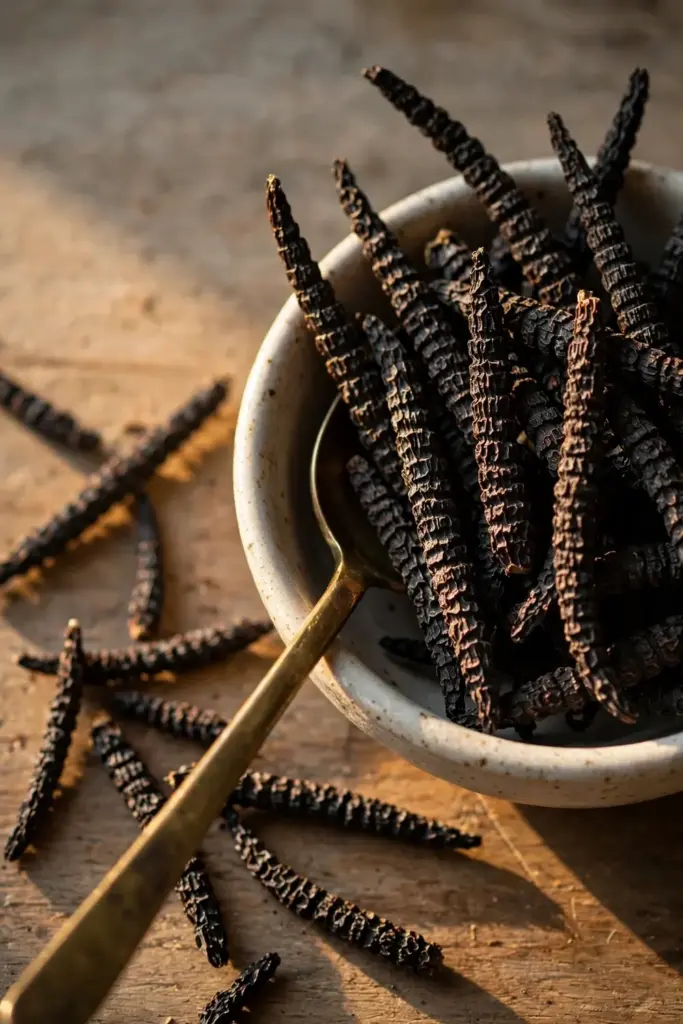
Long pepper is the tropical vine Piper longum, known in Ayurveda as pippali and in Chinese markets as bìbá, and its spice is a dense catkin-like spike 1.25 to 2 cm long, harvested blackish green and sun-dried for four to five days. You can learn how to grow long pepper from seed at home in about 18 months from sowing to first spikes. Go in with clear eyes: this heat-loving vine fruits reliably only where frost never comes, and its seeds germinate on their own erratic schedule of three to six weeks or more.
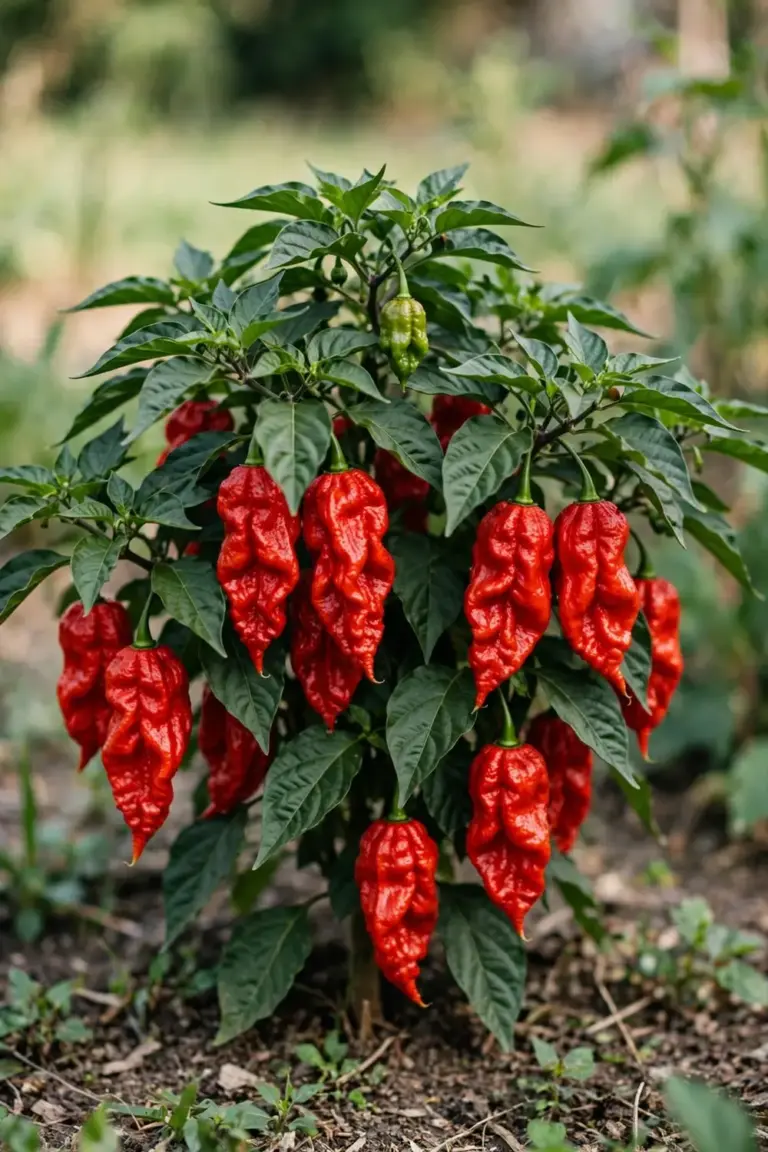
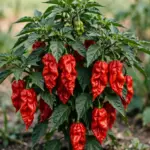
The first job is naming the right plant, because search results mix up four different things under the name “long pepper.” True long pepper is Piper longum. Black pepper is Piper nigrum, a different vine with round peppercorns. Javanese long pepper is Piper retrofractum, a close cousin with similar spikes. And chili peppers are Capsicum, an entirely unrelated family. This guide is about Piper longum only, and the comparison table below keeps the four straight.
Here is the plan: twelve steps take you from fresh seed to dried spikes, plus a faster cutting method, a pot-and-greenhouse lane for temperate growers, the mistakes that waste a season, and answers to the questions every first-time grower asks. Expect the honest version throughout, including what home growers usually get wrong about timelines.
What Long Pepper Actually Is (and What It Is Not)
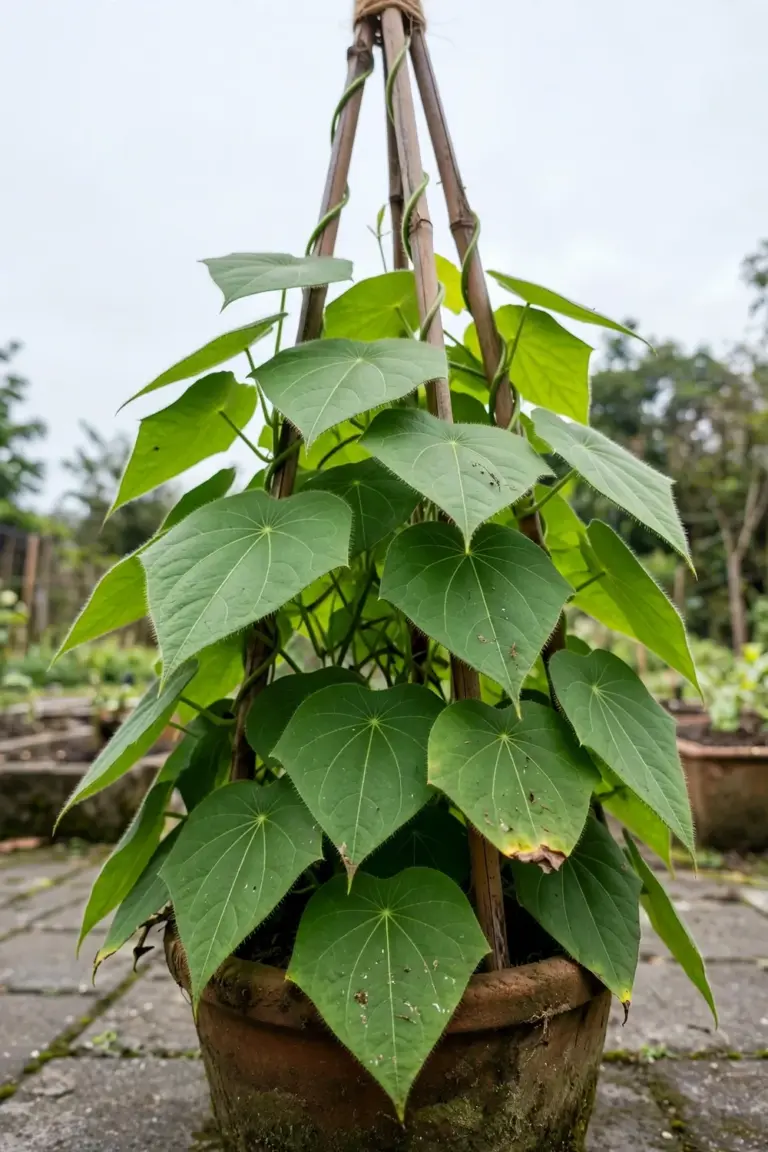
Piper longum is a slender perennial vine in the pepper family, Piperaceae, native to the tropical forests of India. It climbs by clinging stems, carries heart-shaped leaves, and produces its famous spice as dense cylindrical spikes rather than loose berries. In the wild it grows as an understory plant, which tells you two useful things about its preferences: it likes warmth and humidity, and it tolerates partial shade better than most fruiting vines.
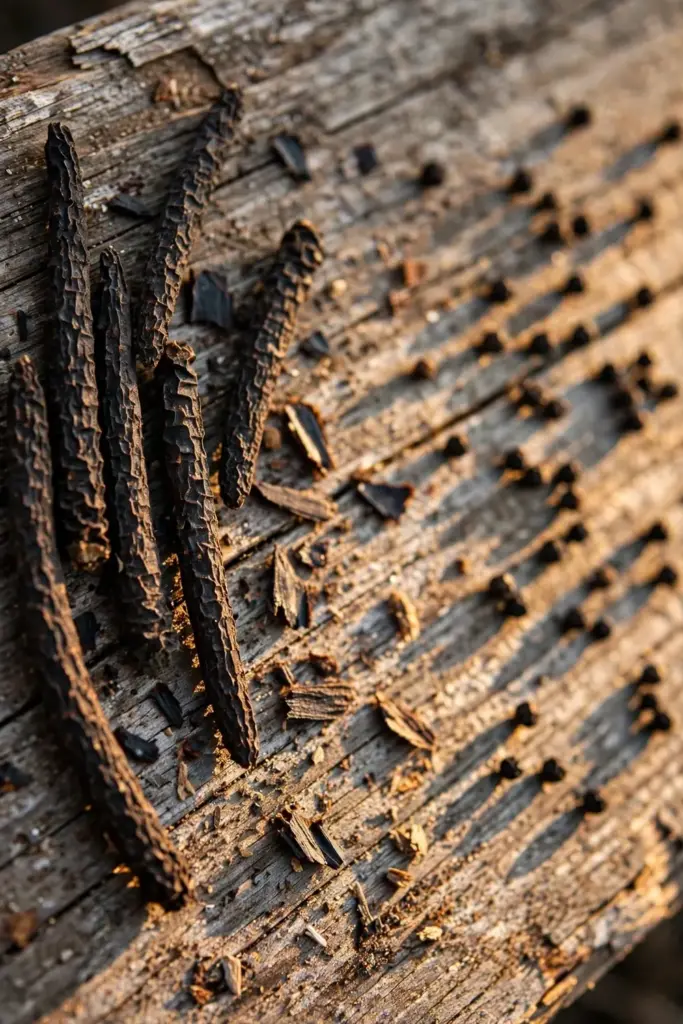
The naming confusion is the single biggest obstacle for buyers and growers alike, so settle it before you spend money on seed. Sellers sometimes label Piper retrofractum seed as long pepper, and generic “peppercorn plant” guides describe Piper nigrum while ranking for long-pepper searches. The table below gives you the field marks that matter.
| Plant | Latin name | What the spice looks like | Relationship to true long pepper |
|---|---|---|---|
| Indian long pepper | Piper longum | Small dense spikes, 1.25–2 cm | The real thing: pippali, bìbá |
| Black pepper | Piper nigrum | Round dried berries (peppercorns) | Same genus, different species and spice |
| Javanese long pepper | Piper retrofractum | Longer spikes, similar look | Close cousin; often mislabeled as long pepper |
| Chili / bell pepper | Capsicum spp. | Fleshy pods | Unrelated family; not a pepper vine at all |
Buy seed or plants labeled with the Latin name Piper longum; botanical references such as the PFAF plant database confirm the species’ identity as Indian long pepper. A listing that says only “long pepper” without the Latin name is not a reliable target, and neither are “peppercorn plant” guides when your goal is spikes.
Step 1: Check Whether Your Climate Can Host It
Long pepper needs a hot, humid climate and an elevation band that field growers in India describe as 100 to 1,000 meters, with partial shade of 20 to 25 percent for best growth. Outdoors in the ground, it is a frost-free plant: one hard freeze can kill it. If your winters drop below freezing, plan from the start to grow it in a pot you can move, or in a greenhouse. Gardeners learning how to grow long pepper in temperate zones succeed exactly this way: the vine lives outdoors in summer and winters under glass.
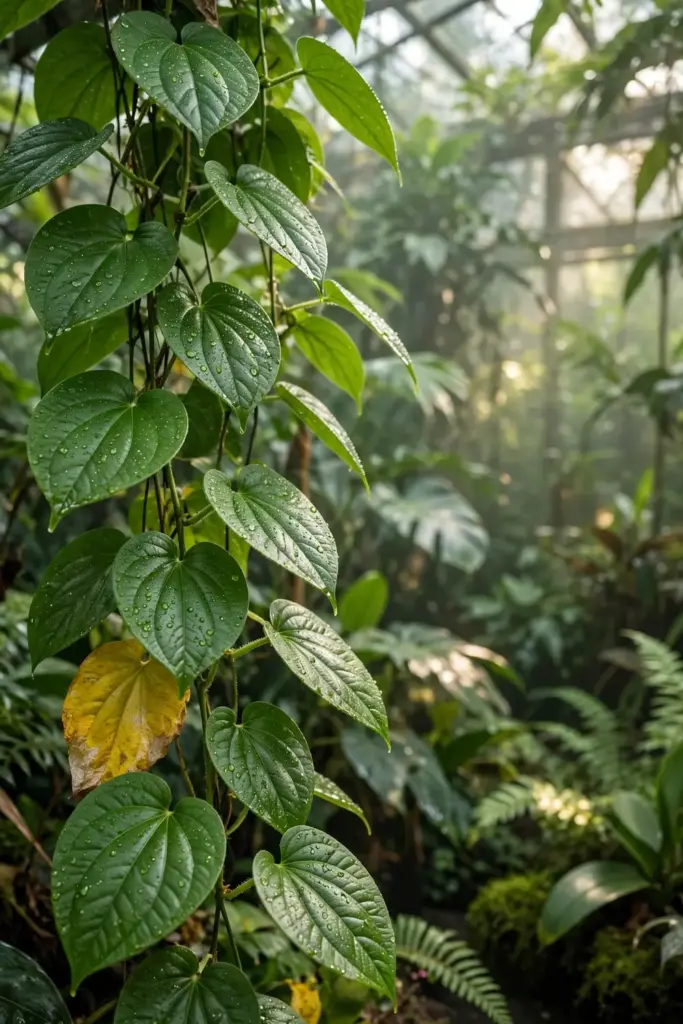
That constraint is not a dealbreaker. The vine adapts well to containers, and a bright greenhouse or a warm indoor spot with supplemental humidity covers the cold months in temperate regions. What it cannot adapt to is a cold, dry windowsill all winter. Decide your winter strategy before you sow, because a seedling started in spring needs its cold-season home ready by fall.
Step 2: Buy Fresh Seed From a Reputable Seller
Seed viability is the quiet killer of long pepper projects. The seeds lose their ability to sprout quickly in storage, so “fresh seed” is not marketing language here; it is the difference between germination and an empty tray. Buy from a seller who specializes in exotic or medicinal-plant seed, who lists Piper longum by its Latin name, and who can tell you roughly when the seed was harvested.
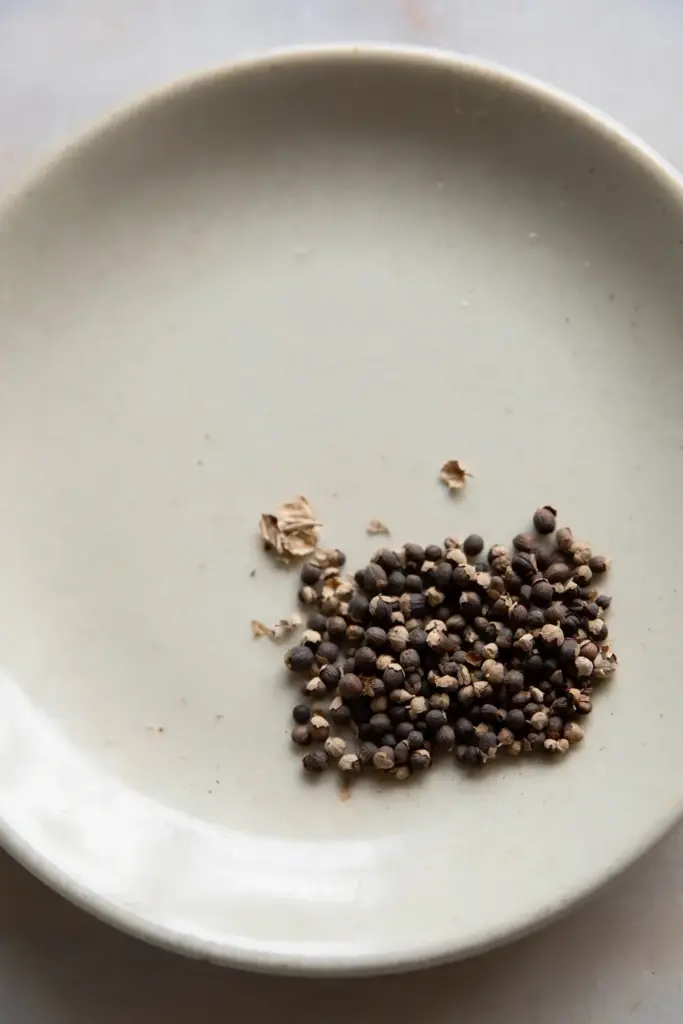
Order only as much as you will sow within the season. A packet that sits in a drawer for a year is likely a dead packet, and no amount of careful technique revives it. If a seller cannot confirm the species or the harvest date, keep looking. This single purchasing decision predicts your result more than any later step.
Tools and Materials You Need
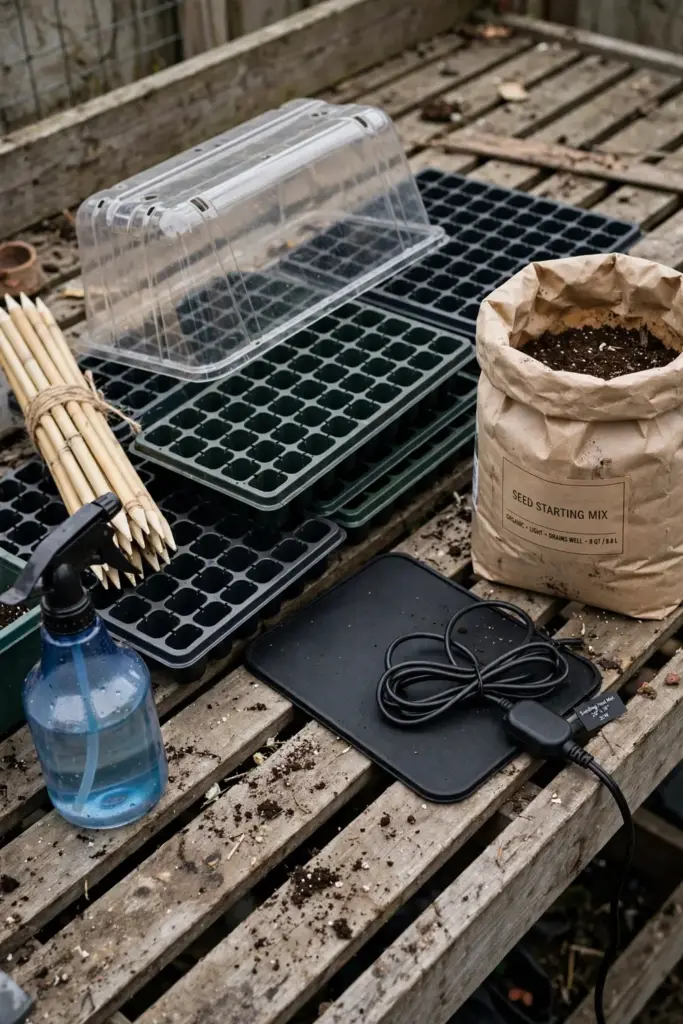
- Fresh Piper longum seed
- Shallow seed trays or small pots with drainage holes
- Fine, well-draining seed-starting mix
- A clear humidity dome or plastic cover
- A seedling heat mat with thermostat (germination wants 75–80°F)
- A spray bottle for gentle misting
- A small trellis, moss pole, or bamboo stake for each plant
- Rich potting mix with plenty of compost for growing on
- Balanced organic fertilizer or well-rotted farmyard manure
Step 3: Soak the Seed for 24 Hours
Put the seeds in room-temperature water for a full 24 hours before sowing. The soak softens the seed coat and wakes up the embryo, which matters for a species whose germination is already slow and uneven. Use clean water, and discard any seeds that float after the first few hours; floaters are usually empty or nonviable.
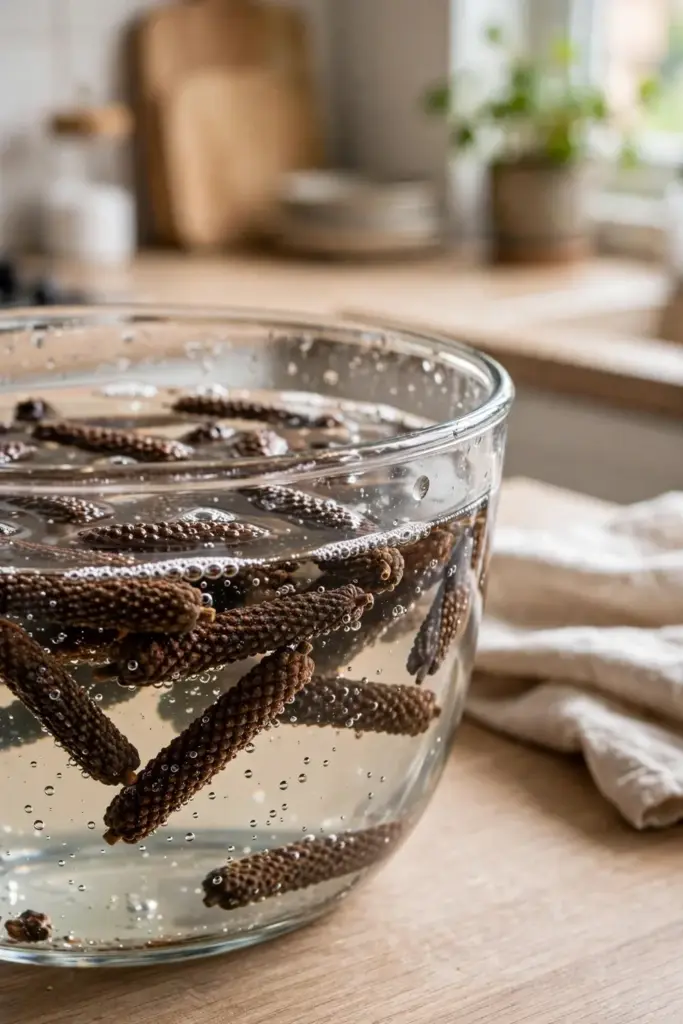
After soaking, handle the seeds gently and sow the same day. Do not let soaked seed dry out again on the counter, because the re-drying can damage the embryo you just woke up. If your schedule slips, keep the soaked seeds on damp paper towel in a covered container in a warm spot until you can sow.
Step 4: Sow Shallow Under a Humidity Dome
Fill your trays with pre-moistened seed-starting mix and press it lightly so the surface is level. Sow the seeds only 0.25 to 0.5 inches deep; they are small, and deep sowing is one of the classic ways to get zero germination. Space them about an inch apart so tiny seedlings do not tangle, and mist the surface gently rather than watering with a stream.
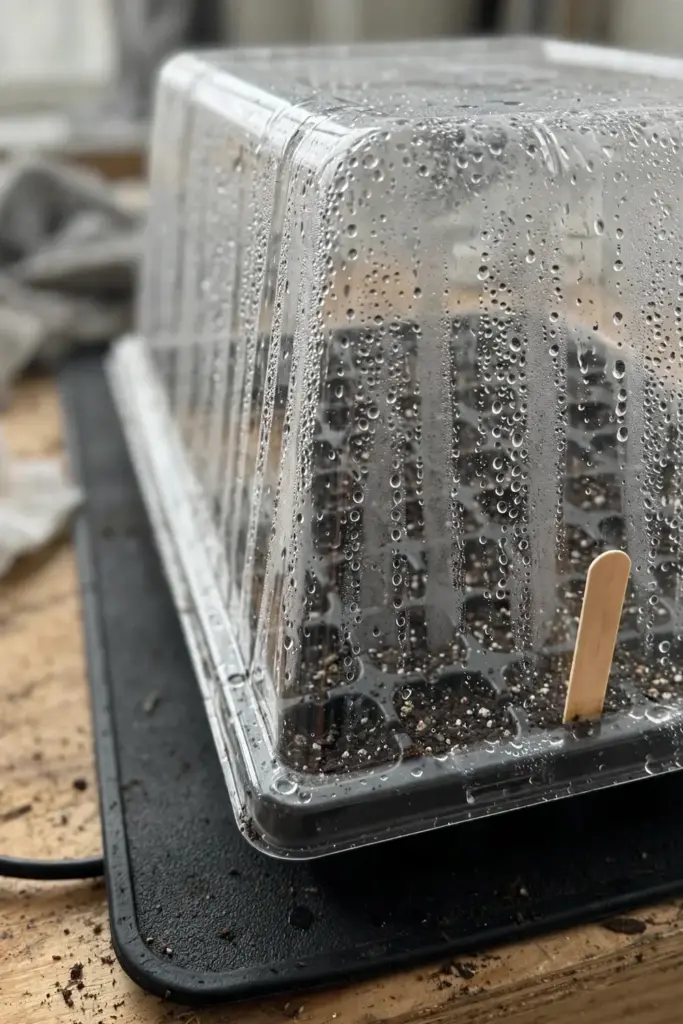
Cover the tray with a humidity dome and set it on a heat mat holding 75 to 80°F. Long pepper germinates like a tropical forest plant: warm, humid, and in no hurry. A seed starting routine built around steady bottom heat gives you the best odds. Heat-mat technique matters more here than for easy vegetables because the temperature window is narrow and the wait is long, so use a mat with a thermostat and verify the tray temperature with a thermometer.
Step 5: Wait Out the Erratic Germination
Expect sprouts in three to six weeks at the earliest, and do not panic if some seeds take longer. Germination is erratic by nature in this species: a tray can show its first seedling at week three and its last at week eight. Keep the dome on, keep the temperature steady, and keep the mix lightly moist but never soggy through the whole wait.
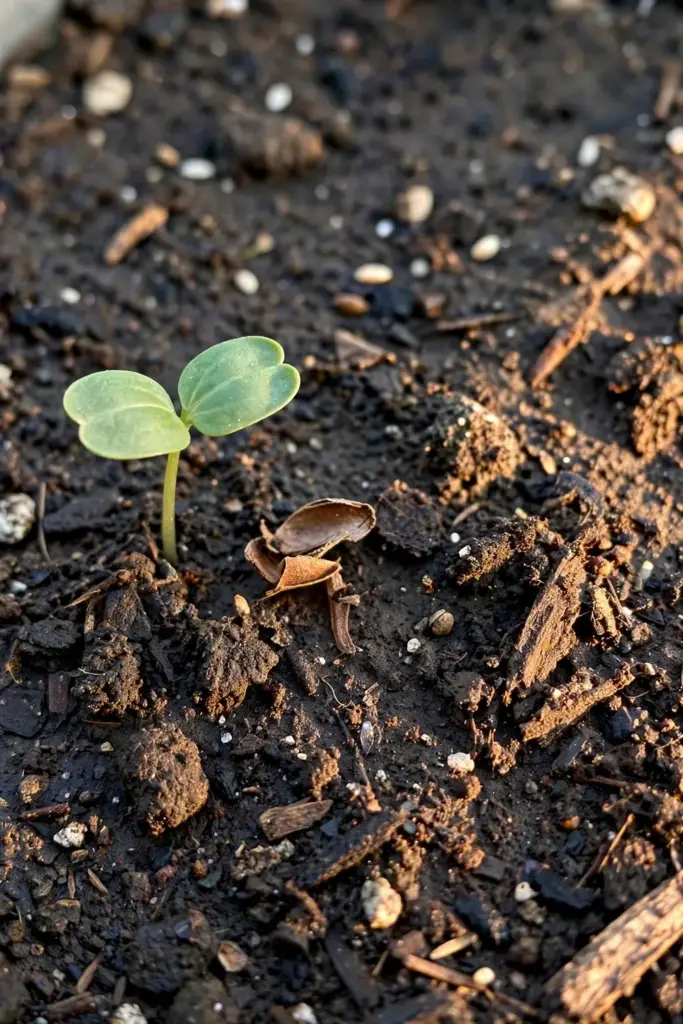
The sign it worked is a pair of small rounded seed leaves pushing up through the surface, followed quickly by the first true heart-shaped leaf. Resist the urge to dig up unsprouted seeds to check on them; disturbing the tray resets the clock and risks breaking the fragile root tip. Patience is the actual technique in this step, and it is the one most growers fail.
Step 6: Care for the Seedlings
Once seedlings are up, remove the humidity dome gradually over two or three days so the young plants adjust to room air without wilting. Give them bright, indirect light: a sunny windowsill with a sheer curtain, or a grow light set a foot above the tray for 12 to 14 hours a day. Direct hot sun scorches tender leaves at this stage.
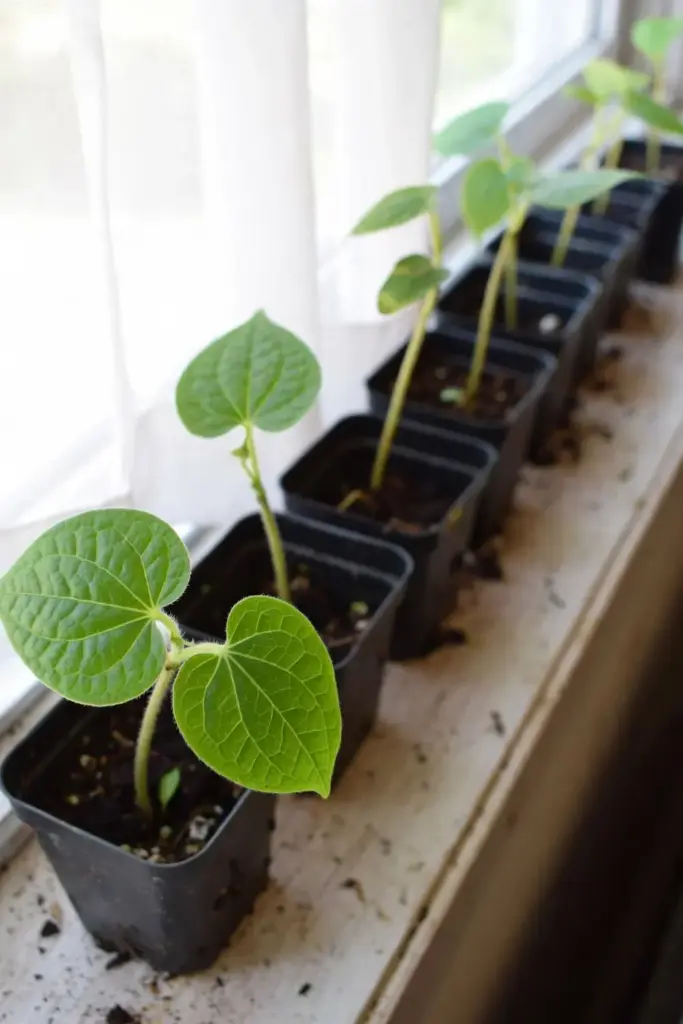
Water from below or mist gently, and let the surface dry slightly between waterings to discourage damping off. When seedlings have two or three true leaves and their roots start showing at the drainage holes, move each one into its own 4-inch pot of rich, composty mix. Handle them by the leaves, never by the stem, because a crushed stem at this size does not recover.
Step 7: Give the Vine Something to Climb
Piper longum is a true vine, and it grows poorly when left to sprawl. Provide a trellis, moss pole, or bamboo stake at transplant time so the plant can start climbing immediately; adding support later disturbs the shallow root system. In the wild it scrambles over understory vegetation, so a rough-textured support it can grip works better than a slick metal rod.
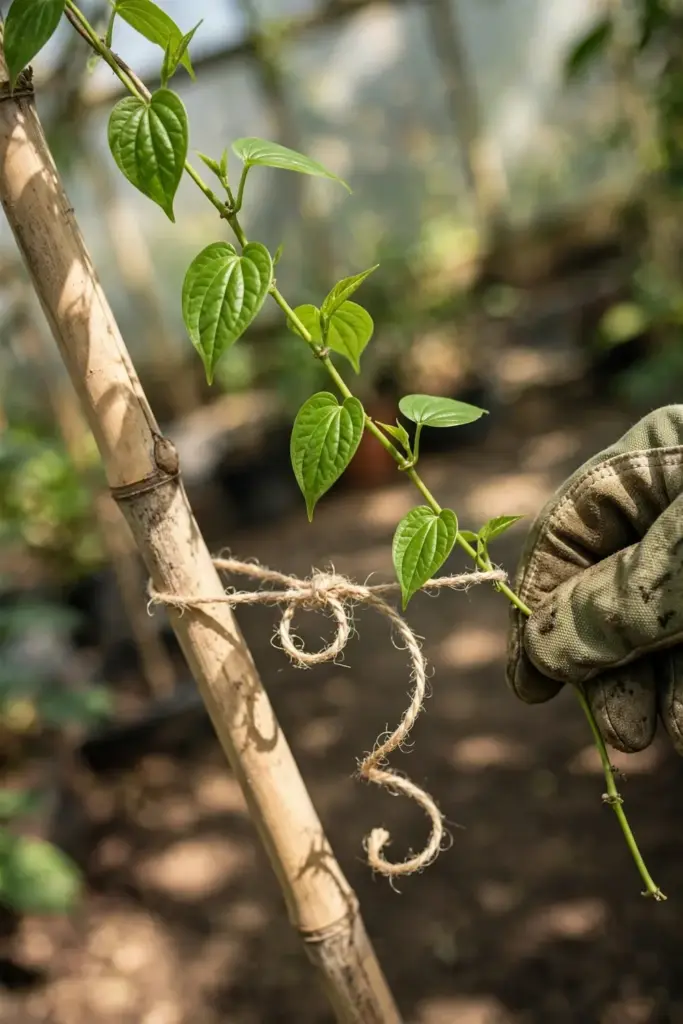
A trellis suited to climbing plants gives the vine the height it wants without crowding the leaves. Tie young stems loosely with soft twine, and retie as they extend. Once the vine takes hold it climbs on its own, and good vertical growth exposes more leaf area to light, which is what eventually powers flowering.
Step 8: Prepare the Soil and Plant Out
Long pepper wants light, porous, well-drained soil rich in organic matter. Field growers plow in heavy compost or farmyard manure before planting, and you should do the container equivalent: a potting mix built on compost, with perlite or coarse sand for drainage. The roots are shallow and sensitive to both drought and waterlogging, so structure matters more than fertility at planting time.
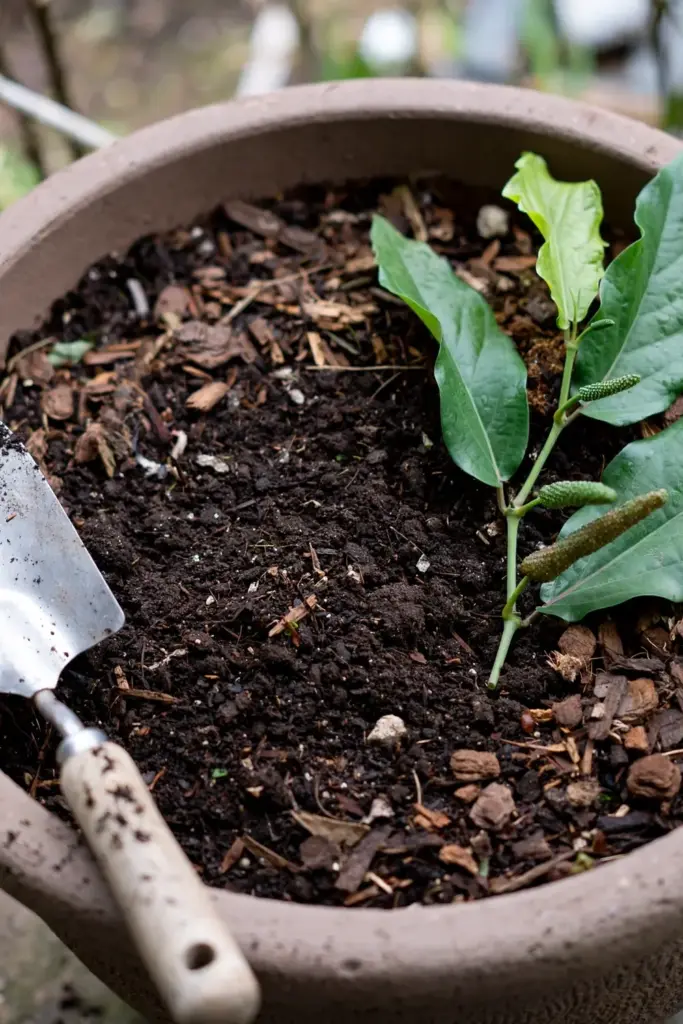
Move plants outdoors only after nights stay reliably warm and all frost danger has passed. Space them 60 cm by 30 cm if you plant several, following the field spacing used by growers in India. Set each plant at the same depth it grew in its pot, firm the mix gently, and water it in. A thick organic mulch keeps the shallow roots cool and moist through hot weather, and healthy soil biology does more for this plant than any fertilizer schedule.
Step 9: Water for Humidity, Not Sogginess
Think of long pepper as a plant that wants humid air and evenly moist soil, never a swamp. Water when the top inch of mix dries, and water deeply enough that a little runs from the drainage holes. In hot weather that can mean daily watering for pots; in cooler or shadier spots, every two or three days is plenty.
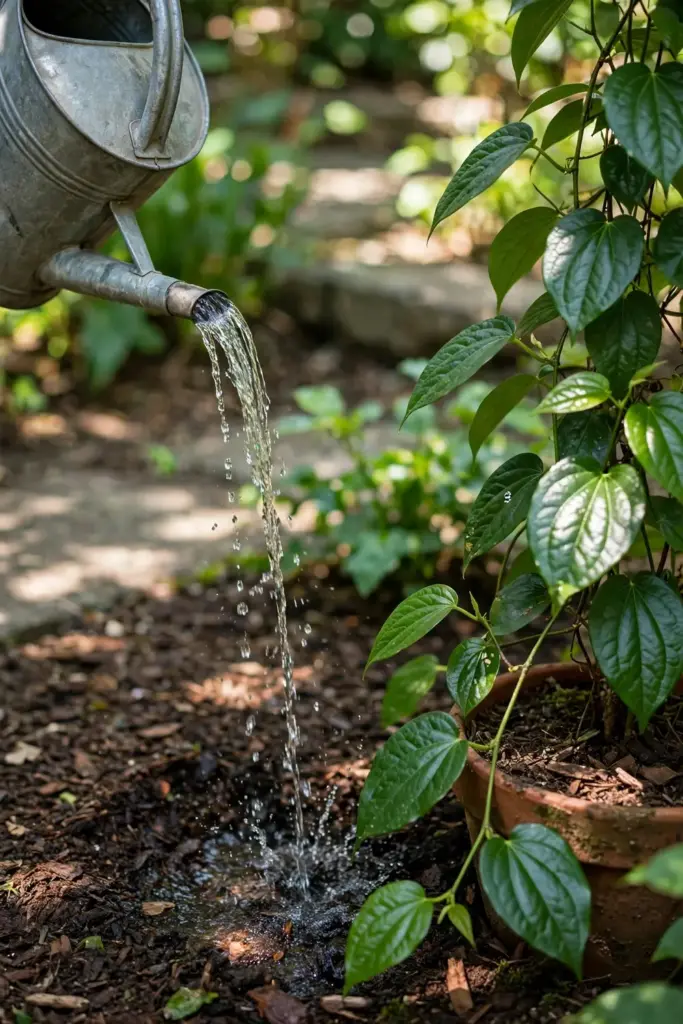
The two failure modes are mirror images. Constantly soggy mix rots the shallow roots and invites fungal trouble, while repeated drying stresses the vine and stalls growth. Mulch, shade cloth in extreme heat, and grouping pots together to raise local humidity all help you stay in the middle lane. If your tap water is very hard, collected rainwater is kinder to the foliage over a long season.
Step 10: Feed Lightly Through the Growing Season
Field growers in India feed long pepper with farmyard manure applied before the monsoon, and chemical fertilizers are generally not recommended for the crop. For a home grower, that translates to compost top-dressing and a gentle organic liquid feed every few weeks during active growth, not a heavy synthetic program. The plant is a moderate feeder; it wants steady nutrition, not force-feeding.
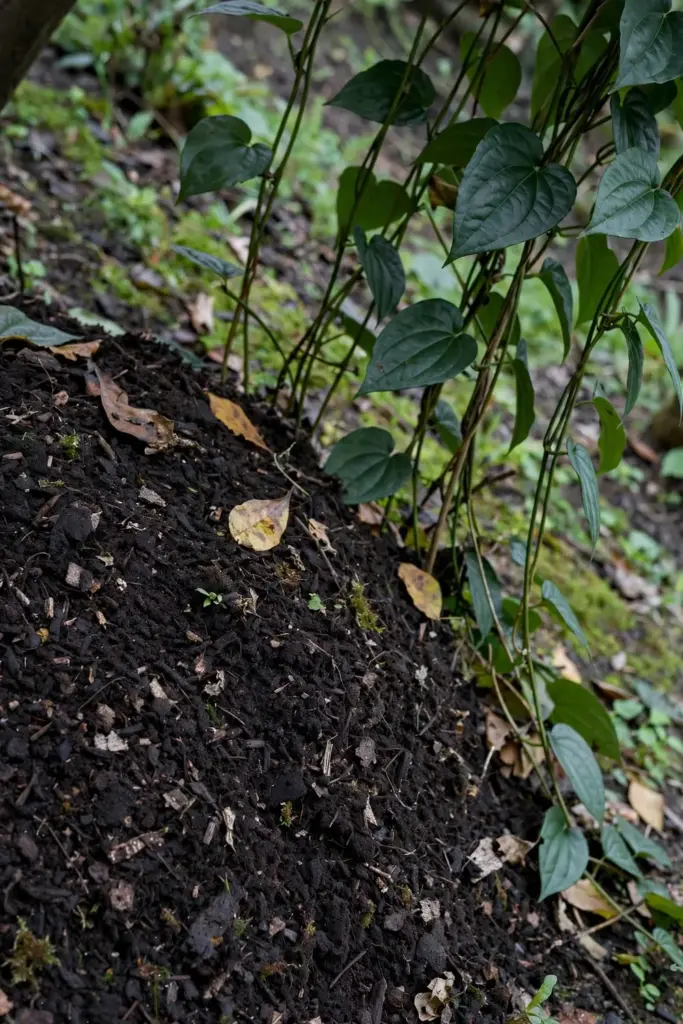
Start feeding about a month after transplanting, when the vine is climbing and producing new leaves. A balanced organic fertilizer at half the label rate, applied every two to three weeks through the warm months, is enough. Stop feeding as growth slows in fall so the plant hardens off instead of pushing soft new growth into the cold season.
Step 11: Prune for Shape and Airflow
Prune to keep the vine tidy, remove damaged leaves, and let air move through the foliage. Good airflow matters because a dense, damp tangle is where fungal problems start. In the dry season or during a quiet growth spell, cut back weak or crossing stems to a healthy node, and remove any leaves that show spots or damage.
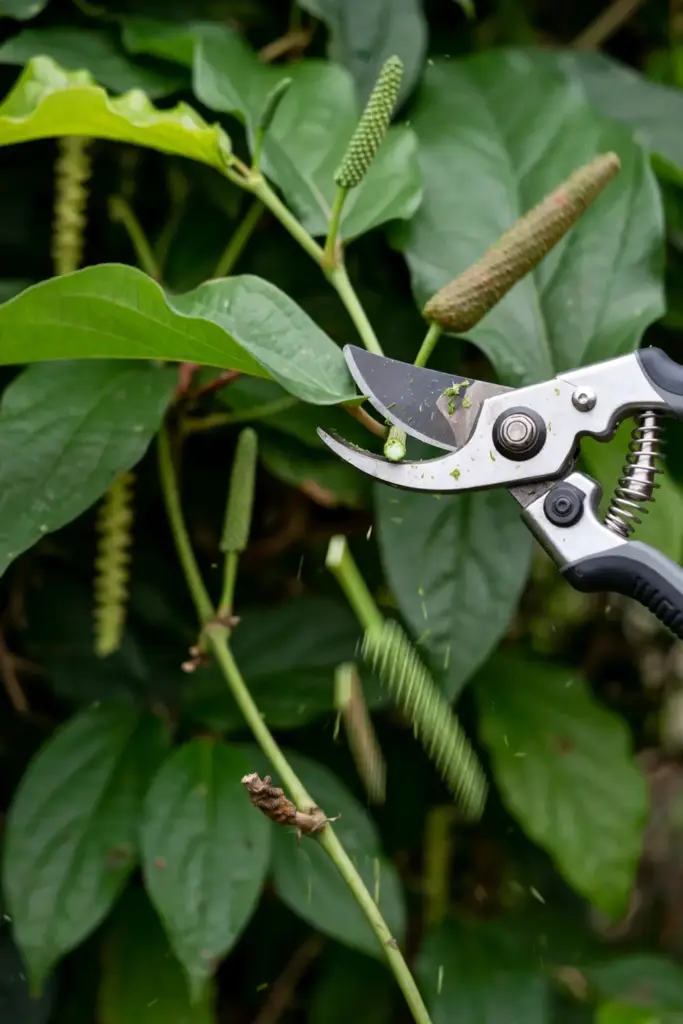
You can also pinch the growing tips to encourage branching, which gives you a bushier plant with more flowering sites. Clean your pruners between plants if you grow more than one vine. The prunings root easily in damp mix, which is a free way to multiply your stock (see the cutting method below).
Pests and Diseases to Watch
The warm, humid conditions long pepper loves also suit a few pest and disease problems, so prevention is part of the routine. Mealybugs can colonize stems and leaf joints, especially on nursery stock raised in crowded conditions; dab them with alcohol on a cotton swab or wash them off with a strong mist of water. Spider mites appear when the air gets too dry, so the humidity this plant wants is also your prevention.
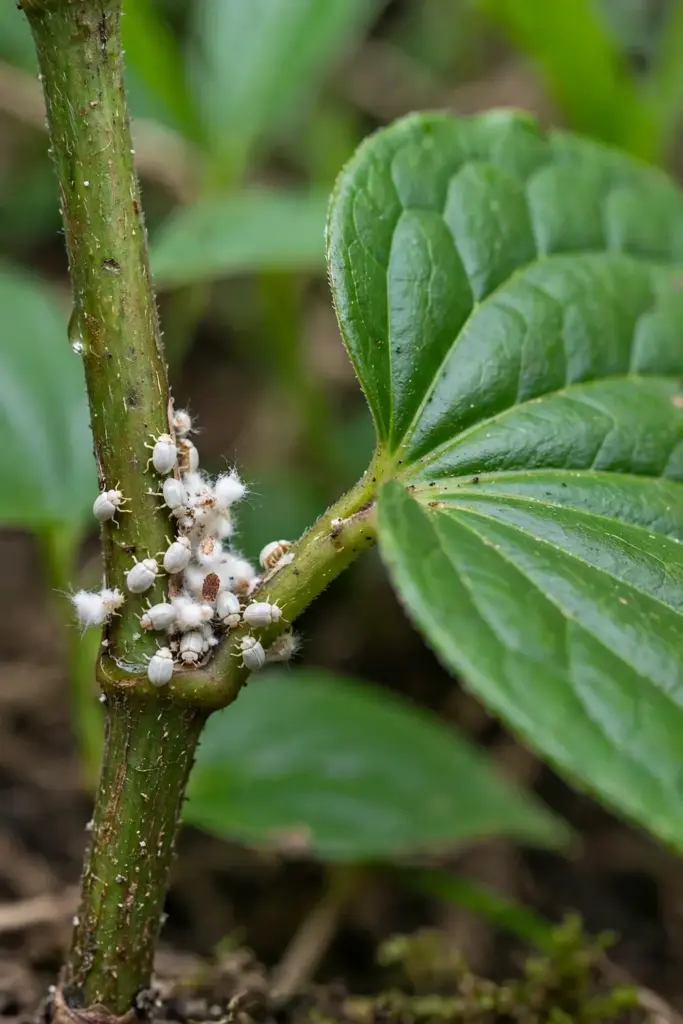
Root and stem rots are the serious threat, and they are almost always a drainage problem rather than bad luck. If a vine wilts despite moist soil, or the base of the stem turns dark and soft, unpot it, trim away rotted roots, and repot in fresh, drier mix. Prevention beats cure: porous mix, drainage holes that actually drain, and no saucer of standing water under the pot.
Step 12: Harvest the Spikes at the Blackish-Green Stage
Agronomists at Kerala Agricultural University report that vines start flowering about six months after planting, with flowers produced almost year-round in warm climates and each spike maturing roughly two months after flowering. The harvest window is specific: pick the spikes when they are blackish green. That is when pungency peaks; fully black, overripe spikes have lost their best quality.
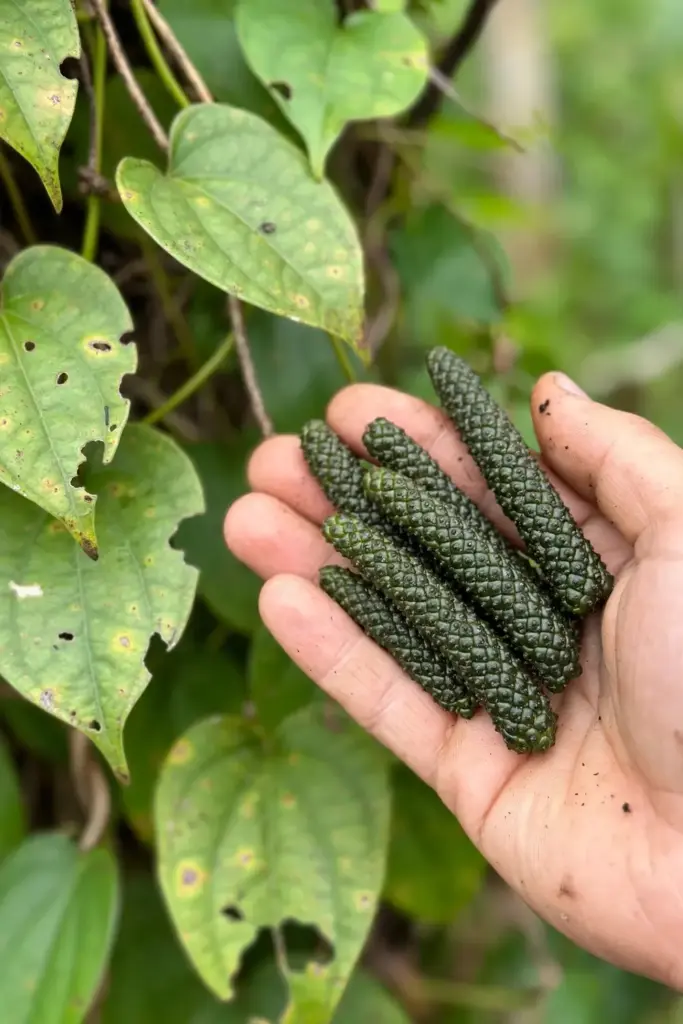
Harvest by hand, snipping each mature spike with a short piece of stem. Check the vine every few days during the fruiting season, because spikes on the same plant ripen in succession rather than all at once. A first-year vine gives a modest harvest; production builds as the plant matures, and field yields rise substantially by the third year. For a home grower, a single healthy vine in a large pot can still fill several spice jars.
Drying and Storing Your Long Pepper
Spread the fresh spikes in a single layer on a tray and dry them in the sun for four to five days, until they are hard, dark, and fully dry. Turn them once or twice a day so they dry evenly. In humid weather, finish them in a dehydrator or a very low oven rather than letting them sit damp, because mold ruins a harvest faster than any pest.
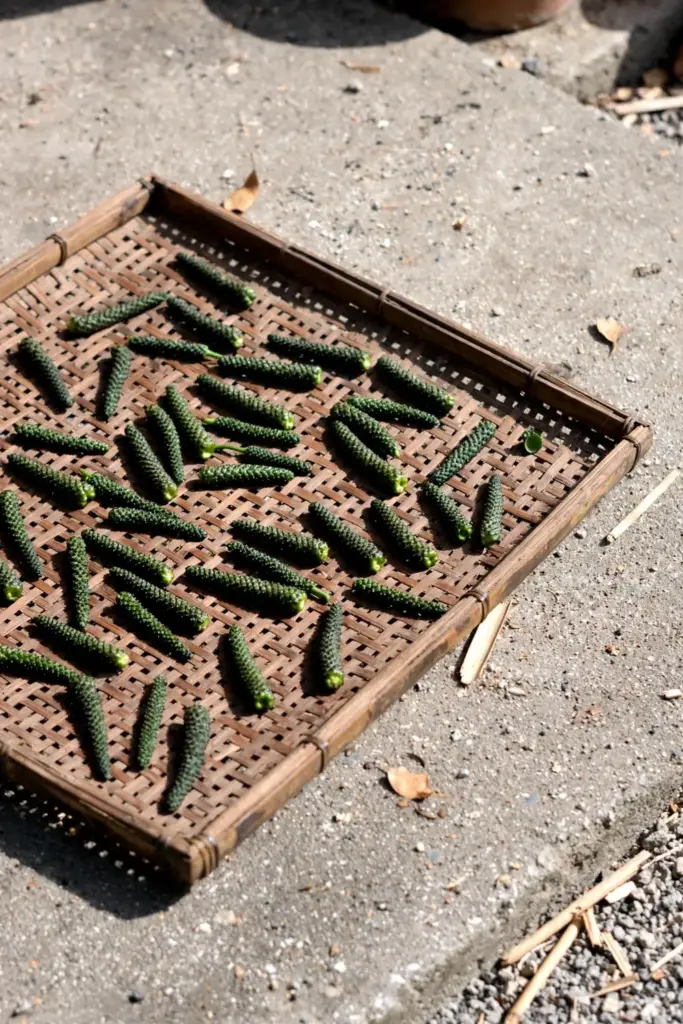
Expect serious shrinkage: research-station figures put the fresh-to-dry ratio at 10 to 1.5 by weight, so a basket of fresh spikes reduces to a small jar. That is normal, not a failure. Store the dried spikes whole in an airtight jar away from light, and grind only what you need; whole spikes hold their pungent, sweet heat far longer than pre-ground powder.
The Cutting Shortcut: Skip the Seed Wait
If the six-week germination lottery does not appeal to you, propagate from cuttings instead. Field growers in India raise long pepper mainly from suckers and rooted vine cuttings 15 to 20 cm long with three to five nodes, and PROSEA’s cultivation notes) confirm cuttings root in about 15 to 20 days in warm, humid conditions. That turns a two-month seed project into a three-week one.
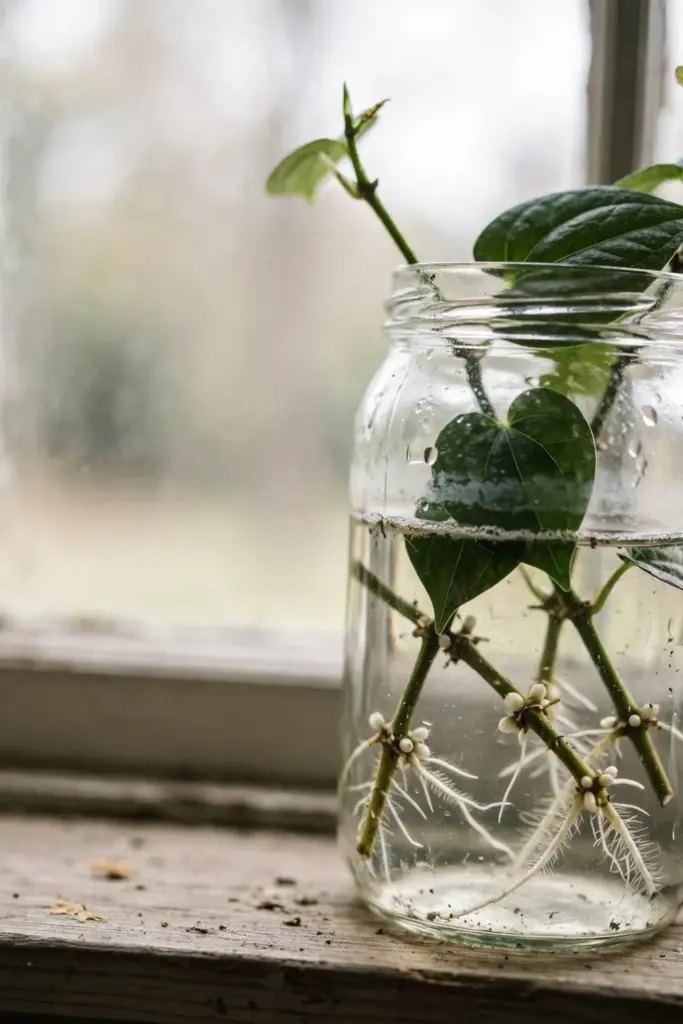
Take cuttings from healthy one-year-old growth, keep two or three nodes buried in damp potting mix under a humidity cover, and hold them at the same 75 to 80°F you would use for seed. Rooted cuttings also fruit sooner than seedlings, since they start life as mature tissue. The tradeoff is genetic: cuttings clone the parent, so if you want the variety and vigor of seed-grown plants, sow seed. If you want spice faster, take cuttings.
Growing Long Pepper in Pots and Greenhouses
Temperate growers should treat long pepper as a permanent pot plant with a winter home, not as a garden perennial. Use the widest pot you can manage, at least 12 inches across, because the root system spreads shallow and wide. A greenhouse setup for beginners is the ideal winter quarters: bright, humid, and safely above freezing.
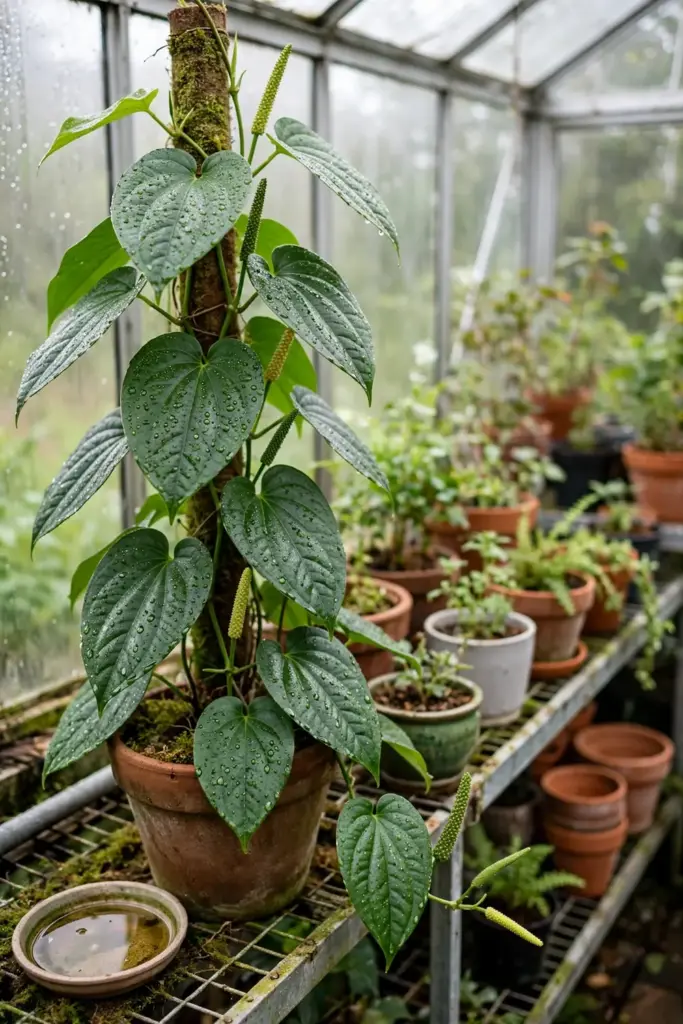
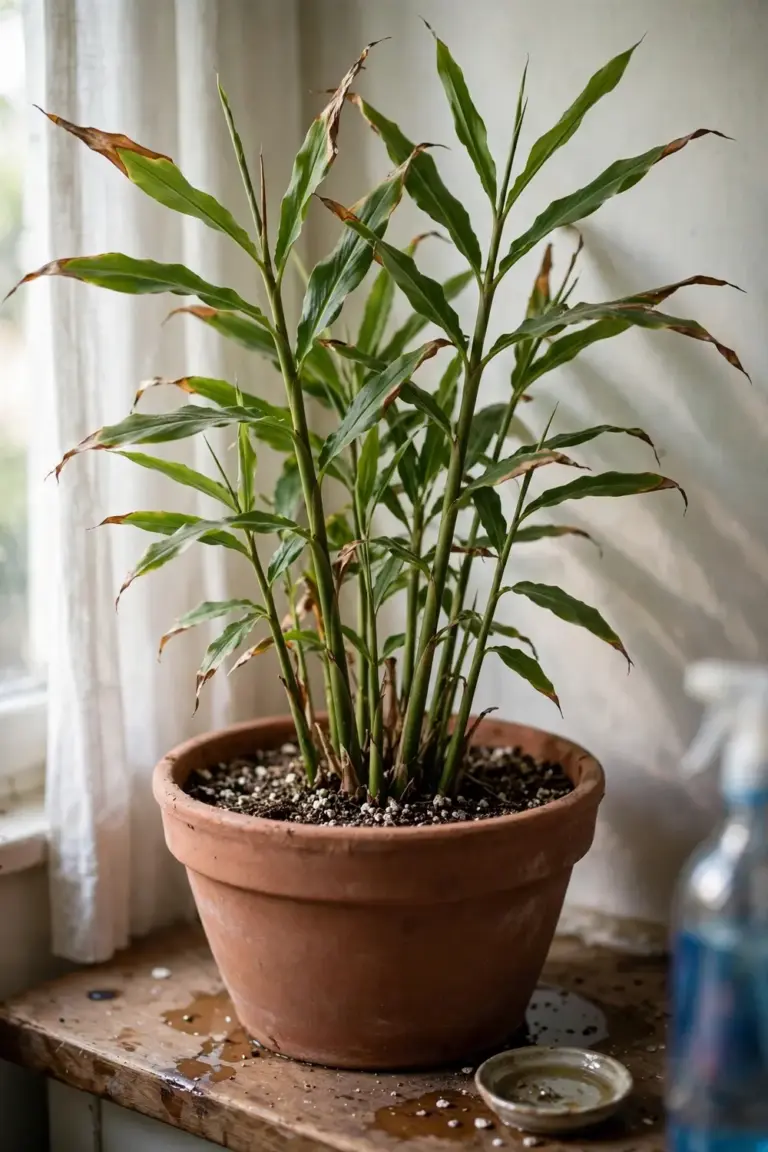
Bring the pot inside before the first fall frost, and cut back watering as growth slows. The plant may drop leaves and look unhappy in midwinter; that is dormancy behavior, not death, as long as the stems stay firm. Keep it barely moist, watch for mealybugs in the dry indoor air, and move it back out once nights are reliably warm. Many growers in cold climates keep their vine in the greenhouse year-round and enjoy a tropical corner that fruits where the frost never reaches.
Common Mistakes and How to Fix Them
Buying seed without a Latin name. “Long pepper” alone on the packet often means Piper retrofractum or a mislabeled something else. Fix: buy only seed labeled Piper longum, from a seller who knows the harvest date.
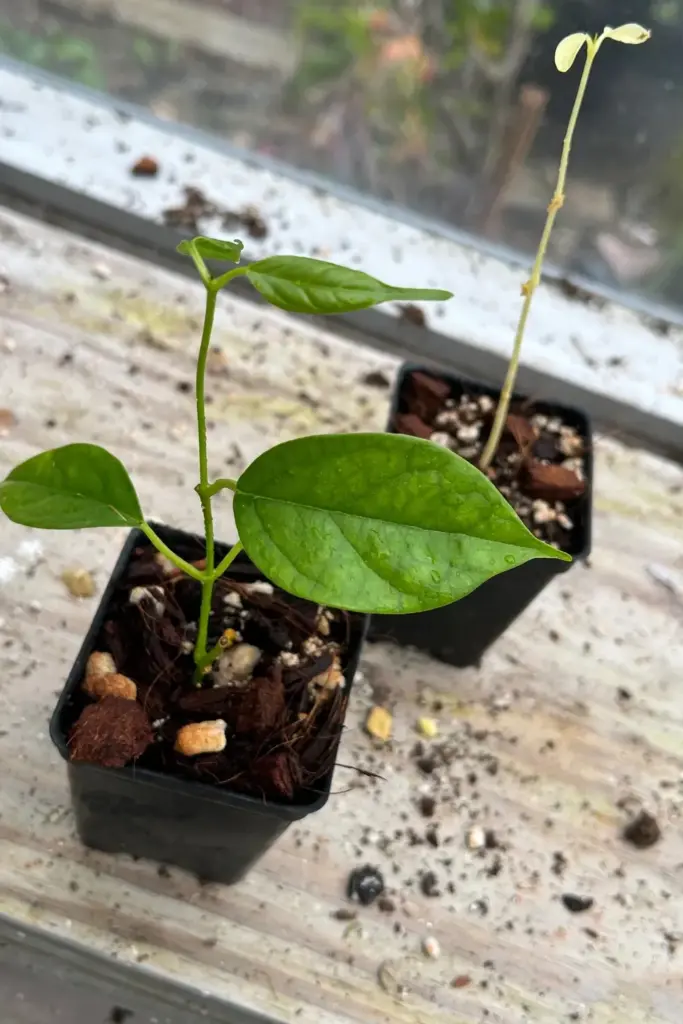
Sowing old seed. Viability crashes in storage, and last year’s packet is usually dead. Fix: buy fresh each season and sow promptly.
Sowing too deep. Seeds buried an inch down rarely emerge. Fix: 0.25 to 0.5 inches, pressed into the surface, misted not flooded.
Skipping the heat mat. At cool room temperature, germination drags on for months or never happens at all. Fix: hold the tray at a steady 75 to 80°F with bottom heat from sowing day until seedlings are up and growing.
Giving up at week four. Erratic germination means the tray can sit quiet for a month before the first sprout. Fix: keep the dome on and the heat steady for at least eight weeks before declaring failure.
Letting it sprawl. An unsupported vine tangles, shades itself, and fruits poorly. Fix: install the trellis at transplant time.
Overwatering the pot. Soggy mix rots shallow roots fast. Fix: porous mix, real drainage, and water only when the top inch dries.
Troubleshooting Long Pepper Problems
| Symptom | Likely cause | Fix |
|---|---|---|
| No germination after 8 weeks | Old seed or too-cold tray | Fresh seed; verify 75–80°F with a thermometer |
| Seedlings damp off at the base | Overwatering, poor airflow | Water less; lift the dome daily for air exchange |
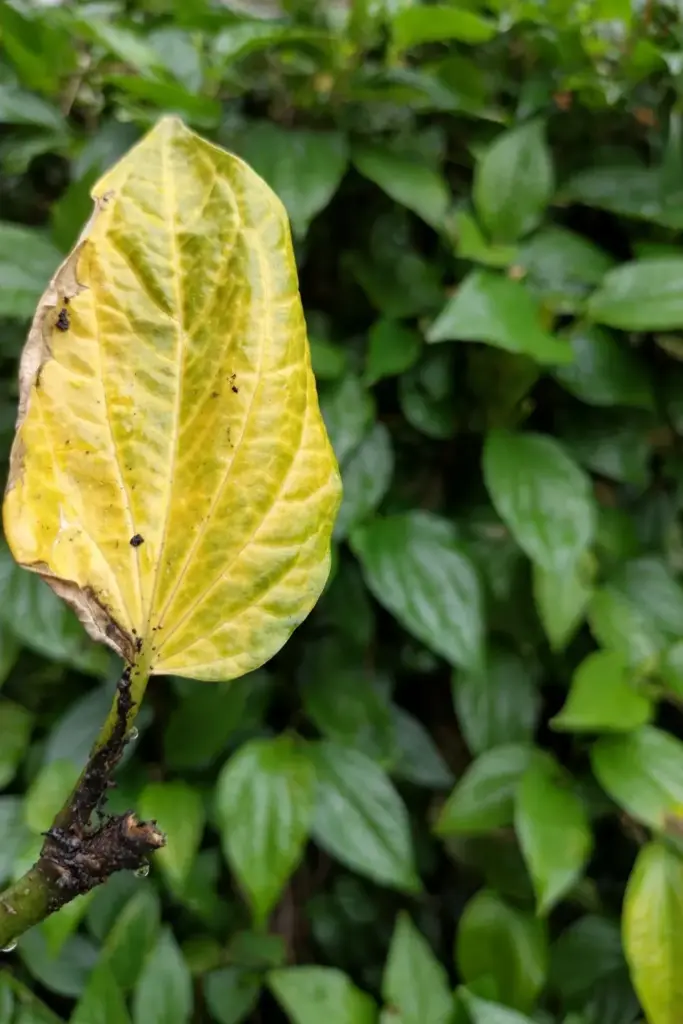
| Yellow leaves on a growing vine | Waterlogged roots or hungry soil | Check drainage; top-dress with compost |
| Vine wilts despite wet soil | Root rot | Unpot, trim rot, repot in fresh dry mix |
| No flowers in year one | Young plant or too little light | Normal for seedlings; increase light and wait |
| Spikes mold while drying | Humid drying weather | Finish in a dehydrator or low oven |
| Mealybugs in leaf joints | Dry air, crowded nursery stock | Alcohol swab; raise humidity; isolate new plants |
Frequently Asked Questions
No. Long pepper is Piper longum and its spice is a small dense spike, while black pepper is Piper nigrum and its spice is the round dried peppercorn. They share a genus and a family, and both contain the pungent compound piperine, but they are different vines with different fruit, flavor, and growing habits. Guides written for black pepper do not apply directly to long pepper.
Expect a long arc. Germination alone takes three to six weeks or more, seedlings need months of warm growth before transplanting, and field data shows vines starting to flower about six months after planting, with each spike maturing roughly two months after flowering. A realistic home timeline is first spikes in the second year from seed, with real harvests once the vine is established.
Yes, as a pot plant, and in cold climates that is the only way. Give it the brightest spot you have, warmth above 65°F, humidity from misting or a pebble tray, and a moss pole or small trellis to climb. Growth slows in winter and the plant may rest; keep it barely moist until spring. A greenhouse is better than a windowsill, but a careful indoor grower still gets a healthy vine.
The three usual causes are old seed, cold soil, and sowing too deep. Seed viability drops fast in storage, so last year’s packet is the prime suspect. Germination wants steady 75 to 80°F bottom heat, not room temperature on a cool shelf. And seeds buried deeper than half an inch often never emerge. Fix all three at once: fresh seed, a heat mat, and a shallow 0.25 to 0.5 inch sowing depth.
Pick the spikes by hand when they reach the blackish-green stage, which is when pungency peaks; fully black spikes are past their best. Snip each spike with a short piece of stem and check the vine every few days, since spikes ripen in succession. Sun-dry in a single layer for four to five days until hard and dark, turning daily, and store whole in an airtight jar away from light.
No, though sellers confuse them constantly. Piper retrofractum is Javanese or Balinese long pepper, a close cousin with longer spikes and its own flavor profile. Piper longum is Indian long pepper, the pippali of Ayurveda. Both are true “long peppers” in the loose culinary sense, but they are different species. If you want pippali, buy seed labeled Piper longum with the Latin name on the packet.
Where to Go From Here
Start with fresh seed, steady heat, and a trellis waiting at transplant time, and you will be ahead of most first-time growers learning how to grow long pepper. The vine asks for warmth, humidity, and patience rather than expertise, and it pays back in a spice you cannot buy fresh at any store. If the tropical-spice lane appeals to you, turmeric follows a similar warm-and-patient rhythm with a rhizome instead of a vine. One pot of long pepper on a sunny patio is a small project with an exotic payoff, and that is exactly the kind of gardening worth doing.