
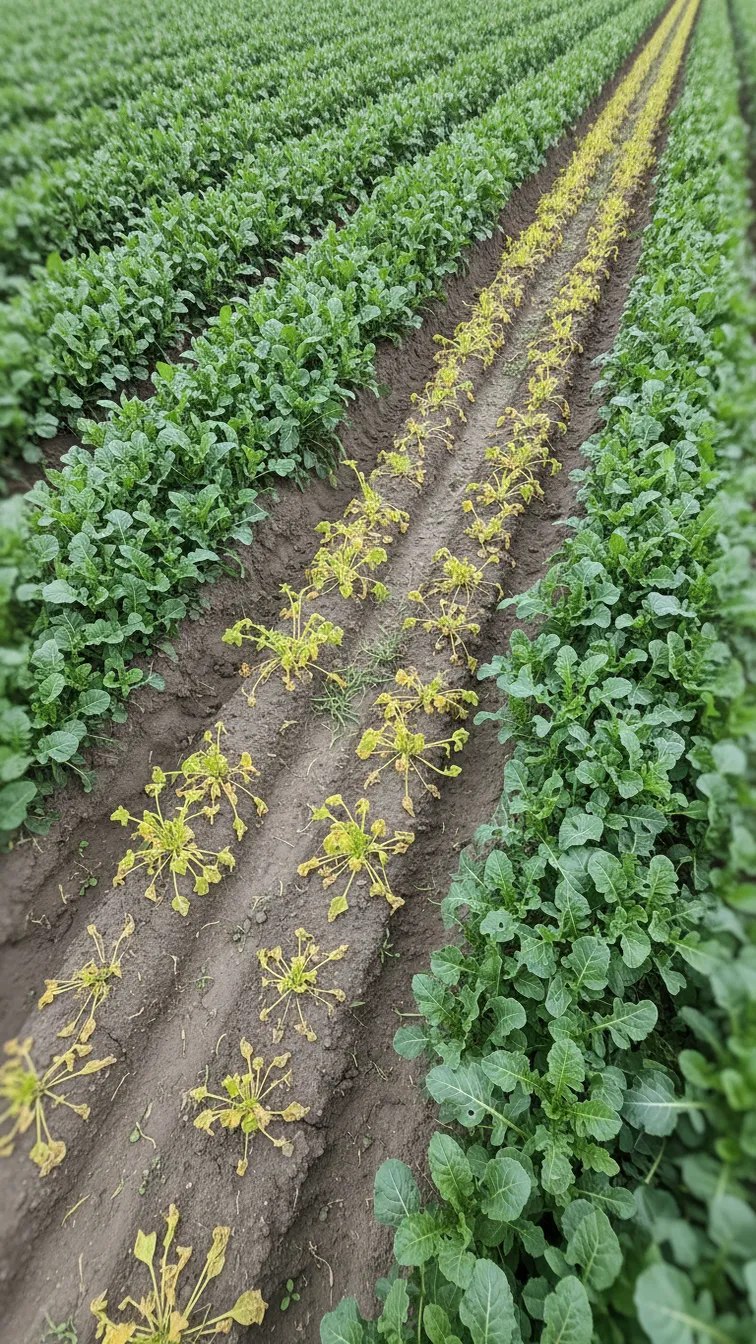

Columbia lance nematode, Hoplolaimus columbus, is a microscopic root-feeding worm that lives in the soil and damages plant roots from the outside and from within. It is best known as a problem in cotton, soybean, and corn fields across the coastal plains of Georgia, North Carolina, and South Carolina, but its wide host range means home gardens and vegetable plots on sandy soil in the same region can carry it too.
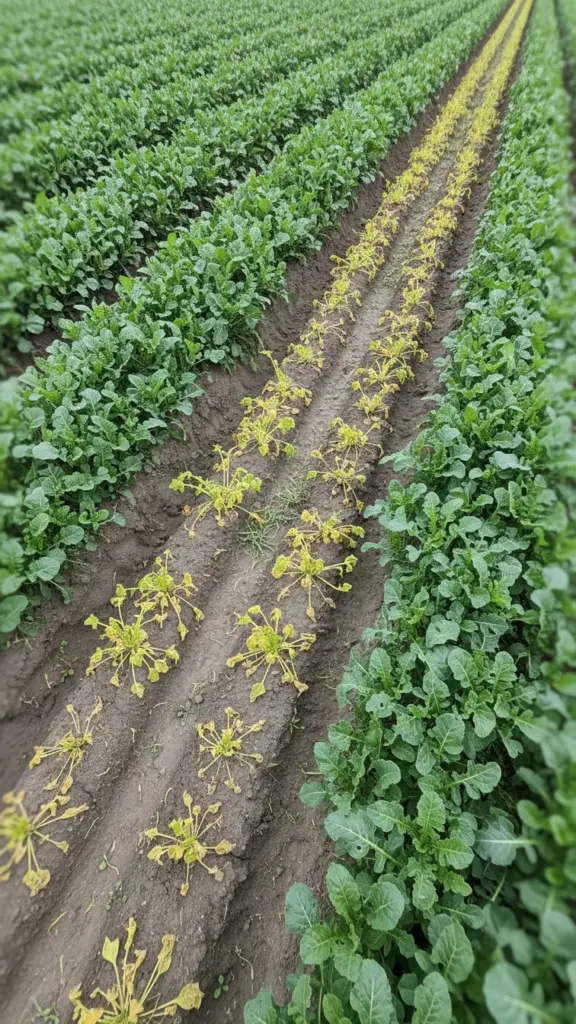
Because the nematode itself is invisible without a microscope, most gardeners and growers only notice its effects: patchy stunting, yellowing, and reduced yield that looks a lot like a nutrient or drainage problem until soil testing rules those causes out.
What Columbia Lance Nematode Is
Hoplolaimus columbus is one of several lance nematode species found in the southern United States, and it causes more damage than its relatives H. galeatus and H. magnistylus, even though its geographic range is the most limited of the three. Unlike root-knot nematodes, which stay lodged inside root tissue once they infect it, lance nematodes are migratory feeders. They move in and out of root tissue throughout their life cycle, feeding as they go, which spreads the damage across a wider stretch of the root system rather than concentrating it in distinct galls, a distinction laid out in Texas A&M cotton nematode guidance.
How to Identify Columbia Lance Nematode Damage
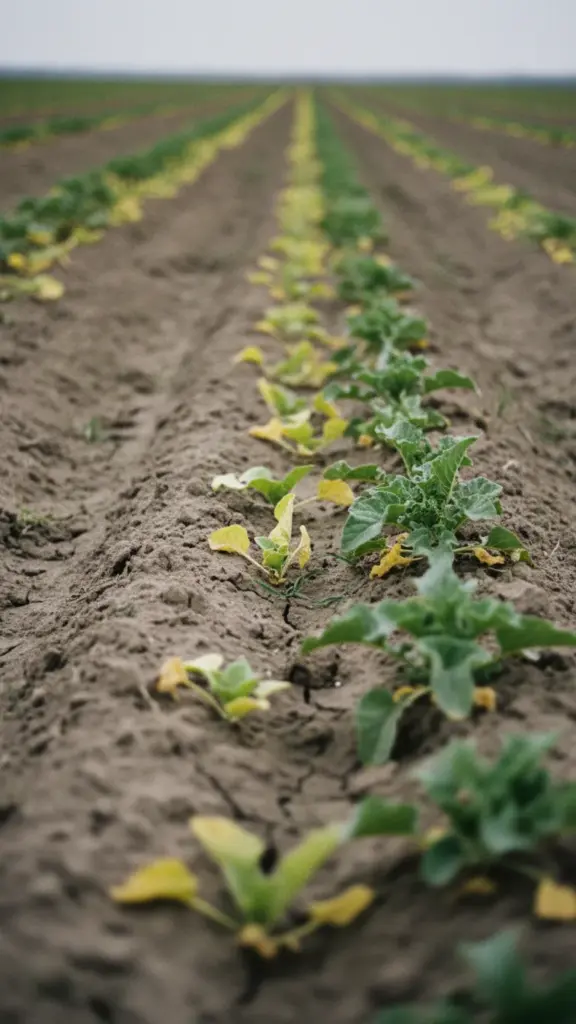
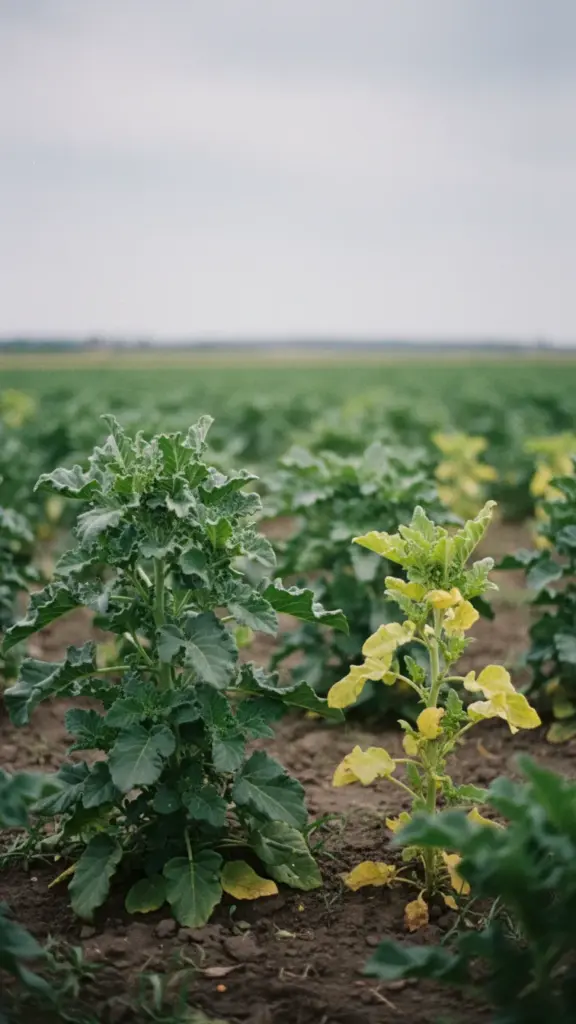
Above ground, look for irregular patches of stunted, yellowing plants scattered through a field or bed rather than a uniform decline across the whole planting. Growth within a row is often uneven, with healthy plants standing right next to visibly weaker ones a few feet away, a pattern documented in soybean field symptoms.
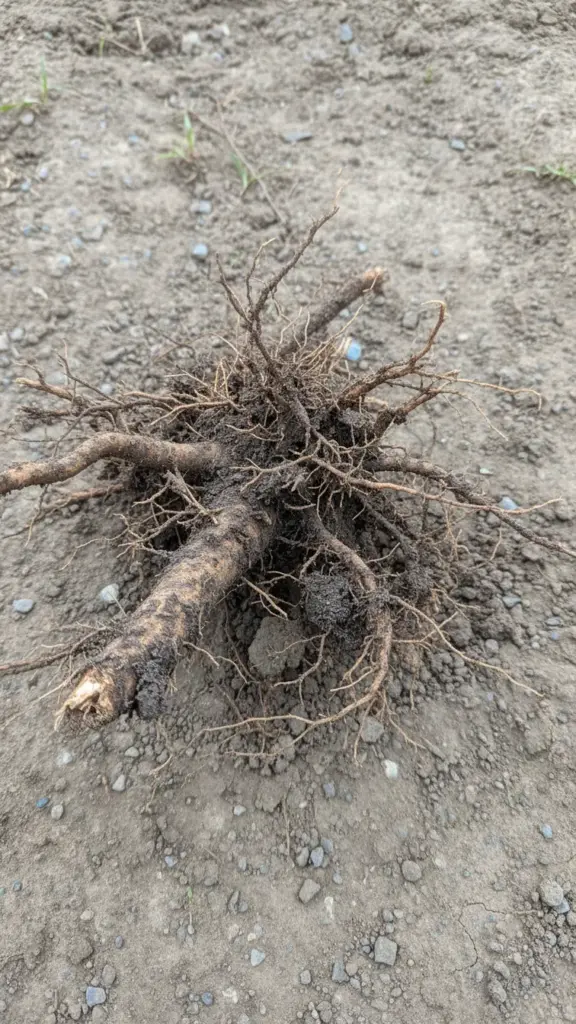
Below ground, pull a few stunted plants and rinse the roots clean. Roots damaged by Columbia lance nematode often look darkened, roughened, or poorly developed compared to the pale, fibrous roots of a healthy plant, though they do not form the swollen galls typical of root-knot nematode damage. A formal soil or root assay is the only way to confirm nematodes rather than another cause, since these symptoms overlap heavily with nutrient deficiency, soil compaction, and normal drought stress.
Crops and Plants Affected by Columbia Lance Nematode
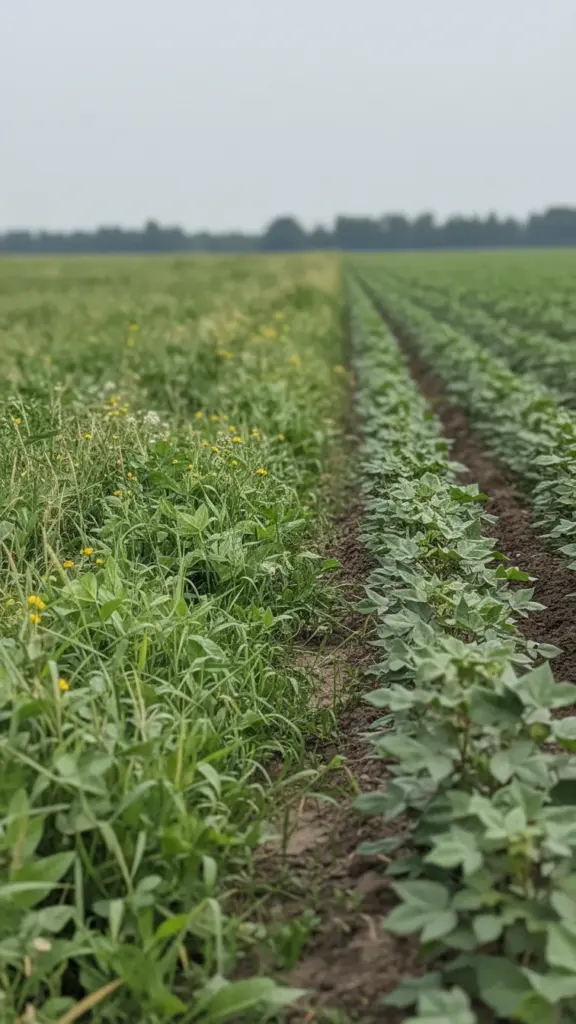
Cotton, corn, soybean, wheat, and bermudagrass are all documented hosts, and the nematode reproduces well on several common weeds including henbit, nutsedge, cowpea, crimson clover, pigweed, sicklepod, and showy crotalaria. Peanuts, sweet potatoes, tomatoes, peppers, ryegrass, and bahiagrass are not parasitized at all, which makes them useful choices when planning what to grow next in an infested area.
Watermelon, cucumber, okra, and cantaloupe sit in between. The nematode can survive and reproduce in their roots without necessarily causing a measurable yield loss in that crop, which means a field can carry a growing nematode population without obvious symptoms on that season’s planting.
How Columbia Lance Nematode Spreads and Survives
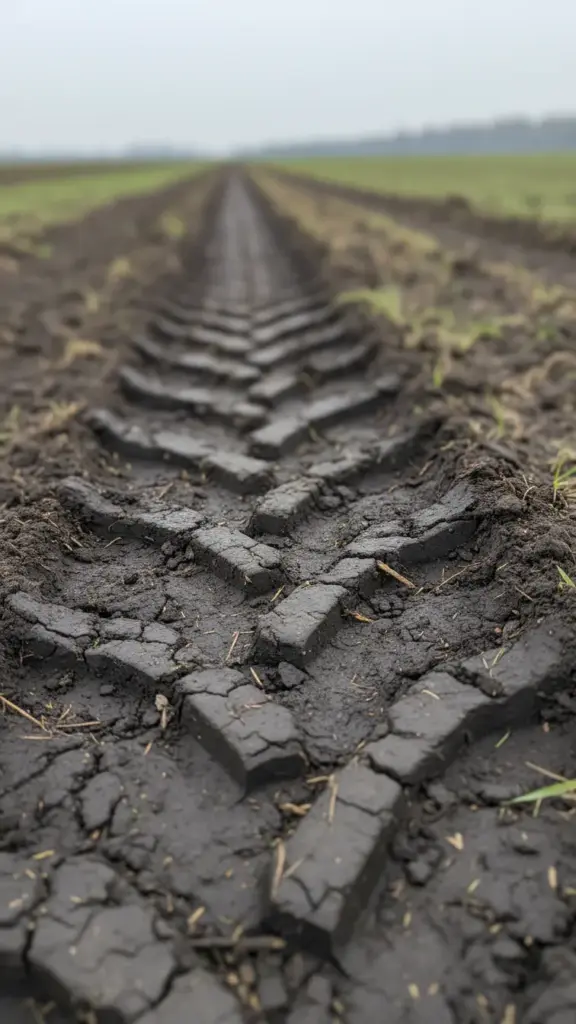
The nematode moves through soil largely on its own, but slowly, so most field-to-field spread happens through infested soil carried on equipment, transplants, or floodwater rather than the nematode traveling any real distance by itself. Within a field, populations tend to build up over successive seasons of susceptible crops, particularly in sandy soils where the nematode moves and feeds more easily than in heavy clay.
Between susceptible crops, the nematode survives on weed hosts and any crop residue left in the soil, which is why weed control between plantings matters almost as much as crop choice for keeping populations in check.
Columbia Lance Nematode vs Other Root-Feeding Problems
| Problem | Root Symptom | Distinguishing Clue |
| Columbia lance nematode | Darkened, roughened roots, no galls | Migratory feeding damage spread across the root system, confirmed by soil assay |
| Root-knot nematode | Swollen galls along roots | Distinct knot-like swellings visible without magnification |
| Root weevil larvae | Chewed, notched root surfaces | Larvae or adult weevils physically present in the soil around roots |
| Nutrient deficiency | Thin roots, no visible damage | Symptoms often follow a soil test pattern rather than a patchy field distribution |
A patchy, irregular distribution of stunted plants across an otherwise uniform field is one of the strongest field clues pointing toward a nematode rather than a fertility issue, since fertility problems tend to follow soil type boundaries rather than appear in scattered patches. If root damage looks more like chewing than internal feeding, a pest such as citrus root weevil or a fungal cause such as Armillaria root rot is worth ruling out alongside a nematode assay.
Conditions That Favor Columbia Lance Nematode
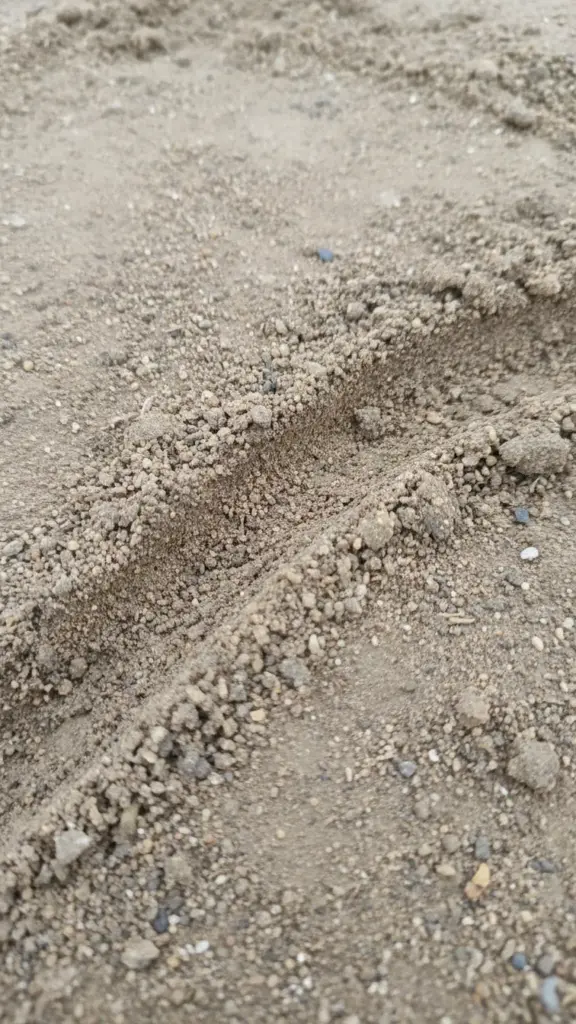
Sandy and sandy loam soils favor lance nematode movement and reproduction far more than heavy clay, which is part of why the coastal plains region has such a well-documented Columbia lance nematode problem. Warm soil temperatures during the growing season keep the nematode active and reproducing, while continuous plantings of the same susceptible crop year after year let populations climb without interruption.
Soil compaction and hardpan layers compound the damage, since a plant already struggling to push roots through compacted soil has less capacity to tolerate the additional root loss from nematode feeding.
Step 1: Sample Soil to Confirm Nematode Presence
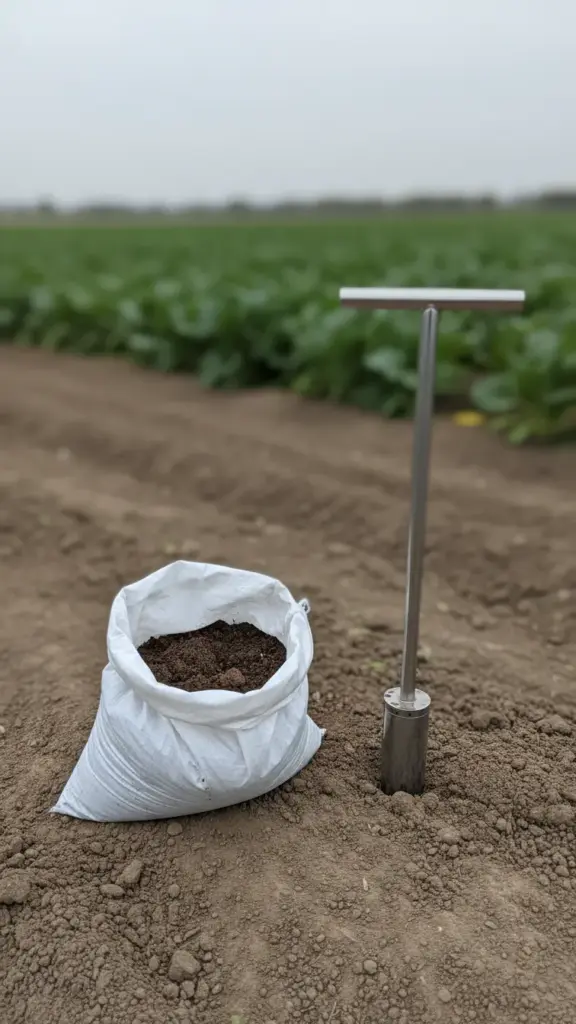
Collect a soil sample from the root zone of affected plants, ideally near harvest or at the point symptoms are most visible, and send it to a university or state nematode assay lab for identification and population counts. A confirmed assay result is worth far more than a visual guess, since nematode damage can look identical to several unrelated soil and nutrient problems.
Step 2: Rotate With Non-Host or Poor-Host Crops
Work poor hosts such as peanuts, sweet potatoes, tomatoes, peppers, and bahiagrass into a rotation plan for infested ground, since these crops do not support Columbia lance nematode reproduction and give populations time to decline between susceptible plantings. Also control weed hosts like henbit, nutsedge, and pigweed during the rotation, since the nematode can maintain its population on these plants even without a crop present.
Step 3: Manage Soil Compaction and Hardpan
Break up hardpan layers with deep tillage or subsoiling where practical, since reduced compaction lets roots grow more freely and tolerate nematode feeding better even when populations cannot be eliminated outright. Correcting soil pH and fertility at the same time also helps plants recover more of their yield potential despite nematode pressure.
Step 4: Choose Resistant or Tolerant Varieties
Select crop varieties bred for nematode tolerance or resistance where they are available for your crop and region, since resistant varieties can maintain acceptable yields even in fields carrying a documented Columbia lance nematode population. Seed suppliers and extension variety trial results are the most reliable sources for confirming which cultivars perform best against lance nematodes specifically.
Step 5: Apply Nematicide When Populations Are High
For fields with a confirmed high population and limited rotation options, a labeled nematicide applied at planting, either as a seed treatment or an in-furrow product, can protect young roots during the most vulnerable early growth stage described in Florida cotton nematode management guidance. Nematicides work best layered on top of rotation and sanitation practices rather than used as the only management tool, since chemical control alone rarely brings a well-established population back down on its own.
Can Columbia Lance Nematode Be Eliminated From Soil
Complete elimination from field soil is not realistic with current management tools, since the nematode survives in weed roots and crop residue between plantings and can persist at low levels for years. The realistic goal is keeping populations below the threshold that causes economic or visible plant damage, which a combination of rotation, resistant varieties, and soil management can achieve even without ever reaching zero.
Home gardens with a smaller footprint have more flexibility to rotate crops aggressively and remove weed hosts thoroughly, which can bring populations down faster than is practical on a large commercial field.
Common Questions
Can Columbia Lance Nematode Spread to a Home Vegetable Garden
Yes, if the garden sits on sandy soil in a region where the nematode already occurs, particularly if the soil was previously used for a susceptible crop such as corn, soybean, or bermudagrass turf.
Does Columbia Lance Nematode Cause Root Galls Like Root-Knot Nematode
No, its migratory feeding style damages roots without producing the distinct swollen galls associated with root-knot nematode, which is one of the clearest field differences between the two.
How Long Does a Soil Nematode Assay Take
Most university nematode labs return results within one to two weeks of receiving a properly collected sample, though turnaround varies by lab and season.
Is There a Way to Prevent Columbia Lance Nematode Without Chemicals
Yes, rotating with poor host or non-host crops, controlling weed hosts, and reducing soil compaction all lower nematode pressure without relying on a nematicide, though a severe existing infestation may still need chemical support alongside those practices.
Are Some Crop Varieties Naturally Resistant to Columbia Lance Nematode
Yes, plant breeders have developed nematode-tolerant or resistant varieties for several major crops, and checking current extension variety trial data for your region is the most reliable way to find options suited to lance nematode pressure specifically.
Where to Go From Here
Columbia lance nematode is easy to miss because its symptoms mimic ordinary nutrient and drainage problems until a soil assay rules those out. Once confirmed, a rotation-first plan built around poor host crops, weed control, and improved soil structure keeps populations manageable without depending entirely on chemical control. For other underground causes of stunted or declining plants worth ruling out first, see black root rot and citrus root weevil damage.








