
Grain mold on sorghum is not one disease. It is a multi-pathogen complex of 32 or more fungi on developing and maturing sorghum grain. Clemson lists one entry, “Aspergillus flavus: Grain mold” under sorghum, but Aspergillus flavus is one associate among many, not the sole cause. The 5 strategies below tell you how to read the moldy grain, why grain mold and head mold are the same condition, and how to run the honest home response.
Start with the honesty. The disease is a complex, chiefly Fusarium, Curvularia, and Alternaria, with 32 or more genera found on sorghum grain. A standalone article that presents one fungus as the cause would mislead. This article covers the complex as a group. It does not resolve the group to one pathogen.
What Grain Mold Actually Is
Grain mold is fungal molding of developing and maturing sorghum grain and spikelets. More than thirty two genera of fungi were found to occur on the grains of sorghum. The most frequently occurring genera are Fusarium, Curvularia, Alternaria, Aspergillus and Phoma. The many genera are the complex. The one name is the label.
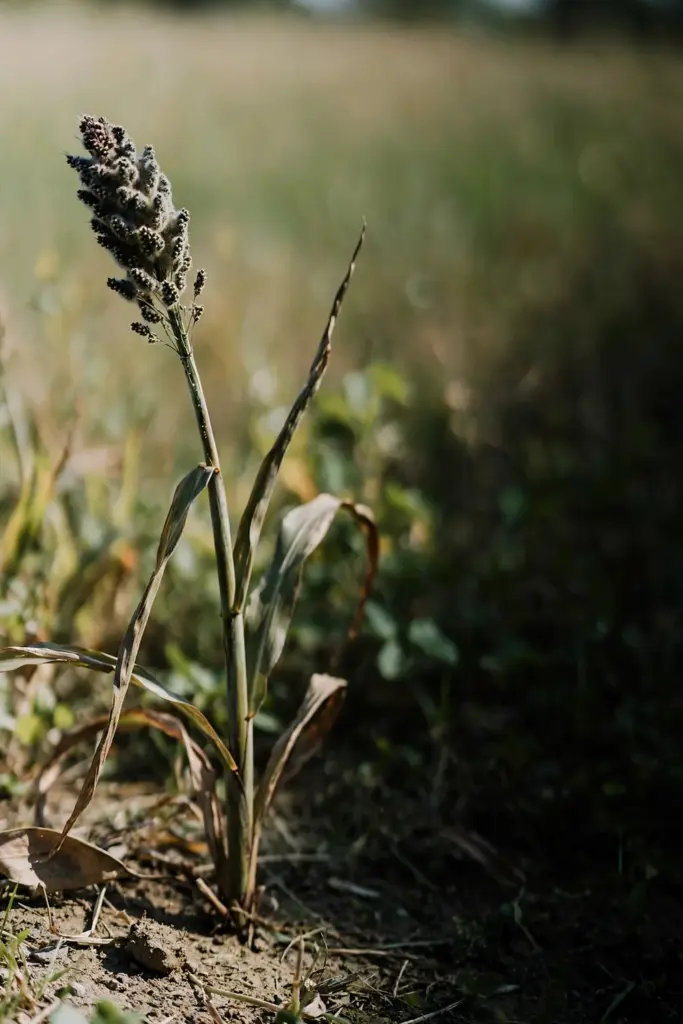
Clemson’s entry names one associate. Aspergillus flavus is one associate among many, and in the literature, more a storage and saprophytic associate than a proven field pathogen of the complex. The Clemson entry is the authority-lane anchor. The complex is the reality. The sole-cause reading is the trap.
Grain mold is favored by wet weather following flowering and high humidity during grain filling, and compact heads are more susceptible. The wet flowering is the trigger, the compact head is the risk, and the dry grain-filling is the defense.
How to Identify Grain Mold on Your Sorghum
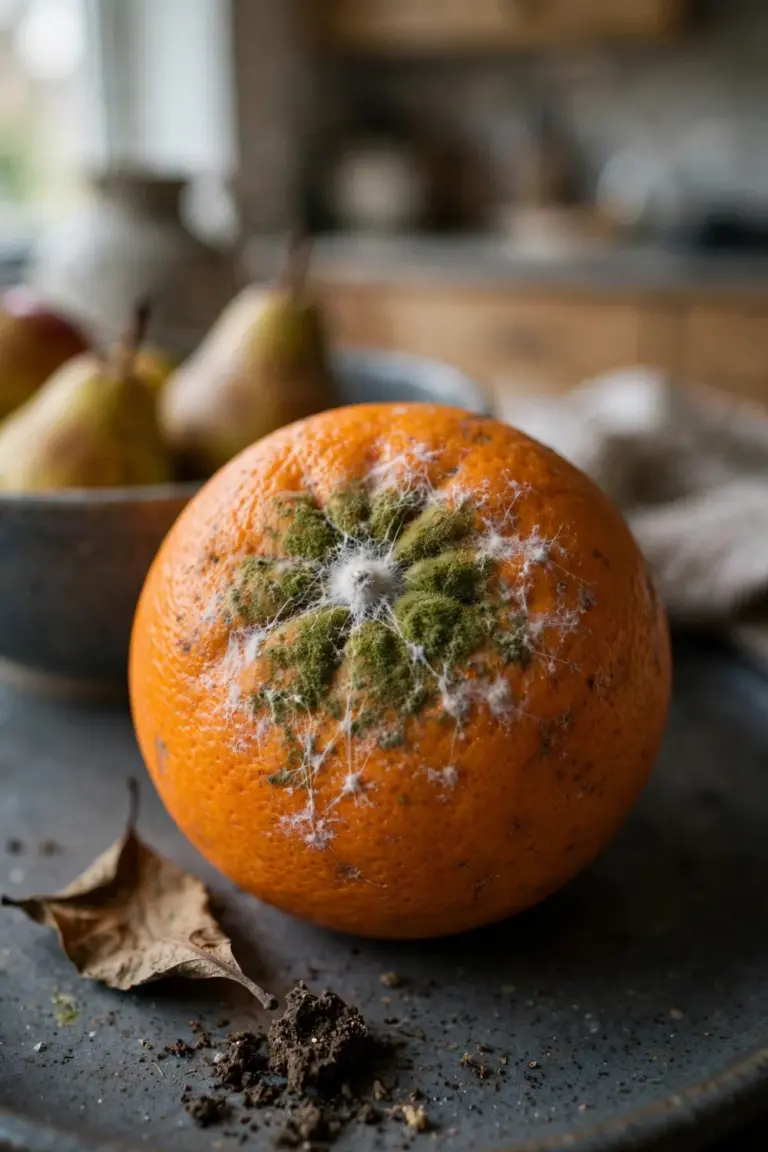
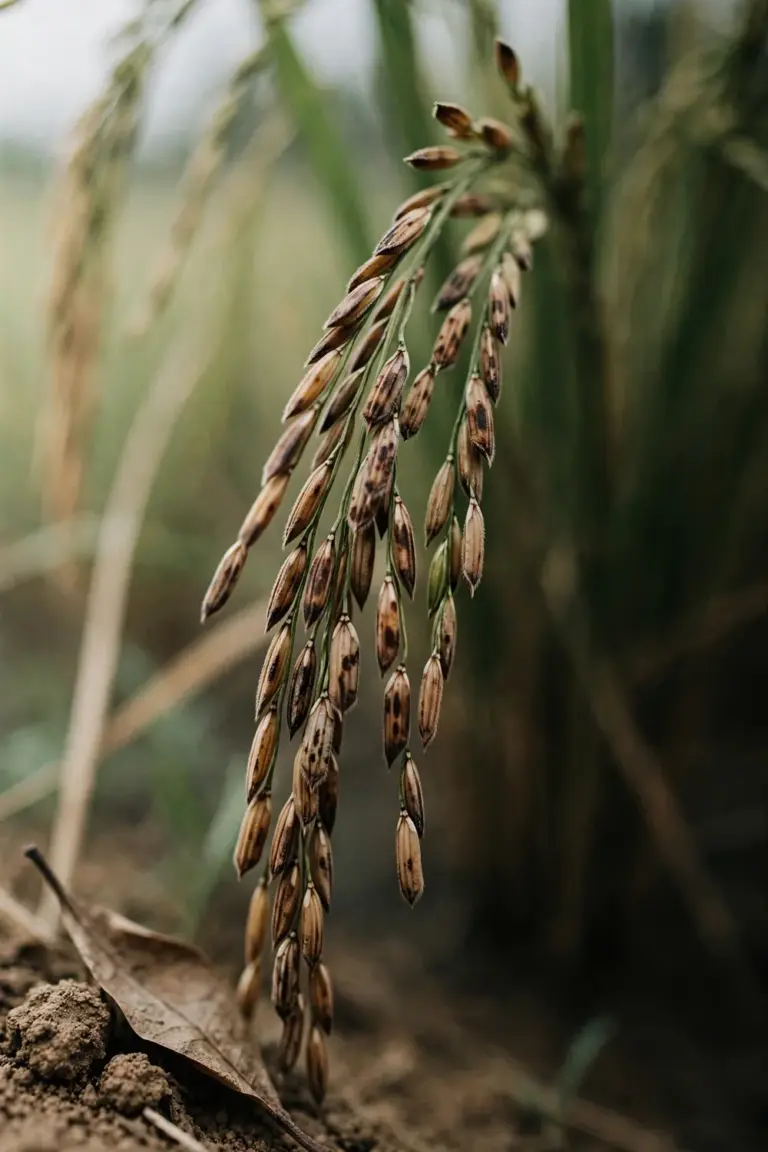
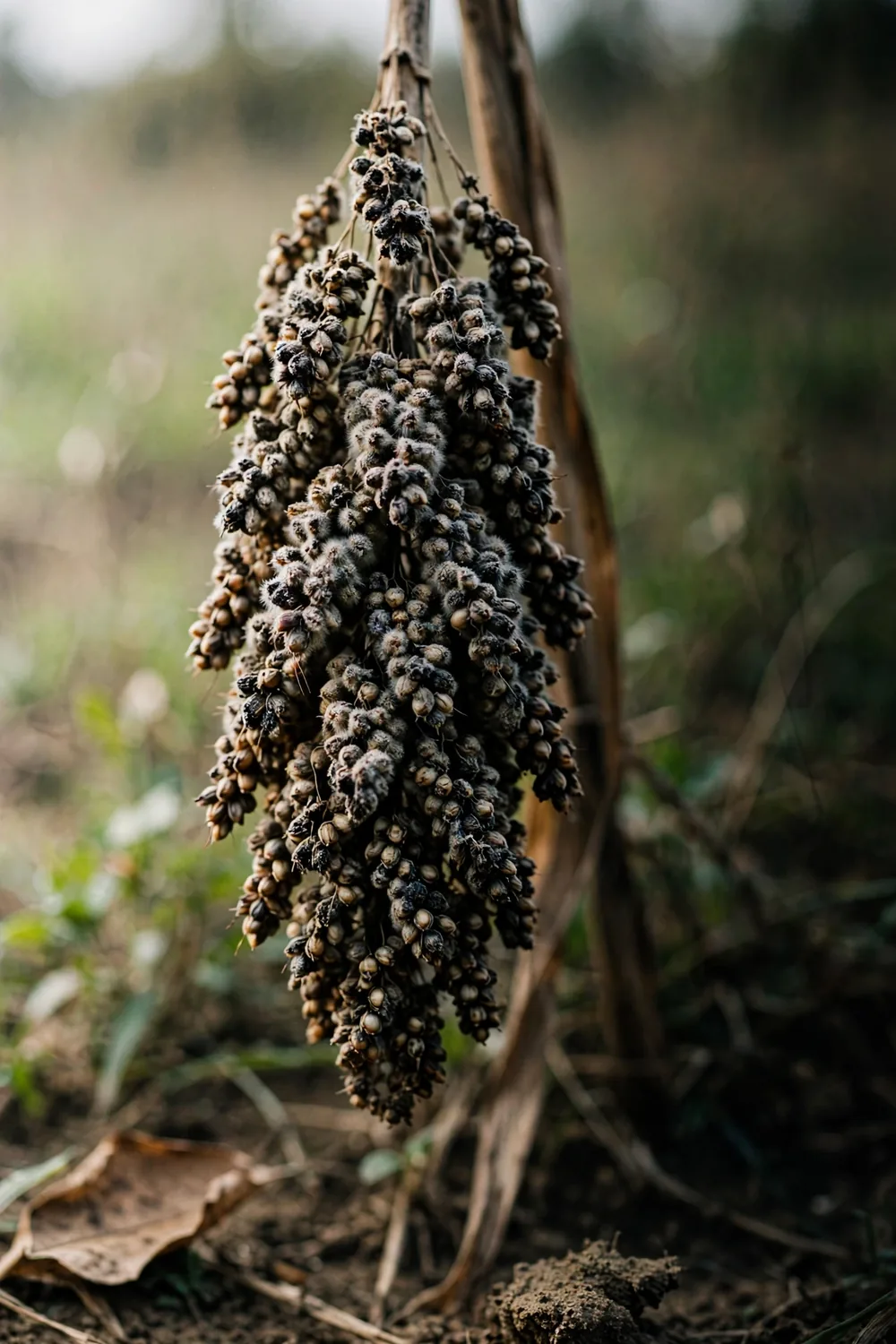
Look for discoloration that varies with the fungus. Fusarium semitectum and Fusarium moniliforme develop a fluffy white or pinkish coloration, while Curvularia lunata colors the grain black. Symptom varies depending upon the organism involved and the degree of infection, so the color varies with the fungus and the color does not identify the fungus. The color range is the complex.
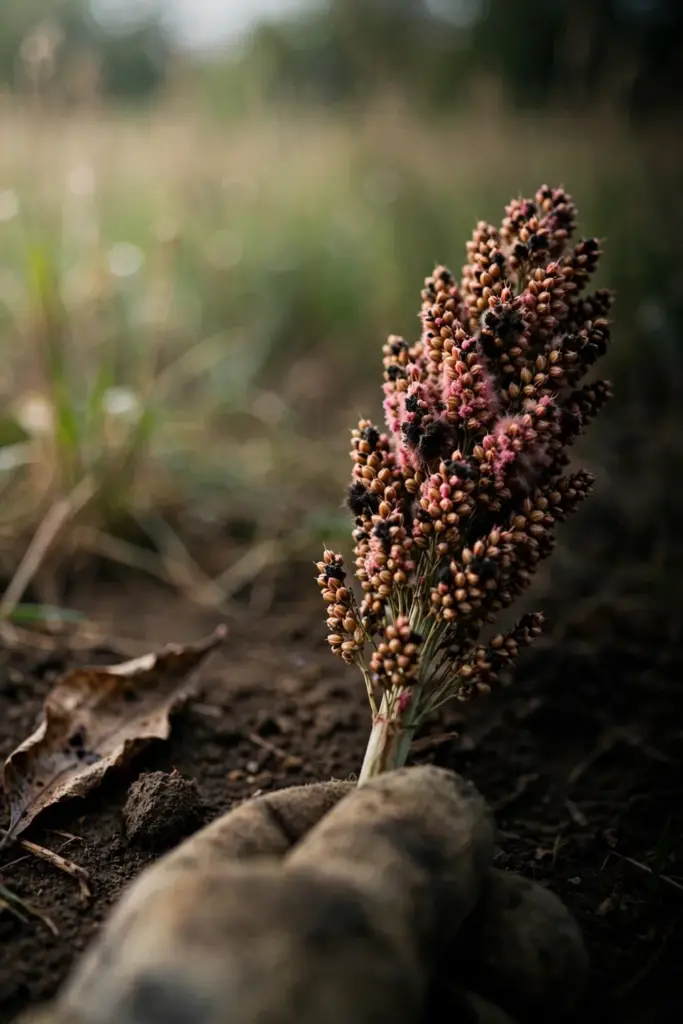
Look for grains that disintegrate under slight pressure. Heavily infected grains disintegrate, so the disintegrating grain is the severe sign, the firm grain is the healthy sign, and the pressure test is the check.
Look for aborted or reduced-size kernels. Early infection aborts kernels or reduces size and weight, so the aborted kernel is the early sign and the small kernel is the reduced sign. The early infection is the cause.
Look for premature sprouting in the panicle: sprouting in the panicle is a grain-mold sign, the sprouted grain is the wet sign, the unsprouted grain is the dry sign, and the sprouting is the warning.
Do not confuse with smut diseases. Grain smut, kernel smut, loose smut, and head smut are different diseases (sori replacing grains), not mold. The smut replaces the grain. The mold coats the grain. The replacement is the separator.
Why Grain Mold and Head Mold Are the Same Condition
Grain mold vs head mold is NOT a differential. The terms describe the same condition under different-era names. The 1970s literature used “head mold” for spikelet and grain molding; the field later standardized on “grain mold”. The same condition carries two names. The differential does not exist. The article carries no differential.
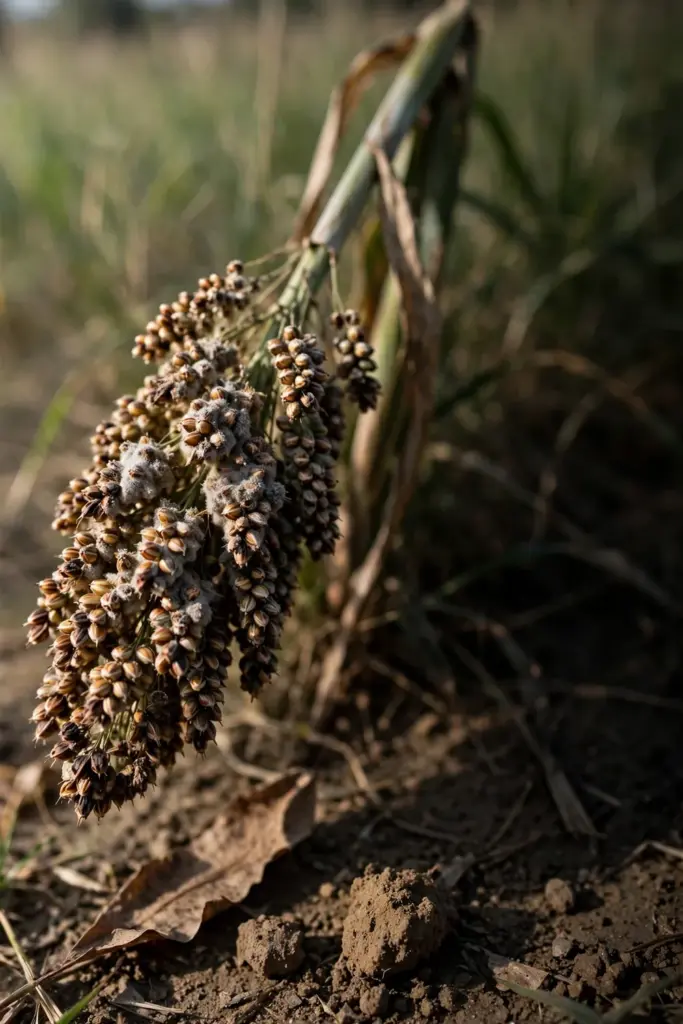
The terminology history confirms it. “Head mold”, “seed mold”, “grain mold”, “grain weathering”, and “grain deterioration” were all used before the field standardized on “grain mold”, so the names are the history, the condition is the same, and the pair is not a pair. The Plant Care archive carries the site’s other complex explainers for readers who want the pattern across crops.
Do not borrow stored-grain bin-mold evidence for the field disease. Stored-grain mold (generic bin mold on any stored grain) is a different, broader problem: postharvest storage of commodity grain in bins. It shares fungi and mycotoxin concerns but is not the field disease grain mold of sorghum. The bin is the storage. The field is the disease. The borrowing is the trap.
Strategy 1: Harvest on Time
Harvest on time. The longer mature grain sits wet in the field, the greater the molding. The timely harvest is the cut. The delayed harvest is the mold. The timing is the lever.
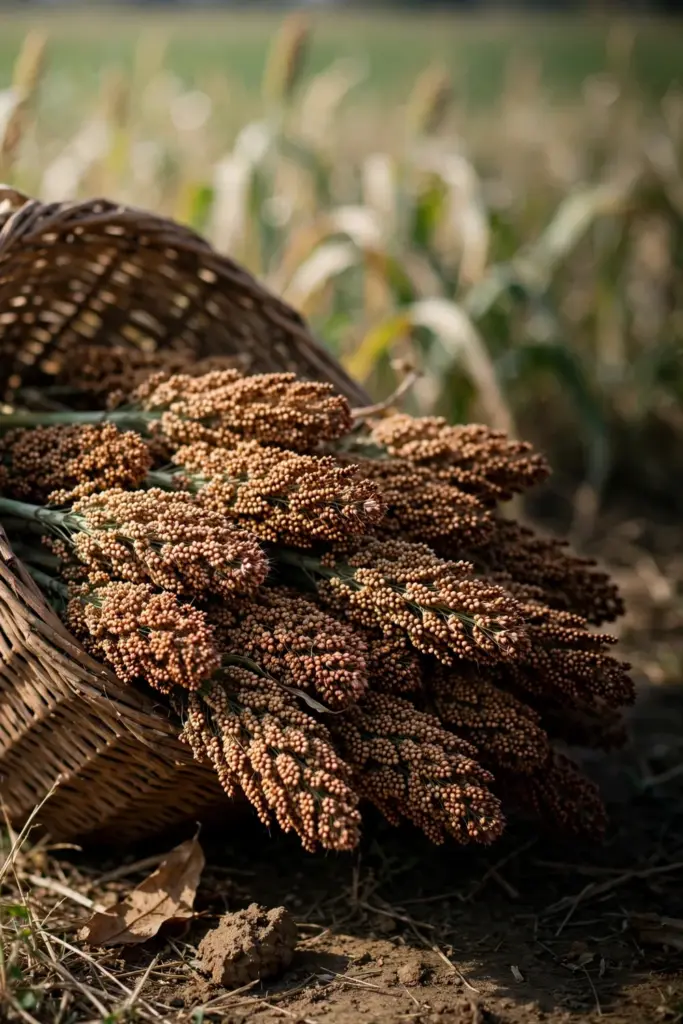
Watch the flowering-to-filling window, because if rains occur during the flowering and grain filling stages, severe grain moulding can occur. The wet window is the risk, the dry window is the relief, and the weather is the trigger.
Choose open-headed types where possible, because compact ear heads are highly susceptible. The open head dries faster, the compact head stays wet, and the head shape is the risk.
Strategy 2: Dry Promptly and Thoroughly
Dry promptly after harvest, because wet grain molds and dry grain resists. The prompt drying is the prevention, the delayed drying is the mold, and the drying is the habit.
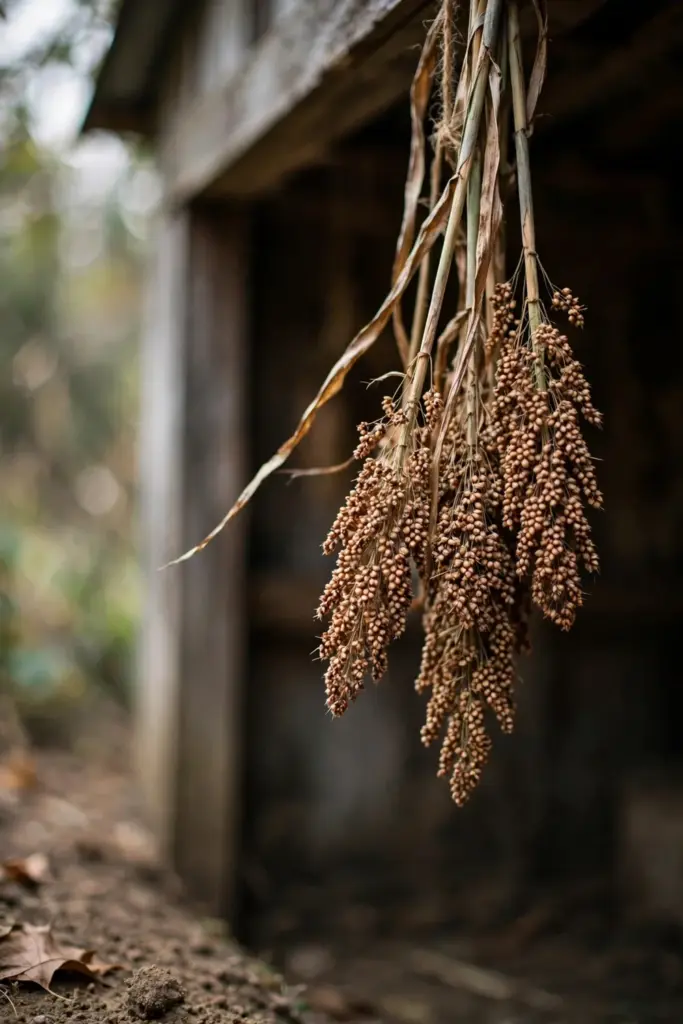
Dry below safe moisture. Small-scale grain-raising guidance dries grain thoroughly before sealing it in airtight containers. The dry grain is the safe grain. The wet grain is the mold. The moisture is the lever.
Do not carry commercial bin programs as home advice. Grain-bin aeration (cfm per bushel airflow, cooling to 30 degrees Fahrenheit, fumigation, residual bin sprays) is commercial storage, not home advice. The label governs. The program is the commercial program. The home goal is dry grain.
Strategy 3: Keep Grain Dry in Storage
Keep grain dry. Wet storage re-invites mold, so the dry storage is the fence, the wet storage is the mold, and the dryness is the defense.
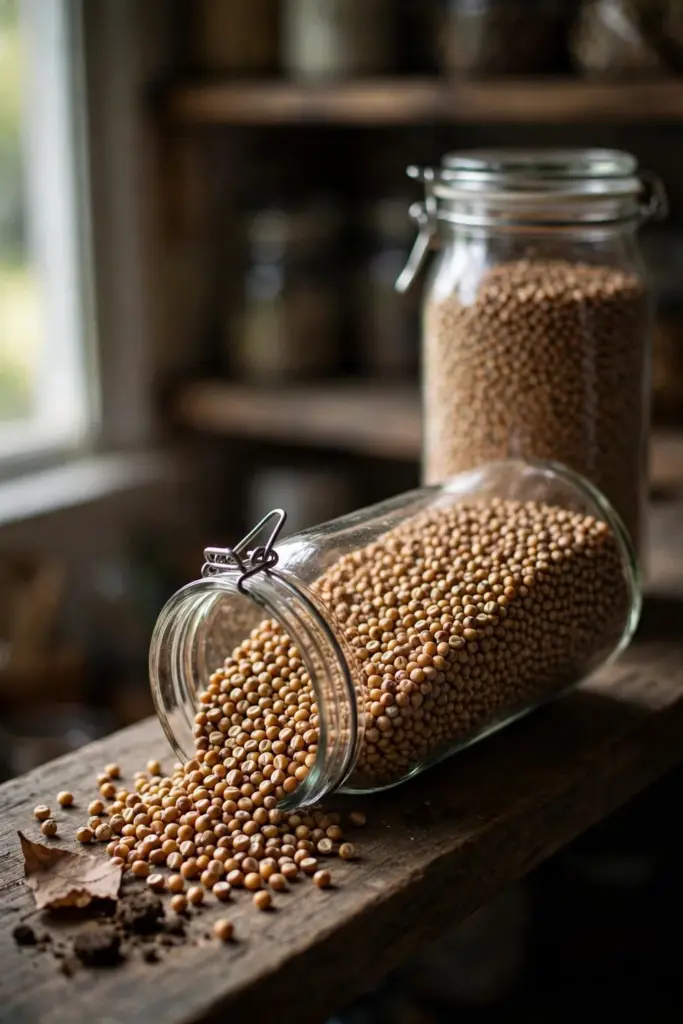
Store in airtight containers, which keep moisture out. The sealed container is the fence, the open container is the risk, and the seal is the habit.
Inspect stored grain regularly, because mold spreads in storage. The regular check is the early warning, the skipped check is the spread, and the inspection is the habit.
Strategy 4: Clean Up Debris and Rotate
Remove infected plant debris. The fungi survive as parasites as well as saprophytes in the infected plant debris. The debris is the reservoir. The clean bed is the safe bed. The cleanup is the break.
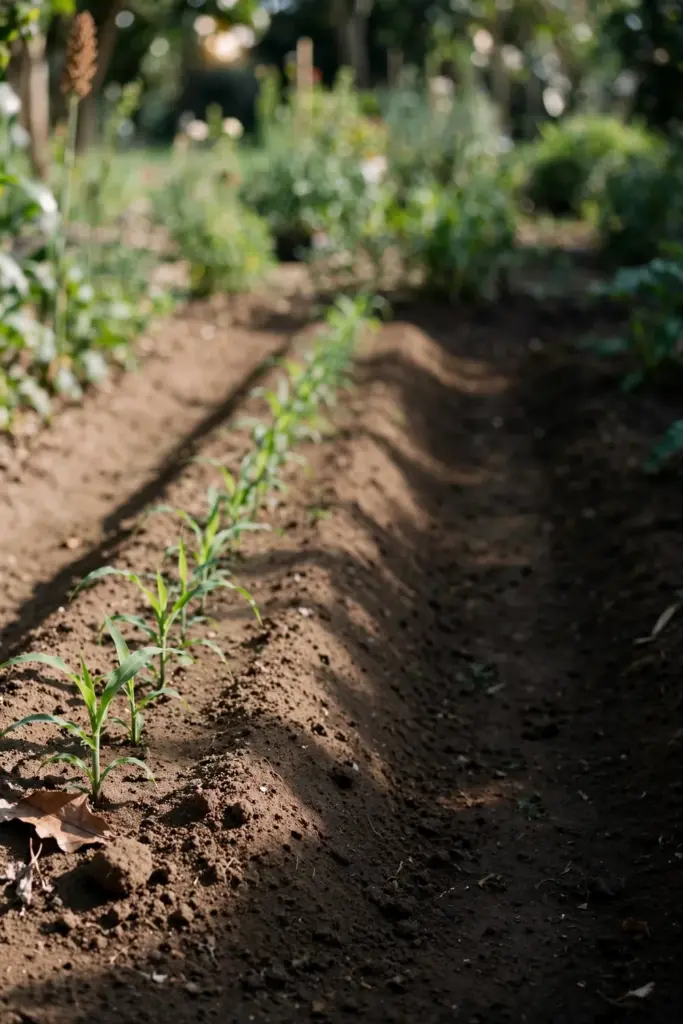
Rotate with non-susceptible crops. Rotation breaks the cycle, so the rotated bed is the rest and the same bed is the return. The rotation is the break.
Use disease-free seed, because infected seed carries the complex. The clean seed is the start, the infected seed is the inoculum, and the seed is the first fence.
Strategy 5: Know That Chemical Control Is Impractical
Know that chemical control appears impractical and uneconomical. Virginia Tech AREC states chemical control of grain mold appears to be impractical and uneconomical, so the impractical spray is not the program. The harvest and drying are the program. The spray is not the answer.
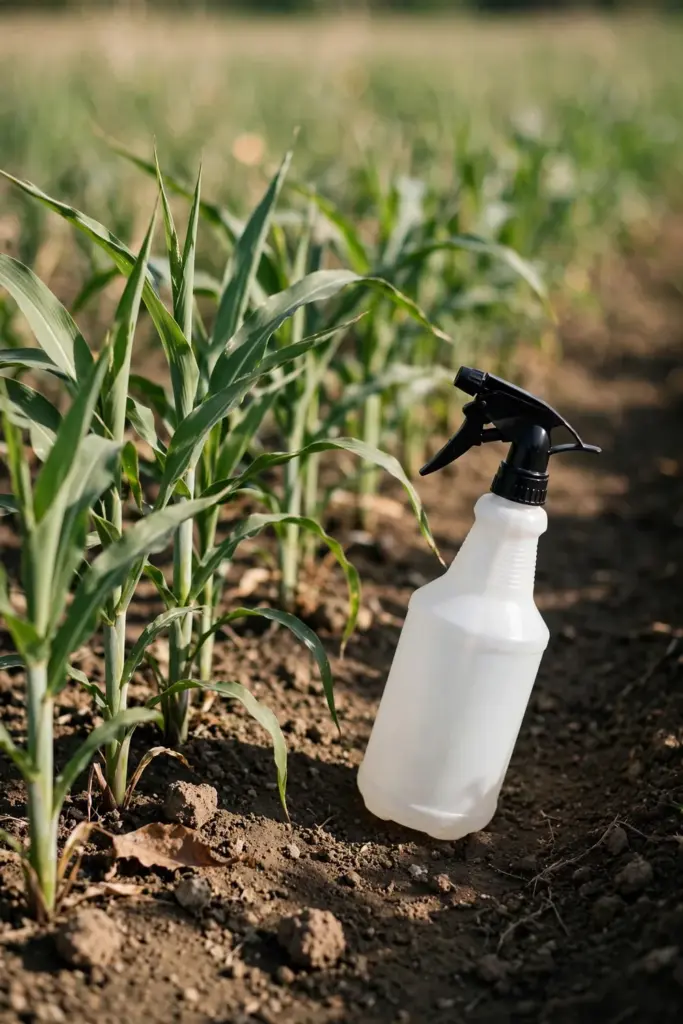
Know that head-mold sprays are typically not effective. University of Delaware states chemical control of head mold fungi is typically not effective, and insect control may be the better target, with keeping mature grain from getting wet as the key. The ineffective spray is not the program. The dry grain is the program. The wet grain is the risk.
Do not carry commercial fungicide programs as home advice, since field-scale spray schedules were built for production acres, not home plots. Per-hectare fungicide rates (mancozeb, captan, Aureofungin) are field-scale guidance, not home advice. The label governs every spray decision, the rate is the label rate, and the label is the law that no home program overrides.
Living With Grain Mold on Sorghum You Already Grow
A sorghum patch with grain mold is a patch to manage, not a patch to abandon. Harvest on time, dry promptly and thoroughly, keep grain dry in storage, clean up debris and rotate, and know that chemical control is impractical. The mold will still appear, but it will appear as a few discoloured grains, not as a blackened head.
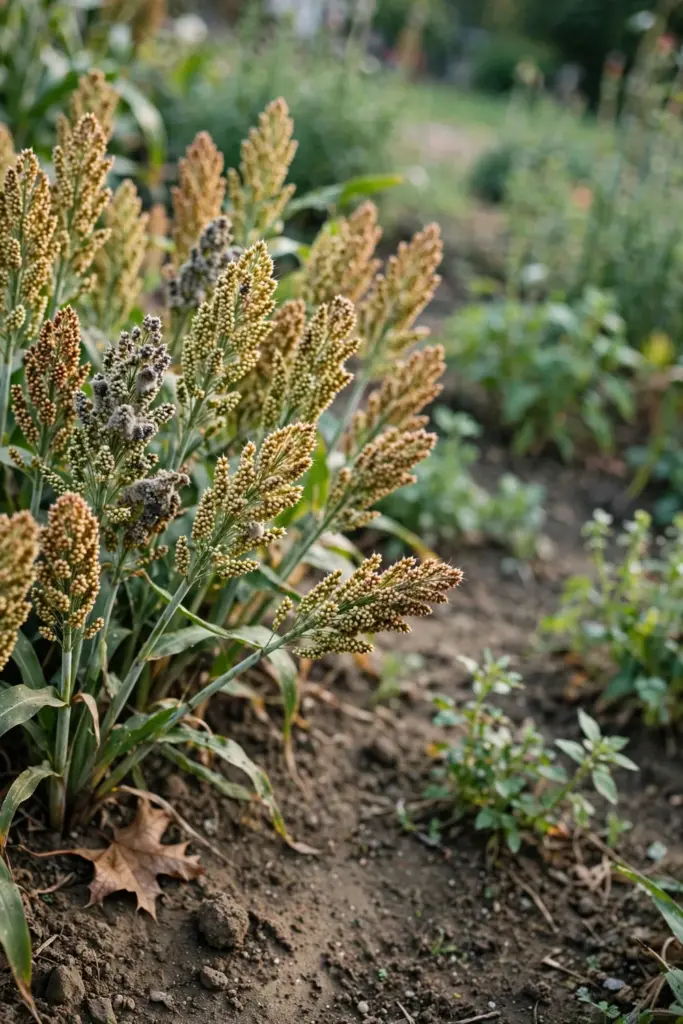
Stop three habits. Do not leave mature grain wet in the field. Do not store grain wet. Do not skip the debris cleanup. Keep those three lines unbroken and the grain mold stays cosmetic. The Plant Care archive collects the site’s disease coverage for the next problem the garden throws up.
Frequently Asked Questions
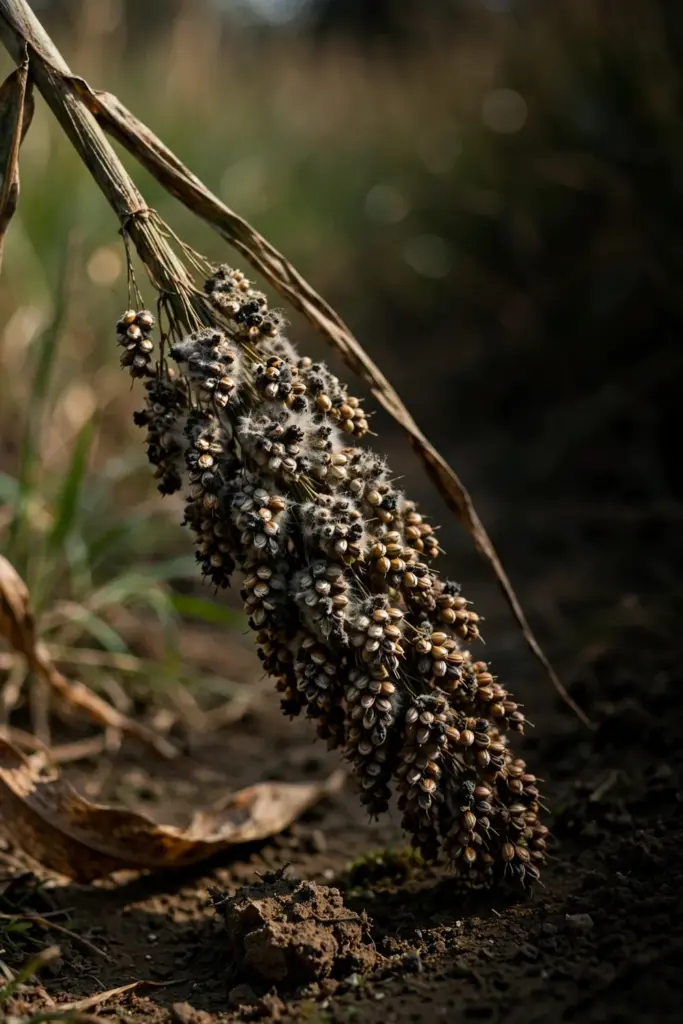
No. Grain mold is a multi-pathogen complex of 32 or more fungi on sorghum grain, chiefly Fusarium, Curvularia, and Alternaria. Clemson lists one entry, “Aspergillus flavus: Grain mold” under sorghum, but Aspergillus flavus is one associate among many, not the sole cause. This article covers the complex as a group. It does not resolve the group to one pathogen.
Discoloration that varies with the fungus. Fusarium semitectum and Fusarium moniliforme develop a fluffy white or pinkish coloration. Curvularia lunata colors the grain black. Heavily infected grains disintegrate under slight pressure. Early infection aborts kernels or reduces size and weight. Premature sprouting in the panicle is also a sign.
Yes. Grain mold vs head mold is the same condition under two names. The 1970s literature used “head mold” for spikelet and grain molding; the field later standardized on “grain mold”. The same condition carries two names. The differential does not exist. The article carries no differential.
Usually no. Chemical control of grain mold appears to be impractical and uneconomical. Chemical control of head mold fungi is typically not effective. Timely harvest, prompt drying, dry storage, and debris cleanup lead. The spray is not the answer. The harvest and drying are the program. The label governs.
Do not eat it. Moldy grains contain toxic mycotoxins and are unfit for human consumption and cattle feed. Home drying is not mycotoxin control. Home storage is not proven safe from mycotoxins without evidence. Discard moldy grain. The discard is the safe answer. The eating is the risk.
Where to Go From Here
Grain mold rewards the gardener who harvests on time, dries promptly and thoroughly, keeps grain dry in storage, cleans up debris and rotates, and knows that chemical control is impractical. Harvest on time, dry promptly, keep grain dry, clean up debris, and skip the spray.
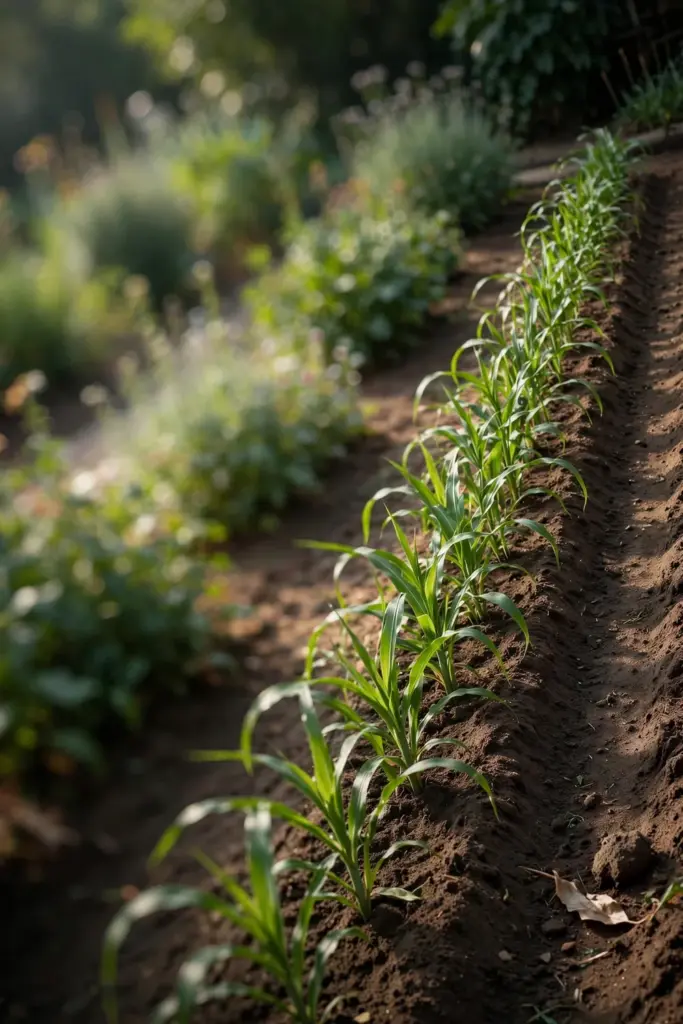
Next season, start with a clean bed. A bed with clean seed, rotated ground, timely harvest, and dry storage will hold grain mold to a few discoloured grains. The Virginia Tech AREC publication on sorghum diseases is a useful companion for the full Extension picture, since it sets the home-garden response here against the university evidence behind it.