
Wood rot has no cure once decay is established. The 10 strategies below prevent decay and spot a hazard tree, starting with the pruning cut that closes fast and the wound dressing that does not.
The signature is soft, spongy, or crumbly wood, conks or mushrooms on the trunk or roots, cavities, deep cracks, and a thinning canopy. Wood rot is not one disease. It is an umbrella: decay in living trees, by many fungi, in many places.
The rest of this page runs the order a gardener should follow. Understand the umbrella first, learn the hazard signs, then work the 10 strategies from correct pruning to the yearly arborist check. I have learned that the pruning paint I skip is the wound that closes cleanly on its own.
What Wood Rot in Garden Trees and Shrubs Actually Is
Wood rot in garden trees and shrubs is decay of living wood by fungi. Many fungi cause wood rot, in many places, under one umbrella name.
The umbrella honesty comes first, then the article moves on. Wood rot is a symptom and an umbrella, not one disease. It covers decay types: white rot, brown rot, and soft rot. It covers decay locations: heart rot in the center, butt rot at the base, and root rot in the roots. It covers dozens of pathogens: Armillaria, Heterobasidion, Laetiporus, Phellinus, and more. Heart rot and butt rot are location terms inside the umbrella, not second diseases. After this paragraph, the article never uses those terms as labels again.
Two name collisions need one line each. Brown rot also names a stone-fruit disease caused by Monilinia, a different disease from wood-decay brown rot. White rot also names an allium disease caused by Sclerotium cepivorum, a different disease from wood-decay white rot. This article covers wood decay in living trees and shrubs only. The stone-fruit and allium diseases are companions with their own articles. They get one line and no more.
The decay works by fungi digesting wood. The fungi enter through wounds: pruning cuts, storm breaks, mower nicks, construction damage, and bark cracks. The fungi grow inside the wood, digesting cellulose and lignin. The wood loses strength. The tree loses structure. The decay spreads slowly, year after year, inside the tree. The outside of the tree may look healthy while the inside decays. The hazard signs in the next section are the outside evidence of inside decay.
The tree defends itself by compartmentalization. The tree walls off the wound with chemical and physical barriers, and it grows callus over the wound from the edges. The tree does not heal the wound. The tree seals it. A small wound seals fast. A large wound seals slowly. A wound that stays open invites decay fungi for years. The pruning and wound-care strategies below exist to keep wounds small and to let the tree seal them.
The scope stays on living garden trees and shrubs: prevention of decay in landscape trees and shrubs, plus spotting a hazard tree. Forestry and timber framing stay out. Structural lumber, deck, and house wood decay stay out. Stump removal stays out. This article is a prevention and hazard-spotting guide, not a treatment guide. There is no treatment for established decay.
How to Spot Wood Rot and Hazard Signs
Soft, spongy, or crumbly wood, conks or mushrooms on the trunk or roots, cavities, deep cracks, and a thinning canopy point at wood rot and hazard risk.
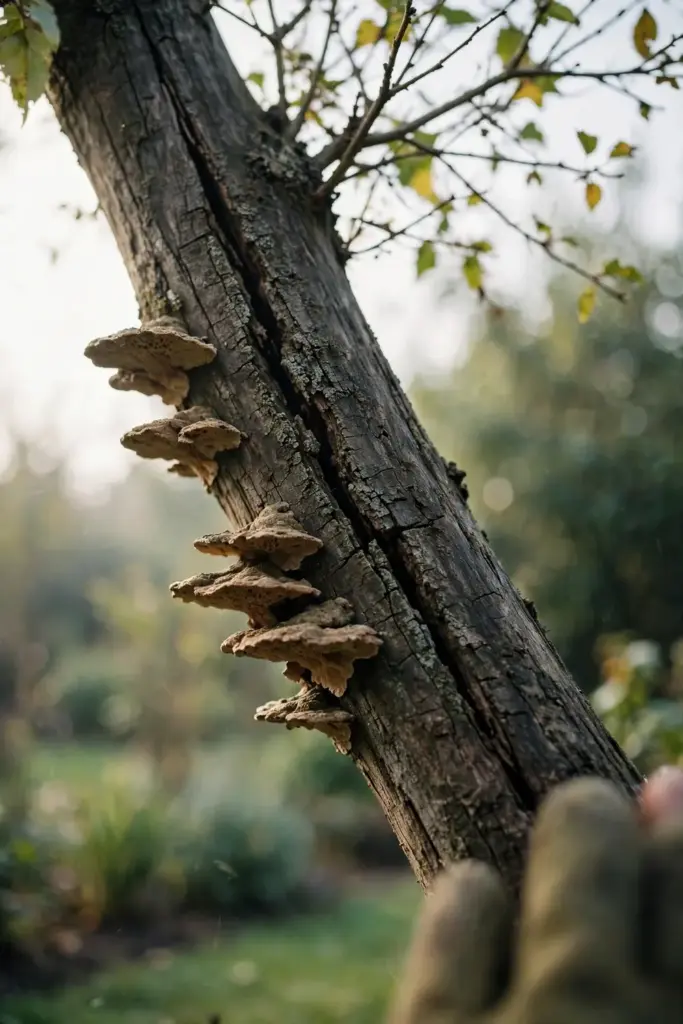
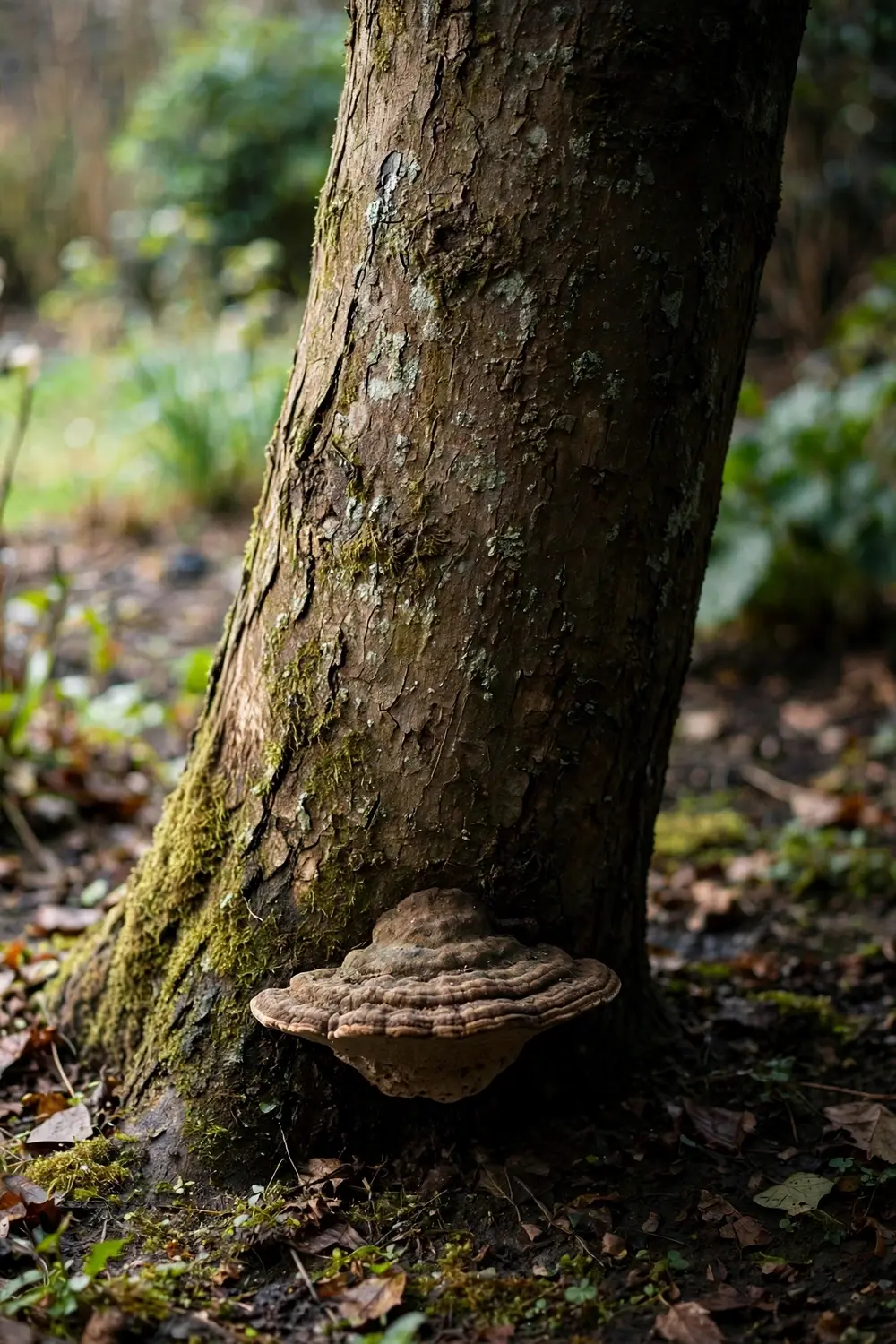
Look for conks and mushrooms. A conk is a shelf-like fungal fruiting body on the trunk, at the base, or on the roots. A mushroom cluster at the base is the same signal. Conks and mushrooms mean the fungus has grown through the wood and is fruiting. A tree with conks on the trunk carries internal decay. A tree with mushrooms at the base carries root or butt decay. The fruiting body is the flag. The decay is the cause.
Look for cavities and deep cracks. A cavity is a hollow in the trunk or a branch. A deep crack splits the bark and the wood beneath. A cavity means wood is gone. A crack means wood is failing. A cavity that holds water rots faster. A crack that opens in a storm weakens the tree. Both earn an arborist visit, not a wait.
Feel the wood. Sound wood is hard and firm. Decayed wood is soft, spongy, or crumbly. Press a screwdriver gently into the wood at the base and at the wound. A screwdriver that sinks into soft wood finds decay. A screwdriver that meets firm wood finds sound wood. The press test is the home check. The arborist’s resistograph and sonic tomography measure the decay the home check cannot reach.
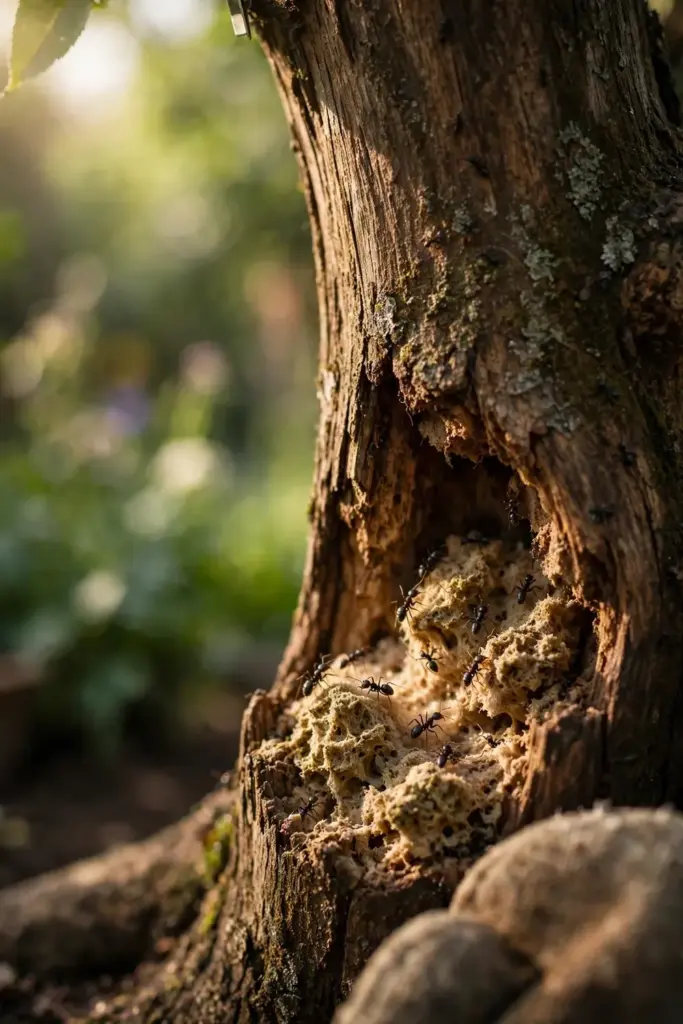
Look for carpenter ant nests. Carpenter ants nest only in decayed wood. An ant trail into a trunk wound, sawdust piles at the base, and ants in the canopy point at decay inside. The ants are not the disease. The ants are the evidence. A tree with carpenter ants holds decayed wood.
Look for lean, heaving soil, and canopy change. A sudden or increasing lean means the roots are failing. Heaving or cracking soil at the base means the root plate is lifting. A thinning canopy, dead branch tips, or stag-heading means the tree is declining. Each sign alone earns attention. Two signs together earn an arborist call. Three signs together earn an urgent call.
| Hazard Sign | What It Means | Action |
|---|---|---|
| Conks or mushrooms on trunk, base, or roots | Fungus has grown through the wood and is fruiting | Call a certified arborist |
| Cavity or deep crack | Wood is gone or failing | Call a certified arborist |
| Soft, spongy, or crumbly wood | Decay inside the wood | Press-test, then call a certified arborist |
| Carpenter ant nest | Ants nest only in decayed wood | Inspect for decay, call a certified arborist |
| Sudden or increasing lean | Roots failing | Urgent arborist call |
| Heaving or cracking soil at the base | Root plate lifting | Urgent arborist call |
| Thinning canopy or stag-heading | Tree declining | Inspect yearly, call a certified arborist |
Field identification is presumptive for the fungus and definitive for the hazard. A gardener can spot the hazard signs. A gardener cannot name the fungus or measure the decay. The arborist names the fungus where it matters and measures the decay with tools. The gardener’s job is spotting and calling. The arborist’s job is measuring and deciding.
Strategy 1: Prune Correctly at the Branch Collar
Prune correctly, at the branch collar, with small wounds. A correct cut closes fast. A wrong cut stays open and invites decay.
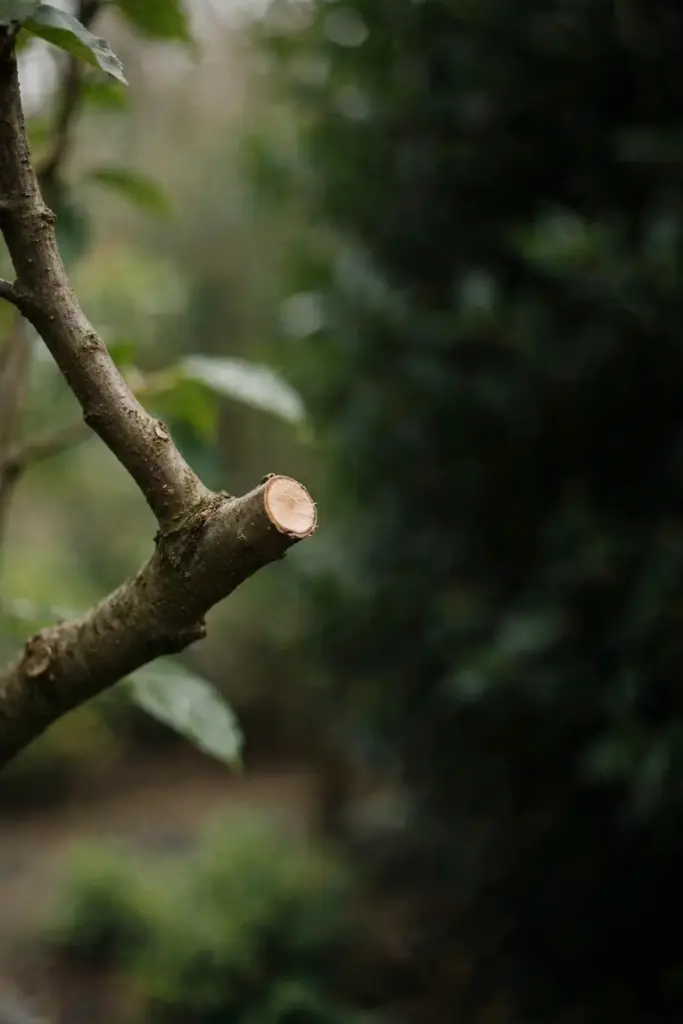
Cut at the branch collar. The collar is the swollen ring where the branch meets the trunk or the parent branch. The collar holds the tissue that seals the wound. A cut just outside the collar leaves the collar intact, and the collar seals the wound. A flush cut removes the collar, and the wound never seals properly. A stub cut leaves dead wood that never seals. The collar is the seal. Keep the collar.
Keep wounds small. Prune small branches while they are young. A one-inch wound seals in a season. A six-inch wound seals in years, if it seals at all. A branch pruned young costs a small wound. A branch left to grow and pruned late costs a large wound. Prune early. Prune small. The small wound is the prevention.
Use clean, sharp tools. A sharp blade cuts cleanly and closes fast. A dull blade crushes and tears tissue, and the crushed tissue stays open longer. Sharpen blades before the pruning session. Replace a blade that nicks or folds. The extra ten minutes at the sharpener saves years of open wounds.
Cut in the dormant season for large cuts. A dormant cut heals through the growing season. A growing-season cut opens a wound into the fungus season. The dormant window is the safe window for large cuts. Small cuts can go any time the tree is not stressed. Large cuts wait for dormancy. The guide to spring pruning techniques covers clean cut placement for garden plants in full.
Strategy 2: Never Top a Tree
Never top a tree. Topping creates large wounds that invite decay, and it destroys the tree’s structure.
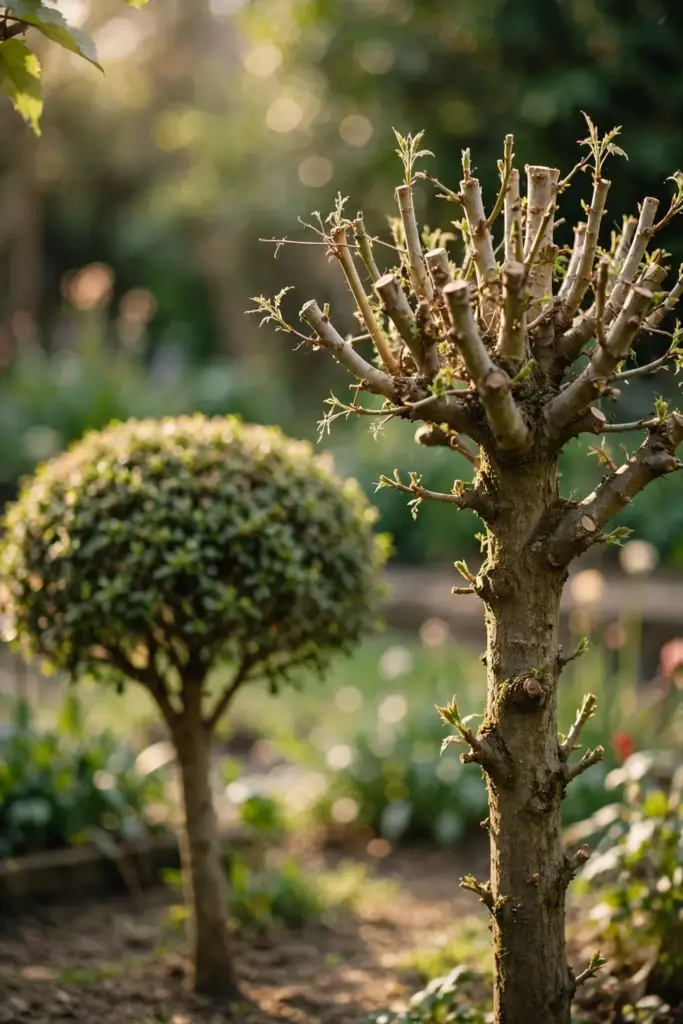
Topping cuts the trunk and the main branches back to stubs. Each stub is a large wound that never seals properly. Each stub sprouts a cluster of weak, fast-growing shoots. The shoots attach weakly to the stub. The stub rots. The shoots break. A topped tree is a tree with a dozen large open wounds and a crown of weak shoots. The topping is the decay invitation.
Top for size and the tree pays twice. A topped tree regrows to its former height in a few years, with weaker wood. A topped tree costs the topping, the regrowth pruning, and the decay that follows. A tree reduced properly, by a certified arborist, keeps its structure and its health. A tree topped loses both. The arborist’s reduction is the answer to a too-large tree. Topping is not.
Do not top a tree to fit a view. A tree that blocks a view earns a proper reduction, a window cut, or removal and replacement with a smaller species. A tree that is topped for a view loses its shape, its health, and its value. The view gains a topped tree. The topped tree decays. The decay costs the tree. Plant the right tree in the right place, and the view never needs a topping.
Strategy 3: Repair Storm Damage Promptly
Repair storm damage promptly. Prune broken branches back to sound wood, smooth ragged breaks, and shape the wound so water does not sit on it.
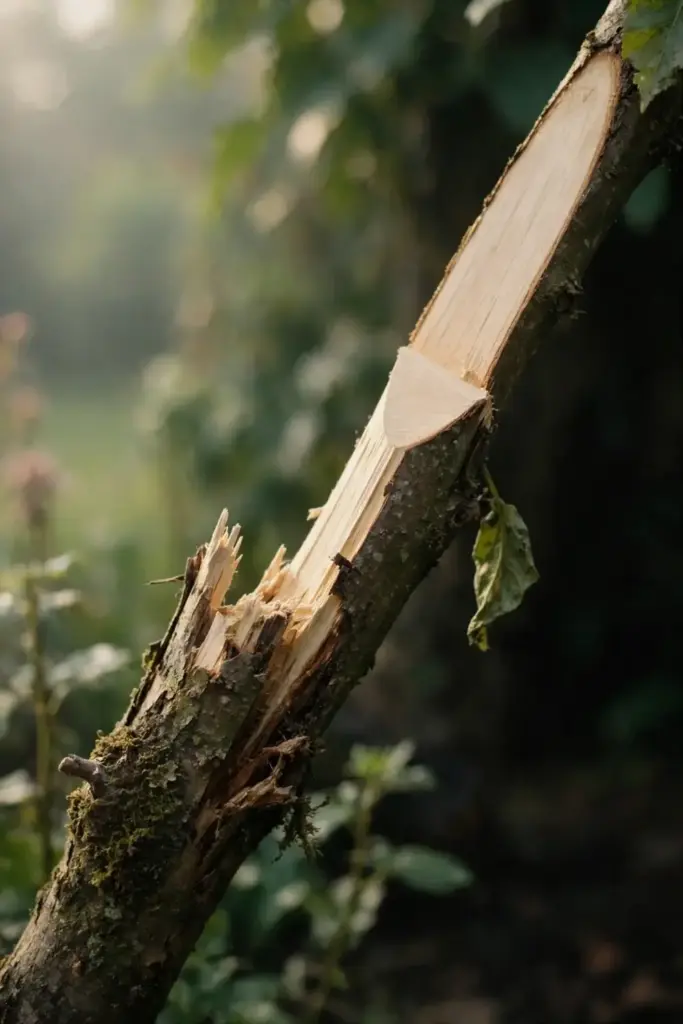
Prune a broken branch back to sound wood. A branch broken in a storm leaves a ragged stub. The stub is dead wood that never seals. The stub invites decay fungi. Cut the stub back to the branch collar, or back to a healthy side branch. The clean cut seals. The stub rots. Cut the stub.
Smooth ragged breaks. A break that tears bark down the trunk leaves a ragged wound with torn edges. The torn edges dry, curl, and stay open. Smooth the torn bark with a sharp knife, cutting back to sound bark. The smooth edge seals. The ragged edge does not. The smoothing takes minutes. The minutes save years of open wound.
Shape the wound so water does not sit on it. A wound that cups water holds moisture against the wood. Moisture feeds decay fungi. A wound shaped to drain sheds water. Cut the wound’s lower edge to a point, or shape the wound so water runs off. The drainage is the prevention. The cup is the invitation.
Do not wait for storm damage to heal on its own. A storm wound left for a season invites decay fungi for a season. A storm wound repaired in a week invites decay for a week. The repair window is days, not months. Walk the trees after every storm. Repair the damage. The walk is the habit. The repair is the prevention.
Strategy 4: Skip Wound Dressings, Pruning Paint, and Sealants
Skip wound dressings, pruning paint, and sealants. They do not prevent decay, and they can seal in moisture and promote rot.
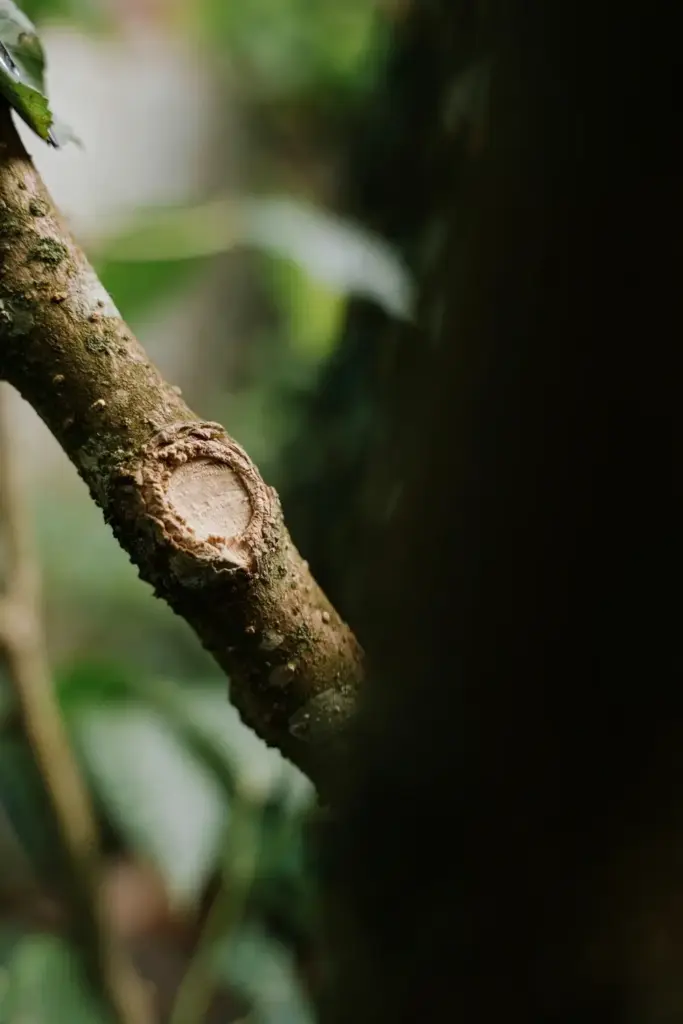
University of New Hampshire Extension gives the myth-bust: pruning paint may impede healing and encourage rot, by sealing in moisture and decay. The University of New Hampshire Extension page on tree wound dressing carries the core guidance, and its lessons transfer directly to home trees. Mississippi State University Extension agrees: wound coverings are futile, they inhibit natural sealing, and decay cannot be reversed. North Carolina State University Extension agrees. Three sources, one rule.
Let the tree seal the wound itself. The tree compartmentalizes the wound with chemical and physical barriers, and it grows callus over the wound from the edges. The tree’s own sealing is the treatment. A dressing over the wound blocks the tree’s sealing. A dressing over the wound traps moisture under the dressing. Moisture under the dressing feeds decay fungi. The dressing that promises to protect the wound feeds the rot.
Do not use pruning paint, tar, shellac, or sealant on any wound. A dressing on a small wound blocks a fast seal. A dressing on a large wound traps moisture for years. A dressing on a storm wound seals in the fungi that the storm let in. The dressing is the harm. The bare wound is the healing. Leave the wound bare. Let the tree seal it.
Do not trust a product that claims to seal wounds against decay. The claim has no evidence. The evidence runs the other way: dressings impede healing and encourage rot. A product that claims to prevent decay prevents the tree from sealing. The product is the problem. The bare wound is the answer.
Strategy 5: Keep Mowers, Trimmers, and Vehicles Away From Trunks
Keep mowers, string trimmers, vehicles, and construction away from trunks and surface roots. Bark wounds are the main entry point for decay fungi.
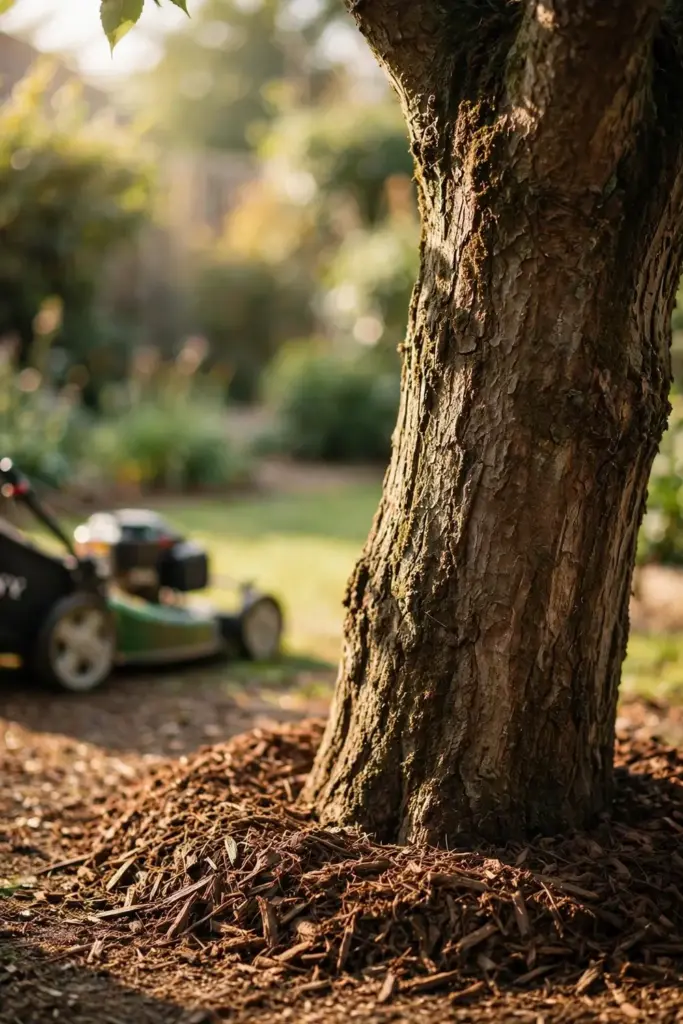
Bark wounds are the main entry. A mower nick on a trunk opens the bark. A string trimmer cut on a trunk opens the bark. A vehicle scrape on a trunk opens the bark. Construction damage to roots opens the roots. Each wound is a door for decay fungi. The Missouri Department of Conservation calls this injury preventable. The prevention is distance. The distance is the control.
Use a loose trunk guard for small trees. A loose guard stands off the bark and blocks the mower and the trimmer. A tight guard traps moisture against the bark and invites rot. A loose guard protects. A tight guard harms. The guard must stand off the bark. The gap is the protection.
Do not use trees as mower pivot points. A mower pivoted around a trunk scrapes the bark on every pass. A mower pivoted in open lawn scrapes nothing. The pivot habit costs bark. The bark costs decay. Pivot in the open. Keep the mower off the trunk.
Keep construction away from roots. Construction compacts soil, severs roots, and wounds trunks. A tree with severed roots and compacted soil declines. A declining tree compartmentalizes poorly. A tree that compartmentalizes poorly decays faster. Fence the root zone before construction. Keep the fence up through the job. The fence is the tree’s protection.
Strategy 6: Mulch Doughnut, Not Volcano
Mulch doughnut, not volcano. A 2 to 3 inch mulch ring, pulled back so it never touches the trunk, with the root flare visible, protects the tree. A mulch volcano rots it.
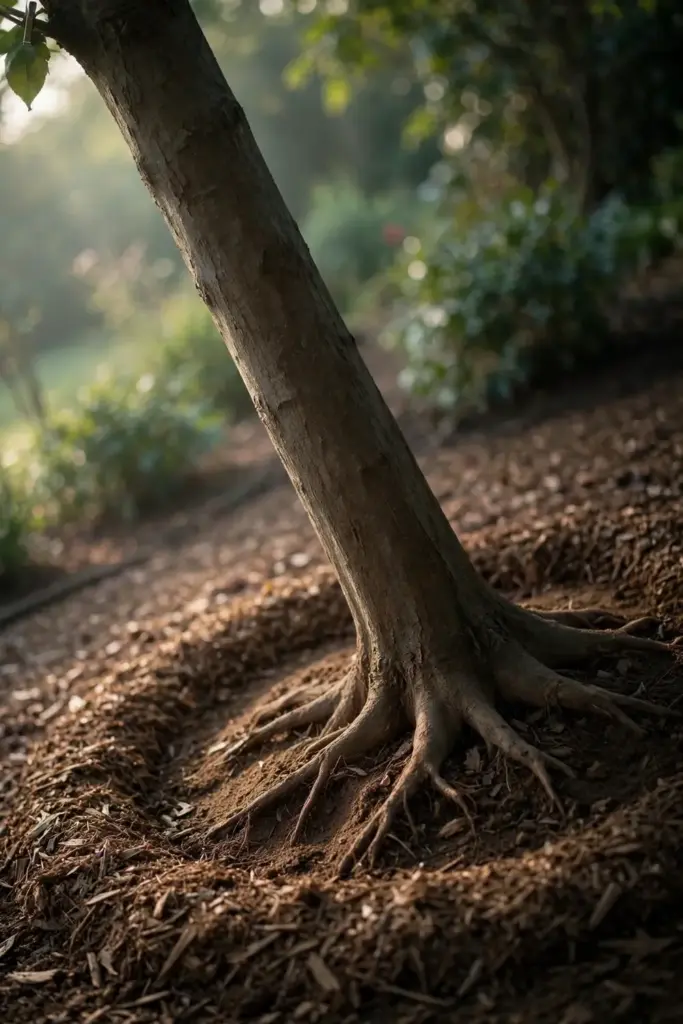
Lay 2 to 3 inches of mulch in a ring around the tree. The ring holds moisture in the soil, cools the roots, and blocks weeds. The ring also shields the base from mower damage. A mulched tree faces fewer mower nicks than an unmulched tree. The mulch is the shield. The shield works when it stays off the trunk.
Pull the mulch back from the trunk. Mulch piled against the trunk holds moisture there and promotes decay and rot. Mulch against the trunk is a mulch volcano. A mulch volcano rots the bark. A mulch doughnut, with a gap around the trunk and the root flare visible, keeps the bark dry. The gap is the protection. The volcano is the harm.
Keep the root flare visible. The root flare is the swelling where the trunk meets the roots. A buried flare rots. A visible flare stays sound. A tree planted too deep, or mulched too deep, hides the flare. A tree with a visible flare shows its health. Check the flare every season. The flare is the check.
Replenish mulch as it breaks down. A mulch ring that thins to bare soil stops protecting. A mulch ring kept at depth keeps protecting. Check the depth yearly. Top up the thin spots. Keep the gap around the trunk. The mulch is a living shield, and it needs maintenance.
Strategy 7: Do Not Overwater and Fix Drainage
Do not overwater. Fix drainage. A trunk that stays wet decays, and water-saturated soil suffocates roots and invites rot fungi.
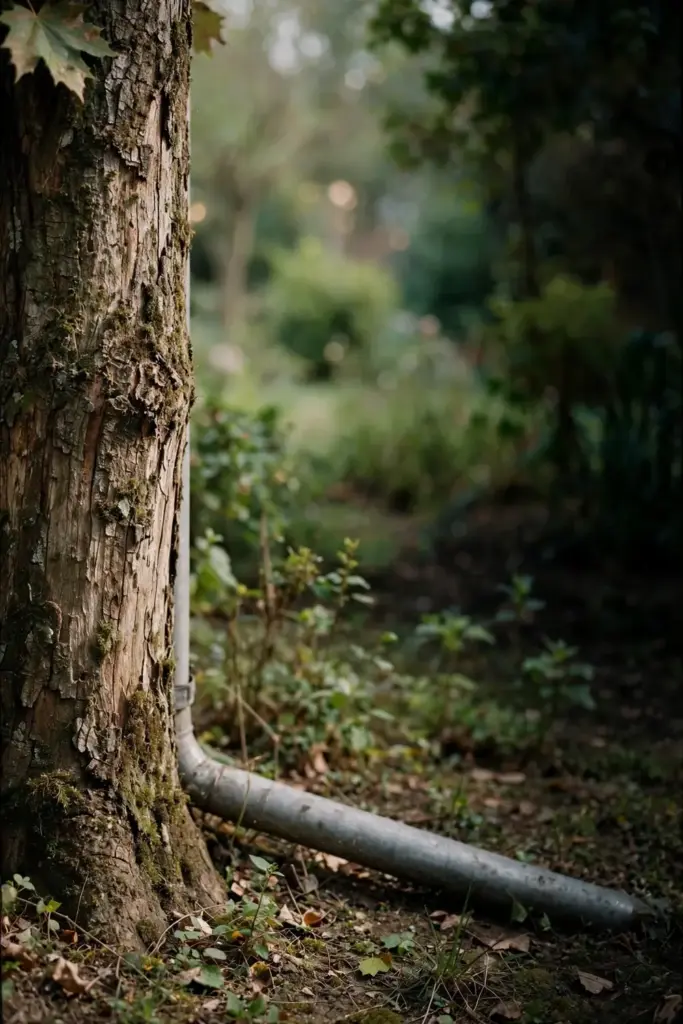
Water mature trees rarely. A mature tree in normal rainfall needs no watering. A mature tree watered weekly stays wet. A wet trunk decays. A wet root zone suffocates roots. Roots that suffocate rot. Rot fungi that find wet roots colonize them. The watering that feels kind kills the tree. Let the rain water the mature tree. Water only in drought.
Check sprinklers and downspouts that wet the base. A lawn sprinkler that arcs against a trunk every evening keeps the trunk wet. A downspout that dumps roof water beside a trunk keeps the base wet. A trunk that stays wet decays. Redirect the sprinkler. Extend the downspout. The trunk dries. The decay stops.
Fix drainage where water stands. A low spot that ponds after rain holds the tree’s roots in water for days. Water-saturated soil suffocates roots and invites rot fungi. A low spot filled and graded drains in hours. Fill the low spot. Grade the soil away from the trunk. A tree that drains in hours faces a lighter rot load than a tree that ponds for days.
Do not water a tree to help it outgrow decay. Water grows soft tissue around the decay. Soft tissue around the decay gives the fungi fresh wood to colonize. A decayed tree needs pruning, spacing, and monitoring, not water. The water helps the fungi, not the tree.
Strategy 8: Plant the Right Tree in the Right Place at the Right Depth
Plant the right tree in the right place at the right depth. A vigorous tree compartmentalizes wounds. A stressed, wrong-site tree does not.
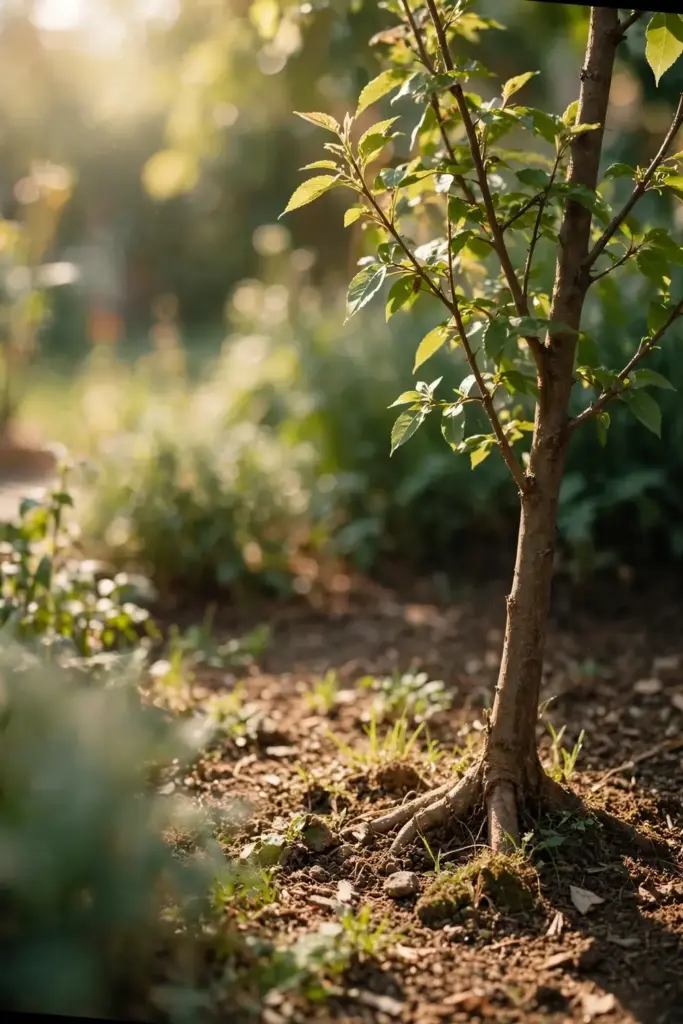
Choose a site-suited species. A tree suited to the site’s soil, sun, and drainage grows vigorously. A vigorous tree compartmentalizes wounds fast. A tree unsuited to the site grows weakly. A weak tree compartmentalizes slowly. The species choice is the longest-lasting prevention on this page. A tree suited to the site resists decay for decades. A tree unsuited to the site invites it.
Plant at the right depth, with the root flare at grade. A tree planted too deep buries the flare. A buried flare rots. A tree planted at grade shows the flare. A tree planted too shallow exposes roots. Exposed roots dry and wound. The grade is the depth. The flare at grade is the check.
Give the tree room. A tree planted tight against a house, a fence, or another tree faces wounds from all sides. A tree planted with room grows a full crown and a strong trunk. The room is the prevention. The crowding is the stress. Plant for the mature size. The mature size is the spacing.
Do not plant a tree that will outgrow its site. A tree that outgrows its site earns topping, root cutting, and construction damage. Each of those wounds invites decay. A tree that fits its site earns none of them. The fit is the prevention. The mismatch is the decay.
Strategy 9: Remove Prunings and Dead Wood Promptly
Remove prunings and dead wood promptly. Do not leave dead wood and debris stacked against or near the tree.
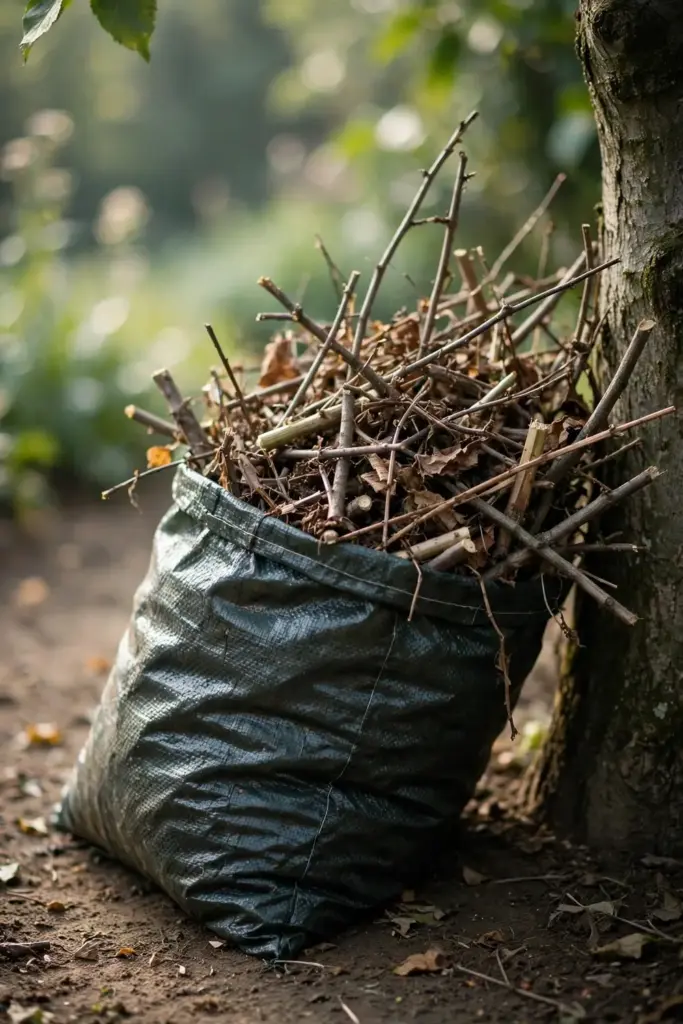
Dead wood stacked against a tree holds moisture against the bark. Moisture against the bark invites decay fungi. A pile of prunings against a trunk is a fungus bed at the trunk’s feet. A pile of dead wood near a tree sheds spores onto the tree. The pile is the problem. The removal is the prevention.
Bag the prunings as they come off the tree. Drop each cutting straight into a bag or onto a tarp. Do not let cuttings fall onto healthy trees or onto the soil under the tree. The bag travels with you around the tree. A cutting dropped on the ground is a cutting that may stay on the ground.
Remove dead branches promptly. A dead branch on a living tree is a decay bridge. The fungi in the dead branch grow into the living wood. A dead branch removed promptly breaks the bridge. A dead branch left for a season builds the bridge. Cut the dead branch at the collar. Bag it. Trash it. The tree keeps the rest.
Do not stack firewood against a tree. Firewood stacked against a trunk holds moisture against the bark and shelters fungi and insects. Firewood stacked away from trees, off the ground, and covered, stays dry and safe. The stack against the tree rots the tree. The stack away from the tree saves it.
Strategy 10: Inspect Yearly and Call a Certified Arborist
Inspect yearly for hazard signs, and call a certified arborist when they appear. The arborist measures the decay the homeowner cannot.
Inspect every tree yearly, in the dormant season. Look for conks and mushrooms on the trunk, base, and roots. Look for cavities and deep cracks. Feel for soft, spongy, or crumbly wood. Look for carpenter ant nests. Look for sudden or increasing lean. Look for heaving or cracking soil at the base. Look for a thinning canopy or stag-heading. The yearly inspection catches the change. The inspection takes minutes per tree. The minutes save the tree.
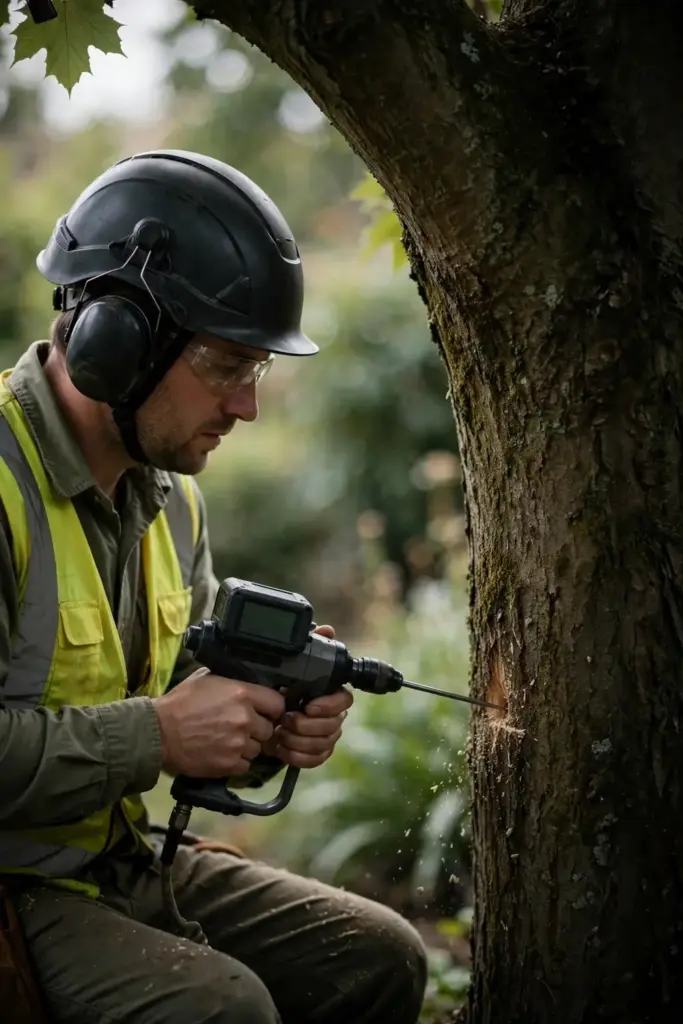
Call a certified arborist when hazard signs appear. The arborist brings tools the homeowner does not own: the resistograph, which drills a thin probe and measures wood resistance, and sonic tomography, which maps internal decay with sound waves. The tools measure the decay the homeowner cannot feel. The arborist reads the measurement and decides: monitor, cable, prune, or remove. The homeowner does not guess at breakage risk.
Do not DIY large-tree assessment or removal. A large tree with internal decay is a professional job. A homeowner who climbs a decayed tree risks a fall. A homeowner who fells a decayed tree risks a miscalculation. Hire a bonded and insured professional. The professional carries the insurance. The professional carries the tools. The professional carries the risk. The homeowner carries the phone call.
Do not ignore a hazard tree. A hazard tree left standing falls on its own schedule. A hazard tree assessed by an arborist falls on the arborist’s schedule, or gets cabled, pruned, or monitored. The assessment costs a fee. The fall costs far more. Call the arborist. The call is the prevention.
Living With Wood Rot Damage You Cannot Undo
Some damage stays. Decay inside a tree never reverses, and the wood it took never regrows.
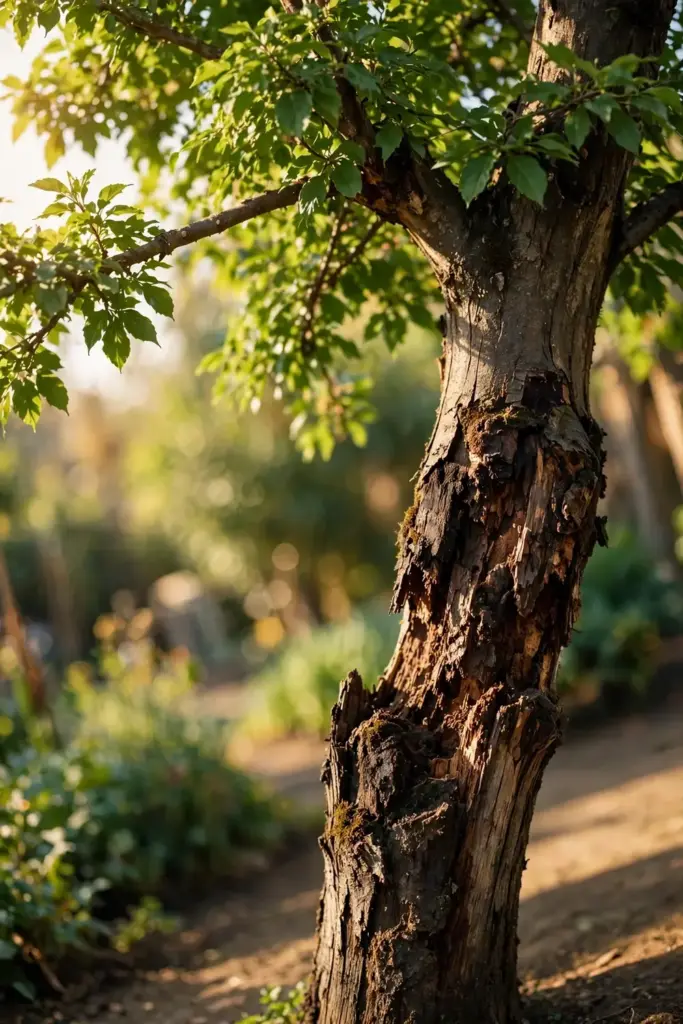
Monitor the decay that stays. A tree with internal decay earns an arborist’s schedule. A tree with a cavity earns a yearly check. A tree with a conk earns a faster call. The monitoring habit keeps the tree safe. A tree that is monitored does not surprise its owner.
General bacterial blight care follows the same order: cut, clean, destroy, then keep the canopy dry. The guide to bacterial blight simple solutions covers that order for bacterial blight problems across the garden. The pathogens differ. The habits do not.
Do not replant a susceptible tree in the same wet, airless spot and expect a different result. The fungi stay. The wet soil stays. The shade stays. A new tree in the same spot faces the same season with the same disadvantage. Fix the site first: improve drainage, open the spacing, move the sprinkler, and give the new tree sun and air flow from the day it goes in.
Frequently Asked Questions
No cure exists for wood rot once decay is established. Decay inside a tree never reverses, and the wood it took never regrows. Wound dressings do not prevent decay. Fungicides do not treat internal decay. The response is prevention of new decay and management of the hazard: correct pruning, wound care, site repair, monitoring, and arborist assessment. The article prevents new decay. It does not treat existing rot.
Never paint pruning cuts with wound dressing. University of New Hampshire Extension states that pruning paint may impede healing and encourage rot, by sealing in moisture and decay. Mississippi State University Extension agrees: wound coverings are futile, and they inhibit natural sealing. The tree compartmentalizes the wound and grows callus over it. The bare wound heals. The dressed wound traps moisture. Leave the wound bare.
Conks on a trunk mean internal decay, not automatic removal. A tree with conks carries decay that an arborist must measure. The arborist uses a resistograph or sonic tomography to map the decay. The arborist decides: monitor, cable, prune, or remove. A tree with a small conk and sound wood around it may stand for years under monitoring. A tree with conks and a large decay column may need removal. The conk is the flag. The arborist is the decision.
A homeowner can spot the hazard signs but cannot measure internal decay. The press test with a screwdriver finds soft wood at the surface. The resistograph and sonic tomography measure decay deep inside the trunk. Those tools belong to the arborist visit. A homeowner who guesses at internal decay guesses at breakage risk. The guess is the danger. Call the arborist. The measurement is the answer.
A tree with a cavity earns an arborist visit, not automatic removal. A cavity means wood is gone. The arborist measures how much wood remains and whether the remaining wood holds the tree. A tree with a small cavity and strong surrounding wood may stand under monitoring. A tree with a large cavity and weak surrounding wood may need removal. Do not fill a cavity with concrete or foam. The filling traps moisture and harms the tree.
Mulch against the trunk is harmful. Mulch piled against the trunk holds moisture there and promotes decay and rot. The mulch volcano is the most common mulching mistake. Lay 2 to 3 inches of mulch in a doughnut, pulled back so it never touches the trunk, with the root flare visible. The doughnut protects. The volcano rots. The gap is the protection. The pile is the harm.
Where to Go From Here
Start with the worst wound. Check the pruning cuts, the mower nicks, and the mulch volcanoes today.

The order is prune correctly, never top, repair storm damage, skip dressings, keep mowers away, mulch doughnut, fix drainage, plant right, remove dead wood, and inspect yearly. One next action beats ten good intentions. Pull the mulch back from the trunks. Skip the pruning paint. The tree stands safer because the gardener let it seal its own wounds.