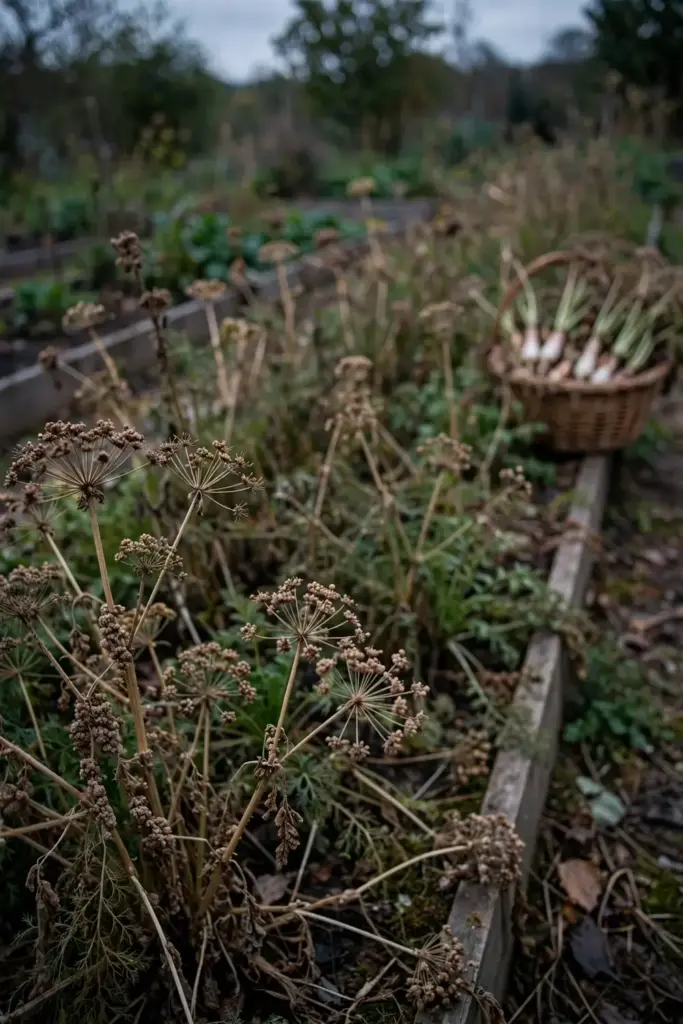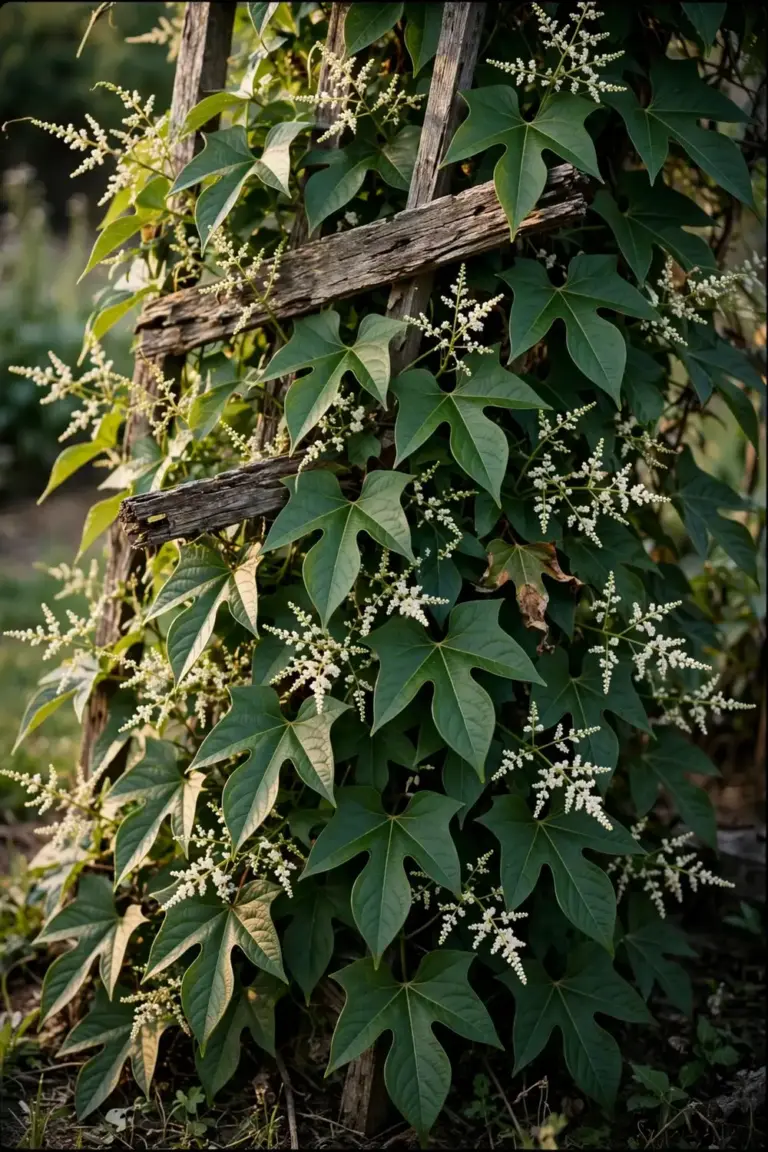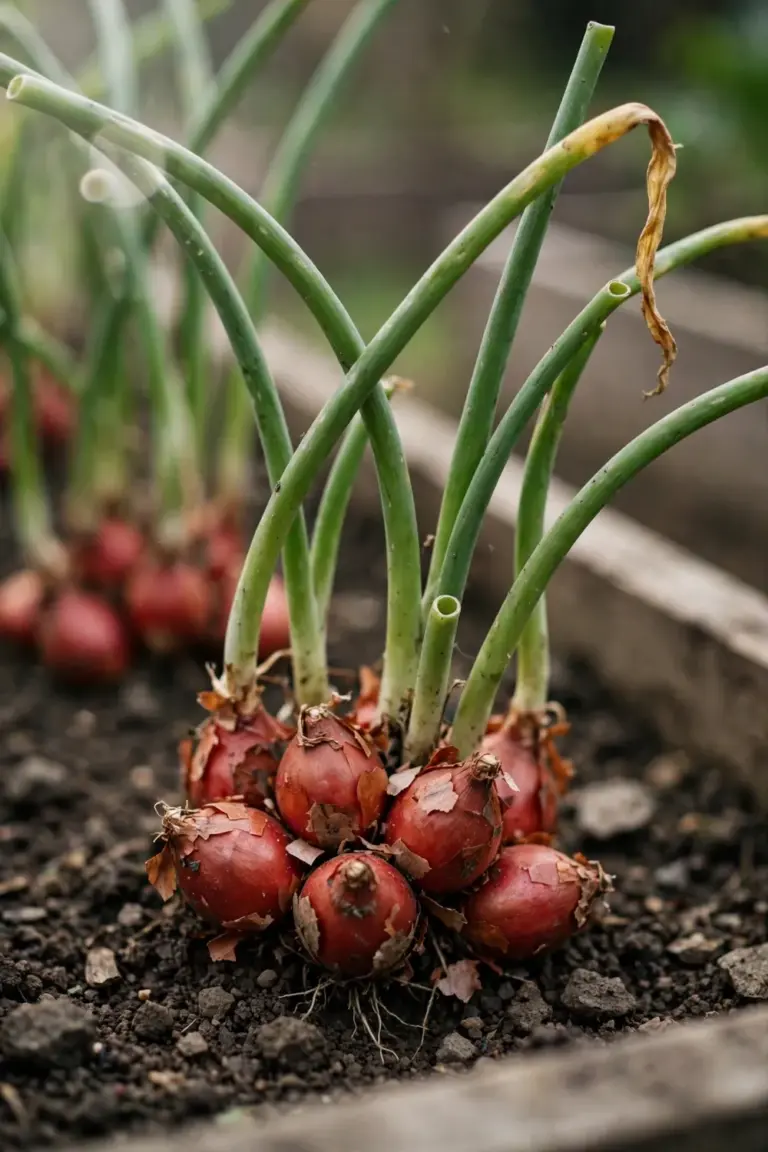

Radhuni is the quietest seed spice in the Apiaceae family, and that is exactly why it is worth growing. In Bengal, a pinch of these celery-scented seeds, crackled whole in hot oil, changes the entire character of a dish, and they take over from black mustard seed in the local five-spice blend. Outside Bengal and Bangladesh, almost nobody grows them, which means the guidance is thin and the seed packets are often mislabeled. This guide fixes both problems: which seed is really radhuni, when to sow it, and how to get a crop of seeds or at least a season of leaves from your patch.
You can grow radhuni from India either as a rabi (winter-season) seed crop sown in late autumn, which is how Bengal grows it, or as a spring-sown annual in cooler climates where the leaves become the main harvest. Either way the plant asks for little: sun, well-drained sandy loam, and honest seed. Give it about four months from sowing to seed harvest, and do not let anyone sell you ajwain under the radhuni name. Anyone learning how to grow radhuni from India should start with those two facts, because the seed market and the season are where this crop is won or lost. The full method follows in 18 numbered moves.
1. Where Radhuni Grows Best
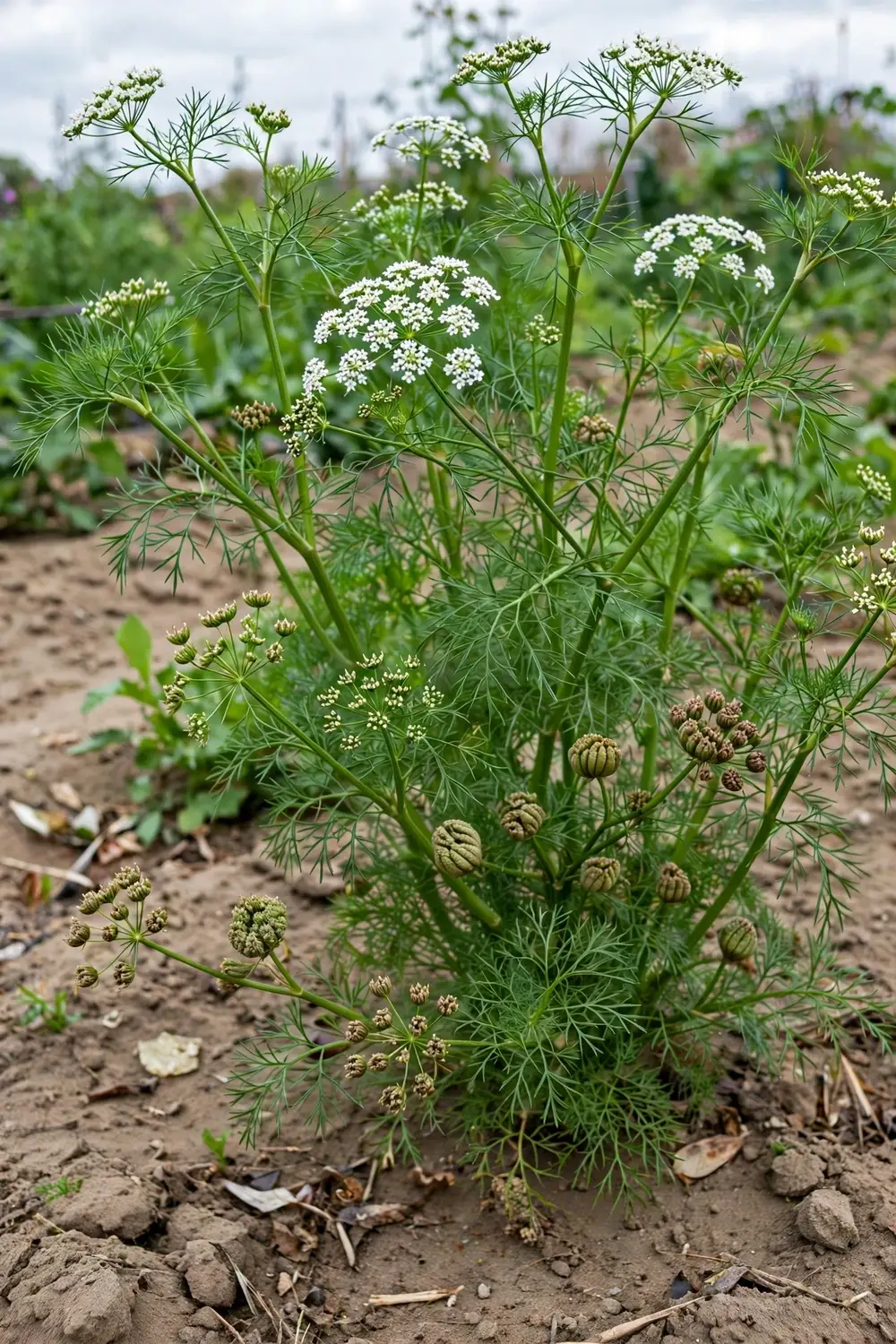
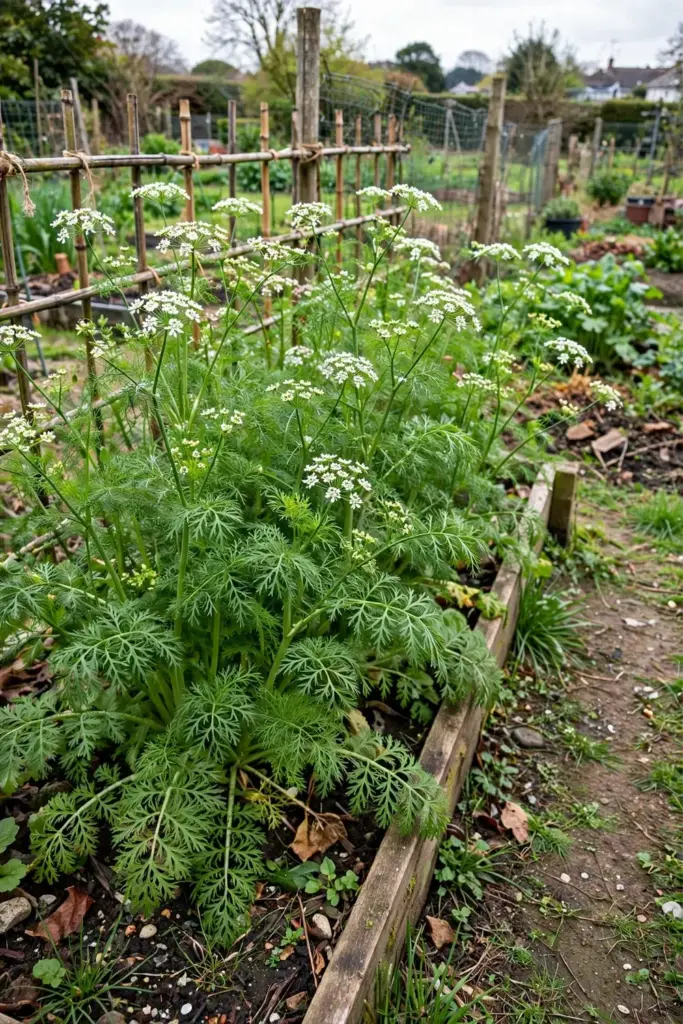
Radhuni is a cool-season annual. In West Bengal and Bangladesh it goes in as a rabi crop, sown in the cool months after the monsoon leaves, and it tolerates light frost once established. The peer-reviewed cultivation data in the phytochemical review of radhuni seed calls it a cold-season crop suited to tracts of moderate or low rainfall, and notes it is fairly tolerant of frost and very low temperature. In cooler temperate regions, the same plant is grown as a spring-sown annual: start it indoors or direct-sow after the cold passes, and it runs its whole life in one warm season. Expect plants around 20 to 100 centimeters tall, much branched, with feathery foliage and umbels of tiny flowers that set the aromatic seed.
The contradiction you may have seen online, where one AI answer calls radhuni a monsoon kharif crop, does not match the published cultivation data. For gardeners working out how to grow radhuni from India in the northern plains, the documented practice is winter sowing, and the plant’s life cycle confirms it: cool-season growth, flowering in the cold months, seed ripening as the season turns. If your winters are mild and nearly frost-free, the rabi route is the one that reliably sets seed.
2. Which Plant Is Really Radhuni
Search the name and you will meet two Latin names, and this is where most confusion starts. This article leads with Trachyspermum roxburghianum, the name seed packets, spice sellers, and gardeners actually use. The currently accepted botanical name, per Wikipedia and Plants of the World Online, is Psammogeton involucratus, with Trachyspermum roxburghianum and Carum roxburghianum treated as synonyms. The botanical profile at Useful Tropical Plants still lists the plant under the Trachyspermum name and records its synonyms, which is why the old name persists everywhere in the trade.
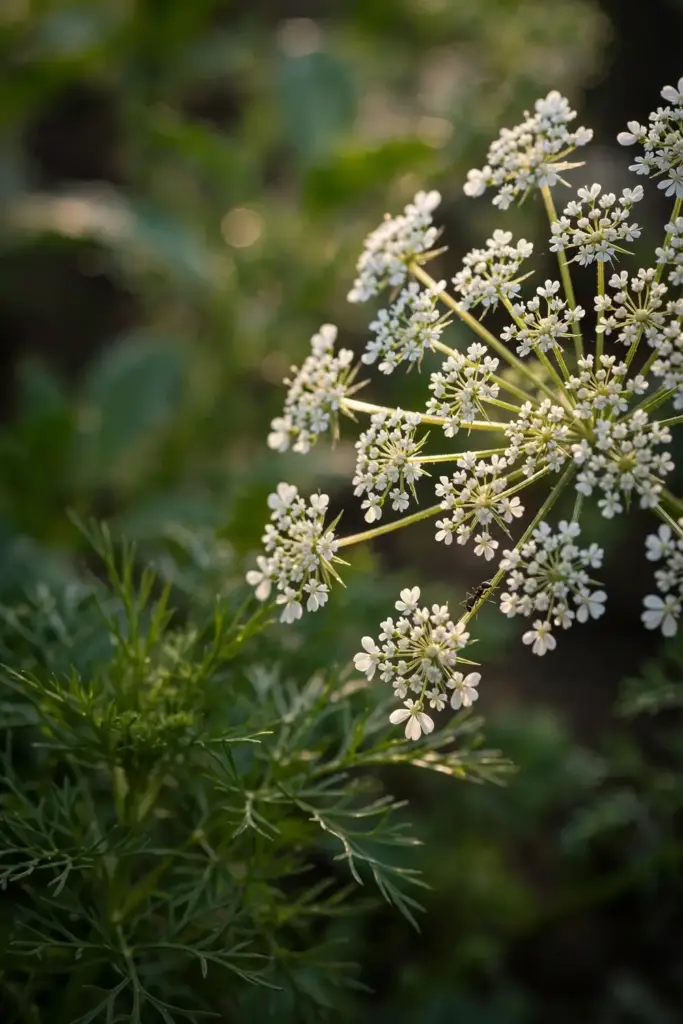
For the gardener, the practical point is simple. When you buy seed labeled radhuni, check that the Latin on the packet reads Trachyspermum roxburghianum, Carum roxburghianum, or Psammogeton involucratus. If it reads Trachyspermum ammi or Carum copticum, you are holding ajwain, a different spice. If it reads Apium graveolens, you are holding celery seed. One plant, several names on paper, only one seed in the packet. Throughout this guide, radhuni means Trachyspermum roxburghianum in the gardener’s sense, the same plant the accepted taxonomy calls Psammogeton involucratus.
3. Radhuni vs Ajwain vs Celery Seed
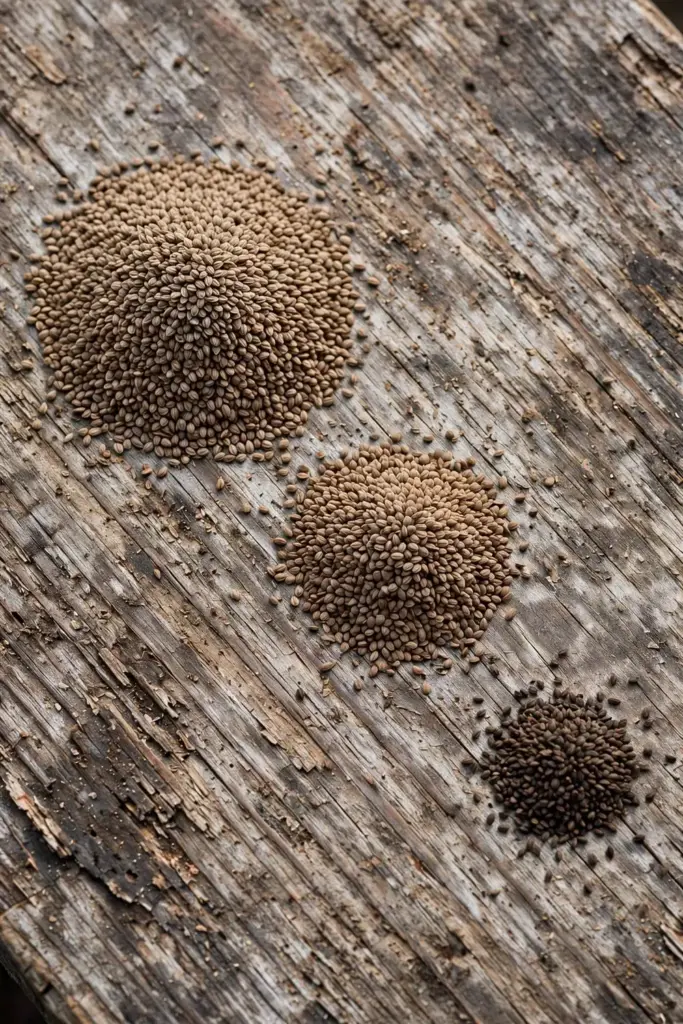
This mix-up is the single most common failure before a seed even goes into soil. Radhuni is often wrongly sold as ajwain, and both are confused with celery seed, yet the three are different plants with different flavors. Use this table at the seed counter.
| Feature | Radhuni | Ajwain | Celery Seed |
|---|---|---|---|
| Latin name | Trachyspermum roxburghianum (accepted: Psammogeton involucratus) | Trachyspermum ammi | Apium graveolens |
| Common Hindi name | Ajmod | Ajwain | Ajmod is sometimes misapplied, but true celery seed is Shalari |
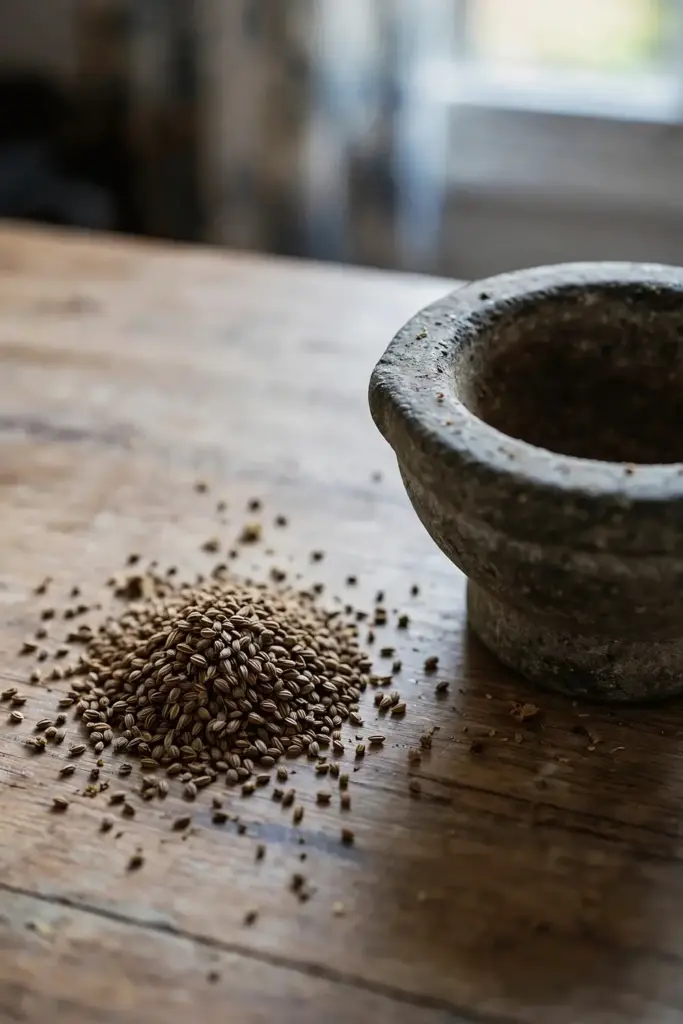
| Seed look | Rounder, slightly larger, yellowish-brown | Smaller, more ridged, gray-brown | Tiny, dark, strongly ridged |
| Aroma | Mild, citrusy, celery-like with lemon peel notes | Pungent, thyme-like, sharp | Strong celery, earthy |
| Flavor strength | Gentle; a couple of pinches flavor a dish | Aggressive; bitter if overused | Concentrated celery |
| Home region in cooking | Bengal and Bangladesh | Pan-Indian | Western, and as substitute |
| Substitute rule | Celery seed is the practical substitute outside South Asia | Too pungent to substitute for radhuni directly | Closest stand-in for radhuni |
If your packet says ajwain but you wanted radhuni, grow it anyway and label it honestly. Ajwain is a fine plant, but it will not taste like the Bengali spice you were after, and it will not teach you what radhuni does in a tempering.
4. Rabi or Kharif: Settling the Season Question
Two AI answers disagree about radhuni’s season, so here is the evidence, side by side, with a resolution you can act on. The cultivation data published in the phytochemical review of radhuni seed states the crop plainly: radhuni is a cold-season rabi crop, fairly tolerant of frost and very low temperature, best in tracts of moderate or low rainfall, sown in November and December about half an inch deep in rows 14 to 18 inches apart. That is the India practice, and it matches the plant’s life cycle: cool-season growth, flowering in the cold months, seed ripening as the season turns.
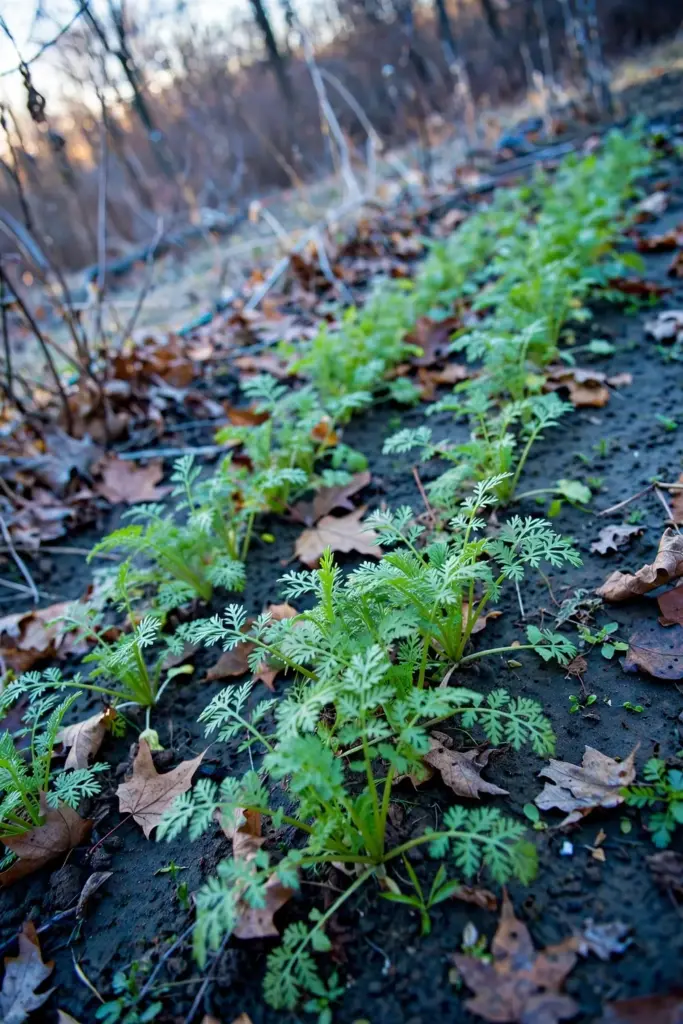
The contrary claim, that radhuni is a monsoon kharif crop sown in spring or with the rains, appears in one AI-generated panel and has no cultivation publication behind it that this guide could verify. What does have support is the temperate-gardener variant: the American seed house Farmacie Isolde, which sells true radhuni seed, instructs northern growers to sow directly in the garden in spring or start indoors in flats at cool room temperature in bright light, then harden off and transplant into full sun around the last frost. That is a spring sowing for a cool temperate summer, a different practice from monsoon kharif cropping. It is a cool-season annual fitted to a short northern season.
The resolution is regional. In India, sow radhuni as a rabi crop in late autumn. In temperate climates with cold winters, sow in spring as a one-season annual and harvest the leaves with confidence even if the seeds barely ripen before the first hard freeze. Line the autumn sowing up with your local frost dates using the fall planting calendar as a reference. Do not sow with the monsoon and expect the winter crop the literature describes.
5. Buying Seed You Can Trust
Radhuni seed is small, and small seed invites mislabeling. Buy from a seller who prints the Latin name on the packet and check it against the table in section 3. Expect a packet to contain at least 50 seeds from a specialist seller, and store any leftover seed in an airtight jar in a cool, dark cupboard, because the delicate flavor fades with heat and air. Fresh seed matters more than fancy packaging: Apiaceae seed loses vigor faster than most vegetable seed, so buy this season’s stock and sow it this season.
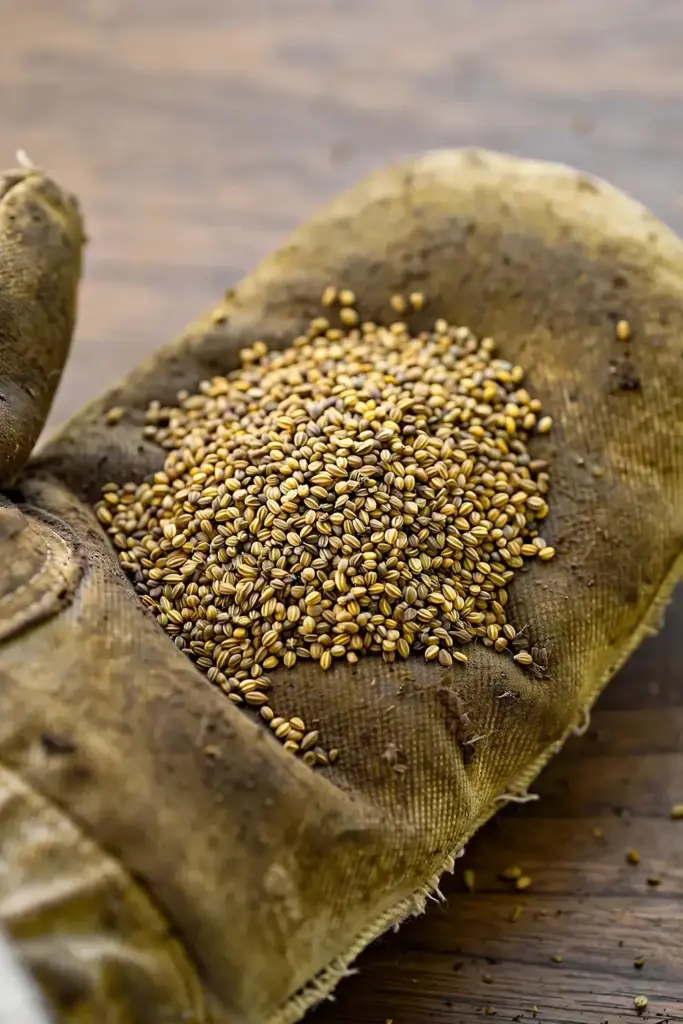
One honest uncertainty to carry into the purchase: published seed-rate and germination-percentage figures for radhuni are scarce, and this guide will not invent them. What is documented is that the seed is small, the seedbed must be fine and free of clods, and covering should be thin. Judge a seller by the Latin name, the harvest year, and the sowing depth printed on the packet.
6. Preparing the Seedbed
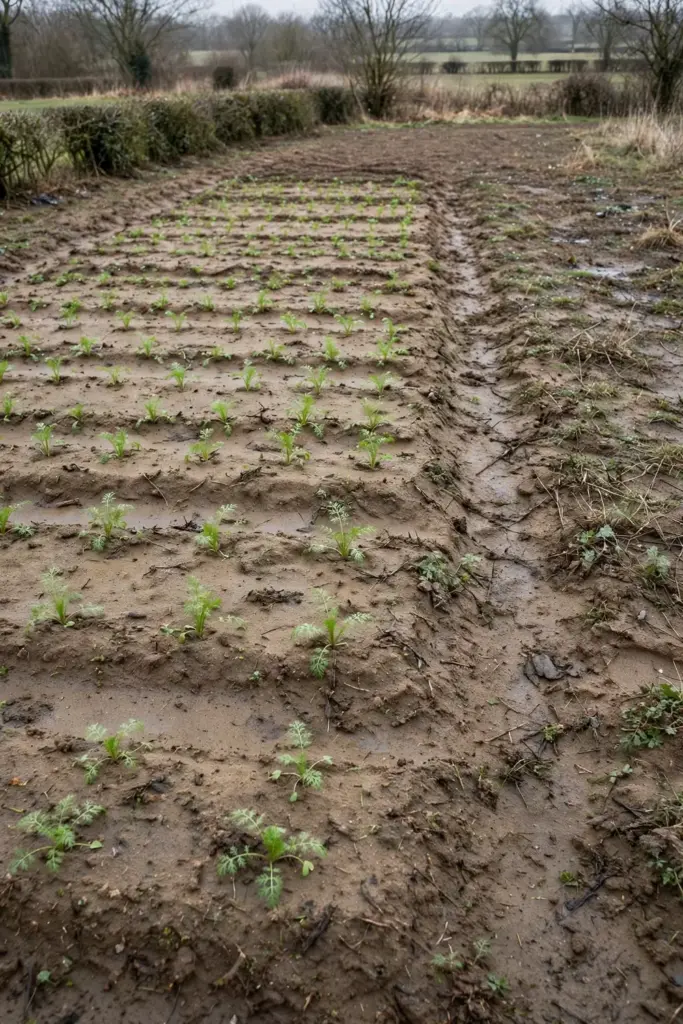
Radhuni grows well in any good garden soil, but the best results come from a fertile, prepared sandy loam. Light sand and heavy clay should both be avoided: sand starves the seedlings, clay crusts over the tiny seed and traps water around the crown. The plant prefers soil that is not too heavy, fertile, and calcareous, according to the botanical cultivation notes. Plow or fork the bed in the fall, or as early in winter as the weather allows, and work it to a fine, level tilth. Because the seeds are small, the soil surface must be smooth and free of clods, and the covering over the seed must stay thin.
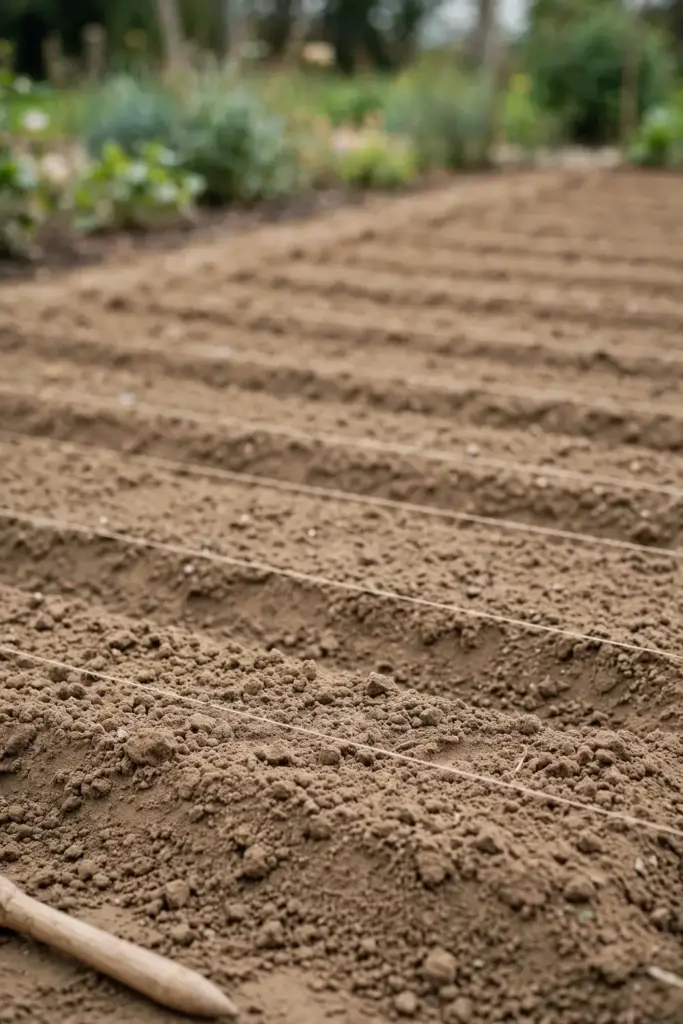
Prepare the bed a week or two before sowing so the soil settles. Mark rows 14 to 18 inches apart, which matches the published row spacing, and keep the drills about a foot apart. If you are working a small home bed rather than a field, a spacing of roughly a foot between rows with plants thinned to several inches apart in the row gives each plant room to branch, and branching is where the umbels and the seed come from.
7. Sowing, Step by Step
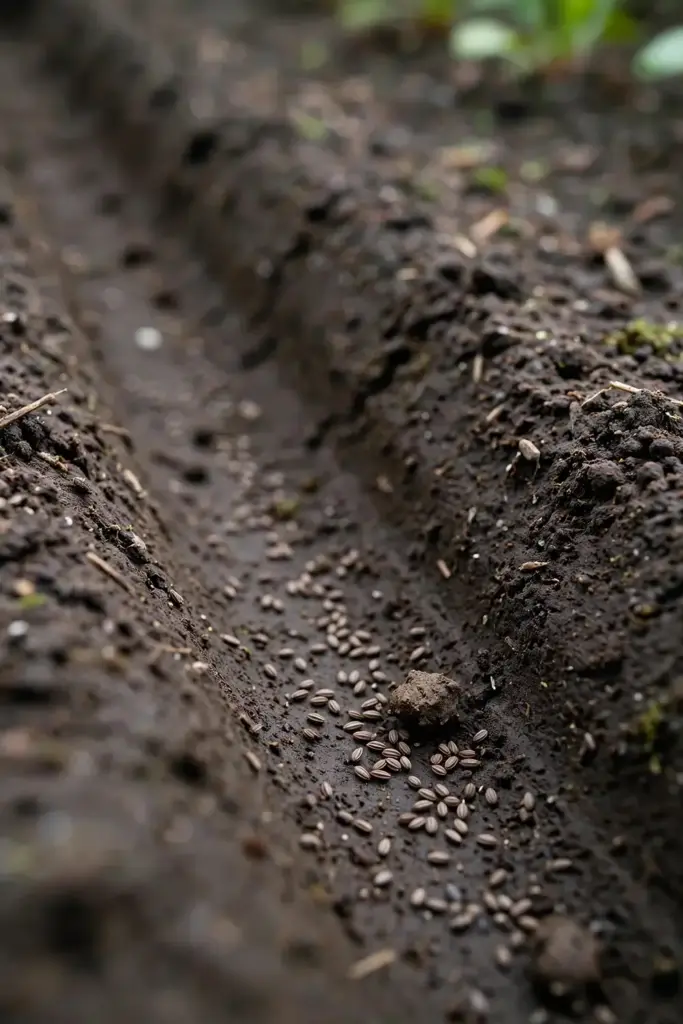
Timing decides more than technique here. In India, sow in November to December for the rabi crop. In temperate regions, sow in spring after the soil can be worked, or start indoors a few weeks before the last frost. The seed goes in shallow, stays moist, and germinates in the cool.
| Step | Action | Time |
|---|---|---|
| 1 | Level the bed and mark rows 14 to 18 inches apart | A day before sowing |
| 2 | Sow seed about half an inch deep in the drill | Sowing day |
| 3 | Cover thinly with fine soil and firm gently | Sowing day |
| 4 | Water lightly so the seedbed is evenly moist | Immediately after sowing |
| 5 | Keep the surface from crusting or drying out | First 2 weeks |
| 6 | Thin seedlings to several inches apart once true leaves show | 2 to 3 weeks after emergence |
| 7 | Transplant indoor-started seedlings after hardening off | Around the last frost date |
Do not bury the seed deep. Half an inch is the published depth, and small Apiaceae seed exhausts itself pushing through heavy cover. If your soil tends to crust, a whisper of fine compost over the row holds moisture without sealing the surface. For the indoor-start half of this routine, the seed-starting guide walks through trays, light, and hardening off.
8. Growing Radhuni in Containers
A pot of radhuni is a completely honest project, especially if your goal is the leaf harvest rather than a seed crop. Choose a container at least 12 inches wide and deep, with drainage holes, and fill it with a sandy loam potting mix rather than pure peat. Sow directly in the pot at the same shallow depth, thin to three or four strong seedlings, and set the pot in full sun. The plant’s branching habit suits a wide pot better than a tall narrow one.
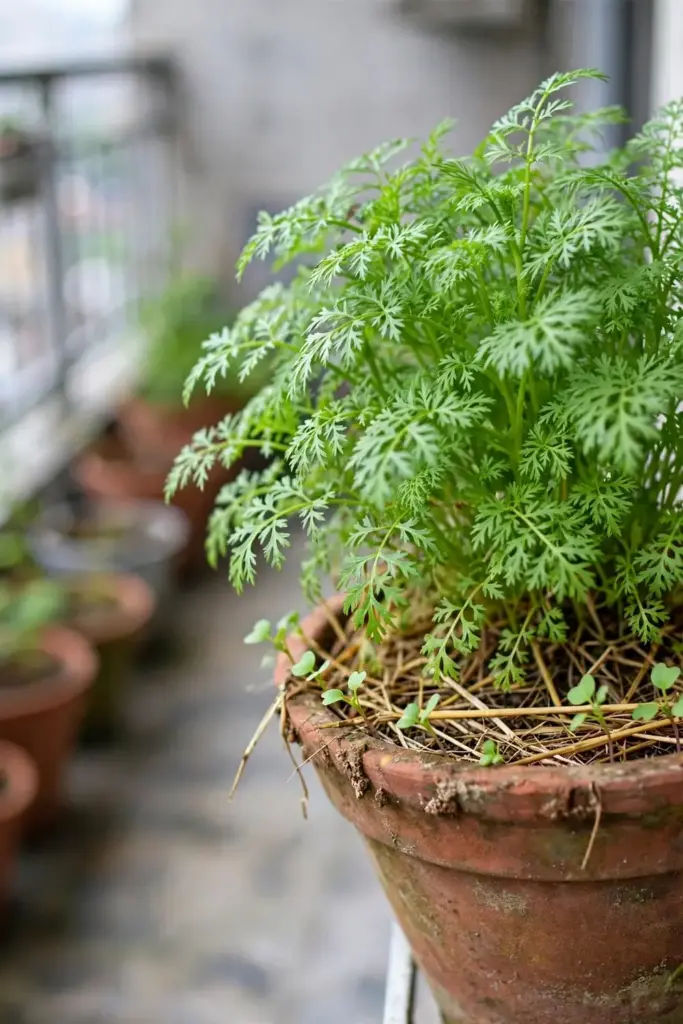
Containers also solve the climate problem. In regions where the seed will not mature outdoors, a pot started early indoors extends the season at both ends, and the leaves can be cut all summer regardless of whether the umbels ever ripen. The indoor herb gardens guide covers the under-cover half of that routine. Water a container more attentively than a bed, because a pot dries faster and a stressed radhuni plant bolts instead of branching.
9. Watering
Radhuni is a rabi crop, which means it grows on residual soil moisture plus irrigation rather than monsoon rain. Water at sowing to settle the seed, then keep the bed evenly moist through germination and early growth. Once the plants are established, water just until they are settled and then back off: the published guidance for northern growers says to water just until established, and the crop is documented as suited to moderate or low rainfall tracts. Soggy soil invites crown rot and damping off in the seedling stage, which is the fastest way to lose a stand.
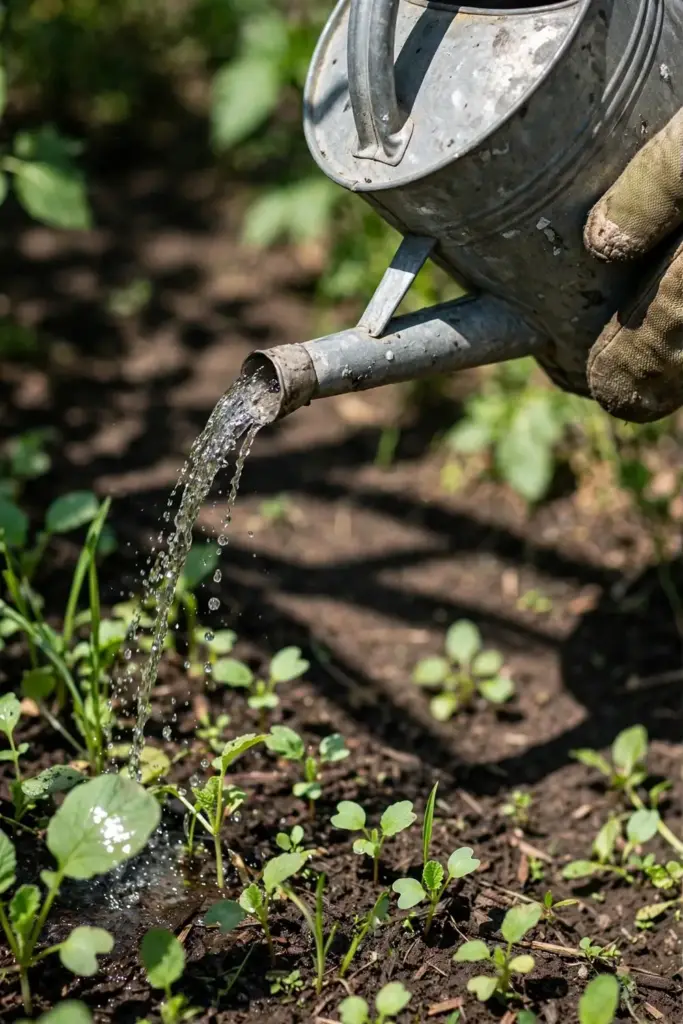
In containers, the rhythm is different. Check the top inch of mix and water when it dries, but never let the pot sit in a saucer of water. A mulch of clean straw around bed-grown plants keeps the surface from crusting between waterings and holds the even moisture the seedlings need.
10. Feeding
Feed the bed before sowing and leave the crop alone afterward. Work well-rotted compost or aged manure into the bed during preparation, then step back. The cultivation literature carries a specific caution: avoid fertilizing directly beneath radhuni, because it favors uneven ripening and encourages weeds. Heavy nitrogen is the classic mistake with seed spices. It buys leafy growth at the expense of the umbels, delays maturity, and leaves you with a green jungle and an empty seed jar.
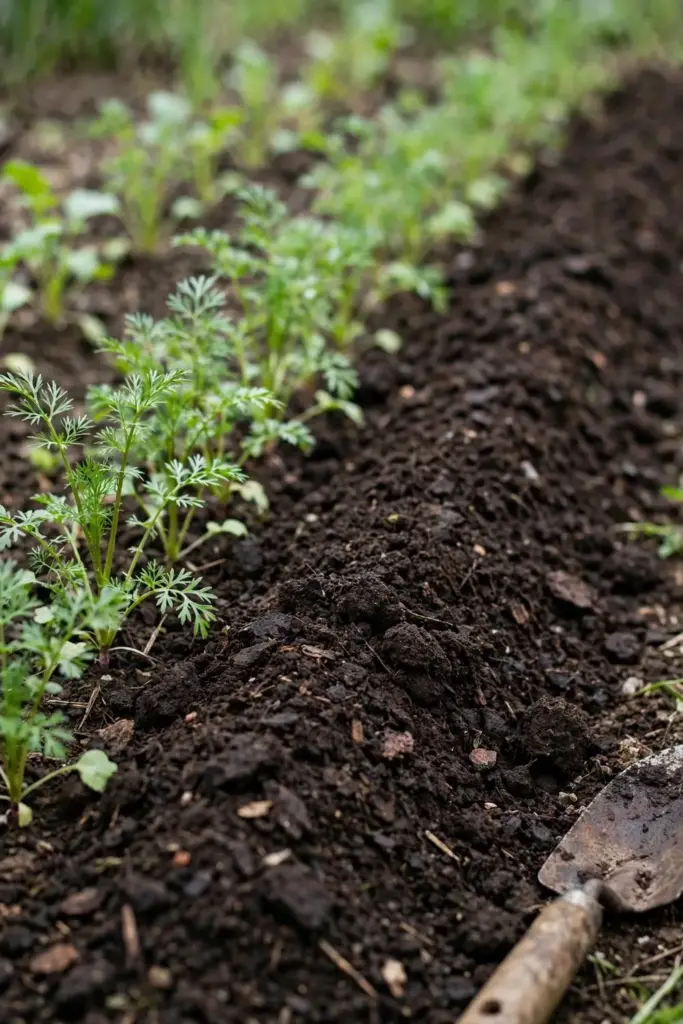
If the plants look pale in mid-season, a light side-dressing of compost at the row edge is enough. Container plants, which cannot forage, appreciate a half-strength balanced liquid feed once the flower stalks begin to rise, and no more. The goal is a plant that finishes its cycle on time.
11. Thinning and Light Pruning
Radhuni needs no secateurs, but it does need space. Thin the direct-sown rows once the seedlings show true leaves, leaving the strongest plants several inches apart. Crowded seedlings stretch, lodge, and set fewer umbels. If you started seeds indoors in flats, prick the seedlings out carefully once they have one or two sets of true leaves and transplant them after hardening off, disturbing the roots as little as possible.
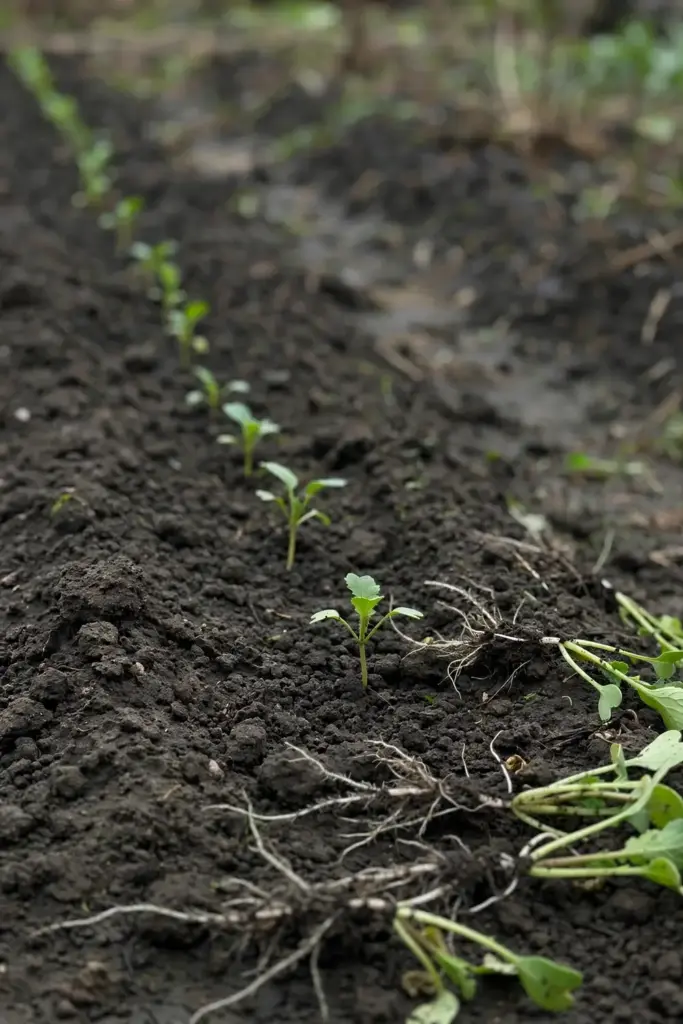
The only pruning worth doing is deadheading the earliest umbels if you want to stretch the leaf harvest, and removing any diseased foliage promptly. Otherwise let the plant branch. Every branch ends in an umbel, and every umbel is future seed.
12. Harvesting the Seed
This is the payoff, and patience matters more than technique. The seeds ripen very late in the season, and in northern climates the honest advice is to harvest the seed stalks before the first hard freeze even if the seeds have not fully ripened, then dry them completely indoors. Cut whole umbels when most of the seed has turned from green to tan and the stalks feel dry, lay them on a sheet in a warm, airy room out of direct sun, and let them finish. Rub the umbels to release the seed, winnow away the chaff, and store the seed in an airtight jar in a cool, dark cupboard to preserve the delicate flavor.
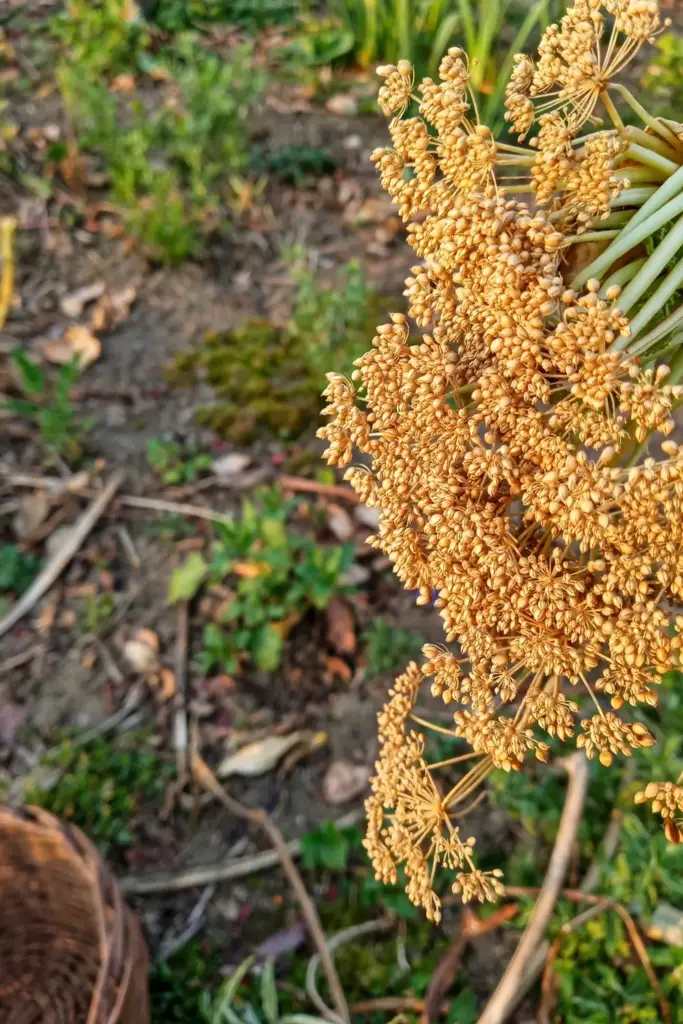
Sun-drying works in India, where the harvest falls in the dry season. Do not leave drying umbels where evening dew can reach them. One damp night can undo a week of careful drying, and musty seed is fit for neither the kitchen nor next year’s sowing.
13. Harvesting the Leaves
Here is the second crop most growers miss. The tender leaves and stems can be harvested at any time and used the way you would use parsley or cilantro, with a sweet, aromatic flavor that is genuinely unusual. This is the boon the northern seed house promises: even where the season is too short for the seeds to mature, the leaves carry the garden through summer. Snip outer stems and never take more than a third of the plant at once, and the plant keeps producing.
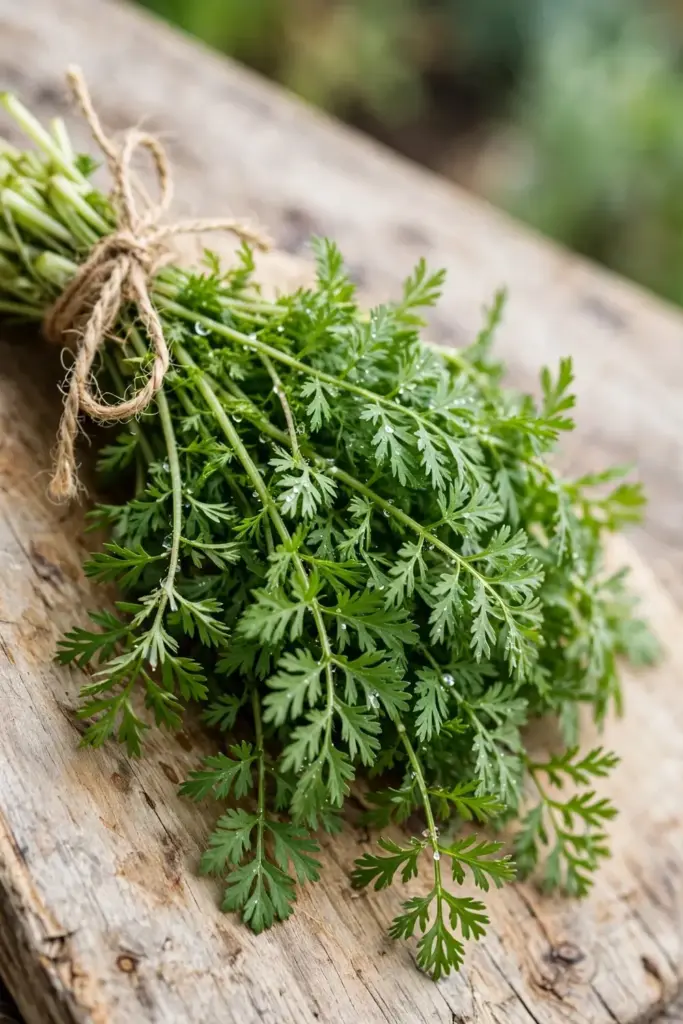
Use the fresh leaves in salads, over rice, or steeped as a simple tea, which is a documented traditional use. The leaf harvest also rescues a planting that bolted early or suffered pest damage: a radhuni patch that will never make seed still makes an excellent herb bed.
14. In the Kitchen: Panch Phoron
Radhuni earns its place in the Bengali five-spice blend, panch phoron, where it replaces the black mustard seed used in the more common pan-Indian version. The blend is radhuni seed plus white cumin seed, fenugreek seed, fennel seed, and kalonji, tempered whole in very hot oil until the seeds crackle. That crackling tempering, called phoron, is the signature move: the hot oil blooms the celery-lemon aroma and carries it through the whole dish.
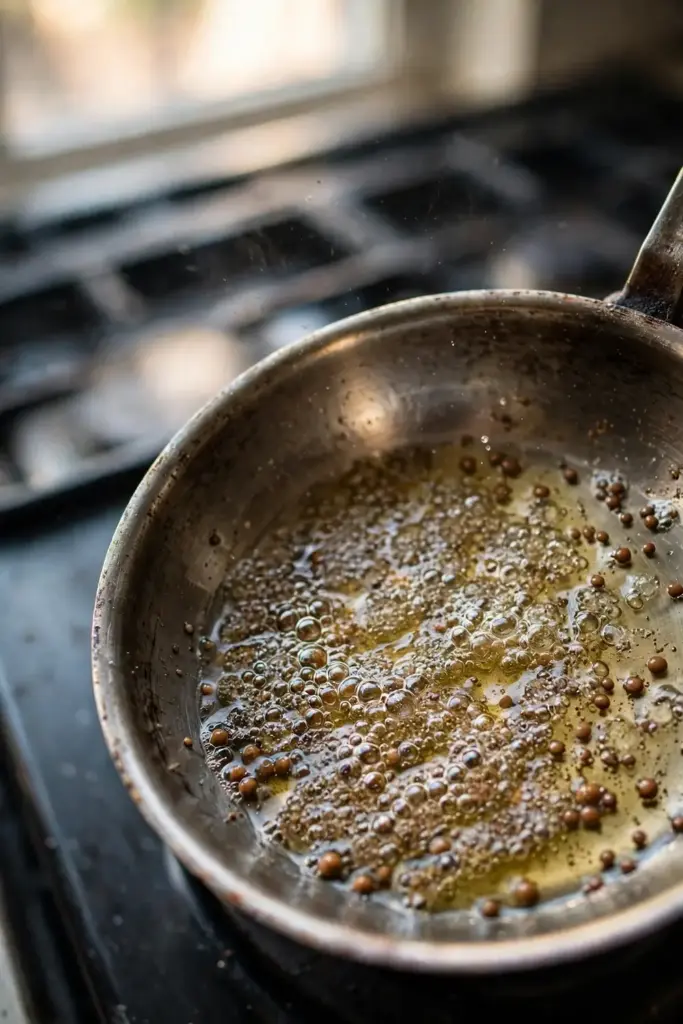
Beyond the blend, use radhuni anywhere its flavor fits: in pickles, chutneys, and preserves, where the botanical literature records its traditional place, or as a finishing temper for lentils and winter vegetables. A couple of pinches is the working dose. The flavor is strong enough that more is not better, and the first taste is slightly bitter before it turns aromatic, which is normal for this seed.
15. Storing Seed for the Kitchen and Next Sowing
Keep the two jars separate in your head even if they sit on the same shelf. Kitchen seed wants maximum aroma, so it gets the airtight jar in the cool dark cupboard and a sniff test before each use. Sowing seed wants maximum viability, so it gets the same cool dark storage plus a label with the harvest date, and it gets sown the next season, not the one after. Do not sow kitchen seed that has sat open on a spice rack for a year and expect a stand.
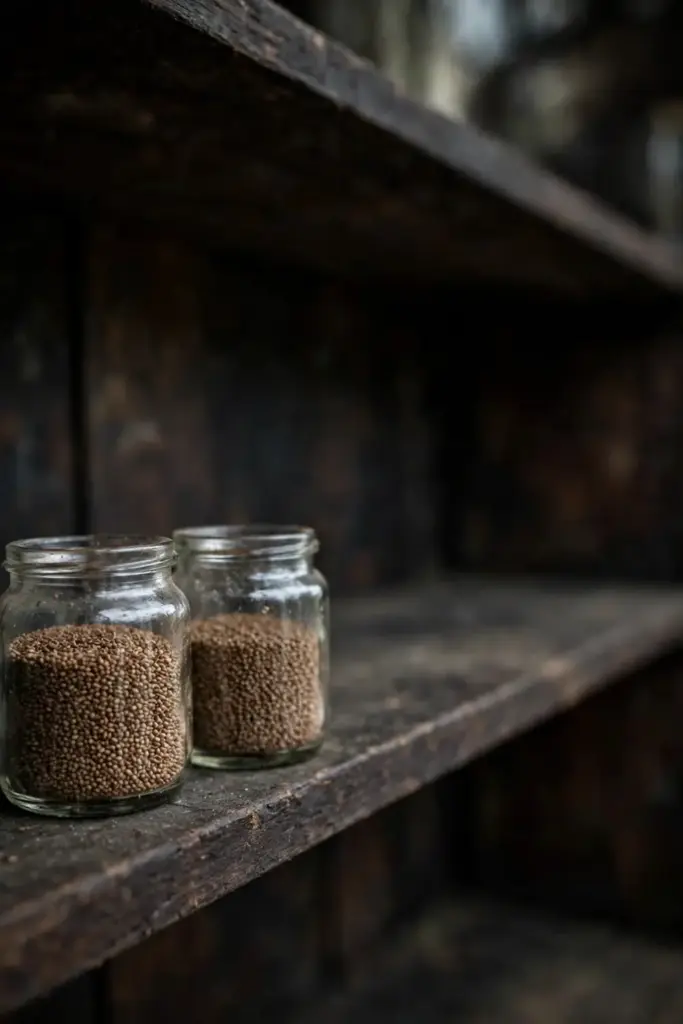
If you grew the crop yourself, save seed from the healthiest, earliest-ripening plants, not from the stragglers. One season of that selection does more for your future harvests than any fertilizer.
16. Mistakes That Ruin the Crop
Most radhuni failures trace to five errors, and all of them are avoidable. First, buying mislabeled seed: ajwain in a radhuni packet wastes a whole season, so verify the Latin name before you sow. Second, sowing too deep: half an inch is the depth, and deeper burial starves the seedling before it sees light. Third, sowing with the monsoon on kharif logic: the documented crop is a cool-season rabi sowing, and monsoon sowing invites rot and a confused plant. Fourth, heavy feeding after establishment: nitrogen directly beneath the plants pushes leaves and weeds while the seed ripens unevenly. Fifth, coddling through summer in temperate gardens: the northern grower’s guide specifically warns against coddling the plants in summer, because a comfortable plant delays flowering and the seeds then never ripen before the freeze.
17. Troubleshooting
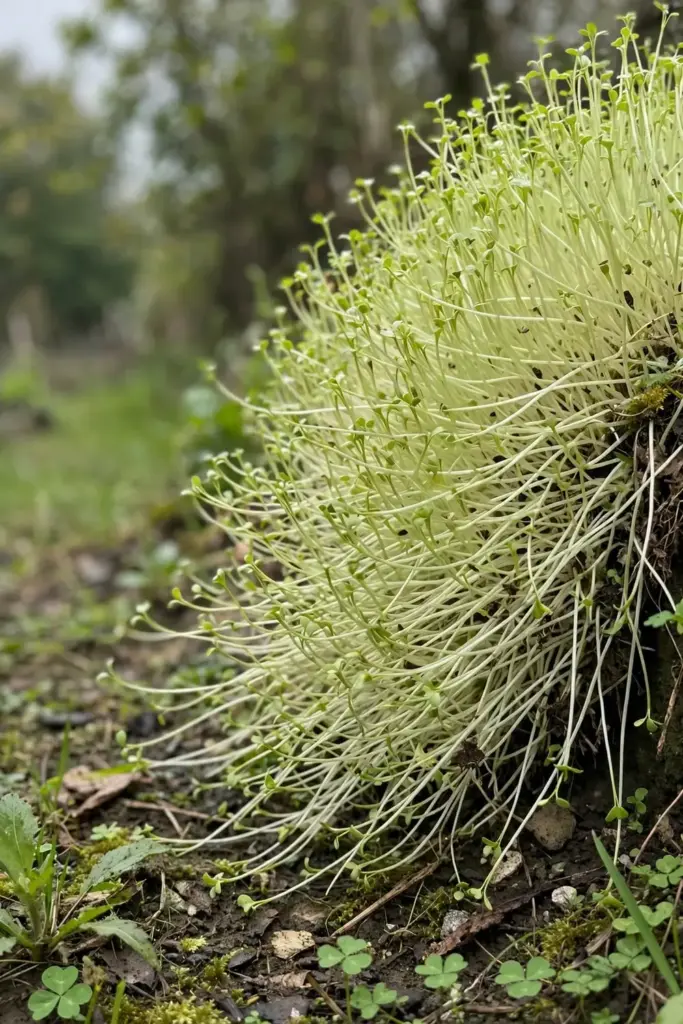
Poor germination usually means the seed was old, buried too deep, or left to dry during the first two weeks. Buy fresh seed, sow shallow, and keep the seedbed evenly moist until the seedlings are up. If seedlings damp off at the soil line, the bed was too wet and too dense: thin earlier, water in the morning, and give the surface air.
Plants that put on heavy leaf growth but never flower are almost always overfed or sown out of season. Cut the nitrogen, check your sowing date against the rabi window, and in temperate regions make sure the plants are not being coddled through heat they would rather escape by flowering. Seed heads that stay green into autumn in a cold climate are a signal to switch goals: cut the stalks before the hard freeze, dry them indoors, and plan next year around the leaf harvest with an earlier start.
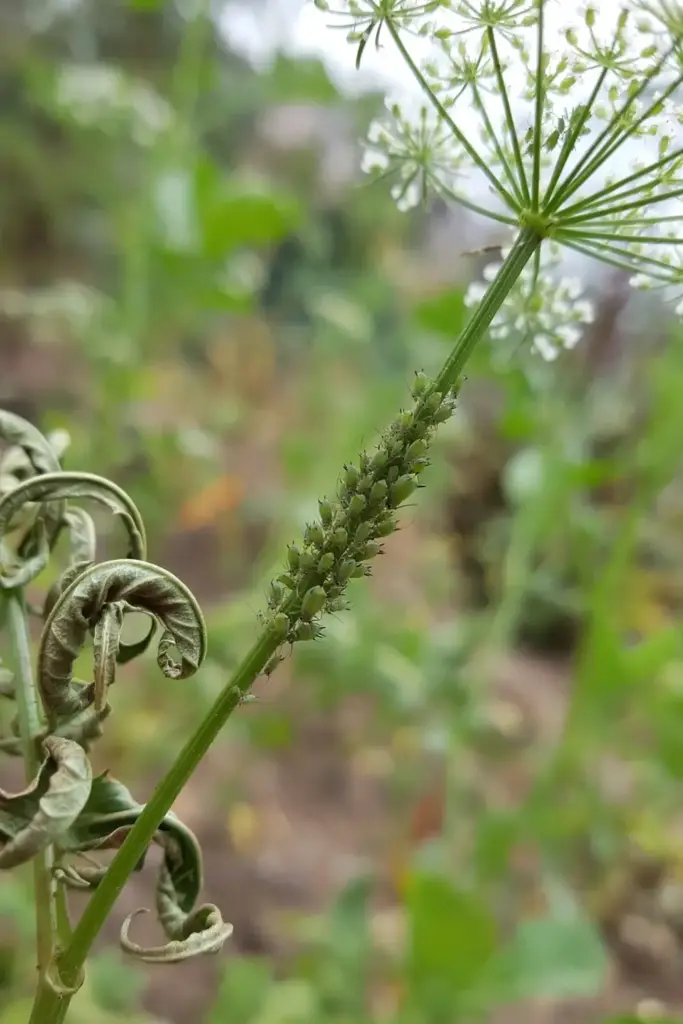
Aphids sometimes colonize the tender umbels. A strong jet of water dislodges them, and because the plant is destined for the spice jar, avoid spraying anything you would not want in your tempering oil.
18. Radhuni in the Medicine Cabinet: A Conservative Note
Radhuni has a long record in Indian medicine, where the fruits are used as a carminative and stimulant and in the treatment of digestive complaints, and the seed yields up to 2.5 percent essential oil rich in limonene. That is the documented traditional frame, and it is where this guide stops. Growing advice is all this article gives: if you are considering radhuni for any therapeutic purpose, talk to a qualified clinician first, especially if you are pregnant or taking medication. Grow it for the kitchen, enjoy the aroma, and leave the dosing to professionals.
Frequently Asked Questions
No. Radhuni is Trachyspermum roxburghianum (accepted name Psammogeton involucratus), while ajwain is Trachyspermum ammi. Radhuni seed is rounder and milder with a celery-lemon aroma, and it belongs to Bengali cooking. Ajwain is smaller, pungent, and thyme-like. Sellers sometimes mix them up, so check the Latin name on the packet.
Only if you can verify what is in the bag. Spice-market seed is often mislabeled, and kitchen seed may be old or heat-treated, which kills germination. Buy from a seed seller who prints the Latin name and the harvest year. If the packet says Trachyspermum ammi, you are holding ajwain.
Sow as a rabi crop in November to December, about half an inch deep in rows 14 to 18 inches apart, in a prepared sandy loam. This is the documented winter-season practice. In temperate climates with cold winters, sow in spring instead and treat radhuni as a one-season annual.
Expect roughly four months from a winter sowing to ripe seed, with flowering in the cold months and seed maturing as the season turns. In northern temperate gardens the seeds ripen very late, so cut the stalks before the first hard freeze and finish drying them indoors.
The first taste is slightly bitter, then strongly aromatic, with a celery-like flavor, lemon peel notes, and a slight numbing tingle on the tongue. A couple of pinches, crackled whole in hot oil, is enough to perfume a whole dish. It is milder than ajwain and more complex than plain celery seed.
Yes, and this is the backup plan that makes radhuni worth growing anywhere. The tender leaves and stems can be harvested at any time and used like parsley or cilantro, with a sweet aromatic flavor all their own. In short-season climates, grow radhuni as a leaf herb and consider any seed a bonus.
Where to Go From Here
Radhuni rewards the gardener who respects what it is: a cool-season seed spice with a name worth checking and a season worth getting right. Sow it in the rabi window in India or in spring in cold climates, give it sun and sandy loam, harvest the leaves all season, and let the seed ripen on its own schedule. That is the whole of how to grow radhuni from India, and if you master this quiet Apiaceae, the louder seed spices will feel easy. Start with one honest packet of seed, and let the crackle of the tempering tell you the rest.