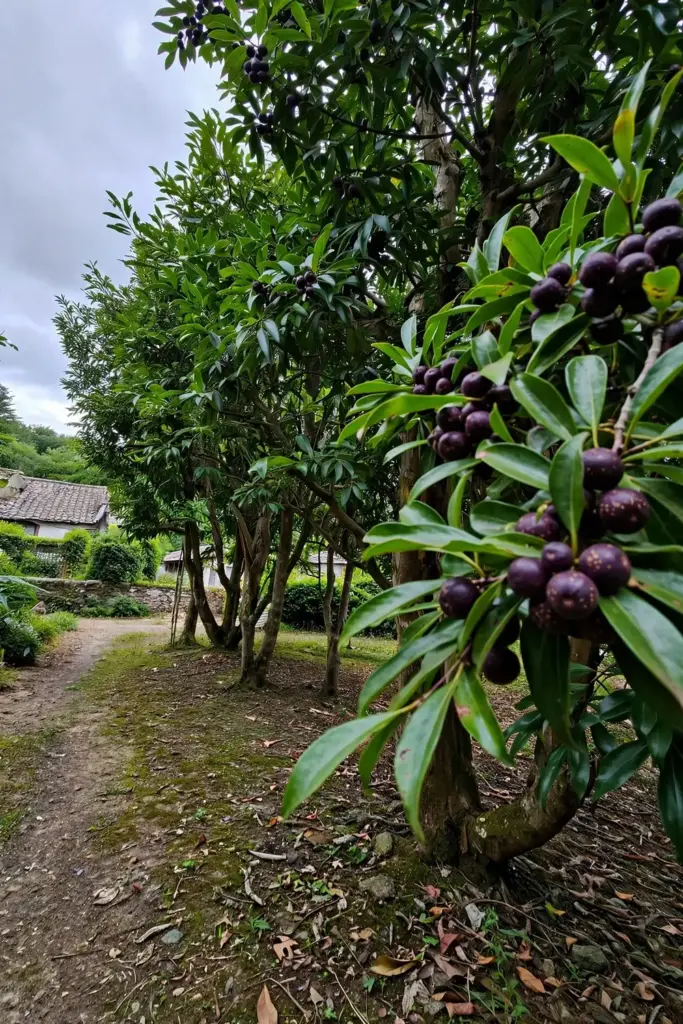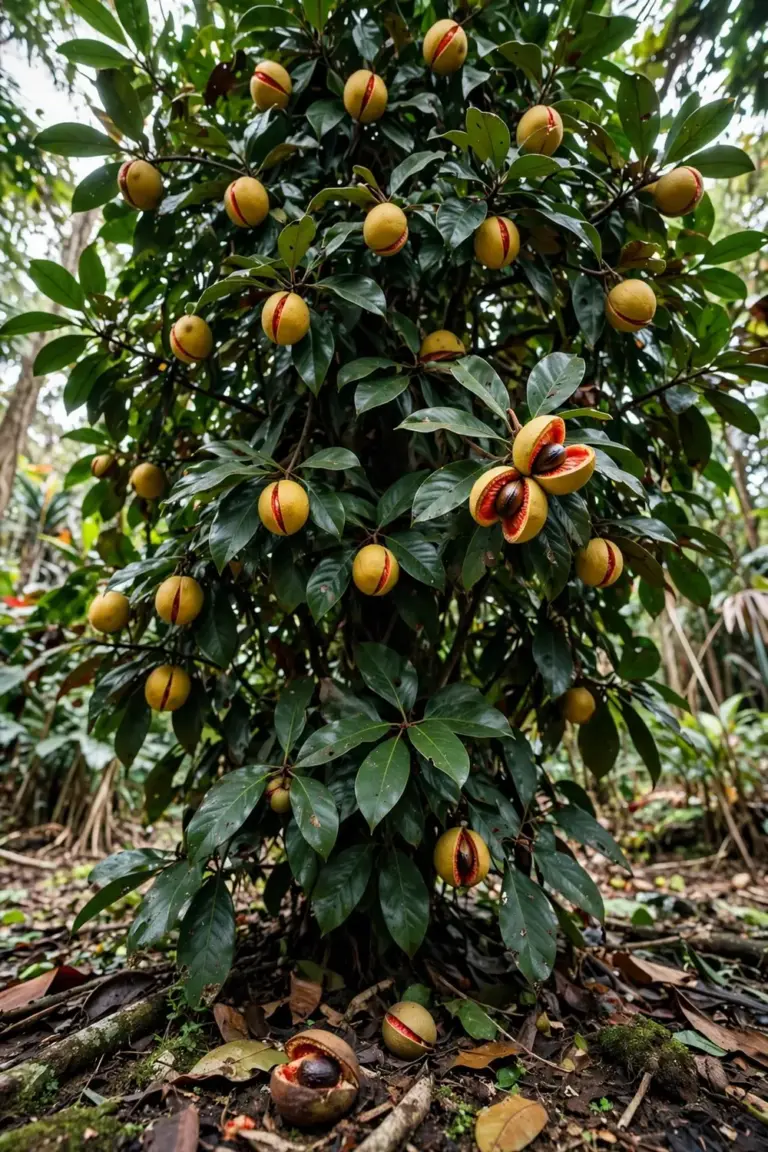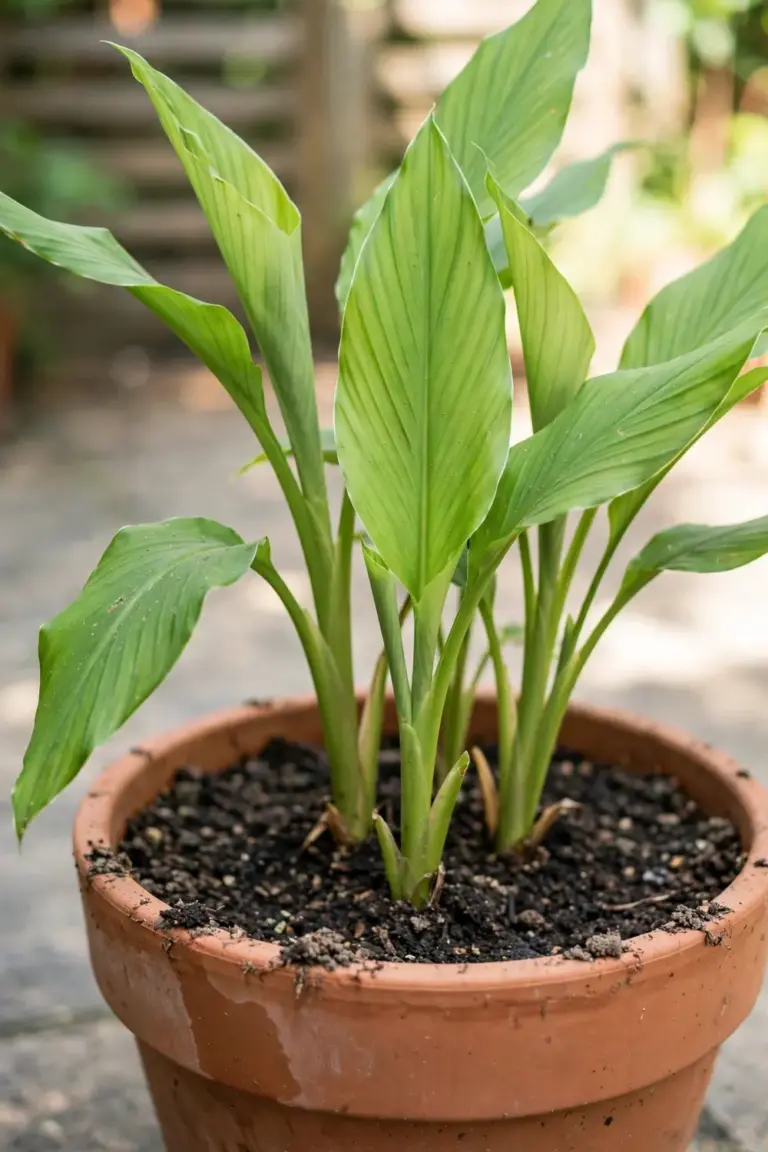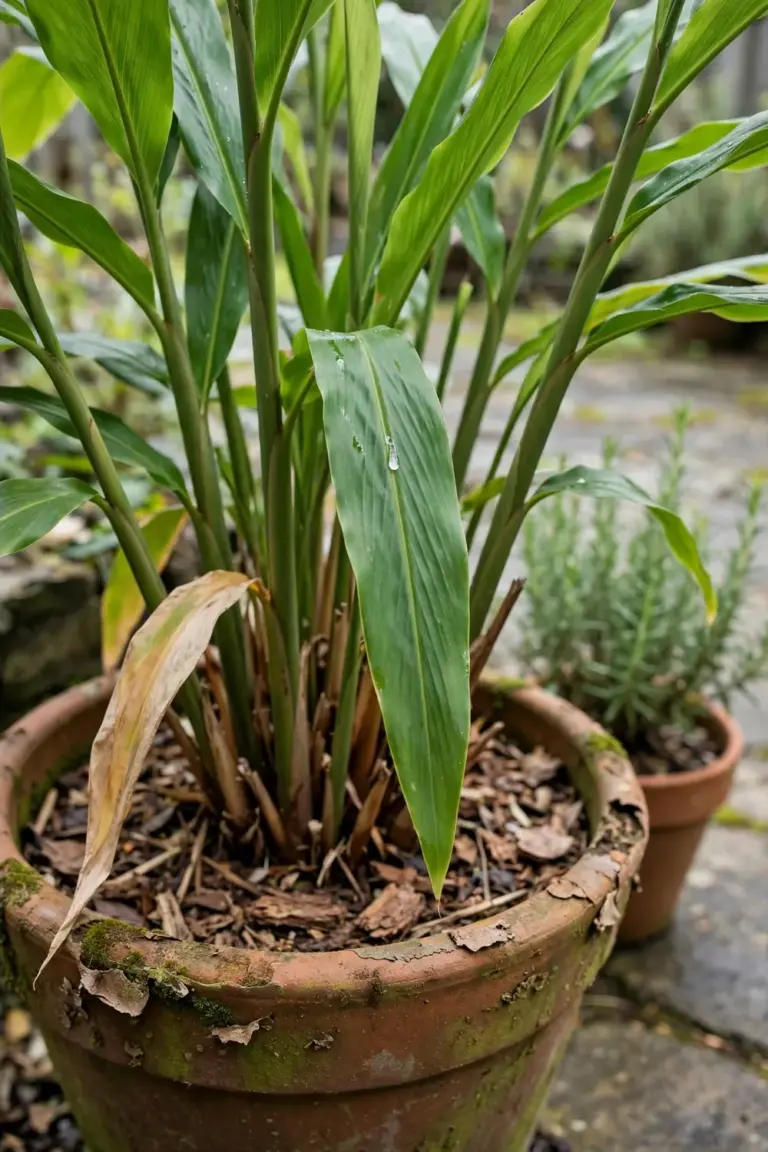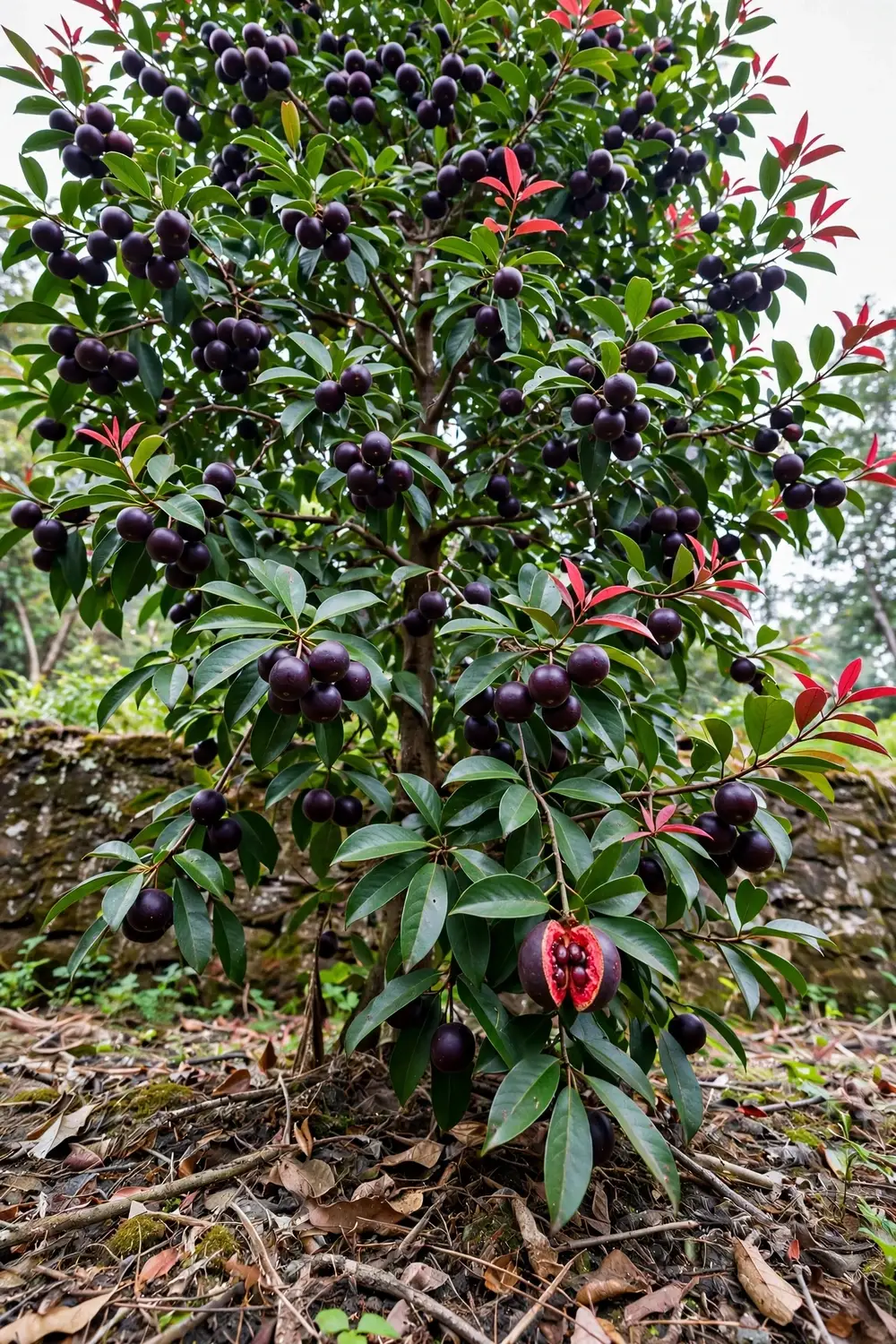

Growing kokum from India is possible, but half of all seed-grown trees will never fruit. Kokum is dioecious, and <a href=”https://theseedvine.com.au/product/garcinia-indica/”>about 50 percent of seedlings grow up male</a> while male trees only pollinate. They never produce the souring fruit that Konkan kitchens prize. If you learn how to grow kokum from India the honest way, you will either buy a grafted female tree or plant several seedlings and keep one male for every 10 females.
This tree is a Western Ghats endemic with a long memory of the monsoon. Seed-grown trees flower at 7 to 8 years, and most gardeners wait 10 to 15. Grafted trees cut that to 3 to 4 years. Nothing in the tropics hurries this plant along, and outside the tropics the honest answer is pots plus winter shelter.
The good news for anyone learning how to grow kokum from India: the competition for this knowledge is thin. No major publisher has written a complete home-grower guide. The niche sources that exist agree on the method. This guide collects them into one honest plan, from the dioecious gamble to the first dried amsul rind in your kitchen.
1. The Dioecious Problem: Half Your Seedlings Will Never Fruit
Kokum trees are either male or female, and you cannot tell them apart for years. Roughly half of seed-grown trees turn out male, a ratio <a href=”https://theseedvine.com.au/product/garcinia-indica/”>kokum seed specialists</a> state as the first thing a grower must understand. Male trees produce pollen only. Only female trees set fruit, and they need a male nearby for pollination. One male tree can fertilize <a href=”https://theseedvine.com.au/product/garcinia-indica/”>up to 10 females</a>, so a planting plan keeps 10 to 15 percent males and grafts or culls the rest once sex shows at flowering.
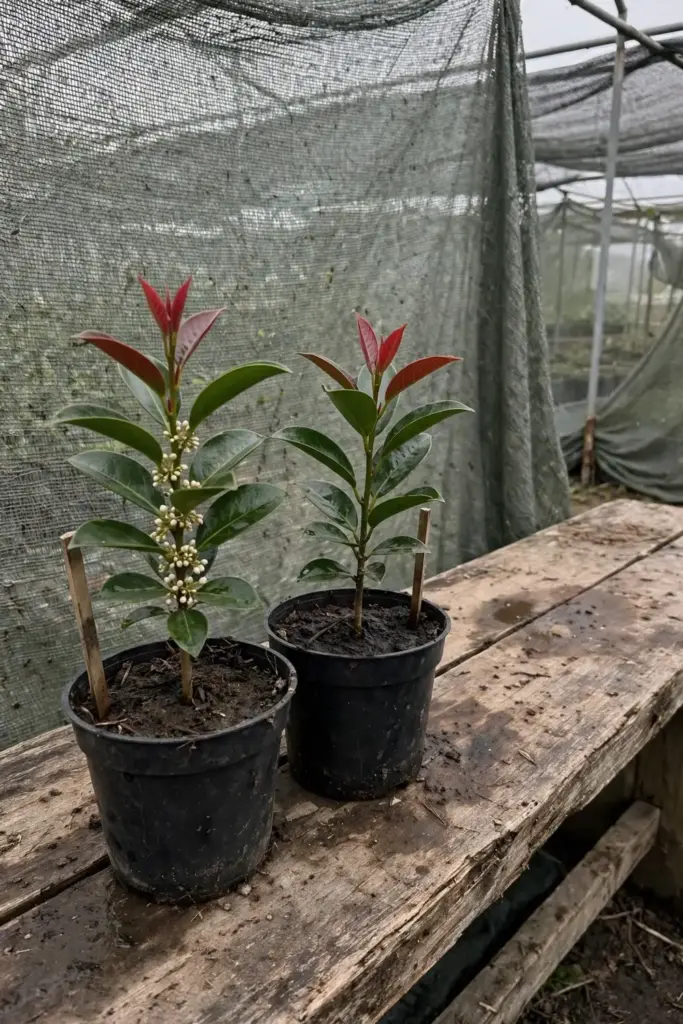
This single fact shapes every decision in your plan. If you buy seed, budget space for extras. If you buy a plant, buy a grafted female from a reputable nursery, which is how commercial Konkan growers guarantee a harvest. An <a href=”https://journalcra.com/sites/default/files/issue-pdf/48648.pdf”>Indian kokum cultivation review</a> confirms the payoff: seedlings flower at 7 to 8 years while grafted plants flower at 3 to 4.
2. Kokum vs Malabar Tamarind vs Mangosteen: Know Your Garcinia
Commerce sites and plant databases mix up Garcinia species constantly. Growing the wrong one wastes a decade. This table sorts the three species most often confused with kokum.
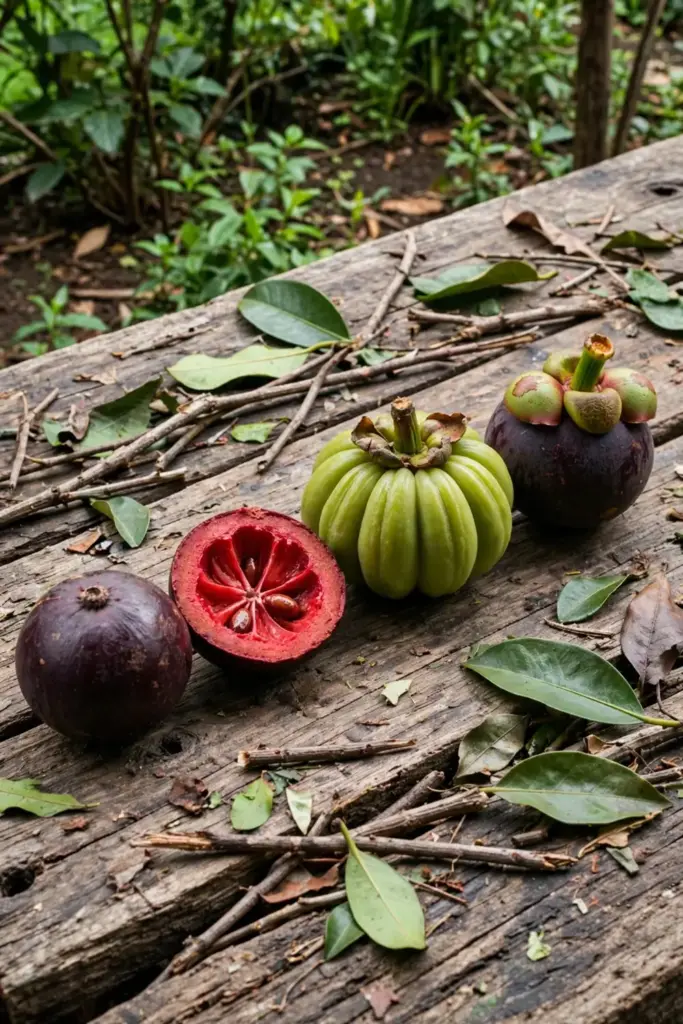
| Feature | Kokum (Garcinia indica) | Malabar Tamarind (Garcinia cambogia) | Mangosteen (Garcinia mangostana) |
|---|---|---|---|
| Common names | Kokum, ratamba, cocum, vrikshamla | Kudampuli, Malabar tamarind | Mangosteen, the same family |
| Fruit | Round, 5 to 8 cm, dark purple when ripe | Pumpkin-shaped, deeply ribbed | Round, purple, with white segments inside |
| Culinary use | Souring agent, dried rind (amsul), sherbet | Souring agent in Kerala curries | Fresh dessert fruit |
| Growth habit | Dioecious, needs male and female | Dioecious like kokum | Apomictic, seedless fruits grow true |
| Climate | Western Ghats monsoon tropics | More humid lowland tropics | Equatorial, hates any cool spell |
When a seed packet or nursery tag says only “Garcinia,” check the species name before paying. Garcinia xanthochymus and Garcinia tetrandra are also sold under generic Garcinia labels, and neither is kokum. The Latin name Garcinia indica is your proof of identity.
3. Seed or Grafted Tree: The Decision That Sets Your Timeline
Choose your starting material before you touch soil, because this choice sets the calendar.
| Factor | From Seed | Grafted Female |
|---|---|---|
| Years to first fruit | 7 to 8, commonly 10 to 15 | 3 to 4, sometimes 4 to 5 |
| Sex certainty | None until flowering, about 50 percent male | Guaranteed female |
| Cost and availability | Cheap seeds, widely sold | More expensive, nursery-only |
| Tree size control | Full-size tree, 15 to 20 m | Same species, slightly earlier bearing |
| Best for | Patient growers, rootstock production | Home gardeners who want fruit |
A grafted tree is the sensible pick for almost every home gardener. Seeds make sense when grafted plants are unavailable or when you want rootstock for your own grafting project. Our <a href="https://growit.wiki/how-to-grow-mango-fruit-easy/">guide to growing mango fruit</a> covers the same seed-versus-grafted math for another long-lived tropical tree, and the logic transfers directly.
4. Where Kokum Grows: The Western Ghats Climate Reality Check
Kokum is endemic to the Western Ghats of India: the Konkan coast of Maharashtra, Goa, Karnataka, and Kerala, in the coastal hills and lower slopes of the range. It wants a strictly frost-free tropical or subtropical climate, with annual lows of 18 to 25 C and highs of 27 to 35 C plus 2,000 to 5,000 mm of annual rainfall and a dry season of no more than 7 months, according to a <a href=”https://iplantz.com/plant/1664/garcinia-indica”>botanical database profile of the species</a>. Frost damages trees of all ages, so USDA zones 10 to 11 are the outdoor range.

Read that as a filter, not a dare. If your winters drop below freezing, kokum lives in a pot and moves indoors, and fruiting becomes unlikely. The tree also appears on the IUCN Red List as Vulnerable, which is one more reason to buy nursery stock from documented sources rather than collecting wild seed.
5. Buying Seeds and Saplings Without Getting the Wrong Species
Buy seed only from sellers who print the full Latin name on the packet. Kokum seeds lose viability quickly, so fresh seed from the current season matters more than with most crops. Ask the seller the harvest month. Old seed germinates poorly or not at all, and nothing revives it.
For plants, look for grafted females of released varieties. Indian research stations have released Konkan Amruta and Konkan Hatis, and the CCARI program listed high-yielding lines in 2024. A grafted plant from a nursery like the Indian suppliers that list Garcinia indica explicitly gives you a known female years ahead of a seedling. Avoid variegated ornamental forms sold as houseplants. They are the same species but selected for leaves, not fruit.
6. Starting Kokum From Seed: The Honest Method
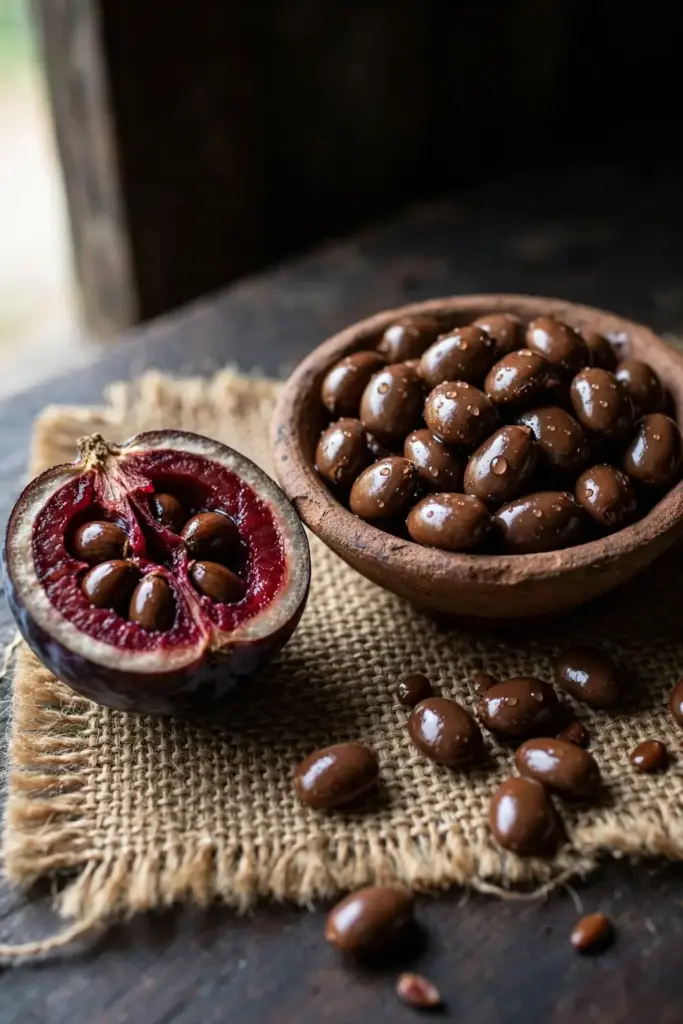
Fresh kokum seeds need no scarification and no chemical treatment. The seed coat is thin enough that a simple 24 to 48 hour soak does the job, as shown in this <a href=”https://permacultureplants.com/plants/kokum-tree/”>step-by-step kokum growing guide</a>, and the main risk is rot from sowing too deep or keeping the mix too wet.
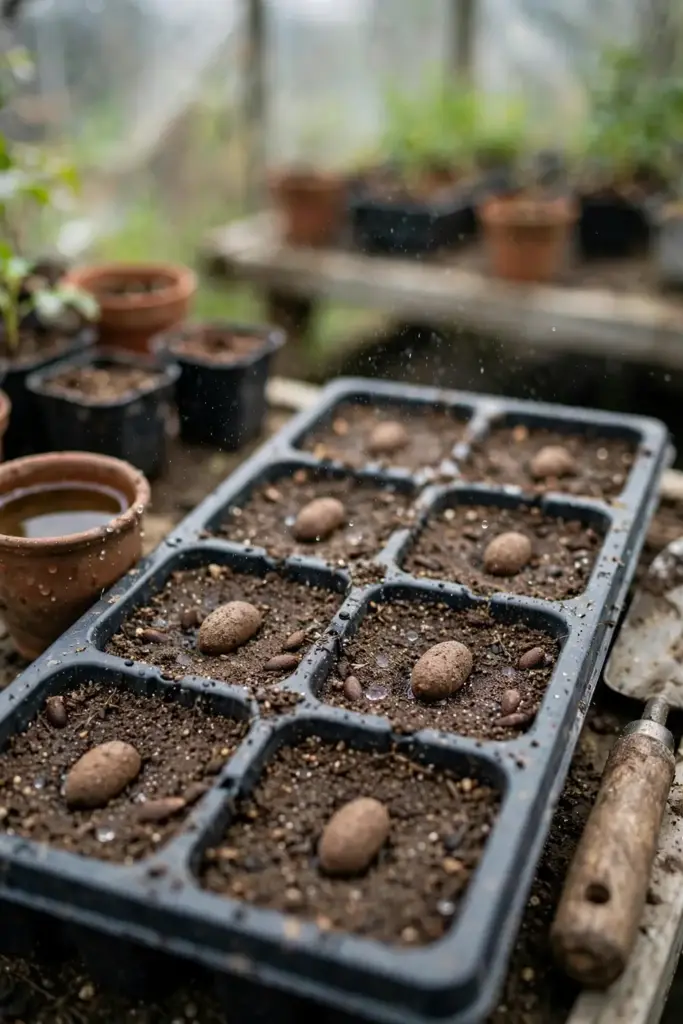
Wash the seeds to remove all pulp, then soak them in room-temperature water for 24 to 48 hours. Change the water after the first day so bacteria cannot build up. Sow each seed horizontally, 1.5 to 2.5 cm deep, in a humus-rich, well-draining mix with sand. Cover the tray with plastic wrap or glass to hold warmth and humidity, and keep the temperature between 25 and 30 C. A heat mat earns its place here.
7. The Germination Calendar: Step by Step
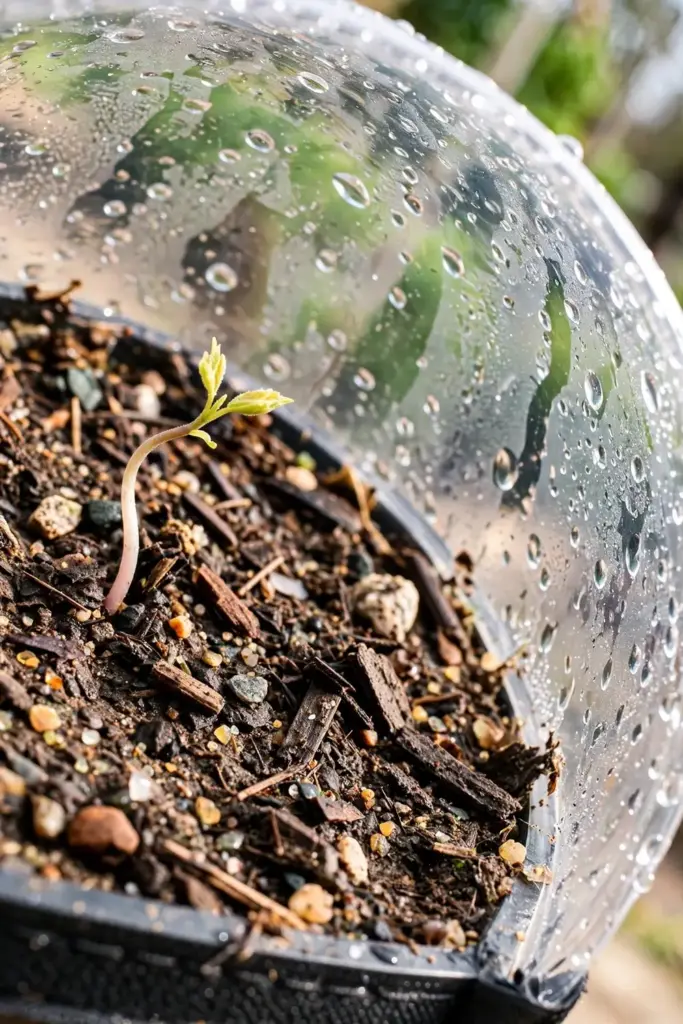
| Step | Action | Time |
|---|---|---|
| 1 | Extract seeds from ripe fruit, wash off pulp | Day 0 |
| 2 | Soak in room-temperature water, change water once | Days 1 to 2 |
| 3 | Sow horizontally, 1.5 to 2.5 cm deep, in moist sandy mix | Day 2 |
| 4 | Hold at 25 to 30 C under cover, mist only when the surface dries | Weeks 1 to 6 |
| 5 | First seedlings emerge | Weeks 2 to 6, sometimes up to 6 months |
| 6 | Remove the cover gradually once two true leaves show | After emergence |
| 7 | Pot up into individual containers | At 15 to 20 cm tall |
Germination is erratic. Two to 4 weeks is typical, though stragglers can take 6 months, according to <a href=”https://theseedvine.com.au/product/garcinia-indica/”>seed sellers who specialize in this species</a>. Do not discard a tray before 6 months have passed. Seeds that fail after that were probably too old, not mistreated.
8. The Nursery Year: Raising Slow Seedlings
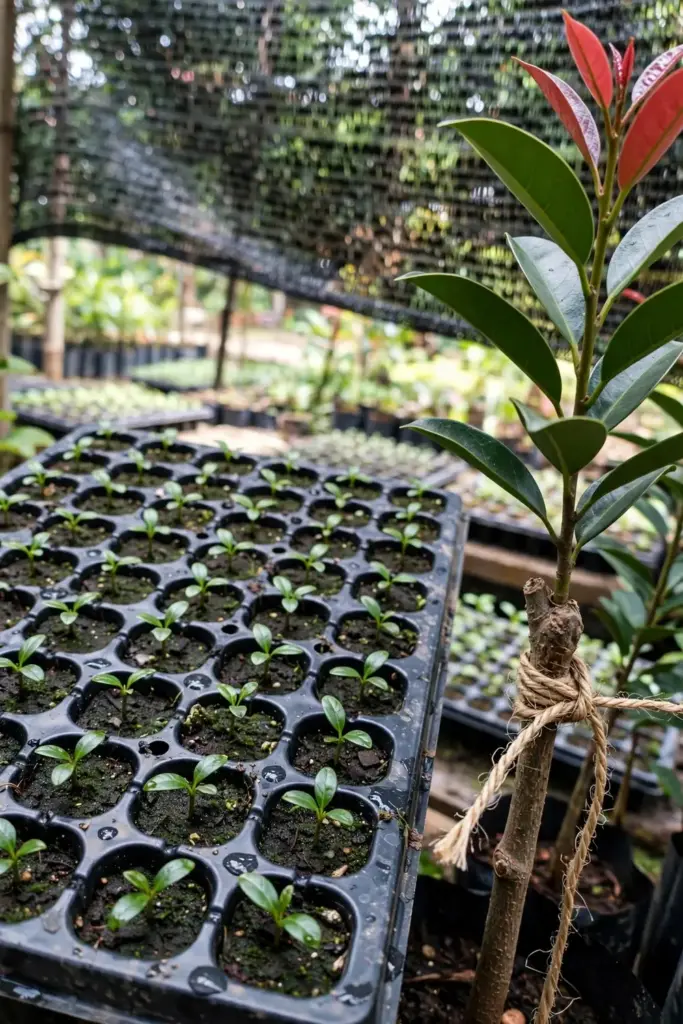
Kokum seedlings grow very slowly. Nursery practice keeps them in containers through at least one full growing season before planting out, and rushing this stage produces weak trees. Give seedlings bright indirect light, steady warmth, and a mix that drains freely. Research on potting media found a simple 1:1 soil to farmyard manure mix produced the tallest seedlings with the highest survival, so you do not need an exotic recipe.
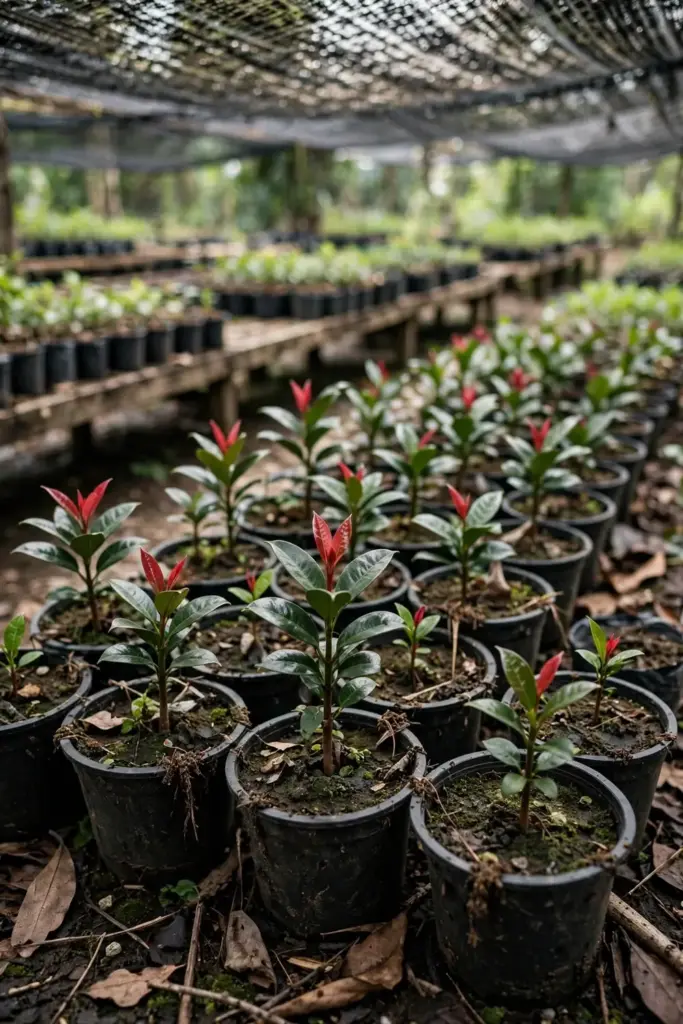
Water when the top of the mix begins to dry. These seeds and young roots rot fast in soggy soil, and overwatering kills more kokum seedlings than any pest. Feed lightly after the first flush of true leaves. One <a href=”https://theseedvine.com.au/product/garcinia-indica/”>Australian kokum seed seller</a> sums up the whole philosophy in a line worth remembering: no fertilizer or pesticides are required for kokum trees, and restraint beats enthusiasm.
9. Grafting Kokum: Softwood Grafting in October to November
Softwood grafting is the standard propagation method for named kokum varieties, and it solves the dioecious problem in one stroke. A scion from a known female, grafted onto a seedling rootstock, gives you a female tree that fruits years ahead of schedule. The best grafting windows are October to November and March to August, when the rootstock is pushing soft new growth.
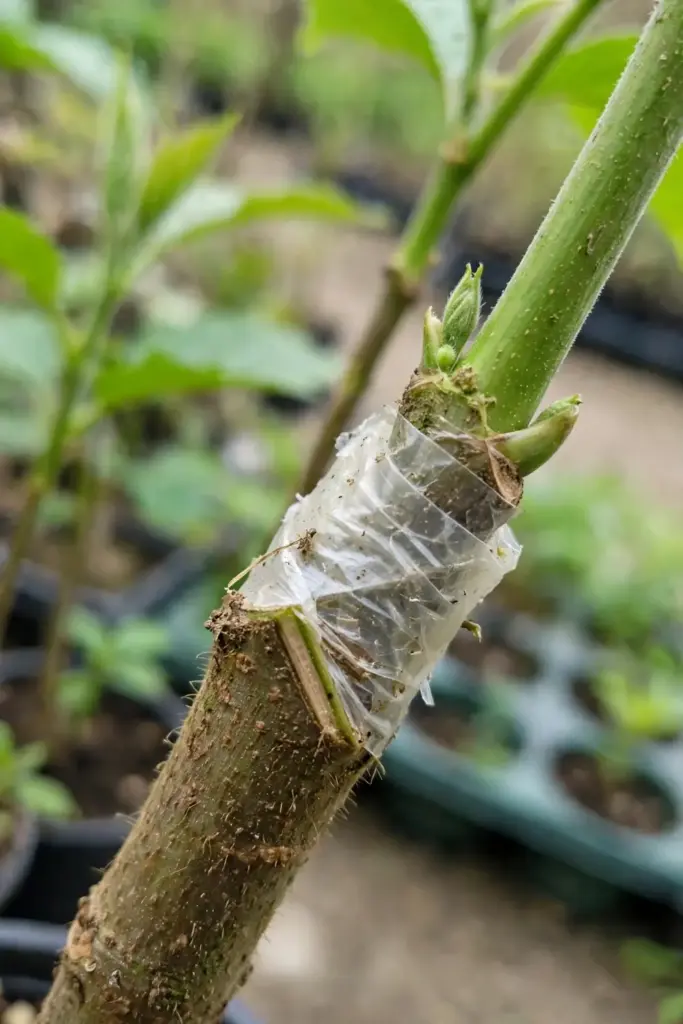
You need a vigorous seedling rootstock, ideally 12 to 14 months old, and scion wood from a fruiting female. The mechanics follow the same softwood grafting used for mango and other tropical fruits. If you have never grafted before, practice on fast-growing stock first. A failed graft on kokum costs a year of rootstock growth.
10. Planting Out: Spacing, Season, and the Monsoon Window
Plant at the onset of the monsoon, or in spring after the last frost in subtropical zones. That timing gives young trees a full warm, wet season to establish before the following winter. Dig a pit, refill it with topsoil mixed with well-rotted manure, and set the plant so the graft joint sits at least 15 cm above the ground.
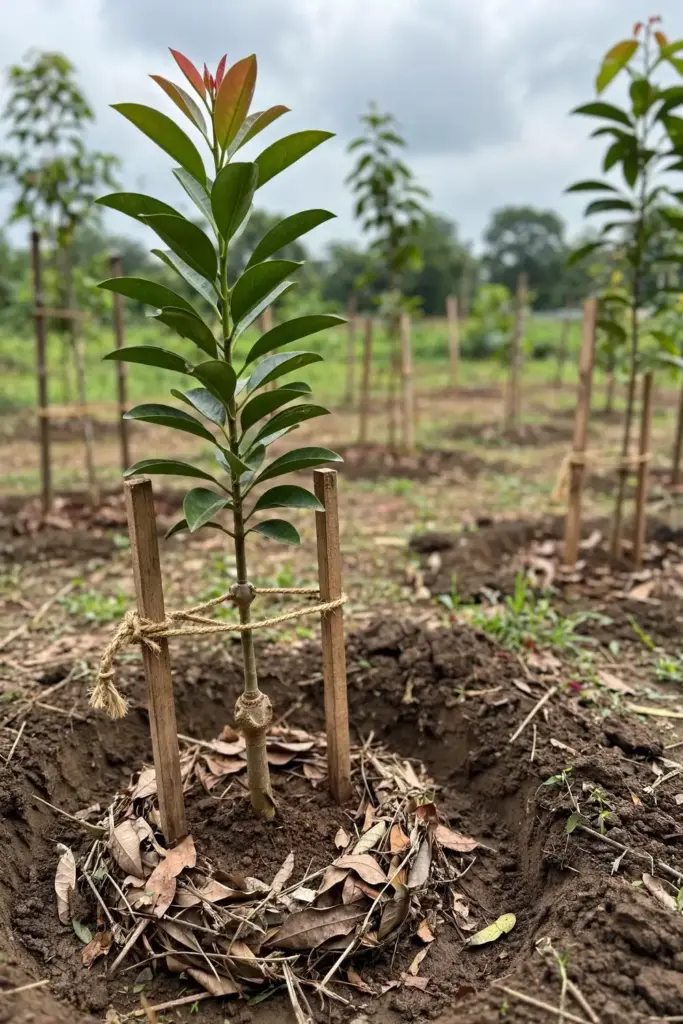
Space seedlings 4 by 4 meters and grafted trees 5 to 6 meters apart in both directions, the spacing an <a href=”https://journalcra.com/sites/default/files/issue-pdf/48648.pdf”>Indian kokum cultivation review</a> recommends. Young trees appreciate partial shade for the first year or two, either from shade cloth or from planting under a high canopy that lets at least 50 percent of sunlight through, as a <a href=”https://permacultureplants.com/plants/kokum-tree/”>kokum growing guide</a> advises. Stake grafted plants with two firm pegs and rope until the union is strong.
11. Growing Kokum in Pots: The Cold-Climate Strategy
A pot is a staging strategy, not a permanent home, and it is the only realistic path in cold climates. Nurseries sell kokum as a container plant, and experienced growers keep young trees in pots until at least after their third winter. A 30 to 50 liter container with excellent drainage gives a young tree several good years.
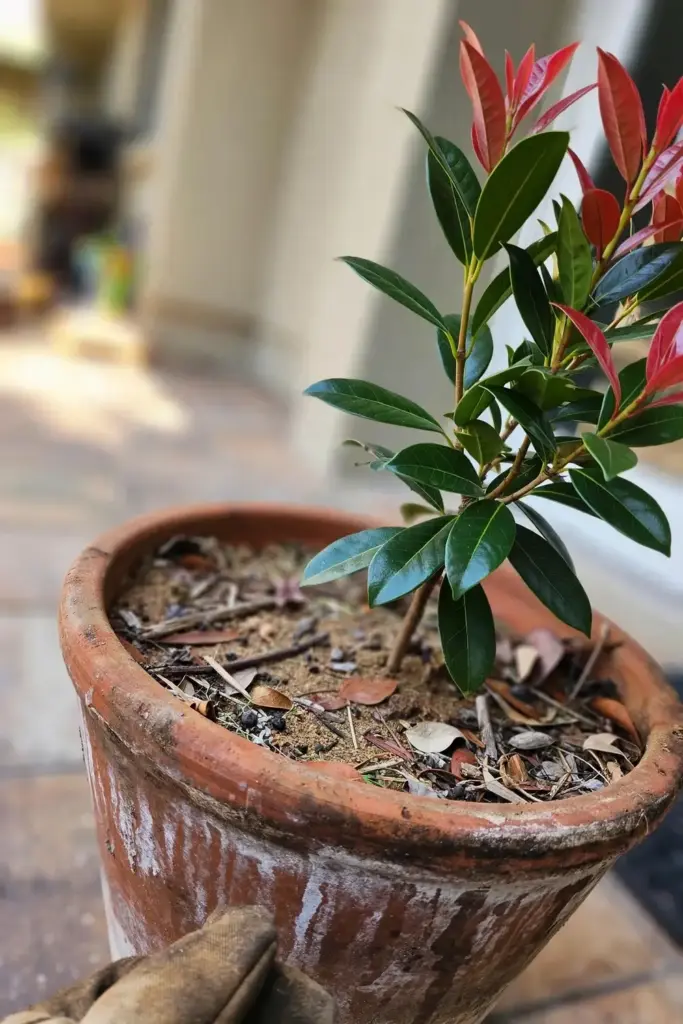
Use a humus-rich, sandy mix and never let the pot sit in a saucer of water. Move the tree outdoors for the warm months and bring it in before the first frost. Expect foliage, structure, and the deep satisfaction of keeping a Western Ghats tree alive. Do not expect fruit. As one seed grower states plainly, in cold or temperate conditions fruiting is unlikely to be achieved.
12. Overwintering Indoors: What Works and What Fails
Bring the pot in when nights drop toward 10 C. Give the tree your brightest window or a grow light running 12 to 14 hours a day, hold the room at 18 to 24 C, and cut watering back. The tree slows down in lower light and needs far less water than it did outside.
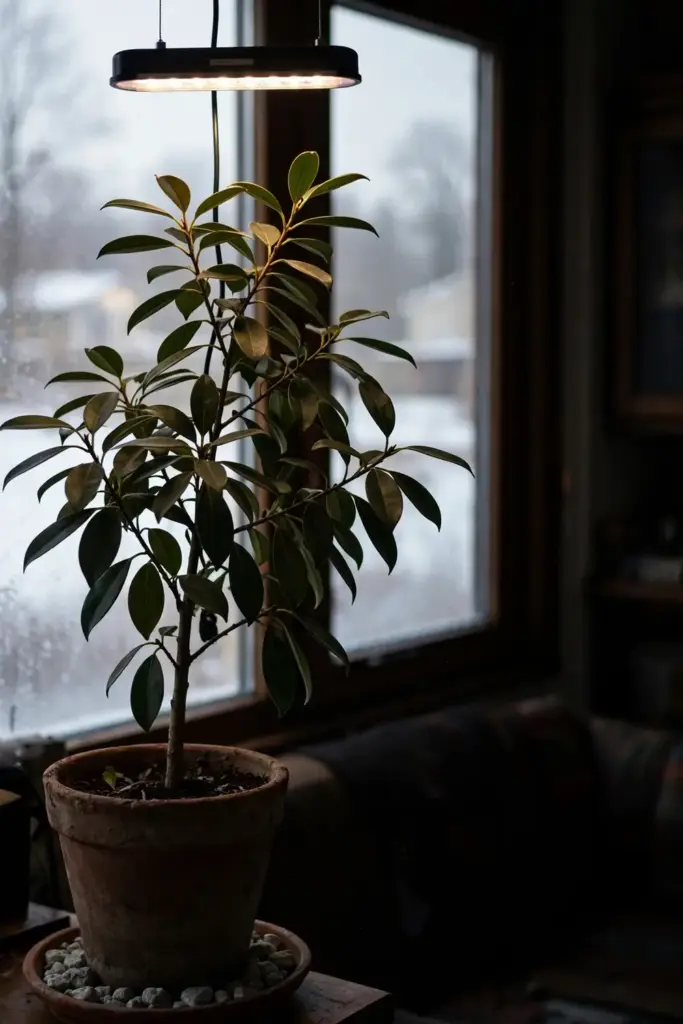
What fails: a dark corner, a hot dry room with the heat blasting, and wet soil all winter. Check for scale insects and mealybugs monthly, because indoor stress invites them. Our <a href="https://growit.wiki/indoor-herb-gardens-the-ultimate-guide-to-growing-fresh-herbs-indoors/">indoor herb garden guide</a> covers the same overwintering mechanics for tender perennials, and the light and humidity principles apply to a young kokum tree too.
13. Soil: Laterite Lessons for Garden Beds
In its home range kokum grows in lateritic, sandy, clay, and loamy soils, so it is not fussy about texture. What it demands is drainage and a slightly acidic to neutral pH, around 5.5 to 7.5. Waterlogged ground rots roots, so in heavy clay plant on a raised mound or ridge rather than in a pit that collects water.
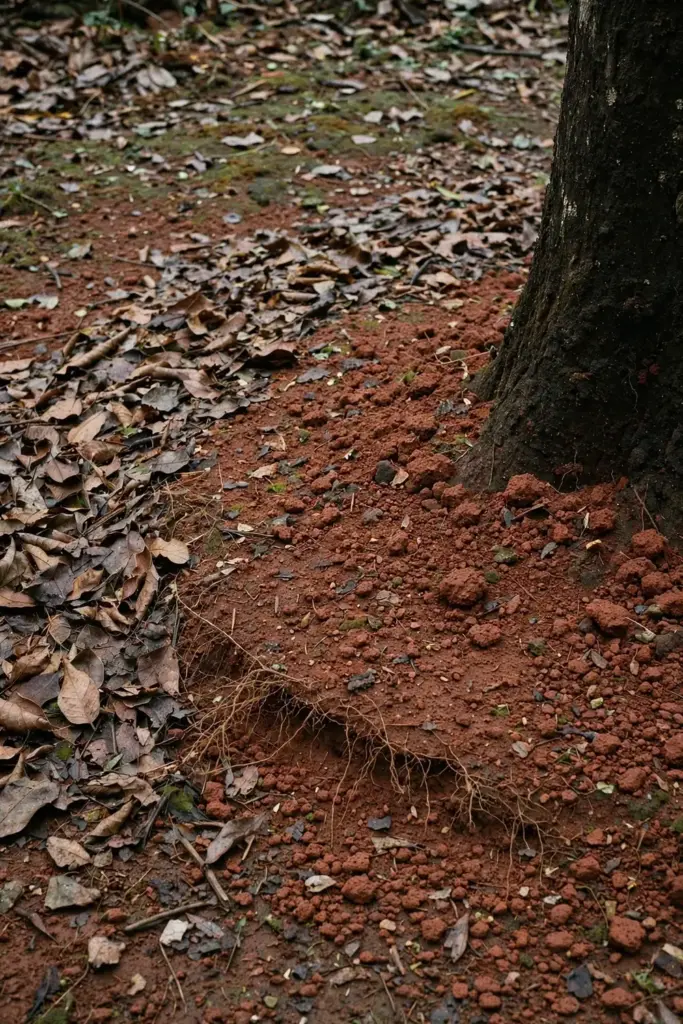
Work compost or well-rotted manure into the planting zone, then mulch thickly with leaf litter. The forest floor of the Western Ghats is the model: organic matter on top, living soil below, and never bare compacted earth around the trunk. Our <a href="https://growit.wiki/soil-health-and-pest-resistance-building-a-strong-foundation-for-your-blooming-brilliant-garden/">soil health guide</a> explains the same foundation for long-lived fruit trees.
14. Watering Through Wet and Dry Seasons
Established kokum trees handle the monsoon-dry season rhythm of their homeland: abundant water in the rains, a drier rest afterward. Young trees need consistent moisture for the first two dry seasons. Water deeply, then let the top few centimeters dry before watering again.
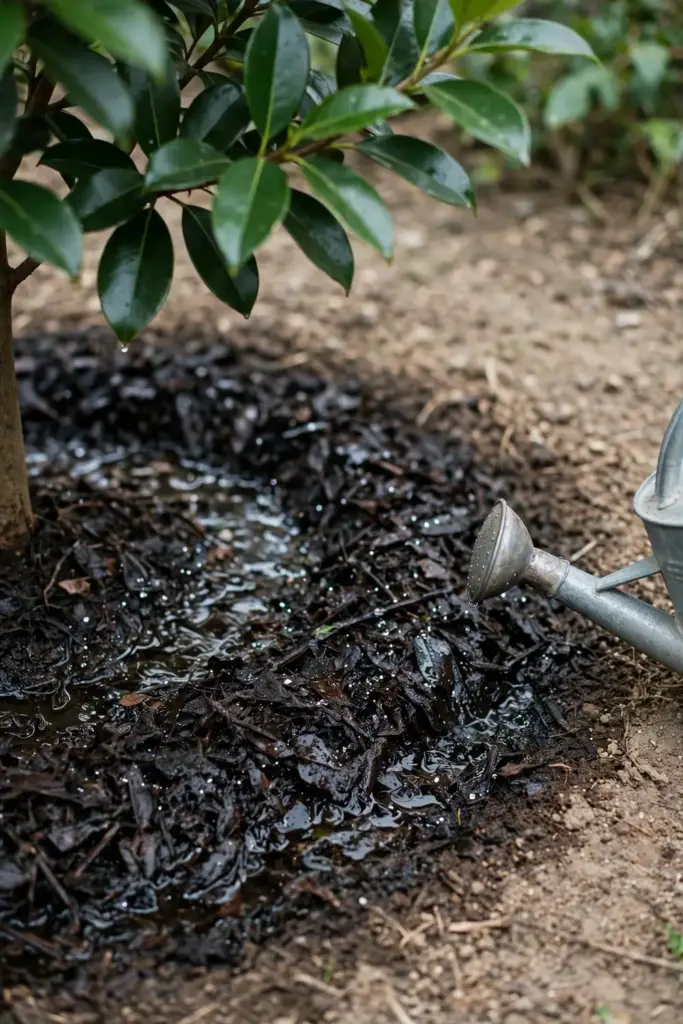
In containers, the rule tightens. Water only when the top layer of the mix begins to dry, and reduce watering sharply in winter. Soggy potting mix is the fastest way to kill a kokum seedling. Drip irrigation or a slow hose beats overhead sprinklers, which keep foliage wet and invite fungal problems.
15. Feeding a Slow Tree: Farmyard Manure and Mulch, Not Much Else
Kokum is a light feeder. An annual application of well-rotted farmyard manure or compost around the drip line, plus a maintained mulch layer, covers its needs in most soils. Young trees in nursery trials responded best to the simple soil-plus-manure mix, not to heavy synthetic feeding.
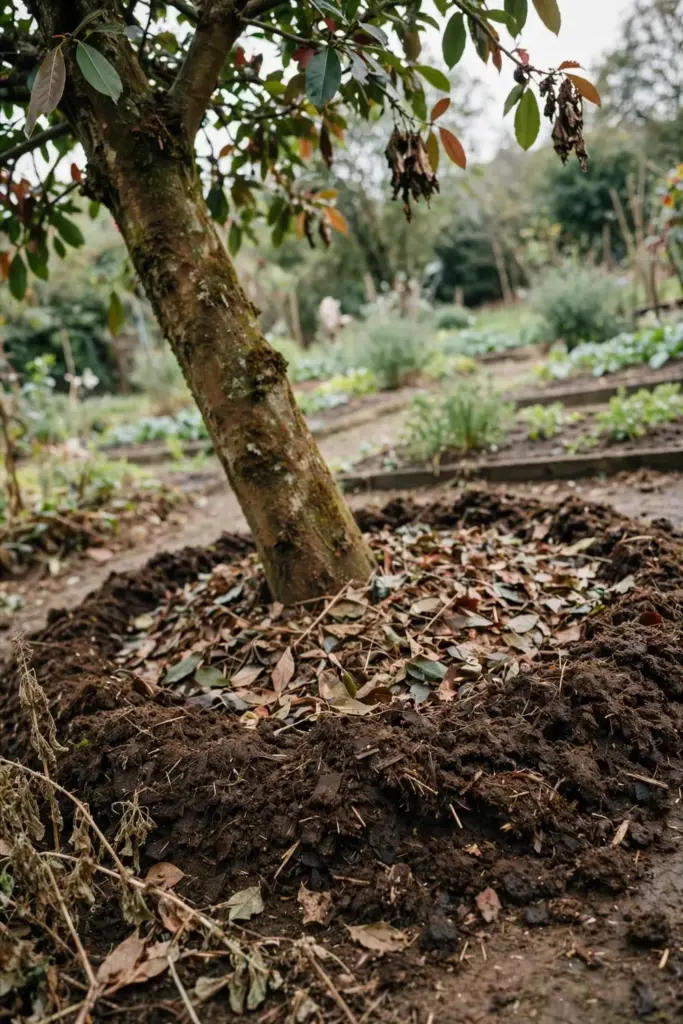
Skip high-nitrogen pushes. Forcing soft, fast growth on a slow tree produces weak wood and invites pests. If leaves yellow uniformly, check drainage and pH before reaching for fertilizer. In containers, a light organic feed twice during the growing season is enough.
16. Pruning and Shaping Young Trees
Kokum naturally forms a dense, spreading crown with a cylindrical or conical shape, and it needs little corrective pruning. In the first years, remove crossing branches and any shoots below the graft union. Suckers from the rootstock must go, because they are the seedling, not your named female variety.
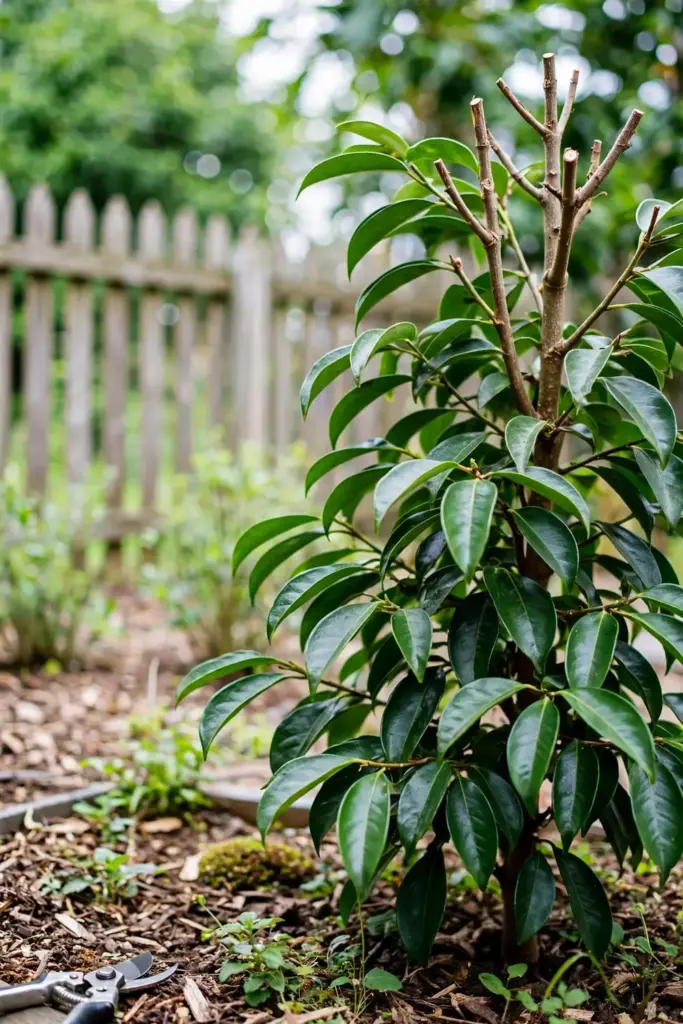
After the tree is established, prune only to remove dead wood and to keep the center open enough for air movement. Heavy pruning delays fruiting on a tree that already takes years to bear, so keep the shears mostly in the shed.
17. Pests and Diseases: A Short, Honest List
Kokum has few serious enemies, which is one of its quiet virtues. Nursery seedlings can suffer damping off if the mix stays wet, which is a watering problem rather than a pest problem. Mealybugs and scale occasionally colonize stressed container trees, especially indoors.
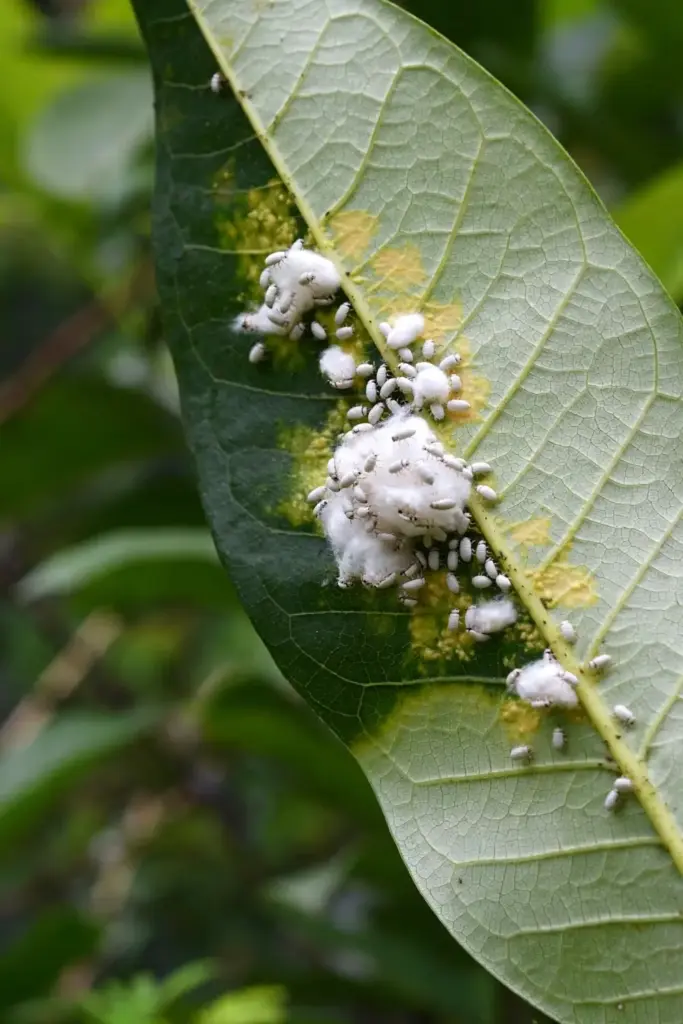
No routine spray program is needed. Good drainage, air movement, and a vigorous tree prevent nearly everything. If you spot pests on an indoor tree, wipe them off and correct the underlying stress, usually low light or overwatering, before reaching for any product.
18. Flowering and Pollination: December to February
Kokum flowers from November to February on the previous season’s shoots, with male trees typically starting one to two weeks before females. Individual flowers open early in the morning, around 6 to 8, and pollination happens mainly by wind. This is why a lone female tree in a garden with no male nearby sets little or no fruit.
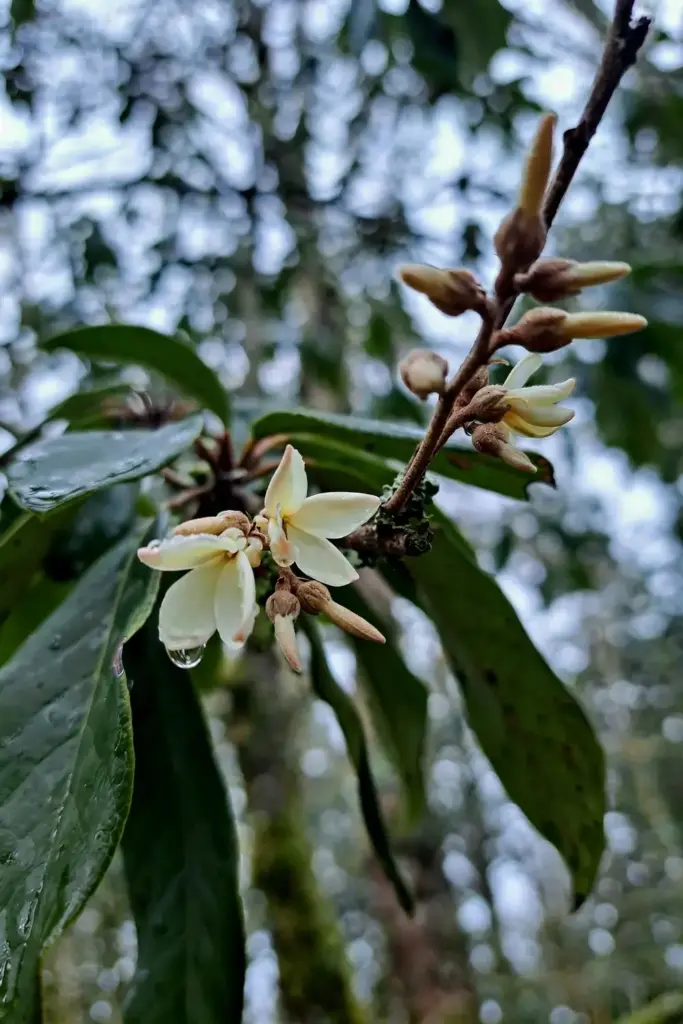
Plan pollination before you plant. One male serves up to 10 females, so a small grove needs just one male, and a single home tree needs a neighbor’s male or a grafted branch of male wood. Three sex forms exist in the species, female, male, and hermaphrodite, but hermaphrodites are uncommon enough that you should not count on one.
19. Harvest: April to June, 120 Days After Fruit Set
Fruits ripen about 120 days after fruit set, according to an <a href=”https://journalcra.com/sites/default/files/issue-pdf/48648.pdf”>Indian kokum cultivation review</a>, and the harvest season runs April to June. Pick by hand when the rind turns fully dark purple and yields slightly to pressure. Shake branches gently with a long stick and gather fallen fruit the same day, because fresh kokum keeps only 4 to 5 days at ambient temperature.
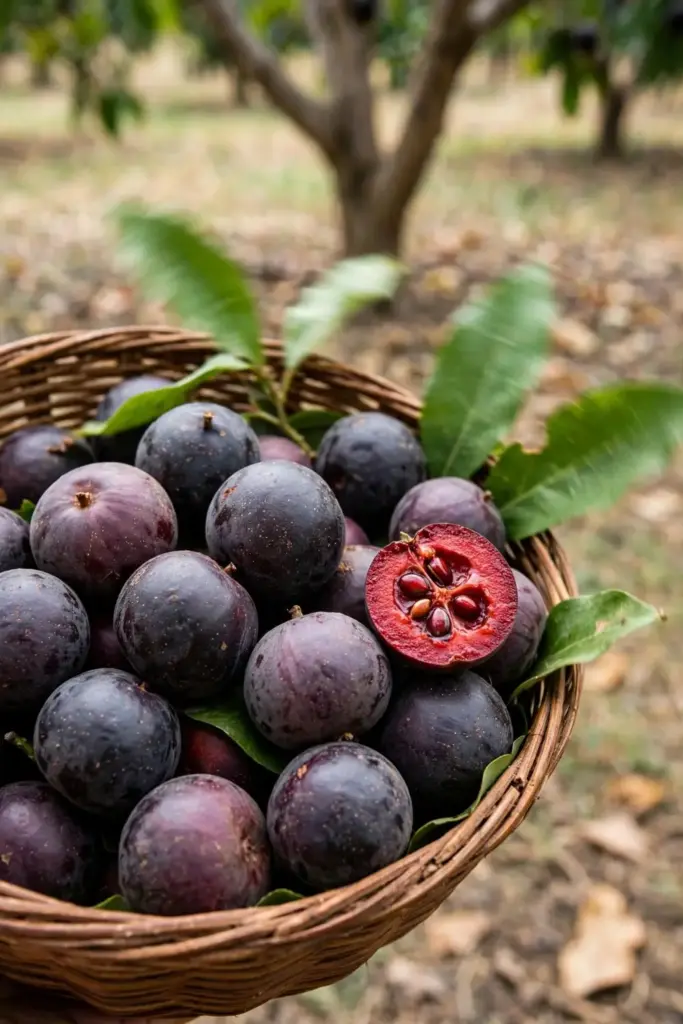
A mature tree is generous. A 15-year-old seedling tree produces 30 to 50 kg of fruit per year, according to an <a href=”https://journalcra.com/sites/default/files/issue-pdf/48648.pdf”>Indian kokum cultivation review</a>. Your first crops will be smaller. Chill the harvest quickly if you cannot process it the same day, since cold storage at 13 C and high humidity extends shelf life to about 28 days.
20. Processing the Rind: Amsul, Syrup, and Kokum Butter
The rind is the crop. Cut the fruit, scoop out the pulp and seeds, and sun-dry the rind halves until they turn black and leathery. This dried rind is amsul, the Konkan souring agent that flavors curries for months after harvest. Dried properly, it keeps a year in an airtight jar.
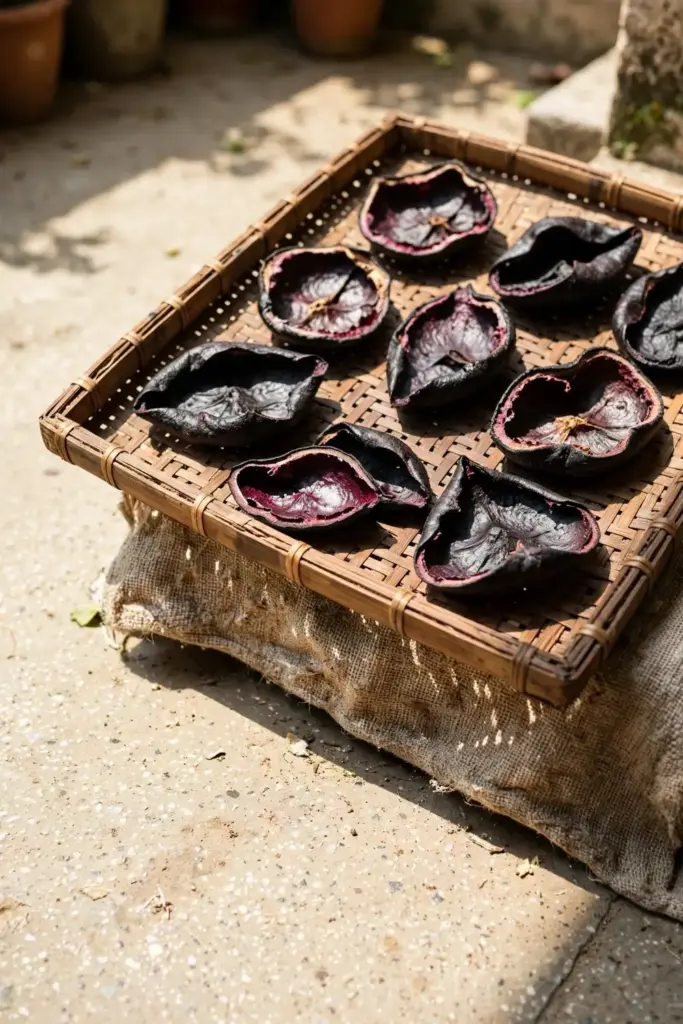
The pulp makes kokum sherbet, a deep red summer drink, and the seeds yield kokum butter, a fat that stays solid at room temperature and is prized in chocolate making and cosmetics. Processing is simple, but do it promptly. The short fresh shelf life means harvest day is processing day.
21. Kokum in the Konkan Kitchen: Solkadhi and Fish Curry
Kokum belongs in the Konkan kitchen the way tamarind belongs further south. Dried amsul goes into fish curries and dals for a sourness that is fruitier and less harsh than tamarind. Solkadhi, the pink digestive drink made from kokum syrup and coconut milk, is the classic way to meet the flavor.
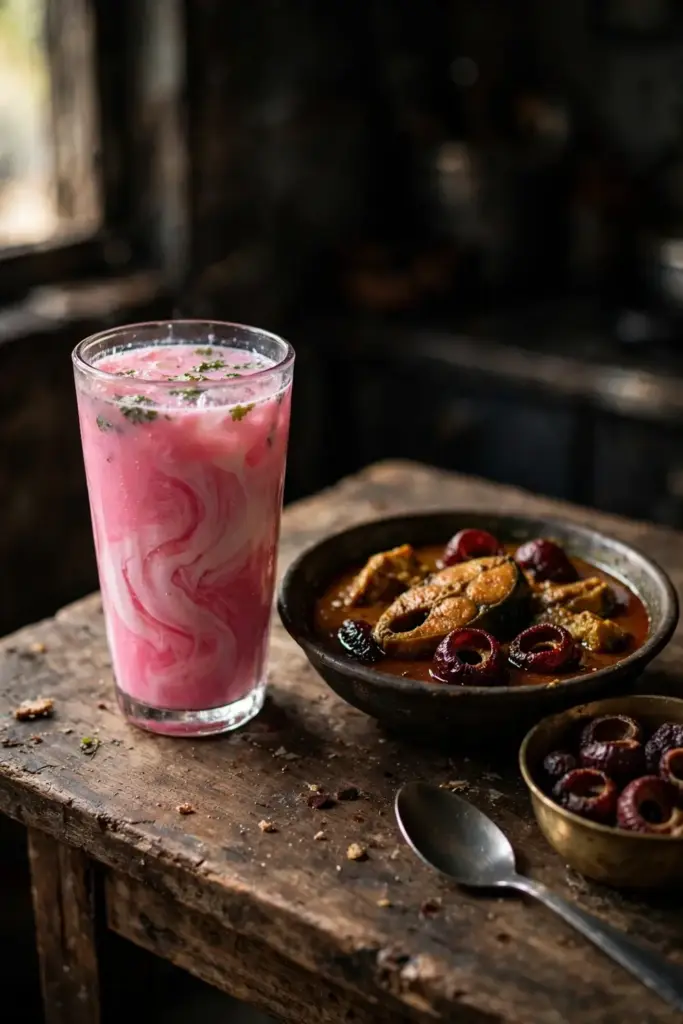
Start with small amounts. Kokum sours more gently than tamarind but stains everything it touches a deep red. If you have grown up with tamarind, expect a learning curve of one or two curries before your hand finds the right quantity.
22. Common Mistakes That Cost Years
Planting a single seedling and discovering it is male at year 8 is the classic tragedy of how to grow kokum from India, and it is entirely preventable. Plant several seedlings, buy a grafted female, or graft a known female scion onto your rootstock. Guessing wastes the better part of a decade.
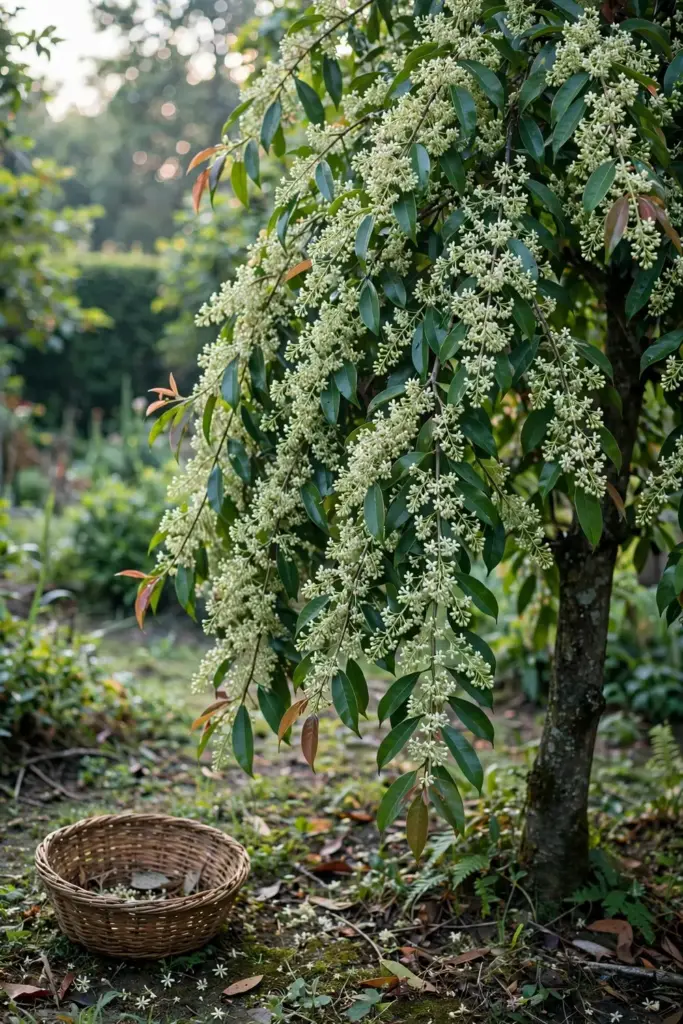
The other expensive mistakes: sowing old seed, keeping the germination mix waterlogged, planting in a frost pocket, and expecting fruit from an indoor tree in a temperate climate. Each of these has a cheap fix at the start and an expensive lesson at the end. Our <a href="https://growit.wiki/mangosteen-fruit-long-term-guide/">long-term mangosteen guide</a>, written for another slow Garcinia, makes the same point about patience as a growing input.
23. Troubleshooting Slow or Fruitless Trees
A tree that will not grow is usually telling you about water or cold. Check drainage first, then winter minimums, then light. Seedlings that stall for a year after transplanting are often just establishing roots. Kokum does everything slowly, including recovering.
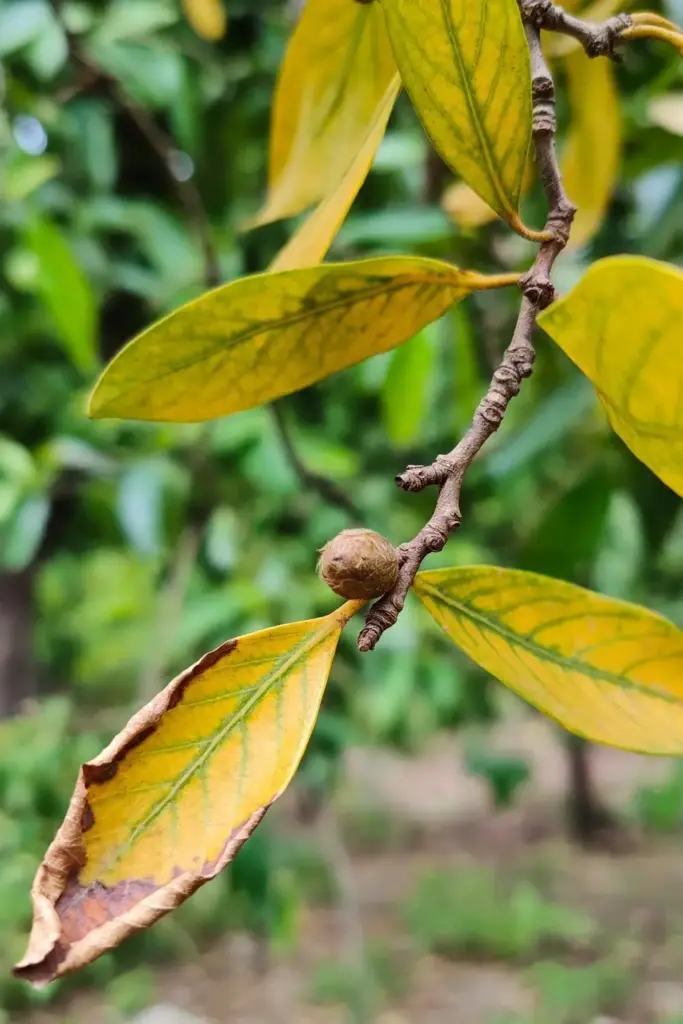
A mature female tree that flowers but sets no fruit lacks a male pollinator nearby. Graft a male branch onto the tree or plant a male within wind distance. A tree that drops young fruit is usually water-stressed during the dry season. Deep, consistent watering from flowering through fruit set prevents most of it.
Frequently Asked Questions
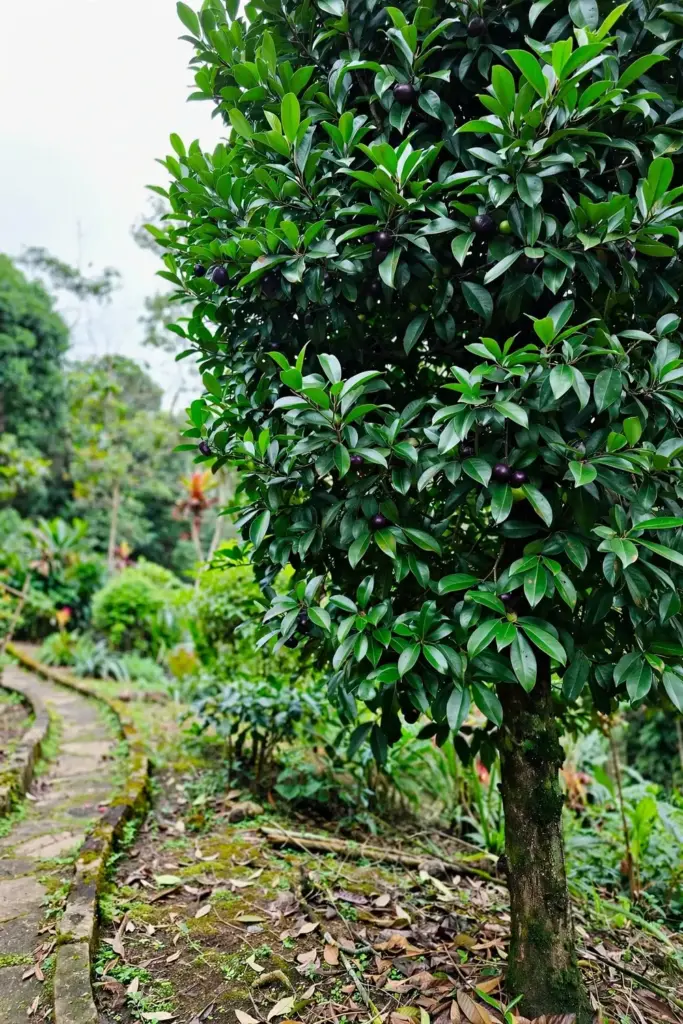
Seed-grown trees flower at 7 to 8 years and commonly take 10 to 15 years to fruit well. Grafted trees flower at 3 to 4 years. Economic bearing, the point where harvests become worthwhile, arrives at 7 to 10 years for seedlings. These are tropical timelines. In cooler climates, add years or accept that fruiting may never happen.
No. Kokum is Garcinia indica and Malabar tamarind is Garcinia cambogia. They are different species with different fruit shapes and uses. Sellers and databases confuse them regularly, so always check the Latin name on the packet or tag before buying seed or plants.
Only if the fruit is fresh and the seeds are viable, which is a gamble. Kokum seeds lose viability quickly, and fruit sold for eating may be old or heat-treated. Buy fresh seed from a reputable seller with a stated harvest date for reliable germination.
The most likely reason is sex. Roughly half of seed-grown trees turn out male and never fruit, which is why grafted females are the safer buy. If a female tree flowers but sets nothing, it may also lack a male pollinator nearby. Young trees may just not be old enough yet, since seedlings need 7 to 15 years.
No. Trees of all ages are damaged by frost, and the species needs a strictly frost-free climate. In zones with any frost, grow kokum in a container and move it indoors for winter. Even with protection, fruiting in cold or temperate climates is unlikely.
Dry the rind in the sun to make amsul, the souring agent for curries and dals. Simmer the pulp into kokum sherbet, a traditional summer drink. The seeds yield kokum butter for cooking and cosmetics. Fresh fruit keeps only a few days, so process the harvest promptly.
Where to Go From Here
Kokum rewards the gardener who learns how to grow kokum from India around its two hard truths: the dioecious gamble and the long timeline. Buy a grafted female or plant several seedlings, give the tree a frost-free home or a large pot with winter shelter, and let the years do their work. When the first dark fruits ripen in April, dry the rind, make solkadhi, and taste the Konkan coast in your own garden. That harvest, years in the making, is exactly what makes it worth growing.