You can grow cardamom from India in a cold climate, but only as a pot plant that winters indoors. Indian green cardamom, Elettaria cardamomum, grows outdoors year round in USDA zones 10b to 13a, and the plant dies back to the ground when temperatures reach 50°F. In colder zones the method is direct: a 12 to 14 inch pot, dappled shade, constantly moist soil, and a move indoors before the first cool nights of fall. Expect 2 to 3 years before the first green pods.
The cardamom covered here is Indian green cardamom, called elaichi or hari elaichi, the aromatic green pod of the Western Ghats of Kerala and Karnataka. Alleppey Green is the well known grade from that region, the pod used in chai, biryani, and desserts. This guide covers green cardamom only. Black cardamom is a different species with different needs and is not covered here.
I have learned that the pot is the real climate control for this plant, because the pot is what carries the plant away from the cold each fall. Everything below assumes a container, an indoor winter, and patience. The seed-starting steps follow the same reliable rhythm used for other slow tropical seeds, which this seed starting guide covers in full detail.
1. Accept the Zone Reality: Outdoor Cardamom Lives in Zones 10b to 13a
Green cardamom is a tropical understory plant, not a hardy herb. It grows outdoors year round only in zones 10b to 13a, in part shade to full shade with consistently moist, slightly acidic soil, according to the UF/IFAS Extension cardamom profile. That same profile notes the plant dies back to the ground at 50°F and will not flower or set seed the following year.
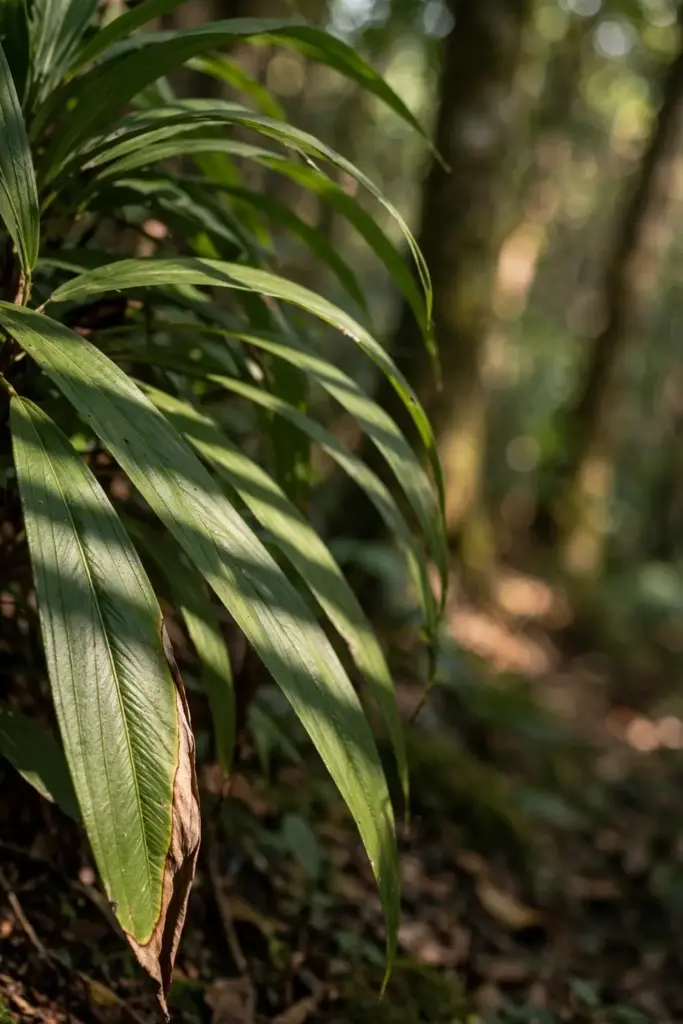
Penn State’s crop profile adds the temperature band: green cardamom grows best near 22°C and performs poorly below 17°C, per the Penn State PlantVillage cardamom page. In practical terms, anywhere with frost is out of range for the ground. The plant can reach 6 to 15 feet tall in the tropics, with clumps spreading 4 to 10 feet, but in a pot it stays far smaller.
This is the honest frame for the whole project. Anyone studying how to grow cardamom from India should start here, because the zone answer decides the entire method. If your winters drop below 50°F, you are not growing cardamom outdoors. You are growing a tropical foliage plant in a container, and the pods are a bonus that arrives only when the plant gets enough warmth and humidity.
2. Identify True Green Cardamom: The Species Table That Ends Confusion
Buy the wrong species and none of the steps below will work. The word cardamom is sold under several different plants, and the confusion is visible across seed listings and search results. Only one of them is Indian green cardamom.
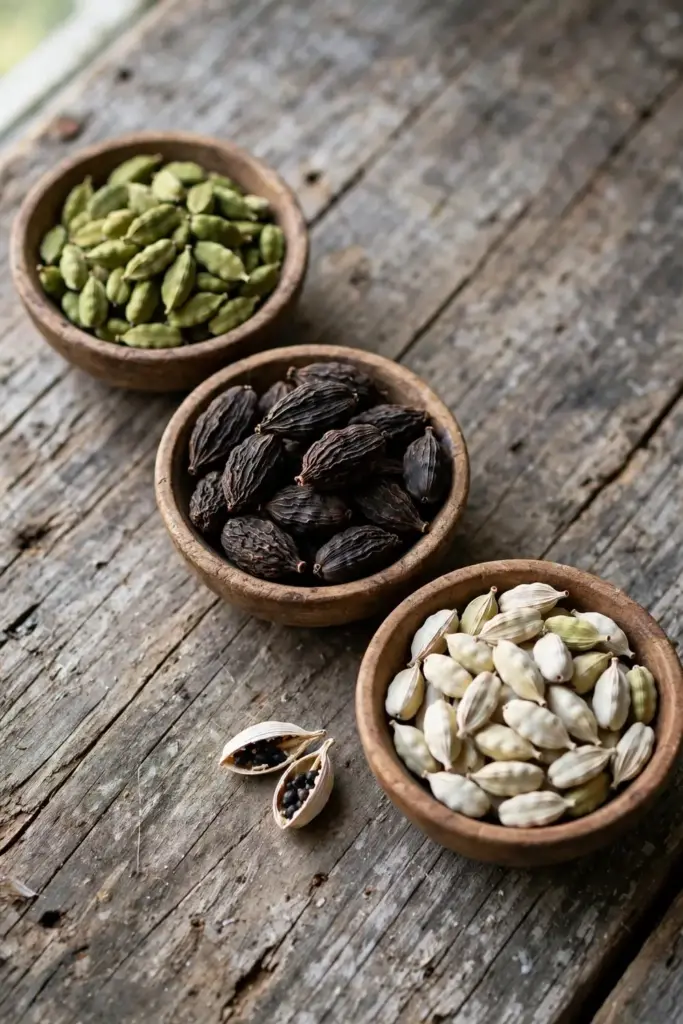
| Name on the label | Actual species | What it is |
|---|---|---|
| Green cardamom, true cardamom, elaichi | Elettaria cardamomum | The Indian green pod from the Western Ghats. This guide. |
| Black cardamom, badi elaichi | Amomum subulatum | A different species with large dark pods and a smoky flavor. Not covered here. |
| Dwarf cardamom | Alpinia nutans | An ornamental ginger relative sold as a cardamom substitute. It is not Elettaria. |
| White cardamom | Elettaria cardamomum | Green cardamom pods that have been bleached. Same plant, different processing. |
The dwarf cardamom trap is the one to watch. Some sellers market Alpinia nutans, a compact ornamental, under cardamom names. It will never produce true cardamom pods. Check the Latin name on every seed packet and nursery listing before you buy. If the label does not say Elettaria cardamomum, keep looking.
3. Choose Rhizome Division Over Seed for the Fastest Start
Cardamom grows from two kinds of stock: seed and rhizome divisions. Seeds are cheaper and easier to ship, but they are slow and variable. Germination takes weeks, seedlings grow slowly, and seed-grown plants take the longest road to pods.
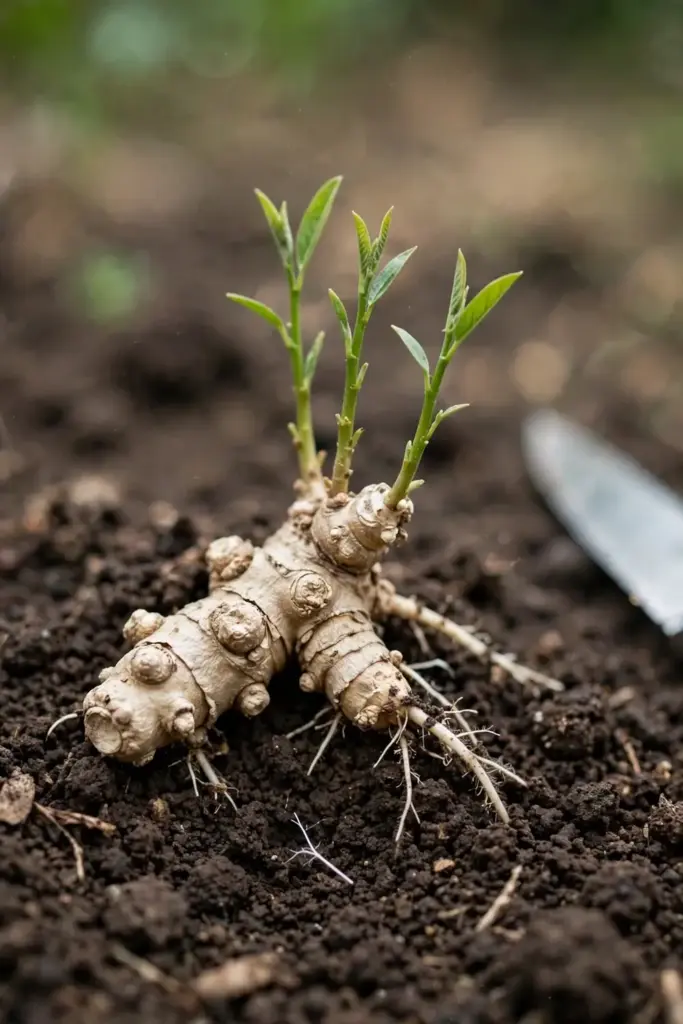
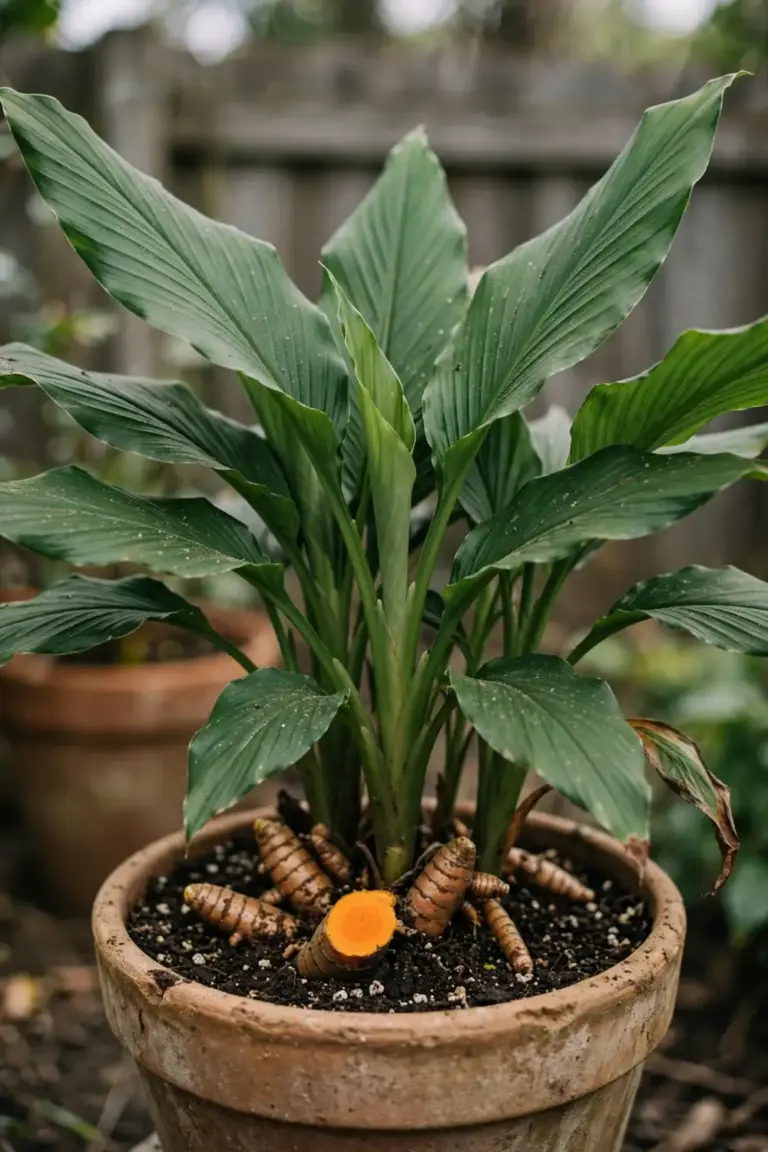
A rhizome division is a section of the underground stem carrying several leafy shoots, which makes it a piece of a mature plant rather than a fragile seedling. It establishes fast. The Spruce notes that a cardamom rhizome can be divided after 3 to 4 years of growth, which tells you how a mature clump is meant to be multiplied.
Choose divisions when you can find a healthy plant or a nursery that sells them. Choose seeds when divisions are unavailable or you want several plants for the price of one packet. Either way works, but the division starts you months ahead.
When you divide, use a clean sharp knife and cut the rhizome into sections that each carry at least 3 to 4 leafy shoots and a healthy set of roots. Dust the cut faces with cinnamon or let them air dry for a day before replanting, which lowers the rot risk. Plant each division at the same depth it grew before and water it in well.
4. Buy True Elettaria Stock, Never Supermarket Pods
Seeds from a grocery store spice jar are a gamble. Culinary cardamom pods are often dried at temperatures that kill the embryo, treated, or too old. Buy seeds labeled for planting from a reputable seed seller, and check that the packet names Elettaria cardamomum.
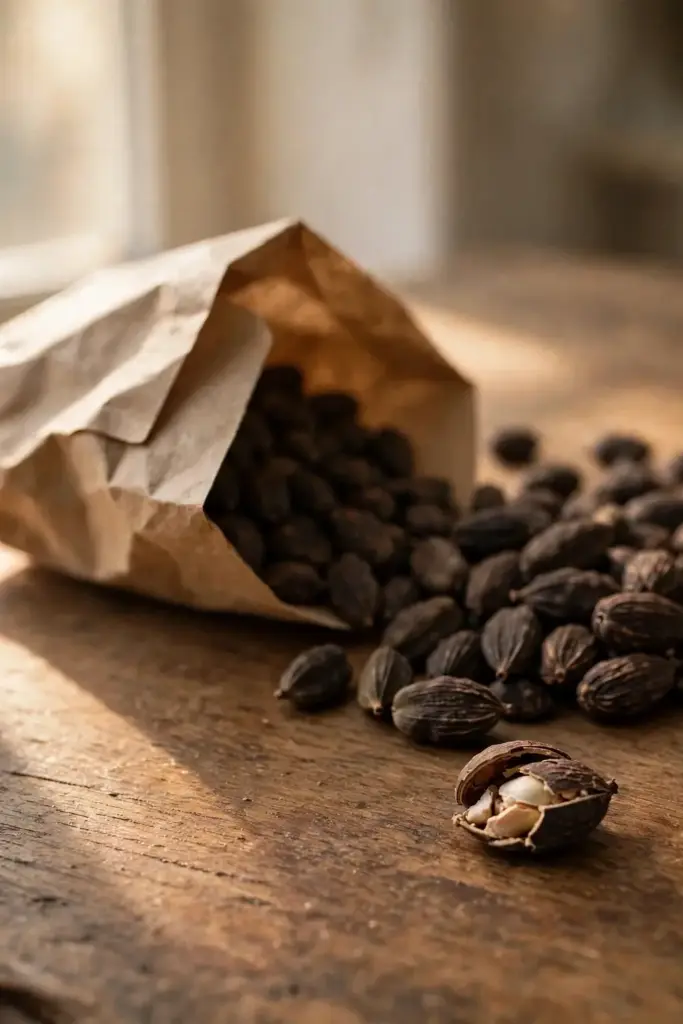
Freshness matters more than brand. Cardamom seed viability falls as the seed dries out, so buy from sellers who store seed properly and state the harvest year. If you harvest from your own plant, sow the seeds as soon as you collect them from ripe pods.
For rhizomes, buy from a nursery that ships live tropical plants. Look for divisions with firm, pale rhizome tissue and several green leaf shoots. Avoid any division that smells sour or shows soft, dark patches on the rhizome, because that tissue will not recover.
5. Sow Seeds on the Surface and Wait 20 to 40 Days
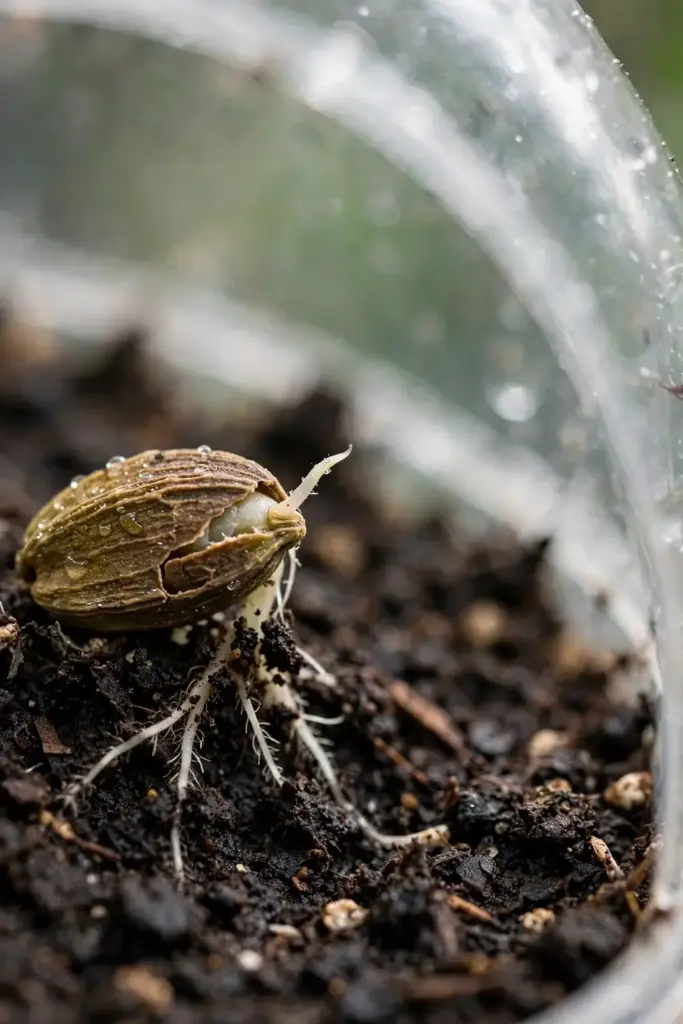
Cardamom seeds need light, warmth, and patience. Sow them on the surface of a moist seed mix and barely cover them, because seeds buried deep struggle to emerge. The Gardening Channel cardamom guide puts germination at 20 to 25 days, occasionally stretching to 40 days. A warm-water soak before sowing helps wake the seed coat.
| Step | Action | Time |
|---|---|---|
| 1 | Soak seeds in room-temperature water | Before sowing |
| 2 | Fill small pots with a moist peat, perlite, and vermiculite mix | Sowing day |
| 3 | Press 2 to 3 seeds per pot onto the surface and dust with mix | Sowing day |
| 4 | Cover with a humidity dome or plastic wrap | Sowing day |
| 5 | Hold at 70 to 80°F in bright indirect light | 20 to 40 days |
| 6 | Remove the dome when sprouts appear | At emergence |
| 7 | Transplant after seedlings show true leaves | Several weeks later |
Herzindagi’s seed guide recommends equal parts peat moss, perlite, and vermiculite for the sowing mix, with 70 to 80°F and high humidity through germination, in their cardamom from seed guide. Keep the mix consistently moist but never waterlogged, and give seedlings overhead shade from day one, because direct sun burns young cardamom fast.
6. Mix a Rainforest Soil: Rich, Slightly Acidic, Fast-Draining
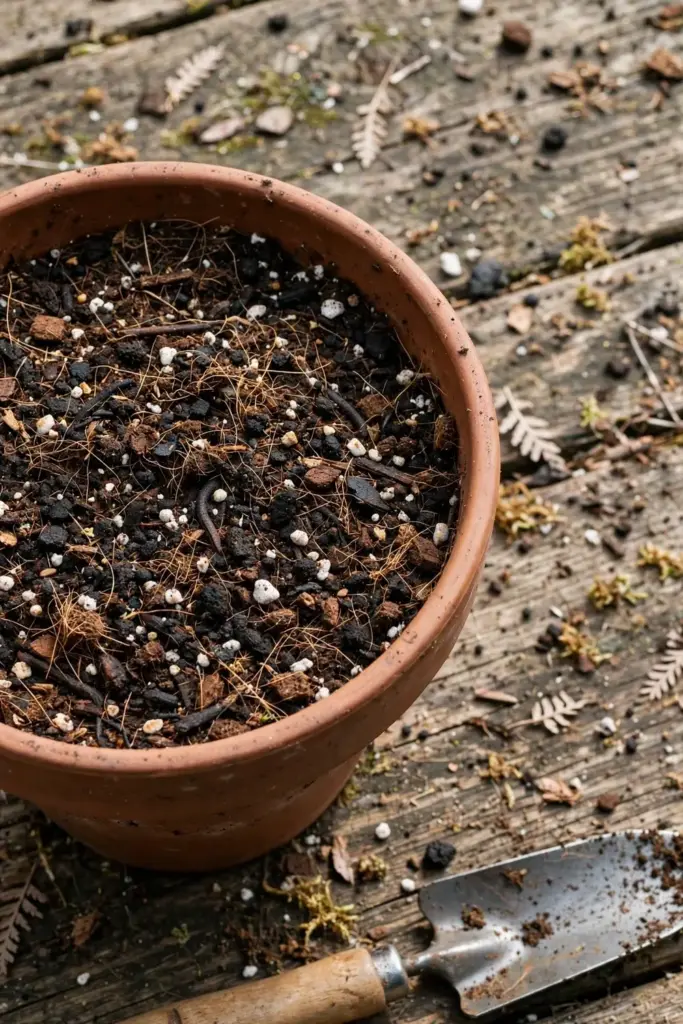
In the Western Ghats, cardamom grows in deep, humus-rich forest soil that never dries out and never sits in standing water. Your pot mix has to copy that. Use a blend built for moisture retention with real drainage, following the same soil-building principles in this soil health guide.
| Component | Purpose | Proportion |
|---|---|---|
| Coco coir or peat moss | Holds steady moisture | 40 percent |
| Compost or leaf mold | Feeds the plant slowly | 30 percent |
| Perlite or coarse sand | Keeps air in the root zone | 20 percent |
| Worm castings | Gentle nutrition | 10 percent |
Aim for slightly acidic soil, roughly pH 5.5 to 6.5. Never use plain garden soil in the pot. It compacts, holds too much water in winter, and carries weed seeds and pathogens. Refresh the top few inches of mix each spring, and repot into fresh mix every 2 to 3 years as the rhizome fills the container.
7. Give Bright Indirect Light and Real Shade
Cardamom is an understory plant. In the wild it grows beneath the forest canopy, and direct sun scorches its leaves. Give it bright indirect light or dappled shade: an east-facing window, a shaded patio, or a spot under high tree canopy that never takes the midday blast.
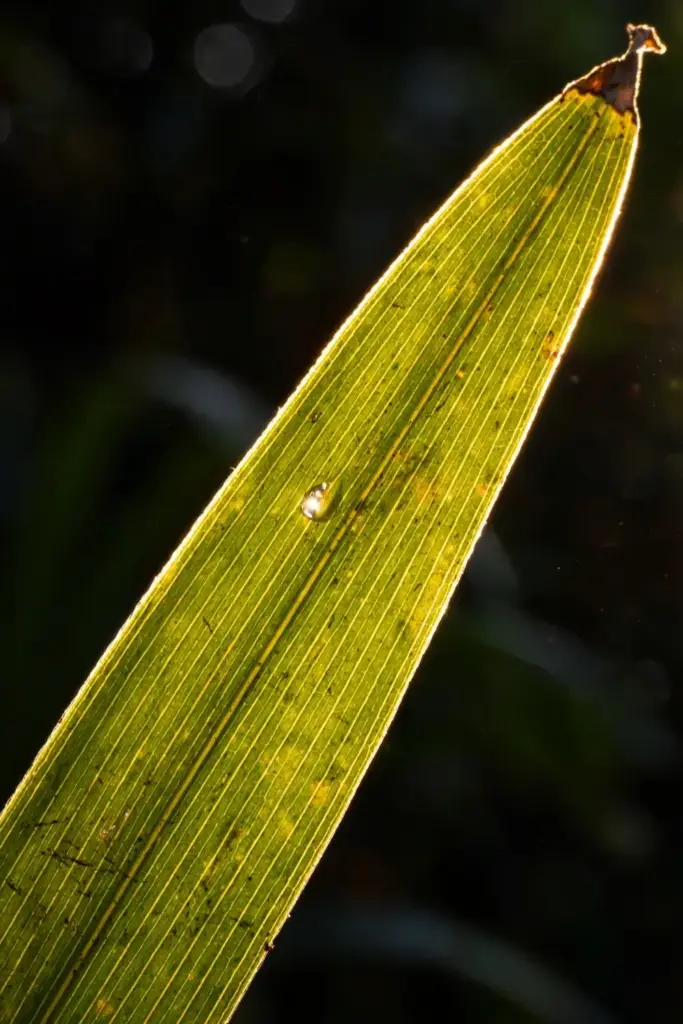
Indoors, 6 to 8 hours of bright filtered light keeps the foliage deep green. A sheer curtain turns a harsh south window into a workable spot. Seedlings and young divisions want even more protection, with overhead shade until they are well established.
Watch the leaves. Pale, bleached patches mean too much sun. Deep green, upright leaves with steady new shoots mean the light is right. If the only bright spot you have is direct sun, hang a shade cloth over the pot to cut the harshest light. The leaves will tell you when the balance is right: deep green and upright means the plant is content.
In winter the light equation changes. Short days plus indoor conditions mean the plant gets far less light than it wants, so move it to your brightest window even if that spot was too harsh in summer. A simple LED grow light on a 12 hour timer fills the gap when windows alone cannot keep the foliage deep green.
8. Keep the Soil Constantly Moist, Never Soggy
Cardamom wants rainforest moisture, which means the soil should feel like a wrung-out sponge at all times. Water when the top inch starts to dry, and water deeply enough that it runs from the drainage holes. In summer heat that can mean daily watering for a pot outdoors.
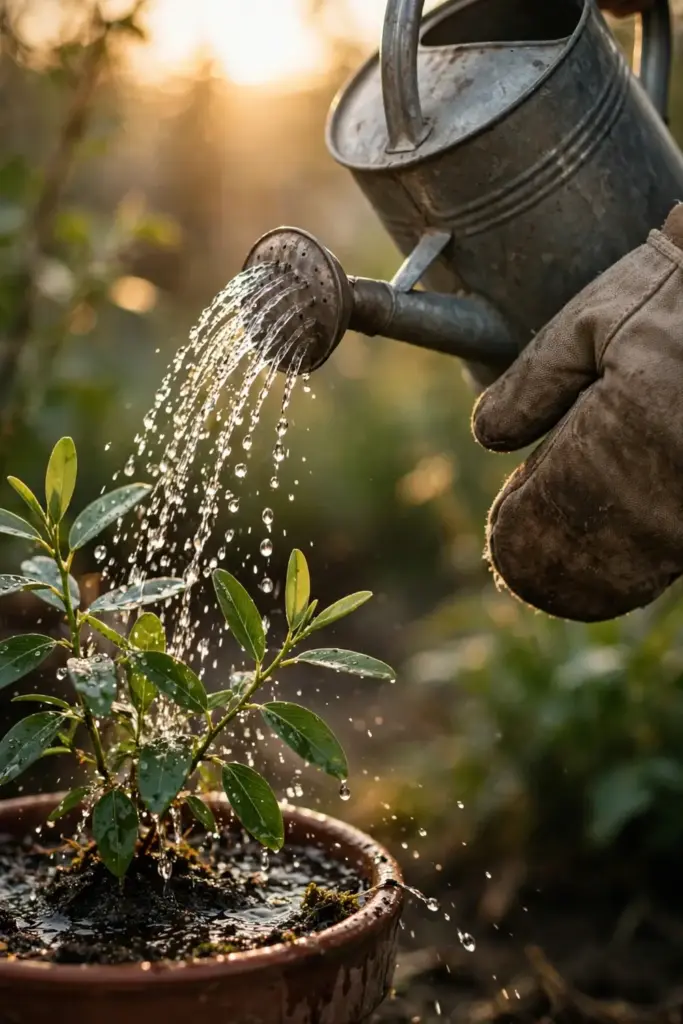
Mulch the surface with a thin layer of shredded leaves or bark to slow evaporation. A saucer under the pot is fine for catching drips, but never let the pot sit in standing water. Roots in stagnant water rot, and a rotted rhizome rarely recovers.
In winter indoors, growth slows and the plant drinks less. Water only when the top inch is dry, and reduce the volume. The goal in the cold months is steady, light moisture, not the heavy soaking of summer.
9. Feed During the Growing Season Only
Feed cardamom while it is actively growing, from spring through early fall, and stop when growth slows. A balanced liquid fertilizer at half strength every 4 to 6 weeks is enough. Herzindagi’s guide recommends the same 4 to 6 week rhythm with a balanced fertilizer or compost.
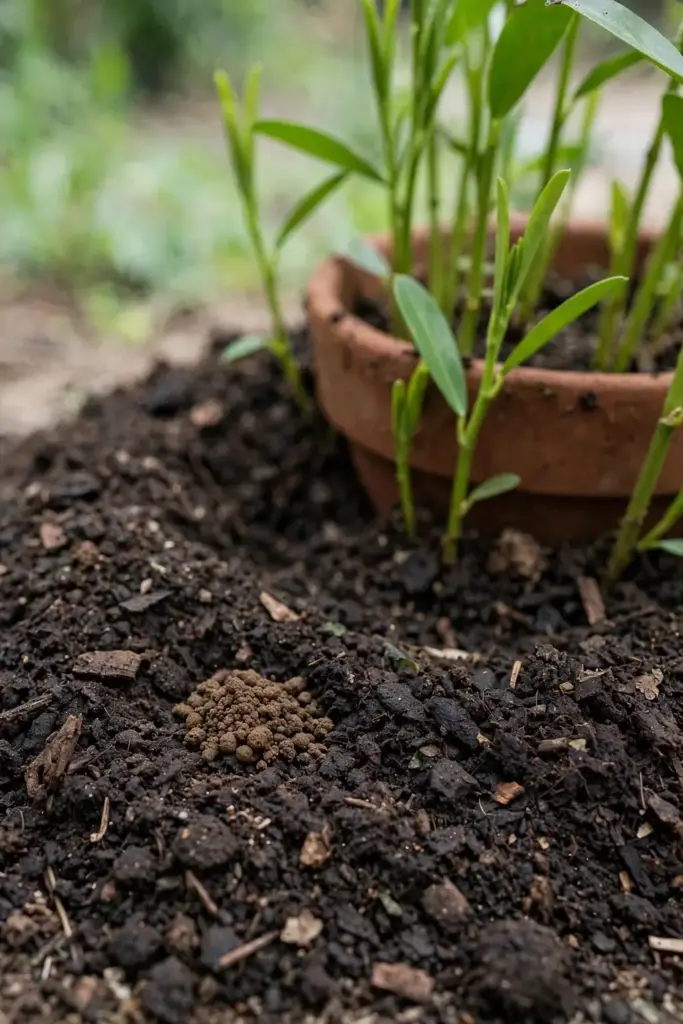
Organic options work well. A top dressing of compost in spring plus worm castings midseason feeds the plant without salt buildup. Flush the pot with plain water every couple of months to wash out accumulated fertilizer salts, which cardamom roots dislike.
From October through March, withhold fertilizer. The plant is resting, and feeding a resting tropical plant causes soft, weak growth that invites pests. Resume feeding only when new shoots push strongly in spring.
10. Plant in a 12 to 14 Inch Pot in Cold Climates
In a cold climate the pot is the permanent home, so size it for the long term. Start divisions or sturdy seedlings in a 12 to 14 inch wide pot that is at least 12 inches deep, with generous drainage holes. The rhizome spreads sideways, so width matters more than depth.
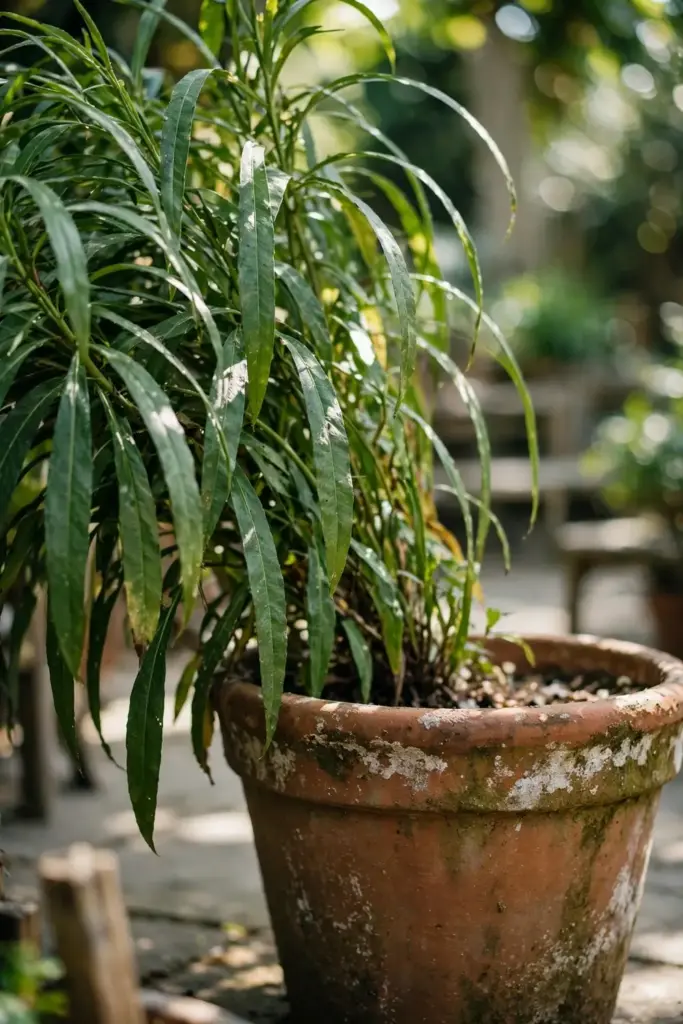
Use a heavy pot, ceramic or thick plastic, because a mature cardamom clump is top-heavy and tips in light containers. Set the rhizome at the same depth it grew before, firm the mix around it, and water deeply to settle everything.
Repot when roots circle the bottom or push through the drainage holes, usually every 2 to 3 years. Move up one pot size at a time. Oversized pots hold too much wet mix around a small root system, which is an invitation to rot. When you repot, take the chance to divide an overgrown clump and share it, since a mature cardamom rhizome divides readily.
11. Move the Plant Indoors Before Nights Fall to 60 F
This is the move the whole project depends on. When night temperatures start approaching 60°F, carry the pot indoors. Do not wait for the first frost warning. Cardamom is already stressed well above freezing, and one cold night can set the plant back months.
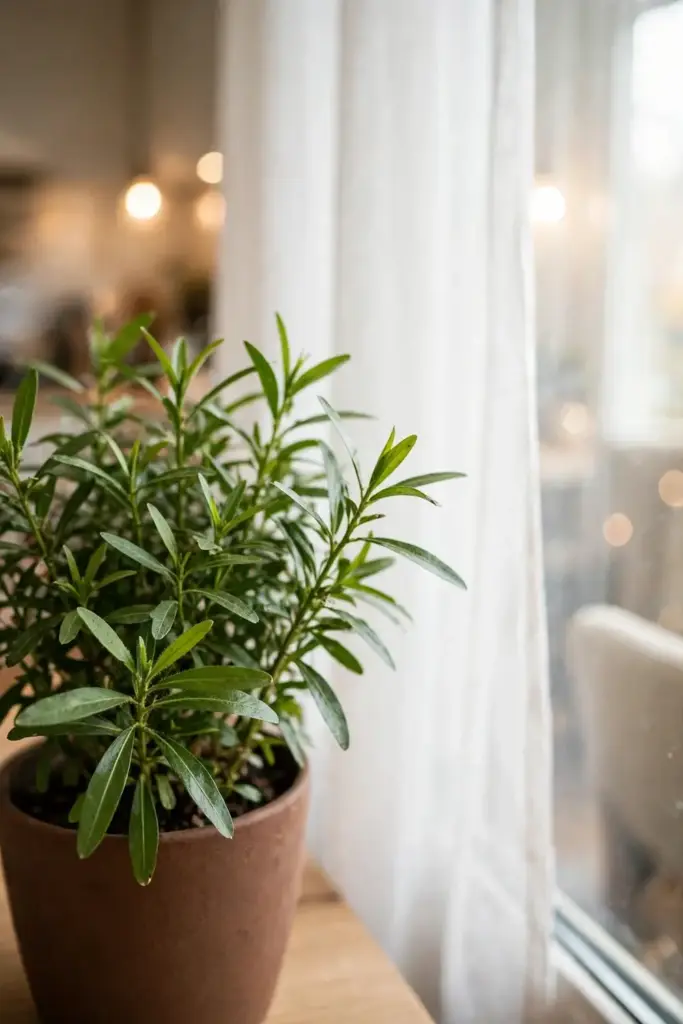
Place it in the brightest spot you have with indirect light, away from heating vents and cold drafts. Bathrooms with a window are excellent winter homes, because they stay warm and humid. This indoor herb garden guide covers the same light and humidity setup for other tropical herbs that winter inside.
Cut back on water and stop feeding entirely, as described in the care sections above. Expect some leaf yellowing in the first weeks indoors as the plant adjusts to lower light. That is normal. New growth in spring is the sign the winter went well.
12. Hold Indoor Humidity Above 60 Percent All Winter
Heated indoor air in winter is desert dry, and cardamom leaves brown at the edges when humidity drops. Aim for humidity above 60 percent around the plant through the cold months. A hygrometer next to the pot tells you the truth.
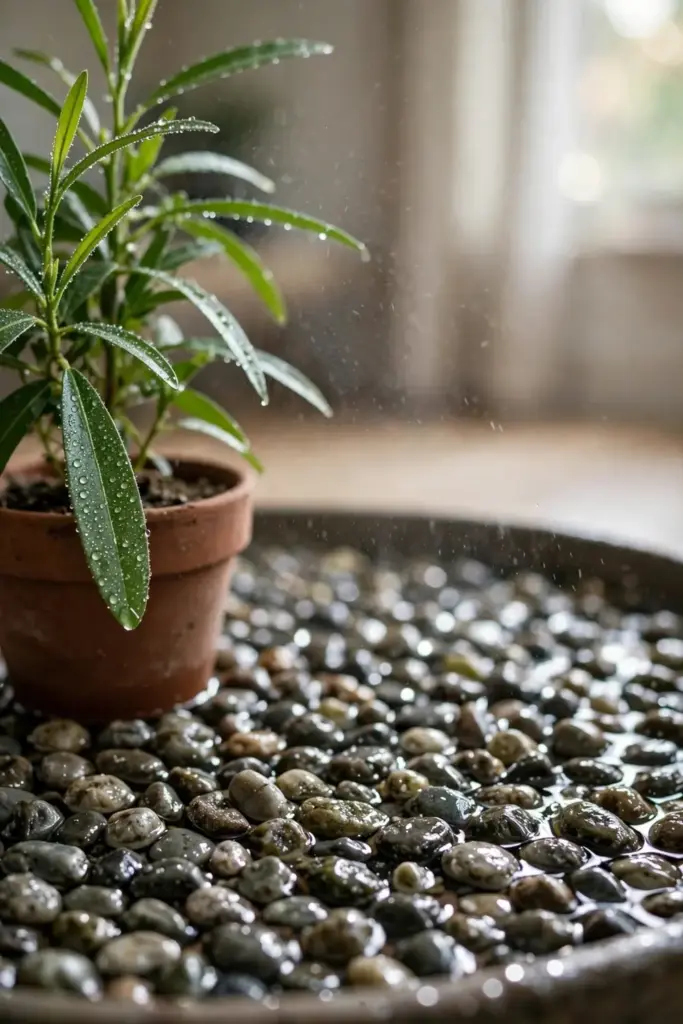
A pebble tray with water under the pot raises local humidity as it evaporates. Grouping the cardamom with other houseplants creates a shared humid microclimate. A small room humidifier is the most reliable fix, and misting the leaves in the morning adds a short boost.
Keep the plant away from radiators, forced-air vents, and fireplaces. Moving air strips moisture from leaves faster than still air. If leaf tips brown despite your efforts, raise the humidity before you change anything else.
A bathroom with a window is the classic winter station for cardamom, because showers keep the air moist for hours. If the bathroom lacks light, rotate the plant there for a few humid days each week and return it to the bright window between visits.
13. Stop Thrips and Cardamom Mosaic Virus Before They Spread
Cardamom has few serious pest problems, but two deserve attention. Thrips rasp the leaves and leave silvery scars, and the cardamom mosaic virus, spread by aphids, mottles and stunts the plant. There is no cure for the virus, so prevention is the whole strategy.
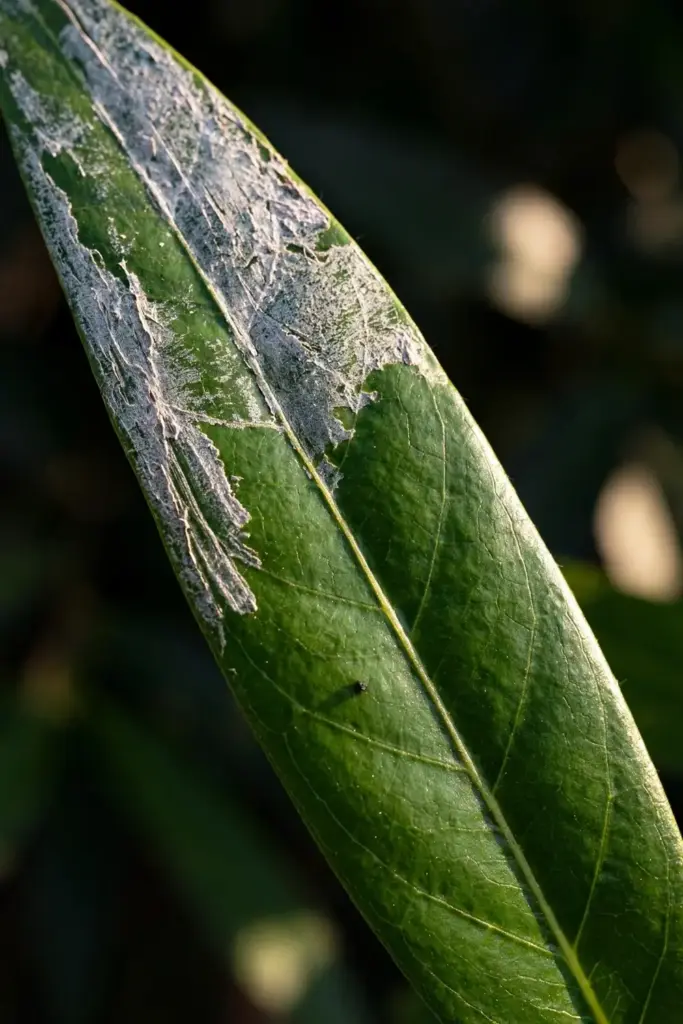
Inspect new growth weekly, especially the undersides of young leaves. A strong spray of water knocks aphids and thrips off the foliage. Insecticidal soap handles heavier outbreaks, and neem oil works as a repellent when applied to leaf undersides.
Quarantine any new plant for 2 to 3 weeks before placing it near your cardamom. A plant with mottled, streaked leaves that never grows out of it should be discarded, because a virus-infected plant threatens every other planting nearby.
14. Pick Pods Green in Years 2 to 3
Cardamom flowers near the base of the plant on low creeping stems, and the flowers become the ribbed green capsules you know as pods. Expect the first pods 2 to 3 years after planting, according to the Herzindagi cardamom guide. Plants grown indoors may flower less or not at all, because flowering needs the warmth and humidity of a true tropical season.
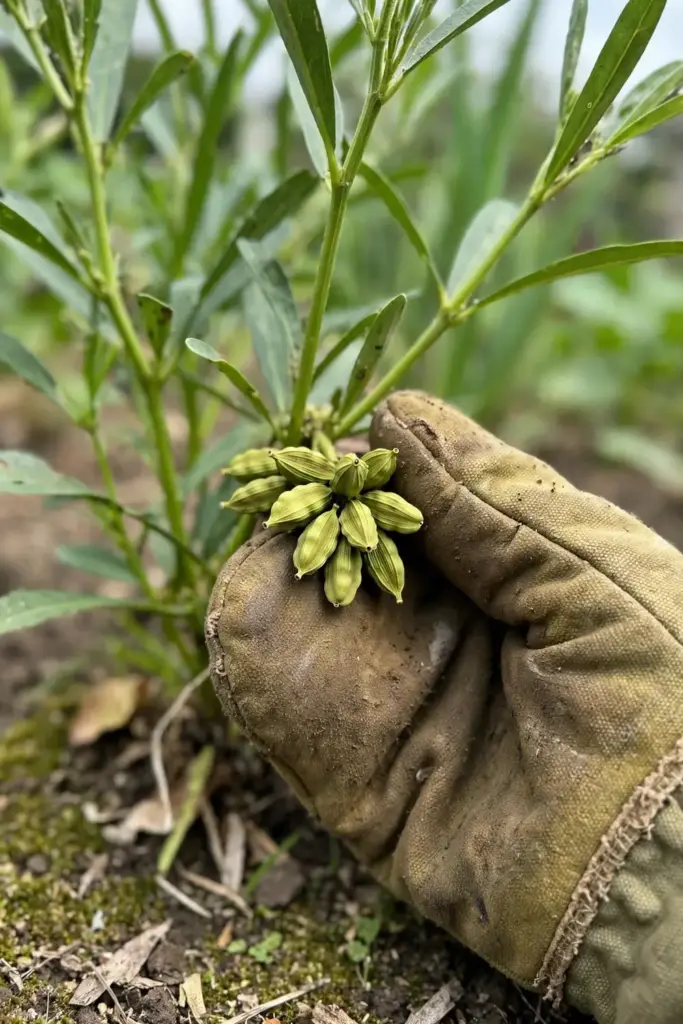
Pick pods when they are full-sized and green but before they split. This is the honest part of learning how to grow cardamom from India at home: the foliage is nearly guaranteed, while pods are the reward for nailing the climate. Pick regularly, every few weeks through the fruiting season, so no pod overripens on the stem.
Handle the stems gently. The flowering shoots are brittle and snap easily, and a broken shoot means no pods from that stem this year.
15. Dry and Cure Pods Until Brittle
Fresh pods need drying before they develop their full aroma and store safely. Spread them in a single layer in a warm, ventilated spot out of direct sun. Turn them daily so they dry evenly.
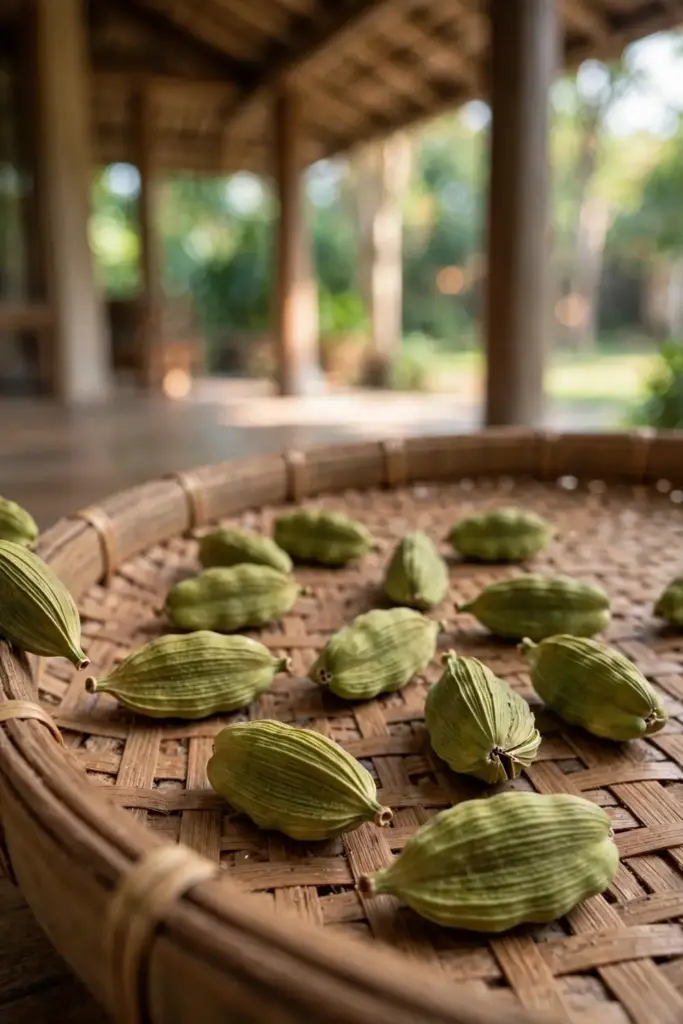
Dry until the pods feel brittle and rattle when shaken. Under-dried pods mold in storage, which ruins the whole batch. In humid climates, finish the drying in a dehydrator on its lowest setting or in an oven with only the light on.
Store the dried pods in airtight glass jars away from light and heat. Whole pods hold their aroma far longer than ground cardamom, so grind only what you need. Properly dried and stored pods stay fragrant for a year or more.
16. Avoid the 5 Mistakes That Kill Cardamom First
- Planting in full sun. The leaves bleach and the plant stalls. Fix it with dappled shade or a shade cloth.
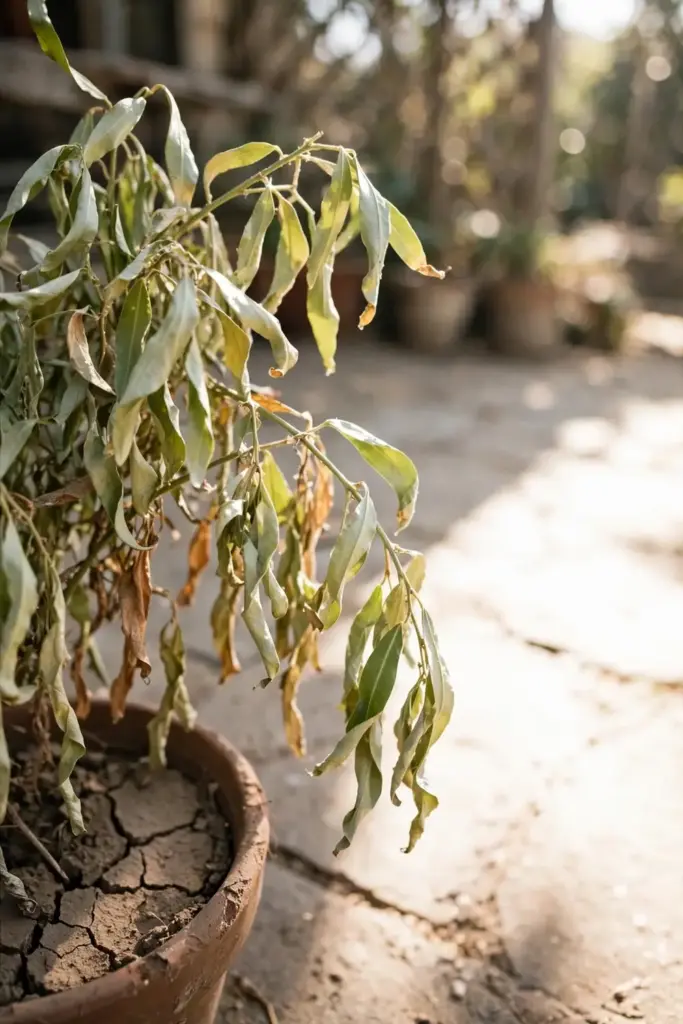
- Letting the pot dry out. Cardamom has almost no drought tolerance. Fix it with a moisture-retentive mix and a mulch layer.
- Waiting too long to bring it inside. Nights near 50°F damage the plant. Fix it by moving the pot in when nights approach 60°F.
- Feeding through winter. Resting plants cannot use fertilizer, and salts accumulate. Fix it by stopping all feeding from October to March.
- Sowing old supermarket seeds. Dead seed never germinates no matter how perfect the setup. Fix it by buying fresh planting-grade seed.
17. Diagnose Brown Tips and Pale Leaves
Brown leaf tips almost always mean dry air or inconsistent watering. Raise the humidity and even out the watering schedule before you suspect anything else. Salt buildup from fertilizer shows the same symptom, so flush the pot if you feed heavily.
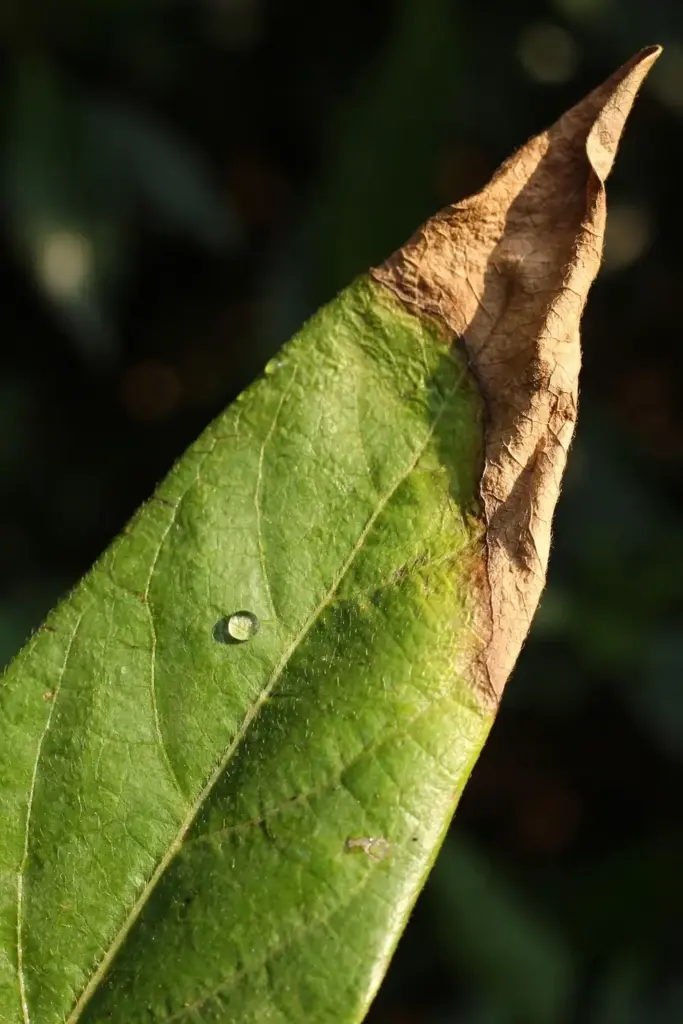
Pale, yellowish leaves point to too much light or a nitrogen shortage during the growing season. Move the plant to deeper shade first. If the color does not improve in 2 weeks, feed at half strength and watch the new growth, because old leaves rarely green up again.
A plant that stops growing in summer is usually root-bound or sitting in exhausted mix. Slide the root ball out and look. Roots circling the bottom mean it is time to repot into fresh mix one size up.
18. Frequently Asked Questions
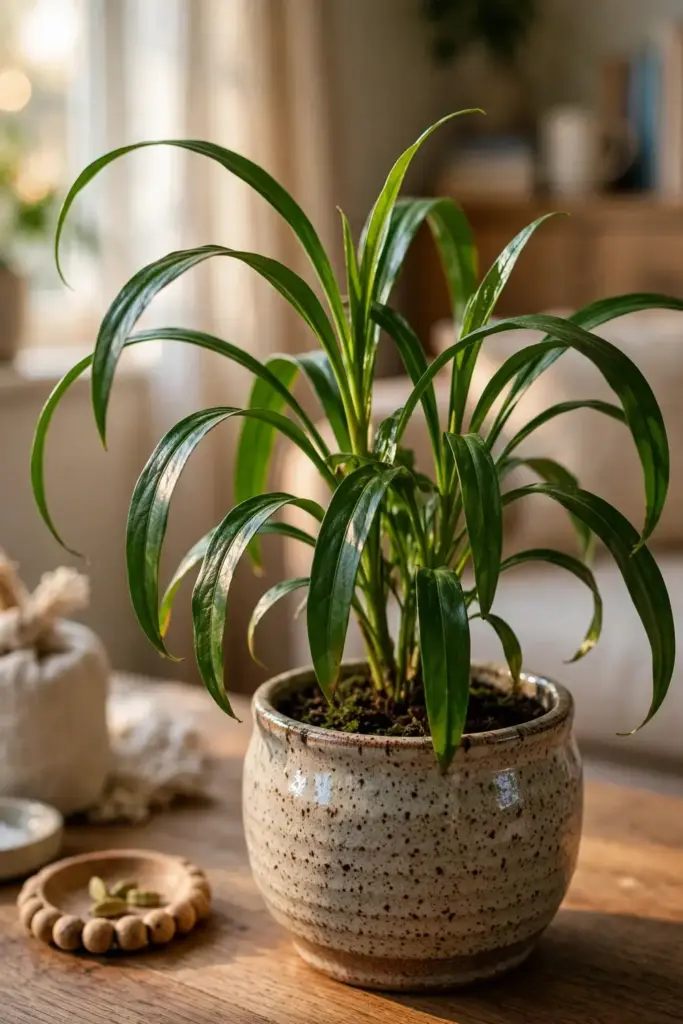
Yes, and in cold climates that is the most realistic plan. Keep it in a 12 to 14 inch pot in bright indirect light with humidity above 60 percent. Expect deep green tropical foliage rather than pods, since indoor plants rarely flower. Treat it as an aromatic foliage plant first.
Plan on 2 to 3 years from planting to the first harvest of green pods. Seed-grown plants take the longest, while rhizome divisions can fruit sooner. Indoor plants in cold climates may take longer or never set pods, because flowering needs sustained tropical warmth and humidity.
Frost kills it outright, but damage starts much earlier. The plant dies back to the ground at 50°F, and growth suffers below 60°F. Move pots indoors when nights approach 60°F. Penn State notes the plant performs poorly below 17°C, which matches what growers see.
It is unlikely to work. Culinary pods are dried and processed in ways that often kill the seed embryo, and old seed loses viability fast. Buy fresh seeds labeled for planting from a reputable seller, with Elettaria cardamomum on the packet.
No. Dwarf cardamom is Alpinia nutans, an ornamental ginger relative, not Elettaria cardamomum. It will never produce true cardamom pods no matter how well you grow it. Some sellers use the cardamom name loosely on ornamental plants, so always verify the Latin name before buying seeds or plants.
In zones 10b to 13a it is an evergreen perennial that grows year round. In colder zones it survives only as a container plant that winters indoors. The rhizome can resprout after dying back at 50°F, but it will not flower the following year.
19. Start With One Pot This Season
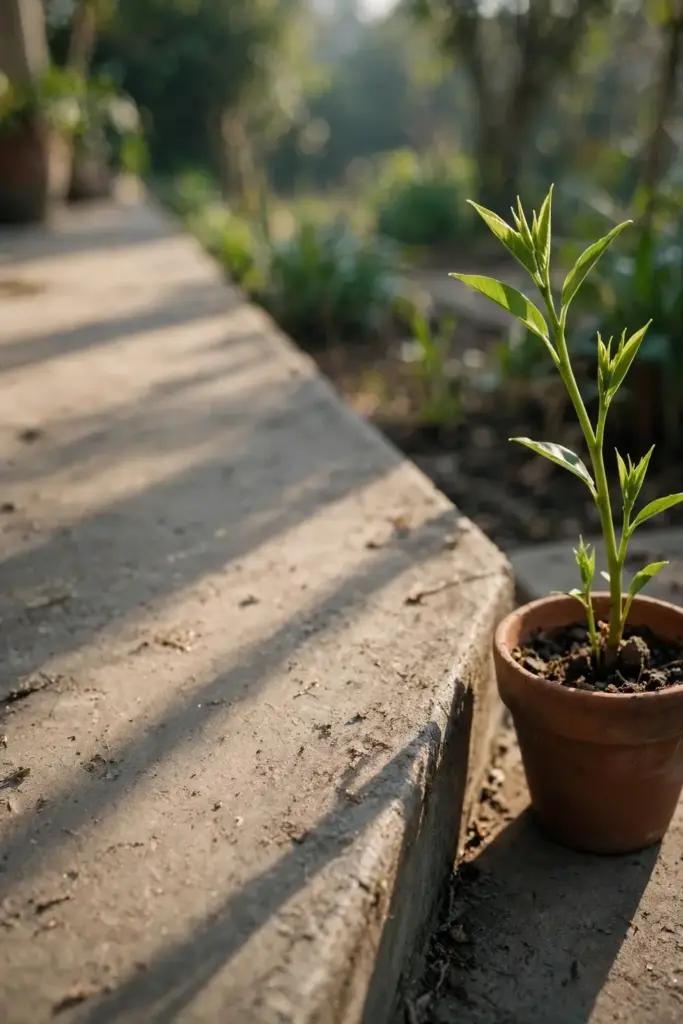
That is how to grow cardamom from India when your winters are cold: one pot, one indoor move, and patience. One pot of true green cardamom teaches you everything the guides cannot. Buy Elettaria cardamomum stock, mix a rainforest soil, give it shade and steady water, and move it inside before the cold. The foliage alone is worth the effort, and the pods are the reward for patience.
If you want a seasonal rhythm for the rest of your herb garden, these fall herbs to plant pair well with the indoor shift cardamom demands. Start the cardamom now, and by the time the first pods appear you will wonder why you waited.