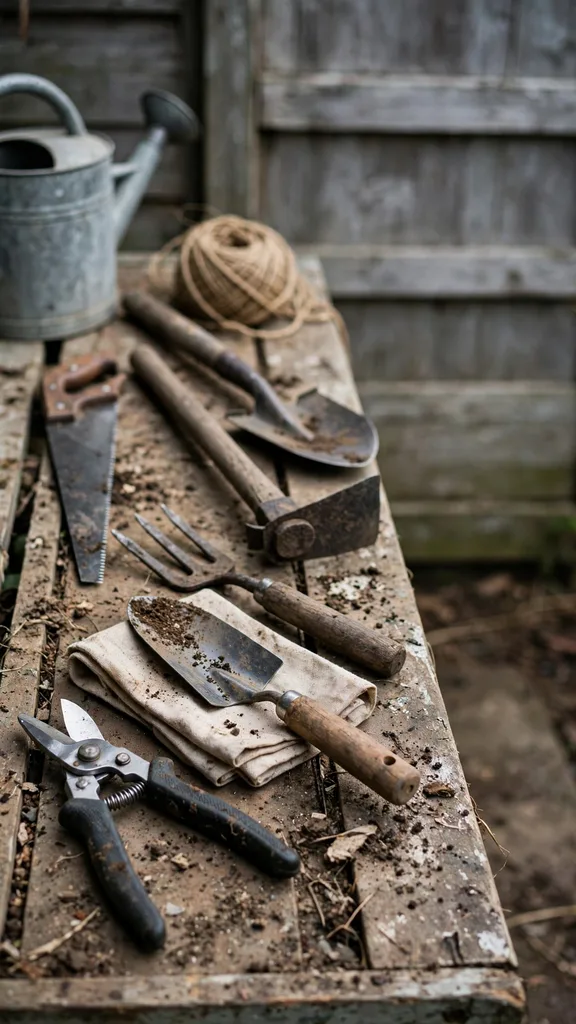
Buy 7 tools first and leave the rest on the shelf for now. That is the best garden tools for beginners starter kit: bypass pruners, a hand trowel, a garden fork, a spade, a hoe, a watering can, and a wheelbarrow. Each tool on the list does one job the other six do badly.
Buy the pruners first. Plant in the morning. Wash the blades before dark.
Start with the pruners and the trowel, then add the spade when the first bed opens. The other tools join as the beds grow. A beginner with 7 tools and a plan does more than a shed full of gadgets.
A buy-versus-skip list is a different job. That lives on Essential Garden Tools for Beginners: Buy vs Skip. This page stays on the 7 tools to buy first, one tool at a time.
What to Look For Before You Buy
Seven tools cover digging, cutting, watering, and hauling. Judge each one on three points: the metal in the blade, the fit of the handle, and the weight in your hand. A tool that bends at the neck or slips in the grip costs more in lost plants than it saves at the till.
| Tool | Group | Main Job |
|---|---|---|
| Bypass Pruners | Cut | Cut live stems and small branches |
| Hand Trowel | Dig | Plant seedlings and bulbs in small holes |
| Garden Fork | Dig | Loosen soil and turn compost |
| Spade | Dig | Dig holes, edge beds, divide clumps |
| Hoe | Weed | Cut weeds below the soil surface |
| Watering Can | Water | Water seedlings and pots in soft drops |
| Wheelbarrow | Haul | Haul soil, compost, and weeds |
Metal decides how long a tool lasts. A forged steel blade holds its edge and takes a file without chipping. A stamped blade from thin sheet bends at the neck and dulls fast. Hold the tool before you buy it: the handle should fill the palm without forcing the fingers wide. A wooden handle absorbs shock and warms in the hand, while fiberglass stays light and never splinters.
Buy tools in person when you can. Hold the spade, lift the wheelbarrow, and work the pruner lock with one hand. A handle that fits a tall gardener strains a short one, and a grip that suits a large palm slips in a small one. Mail-order tools save a trip, but a tool that does not fit the hand stays in the shed.
Weight decides how long you last. A heavy spade digs well at first and wears the arms out by the hour. A light trowel feels quick in the hand and bends at the first stone. Pick the middle weight, then work with it for a full bed before judging it.
Prices shift by store and season, so the bands below are relative rather than fixed shelf prices. Low means the cheapest solid version. Mid range means a forged or branded version. Check the band, then check the blade.
| Tool | What to Check | Cost Band |
|---|---|---|
| Bypass Pruners | Forged blade, replaceable parts, lock that works with one hand | Mid range |
| Hand Trowel | One-piece blade, deep scoop, grip that fills the palm | Low |
| Garden Fork | Four square tines, solid socket, D-handle or T-handle | Low to mid |
| Spade | Flat sharpened blade, tread on top, strong shaft | Mid range |
| Hoe | Sharp flat blade, long handle, light head | Low |
| Watering Can | Rose head, balanced weight, spout that pours low | Low |
| Wheelbarrow | Single wheel, steel tray, pneumatic tire | Mid range |
Best Bypass Pruners for Everyday Cuts
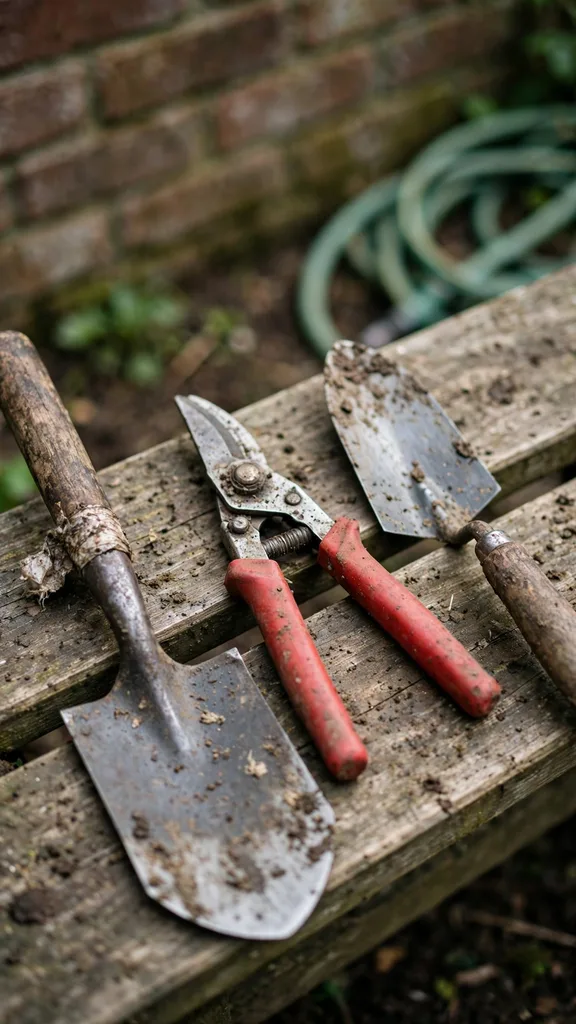
Bypass pruners cut like scissors, one blade sliding past the other. The cut stays clean on live stems, and a clean cut closes fast. Anvil pruners press one blade onto a flat plate, and that crushes live tissue. Buy bypass first and keep anvil pruners for dead wood only. Oil the pivot once a season so the blades open without sticking.
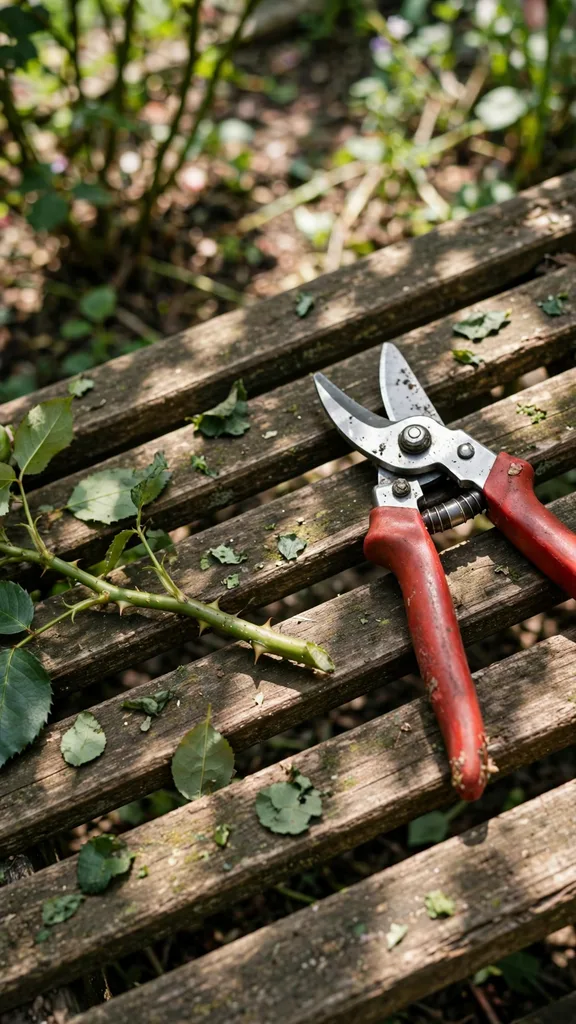
The University of Minnesota Extension pruning guide puts hand pruners at branches 1.9 cm thick, loppers at 3.8 cm, and a hand saw at 10.2 cm. A branch thicker than 1.9 cm needs the next tool up, not a harder squeeze. Spring cuts follow the order in the spring pruning techniques guide: dead wood first, then branches that cross and rub.
A crushed cut stays open. Disease walks in through the wound.
Best Hand Trowel for Planting Seedlings
A hand trowel digs the planting hole, lifts the seedling, and backfills the soil in one motion. Pick a forged blade fixed to the handle in one piece, or a blade riveted tight at the neck. A stamped blade from thin sheet bends the first time it hits a stone.
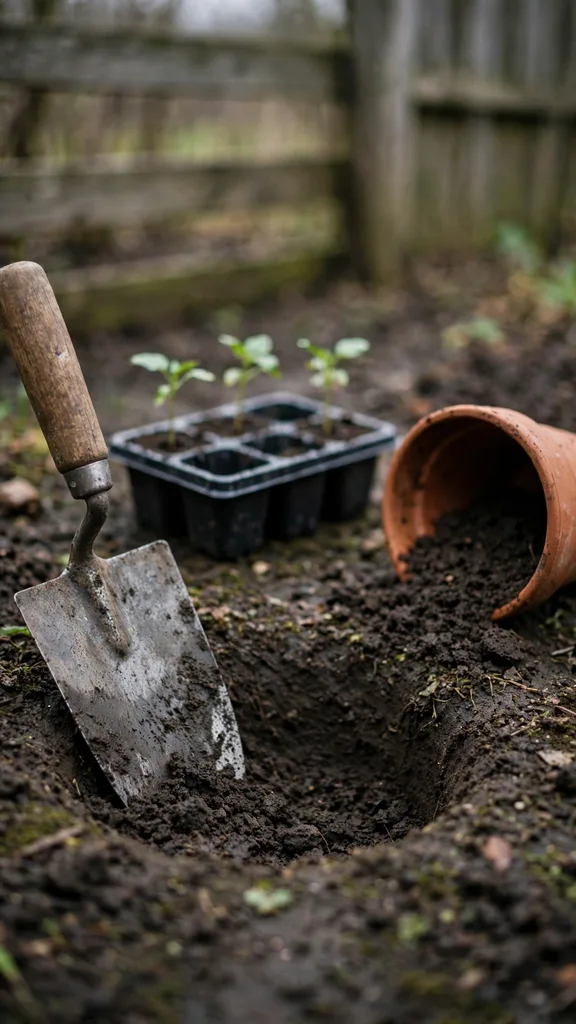
Seedlings raised indoors move out with the trowel, and the seed starting guide sets the hardening-off order before that move. Dig the hole as deep as the root ball, set the seedling level with the soil line, and firm the soil with the flat of the blade. Mark the blade with depth lines scratched in the metal, and every hole comes out the same depth.
A bent trowel digs a crooked hole. The seedling leans, the roots dry out, and the plant stalls for weeks.
Best Garden Fork for Loosening Soil
A garden fork loosens soil without slicing through roots the way a spade does. Push the tines in, lever back, and lift. The soil breaks into crumbs and the worms stay whole. Use the same fork to turn a compost heap and lift a clump of perennials for division.
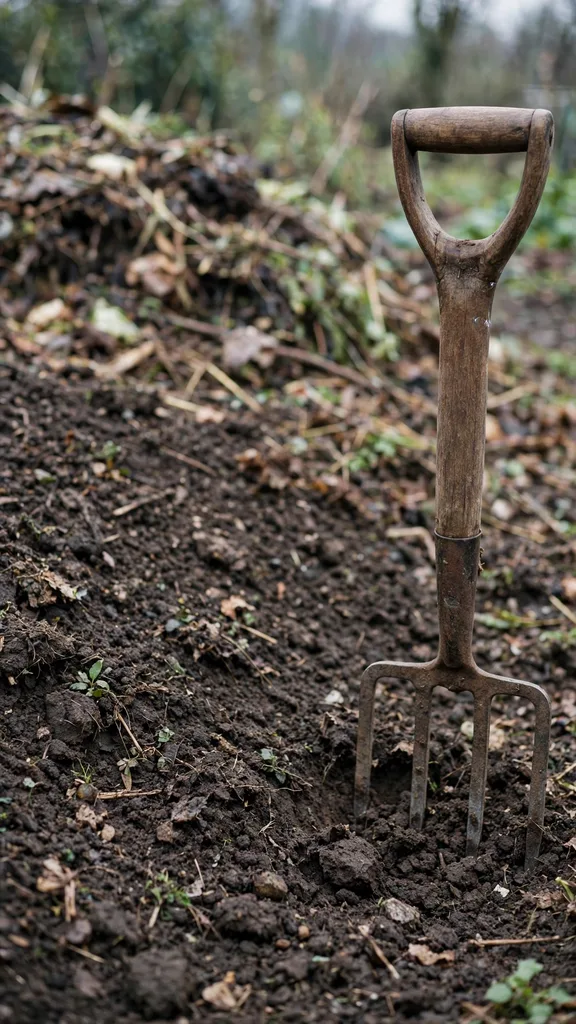
Forked beds keep their structure, and building soil health starts with that structure intact. Work the fork when the soil is moist, not wet. Wet soil smears and seals. A fork with four square tines takes a full spade of soil without bending.
A fork used as a lever on dry clay snaps a tine. Water the bed first, then fork it.
Best Spade for Digging and Edging
A spade carries a flat blade with a straight edge. It digs straight-sided holes, cuts a crisp edge between lawn and bed, and slices through roots when a clump needs dividing. Step on the tread, push down, and lift the soil in one piece. A tread on the top edge saves the boot sole on hard ground, and a border spade with a shorter blade suits small beds and tight corners.
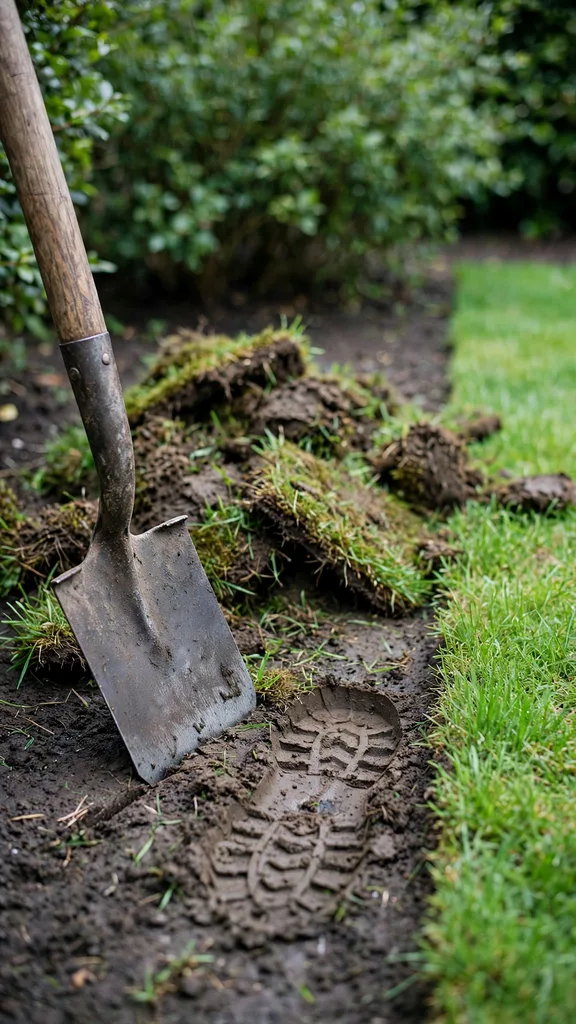
A spade opens the bed in autumn, and the fall garden bed prep tasks run soil tests and compost before the first frost. Edge the bed once in spring and the line holds all season.
A dull edge tears roots. A sharp edge slices them clean.
Best Hoe for Weeding Between Rows
A hoe cuts weeds just below the soil surface on a push stroke. The blade slides under the weed and severs the root from the shoot. Work on a dry day so the cut weeds dry out on the surface instead of rooting again.
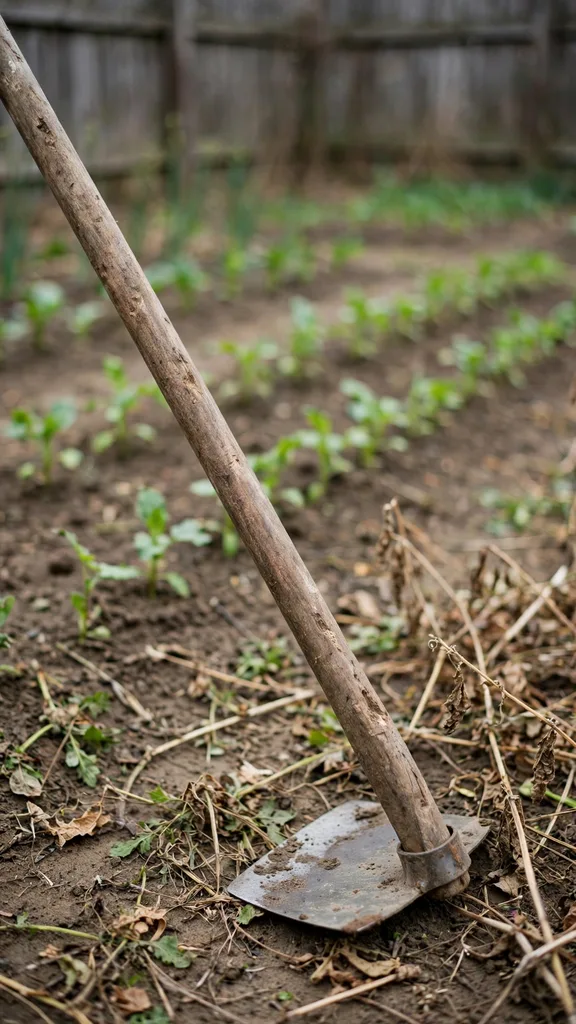
Hoe when the weeds are small, no taller than 5 cm. A weed that size dies in one pass. A weed left to seed drops its seed back into the bed. A stirrup hoe cuts on the push and the pull.
A hoe used as a digging tool bends the neck. Digging belongs to the spade.
Best Watering Can for Seedlings and Pots
A watering can with a rose head spreads water in soft drops at the base of the plant. Seedlings stay upright and the mix stays put. A hose on full force flattens seedlings and washes soil off the roots.
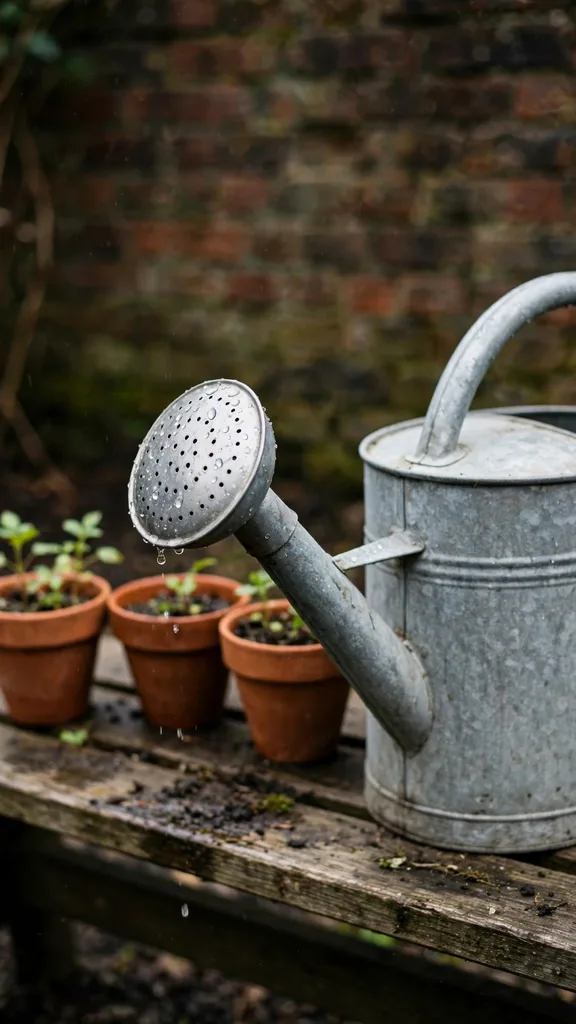
Fill the can, carry it to the bed, and water at the base until the soil darkens 5 cm down. Pots dry faster than beds, so check them daily in hot weather. A can with a long spout reaches under leaves without wetting them. A can with two handles pours with one hand on the rear handle and steadies with the other on top.
A hard stream flattens seedlings. The mix washes off the roots and the seedling wilts by noon.
Best Wheelbarrow for Hauling Soil and Compost
A wheelbarrow hauls soil, compost, and weeds in one trip. A single wheel turns in tight paths between beds, and a steel tray takes a spade of wet compost without denting. Two wheels suit slopes, but one wheel turns tighter.
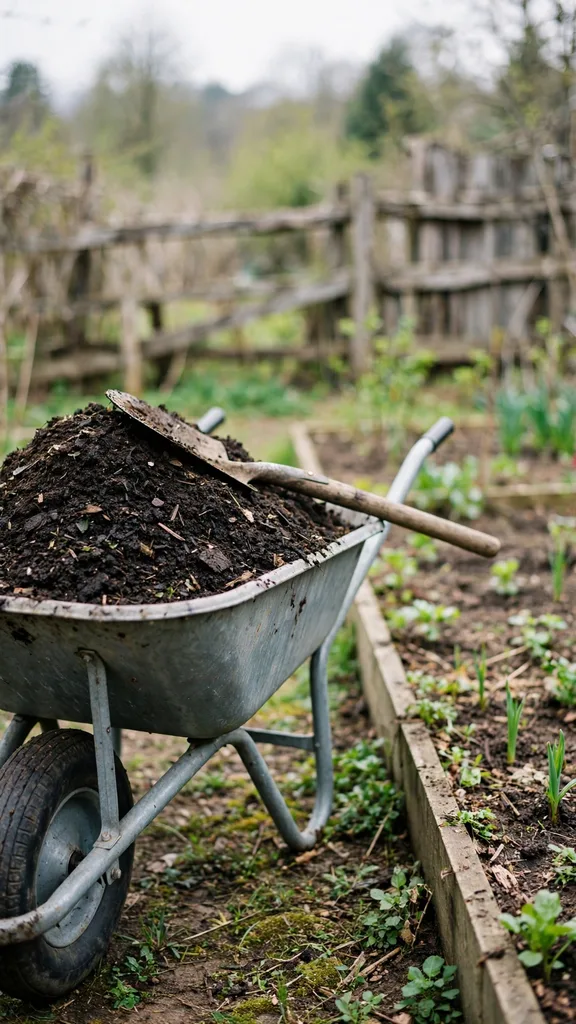
Load heavy material low and forward, over the wheel. A barrow loaded high at the back tips on the first turn. Rinse the tray after hauling compost so the steel dries clean, because wet compost left in the tray holds moisture against the metal all night. A pneumatic tire rolls over soft soil where a solid wheel sinks and drags.
A barrow left full of wet compost rusts through the tray. Empty it, rinse it, and park it under cover.
Tools to Skip for Now
Four tools wait until the garden outgrows them. Buy them when a job proves the need, not before the first seed goes in.
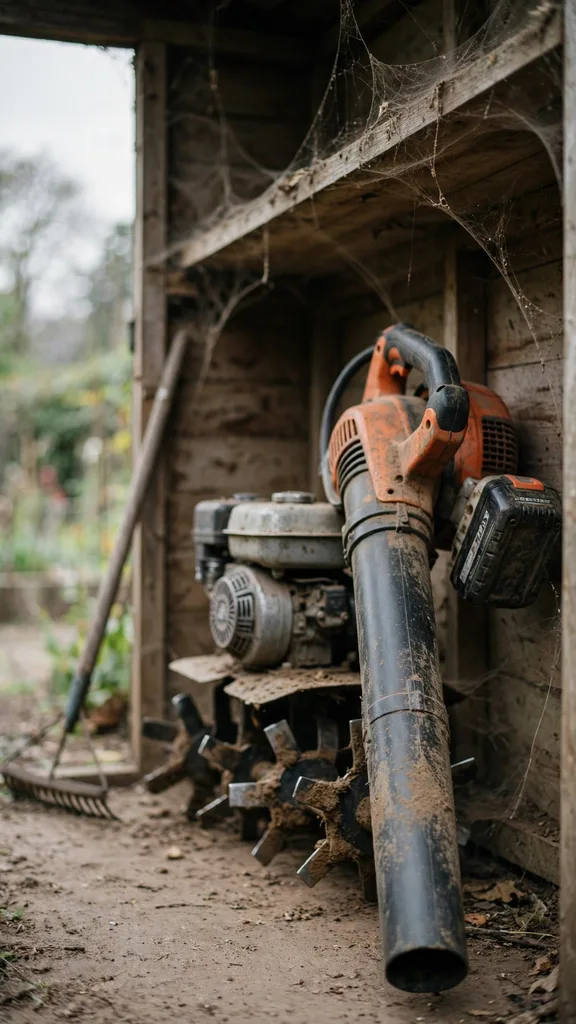
- Loppers: buy when a shrub outgrows pruners. The same guide puts loppers at branches 3.8 cm thick, and a branch that size is rare in a first-year bed.
- Pruning saw: buy with the loppers, not before. A saw earns its place once a branch passes pruner size.
- Tiller: hire one for a new bed, then return it. A fork turns an existing bed in an afternoon, and a hired tiller leaves the shed empty the rest of the year.
- Leaf blower: a rake does the job.
A tiller bought for one bed sits in the shed and rusts. The fork does the same bed in an afternoon.
Clean and Store Tools So They Last
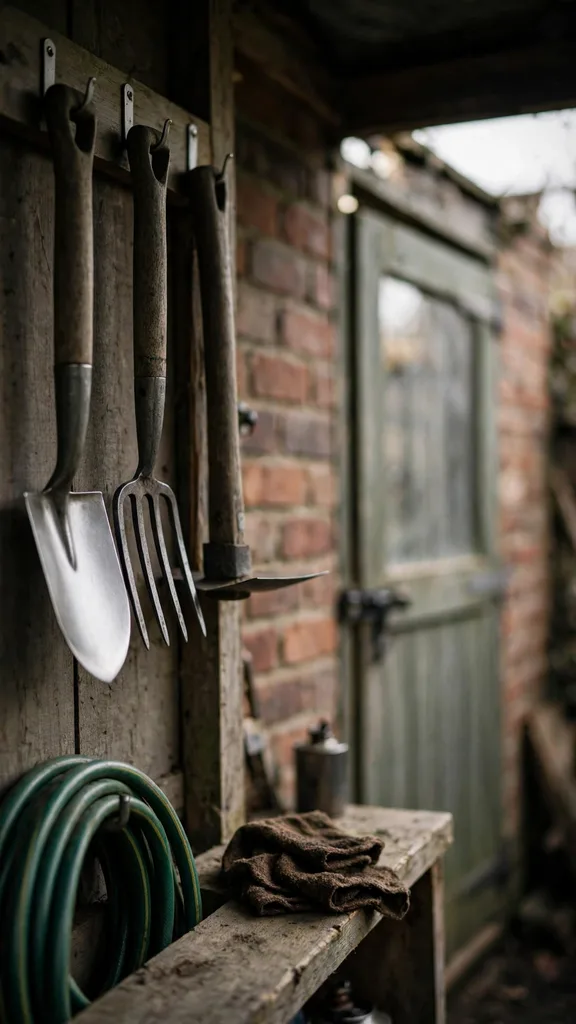
Knock the soil off after each use and let the metal dry before the tool goes back in the shed. Dried soil holds moisture, and moisture rusts the blade. Wipe the metal with a little oil before winter storage. Hang long tools on wall hooks so the blades stay off the floor and the edges stay sharp.
The University of Minnesota Extension tool cleaning guide lists 70% rubbing alcohol as the disinfectant for pruners and small tools, and it says to clean tools in the fall before storage and again after cutting diseased plants. Wash the sap off with soap and water first: dirt left on the blade blocks the disinfectant.
A dirty blade carries disease to the next plant. A clean blade does not.
Frequently Asked Questions About Garden Tools for Beginners
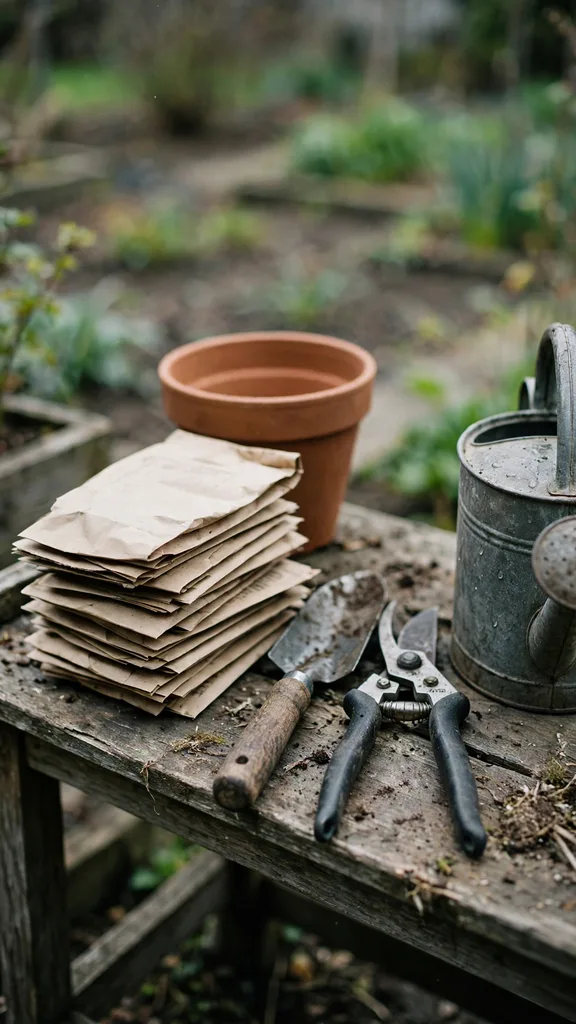
Buy bypass pruners, a hand trowel, and a watering can first. Pruners cut stems and deadhead flowers, the trowel plants seedlings and bulbs, and the can waters them without flattening the soil. Add a spade and a fork next, when the beds grow past containers. Those 3 tools cover the first month of work in a small garden.
Buy bypass pruners. One blade slides past the other like scissors, so the cut on a live stem stays clean and closes fast. Anvil pruners press a blade onto a flat plate, which crushes live tissue and leaves a wound that stays open. Keep anvil pruners for dead wood only, where the crush does no harm to living tissue.
Spend the least on the trowel and the hoe, and the most on pruners and the spade. Those two tools take the hardest work, so a forged blade and a solid handle pay off over years of use. Prices shift by store and season, so this page gives cost bands instead of shelf prices. Check the band in the comparison table before you buy.
Knock the soil off, wash the blade with soap and water, and let the tool dry before storage. Dried soil holds moisture and rusts the metal, so a quick wash after each use beats a long repair later. Wipe pruner blades with rubbing alcohol after cutting diseased plants, and oil the metal before winter. Store tools dry, hung up in a shed.
Yes. Seven hand tools dig, cut, water, and haul everything a small garden needs in its first year. Power tools save time on large ground, but they add fuel, noise, and maintenance that a beginner does not need yet. Start with hand tools, learn the jobs, and add power only when a job proves too big for muscle alone.