Fork 2 spadefuls of compost into the top 20.3 cm of a tired bed. An amendment is any material you mix into soil to make it better, and the material follows the problem. An amendment is compost for structure, lime for acid, sulfur for alkaline ground.
Fertilizer feeds the plant, and an amendment fixes the soil. Compost feeds microbes and builds crumbs. Lime raises pH, and sulfur lowers it. Perlite opens drainage, and gypsum loosens sodic ground. Each material has one job.
The wrong amendment wastes money and harms the bed. Sand in clay sets like concrete, and lime on alkaline ground locks iron tighter. Match the material to the test, and the bed answers in one season.
| Point | Detail |
|---|---|
| Definition | Material mixed into soil to improve it |
| Organic | Compost, manure, leaf mold, coir |
| Mineral | Lime, sulfur, gypsum, perlite, sand |
| First step | Soil test, before you buy |
| Depth | Work into the top 20.3 to 30.5 cm |
| Worst mistake | Amending without a test |
What Is an Amendment?
An amendment is a material that improves soil physically or chemically, making it more suitable for plant growth, according to the University of California Cooperative Extension soil amendments guide. Fertilizers are materials that contain useful amounts of nutrients for plants, and amendments are materials that change the ground itself. Compost improves structure by feeding microbes, and lime and elemental sulfur change pH without changing structure.
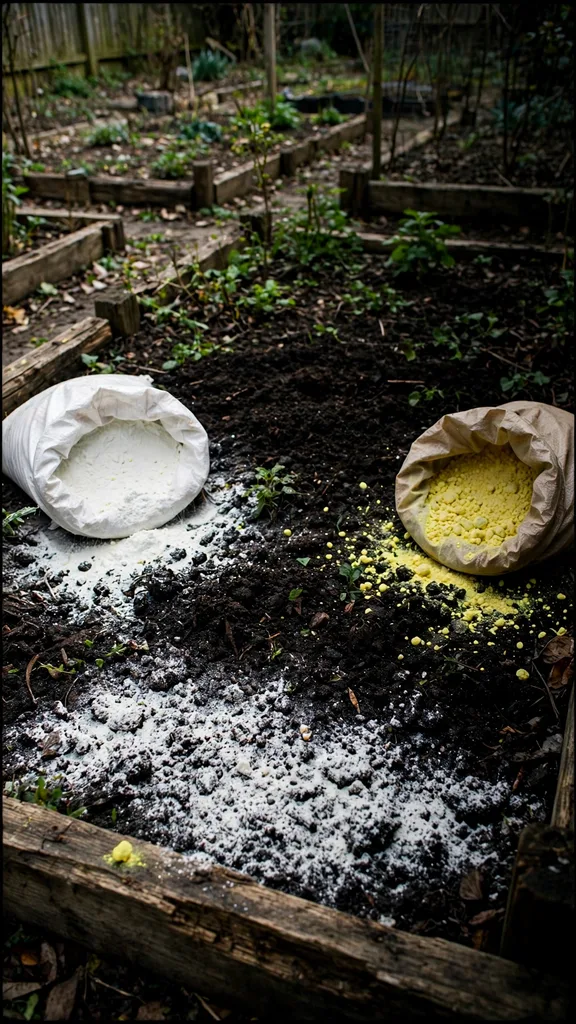
Amendments split into 2 groups: organic and mineral. Organic amendments come from something that was alive, and they include compost, aged manure, leaf mold, and coir. Mineral amendments are mined or made, and they include lime, sulfur, gypsum, perlite, and sand. Organic amendments feed soil life, and mineral amendments fix one chemical or physical problem at a time.
An ideal soil texture holds equal parts of sand, silt, and clay, and that mix is called loam, according to the University of Illinois Extension starting a garden guide. Most gardens start far from that balance, and the amendment moves the bed toward it. Compost moves any soil toward loam behavior, and lime or sulfur moves the pH toward the band the crop needs.
How an Amendment Works
An amendment works by changing what roots meet in the ground. Compost feeds microbes, and the microbes glue minerals into crumbs. The crumbs hold pores, and the pores hold water and air in balance. A bed with crumbs drains after rain and stays damp through a dry week, while a bed without them ponds and crusts.
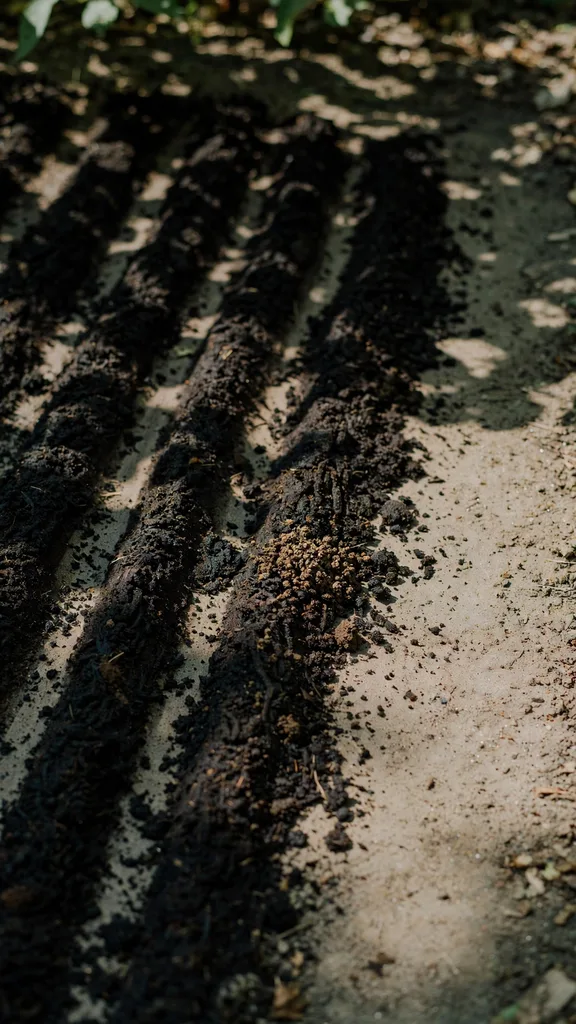
Lime works by chemistry, and it dissolves slowly into the soil water. The carbonate neutralizes hydrogen ions, and pH rises over months. Sulfur works by biology, and soil bacteria turn it into sulfuric acid over months. Both need time, moisture, and warmth, and neither works at once. A fall application sets up spring planting, and a spring application shows late in the season.
Perlite and sand work by physics, and they open pores in heavy ground. Perlite is light volcanic glass, and it holds air in the mix. Sand is heavy, and it opens pores only in large amounts. Gypsum works on sodic ground, where sodium breaks crumbs apart, and it has little effect on ordinary clay. The material follows the problem, and the problem follows the test. The gardening glossary lists the soil terms that share this ground, and amendment is the word that covers them all.
Amendment vs Fertilizer
| Trait | Amendment | Fertilizer |
|---|---|---|
| Job | Improve the soil | Feed the plant |
| Works on | Structure, drainage, pH | Nutrient levels |
| Speed | Seasons, for most materials | Days to weeks |
| Label numbers | None, or a pH effect | N-P-K percentages |
| Main examples | Compost, lime, sulfur, perlite | 10-10-10, urea, bone meal |
| Worst mistake | Amending without a test | Feeding without a test |
An amendment and a fertilizer look alike in the store, and they work differently in the bed. An amendment changes the ground: its structure, its drainage, or its pH. A fertilizer changes the nutrient supply: nitrogen, phosphorus, and potassium in exact amounts. Compost blurs the line, because it feeds microbes and adds nutrients at once, and it still counts as an amendment first.
The test decides which one the bed needs. A bed at pH 5.5 with plenty of phosphorus needs lime, and fertilizer on that bed wastes money while the roots starve. A bed at pH 6.5 with low potassium needs fertilizer, and lime on that bed pushes pH past neutral for no gain. Fix the ground first, and feed the plant second.
How to Choose and Measure an Amendment
Start with a soil test, and read the whole report. The test gives pH, nutrient levels, and organic matter, and each number points at a material. Low organic matter points at compost. Low pH points at lime. High pH points at sulfur. Low potassium points at fertilizer, and the amendment list stays empty. The test is the shopping list, and the store is the second stop.
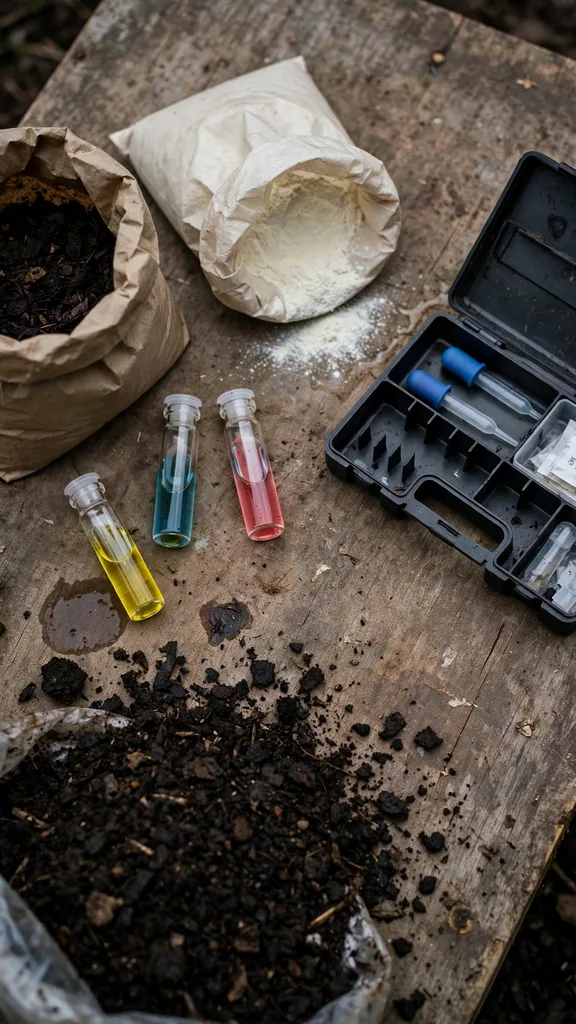
Measure the dose by area, and spread it evenly. A 5.1 cm layer of compost over a bed, forked into the top 20.3 cm, lifts organic matter through the season. Lime and sulfur go on at the lab rate, weighed on a kitchen scale, and never by eye. A heavy hand with lime locks iron for years, and a heavy hand with sulfur burns roots.
Work the amendment into the top 20.3 to 30.5 cm, and water the bed after. Surface dressing feeds the top crust, and the roots live deeper. A fork turns compost in without breaking crumbs, and a tiller breaks them. Water carries lime and sulfur into the root zone, and dry granules sit on the surface.
Common Mistakes With Amendments
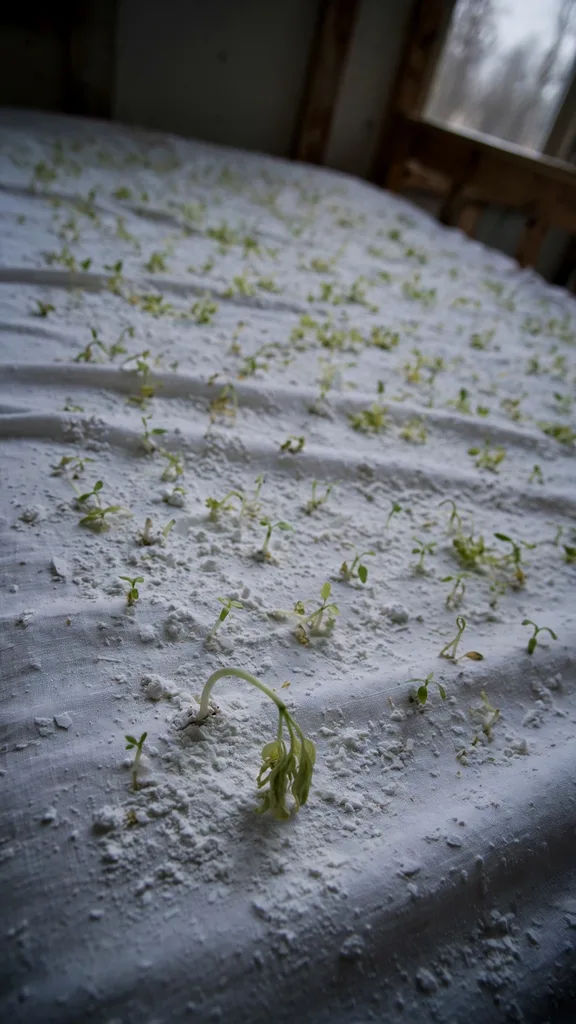
- Amending without a soil test. The test names the problem, and the store sells a material for every problem, including ones your bed never had. Test first, and buy only what the test calls for.
- Adding sand to clay. Sand plus clay plus water sets like concrete, and the bed drains worse than before. Compost opens clay, and sand does the opposite job.
- Liming a bed that never needed it. Lime on a bed already at pH 6.8 pushes it past neutral and locks iron and manganese. Test first, and lime only on the lab rate.
- Burying the amendment too deep or too shallow. Surface dressing feeds the crust, and a deep trench misses the roots. Work it into the top 20.3 to 30.5 cm, where the feeding roots live.
- Expecting one application to last forever. Compost breaks down in a season, and lime washes out over years. Feed compost each fall, and retest pH each fall to catch the drift.
When an Amendment Matters in Your Garden
An amendment matters most when you build a new bed, because the ground you start with shapes every season after. A new bed on clay needs compost forked in before the first seed, and a new bed on sand needs compost to hold water. The amendment sets the bed up, and the plants prove it in the first season.
It matters at the season change, when the soil test comes back. A fall test sets the winter work: lime for acid beds, sulfur for alkaline beds, and compost for every bed. The winter does the reacting, and spring planting starts on fixed ground. A spring test leaves you planting into ground that has not changed yet.
Seasonal soil work has its own home, and that job is different from this definition. The spring garden soil amendments guide covers the seasonal round: what to add each spring, and in what order. This page stays on the word itself: what an amendment is, and how to pick one. Compost is the amendment most beds need first, and learning how to set up a compost bin keeps a steady supply on hand for every bed, every season.
FAQ
Compost is the best soil amendment for most beds, because it improves structure, drainage, water holding, and nutrient supply at once. A 5.1 cm layer forked into the top 20.3 cm feeds microbes and builds crumbs. Lime, sulfur, and gypsum fix single problems, and each one needs a soil test first. Start with compost, and add the rest only on a lab rate.
Add a 5.1 cm layer of compost to each bed every fall, and fork it into the top 20.3 cm. A bed low in organic matter takes a thicker layer, and a bed rich in compost takes less. The lab test shows organic matter as a percent, and the number climbs slowly with steady compost. Never skip a season, because compost breaks down within a year.
Lime is a soil amendment for acid ground. Ground limestone is calcium carbonate, and dolomitic limestone adds magnesium beside the calcium. Lime changes chemistry without changing structure, and it needs 6 to 12 months to react fully. Apply it only on a soil test recommendation, because lime on alkaline ground locks iron.
Compost rarely harms a bed, and a very thick layer can tie up nitrogen for a few weeks while microbes break it down. A 5.1 cm layer each fall is safe for most beds, and thicker layers suit poor ground. Keep compost off plant crowns, and fork it in lightly. The bed gains a little each season, and the crumbs tell you first.